
Hops in Beer Brewing: Southern Star
Published: January 3, 2026 at 5:46:16 PM UTC
Southern Star is a South African dual-purpose hop with high alpha acids, offering juicy tropical fruit, citrus, pineapple, tangerine, and subtle spice/aroma notes. It works for bittering and late-addition flavor in pale ales and IPAs.
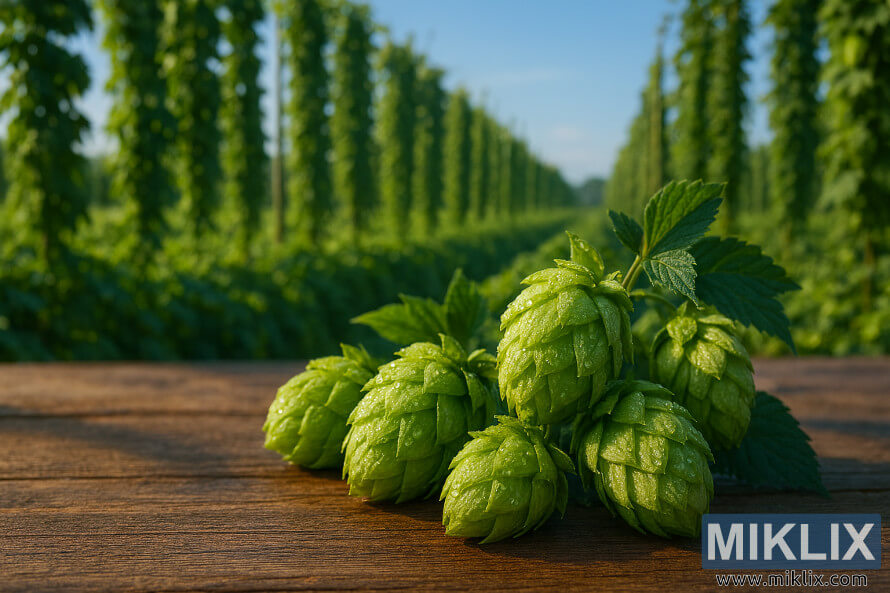
Click or tap the image for more information and higher resolutions.
Key Takeaways
- Southern Star hops (SST) is a dual-purpose South African variety useful for both bittering and aroma.
- The variety brings a distinct Southern Hemisphere character to American brewing recipes.
- Availability and price change by harvest year and supplier, including listings on Amazon.
- This article will cover origin, flavor, chemical profile, and best recipe uses for Southern Star.
- Ideal audience: U.S. homebrewers and professional brewers seeking unique hop options.
Introduction to Southern Star and its place in craft brewing
The Southern Star introduction marks a significant addition to the craft brewing world. This South African hop variety is part of a growing list of hops that excite brewers today. It serves as a dual-purpose hop, excelling in both bittering early in the boil and enhancing aroma and flavor in late additions.
The selection of craft brewing hops has expanded, moving beyond traditional American and European varieties. Hops from South Africa, like Southern Star, bring unique tropical, berry, floral, and citrus notes. These characteristics are particularly appealing in ales, lagers, and fruit-forward beers.
Brewers appreciate Southern Star for its versatility in the brewing process. It provides clean bitterness and vibrant aromatics. This makes it a versatile alternative to more common aroma hops, offering distinct flavor profiles.
The availability of South African hop varieties, including Southern Star, can vary by season and supplier. It is available in pellet and whole-cone formats from several reputable hop merchants. Prices and alpha-acid content can fluctuate based on harvest year and lot.
- Why brewers try Southern Star: tropical and berry character with dependable bittering strength.
- How it fits in a recipe: use as a bittering base, then layer late additions for aroma.
- Market fit: an eye-catching choice when brewers want distinct, nontraditional hop notes.
Understanding the Southern Star introduction is crucial for brewers looking to incorporate it into their recipes. For those eager to explore new hops, Southern Star offers both creativity and reliability in the brewing process.
Origin, genealogy, and growing region
The Southern Star hop variety originates from South Africa. Breeders chose a vigorous diploid seedling for its brewing potential. This seedling was the result of crossing the female Outeniqua hop with a male designated OF2/93. This cross defined the SST hop genealogy, endowing Southern Star with unique agronomic traits.
In the Southern Hemisphere, South African hops are harvested in late summer. This period usually spans from late February to March. For brewers in the United States, it's crucial to consider the counter-seasonal supply. South African harvests arrive at different times than those in the Northern Hemisphere.
The Breede River and Langkloof valleys in South Africa are prime hop growing regions. These areas boast the right climate and soils for consistent cone development. Southern Star is part of a group of South African hops that showcase local terroir and breeding excellence. These hops are prized for their flavor, yield, and disease resistance.
Understanding the SST hop genealogy is key for brewers and growers. It helps predict performance and flavor lineage. Knowing the Outeniqua hop parentage provides insight into aroma markers and growth habits. When sourcing hops, consider the harvest year and origin to ensure batch consistency across seasons.
Common flavor and aroma profile
The Southern Star flavor profile is centered on bright fruit and delicate florals. It excels when used late in the boil, whirlpool, or as a dry hop. This method brings out clear notes of pineapple, tangerine, and ripe tropical fruit. These enhance lighter ales, adding a refreshing touch.
Primary descriptors include pineapple, blueberries, passion fruit, and cassis. These flavors combine with pear and quince, creating a layered fruit character. The Southern Star aroma also features rose petal and subtle orange peel, adding an elegant floral edge.
For clean, efficient bittering, use hops early. Late additions bring out berry citrus floral hops, dominating the nose. In some beers, the hop can lean towards coffee or resinous spice, depending on the malt bill and yeast.
Brewers appreciate Southern Star for its dual-purpose balance. It offers firm bitterness while adding juicy, tropical hops top notes. Sensory variability is common; community tastings often report shifts between citrus-forward and pine-tinged impressions.
- Pineapple and tangerine — bright, juicy fruit.
- Blueberry and cassis — deeper berry tones.
- Rose and orange peel — light floral and citrus lift.
- Passion fruit and pear — tropical and stone fruit balance.
Adjust timing and dosage to favor bittering or aroma. Small changes in whirlpool temperature or dry hop amount will alter the Southern Star flavor profile and the perceived Southern Star aroma in the finished beer.
Brewing values and chemical profile
Southern Star alpha acids range from 12.0% to 18.6%, averaging 15.3%. This hop is ideal for beers needing mid-to-high IBUs without overpowering malt. It's a solid choice for ales and lagers.
The beta acids of Southern Star vary from 4.0% to 7.5%, averaging 5.8%. The alpha-beta ratio typically falls between 2:1 and 5:1, averaging 3:1. This ratio ensures steady isomerization and stability, making it perfect for early boil additions.
Cohumulone in Southern Star averages about 28%, ranging from 25–31%. This level adds a distinct spicy edge to the beer's bitterness, setting it apart from cultivars with lower cohumulone levels.
Total oils in Southern Star are 1.4–1.7 mL per 100 g, averaging 1.6 mL/100 g. This oil content supports late additions and dry hopping, enhancing the beer's flavor without compromising bitterness.
- Myrcene: 32–38% (avg 35%) — resinous, citrus, fruity notes.
- Humulene: 23–27% (avg 25%) — woody, noble, spicy facets.
- Caryophyllene: 10–14% (avg 12%) — peppery, woody, herbal accents.
- Farnesene: 8–12% (avg 10%) — fresh, green, floral hints.
- Other constituents (β-pinene, linalool, geraniol, selinene): 9–27% — layered floral and citrus top notes.
The oil composition of Southern Star balances myrcene and humulene, with caryophyllene and farnesene adding complexity. This mix allows brewers to adjust the beer's aroma and bitterness. Late additions enhance aroma, while early additions provide consistent bitterness.
When crafting recipes, consider the hop's chemical profile to complement malt and yeast choices. Use the alpha and beta values to adjust IBUs. The oil composition is key for targeting the desired aroma.
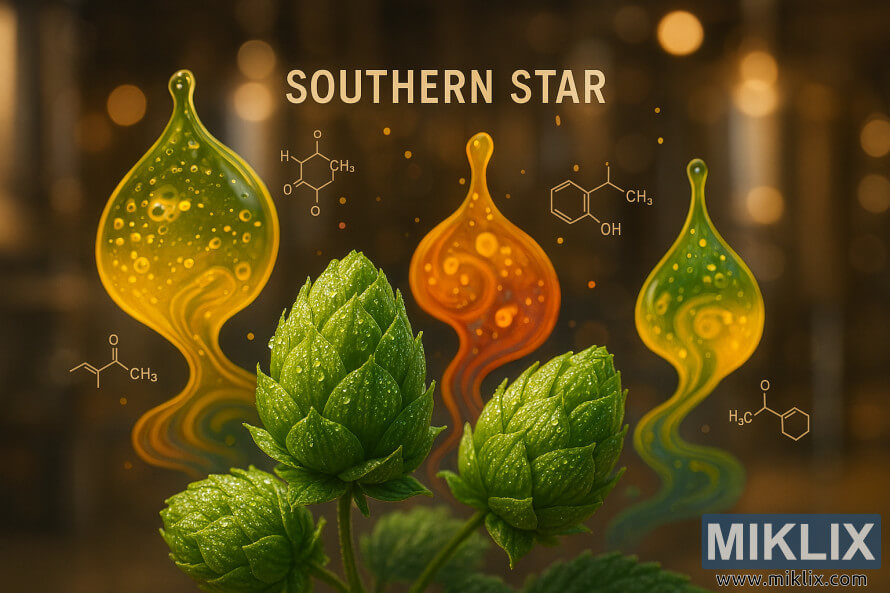
Click or tap the image for more information and higher resolutions.
How to use Southern Star in the brew schedule
Integrate Southern Star into your brew schedule to achieve a balance of clean bitterness and vibrant aroma. For bittering, add most of it early in the 60-minute boil. Southern Star's alpha acids range from 12–18.6%, ensuring a firm, measured bitterness. Its co-humulone content near 25–31% adds a slightly assertive bite.
To capture oils and maintain balance, split your Southern Star additions. Reserve 30–40% for the last 10 minutes or a whirlpool addition. This approach preserves volatile oils like myrcene and humulene, which contribute tropical fruit, citrus, and floral notes.
Utilize whirlpool Southern Star at temperatures between 170–180°F for 10–30 minutes. This method extracts aroma without pulling harsh vegetal character. Adjust the contact time to control intensity, depending on the beer style and batch size.
Consider dry hopping with Southern Star to enhance pineapple, passion fruit, and berry flavors. Dry hopping highlights volatile esters that survive fermentation. The perception of these flavors can vary, so blending with supporting varieties may be necessary to stabilize the aroma profile.
Dual-purpose schedules are effective for both home and professional brewers. For example, allocate 60% for early additions for bitterness, 20% at 10 minutes, 10% in the whirlpool, and 10% as a dry hop. This strategy leverages Southern Star's bittering while securing floral and tropical top notes.
There are no cryo or lupulin formats available for Southern Star. Plan your recipe using either pellet or whole-cone forms. Consider the different utilization rates between pellet and whole hops when finalizing your hop schedule for Southern Star.
- Early (60 min): primary bittering with Southern Star additions.
- Late (10 min): retain some aroma and flavor.
- Whirlpool: whirlpool Southern Star for strong tropical and citrus lift.
- Dry hop: dry hop Southern Star to maximize fruit-forward aroma.
Best beer styles for Southern Star hops
Southern Star hops excel in hop-forward ales, where their tropical and tangerine aromas take center stage. They are best used in India Pale Ales with split additions. This method allows for building bitterness early and enhancing aroma later. Many brewers find the perfect balance in Southern Star IPAs, focusing on late kettle and dry-hop additions.
Pale ales and cream ales benefit from Southern Star's fruity character without overpowering the malt. A balanced grain bill showcases pineapple and orange peel in the glass. Moderate hopping rates ensure the beer remains balanced and easy to drink.
Amber ales and brown ales can incorporate Southern Star as a complementary hop. Adding it late enhances citrus and floral notes while preserving malt flavors. This approach prevents hop dominance in milder recipes.
Fruit beer hops pair well with adjuncts like passionfruit, tangerine, or raspberry. Southern Star in fruit-forward beers amplifies natural fruit aromas. This blending of hop aroma and real fruit creates a cohesive tropical layer.
Pilsners and pale lagers benefit from Southern Star's subtle orange or floral hint. Late hopping or whirlpool additions give American-style Pilsners a fresh twist without upsetting their crispness.
Dark beers such as stouts and porters can incorporate Southern Star as a nuanced accent. Low-rate additions introduce fleeting fruit or floral edges that add complexity to roasted and chocolate notes. A measured addition makes a Southern Star stout interesting without clashing with roast.
- IPAs and Pale Ales: emphasize late additions and dry hopping for bright aroma.
- Fruit Beers: match with tropical adjuncts to reinforce fruity character.
- Lagers and Pilsners: use sparingly for a light floral or orange lift.
- Stout and Porter: add small amounts for subtle top notes.
Adjust hopping rates and timing to match style goals. For hop-forward recipes, push aroma additions. For malt-focused beers, reduce rates and favor late, low-temperature hops. This approach lets Southern Star contribute without overpowering the base beer.
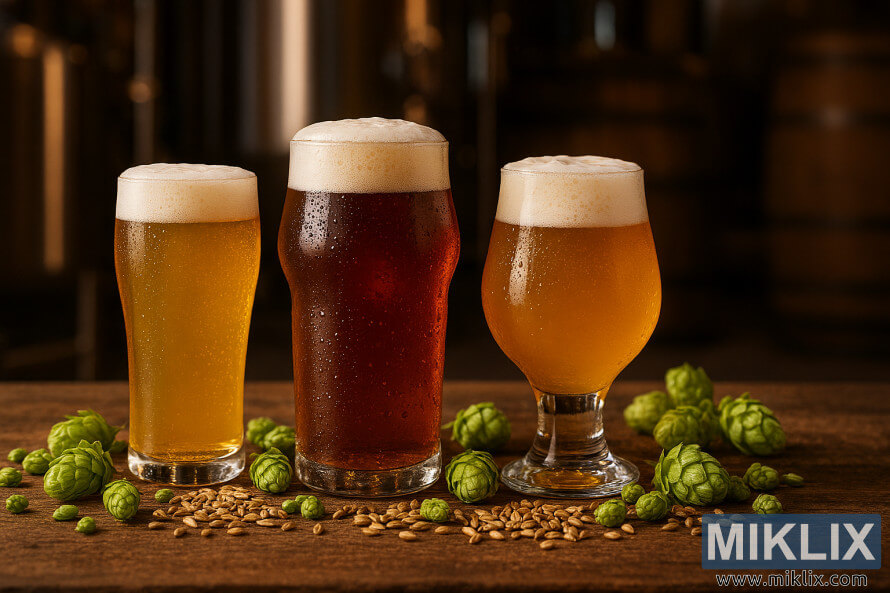
Click or tap the image for more information and higher resolutions.
Common hop pairings with Southern Star
Southern Star hop pairings frequently revolve around three key players. Mosaic Southern Star, Ekuanot Southern Star, and El Dorado Southern Star are staples in IPA and pale ale formulations.
Mosaic is renowned for enhancing berry and tropical notes. It crafts a hop profile that's both complex and balanced, adding layers of fruit and resin without dominating the beer's base.
Ekuanot serves as a counterpoint with its herbal and citrus nuances. It complements Southern Star's tropical fruitiness, adding green, citrus, and tropical flavors.
El Dorado introduces a burst of bright, candy-like stone fruit and tropical notes. It pairs exceptionally well with Southern Star, delivering a vibrant fruit-forward experience.
- For bittering, Warrior is ideal as it doesn't overshadow Southern Star's aroma.
- For aroma blends, combine Mosaic, Ekuanot, and El Dorado in late additions for a rich fruit and herb profile.
- For balanced IPAs, use a neutral bittering hop, then double-crash Southern Star with Mosaic in late whirlpool and dry-hop additions.
Practical pairing advice emphasizes harmony. Focus on enhancing tropical, citrus, or berry aspects while maintaining controlled IBUs with a neutral bittering hop.
Consider Mandarina Bavaria or Southern Cross as subtle aromatic complements. Experiment with small batches to discover the perfect Southern Star hop combinations for your recipe and desired flavor profile.
Substitutions and comparable varieties
When Southern Star is out of stock, brewers turn to proven substitutes that match its aroma and alpha profile. Mosaic and Ekuanot are great for late additions and dry hop work. They bring tropical, berry, and citrus flavors that mirror Southern Star’s essence.
El Dorado is a top choice for a bright, stone-fruit and tropical punch. It's perfect for replicating Southern Star's fruity lift in IPAs and pale ales. Mandarina Bavaria, on the other hand, offers a tangerine and sweet citrus flavor, ideal for adding a clear orange note.
Southern Cross serves as a Southern Hemisphere alternative, sharing traits for juicy, tropical beers. Warrior is best for bittering, focusing on alpha acids over aroma. It won't replicate Southern Star's complex aroma but will maintain the desired IBUs.
- Match alpha acids when swapping: adjust hop weight to keep IBUs steady.
- Compare oil composition: myrcene, humulene, and caryophyllene levels alter aroma impact.
- Taste-test small batches: trial substitutions in 1–2 gallon batches before scaling up.
Plan your additions based on the substitute's strengths. For Mosaic, focus on late boil and dry hop. With Ekuanot, split additions to enhance citrus and dank notes. For El Dorado, use whirlpool and dry hop to highlight fruit tones.
Monitor sensory results and hop inventories closely. Rotating between Mosaic, Ekuanot, El Dorado, Mandarina Bavaria, Southern Cross, and Warrior allows for flexibility. This approach helps maintain the beer's intended profile when seeking hops similar to Southern Star.
Click or tap the image for more information and higher resolutions.
Availability, purchasing, and forms
Brewers seeking Southern Star hops can find them through reputable hop suppliers and major online platforms. U.S. retailers often list Southern Star availability by harvest year and lot size. It's wise to compare offers before making a purchase.
Southern Star is available in pellet or whole cone forms. Pellet bales are favored by homebrewers and small breweries. Whole-cone bags are better suited for dry hopping and small-scale experiments.
Special lupulin concentrates like Yakima Chief Cryo, LupuLN2, Haas Lupomax, or Hopsteiner Cryo are not available for Southern Star. Currently, there are no lupulin powder or cryo-style versions. Thus, recipes should be planned around pellets or whole cones.
- Check harvest year. South African hops are harvested in late February to March. Aroma and alpha values shift by year.
- Confirm stock levels. Seasonal and single-harvest lot limits create variable Southern Star hop availability.
- Ask suppliers about storage and pack dates to assess freshness before you buy Southern Star hops.
Reputable hop suppliers accept various payment methods, including Visa, Mastercard, American Express, Discover, PayPal, Apple Pay, Google Pay, and Diners Club. Most ensure secure payments without storing full card details. Always check shipping windows to avoid delays.
For consistent supply, contact multiple hop suppliers and place orders early in the buying season. Early planning helps avoid shortages of Southern Star pellets or whole cone for crucial batches.
Practical recipe examples and single-batch plans
Here are small plans for testing Southern Star in homebrew and professional batches. Each plan outlines hop timing, intent, and scaling notes for a 5-gallon single-batch. These examples are designed for quick adaptation and experimentation.
Bittering-first approach
This method aims to create a clean bitter backbone while controlling aromas. Most of the hop bill Southern Star is added in the 60-minute boil. The alpha acid content is typically around 15%. IBUs are calculated based on alpha acid number and kettle utilization. A small late addition is reserved for balance.
Split-addition approach
This approach seeks to balance bitterness and aroma. The typical split is 60% bittering, 20% late/whirlpool, and 20% dry hop. The total Southern Star weight is kept consistent across these additions. Late/whirlpool temperatures around 180–200°F enhance tropical and berry notes. Dry hopping for 3–5 days brings out pineapple and tangerine flavors.
All-aroma approach
This method focuses on hop-forward pale ales and IPAs. Early additions are minimized, with most Southern Star going into whirlpool and dry hop. This results in brighter pineapple, passion fruit, and tangerine flavors. Since Southern Star lacks lupulin concentrate, pellet weight is increased compared to cryo equivalents.
When substituting Mosaic, Ekuanot, or El Dorado, match the aroma timing and adjust early bittering hops like Warrior to hit target IBUs. If using a different bittering hop, calculate the swap by alpha acids, not volume.
Scale with the supplier lot alpha acid percentage. Use this percentage to compute hop weights for your target IBUs. Consider kettle size and expected utilization; smaller kettles may show higher utilization than large systems.
Since Southern Star lacks cryo or lupulin concentrate, increase pellet or whole hop amounts slightly to achieve the same aromatic punch. Keep track of additions in your brew log to refine the Southern Star IPA recipe and future batches.
- Example 5-gallon template for a balanced IPA:
- 60% bittering Southern Star at 60 minutes, 20% whirlpool at 10 minutes, and 20% dry hop for 4 days. Adjust weights by alpha acid to hit 50–60 IBUs.
- Example single-hop pale:
- Minimal 60-minute addition for light bitterness, heavy whirlpool, and two-stage dry hop using hop bill Southern Star to showcase fruit tones. Aim for 25–35 IBUs.
Keep detailed notes on alpha acid values, addition timing, and perceived intensity. These records will aid in refining the Southern Star single-batch plan and achieving repeatable results.
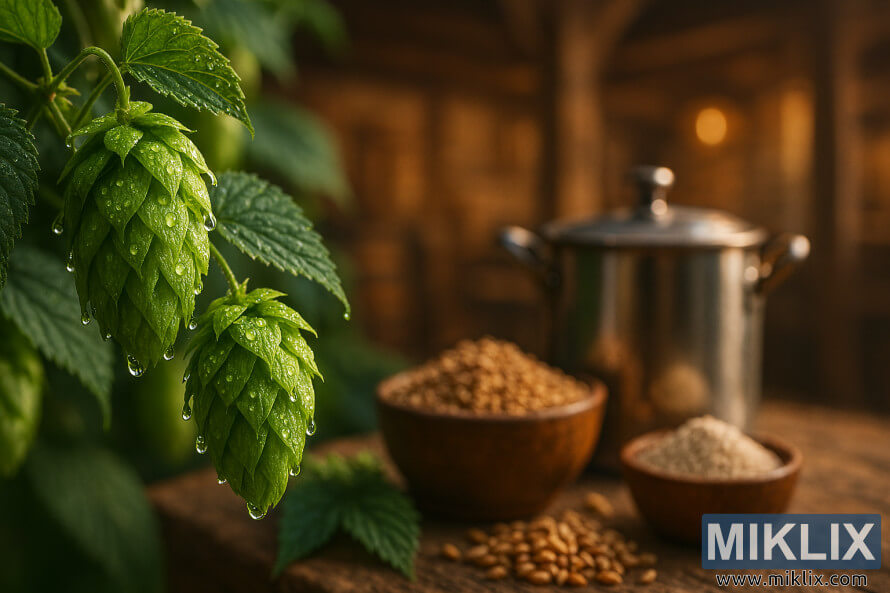
Click or tap the image for more information and higher resolutions.
Tasting notes, sensory evaluation, and community feedback
Recorded Southern Star tasting notes reveal a variety of flavors, including pineapple, tangerine, and passion fruit. Quince, pear, cassis, and rose petals are also noted, along with a hint of coffee roast. Tasters often mention blueberries and tropical fruits in lighter ales. These descriptions serve as a useful guide for recipe planning.
Community feedback on hops from brew meetups reveals significant perception differences. Some drinkers detect strong citrus and floral notes, while others identify resinous pine or spice. This diversity reflects the complex nature of Southern Star sensory experiences.
Experienced evaluators stress the importance of detailed descriptions when tasting Southern Star hops. It's crucial to specify the type of citrus, the ripeness of fruit, and the intensity of floral notes. This level of detail helps brewers align their expectations with the actual results.
- Run single-hop test batches to isolate the aroma and flavor.
- Compare head-to-head with Mosaic, Ekuanot, and El Dorado for reference.
- Note how malt bill, yeast, and fermentation temp reshape the profile.
A practical tip from community feedback hops is to blend and stage hops to achieve the desired traits. Early additions can mute fruit flavors, while late whirlpool and dry hop additions enhance citrus and tropical fruit notes. Adjusting hop rates can also reduce unwanted pine or resin notes.
When documenting Southern Star sensory results, it's essential to record the beer matrix, hop lot, and tasting conditions. Collecting this data helps refine hop usage in recipes, benefiting both commercial and homebrewers.
Handling, storage, and quality tips for hop freshness
To preserve aroma and alpha acids, keep hops cold and dry. For Southern Star hops, use vacuum-sealed containers or nitrogen-purged bags. Store them in a refrigerator or freezer as soon as possible.
Controlling the storage temperature is crucial to slow down oil loss. A consistent fridge or freezer at near 0°F (-18°C) helps prevent oxidation. This maintains the hop's quality compared to storing them at room temperature.
Always check the harvest dates and lot numbers before purchasing hops. Fresh harvests offer brighter myrcene and humulene notes. Therefore, opt for recent lots when aroma is a priority.
- Pellets are simpler to store and retain usable oils longer than whole-cone hops.
- Whole-cone hops provide subtle aromatic nuances but require gentler handling and quicker use.
Minimize oxygen exposure when opening packages. Re-seal bags, use clip seals, or transfer hops to vacuum-sealed containers after opening. This helps extend the hop's shelf life.
Plan your inventory with hop freshness in mind. Maintain a small stock of recent-harvest hops for late additions and dry hopping. These are where aroma impact is most significant.
- Use early-boil additions for bittering and late additions or dry hops for aroma.
- Add Southern Star in whirlpool or during dry hop to preserve volatile oils.
- Avoid leaving hops at room temperature between packaging and use.
On brew day, handle hops gently and add them late for bright floral and fruit characters. Adhere to these tips to maximize the impact of Southern Star in aroma-driven beers.
Conclusion
Southern Star summary: This South African hop combines robust bittering with a complex oil profile. It leans heavily on myrcene and humulene. Alpha acids range from 12–18.6%, averaging around 15.3%, and oils average 1.6 mL/100g. Its aroma notes include tropical fruit, berry, citrus, floral, and even light coffee, offering brewers a wide range of options.
Best uses Southern Star include split-addition schedules. Early additions provide clean bitterness, while late or whirlpool additions add complex aroma. It excels in IPAs, pale ales, and fruit-forward beers. It also complements lagers and darker styles with a delicate touch. Pairing it with Mosaic, Ekuanot, and El Dorado enhances tropical and berry flavors.
South African hop summary for purchasing: Southern Star is available from various malt- and hop-focused suppliers. However, lupulin or cryo forms are less common. It's important to check the harvest year—South Africa harvests from late February to March—and the supplier lot for freshness. Store hops cold and sealed to preserve their aroma and shelf life.
Southern Star conclusion: For brewers looking for a unique Southern Hemisphere hop, Southern Star is a standout. It offers a rich aroma and reliable bittering in one variety. Experiment with split additions and complementary varieties to showcase its tropical, berry, and floral aspects while maintaining balance in the final beer.
Further Reading
If you enjoyed this post, you may also like these suggestions: