
Fermenting Beer with White Labs WLP005 British Ale Yeast
Published: December 21, 2025 at 10:14:08 PM UTC
White Labs WLP005 British Ale Yeast is a favorite among homebrewers for traditional English ales. Notably, the strain excels with malty recipes, particularly those using Maris Otter, Golden Promise, and other floor-malted barleys.
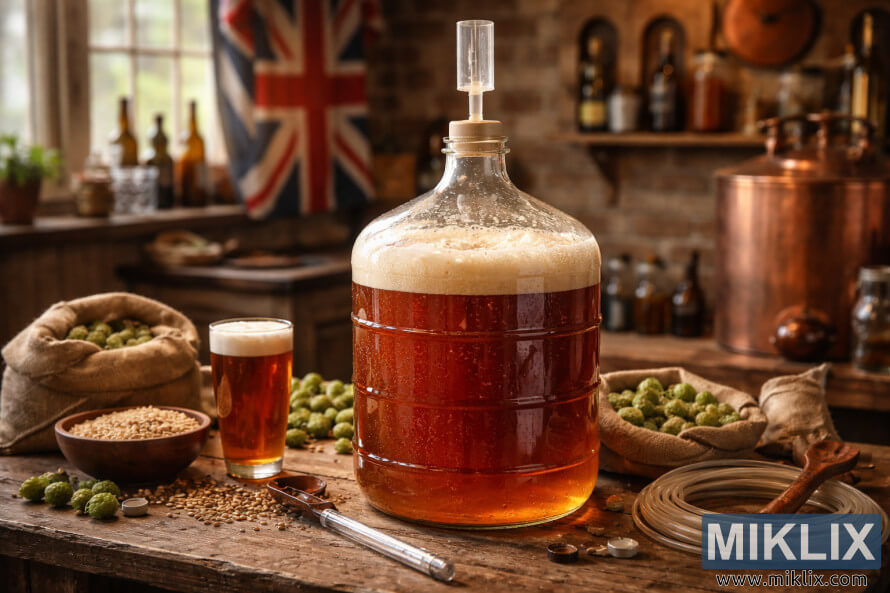
Click or tap the image for more information and higher resolutions.
Key Takeaways
- WLP005 British Ale Yeast is ideal for malty English ales and traditional malt bills.
- Part No. WLP005 and STA1 QC Result: Negative are core identifying details.
- Fermenting with WLP005 yields balanced esters and a soft malt profile when managed properly.
- Expect practical guidance on pitching, temperature control, and conditioning in the full review.
- This WLP005 review aims to help U.S. homebrewers choose and use the strain confidently.
Overview of White Labs WLP005 British Ale Yeast
WLP005 is a classic strain, beloved by many homebrewers and craft breweries. It's known for its clean, bready character. This supports malt-forward English beers, ensuring a balanced flavor without overpowering hops or malt.
White Labs yeast specs reveal an attenuation of about 67%–74% and high flocculation. This means you can expect a clear beer after conditioning. The cells settle well, resulting in a bright final product.
The British ale yeast profile showcases mild ester production, adding subtle fruit notes. It leans towards grainy, biscuit-like flavors. These characteristics are perfect for English bitters, pale ales, and brown ales.
- Fermentation range: 65°–70°F (18°–21°C) as per White Labs yeast specs.
- Alcohol tolerance: medium, roughly 5–10% ABV, so it performs best in standard-strength English styles.
- Flocculation: high, aiding in rapid clearing and easier racking or packaging.
White Labs suggests using WLP005 for English Bitter, Pale Ale, Porter, Stout, and Old Ale. For higher gravity beers, consider larger starters or blended techniques to achieve the desired attenuation.
When planning recipes, refer to the WLP005 overview. Match the malt bill and fermentation schedule to the British ale yeast profile. Small adjustments to temperature and pitch rate can enhance the yeast's strengths.
Why Choose White Labs WLP005 British Ale Yeast for English Ales
WLP005 is celebrated for its ability to bring out the bready, grainy flavors in traditional English malts. This includes malts like Maris Otter and Golden Promise. It enhances malt depth, ensuring that the base grains remain prominent.
The yeast's ester profile is mild, which helps maintain a classic English character in the beer. This characteristic is particularly beneficial for session bitters and classic pale ales. It ensures that the beer stays true to its traditional roots without becoming overly fruity.
Compared to WLP002, WLP005 exhibits slightly higher attenuation, resulting in a drier finish. Yet, it preserves a robust malt backbone. This makes it ideal for crafting balanced bitters, robust porters, and amber ales that are full-bodied yet not cloying.
WLP005's versatility is another of its key strengths. It can handle a wide range of gravities, from low-strength session beers to stronger old ales and barleywines. It operates within a medium alcohol tolerance. This versatility makes it a reliable choice for brewers aiming for dependable malt clarity across various styles.
- Best with floor-malted barley and traditional English malts
- Subtle esters, clear malt focus
- Moderate attenuation for balance in bitters and porters
Fermentation Temperature and Management for Best Results
White Labs recommends fermenting WLP005 between 65°–70°F (18°–21°C) for the best results. This range ensures the classic English ale character that WLP005 is known for.
Fermenting at 65-70°F results in a malt-forward profile with minimal esters. If you aim for warmer temperatures, you might see increased attenuation and more fruity flavors. Choose a temperature that aligns with your style goals.
Using a dedicated fermentation fridge and a reliable controller makes temperature control easier. These tools help maintain a stable environment during fermentation. They prevent temperature fluctuations that can stress the yeast.
- Pitch healthy yeast and aim for vigorous activity within the recommended range.
- Monitor ambient conditions so heat from fermentation does not lift temperatures above target.
- Avoid exposing yeast to excessive heat during shipping or storage before pitching.
Primary fermentation should finish with attenuation near 67–74% when fermenting within the target range. Small temperature adjustments can influence the final character without altering the recipe.
For consistent batches, keep a log of temperatures and outcomes. Comparing data on fermenting at 65-70°F can help refine your process. It improves repeatability when using WLP005.
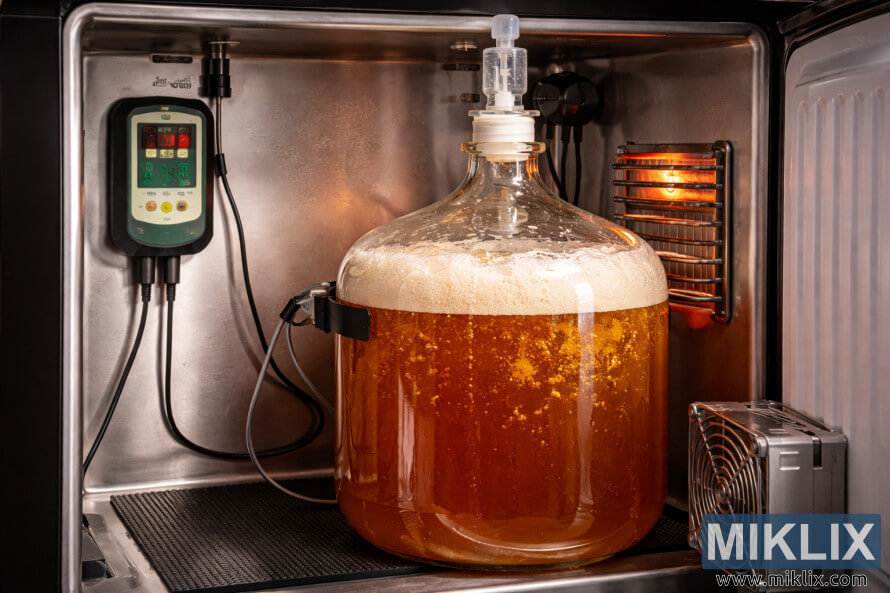
Click or tap the image for more information and higher resolutions.
Attenuation and Final Gravity Expectations
White Labs WLP005 typically shows a WLP005 attenuation range of 67%–74% on technical sheets. Use that range to estimate the beer's finish when planning recipes.
To calculate final gravity expectations, start with your original gravity and apply the attenuation range. A moderate OG beer will land drier than many English strains yet keep a malt-forward profile at the upper FG side.
For English bitters and pale ales, expect a balanced finish that pairs well with amber malts. In stronger styles such as old ale or barleywine, plan for more residual sweetness unless you lower your mash temperature to produce more fermentable wort.
- Adjust mash temp upward for fuller body and a higher final gravity expectations.
- Lower mash temp to promote fermentability and push toward the lower end of WLP005 attenuation.
- Account for priming and conditioning, which can slightly change gravity readings over time.
When targeting a precise FG, use a hydrometer or refractometer and treat target FG WLP005 as a guideline rather than an absolute. Small changes in mash profile, pitch rate, and fermentation temperature can shift gravity outcomes within the stated attenuation range.
Recipe planning benefits from this predictability. Brewers who want a drier finish should aim for a lower mash rest and vigorous fermentation. Those seeking malt sweetness can raise mash temperature or increase specialty malts to move the beer toward a higher final gravity expectations consistent with WLP005 attenuation.
Flocculation Behavior and Conditioning
White Labs WLP005 exhibits high flocculation, leading to yeast settling shortly after fermentation concludes. This characteristic aids in achieving a clearer beer during the conditioning and cold crashing phases. It results in a brighter product ready for packaging.
To optimize outcomes, allow the beer to rest at fermentation temperatures until activity diminishes. Then, transition it to a colder environment for conditioning WLP005. Cold conditioning significantly enhances clarity and promotes the formation of a dense yeast cake at the fermenter's base.
When bottling, it's crucial to rack gently to prevent disturbing the yeast cake. For kegging, cold conditioning beforehand minimizes suspended yeast and reduces oxygen intake during handling. Such meticulous transfers preserve yeast settling and diminish haze risks.
High flocculation typically results in a cleaner mouthfeel due to fewer yeast particles in suspension. For additional brightness, consider adding finings like Irish moss during the boil or extend cold conditioning to facilitate further settling.
- Expect rapid yeast settling after fermentation slows.
- Cold condition to enhance clarity before packaging.
- Avoid disturbing the yeast cake when racking or bottling.
Alcohol Tolerance and Style Selection
White Labs WLP005 is a medium ABV yeast, tolerating alcohol levels around 5%–10% ABV. This tolerance range is ideal for most English ale recipes. Brewers can anticipate steady attenuation and clean fermentation within this range.
Choose styles that complement the yeast's strengths. Classic English bitters, pale ales, brown ales, and porters are perfect for WLP005. These beers highlight the yeast's malt-forward profile without exceeding its alcohol tolerance.
For stronger beers, careful yeast management is crucial. Using WLP005 in old ales or high-gravity beers is feasible but demands larger starters, oxygenation, and staggered nutrient additions. Treat WLP005 as a medium ABV yeast when planning your mash and fermentation schedule.
Practical steps for high-gravity brews:
- Build a larger starter or use multiple pitches to increase cell count.
- Oxygenate wort thoroughly at pitching to support yeast health.
- Schedule nutrient additions during active fermentation for robust attenuation.
By aligning recipe gravity with WLP005's alcohol tolerance and selecting suitable styles, fermentation becomes cleaner, and flavors stay balanced. This makes the strain a dependable choice for traditional English ales and many medium-strength modern brews.
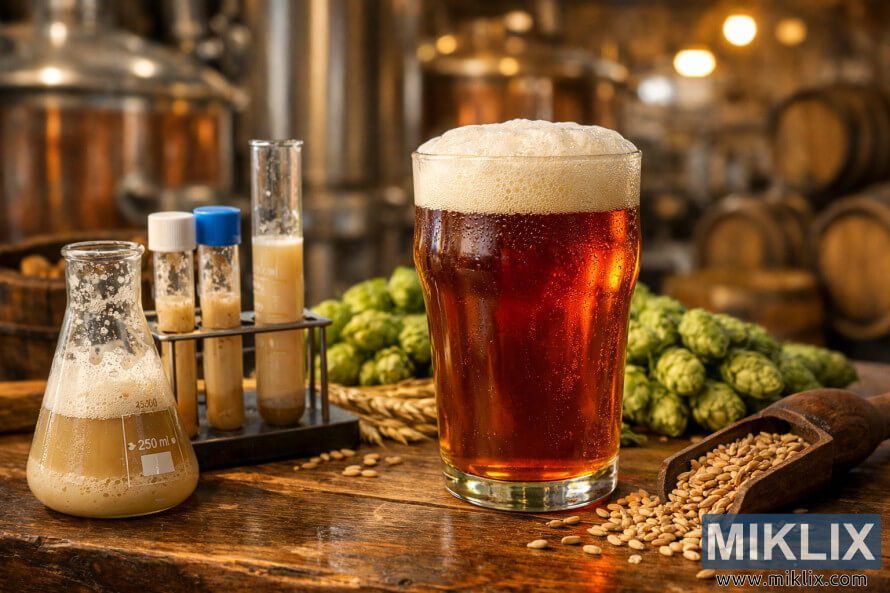
Click or tap the image for more information and higher resolutions.
Pitching Rates and Starter Recommendations
For a typical 5-gallon batch with moderate original gravity, aim for the cell counts suggested by homebrew calculators. Match your WLP005 pitching rate to beer strength and yeast age. Underpitching slows fermentation and can raise ester levels. Overpitching can mute character in English ales.
White Labs starter recommendation favors making larger starters when using older or chilled packs. For most homebrewers, a 1.0–2.0 L yeast starter WLP005 gives a solid boost in cell count and vitality. Scale the starter up for higher OG beers or when brewing multiple consecutive batches.
Follow this simple strategy:
- Use a homebrew calculator to find target cells based on OG and batch size.
- Create a 1–2 L starter for most 5-gallon ales to meet WLP005 pitching rate needs.
- Increase starter volume if the yeast pack is several months old or if OG exceeds 1.070.
Timing and viability matter. Order White Labs yeast early in the week to avoid weekend delivery delays. Avoid shipping during extreme heat spells. If viability is in doubt, make a slightly larger yeast starter WLP005 to ensure a healthy pitch.
Oxygenation before pitching helps yeast settle into fermentation quickly. Aerate or oxygenate wort to the proper level for your batch size. Good oxygenation reduces stress on cells and supports the WLP005 pitching rate targets, improving attenuation and consistency.
Hydration, Handling, and Shipping Considerations
When shipping yeast, timing and temperature are crucial. White Labs and many retailers warn that some strains may take 2–3 weeks to arrive. It's wise to order early in the week to avoid weekend delays that can extend transit times.
Before purchasing, check the local weather. Avoid ordering if temperatures are too high or if the transit time will exceed three days without cold protection. These precautions help minimize cell stress and ensure viability during shipping.
Follow the vendor's recommended handling for WLP005. Use pure pitch when the yeast is fresh and within its best-by date. If the shipment shows signs of warm transit or arrives late, prepare a starter to boost cell count and recovery.
When rehydrating, use clean, sanitized water at the temperature range advised by White Labs. Gentle handling and oxygenation aid in quick cell revival. For larger batches, creating a starter is recommended for consistent fermentation.
- Order early in the week to avoid weekend hold-ups.
- Choose overnight or two-day shipping in warm months.
- Consider a starter if transit exceeded 48–72 hours or yeast feels warm.
Supporting local supply chains is beneficial. Shops like Brewgrass Homebrew in Louisville, KY, ship nationwide and offer yeast, grain, hops, and equipment. Picking up from a nearby homebrew store reduces the risk of heat damage during shipping.
Document the condition of your yeast upon arrival and store it cold until use. Proper fridge storage and prompt pitching are key to maintaining performance. Clear handling steps for WLP005 ensure correct hydration and protect fermentation outcomes.
Recipe Ideas That Showcase WLP005
WLP005 excels in malt-forward English styles. An English Pale Ale can be crafted with Maris Otter as the base malt. Use a single infusion mash at 152°F and light East Kent Goldings hops. This method highlights bready malt and subtle fruity esters, keeping bitterness in check.
For a session Bitter, blend Golden Promise with a touch of crystal malt for color and caramel notes. Mash at 150–153°F to add body without heaviness. A healthy starter and fermentation in the low 60s will bring out the yeast's classic English character.
- Brown Ale: Floor-malted barley or darker crystal malts enhance toffee and nutty flavors.
- Porter: Keep hopping modest and emphasize dark malts for roasty, chocolate tones that WLP005 complements.
- Red Ale: Use a medium mash temp and Maris Otter for rich malt drive with clean yeast esters.
Scaling up to Old Ale or Barleywine requires larger starters and careful temperature management. WLP005 has medium alcohol tolerance. A stepped feeding schedule and extended conditioning prevent stalled fermentation and yeast stress.
In these WLP005 recipes, aim for moderate mash rests and subtle hopping. Let malt and yeast define the beer, with hops providing balance. These English ale recipes demonstrate how base malt and fermentation control lead to distinct, authentic results.
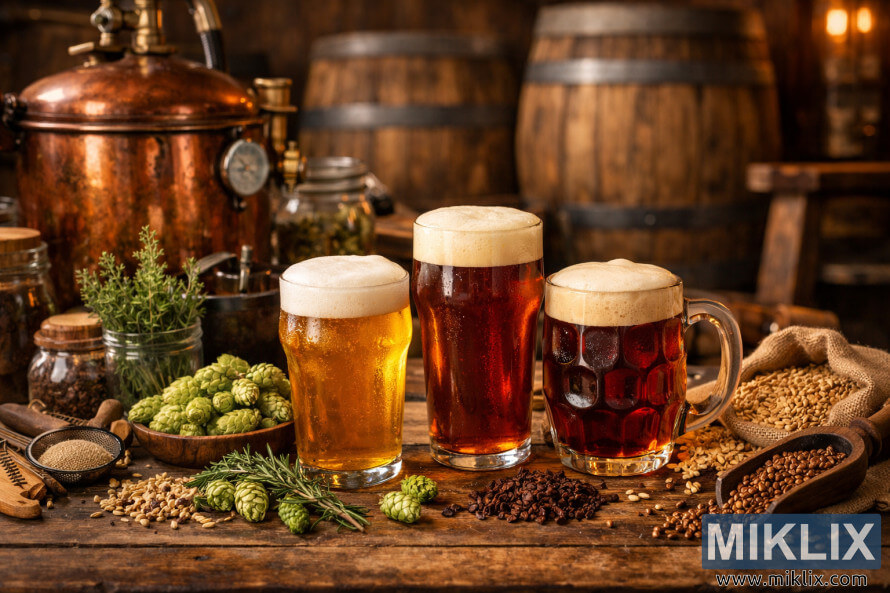
Click or tap the image for more information and higher resolutions.
Malt and Hop Pairings to Complement WLP005
WLP005 malt pairing begins with classic English base malts. Maris Otter and Golden Promise provide a firm biscuit and bread crust backbone. This lets WLP005's grainy, malty character shine through.
For traditional sessions, use floor-malted barley or a generous portion of Maris Otter with WLP005. These malts preserve the yeast's mild esters. They keep the beer full-bodied without masking the yeast profile.
- Light crystal malt: adds soft caramel and rounded sweetness for amber ales.
- Brown malt: introduces nutty complexity useful in old ales and bitters.
- Roasted barley: a small addition gives color and roast for porters and stouts.
When planning hop pairing for British ale yeast, choose restrained English varieties. Fuggle, East Kent Goldings, and Challenger provide earthy, floral, and mild spice notes. These support, not overwhelm, the malt and yeast.
For balance, keep late-hop aroma modest in malt-forward beers. A moderate bittering charge with subtle late additions protects the yeast’s bready flavors. This preserves drinkability.
- Session bitters: Maris Otter with WLP005, light crystal, Fuggle at 60 and a small late aroma.
- Amber ale: Maris Otter with WLP005, more crystal, East Kent Goldings for floral lift.
- English porter: Maris Otter with WLP005, roasted barley, Challenger for dry spice.
Maris Otter with WLP005 works well across styles. The malt offers clear grain notes while the yeast adds gentle fruit and bread. Follow a simple balance: let the malt and the hop pairing for British ale yeast support the yeast’s signature profile.
Fermentation Troubleshooting with WLP005
Any brewer can face the surprise of slow or stopped fermentation. For WLP005 troubleshooting, start by examining the pitch rate and oxygen levels. Underpitching or inadequate wort aeration often leads to stuck fermentation in batches with ordinary strength.
High original gravity puts additional stress on the yeast. If planning a big English strong ale, create a starter that matches the gravity. A vigorous starter reduces lag and minimizes the risk of fermentation issues British ale yeast faces in high-OG wort.
Temperature control is crucial. Maintain fermentation between 65°–70°F for clean attenuation. Running the fermenter too cool can lead to sluggish performance. On the other hand, heat spikes can introduce off-flavors and stress the culture.
Consider using nutrients for very high-gravity worts. Yeast nutrient or a DAP blend can help when fermentables exceed the yeast's comfort zone. Adding nutrients can revive a sluggish batch from a stuck fermentation WLP005.
- Check gravity readings twice to confirm a true stall.
- Rouse the yeast gently or warm the fermenter a few degrees to reawaken activity.
- Pitch fresh, active yeast as a last resort if viability is doubtful.
Clarity and flocculation can sometimes be a challenge for brewers. WLP005 has high flocculation, yet haze may persist due to chill haze or packaging transfers that re-suspend yeast. Extended cold conditioning often clears the beer.
Be careful with transfers. Slow siphoning and avoiding strong agitation reduce suspended yeast and help the beer drop bright. If haze persists, try a short diatomaceous earth or fining trial in the next keg or bottle run.
Protect yeast viability during shipping. Avoid ordering during heat waves or long transit times. Use reliable local suppliers such as Brewgrass Homebrew in Louisville, KY, or other nationwide ship-ready shops to cut transit stress and limit fermentation issues British ale yeast can experience from weakened packs.
Keep a simple troubleshooting checklist on hand. Verify pitch rate, oxygenation, temperature, and yeast age first. These steps resolve most WLP005 troubleshooting scenarios without complex fixes.
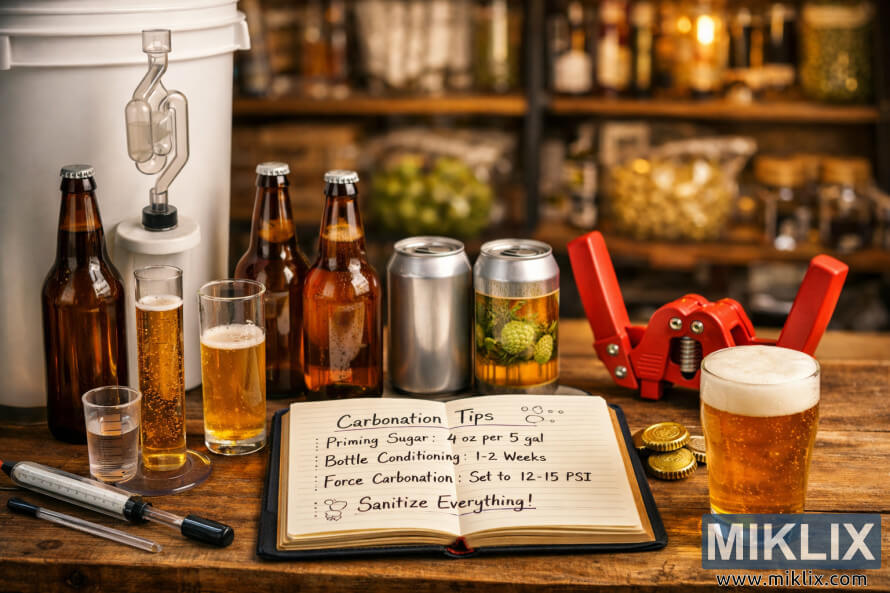
Packaging, Carbonation, and Conditioning Tips
Cold conditioning enhances clarity with this strain. WLP005's high flocculation ensures yeast settles quickly. Plan a cold crash for 48–72 hours before transfer. This step reduces suspended yeast and improves brightness before packaging.
When packaging, avoid disturbing the trub. For bottling, siphon gently from above the yeast cake. For kegging, use a closed transfer after cold conditioning to keep solids low. These WLP005 packaging tips protect flavor and extend shelf stability.
Set carbonation levels to match the style. English bitters and milds benefit from lower CO2 volumes. Bitters often sit around 1.5–1.8 vols. Pale ales can handle 2.2–2.6 vols for a livelier mouthfeel. Adjust priming sugar or keg CO2 to carbonate WLP005 beers to the target volumes.
- Measure priming sugar precisely for consistent carbonation.
- Use a carbonation calculator for target volumes by style.
- Allow two weeks at conditioning temperature after priming to reach stable carbonation.
Conditioning British ale yeast in the bottle or keg improves maturation. Give conditioned beer time at cellar temperatures of 50–55°F for flavor rounding. This promotes malt balance and reduces residual harshness common in young ales.
Monitor head retention and mouthfeel as the beer conditions. If clarity is a priority, extra time in the cold will help. With proper fermentation and careful packaging, beers made with WLP005 show stable malt-driven profiles suitable for short- to medium-term cellaring.
Click or tap the image for more information and higher resolutions.
Advanced Techniques and Hybrid Fermentations
WLP005 advanced techniques begin with meticulous planning. When employing mixed yeast strategies, clearly define each strain's role before pitching. Opt for WLP005 for a classic British flavor, then blend it with a more attenuative or neutral strain. This combination enhances attenuation without compromising character.
Blending and hybrid fermentation with WLP005 is effective in both sequential and co-pitch methods. In sequential fermentations, allow WLP005 to establish esters and malt balance. Then, introduce a cleaner Saccharomyces or a Brettanomyces strain to add complexity. Monitor gravity and aroma shifts post each step.
High-gravity beers necessitate specific WLP005 advanced techniques. Employ larger starters, staggered nutrient additions, and oxygenation at pitching. For beers above medium ABV, consider multiple-pitch schedules to ensure yeast health and reach desired attenuation.
Begin experimental trials with mixed yeast strategies on a small scale. Run paired batches to compare co-pitching and sequential fermentations. Measure attenuation, ester profile, and off-flavor risk to determine which method best preserves the British ale profile.
Monitoring is crucial in any hybrid fermentation WLP005 project. Daily gravity checks, temperature logging, and yeast flocculation observation are essential. Adjust oxygen and nutrients only when yeast activity necessitates, to avoid off-flavors and stuck fermentations.
Practical tips: pasteurize minimal equipment between stages, maintain strict sanitation, and document every addition and timing. These WLP005 advanced techniques empower brewers to experiment confidently, safeguarding core flavor objectives.
Conclusion
White Labs WLP005 British Ale Yeast is a top choice for authentic English ales. This yeast boasts a 67%–74% attenuation rate, high flocculation, and an ideal fermentation range of 65°–70°F. It produces a bready, grain-forward malt character with mild esters.
For the best results, use it with Maris Otter, Golden Promise, or floor-malted barley to enhance malt complexity. It's suitable for session bitters to stronger English ales, provided brewers manage pitching rate and temperature well.
When purchasing, consider ordering early in the week and avoid hot transit. Building starters is crucial for higher gravities. U.S. homebrewers can find local suppliers like Brewgrass Homebrew to minimize transit risks and ensure viable yeast.
In summary, WLP005 offers predictable flocculation, moderate attenuation, and classic British ale flavor. It's a reliable choice for brewers aiming for traditional English profiles, as long as they follow the specified guidelines.
Click or tap the image for more information and higher resolutions.
Further Reading
If you enjoyed this post, you may also like these suggestions:
- Fermenting Beer with White Labs WLP300 Hefeweizen Ale Yeast
- Fermenting Beer with Wyeast 3724 Belgian Saison Yeast
- Fermenting Beer with White Labs WLP838 Southern German Lager Yeast