
Fermenting Beer with Wyeast 2000-PC Budvar Lager Yeast
Published: December 14, 2025 at 8:52:54 PM UTC
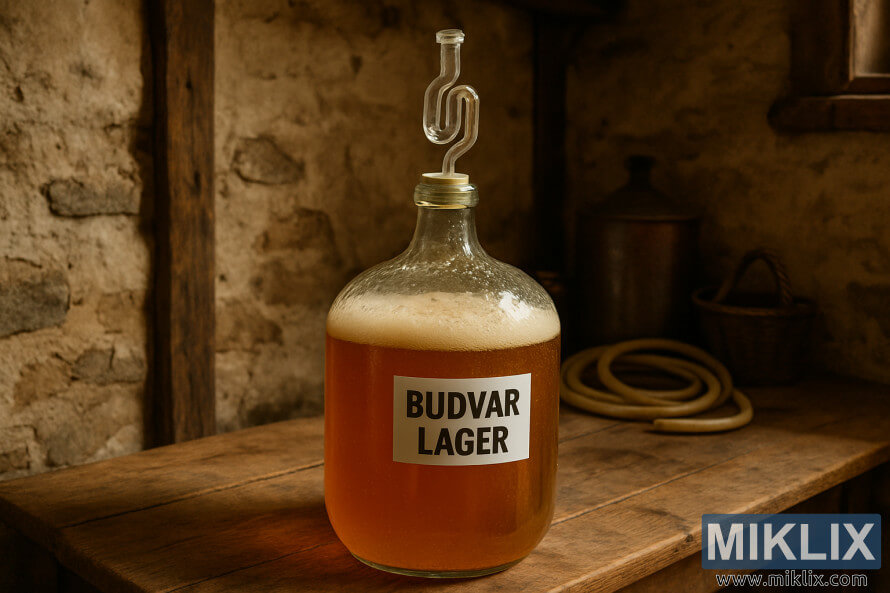
Wyeast 2000-PC Budvar lager yeast brings the essence of České Budějovice to your homebrew. It's a treasure for those aiming to craft classic Bohemian-style lagers. Its historical significance and consistent performance make it invaluable.
Click or tap the image for more information and higher resolutions.
Wyeast 2000-PC Budvar Lager Yeast is a seasonal liquid strain from České Budějovice's classic brewery tradition. Homebrewers highly value this Czech lager yeast for creating crisp, balanced Pilsners and Vienna-style lagers. It's known for its high fermentability and clarity, with a medium-high flocculation that ensures a clean and bright finish.
Expect a soft, rounded malt character and a brief sulfur note during active fermentation. This note usually fades with proper cold conditioning. As a Private Collection release, this Czech lager yeast is seasonally limited. Brewers must plan starters and cold-handling logistics to showcase noble hop accents and drinkable clarity.
Key Takeaways
- Wyeast 2000-PC Budvar Lager Yeast is ideal for Bohemian and Classic Pilsners due to its clean, crisp profile.
- Attenuation sits around 71–75% with about 9% ABV tolerance, giving high fermentability and good finish.
- Medium-high flocculation yields excellent clarity after proper lagering and conditioning.
- Seasonal Private Collection strain — plan starters and cold storage ahead of brew day.
- Fermenting with Wyeast 2000 benefits beers that highlight noble hops and subtle malt sweetness.
Why Wyeast 2000-PC Budvar Lager Yeast Matters for Homebrewers
The Wyeast Private Collection release is both seasonal and limited. This scarcity makes it highly sought after by brewers. It's a rare gem for those seeking to brew historically accurate beers.
Stylistically, this yeast excels in beers that require a clean, neutral fermentation. It's perfect for Czech Pilsner, Bohemian Lager, Helles, Munich Helles, and Vienna Lager. It ensures malt clarity and highlights noble hops.
Many brewers wonder why choose Budvar yeast over other options. The answer is its balance. It ferments cleanly, attenuates predictably, and minimizes esters. This allows the malt and hops to take center stage in showcase lagers.
For those who value authenticity, this strain is a top choice. It helps recreate the traditional profiles of Czech lagers. It preserves the subtle grain and hop notes, enhancing the beer's character.
Strain Profile and Laboratory Specs for Optimal Fermentation
Wyeast 2000-PC Budvar Lager Yeast is a liquid culture from Wyeast’s Private Collection. It boasts a stated cell count of 100 billion per pack. This makes it a robust single-pitch option for many homebrew batches.
Yeast attenuation and flocculation cell count details indicate reliable performance in typical lager mashes. Reported attenuation ranges from 71–75 percent, with Wyeast’s product sheet listing 73 percent. This level ensures high fermentability and low residual sweetness in the finished beer.
Flocculation for this strain is rated medium-high on several lab notes, with some entries marking it as medium. Brewers should anticipate good settling and notable clarity after a proper lagering phase.
Alcohol tolerance is near 9% ABV, making it suitable for many lager gravities, including fuller-bodied recipes. Wyeast 2000 specs and community reports show this yeast is frequently used in over 200 recipes, especially Pilsner and Vienna Lager styles.
- Form: liquid yeast, single pack with high initial viability
- Cell count: 100 billion per pack per Wyeast data
- Attenuation: 71–75% reported; 73% shown on product listing
- Flocculation: medium to medium-high for good clearing
- Alcohol tolerance: ~9% ABV
Laboratory handling is crucial for this liquid strain. Maintain cold-chain storage and check viability before pitching. Good lab practice enhances fermentation consistency and minimizes lag time in lager fermentations.
Recommended Fermentation Temperatures and Conditions
To achieve the classic Budvar character, keep the brew at a steady lager fermentation temperature of 48–56°F. This temperature range is favored by both commercial and homebrewers for its ability to produce clean, crisp lagers. It aligns perfectly with the Wyeast 2000 temp range.
Begin fermentation at the lower end of this range to control ester production. If fermentation slows, you can gently raise the temperature towards the midpoint. However, it's crucial to avoid sudden spikes that could warm the culture too much.
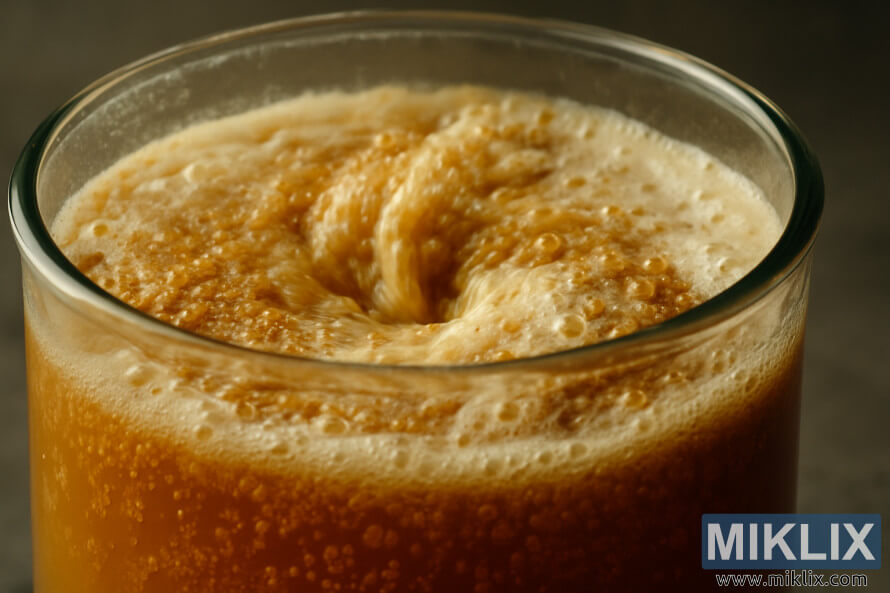
Expect a moderate fermentation pace from this strain. It may exhibit a mild sulfur note during active fermentation. Yet, this aroma typically diminishes during a proper lagering rest.
- Use a refrigerator with a controller, a dedicated glycol chiller, or a temperature-controlled chamber to maintain stability.
- Avoid extremes; too cold leads to sluggish activity and stuck fermentations, too warm creates off-flavors.
- Monitor with a simple thermometer or data logger for consistent Wyeast 2000 temp range tracking.
For predictable results, maintain the Budvar fermentation temperature throughout primary and into diacetyl rest. A consistent environment allows the yeast to finish cleanly. This results in the expected lager profile.
Flavor and Aroma Contributions from Budvar Lager Yeast
Budvar yeast flavor is known for its crisp, restrained character. It supports malt and hops without overpowering them. Expect a soft, rounded malt presence with clean fermentation notes and a dryness that enhances drinkability.
During active fermentation, this strain can produce moderate sulfur. This note usually fades with proper cold conditioning. So, avoid judging the beer before lagering is complete.
The Czech lager yeast aroma is subtle and noble-hop friendly. Its neutral-to-supportive behavior lets Saaz and other classic hops shine. It preserves a light malt sweetness central to Czech-style lagers.
Brewers will find a clean lager yeast profile in the mouthfeel and finish. High attenuation and medium-high flocculation yield clear beer. This beer has a crisp finish and excellent sessionability.
- Primary traits: crisp, clean, malt-forward balance
- Sulfur: transient during fermentation; dissipates with lagering
- Hop showcase: ideal for noble hops and delicate hop aromatics
- Finish: dry, clear, highly drinkable
Click or tap the image for more information and higher resolutions.
Style Recommendations: Best Beers to Brew with This Yeast
Wyeast 2000-PC Budvar Lager Yeast is perfect for continental lagers. It offers a clean profile and crisp finish. Homebrewers aiming for Czech Pilsner will appreciate its neutral ester production. This highlights the Saaz and other noble hops.
Classic choices include Bohemian Lager and Munich Helles. The yeast's steady attenuation and malt balance are ideal for recipes where clarity and malt character are key. Brewers aiming for lager styles Wyeast 2000 can expect a restrained fruitiness. This supports simple malt bills.
- Czech Pilsner — lets hop bitterness and noble aroma shine.
- Dortmunder Export — benefits from the yeast’s clean mouthfeel.
- Helles / Munich Helles — showcases soft malt sweetness with a dry finish.
- Vienna Lager — adds subtle rounding to toasty malt notes.
- Classic American Pilsner and Lite American Lager — deliver crisp, sessionable beers.
Over 200 recorded recipes use this yeast. This number shows broad acceptance for the best styles for Budvar yeast. Brewers can tweak mash temps and hopping rates. They can rely on consistent yeast performance.
When designing a recipe for Czech Pilsner or other continental lagers, focus on water chemistry and noble hops. A clean fermentation schedule is also crucial. This allows lager styles Wyeast 2000 to showcase clarity, drinkability, and balanced malt-hops interplay.
Pitching Rates, Starters, and Cell Management
Wyeast 2000 comes as a liquid pack with a cell count near 100 billion. For typical 5-gallon lagers at moderate gravity, this count is usually enough. However, for high-gravity beers or larger volumes, a yeast starter for lager is necessary to ensure a healthy population before chill fermentation.
Utilize a yeast calculator to determine the optimal Budvar yeast pitching rate for your batch. This calculation is based on the original gravity and volume of your beer. Lagers require a higher pitching rate than ales due to the slower growth at low fermentation temperatures. A well-sized starter can significantly reduce lag time and minimize the risk of off-flavors.
To prepare starters, use clean, oxygenated wort. If necessary, step up the starter size. For instance, a 1.040–1.050 OG lager might need a starter of one to two liters for a 5-gallon batch, especially if the pack is several weeks old. Fresh packs might require less buildup.
It's crucial to monitor cell health when using Wyeast 2000. Focus on viability and vitality. If the pack's age is affected by seasonal supply, consider making a larger starter or ordering closer to brew day. Effective Wyeast 2000 cell management involves regular viability checks and keeping detailed records of repitch generations.
When maintaining a house culture, establish a repitch schedule to avoid overused yeast. Limit repitch cycles and maintain a starter archive to recover strains after long storage. Store packs in the refrigerator and minimize time at room temperature before starting a yeast starter for lager to preserve viability.
Practical checklist for cell management and pitching:
- Calculate Budvar yeast pitching rate with a trusted calculator.
- Build a starter sized to gravity and batch volume.
- Oxygenate starter wort and avoid contamination.
- Track repitch generations and viability for Wyeast 2000 cell management.
- Keep packs cold until starter preparation to preserve cells.
Click or tap the image for more information and higher resolutions.
Nutrient, Oxygenation, and Yeast Health Tips
Ensuring yeast health from the start to the end of fermentation is crucial. Wyeast suggests using Wyeast Yeast Nutrient to aid in cold, slow fermentations. This helps prevent stalls and sluggish activity. Add this nutrient when pitching, especially for high-gravity beers or when using older yeast slurries.
Oxygenation is more critical for lagers than ales. Lagering's cool temperatures slow yeast growth. It's essential to provide enough dissolved oxygen before pitching. This allows the yeast to build necessary sterol and lipid reserves. Use a precise oxygenation method or pure oxygen for starters or when pitching large cell counts.
Establish a consistent starter and pitching routine. Create starters with fresh Wyeast packs or harvested yeast to achieve the right cell counts. For stressed ferments, increase the starter size and include nutrient for better vigor. Fresh yeast minimizes the risk of sulfur persistence and ensures a clean finish.
Preventing common issues is straightforward. Use sanitized equipment, closely monitor temperature, and avoid adding oxygen after fermentation starts. Regularly test gravity to confirm steady attenuation and adjust conditioning times as needed.
Wyeast's yeast health tips focus on timing and moderation. Feed nutrients at pitch, oxygenate correctly, and maintain stable fermentation temperatures. These practices lead to stronger fermentations, fewer off-flavors, and a clearer path to a well-aged lager.
Fermentation Timeline and Lagering Schedule
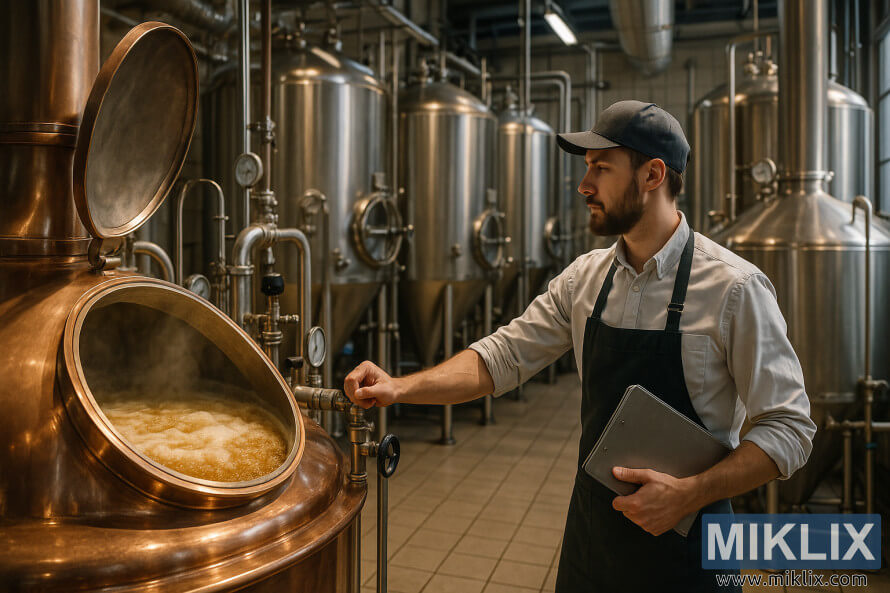
Begin with a detailed plan for the Budvar fermentation schedule. Use Wyeast 2000 at the recommended rates and maintain fermentation between 48°F and 56°F. Note that fermentation will progress more slowly than with ale yeasts. Monitor gravity and visible activity closely, as days alone are not a reliable indicator.
Once fermentation nears the target final gravity, conduct a diacetyl check. If diacetyl is detected, increase the temperature by 2–4°F for 24–48 hours. This step aids in the cleanup process, making the lagering schedule more adaptable.
Following cleanup, gradually lower the temperature for cold conditioning. The Czech Pilsner timeline demands extensive lagering to achieve the desired crispness and clarity. Allow for weeks to months of cold storage, depending on the desired level of brightness and sulfur dissipation.
- Primary fermentation: until FG is stable, variable by original gravity.
- Optional diacetyl rest: brief warm-up if off-flavors appear.
- Lagering: prolonged cold storage for flavor maturation and clarity.
Ensure sufficient lagering time for the moderate sulfur produced during fermentation to dissipate. Regularly taste the beer. Clarity and flavor will enhance with patient conditioning on the lagering schedule Wyeast 2000.
Adapt your Budvar fermentation schedule to suit your recipes. The Czech Pilsner timeline serves as a guide. Check gravity, assess aroma, and then decide when the beer is ready for packaging.
Click or tap the image for more information and higher resolutions.
Attenuation and Final Gravity Expectations
Wyeast 2000 is celebrated for its consistent, high attenuation. The Budvar attenuation is reported to be between 71–75%, with Wyeast specifying 73% as the standard. This range is crucial when planning your mash or recipe to estimate sugar consumption by the yeast.
To determine the expected FG with Wyeast 2000, subtract the attenuation percentage from your original gravity. For instance, a 1.050 OG with 73% attenuation will result in a significantly lower FG compared to less attenuative strains. The final gravity of lager yeast can vary based on mash profile, fermentable sugars, and mash temperature.
High attenuation leads to a drier finish, enhancing the crispness of lagers like Pilsners and Dortmunder-style beers. This results in a lean mouthfeel and minimal residual sweetness, ideal for a refreshing drinking experience.
Consider these practical tips:
- Adjust mash temperatures upward to maintain a fuller mouthfeel if desired.
- Lower mash temperatures to emphasize the dry finish for a crisp lager.
- Use a hydrometer or refractometer to monitor FG and confirm the expected FG with Wyeast 2000.
Practical Tips for Brewing with a Seasonally Limited Strain
Organize your brewing schedule around the availability of seasonal yeast Wyeast 2000. This strain is part of Wyeast's Private Collection, available for a short time. To brew a Budvar-style lager, reserve yeast packs early. Plan your mash and chill times to align with the yeast's arrival.
To find Budvar yeast, reach out to reputable homebrew shops. Also, sign up for newsletters from suppliers like MoreBeer or Northern Brewer. They frequently announce when they restock. Local shops might hold yeast packs for you, reducing the chance of missing out.
If securing Wyeast 2000-PC is challenging, consider a Czech lager strain as a substitute. You might notice slight variations in malt clarity and hop brightness. Keep a record of these differences to refine your approach towards the authentic Budvar taste over time.
- Store new packs refrigerated until use to preserve viability.
- Make a starter the day before pitching to confirm activity and increase cell counts.
- Save healthy yeast after fermentation for repitching to extend a small stash.
Utilize private collection yeast tips, such as dividing a large starter among multiple fermenters. This method allows you to use limited packs across several batches. Maintain strict sanitation and monitor pitch rates to avoid losing cells to contamination or stress.
Ensure lagering and conditioning align with the yeast's freshness. Fresh seasonal yeast will yield cleaner profiles and more pronounced esters. If time is of the essence, delay nonessential steps to maximize the benefits of primary fermentation.
Keep detailed records of each batch, including gravity, temperature, starter size, and flavor notes. This documentation will help you replicate successful brews when more seasonal yeast Wyeast 2000 becomes available. It also aids in making informed decisions when sourcing Budvar yeast or using substitutes in future brews.
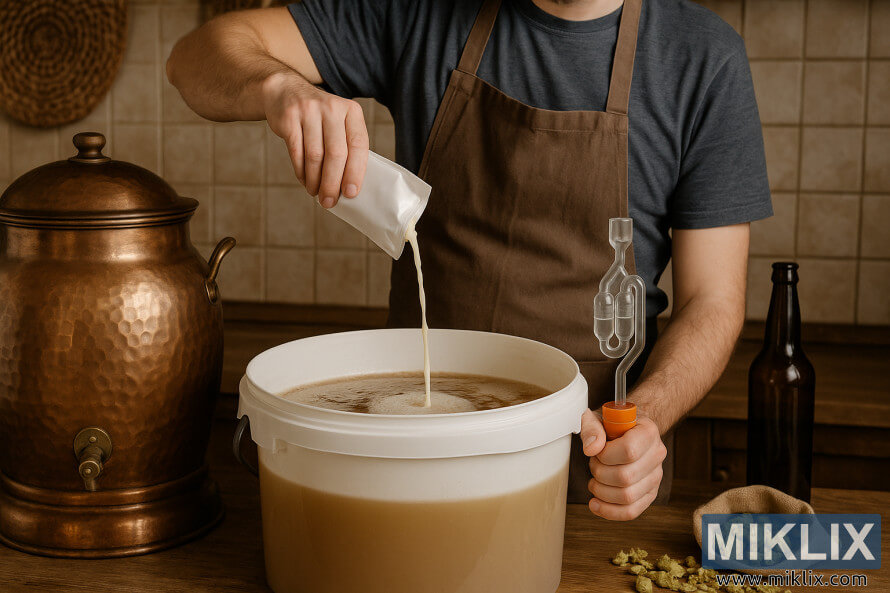
Click or tap the image for more information and higher resolutions.
Equipment and Cold-Handling Logistics for Liquid Yeast
Ensuring Wyeast packs remain cold from purchase to pitch is essential for successful lager fermentations. A reliable refrigerator or a dedicated fermentation chamber, maintaining 48–56°F, is necessary. This setup allows for precise control over both primary fermentation and the extended cold-conditioning phase required for Budvar lager yeast.
When placing an order, prioritize shipping liquid yeast with expedited transit to minimize exposure to warm trucks. Opt for refrigerated handling if available from the supplier. Additionally, include ice packs in the box to safeguard against temperature fluctuations during warm weather.
Upon receipt, store the packs in the refrigerator until brewing. It's crucial to avoid freeze-thaw cycles, which can harm yeast cells. If the yeast has been in transit for an extended period, consider building a starter to restore its vitality before pitching.
- Utilize a fridge with a digital thermostat for consistent lagering temperatures.
- Employ a data logger to monitor temperatures during prolonged cold-conditioning.
- Have spare ice packs available for unexpected delays in shipping liquid yeast.
Effective yeast refrigeration logistics hinge on the vendor and culminate at your fermenter. Coordinate delivery with local carriers and opt for weekend or next-day services when feasible. This approach ensures that the yeast arrives in optimal condition for fermentation.
Invest in a secondary fridge or a chest freezer converted into a temperature controller for frequent lager brewing. This investment streamlines long lagering periods and mitigates the risk of temperature spikes that can stress the yeast.
Adopting simple practices can significantly reduce risks. Verify pack dates, refrigerate immediately, and maintain consistent temperatures during fermentation. These measures enhance cell viability and provide the stable environment needed for Budvar lager yeast to produce clean, authentic flavors.
Troubleshooting Common Issues with Budvar Lager Fermentations
Sluggish starts are a common issue with lager strains. If your lager fermentation is slow, first check the yeast's viability and age. Create a starter for older Wyeast packs or when brewing high-gravity lagers.
Oxygenation is crucial. Ensure sufficient dissolved oxygen at pitching to boost Wyeast 2000's performance. Lack of oxygen or underpitching often leads to fermentation problems within 48–72 hours.
Sulfur notes can emerge during active cold-fermentation. These are usually temporary and will diminish with proper lagering. Avoid judging the beer's quality while the yeast are still clearing up byproducts.
For stuck fermentations, adopt a calm, step-by-step approach. Confirm a stall by checking gravity. Gently increase the temperature for a diacetyl rest or to reactivate the yeast. Add yeast nutrient if you suspect a deficiency. If fermentation doesn't resume, consider repitching with fresh, healthy yeast as part of Wyeast 2000 troubleshooting.
Clarity issues often resolve with time and cold conditioning. Budvar lager yeast has medium-high flocculation. Extended lagering and cold-filtering or fining agents will enhance clarity. Patience is often more effective than aggressive methods.
- Pre-brew: make a starter for older packs and high OG.
- During pitch: oxygenate and pitch at the right temperature.
- If sluggish: raise a few degrees, add nutrient, monitor gravity.
- If stuck: repitch fresh, healthy lager yeast after warming gently.
- For clarity: extend cold conditioning, use finings if needed.
Keep a brewing log to track temperatures, pitch rates, and pack dates. Consistent records simplify Wyeast 2000 troubleshooting and reduce future Budvar fermentation problems.
Recipe Ideas and Hop Pairings to Showcase the Yeast
Begin with a Classic Czech Pilsner to showcase Wyeast 2000's clean lager character. Use 100% Pilsner malt or a small Vienna malt addition for body. Mash at 148–150°F for a crisp finish, ideal for light hop work and true Czech Pilsner expression.
For a Bohemian Lager, aim for a slightly higher malt backbone. Blend Pilsner malt with 5–10% Munich malt. Keep late hopping restrained to let the yeast's neutral profile carry malt notes and subtle noble spice. These Budvar recipe ideas favor single-infusion mashes and conservative late hop additions.
Choose hops that complement restrained noble aromas. Saaz, Hallertau Mittelfrüh, and Tettnang pair well with the yeast's softness. Use low-bitterness early boil additions and reserve most hops for the last 10 minutes or whirlpool to present delicate floral and spicy notes.
- Example 1: Classic Czech Pilsner — Pilsner malt, Saaz at 60 / 10 / whirlpool, mash 150°F.
- Example 2: Bohemian Lager — Pilsner + 7% Munich, Hallertau late additions, extended lagering.
- Example 3: Stronger Lager — higher OG with larger starter and careful attenuation planning.
Plan original gravity with the yeast's 71–75% attenuation in mind. For higher gravity beers, build a larger starter so Wyeast 2000 reaches full activity. This approach helps with fermentation health and predictable final gravities when exploring richer Budvar recipe ideas.
Apply conservative hopping techniques for Wyeast 2000 hop pairings. Dry hop lightly only if the recipe calls for subtle aroma boosts. Extended cold conditioning removes sulfur and sharpens the finish, letting noble hop character and yeast neutrality stand out in the glass.
When experimenting with hops for Czech Pilsner, test single-hop batches to learn each variety's nuance. Track bitterness, aroma, and balance. Use those notes to refine future brews and draft repeatable Wyeast 2000 hop pairings that honor the historic Budvar profile.
Conclusion
This Wyeast 2000-PC review concludes with a definitive assessment. Budvar lager yeast is ideal for Czech Pilsner, Helles, and Dortmunder styles. It offers 71–75% attenuation, medium-high flocculation, and tolerates up to 9% ABV. This makes it a top pick for those seeking a clean, crisp fermentation profile.
To achieve the best results, ferment between 48–56°F. Proper oxygenation and nutrient addition are crucial. Also, prepare robust starters for cool lager fermentations. Remember, adequate lagering time is essential for clarity and to eliminate any sulfur notes.
Wyeast 2000-PC is a seasonal Private Collection strain, so sourcing and cold-chain handling are key. Use Wyeast Yeast Nutrient and ensure temperature-controlled storage or shipping. This summary aims to help brewers determine if it's the best lager yeast for Pilsner. It also provides practical steps for achieving consistent, polished results.
Further Reading
If you enjoyed this post, you may also like these suggestions:
- Fermenting Beer with Bulldog B16 Belgian Saison Yeast
- Fermenting Beer with CellarScience Acid Yeast
- Fermenting Beer with Wyeast 1056 American Ale Yeast