
Fermenting Beer with Wyeast 5112 Brettanomyces Bruxellensis Yeast
Published: November 4, 2026 at 7:45:17 PM UTC
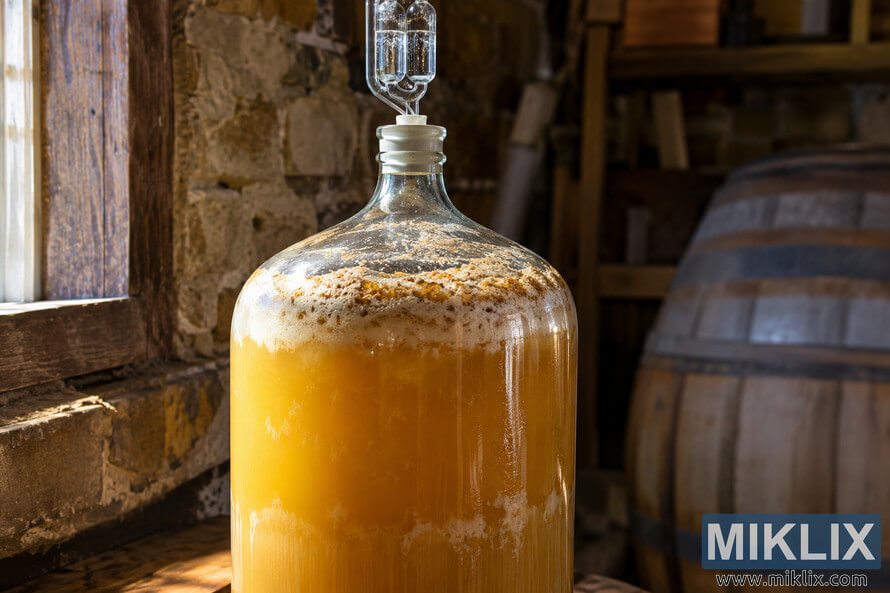
Wild yeast strains bring unique character to craft beers. Wyeast 5112 Brettanomyces Bruxellensis stands out as one of the most sought-after liquid yeast options for homebrewers seeking authentic farmhouse flavors.
Click or tap the image for more information and higher resolutions.
This wild yeast isolated from brewery cultures in the Brussels region of Belgium produces classic sweaty horse blanket characteristics. These indigenous beers showcase the funky, earthy complexity that Brett enthusiasts crave.
Understanding how to work with this particular strain transforms ordinary homebrew into exceptional craft beer. This guide covers everything from fermentation requirements to troubleshooting common pitfalls.
Understanding Wyeast 5112 Brettanomyces Bruxellensis Characteristics
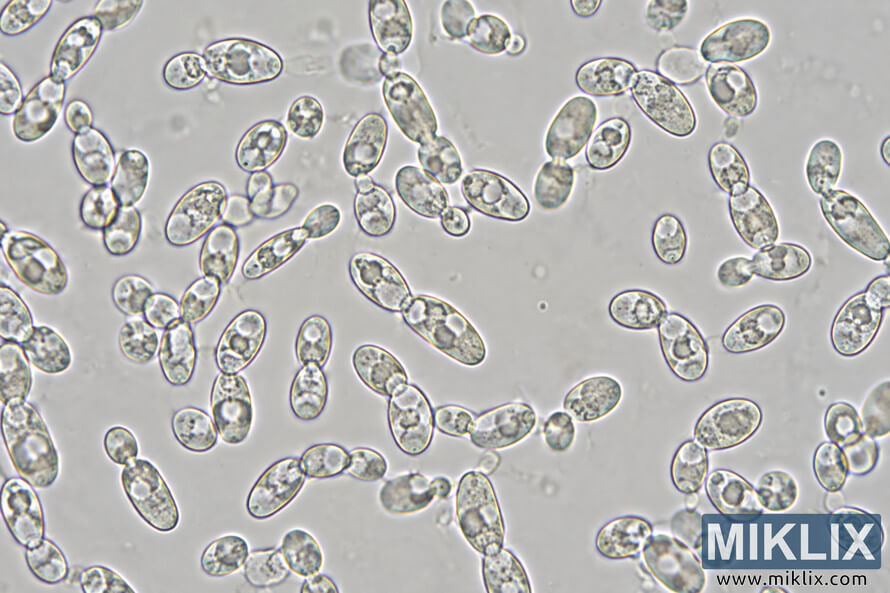
Wyeast 5112 Brettanomyces Bruxellensis represents a pure culture of wild yeast with distinctive fermentation properties. This strain originates from traditional Belgian brewing operations where it contributed to regional beer styles for centuries.
The yeast produces a complex flavor profile during fermentation. Expect earthy, funky, and slightly fruity notes that develop over time.
Temperature tolerance ranges widely with this strain. Optimal fermenting temp sits between 60-75°F, though the yeast remains active outside this range.
Click or tap the image for more information and higher resolutions.
Primary Flavor Contributions
- Classic sweaty horse blanket character from phenolic compounds
- Earthy barnyard notes that intensify with age
- Subtle tropical fruit esters in secondary fermentation
- Mild acidity that adds complexity without overwhelming
- Dry finish from high attenuation capabilities
Yeast Viability and Cell Count
Each Wyeast 5112 package contains 100 billion cells in the SmackPack system. The activator pack expands when smacked, indicating yeast viability before pitching.
This liquid yeast format offers advantages over dried alternatives. The cells remain healthier and adapt faster to wort conditions.
Important Note: Brettanomyces strains require different handling than traditional Saccharomyces yeast. Plan for longer fermentation times and dedicated equipment to prevent cross-contamination.
Attenuation and Alcohol Tolerance
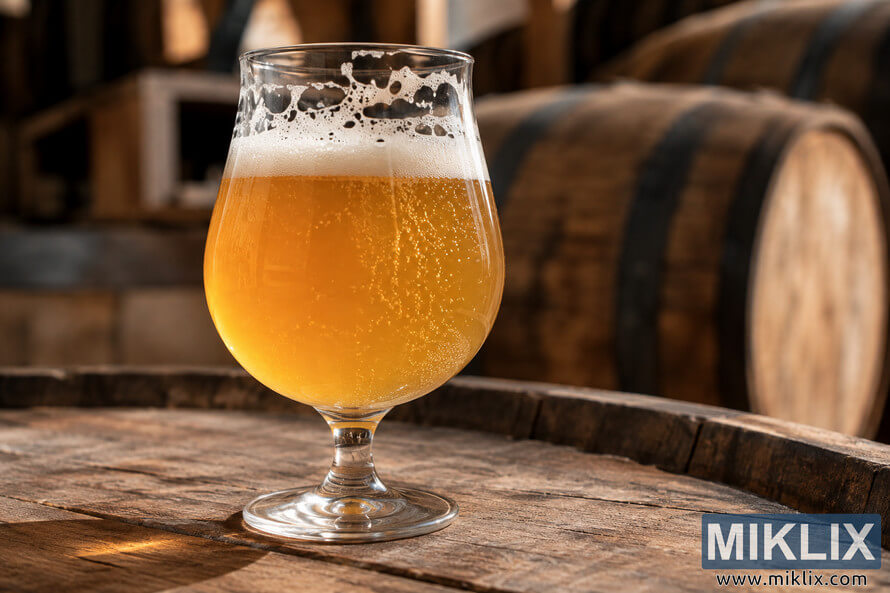
The strain achieves 70-85% apparent attenuation under normal conditions. This high attenuation creates exceptionally dry beers with complex flavor development.
Alcohol tolerance reaches approximately 11-12% ABV. Higher gravity worts may slow fermentation but rarely stall completely.
Click or tap the image for more information and higher resolutions.
Fermentation Requirements for Wyeast 5112
Successful fermentation with Brettanomyces bruxellensis yeast requires specific conditions. Understanding these parameters ensures consistent results and prevents common problems.
Temperature Management
Fermenting temp directly impacts flavor development. Lower temperatures produce cleaner profiles while higher temps emphasize funkier characteristics.
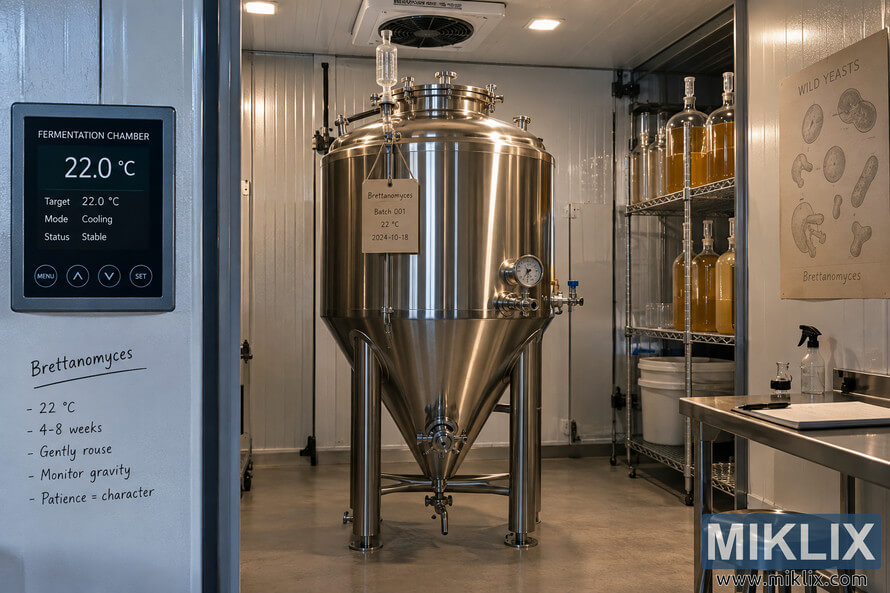
Optimal Temperature Range: Maintain fermentation between 68-72°F for balanced flavor development. This range produces the characteristic Brett profile without excessive phenolics.
- Below 60°F slows fermentation significantly
- 65-68°F creates subtle funk with fruit notes
- 68-72°F produces classic Brett character
- 72-78°F intensifies barnyard qualities
- Above 78°F risks off-flavors and stress
Click or tap the image for more information and higher resolutions.
Oxygen and Nutrient Considerations
Brettanomyces strains exhibit different oxygen requirements than ale yeast. Limited oxygen exposure actually enhances desired flavor compounds.
Skip the vigorous aeration typically used for clean fermentations. Gentle agitation provides sufficient oxygen without promoting excessive ester production.
Pitching Rates and Starter Preparation
The 100-billion cell count in each Wyeast 5112 package suits standard gravity worts up to 1.055. Higher gravity beers benefit from yeast starters or multiple packs.
Building a starter increases cell count and vigor. Use DME at 1.030-1.040 gravity and ferment for 24-48 hours before pitching.
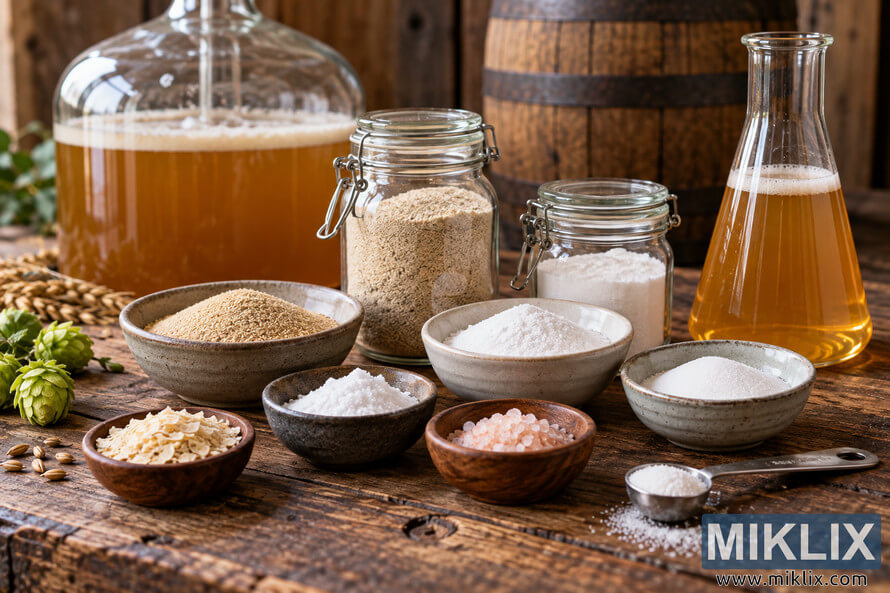
| Wort Gravity | Recommended Cell Count | Packages Needed | Starter Required |
| 1.030-1.045 | 100 billion | 1 pack | No |
| 1.046-1.060 | 150 billion | 1 pack | Yes (1L) |
| 1.061-1.075 | 200 billion | 2 packs or starter | Yes (2L) |
| 1.076-1.090 | 250+ billion | 2-3 packs | Yes (2-3L) |
Click or tap the image for more information and higher resolutions.
Timeline Expectations
Brett fermentations proceed slowly compared to traditional ale yeast. Primary fermentation may take 2-3 weeks before showing signs of completion.
Secondary flavor development continues for months. Many brewers age Brett beers for 3-6 months to achieve full complexity.
Patience Required: Rushing Brett fermentations produces disappointing results. The characteristic flavors need time to develop fully. Plan your brewing schedule accordingly.
Ideal Beer Styles for Wyeast 5112 Brettanomyces
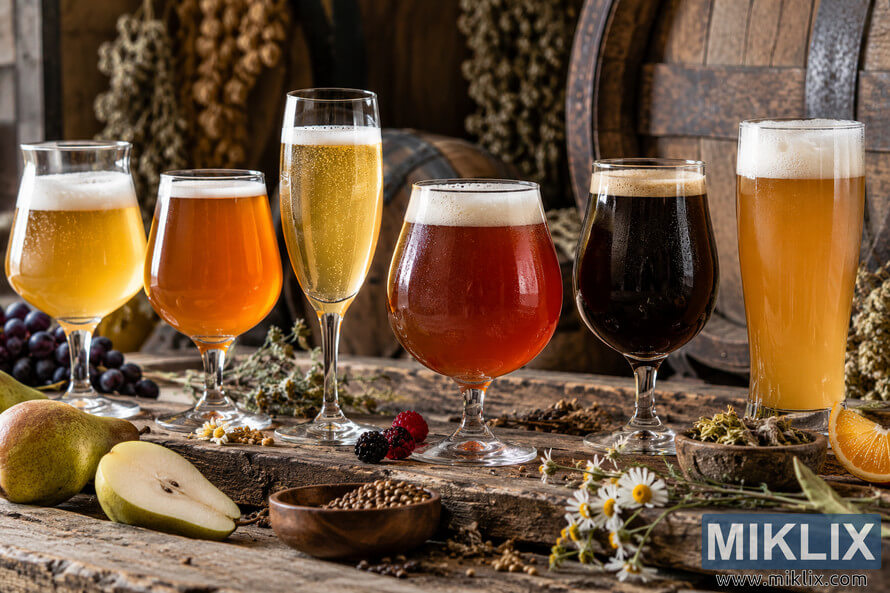
Certain beer styles showcase 5112 brettanomyces bruxellensis characteristics better than others. Traditional Belgian styles provide the perfect canvas for wild yeast flavors.
Click or tap the image for more information and higher resolutions.
Traditional Belgian Styles
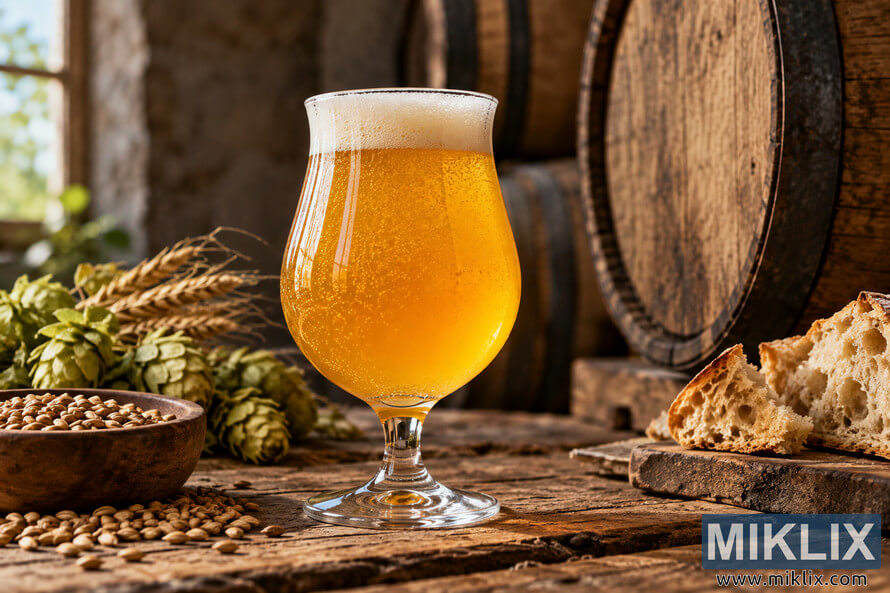
Saison
Farmhouse ales benefit immensely from Brett character. The yeast adds complexity to the peppery, spicy base profile.
Use Wyeast 5112 as secondary yeast after primary fermentation with saison yeast. This approach layers flavors without overwhelming the base beer.
Click or tap the image for more information and higher resolutions.
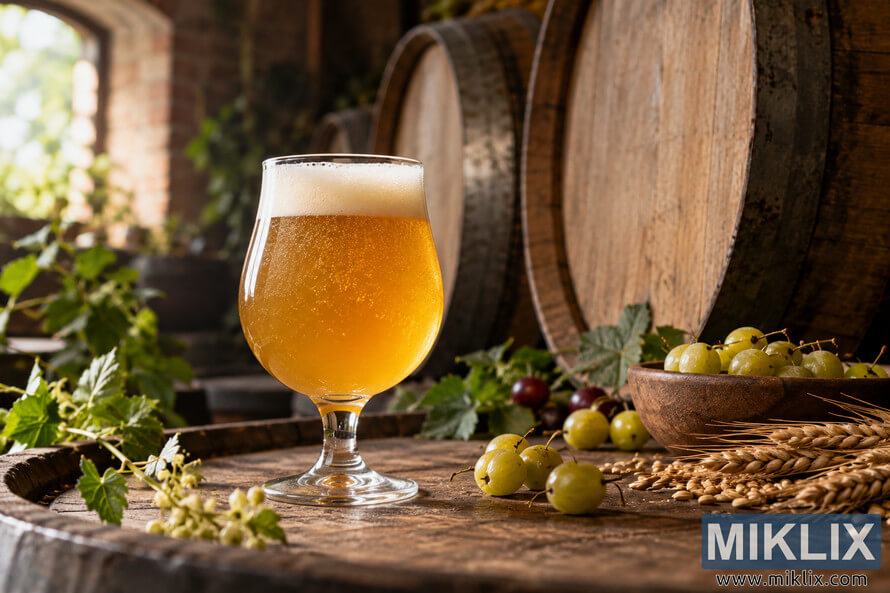
Lambic-Style
Indigenous beers from Brussels region Belgium rely on mixed fermentation. Brettanomyces contributes essential funk and acidity.
Combine with Lactobacillus and Pediococcus for authentic complexity. Age for 6-12 months for full flavor development.
Click or tap the image for more information and higher resolutions.
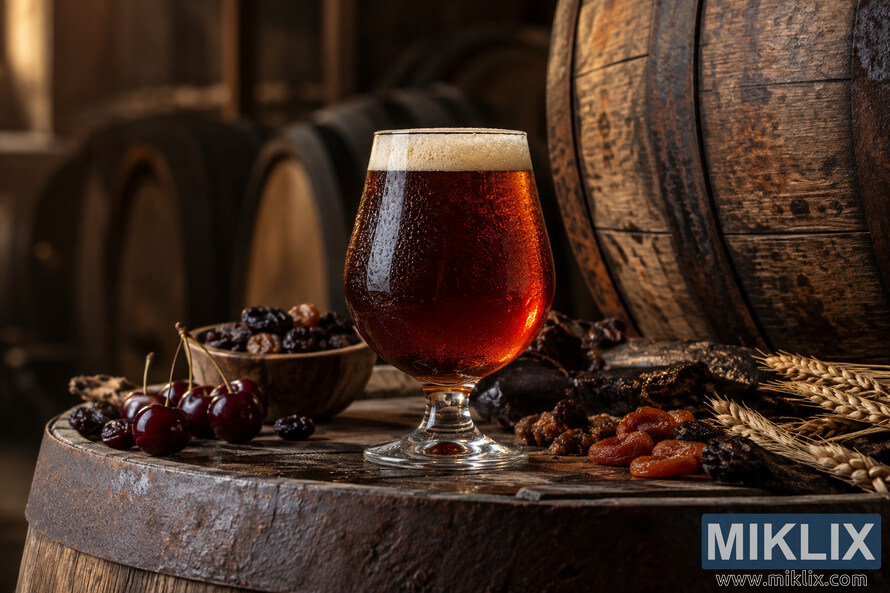
Oud Bruin
Flemish brown ales gain depth from extended Brett aging. The horse blanket character complements malt sweetness beautifully.
Oak aging enhances the wild yeast profile. Expect 8-12 months for optimal results.
Click or tap the image for more information and higher resolutions.
American Interpretations
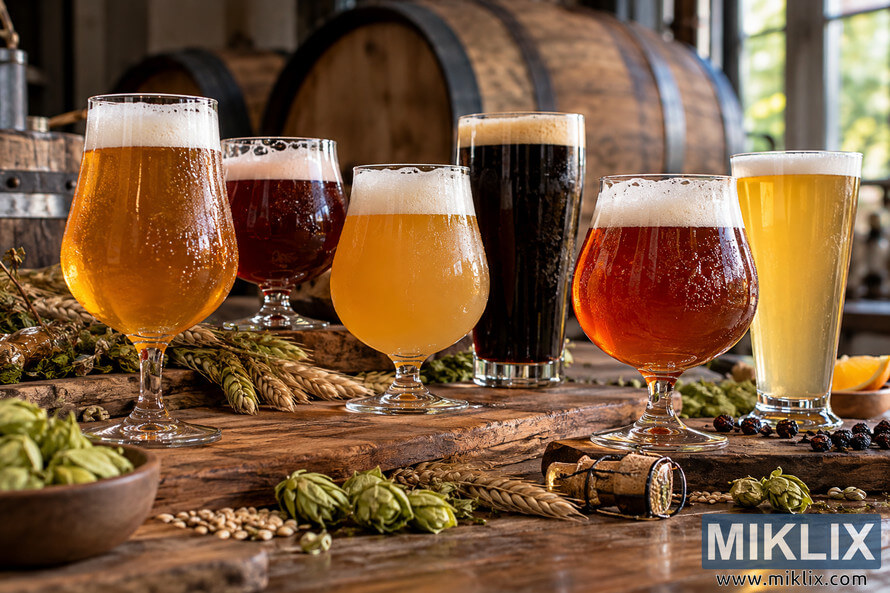
Craft brewers in the United States adapted Brett strains to new styles. These interpretations push boundaries while respecting tradition.
- American Wild Ales blend hop character with funky Brett notes
- Brett IPAs combine tropical yeast esters with citrus hops
- Berliner Weisse variations use Brett for complexity beyond simple sourness
- Imperial stouts develop leather and tobacco notes from Brett aging
- Farmhouse IPAs merge saison spice with American hop varieties
Click or tap the image for more information and higher resolutions.
Recipe Considerations
Building recipes around Wyeast 5112 requires thoughtful ingredient selection. The wild yeast character should enhance rather than compete with other flavors.
Malt Bill Guidelines
- Base malts should be 70-85% of grain bill
- Munich and Vienna add complementary earthiness
- Wheat enhances body and head retention
- Avoid excessive crystal malts that create cloying sweetness
- Dark grains work in imperial styles only
Hop Selection
- Noble hops complement Brett character naturally
- Saaz and Hallertau provide floral, earthy notes
- American citrus hops create interesting contrasts
- Keep IBUs moderate (20-35 for most styles)
- Late additions add aroma without harsh bitterness
Essential Tips for Successful Brettanomyces Fermentation
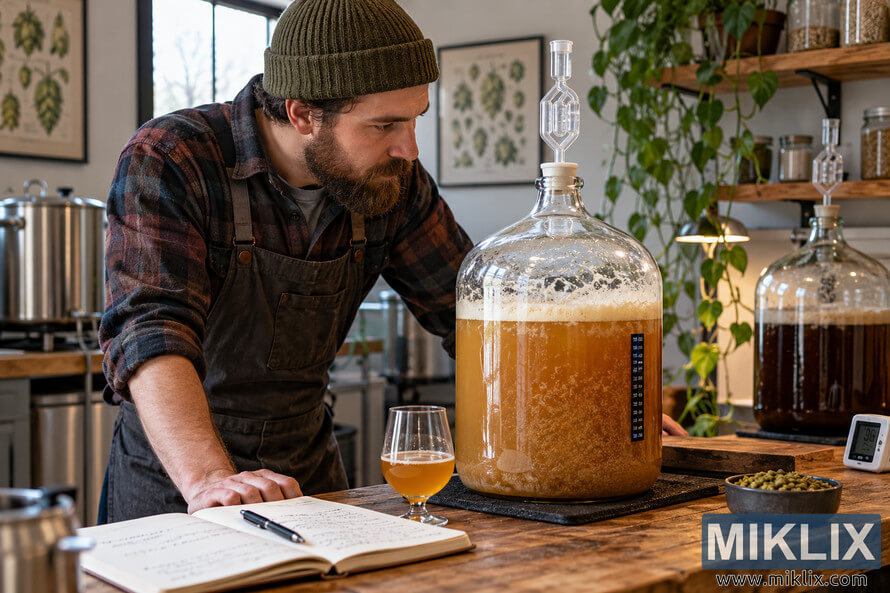
Mastering Brettanomyces requires different techniques than standard ale fermentation. These proven strategies help homebrewers achieve consistent results.
Click or tap the image for more information and higher resolutions.
Equipment Dedication
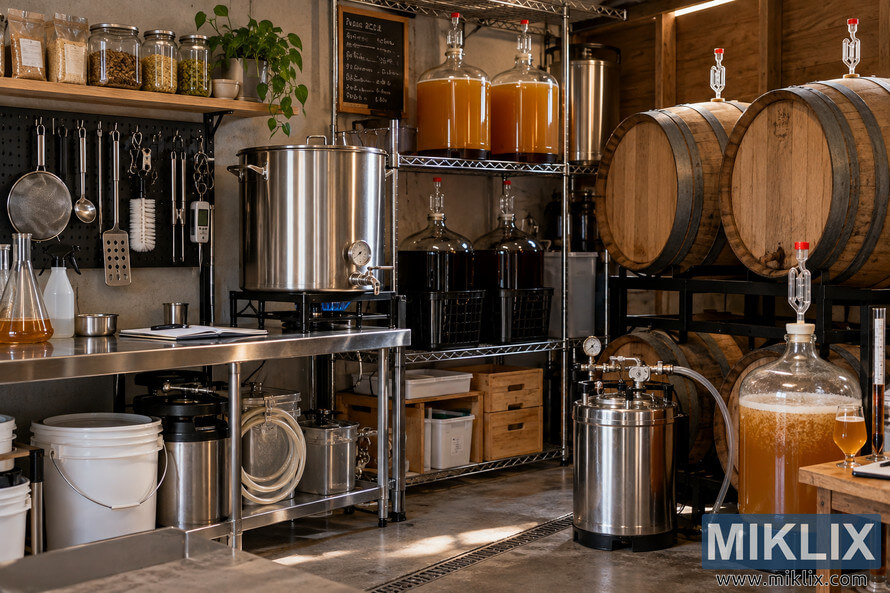
Dedicated equipment prevents unwanted Brett contamination in clean beers. The yeast embeds in plastic and soft materials, making complete sanitization nearly impossible.
Dedicated Brett Equipment
- Prevents cross-contamination of clean beers
- Allows risk-free experimentation
- Builds confidence working with wild yeast
- Creates consistent fermentation environment
- Simplifies cleaning and maintenance
Shared Equipment Risks
- Brett cells survive standard sanitization
- Plastic fermenters harbor yeast indefinitely
- Tubing and gaskets act as contamination sources
- Single infection ruins entire batches
- Difficult to trace contamination sources
Monitoring Fermentation Progress
Brett fermentations show different activity patterns than ale yeast. Understanding these patterns prevents premature packaging or unnecessary intervention.
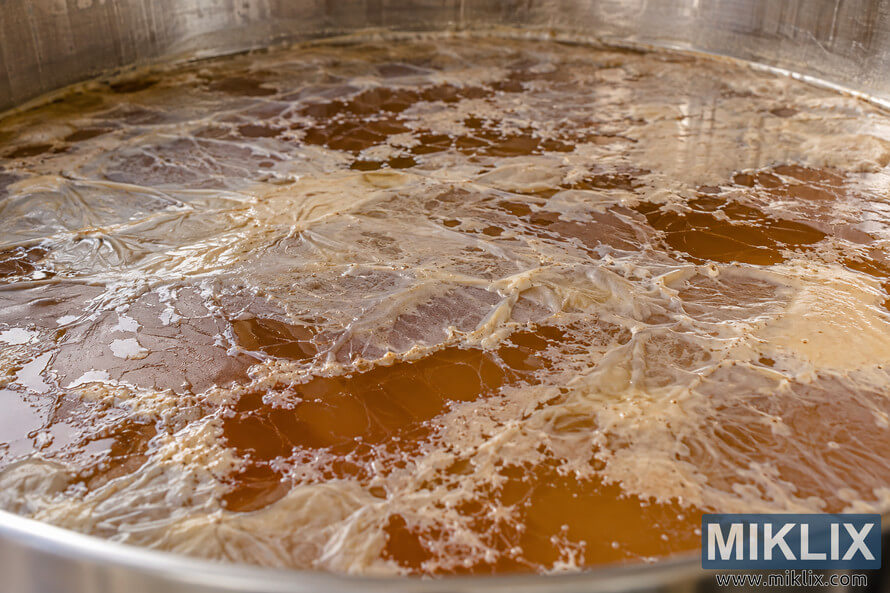
Initial fermentation appears sluggish compared to Saccharomyces. A thin pellicle may form on the surface during secondary fermentation.
Click or tap the image for more information and higher resolutions.
Gravity Management
Take regular gravity readings to track fermentation progress. Brettanomyces achieves very high attenuation over extended periods.
Week 1-2
- Primary fermentation begins slowly
- Gravity drops 30-50% of expected attenuation
- Minimal visible activity in airlock
- Temperature stability is critical
Week 3-6
- Fermentation accelerates noticeably
- Gravity approaches final target
- Pellicle may begin forming
- Flavor profile starts developing
Month 2-6
- Continued slow attenuation
- Complex flavors intensify
- Beer clarifies gradually
- Ready for packaging evaluation
Blending Strategies
Many brewers blend Brett beer with clean beer to control intensity. This approach offers flexibility and consistency.
Ferment a portion of your batch with Wyeast 5112 while keeping the rest clean. Blend to taste at packaging time.
- Brew full batch with your chosen base yeast
- Transfer 30-50% to sanitized Brett fermenter after primary
- Add Wyeast 5112 to secondary fermenter only
- Age both portions according to style requirements
- Sample and blend in varying proportions
- Package blended beer with appropriate priming sugar
Blending Tip: Start with 20% Brett beer and increase gradually. Small adjustments make significant flavor differences.
Carbonation Considerations
Brett remains active in bottles, creating additional carbonation over time. Account for this continued fermentation when priming.
Reduce priming sugar by 20-30% compared to clean beer calculations. This prevents over-carbonation and potential bottle bombs.
Safety Warning: Over-carbonated bottles can explode with dangerous force. Always use appropriate priming calculations and quality bottles rated for high pressure.
Common Pitfalls and Troubleshooting
Even experienced brewers encounter challenges with Brettanomyces strains. Recognizing and addressing issues early prevents ruined batches.
Stalled Fermentation
Apparent stalls occur when gravity readings remain unchanged for weeks. This situation differs from actual stuck fermentation.
Patient waiting usually resolves apparent stalls. Brett works slowly, especially in lower gravity worts or cooler temperatures.
Why did my Brett fermentation stop at 1.020?
Several factors cause incomplete attenuation. Low fermenting temp slows yeast activity significantly. Insufficient nutrients limit cell reproduction and vigor.
Check temperature first and adjust to optimal range. Add yeast nutrient if fermentation remains stalled after warming.
Should I pitch more yeast if fermentation stalls?
Wait at least four weeks before considering additional yeast. Brett fermentations naturally proceed slowly with long dormant periods.
If gravity remains unchanged after six weeks at proper temperature, add fresh Wyeast 5112. Ensure adequate nutrients are present first.
How do I know if Brett fermentation is complete?
Stable gravity readings over three weeks indicate completion. Most Brett beers finish between 1.002-1.008 depending on recipe.
Taste the beer regularly during aging. Flavor development provides better completion indicators than gravity alone.

Click or tap the image for more information and higher resolutions.
Off-Flavor Development
Unexpected flavors sometimes emerge during Brett fermentation. Understanding the source helps correct future batches.
| Off-Flavor | Description | Likely Cause | Prevention |
| Excessive Sourness | Sharp acidity overwhelming other flavors | Bacterial contamination or temperature spikes | Sanitize thoroughly; control temperature strictly |
| Vinegar Character | Acetic acid sharpness | Oxygen exposure during fermentation | Minimize headspace; limit air contact |
| Rubber/Plastic | Chemical, artificial taste | Chlorophenol formation from chlorinated water | Use filtered water; remove chlorine/chloramine |
| Excessive Funk | Overwhelming barnyard character | High fermentation temperature | Lower fermenting temp to 68-70°F range |
Contamination vs. Desired Character
New Brett brewers sometimes confuse normal wild yeast characteristics with contamination. Learning the distinction builds confidence.
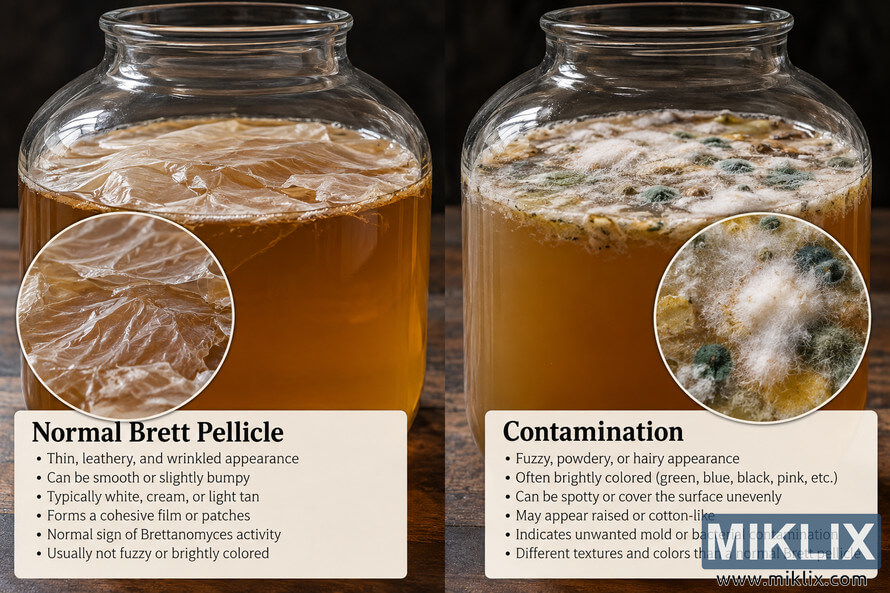
A thin white pellicle indicates healthy Brett activity. This film protects beer from oxidation and develops complex flavors.
Fuzzy green or black growth signals mold contamination. Discard these batches immediately to prevent health risks.
Click or tap the image for more information and higher resolutions.
Aging Timeline Confusion
Determining optimal aging time challenges many brewers. Under-aged beer lacks complexity while over-aged beer may develop excessive funk.
Regular tasting provides the best aging guidance. Sample monthly and package when flavor balance peaks.
Best Practices for Homebrewers
Implementing proven practices from experienced brewers eliminates guesswork. These strategies maximize success rates with Wyeast 5112 Brettanomyces Bruxellensis.
Click or tap the image for more information and higher resolutions.
Starting Your First Brett Beer
First-time Brett brewers should choose forgiving styles that showcase the yeast without requiring perfection. Simple recipes work best initially.
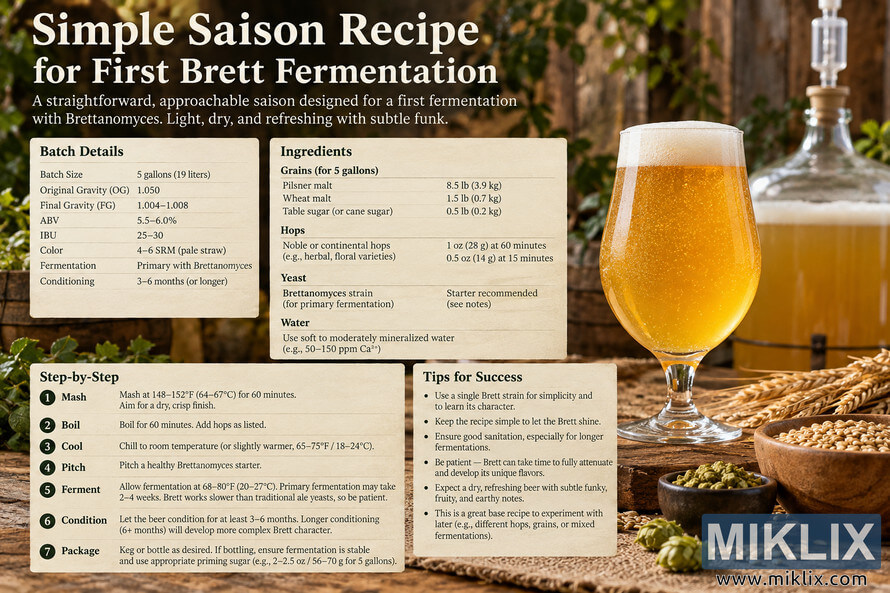
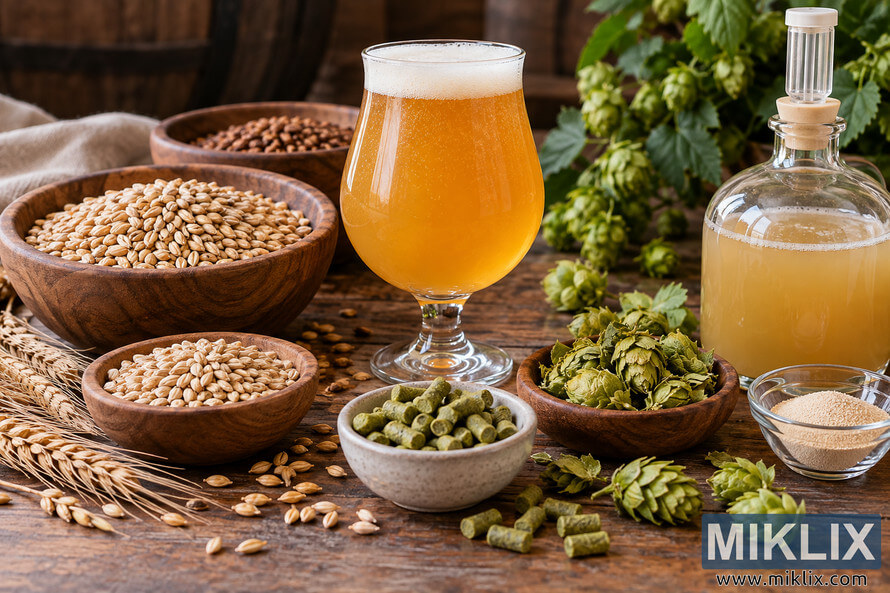
Beginner Brett Saison
Low-gravity farmhouse ale provides ideal introduction to Brett character. Primary fermentation with saison yeast followed by Brett secondary creates layered complexity.
- Original gravity: 1.048-1.052
- 90% Pilsner malt, 10% wheat
- Saaz hops to 25 IBU
- Belgian saison yeast primary
- Wyeast 5112 secondary (3-4 months)
Click or tap the image for more information and higher resolutions.
American Brett Pale
Moderate-gravity pale ale balances hop character with subtle funk. Works as 100% Brett primary or split batch approach.
- Original gravity: 1.055-1.060
- 100% American pale malt
- Cascade and Centennial hops
- Pure Wyeast 5112 primary
- Age 6-8 weeks minimum
Click or tap the image for more information and higher resolutions.
Brett Berliner Weisse
Light wheat beer gains complexity from Brett addition after kettle souring. Quick turnaround with impressive results.
- Original gravity: 1.032-1.038
- 50/50 pilsner and wheat malt
- Minimal hop additions (5-8 IBU)
- Kettle sour, then Brett fermentation
- Ready in 4-6 weeks
Click or tap the image for more information and higher resolutions.
Record Keeping and Documentation
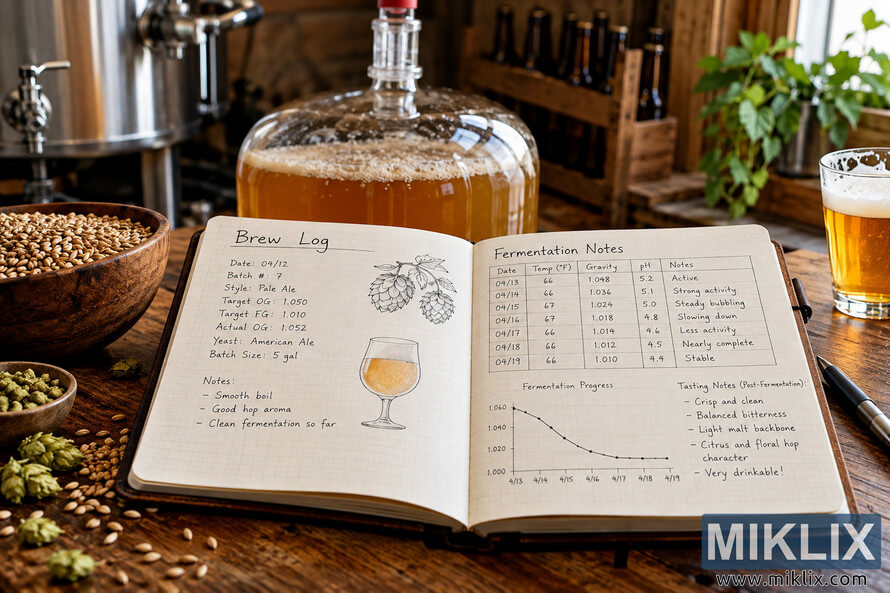
Detailed notes enable recipe refinement and troubleshooting. Brett fermentations especially benefit from thorough documentation.
Essential Brewing Notes
- Exact fermentation temperature throughout process
- Gravity readings with dates
- Yeast package date and smack-pack activation time
- Visual observations including pellicle formation
- Taste notes at regular intervals
- Final packaging date and carbonation level
Click or tap the image for more information and higher resolutions.
Building a Brett Program
Regular Brett brewing develops skills and understanding. Many homebrewers maintain continuous Brett fermentation projects.
Start one new Brett batch every 2-3 months. This schedule ensures mature beer always available while allowing experimentation.
Pro Tip: Save 500ml from each successful Brett batch to harvest yeast. Build a personal yeast library from proven fermentations. This practice saves money and maintains consistent house character.
Community and Resources
Connecting with experienced Brett brewers accelerates learning. Online communities share recipes, troubleshooting advice, and tasting notes.
Mastering Wyeast 5112 for Exceptional Homebrews
Wyeast 5112 Brettanomyces Bruxellensis opens new dimensions in homebrewing creativity. This wild yeast isolated from brewery cultures brings authentic farmhouse character to craft beers.
Success requires patience and proper technique. Temperature control, adequate aging, and dedicated equipment make the difference between good and exceptional results.
Start with simple recipes and forgiving styles. Build experience gradually while documenting each fermentation. The learning curve rewards persistent brewers with unique beers impossible to replicate with clean yeast strains.
The characteristic sweaty horse blanket notes develop naturally with proper fermentation management. These complex flavors define traditional Belgian styles and modern American interpretations alike.

Click or tap the image for more information and higher resolutions.
Further Reading
If you enjoyed this post, you may also like these suggestions:
- Fermenting Beer with White Labs WLP575 Belgian Style Ale Yeast Blend
- Fermenting Beer with White Labs WLP677 Lactobacillus Delbrueckii
- Fermenting Beer with Mangrove Jack's M36 Liberty Bell Ale Yeast