
A Complete Guide to Growing Limes in Your Home Garden
Published: February 7, 2026 at 5:32:19 PM UTC
Growing your own lime trees offers a bounty of rewards – from the satisfaction of harvesting fresh, aromatic fruit to the beauty these evergreen trees add to your landscape.
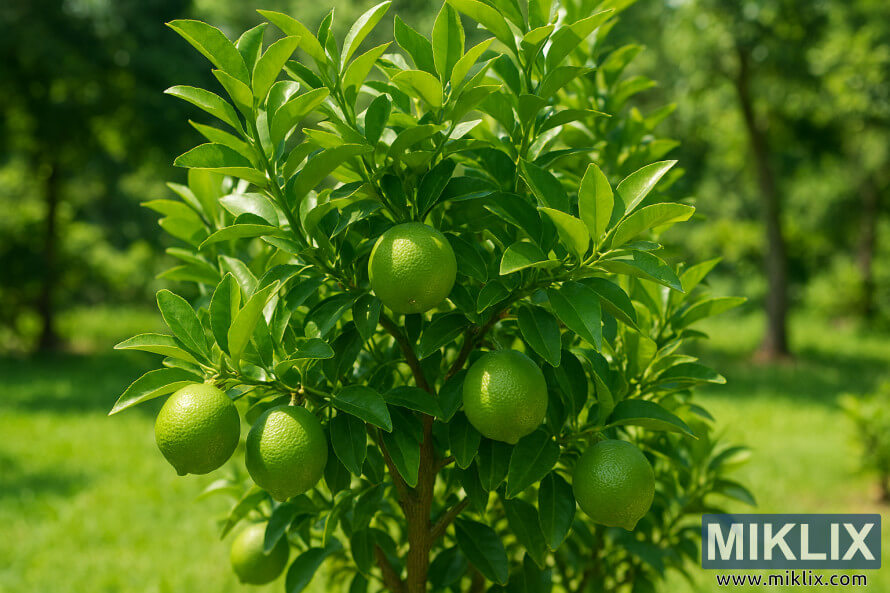
Click or tap the image for more information and higher resolutions.
Whether you're dreaming of homemade key lime pie or seeking that perfect garnish for summer drinks, cultivating limes at home connects you to the timeless joy of growing your own food. This guide will walk you through everything you need to know to successfully grow thriving lime trees in your garden.
Choosing Your Lime Tree
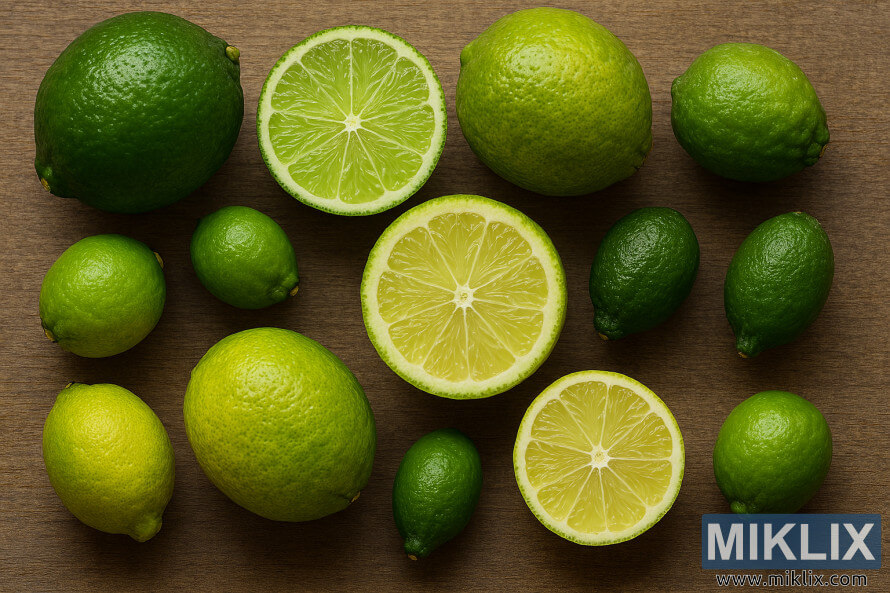
Selecting the right lime variety is the first step toward success. Different lime types offer unique flavors, sizes, and growing requirements that can significantly impact your gardening experience.
Popular Lime Varieties for Home Gardens
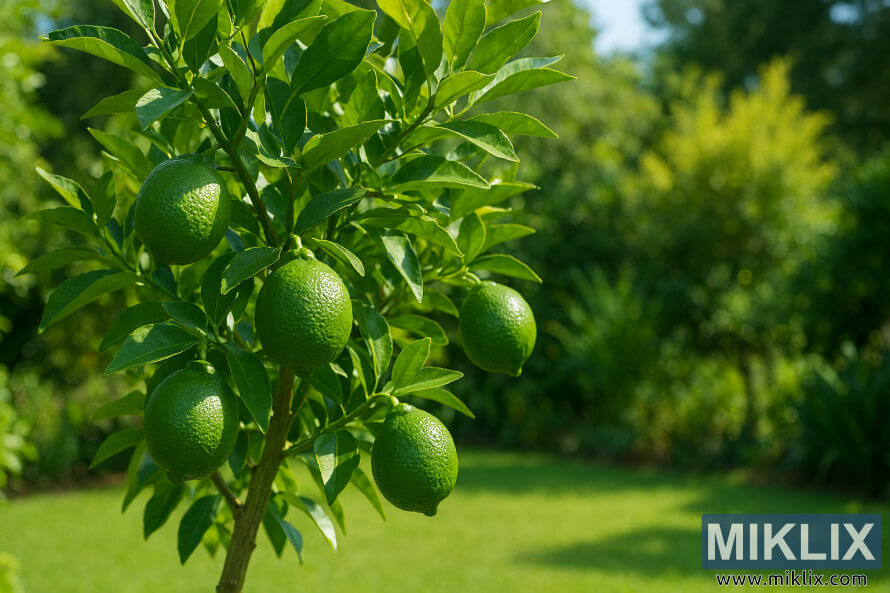
Persian/Tahiti Lime
The most common supermarket lime, Persian limes are larger and less acidic than Key limes. They grow on thornless trees that reach 15-20 feet tall and are more cold-tolerant than other varieties, making them suitable for USDA zones 9-11.
Click or tap the image for more information and higher resolutions.
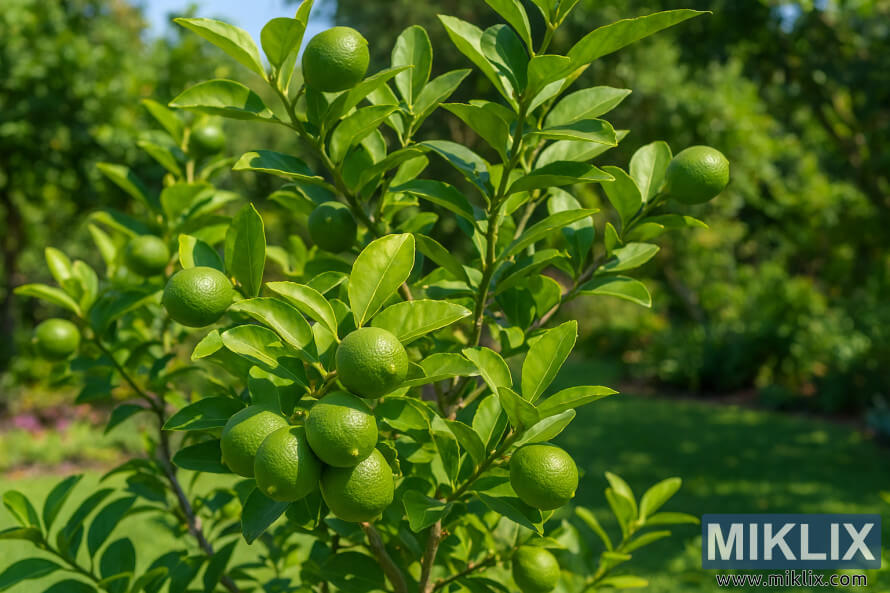
Key Lime
Smaller and more aromatic than Persian limes, Key limes produce intensely flavored fruit perfect for culinary uses. The trees are compact (8-12 feet tall), thorny, and extremely frost-sensitive, thriving best in zones 10-11.
Click or tap the image for more information and higher resolutions.
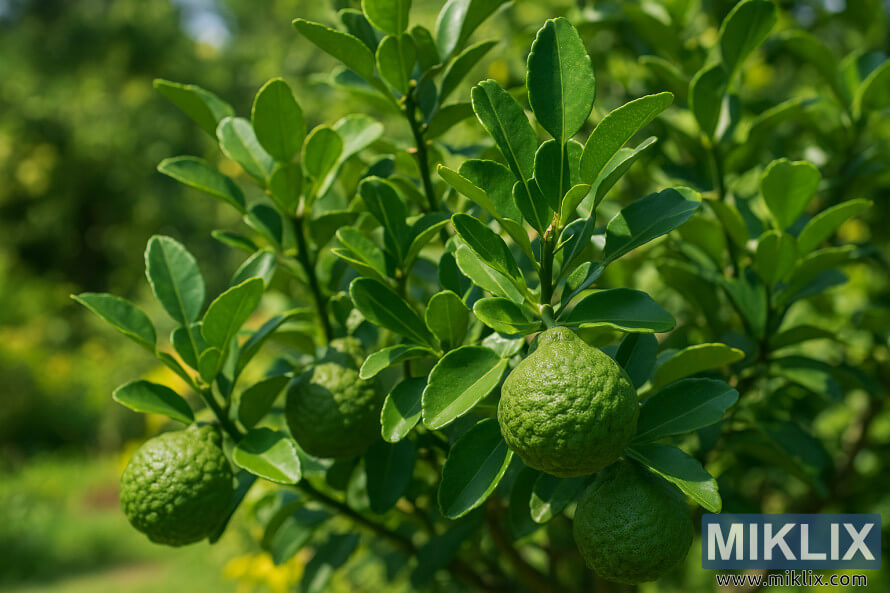
Kaffir/Makrut Lime
Grown primarily for its aromatic leaves used in Asian cuisine, the Kaffir lime produces small, bumpy fruit. These trees reach 8-10 feet tall and are suitable for zones 9-11 or as container plants in cooler regions.
Click or tap the image for more information and higher resolutions.
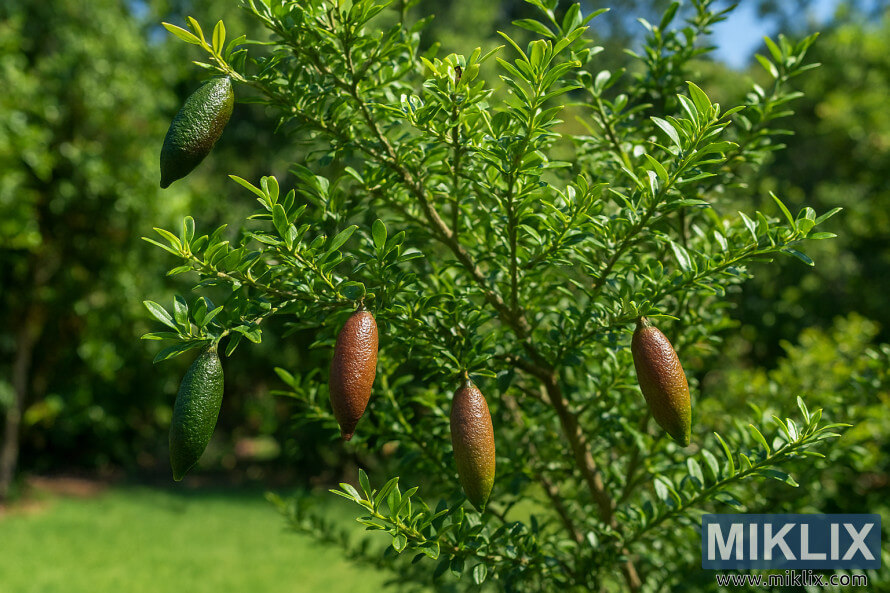
Australian Finger Lime
This unique citrus produces cylindrical fruits filled with caviar-like pulp vesicles. Reaching 6-10 feet tall, these trees are somewhat cold-hardy to zone 9 and make excellent container specimens.
Click or tap the image for more information and higher resolutions.
Factors to Consider When Selecting a Lime Tree
Climate compatibility: Match your selection to your growing zone for best results.
Space availability: Consider dwarf varieties (4-8 feet) for small gardens or containers.
Intended use: Choose varieties based on whether you want limes for cooking, beverages, or ornamental value.
Disease resistance: Some varieties show better resistance to common citrus diseases.
Tree age: Young trees (2-3 years old) establish better than older specimens.
Click or tap the image for more information and higher resolutions.
Climate and Location Requirements
Lime trees thrive in specific conditions, and understanding their environmental needs is crucial for successful growth. Creating the right microclimate can make all the difference, especially if you're growing limes at the edge of their preferred zones.
Sunlight Requirements
Lime trees are sun-lovers that require 8-10 hours of direct sunlight daily for optimal growth and fruit production. When selecting a planting location, prioritize areas with full sun exposure, particularly morning sun. In extremely hot climates, light afternoon shade can prevent leaf burn during the most intense summer months.
Temperature Considerations
Most lime varieties are frost-sensitive and will suffer damage at temperatures below 32°F (0°C). For best results, grow lime trees in USDA hardiness zones 9-11. In zone 8, they may survive with winter protection. In zones 4-7, grow limes in containers that can be moved indoors during cold weather.
Wind Protection
Strong winds can damage lime trees by breaking branches, tearing leaves, and causing fruit drop. Plant your lime tree in a location sheltered from prevailing winds, or create windbreaks using fences, structures, or companion plantings to protect your tree from harsh elements.
Microclimate Considerations
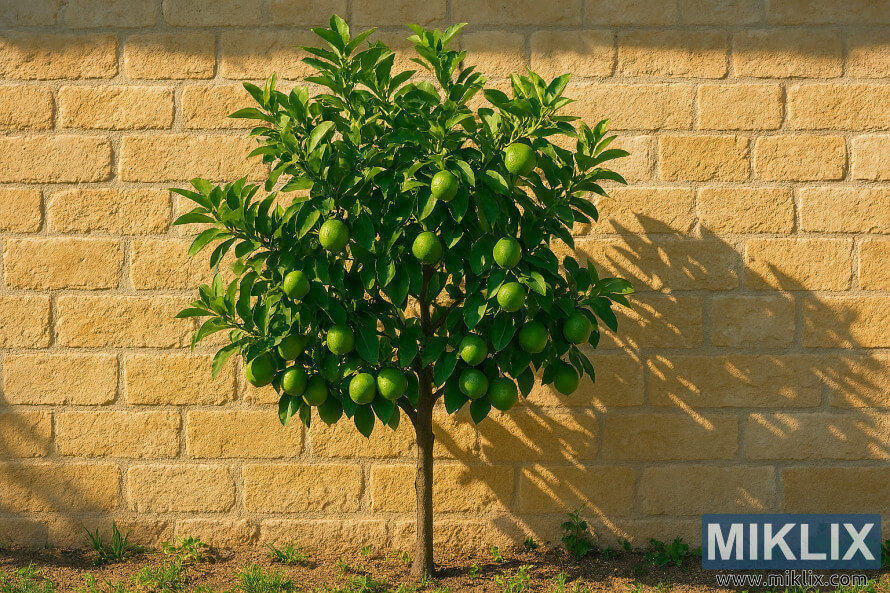
South-facing walls reflect heat and provide protection, creating warmer microclimates.
Raised areas allow cold air to drain away, reducing frost risk.
Proximity to large bodies of water can moderate temperature fluctuations.
Urban heat islands may allow lime growing in areas otherwise too cold.
Click or tap the image for more information and higher resolutions.
Planting Instructions
Proper planting sets the foundation for a healthy, productive lime tree. Following these step-by-step instructions will help ensure your tree gets off to the best possible start.
When to Plant
The ideal time to plant lime trees is during spring or early fall when temperatures are moderate. Spring planting (after all danger of frost has passed) gives trees time to establish before summer heat, while early fall planting allows root development before winter dormancy. Avoid planting during extreme heat or cold to minimize transplant shock.
Soil Preparation
Lime trees prefer well-draining, slightly acidic soil with a pH between 5.5 and 6.5. Before planting, conduct a soil test to determine your soil's pH and nutrient levels. If your soil is heavy clay or poorly draining, amend it with organic matter such as compost, aged manure, or peat moss to improve structure and drainage.
For Sandy Soils:
Add 2-3 inches of compost to improve water retention
Incorporate aged manure to boost nutrient content
Consider adding coconut coir to help retain moisture
For Clay Soils:
Add 3-4 inches of compost to improve drainage
Consider creating a raised planting mound
Incorporate coarse sand to increase porosity
Step-by-Step Planting Process
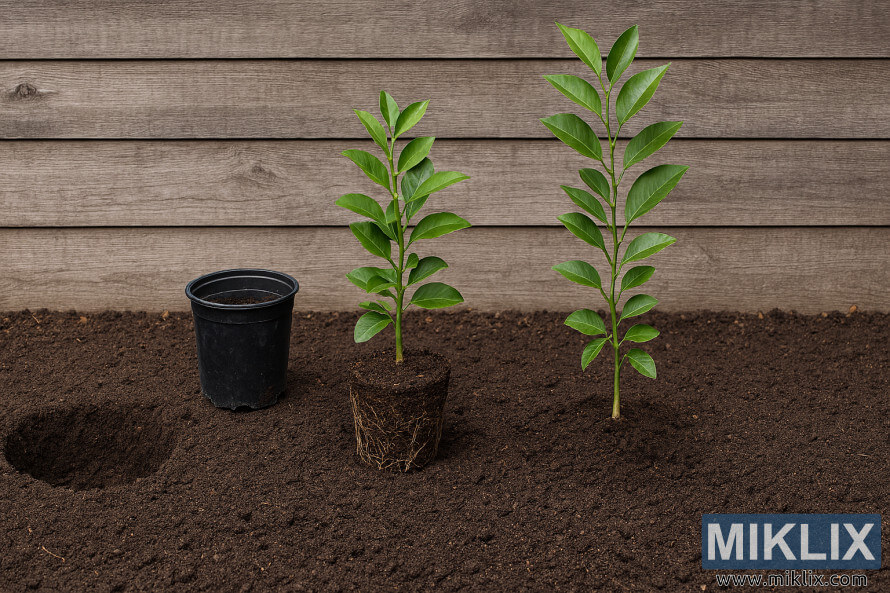
Dig the hole - Make it 2-3 times wider than the root ball but no deeper than the container depth. The top of the root ball should sit slightly above ground level.
Remove the tree from its container - Gently tap the sides of the container and slide the tree out. If root-bound, carefully loosen the outer roots.
Position the tree - Place it in the center of the hole with the graft union (swollen area on the trunk) 4-6 inches above soil level. The trunk should be straight.
Backfill the hole - Use the native soil, amended as needed. Firm gently but don't compact. Create a slight basin around the tree for water collection.
Water thoroughly - Saturate the soil to eliminate air pockets. Add more soil if settling occurs.
Apply mulch - Spread 2-3 inches of organic mulch in a 3-foot circle around the tree, keeping it 6 inches away from the trunk.
Important: Never cover the graft union with soil as this can cause disease and negate the benefits of the rootstock. Always keep mulch away from the trunk to prevent rot.
Click or tap the image for more information and higher resolutions.
Care and Maintenance
Consistent care is the key to a thriving lime tree. Establishing good maintenance routines will reward you with healthy growth and abundant harvests for years to come.
Watering Guidelines
Proper watering is critical for lime tree health. These trees prefer consistently moist but never soggy soil. Overwatering can lead to root rot, while underwatering causes stress and reduced fruit production.
Newly Planted Trees (First Year):
Water deeply every 2-3 days for the first two weeks
Reduce to twice weekly for the next month
Then water once weekly if rainfall is insufficient
Established Trees:
Water deeply every 7-14 days during growing season
Adjust based on rainfall and temperature
Reduce watering during winter dormancy
When watering, apply water slowly at the drip line (outer edge of the canopy) rather than at the trunk. This encourages roots to spread outward for better stability. A good rule of thumb is to provide about 1-1.5 inches of water per week, including rainfall.
Fertilization Schedule
Lime trees are moderate to heavy feeders that benefit from regular fertilization. Use a specialized citrus fertilizer with micronutrients, particularly zinc, iron, and manganese, which are often deficient in citrus.
| Tree Age | Amount Per Application | Frequency | When to Apply |
| Year 1 | 1/4 lb (113g) | Every 6-8 weeks | February through October |
| Year 2-3 | 1/2 lb (227g) | Every 8-10 weeks | February through October |
| Year 4+ | 1-1.5 lbs (454-680g) | 3-4 times yearly | Early spring, late spring, summer, fall |
If your lime tree shows yellowing leaves with green veins, it may be suffering from iron deficiency (chlorosis), common in alkaline soils. Apply an iron chelate formulated for your soil type according to package directions.
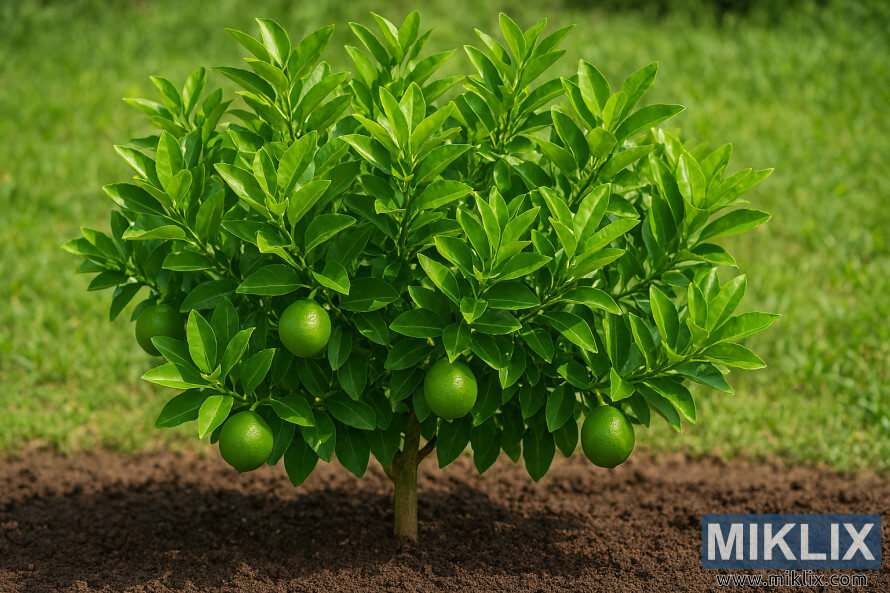
Click or tap the image for more information and higher resolutions.
Pruning Techniques
Lime trees require minimal pruning compared to other fruit trees. The main goals of pruning are to maintain tree shape, improve air circulation, remove damaged growth, and control size if needed.
When to Prune
The best time to prune lime trees is in late winter or early spring before the spring growth flush begins. Avoid pruning in late fall or early winter, as this can stimulate tender new growth that may be damaged by cold weather.
What to Prune
- Dead or diseased branches - Remove completely, cutting back to healthy wood
- Crossing branches - Eliminate branches that rub against each other
- Suckers - Remove any growth emerging from below the graft union
- Water sprouts - Remove vigorous vertical shoots that won't bear fruit
- Height control - Trim the top to maintain accessible height (optional)
Always use clean, sharp pruning tools and make cuts at a 45-degree angle just above a leaf node. Disinfect tools between cuts when removing diseased material to prevent spreading infections.
Pest and Disease Management
Lime trees can face several pest and disease challenges. Regular monitoring and early intervention are key to preventing serious problems.
Common Pests
Aphids
These small, soft-bodied insects cluster on new growth and secrete honeydew. Control with insecticidal soap, neem oil, or by introducing beneficial insects like ladybugs.
Citrus Leaf Miner
These larvae create winding tunnels in leaves. Manage by removing severely affected leaves and applying horticultural oil to new growth.
Scale Insects
These immobile pests attach to branches and leaves. Control with horticultural oil or insecticidal soap applied directly to affected areas.
Spider Mites
Tiny pests that cause stippling on leaves. Regular water sprays on the undersides of leaves can deter them, or apply insecticidal soap for severe infestations.
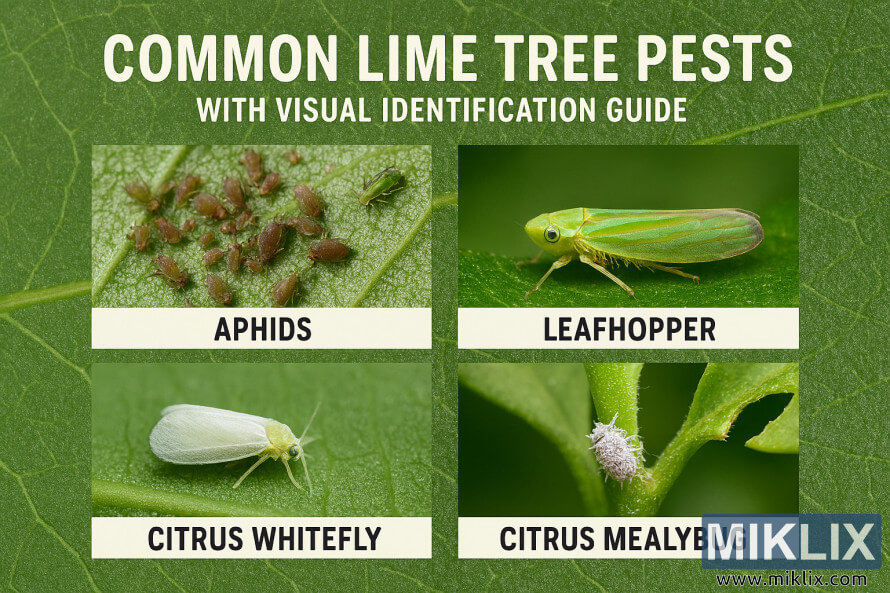
Click or tap the image for more information and higher resolutions.
Common Diseases
Citrus Canker
A bacterial disease causing raised lesions on leaves, stems, and fruit. Remove and destroy affected parts and apply copper-based fungicides preventatively.
Root Rot
Caused by overwatering or poor drainage. Prevent by ensuring proper soil drainage and avoiding overwatering.
Greasy Spot
A fungal disease causing yellow-brown blisters on leaves. Control with copper fungicide or horticultural oil applications.
Citrus Scab
Causes corky, raised lesions on fruit and leaves. Apply copper fungicide at bud break and after petal fall.
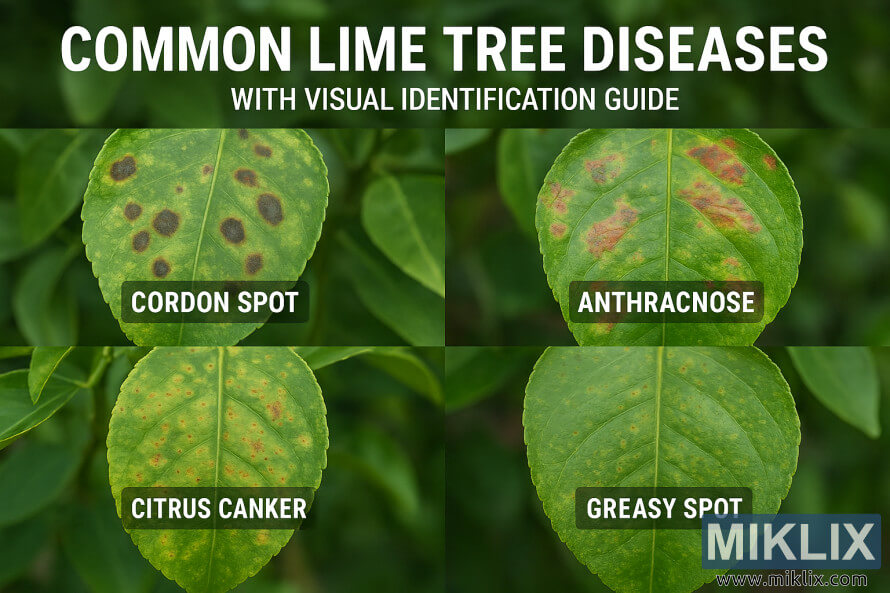
Click or tap the image for more information and higher resolutions.
Harvesting and Storage
After months of care and anticipation, harvesting your homegrown limes is a rewarding experience. Knowing when and how to pick your fruit ensures the best flavor and longest storage life.
When to Harvest
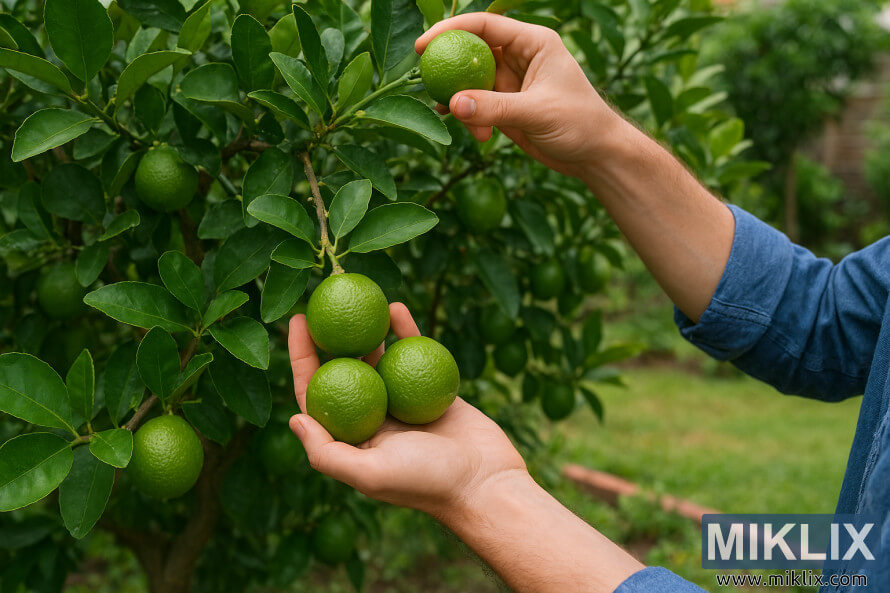
Unlike many fruits, color change isn't always a reliable indicator of ripeness in limes. Depending on the variety, ripe limes may be green, yellowish-green, or yellow. Here's how to determine when your limes are ready for harvest:
Size - Fruit has reached its typical size for the variety (1-2 inches for Key limes, 2-2.5 inches for Persian)
Firmness - Ripe limes yield slightly to gentle pressure but aren't soft
Skin texture - The skin becomes smoother and thinner as the fruit ripens
Aroma - Ripe limes have a noticeable citrus fragrance at the stem end
Taste test - When in doubt, harvest one lime and taste it for juiciness and flavor
Most lime varieties take 6-9 months from flowering to reach maturity. Persian limes are typically harvested while still green, while Key limes may begin to show yellow patches when fully ripe.
How to Harvest
Proper harvesting techniques prevent damage to both the fruit and the tree:
Use clean, sharp pruning shears or scissors rather than pulling the fruit
Cut the stem about 1/4 inch above the fruit
Handle limes gently to avoid bruising
Harvest in the morning when temperatures are cooler
Place harvested fruit carefully in a shallow container to avoid crushing
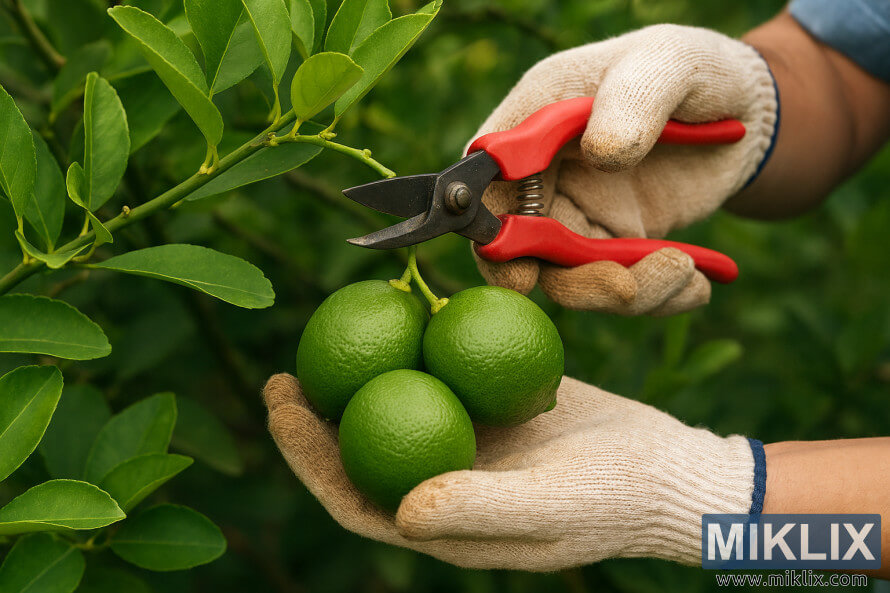
Click or tap the image for more information and higher resolutions.
Storage Methods
Properly stored limes can maintain their quality for several weeks:
Short-term Storage (1-2 weeks):
Store at room temperature in a cool, dry place
Keep away from direct sunlight
Place in a shallow bowl with good air circulation
Longer Storage (2-4 weeks):
Refrigerate in the crisper drawer
Place in a perforated plastic bag to maintain humidity
Check regularly and remove any that show signs of decay
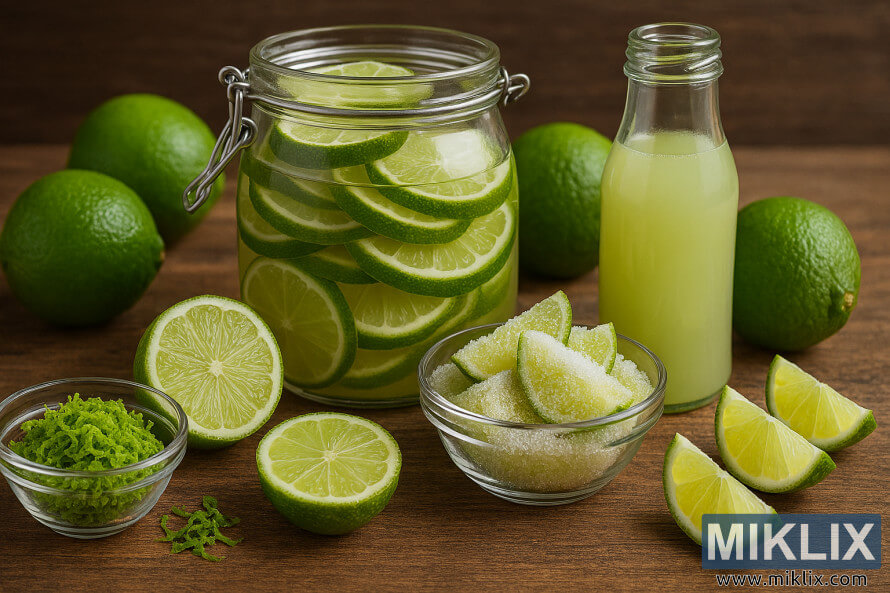
Preserving Lime Juice and Zest
If you have an abundant harvest, consider these preservation methods:
Freezing juice - Squeeze juice and freeze in ice cube trays, then transfer to freezer bags
Freezing zest - Grate zest and store in airtight containers in the freezer
Drying zest - Spread zest on a baking sheet and dry in a low oven, then store in airtight jars
Click or tap the image for more information and higher resolutions.
Growing Limes in Containers
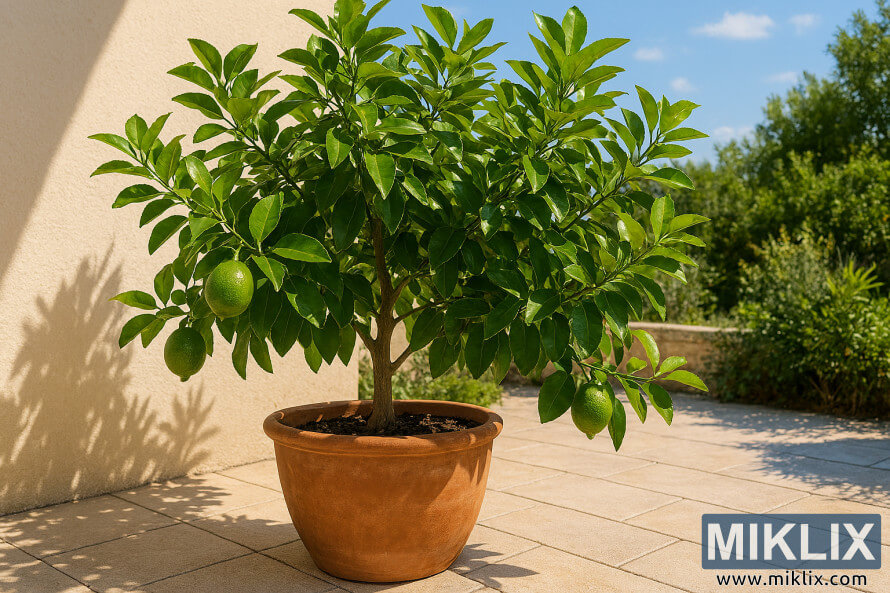
Don't have garden space or live in a cooler climate? Container growing offers a flexible solution that allows almost anyone to enjoy homegrown limes. With proper care, potted lime trees can be productive and long-lived.
Advantages of Container Growing
Extends growing range to cooler climates (can move indoors during winter)
Perfect for small spaces like patios, balconies, or decks
Allows control over soil conditions
Easier to protect from pests and diseases
Can be positioned for optimal sunlight exposure
Choosing the Right Container
Select a container that provides adequate space for root development while allowing for good drainage:
Size - Start with a 15-20 gallon container for young trees; plan to upgrade as the tree grows
Material - Terracotta, ceramic, or thick plastic all work well; avoid metal which can overheat
Drainage - Ensure multiple drainage holes; add extra holes if needed
Mobility - Consider a rolling plant caddy for larger containers to ease movement
Click or tap the image for more information and higher resolutions.
Potting Mix for Container Limes
Regular garden soil is too heavy for containers. Create a well-draining, nutrient-rich environment with:
- 1 part high-quality potting soil (not garden soil)
- 1 part coconut coir or peat moss
- 1 part perlite or pumice
- Optional: 10% compost for added nutrients
This mix provides the perfect balance of moisture retention and drainage that lime trees need. Avoid mixes containing water-retaining crystals, as these can lead to root rot in citrus.
Special Care for Container Limes
Watering
Container plants dry out faster than those in the ground. Check moisture levels frequently by inserting your finger 2 inches into the soil. Water when the top 1-2 inches feel dry, applying water until it flows from the drainage holes. During hot weather, daily watering may be necessary.
Fertilizing
Nutrients leach more quickly from containers. Feed container limes with a slow-release citrus fertilizer every 8-10 weeks during the growing season, or use a liquid fertilizer at half strength every 2-3 weeks. Supplement with occasional applications of Epsom salts (1 tablespoon per gallon of water) to provide magnesium.
Overwintering
In zones 8 and below, bring container limes indoors before temperatures drop below 40°F (4°C). Place in a bright location away from heating vents. Reduce watering but don't allow the soil to completely dry out. A cool sunroom or south-facing window is ideal. Expect some leaf drop when moving the tree, which is normal as it adjusts to indoor conditions.
Container Growing Tip: Repot your lime tree every 2-3 years in early spring. Gently trim about 1/3 of the roots and refresh with new potting mix to maintain vigor and productivity.
Troubleshooting Common Issues
Even with the best care, lime trees can sometimes develop problems. Being able to identify and address common issues quickly will help keep your tree healthy and productive.
Leaf Problems
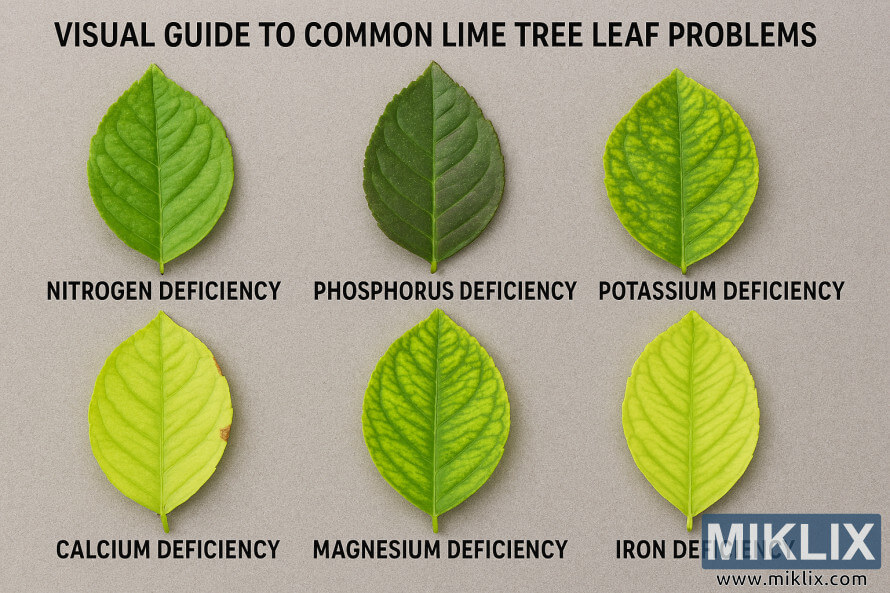
Yellowing Leaves
Possible causes: Nutrient deficiencies (especially nitrogen, iron, zinc, or magnesium), overwatering, poor drainage, or pest damage.
Solution: Check drainage, adjust watering, and apply appropriate fertilizer based on the pattern of yellowing. If only the veins remain green, apply an iron chelate product.
Curling Leaves
Possible causes: Drought stress, pest infestation (especially aphids or leaf miners), or wind damage.
Solution: Ensure consistent watering, check for and treat pests, and provide wind protection if needed.
Fruit Issues
Fruit Drop
Possible causes: Natural thinning, drought stress, extreme temperature fluctuations, or nutrient deficiencies.
Solution: Maintain consistent watering, protect from temperature extremes, and ensure proper fertilization.
Small or Dry Fruit
Possible causes: Insufficient watering, nutrient deficiencies, or overcropping.
Solution: Increase watering frequency during fruit development, apply balanced fertilizer, and consider thinning fruit in heavy crop years.
Click or tap the image for more information and higher resolutions.
Growth Problems
Healthy Growth Signs
- Deep green leaves with glossy appearance
- New growth flushes 2-3 times per year
- Sturdy branches with short internodes
- Abundant flowering followed by good fruit set
- Vigorous but not excessive vegetative growth
Unhealthy Growth Signs
- Sparse, pale foliage or excessive leaf drop
- Leggy growth with long distances between leaves
- Stunted new growth or no growth flushes
- Flowering but no fruit development
- Dieback of branches or twigs
No Flowering or Fruiting
If your mature lime tree (3+ years old) isn't flowering or setting fruit, consider these common causes and solutions:
| Problem | Likely Cause | Solution |
| No flowers | Insufficient sunlight, excessive nitrogen, or young tree | Ensure 8+ hours of direct sun, reduce nitrogen fertilizer, be patient with young trees |
| Flowers but no fruit | Poor pollination, drought stress, or nutrient deficiency | Hand pollinate flowers, maintain consistent moisture, apply balanced fertilizer |
| Fruit drops when small | Natural thinning, water stress, or pest damage | Some drop is normal; ensure consistent watering and check for pests |
How long does it take for a lime tree to bear fruit?
Most lime trees begin producing fruit 3-5 years after planting. Trees grown from seed may take 5-7 years to fruit. Grafted trees typically fruit earlier than those grown from cuttings or seed. The first harvests are usually small, with production increasing as the tree matures.
Conclusion
Growing your own lime trees offers a special kind of satisfaction that combines the joy of gardening with the pleasure of harvesting your own fresh, aromatic fruit. While lime trees do require some specific care, the rewards of tending these beautiful citrus plants far outweigh the effort involved.
Remember that successful lime growing comes down to a few key principles: providing adequate sunlight, maintaining proper watering, using appropriate fertilization, and protecting trees from extreme temperatures. Whether you're growing limes in the ground or in containers, these fundamentals remain the same.
As your lime trees mature, you'll develop an intuitive understanding of their needs and rhythms. Each season brings its own tasks and rewards, from the fragrant spring blossoms to the satisfaction of harvesting your first homegrown limes. With patience and attention, your lime trees can provide beauty and bounty for many years to come.
Click or tap the image for more information and higher resolutions.
Further Reading
If you enjoyed this post, you may also like these suggestions:
- How to Grow Arugula: A Complete Guide for Home Gardeners
- A Guide to Growing Lettuce in Your Own Garden
- A Complete Guide to Growing Brussels Sprouts Successfully