
A Guide to Growing Horseradish in Your Own Garden
Published: February 3, 2026 at 5:27:16 PM UTC
Horseradish is a hardy perennial root vegetable that has been adding fiery flavor to meals for thousands of years. This resilient plant, known botanically as Armoracia rusticana, produces large green leaves above ground while developing its prized spicy roots below.
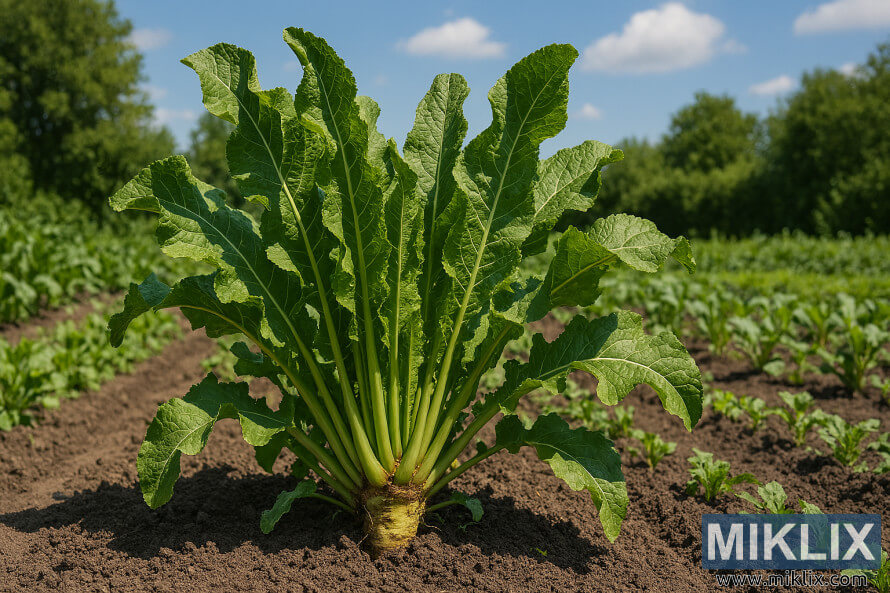
Click or tap the image for more information and higher resolutions.
Growing your own horseradish ensures you'll have access to the freshest, most potent roots possible – far superior to store-bought options that often lose their punch. Plus, once established, this low-maintenance perennial will reward you with harvests year after year.
In this comprehensive guide, we'll walk through everything you need to know to successfully grow, maintain, and harvest horseradish in your home garden. Whether you're a seasoned gardener or just starting out, you'll discover how simple it is to cultivate this versatile herb that adds zesty flavor to roasts, seafood, and homemade condiments.
Getting Started with Horseradish
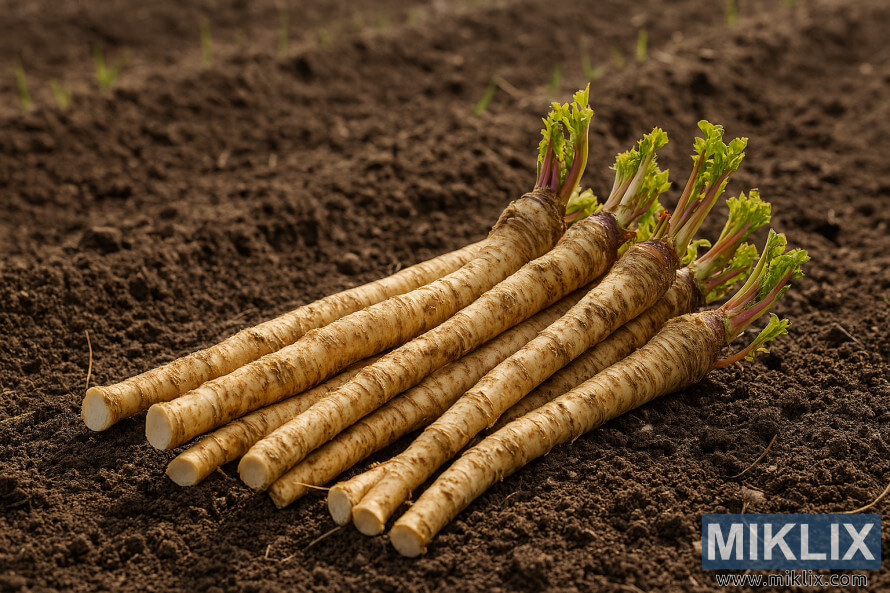
Fresh horseradish roots ready for planting
Horseradish thrives in cool weather and requires a dormant period, making it ideal for gardeners in USDA hardiness zones 3-9. The best times to plant horseradish are early spring (as soon as the soil can be worked) or late fall (just before the ground freezes). Spring planting is generally preferred for beginners as it gives the plants a full growing season to establish before winter.
Obtaining Horseradish Root Cuttings
Unlike most vegetables, horseradish isn't typically grown from seeds. Instead, it's propagated from root cuttings (also called "sets"). You can obtain these in several ways:
- Purchase root cuttings from garden centers or online nurseries
- Buy fresh horseradish roots from farmers' markets or grocery stores
- Ask a gardening friend who grows horseradish for some root divisions
Preparing Root Cuttings
When selecting horseradish roots for planting, look for firm, disease-free specimens about 8-10 inches long and at least 1/2 inch in diameter. The thicker end of the root will be the top (crown), while the thinner end points downward. If you're using store-bought roots, choose ones that show some signs of life, such as small buds or green sprouts.
To prepare your cuttings:
- Cut the root at a 45-degree angle at the bottom end (this helps with orientation when planting)
- If using a large root, you can cut it into several 8-inch sections, ensuring each piece has some crown tissue or buds
- Allow the cut surfaces to dry for a few hours before planting
Click or tap the image for more information and higher resolutions.
Planting and Site Selection
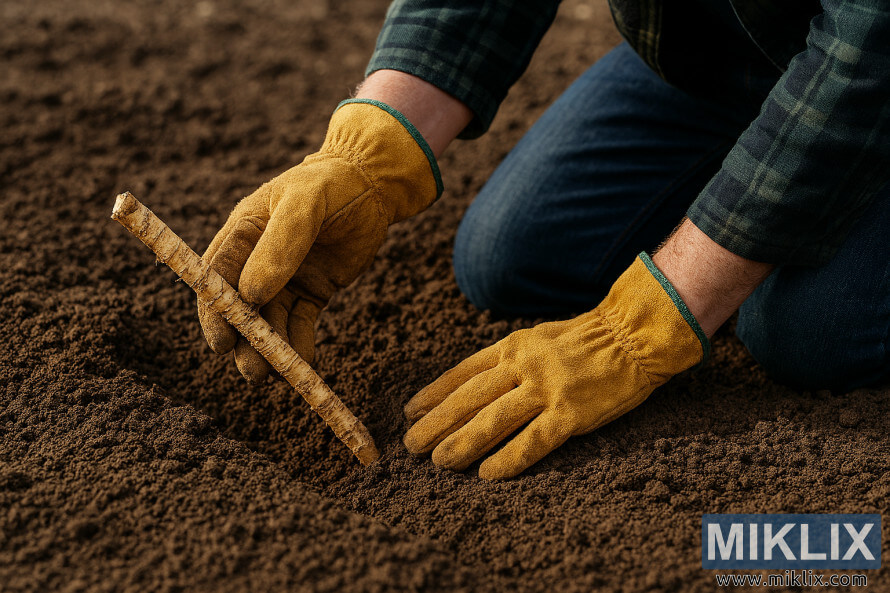
Planting horseradish root at the proper angle ensures good growth
Choosing the Ideal Location
Horseradish grows best in full sun but will tolerate partial shade. When selecting a planting site, keep in mind that horseradish can be quite vigorous and potentially invasive. Choose a location where:
- Plants receive at least 6 hours of direct sunlight daily
- Soil is deep, rich, and well-draining
- There's enough space for plants to spread (each plant needs about 2-3 feet of space)
- It won't interfere with other garden plants (consider a dedicated bed or border area)
Many gardeners choose to grow horseradish in a dedicated container or raised bed to control its spread. If planting in the ground, consider using barriers like buried tiles or bottomless buckets to contain the roots.
Soil Preparation
Horseradish prefers slightly acidic to neutral soil (pH 5.5-7.0) that's rich in organic matter. Before planting:
- Dig and loosen the soil to a depth of 10-12 inches to accommodate the deep root system
- Remove any rocks, roots, or debris that might cause misshapen roots
- Mix in 2-3 inches of compost or well-rotted manure
- Add a balanced organic fertilizer (like 10-10-10) according to package directions
Planting Instructions
Once your site is prepared, follow these steps to plant horseradish:
- Dig trenches or individual holes 2-3 inches deep
- Place root cuttings at a 45-degree angle, with the top end (sliced straight across) about 1-2 inches below the soil surface
- If planting multiple roots, space them 18-24 inches apart in rows that are 30-36 inches apart
- Cover with soil and water thoroughly
For container growing, select a pot at least 18 inches deep and wide. Use the same planting method, but ensure the container has adequate drainage holes.
Click or tap the image for more information and higher resolutions.
Care and Maintenance
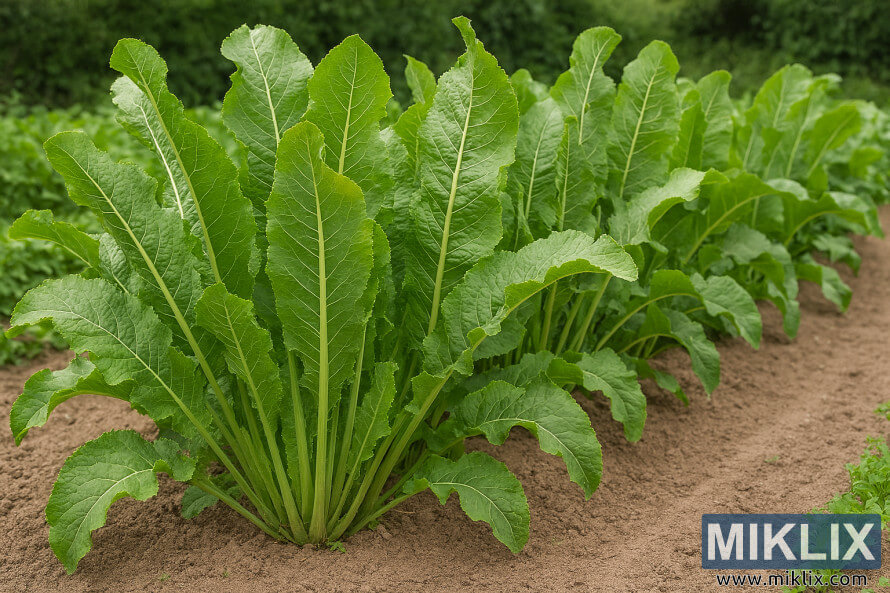
Healthy horseradish plants with established foliage
Watering
Horseradish needs consistent moisture, especially during the first growing season and during root development in late summer and early fall. However, it's also susceptible to root rot in waterlogged conditions.
- Water deeply once a week, providing about 1 inch of water
- Increase watering during hot, dry periods
- Reduce watering in late fall as harvest approaches
- Container-grown plants will need more frequent watering
Fertilizing
Horseradish isn't a heavy feeder, and too much nitrogen can actually reduce the flavor intensity of the roots. For best results:
- Apply a balanced, low-nitrogen fertilizer (like 5-10-10) in early spring
- Side-dress with compost midway through the growing season
- Avoid late-season fertilizing, which can reduce root quality
Click or tap the image for more information and higher resolutions.
Weed Control
Weed control is especially important early in the season when horseradish plants are still small and can be easily outcompeted.
- Apply a 2-3 inch layer of organic mulch (like straw or shredded leaves) around plants
- Hand-pull weeds regularly, being careful not to disturb the horseradish roots
- Cultivate shallowly when necessary, as deep cultivation can damage roots
Managing Growth
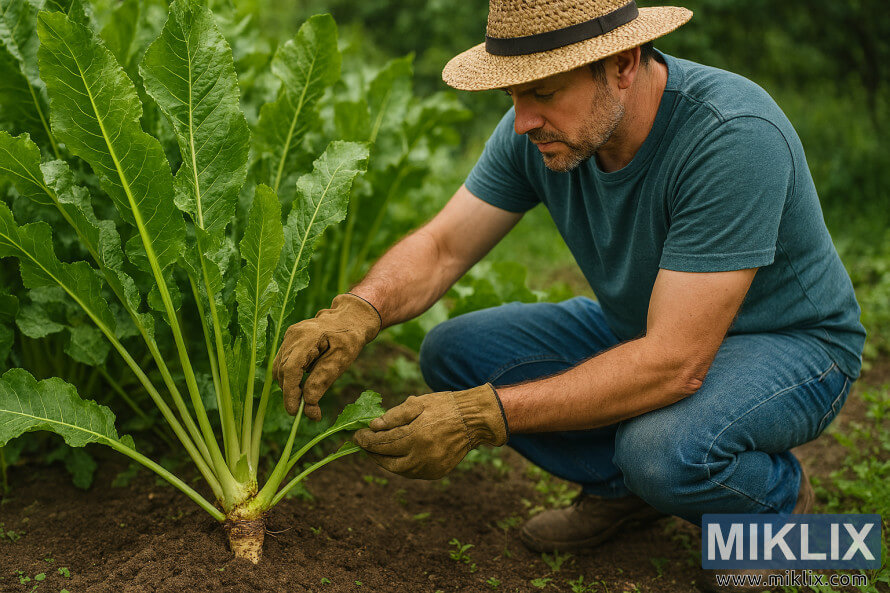
Removing side shoots helps develop larger main roots
To grow high-quality horseradish with straight, thick roots, some additional maintenance is recommended:
- When plants are about 8 inches tall, carefully remove soil from around the upper portion of the main root
- Rub off all small roots and shoots, leaving only the best crown of leaves
- Return the soil around the plant
- Repeat this process about 6 weeks later
This practice, known as "lifting and stripping," encourages the plant to put energy into developing a single large main root rather than many smaller ones.
Containing Spread
Horseradish can become invasive if not properly managed. To keep it under control:
- Plant in containers or raised beds with barriers
- Harvest thoroughly each year, removing as many root fragments as possible
- Consider using physical barriers like buried tiles or bottomless buckets
- Remove any volunteer plants that appear outside the designated growing area
Click or tap the image for more information and higher resolutions.
Harvesting and Storage
When to Harvest
Horseradish roots develop their best flavor after exposure to cold temperatures. The ideal harvesting times are:
- Late fall, after several frosts but before the ground freezes (October-November)
- Early spring, before new growth begins (March-April)
First-year plants should be allowed to grow for a full season before harvesting. In subsequent years, you can harvest annually for the best quality roots. Roots left in the ground for multiple years tend to become woody and less flavorful.
How to Harvest
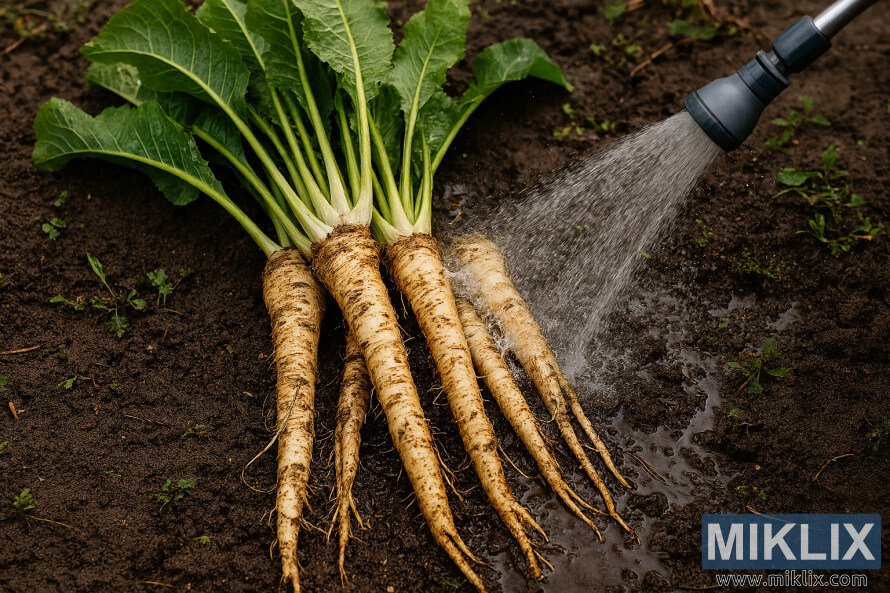
Harvesting horseradish requires some effort, as the roots can grow quite deep:
- Loosen the soil around the plant with a garden fork, working in a circle about 12 inches from the crown
- Carefully dig down and under the main root to avoid breaking it
- Lift the entire root system, including side roots
- Save several pencil-sized roots for replanting if desired
- Cut off the tops, leaving about 1 inch of crown
Click or tap the image for more information and higher resolutions.
Cleaning and Storing Fresh Roots
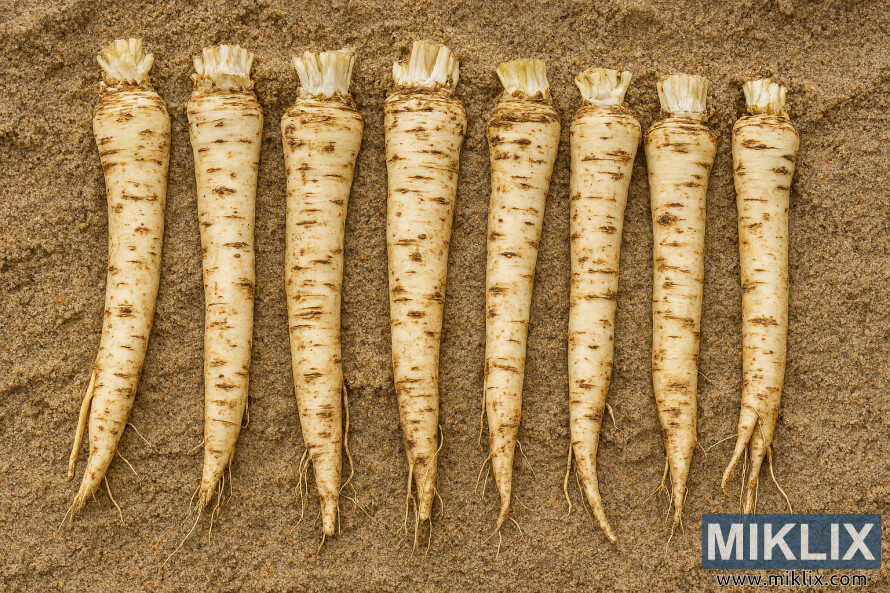
Clean horseradish roots ready for storage
After harvesting, proper cleaning and storage will help maintain the roots' quality:
- Wash roots thoroughly under running water, scrubbing off all soil
- Trim off any damaged areas or small rootlets
- Allow roots to dry completely
- For long-term storage, place roots in a perforated plastic bag with slightly damp sand
- Store in a cool, dark place like a root cellar or refrigerator at 32-40°F
Properly stored horseradish roots can keep for 3-6 months in the refrigerator or up to 10-12 months in a root cellar.
Click or tap the image for more information and higher resolutions.
Preparing Fresh Horseradish
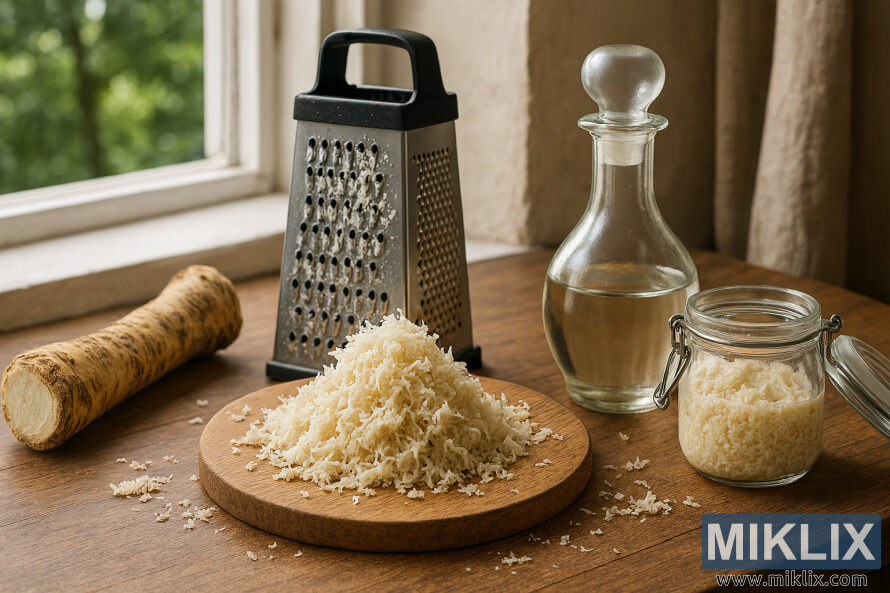
Grating fresh horseradish outdoors prevents eye irritation from strong fumes
To prepare your own horseradish condiment:
- Work in a well-ventilated area (preferably outdoors) as the fumes can be very strong
- Peel the roots and cut into small chunks
- Process in a food processor or grate by hand
- Add 2-3 tablespoons of white vinegar and a pinch of salt per cup of grated horseradish
- For milder horseradish, add vinegar immediately; for hotter horseradish, wait 3 minutes before adding vinegar
- Store in airtight containers in the refrigerator for up to 4-6 weeks
Click or tap the image for more information and higher resolutions.
Common Problems and Solutions
Pests
While horseradish is generally resistant to many garden pests, it can be affected by a few specific insects:
| Pest | Symptoms | Organic Solutions |
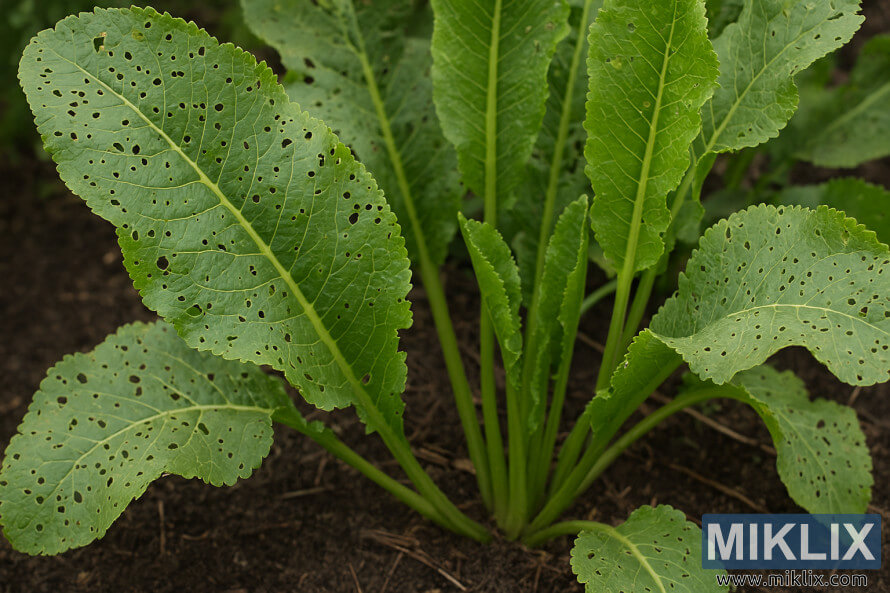
| Horseradish Flea Beetle | Small holes in leaves; larvae may tunnel into leaf stems | Floating row covers; neem oil spray; introduce beneficial insects |
| Aphids | Curled leaves; sticky residue; small green insects | Strong water spray; insecticidal soap; ladybugs |
| Cabbage Worms | Ragged holes in leaves; green caterpillars | Bacillus thuringiensis (Bt) spray; hand-picking |
Click or tap the image for more information and higher resolutions.
Diseases
Horseradish can be susceptible to several diseases, particularly in wet conditions:
| Disease | Symptoms | Prevention/Treatment |
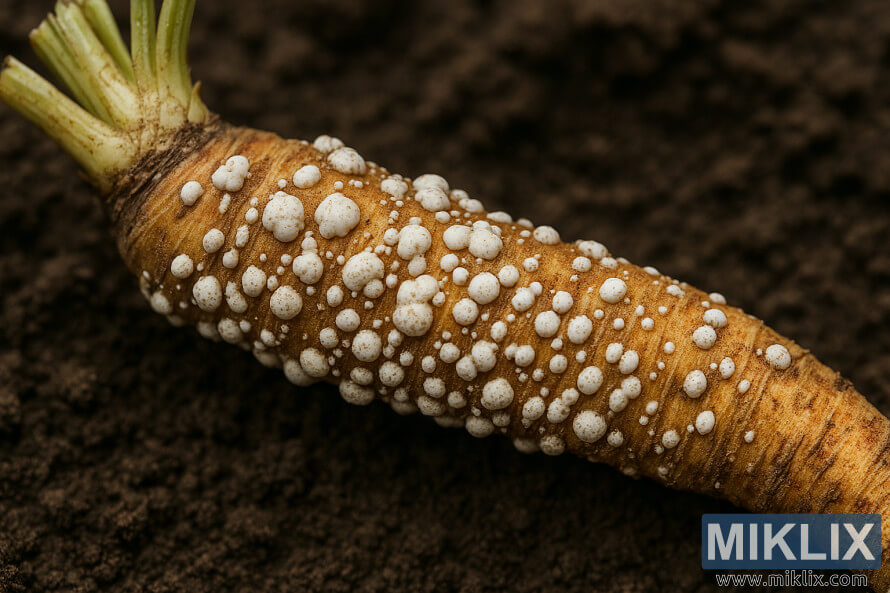
| White Rust | White pustules on leaf undersides; yellowing leaves | Crop rotation; remove infected plants; use disease-free root stock |
| Root Rot | Soft, discolored roots; wilting despite adequate moisture | Improve drainage; avoid overwatering; rotate planting sites |
| Bacterial Leaf Spot | Dark, water-soaked spots on leaves | Avoid overhead watering; remove infected leaves; ensure good air circulation |
Click or tap the image for more information and higher resolutions.
Growing Issues
Some common growing problems and their solutions include:
Forked or Misshapen Roots
Causes: Rocky soil; inadequate soil preparation; root damage during growth
Solutions: Prepare soil deeply before planting; remove rocks and debris; avoid disturbing roots during growth
Poor Flavor Development
Causes: Harvesting too early; excessive nitrogen; inadequate cold exposure
Solutions: Harvest after frost; use low-nitrogen fertilizers; ensure plants experience cold temperatures before harvest
Invasive Spread
Causes: Aggressive root system; incomplete harvesting
Solutions: Plant in containers; use root barriers; harvest thoroughly each year; remove volunteer plants promptly
Bolting (Premature Flowering)
Causes: Heat stress; plant age; environmental factors
Solutions: Remove flower stalks promptly; provide afternoon shade in hot climates; harvest roots before they become too old
Conclusion
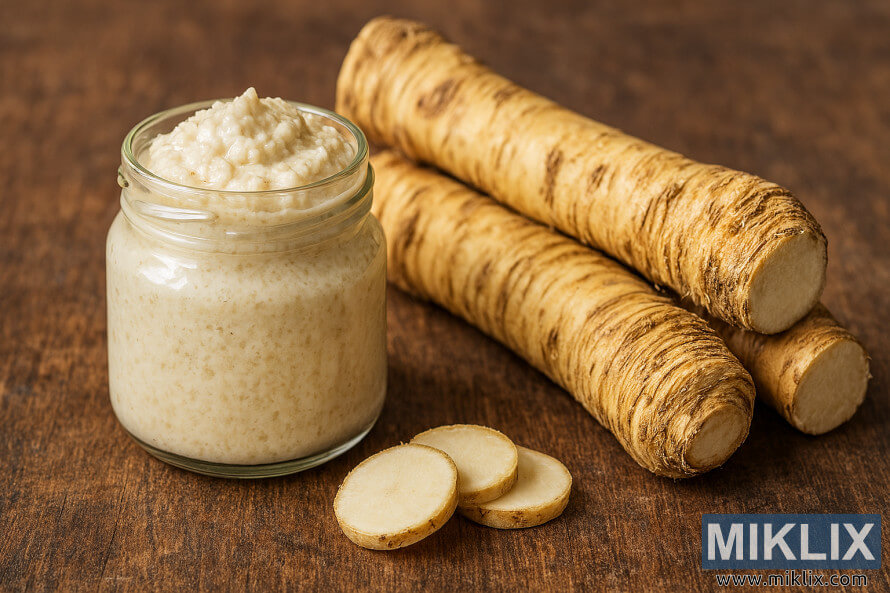
The reward of growing your own horseradish: fresh, potent homemade sauce
Growing horseradish in your garden is a rewarding experience that provides you with a fresh, potent ingredient that far surpasses store-bought versions. While it requires some patience – waiting through the first growing season before harvesting – the minimal maintenance and reliable production make it an excellent addition to any garden.
Remember that horseradish is a vigorous perennial, so plan your planting location carefully or use containers to control its spread. With proper care during the growing season and careful harvesting techniques, you'll enjoy a bountiful supply of this zesty root for years to come.
Whether you're adding it to roast beef, mixing it into seafood cocktail sauce, or creating your own signature condiment, there's nothing quite like the sharp, clean heat of freshly grated horseradish that you've grown yourself. So grab some root cuttings this spring, prepare a spot in your garden, and start growing this ancient and versatile herb!
Click or tap the image for more information and higher resolutions.
Further Reading
If you enjoyed this post, you may also like these suggestions:
- A Complete Guide to Growing Grapefruits From Planting to Harvest
- The Complete Guide to Growing Cabbage in Your Home Garden
- From Seed to Harvest: The Complete Guide to Growing Zucchini