
The Complete Guide to Growing Cabbage in Your Home Garden
Published: December 10, 2025 at 9:32:09 PM UTC
Cabbage is a versatile, nutritious cool-season crop that deserves a place in every home garden. Whether you're craving crisp coleslaw, hearty soups, or homemade sauerkraut, growing your own cabbage provides fresh, flavorful harvests that far surpass store-bought options.
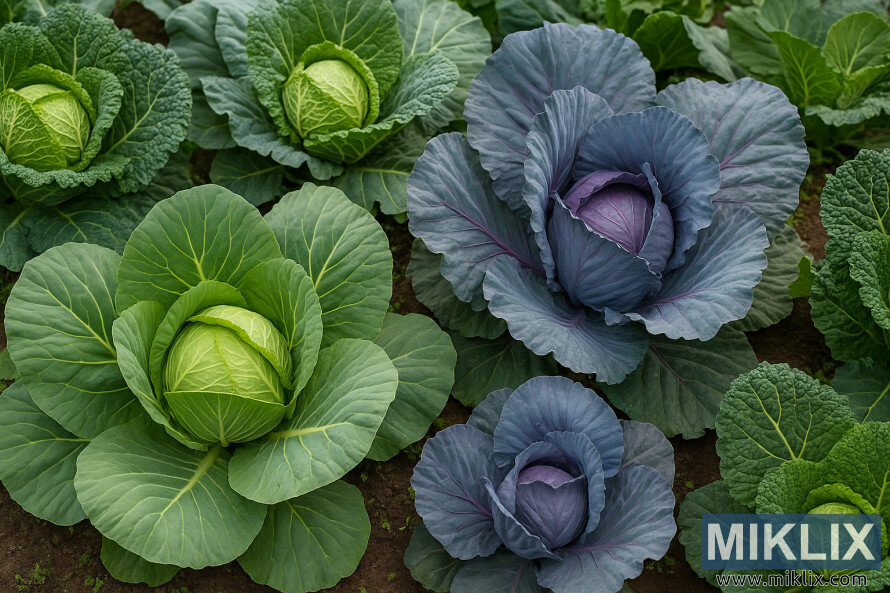
Click or tap the image for more information and higher resolutions.
This guide will walk you through everything you need to know to successfully grow cabbage, from selecting the right varieties to harvesting perfect heads.
Choosing the Right Cabbage Variety
With hundreds of cabbage varieties available, selecting the right one for your garden can seem overwhelming. Consider your climate, growing season, and culinary preferences when making your choice.
Different cabbage varieties offer unique flavors, textures, and growing characteristics
Popular Cabbage Types
| Cabbage Type | Characteristics | Days to Maturity | Best Uses |
| Green Cabbage | Round, dense heads with smooth leaves | 70-100 days | Coleslaw, sauerkraut, cooking |
| Red/Purple Cabbage | Vibrant color, slightly peppery flavor | 75-180 days | Salads, pickling, braising |
| Savoy Cabbage | Crinkled leaves, looser heads | 85-110 days | Wraps, stir-fries, soups |
| Napa/Chinese Cabbage | Elongated shape, mild flavor | 60-80 days | Stir-fries, kimchi, soups |
Recommended Varieties for Beginners
- Early Jersey Wakefield - A reliable heirloom with pointed heads that resist splitting
- Golden Acre - Quick-maturing (65 days) with compact 3-pound heads
- Stonehead - Disease-resistant and early-maturing for spring planting
- Ruby Perfection - Vibrant red cabbage ideal for fall harvests
- Savoy Ace - Excellent flavor with frost tolerance for extended harvests
When to Plant Cabbage
Timing is crucial for growing cabbage successfully. As a cool-season crop, cabbage thrives in temperatures between 45°F and 75°F (7°C to 24°C). Planting at the right time helps avoid problems like bolting, splitting, and poor head formation.
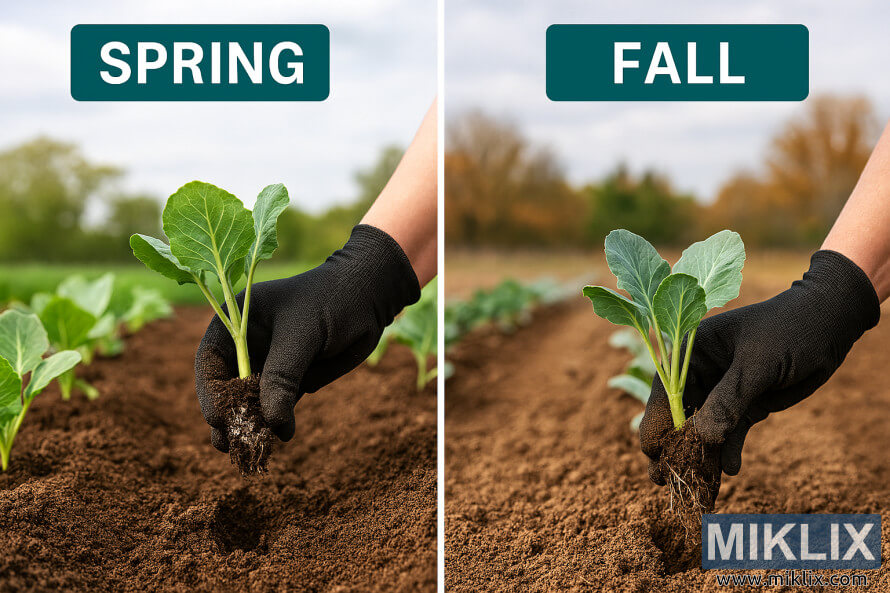
Click or tap the image for more information and higher resolutions.
Spring Planting
For a summer harvest, start seeds indoors 6-8 weeks before your last expected spring frost date. Transplant seedlings outdoors 2-3 weeks before the last frost. Cabbage seedlings can tolerate light frost, but protect them if temperatures drop below 25°F.
Fall Planting
For a fall harvest, start seeds 10-12 weeks before your first expected fall frost. In hot regions, provide afternoon shade for young plants. Fall cabbage often develops sweeter flavor due to cooler temperatures during maturation.
Tip: Mature cabbage plants can tolerate temperatures down to 24°F, making them excellent for extended fall harvests in many regions.
Site and Soil Preparation
Cabbage is a heavy feeder that requires nutrient-rich soil and proper site selection for optimal growth. Taking time to prepare your garden bed will significantly improve your chances of growing large, healthy cabbage heads.
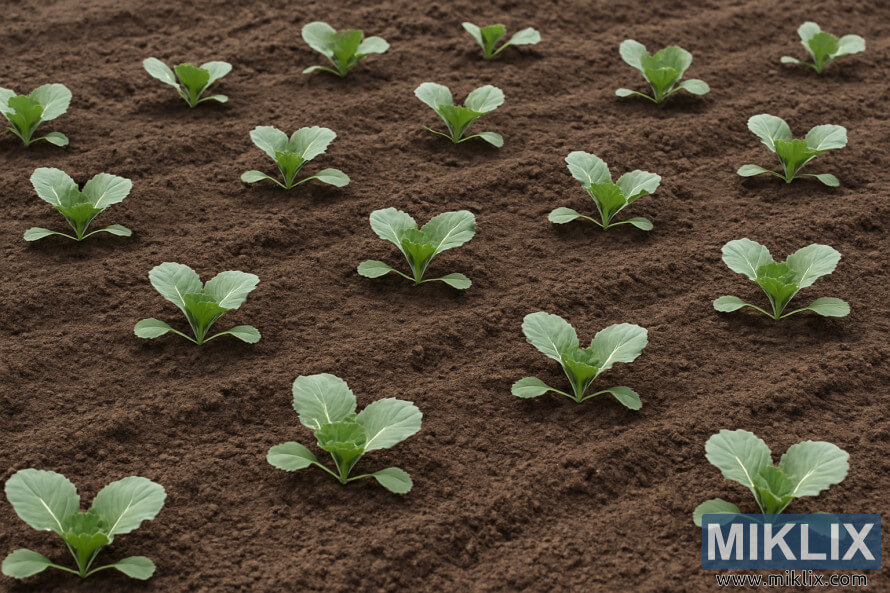
Click or tap the image for more information and higher resolutions.
Sunlight Requirements
Select a location that receives at least 6 hours of direct sunlight daily. In warmer climates, afternoon shade can help prevent heat stress during summer months.
Soil Preparation
- Soil Type: Cabbage prefers well-draining, loamy soil with high organic matter content
- pH Level: Aim for a soil pH between 6.5 and 6.8 for optimal nutrient availability
- Amendments: Work 2-3 inches of compost or well-rotted manure into the top 6 inches of soil before planting
- Rotation: Avoid planting where other brassicas (broccoli, cauliflower, kale) have grown in the past 3-4 years
Planting Your Cabbage
Whether starting from seeds or transplants, proper planting techniques help establish strong cabbage plants that will develop into healthy heads.
Starting Seeds Indoors
- Sow seeds ¼ inch deep in seed-starting mix
- Maintain soil temperature between 65-75°F for germination
- Provide bright light once seedlings emerge
- Thin to one seedling per cell when they develop true leaves
- Begin hardening off seedlings one week before transplanting
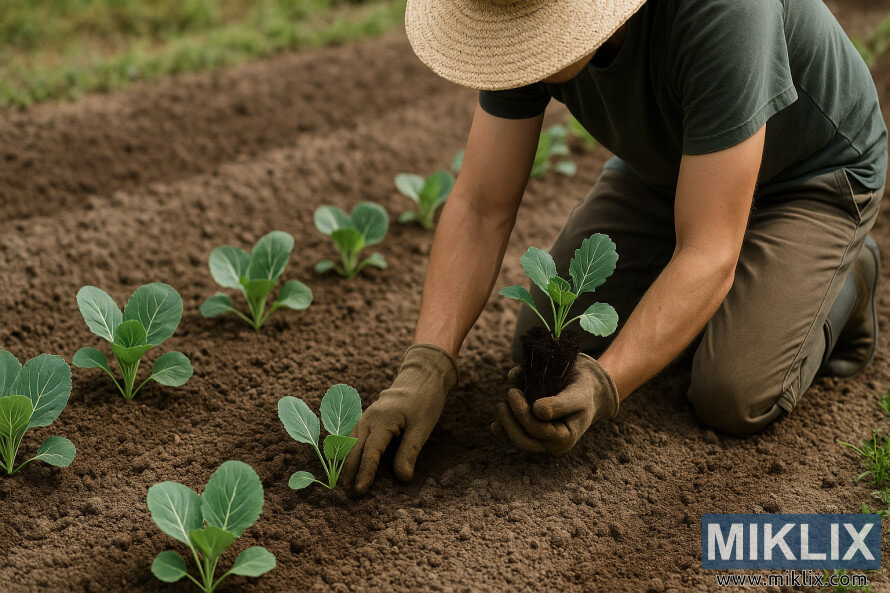
Click or tap the image for more information and higher resolutions.
Transplanting Seedlings
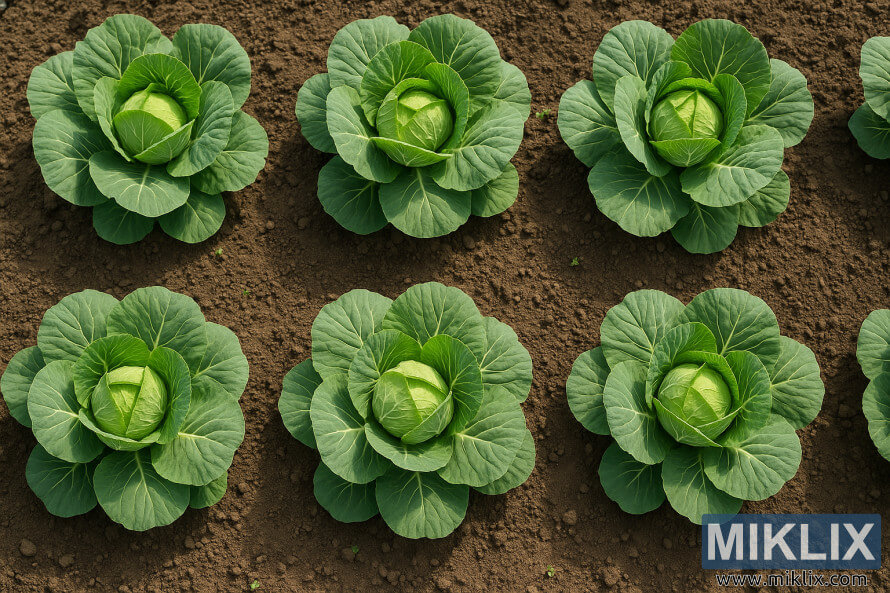
Transplant cabbage seedlings when they have 4-6 true leaves and are 4-6 inches tall. Space plants 12-24 inches apart, with rows 24-36 inches apart. Closer spacing (12-18 inches) produces smaller heads, while wider spacing allows for larger heads.
Direct Seeding
For fall crops, you can direct seed cabbage in the garden:
- Sow seeds ¼-½ inch deep
- Space seeds 2-3 inches apart
- Thin seedlings to final spacing when they have 2-3 true leaves
- Keep soil consistently moist until germination
Important: Plant cabbage seedlings slightly deeper than they were in their containers, but don't bury the stems past the first set of true leaves.
Click or tap the image for more information and higher resolutions.
Caring for Your Cabbage Plants
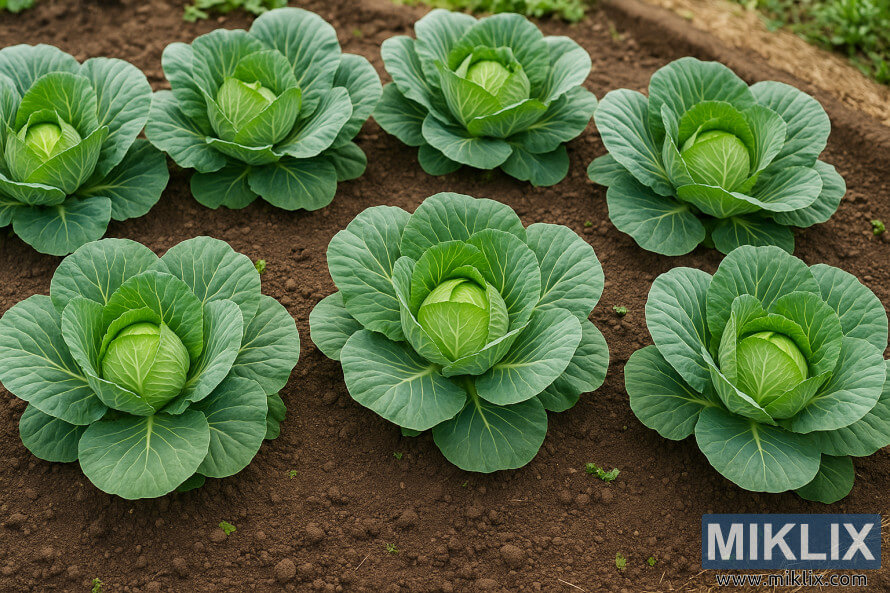
Proper care throughout the growing season ensures healthy plants and high-quality cabbage heads. Focus on consistent watering, appropriate fertilization, and vigilant pest management.
Watering
Consistent moisture is crucial for cabbage development. Irregular watering can lead to split heads, bitter flavor, and poor growth.
- Provide 1-1.5 inches of water per week
- Water deeply to encourage deep root development
- Use drip irrigation to keep foliage dry and reduce disease risk
- Mulch around plants with 2-3 inches of organic material to retain moisture and suppress weeds
Fertilizing
Cabbage is a heavy feeder that benefits from regular fertilization, especially during the early growth stages.
- Apply a nitrogen-rich fertilizer when plants have 4-5 true leaves
- Side-dress with compost or balanced fertilizer 3 weeks after transplanting
- Avoid fertilizing once heads begin to form, as this can cause splitting
Click or tap the image for more information and higher resolutions.
Managing Pests and Diseases
Cabbage is susceptible to several pests and diseases, but preventive measures can minimize damage.
Common Pests
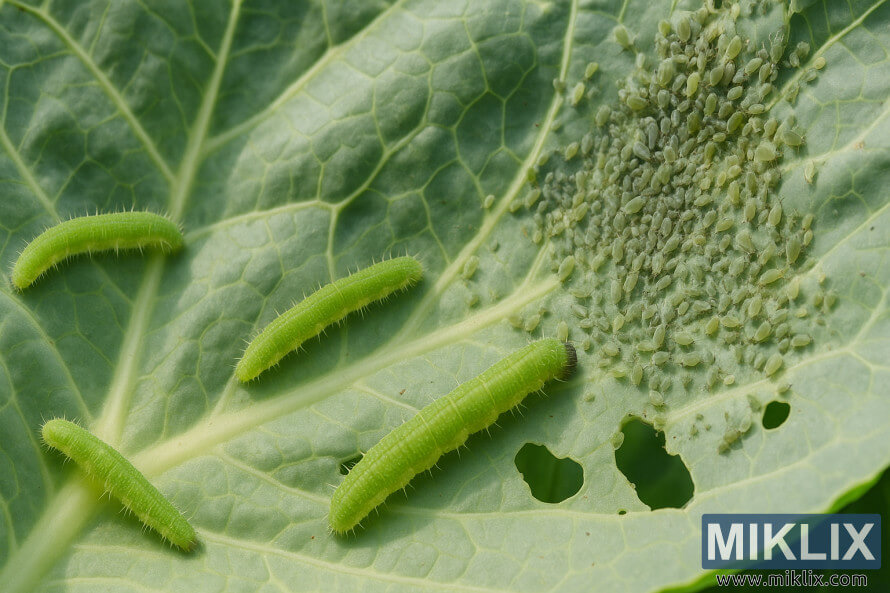
- Cabbage Worms - Green caterpillars that chew holes in leaves
- Aphids - Small insects that cluster on leaves and stems
- Flea Beetles - Tiny beetles that create small holes in leaves
- Cabbage Root Maggots - Larvae that damage roots
Organic Control Methods
- Cover plants with floating row covers to prevent insect access
- Apply Bacillus thuringiensis (Bt) for caterpillar control
- Use insecticidal soap for aphids and soft-bodied pests
- Plant companion crops like thyme, mint, or nasturtiums to repel pests
- Practice crop rotation to prevent disease buildup
Click or tap the image for more information and higher resolutions.
Harvesting Your Cabbage
Knowing when and how to harvest cabbage ensures you'll enjoy the best flavor and longest storage life from your homegrown heads.
When to Harvest
Cabbage is ready to harvest when heads reach their expected size and feel firm when gently squeezed. Depending on the variety, this typically occurs 70-100 days after transplanting.
Harvest Indicators:
- Head feels solid and compact when gently squeezed
- Outer leaves appear full-sized and healthy
- Head has reached the expected size for the variety
Click or tap the image for more information and higher resolutions.
How to Harvest
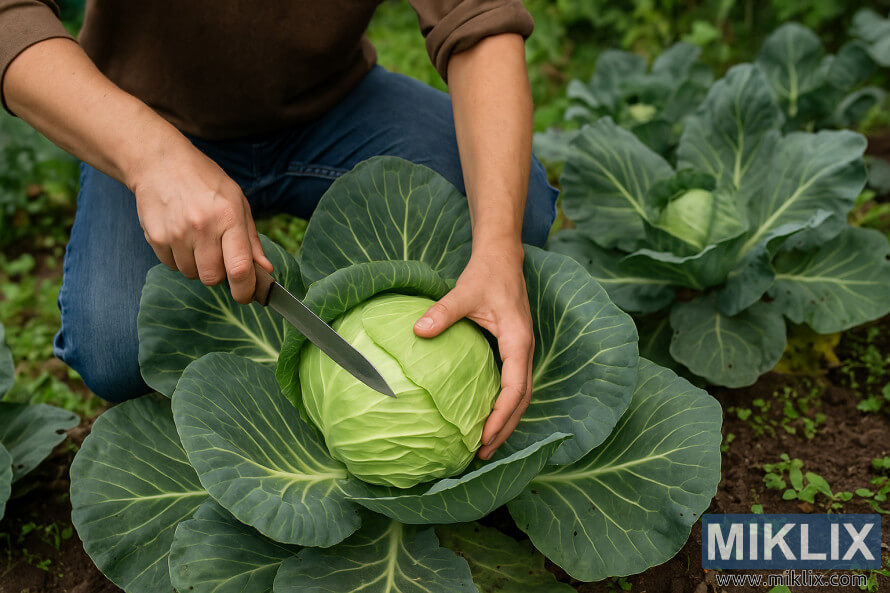
- Use a sharp knife to cut the stem just below the head
- Leave a few outer leaves attached to protect the head
- Harvest in the morning when temperatures are cool
- For fall crops, harvest before hard freezes (below 25°F)
After harvesting the main head, leave the stem and roots in the ground. Many cabbage varieties will produce smaller secondary heads (often tennis ball-sized) from the remaining stem, giving you a bonus harvest!
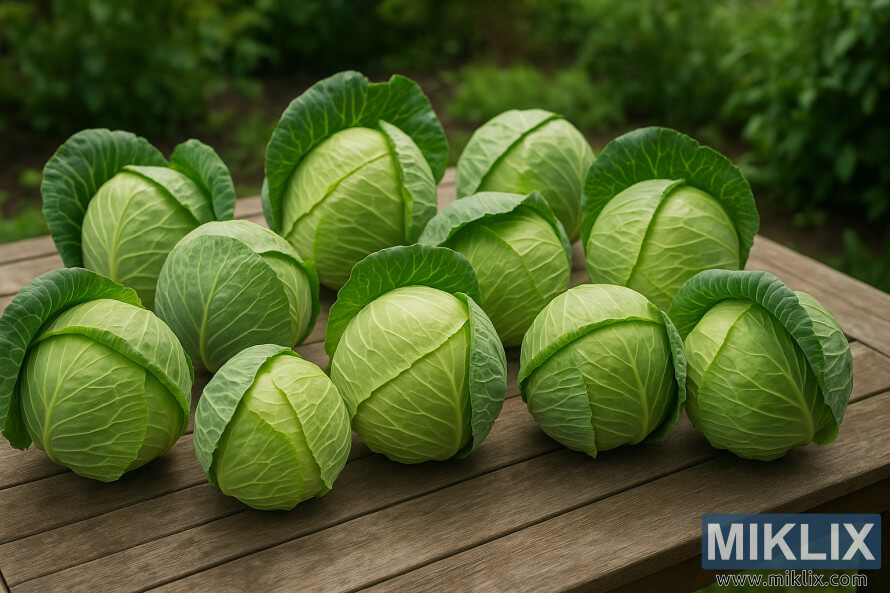
Click or tap the image for more information and higher resolutions.
Storing and Using Your Cabbage
Properly stored cabbage can last for months, allowing you to enjoy your harvest long after the growing season ends.
Storage Options
- Refrigeration: Wrap unwashed heads in plastic and store in the refrigerator for 1-2 weeks
- Root Cellar: Store heads with roots attached in a cool (32-40°F), humid environment for 3-4 months
- Freezing: Blanch shredded cabbage for 1-2 minutes, cool quickly, and freeze in airtight containers
- Fermenting: Transform cabbage into long-lasting sauerkraut or kimchi
Culinary Uses
Cabbage is incredibly versatile in the kitchen. Here are some delicious ways to enjoy your harvest:
- Fresh in salads and coleslaws
- Fermented into sauerkraut or kimchi
- Stuffed with meat and rice for cabbage rolls
- Sautéed or stir-fried as a side dish
- Added to soups and stews
- Braised with apples and caraway seeds
- Used as wraps for a low-carb alternative to tortillas
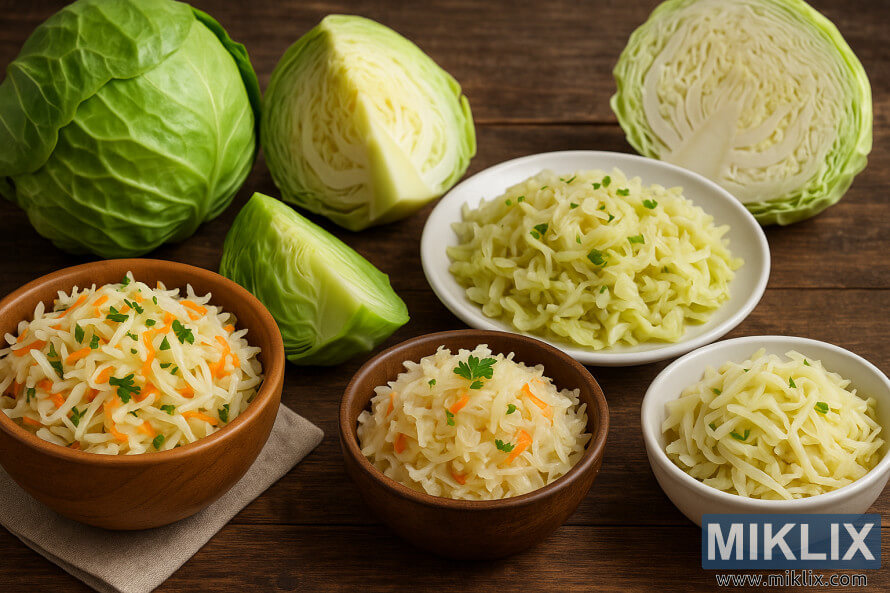
Click or tap the image for more information and higher resolutions.
Companion Planting with Cabbage
Strategic companion planting can improve cabbage growth, deter pests, and maximize garden space.
Beneficial Companions
- Aromatic Herbs (thyme, mint, rosemary) - Repel cabbage pests
- Onions and Garlic - Deter cabbage worms and aphids
- Nasturtiums - Act as trap crops for aphids
- Celery - Repels cabbage white butterflies
- Chamomile - Improves cabbage flavor and growth
Plants to Avoid
- Strawberries - Compete for nutrients
- Tomatoes - Can inhibit cabbage growth
- Other Brassicas - Compete for nutrients and attract the same pests
- Rue - Inhibits cabbage growth
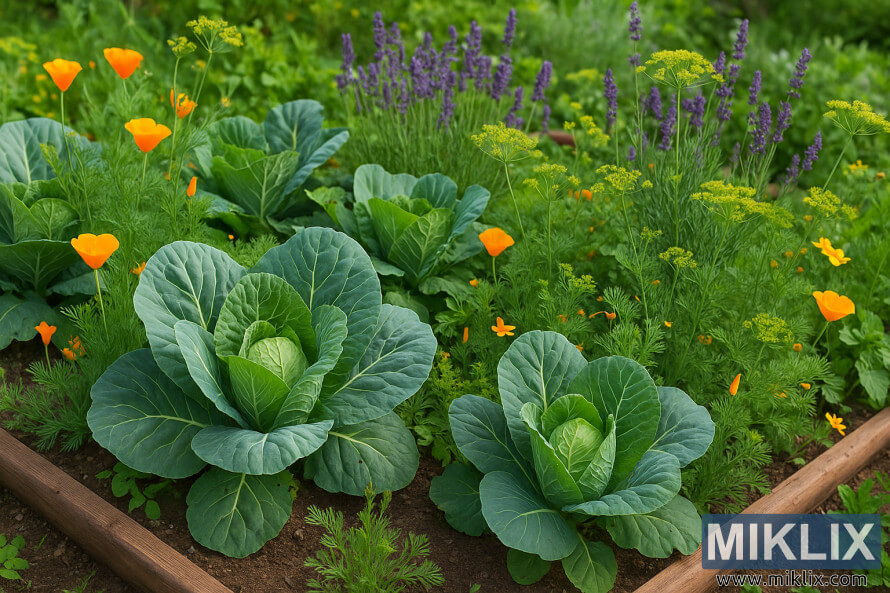
Click or tap the image for more information and higher resolutions.
Troubleshooting Common Cabbage Problems
Even experienced gardeners encounter challenges when growing cabbage. Here's how to identify and address common issues.
Why are my cabbage heads splitting?
Splitting occurs when cabbage absorbs water too quickly after a period of drought. Maintain consistent soil moisture and avoid heavy watering after dry spells. If rain is forecasted and your cabbage is mature, harvest it or twist the plant a quarter turn to break some roots and slow water uptake.
Why isn't my cabbage forming heads?
Failure to form heads can result from several factors: heat stress, insufficient nutrients, crowding, or damage to the growing point. Ensure plants receive adequate fertilizer, proper spacing, and protection from extreme temperatures. Cabbage needs cool temperatures to form tight heads.
Why are my cabbage leaves turning yellow?
Yellowing leaves may indicate nutrient deficiencies (especially nitrogen), overwatering, or disease. Check soil drainage, adjust watering practices, and consider applying a balanced fertilizer. Remove affected outer leaves if the problem is limited.
Why is my cabbage flowering instead of forming heads?
Premature flowering (bolting) happens when cabbage experiences temperature fluctuations or heat stress. Plant at the appropriate time for your climate and choose bolt-resistant varieties for warmer regions. Once bolting begins, the plant won't form a usable head.
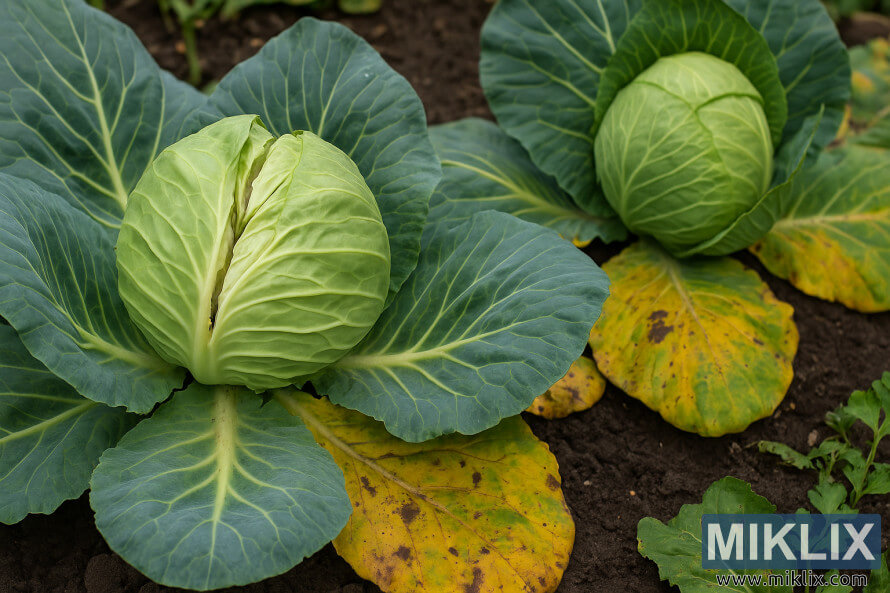
Click or tap the image for more information and higher resolutions.
Start Growing Your Own Cabbage Today
Growing cabbage in your home garden is a rewarding experience that provides nutritious, versatile harvests throughout the growing season. With proper planning, care, and attention to timing, you can enjoy crisp, flavorful cabbage heads that far surpass anything available in stores.
Remember that cabbage growing success depends on cool temperatures, consistent moisture, fertile soil, and vigilant pest management. By following the guidelines in this comprehensive guide, you'll be well on your way to harvesting beautiful cabbage heads from your own garden.
Further Reading
If you enjoyed this post, you may also like these suggestions:
- A Guide to Growing Wheatgrass at Home
- A Complete Guide to Growing Pumpkins in Your Home Garden
- Growing Onions: A Complete Guide for Home Gardeners