
A Guide to Growing Aloe Vera Plants at Home
Published: December 20, 2025 at 1:14:40 AM UTC
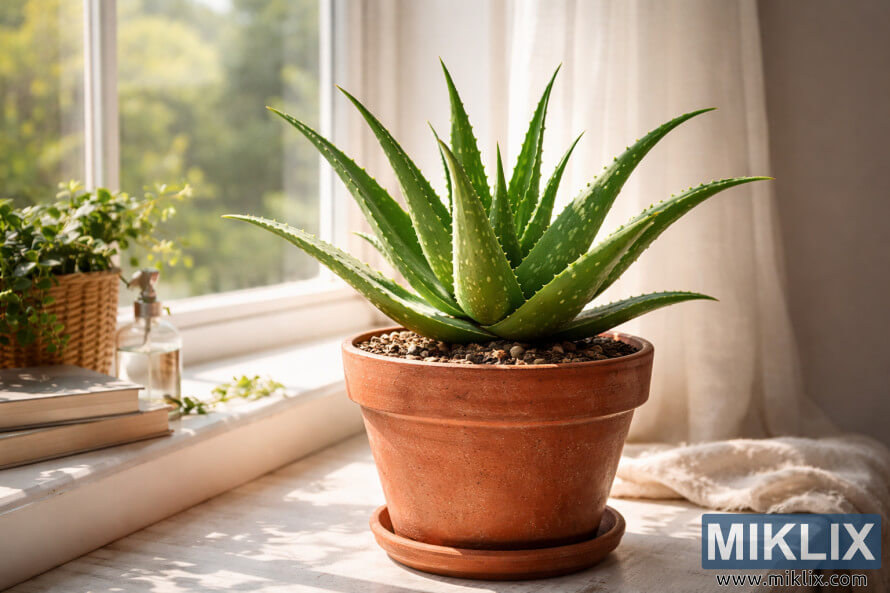
Whether you're a novice plant parent or an experienced gardener, aloe vera offers the perfect balance of beauty and practicality. With its striking geometric form and remarkable healing properties, this succulent has earned its place as one of the most beloved houseplants worldwide.
Click or tap the image for more information and higher resolutions.
Growing your own aloe vera means having nature's first-aid kit right at your fingertips. From soothing sunburns to enhancing your home's aesthetic, this resilient plant delivers multiple benefits while asking for minimal care in return. In this comprehensive guide, we'll walk you through everything you need to know about selecting, planting, nurturing, and harvesting your very own aloe vera plant.
Benefits of Growing Aloe Vera at Home
Medicinal Benefits
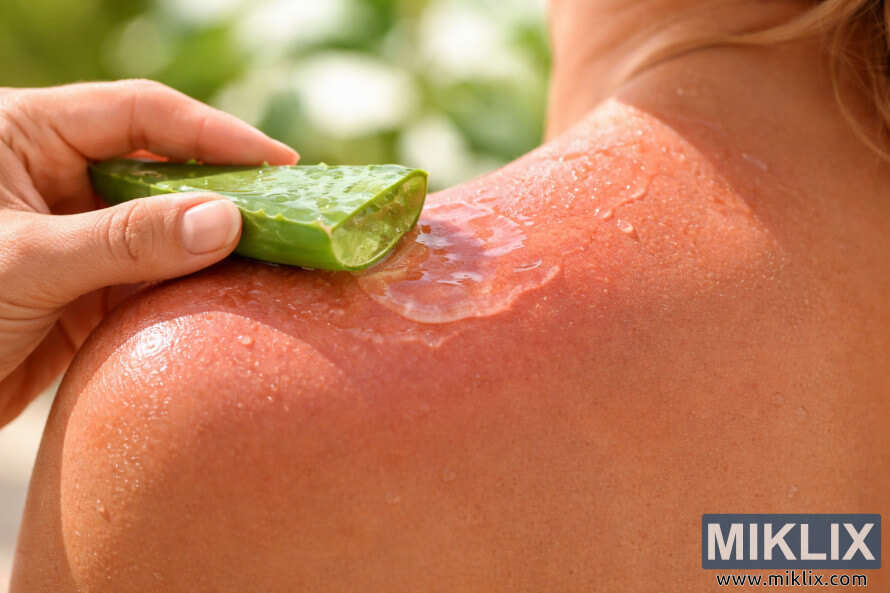
- Natural remedy for minor burns, cuts, and sunburn
- Anti-inflammatory properties help soothe skin irritations
- Contains vitamins and minerals that promote skin healing
- Can be used as a natural moisturizer for skin and hair
Practical Benefits
- Extremely low-maintenance and drought-tolerant
- Thrives in indoor environments with minimal attention
- Improves indoor air quality by removing toxins
- Reproduces easily through offsets (pups) for multiple plants
Click or tap the image for more information and higher resolutions.
Choosing the Right Aloe Vera Variety
While there are over 500 species in the Aloe genus, a few varieties stand out as excellent choices for home cultivation. Each has unique characteristics that might make it perfect for your specific needs and growing conditions.
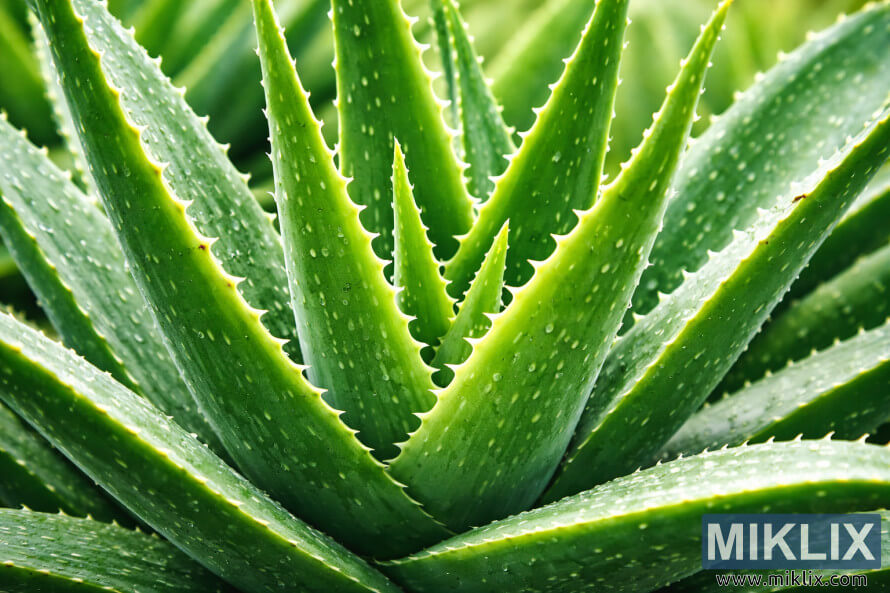
True Aloe Vera
(Aloe barbadensis miller)
The most common and medicinally valuable variety with thick, fleshy leaves containing abundant gel. Perfect for beginners and those interested in harvesting gel.
Click or tap the image for more information and higher resolutions.
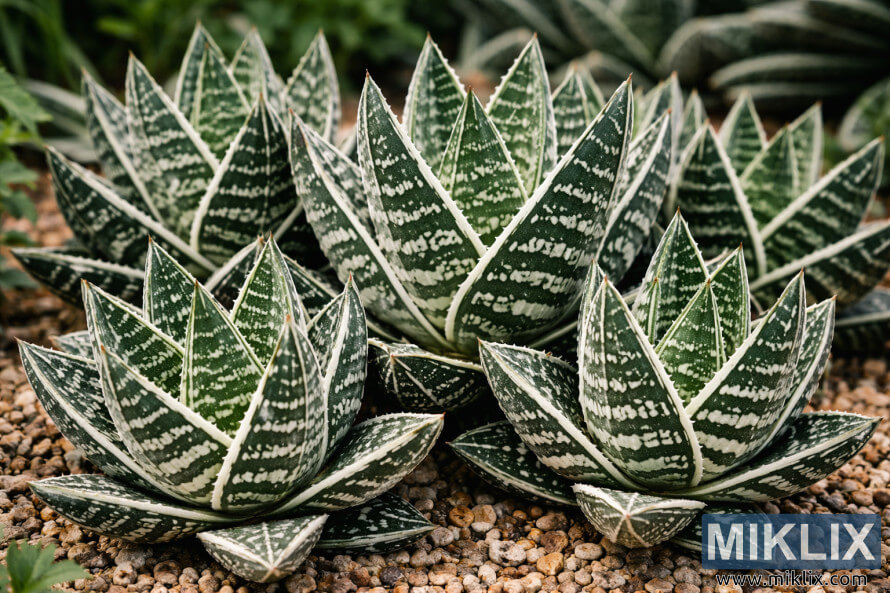
Tiger Aloe
(Aloe variegata)
A compact aloe with distinctive white-striped leaves, growing up to 12 inches tall. Ideal for smaller spaces and decorative purposes.
Click or tap the image for more information and higher resolutions.
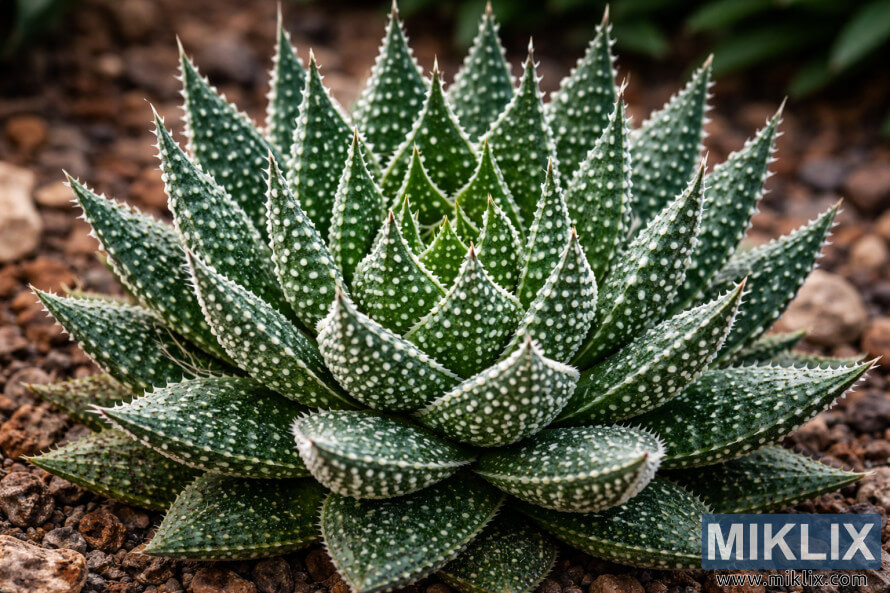
Lace Aloe
(Aloe aristata)
A small, stemless variety with dark green leaves featuring white spots and soft white teeth along the margins. Perfect for indoor container gardens.
Click or tap the image for more information and higher resolutions.
Step-by-Step Planting Instructions
Selecting the Right Container
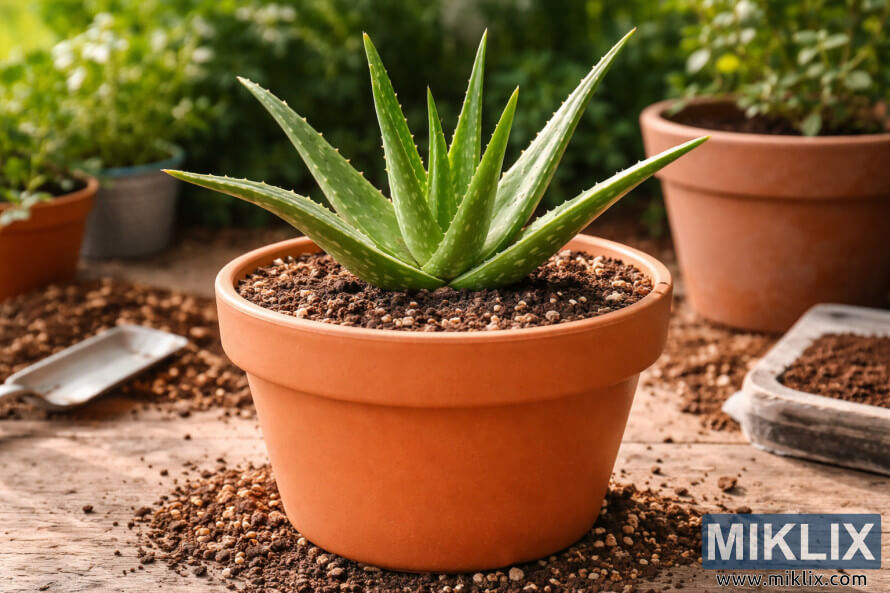
The right pot makes all the difference when growing aloe vera. These desert-adapted plants hate sitting in water, so proper drainage is essential for their survival and growth.
Best Container Options
- Terracotta pots (allow soil to dry thoroughly)
- Containers with at least one drainage hole
- Pots as wide as they are deep
- Containers large enough to accommodate root growth
Container Options to Avoid
- Plastic pots without drainage holes
- Glazed decorative pots that retain moisture
- Containers that are too large (encourage overwatering)
- Glass containers with no drainage
Click or tap the image for more information and higher resolutions.
Soil Requirements
Aloe vera plants thrive in well-draining soil that mimics their native desert environment. Standard potting soil retains too much moisture and can lead to root rot.
Perfect Aloe Vera Soil Mix: Combine equal parts potting soil, coarse sand, and perlite or pumice. This creates excellent drainage while providing enough nutrients for healthy growth.
Planting Process
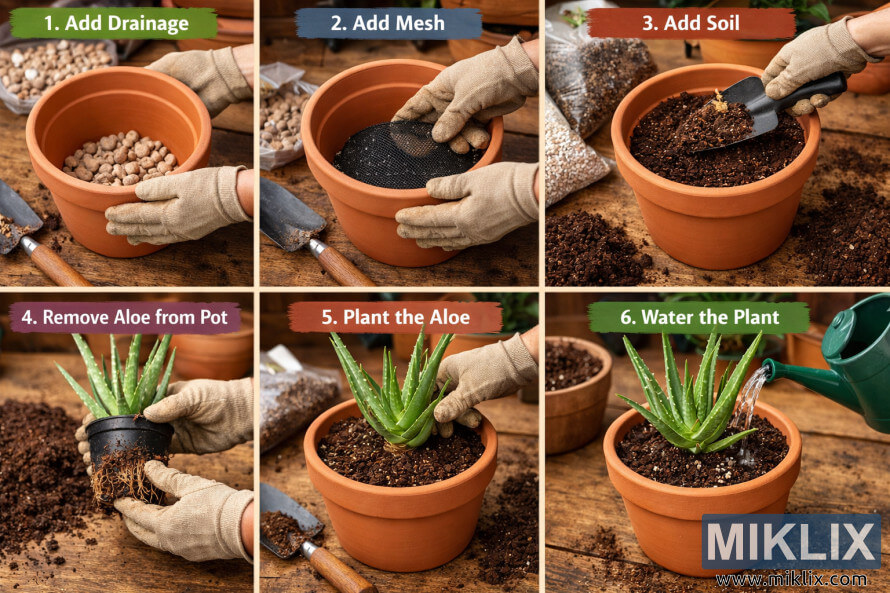
- Prepare your pot by covering the drainage hole with a small piece of mesh screen to prevent soil from escaping while allowing water to drain.
- Fill the pot one-third full with your well-draining soil mix.
- Remove the aloe vera from its nursery container and gently brush away excess soil from the roots.
- Place the plant in the center of the pot, making sure the bottom leaves will rest just above the soil line.
- Add more soil mix around the plant, leaving about 3/4 inch of space between the soil surface and the pot rim.
- Wait one week before watering to allow any damaged roots to heal and reduce the risk of rot.
Click or tap the image for more information and higher resolutions.
Optimal Growing Conditions for Aloe Vera
| Light | Bright, indirect sunlight; 6+ hours daily | Direct afternoon sun (can cause sunburn); deep shade |
| Temperature | 60-75°F (15-24°C) | Below 50°F (10°C); freezing temperatures |
| Watering | Deep but infrequent (every 2-3 weeks) | Frequent light watering; soggy soil |
| Humidity | Low to average indoor humidity | High humidity environments |
| Airflow | Good circulation | Stagnant, humid air |
Lighting Requirements
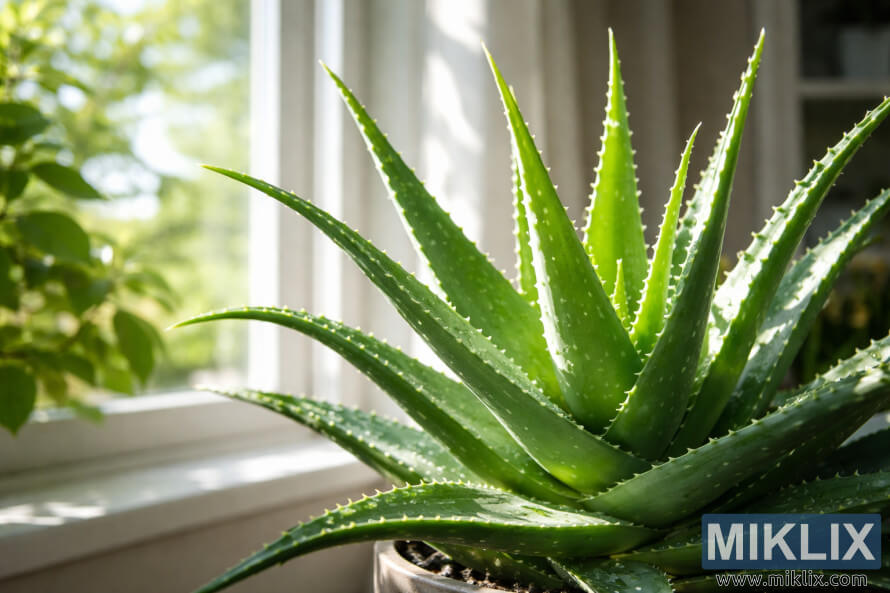
Aloe vera plants love light! Position your plant in a spot that receives bright, indirect sunlight for at least six hours daily. A western or southern-facing window is ideal in most homes. If your aloe starts to stretch or lean toward the light source, it's indicating it needs more sunlight.
Warning: When moving an aloe from a low-light location to a sunnier spot, do so gradually over 1-2 weeks. Sudden exposure to intense light can cause sunburn, appearing as brown or white spots on the leaves.
Click or tap the image for more information and higher resolutions.
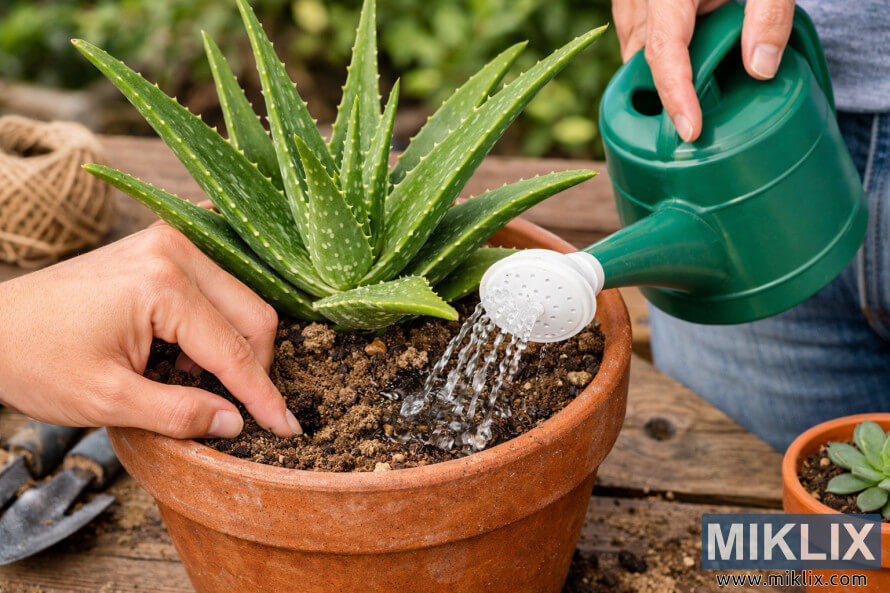
Watering Schedule
The number one rule for aloe vera care: it's better to underwater than overwater. These succulents store water in their leaves and are adapted to survive drought conditions.
Indoor Watering Guide
- Spring/Summer: Water every 2-3 weeks
- Fall/Winter: Water every 4-6 weeks
- Always check soil dryness before watering
- Water thoroughly until it drains from bottom
How to Check If Your Aloe Needs Water
- Insert your finger 2 inches into the soil
- If completely dry, it's time to water
- If still moist, wait a few more days
- Look for slightly concave leaves (mild thirst)
Click or tap the image for more information and higher resolutions.
Maintenance and Care for Aloe Vera
Fertilizing
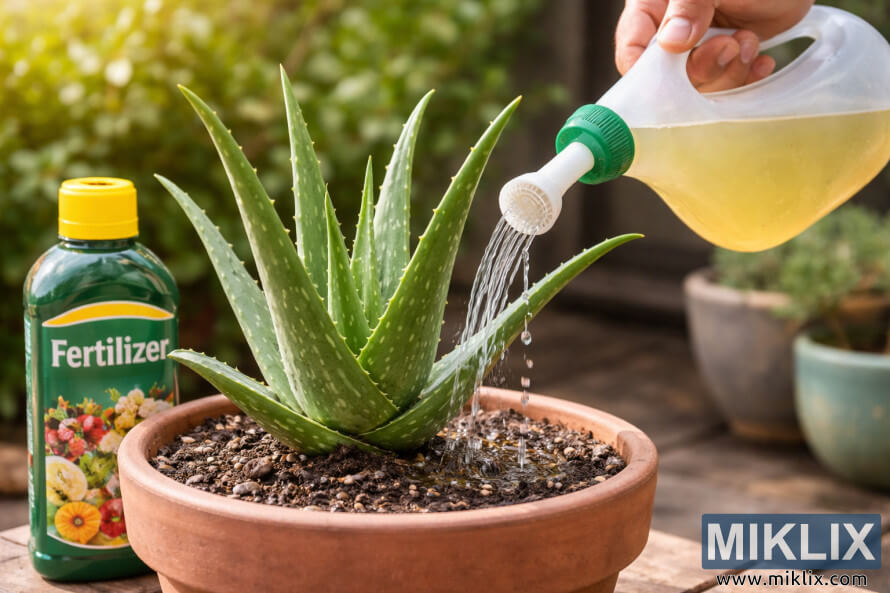
Aloe vera plants are light feeders and don't require frequent fertilization. In fact, over-fertilizing can harm your plant more than under-fertilizing.
- Fertilize only during active growing season (spring and summer)
- Use a balanced, water-soluble fertilizer diluted to half strength
- Apply no more than once every 4-6 weeks
- Skip fertilizing entirely during fall and winter when growth slows
Click or tap the image for more information and higher resolutions.
Pruning and Cleaning
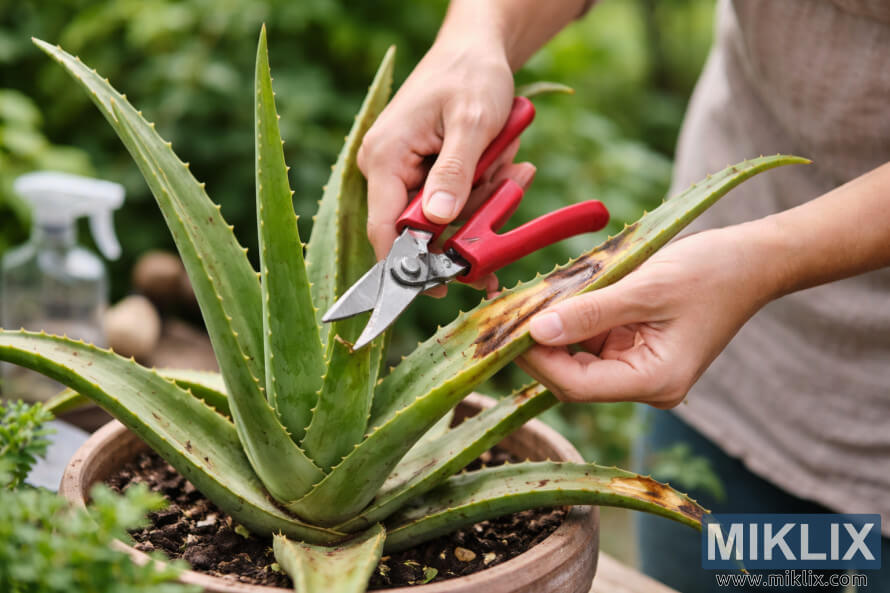
Minimal pruning is needed for aloe vera, but removing damaged or discolored leaves helps maintain plant health and appearance:
- Use clean, sharp scissors or pruning shears
- Cut damaged leaves at the base, as close to the stem as possible
- Remove any dried leaf tips by cutting at an angle that preserves the leaf's natural shape
- Dust leaves occasionally with a soft cloth to keep them clean and able to photosynthesize efficiently
Click or tap the image for more information and higher resolutions.
Repotting
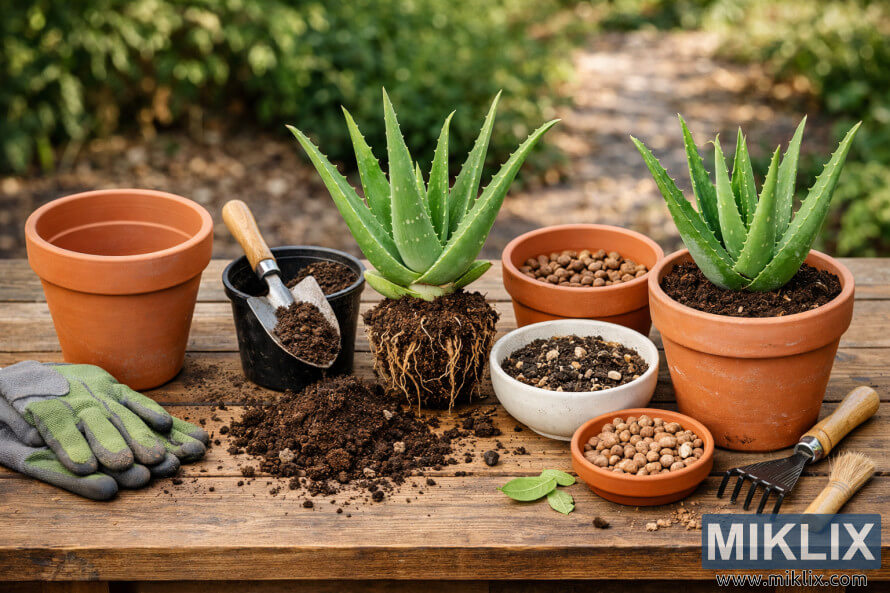
Aloe vera plants typically need repotting every 2-3 years or when they become top-heavy or root-bound. Spring is the ideal time for repotting, as the plant is entering its active growing season.
Signs Your Aloe Needs Repotting
- Roots growing out of drainage holes
- Plant becoming unstable or top-heavy
- Growth has slowed despite proper care
- Soil dries out extremely quickly
Repotting Steps
- Choose a pot 1-2 inches larger than current one
- Prepare fresh succulent soil mix
- Gently remove plant from old pot
- Inspect and trim damaged roots
- Place in new pot at same depth as before
Click or tap the image for more information and higher resolutions.
Propagating Aloe Vera Plants
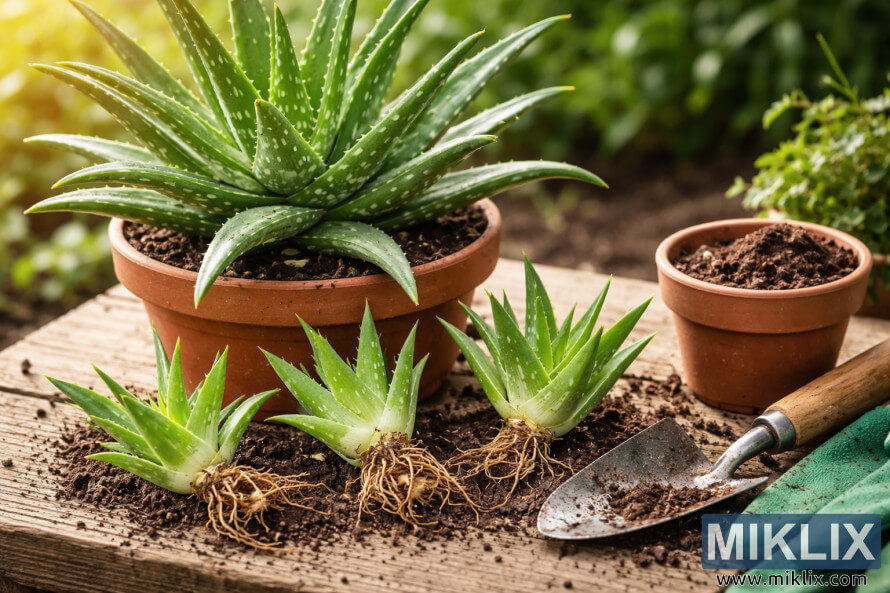
One of the joys of growing aloe vera is how readily it produces offsets, commonly called "pups." These baby plants grow from the base of the mother plant and can be separated to create new plants that are genetically identical to the parent.
Click or tap the image for more information and higher resolutions.
When to Propagate
The best time to propagate aloe vera is during spring or summer when the plant is actively growing. Wait until the pups are at least 3-4 inches tall with several leaves of their own before separating them.
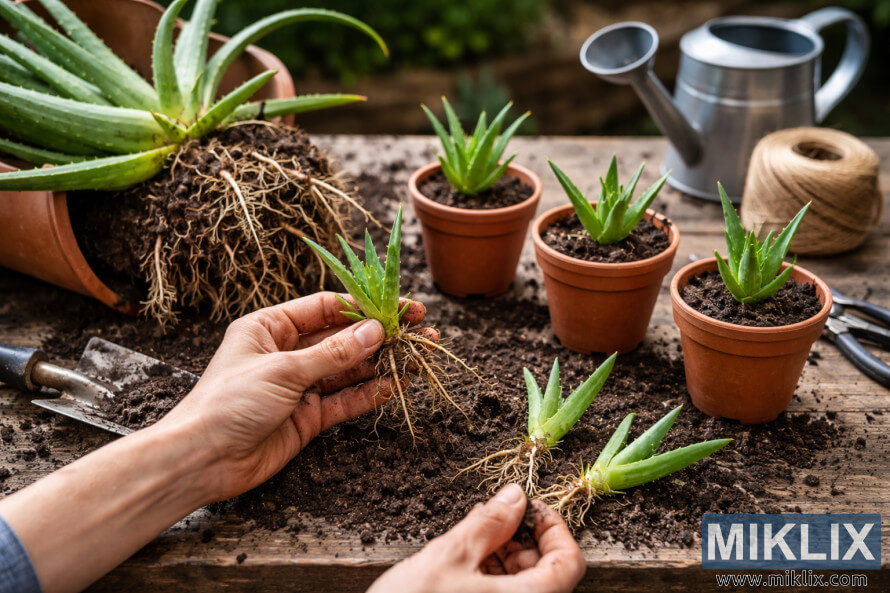
Step-by-Step Propagation Guide
- Identify mature pups that have several leaves and are at least 3-4 inches tall.
- Remove the mother plant from its pot to access the pups more easily.
- Locate where the pup connects to the mother plant. It may have its own root system or be connected directly to the parent.
- Use a clean, sharp knife to separate the pup, ensuring you get some roots if possible.
- Allow the cut surface to callus by leaving the pup in a warm, dry place for 2-3 days.
- Plant the pup in a small pot with well-draining succulent soil.
- Wait one week before watering to allow the pup to establish and prevent rot.
Click or tap the image for more information and higher resolutions.
Common Problems and Solutions
Troubleshooting Guide
| Brown, dry leaf tips | Underwatering, low humidity, too much direct sun | Adjust watering schedule, move to slightly less bright location |
| Soft, yellowing leaves | Overwatering, poor drainage | Reduce watering frequency, improve soil drainage, check for root rot |
| Thin, stretched growth | Insufficient light | Move to brighter location, rotate plant regularly |
| Brown spots on leaves | Sunburn, fungal disease | Gradually acclimate to sun, treat with fungicide if needed |
| Pest infestation (mealybugs, scale) | Stressed plant, introduced from other plants | Isolate plant, treat with insecticidal soap or neem oil |
Preventing and Treating Root Rot
Root rot is the most common killer of aloe vera plants, typically caused by overwatering or poor drainage. Prevention is always better than cure:
Prevention
- Use well-draining soil mix
- Ensure pot has drainage holes
- Allow soil to dry completely between waterings
- Reduce watering in winter months
Treatment
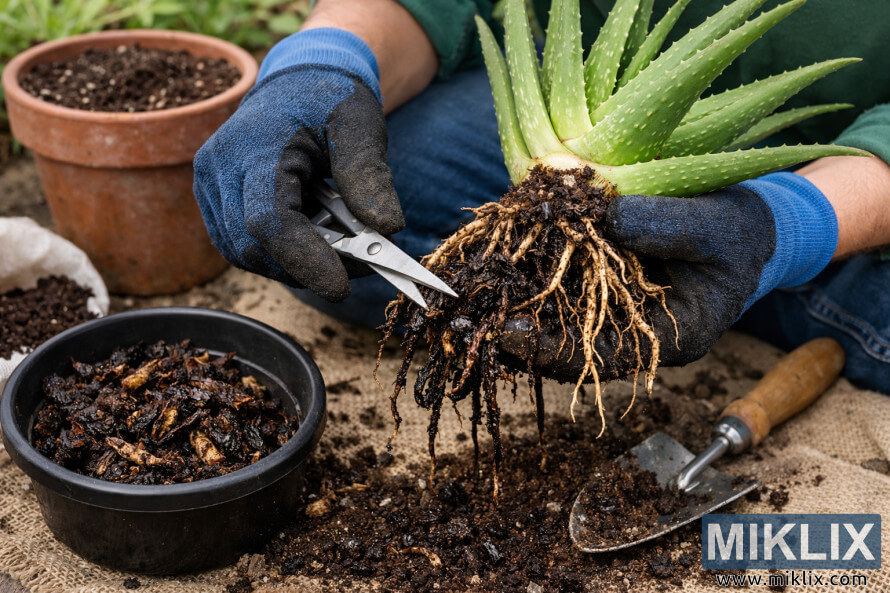
- Remove plant from pot and inspect roots
- Cut away any soft, brown, or mushy roots
- Allow plant to dry out for several days
- Repot in fresh, dry succulent soil
- Wait 1-2 weeks before watering again
Click or tap the image for more information and higher resolutions.
Harvesting and Using Aloe Vera Gel
When to Harvest
Only harvest from mature plants that have at least 12 leaves. Select the outermost, mature leaves that are thick and plump, as these contain the most gel. A healthy plant can spare 3-4 leaves per year without negative effects.
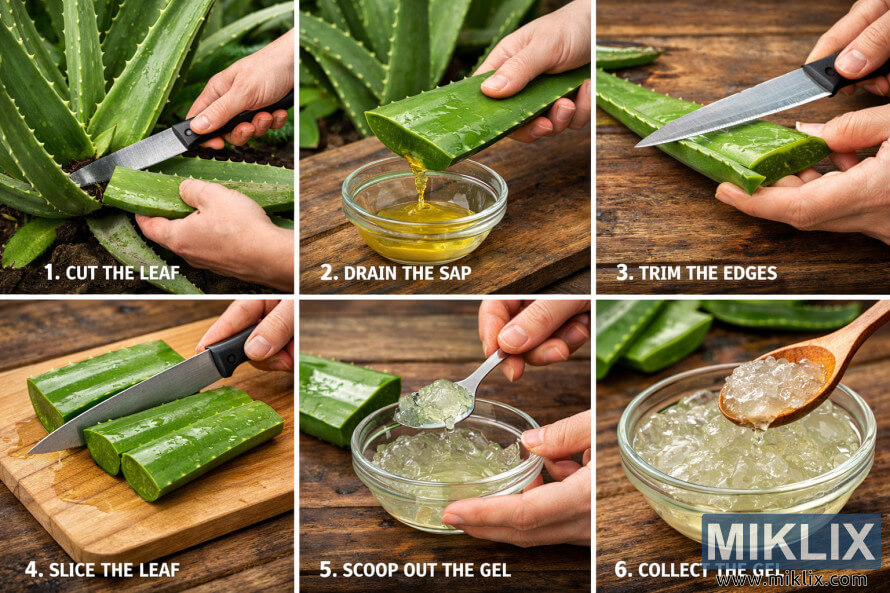
Harvesting Steps
- Select a mature outer leaf that's at least 8 inches long and 1 inch thick at the base.
- Use a clean, sharp knife to cut the leaf as close to the stem as possible.
- Place the cut leaf upright in a cup for 10-15 minutes to allow the yellow latex (aloin) to drain out. This bitter substance can irritate skin and should not be used.
- Rinse the leaf to remove any remaining yellow sap.
- Lay the leaf flat and cut off the serrated edges.
- Fillet the leaf by slicing through the middle to separate the top and bottom layers of skin.
- Scoop out the clear gel with a spoon or slide your knife under it to separate it from the skin.
Important Safety Note: While aloe vera gel is safe for topical use, it should NOT be consumed internally. The yellow latex (aloin) that drains from freshly cut leaves can cause digestive issues and should be thoroughly rinsed away before using the gel.
Click or tap the image for more information and higher resolutions.
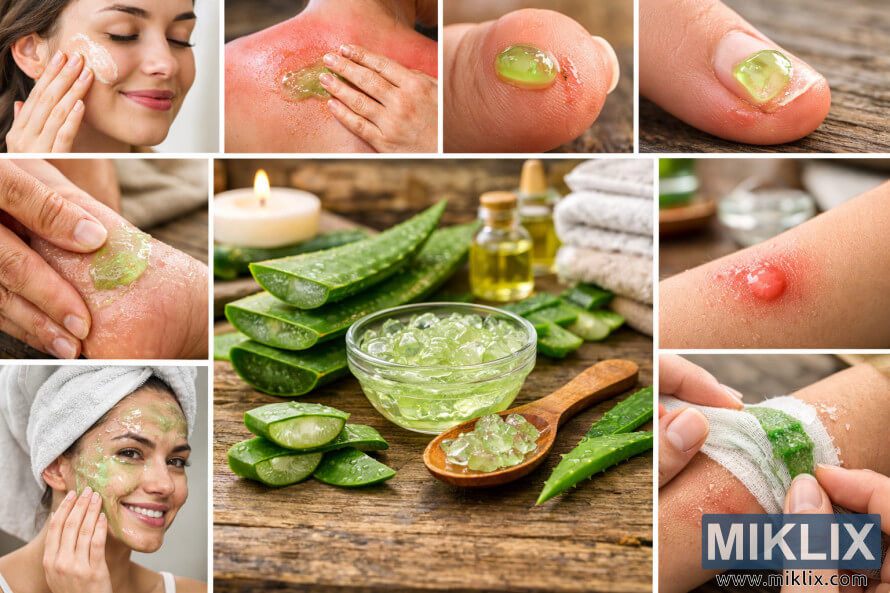
Storing Harvested Gel
Fresh aloe vera gel can be stored in an airtight container in the refrigerator for up to one week. For longer storage, you can freeze the gel in ice cube trays for up to six months.
Click or tap the image for more information and higher resolutions.
Year-Round Care in Different Climates
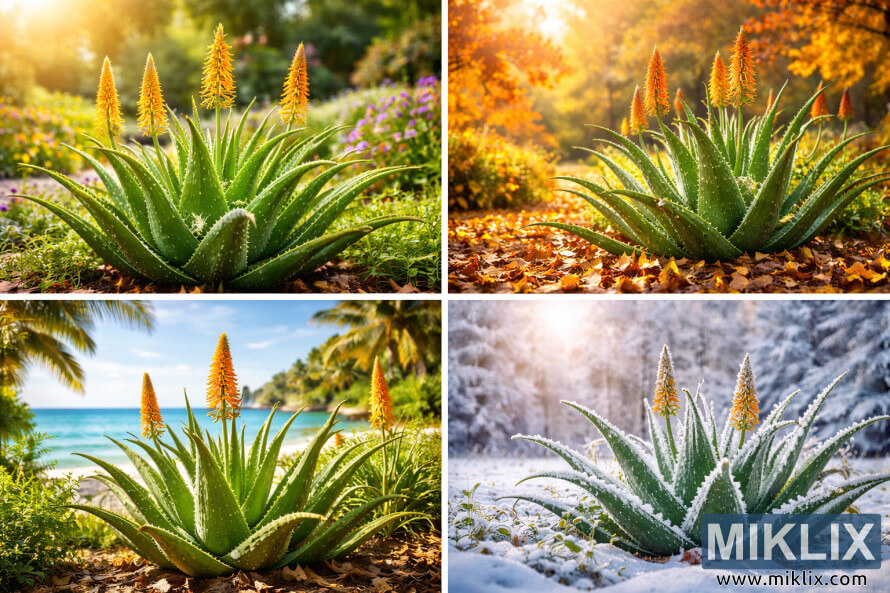
Seasonal Care Guide
| Spring | 60-75°F (15-24°C) | Water every 2-3 weeks | Gradually increase light exposure | Fertilize, repot if needed, propagate pups |
| Summer | 65-85°F (18-29°C) | Water every 2 weeks | Protect from intense afternoon sun | Can move outdoors in partial shade |
| Fall | 60-75°F (15-24°C) | Water every 3-4 weeks | Gradually reduce exposure | Bring indoors before temperatures drop below 50°F |
| Winter | 50-60°F (10-15°C) | Water every 4-6 weeks | Brightest available indoor spot | No fertilizer, minimal disturbance |
Click or tap the image for more information and higher resolutions.
Climate-Specific Considerations
Cold Climates (Zones 3-7)
- Grow as houseplants year-round
- Can move outdoors only during warm summer months
- Provide supplemental grow lights in winter if needed
- Keep away from cold drafts and windows in winter
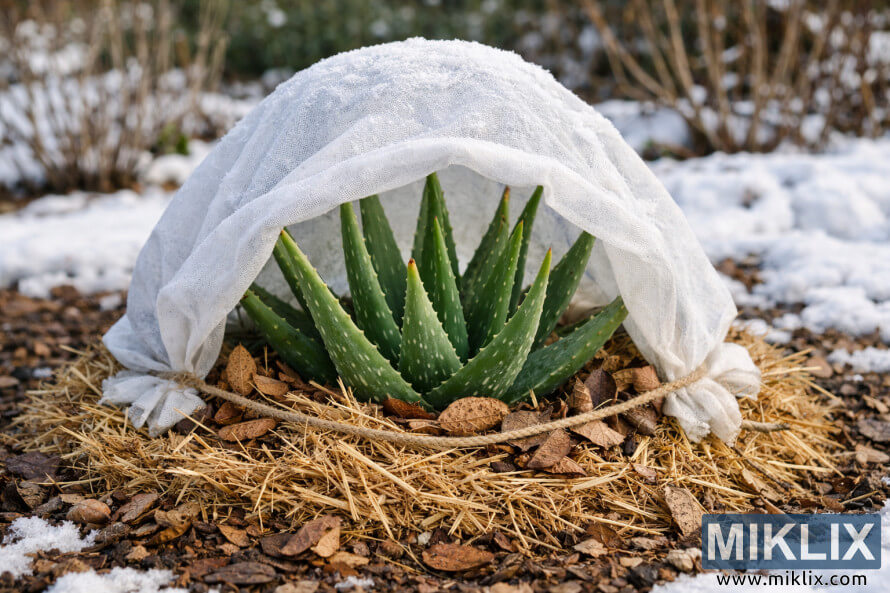
Moderate Climates (Zones 8-9)
- Can remain outdoors in containers until temperatures approach 50°F
- Protect from frost with covers or by moving indoors
- Reduce watering significantly in cooler months
- Consider planting in raised beds with excellent drainage
Warm Climates (Zones 10-11)
- Can be grown outdoors year-round
- Plant in ground with well-draining soil
- Provide afternoon shade in hottest months
- Water more frequently during extended dry periods
Click or tap the image for more information and higher resolutions.
Frequently Asked Questions
How often should I water my aloe vera plant?
Water your aloe vera deeply but infrequently - typically every 2-3 weeks during growing season (spring/summer) and every 4-6 weeks during dormancy (fall/winter). Always check that the top 2-3 inches of soil are completely dry before watering again. Remember that it's better to underwater than overwater aloe vera.
Why are my aloe vera's leaves turning yellow?
Yellowing leaves typically indicate overwatering, which is the most common problem with aloe vera plants. Check for soft, mushy areas at the base of the plant, which suggest root rot. Reduce watering frequency, ensure your pot has good drainage, and consider repotting in fresh, well-draining soil if the problem persists.
Can aloe vera plants flower indoors?
Yes, but it's rare for indoor aloe vera plants to flower. Flowering typically occurs in mature plants (4+ years old) under optimal conditions with plenty of sunlight. Indoor plants rarely receive enough light intensity to trigger blooming. If you want to encourage flowering, place your aloe in the brightest possible location and ensure it experiences a slight temperature drop at night.
Is aloe vera toxic to pets?
Yes, aloe vera can be toxic to dogs, cats, and other pets if ingested. The outer leaf contains aloin, a substance that can cause vomiting, diarrhea, and lethargy in animals. Keep aloe plants out of reach of pets or consider pet-friendly alternatives if you have animals that tend to nibble on plants.
How long does an aloe vera plant live?
With proper care, aloe vera plants can live for 5-25 years indoors. In ideal outdoor conditions (zones 10-11), they can live even longer. The key to longevity is proper watering, adequate light, well-draining soil, and occasional repotting as the plant grows.
Conclusion
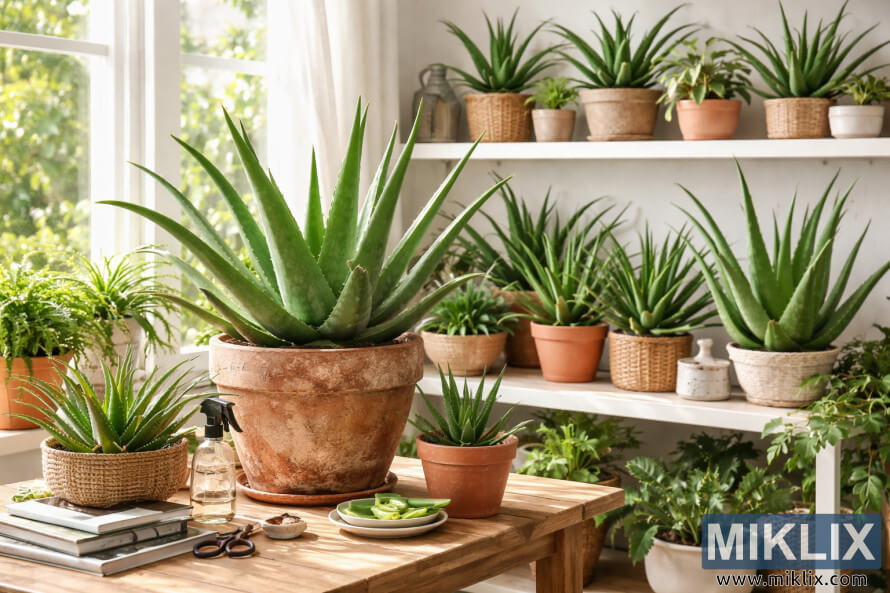
Growing aloe vera at home offers a perfect blend of practicality and beauty. These resilient succulents reward even novice gardeners with their striking appearance and valuable healing properties, all while requiring minimal care and attention.
Remember the key principles for success: well-draining soil, bright light, infrequent but thorough watering, and protection from extreme temperatures. With these basics in mind, your aloe vera plants will thrive for years to come, providing you with both an attractive addition to your home and a natural remedy always at the ready.
As you gain confidence in growing aloe vera, don't forget to propagate those pups and share the joy of aloe cultivation with friends and family. There's something deeply satisfying about nurturing these ancient healing plants that have been valued by humans for thousands of years.
Click or tap the image for more information and higher resolutions.
Further Reading
If you enjoyed this post, you may also like these suggestions:
- Complete Guide to Growing Your Own Mustard Plants
- A Guide to the Best Chili Varieties to Grow Yourself
- A Complete Guide to Growing Parsley in Your Home Garden