
A Guide to the Best Chili Varieties to Grow Yourself
Published: December 2, 2025 at 10:02:00 PM UTC
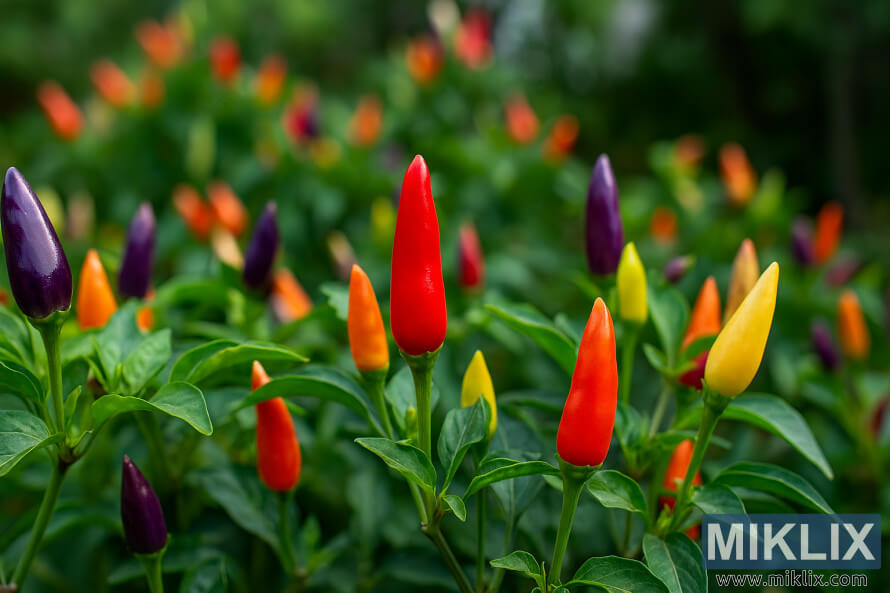
Growing your own chili peppers is one of the most rewarding experiences for home gardeners. Nothing compares to the satisfaction of harvesting vibrant, flavorful chilies that you've nurtured from seed to fruit.
Click or tap the image for more information and higher resolutions.
Whether you crave the mild, smoky notes of poblanos or the fiery intensity of habaneros, growing your own gives you access to varieties rarely found in stores and complete control over how they're grown. In this guide, we'll explore the best chili varieties to grow in your garden, from beginner-friendly options to unique varieties that will impress even the most dedicated chili enthusiasts.
Why Grow Your Own Chili Peppers?
Before diving into specific varieties, let's consider why growing your own chilies is worth the effort. Home-grown chilies offer superior flavor compared to store-bought options, which are often harvested before reaching peak ripeness. When you grow your own, you can pick them at the perfect moment for maximum flavor development.
Growing chilies also gives you access to hundreds of varieties not commonly found in grocery stores. From rare heirloom peppers to exotic international varieties, the world of chilies extends far beyond the basic jalapeño and serrano peppers typically available commercially.
Benefits of Growing Your Own Chilies
- Superior flavor and freshness
- Access to rare and exotic varieties
- Complete control over growing methods
- Cost-effective compared to buying specialty peppers
- Extended harvest season with proper planning
- Satisfaction of growing your own food
Challenges to Consider
- Requires patience (some varieties take 80+ days to mature)
- Need for consistent warm temperatures
- Some varieties require special care
- May need to start seeds indoors in cooler climates
- Potential pest and disease issues
Understanding Chili Heat Levels
Before exploring specific varieties, it's helpful to understand how chili heat is measured. The Scoville Heat Unit (SHU) scale quantifies the concentration of capsaicin, the compound responsible for the burning sensation. For reference, bell peppers register 0 SHU, while the world's hottest peppers can exceed 2 million SHU.
| Heat Category | Scoville Range (SHU) | Example Varieties | Sensation |
| No Heat | 0 | Bell Peppers, Banana Peppers | No spice, just flavor |
| Mild | 100-2,500 | Poblano, Anaheim | Gentle warmth |
| Medium | 2,500-30,000 | Jalapeño, Serrano | Noticeable heat, manageable |
| Hot | 30,000-100,000 | Cayenne, Thai Bird's Eye | Significant heat, builds quickly |
| Very Hot | 100,000-350,000 | Habanero, Scotch Bonnet | Intense heat, lingering burn |
| Super Hot | 350,000+ | Ghost Pepper, Carolina Reaper | Extreme heat, potentially painful |
Popular Chili Varieties for Home Gardens
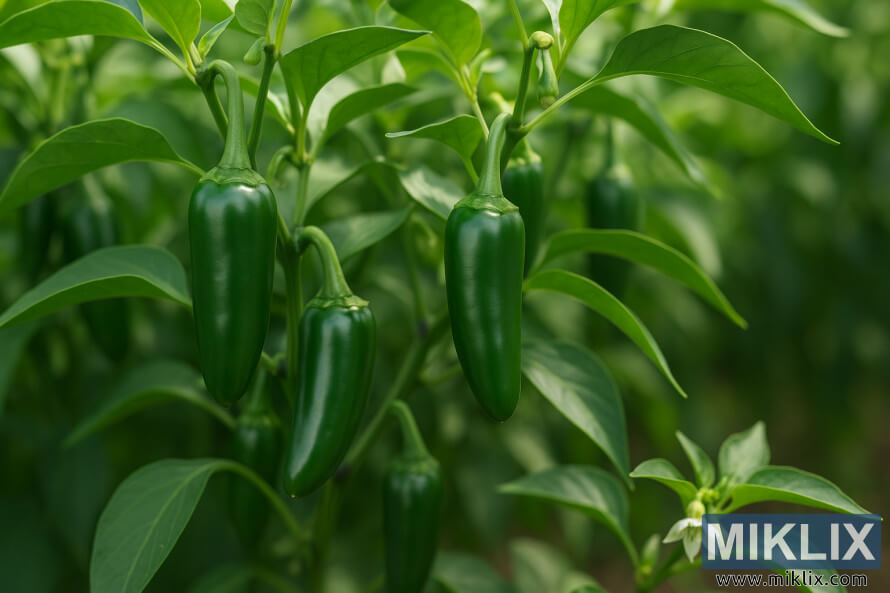
1. Jalapeño
Heat Level: 2,500-8,000 SHU
Flavor Profile: Bright, crisp flavor with medium heat and a slight grassiness when green, developing sweetness as they ripen to red.
Growth Characteristics: Compact plants (24-36 inches) that produce abundantly. Matures in 70-85 days, making them suitable for shorter growing seasons.
Best Uses: Versatile for fresh eating, pickling, stuffing, roasting, or smoking (chipotles). Perfect for salsas and poppers.
Growing Tips: Jalapeños are forgiving and ideal for beginners. They grow well in containers (minimum 3-gallon size) and adapt to various conditions. Regular harvesting encourages more production.
Click or tap the image for more information and higher resolutions.
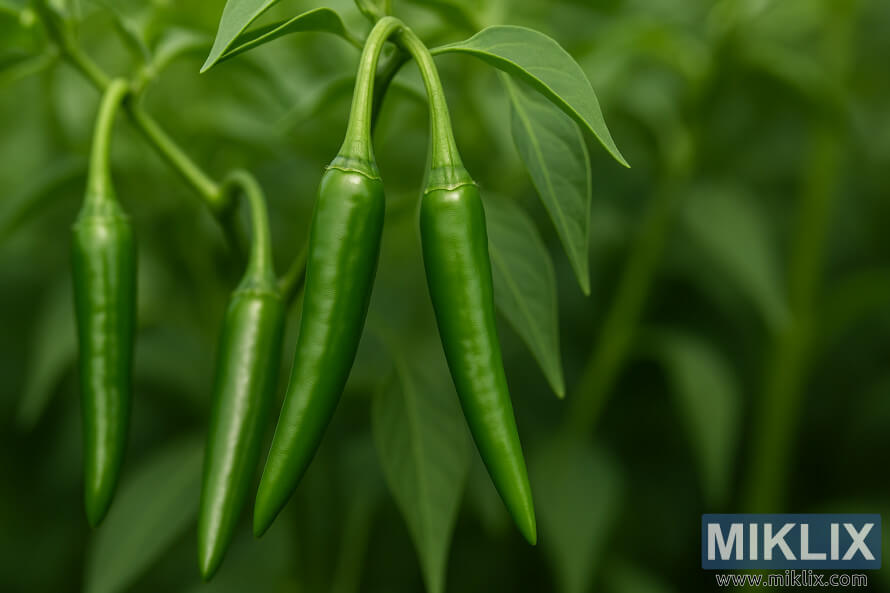
2. Serrano
Heat Level: 10,000-23,000 SHU
Flavor Profile: Clean, sharp heat with a fresh, crisp flavor. More intense than jalapeños but still approachable.
Growth Characteristics: Productive plants reaching 2-3 feet tall. Matures in 75-85 days. Each plant can produce dozens of 2-3 inch peppers.
Best Uses: Excellent for fresh salsas, hot sauces, and Mexican dishes. Too thick-walled for easy drying but perfect for fresh applications.
Growing Tips: Serranos prefer full sun and well-draining soil. They're relatively drought-tolerant once established but produce best with consistent moisture. Excellent choice for container growing.
Click or tap the image for more information and higher resolutions.
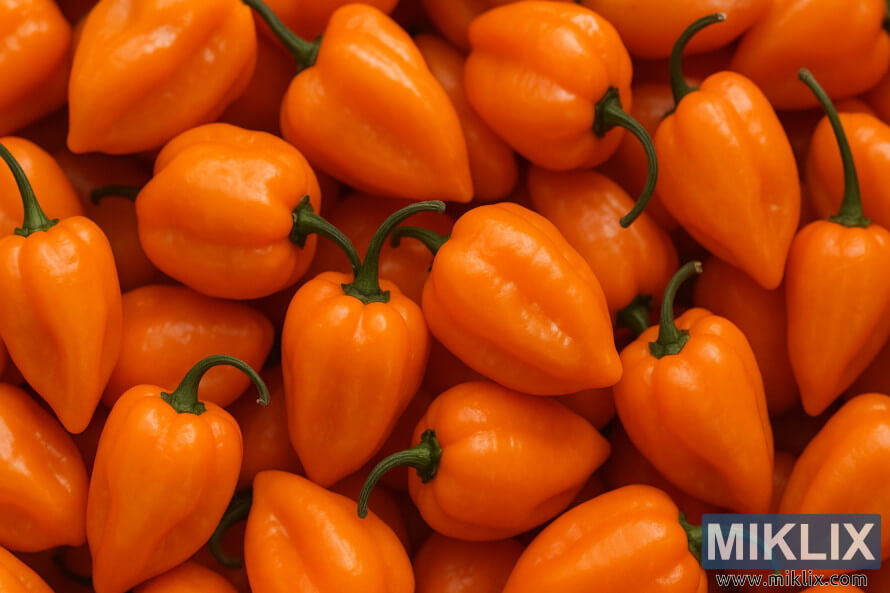
3. Habanero
Heat Level: 100,000-350,000 SHU
Flavor Profile: Distinctive fruity, floral flavor with intense heat. Complex tropical notes make it popular for Caribbean cuisine.
Growth Characteristics: Bushy plants reaching 2-4 feet. Longer growing season (90-100 days). Available in multiple colors including orange, red, chocolate, and white.
Best Uses: Hot sauces, Caribbean dishes, fruit salsas, and spicy marinades. A little goes a long way.
Growing Tips: Habaneros need consistent warmth and a long growing season. Start seeds indoors 8-10 weeks before last frost. Be patient – they take longer to mature but reward with abundant harvests.
Click or tap the image for more information and higher resolutions.
4. Cayenne
Heat Level: 30,000-50,000 SHU
Flavor Profile: Clean, sharp heat with a straightforward pepper flavor. Less complex than habaneros but more versatile.
Growth Characteristics: Productive plants reaching 2-3 feet. Matures in 70-80 days. Produces long (4-6 inch), slender peppers that dry easily.
Best Uses: Excellent for drying and making pepper flakes or powder. Also good in cooking, hot sauces, and stir-fries.
Growing Tips: Cayennes are relatively easy to grow and productive in most conditions. They do well in containers and produce throughout the season. Support plants as they can become top-heavy with peppers.
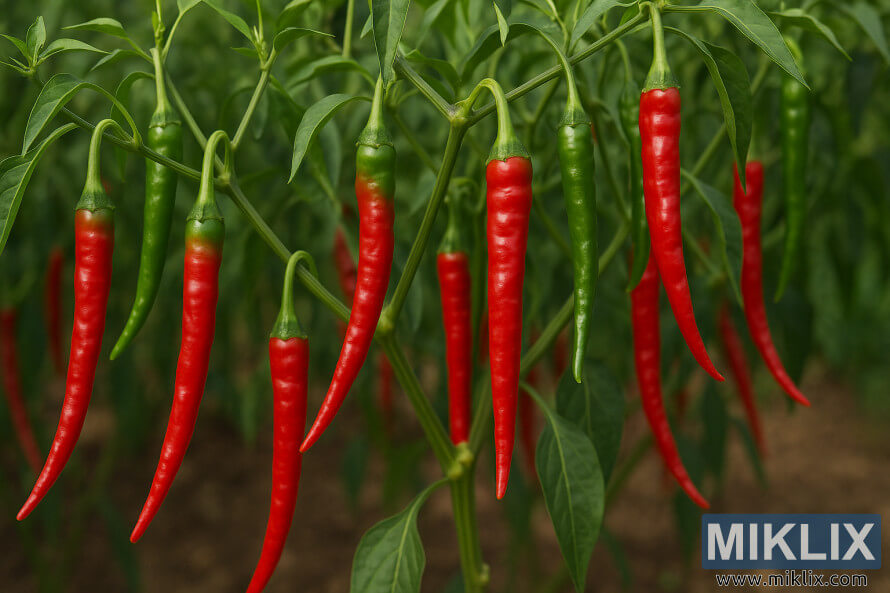
Click or tap the image for more information and higher resolutions.
5. Thai Bird's Eye
Heat Level: 50,000-100,000 SHU
Flavor Profile: Intense, immediate heat with a distinct peppery flavor. Clean finish without lingering burn.
Growth Characteristics: Compact, bushy plants (1-2 feet) that produce abundantly. Small peppers (1-2 inches) grow upward on the plant. Matures in 75-80 days.
Best Uses: Essential for authentic Thai, Vietnamese, and other Southeast Asian cuisines. Great for stir-fries, curries, and hot sauces.
Growing Tips: Bird's eye chilies thrive in containers and make attractive ornamental plants. They're prolific producers in warm conditions. Harvest regularly to encourage more fruiting.
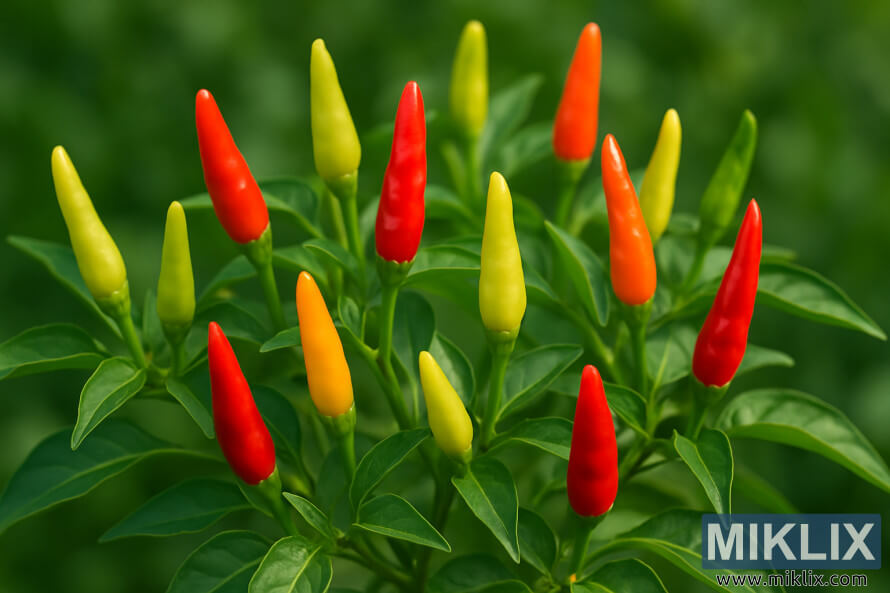
Click or tap the image for more information and higher resolutions.
6. Poblano/Ancho
Heat Level: 1,000-1,500 SHU
Flavor Profile: Mild heat with rich, slightly earthy flavor. Develops smoky sweetness when roasted.
Growth Characteristics: Larger plants (2-3 feet) producing substantial 4-5 inch heart-shaped peppers. Matures in 65-80 days. When dried, poblanos are called "anchos."
Best Uses: Perfect for stuffing (chiles rellenos), roasting, and making mole sauces. Excellent for those who enjoy flavor with minimal heat.
Growing Tips: Poblanos need support as they produce large, heavy fruits. They benefit from regular feeding and consistent moisture. Harvest when fully sized but still dark green for traditional poblano dishes.
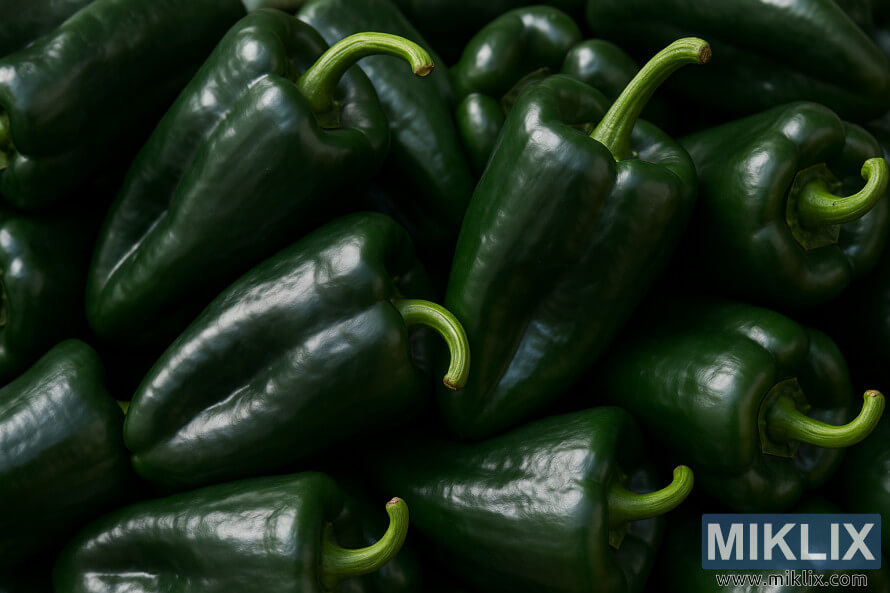
Click or tap the image for more information and higher resolutions.
7. Shishito
Heat Level: 50-200 SHU (occasionally 1,000+)
Flavor Profile: Mild, sweet, and slightly smoky with a unique grassy note. About 1 in 10 peppers may surprise with unexpected heat.
Growth Characteristics: Productive plants reaching 2 feet tall. Thin-walled, wrinkled peppers are 2-4 inches long. Matures in 60-75 days, making them good for shorter seasons.
Best Uses: Traditional Japanese preparation is blistered in oil and sprinkled with sea salt. Also excellent for tempura and stir-fries.
Growing Tips: Shishitos are prolific producers that do well in containers. Harvest when bright green and about 3 inches long. Regular harvesting encourages continued production throughout the season.
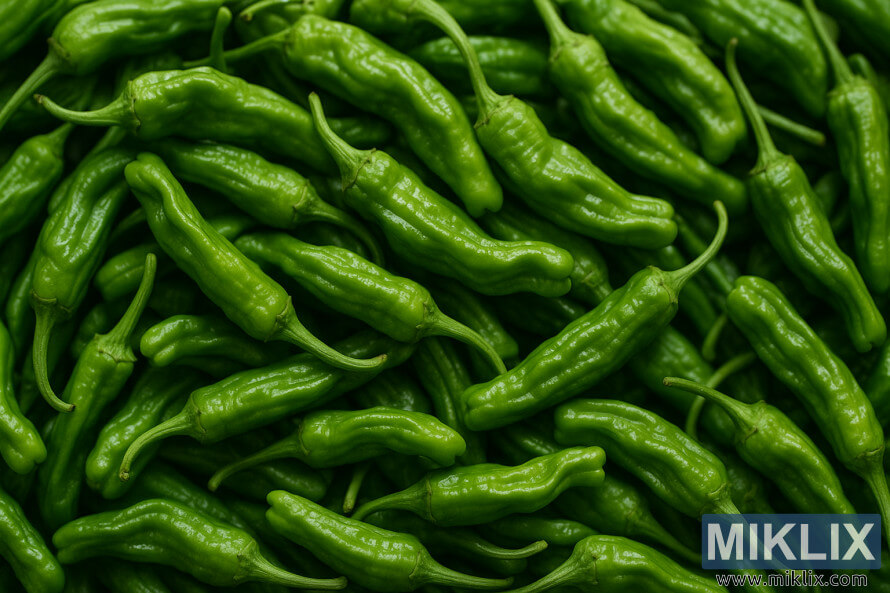
Click or tap the image for more information and higher resolutions.
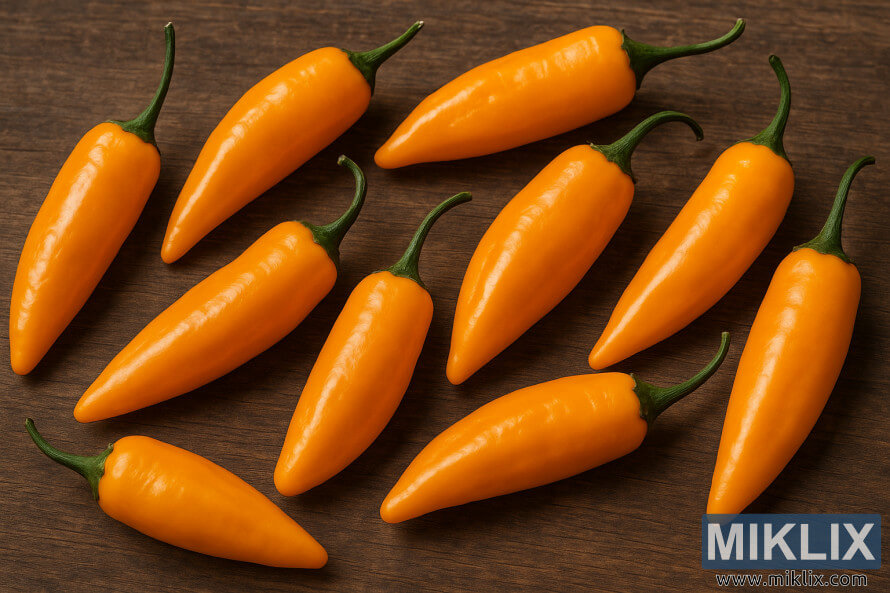
8. Aji Amarillo
Heat Level: 30,000-50,000 SHU
Flavor Profile: Distinctive fruity flavor with notes of raisin and berry alongside significant heat. Essential to Peruvian cuisine.
Growth Characteristics: Tall plants (3-4 feet) that can produce for multiple seasons in frost-free areas. Long growing season (90-100 days). Produces 4-5 inch yellow-orange peppers.
Best Uses: Traditional Peruvian dishes, ceviche, sauces, and pastes. Unique flavor makes it worth the wait.
Growing Tips: Aji Amarillo needs a long, warm growing season. Start seeds indoors 10-12 weeks before last frost. Plants may need staking as they grow tall and produce heavily. In colder climates, can be grown as a perennial in containers and brought indoors for winter.
Click or tap the image for more information and higher resolutions.
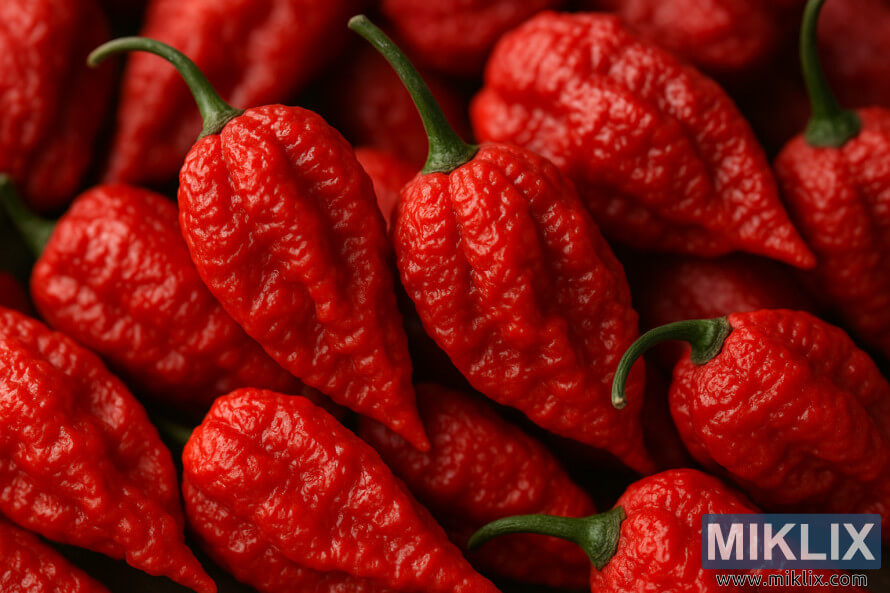
9. Ghost Pepper (Bhut Jolokia)
Heat Level: 855,000-1,041,427 SHU
Flavor Profile: Intense heat with a slow build and long-lasting burn. Underlying fruity, sweet flavor if you can get past the heat.
Growth Characteristics: Plants reach 3-4 feet tall. Requires a long growing season (100-120 days). Produces wrinkled, pointy peppers about 2-3 inches long.
Best Uses: Extreme hot sauces, powders, and marinades. Use with extreme caution – a little goes a very long way.
Growing Tips: Ghost peppers need consistent warmth and a long growing season. Start seeds indoors 10-12 weeks before last frost. Plants benefit from support and may need extra feeding to produce well. Handle with gloves when harvesting and processing.
Click or tap the image for more information and higher resolutions.
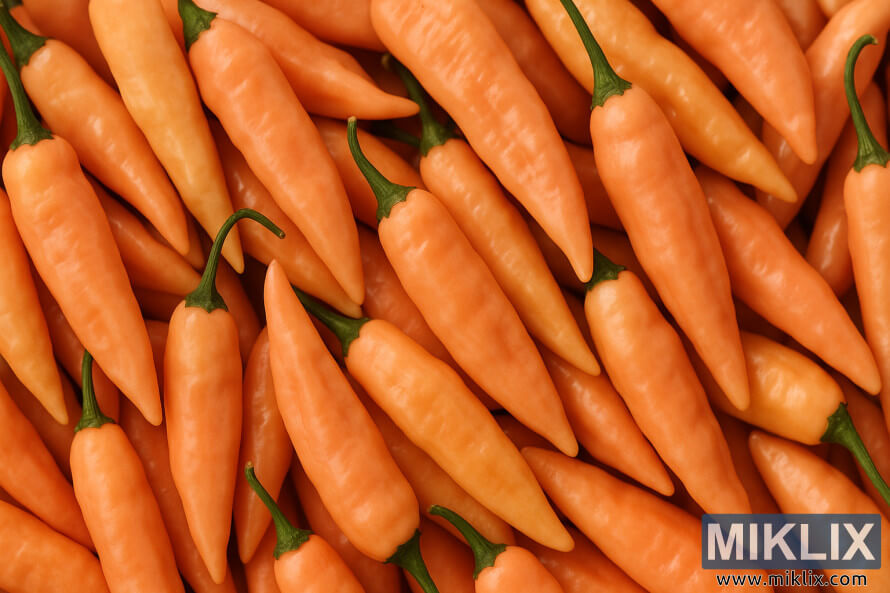
10. Sugar Rush Peach
Heat Level: 50,000-100,000 SHU
Flavor Profile: Exceptional fruity sweetness with notes of peach and apricot, followed by significant heat. One of the most flavorful hot peppers available.
Growth Characteristics: Vigorous plants reaching 3-4 feet. Long growing season (90-100 days). Produces abundant elongated peach-colored fruits.
Best Uses: Hot sauces, fruit salsas, and any dish where you want both sweetness and heat. Excellent dried and made into flakes.
Growing Tips: This newer variety has gained popularity for its flavor. Plants are vigorous and may need support. Start seeds early (10-12 weeks before last frost) as they need a long season to mature. Well worth the effort for pepper enthusiasts.
Click or tap the image for more information and higher resolutions.
Basic Growing Requirements for Chili Peppers
Sunlight & Temperature
Chili peppers are heat-loving plants that require:
- Full sun - At least 6-8 hours of direct sunlight daily
- Warm soil - Plant outdoors when soil temperatures reach 65°F (18°C)
- Growing temperatures - Thrive in 70-90°F (21-32°C) daytime temperatures
- Protection - Shield from temperatures below 55°F (13°C)
Soil & Watering
For healthy growth and productive plants:
- Well-draining soil - Add compost and avoid clay-heavy soils
- Slightly acidic pH - Aim for 6.0-6.8 for optimal nutrient uptake
- Consistent moisture - Keep soil evenly moist but never soggy
- Reduced watering - Decrease frequency once fruits begin to ripen
Fertilizing & Support
To maximize your harvest:
- Initial feeding - Start with balanced fertilizer (10-10-10)
- Flowering stage - Switch to lower nitrogen, higher phosphorus
- Frequency - Feed every 3-4 weeks during growing season
- Support - Stake taller varieties or those with heavy fruit loads
Container Growing Tips
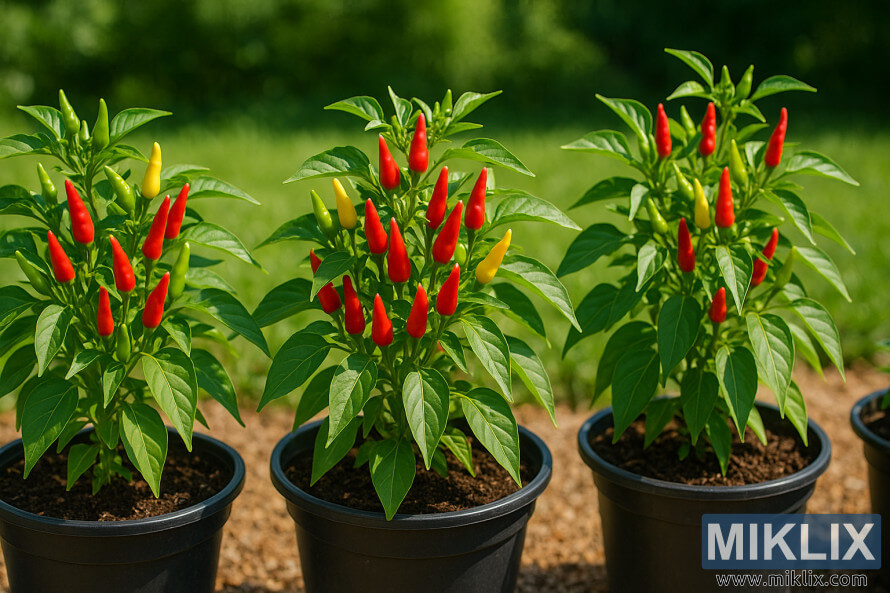
Most chili varieties grow excellently in containers, making them perfect for patios, balconies, or small spaces. For successful container growing:
- Use containers at least 12 inches deep and wide (5+ gallon capacity)
- Ensure containers have adequate drainage holes
- Use high-quality potting mix specifically formulated for containers
- Water more frequently than in-ground plants, especially during hot weather
- Consider self-watering containers for consistent moisture
Click or tap the image for more information and higher resolutions.
Harvesting and Storing Your Chili Peppers
When to Harvest
Knowing when to harvest your chilies is crucial for optimal flavor and heat:
- Green chilies - Harvest when they reach full size but before color change
- Ripe chilies - Allow to fully change color on the plant for maximum flavor
- Harvest timing - Morning harvesting preserves flavor and crispness
- Tools - Use scissors or pruners to avoid damaging plants
Handling Hot Peppers Safely
The capsaicin in hot peppers can cause skin irritation and severe eye pain:
- Always wear gloves when handling hot peppers
- Avoid touching your face, especially eyes and nose
- Wash hands thoroughly with soap after handling
- Consider wearing eye protection when processing very hot varieties
- Keep a dairy product (milk, yogurt) nearby to neutralize capsaicin burns
Storage Methods
Extend the life of your harvest with these storage techniques:
- Fresh storage - Unwashed peppers in the refrigerator last 1-2 weeks
- Freezing - Whole or sliced peppers freeze well for up to 6 months
- Drying - String peppers or use a dehydrator for long-term storage
- Pickling - Preserve in vinegar brine for 6+ months of shelf life
- Fermenting - Create hot sauces with complex flavors
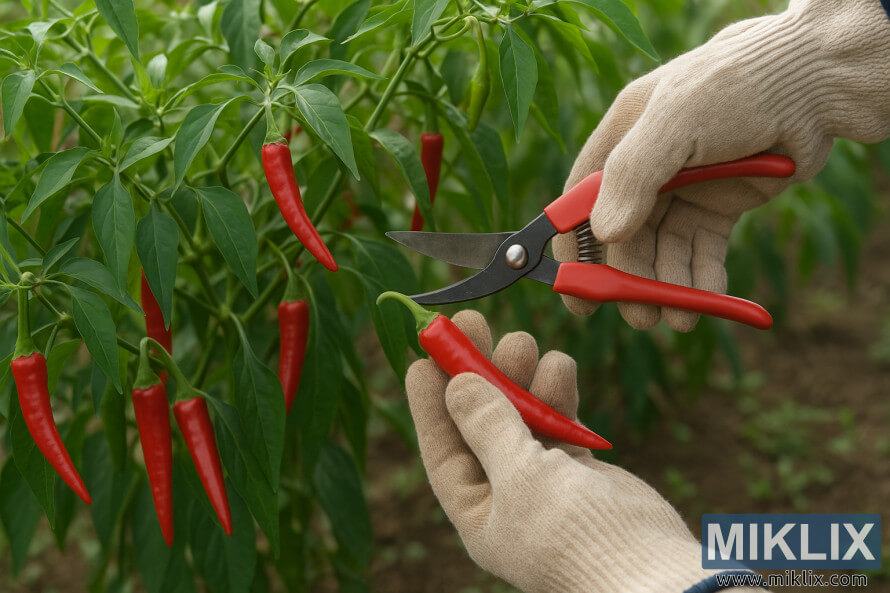
Click or tap the image for more information and higher resolutions.
Start Your Chili Garden Today
Growing your own chili peppers is a rewarding journey that connects you with thousands of years of agricultural tradition while providing fresh, flavorful ingredients for your kitchen. From mild, family-friendly jalapeños to face-melting ghost peppers, there's a chili variety perfect for every gardener and every palate.
Remember that most chilies are perennial plants in their native tropical environments. In cooler climates, you can extend your growing season by starting seeds early indoors and even overwintering your favorite plants by bringing them inside before the first frost.
Whether you're a culinary enthusiast looking to create authentic dishes, a heat-seeker chasing the next spicy challenge, or simply a gardener who appreciates beautiful, productive plants, growing chilies offers something for everyone. Start with a few varieties that match your taste preferences and growing conditions, then expand your collection as you gain experience.
Further Reading
If you enjoyed this post, you may also like these suggestions:
- A Guide to Growing Aloe Vera Plants at Home
- A Complete Guide to Growing Parsley in Your Home Garden
- A Guide to Growing Your Own Sage