
Don't Overlook Parsnips: Here's Why They're So Good for You
Published: August 3, 2026 at 10:12:20 PM UTC
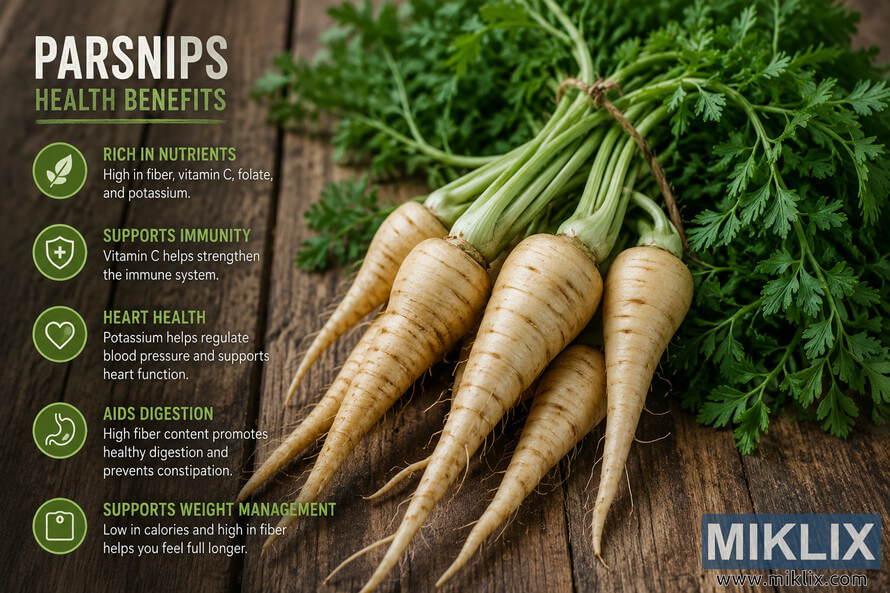
Parsnips offer remarkable nutrition that many people overlook. This pale root vegetable delivers powerful health advantages through its rich fiber content and essential nutrients. While carrots get most of the attention, parsnips deserve a spot on your plate for their unique nutritional profile.
Click or tap the image for more information and higher resolutions.
Understanding what parsnips bring to your diet helps you make informed food choices. From supporting digestive health to providing antioxidants, this underrated vegetable packs significant benefits into every serving.
What Are Parsnips and Why Should You Care
Parsnips are cream-colored root vegetables that belong to the same family as carrots and parsley. They grow underground and develop a sweet, earthy taste when cooked. The vegetable looks similar to pale carrots but offers distinct nutritional advantages.
People have cultivated parsnips for thousands of years. Ancient Romans valued this root vegetable for both nutrition and medicinal properties. Today, modern research confirms many traditional health claims about parsnips.
The vegetable thrives in cool weather. Frost actually improves the taste by converting starches to natural sugars. This makes parsnips sweeter and more flavorful after cold exposure.
Click or tap the image for more information and higher resolutions.
Nutritional Content of Parsnips
A single cup of cooked parsnips provides substantial nutrition without excessive calories. The root vegetable contains approximately 100 calories per serving while delivering essential vitamins and minerals your body needs daily.
| Nutrient | Amount per Cup (Cooked) | Daily Value % |
| Fiber | 6.5 grams | 26% |
| Vitamin C | 22.6 mg | 25% |
| Folate | 90.9 mcg | 23% |
| Potassium | 572 mg | 12% |
| Vitamin K | 22.5 mcg | 19% |
| Manganese | 0.6 mg | 26% |
Parsnips deliver complex carbohydrates that provide steady energy. The vegetable contains minimal fat and offers quality plant-based nutrition. Fiber makes up a significant portion of the nutritional content in parsnips.
The vitamin content in parsnips supports various body functions. Folate helps cell growth and development. Vitamin C strengthens immune function while potassium maintains healthy blood pressure levels.
Fiber Content and Digestive Health Benefits
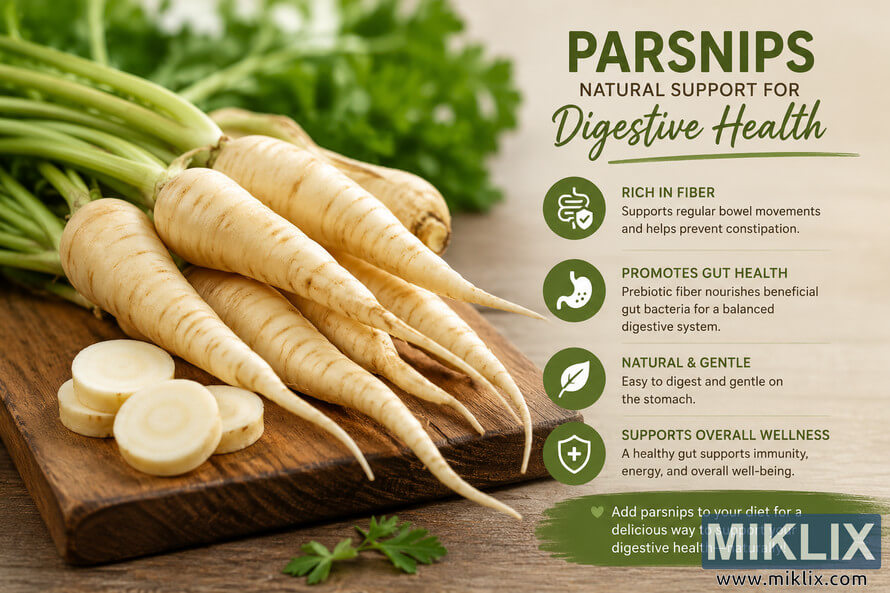
The high fiber content in parsnips promotes excellent digestive health. Each serving contains both soluble and insoluble fiber that work together to support your gut. Soluble fiber feeds beneficial bacteria while insoluble fiber adds bulk to stool.
Regular consumption of parsnips helps maintain bowel regularity. The fiber moves smoothly through your digestive system, preventing constipation and promoting comfortable digestion. This natural process supports overall gut health.
Important Note: Fiber intake should increase gradually. Sudden increases may cause temporary digestive discomfort. Drink plenty of water when adding parsnips to your diet.
Studies show that adequate fiber intake reduces risks of certain digestive conditions. The fiber in parsnips may help prevent diverticular disease and other bowel problems. A balanced diet rich in vegetables like parsnips supports long-term digestive wellness.
Parsnips also contain resistant starch when cooled after cooking. This special type of fiber feeds gut bacteria and produces beneficial compounds. The bacteria ferment this starch into short-chain fatty acids that nourish colon cells.
Click or tap the image for more information and higher resolutions.
Heart Disease Prevention and Cardiovascular Support
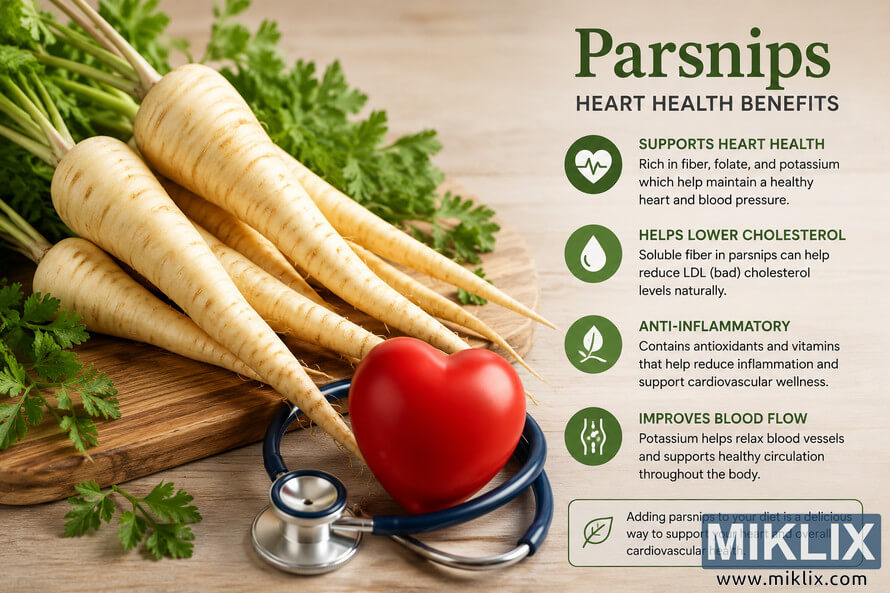
Parsnips provide nutrients that actively support heart health. The potassium content helps regulate blood pressure by balancing sodium levels in your body. Maintaining healthy blood pressure reduces strain on your cardiovascular system.
Fiber from parsnips binds to cholesterol in your digestive tract. This process helps remove excess cholesterol before it enters your bloodstream. Lower cholesterol levels decrease the risk of developing heart disease over time.
The folate in parsnips supports healthy blood vessel function. This B vitamin helps reduce homocysteine levels, an amino acid linked to cardiovascular problems. Adequate folate intake contributes to overall heart protection.
- Potassium regulates healthy blood pressure levels
- Fiber reduces LDL cholesterol absorption
- Folate supports blood vessel integrity
- Antioxidants protect against arterial damage
- Low sodium content benefits cardiovascular function
Research indicates that diets rich in root vegetables correlate with reduced heart disease risk. The combination of fiber, potassium, and antioxidants in parsnips creates a heart-protective nutritional profile.
Click or tap the image for more information and higher resolutions.
Immune System Strengthening Properties
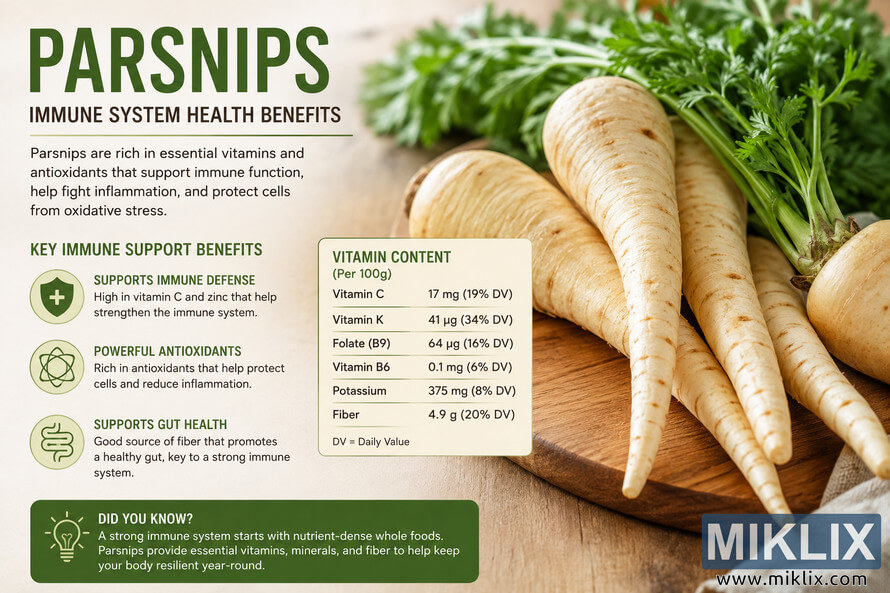
Parsnips contain significant vitamin C that strengthens immune function. This essential nutrient supports white blood cell production and activity. Your immune system relies on adequate vitamin C to fight infections effectively.
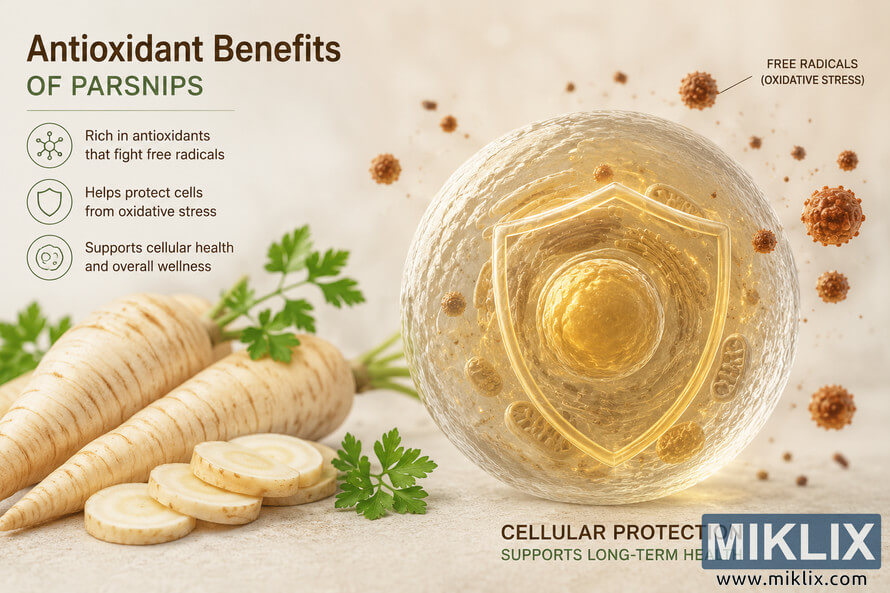
The antioxidants in parsnips protect immune cells from damage. These compounds neutralize harmful free radicals that can weaken immunity. Regular consumption helps maintain a robust defensive system against illness.
Parsnips also provide vitamin E and various phytonutrients that support immune health. These nutrients work synergistically to enhance your body's natural defense mechanisms. The vegetable offers comprehensive immune support through multiple pathways.
Zinc and other trace minerals in parsnips contribute to immune cell development. While present in smaller amounts, these minerals play crucial roles in maintaining immunity. The diverse nutrient profile makes parsnips valuable for immune function.
Click or tap the image for more information and higher resolutions.
Antioxidant Compounds and Anti-Inflammatory Effects
Parsnips contain powerful antioxidants including polyacetylenes and falcarinol. These unique compounds demonstrate anti-inflammatory properties in scientific studies. Research suggests these antioxidants may help prevent cellular damage.
Primary Antioxidants in Parsnips
- Polyacetylenes with anti-cancer potential
- Falcarinol protecting cellular health
- Vitamin C neutralizing free radicals
- Vitamin E supporting cell membranes
- Various polyphenols reducing oxidative stress
Studies indicate that these antioxidant compounds may reduce inflammation throughout the body. Chronic inflammation contributes to many serious health conditions. The anti-inflammatory effects of parsnips support overall wellness.
Falcarinol specifically shows promise in laboratory research for its protective properties. While more human studies are needed, initial findings suggest potential benefits. The fact that parsnips naturally contain these compounds makes them valuable additions to any diet.
Cooking methods affect antioxidant levels in parsnips. Gentle cooking preserves more beneficial compounds compared to prolonged high-heat methods. Steaming or roasting maintains optimal antioxidant content while improving digestibility.
Click or tap the image for more information and higher resolutions.
Delicious Ways to Add Parsnips to Your Diet
Incorporating parsnips into meals is simpler than most people realize. The vegetable adapts well to various cooking methods and complements numerous dishes. From soups to roasted sides, parsnips add nutrition and flavor to your meals.
Click or tap the image for more information and higher resolutions.
Soups and Stews

Click or tap the image for more information and higher resolutions.
Healthy Side Dishes
Click or tap the image for more information and higher resolutions.
Weight Management and Blood Sugar Control
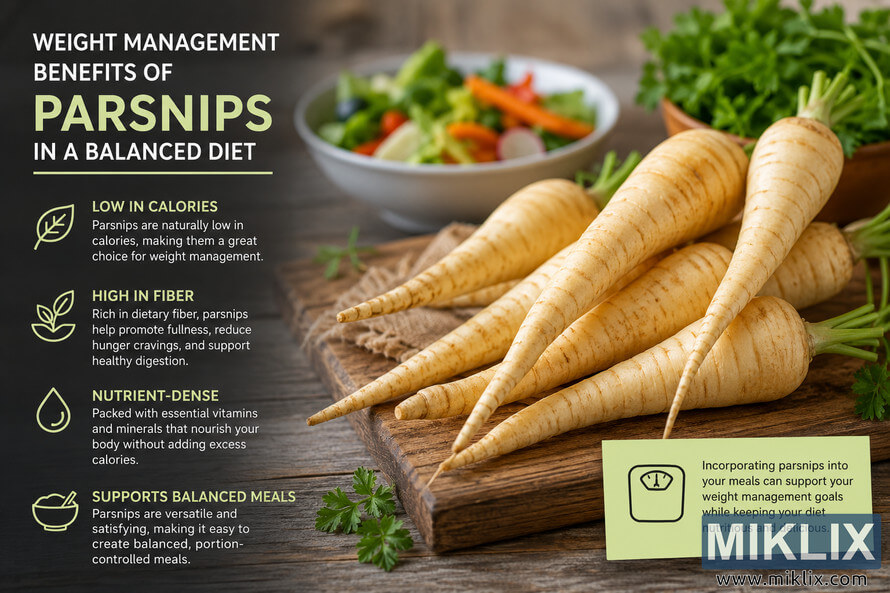
Parsnips support healthy weight management through their fiber content and nutrient density. The fiber creates feelings of fullness that last for hours. This natural satiety helps control appetite and reduce overall calorie intake.
The vegetable provides complex carbohydrates that release energy slowly. This steady release helps maintain stable blood sugar levels throughout the day. Unlike simple sugars, parsnips do not cause rapid spikes in blood glucose.
While parsnips contain natural sugars, their fiber content moderates absorption. The combination results in a moderate glycemic response. People managing blood sugar can include parsnips as part of a balanced diet.
Blood Sugar Consideration: Individuals with diabetes should monitor portion sizes and pair parsnips with protein or healthy fats. This combination further stabilizes blood sugar response.
Research shows that diets rich in fiber support long-term weight maintenance. The nutrients in parsnips provide essential nutrition without excess calories. This makes them excellent choices for people focused on healthy weight levels.
Click or tap the image for more information and higher resolutions.
Bone Health and Mineral Content
Parsnips contribute to bone health through vitamin K and manganese content. Vitamin K plays essential roles in calcium regulation and bone formation. Adequate intake supports bone density and strength throughout life.
The manganese in parsnips helps build strong bones and connective tissue. This trace mineral works with other nutrients to maintain skeletal health. Regular consumption provides meaningful amounts of this important nutrient.
- Vitamin K supports calcium binding in bones
- Manganese aids bone formation processes
- Phosphorus contributes to bone structure
- Magnesium helps regulate calcium metabolism
- Multiple nutrients work together for skeletal health
Calcium absorption depends on various cofactor nutrients present in parsnips. The vegetable provides supporting nutrients that enhance overall mineral utilization. This synergistic effect maximizes bone health benefits.
Folate Benefits for Pregnancy and Cell Growth
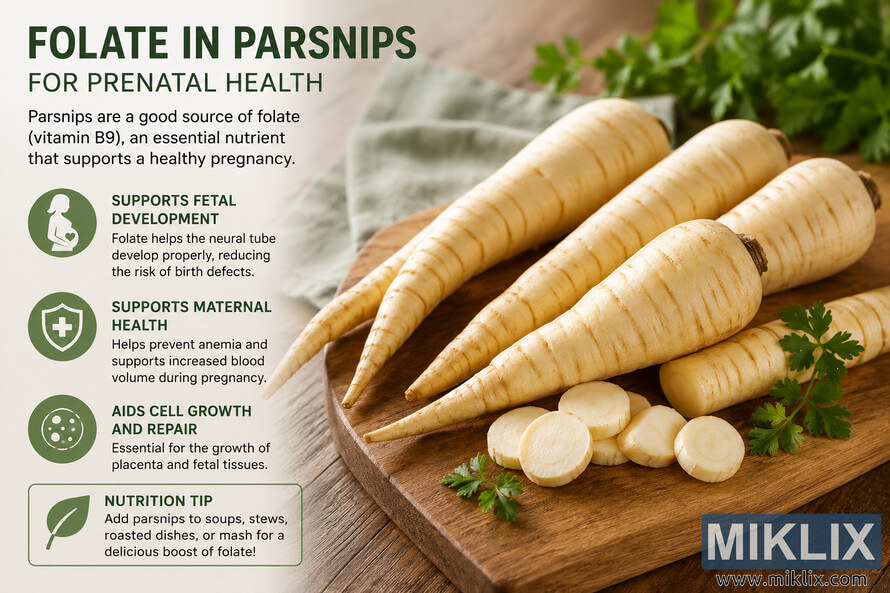
The high folate content makes parsnips particularly valuable during pregnancy. Folate prevents neural tube defects and supports fetal development. Adequate intake before and during pregnancy promotes healthy outcomes.
Folate also supports general cell division and growth throughout life. This nutrient helps produce red blood cells and DNA synthesis. Everyone benefits from adequate folate, not just pregnant women.
Natural food sources of folate like parsnips provide better absorption than synthetic supplements for some people. The vegetable offers folate alongside other complementary nutrients. This whole food approach supports optimal nutrition.
People with increased folate needs include those planning pregnancy, pregnant women, and individuals with certain health conditions. Adding parsnips to the diet provides a delicious way to boost folate intake naturally.
Click or tap the image for more information and higher resolutions.
Parsnips Compared to Other Root Vegetables
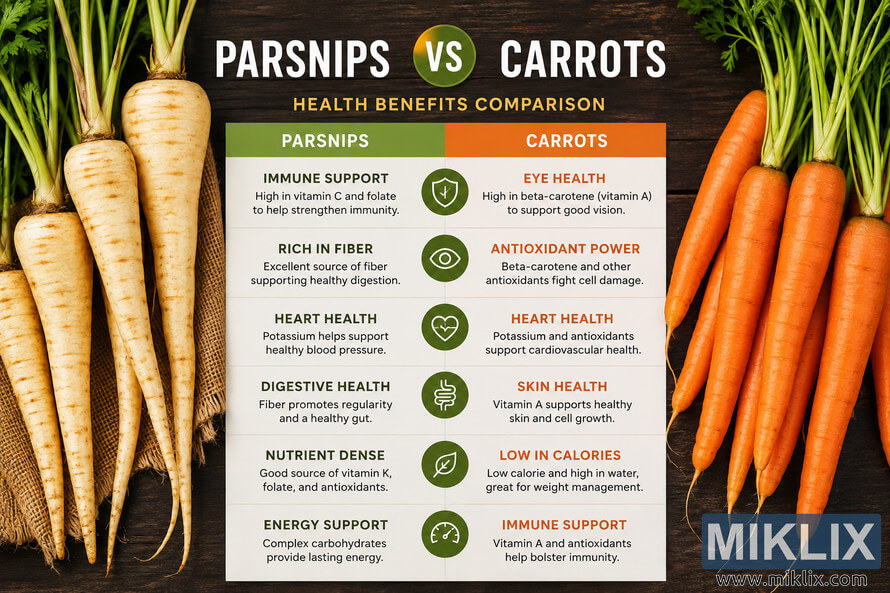
Parsnips offer distinct advantages compared to carrots and other root vegetables. While carrots provide more vitamin A, parsnips deliver superior fiber and folate content. Each root vegetable contributes unique nutritional benefits to your diet.
| Vegetable | Fiber (per cup) | Folate (per cup) | Vitamin C (per cup) | Calories (per cup) |
| Parsnips | 6.5g | 91mcg | 23mg | 100 |
| Carrots | 4.7g | 24mcg | 10mg | 55 |
| Sweet Potatoes | 6.6g | 6mcg | 37mg | 180 |
| Turnips | 3.1g | 18mcg | 27mg | 36 |
The taste profiles differ significantly between root vegetables. Parsnips develop a nutty sweetness when cooked that many people prefer over carrots. This unique flavor makes parsnips versatile ingredients in both savory and slightly sweet dishes.
Nutritional variety matters for optimal health. Including multiple types of root vegetables ensures comprehensive nutrient intake. Parsnips complement other vegetables rather than replacing them in a balanced diet.
Best Cooking Methods to Preserve Nutrients
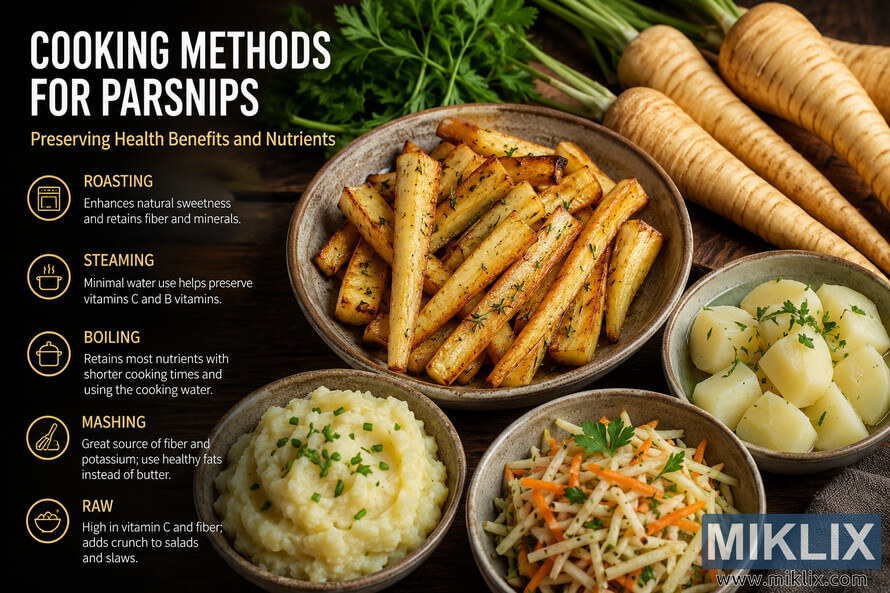
Cooking method significantly impacts nutrient retention in parsnips. Steaming preserves the most vitamins and minerals while making the vegetable tender. This gentle method maintains nutritional integrity better than boiling.
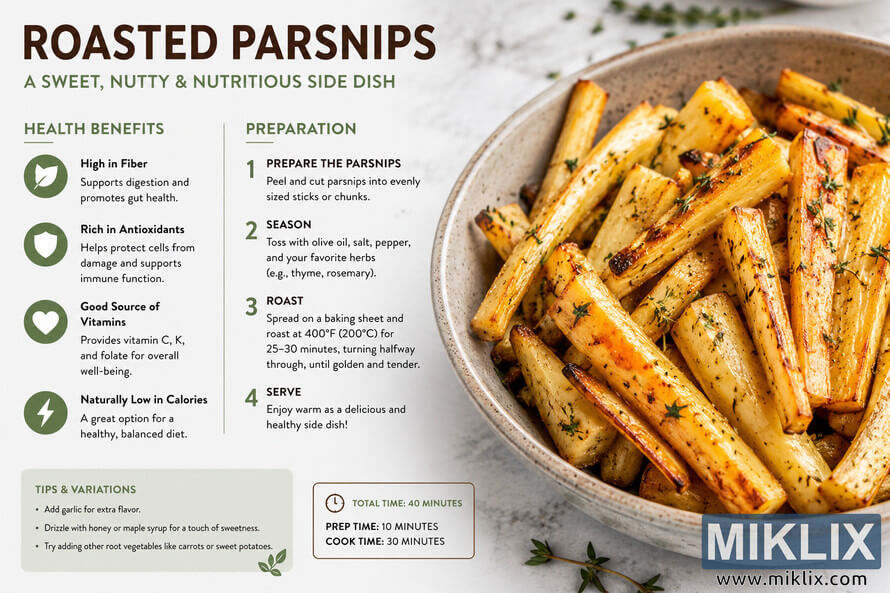
Roasting concentrates flavors and creates appealing textures without major nutrient loss. The dry heat caramelizes natural sugars while preserving most beneficial compounds. Keep temperatures moderate for best results.
Click or tap the image for more information and higher resolutions.
Steaming Parsnips
Steam parsnips for 15-20 minutes until fork-tender. This method retains maximum nutrition while creating soft, digestible texture.
- Preserves water-soluble vitamins
- Maintains natural sweetness
- Quick and energy-efficient
- Minimal nutrient loss

Click or tap the image for more information and higher resolutions.
Roasting Parsnips
Roast at 400°F for 25-30 minutes with minimal oil. This develops rich caramelized flavors while preserving antioxidants.
- Enhances natural sweetness
- Creates appealing texture
- Maintains fiber content
- Preserves most nutrients

Click or tap the image for more information and higher resolutions.
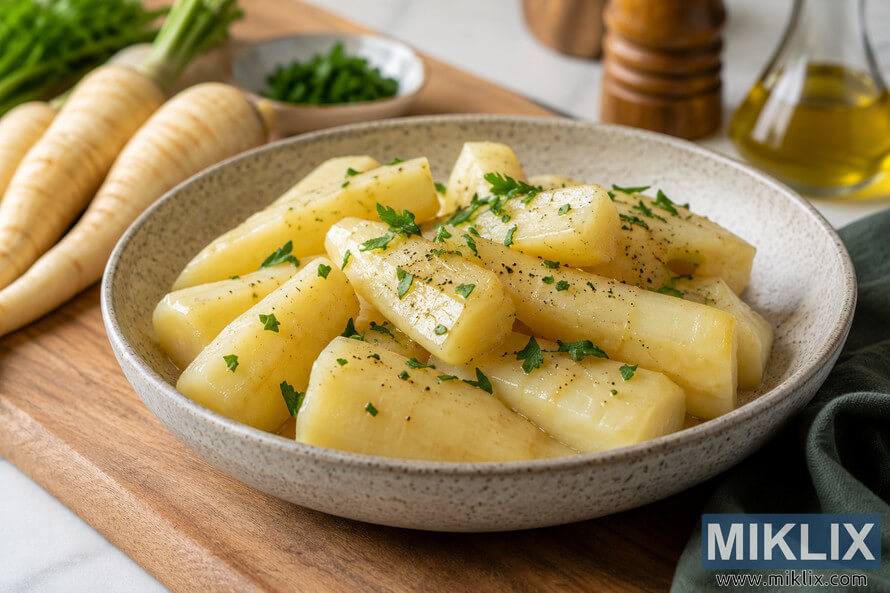
Boiling Parsnips
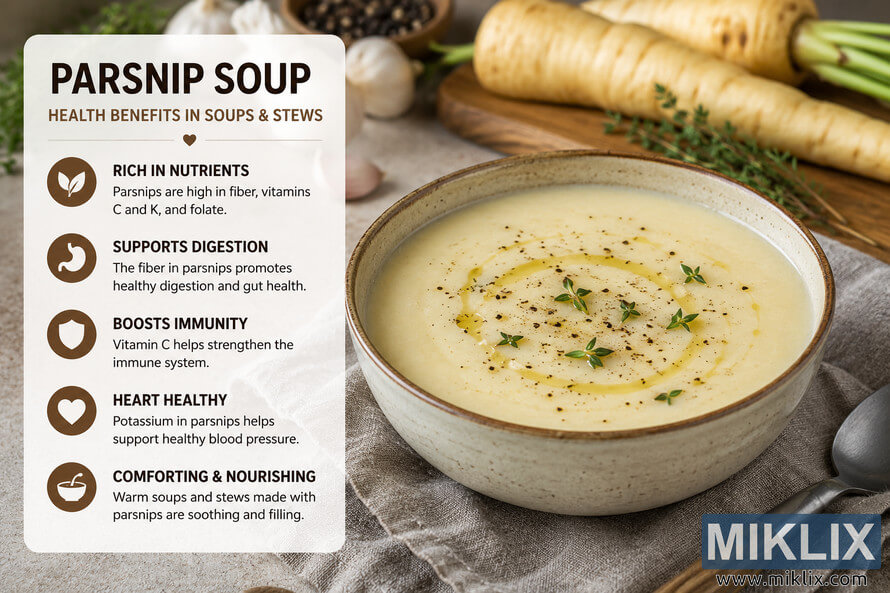
Boil parsnips for soups and stews where you consume the cooking liquid. This prevents nutrient loss into discarded water.
- Softens for easy mashing
- Works well for purees
- Reduces cooking time
- Best when liquid is consumed
Click or tap the image for more information and higher resolutions.
Raw Parsnips
Grate raw parsnips into salads for maximum enzyme and vitamin content. Raw consumption preserves all heat-sensitive nutrients.
- Maximum vitamin C retention
- Full enzyme activity
- Crispy, refreshing texture
- Unique flavor profile
Avoid overcooking parsnips, which depletes nutrients and creates mushy texture. Check doneness regularly to maintain ideal consistency. Properly cooked parsnips should be tender but not falling apart.
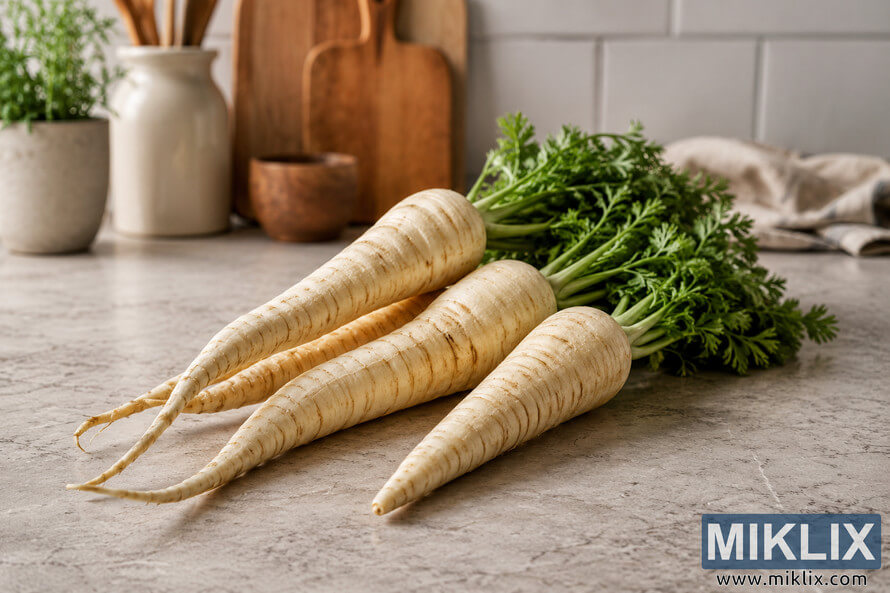
Click or tap the image for more information and higher resolutions.
Selecting and Storing Parsnips for Maximum Freshness
Choose firm parsnips without soft spots or excessive bruising. Smaller to medium-sized roots often taste sweeter and more tender than very large ones. The skin should appear relatively smooth without deep cracks.
Store unwashed parsnips in the refrigerator vegetable drawer. They keep well for several weeks when stored properly in a plastic bag with some air circulation. Remove any greens before storage to prevent moisture loss.
- Select firm roots with smooth skin
- Avoid very large parsnips that may be woody
- Remove green tops before refrigerating
- Store in perforated plastic bags
- Keep in vegetable crisper drawer
- Use within three weeks for best quality
Wash parsnips thoroughly just before use, not during storage. The protective skin helps preserve freshness and nutrients. Peel thinly to remove minimal flesh and retain maximum nutrition.
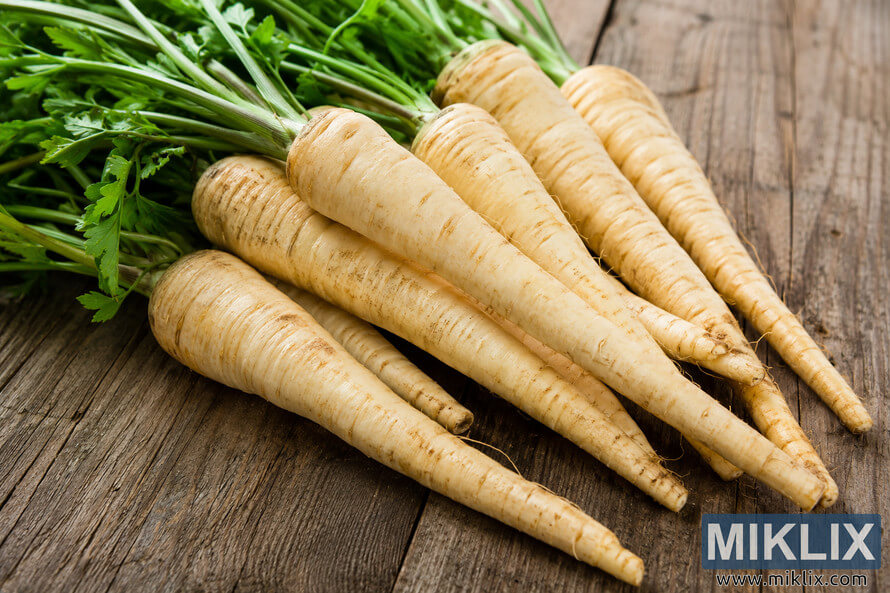
Click or tap the image for more information and higher resolutions.
Potential Considerations and Precautions
Most people tolerate parsnips well without any adverse effects. However, some individuals may experience digestive discomfort when first adding high-fiber foods to their diet. Increase intake gradually to allow your system to adjust.
Allergy Alert: People allergic to carrots, celery, or birch pollen may react to parsnips. These vegetables share similar proteins that can trigger allergic responses in sensitive individuals.
Wild parsnips differ from cultivated varieties and can cause skin reactions. Never harvest wild parsnips unless you have expert identification skills. Stick to grocery store or farmers market parsnips for safety.
The vegetable contains natural compounds called furanocoumarins in small amounts. These substances can increase sun sensitivity in rare cases. This effect is more pronounced with wild varieties than cultivated parsnips.
Individuals taking blood thinning medications should maintain consistent vitamin K intake. While parsnips contain vitamin K, moderate amounts fit within most dietary plans. Consult healthcare providers about specific concerns.
Recommended Daily Intake and Serving Sizes
Nutrition experts suggest consuming two to three servings of vegetables with each meal. One serving of parsnips equals about half a cup cooked or one medium root. This amount provides significant fiber and nutrients without excessive calories.
Including parsnips two to three times weekly adds valuable variety to your diet. The vegetable complements other nutritious foods rather than dominating meals. Balance remains key for optimal nutrition and enjoyment.
Athletes and active individuals may benefit from larger portions due to increased energy needs. The complex carbohydrates in parsnips fuel physical activity effectively. Adjust serving sizes based on individual activity levels and nutritional requirements.
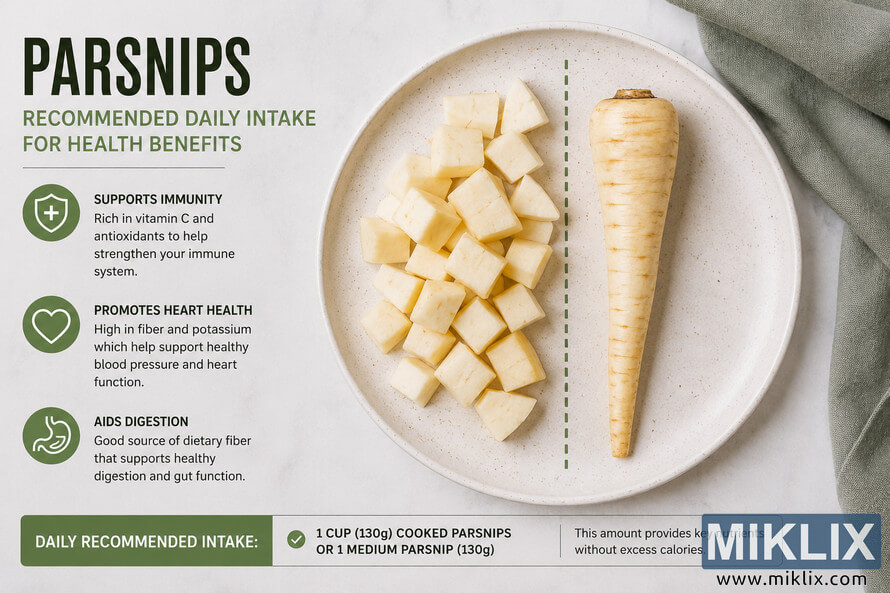
Click or tap the image for more information and higher resolutions.
Incorporating Parsnips into Balanced Meal Plans
Parsnips work beautifully in diverse meal contexts throughout the week. Replace potatoes with parsnips in traditional recipes for different flavors and enhanced nutrition. The substitution adds variety while maintaining familiar comfort food appeal.
Breakfast Options
Start your day with parsnip-enhanced meals that provide sustained energy.
- Shredded parsnip hash with eggs
- Parsnip and vegetable frittata
- Savory parsnip breakfast muffins
- Root vegetable breakfast bowl

Click or tap the image for more information and higher resolutions.
Lunch Ideas
Pack nutrition into midday meals with creative parsnip preparations.
- Roasted parsnip and grain salad
- Creamy parsnip soup with whole grain bread
- Parsnip and chickpea wrap
- Cold parsnip noodle salad

Click or tap the image for more information and higher resolutions.
Dinner Preparations
Feature parsnips as side dishes or main components in evening meals.
- Herb-roasted parsnips with protein
- Parsnip and vegetable stir-fry
- Mashed parsnips replacing potatoes
- Parsnip and lentil stew

Click or tap the image for more information and higher resolutions.
Snack Applications
Transform parsnips into nutritious between-meal options.
- Baked parsnip chips
- Raw parsnip sticks with hummus
- Parsnip and apple slaw
- Roasted parsnip bites

Click or tap the image for more information and higher resolutions.
Frequently Asked Questions About Parsnips
Are parsnips healthier than carrots?
Parsnips and carrots offer different nutritional advantages. Parsnips provide more fiber, folate, and potassium than carrots. Carrots deliver significantly more vitamin A through beta-carotene. Both vegetables contribute valuable nutrients to a balanced diet. Including both types ensures comprehensive nutrition rather than choosing one over the other.
Can diabetics eat parsnips safely?
People with diabetes can include parsnips in moderate portions as part of balanced meals. The fiber content helps moderate blood sugar response despite natural sugar content. Pair parsnips with protein or healthy fats to further stabilize glucose levels. Monitor individual responses and adjust portions accordingly. Consult healthcare providers for personalized dietary guidance.
Do parsnips lose nutrients when cooked?
Cooking methods affect nutrient retention differently in parsnips. Steaming preserves the most vitamins and minerals compared to boiling. Roasting maintains most nutrients while enhancing flavor through caramelization. Some heat-sensitive vitamins decrease slightly with cooking, but fiber and minerals remain stable. The benefits of improved digestibility often outweigh minor nutrient losses from cooking.
How do parsnips support digestive health?
The high fiber content in parsnips promotes healthy digestion through multiple mechanisms. Soluble fiber feeds beneficial gut bacteria while insoluble fiber adds bulk to stool. This combination supports regular bowel movements and prevents constipation. The fiber also helps maintain healthy gut microbiome balance, contributing to overall digestive wellness.
What makes parsnips taste sweet?
Cold weather converts starches in parsnips to natural sugars, enhancing sweetness. This process occurs naturally as the plant protects itself from freezing temperatures. Cooking also breaks down complex carbohydrates into simple sugars, releasing sweet flavors. The natural sweetness makes parsnips appealing without added sugars or sweeteners.
Should I peel parsnips before eating?
Peeling parsnips removes a thin layer containing some nutrients and fiber. Young, tender parsnips need only thorough washing without peeling. Older or larger parsnips may have tougher skin worth removing for better texture. Scrubbing well and peeling thinly preserves maximum nutrition. Personal preference and the specific recipe determine whether peeling is necessary.
Making Parsnips Part of Your Healthy Lifestyle
The health benefits of parsnips extend far beyond basic nutrition. This versatile root vegetable delivers fiber, vitamins, minerals, and antioxidants that support multiple aspects of wellness. From digestive health to immune function, parsnips contribute meaningfully to overall vitality.
Adding parsnips to your regular diet requires minimal effort with maximum nutritional rewards. The vegetable adapts to countless preparation methods and complements diverse cuisines. Whether roasted, steamed, or incorporated into soups and stews, parsnips enhance both nutrition and flavor.
Start with small additions to familiar recipes. Replace half the potatoes with parsnips in your favorite mash. Add diced parsnips to vegetable soups for extra nutrition. Gradually increasing consumption allows your palate and digestive system to adjust comfortably.
Remember that variety forms the foundation of optimal nutrition. Parsnips work best as part of a colorful array of vegetables in your balanced diet. Combine them with leafy greens, other root vegetables, and cruciferous options for comprehensive nutrient intake.
The sweet, earthy taste of properly prepared parsnips appeals to many people who think they dislike vegetables. Give this nutritious root vegetable a fair chance in your kitchen. Your body will thank you for the fiber, folate, potassium, and antioxidants each delicious serving provides.
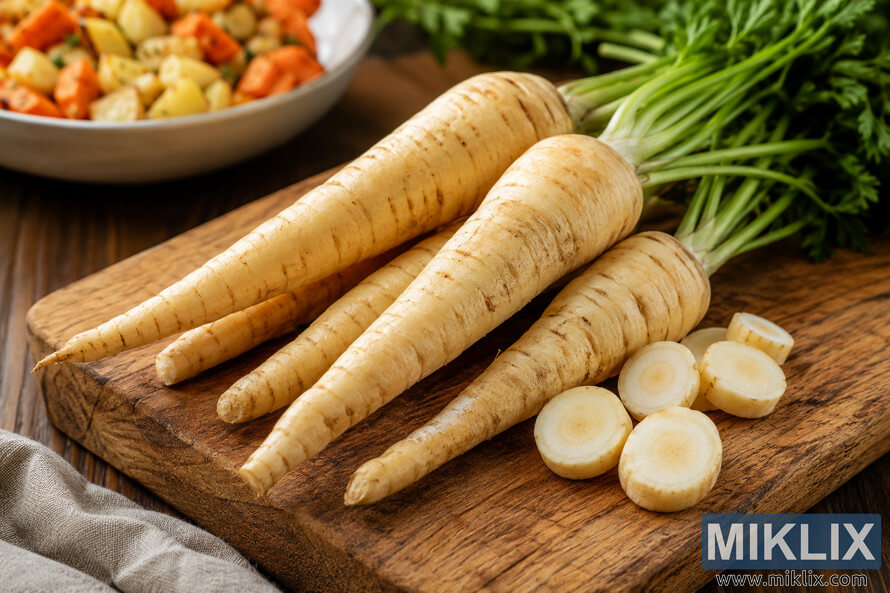
Click or tap the image for more information and higher resolutions.
Further Reading
If you enjoyed this post, you may also like these suggestions:
- Unlocking Performance: How HMB Supplements Can Boost Your Strength, Recovery, and Muscle Health
- Why Cherries Are a Superfruit for Your Body and Brain
- The Sweet Truth: How Strawberries Boost Your Health and Wellness