
Artichokes: The Delicious Vegetable That's Good for Your Health
出版された:
最終更新日 2026年7月19日 13:00:51 UTC
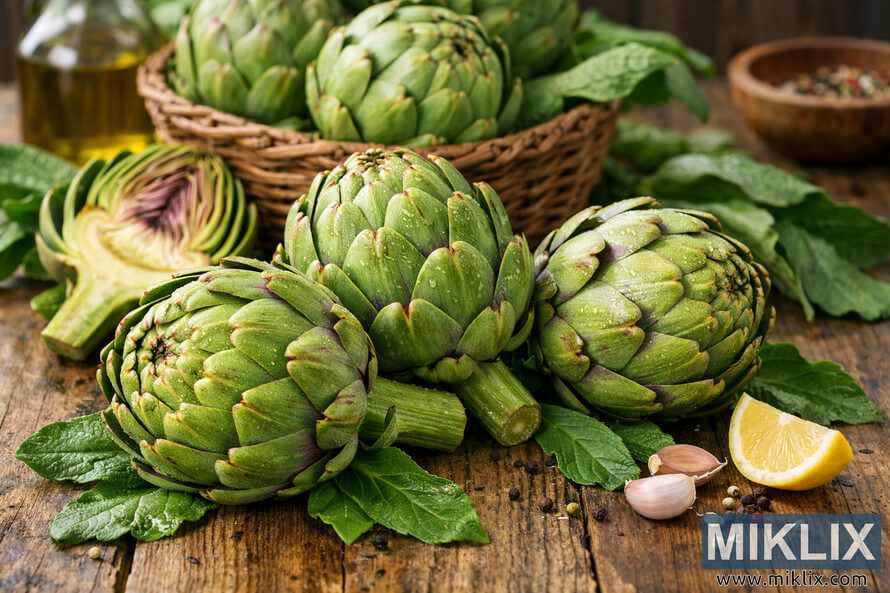
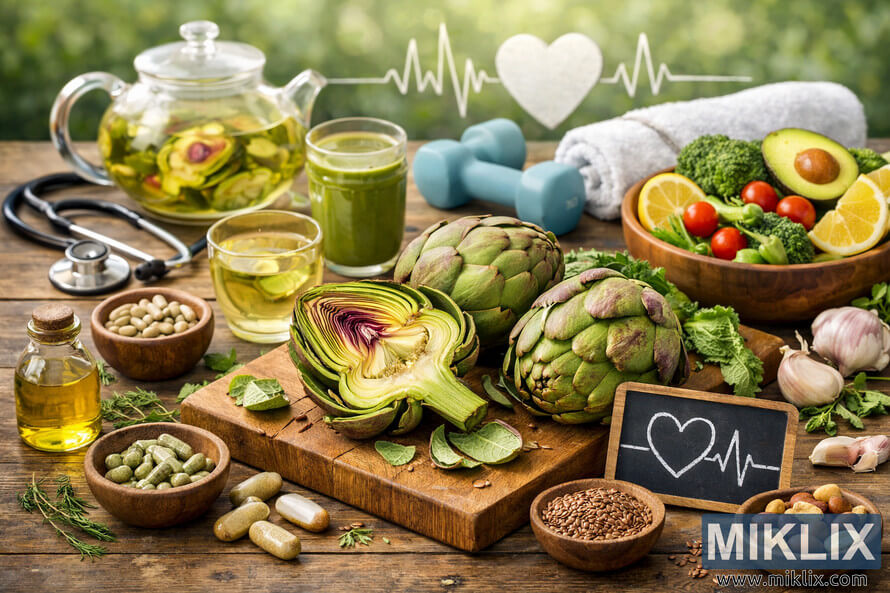
Artichokes stand among nature's most nutrient-dense vegetables. These green, globe-shaped vegetables pack powerful health benefits into every bite. People have consumed artichokes for centuries, valuing both their unique flavor and medicinal properties.
Artichokes: The Delicious Vegetable That's Good for Your Health
画像をクリックまたはタップすると、詳細と高解像度が表示されます。
Modern research confirms what ancient healers suspected. Artichokes contain compounds that support heart health, liver function, and digestive wellness. The vegetable delivers essential nutrients while remaining low in calories and fat.
This guide explores the science-backed health benefits of artichokes. You'll discover their nutritional profile, learn practical consumption methods, and understand potential considerations. Whether you're new to artichokes or seeking deeper knowledge, this comprehensive resource provides actionable insights.
Nutritional Profile of Artichokes
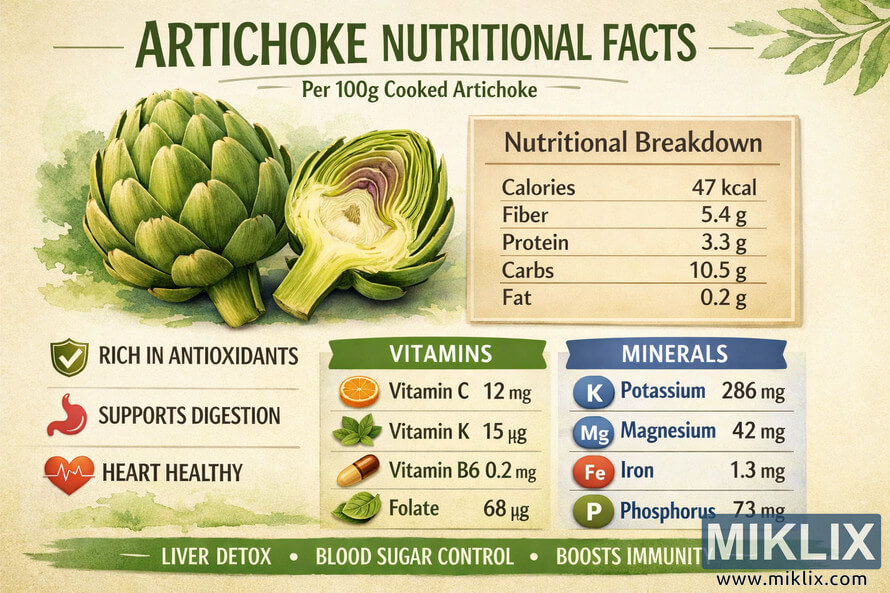
Artichokes deliver impressive nutrition without excess calories. A medium artichoke contains approximately 60 calories and less than one gram of fat. This makes the vegetable an excellent choice for people managing their weight while seeking nutrient-rich food.
The vegetable provides substantial fiber content. One medium artichoke offers about seven grams of fiber, which represents roughly 25% of daily recommended intake. Fiber supports digestive health and helps maintain stable blood sugar levels throughout the day.
Essential Vitamins and Minerals
Artichokes serve as an excellent source of several vital nutrients. The vegetable contains significant amounts of vitamin C, which supports immune function and skin health. Vitamin K, another key nutrient in artichokes, plays crucial roles in blood clotting and bone health.
Key Vitamins
Artichokes provide essential vitamins that support various body functions and overall health maintenance.
- Vitamin C for immune support
- Vitamin K for bone health
- Folate for cell growth
- B vitamins for energy
Mineral Content
The vegetable delivers important minerals necessary for optimal body function and disease prevention.
- Potassium for blood pressure regulation
- Magnesium for muscle function
- Phosphorus for bone strength
- Iron for oxygen transport
Potassium stands out as a particularly abundant mineral in artichokes. This essential nutrient helps regulate blood pressure and supports proper heart function. One medium artichoke provides approximately 345 milligrams of potassium, contributing meaningfully to daily requirements.
画像をクリックまたはタップすると、詳細と高解像度が表示されます。
Antioxidant Powerhouse
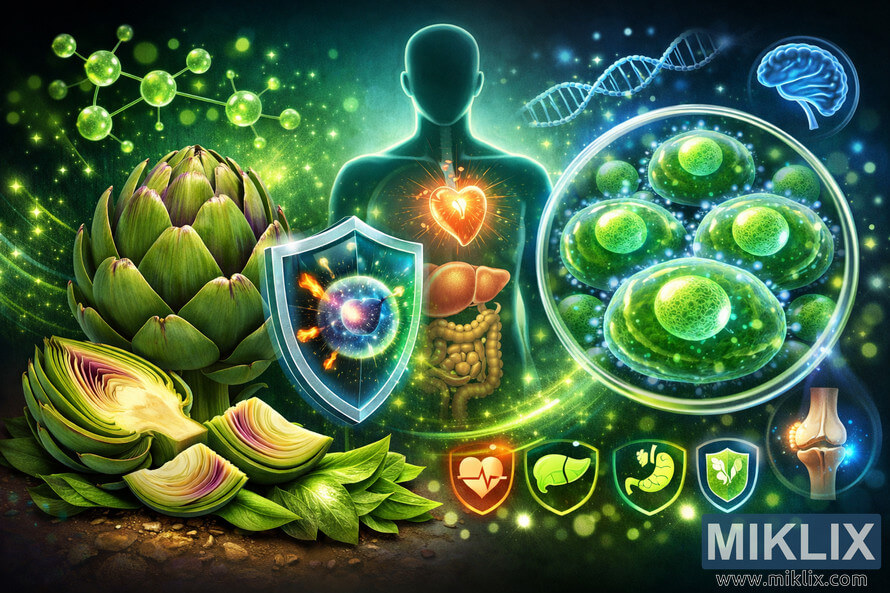
Artichokes rank among the top vegetables for antioxidant content. These compounds protect cells from damage caused by free radicals. Studies consistently demonstrate that antichokes contain higher antioxidant levels than many other commonly consumed vegetables.
The primary antioxidants in artichokes include chlorogenic acid and cynarin. Research suggests these compounds may help reduce the risk of certain diseases. Antioxidants work throughout the body to combat oxidative stress and inflammation.
画像をクリックまたはタップすると、詳細と高解像度が表示されます。
Heart Health and Cardiovascular Benefits
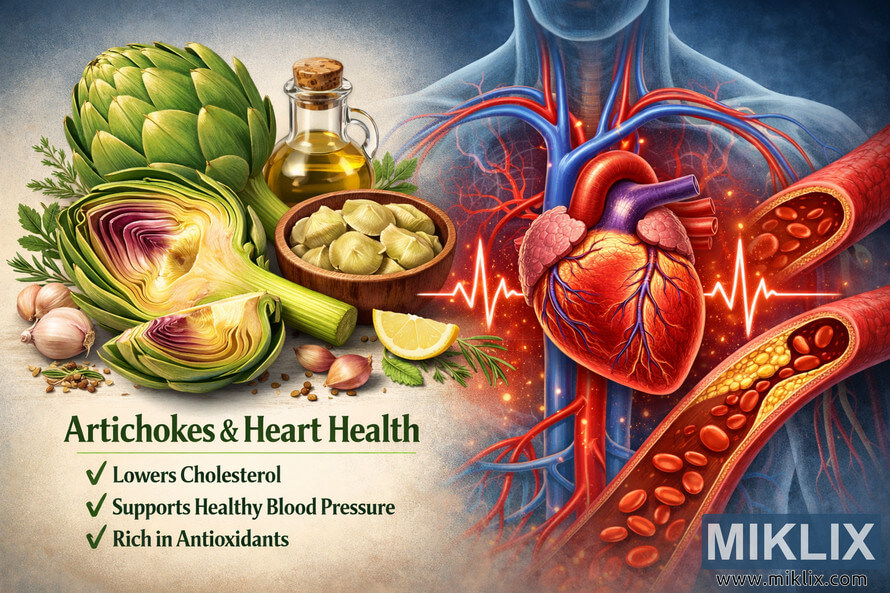
Artichokes offer remarkable benefits for heart health. Research demonstrates that regular consumption may help lower cholesterol levels. The fiber and antioxidants in artichokes work together to support cardiovascular function and reduce disease risk.
One study showed that artichoke leaf extract significantly reduced total cholesterol levels in participants. The extract helped decrease LDL cholesterol while potentially increasing beneficial HDL cholesterol. These effects support overall heart health and may reduce cardiovascular disease risk.
画像をクリックまたはタップすると、詳細と高解像度が表示されます。
Blood Pressure Regulation
The potassium content in artichokes plays a vital role in blood pressure management. This mineral helps counterbalance sodium's effects and supports healthy blood pressure levels. People with high blood pressure may benefit from incorporating artichokes into their regular diet.
Studies indicate that artichoke leaf extract may help people with mild to moderate high blood pressure. The vegetable's compounds appear to promote better blood flow and vascular health. Regular consumption supports the body's natural blood pressure regulation mechanisms.
Important Note: While artichokes support heart health, they should complement, not replace, prescribed medications for high blood pressure or cholesterol management. Always consult healthcare providers before making significant dietary changes.
Cholesterol Management
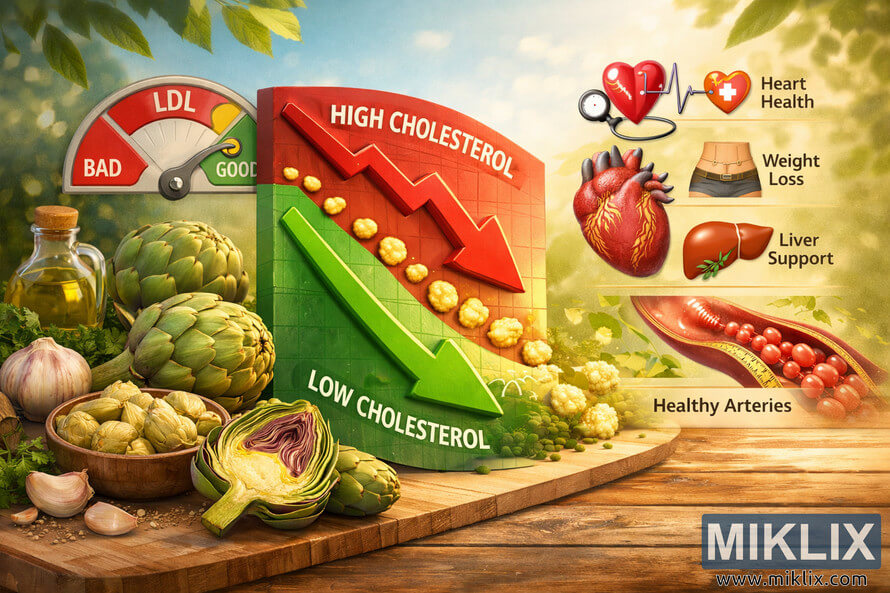
Artichokes contain compounds that may help the body manage cholesterol levels more effectively. The vegetable's fiber binds to cholesterol in the digestive system, helping remove it from the body. This natural process supports healthy cholesterol levels over time.
Research on artichoke leaf extract shows promising results for cholesterol management. Studies demonstrate that the extract may reduce total cholesterol by 5-15% in some people. The effects appear most pronounced in individuals with moderately elevated cholesterol levels.
画像をクリックまたはタップすると、詳細と高解像度が表示されます。
Cholesterol-Lowering Mechanisms
Artichokes employ multiple pathways to support healthy cholesterol levels and cardiovascular wellness.
- Fiber binds dietary cholesterol
- Cynarin increases bile production
- Antioxidants prevent LDL oxidation
- Plant sterols block absorption
- Supports liver cholesterol processing
Digestive Health and Gut Wellness
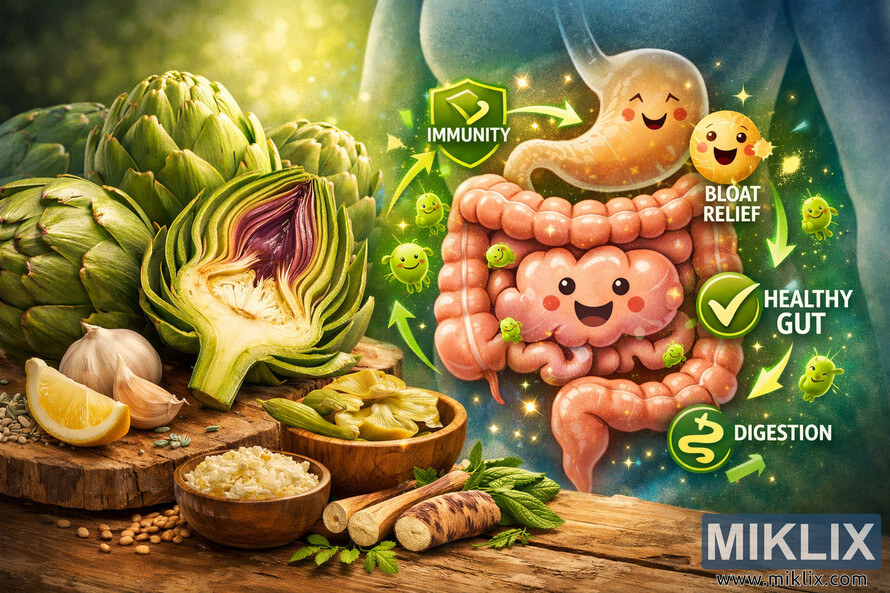
Artichokes provide exceptional benefits for digestive health. The high fiber content supports regular bowel movements and feeds beneficial gut bacteria. This vegetable acts as a prebiotic, nourishing the microorganisms that keep your digestive system functioning optimally.
The fiber in artichokes adds bulk to stool and promotes regularity. People who consume adequate fiber typically experience fewer digestive issues. Artichokes deliver both soluble and insoluble fiber, each type offering distinct digestive benefits.
Relief for Irritable Bowel Syndrome
Research suggests artichoke leaf extract may help people with irritable bowel syndrome. One study found that participants experienced reduced symptoms after consuming the extract regularly. The effects included decreased abdominal pain, bloating, and irregular bowel movements.
The compounds in artichokes appear to calm digestive inflammation and support gut motility. People with irritable bowel syndrome often report improved quality of life when incorporating artichokes into their diet. However, individual responses vary, and some people may need to adjust consumption levels.
画像をクリックまたはタップすると、詳細と高解像度が表示されます。
Prebiotic Properties
Artichokes contain inulin, a type of prebiotic fiber that feeds beneficial gut bacteria. These microorganisms produce short-chain fatty acids that support colon health. A healthy gut microbiome influences overall health, affecting immunity, mood, and inflammation levels.
Gut Health Tip: Start with small portions of artichokes if you're not accustomed to high-fiber foods. Gradually increase consumption to allow your digestive system to adapt and minimize potential gas or bloating.
Liver Support and Detoxification
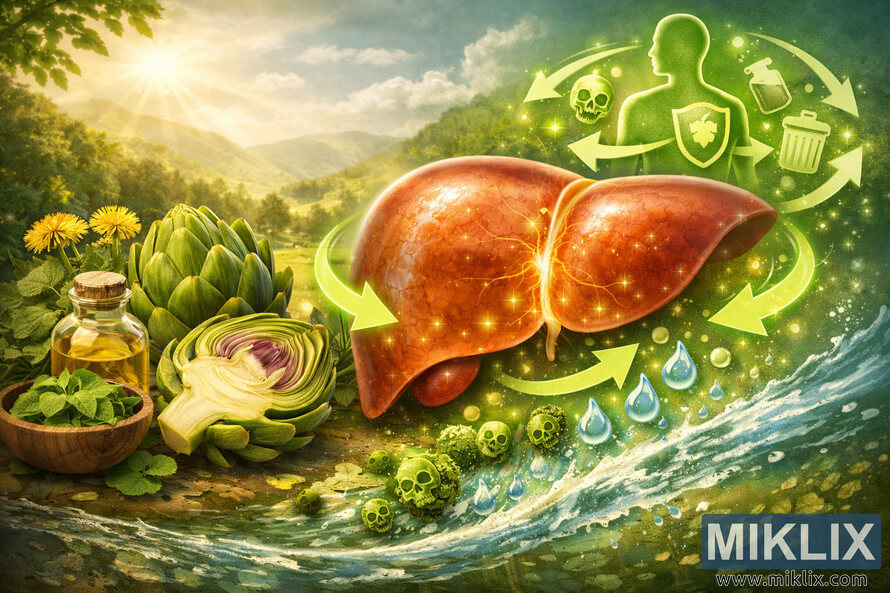
Artichokes have long been valued for their liver-protective properties. Modern research confirms that artichoke leaf extract supports liver function and may help protect against liver disease. The vegetable's compounds promote bile production, which aids in fat digestion and toxin elimination.
Studies indicate that artichokes may help people with fatty liver disease. The extract appears to reduce liver inflammation and support the organ's natural regeneration processes. Research shows promising results for both alcoholic and non-alcoholic fatty liver conditions.
Bile Production and Fat Digestion
Cynarin, a compound abundant in artichokes, stimulates bile production in the liver. Bile plays essential roles in breaking down dietary fat and eliminating waste products. Enhanced bile flow supports both digestive efficiency and liver health.
People who consume artichokes regularly may experience improved fat digestion. The increased bile production helps the body process fatty foods more effectively. This benefit proves particularly valuable after consuming rich or heavy meals.
画像をクリックまたはタップすると、詳細と高解像度が表示されます。
Protection Against Fatty Liver Disease
Fatty liver disease affects millions of people worldwide. Research demonstrates that artichoke leaf extract may reduce liver fat accumulation and inflammation. One study showed significant improvements in liver enzyme levels among participants with fatty liver disease.
The antioxidants in artichokes help protect liver cells from damage. These compounds combat oxidative stress, a key factor in liver disease progression. Regular consumption may support the liver's natural healing and regeneration capabilities.
Liver Protection Mechanisms
- Stimulates bile production
- Reduces liver inflammation
- Protects cells from oxidation
- Supports natural detoxification
- Promotes cell regeneration
Research Findings
- Reduces liver enzyme elevation
- Decreases fat accumulation
- Improves liver function tests
- Supports metabolic health
- Enhances antioxidant status
画像をクリックまたはタップすると、詳細と高解像度が表示されます。
Blood Sugar Control and Metabolic Health
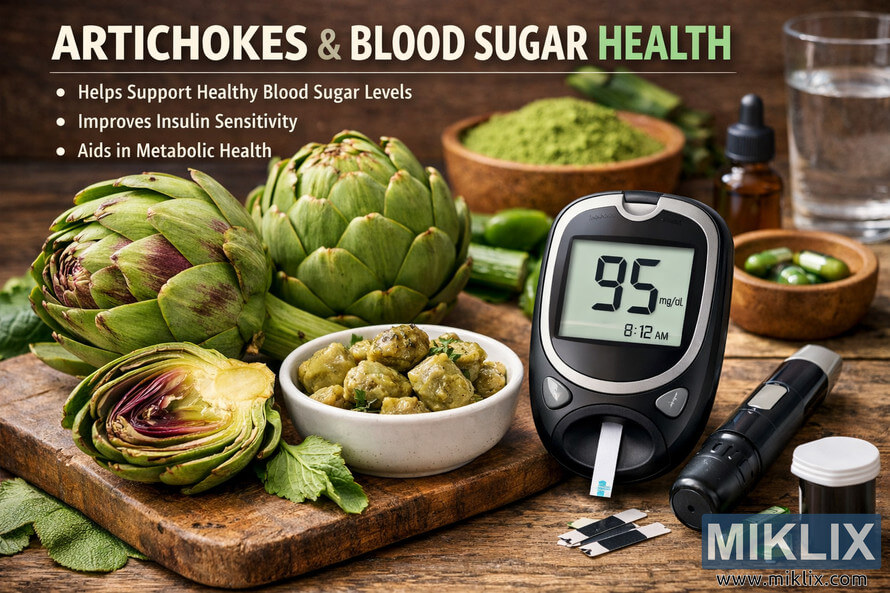
Artichokes may help people manage blood sugar levels more effectively. The vegetable's fiber content slows carbohydrate digestion and glucose absorption. This effect helps prevent blood sugar spikes after meals and supports overall metabolic health.
Research suggests that compounds in artichokes may improve insulin sensitivity. Better insulin function allows cells to use blood sugar more efficiently. Studies show that artichoke leaf extract may benefit people with prediabetes or metabolic syndrome.
Glycemic Control Benefits
The fiber in artichokes creates a slower, more gradual release of glucose into the bloodstream. This steady absorption helps maintain stable blood sugar levels throughout the day. People seeking better glycemic control may benefit from including artichokes in their regular meal planning.
One study examined the effects of artichoke extract on blood sugar levels. Participants showed improved glucose tolerance and reduced insulin resistance. These findings suggest artichokes may play a supportive role in diabetes prevention strategies.
画像をクリックまたはタップすると、詳細と高解像度が表示されます。
Weight Management and Satiety
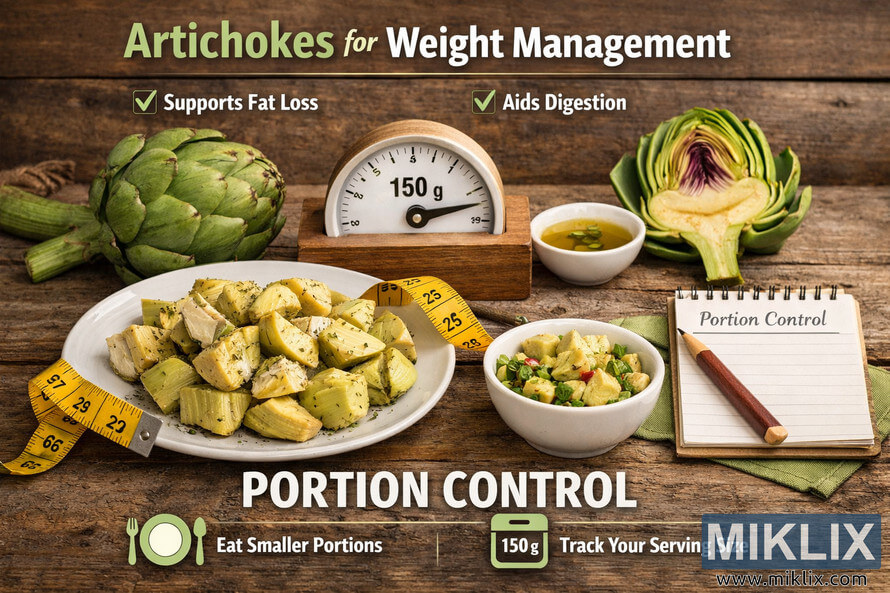
Artichokes support weight management efforts through multiple mechanisms. The vegetable's low calorie density means you can consume satisfying portions without excessive calorie intake. Combined with high fiber content, artichokes promote feelings of fullness that last for hours.
The fiber in artichokes slows digestion and extends satiety signals. People who consume adequate fiber typically report reduced hunger between meals. This natural appetite control can support calorie reduction without triggering excessive hunger or cravings.
Low-Calorie Nutrient Density
A medium artichoke contains only about 60 calories while delivering substantial nutrients. This favorable nutrient-to-calorie ratio makes artichokes ideal for people seeking weight loss or maintenance. The vegetable provides essential vitamins, minerals, and antioxidants without contributing excess calories to daily intake.
Artichokes also contain minimal fat, with less than one gram per serving. The absence of significant fat content allows for flexible meal planning. You can incorporate artichokes into various dishes while controlling total calorie and fat intake effectively.
画像をクリックまたはタップすると、詳細と高解像度が表示されます。
Additional Health Benefits of Artichokes
Beyond the major benefits discussed, artichokes offer several additional health advantages. Research continues to uncover new ways this remarkable vegetable supports human health. The following benefits deserve attention for anyone seeking comprehensive wellness support.
Bone Health Support
Artichokes provide nutrients essential for maintaining strong bones. The vegetable contains vitamin K, which plays crucial roles in bone mineralization and calcium regulation. Adequate vitamin K intake supports bone density and may reduce fracture risk as people age.
The mineral content in artichokes also contributes to skeletal health. Magnesium, phosphorus, and other minerals work together to maintain bone structure. Regular consumption as part of a balanced diet supports long-term bone health.
Brain Health and Cognitive Function
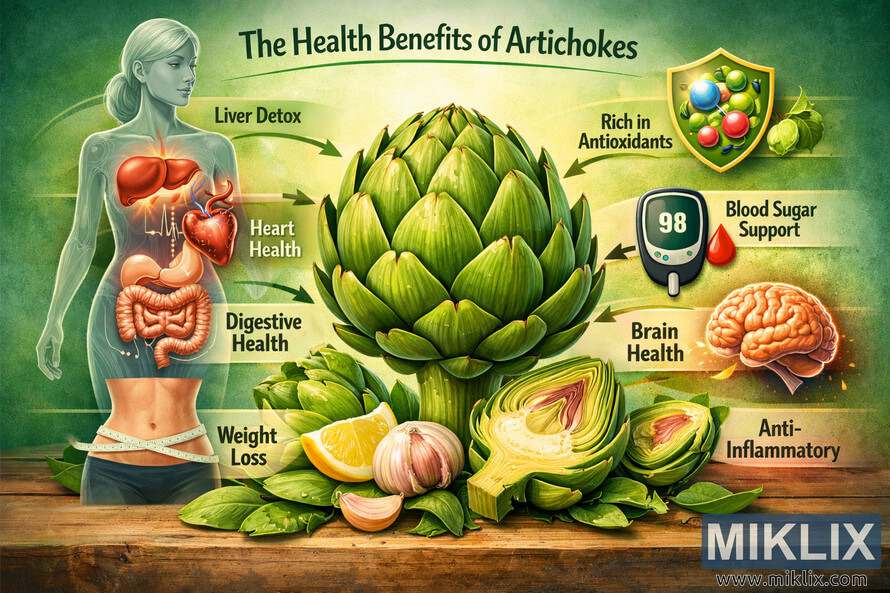
The antioxidants in artichokes may help protect brain cells from oxidative damage. Research suggests these compounds could support cognitive function and potentially reduce the risk of neurodegenerative diseases. The vegetable's anti-inflammatory properties may also benefit brain health.
Studies indicate that vitamin K, abundant in artichokes, plays important roles in brain function. This nutrient supports nerve cell communication and may help protect against cognitive decline. People seeking brain health support should consider artichokes as part of a nutrient-rich diet.
画像をクリックまたはタップすると、詳細と高解像度が表示されます。
Immune System Enhancement
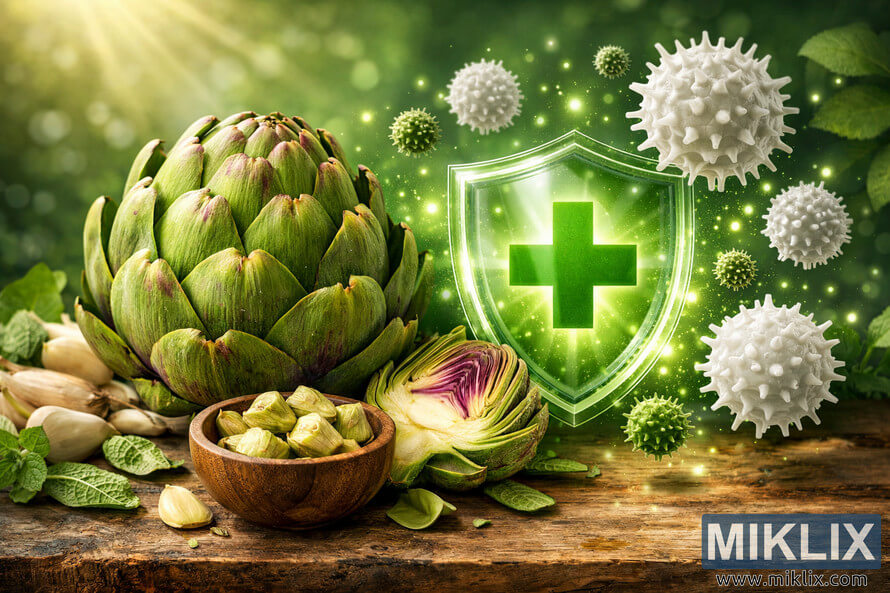
Artichokes contain vitamin C and other nutrients that support immune function. The vegetable's antioxidants help protect immune cells from damage while supporting their proper function. Regular consumption may contribute to better immune system responsiveness.
The prebiotic fiber in artichokes indirectly supports immunity through gut health. A healthy gut microbiome plays crucial roles in immune system regulation. By feeding beneficial bacteria, artichokes help maintain the gut environment that supports optimal immune function.
画像をクリックまたはタップすると、詳細と高解像度が表示されます。
How to Consume Artichokes for Maximum Benefits
Proper preparation and consumption maximize the health benefits of artichokes. Several methods allow you to enjoy this nutritious vegetable while preserving its valuable compounds. Understanding optimal preparation techniques ensures you receive full nutritional value.
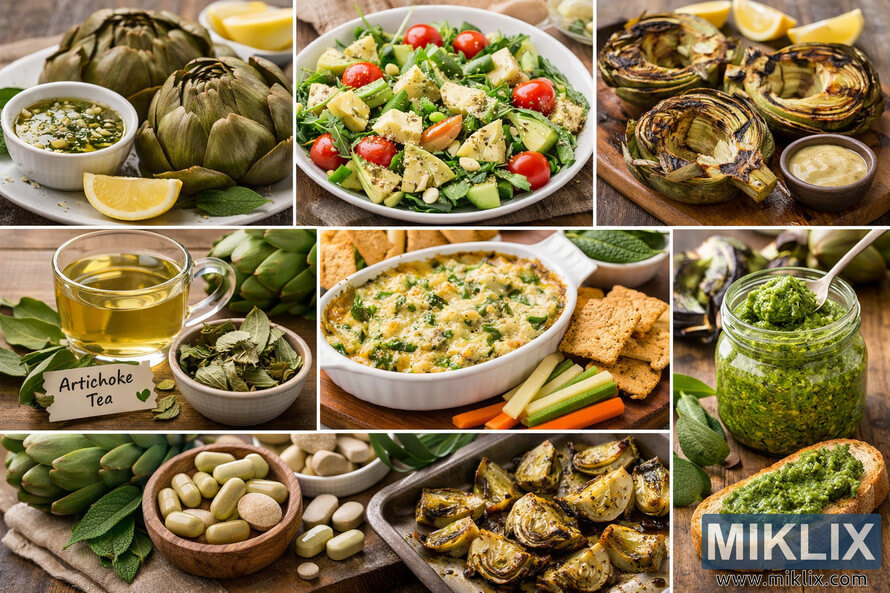
Fresh Artichoke Preparation
Fresh artichokes require proper preparation to access their edible portions. Start by removing tough outer leaves and trimming the stem. Cut off the top quarter of the artichoke and use scissors to snip remaining thorny leaf tips.
Steaming represents the most common cooking method for whole artichokes. Place prepared artichokes in a steamer basket over boiling water for 25-45 minutes, depending on size. The artichoke is done when leaves pull away easily and the heart feels tender when pierced.
Steaming Method
- Preserves most nutrients
- Maintains natural flavor
- Easy preparation process
- Tender, moist texture
- Ideal for whole artichokes
Roasting Method
- Enhances natural sweetness
- Creates crispy texture
- Concentrates flavors
- Works well for hearts
- Adds smoky notes
Grilling Method
- Adds char flavor
- Quick cooking time
- Great for halved artichokes
- Minimal nutrient loss
- Perfect for summer meals
画像をクリックまたはタップすると、詳細と高解像度が表示されます。
Artichoke Hearts: Convenient Options
Artichoke hearts provide a convenient alternative to whole fresh artichokes. These pre-prepared options come canned, jarred, or frozen. While processing may reduce some nutrient content, artichoke hearts still offer substantial health benefits and significantly decrease preparation time.
When selecting jarred or canned artichoke hearts, check ingredients carefully. Choose options packed in water or olive oil rather than heavy brine. Rinse thoroughly before use to reduce excess sodium content. Frozen artichoke hearts typically contain no added ingredients and preserve nutrients well.
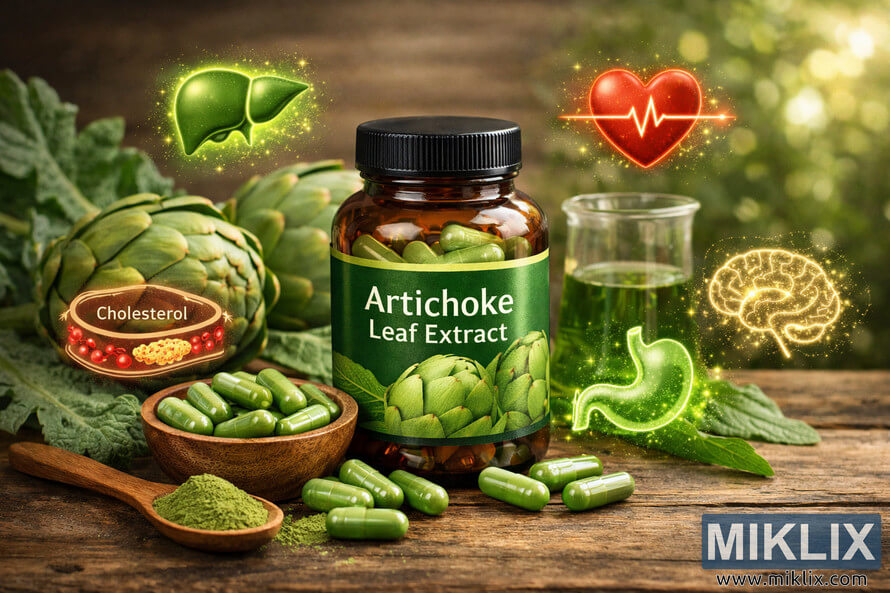
Artichoke Leaf Extract Supplements
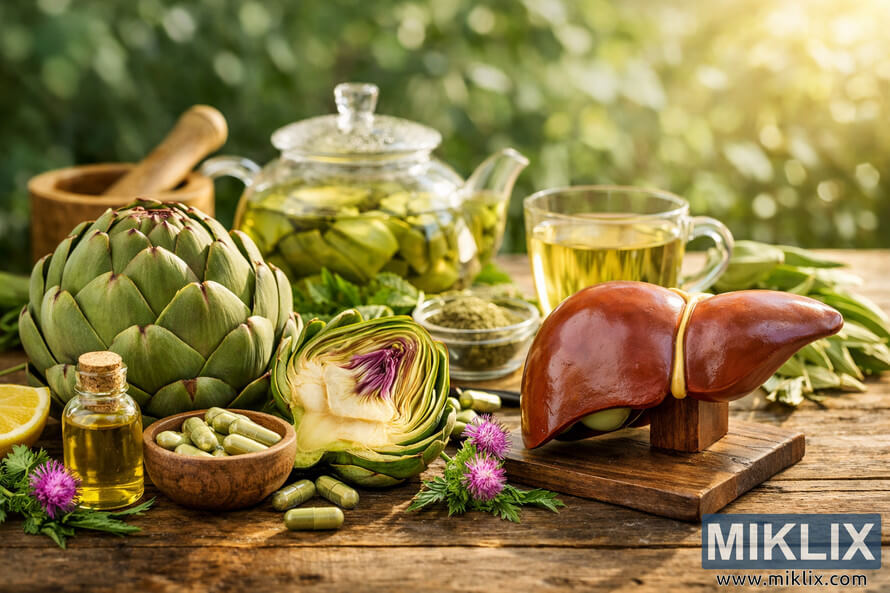
Artichoke leaf extract offers concentrated amounts of beneficial compounds. Supplements typically provide standardized doses of cynarin and other active ingredients. Many studies demonstrating health benefits used extract rather than whole artichokes.
Extract dosages in research studies typically range from 300 to 640 milligrams taken three times daily. However, optimal dosing varies based on individual needs and health goals. People considering supplements should consult healthcare providers to determine appropriate amounts.
Supplement Caution: Artichoke leaf extract may interact with certain medications and isn't appropriate for everyone. Consult your healthcare provider before starting any supplement regimen, especially if you take prescription medications or have existing health conditions.
画像をクリックまたはタップすると、詳細と高解像度が表示されます。
Recommended Serving Sizes
Most health benefits research suggests consuming artichokes several times per week. One medium fresh artichoke or one-half cup of artichoke hearts constitutes a serving. These amounts provide substantial fiber, nutrients, and beneficial compounds without excessive calories.
For general health maintenance, aim to include artichokes in two to three meals weekly. People seeking specific benefits, such as cholesterol management or digestive support, may benefit from more frequent consumption. Start with smaller amounts and gradually increase to assess individual tolerance.
Delicious Ways to Enjoy Artichokes
Incorporating artichokes into your diet becomes easier when you have diverse preparation ideas. These versatile vegetables complement numerous dishes and cooking styles. The following suggestions help you enjoy artichokes while maximizing their health benefits.
Simple Serving Suggestions
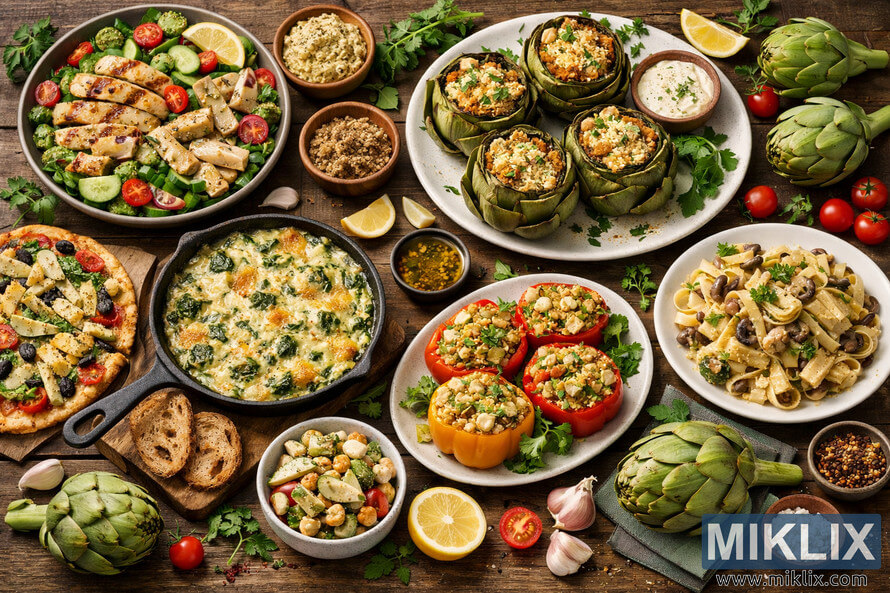
Steamed whole artichokes pair beautifully with light dipping sauces. Try melted butter with lemon juice, Greek yogurt with herbs, or balsamic vinaigrette. Pull leaves individually, scraping the tender flesh with your teeth before discarding the leaf.
Artichoke hearts work wonderfully in salads, pasta dishes, and pizzas. Chop them and add to green salads for texture and nutrition. Toss with whole grain pasta, olive oil, and vegetables for a Mediterranean-inspired meal. Top pizza with artichoke hearts, tomatoes, and fresh basil.
画像をクリックまたはタップすると、詳細と高解像度が表示されます。
Creative Recipe Applications
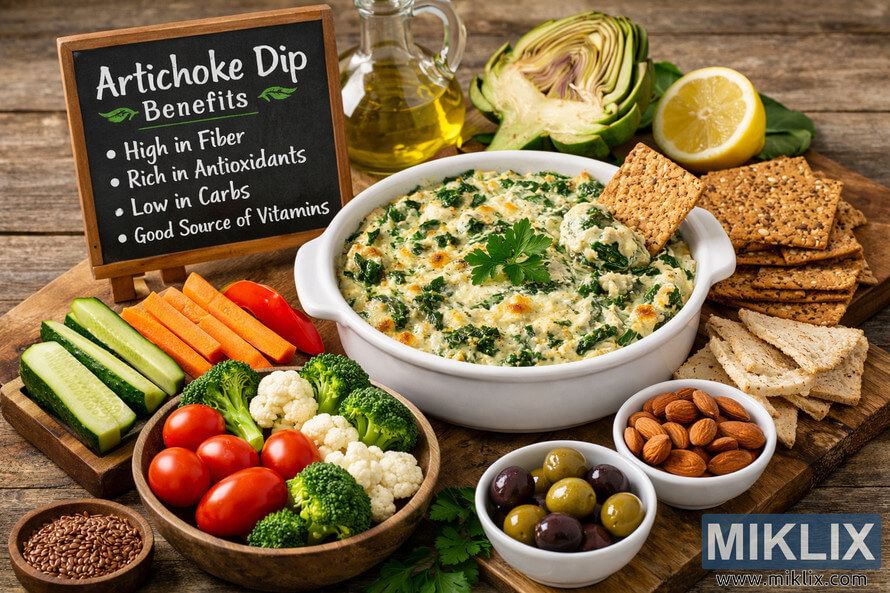
Appetizers & Dips
Create crowd-pleasing starters that deliver nutrition alongside flavor.
- Spinach artichoke dip
- Stuffed artichoke leaves
- Artichoke bruschetta
- Marinated artichoke antipasto
画像をクリックまたはタップすると、詳細と高解像度が表示されます。
Main Dishes
Feature artichokes prominently in satisfying, nutrient-rich entrees.
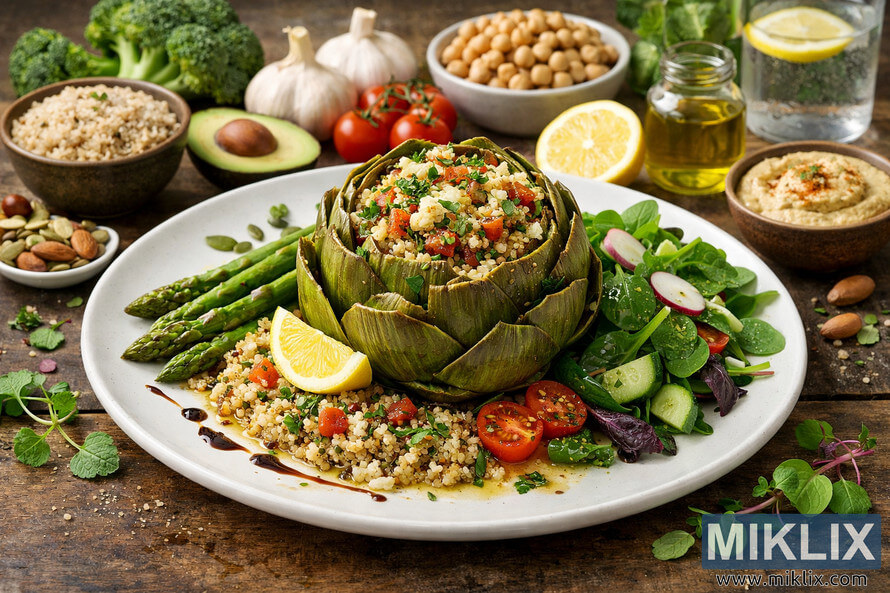
- Grilled artichokes with lemon
- Artichoke and chicken pasta
- Mediterranean quinoa bowls
- Artichoke frittata
画像をクリックまたはタップすると、詳細と高解像度が表示されます。
Side Dishes
Complement any meal with artichoke-based accompaniments.
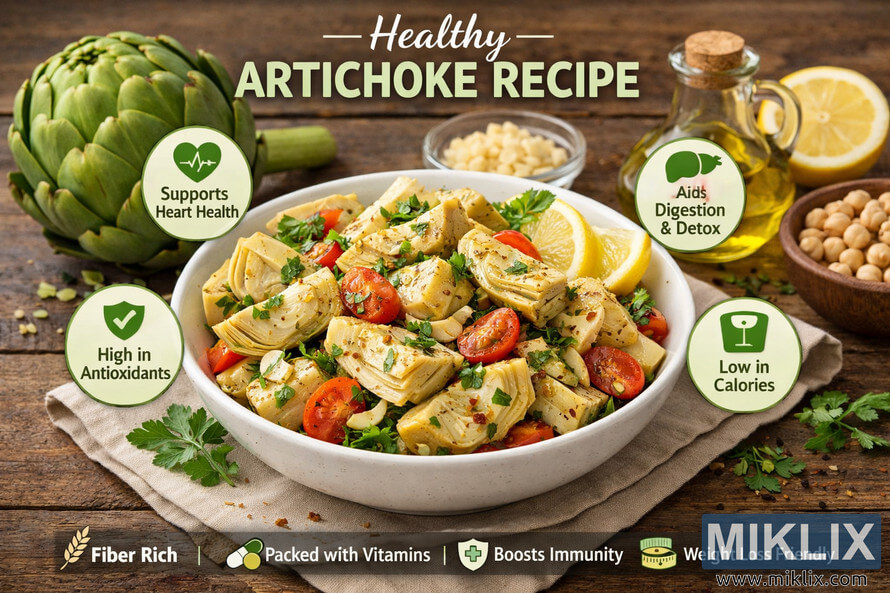
- Roasted artichoke hearts
- Artichoke rice pilaf
- Sautéed artichokes with garlic
- Artichoke salad medley
画像をクリックまたはタップすると、詳細と高解像度が表示されます。
Potential Side Effects and Considerations
While artichokes offer numerous health benefits, some people may experience side effects or need to exercise caution. Understanding potential considerations helps you consume artichokes safely and effectively. Most people tolerate artichokes well when consumed in reasonable amounts.
Digestive Responses
The high fiber content in artichokes may cause digestive discomfort in some people. Gas, bloating, or changes in bowel movements can occur, particularly when increasing fiber intake rapidly. These effects typically diminish as your digestive system adapts to higher fiber consumption.
Start with small portions if you're unaccustomed to high-fiber food. Gradually increase consumption over several weeks to allow gut bacteria to adjust. Drinking adequate water helps fiber work effectively and minimizes potential digestive discomfort.
Allergic Reactions
People allergic to plants in the Asteraceae family may react to artichokes. This family includes ragweed, chrysanthemums, marigolds, and daisies. Allergic reactions can range from mild skin irritation to more serious symptoms requiring medical attention.
Symptoms of artichoke allergy may include itching, hives, swelling, or difficulty breathing. Stop consuming artichokes immediately if you experience any allergic symptoms. Seek medical evaluation to determine whether you have a true allergy.
Medication Interactions
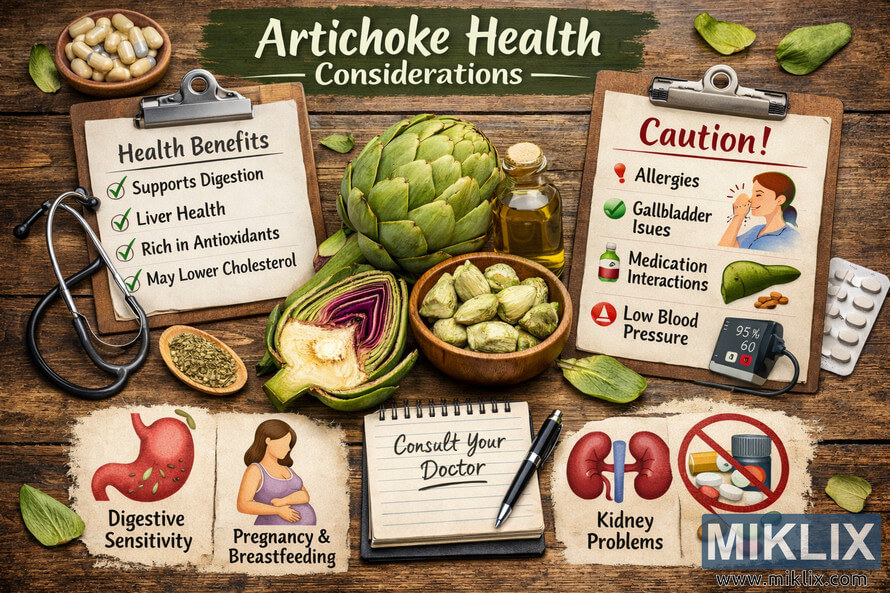
Important Medical Information: Artichokes may interact with certain medications, including blood thinners, diuretics, and medications processed by the liver. The vegetable's high vitamin K content can affect blood clotting medication effectiveness.
Artichoke leaf extract may intensify the effects of diuretic medications. This combination could lead to excessive potassium loss. People taking diuretics should consult healthcare providers before consuming artichoke supplements or eating large amounts of the vegetable.
The extract may also affect how the liver processes certain medications. This interaction could alter medication effectiveness or increase side effect risk. Always inform healthcare providers about all supplements and dietary changes when taking prescription medications.
Special Population Considerations
Pregnant and breastfeeding women should consume artichokes in food amounts but avoid supplements. Insufficient research exists regarding artichoke leaf extract safety during pregnancy and lactation. Whole food consumption appears safe but stick to normal dietary amounts.
People with bile duct obstruction should avoid artichokes entirely. The vegetable stimulates bile production, which could worsen this condition. Anyone with gallstones should consult healthcare providers before consuming artichokes or artichoke extract regularly.
Safe for Most People
- Generally well-tolerated
- Natural whole food
- Long history of consumption
- Minimal side effects
- Suitable for various diets
Use Caution If You Have
- Asteraceae family allergies
- Bile duct obstruction
- Gallstones
- Take blood thinners
- Sensitive digestive system
画像をクリックまたはタップすると、詳細と高解像度が表示されます。
Selecting and Storing Artichokes
Choosing quality artichokes ensures optimal flavor and nutritional value. Fresh artichokes display specific characteristics that indicate peak condition. Proper storage extends their freshness and preserves beneficial compounds.
Selecting Fresh Artichokes
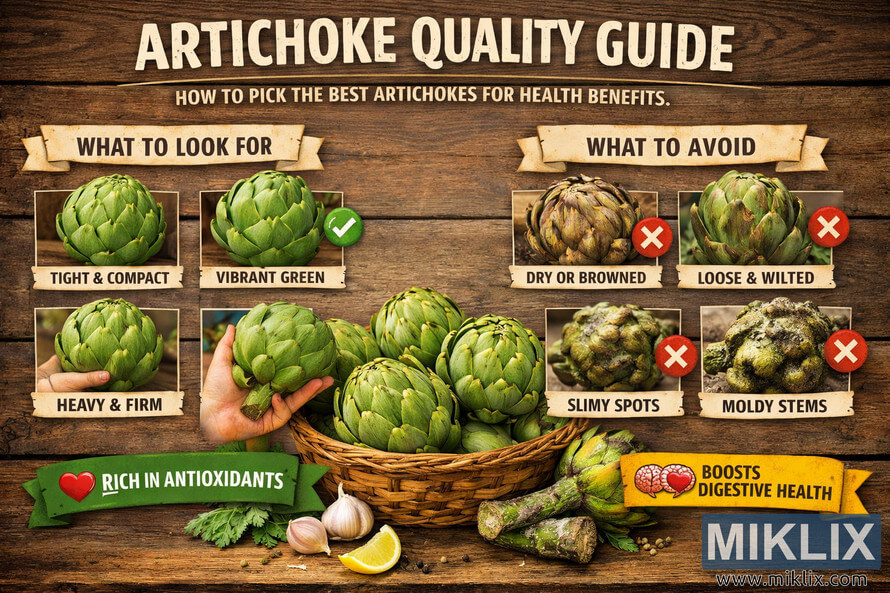
Look for artichokes with tightly closed leaves that feel compact and heavy for their size. Fresh artichokes display deep green color, though slight bronze tinting is normal. The stem should appear moist, not dried or shriveled.
Squeeze the artichoke gently. A fresh specimen feels firm and the leaves squeak slightly when pressed together. Avoid artichokes with spreading leaves, dark spots, or mold. These signs indicate age or improper storage.
Proper Storage Methods
Store fresh artichokes in a plastic bag in the refrigerator's crisper drawer. Sprinkle a few drops of water inside the bag to maintain moisture. Properly stored artichokes remain fresh for up to one week, though quality gradually declines.
Cooked artichokes should be consumed within three days when refrigerated in an airtight container. You can freeze cooked artichoke hearts for up to six months. Blanch fresh artichoke hearts before freezing to preserve color, texture, and nutrients.
画像をクリックまたはタップすると、詳細と高解像度が表示されます。
Frequently Asked Questions About Artichoke Health Benefits
How many artichokes should I eat per week for health benefits?
Most research suggests consuming artichokes two to three times per week provides meaningful health benefits. One medium artichoke or one-half cup of artichoke hearts per serving delivers substantial nutrients and fiber. People seeking specific benefits like cholesterol reduction may benefit from more frequent consumption. Start with smaller amounts and gradually increase based on your tolerance and health goals.
Can artichokes help lower high blood pressure naturally?
Artichokes contain high levels of potassium, which helps regulate blood pressure by counterbalancing sodium's effects. Studies indicate that artichoke leaf extract may help people with mild to moderate high blood pressure. However, artichokes should complement, not replace, prescribed blood pressure medications. Always consult your healthcare provider before making dietary changes to manage high blood pressure.
Are canned or jarred artichoke hearts as healthy as fresh artichokes?
Canned and jarred artichoke hearts retain most beneficial nutrients, though processing may reduce some vitamin content slightly. They remain excellent sources of fiber, antioxidants, and minerals. Choose artichoke hearts packed in water or olive oil rather than heavy brine to limit sodium intake. Rinse thoroughly before use to remove excess salt. Frozen artichoke hearts preserve nutrients very well and contain minimal added ingredients.
Can artichoke leaf extract help with fatty liver disease?
Research shows promising results for artichoke leaf extract in supporting liver health and reducing fatty liver disease symptoms. Studies demonstrate that the extract may reduce liver inflammation, decrease fat accumulation, and improve liver enzyme levels. The typical dosage in studies ranges from 300 to 640 milligrams three times daily. However, artichoke extract should not replace medical treatment. Consult your healthcare provider before using supplements for liver conditions.
Do artichokes help with irritable bowel syndrome symptoms?
Some research suggests artichoke leaf extract may help reduce irritable bowel syndrome symptoms, including abdominal pain, bloating, and irregular bowel movements. The prebiotic fiber in artichokes feeds beneficial gut bacteria and supports digestive health. However, individual responses vary significantly. Some people with irritable bowel syndrome find high-fiber foods trigger symptoms. Start with small portions to assess your personal tolerance.
Can I eat artichokes while taking blood thinners?
Artichokes contain vitamin K, which plays roles in blood clotting and may interact with blood-thinning medications like warfarin. Consistency matters more than avoidance. If you take blood thinners, maintain consistent artichoke consumption rather than varying intake dramatically. This allows healthcare providers to adjust medication dosing appropriately. Always inform your doctor about all foods and supplements you consume regularly when taking blood thinners.
Conclusion: Embracing Artichokes for Better Health
Artichokes deliver remarkable health benefits backed by scientific research. This nutrient-dense vegetable supports heart health, digestive function, liver wellness, and metabolic balance. The combination of fiber, antioxidants, vitamins, and minerals makes artichokes valuable additions to health-conscious diets.
Regular artichoke consumption may help lower cholesterol levels, regulate blood pressure, and reduce disease risk. The vegetable's prebiotic properties support gut health while its antioxidants protect cells throughout the body. People seeking natural approaches to wellness should consider incorporating artichokes into their regular eating patterns.
Starting with artichokes requires minimal effort. Fresh artichokes, convenient artichoke hearts, or concentrated leaf extract all provide health benefits. Choose the form that best fits your lifestyle and preferences. Remember to start gradually if you're unaccustomed to high-fiber foods.
While artichokes offer impressive benefits, they work best as part of a balanced, varied diet. No single food provides complete nutrition or guarantees perfect health. Combine artichokes with other nutrient-rich vegetables, whole grains, lean proteins, and healthy fats for optimal wellness.
Most people tolerate artichokes well and experience only positive effects. However, individuals with specific health conditions or those taking certain medications should consult healthcare providers before making significant dietary changes. This precaution ensures safe integration of artichokes into your personal health strategy.
画像をクリックまたはタップすると、詳細と高解像度が表示されます。
さらに読む
この投稿が気に入った場合は、次の提案も気に入るかもしれません: