
A Complete Guide to the Health Benefits of Mustard
Iliyochapishwa:
Mara ya mwisho kusasishwa: 30 Mei 2026, 17:19:06 UTC
Mustard is more than just a tangy condiment for your sandwich. This ancient plant has been treasured for thousands of years for its remarkable health properties. From the bright yellow paste at ballparks to the tiny seeds in your spice cabinet, mustard offers surprising benefits that most people never realize.
A Complete Guide to the Health Benefits of Mustard
Bofya au gusa picha kwa maelezo zaidi na ubora wa hali ya juu.
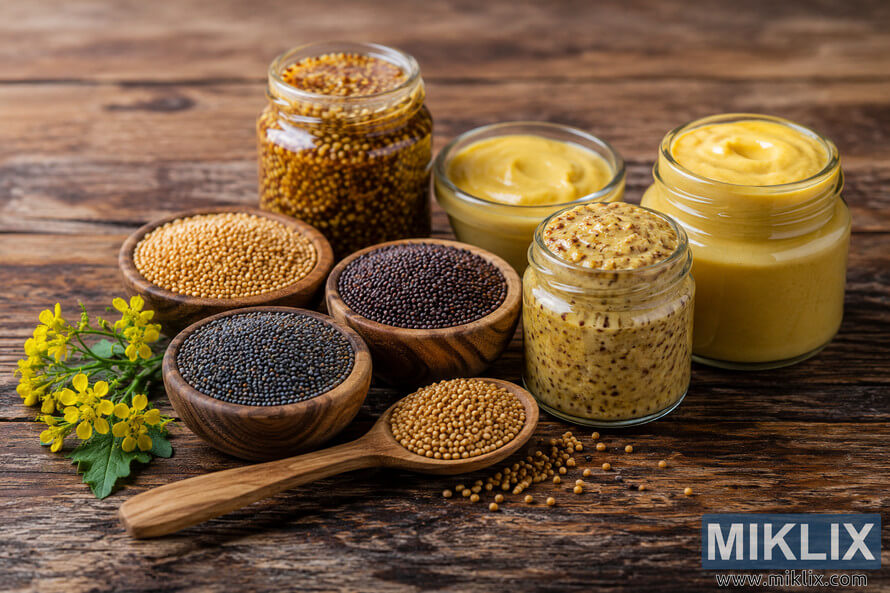
The mustard plant belongs to the same family as cabbage and broccoli. Every part of this versatile plant provides unique nutrients. Whether you enjoy mustard seeds sprinkled on dishes, fresh mustard greens in salads, or prepared mustard as a condiment, you're getting powerful compounds that support your body in multiple ways.
Modern research continues to uncover the science behind mustard's traditional uses. Scientists have identified specific compounds that explain why this humble plant deserves a spot in your healthy diet. This guide explores everything you need to know about mustard's nutritional profile and health advantages.
What Makes Mustard Nutritionally Powerful
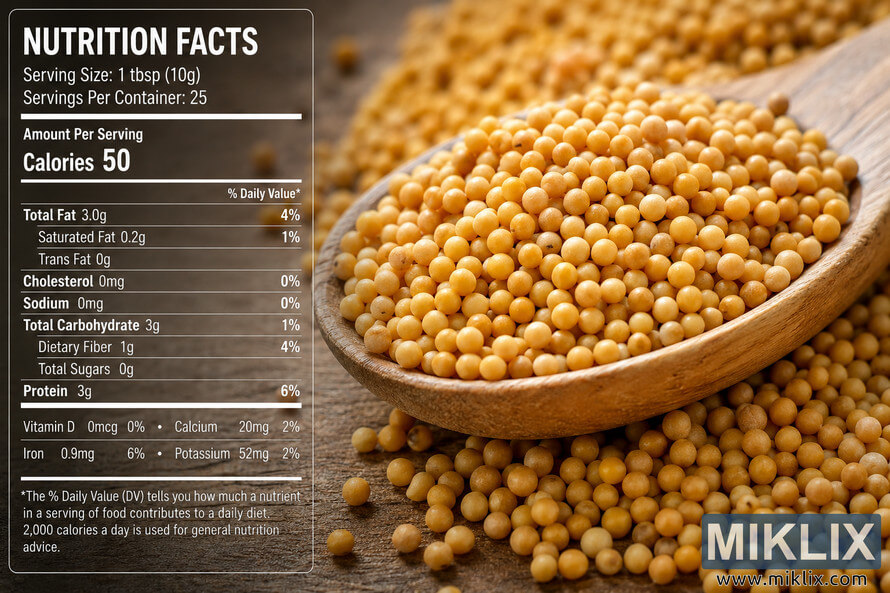
Mustard seeds pack an impressive array of nutrients into their tiny size. These small but mighty seeds contain essential vitamins, minerals, and unique plant compounds. Understanding what's inside mustard helps explain its many health benefits.
The nutritional content varies slightly between different types. Yellow mustard seeds tend to be milder in taste and slightly different in their nutrient composition compared to brown mustard or black varieties. However, all types offer substantial health value.
Essential Vitamins in Mustard
Mustard provides several important vitamins your body needs. Vitamin A supports vision and immune function. The seeds and leaves both contain this vital nutrient in significant amounts.
B vitamins are abundant in mustard as well. These include vitamin B6, folate, and niacin. B vitamins help your body convert food into energy and support nervous system health.
Vitamin C acts as a powerful antioxidant in mustard greens. Fresh leaves eaten raw provide more vitamin C than cooked versions. This vitamin strengthens your immune system and promotes healthy skin.
Vitamin K plays a crucial role in blood clotting and bone health. Mustard greens rank among the top sources of this often-overlooked vitamin. Just one cup of cooked greens can meet your daily vitamin K needs.
Mineral Content and Benefits
Mustard seeds are rich in essential minerals. Calcium supports strong bones and teeth. While dairy gets more attention for calcium, mustard greens provide a plant-based source of this mineral.
Magnesium helps regulate blood pressure and supports muscle function. The seeds contain meaningful amounts of this mineral. Many people don't get enough magnesium in their diet, making mustard a valuable source.
Iron from mustard helps carry oxygen throughout your body. Plant-based iron absorbs better when you eat it with vitamin C. Conveniently, mustard greens provide both nutrients together.
Potassium balances fluid levels and supports heart health. Mustard greens offer this important mineral in generous quantities. Getting enough potassium may help lower blood pressure naturally.
Bofya au gusa picha kwa maelezo zaidi na ubora wa hali ya juu.
Fiber and Protein
Dietary fiber makes up a significant portion of mustard seeds. This fiber supports digestive health and helps you feel full longer. Getting enough fiber can help lower your risk of several chronic diseases.
Mustard seeds also contain plant-based protein. While not a complete protein source like meat or eggs, they contribute to your daily protein needs. The protein in mustard seeds includes various amino acids your body needs.
Unique Plant Compounds
The most distinctive feature of mustard is its glucosinolates. These sulfur-containing compounds give mustard its characteristic sharp taste and pungent smell. When you chew or crush mustard seeds, enzymes break down glucosinolates into smaller compounds called isothiocyanates.
Isothiocyanates are the compounds responsible for many of mustard's health benefits. Research shows these substances have powerful effects on your body. They work as antioxidants and may help protect against certain diseases.
The mustard plant produces these compounds as a defense mechanism against pests. When you eat mustard, you benefit from these same protective properties. Different types of mustard contain varying amounts of specific glucosinolates.
How Mustard Supports Digestive Health
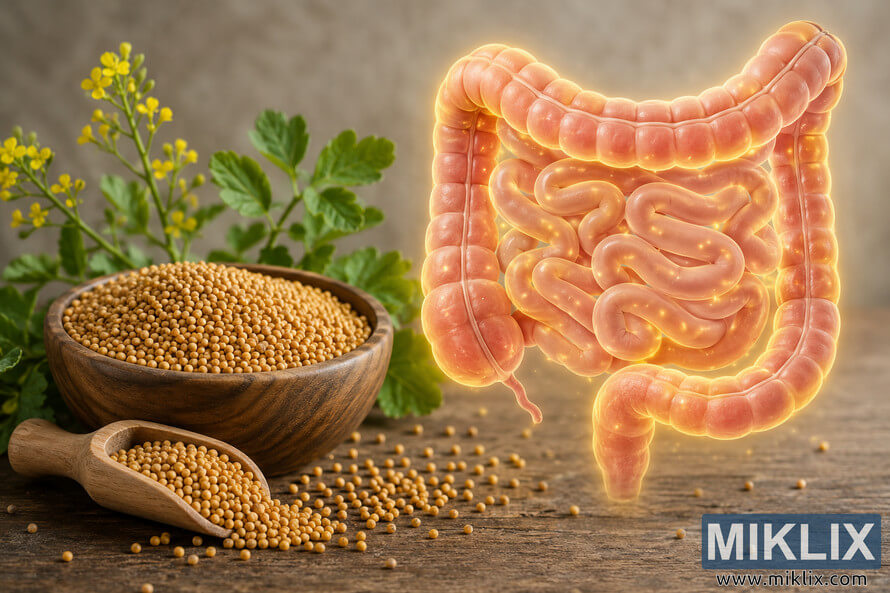
Your digestive system benefits significantly from adding mustard to your diet. The fiber content alone makes it valuable for gut health. But mustard offers additional advantages that go beyond basic fiber benefits.
Stimulating Digestive Enzymes
Mustard seeds naturally stimulate the production of digestive enzymes. These enzymes help break down food more efficiently. Better digestion means your body can absorb more nutrients from the food you eat.
The compounds found in mustard may help increase saliva production. Saliva contains enzymes that begin the digestion process in your mouth. More saliva production can improve overall digestion starting from your first bite.
Supporting Gut Bacteria
The fiber in mustard acts as a prebiotic. Prebiotics feed the beneficial bacteria in your gut. A healthy balance of gut bacteria supports immune function and may reduce inflammation throughout your body.
Research suggests that glucosinolates from mustard and related plants may positively influence gut microbiome composition. Your gut bacteria can convert these compounds into beneficial metabolites that support intestinal health.
Relieving Constipation
Regular consumption of foods high in fiber helps prevent constipation. Mustard seeds provide both soluble and insoluble fiber. Insoluble fiber adds bulk to stool and helps it move through your digestive tract.
Soluble fiber absorbs water and creates a gel-like substance. This type of fiber helps soften stool and makes bowel movements more comfortable. The combination of both fiber types makes mustard effective for digestive regularity.
Reducing Bloating and Gas
While some people worry that mustard might cause gas, many find it actually helps reduce bloating. The digestive enzymes stimulated by mustard can help break down foods that commonly cause gas. This may lead to less discomfort after meals.
Traditional medicine systems have used mustard seeds to address various digestive complaints. Modern research is beginning to validate some of these traditional uses with scientific evidence.
Bofya au gusa picha kwa maelezo zaidi na ubora wa hali ya juu.
Powerful Anti-Inflammatory Properties of Mustard
Chronic inflammation underlies many modern health problems. Heart disease, diabetes, arthritis, and other conditions involve ongoing inflammation. The compounds in mustard show promise for reducing this harmful inflammation.
Understanding Glucosinolates and Inflammation
The glucosinolates in mustard convert to isothiocyanates when you eat them. Studies show these isothiocyanates can reduce inflammatory markers in your body. They work by influencing certain cellular pathways that control inflammation.
Sulforaphane, one of the most studied isothiocyanates, appears in cruciferous vegetables including the mustard plant. This compound has shown anti-inflammatory effects in numerous research studies. It may help protect cells from inflammatory damage.
Antioxidants Combat Oxidative Stress
Mustard contains various antioxidants beyond glucosinolates. These include vitamin C, vitamin E, and several phytochemicals. Antioxidants neutralize free radicals that cause oxidative stress and inflammation.
Oxidative stress occurs when your body has too many free radicals and not enough antioxidants to balance them. This imbalance can damage cells and contribute to inflammation. Eating antioxidant-rich foods like mustard helps restore this balance.
The selenium found in mustard seeds also supports your body's antioxidant systems. Selenium is a component of important antioxidant enzymes. Getting enough selenium may help reduce inflammation and support immune function.
Effects on Joint Health
Some research suggests that compounds in mustard may benefit people with arthritis. The anti-inflammatory properties could potentially ease joint pain and swelling. While more studies are needed, traditional uses of mustard for joint problems may have merit.
Mustard oil has been used topically for muscle and joint pain in various cultural traditions. While this guide focuses on eating mustard, the plant's anti-inflammatory compounds work both internally and externally.
Skin Inflammation
The anti-inflammatory effects of mustard may extend to skin health. Inflammation plays a role in many skin conditions. The nutrients and compounds in mustard could support skin health from the inside out.
Vitamin A in mustard greens supports skin cell production and repair. Vitamin C helps produce collagen, which keeps skin firm and healthy. These vitamins work together with anti-inflammatory compounds to promote skin wellness.
Anti-Inflammatory Compounds
Mustard contains multiple substances that fight inflammation throughout your body.
- Isothiocyanates from glucosinolates
- Vitamin C and E antioxidants
- Selenium and other minerals
- Omega-3 fatty acids
Inflammation-Related Benefits
Regular consumption may help reduce various types of inflammation in the body.
- Lower markers of systemic inflammation
- Reduced joint pain and stiffness
- Better recovery from exercise
- Improved skin condition
Research Findings
Scientific studies continue to explore mustard's anti-inflammatory potential.
- Cell studies show reduced inflammatory signals
- Animal studies demonstrate protective effects
- Human trials are expanding
- Traditional uses gain scientific support
Practical Applications
You can harness these benefits by including mustard in your regular diet.
- Add mustard greens to salads
- Use mustard seeds in cooking
- Choose prepared mustard as condiment
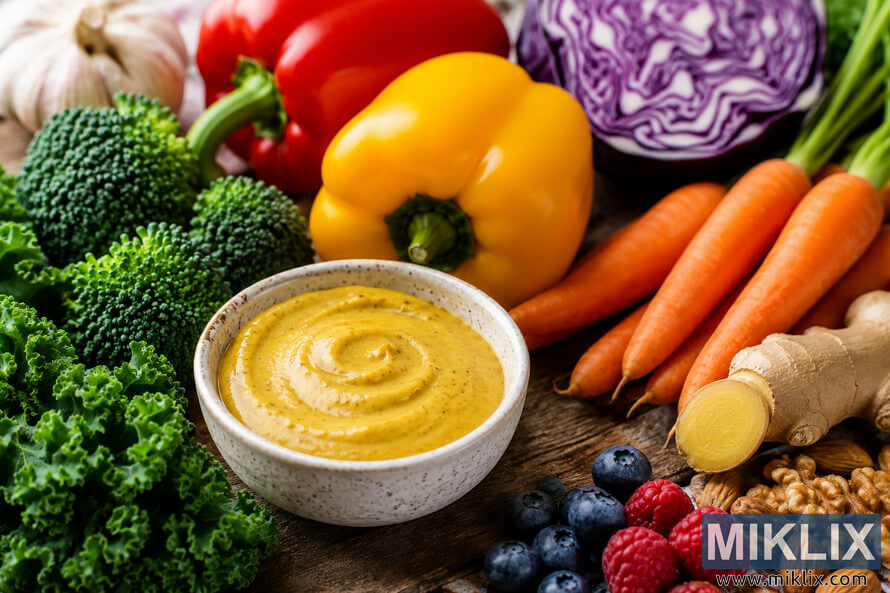
- Combine with other anti-inflammatory foods
Bofya au gusa picha kwa maelezo zaidi na ubora wa hali ya juu.
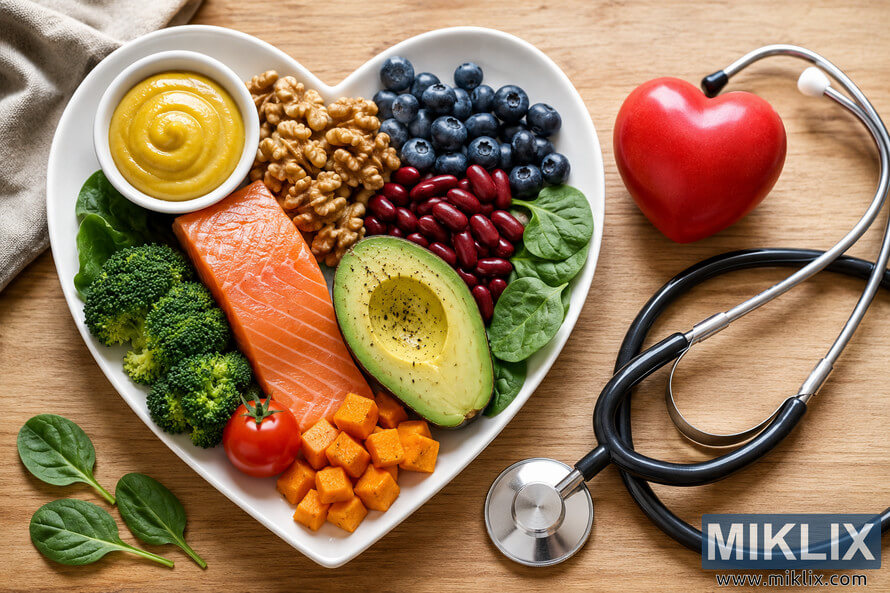
Mustard's Benefits for Heart Health
Heart disease remains the leading cause of death in many countries. The good news is that diet plays a major role in heart health. Mustard offers several nutrients and compounds that support cardiovascular function.
Lowering Cholesterol Levels
Some studies suggest that mustard may help lower cholesterol. The fiber in mustard seeds can bind to cholesterol in your digestive system. This binding action may help reduce the amount of cholesterol your body absorbs.
Compounds in mustard plants, including glucosinolates, may influence how your body processes cholesterol. Research on related vegetables shows cholesterol-lowering effects. Mustard likely provides similar benefits through comparable mechanisms.
Blood Pressure Regulation
The magnesium and potassium in mustard both support healthy blood pressure. These minerals help relax blood vessels and reduce tension in artery walls. Lower blood pressure reduces strain on your heart.
Getting adequate magnesium through diet may help lower your risk of developing high blood pressure. Many people don't consume enough of this important mineral. Adding magnesium-rich foods like mustard seeds can help fill this nutritional gap.
Reducing Inflammation in Blood Vessels
Inflammation in your blood vessels contributes to atherosclerosis, or hardening of the arteries. The anti-inflammatory compounds in mustard may help protect blood vessel walls. Healthier blood vessels support better circulation and heart function.
Omega-3 fatty acids in mustard seeds provide additional heart benefits. These healthy fats help reduce inflammation and may lower triglyceride levels in your blood. Your body needs omega-3s but cannot make them, so you must get them from food.
Blood Sugar Control
Maintaining stable blood sugar levels protects your heart and blood vessels. High blood sugar damages blood vessels over time and increases heart disease risk. The fiber in mustard helps slow the absorption of sugar into your bloodstream.
This slower absorption means less dramatic spikes in blood sugar after meals. More stable blood sugar levels reduce stress on your cardiovascular system. Some research suggests that specific compounds in mustard may also improve insulin sensitivity.
People with diabetes or prediabetes may particularly benefit from blood sugar stabilizing foods. While mustard alone isn't a treatment for diabetes, it can be part of a heart-healthy, blood sugar friendly diet.
Bofya au gusa picha kwa maelezo zaidi na ubora wa hali ya juu.
Exploring Different Types of Mustard
Not all mustard is created equal. Different varieties offer unique flavors and slightly different nutritional profiles. Understanding these differences helps you choose the best options for your needs.
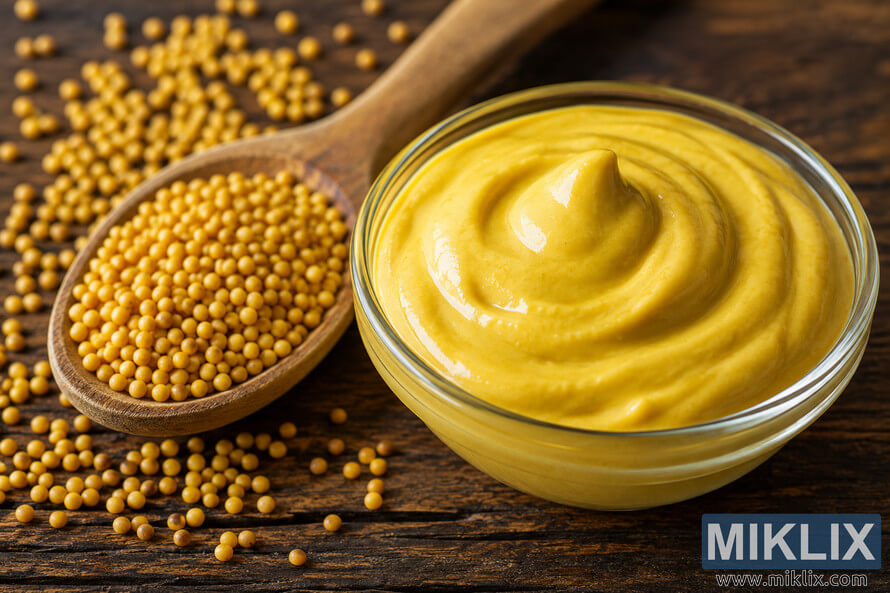
Yellow Mustard
The most common variety in American households features a mild, tangy taste. Yellow mustard typically contains turmeric, which gives it the bright color and adds anti-inflammatory properties.
- Mildest flavor profile
- Contains turmeric for added benefits
- Lower in glucosinolates than brown varieties
- Best for those new to mustard
Bofya au gusa picha kwa maelezo zaidi na ubora wa hali ya juu.
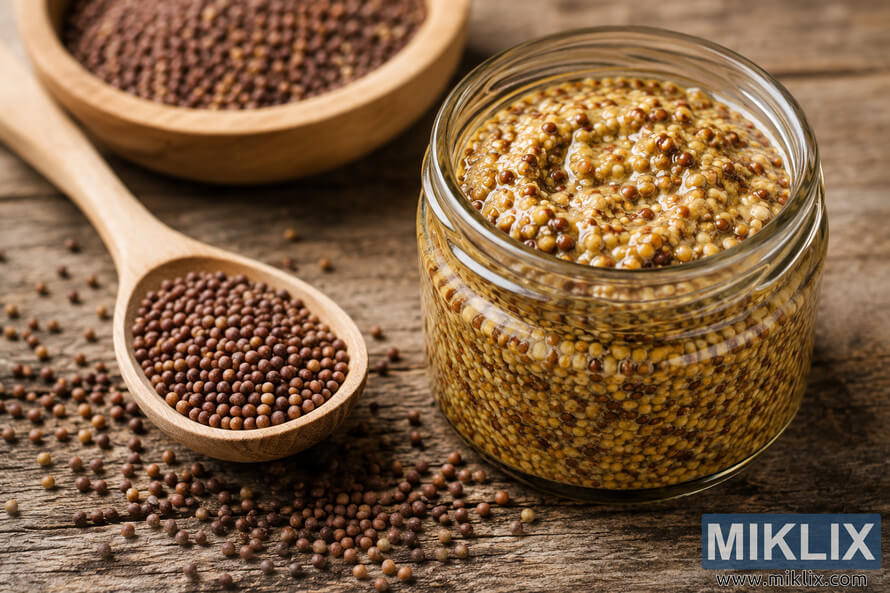
Brown Mustard
Brown mustard seeds pack more heat and stronger flavor than yellow varieties. They contain higher levels of beneficial glucosinolates and are common in Asian and Indian cuisine.
- Stronger, spicier taste
- Higher glucosinolate content
- Rich in antioxidants
- Versatile for various dishes
Bofya au gusa picha kwa maelezo zaidi na ubora wa hali ya juu.
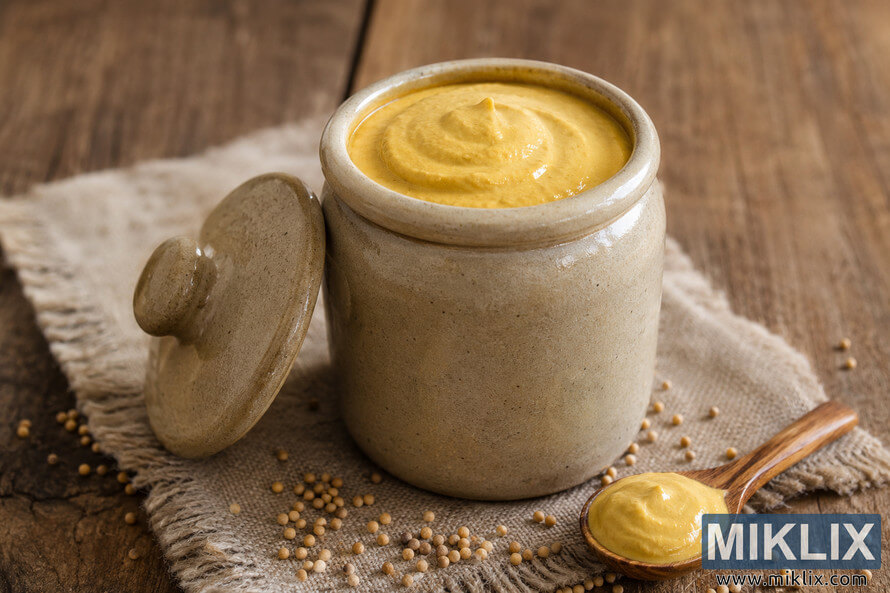
Dijon Mustard
This French classic uses brown or black mustard seeds with white wine or wine vinegar. Dijon offers a smooth, refined taste with moderate heat and excellent nutritional value.
- Smooth, creamy texture
- Complex flavor with wine notes
- Good source of minerals
- Popular in dressings and sauces
Bofya au gusa picha kwa maelezo zaidi na ubora wa hali ya juu.
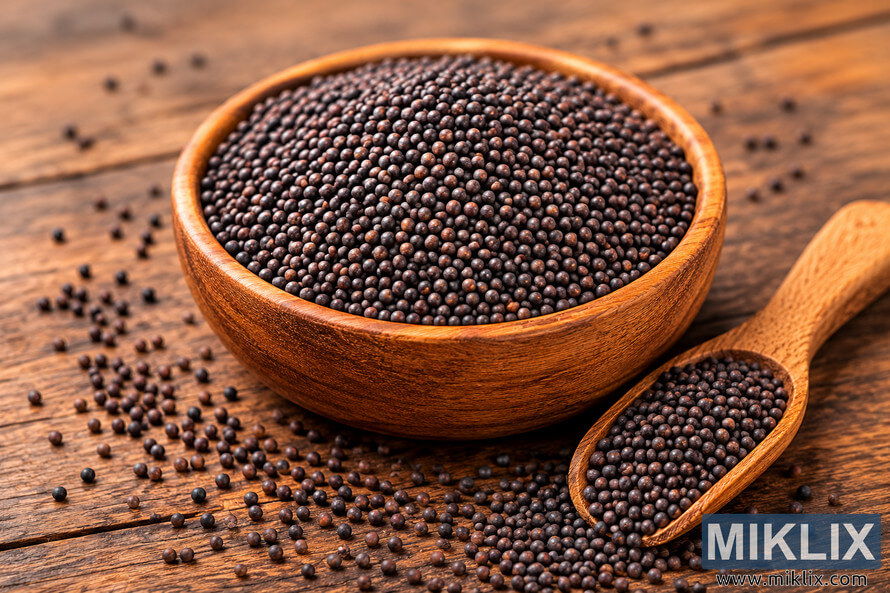
Black Mustard
The most pungent variety contains the highest levels of beneficial compounds. Black mustard seeds are less common commercially but highly valued in traditional medicine and ethnic cooking.
- Most potent flavor and heat
- Highest concentration of glucosinolates
- Traditional medicinal uses
- Strong health-promoting properties
Bofya au gusa picha kwa maelezo zaidi na ubora wa hali ya juu.
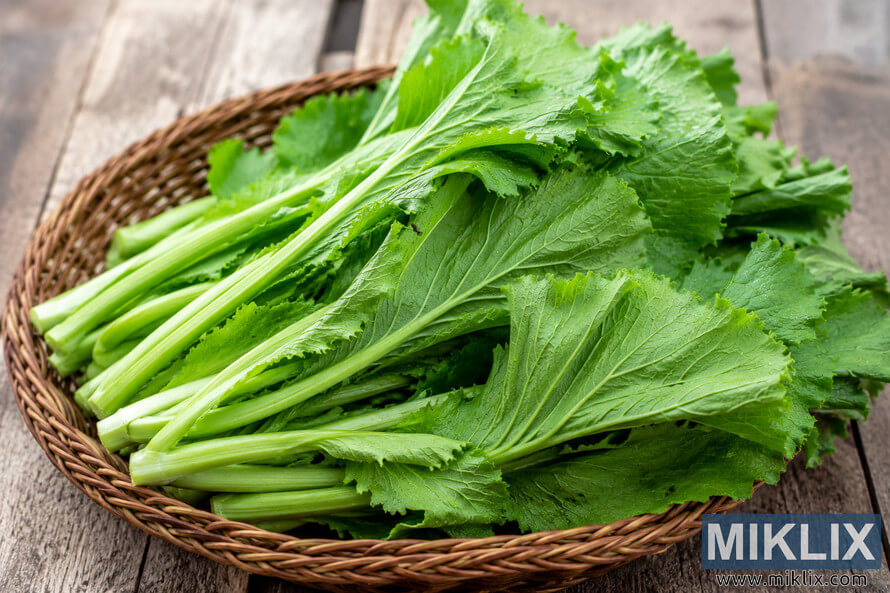
Mustard Greens
The leaves of the mustard plant provide different nutrients than seeds. Rich in vitamins A, C, and K, mustard greens offer exceptional nutritional density when eaten raw or lightly cooked.
- Exceptional vitamin content
- Low in calories, high in nutrients
- Can be eaten raw or cooked
- Peppery, slightly bitter taste
Bofya au gusa picha kwa maelezo zaidi na ubora wa hali ya juu.
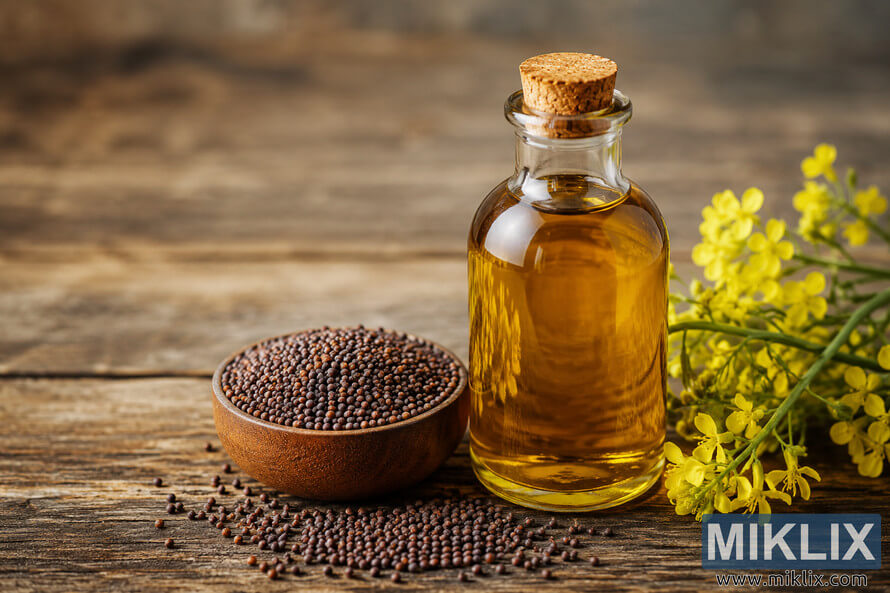
Mustard Oil
Pressed from mustard seeds, this oil is popular in Indian and Bengali cuisine. It contains omega-3 fatty acids and compounds that may support heart health, though it should be used in moderation.
- Source of healthy fats
- Contains omega-3 fatty acids
- High smoke point for cooking
- Distinct pungent aroma
Bofya au gusa picha kwa maelezo zaidi na ubora wa hali ya juu.
Potential Cancer-Fighting Compounds in Mustard
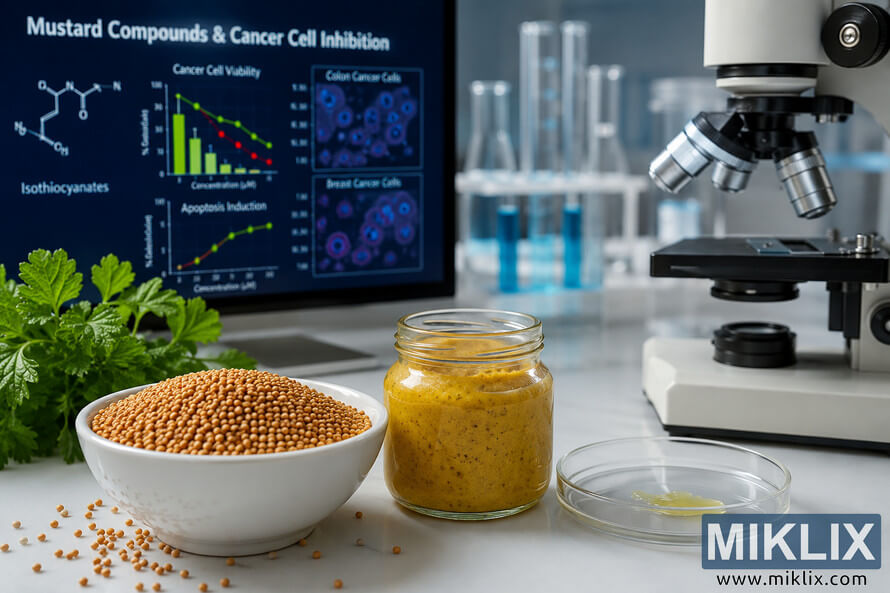
One of the most exciting areas of mustard research involves cancer prevention. The same compounds that give mustard its sharp taste may help protect against certain types of cancer. While research is ongoing, current evidence shows promise.
How Glucosinolates May Fight Cancer
When your body breaks down glucosinolates from mustard, the resulting isothiocyanates appear to have anti-cancer properties. Laboratory studies show these compounds can slow cancer cell growth and trigger cancer cell death in test tubes.
These substances work through multiple mechanisms. They may help your body eliminate potential carcinogens more efficiently. They also appear to reduce inflammation and oxidative stress, both of which contribute to cancer development.
Research has focused particularly on sulforaphane, an isothiocyanate found in mustard and related plants. Studies suggest it may help prevent several types of cancer, including bladder, breast, colon, and prostate cancer.
Bofya au gusa picha kwa maelezo zaidi na ubora wa hali ya juu.
Supporting Your Body's Detoxification
Your liver constantly works to remove toxins and harmful substances from your body. Compounds in mustard may support these detoxification processes. They can increase the activity of certain enzymes that help neutralize carcinogens.
This enhanced detoxification may reduce the risk of cancer-causing substances damaging your cells. While your body has natural detox systems, eating foods that support these processes may provide extra protection.
Reducing Oxidative DNA Damage
Cancer often begins when DNA in your cells becomes damaged. Free radicals can cause this type of damage through oxidative stress. The antioxidants in mustard help neutralize free radicals before they harm your DNA.
Studies on cruciferous vegetables, the family that includes the mustard plant, show reduced DNA damage in people who eat them regularly. This protective effect may lower cancer risk over time.
Important Considerations
While research on mustard and cancer is promising, it's important to maintain realistic expectations. Eating mustard alone will not prevent or cure cancer. No single food can do that.
However, mustard can be part of a cancer-protective diet rich in vegetables, fruits, whole grains, and other plant foods. Many health organizations recommend eating more cruciferous vegetables as part of cancer prevention strategies.
Most research has been done in laboratories or with animals. Human studies are still limited but growing. Scientists need more research to fully understand how mustard consumption affects cancer risk in people.
Practical Ways to Add Mustard to Your Diet
Understanding mustard's benefits is one thing. Actually incorporating it into your daily meals is another. The good news is that mustard's versatility makes it easy to add to many dishes.
Using Prepared Mustard
Prepared mustard offers the easiest way to enjoy these health benefits. Spread it on sandwiches instead of mayonnaise to reduce calories while adding flavor. The tangy taste enhances many foods without added sugar or unhealthy fats.
Mix mustard into salad dressings for a flavor boost and nutritional upgrade. Combine Dijon mustard with olive oil, vinegar, and herbs for a simple, healthy dressing. The mustard helps emulsify the oil and vinegar while adding beneficial compounds.
Use mustard as a marinade base for meat, fish, or vegetables. The acid in mustard helps tenderize proteins while the flavor penetrates the food. Mix with herbs, garlic, and a touch of oil for a delicious, health-promoting marinade.
Cooking with Mustard Seeds
Whole mustard seeds add texture and intense flavor to dishes. Toast them briefly in a dry pan before adding to recipes. This toasting enhances their nutty taste and releases aromatic compounds.
Add mustard seeds to pickles, relishes, and chutneys. They provide authentic flavor and preservation properties. The seeds also offer all the health benefits discussed throughout this guide.
Grind mustard seeds fresh before use for maximum flavor and potency. A spice grinder or mortar and pestle works well. Freshly ground seeds taste stronger than pre-ground mustard powder.

Bofya au gusa picha kwa maelezo zaidi na ubora wa hali ya juu.
Enjoying Mustard Greens
Fresh mustard greens work wonderfully in salads when eaten raw. Young, tender leaves have a peppery bite similar to arugula. They pair well with sweet fruits like apples or pears to balance the sharp flavor.
Sauté mustard greens with garlic and olive oil for a simple side dish. This cooking method mellows their intense taste while preserving many nutrients. Add them to soups, stews, or pasta dishes for nutritional variety.
Steam or blanch mustard greens to reduce their bitterness if you find them too strong. Brief cooking softens the leaves and makes them more palatable for those unused to bitter vegetables.
Quick Meal Ideas
- Mustard-crusted baked salmon
- Grilled chicken with mustard glaze
- Roasted vegetables with mustard vinaigrette
- Mustard greens and white bean soup
- Whole grain mustard potato salad
- Honey mustard dressing for salads
Snack Suggestions
- Pretzels with spicy brown mustard
- Mustard-roasted chickpeas
- Deviled eggs with Dijon mustard
- Raw vegetables with mustard dip
- Crackers with mustard and cheese
- Apple slices with honey mustard sauce
Recipe Upgrades
- Replace mayo with mustard in tuna salad
- Add mustard seeds to bread dough
- Mix into mac and cheese for depth
- Stir into mashed potatoes
- Include in homemade barbecue sauce
- Add to scrambled eggs or omelets
Balancing Flavor Intensity
If you find mustard too strong at first, start with milder varieties like yellow mustard. Gradually work up to spicier types as your taste buds adapt. Mix strong mustards with honey, maple syrup, or fruit to balance the heat.
Combining mustard with fat-rich foods like cheese, nuts, or avocado can mellow its intensity. The fat helps distribute the flavor and reduces the sharp bite. This makes it more appealing while still providing health benefits.
Precautions and Considerations
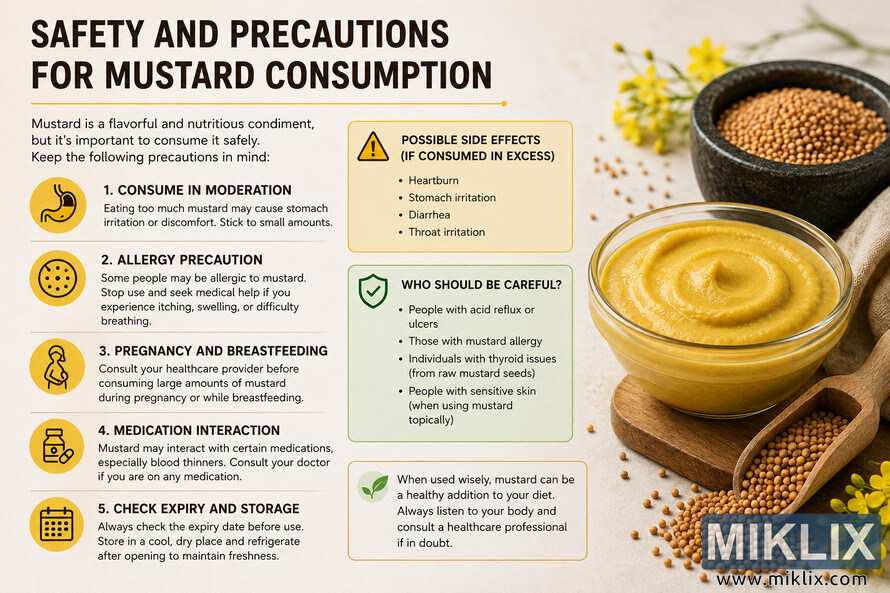
While mustard offers many benefits, certain people should exercise caution. Understanding potential issues helps you enjoy mustard safely and avoid problems.
Allergies and Sensitivities
Mustard allergies exist and can be serious. Some people experience reactions ranging from mild itching to severe anaphylaxis. If you've never eaten mustard before, start with a small amount to test your tolerance.
Mustard is one of the major food allergens recognized in many countries. Food labels must clearly state if products contain mustard. Read ingredient lists carefully if you have known food allergies.
Cross-reactivity can occur between mustard and other plants in the same family. If you're allergic to cabbage, broccoli, or related vegetables, approach mustard cautiously. Consult an allergist if you have concerns.
Digestive Issues
Some people find that mustard irritates their digestive system. The compounds that provide health benefits can also cause discomfort in sensitive individuals. Those with acid reflux or heartburn may want to limit mustard intake.
Large amounts of mustard might cause stomach upset, nausea, or diarrhea in some people. This is more likely with very spicy varieties or when eating mustard on an empty stomach. Start with small amounts and see how your body responds.
Bofya au gusa picha kwa maelezo zaidi na ubora wa hali ya juu.
Medication Interactions
Mustard greens are extremely high in vitamin K, which affects blood clotting. People taking blood thinners like warfarin need to maintain consistent vitamin K intake. Suddenly eating large amounts of mustard greens could interfere with medication effectiveness.
Talk to your doctor if you take blood thinning medications and want to add mustard greens to your diet. You may need to monitor your levels more closely or adjust your medication dose.
Thyroid Concerns
Cruciferous vegetables including mustard contain substances called goitrogens. In very large amounts, these compounds may interfere with thyroid function. However, this is only a concern if you have an existing thyroid condition and eat excessive amounts.
Cooking reduces goitrogen content significantly. If you have thyroid issues, eating cooked mustard greens rather than raw ones minimizes any potential risk. Normal amounts of prepared mustard condiment pose no concern.
Sodium Content in Prepared Mustard
Many prepared mustards contain added salt. While the amount per serving is usually modest, it can add up if you use mustard frequently. People watching their sodium intake should check labels and choose low-sodium varieties when available.
Making your own mustard at home lets you control the salt content. You can create delicious mustard with less sodium than commercial versions while still enjoying full flavor.
When to Consult Your Doctor
Talk to your healthcare provider before significantly increasing mustard consumption if you:
- Take blood-thinning medications
- Have been diagnosed with thyroid problems
- Have a history of food allergies
- Are pregnant or breastfeeding and want to use mustard medicinally
- Experience any negative reactions after eating mustard
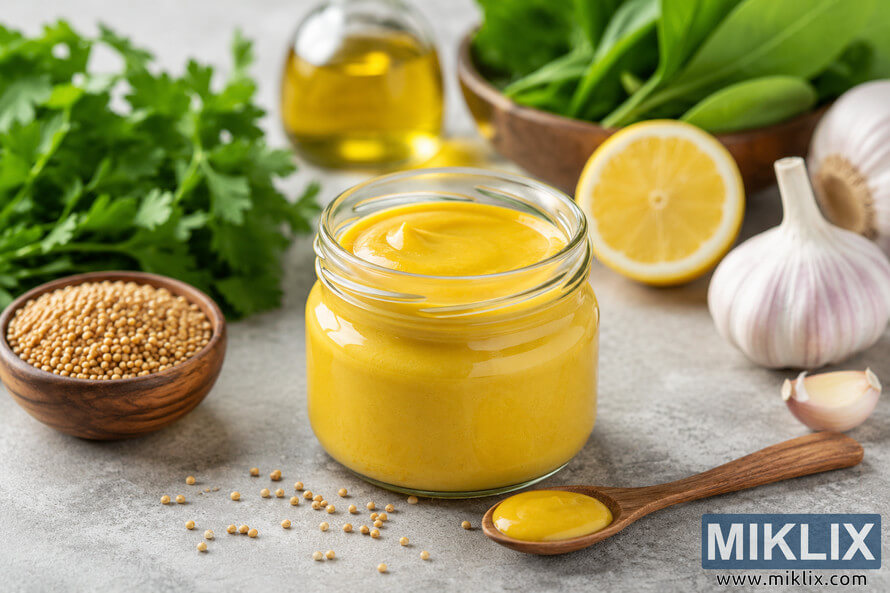
Selecting and Storing Mustard
Choosing high-quality mustard and storing it properly ensures you get maximum health benefits and flavor. Different forms of mustard have different storage needs.
Buying Mustard Seeds
Purchase mustard seeds from stores with good turnover to ensure freshness. Whole seeds stay fresh longer than ground mustard powder. Look for seeds that are uniform in size and color without visible damage.
Buy organic mustard seeds when possible to avoid pesticide residues. Store seeds in airtight containers in a cool, dark place. Properly stored whole seeds can maintain quality for up to three years.
Choosing Prepared Mustard
Read ingredient labels on prepared mustard. The best options have short ingredient lists with recognizable items. Avoid brands with excessive added sugar, unnecessary preservatives, or artificial colors.
Stone-ground mustard retains more of the seed coating and offers slightly more nutrients than smooth varieties. However, all types provide health benefits when made with quality ingredients.
Fresh Mustard Greens
Select mustard greens with vibrant color and crisp texture. Avoid wilted, yellowed, or slimy leaves. Smaller, younger leaves tend to be less bitter and more tender than large, mature ones.
Store unwashed greens in a plastic bag in your refrigerator's crisper drawer. They'll stay fresh for about three to five days. Wash just before using to prevent premature wilting.
Refrigeration Guidelines
Once opened, refrigerate prepared mustard to maintain quality and prevent spoilage. Most varieties last several months in the refrigerator. While mustard rarely spoils in a way that makes you sick, it can lose flavor and potency over time.
Whole mustard seeds don't require refrigeration, but storing them in the fridge can extend their shelf life. Ground mustard powder should be kept in a sealed container away from heat and light.
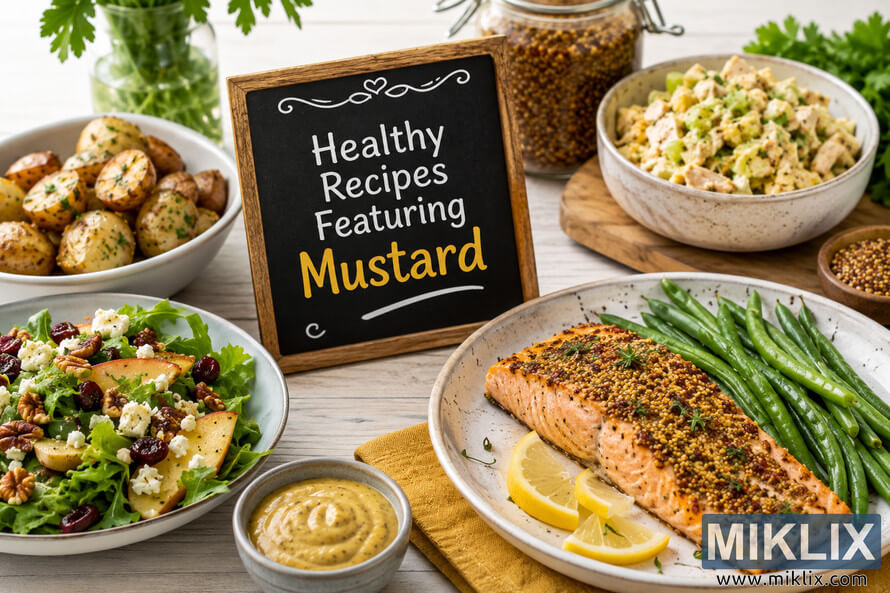
Simple Recipes Featuring Mustard
These easy recipes help you incorporate mustard's health benefits into delicious meals. Each recipe highlights different ways to enjoy this versatile ingredient.
Honey Mustard Dressing
This versatile dressing works on salads, as a dip, or as a marinade.
- 3 tablespoons Dijon mustard
- 2 tablespoons honey
- 2 tablespoons apple cider vinegar
- 1/4 cup olive oil
- Salt and pepper to taste
Whisk all ingredients together until smooth and emulsified. Adjust sweetness or tang to your preference. Store in the refrigerator for up to two weeks.
Mustard-Roasted Vegetables
This simple preparation brings out the natural sweetness of vegetables while adding mustard's benefits.
- 4 cups mixed vegetables (carrots, Brussels sprouts, cauliflower)
- 2 tablespoons whole grain mustard
- 2 tablespoons olive oil
- 1 tablespoon maple syrup
- Fresh herbs of choice
Toss vegetables with mustard, oil, and maple syrup. Roast at 400°F for 25-30 minutes until tender and caramelized. Garnish with fresh herbs before serving.
Sautéed Mustard Greens
This basic preparation showcases the greens' peppery flavor while making them tender and delicious.
- 1 bunch fresh mustard greens, washed and chopped
- 2 cloves garlic, minced
- 2 tablespoons olive oil
- Pinch of red pepper flakes
- Lemon juice to taste
Heat oil in a large pan over medium heat. Add garlic and red pepper flakes. Cook until fragrant. Add greens and sauté until wilted and tender, about 5-7 minutes. Finish with fresh lemon juice.
Bofya au gusa picha kwa maelezo zaidi na ubora wa hali ya juu.
Making Mustard Part of Your Healthy Lifestyle
Mustard deserves recognition as more than just a condiment. This ancient plant offers remarkable health benefits backed by both traditional use and modern science. From supporting digestive health to fighting inflammation, mustard provides multiple advantages in a small package.
The compounds found in mustard work together to support your body in various ways. Glucosinolates and their breakdown products show particular promise for disease prevention. Combined with essential vitamins, minerals, and fiber, mustard becomes a nutritional powerhouse.
Different types of mustard offer unique benefits and flavor profiles. Yellow mustard provides mild taste and turmeric benefits. Brown and black varieties deliver more glucosinolates and intense flavor. Mustard greens contribute exceptional vitamin content, while mustard oil offers healthy fats.
Adding mustard to your diet doesn't require drastic changes. Simple swaps and additions can increase your intake significantly. Replace less healthy condiments with mustard. Add mustard greens to your vegetable rotation. Experiment with mustard seeds in cooking.
Remember that no single food creates perfect health. Mustard works best as part of a varied, balanced diet rich in whole foods. Combine it with other vegetables, whole grains, lean proteins, and healthy fats for optimal nutrition.
Most people can safely enjoy mustard in normal food amounts. Those with allergies, certain medical conditions, or taking specific medications should consult healthcare providers. Start slowly if you're new to mustard and pay attention to how your body responds.
The health benefits of mustard continue to emerge as research expands. What we know so far suggests this humble plant deserves a regular place in health-conscious diets. Its versatility, affordability, and nutritional value make it accessible to almost everyone.
Whether you prefer the classic yellow squeeze bottle, gourmet Dijon, spicy brown mustard, or fresh greens, you're making a choice that supports your health. Each type brings something valuable to your plate along with distinctive flavor.
Start incorporating more mustard into your meals today. Your taste buds will enjoy the variety, and your body will benefit from the nutrients. This small change could contribute to better health outcomes over time while making your food more delicious.
Bofya au gusa picha kwa maelezo zaidi na ubora wa hali ya juu.
Kusoma Zaidi
Ikiwa ulifurahia chapisho hili, unaweza pia kupenda mapendekezo haya:
- Blueberries: Mabomu madogo ya Afya ya Asili
- Embe Kuu: Matunda ya Kitropiki ya Asili
- Karafuu kwa Siku: Kwa Nini Kitunguu Saumu Inastahili Doa Katika Mlo Wako