
Hops in Beer Brewing: Shinshuwase
Published: December 3, 2025 at 9:30:32 PM UTC
Shinshuwase, often referred to as Shinshu Wase, is a historic Japanese aroma hop. It has been a cornerstone in Japan's brewing tradition and remains relevant today. Developed around 1910, this hop variety was chosen for its pleasant aroma and adaptability to local conditions.
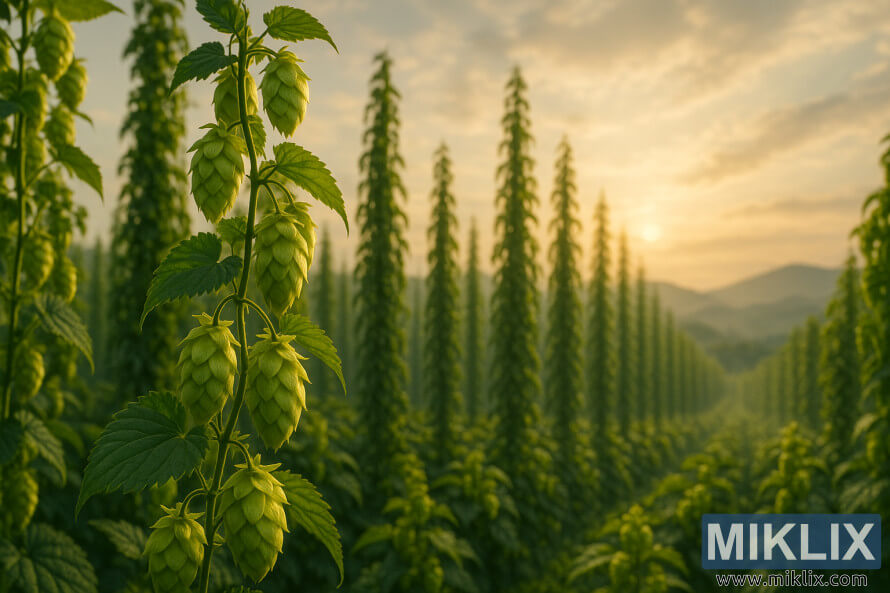
Click or tap the image for more information and higher resolutions.
Brewers appreciate Shinshuwase for its subtle floral and herbal notes. These enhance lagers and light ales without overpowering the malt.
This article will provide practical information for brewers. It includes the technical profile, sensory characteristics, recommended dosages, and pairing suggestions. You'll also find tips on sourcing and a brief cultivation history. This will help you decide when to use Shinshuwase in your recipes, whether for commercial or homebrew purposes.
Expect detailed, actionable advice on integrating Shinshuwase into your recipes. Examples will illustrate how this hop variety's gentle aroma can benefit beer brewing. The aim is to offer a concise, practical guide for U.S. brewers on flavor contributions and brewing applications.
Key Takeaways
- Shinshuwase (Shinshu Wase) is a century-old Japanese aroma hop that remains valuable in brewing.
- It adds floral, herbal notes that are perfect for lagers and light ales.
- With modest alpha acids, it's best used as an aroma hop, not for bittering.
- Upcoming sections will cover dosage, pairings, and sourcing for U.S. brewers.
- The article offers a balanced view of sensory, technical, and historical aspects for quick application.
What Are Shinshuwase Hops
Shinshuwase, often referred to as Shinshu Wase, is a Japanese hop cultivar bred for its aromatic qualities in beer. It is cherished by brewers for its delicate floral and herbal notes. These enhance the finish without overpowering the malt or yeast flavors.
The history of Shinshuwase's origin dates back to early 20th-century Japan. Dainippon Beer initiated breeding efforts around 1910, during the Kaitakushi Beer Brewery era. This effort resulted in a high-quality cultivar that remained in commercial use across various regional breweries.
Research and cultivation efforts were centered on practical field results. Dainippon Beer provided expertise to local growers to minimize disease risks and enhance yields. These hands-on techniques ensured Shinshuwase's reliability as an aroma option for Japanese and craft brewers worldwide.
For brewers inquiring about Shinshuwase hops, the essence is simple. It is an aroma hop with a rich history. It excels in late kettle additions and dry hopping. This reveals its subtle perfume and citrus-herbal nuances.
Key points:
- Origin: developed in Japan by Dainippon Beer around 1910.
- Type: a Japanese hop cultivar focused on aroma.
- Use-case: mainly used as an aroma hop in brewing recipes.
Shinshuwase hops Flavor Profile and Aroma
Shinshuwase is celebrated for its delicate, refined aroma, not for its bold bitterness. It brings floral and herbal notes, reminiscent of traditional Japanese hops. Brewers use it to enhance a beer's character without overwhelming the malt or yeast.
When used in late additions, Shinshuwase aroma reveals delicate citrus and soft tea-like flavors. It's known for its gentle floral, light green herbal, and faint citrus peel notes. These characteristics are best showcased when added towards the end of the boil, in the whirlpool, or during dry-hop.
It's essential to use small amounts to preserve the volatile oils that define Shinshuwase's aroma. Unlike high-alpha hops, Shinshuwase focuses on subtlety. It pairs well with clean-fermenting yeasts and light malts, allowing its aroma and flavor to stand out.
- Best use: late boil, whirlpool, dry-hop
- Character: floral, herbal, subtle citrus
- Role: aroma enhancer, not a bittering workhorse
Technical Profile: Alpha Acids and Brewing Implications
Shinshuwase alpha acids fall into a moderate range, with a hop alpha of 5.8% reported. This indicates it's not designed for intense bittering. It's suitable for partial bittering, but its IBU contribution will be less than high-alpha hops.
The technical profile of Shinshuwase suggests it behaves like an aroma hop. Specific data on beta acids, co-humulone, and total oil is missing. It's assumed to have a moderate oil content, typical of aroma hops. Plan to add it late to capture citrus and floral notes.
Practical brewing implications are straightforward. Use Shinshuwase mainly for late-boil, whirlpool, or dry-hop additions. This maximizes its flavor and aroma. When calculating IBUs, keep in mind its hop alpha of 5.8% to account for its modest bittering if added early.
- Alpha acid: moderate, shinshuwase alpha acids ≈ 5.8%
- Best use: aroma-focused additions for flavor lift
- Unknown metrics: rely on sensory testing for oil impact
When designing recipes, view the Shinshuwase technical profile as an aroma tool with some bittering flexibility. Small adjustments in timing and quantity can help balance IBUs while highlighting its unique hop character.
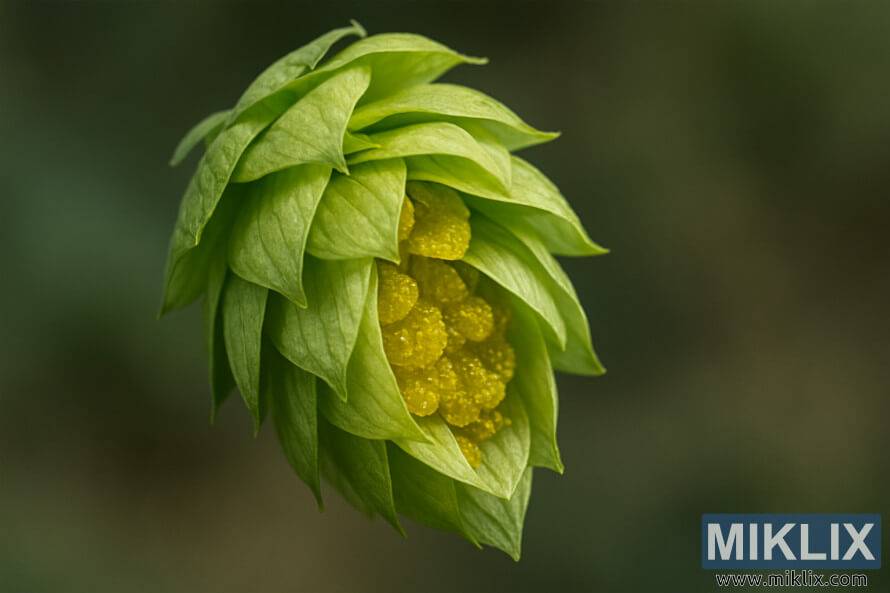
Click or tap the image for more information and higher resolutions.
Typical Usage: Shinshuwase hops as an Aroma Hop
Brewers choose Shinshuwase for its delicate citrus and floral notes. It's often the main hop in the blend, focusing on aroma over bitterness.
Recipes typically use about three quarters of the hops for Shinshuwase. This ensures the beer's Japanese-character aromatics are prominent, without harsh bitterness.
To protect the delicate oils, Shinshuwase is added late in the boil, in the whirlpool, or for dry-hopping. These methods help preserve the aroma, reducing loss during the hot stages.
Many brewers see Shinshuwase as a key aroma hop. They avoid high heat and limit early boil contact. This strategy enhances flavor clarity and maintains a bright hop profile.
- Late-boil additions for gentle extraction of volatile oils
- Whirlpool or stand at lower temperatures to steep aroma
- Dry-hopping to intensify aroma without altering bitterness
By using Shinshuwase in these ways, brewers create beers that showcase its unique perfume. Careful timing of late hop additions ensures the aroma is forward and true to style.
Recommended Beer Styles for Shinshuwase Hops
Shinshuwase hops are known for their subtle, floral, and herbal notes. They are best used in beers where a delicate aroma is more important than a strong bitterness.
Classic lagers and light ales are ideal for highlighting these characteristics. Traditional Japanese lagers and pilsners, in particular, benefit from a restrained hop profile. This allows the malt and water to take center stage.
- Pilsner — clean malt, crisp finish, gentle Shinshuwase aroma.
- Kölsch — delicate fruitiness with a soft herbal top note from the hops.
- Blonde Ale — smooth malt body that supports floral, low-key hop character.
- Japanese-style lager — balances subtle hop perfume with lager clarity.
- Light pale ales — craft beers that aim for nuance over punchy citrus.
Craft brewers can also experiment with hybrid ales that emphasize balance. Shinshuwase is best added in late kettle additions or as a dry hop. This preserves its distinctive aroma.
When selecting the best beer styles for Shinshuwase, focus on recipes that avoid heavy resinous hops. This hop excels in restrained recipes that reward subtle complexity.
Dosage and Formulation Guidelines
Before adjusting recipes, set clear targets for Shinshuwase dosage. Many brewers use Shinshuwase for about 74% of the hop bill in aroma-forward recipes. The percentages can range from 48% to 99%, depending on the brew's intent.
For bittering, treat Shinshuwase as you would Centennial or Cascade, using alpha-based calculations. With an average alpha of 5.8%, calculate IBUs from early additions. For aroma, switch to grams per liter or ounces per gallon for late additions and dry-hopping.
In aroma-focused beers, place most of the hop mass late in the schedule. Aim to put the majority of Shinshuwase weight in the last 15 minutes, in the whirlpool, or as dry hops. This timing emphasizes volatile oils and reduces additional bitterness.
Practical metrics to try:
- Standard ale aroma: 3–6 g/L (0.25–0.5 oz/gal) as late additions and dry-hop.
- Intense aroma/citra-like forward: 6–10 g/L (0.5–0.85 oz/gal) split between whirlpool and dry-hop.
- Bittering use: treat Shinshuwase like any 5.8% alpha hop for early additions; adjust total IBUs for balance.
When building a hop formulation, Shinshuwase can be the primary aroma hop or a major component of a blend. Pair it with more assertive varieties to enhance aroma without increasing bitterness. Balance percentages to maintain the malt profile.
Adjust Shinshuwase percentages by beer style and batch size. For pale ales and IPAs, let Shinshuwase cover 60–80% of the aroma bill for a consistent character. For balanced or hybrid styles, drop that share closer to 40–50% and layer in herbal or resinous hops.
Keep records of each trial. Track grams per liter, timing, and perceived aroma impact. Small tweaks to hop formulation Shinshuwase and timing yield large differences in final aroma and flavor.
Remember, flexibility is key. Use Shinshuwase dosage as a starting point and refine with sensory checks across brew sessions to find the right balance for your recipe.
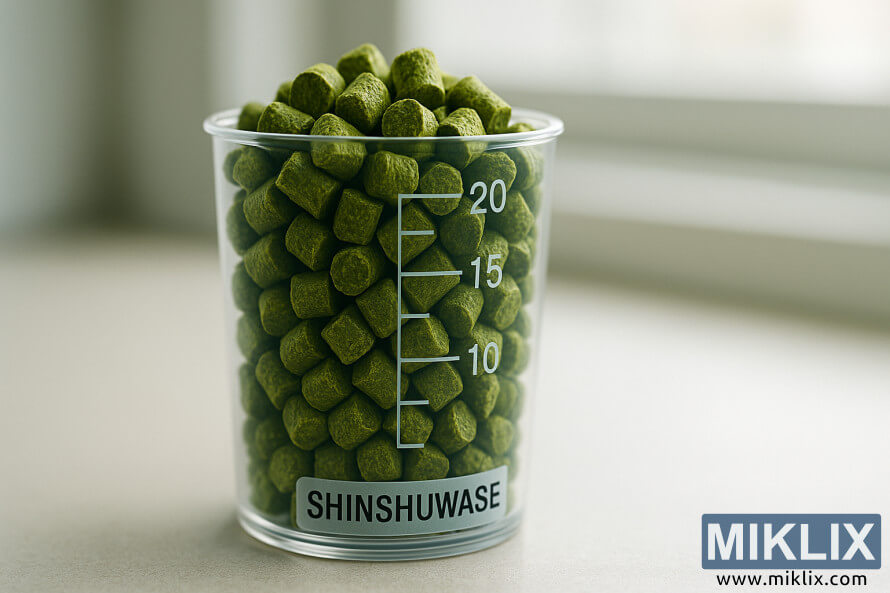
Click or tap the image for more information and higher resolutions.
Hop Pairings with Shinshuwase hops
Shinshuwase pairings excel at bringing out delicate floral and citrus notes. Brewers should opt for hops that enhance these qualities without overpowering them. The goal is to maintain a balance that showcases the hop's subtle aromatics.
For a gentle herbal lift and soft spice, consider noble-like varieties like Hallertauer Mittelfrüh or Saaz in small late additions. New World hops, such as Centennial or Amarillo, can be used sparingly to add citrus brightness. This approach ensures Shinshuwase remains the dominant hop.
When blending hops with Shinshuwase, aim for a ratio of 80:20 or 70:30. This allows the secondary hop to support Shinshuwase without overpowering it. Dry-hopping with a light touch is essential to preserve the hop's delicate bouquet.
- Pairing strategy: keep early bittering minimal, concentrate on late and whirlpool additions for aroma.
- Malt and yeast: use a clean, malt-forward base and restrained estery yeasts to let hop character shine.
- Avoid heavy resinous late additions such as Columbus or Chinook that can mask Shinshuwase’s profile.
When exploring hops that pair with Shinshuwase, make test batches and small incremental blends. Record each change and taste across conditioning times to find the balance that fits your beer style.
Practical hop blending Shinshuwase requires conservative addition rates and clear objectives. Enhance citrus, add light herbal tone, or introduce mild spice. These subtle moves keep Shinshuwase at the aromatic focal point of the finished beer.
Substitutes and Similar Hops
When Shinshuwase is not available, look for aroma-class varieties with moderate alpha acids near 5–7% and a gentle floral or herbal character. These choices work as Shinshuwase substitutes for late additions and dry hops in lagers, pilsners, and lighter ales.
Classic noble-style options include Saaz and Hallertau Mittelfrüh. Both bring restrained spice and floral notes that can mimic parts of Shinshuwase’s profile. Japanese and Asian aroma cultivars, when obtainable, may offer closer regional character.
- Adjust blend ratios to soften any sharp citrus or fruity tones.
- Favor late kettle or whirlpool additions to preserve volatile aromatics.
- Test small pilot batches before scaling to full production.
Exact matches are rare because Shinshuwase carries unique heritage traits. Treat suggested similar hops to Shinshuwase as starting points, then tweak timing and quantities to approach the delicate influence you want.
For greater nuance, create subtle blends of two or three varieties. This method helps replicate the layered aroma that single-hop Shinshuwase often provides.
Yeast Selection and Fermentation Considerations
Choosing the right yeast for Shinshuwase is key to showcase the hop's bright, citrus-driven aroma. Opt for strains that ferment clean, leaving a neutral canvas for Shinshuwase to shine.
For ales, neutral strains such as Safale US-05, Wyeast 1056, and White Labs WLP001 are reliable picks. These strains are often cited as best yeast Shinshuwase options. They minimize fruity esters, allowing hop oils to dominate.
Lager brewers should favor clean Saccharomyces pastorianus strains. A cool, steady fermentation suppresses esters, keeping bitterness crisp. This approach reveals subtle floral and mandarin notes in Shinshuwase.
- Avoid highly ester-producing ale strains when you want pure hop aroma.
- Steer clear of phenolic Belgian or farmhouse yeasts if the goal is hop clarity.
- Consider yeast attenuation and flocculation to match body with hop intensity.
Temperature control matters. Ferment a few degrees cooler inside a yeast's recommended range to limit ester formation. For neutral ales, keep fermentation around 64–68°F. For lagers, follow typical cool schedules and use a proper diacetyl rest.
Dry-hopping strategies improve aroma without creating yeast-hop interactions that mute volatile oils. Add dry hops after primary fermentation slows, when yeast activity is low. This timing preserves delicate Shinshuwase notes during fermentation with Shinshuwase hops.
When evaluating the best yeast Shinshuwase pairings, sample small batches with different strains. Use split batches or brew-on-brew comparisons to confirm which yeast lets the hop profile meet your recipe goals.
Adjust oxygenation, pitch rate, and nutrient additions to avoid stress-driven phenolics. Clean fermentation management supports consistent results and highlights why yeast for Shinshuwase selection is as important as hop dosage.
Click or tap the image for more information and higher resolutions.
Brewing Recipes Highlighting Shinshuwase hops
Shinshuwase recipes shine when the hop takes center stage in aroma. Aim for Shinshuwase to make up 70–80% of your hop bill. This ensures its delicate, Japanese-inspired flavor is front and center.
Consider two main formats. For a light lager, use a neutral bittering hop early on. Then, add most Shinshuwase at whirlpool and during dry-hop to keep its fresh aromas intact. For a pale ale, a small early charge sets bitterness. Shinshuwase then takes over in late additions.
When crafting recipes with Shinshuwase, keep early additions minimal. Reserve most for whirlpool at 170–180°F and for multiple dry-hop stages. This method showcases floral and citrus notes without overpowering them with excessive boil time.
- Allocate about 74% of the hop bill to Shinshuwase for a clear aroma focus.
- Use a neutral bittering hop such as Magnum or Warrior for early IBU control.
- Consider split dry-hops to layer complexity and boost persistence.
Start with small batches to tweak timing and dosage. Alpha acid levels and hop freshness can vary. Testing is key to achieving the right IBU and aromatic balance when brewing with Shinshuwase.
- Decide target OG and IBU for your style.
- Set bittering hop to cover base IBU; keep Shinshuwase additions late.
- Whirlpool with Shinshuwase for 15–30 minutes, then dry-hop in two stages.
- Adjust dry-hop weight after a pilot run to reach desired aroma intensity.
Shinshuwase recipes require patience. Gentle mashing, clean fermentation with a lager or neutral ale yeast, and controlled dry-hop contact time are essential. These steps ensure the best flavor when brewing with Shinshuwase.
Cultivation and Sourcing of Shinshuwase hops
Shinshuwase hop cultivation started in the early 20th century. Dainippon Beer developed this cultivar in 1910, following extensive hop research. This research began during the Kaitakushi Beer Brewery era. This long history has influenced modern Japanese hop cultivation practices.
Growing Shinshuwase is challenging. Hops are susceptible to disease and need careful site selection. Regular scouting and timely pest control are essential. Dainippon Beer provided guidance on trellising, pruning, and soil management to enhance plant health and yields.
Today, sourcing Shinshuwase involves working with specialty suppliers. Brewers in the United States should be prepared for limited availability. Contacting international hop distributors, specialty importers, or breweries with ties to Japanese growers is advisable for sourcing Shinshuwase.
- Contact established international hop distributors that list Japanese varieties.
- Work with specialty importers who handle small-batch cultivars.
- Reach out to craft breweries in Japan for leads on direct sourcing or surplus hops.
Practical tips can simplify the procurement process. Order early and inquire about crop history, alpha acid testing, and storage practices. Confirm shipping and customs details when sourcing Shinshuwase for commercial production.
For brewers looking to experiment, consider trial batches with small lots. This approach lowers risk and allows for assessing how the hop performs under local conditions. Maintaining open communication with suppliers ensures a better match between expectations and delivered quality of Japanese hop cultivation stock.
Popularity and Trends Over Time
Shinshuwase's journey began in 1910, marking its introduction to Japanese breweries. This early adoption cemented its place in local brewing traditions. For decades, it maintained a dedicated following within the domestic market.
Today, Shinshuwase is experiencing a modest resurgence among craft brewers. They are drawn to its heritage and the unique hop flavors it offers. In the United States and Japan, brewers incorporate Shinshuwase into their recipes. This highlights the hop's traditional character, appealing to those who appreciate subtle flavors.
Three key factors contribute to the current interest in Shinshuwase:
- Its rich heritage from historical hops.
- The need for distinct flavors in a crowded market.
- Access to specialty hop suppliers and importers.
The demand for Shinshuwase remains niche, yet consistent. It appeals to brewers who value authenticity and terroir. For American craft brewers, it offers a unique opportunity to differentiate their products. This can enhance their market presence and storytelling.
While exact adoption numbers are scarce, qualitative feedback indicates ongoing use in traditional beers. Shinshuwase's historical significance makes it an excellent choice for limited releases or seasonal offerings. It supports both marketing efforts and the pursuit of unique flavors.
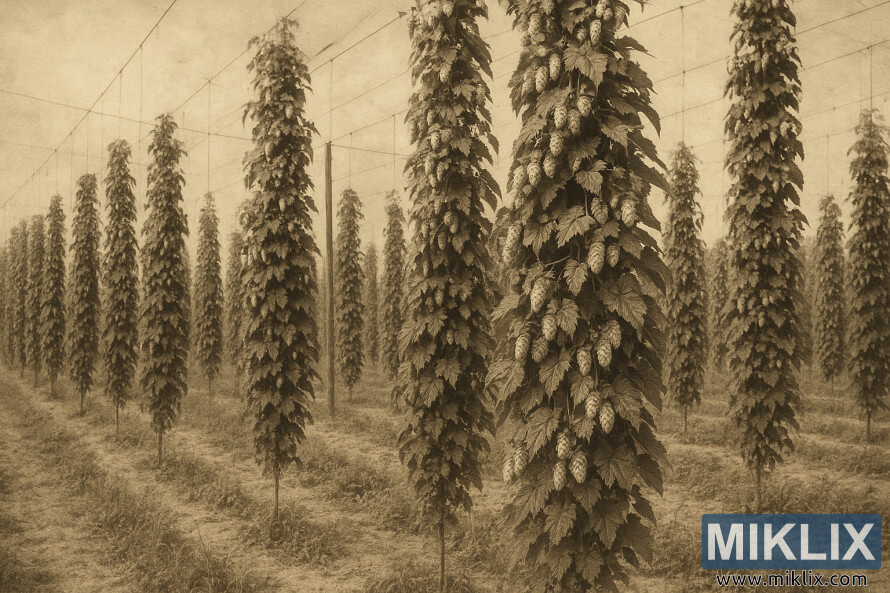
Click or tap the image for more information and higher resolutions.
Practical Brewing Notes and Best Practices
For optimal results, focus on late-boil, whirlpool, and dry-hop additions. This approach ensures Shinshuwase's aroma remains vibrant. Volatile oils, essential for its scent, are preserved through these methods.
In recipes where Shinshuwase is the star, allocate a significant portion of hops to it. Many brewers aim for a 70–80% Shinshuwase ratio in their recipes. This strategy allows its unique character to dominate the blend.
Be mindful of Shinshuwase's moderate alpha acids, around 5.8%. If adding it early, use standard IBU calculators. Adjust early additions to maintain bitterness control.
- Timing: prioritize flameout, whirlpool at 170–180°F, and multi-day dry hops.
- Proportion: start pilot recipes with ~74% Shinshuwase in the aroma portion and adjust by taste.
- Bitterness: treat early additions as measurable IBUs, not just flavor contributors.
Preserve delicate oils by storing hops cold and in an oxygen-free environment. Vacuum-sealed foil packs in a freezer are ideal for long-term storage. This method adheres to Shinshuwase best practices.
Handle pellets with care and minimize exposure to room temperature before use. Quick transfer from cold storage to the kettle or fermenter helps prevent aroma loss when working with Shinshuwase hops.
Run pilot batches to refine dosage and pairings. Limited published details on pairings necessitate small-scale tests. These trials help fine-tune balance with malts and yeasts.
Keep detailed records of each trial: addition timing, weight, form, and perceived aroma. Accurate records facilitate learning and ensure consistent results in future recipes.
Shinshuwase hops
Shinshuwase, a Japanese hop, boasts a rich history dating back to 1910. Developed by Dainippon Beer, it is celebrated for its subtle character in lagers and delicate ales. This summary offers a concise overview of its origins and purpose for brewers.
Shinshuwase is known for its moderate alpha acid content, around 5.8%, and its focus on aroma. It is often used in late additions to enhance the beer's fragrance. In many recipes, Shinshu Wase hops make up a significant portion, up to 74%, to maintain a balanced flavor.
- Origin: Japan, developed 1910 by Dainippon Beer
- Use: Aroma-purpose hop, late additions and dry hopping
- Alpha acids: ~5.8% (moderate)
- Typical role: Dominant aroma hop in many formulas
Its historical significance and delicate aroma make it a valuable asset. Shinshu Wase hops add floral and herbal notes, perfect for traditional lagers, pilsners, and pale ales. They help maintain a balance, ensuring the malt and yeast flavors are not overshadowed.
Despite its merits, Shinshuwase faces challenges due to limited technical data and availability. Information on its oil composition, beta acids, and co-humulone is scarce. Its availability outside Japan can also be a hurdle for larger breweries looking to scale their recipes.
- Practical identity: specialized Japanese aroma hop for late additions.
- Best practice: use conservatively to highlight nuance, not overpower.
- Recipe note: when Shinshuwase summary appears on a label, expect aroma-first intent.
For brewers aiming to create balanced, nuanced beers, Shinshuwase is an excellent choice. Its historical significance and aroma-centric nature make it a staple in modern brewing, where a refined hop presence is desired.
Conclusion
Shinshuwase conclusion: Introduced in 1910, Shinshu Wase is a historical Japanese aroma hop with moderate alpha acids near 5.8%. It excels in late additions and dry hopping, preserving its delicate, traditional character. Best suited for lagers and subtle ales, its nuanced flavor is not overpowered by bitterness or yeast esters.
For optimal results, pair Shinshuwase with neutral yeast strains like Wyeast 2124 Bohemian Lager or Saflager S-23. This maintains the hop's aroma. Use it for aroma-forward additions, whirlpooling, and short dry-hop contacts. Acquire Shinshuwase from specialty hop suppliers, starting with small trial amounts due to limited technical and pairing data.
Brewers aiming for authenticity will appreciate Shinshuwase. It brings a genuine piece of Japanese hop history to modern recipes. Yet, it requires careful handling to showcase its subtle aromatic profile. Test formulations and use conservative hopping schedules to maximize its unique aroma.
Further Reading
If you enjoyed this post, you may also like these suggestions: