
Hops in Beer Brewing: Strisselspalt
Published: January 4, 2026 at 4:10:58 PM UTC
Strisselspalt, a traditional French aroma hop from Alsace, is celebrated for its delicate, refined character. It is one of France’s noblest hops, known for adding subtle floral and spicy notes. These enhance malt and yeast presence without overpowering them. Brewers often choose Strisselspalt hops for their elegance and restraint in pilsners, saisons, and classic ales.
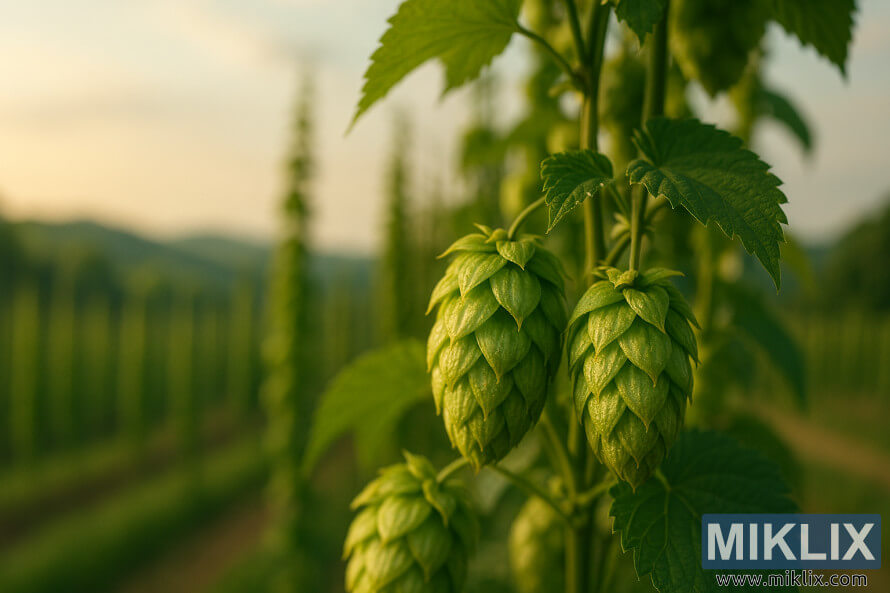
Click or tap the image for more information and higher resolutions.
Available in small pellet packs, Strisselspalt is accessible to both homebrewers and craft breweries. These packs, often in 1 oz or similar sizes, offer a variety of harvest years and supplier options. Customer reviews help brewers select the best lots for Strisselspalt brewing. The hop’s international code, FSP, and alternate name Strisselspalter are listed in catalogs across suppliers.
Strisselspalt is primarily used for late kettle additions and dry hopping, making it a classic aroma hop. It is perfect for adding charm without masking the base beer. Whether purchasing pellets for a single batch or larger commercial quantities, Strisselspalt remains a top choice for subtle, French aroma hops in many brewing programs.
Key Takeaways
- Strisselspalt hops are a traditional French aroma hop from Alsace with a delicate profile.
- They are valued for adding subtle floral and spicy notes while preserving malt and yeast character.
- Commonly sold in small pellet packages, suitable for homebrewers and craft brewers.
- Known by the code FSP and sometimes called Strisselspalter in catalogs.
- Best used as late additions and for dry hopping in styles that favor refinement.
Introduction to Strisselspalt and Its Brewing Significance
Strisselspalt is a hop celebrated for its subtlety. It is renowned for its floral, herbal, and gentle grassy notes. This variety brings finesse, not aggressive bitterness.
Wineries and craft breweries choose Strisselspalt for its balance. Its aroma hop importance is in the finishing touches. Late kettle additions and dry hopping enhance the scent without overpowering malt or yeast.
Homebrew retailers include Strisselspalt in beginner-friendly packs. This shows its practical brewing significance beyond museum shelves. Small breweries use it to craft nuanced pilsners, saisons, and farmhouse ales.
French hop history gives Strisselspalt a regional identity. Growers in Alsace and surrounding areas cultivated this fine aroma hop over generations. This lineage supports both cultural value and modern brewing use.
- Classical fine aromatic variety favored for subtle aroma hop importance
- Used mainly in late additions and dry hopping to preserve delicate notes
- Accessible to homebrewers, reflecting contemporary brewing significance
The introduction shows why Strisselspalt remains a favorite among brewers. It proves that restrained hops can shape a beer as clearly as bold varieties.
Origin and Terroir of Strisselspalt Hops
The Strisselspalt hop's roots are in the Alsace valley, northeastern France. For generations, growers have cultivated this variety, making it a classic fine aromatic hop in French hop regions. Local records and nursery accounts connect it to small family farms around Strisselspalt, where its name originates.
The terroir of Strisselspalt influences its subtle aroma. The soils in Alsace, a mix of alluvial deposits and limestone, ensure good drainage and mineral content. The cool continental winters and warm, dry summers contribute to the development of delicate floral and spice notes. These are highly valued by brewers for lighter ales and lagers.
Alsace hops embody a regional identity that many brewers seek for authenticity. When labeled Strisselspalter or Strisselspalt, the hop signals both origin and style. Small-scale picking and careful drying at local presses preserve the fragile aromatic oils. These oils define the hop’s profile in craft beers.
Brewers evaluating French hop regions will appreciate the restrained, refined nature of this variety. The terroir of Strisselspalt favors nuance over boldness. It produces hops that blend well in traditional European recipes and modern craft interpretations seeking subtle floral lift.
Botanical and Genetic Background of Strisselspalt
Strisselspalt is a fine-aromatic hop deeply rooted in Alsace's viticulture and brewing traditions. Its history reflects long-term cultivation in the region, rather than recent hybridization efforts.
The botanical profile of Strisselspalt exhibits typical traits of Humulus lupulus. It has a twining bine habit, medium-sized cones, and aromatic lupulin glands. Growers appreciate its adaptability to cooler, continental climates and its plant architecture, which is well-suited to traditional trellis systems.
Strisselspalt's genetics are considered heritage germplasm. Specific parentage is not widely documented, leading researchers to consult European hop nurseries and regional agricultural archives in Alsace for pedigree information.
- Heritage status: long-standing local selection rather than modern cross-breeding.
- Field traits: balanced vigor, reliable cone set, and moderate disease tolerance.
- Aromatic markers: floral and spicy terpenes concentrated in lupulin.
Working with this hop emphasizes preserving regional lines. Nurseries in France and Germany maintain Strisselspalt stock for growers. They aim to protect the hop variety background while documenting lineage through ampelography and genetic testing.
For brewers and agronomists, understanding Strisselspalt genetics aids in cultivation, storage, and recipe decisions. It helps in capturing the authentic Alsace character in their brews.
Aroma and Flavor Profile of Strisselspalt Hops
The aroma of Strisselspalt is delicate and refined. Tasting notes highlight floral herbal grassy hops, creating a light meadow-like top note. This sits elegantly above the malt.
On the palate, the hop flavor profile is subtle. Brewers note woody and floral elements that complement yeast esters. This makes Strisselspalt perfect for recipes requiring finesse.
Sensory descriptions reveal spicy citrus hops and bright, citrus-tinged accents. The spicy side offers a gentle pepper or clove hint. Meanwhile, citrus enhances the finish without making the beer sour.
Timing is crucial to protect volatile oils. Late-boil additions and short whirlpool rests emphasize floral herbal grassy hops. Dry hopping preserves the spicy citrus hops and the nuanced hop flavor profile.
Common tags for Strisselspalt—spicy, floral, citrus, herbal—summarize its versatility. This versatility makes it ideal for pilsners, saisons, and lighter ales. Here, aroma is more important than bittering punch.
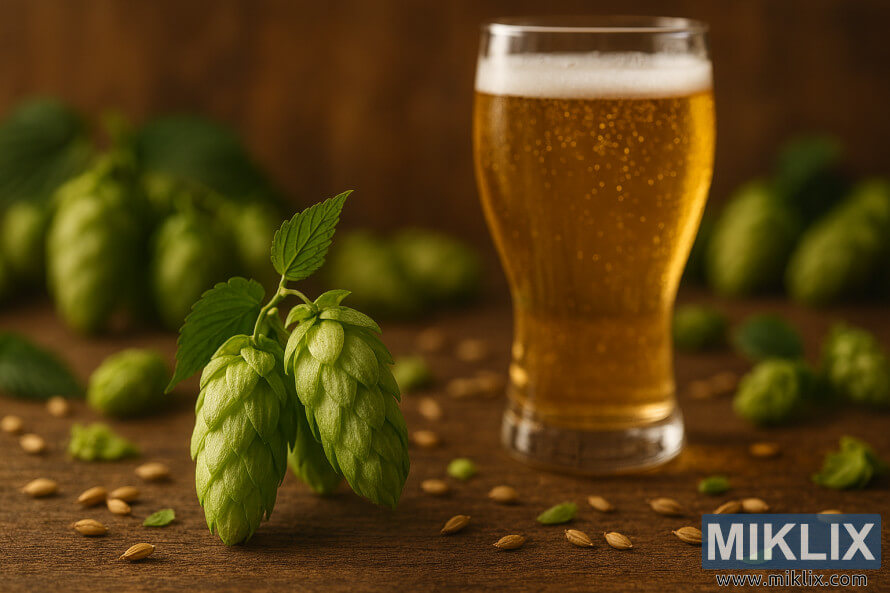
Click or tap the image for more information and higher resolutions.
Brewing Values and Analytical Data
Strisselspalt alpha acids are typically in the 1–4% range, averaging around 2.5%. This places it firmly in the realm of aroma hops, not bittering. Beta acids, however, are more substantial, ranging from 3–6% with an average of 4.5%. This balance is ideal for enhancing the aroma in beer.
The alpha-to-beta ratio for Strisselspalt is often around 1:1, with co-humulone making up 20–27% of alpha acids. These figures help brewers estimate bitterness and aging stability. Given its low alpha content, Strisselspalt benefits from late additions or dry hopping. This approach maximizes its sensory impact without introducing harsh bitterness.
Hop oil composition in Strisselspalt is approximately 0.6–0.8 mL per 100 g, averaging 0.7 mL. The breakdown of these oils reveals the hop's distinct character. Myrcene, at 35–52% (43.5% average), contributes resinous, citrus, and fruity notes. Humulene, present at 13–21% (17% average), adds woody and noble spice tones.
Caryophyllene, at 8–10% (9% average), brings peppery and herbal notes. Farnesene, minor at 0–1% (0.5% average), provides delicate green and floral accents. The remaining oils, including β-pinene, linalool, geraniol, and selinene, make up 16–44% and enhance the hop's complex aroma.
- Alpha acids: 1–4% (2.5% avg)
- Beta acids: 3–6% (4.5% avg)
- Total oils: 0.6–0.8 mL/100 g (0.7 mL avg)
- Myrcene: ~35–52% (43.5% avg)
- Humulene: ~13–21% (17% avg)
Interpreting analytical data for Strisselspalt suggests its best use in late additions. Flameout, whirlpool, and dry hopping are preferred methods to capture its oils. This approach ensures the preservation of floral, spicy, woody, and citrus aromas, essential in traditional and modern lagers, saisons, and pale ales.
How to Use Strisselspalt Hops in the Brewery
Strisselspalt excels as an aroma hop. In most recipes, adding it in late boil preserves its floral and spicy essence. Early additions can introduce a mild bitterness due to its low alpha acids.
Timing is key to preserve volatile oils. Add a portion at ten minutes or less, then increase the dose in the whirlpool. A short whirlpool at 80–90°C helps retain aromatics without losing delicate esters.
Dry hopping Strisselspalt offers the most floral notes. Add hops during active fermentation for biotransformation or after for clean aroma. Use moderate rates to avoid vegetal or grassy off-flavors.
Practical tips for brewers:
- Split additions: small late-boil charge, larger whirlpool use, finish with dry hopping Strisselspalt.
- Control contact time: limit long, high-temperature exposure to keep essential oils intact.
- Match yeast and malt: select a neutral ale yeast and a light malt bill so hop nuance remains audible.
- Sanitation: when dry hopping, use sanitized equipment and consider hop bags for easier removal.
For lagers and pilsners, favor whirlpool use and cold-side dry hopping to maintain clarity and subtlety. For pale ales and saisons, let dry hopping Strisselspalt interact with expressive yeast strains to enhance floral complexity.
When testing new recipes, pay close attention to hop addition timing and amounts. Small changes in whirlpool use and dry-hopping rates can significantly impact aroma and mouthfeel. Record your sensory findings to improve future brews.
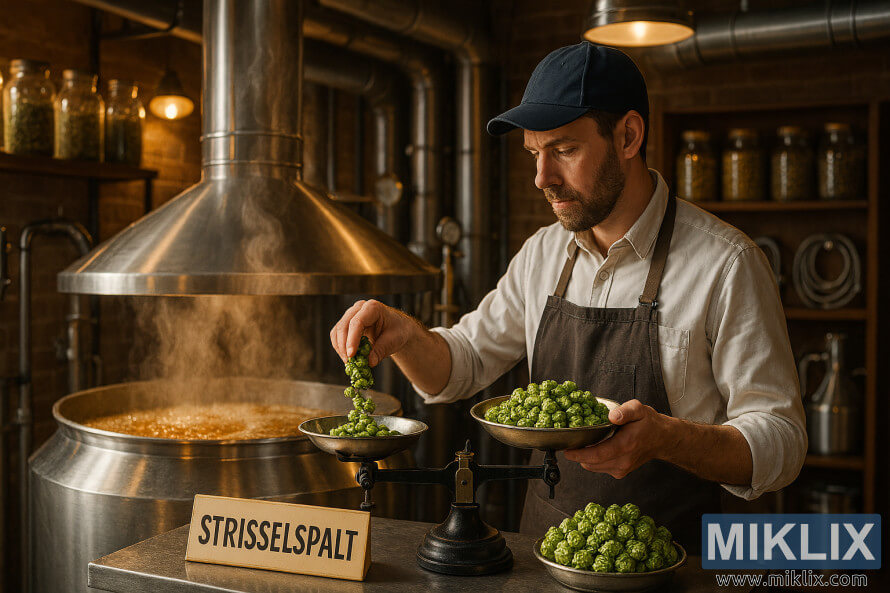
Click or tap the image for more information and higher resolutions.
Beer Styles That Showcase Strisselspalt
Strisselspalt excels in beers that require delicate floral and herbal notes. It's particularly suited for European-style lagers and classic pilsners, adding a subtle spice without bitterness. For those who prefer pilsner hops, Strisselspalt offers a refined, rounded profile. This allows malt and yeast to take center stage.
In wheat beers and Belgian-style ales, Strisselspalt enhances esters without dominating the base. It pairs well with saison hops, adding a peppery, citrusy lift while maintaining a dry, drinkable character.
Light ales, such as Blonde Ale Strisselspalt, highlight the hop's gentle perfume. Amber Ale, Golden Ale, and Bock can benefit from small additions of Strisselspalt. This adds complexity without overpowering caramel or toasty malts.
- Pilsner — subtle hop aroma, soft bitterness
- Saison — spicy, floral lift from saison hops and Strisselspalt
- Wheat Beer — supports yeast-driven fruitiness
- Blonde Ale Strisselspalt — clean, floral-forward examples
- Amber Ale & Golden Ale — measured additions for balance
- Bock — small late additions to brighten malt
Strisselspalt is best used where subtle aromatics enhance rather than compete. Add it late in the boil or as a gentle dry hop to capture floral and herbal character. This approach is ideal when aiming for balance and restraint.
Strisselspalt hops and Hop Pairings
Strisselspalt's delicate floral and herbal profile benefits from subtle partners. Brewers aiming for balanced blends should pair it with mild European hops. These enhance Strisselspalt's character without overpowering it.
Consider pairing Strisselspalt with classic aroma hops like Hallertau Blanc and Saaz. These hops add soft spice and gentle fruit notes, complementing Strisselspalt's finesse. Use them in late kettle additions or dry hop for aromatic lift.
Another approach involves noble-like hops such as Hersbrucker, Hallertau Mittelfrüh, or Crystal. These European hop blends offer a rounded, traditional profile. Ensure bittering hops are neutral to preserve the floral top notes.
- Late kettle: 70–100% Strisselspalt with a touch of Hallertau Blanc for brightness.
- Dry hop: Blend Strisselspalt with Saaz for a light herbal finish.
- Layered aroma: Combine Strisselspalt, Hersbrucker, and a small amount of Liberty for subtle complexity.
When incorporating stronger American or new-world hops, use them sparingly. A small amount of Citra or Cascade can add citrus lift. However, too much will overwhelm Strisselspalt's subtlety. The goal is to enhance floral, herbal, and spicy notes without losing Strisselspalt's delicate essence.
For recipe planning, focus on complementary hops and proportion. Aim for blends favoring European hop blends and noble varieties at a 2:1 or 3:1 ratio over bold, modern hops. This ensures the beer remains balanced and true to Strisselspalt's delicate nature.
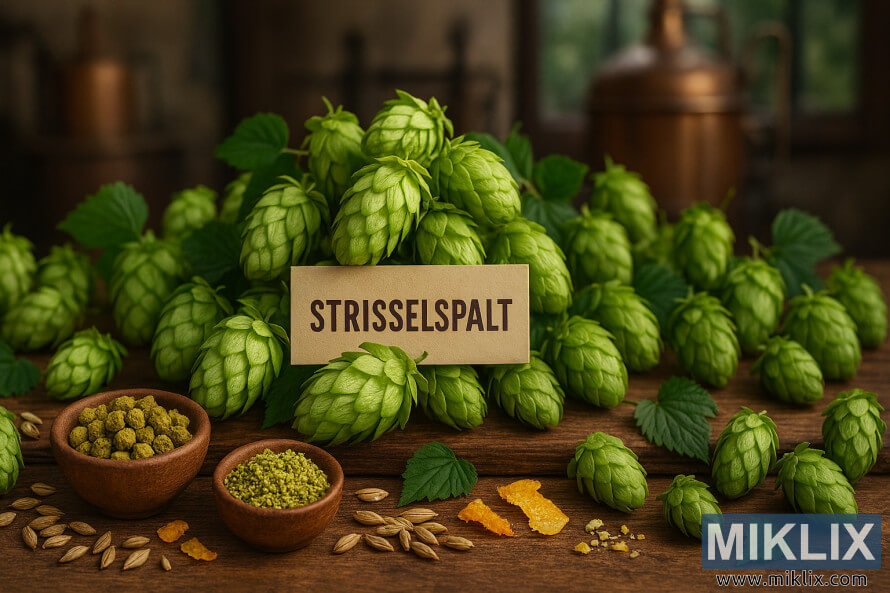
Click or tap the image for more information and higher resolutions.
Substitutions and Alternatives for Strisselspalt
When Strisselspalt is hard to source, brewers turn to mild European aroma hops. These hops aim to replicate the soft, floral-herbal character of Strisselspalt. Crystal, Hersbrucker, Mount Hood, Liberty, and Hallertau are practical choices. They offer a similar gentle profile but with unique ester and oil compositions.
Choosing a substitute depends on aroma intensity and alpha acid levels. Crystal adds fruitier, sweet-estery notes. Hersbrucker brings classic noble floral tones. Mount Hood and Hallertau offer a closer neutral noble character. Liberty adds a clean, spicy-herbal touch.
Adjust hop rates when substituting Strisselspalt. Match alpha acids for bittering. Scale late additions and dry hop amounts to preserve delicate aroma. Expect small shifts in flavor balance; Crystal may emphasize fruitiness, while Hersbrucker keeps the herbal-floral focus.
- Match aroma goals before selecting a substitute.
- Account for oil composition and alpha/beta acids.
- Taste and tweak on a pilot batch if possible.
If the original is unavailable, pick alternative aroma hops from the mild European group. This preserves the beer’s intended balance and aroma character. Small adjustments in rates will help replace Strisselspalt without overwhelming the recipe.
Availability, Purchasing, and Forms of Strisselspalt
Strisselspalt availability changes with the season and location. This French noble hop is produced in limited quantities. In the United States, homebrewers can find it in small packages at specialty shops and online.
When purchasing Strisselspalt hops, expect sizes suitable for homebrewers. Retailers often offer 1 oz and 2 oz packs with reviews and shipping details. These packs usually come in pellet form, which is convenient for storage and dosing.
- Common forms: dried cones and Strisselspalt pellets.
- Unavailable forms: lupulin powders such as Cryo, LupuLN2 or Lupomax from major processors are not offered for this variety.
- Label clues: look for the international code FSP to confirm authenticity.
Hop suppliers Strisselspalt include both specialty hop merchants and general marketplaces. Listings on Amazon and niche suppliers show differences in price, harvest year, and quantity. Compare seller notes to assess freshness and provenance before purchase.
Buying tips help protect aroma and flavor. Check the harvest year and storage notes. Packets sealed under nitrogen or vacuum retain oils longer. If you plan to buy Strisselspalt hops for several brews, order fresh and store in a freezer.
- Search multiple vendors to confirm Strisselspalt availability.
- Compare Strisselspalt pellets vs. whole cones for ease of use.
- Verify harvest year, batch, and shipping timelines.
Expect limited global supply because Strisselspalt is one of the few French hops traded internationally. This scarcity affects price and stock levels. Reach out to reputable hop suppliers Strisselspalt to reserve quantities for seasonal brews.
If you plan to buy Strisselspalt hops for a recipe, order early and check returns or substitution policies. Proper planning ensures you receive the form and freshness you need for consistent results.
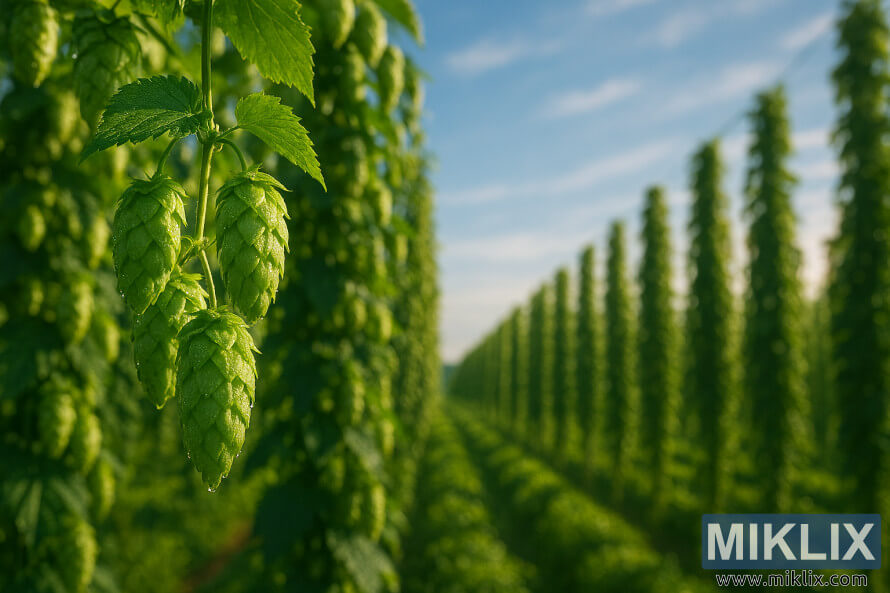
Click or tap the image for more information and higher resolutions.
Recipe Ideas and Practical Brew Day Examples
Begin with a concept: a full-bodied blonde ale. Use Golden Promise barley malt, Strisselspalt hops from Alsace, and a touch of UK-grown Minstrel, US Cascade, and Chinook. This blend offers floral top notes, grapefruit hints, and a spiced orange mid-palate. Strisselspalt recipes highlight floral finesse, while other varieties add depth.
On brew day, Strisselspalt shines as a late addition and in dry hop. Add most Strisselspalt at 10 minutes, five minutes, and into the whirlpool to capture volatile aromatics. Plan a dry hop of 0.5–2 oz per 5 gallons, depending on desired floral and herbal character.
For a pilsner or light blonde ale, let Strisselspalt carry the finishing aroma. Use a higher-alpha bittering hop early in the boil to set a neutral backbone. Shift Strisselspalt to late additions to preserve its delicate profile from prolonged heat.
Measure dosage by aroma, not alpha acids. Scale Strisselspalt additions for scent intensity rather than bitterness. Typical homebrew recipes with Strisselspalt suggest modest late-boil and whirlpool amounts, followed by a conservative dry hop to avoid vegetal notes.
- Example grain bill: Golden Promise 85%, light Munich 10%, crystal 5% for color and body.
- Hop schedule: Bittering hop (early boil), Strisselspalt at 10' and whirlpool, dry hop 0.5–1.5 oz/5 gal.
- Yeast: Clean American ale strains or German lager strains for a crisper finish.
If Strisselspalt is scarce, substitute Hallertau or Hersbrucker as aroma stand-ins. Adjust rates to achieve the same floral and herbal note. These substitutions maintain the recipe's spirit, ensuring a similar flavor profile.
On a busy brew day, Strisselspalt demands attention to timing and dose. Prioritize late additions, cold-side dry hopping, and restrained bittering hops to showcase the variety. These practical tips assist both homebrewers and professionals in successfully executing Strisselspalt recipes.
Marketing, Heritage, and the Role of French Hops in Craft Beer
Strisselspalt marketing often relies on its origins. Brewers emphasize the Alsace hop heritage to share a story of place, season, and craftsmanship. This narrative resonates with consumers who cherish tradition in pilsners, blondes, and saisons.
Retail listings and homebrew reviews consistently show interest in craft beer French hops. Small breweries and hobbyists find that Strisselspalt adds a delicate floral-spicy note. Suppliers provide details on harvest year and handling to assure freshness.
Highlighting Alsace hop heritage on labels enhances authenticity. Including supplier names like BarthHaas or German and French nurseries boosts credibility. Transparency is key for both heritage-focused and modern craft brands.
Marketing should focus on sensory experiences and pairing suggestions. Describing Strisselspalt as evoking meadow flowers, light citrus, and mild spice makes it relatable for consumers. Promoting regional stories elevates the brand's image without exaggerating quality.
Commercial availability supports storytelling efforts. Multiple suppliers and retail channels ensure reliable access to French hops. This access enables seasonal releases and small-batch runs that celebrate French hops heritage.
For brewers, straightforward tactics are effective: list the harvest year, name the hop, and describe its origin. Mentioning Alsace hop heritage and craft beer French hops on packaging encourages curious drinkers to explore styles that showcase the variety.
- Focus on terroir and harvest details.
- Use tasting notes that match beer style.
- Keep supplier transparency clear on labels.
These strategies allow Strisselspalt to symbolize brewing continuity. They connect consumers to a long regional tradition while supporting modern craft beer French hops trends.
Conclusion
Strisselspalt hops summary: This variety offers a subtle, elegant aroma that adds floral softness and a hint of spice to beer. Its low alpha acids and focus on aroma make it perfect for late additions and dry hopping. It's ideal for those who appreciate finesse, especially in lagers, pilsners, blonde ales, and saisons.
Final thoughts on Strisselspalt highlight its consistency and refinement. While high-alpha and aromatic hops get the spotlight, Strisselspalt is celebrated for its balance and subtlety. Use it sparingly to maintain delicate floral notes. Pair it with clean malt and restrained yeast to let the hop's character shine.
Brewing with Strisselspalt demands careful attention to sourcing and timing. Buy pellets from trusted suppliers, consider the harvest year, and prefer late kettle additions or dry-hop schedules. If needed, mild European substitutes can help, but aim to preserve the classic Strisselspalt profile for timeless, drinkable beers.
Further Reading
If you enjoyed this post, you may also like these suggestions: