
Fermenting Beer with White Labs WLP380 Hefeweizen IV Ale Yeast
Published: September 25, 2026 at 4:12:40 PM UTC
Creating an authentic German-style hefeweizen requires more than just wheat and barley. The yeast you choose determines whether your beer delivers that classic banana and clove character. White Labs WLP380 Hefeweizen IV Ale Yeast stands out as a top choice for homebrewers seeking professional results.
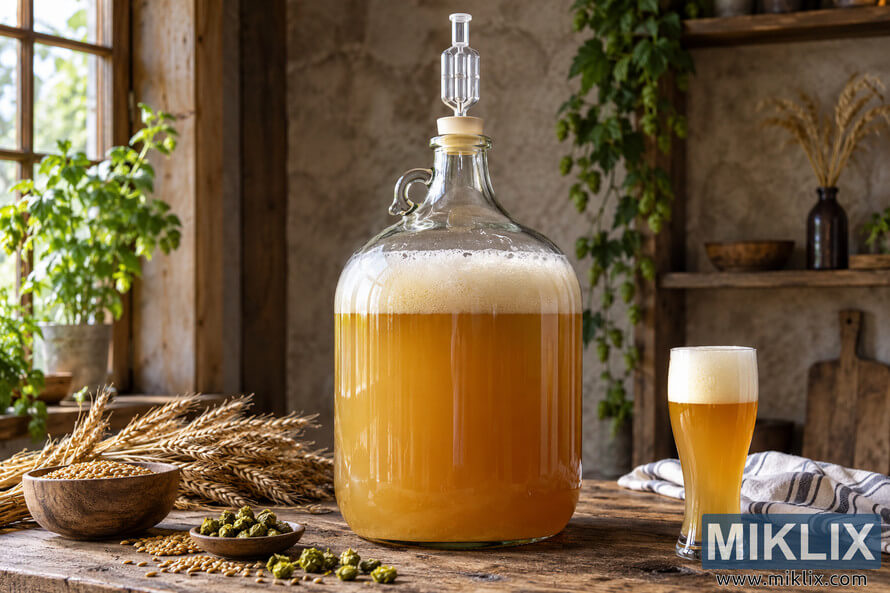
Click or tap the image for more information and higher resolutions.
This comprehensive guide walks you through everything you need to know about using White Labs WLP380. You'll discover optimal fermentation conditions, brewing techniques, and troubleshooting solutions. Whether you're brewing your first hefeweizen or refining your recipe, this yeast strain offers consistent performance.
The PurePitch Next Generation packaging brings 150 billion cells of industry-leading viability to your fermenter. Let's explore how to harness this yeast's potential for your best hefeweizen yet.
Understanding White Labs WLP380 Hefeweizen IV Ale Yeast Characteristics
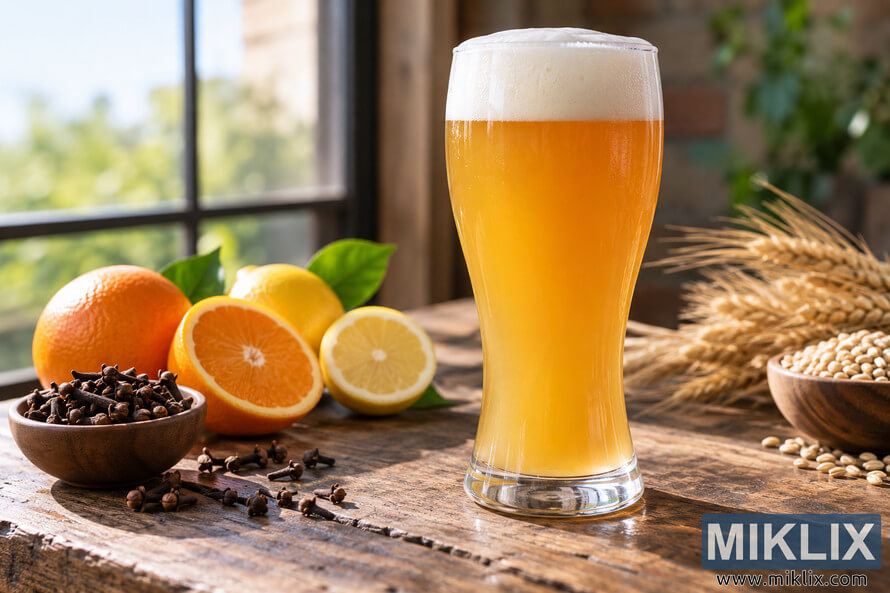
White Labs WLP380 Hefeweizen IV Ale Yeast produces a distinctly different flavor profile compared to other hefeweizen strains. This yeast emphasizes large clove phenolic character while minimizing banana ester production. The result is a refreshing citrus apricot beer with complex spicy notes.
The attenuation range falls between 73-80 percent. This moderate attenuation leaves enough residual sweetness to balance the spicy phenolics. Your finished beer maintains body while staying refreshing and drinkable.
Click or tap the image for more information and higher resolutions.
Key Flavor Profile Components
The clove phenolic aroma dominates the sensory experience with WLP380. Unlike WLP300 Hefeweizen Ale yeast that produces prominent banana, this strain takes a different approach. You'll notice refreshing citrus apricot notes that complement the clove character beautifully.
Flavor Characteristics
- Large clove phenolic presence creates spicy complexity
- Minimal banana ester production compared to traditional hefeweizen yeasts
- Refreshing citrus apricot notes add fruity dimension
- Clean fermentation without excessive funkiness
- Balanced sweetness from moderate attenuation
Click or tap the image for more information and higher resolutions.
Attenuation and Alcohol Tolerance
The 73-80% attenuation range makes WLP380 perfect for standard-strength hefeweizen recipes. This yeast works best in beers targeting 4.5-6.0% ABV. The alcohol tolerance supports typical German wheat beer styles without pushing into high-gravity territory.
Fermentation completes reliably within this attenuation window. You won't experience stuck fermentations when following proper temperature control and pitching rates. The yeast flocculates moderately, creating that classic hefeweizen cloudiness.
PurePitch Next Generation Technology
White Labs packages WLP380 in their PurePitch Next Generation format. This packaging innovation delivers 150 billion cells with industry-leading viability. The improved design protects yeast cells during shipping and storage.
You can pitch the entire PurePitch package directly into five gallons of standard-gravity wort. No starter required for typical hefeweizen recipes between 1.045-1.055 original gravity. This convenience saves time while ensuring proper pitch rates.
The liquid yeast format offers advantages over dry alternatives. Liquid yeasts like WLP380 maintain specific strain characteristics more reliably. You get consistent clove phenolic production batch after batch.
Direct Pitching
150 billion cells pitch directly into 5 gallons of wort up to 1.055 OG without making a starter.
Extended Viability
PurePitch Next Generation packaging maintains cell viability longer than traditional formats during storage.
Strain Purity
Liquid yeast provides genetically consistent cultures ensuring reliable flavor profile reproduction every brew.
Optimal Fermentation Conditions for White Labs WLP380
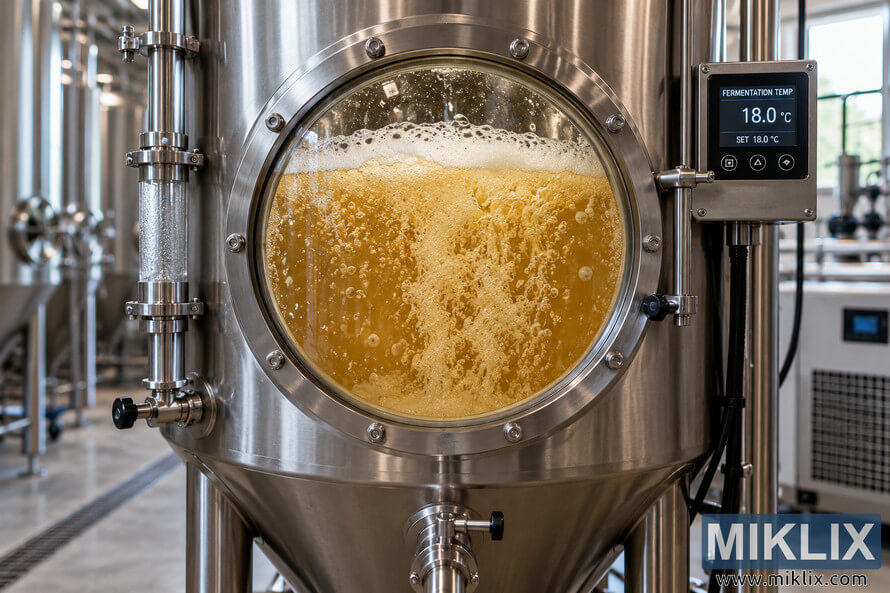
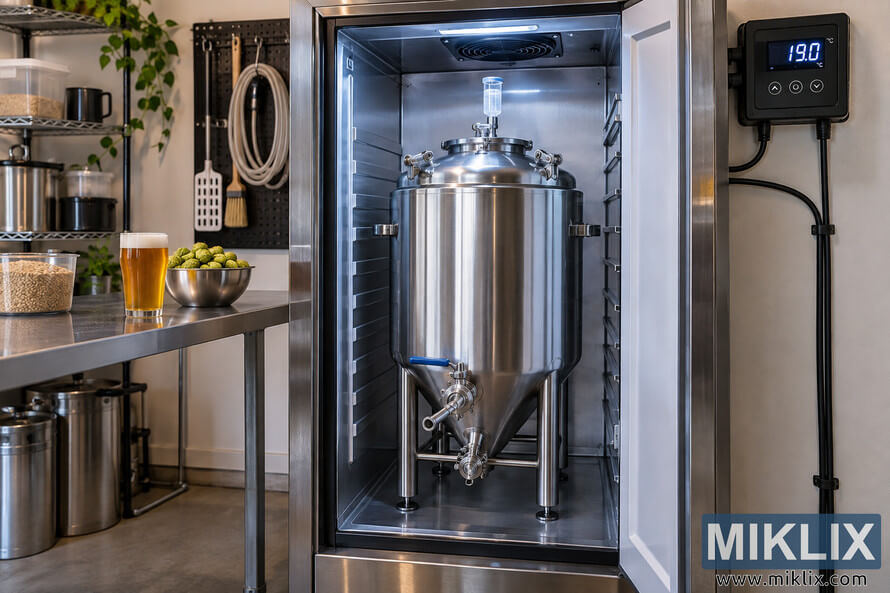
Temperature control determines the success of your hefeweizen fermentation with WLP380. This yeast performs best between 66-70°F (19-21°C). Maintaining stable temperatures within this range maximizes the desirable clove phenolic character.
Higher fermentation temperatures push ester production higher. While some banana notes emerge, WLP380 maintains its clove-forward profile even at warmer temps. Lower temperatures below 66°F slow fermentation and may produce cleaner but less characterful beer.
Temperature Management Strategies
Start your fermentation at the lower end of the range around 66°F. This controlled beginning establishes healthy yeast growth without excessive heat generation. As primary fermentation progresses, you can allow temperature to rise naturally to 68-70°F.
Pro Tip: Fermentation temperature refers to the beer temperature, not ambient room temperature. Use a thermometer probe attached directly to your fermenter for accurate readings.
Avoid temperature swings greater than 2-3°F during active fermentation. Rapid temperature changes stress the yeast and can produce off-flavors. A temperature-controlled fermentation chamber or chest freezer with a controller works best.
Click or tap the image for more information and higher resolutions.
Fermentation Timeline and Stages
Visible fermentation activity typically begins within 12-24 hours of pitching. Vigorous primary fermentation continues for 3-5 days. A thick, rocky krausen develops, which is normal and desirable for hefeweizen production.
Primary Fermentation Phase
- Hours 0-12: Lag phase as yeast acclimates to wort
- Hours 12-24: Visible activity begins, krausen forms
- Days 2-5: Vigorous fermentation, dense krausen layer
- Days 5-7: Fermentation slows, krausen begins falling
- Days 7-10: Final attenuation reached, beer clarifies slightly
Total fermentation time runs 10-14 days for complete attenuation. Don't rush the process by raising temperatures excessively. Patience produces better beer with cleaner flavor profiles and proper carbonation later.
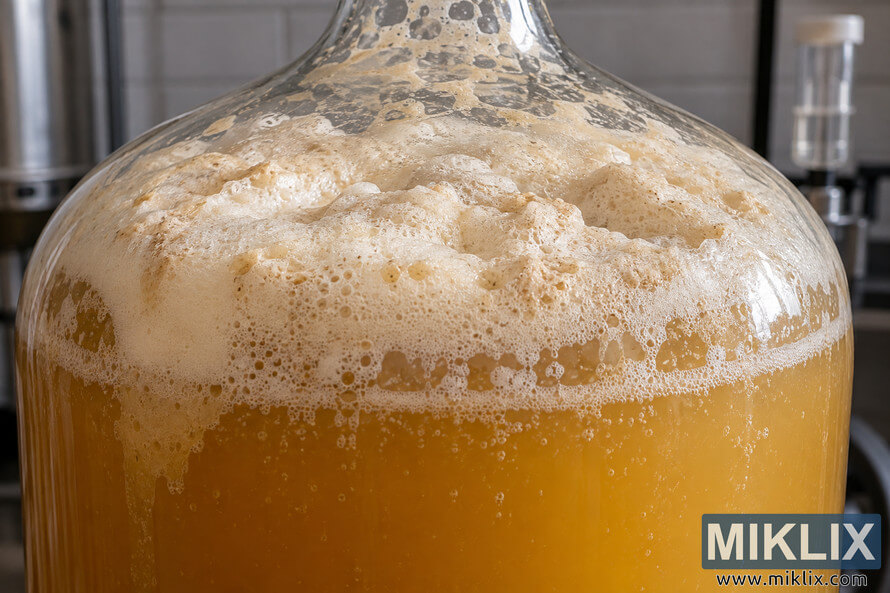
Click or tap the image for more information and higher resolutions.
Pitching Rate and Oxygenation
One PurePitch package contains sufficient cells for 5 gallons of wort up to 1.055 specific gravity. For stronger beers or larger batches, create a yeast starter or use multiple packages. Proper pitching rates prevent fermentation issues.
Adequate oxygen levels help yeast reproduce during the lag phase. Shake your fermenter vigorously for 60-90 seconds if using simple aeration. Better results come from pure oxygen injection for 60 seconds at 1 LPM flow rate.
Pitch yeast when wort temperature matches your target fermentation temperature. Avoid shocking yeast cells with dramatic temperature differences. Let the PurePitch package sit at room temperature for 30 minutes before pitching if it was refrigerated.
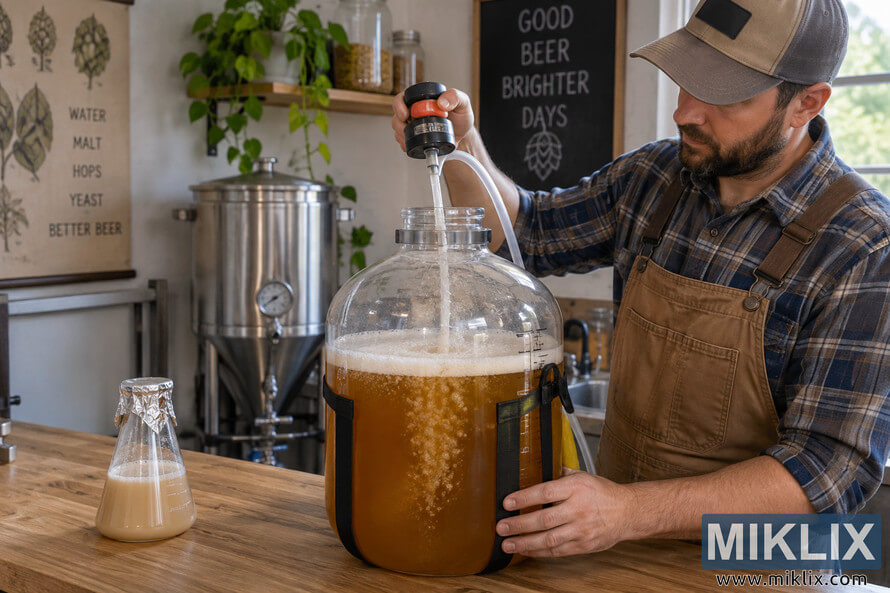
Click or tap the image for more information and higher resolutions.
Water Chemistry Considerations
Hefeweizen styles benefit from softer water profiles with low mineral content. Target 50-100 ppm calcium and keep sulfate levels below 50 ppm. Higher sulfate levels accentuate hop bitterness, which fights against the malt-forward hefeweizen profile.
The pH of your mash should fall between 5.2-5.4 for optimal enzyme activity. Wheat malt lacks the buffering capacity of barley malt. You may need to acidify your mash water slightly, especially if you have alkaline water.
Brewing Tips for Achieving Best Results with WLP380
Success with White Labs WLP380 extends beyond fermentation temperature. Your entire brewing process impacts the final hefeweizen character. From grain selection to packaging, every decision matters.
Grain Bill and Recipe Formulation
Traditional hefeweizen recipes use 50-70% wheat malt with the remainder as pilsner or pale malt. WLP380 works beautifully with this classic ratio. The wheat protein contributes to the hazy appearance and creamy mouthfeel that defines the style.
Avoid crystal malts or other specialty grains that add color or residual sweetness. Keep your grain bill simple. The yeast provides all the flavor complexity you need. German pilsner malt offers the clean, slightly grainy backdrop that lets the clove phenolic shine.
Recommended Ingredients
- 50-70% German wheat malt
- 30-50% German pilsner malt
- Low-alpha German noble hops (10-15 IBU)
- Soft water profile
- White Labs WLP380 yeast
Ingredients to Avoid
- Crystal or caramel malts
- Roasted malts
- High-alpha American hops
- Hard, mineral-heavy water
- Generic "wheat beer" yeasts
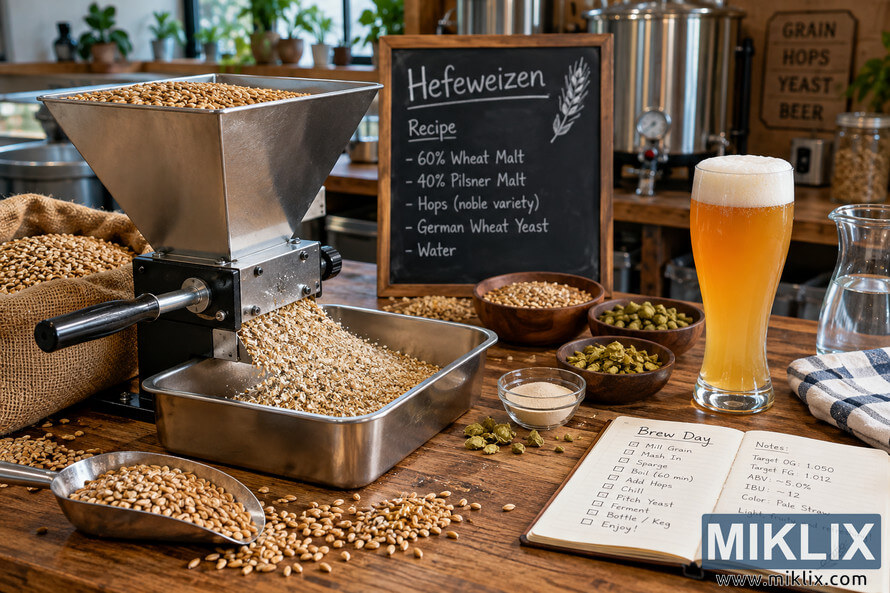
Click or tap the image for more information and higher resolutions.
Hop Selection and Bittering Strategy
Hefeweizen showcases yeast character, not hops. Keep hop additions minimal and focused on bittering. Target 10-15 IBUs using German noble hops like Hallertau, Tettnang, or Saaz added at the beginning of the boil.
Skip late hop additions and dry hopping entirely. These techniques introduce flavors that compete with the clove phenolic and citrus apricot notes from WLP380. Traditional German hefeweizen recipes rarely include flavor or aroma hops.
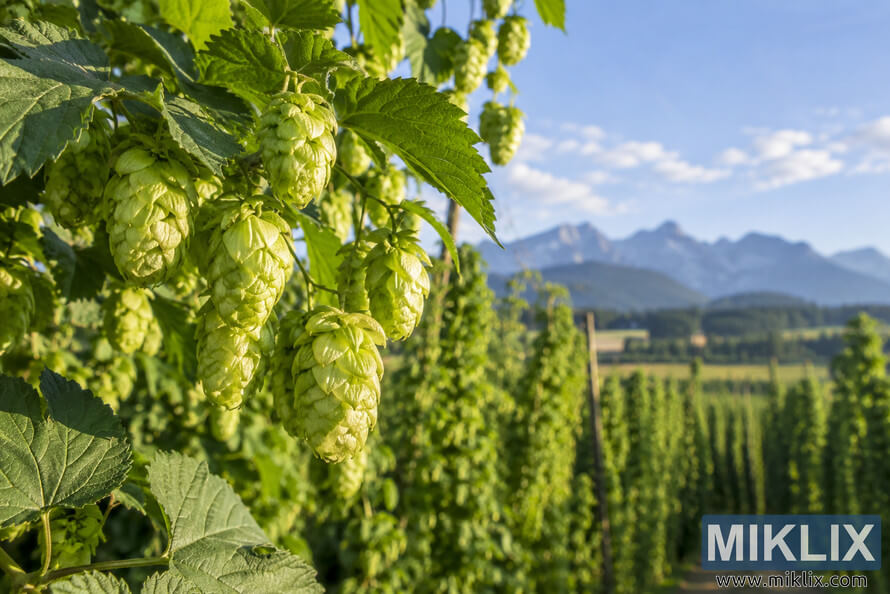
Click or tap the image for more information and higher resolutions.
Mashing Techniques
A single-infusion mash at 152°F (67°C) for 60 minutes works perfectly for hefeweizen. This temperature produces a fermentable wort while retaining body. The moderate attenuation of WLP380 complements this mash schedule nicely.
Wheat malt can make lautering slow and difficult. Add rice hulls at 5-10% of your total grain bill to improve flow. The hulls create channels in the grain bed without affecting flavor. Patience during runoff prevents stuck sparges.
Mash pH Monitoring: Check your mash pH 10 minutes after dough-in. Wheat malt has less buffering capacity than barley. Add lactic acid if needed to reach 5.2-5.4 pH for best enzyme activity and flavor.
Carbonation and Packaging
Hefeweizen demands high carbonation levels for authentic character. Target 3.0-4.0 volumes of CO2. This elevated carbonation creates the signature fluffy white head and enhances the refreshing citrus apricot character.
Bottle conditioning works exceptionally well for hefeweizen. The yeast remains in suspension, creating natural cloudiness. Prime with corn sugar targeting your desired carbonation level. Allow bottles to condition at room temperature for 2-3 weeks.
Kegging offers more control over carbonation levels. Set your regulator to 12-14 PSI at serving temperature around 45°F. Use the "set and forget" method over 7-10 days rather than force carbonation. This gentle approach produces finer bubbles.

Click or tap the image for more information and higher resolutions.
Serving and Presentation
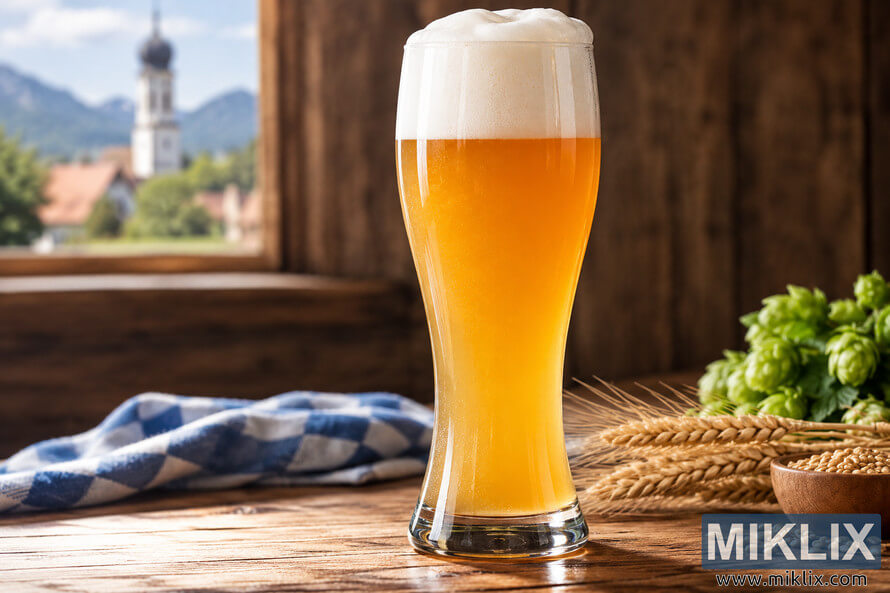
The traditional hefeweizen pour technique showcases the yeast. Pour most of the beer, leaving about an ounce in the bottle. Swirl the remaining beer to suspend the yeast, then pour it into the glass. This method creates the characteristic cloudy appearance.
Serving Guidelines
- Serve at 45-50°F (7-10°C) for optimal flavor
- Use traditional weizen glass for presentation
- Pour to create 2-3 fingers of foam head
- Rouse yeast from bottle or keg for authentic cloudiness
- Garnish with lemon wheel only if preferred (not traditional)
Click or tap the image for more information and higher resolutions.
Common Issues and Troubleshooting with White Labs WLP380
Even experienced brewers encounter challenges when using liquid yeast strains. Understanding potential problems helps you prevent issues or correct them quickly. WLP380 generally ferments reliably, but certain conditions can cause difficulties.
Insufficient Clove Character
Weak clove phenolic flavor usually stems from fermentation temperature issues. WLP380 produces large clove phenolic character best within its optimal range. Temperatures below 66°F suppress phenol production significantly.
Low pitch rates also reduce phenol formation. Under-pitching stresses yeast cells, changing their metabolism. Always use fresh yeast with high viability. Check the production date on your PurePitch package before buying.
Temperature Alert: Fermenting below 64°F with WLP380 produces cleaner ale beer with minimal hefeweizen character. If you want that signature clove phenolic aroma, maintain temperatures between 66-70°F throughout primary fermentation.

Click or tap the image for more information and higher resolutions.
Excessive Banana Flavor
While WLP380 produces minimal banana compared to other hefeweizen strains, you might still get more than desired. High fermentation temperatures above 72°F push ester production higher. This shifts the balance toward banana and away from clove.
Inadequate oxygenation also increases ester formation. Yeast cells produce more esters when stressed by low oxygen levels. Always aerate or oxygenate your wort properly before pitching.
Stuck or Slow Fermentation
Fermentation that stops before reaching expected attenuation frustrates homebrewers. With WLP380, stuck fermentations typically result from temperature issues or insufficient yeast health. Check that your fermentation temperature hasn't dropped too low.
Yeast nutrient additions help prevent stuck fermentations, especially in all-malt worts. Add yeast nutrient at the beginning of the boil according to package directions. This provides trace minerals and vitamins that support healthy fermentation.
What if my fermentation stops at 1.020 specific gravity?
First, verify your temperature reading is accurate. Raise temperature gradually to 70-72°F over 24 hours. Gently rouse the yeast by swirling the fermenter. If fermentation doesn't restart within 48 hours, consider pitching fresh ale yeast to complete attenuation.
How long can I store WLP380 before brewing?
PurePitch Next Generation packages maintain viability for several months when refrigerated. Check the production date on the package. Use within 4-6 months of production for best results. Older yeast may require a starter to build cell count back up.
Can I reuse WLP380 yeast from a previous batch?
Yes, you can harvest and reuse WLP380 from your fermenter. Collect yeast from the middle layer of trub, avoiding the bottom sediment. Store in sanitized containers under beer in the refrigerator. Use within 2-3 weeks. Build cell count with a starter before pitching into a new batch.
Click or tap the image for more information and higher resolutions.
Off-Flavors and Defects
Diacetyl creates unwanted buttery flavor in beer. WLP380 produces minimal diacetyl when fermented properly. If you detect buttery notes, your fermentation temperature may have been too low, or you chilled the beer too quickly after primary fermentation.
A diacetyl rest helps prevent this issue. After primary fermentation completes, raise temperature to 68-70°F for 2-3 days. This allows yeast to reabsorb any diacetyl produced during fermentation. Then chill for packaging as normal.
Fermentation Best Practices
- Maintain stable temperature 66-70°F
- Proper oxygenation before pitching
- Use fresh yeast within 4 months
- Pitch adequate cell count
- Allow complete fermentation time
- Perform diacetyl rest before chilling
Common Mistakes to Avoid
- Fermenting below 64°F
- Insufficient wort aeration
- Using old, low-viability yeast
- Under-pitching yeast cells
- Rushing fermentation schedule
- Chilling immediately after primary
Contamination Prevention
Liquid yeast requires the same sanitation standards as any brewing ingredient. Wild yeasts or bacteria can ruin your batch. Sanitize everything that contacts wort after the boil. Star San or iodophor solutions work effectively.
The PurePitch packaging protects yeast from contamination during shipping and storage. Don't open the package until you're ready to pitch. Sanitize scissors if cutting the package open. Pitch yeast directly from the package into your fermenter.
WLP380 vs. WLP300: Choosing the Right Hefeweizen Yeast
White Labs offers two primary hefeweizen ale yeast strains. WLP300 Hefeweizen Ale remains the most popular choice. WLP380 Hefeweizen IV Ale Yeast provides an alternative flavor profile. Understanding these differences helps you select the right yeast for your recipe goals.
Flavor Profile Differences
WLP300 Hefeweizen Ale produces the classic banana-forward profile most people associate with German wheat beer. Banana esters dominate with moderate clove phenolic backing. This combination creates the traditional hefe character found in Bavarian breweries.
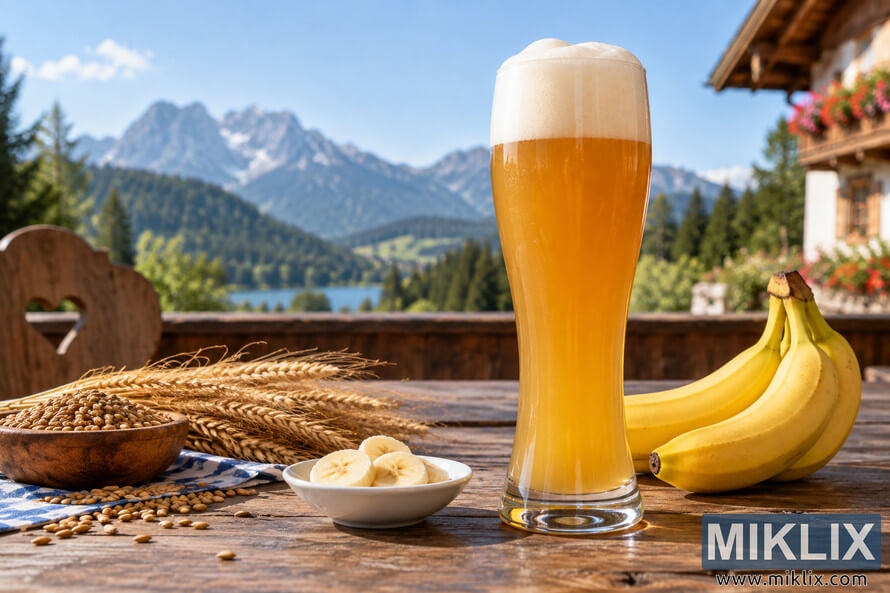
WLP380 takes the opposite approach. Large clove phenolic production leads the flavor profile. Minimal banana comes through compared to WLP300. Instead, refreshing citrus apricot notes provide the fruity component. This creates a more complex, spice-forward hefeweizen.
| Characteristic | WLP380 Hefeweizen IV | WLP300 Hefeweizen |
| Primary Flavor | Large clove phenolic | Banana ester dominant |
| Secondary Notes | Citrus apricot, minimal banana | Moderate clove, vanilla |
| Attenuation Range | 73-80% | 72-76% |
| Optimal Temp Range | 66-70°F (19-21°C) | 68-72°F (20-22°C) |
| Flocculation | Low to Medium | Low |
| Best For | American hefeweizen, spice-forward styles | Traditional Bavarian hefeweizen |
When to Choose WLP380
Select WLP380 when you want to emphasize spicy clove character over banana. American hefeweizen styles often use this yeast for its unique profile. The citrus apricot notes make it perfect for summer beers and lighter interpretations.
Brewers who find traditional hefeweizen too banana-heavy appreciate WLP380. The more balanced ester-to-phenol ratio appeals to drinkers who want complexity without excessive fruit character. This yeast works beautifully in hoppy wheat beers where you need the yeast to complement rather than dominate.

Click or tap the image for more information and higher resolutions.
When to Choose WLP300
WLP300 remains the gold standard for traditional German-style hefeweizen. If you're brewing to style guidelines for competition, WLP300 delivers the expected banana and clove balance. Bavarian breweries typically produce this flavor profile.
Choose WLP300 for your first hefeweizen if you're new to the style. Its classic character helps you understand what defines authentic German wheat beer. Once you master fermentation with WLP300, experimenting with WLP380 becomes more rewarding.
WLP380 Hefeweizen IV
Perfect for brewers seeking large clove phenolic character with refreshing citrus apricot notes and minimal banana. Ideal for American-style interpretations.
- Attenuation: 73-80%
- Temp: 66-70°F
- Flavor: Clove-dominant
WLP300 Hefeweizen Ale
Traditional Bavarian hefeweizen yeast producing classic banana ester with moderate clove phenolic. The authentic German wheat beer standard.
- Attenuation: 72-76%
- Temp: 68-72°F
- Flavor: Banana-dominant
Click or tap the image for more information and higher resolutions.
Try Both Strains
Split batch brewing lets you compare WLP380 and WLP300 side-by-side. Divide your wort and ferment with each yeast to discover your preference.
- Same recipe, different yeasts
- Direct flavor comparison
- Educational brewing experience
Best Practices for Homebrewers Using White Labs WLP380
Mastering WLP380 requires attention to detail throughout the brewing process. These best practices help you achieve consistent, high-quality results with every batch. Professional brewers follow these same principles.
Click or tap the image for more information and higher resolutions.
Yeast Storage and Handling
Store liquid yeast in your refrigerator immediately upon delivery. The cold temperature slows yeast metabolism and preserves cell viability. Never freeze liquid yeast—ice crystals rupture cell walls and kill yeast cells.
Remove yeast from refrigeration 30-60 minutes before pitching. This allows the package to warm gradually toward room temperature. Pitching cold yeast into warm wort shocks the cells. Let the yeast acclimate naturally for healthier fermentation.
Viability Check: Look for the production date printed on your PurePitch package. Yeast loses approximately 20% viability per month when refrigerated. For packages over 3 months old, consider making a starter to rebuild cell count.
Starter Preparation When Needed
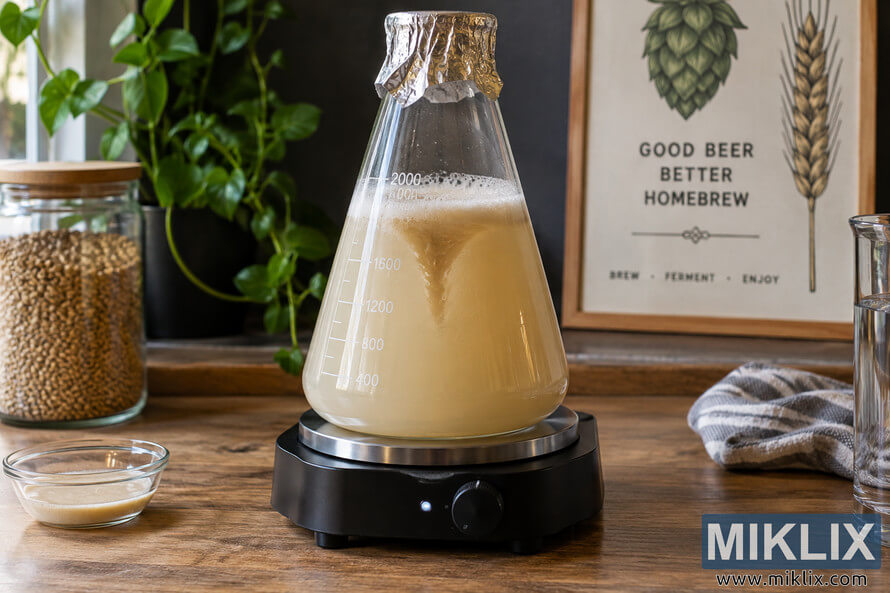
Standard-gravity hefeweizen recipes rarely require starters with fresh WLP380. The 150 billion cells in PurePitch provide adequate pitch rates. However, higher-gravity beers above 1.055 benefit from increased cell counts.
Make a 1-2 liter starter using dried malt extract when brewing stronger hefeweizen variations. Target 1.040 specific gravity for your starter wort. Ferment at room temperature for 24-48 hours. Decant most of the liquid and pitch the yeast slurry.
Starter Requirements by Gravity
- 1.045-1.055 OG: No starter needed with fresh yeast
- 1.056-1.065 OG: 1 liter starter recommended
- 1.066-1.075 OG: 2 liter starter recommended
- Above 1.075 OG: Consider multiple packages or stepped starter
Click or tap the image for more information and higher resolutions.
Recipe Formulation Tips
Keep your hefeweizen recipes simple to let WLP380 shine. Overly complex grain bills muddy the flavor profile. Stick to wheat malt, pilsner malt, and minimal hops. The yeast provides all the complexity your beer needs.
Target original gravity between 1.048-1.056 for traditional strength. This produces beer around 5.0-5.5% ABV after fermentation. Higher gravities work but may require starters and longer conditioning times.
- Calculate grain bill using 50-70% wheat malt, remainder pilsner malt
- Add rice hulls at 5-10% of grain bill to prevent stuck sparges
- Target 10-15 IBUs using German noble hops at 60 minutes
- Skip all late hop additions and dry hopping
- Mash at 150-154°F for 60 minutes
- Boil for 60-90 minutes to develop proper wort composition
- Chill rapidly to 66°F before pitching yeast
- Ferment at 66-70°F for 10-14 days
- Package with high carbonation targeting 3.0-4.0 volumes CO2
- Allow 2-3 weeks for proper carbonation and flavor development
Quality Control and Note-Taking
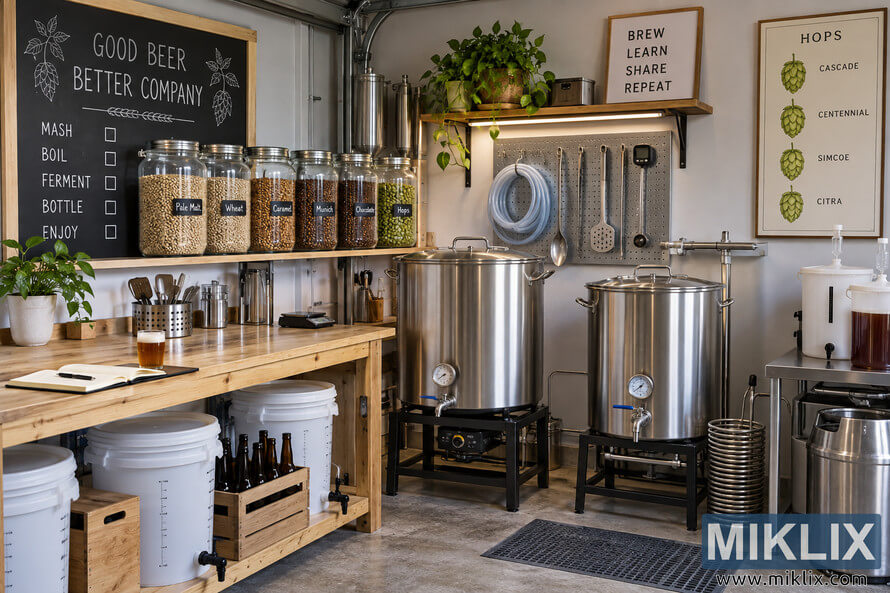
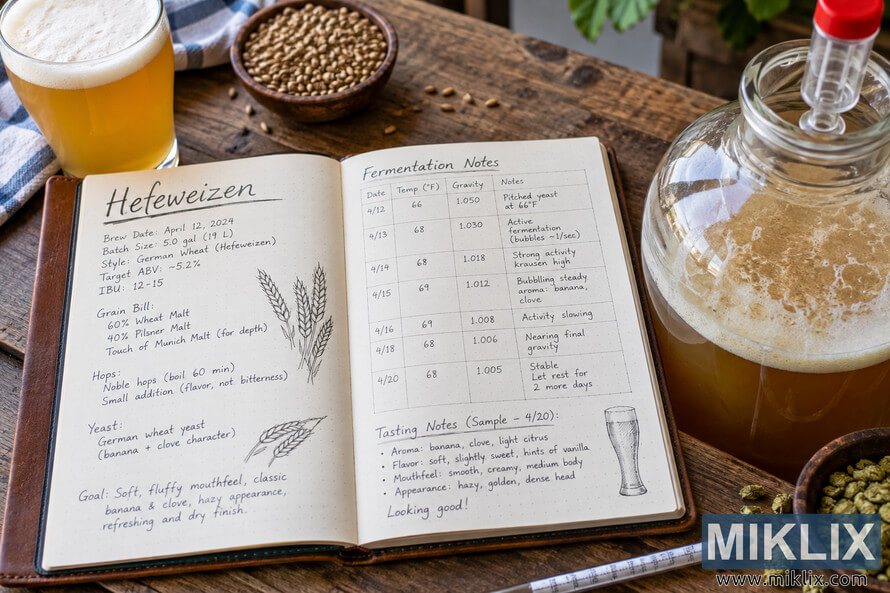
Document every batch thoroughly. Record fermentation temperatures, gravity readings, and observations. This data helps you replicate successful batches and troubleshoot problems. Keep a dedicated brewing notebook or use brewing software.
Take gravity readings at consistent intervals. Check original gravity immediately after pitching. Measure again at days 3, 7, and 10 during fermentation. Final gravity readings should stabilize within 2 points over 48 hours before packaging.
Taste your beer at multiple stages. Sample when taking gravity readings to track flavor development. Note when clove phenolic character emerges and how it changes through fermentation. This sensory education improves your brewing intuition.
Click or tap the image for more information and higher resolutions.
Sanitation Standards
Proper sanitation prevents infections that ruin batches. Clean all equipment thoroughly after each use. Sanitize everything that contacts wort or beer after the boil. Star San remains the most popular no-rinse sanitizer among homebrewers.
Sanitation Protocol: Mix Star San at recommended concentration (1 oz per 5 gallons water). Contact time of 30 seconds kills most bacteria and wild yeast. Don't rinse—the foam is harmless and won't affect your beer flavor.
Pay special attention to fermentation vessels. Scratches and cracks harbor bacteria. Inspect your equipment regularly. Replace worn gaskets, tubing, and damaged buckets. Investment in quality equipment pays dividends in beer quality.
Conclusion
White Labs WLP380 Hefeweizen IV Ale Yeast offers homebrewers a unique path to exceptional wheat beer. The large clove phenolic character combined with refreshing citrus apricot notes creates complexity beyond typical hefeweizen strains. This yeast excels when you want spice-forward character without excessive banana.
Success with WLP380 comes from understanding its characteristics and requirements. Maintain fermentation temperatures between 66-70°F for optimal phenol production. Provide adequate yeast cells through proper pitching rates. Allow complete fermentation time without rushing the process.
The PurePitch Next Generation packaging delivers 150 billion cells with industry-leading viability. This innovation simplifies brewing by eliminating starters for standard-gravity recipes. Fresh yeast produces better beer—check production dates and buy from retailers with proper cold storage and shipping practices.
Whether you're brewing American hefeweizen or exploring variations on traditional styles, WLP380 provides the foundation for outstanding beer. The minimal banana production lets malt character shine while the clove phenolic adds classic wheat beer complexity. Your friends will taste the difference quality yeast makes.

Click or tap the image for more information and higher resolutions.
Further Reading
If you enjoyed this post, you may also like these suggestions:
- Fermenting Beer with White Labs WLP410 Belgian Wit II Ale Yeast
- Fermenting Beer with Fermentis SafAle S-33 Yeast
- Fermenting Beer with Wyeast 3726 Farmhouse Ale Yeast