
Fermenting Beer with White Labs WLP644 Saccharomyces brux-like Trois Yeast
Published: October 5, 2026 at 4:26:46 PM UTC
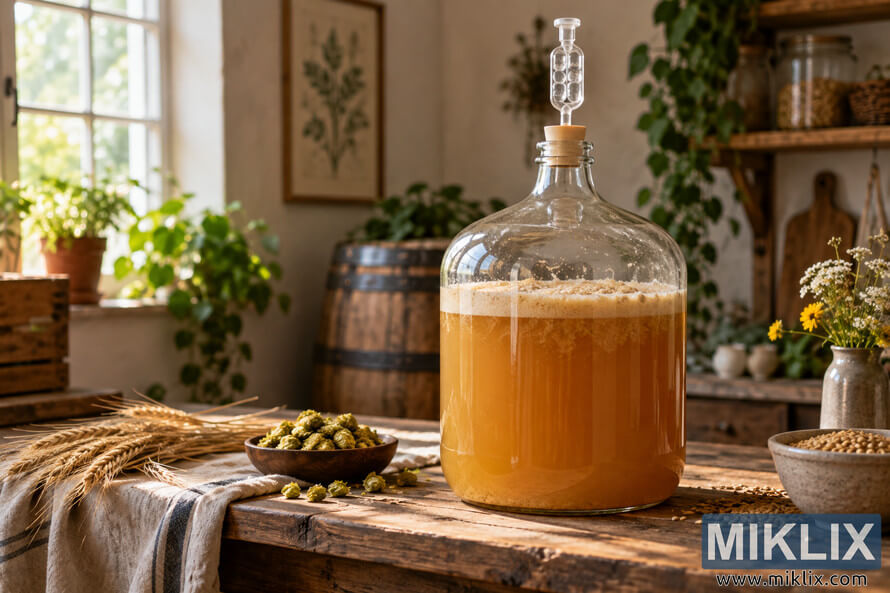
The world of homebrewing offers few yeast strains as intriguing as WLP644 Saccharomyces brux-like Trois. This remarkable strain has captured the attention of brewers worldwide. Its unique characteristics challenge traditional brewing assumptions.
Click or tap the image for more information and higher resolutions.
Originally thought to be Brettanomyces, genetic sequencing revealed its true identity as Saccharomyces. This discovery changed how brewers approach fermentation with this strain. The implications for beer production are significant.
WLP644 delivers distinctive tropical fruit notes without the typical brett character many fear. Understanding this strain unlocks new possibilities for your brewing projects. Whether you're crafting a farmhouse ale or experimenting with new styles, mastering WLP644 can elevate your results.
Understanding WLP644: Origins, Discovery, and Scientific Classification
The story of WLP644 Saccharomyces brux-like Trois begins with a case of mistaken identity. White Labs initially classified this strain as Brettanomyces bruxellensis. For years, brewers used it believing they were working with traditional brett.
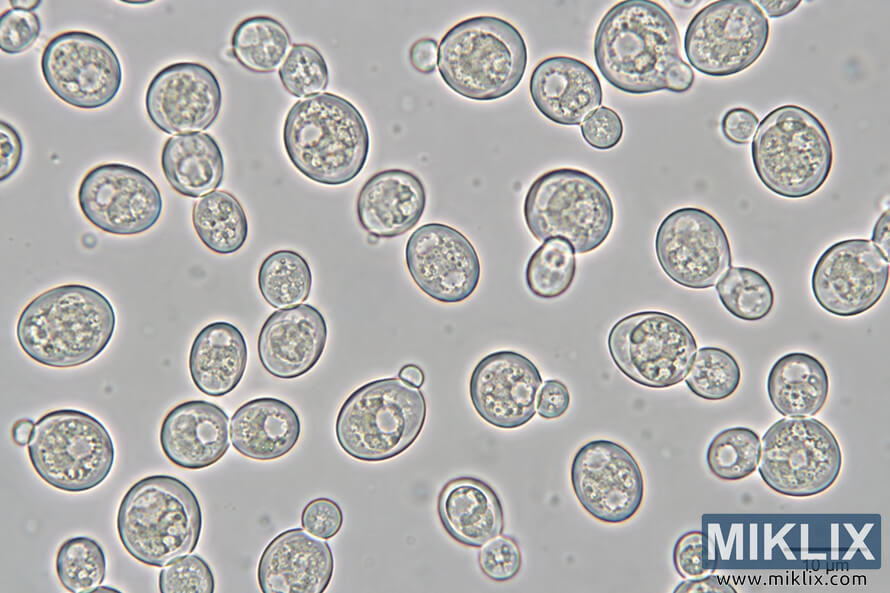
Advanced genetic sequencing changed everything. Scientists discovered WLP644 was actually Saccharomyces cerevisiae, not Brettanomyces. This revelation sent shockwaves through the brewing community.
The name "Trois" comes from its position as the third brett strain in White Labs' catalog. Despite the scientific reclassification, the name stuck. Brewers continue to call it brett trois, even though it's technically a sacch strain.
Click or tap the image for more information and higher resolutions.
The Scientific Breakthrough
Research revealed that WLP644 belongs to the Saccharomyces genus. Its DNA sequencing showed no Brettanomyces genetic markers. This makes it fundamentally different from true brett strains.
The strain produces flavor compounds typically associated with Brettanomyces bruxellensis. However, it achieves this through entirely different metabolic pathways. This unique characteristic sets it apart from both traditional ale yeast and actual brett strains.
Why the Confusion Persisted
WLP644 exhibits several brett-like characteristics in fermentation. It produces similar ester profiles to traditional brett strains. The tropical fruit notes confused even experienced brewers.
Fermentation behavior mimicked Brettanomyces in many ways. Extended attenuation suggested brett activity. The strain also demonstrated impressive alcohol tolerance along these lines.
Only through modern DNA analysis did the truth emerge. The brewing industry had to reassess everything about this strain. Understanding its true nature helps brewers achieve better results today.
Key Scientific Facts About WLP644
- Classified as Saccharomyces cerevisiae var. diastaticus
- Contains STA1 gene enabling high attenuation
- No Brettanomyces genetic markers present
- Produces 4-vinyl guaiacol and other phenolic compounds
- Exhibits POF+ (phenolic off-flavor positive) characteristics
Distinctive Flavor Profile and Aromatic Characteristics of WLP644
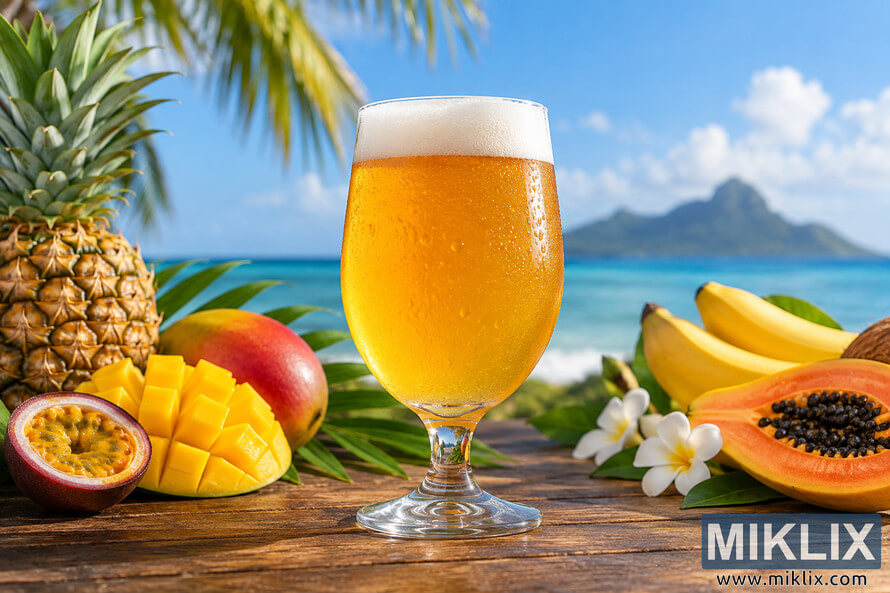
The flavor profile of WLP644 Saccharomyces brux-like Trois stands out immediately. Tropical fruit dominates the sensory experience. Pineapple and mango notes burst from every glass.
These characteristics develop without any fruit additions to the beer. The yeast itself creates these complex flavors through fermentation. Many brewers find the results surprising given the simple ingredient list.
Click or tap the image for more information and higher resolutions.
Primary Flavor Compounds
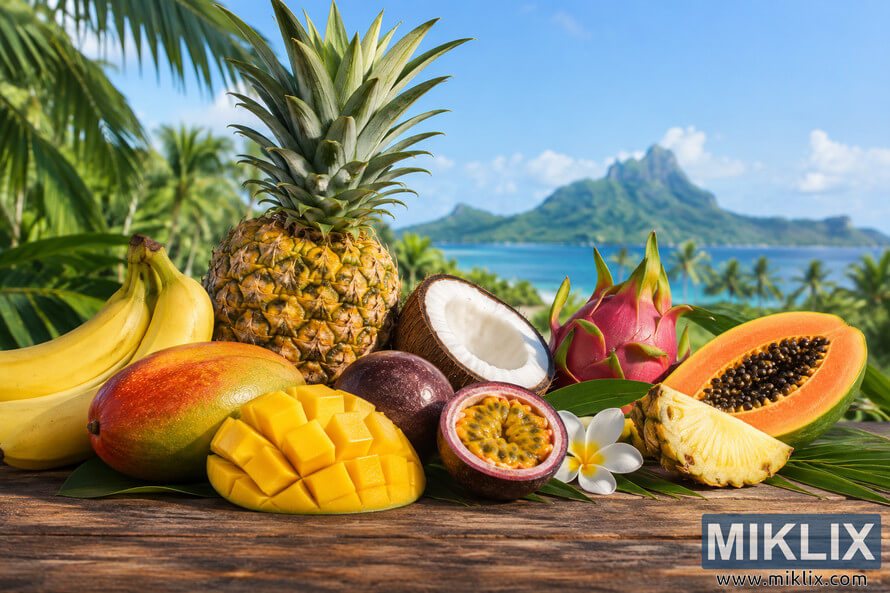
Pineapple notes appear most prominently in WLP644 fermentations. The intensity varies based on fermentation temperature and time. Higher temperatures amplify these tropical characteristics.
Mango and citrus undertones complement the pineapple. Some brewers detect stone fruit or guava as well. The exact flavor balance depends on multiple fermentation variables.
A subtle peppery quality often emerges in finished beers. This phenolic character adds complexity without overwhelming other flavors. The spice notes integrate well with the fruit profile.
Click or tap the image for more information and higher resolutions.
Absence of Traditional Brett Character
Traditional Brettanomyces produces distinct barnyard or horse blanket aromas. WLP644 lacks these characteristics entirely. Clean fermentation without funky brett notes defines this strain.
The absence of these flavors confused early users expecting brett character. Many questioned whether they had received the correct strain. Genetic testing confirmed the unique nature of WLP644.
This makes WLP644 ideal for brewers seeking fruit-forward profiles. You get tropical notes without the acquired-taste funk. The clean fermentation appeals to broader drinking audiences.
Temperature Impact on Flavor Development
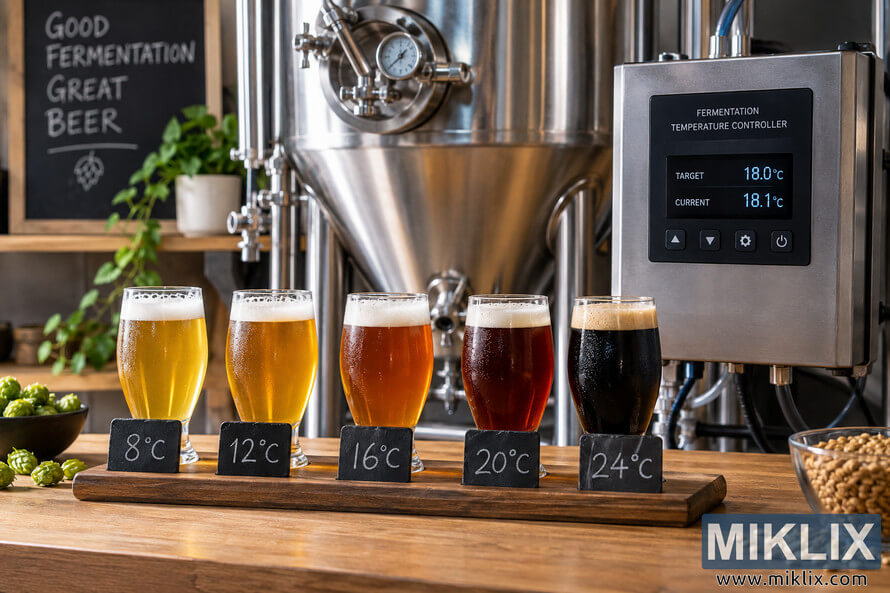
Fermentation temperature dramatically affects WLP644 flavor output. Lower temperatures around 65-70°F produce cleaner fruit notes. The pineapple character remains prominent but balanced.
Higher temperatures above 80°F intensify tropical characteristics. Some brewers report almost overwhelming pineapple at extreme temperatures. The phenolic spice also increases substantially.
Most brewers find the sweet spot between 70-78°F. This range delivers strong fruit character with good balance. Temperature control becomes critical for reproducible results.
Click or tap the image for more information and higher resolutions.
Typical Flavor Notes
- Pineapple (dominant)
- Mango and tropical fruit
- Citrus undertones
- White pepper spice
- Stone fruit hints
- Light guava character
Absent Characteristics
- No barnyard funk
- No horse blanket aroma
- No leather notes
- No excessive sourness
- No typical brett complexity
- No extended aging required
Optimal Fermentation Temperature Ranges and Control Strategies
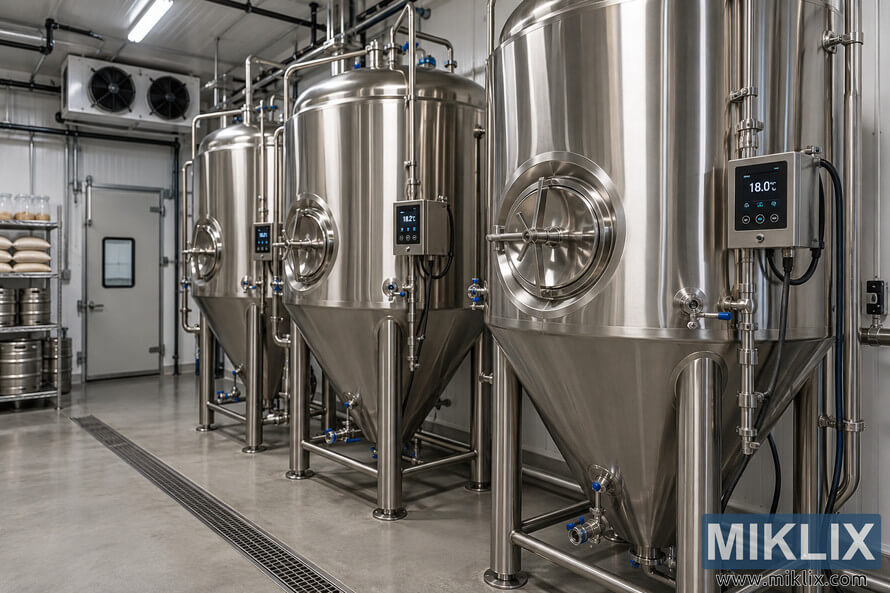
Temperature control defines success when working with WLP644 Saccharomyces brux-like Trois. This strain tolerates a wide range but performs best within specific parameters. Understanding these requirements prevents disappointing results.
Click or tap the image for more information and higher resolutions.
Recommended Temperature Ranges
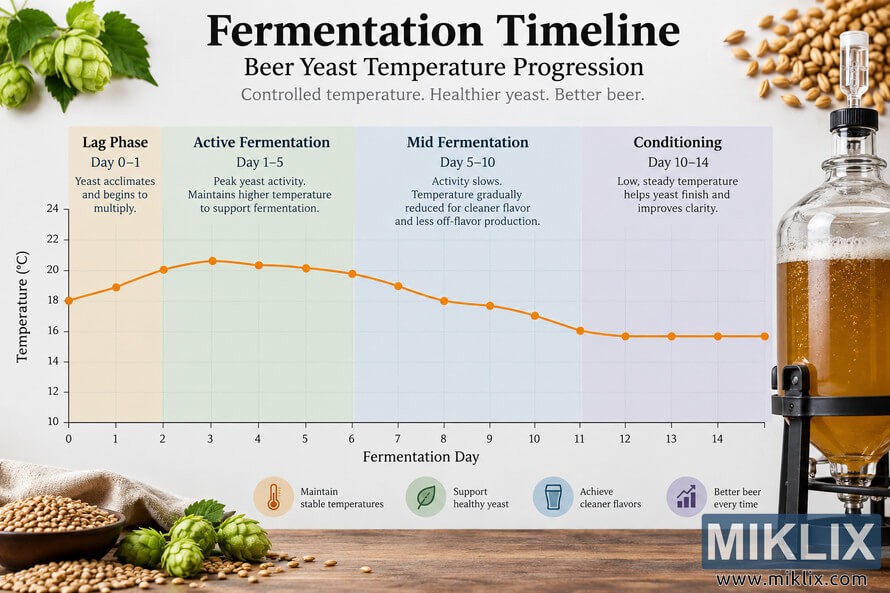
White Labs specifies 70-85°F as the acceptable fermentation range for WLP644. However, most experienced brewers narrow this window considerably. The recommended range sits between 70-78°F for optimal results.
Starting fermentation at 68-70°F allows healthy yeast establishment. The cooler initial temperature encourages proper cell growth. After 24-48 hours, gradually increase to your target temperature.
Peak fermentation typically occurs around 72-75°F. This range produces balanced tropical fruit without excessive phenols. Many consider 74°F the sweet spot for this strain.
Click or tap the image for more information and higher resolutions.
Effects of Temperature Variations
Lower fermentation temperatures below 70°F slow yeast activity noticeably. Fermentation may take several additional days to complete. The resulting beer shows more restrained fruit character.
Temperatures above 80°F create intense tropical explosions. Pineapple dominates to the point of distraction for some palates. Higher alcohol production and phenolic spice also increase dramatically.
Temperature swings during fermentation cause inconsistent results. Maintaining steady conditions throughout the process ensures reproducibility. Even small fluctuations affect the final flavor profile.
Practical Temperature Control Methods
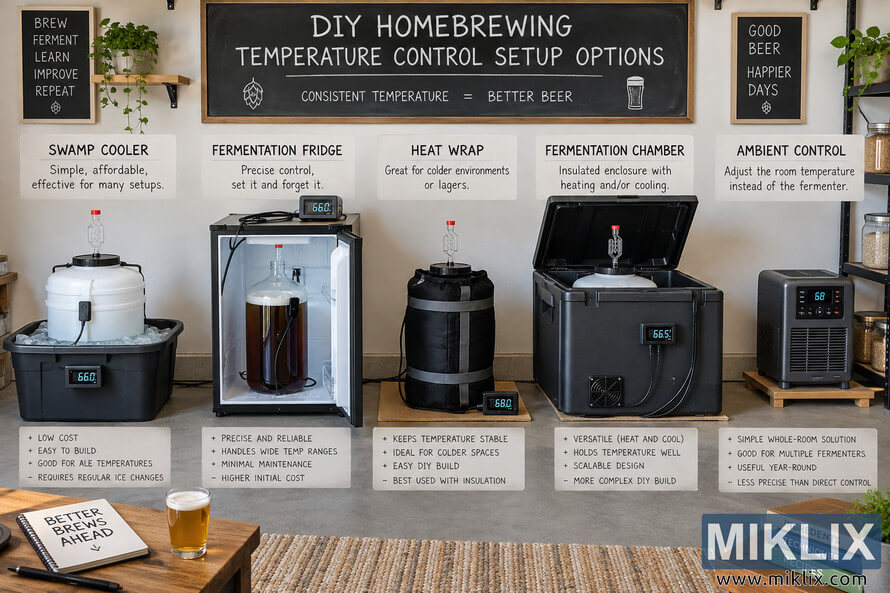
A dedicated fermentation chamber provides the best control. Modified refrigerators or freezers with external controllers work excellently. Many homebrewers use this setup for consistent results.
Swamp coolers offer budget-friendly temperature management. A bin of water with frozen bottles maintains cooler temperatures. This method requires more attention but proves effective.
Heat belts or wraps help maintain temperature in cold environments. These work well when ambient temperatures drop below target ranges. Combined with a temperature controller, they provide precise heating.
Click or tap the image for more information and higher resolutions.
Temperature Control Warning
WLP644 generates significant heat during active fermentation. Plan for 5-8°F temperature rise above ambient during peak activity. Account for this when setting initial temperatures to avoid overshooting your target range.
Seasonal Considerations and Planning
Summer brewing with WLP644 requires extra cooling capacity. High ambient temperatures make temperature control challenging. Some brewers avoid this strain during the hottest months.
Winter brewing often needs supplemental heating. Basement fermentation spaces may drop too cold naturally. A simple heating solution maintains proper temperatures throughout the process.
Spring and fall offer ideal natural conditions in many regions. Moderate ambient temperatures reduce control equipment needs. These seasons prove perfect for WLP644 brewing experiments.
Initial Phase (0-48 hours)
Temperature: 68-70°F
- Pitch yeast at this temperature
- Allow healthy cell growth
- Monitor for activity signs
- Maintain steady conditions
Active Fermentation (Days 2-7)
Temperature: 72-75°F
- Gradually raise temperature
- Peak activity occurs here
- Maximum flavor development
- Monitor closely for swings
Finishing Phase (Days 7-14)
Temperature: 75-78°F
- Slight temperature increase
- Encourages complete attenuation
- Reduces diacetyl risk
- Prepares for packaging
Expected Attenuation Levels and Fermentation Completion
WLP644 Saccharomyces brux-like Trois demonstrates exceptional attenuation capabilities. This characteristic sets it apart from standard ale yeast strains. Understanding attenuation patterns helps brewers plan recipes effectively.
Click or tap the image for more information and higher resolutions.
Typical Attenuation Range
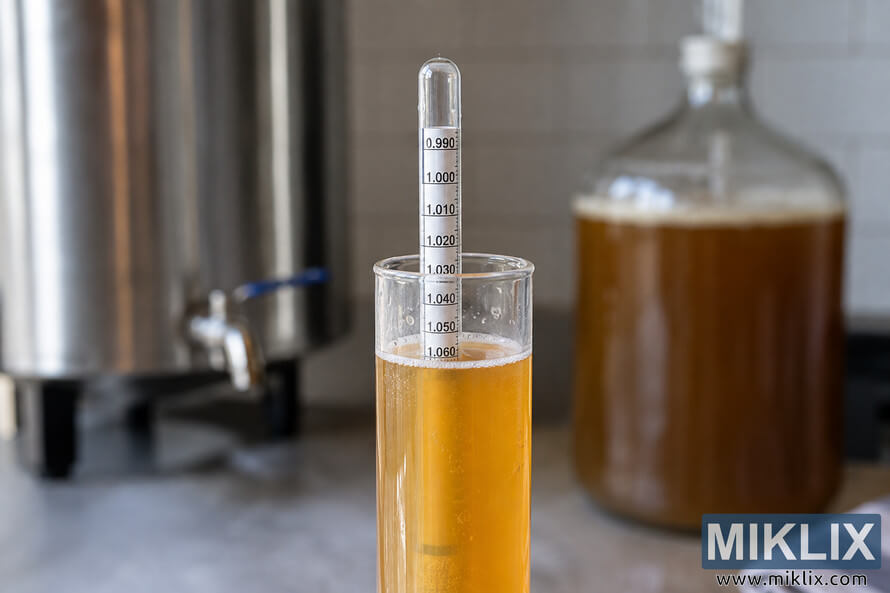
White Labs lists 85% apparent attenuation as typical for WLP644. Real-world results often exceed this specification significantly. Many brewers report 85-95% attenuation regularly.
Final gravity readings below 1.005 occur frequently with this strain. Some batches finish as low as 1.000 or even slightly negative. The diastaticus variant enables this extreme attenuation.
The STA1 gene allows WLP644 to ferment complex carbohydrates. Traditional brewing yeasts cannot process these sugars. This genetic advantage creates the characteristic dry finish.
Factors Affecting Attenuation
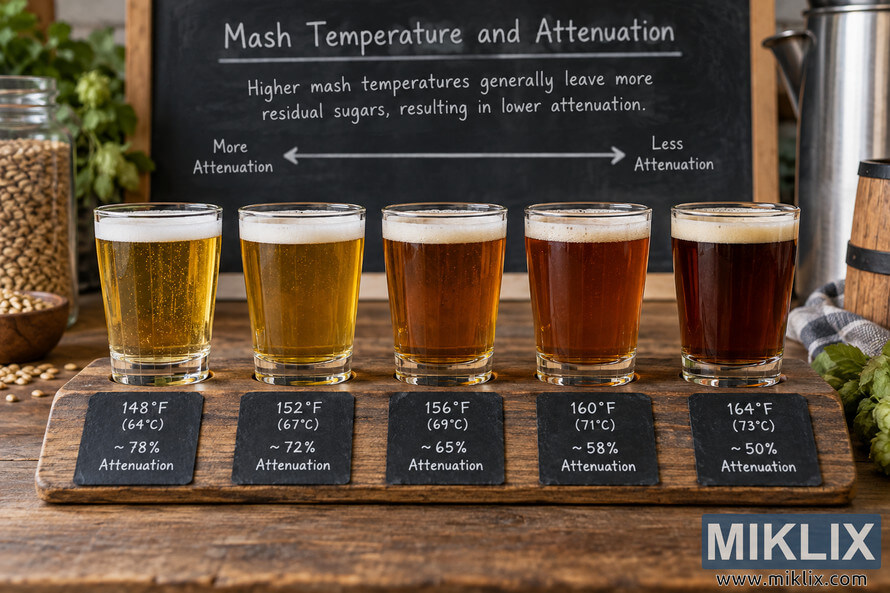
Mash temperature significantly impacts final attenuation with WLP644. Lower mash temperatures around 148-150°F create highly fermentable wort. This combines with WLP644's capabilities for extreme dryness.
Higher mash temperatures around 154-156°F provide more body. The finished beer retains slightly more residual sweetness. However, attenuation still exceeds typical ale yeast performance.
Pitching rate influences fermentation completion time but rarely affects final attenuation. Adequate yeast population ensures healthy fermentation. Underpitching may extend fermentation duration without changing the endpoint.
Click or tap the image for more information and higher resolutions.
Extended Fermentation Patterns
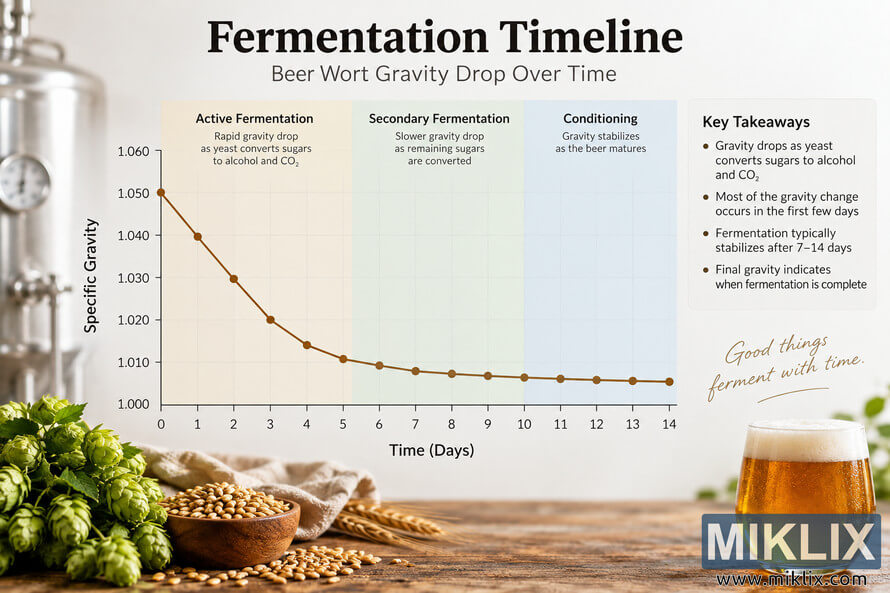
Primary fermentation with WLP644 typically concludes within 7-10 days. Active fermentation signs diminish around day five. However, gravity continues dropping for several more days.
Many brewers observe slow gravity decline even after apparent completion. A difference of 0.002-0.003 may occur over additional weeks. This extended activity results from the strain's unique capabilities.
Some brewers allow an extra week after apparent completion. This ensures maximum attenuation before packaging. Patience prevents under-attenuated beer issues later.
Click or tap the image for more information and higher resolutions.
Bottle Conditioning Considerations
The high attenuation of WLP644 creates special concerns for bottle conditioning. Very low final gravity means less residual sugar remains. Priming sugar calculations require extra attention.
Some brewers report over-carbonation even with standard priming amounts. The yeast continues working on any available sugars. Reducing priming sugar by 10-20% helps prevent gushers.
Long-term bottle storage may increase carbonation gradually. The diastaticus character allows continued fermentation of complex sugars. Monitor carbonation levels in stored bottles carefully.
Attenuation Expectations by Recipe Type
- Simple Sugar Bills: 90-95% apparent attenuation expected
- Complex Malt Bills: 85-90% apparent attenuation typical
- High-Temperature Mash: 80-85% apparent attenuation possible
- Low-Temperature Mash: 95%+ apparent attenuation common
| Starting Gravity (OG) | Expected Final Gravity Range | Apparent Attenuation | Days to Completion |
| 1.040 | 1.002-1.004 | 90-95% | 7-10 |
| 1.050 | 1.003-1.006 | 88-94% | 8-12 |
| 1.060 | 1.004-1.008 | 87-93% | 10-14 |
| 1.070 | 1.006-1.010 | 86-91% | 12-16 |
| 1.080 | 1.008-1.012 | 85-90% | 14-18 |
Best Beer Styles and Applications for WLP644
The unique characteristics of WLP644 Saccharomyces brux-like Trois shine in specific beer styles. Its tropical fruit profile and high attenuation suit particular applications. Choosing appropriate styles ensures the best results.
Saisons and Farmhouse Ales
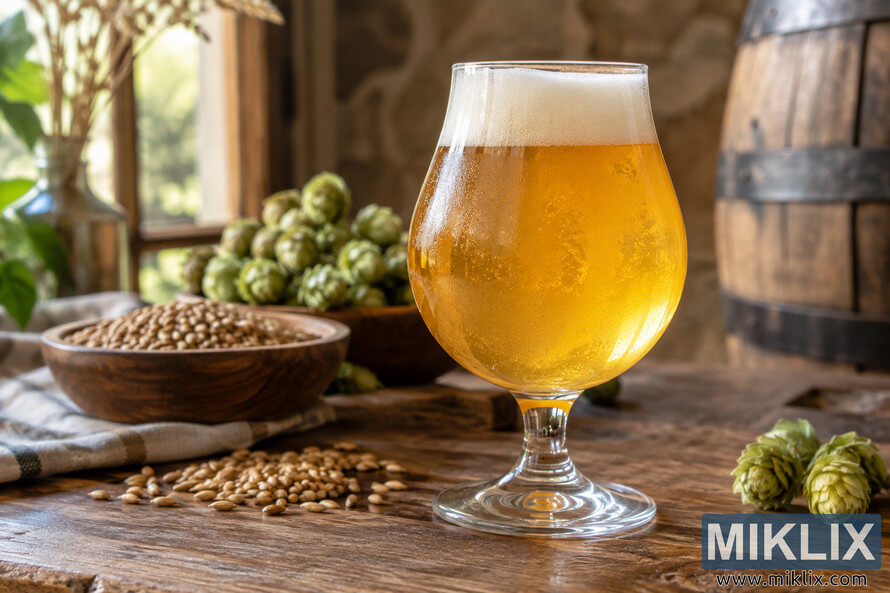
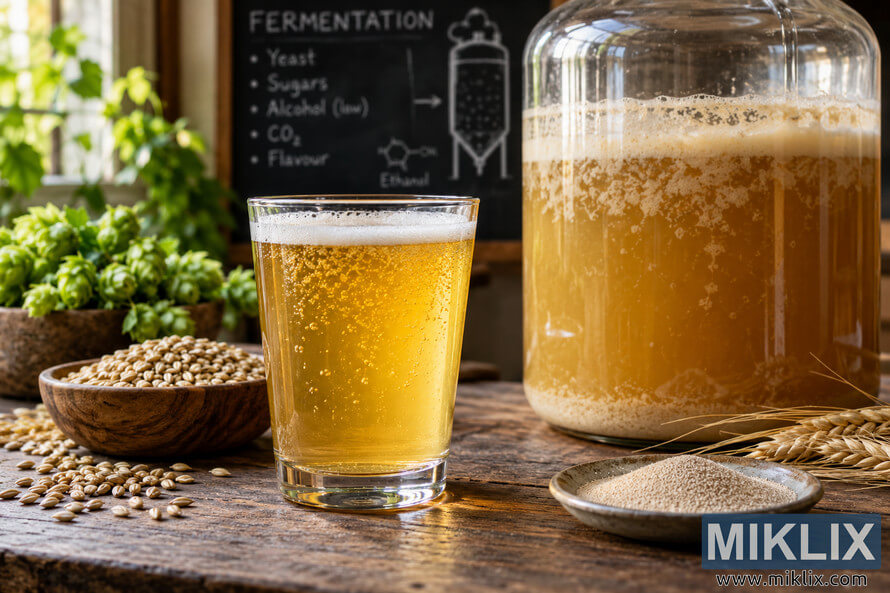
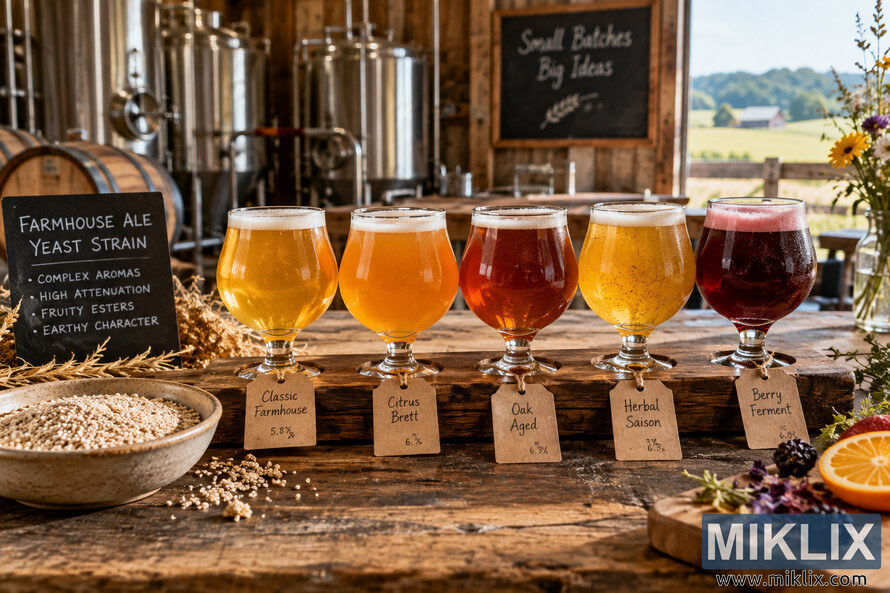
Saison remains the most popular style for WLP644 applications. The strain produces classic farmhouse ale characteristics naturally. Tropical fruit complements traditional saison spice beautifully.
The high attenuation creates the quintessential dry saison finish. Body remains light despite moderate to high original gravity. Carbonation carries the aromatic compounds effectively to the palate.
Many brewers consider WLP644 their go-to single strain for farmhouse ale production. It delivers complexity without blending multiple yeasts. The results rival traditional mixed-culture fermentations.
Click or tap the image for more information and higher resolutions.
American and Belgian-Style Pale Ales
WLP644 creates interesting variations on pale ale styles. The tropical character adds dimension to hop-forward beers. Pineapple and mango notes complement citrus hop varieties naturally.
American pale ales gain unique twist from this yeast. The fruit character distinguishes them from standard versions. Some commercial breweries have built reputations on this combination.
Belgian-style pale ales benefit from WLP644's phenolic production. The peppery spice fits the style guidelines well. Attenuation creates appropriate body for the style.
Table Beers and Session Ales
Low-gravity beers showcase WLP644 talents exceptionally well. The strain provides complexity despite minimal malt bill. Table beers develop surprising depth from this yeast alone.
Starting gravities as low as 1.030-1.035 work beautifully. The finished beer maintains interesting character throughout. High attenuation prevents any cloying sweetness at low alcohol levels.
These beers demonstrate that brett trois character doesn't require high gravity. Flavor development occurs across all strength ranges. Session drinkers appreciate the resulting complexity.
Click or tap the image for more information and higher resolutions.
Experimental and Hybrid Styles
Creative brewers push WLP644 into unconventional territories. The strain adapts to various style interpretations. Experimentation often yields surprising and delightful results.
Some use WLP644 in hoppy styles like IPA. The tropical yeast character amplifies similar hop characteristics. Others blend it with traditional ale yeast for layered complexity.
Wild ale interpretations benefit from WLP644's brett-like qualities. The clean fermentation allows focused flavor development. No extended aging times are necessary for enjoyment.
Click or tap the image for more information and higher resolutions.
Classic Styles
- Saison
- Farmhouse Ale
- Bière de Garde
- Belgian Blonde
- Belgian Pale Ale
American Styles
- American Pale Ale
- Session IPA
- Blonde Ale
- Cream Ale
- Table Beer
Experimental Styles
- Hoppy Saison
- Tropical IPA
- Wild Ale
- Sour Blonde
- Fruit Beer Base
Styles to Approach with Caution
Traditional lagers suit WLP644 poorly. The tropical character conflicts with lager expectations. Clean, crisp profiles don't align with this yeast's strengths.
Malt-forward styles like Scottish ales struggle with high attenuation. The characteristic body these styles require gets fermented away. Final results often disappoint style purists.
Dark beers present mixed results with WLP644. The fruit character may clash with roast or chocolate notes. Some brewers enjoy these combinations while others find them discordant.
Recipe Formulation Tips for WLP644
- Keep malt bills simple to showcase yeast character
- Use 85-95% base malt for maximum fermentability
- Light crystal malts (10-20L) add color without excess sweetness
- Spicy or citrus hops complement tropical fruit notes
- Target 1.045-1.055 OG for balanced flavor development
- Plan for very dry finish when calculating recipes
Proper Pitching Rates and Yeast Health Management
Proper pitching rates ensure healthy fermentation with WLP644 Saccharomyces brux-like Trois. This strain requires attention to cell counts like any yeast. Understanding these requirements prevents common fermentation problems.
Standard Pitching Rate Recommendations
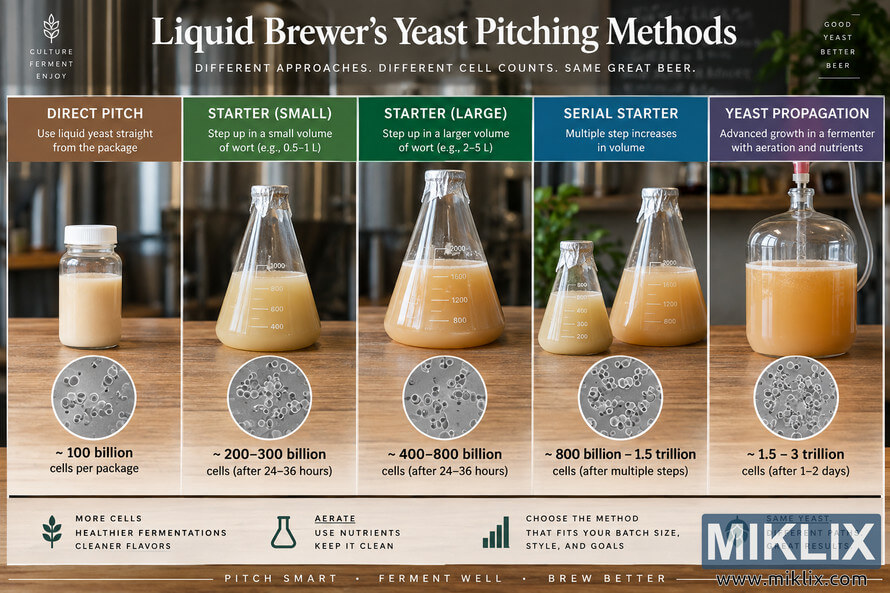
The standard rule of thumb suggests 0.75-1.0 million cells per milliliter per degree Plato. This applies to WLP644 just as with traditional ale yeast. For a 5-gallon batch at 1.050, you need approximately 200 billion cells.
One White Labs vial contains roughly 100 billion cells when fresh. This amount suits low-gravity beers below 1.040 directly. Higher gravity beers require a starter or multiple vials.
Omega Yeast offers OYL-605 as their equivalent strain. Their packaging typically contains higher cell counts than White Labs vials. Check manufacturer specifications for accurate cell count information.
Click or tap the image for more information and higher resolutions.
Making Yeast Starters
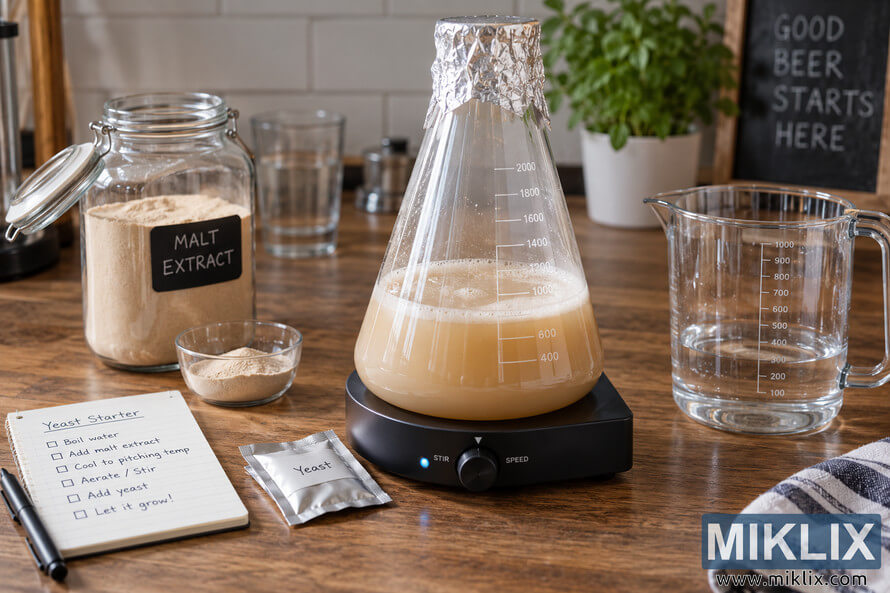
A yeast starter builds cell population before pitching. This ensures adequate yeast quantity for healthy fermentation. Starters prove especially important for higher gravity beers.
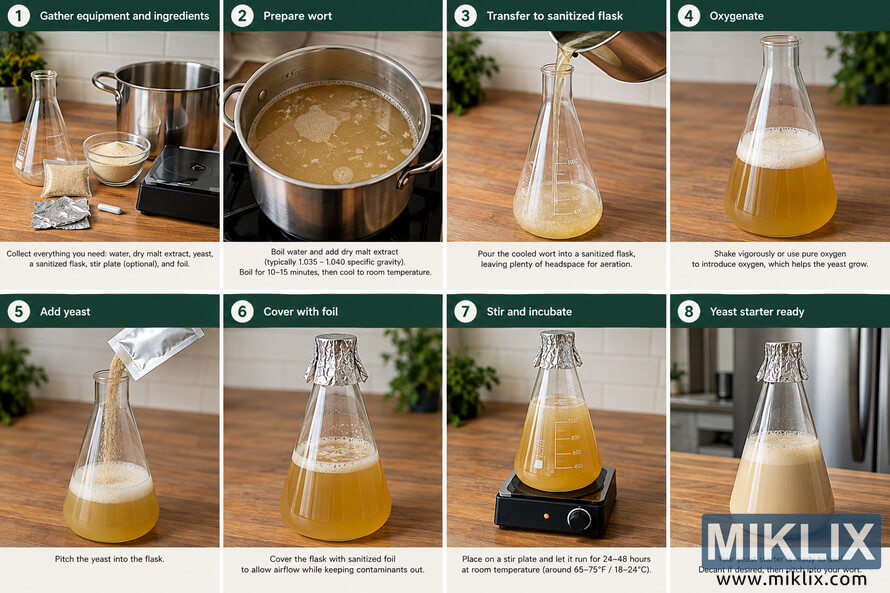
Use dried malt extract at 1.040 specific gravity for starter wort. A ratio of 100 grams DME per liter of water works perfectly. Boil the mixture briefly to sanitize before cooling.
Pitch your WLP644 vial into the cooled starter wort. Place on a stir plate if available for optimal growth. Allow 24-48 hours for adequate cell multiplication.
Click or tap the image for more information and higher resolutions.
Direct Pitching Considerations
Direct pitching works well for appropriate gravity ranges. Table beers and session ales rarely need starters. One fresh vial provides sufficient cells for these applications.
Vial age significantly impacts cell viability and count. Fresh vials less than one month old perform best. Older vials benefit from starter preparation regardless of gravity.
Temperature matters when direct pitching. Ensure wort temperature matches recommended range before adding yeast. Cold shocking the yeast population reduces viability substantially.
Click or tap the image for more information and higher resolutions.
Yeast Health and Viability
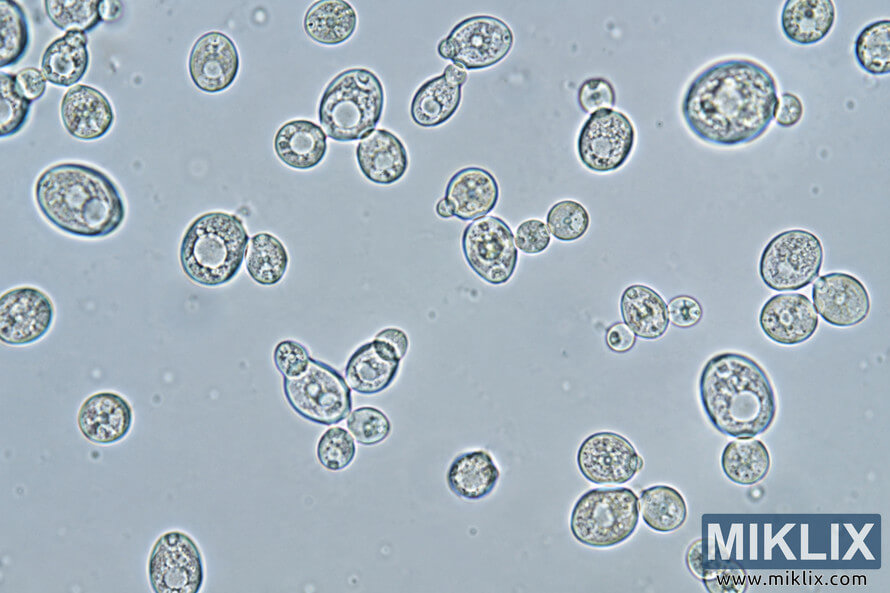
Proper storage maintains WLP644 health between purchase and use. Refrigerate liquid yeast immediately upon receiving. Warm slowly to room temperature before pitching.
Build starters at least 24 hours before brew day. This provides adequate time for cell growth. Last-minute starters don't generate sufficient population increases.
Oxygen provision proves critical for yeast health. Shake or aerate wort thoroughly before pitching. WLP644 requires oxygen for cell membrane production during growth phase.
Click or tap the image for more information and higher resolutions.
Underpitching Consequences
Insufficient yeast cell counts lead to stressed fermentation. Extended lag times increase infection risk. Off-flavors from stressed yeast may develop. Always ensure adequate pitching rates for your target gravity.
Repitching and Yeast Harvesting
WLP644 harvests well for reuse in subsequent batches. Collect yeast from the fermenter bottom after racking beer. Rinse with sterile water to remove hop debris and trub.
Store harvested yeast covered with sterile water in the refrigerator. Use within 2-3 weeks for best results. Cell counts increase substantially after fermentation.
First-generation repitch requires less volume than original pitch. The high cell count from harvesting means smaller amounts work effectively. Many brewers successfully repitch through 5-8 generations.
| Beer Gravity (OG) | 5-Gallon Batch Cell Count | Single Vial Sufficient? | Recommended Starter Size |
| 1.030-1.040 | 120-160 billion | Yes (if fresh) | Not needed |
| 1.041-1.050 | 165-200 billion | Borderline | 1 liter |
| 1.051-1.060 | 205-240 billion | No | 1.5-2 liters |
| 1.061-1.070 | 245-280 billion | No | 2-2.5 liters |
| 1.071-1.080 | 285-320 billion | No | 2.5-3 liters |
Complete Fermentation Timeline and Activity Stages
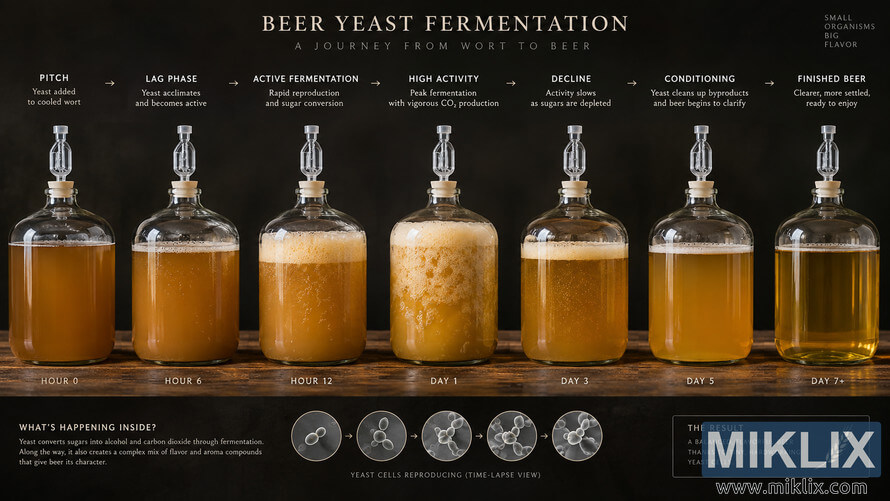
Understanding the fermentation timeline helps homebrewers know what to expect with WLP644 Saccharomyces brux-like Trois. Each phase exhibits distinct characteristics. Recognizing these stages prevents unnecessary intervention or concern.
Click or tap the image for more information and higher resolutions.
Lag Phase (Hours 0-12)
The lag phase begins immediately after pitching yeast into wort. Little visible activity occurs during this time. Yeast cells adapt to their new environment and begin reproducing.
Proper pitching rates and healthy yeast minimize lag phase duration. Most batches show first activity signs within 6-12 hours. Temperature and oxygen levels significantly affect this phase length.
A longer lag phase doesn't necessarily indicate problems. Batches may take 18-24 hours before visible signs appear. Patience during this period proves important.
Active Fermentation Phase (Days 1-5)
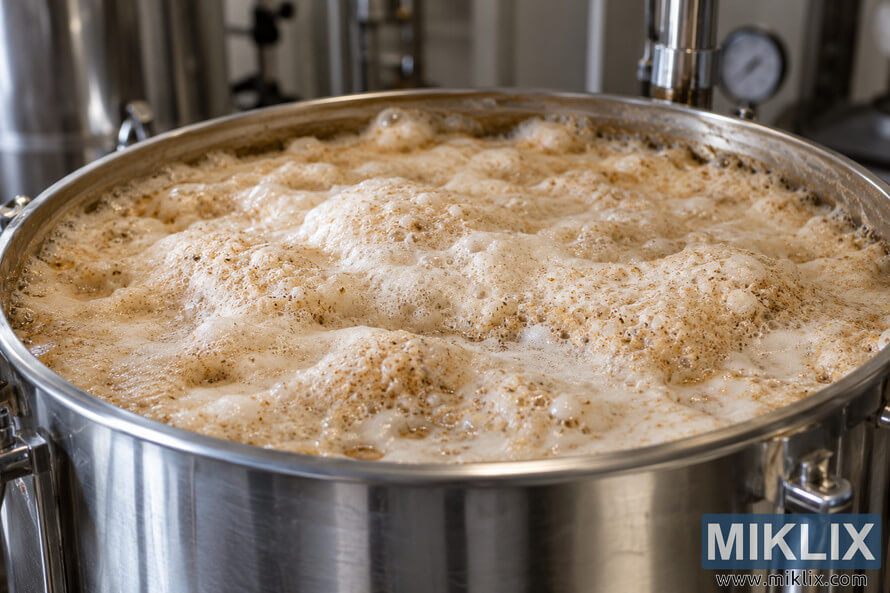
Active fermentation dominates days one through five typically. Krausen develops rapidly as fermentation accelerates. The airlock shows frequent bubbling during peak activity.
Day two or three brings maximum fermentation vigor. Thick krausen may rise several inches in the fermenter. Some batches require blow-off tubes instead of standard airlocks.
Tropical fruit aromas intensify during active fermentation. The pineapple character becomes quite noticeable around the fermenter. These aromatics indicate healthy yeast activity.
Click or tap the image for more information and higher resolutions.
Finishing Phase (Days 6-10)
Visible fermentation activity decreases substantially after day five. The krausen falls back into the beer. Airlock activity slows to occasional bubbles.
Gravity continues dropping during this phase despite reduced visible signs. The yeast works through remaining fermentable sugars methodically. Patience during this period ensures complete attenuation.
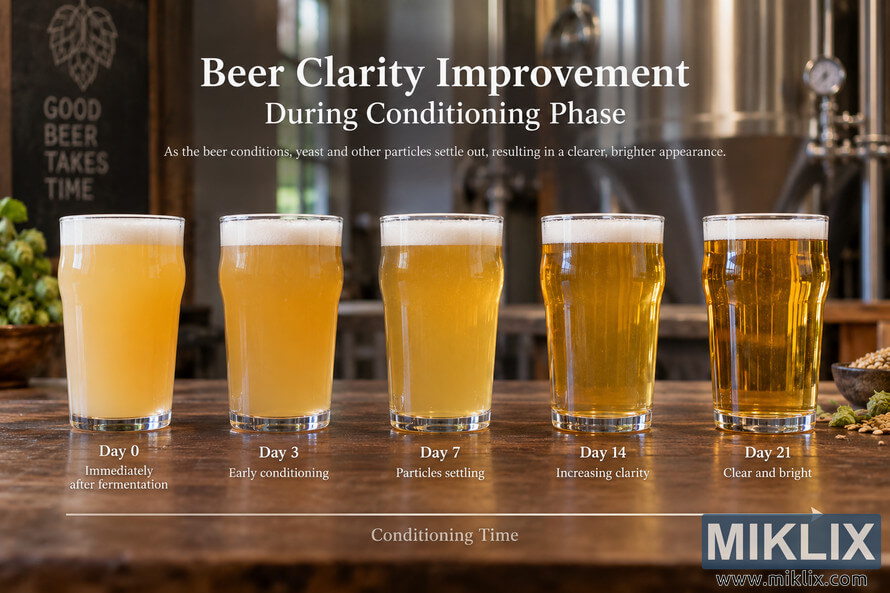
Beer begins clarifying as yeast flocculates and settles. The initially cloudy wort transforms toward clear finished beer. Some haze may persist depending on other recipe factors.
Conditioning Phase (Days 10-14)
Extended conditioning improves WLP644 beers noticeably. Flavors meld and mature during this time. Harsh edges from fermentation smooth out considerably.
Gravity may drop an additional 1-2 points during conditioning. The diastaticus character continues working slowly. Taking final gravity readings after this phase prevents packaging surprises.
Some brewers cold crash after conditioning to improve clarity. Lowering temperature to 35-40°F encourages remaining yeast to drop. This step remains optional based on clarity preferences.
Click or tap the image for more information and higher resolutions.
Signs of Fermentation Problems
Excessive lag beyond 36 hours suggests potential issues. Check temperature, yeast viability, and pitching rates. Most problems trace to these factors.
Stuck fermentation rarely occurs with WLP644 given its aggressive nature. If gravity stops dropping prematurely, gently rouse the yeast. Slight temperature increase may restart activity.
Off odors during fermentation require attention. Sulfur smells typically dissipate naturally. Sour or acetone aromas indicate possible contamination issues.
Days 1-3: Early Active
- Krausen formation begins
- Airlock bubbling starts
- Tropical aromas emerge
- Temperature rises 5-8°F
- Gravity drops rapidly
- Monitor temperature closely
Days 4-7: Peak Activity
- Maximum krausen height
- Most vigorous bubbling
- Strongest fruit aromas
- 70% attenuation achieved
- High CO2 production
- Avoid opening fermenter
Days 8-14: Finishing
- Krausen falls completely
- Minimal airlock activity
- Beer begins clarifying
- Final 10-15% attenuation
- Flavor maturation occurs
- Take gravity readings
When to Package Your Beer
Most WLP644 beers are ready for packaging after 10-14 days. Stable gravity readings over 2-3 days confirm completion. Rushing packaging risks under-attenuated beer issues.
Some brewers prefer extended conditioning for 3-4 weeks total. The additional time allows flavor development and maturation. This approach works especially well for higher-gravity beers.
Cold crashing for 2-3 days before packaging improves clarity significantly. Lower temperatures encourage yeast and protein dropout. This step proves optional based on personal preferences.
Common Issues and Troubleshooting Solutions for WLP644
Even experienced brewers encounter challenges when working with WLP644 Saccharomyces brux-like Trois. Understanding common issues and solutions prevents frustration. Most problems have straightforward fixes when identified correctly.
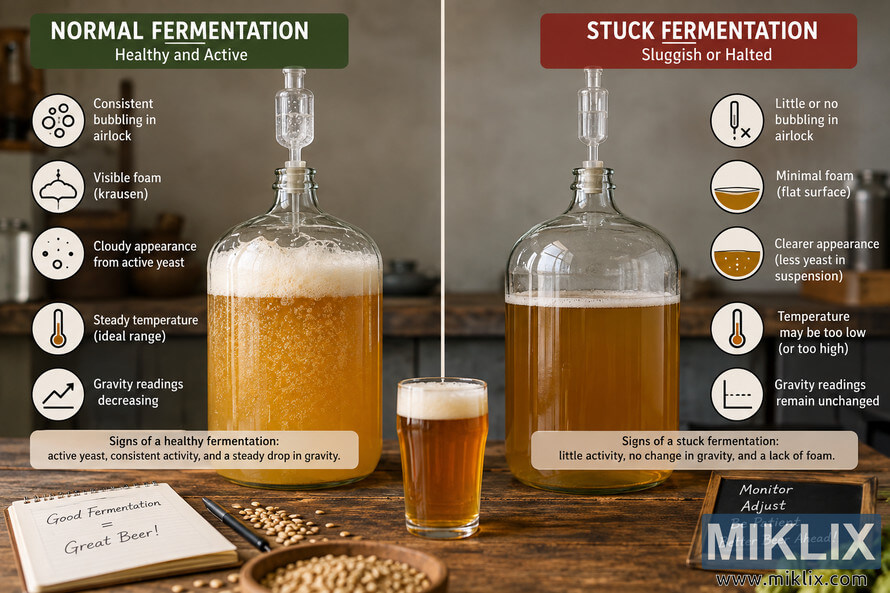
Slow or Stuck Fermentation
Slow fermentation proves rare with WLP644 given its aggressive nature. If fermentation stalls, first verify your temperature readings. Cold fermentation temperatures slow all yeast activity significantly.
Insufficient yeast pitching leads to sluggish starts. Check your pitching rate calculations carefully. Adding more yeast mid-fermentation rarely helps once problems develop.
Rousing settled yeast sometimes restarts activity. Gently swirl the fermenter to bring yeast back into suspension. Avoid introducing oxygen at this stage of fermentation.
Click or tap the image for more information and higher resolutions.
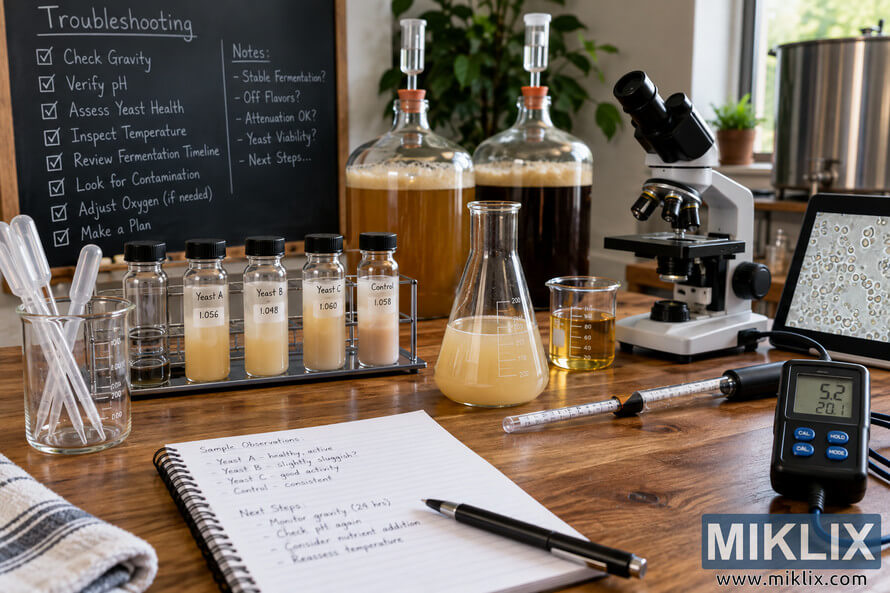
Excessive or Insufficient Attenuation
Over-attenuation creates thin, alcohol-forward beers. This happens when mash temperatures run too low. Target 152°F or higher if you want more body retention.
Under-attenuation rarely occurs with WLP644. If final gravity seems high, allow more time. This strain continues working longer than expected often.
Recipe formulation affects final attenuation substantially. High percentages of crystal malt create unfermentable sugars. Keep specialty malts under 10% for standard attenuation.
Click or tap the image for more information and higher resolutions.
Off-Flavors and Undesired Character
Excessive pineapple character results from too-high fermentation temperatures. Reduce your fermentation temperature by 5-8°F next batch. Most brewers find 72-74°F produces balanced results.
Phenolic harshness may appear if temperatures spike during active fermentation. Consistent temperature control prevents this issue. The strain produces phenols naturally but heat stress amplifies them.
Diacetyl production happens rarely with WLP644. If buttery flavors appear, extend fermentation time. A diacetyl rest at 75°F for 2-3 days typically resolves this.
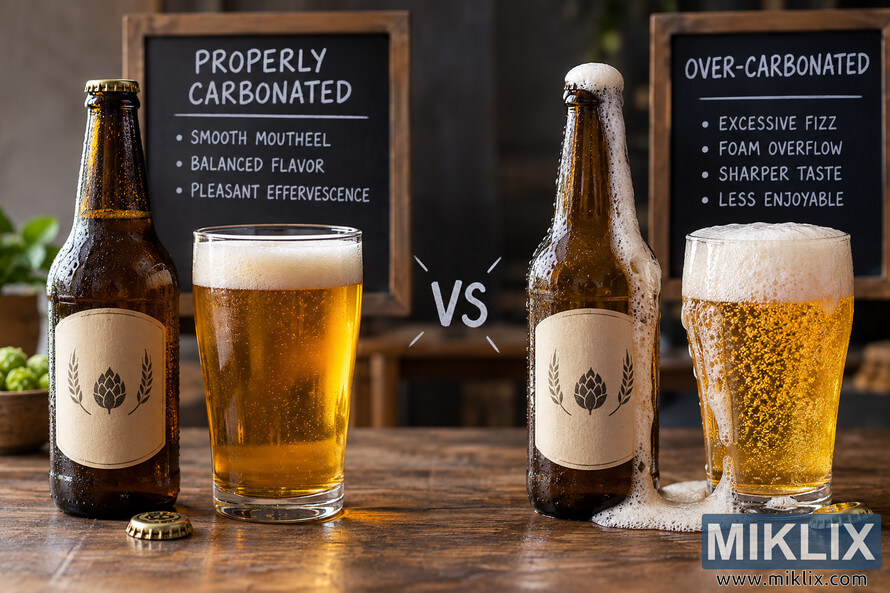
Over-Carbonation in Bottles
Bottle bombs represent a serious concern with WLP644. The diastaticus character ferments complex sugars slowly over time. This creates increasing carbonation in stored bottles.
Reduce priming sugar by 20-30% compared to standard calculations. Most brewers find 3-4 ounces of corn sugar per 5 gallons sufficient. Less proves better than more with this strain.
Ensure fermentation completes fully before bottling. Take gravity readings over several days to confirm stability. Rushing to package causes most over-carbonation issues.
Click or tap the image for more information and higher resolutions.
Contamination Concerns
The intense tropical character of WLP644 sometimes gets mistaken for contamination. Understanding normal fermentation characteristics prevents unnecessary batch dumping. Trust the process if fermentation progresses healthily.
True contamination shows distinct signs. Pellicle formation on the beer surface indicates unwanted microbes. Sour flavors developing during primary fermentation also suggest problems.
Proper sanitation prevents most contamination issues. Clean and sanitize all equipment thoroughly. WLP644 works quickly enough to outcompete most potential contaminants.
Poor Flocculation and Clarity Issues
WLP644 exhibits moderate flocculation characteristics. Some haze persistence is normal with this strain. Cold crashing improves clarity substantially if desired.
Fining agents like gelatin work well with WLP644 beers. Add gelatin finings after cold crashing for best results. Allow 2-3 days for settling before packaging.
Some brewers accept slight haze as part of the style. Saisons traditionally show some cloudiness. Perfect clarity isn't necessary for enjoyable WLP644 beers.
Why does my WLP644 beer taste more like pineapple than I wanted?
Excessive pineapple character results from fermentation temperatures above 78°F. The strain produces more ester compounds at higher temperatures. Lower your fermentation temperature to 70-74°F for more balanced fruit character. Also consider your pitching rate - underpitching can stress yeast and increase ester production.
My beer finished at 1.000 - is this normal for WLP644?
Yes, final gravities of 1.000-1.002 are completely normal for WLP644. The strain's diastaticus variant allows it to ferment complex carbohydrates that other yeasts cannot. This creates the characteristically dry finish. If you want more body, use higher mash temperatures (154-156°F) or increase specialty malt percentages.
How can I prevent over-carbonation in bottles with this strain?
Reduce priming sugar by 20-30% compared to standard recommendations. Ensure fermentation is completely stable before bottling by taking gravity readings over 3-4 days. Consider kegging instead of bottling if over-carbonation continues to be an issue. The strain's ability to ferment complex sugars means it can continue working slowly in bottles over time.
Can I blend WLP644 with other yeast strains?
Yes, blending works well with WLP644. Many brewers combine it with traditional saison strains for layered complexity. Start with 60-70% traditional yeast and 30-40% WLP644 for balanced results. The blend provides both classic saison character and tropical fruit notes. Co-pitching at the start typically works better than sequential pitching.
WLP644 Compared to Alternative Yeast Strains
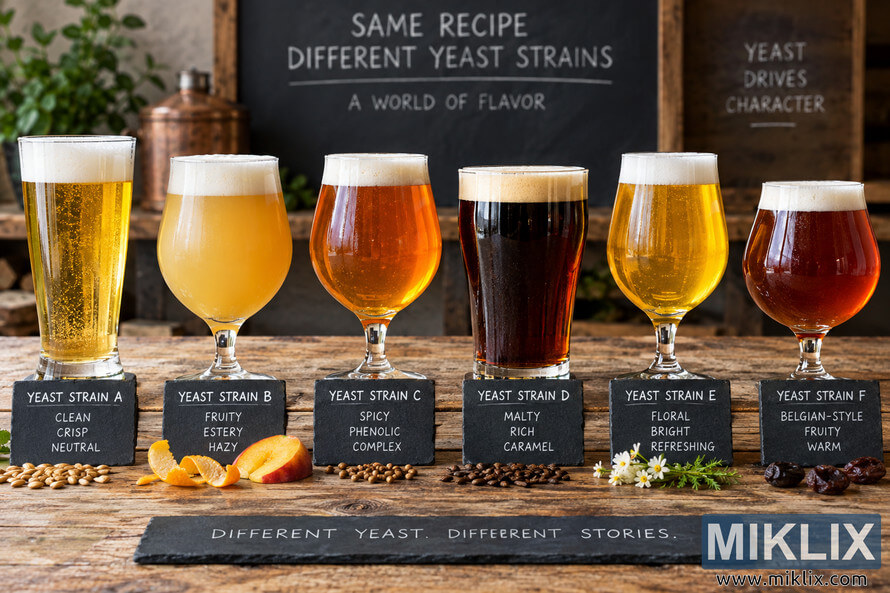
Understanding how WLP644 Saccharomyces brux-like Trois compares to alternatives helps brewers make informed decisions. Several strains offer similar characteristics with important differences. Knowing these distinctions guides appropriate strain selection.
Click or tap the image for more information and higher resolutions.
Omega Yeast OYL-605 (Omega Brett Trois)
Omega Yeast produces their version of brett trois as OYL-605. This strain derives from the same original source as WLP644. The performance characteristics match very closely.
Omega packages their yeast with higher cell counts than White Labs typically. This can eliminate starter requirements for many batches. The price point often runs slightly lower as well.
Flavor profiles between WLP644 and OYL-605 show minimal differences. Most brewers cannot distinguish beers fermented with each strain. Choose based on availability and packaging preferences.
Traditional Brettanomyces Strains
True Brettanomyces strains differ substantially from WLP644. Traditional brett produces funky, barnyard characteristics. These flavors appeal to some drinkers but not everyone.
Brettanomyces bruxellensis creates earthy, leather-like notes. Brett claussenii tends toward more pineapple character. Brett lambicus develops the most intense funkiness.
Fermentation timelines extend much longer with true brett strains. Many brett beers require months rather than weeks. WLP644 provides brett-like qualities without extended aging.
French Saison and Belgian Farmhouse Yeasts
Classic saison strains like WLP565 or Wyeast 3724 create traditional farmhouse character. These yeasts produce peppery phenols and fruity esters. The flavor profile skews more European than tropical.
Belgian strains often exhibit finicky fermentation behavior. Stalls around 1.020-1.030 happen commonly. WLP644 ferments more reliably and completely.
Blending approaches combine traditional saison yeast with WLP644. This creates layered complexity with both classic and modern elements. Many award-winning saisons use this technique.
American Ale Yeast with Tropical Character
Some American ale strains produce tropical fruit notes. Strains marketed for New England IPAs often show pineapple or mango. However, these remain significantly cleaner than WLP644.
Standard ale yeast attenuates less aggressively than brett trois. Final gravities typically land 10-15 points higher. The resulting beer maintains more body and sweetness.
Temperature sensitivity differs between clean ale yeast and WLP644. Most American strains prefer 65-70°F fermentation. The brett trois performs better at slightly warmer temperatures.
WLP644 Advantages
- Clean tropical fruit without funk
- Reliable high attenuation
- Quick fermentation timeline
- No extended aging needed
- Single-strain simplicity
- Widely available
Omega OYL-605 Advantages
- Higher cell count per package
- Often lower price point
- Equivalent flavor profile
- Fresh production dating
- Flexible pouch packaging
- Same tropical character
Traditional Brett Advantages
- Authentic funk character
- Complex flavor development
- Traditional wild ale profiles
- Extended aging potential
- Multiple strain options
- Classic sour beer usage
| Strain Characteristic | WLP644 | Omega OYL-605 | Traditional Brett | French Saison |
| Primary Flavor | Pineapple, Mango | Pineapple, Mango | Funky, Earthy | Peppery, Fruity |
| Attenuation | 85-95% | 85-95% | 80-100% | 75-85% |
| Fermentation Time | 7-14 days | 7-14 days | 1-6 months | 10-21 days |
| Temperature Range | 70-85°F | 70-85°F | 65-80°F | 70-95°F |
| Flocculation | Medium | Medium | Low | Low-Medium |
| Alcohol Tolerance | 12-15% ABV | 12-15% ABV | 10-12% ABV | 10-13% ABV |
Advanced Brewing Techniques and Best Practices with WLP644
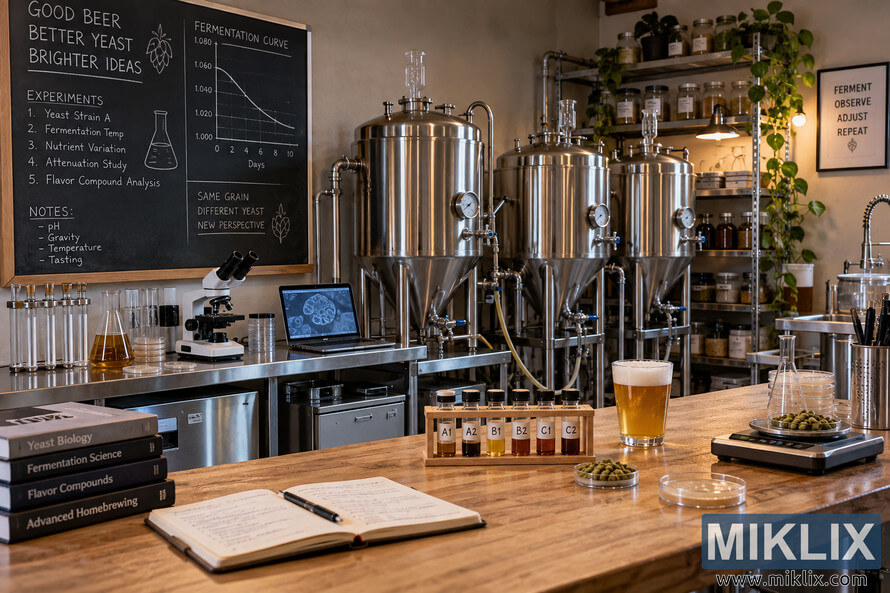
Experienced brewers can push WLP644 Saccharomyces brux-like Trois beyond basic applications. Advanced techniques unlock additional potential from this versatile strain. These methods require more attention but deliver exceptional results.
Click or tap the image for more information and higher resolutions.
Blending Strategies for Complex Profiles
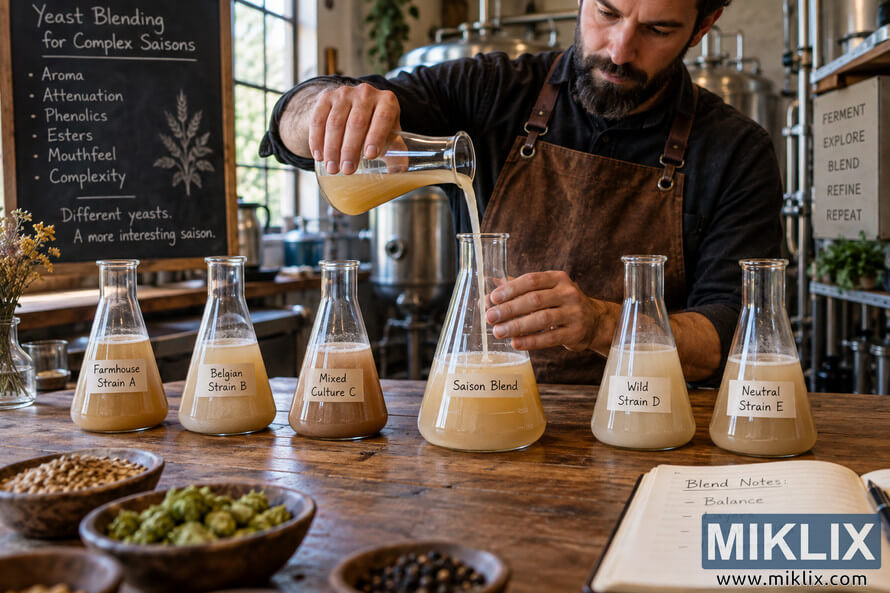
Combining WLP644 with other yeasts creates layered complexity. A 70/30 blend with traditional saison yeast works particularly well. The mixture provides both classic character and tropical notes.
Co-pitching both strains simultaneously typically produces better integration. Sequential pitching can work but requires careful timing. Start the traditional yeast first, then add WLP644 after 2-3 days.
Experiment with different blend ratios to find your preference. Some brewers prefer 60/40 splits for more tropical emphasis. Others use 80/20 for subtle brett trois accents.
Click or tap the image for more information and higher resolutions.
Water Chemistry Optimization
Water chemistry significantly impacts WLP644 fermentation and flavor. A sulfate-to-chloride ratio around 1:1 works well for saisons. This balances fruity character with appropriate mouthfeel.
Lower pH levels enhance the perceived dryness. Target mash pH between 5.2-5.4 for optimal results. The high attenuation combines with lower pH for extremely crisp finishes.
Calcium levels between 50-100 ppm support healthy fermentation. Adequate calcium improves yeast health and flocculation. Don't neglect water chemistry when brewing with this strain.
Hop Selection and Timing
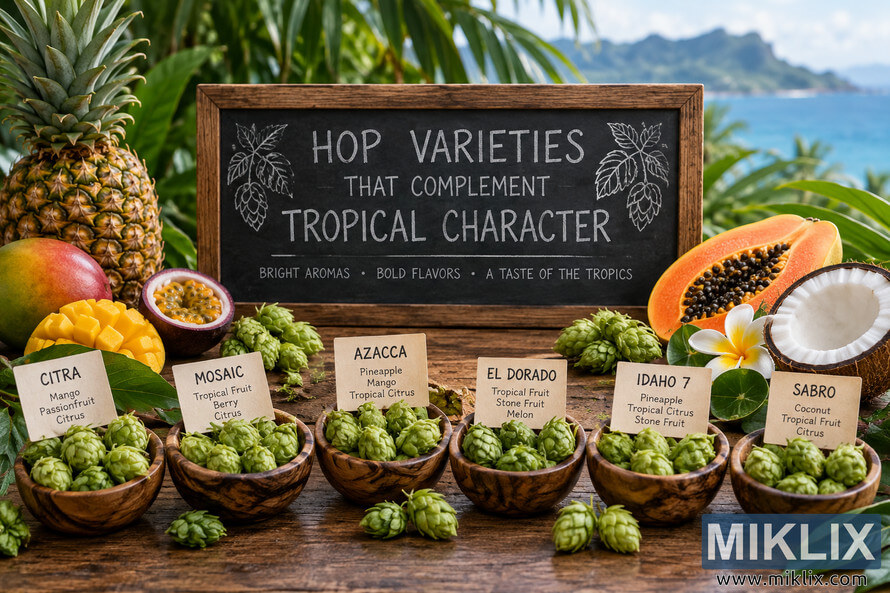
Citrus and tropical hop varieties complement WLP644 beautifully. Citra, Mosaic, and Galaxy amplify the yeast's natural fruit character. These combinations create intensely tropical beers.
Noble hops provide interesting contrast to the tropical yeast. Saaz or Hallertau add herbal notes that balance fruit. This approach suits traditional farmhouse ale interpretations.
Late hop additions and dry hopping work exceptionally well. The clean fermentation allows hop character to shine through. Many commercial examples feature aggressive dry hopping.
Click or tap the image for more information and higher resolutions.
Grain Bill Construction
Simple grain bills showcase WLP644 characteristics best. A base of pilsner malt with 5-10% wheat works excellently. The clean malt profile lets yeast character dominate.
Avoid heavy crystal malt additions that create residual sweetness. The high attenuation ferments most sugars away. Light crystal (10-20L) at under 5% adds color without excess sweetness.
Adjuncts like table sugar boost attenuation further if desired. Adding 5-10% simple sugar creates even drier finishes. This technique works well for very light-bodied saisons.
Extended Aging and Maturation
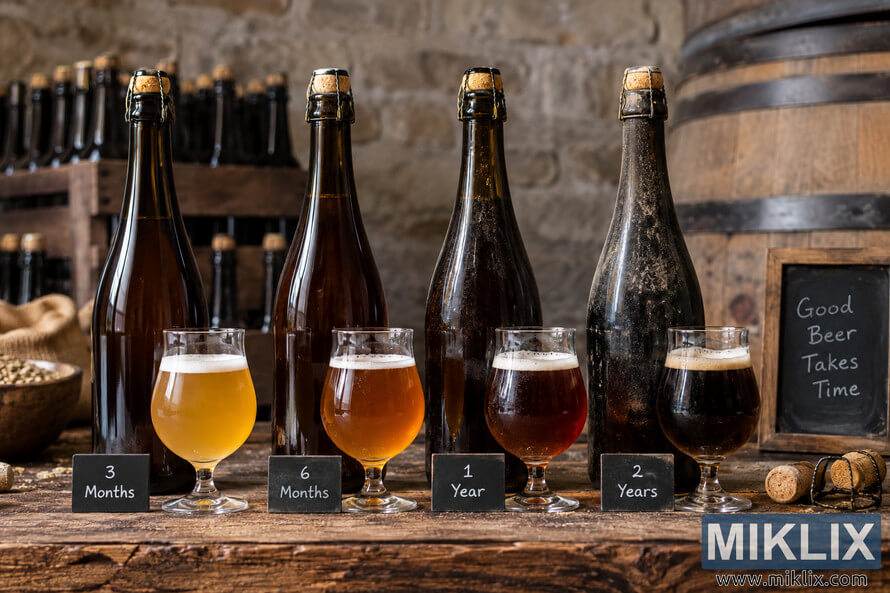
While WLP644 requires no extended aging, time can improve results. Allowing 4-6 weeks of conditioning rounds out rough edges. Flavors integrate more completely with patience.
Some batches benefit from several months of bottle conditioning. The tropical character mellows slightly while maintaining presence. Carbonation may continue increasing slowly during this time.
Cold storage after packaging helps maintain flavor stability. Warmer storage temperatures accelerate flavor changes. Most WLP644 beers peak within 2-4 months of packaging.
Click or tap the image for more information and higher resolutions.
Souring and Acidification Techniques
WLP644 itself produces minimal acidity compared to true brett. However, it combines well with controlled souring techniques. Kettle souring followed by WLP644 fermentation works excellently.
Co-fermentation with Lactobacillus creates interesting complexity. Add lacto along with WLP644 at pitching for integrated sourness. Monitor pH carefully to prevent excessive acidity.
Some brewers add fruit to WLP644 fermentations. The yeast's tropical character complements actual tropical fruit additions. Passion fruit, mango, or pineapple work particularly well.
Best Practices for Success
- Use fresh yeast within 1 month of manufacture date
- Maintain steady fermentation temperatures throughout
- Provide adequate oxygen at pitching for healthy fermentation
- Take multiple gravity readings to confirm stability
- Reduce priming sugar by 20-30% for bottle conditioning
- Allow at least 10-14 days before packaging
- Keep detailed notes for reproducibility
- Experiment with small batches when testing new techniques
Common Mistakes to Avoid
- Fermenting at excessive temperatures above 85°F
- Underpitching yeast for the target gravity
- Packaging before fermentation fully completes
- Using standard priming sugar amounts
- Expecting traditional brett funk character
- Adding excessive specialty malts to grain bill
- Rushing the fermentation process
- Poor sanitation allowing contamination
Proven Recipe Examples Using WLP644
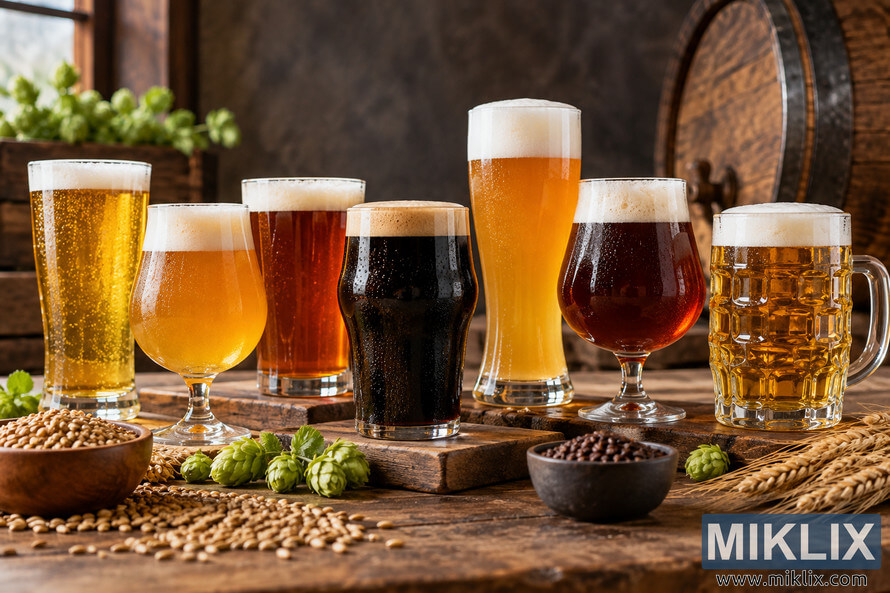
Practical recipes demonstrate how to apply WLP644 Saccharomyces brux-like Trois successfully. These tested formulas provide starting points for your brewing. Adjust based on equipment and preferences.
Click or tap the image for more information and higher resolutions.
Classic Saison with WLP644
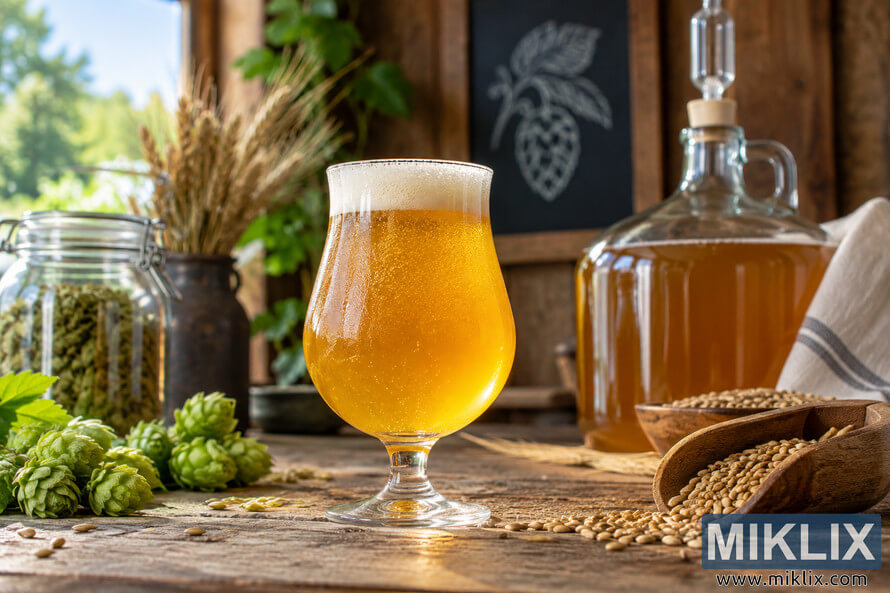
This straightforward saison recipe showcases the strain's character perfectly. Simple ingredients allow the tropical yeast profile to shine. The result is refreshing and complex simultaneously.
Grain Bill (5 gallons, 1.050 OG)
- 9 lbs Belgian Pilsner malt
- 1 lb White Wheat malt
- 0.5 lb Aromatic malt
- 8 oz Table sugar (15 min)
Hop Schedule
- 1 oz Saaz (60 min) - 15 IBU
- 0.5 oz Saaz (10 min)
- 0.5 oz Saaz (flameout)
Fermentation Details
- Mash at 150°F for 60 minutes
- Pitch 1 vial WLP644 or make 1.5L starter
- Ferment at 72-74°F for 10-14 days
- Expected FG: 1.002-1.004
- Expected ABV: 6.0-6.3%
Packaging
- Prime with 3.5 oz corn sugar for bottles
- Or keg at 2.8-3.0 volumes CO2
Click or tap the image for more information and higher resolutions.
Hoppy Tropical Saison
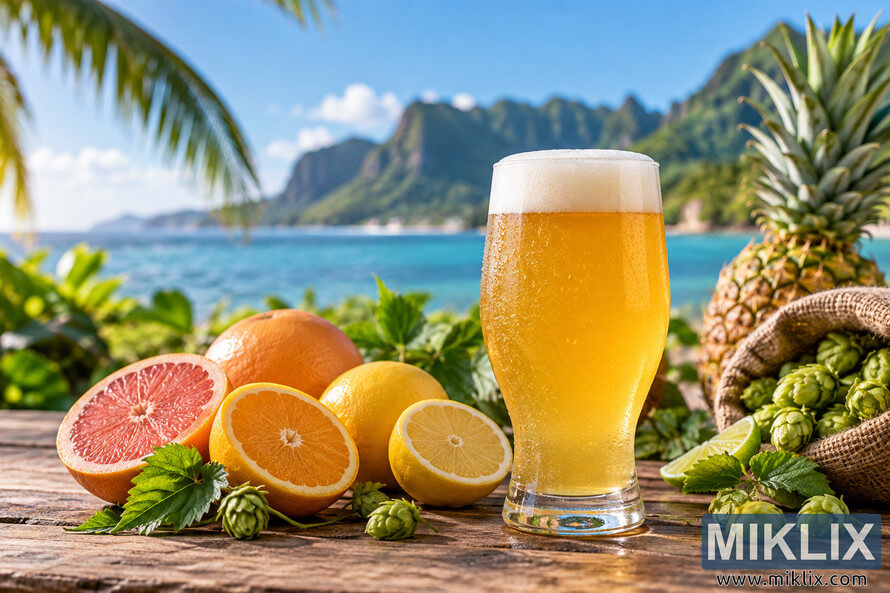
This recipe amplifies WLP644's tropical character with complementary hops. The combination creates an intensely fruity beer. Hop and yeast flavors integrate seamlessly.
Grain Bill (5 gallons, 1.055 OG)
- 9 lbs Pilsner malt
- 1.5 lbs White Wheat malt
- 0.5 lb Vienna malt
- 1 lb Table sugar (15 min)
Hop Schedule
- 0.5 oz Magnum (60 min) - 20 IBU
- 1 oz Citra (5 min)
- 1 oz Mosaic (flameout)
- 2 oz Citra (dry hop, day 3)
- 2 oz Mosaic (dry hop, day 3)
Fermentation Details
- Mash at 148°F for 60 minutes
- Pitch 1.5 vials WLP644 or 2L starter
- Ferment at 74-76°F for 7-10 days
- Add dry hops on day 3
- Expected FG: 1.001-1.003
- Expected ABV: 7.0-7.5%
Click or tap the image for more information and higher resolutions.
Session Table Beer
Low-gravity beers highlight WLP644's ability to create complexity from simplicity. This session beer remains flavorful despite low alcohol. Perfect for extended drinking sessions.
Grain Bill (5 gallons, 1.035 OG)
- 5 lbs Pilsner malt
- 1 lb Wheat malt
- 0.5 lb Munich malt
- 4 oz Honey malt
Hop Schedule
- 0.5 oz Sterling (60 min) - 12 IBU
- 0.5 oz Sterling (5 min)
- 0.5 oz Styrian Golding (flameout)
Fermentation Details
- Mash at 152°F for 60 minutes
- Pitch 1 vial WLP644 (no starter needed)
- Ferment at 70-72°F for 7-10 days
- Expected FG: 1.001-1.002
- Expected ABV: 4.3-4.6%
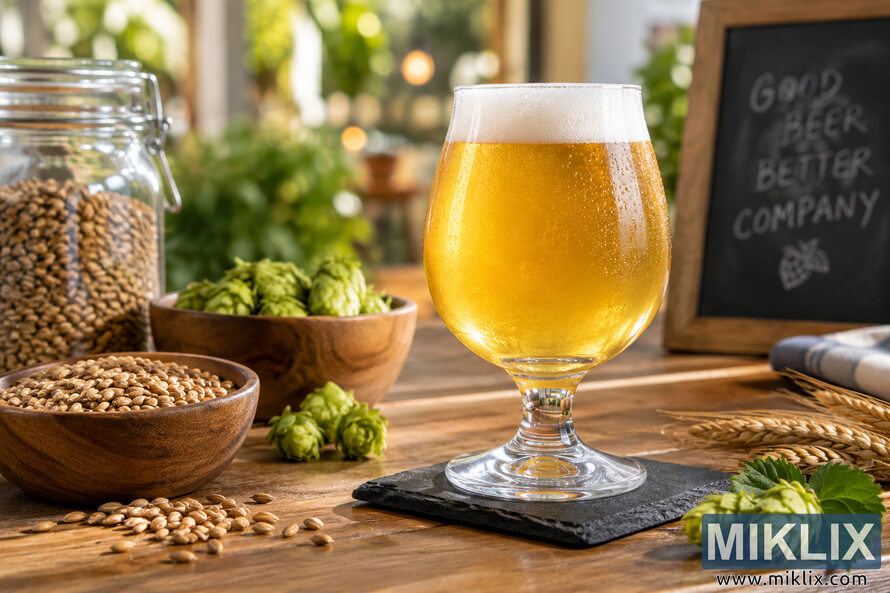
Click or tap the image for more information and higher resolutions.
Recipe Adjustment Tips
- Reduce grain bill by 10% for each 0.005 lower target OG
- Increase hop amounts by 20-30% if using older hops
- Adjust mash temperature ±2-4°F to control final body
- Scale recipes proportionally for different batch sizes
- Substitute comparable malts if specific types unavailable
Conclusion
WLP644 Saccharomyces brux-like Trois stands as one of homebrewing's most versatile yeast strains. Its unique tropical fruit character creates distinctive beers that captivate drinkers. Mastering this strain opens new creative possibilities in your brewery.
The strain's reliability and clean fermentation make it accessible to brewers at all experience levels. Unlike traditional Brettanomyces, WLP644 requires no extended aging times. You can enjoy the results within weeks of brewing.
Temperature control remains the most critical factor for success with brett trois. Maintaining steady conditions between 70-78°F produces balanced tropical character. Investment in proper fermentation control equipment pays dividends across all your batches.
Understanding the strain's high attenuation characteristics prevents disappointment. Plan recipes expecting final gravities below 1.005 regularly. This extreme dryness defines the style and shouldn't be fought against.
The homebrewing community provides tremendous support for WLP644 brewers. Forums, clubs, and online resources offer endless information. Don't hesitate to ask questions and share your experiences.
Experimentation with this strain reveals its full potential. Try different hop varieties, grain bills, and fermentation temperatures. Document your results to build personal knowledge about what works best in your system.
WLP644 has revolutionized saison brewing for many homebrewers. Its single-strain simplicity produces complexity that once required blending multiple yeasts. The time savings and reliability make it a go-to choice.
Whether brewing classic saisons, hoppy ales, or experimental beers, WLP644 delivers consistent results. The tropical fruit profile distinguishes your beers from standard commercial offerings. Friends and family will notice the difference immediately.
Start with proven recipes to understand the strain's baseline characteristics. Once comfortable with standard applications, push boundaries with creative interpretations. The strain adapts well to various brewing styles and techniques.
Proper yeast handling ensures healthy fermentation every time. Fresh yeast, adequate pitching rates, and good sanitation prevent most problems. These fundamentals apply to all brewing but prove especially important with WLP644.
The investment in quality ingredients and equipment shows in your finished beer. While you can brew successfully with basic setups, temperature control elevates results significantly. Prioritize this if you plan regular WLP644 brewing.
Success with WLP644 Saccharomyces brux-like Trois requires patience and attention to detail. Follow proven methods initially before experimenting with variables. Your brewing skills will develop through consistent practice and careful observation.
The unique characteristics of this strain make it worthy of any homebrewer's regular rotation. From session strength to strong ales, brett trois performs admirably. Its versatility and reliability explain its popularity among craft brewers and homebrewers alike.
Every batch brewed with WLP644 teaches something new. Keep detailed notes about recipes, temperatures, and timelines. This documentation becomes invaluable for replicating successes and learning from less successful attempts.
The brewing community continues discovering new applications for this remarkable yeast. Following online discussions and trying shared recipes expands your brewing repertoire. Contributing your own experiences helps others in their journey.
Begin your WLP644 journey today with confidence. This guide provides the foundation for successful brewing with brett trois. Your first batch may surprise you with its tropical complexity and dry finish. Subsequent batches will refine your technique and deepen your understanding.
The time invested in learning WLP644 properly pays returns in every glass poured. Few yeast strains offer such distinctive character with reliable performance. Embrace the learning process and enjoy the exceptional beers you'll create.

Click or tap the image for more information and higher resolutions.
Further Reading
If you enjoyed this post, you may also like these suggestions:
- Fermenting Beer with CellarScience Cali Yeast
- Fermenting Beer with White Labs WLP521 Hornindal Kveik Ale Yeast
- Fermenting Beer with Bulldog B16 Belgian Saison Yeast