
A Complete Guide to the Health Benefits of Parsley
Veröffentlicht:
Zuletzt aktualisiert: 7. Juli 2026 um 16:40:00 UTC
Parsley often sits on the side of your plate as a simple garnish. Most people push it aside without a second thought. Yet this humble herb packs remarkable nutritional power that can transform your health in surprising ways.
A Complete Guide to the Health Benefits of Parsley
Klicken oder tippen Sie auf das Bild, um weitere Informationen und höhere Auflösungen zu erhalten.
This versatile plant does far more than add flavor to your dishes. Parsley contains concentrated amounts of vitamins, minerals, and protective compounds. People around the world have used this herb for thousands of years to support their wellbeing.
Understanding what makes parsley so beneficial helps you make smarter choices about your diet. Fresh parsley, dried varieties, and even parsley juice each offer unique advantages. This guide reveals everything you need to know about incorporating this powerful herb into your daily routine.
The Nutritional Powerhouse in Parsley
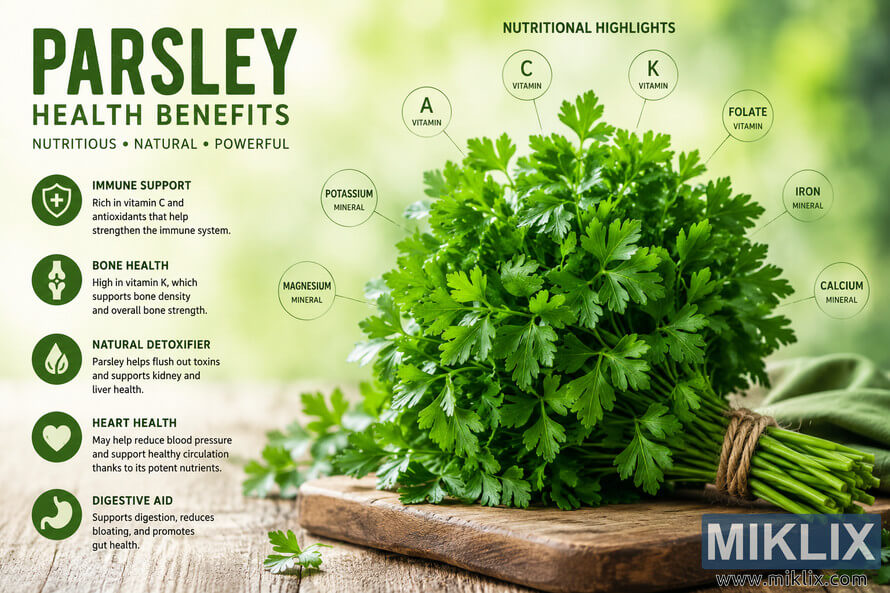
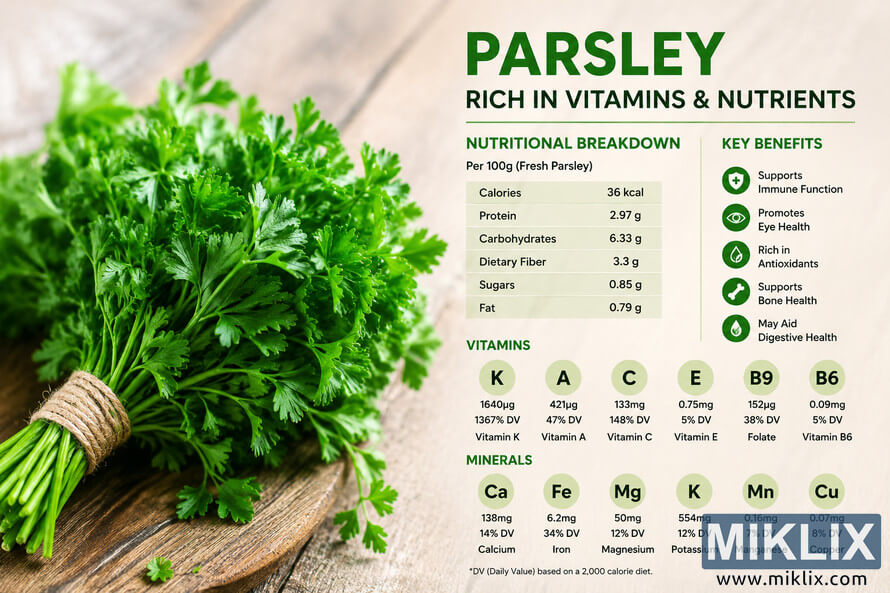
Parsley delivers an impressive array of nutrients in every serving. This herb stands out as one of the most nutrient-dense foods you can eat. Just two tablespoons of fresh parsley provides substantial amounts of essential vitamins.
The vitamin content in parsley exceeds many common vegetables. Vitamin K appears in extremely high concentrations. A small handful gives you more than your daily requirement. Vitamin C levels rival those found in citrus fruits.
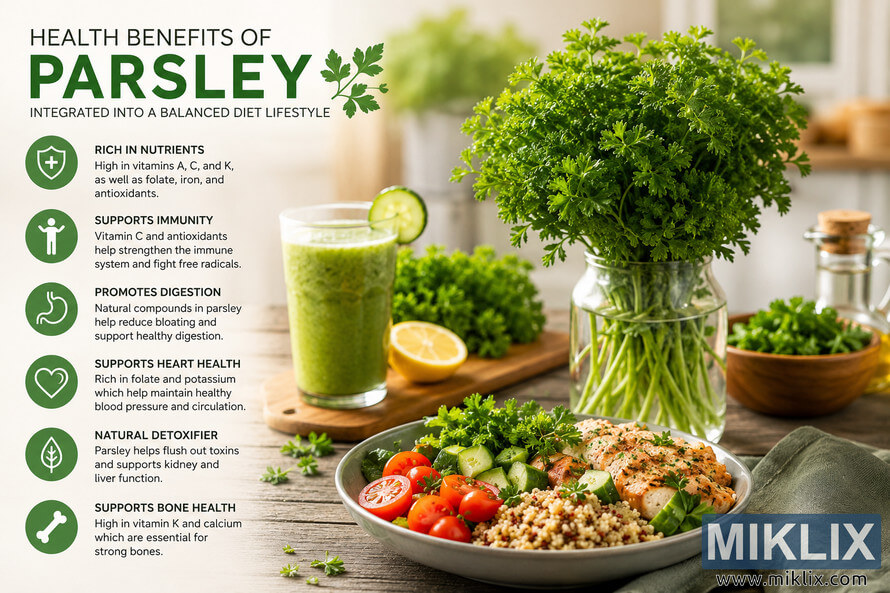
Your body needs these vitamins for countless functions. Vitamin K supports bone health and proper blood clotting. Vitamin C boosts your immune system and protects your cells. Vitamin A maintains healthy vision and skin.
Essential Vitamins in Parsley
Fat-Soluble Vitamins
Parsley contains remarkable amounts of fat-soluble vitamins that your body stores for future use. These nutrients work together to support multiple body systems.
- Vitamin K reaches 984% of daily value per cup
- Vitamin A provides 101% of daily requirements
- Both vitamins support bone and eye health
- These nutrients enhance calcium absorption
Water-Soluble Vitamins
The water-soluble vitamins in parsley must be replenished regularly through your diet. Fresh parsley offers generous amounts of these essential nutrients.
- Vitamin C delivers 79% of daily needs per cup
- Folate supports healthy cell growth and division
- B vitamins aid energy metabolism
- These vitamins dissolve easily in water
Minerals and Trace Elements
Beyond vitamins, parsley also contains important minerals. Iron helps carry oxygen throughout your body. Calcium builds strong bones and teeth. Potassium regulates blood pressure and heart function.
The mineral content makes parsley particularly valuable for people following plant-based diets. Many vegetables lack certain minerals in meaningful amounts. Parsley fills these nutritional gaps effectively.
Trace elements in parsley include manganese, magnesium, and zinc. Your body requires these in small amounts but they play critical roles. They support enzyme function, immune response, and cellular repair.
Quick Fact: Two tablespoons of fresh parsley contain only 2 calories yet provide significant nutrition. This makes parsley one of the most efficient foods for nutrient density.
Klicken oder tippen Sie auf das Bild, um weitere Informationen und höhere Auflösungen zu erhalten.
Powerful Antioxidants That Protect Your Cells
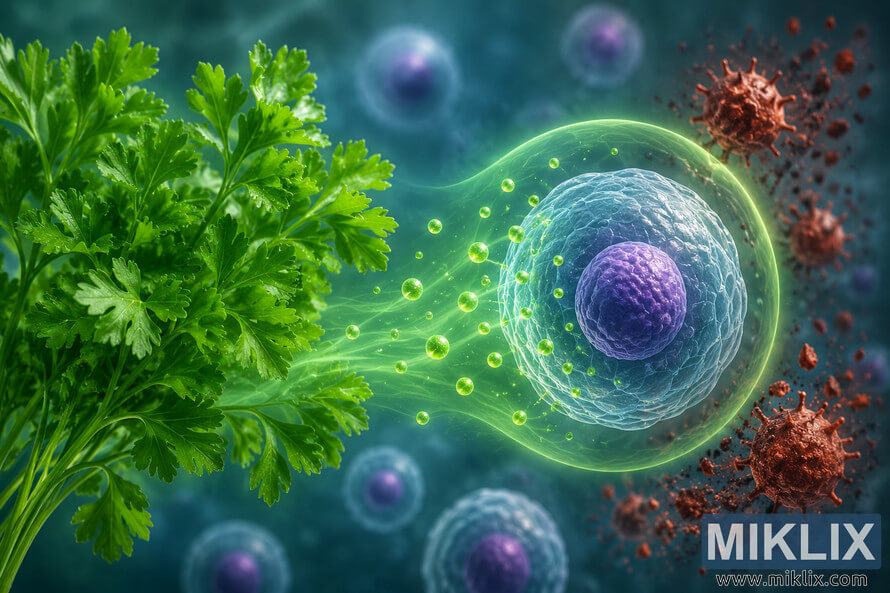
Antioxidants in parsley fight harmful molecules called free radicals. These unstable compounds damage your cells and accelerate aging. The body produces free radicals naturally during metabolism. Environmental factors like pollution and UV radiation create more.
Your body needs consistent antioxidant support to neutralize these threats. Parsley contains multiple types of antioxidants that work in different ways. This variety provides comprehensive cellular protection.
Flavonoids and Their Benefits
Flavonoids represent one major class of antioxidants found in parsley. These plant compounds give herbs and vegetables their colors. Apigenin stands out as particularly beneficial among parsley's flavonoids.
Research shows apigenin may help prevent certain types of cellular damage. One study demonstrated its ability to slow the growth of abnormal cells. Scientists continue exploring how apigenin supports overall health.
Luteolin is another important flavonoid in parsley. This compound shows promise for supporting brain health. It also demonstrates anti-inflammatory properties that benefit multiple body systems.
Carotenoids for Eye and Skin Health
Parsley rich vitamin A comes primarily from carotenoids. These orange and yellow pigments convert to vitamin A in your body. Beta-carotene is the most well-known carotenoid.
Your eyes depend heavily on carotenoids for proper function. These compounds protect the retina from light damage. They also support night vision and reduce eye strain.
Skin health improves with regular carotenoid consumption. These antioxidants protect skin cells from sun damage. They also support collagen production for firmer, younger-looking skin.
Klicken oder tippen Sie auf das Bild, um weitere Informationen und höhere Auflösungen zu erhalten.
How Antioxidants Work in Your Body
When you eat parsley, its antioxidants enter your bloodstream quickly. They travel throughout your body seeking out free radicals. This process happens continuously as you digest food.
Different antioxidants target specific areas. Some protect your heart and blood vessels. Others focus on brain tissue or skin cells. This targeted action maximizes protective benefits.
The combination of antioxidants in parsley creates synergistic effects. They work better together than alone. This explains why whole foods often outperform isolated supplements.
Klicken oder tippen Sie auf das Bild, um weitere Informationen und höhere Auflösungen zu erhalten.
Natural Anti-Inflammatory Properties of Parsley
Inflammation serves as your body's natural response to injury or infection. Short-term inflammation helps healing. However, chronic inflammation damages tissues and organs over time.
Modern diets and lifestyles often trigger excessive inflammation. This contributes to numerous health problems. Finding natural ways to manage inflammation becomes increasingly important.
Parsley contains compounds that help reduce inflammatory responses. These work through multiple pathways in your body. Regular consumption may help prevent inflammation-related conditions.
Key Anti-Inflammatory Compounds
Several components in parsley combat inflammation effectively. Apigenin reduces inflammatory markers in tissues. This flavonoid also helps regulate immune system responses.
Vitamin C in parsley supports anti-inflammatory processes. It helps neutralize inflammatory compounds before they cause damage. This vitamin also supports tissue repair after inflammation occurs.
Essential oils in parsley demonstrate anti-inflammatory effects. These volatile compounds include myristicin and limonene. They help calm inflammatory responses throughout the body.
Klicken oder tippen Sie auf das Bild, um weitere Informationen und höhere Auflösungen zu erhalten.
Benefits for Specific Conditions
Joint Health
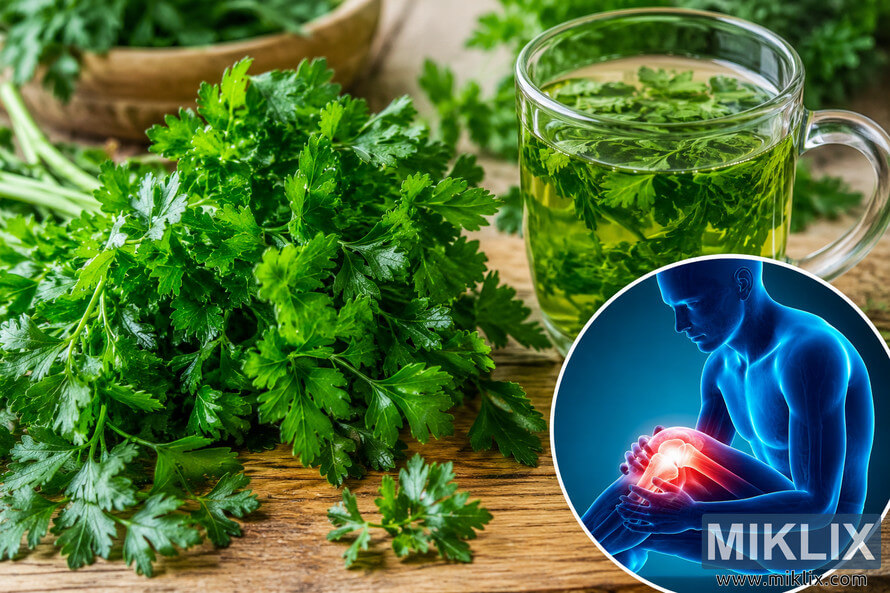
People with joint discomfort often benefit from parsley consumption. The anti-inflammatory compounds may help reduce joint swelling. Many users report improved mobility and reduced stiffness.
Digestive Support
Parsley helps calm digestive inflammation naturally. This can reduce bloating and discomfort after meals. The herb also supports healthy gut bacteria balance.
Cardiovascular Protection
Inflammation in blood vessels increases heart disease risk. Parsley's anti-inflammatory compounds help protect arterial walls. This supports overall cardiovascular health long-term.
How Parsley Supports Heart Health
Your heart works tirelessly to pump blood throughout your body. Supporting cardiovascular health through diet makes significant differences. Parsley offers multiple benefits for your heart and blood vessels.
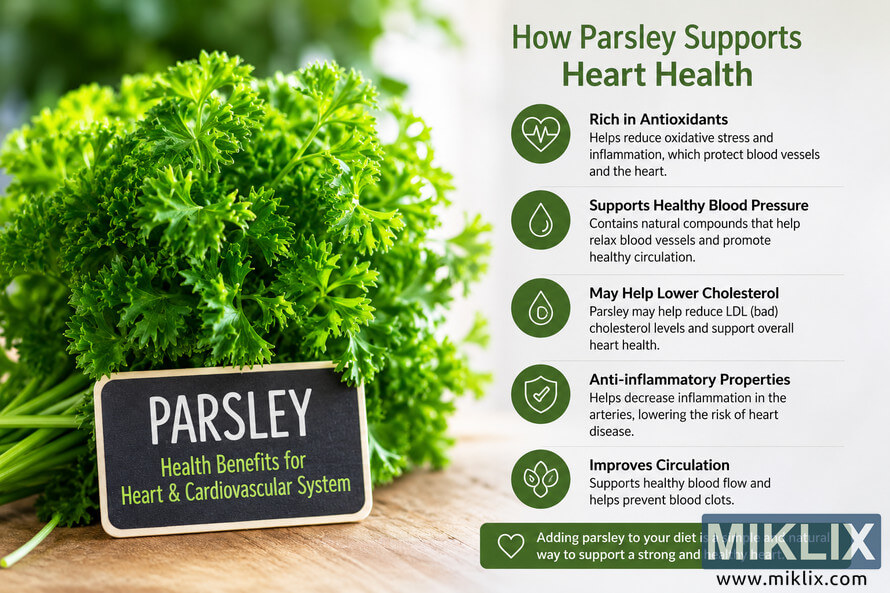
The nutrients in parsley work together to protect your cardiovascular system. Some reduce harmful cholesterol levels. Others improve blood vessel function. This comprehensive support promotes long-term heart health.
Blood Pressure Regulation
High blood pressure strains your heart and arteries over time. Many factors contribute to elevated blood pressure. Diet plays a crucial role in managing these levels.
Parsley contains compounds that support healthy blood pressure. Potassium helps balance sodium levels in your body. This mineral relaxes blood vessel walls, allowing easier blood flow.
Nitrates in parsley convert to nitric oxide in your body. This molecule signals blood vessels to widen. Better blood flow reduces pressure on arterial walls.
Klicken oder tippen Sie auf das Bild, um weitere Informationen und höhere Auflösungen zu erhalten.
Cholesterol Management
Parsley may help prevent dangerous cholesterol buildup in arteries. The fiber and antioxidants work together on this front. They help remove excess cholesterol before it accumulates.
Research suggests regular herb consumption supports healthy cholesterol ratios. This means more protective HDL cholesterol and less harmful LDL. The risk of plaque formation decreases as a result.
Important Note: While parsley supports heart health, it should complement—not replace—medical treatment for cardiovascular conditions. Always consult your healthcare provider about heart health concerns.
Protection Against Oxidative Stress
Oxidative stress damages heart tissue and blood vessels. This process accelerates when free radical levels exceed antioxidant defenses. The heart is particularly vulnerable to this type of damage.
Antioxidants in parsley shield cardiovascular tissues from oxidative harm. They neutralize free radicals before damage occurs. This protective effect extends to all parts of the circulatory system.
Building Strong Bones with Parsley
Strong bones support your entire body throughout life. Bone health depends on adequate nutrients, especially during youth and aging. Many people fail to get enough bone-building nutrients from their diet.
Parsley provides exceptional support for skeletal health. The vitamin K content alone makes this herb remarkable. Additional minerals further enhance bone-building benefits.
The Vitamin K Advantage
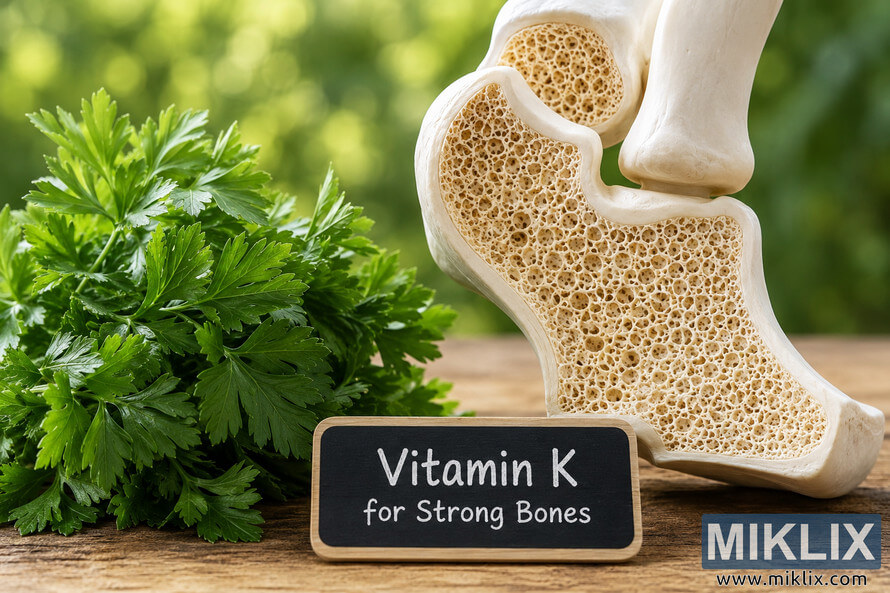
Vitamin K plays an essential role in bone formation. This nutrient helps activate proteins that bind calcium to bone tissue. Without adequate vitamin K, calcium cannot integrate into bones properly.
Parsley rich vitamin K content surpasses nearly all other foods. A single serving provides several times your daily requirement. This abundance makes parsley an efficient bone health supporter.
Research shows vitamin K reduces bone fracture risk significantly. One study found higher vitamin K intake correlated with fewer breaks. The effect was particularly strong in older adults.
Calcium and Bone Mineralization
While parsley contains calcium, its role extends beyond providing this mineral. The vitamin K in parsley helps your body use calcium effectively. This synergy maximizes bone-building benefits.
Calcium absorption improves when you consume calcium alongside vitamin K. The bones incorporate more of the mineral you eat. This efficiency prevents calcium from accumulating in soft tissues.
Bone Density Support
- Vitamin K activates osteocalcin protein
- This protein binds calcium to bone matrix
- Bone density increases with proper activation
- Regular parsley consumption supports this process
- Benefits accumulate with consistent intake
Fracture Prevention
- Strong bones resist breaking under stress
- Adequate vitamin K reduces fracture risk by 30%
- The effect increases with age
- Parsley provides vitamin K in highly absorbable form
- Combining with calcium-rich foods maximizes benefits
Klicken oder tippen Sie auf das Bild, um weitere Informationen und höhere Auflösungen zu erhalten.
Additional Bone-Supporting Nutrients
Magnesium in parsley helps convert vitamin D to its active form. Active vitamin D improves calcium absorption in your intestines. This creates a complete bone-building system.
Manganese supports bone formation and mineral density. This trace mineral activates enzymes needed for bone development. Parsley also contains meaningful amounts of this nutrient.
Strengthening Your Immune System Naturally
Your immune system defends against countless threats daily. Bacteria, viruses, and other pathogens constantly challenge your defenses. A strong immune system keeps you healthy year-round.
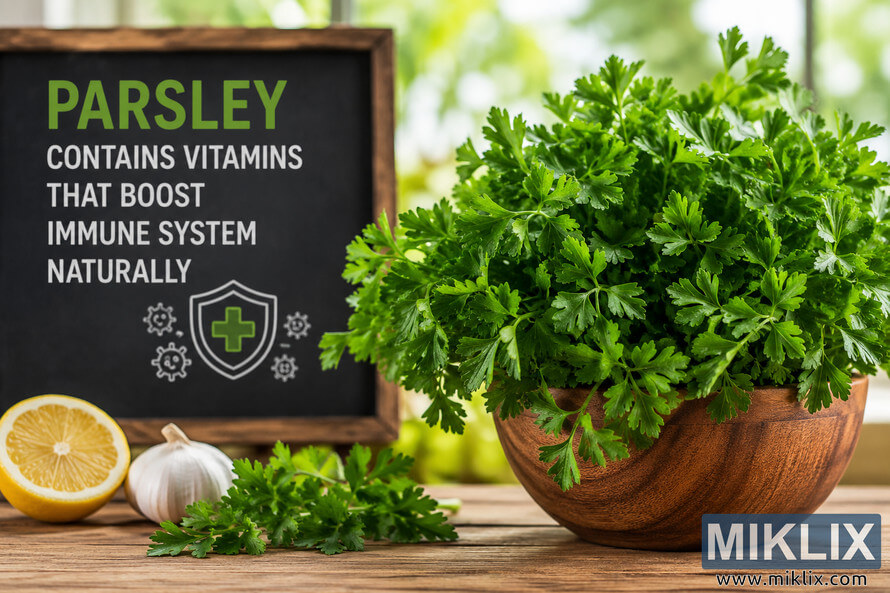
Nutrition directly impacts immune function. Certain nutrients support immune cell production and activity. Parsley contains several compounds that enhance immune responses.
Vitamin C for Immune Defense
Vitamin C stands as one of the most important immune nutrients. This vitamin supports multiple aspects of immune function. White blood cells require vitamin C to work effectively.
Parsley also contains generous amounts of vitamin C in every serving. This nutrient helps your body produce infection-fighting cells. It also protects these cells from oxidative damage.
Unlike synthetic supplements, the vitamin C in parsley comes with cofactors. These companion compounds enhance absorption and effectiveness. Whole food sources like parsley deliver superior immune support.
Antioxidants and Immune Health
Free radicals can damage immune cells and weaken defenses. The antioxidants in parsley protect immune system components. This preservation maintains your body's defensive capabilities.
Beta-carotene specifically supports immune cell membranes. It prevents oxidative damage to these protective barriers. Healthy cell membranes allow immune cells to function optimally.
Supporting Healthy Immune Responses
Apigenin in parsley helps regulate immune system activity. Sometimes immune responses become overactive or misdirected. This compound helps maintain balanced immune function.
The anti-inflammatory properties also benefit immune health. Chronic inflammation can exhaust immune resources. Reducing unnecessary inflammation preserves immune capacity for real threats.
Infection Prevention
Strong immune function helps prevent infections before they start. The nutrients in parsley support this frontline defense. Regular consumption maintains immune readiness.
Faster Recovery
When illness does occur, good nutrition speeds recovery. Immune cells work more efficiently with proper nutrient support. Parsley provides these essential components.
Long-Term Protection
Consistent immune support reduces disease risk over time. The cumulative benefits protect against various conditions. Making parsley a dietary staple builds lasting immunity.
Klicken oder tippen Sie auf das Bild, um weitere Informationen und höhere Auflösungen zu erhalten.
Parsley for Digestive Wellness
Digestive health affects your overall wellbeing significantly. Poor digestion leads to nutrient deficiencies and discomfort. Supporting your digestive system through diet makes a noticeable difference.
Parsley has been used traditionally to support digestion for centuries. Modern science confirms many of these traditional uses. The herb offers multiple benefits for your digestive tract.
Digestive Enzymes and Stomach Support
Parsley stimulates digestive enzyme production in your stomach. These enzymes break down food into absorbable nutrients. Better enzyme activity means more complete digestion.
The herb also helps prevent uncomfortable bloating after meals. It supports smooth muscle function in the digestive tract. This promotes regular, comfortable digestion.
Gut Health and Microbiome Support
Your gut contains trillions of beneficial bacteria that support health. These microorganisms help digest food and produce vitamins. Maintaining a healthy gut microbiome is essential.
Compounds in parsley support beneficial gut bacteria growth. The fiber feeds these helpful microorganisms. A thriving microbiome improves digestion and nutrient absorption.
Natural Breath Freshening
Parsley has long been known for freshening breath naturally. The chlorophyll in parsley neutralizes odor-causing compounds. Chewing fresh parsley after meals reduces unpleasant breath.
This benefit extends beyond simple odor masking. The herb addresses underlying digestive issues that cause bad breath. It helps eliminate the source rather than covering symptoms.
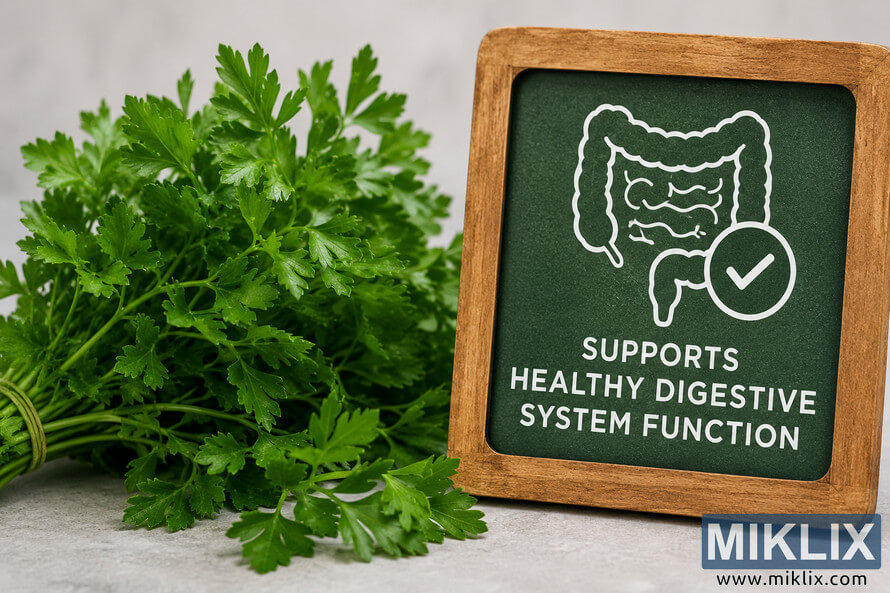
Klicken oder tippen Sie auf das Bild, um weitere Informationen und höhere Auflösungen zu erhalten.
Potential Cancer Prevention Properties
Cancer remains one of the leading health concerns worldwide. While no single food prevents cancer completely, certain compounds show promise. Research continues to explore how dietary choices affect cancer risk.
Parsley contains several compounds that scientists study for cancer prevention. These substances demonstrate protective effects in laboratory studies. Understanding these mechanisms helps explain parsley's potential benefits.
Apigenin and Cell Protection
Apigenin, a flavonoid abundant in parsley, attracts significant research attention. Studies show this compound may help prevent abnormal cell growth. It appears to support the body's natural defenses against cellular damage.
One study found apigenin could slow the progression of certain cell types. The compound seems to activate protective mechanisms within cells. This research continues to reveal new insights about apigenin's potential.
The antioxidant properties of apigenin also contribute to cancer risk reduction. By neutralizing free radicals, it prevents DNA damage. This protection helps maintain normal cell function.
Other Protective Compounds
Myristicin, another compound in parsley, shows promise in research. This substance appears to activate enzymes that eliminate potential carcinogens. Your body's natural detoxification systems work more efficiently with myristicin support.
The vitamin C in parsley also contributes to cancer prevention efforts. This antioxidant protects cells from oxidative stress. It also supports immune surveillance against abnormal cells.
Important Disclaimer: While research shows promise, parsley should never replace medical cancer prevention or treatment strategies. These findings represent early-stage research. Always consult healthcare professionals for cancer prevention advice.
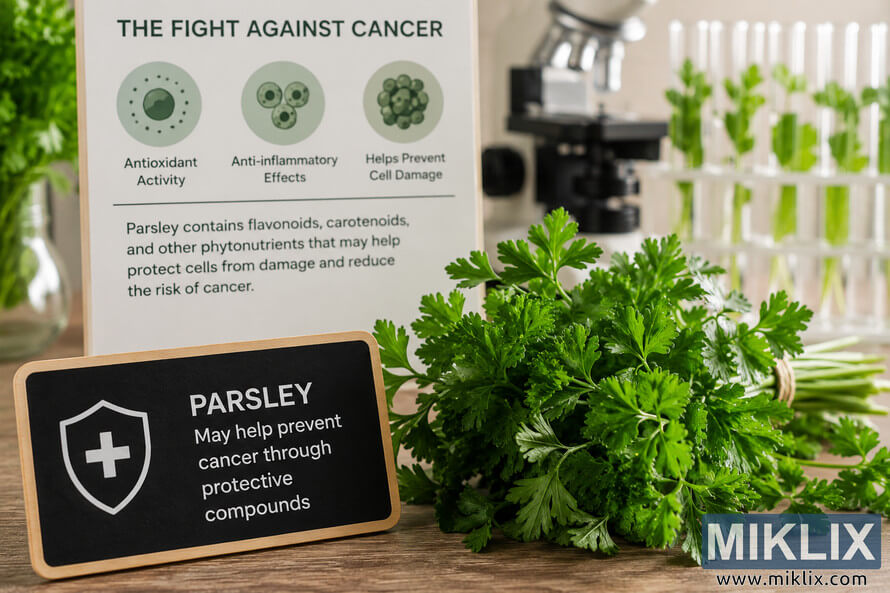
Klicken oder tippen Sie auf das Bild, um weitere Informationen und höhere Auflösungen zu erhalten.
Blood Sugar Regulation and Diabetes Support
Managing blood sugar levels is crucial for everyone, especially people with diabetes. Diet plays a central role in glucose regulation. Certain foods help stabilize blood sugar throughout the day.
Research suggests parsley may support healthy blood sugar levels. The herb contains compounds that influence glucose metabolism. These effects benefit both diabetic and non-diabetic individuals.
How Parsley Affects Blood Sugar
Myristicin in parsley appears to improve insulin sensitivity. Better insulin sensitivity means your cells respond more effectively to this hormone. This helps glucose enter cells rather than accumulating in blood.
The fiber content in parsley also supports blood sugar stability. Fiber slows carbohydrate absorption during digestion. This prevents rapid blood sugar spikes after meals.
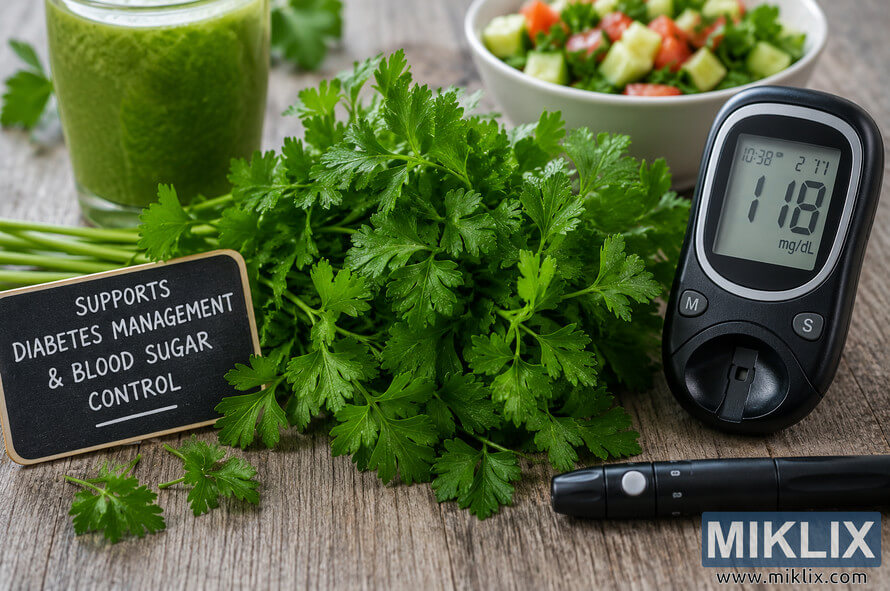
Klicken oder tippen Sie auf das Bild, um weitere Informationen und höhere Auflösungen zu erhalten.
Benefits for People with Diabetes
People managing diabetes often seek natural ways to support their condition. Parsley offers a safe addition to diabetes-friendly diets. The low calorie content makes it easy to incorporate generously.
The antioxidants in parsley provide additional diabetes benefits. They protect against oxidative stress common in diabetes. This protection extends to blood vessels, nerves, and organs.
One study examined parsley's effects on blood glucose levels. Participants who consumed parsley regularly showed improved glucose control. The effects were modest but consistent over time.
Combining parsley with other blood sugar-supporting foods creates synergy. The cumulative effect of a well-planned diet exceeds individual components. Parsley contributes meaningfully to this comprehensive approach.
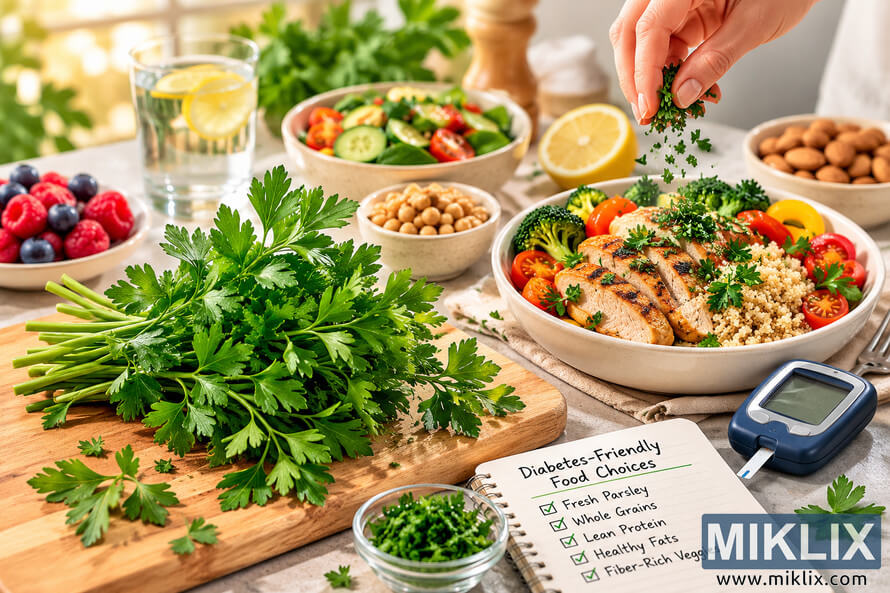
Klicken oder tippen Sie auf das Bild, um weitere Informationen und höhere Auflösungen zu erhalten.
Benefits for Skin and Eye Health
Skin Health and Anti-Aging
Your skin reflects your internal health and nutritional status. Good nutrition shows through clear, vibrant skin. Parsley provides nutrients specifically beneficial for skin health.
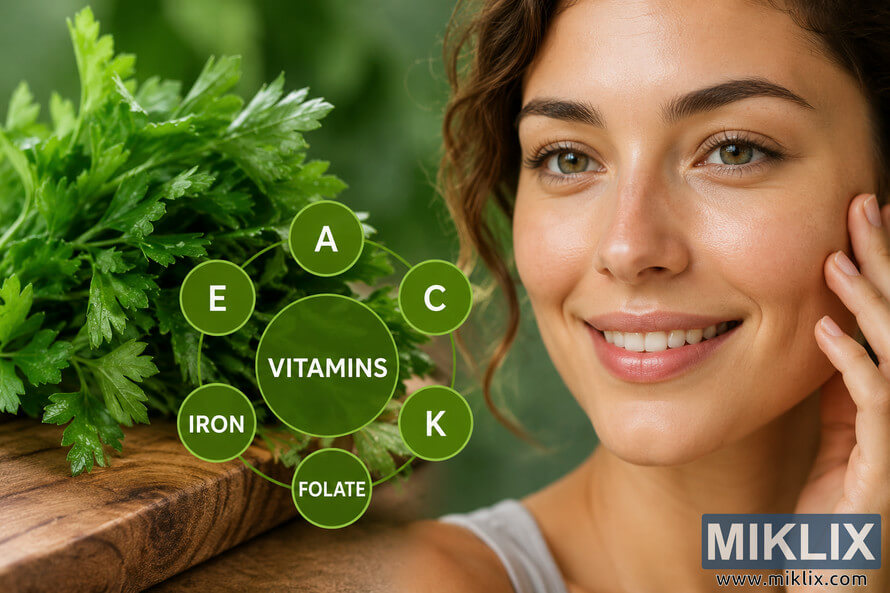
Vitamin C in parsley supports collagen production. Collagen gives skin its firmness and elasticity. Adequate vitamin C helps maintain youthful skin appearance.
The antioxidants in parsley protect skin cells from environmental damage. Sun exposure and pollution create free radicals that age skin. Regular antioxidant intake helps counter these effects.
Beta-carotene contributes to healthy skin tone and texture. This nutrient supports skin cell turnover and repair. It also provides some protection against UV radiation damage.
Eye Health Protection
Your eyes require specific nutrients for optimal function. Parsley contains several compounds that support eye health. These nutrients protect against common age-related eye conditions.
Lutein and zeaxanthin in parsley concentrate in eye tissues. These carotenoids filter harmful blue light before it damages the retina. They also provide antioxidant protection to eye cells.
Vitamin A supports night vision and overall eye function. Deficiency in this vitamin leads to various vision problems. Parsley also contains vitamin A in easily absorbed form.
Klicken oder tippen Sie auf das Bild, um weitere Informationen und höhere Auflösungen zu erhalten.
Skin Benefits
- Supports collagen production for firmness
- Protects against UV damage
- Reduces inflammation and redness
- Promotes even skin tone
- Supports wound healing
Eye Benefits
- Filters harmful blue light
- Protects retinal tissue
- Supports night vision
- Reduces eye strain
- May lower cataract risk
How to Use Parsley in Your Daily Diet
Understanding parsley's benefits matters little without knowing how to use it. Fortunately, this versatile herb fits into countless dishes. Both fresh parsley and dried varieties offer convenient options.
Fresh Parsley Applications
Fresh parsley provides maximum nutritional benefits. The delicate flavor complements many cuisines beautifully. Keep fresh parsley refrigerated and use within a week for best results.
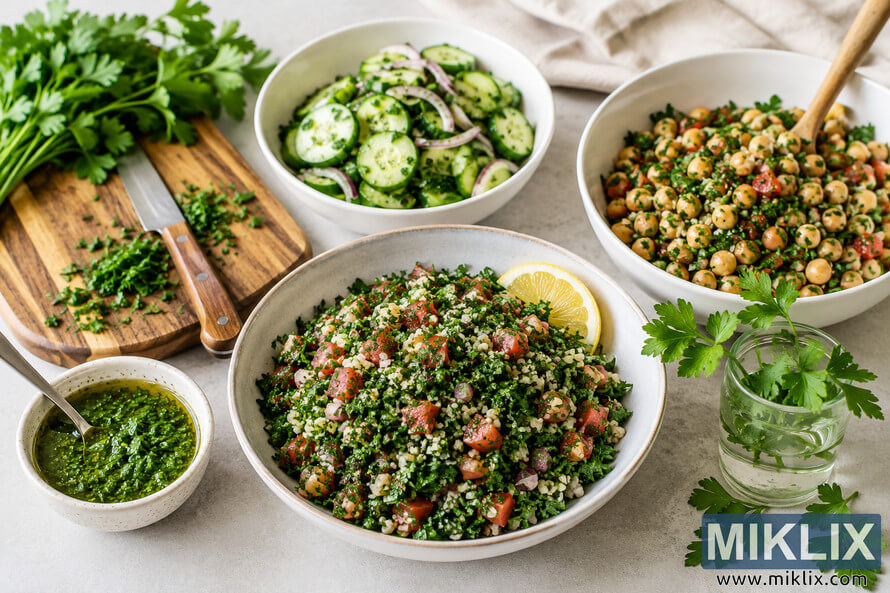
Add fresh parsley to salads for instant nutrition and flavor. Chop it finely and mix with other greens. The mild taste won't overpower other salad ingredients.
Soups and stews benefit from fresh parsley addition. Add it near the end of cooking to preserve nutrients. The herb brightens heavy dishes and adds freshness.
Klicken oder tippen Sie auf das Bild, um weitere Informationen und höhere Auflösungen zu erhalten.
Creative Parsley Uses
Parsley Juice
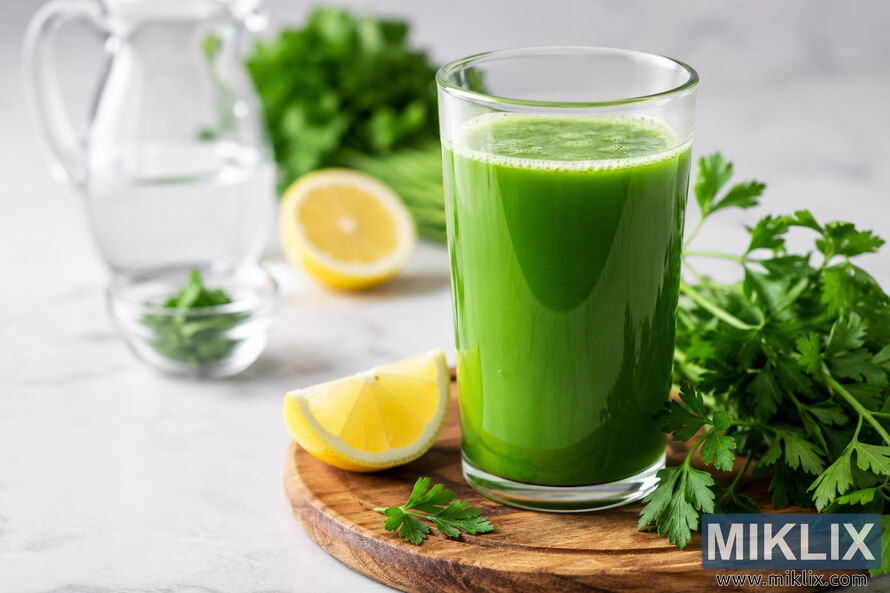
Blend fresh parsley with water, lemon, and apple for a nutrient-dense drink. This concentrated form delivers vitamins quickly. Start with small amounts if new to parsley juice.
Klicken oder tippen Sie auf das Bild, um weitere Informationen und höhere Auflösungen zu erhalten.
Home Growing
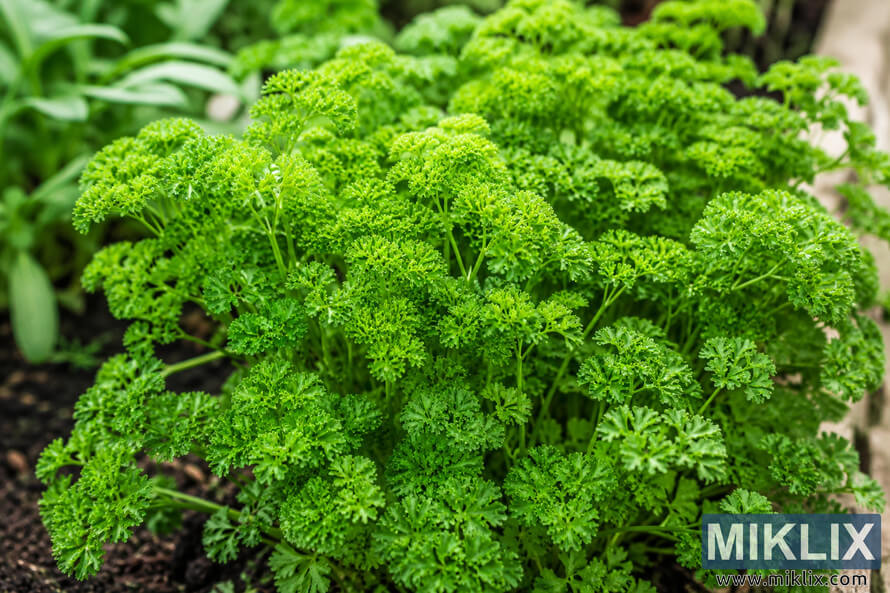
Grow parsley in pots on your windowsill for constant fresh supply. This herb thrives indoors with adequate light. Having fresh parsley readily available encourages daily use.
Klicken oder tippen Sie auf das Bild, um weitere Informationen und höhere Auflösungen zu erhalten.
Flavor Enhancer
Use parsley to reduce salt needs in recipes. The herb adds complexity and brightness to flavor profiles. This benefits people watching sodium intake.

Klicken oder tippen Sie auf das Bild, um weitere Informationen und höhere Auflösungen zu erhalten.
Dried Parsley Considerations
Dried parsley offers convenience and longer shelf life. While some nutrients diminish during drying, many benefits remain. Keep dried parsley in a cool, dark place for best preservation.
Use about one-third the amount of dried parsley compared to fresh. The concentrated flavor means less goes further. Dried parsley works well in cooked dishes and marinades.
Daily Intake Recommendations
Most people can safely consume parsley daily without concerns. One to two tablespoons of fresh parsley provides significant nutrients. This amount easily fits into normal meal preparation.
Pregnant women should moderate parsley intake due to certain compounds. Large amounts might stimulate uterine contractions. Normal culinary use poses no risk, but avoid concentrated supplements.
People taking blood thinners should maintain consistent parsley consumption. The high vitamin K content affects blood clotting. Sudden changes in intake might interfere with medication effectiveness.
Breakfast Ideas
- Add to scrambled eggs or omelets
- Blend into morning smoothies
- Top avocado toast with fresh parsley
- Mix into breakfast grain bowls
Lunch Options
- Toss into green salads generously
- Add to sandwich spreads and wraps
- Mix into grain-based salads
- Include in homemade dressings
Dinner Applications
- Garnish soups and stews
- Mix into pasta dishes
- Top grilled vegetables or proteins
- Blend into sauces and marinades
Important Precautions and Considerations
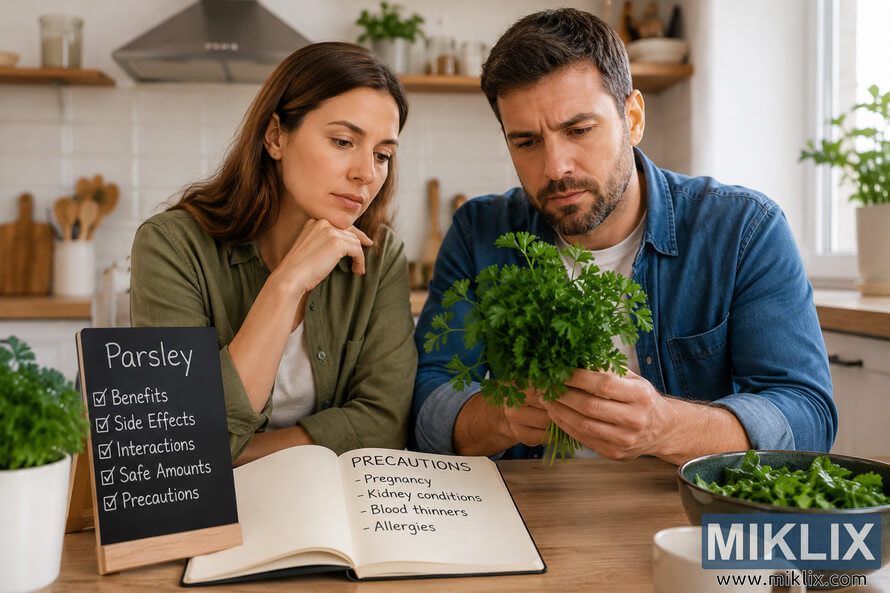
While parsley offers numerous health benefits, certain situations require caution. Understanding potential risks helps you use this herb safely. Most people experience no issues with normal culinary amounts.
Medication Interactions
Parsley may interact with specific medications. Blood thinners like warfarin are particularly affected by vitamin K. The high vitamin K content in parsley can reduce medication effectiveness.
If you take blood thinning medications, maintain consistent parsley intake. Sudden increases or decreases affect how your medication works. Discuss dietary changes with your healthcare provider first.
Diuretic medications might interact with parsley's natural diuretic properties. This combination could lead to excessive fluid loss. Monitor your response carefully and consult your doctor.
Pregnancy and Breastfeeding
Pregnant women should limit parsley consumption to normal culinary amounts. Large quantities or concentrated forms may stimulate the uterus. This could potentially lead to complications.
Parsley also contains compounds that might affect milk production during breastfeeding. Small amounts in food pose no risk. Avoid supplements or large quantities during this time.
Allergic Reactions
Some people experience allergic reactions to parsley. Symptoms might include skin irritation or digestive discomfort. Those allergic to other plants in the carrot family face higher risk.
Start with small amounts if you're trying parsley for the first time. Monitor your body's response over several days. Discontinue use if you notice any adverse reactions.
Safe Practices
- Use normal culinary amounts daily
- Wash fresh parsley thoroughly before use
- Store properly to prevent contamination
- Combine with varied diet for balance
- Consult healthcare provider about medications
Situations Requiring Caution
- Taking blood thinning medications
- Pregnancy or breastfeeding periods
- History of kidney stones
- Scheduled surgeries within two weeks
- Known allergies to similar plants
Kidney Considerations
People with kidney disease should consult their healthcare provider before increasing parsley consumption. The herb contains oxalates that might affect kidney stone formation. Those prone to stones should exercise moderation.
The high vitamin K content also requires monitoring in kidney disease. Kidney function affects vitamin K metabolism. Medical guidance ensures safe consumption levels.
Klicken oder tippen Sie auf das Bild, um weitere Informationen und höhere Auflösungen zu erhalten.
Making Parsley Part of Your Healthy Lifestyle
Parsley stands out as one of nature's most nutritious herbs. The vitamins, minerals, and protective compounds work together synergistically. Regular consumption supports multiple aspects of health simultaneously.
This versatile herb fits easily into any eating pattern. Whether you prefer Mediterranean, Asian, or American cuisine, parsley enhances dishes naturally. The mild flavor complements rather than dominates other ingredients.
Start incorporating more parsley into your meals gradually. Add it to one dish daily at first. As you become comfortable with the herb, expand its use throughout your diet.
Remember that no single food creates perfect health alone. Parsley contributes to an overall healthy lifestyle. Combine it with other nutritious foods, regular physical activity, and adequate sleep.
The health benefits of parsley accumulate over time with consistent use. Small daily amounts provide steady nutritional support. This approach proves more effective than occasional large servings.
Take advantage of parsley's affordability and availability. Most grocery stores carry fresh parsley year-round. Growing your own provides the freshest possible supply at minimal cost.
Your body deserves the best nutrition you can provide. Parsley offers an accessible, affordable way to enhance your health. Start today by adding this remarkable herb to your next meal.
Klicken oder tippen Sie auf das Bild, um weitere Informationen und höhere Auflösungen zu erhalten.
Weitere Informationen
Wenn Ihnen dieser Beitrag gefallen hat, könnten Ihnen auch diese Vorschläge gefallen:
- Bringen Sie Würze in Ihr Leben: Wie Chili Körper und Gehirn stärkt
- Vorteile von Bockshornklee: Wie dieses alte Kraut Ihre Gesundheit verändern kann
- Von Müdigkeit zu Konzentration: Wie Maca täglich natürliche Energie freisetzt