
From Seed to Harvest: The Complete Guide to Growing Zucchini
Published: December 11, 2025 at 10:00:09 PM UTC
Zucchini is the garden gift that keeps on giving—sometimes more than you bargained for! This summer squash variety is famous for its incredible productivity, making it perfect for beginner gardeners and seasoned green thumbs alike.
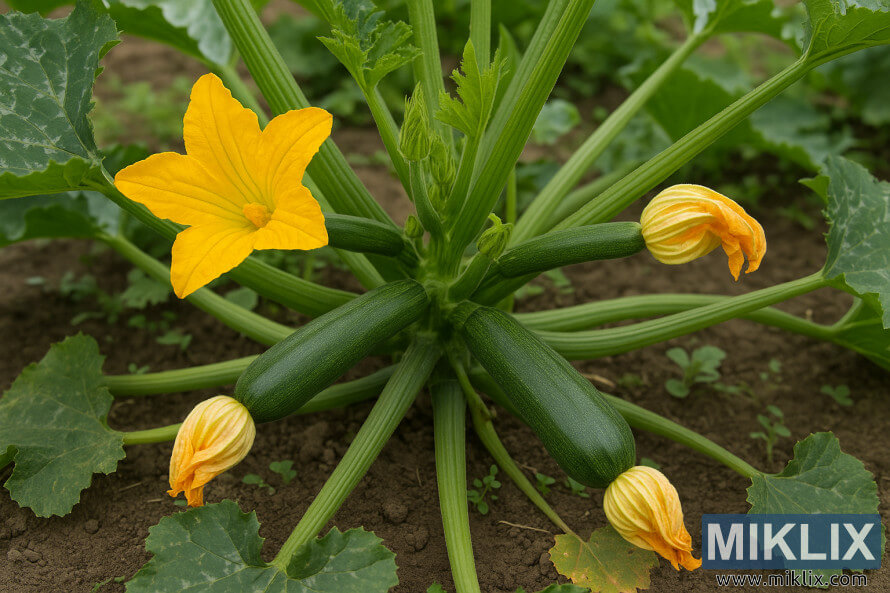
Click or tap the image for more information and higher resolutions.
Whether you're dreaming of stir-fries, zucchini bread, or grilled veggie platters, this guide will walk you through everything you need to know about growing your own abundant zucchini harvest.
With minimal space requirements and relatively simple care needs, zucchini rewards gardeners with weeks of nutritious vegetables. The secret to success lies in understanding a few key principles about timing, spacing, and maintenance. Let's dig in and discover how to grow zucchini that will have your neighbors knocking on your door for the extras!
Best Zucchini Varieties for Your Garden
Not all zucchini are created equal! Choosing the right variety for your climate and cooking preferences can make a big difference in your gardening success. Here are some top-performing varieties to consider for your garden:
Green Zucchini Varieties
- 'Black Beauty' - Classic dark green zucchini, productive and reliable in most climates
- 'Cocozelle' - Italian heirloom with striped skin and excellent flavor
- 'Tigress' - Disease-resistant hybrid with consistent production
- 'Cashflow' - Compact plant ideal for small spaces and containers
Yellow Summer Squash
- 'Goldbar' - Bright yellow straight-neck squash with buttery flavor
- 'Early Prolific Straightneck' - Heavy producer with tender flesh
- 'Horn of Plenty' - Yellow crookneck type with distinctive shape
- 'Zephyr' - Two-toned yellow with green tips, excellent taste
Specialty Varieties
- 'Eight Ball' - Round zucchini perfect for stuffing
- 'Sunburst' - Scalloped patty pan type with bright yellow color
- 'Ronde de Nice' - French heirloom with globe-shaped fruits
- 'Costata Romanesco' - Ribbed Italian variety with exceptional flavor
Climate Considerations: For hot, humid regions, choose powdery mildew-resistant varieties like 'Tigress' or 'Dunja'. In cooler climates with shorter growing seasons, opt for early-maturing varieties like 'Early Summer Crookneck' or 'Partenon'.
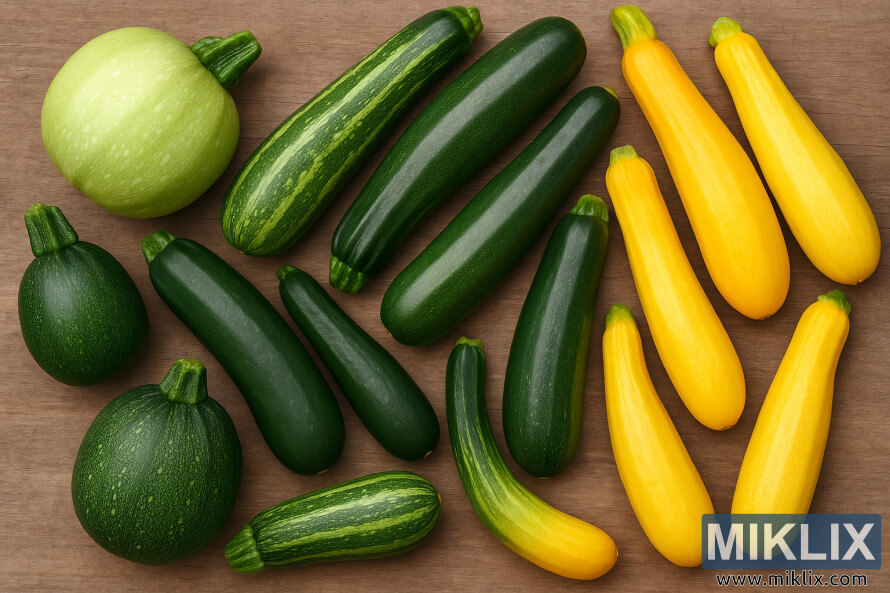
Click or tap the image for more information and higher resolutions.
Soil Preparation and Planting Requirements
Zucchini thrives in rich, well-draining soil with plenty of organic matter. Proper preparation before planting sets the stage for healthy growth and abundant harvests.
Sunlight and Location
Zucchini plants need full sun to produce well—at least 6-8 hours of direct sunlight daily. Choose a spot that receives ample sunshine and has good air circulation to reduce disease problems. Shelter from strong winds is also beneficial, as this helps pollinators access the flowers more easily.
Soil Requirements
These hungry plants perform best in nutrient-rich soil with the following characteristics:
- pH level between 6.0 and 7.5 (slightly acidic to neutral)
- Well-draining to prevent root rot
- Rich in organic matter for steady nutrition
- Loose texture that allows roots to expand easily
Preparing Your Soil
- Clear the planting area of weeds and debris
- Dig in 2-3 inches of compost or well-rotted manure
- Add a balanced organic fertilizer according to package directions
- Loosen the soil to a depth of at least 12 inches
- Rake the surface smooth before planting
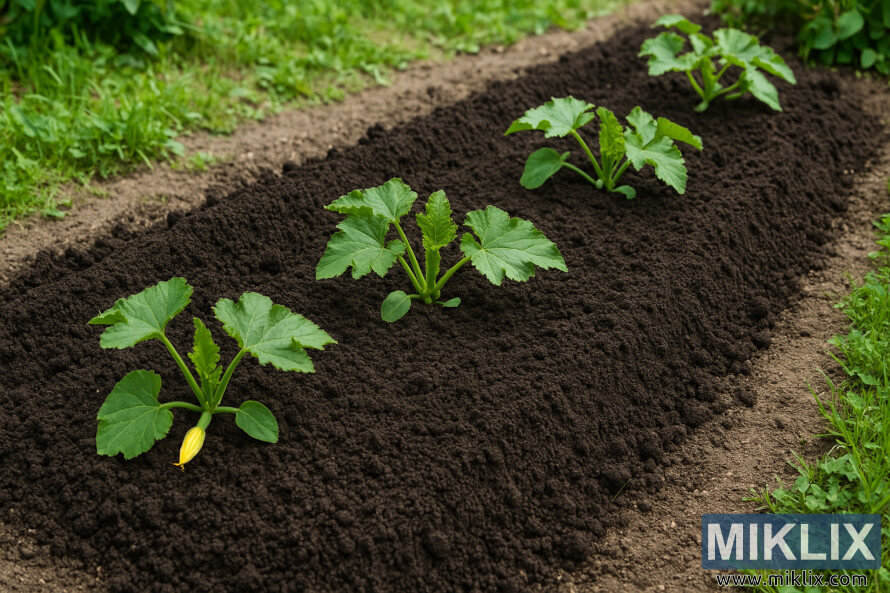
Click or tap the image for more information and higher resolutions.
Spacing Requirements
Traditional spacing for bush-type zucchini plants is 2-3 feet apart in all directions. However, if you're using the vertical growing method (staking your plants), you can plant them closer together—about 1-1.5 feet apart in rows that are 2 feet apart. This space-saving technique allows you to grow more plants in a smaller area.
Planting Pocket Technique: For extra-productive plants, create "planting pockets" by digging holes 12 inches wide and deep, filling them with compost mixed with a handful of organic fertilizer, and then covering with 2 inches of soil before planting. This concentrated nutrition zone gives zucchini plants a strong start.
Step-by-Step Planting Instructions
Timing is crucial when planting zucchini. These warm-season crops are sensitive to cold and should only be planted when soil temperatures reach at least 65°F (18°C).
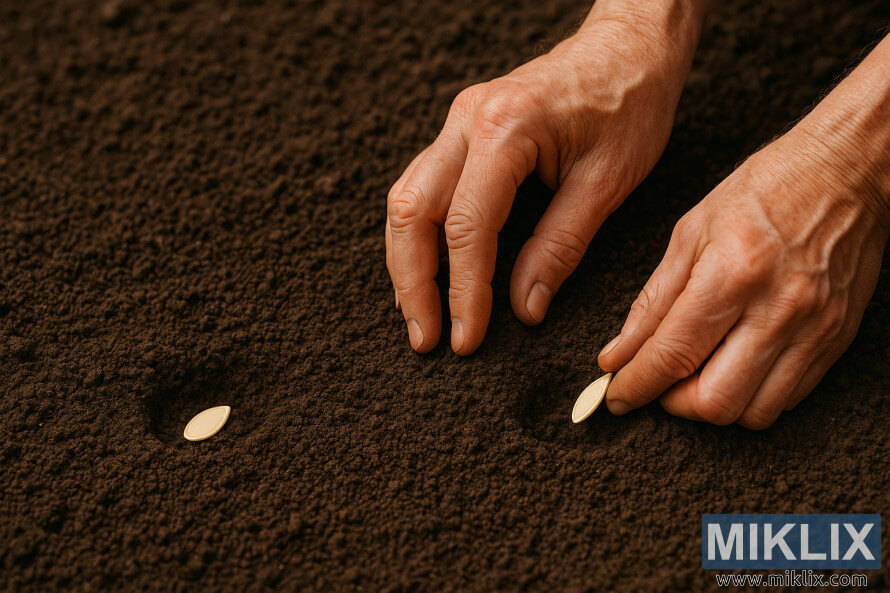
Planting zucchini seeds at the proper depth in prepared soil
When to Plant Zucchini
- Wait until all danger of frost has passed and soil temperatures reach 65-70°F
- In most regions, this means late spring (mid-May to early June)
- For an extended harvest, plant a second batch 3-4 weeks after the first
- Consider a midsummer planting (late June/early July) to avoid early-season pests
Direct Seeding Method
- Create planting holes 1 inch deep and 2-3 feet apart (or 1 foot apart if growing vertically)
- Place 2-3 seeds in each hole, spaced slightly apart
- Cover with soil and water gently but thoroughly
- Keep soil consistently moist until germination (usually 7-10 days)
- Once seedlings reach 2-3 inches tall, thin to the strongest plant by snipping others at soil level
Starting from Seedlings
- If starting indoors, sow seeds in biodegradable pots 2-3 weeks before last frost
- Use a quality seed-starting mix and keep warm (70-75°F)
- Provide plenty of light once germinated to prevent leggy growth
- Harden off seedlings by gradually exposing to outdoor conditions over 7-10 days
- Transplant carefully to avoid disturbing roots, planting at the same depth as in the container
- Water thoroughly after planting
Caution: Zucchini seedlings don't always transplant well. Handle them gently and try to disturb the roots as little as possible. Direct seeding is often more successful for beginning gardeners.
Click or tap the image for more information and higher resolutions.
Watering, Fertilizing, and Maintenance
Consistent care is the key to healthy, productive zucchini plants. These vigorous growers need regular attention to reach their full potential.
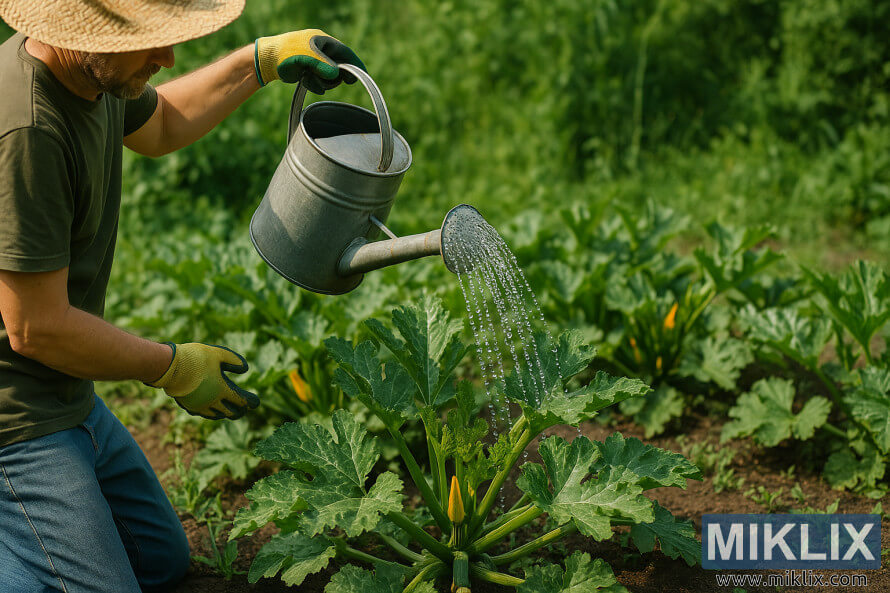
Proper watering technique for zucchini plants - directing water to the soil, not the leaves
Watering Schedule
Zucchini needs consistent moisture to produce tender fruits. Irregular watering can lead to bitter fruits and blossom end rot.
- Provide 1-1.5 inches of water per week (more during hot, dry periods)
- Water deeply at the base of plants rather than overhead
- Morning watering is ideal to allow foliage to dry during the day
- Use mulch to retain soil moisture and reduce watering frequency
- Increase watering when plants are flowering and fruiting
Click or tap the image for more information and higher resolutions.
Fertilizing Regime
These heavy feeders benefit from regular nutrient boosts throughout the growing season:
- Before planting: Incorporate compost and balanced organic fertilizer
- When first flowers appear: Side-dress with compost or balanced organic fertilizer
- Every 3-4 weeks: Apply diluted liquid fertilizer or compost tea
- Avoid excessive nitrogen, which promotes leaf growth at the expense of fruit
Vertical Growing Technique
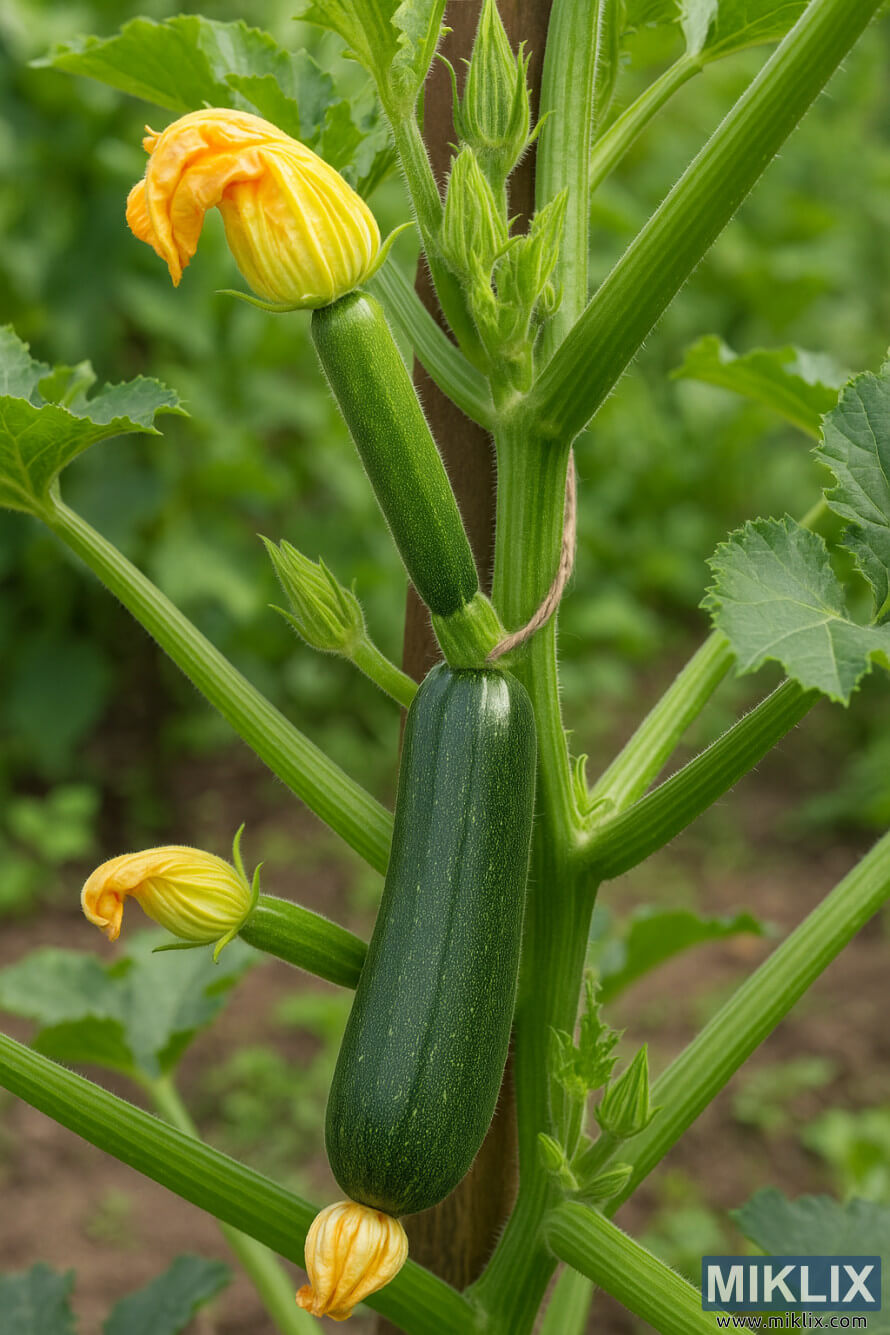
Growing zucchini vertically saves space and reduces disease problems by improving air circulation. This method is gaining popularity among gardeners for good reason!
Staking Instructions:
- Install a 4-5 foot stake near each plant at planting time
- As the plant grows, gently tie the main stem to the stake using soft garden twine
- Add new ties every 8-12 inches as the plant grows taller
- Remove lower leaves below the lowest developing fruit
- Continue training the plant upward throughout the season
Click or tap the image for more information and higher resolutions.
Pollination Support
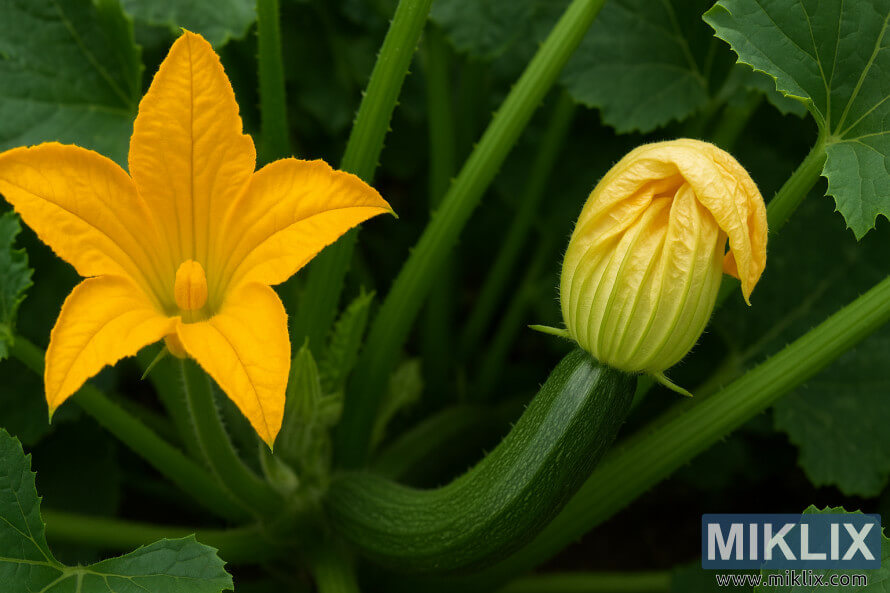
Zucchini produces separate male and female flowers on the same plant. Poor pollination results in fruits that start to grow but then shrivel and drop off.
- Plant pollinator-friendly flowers nearby (borage, calendula, and cosmos work well)
- Avoid using pesticides that harm bees and other pollinators
- If necessary, hand-pollinate by transferring pollen from male to female flowers using a small brush
- Female flowers have a tiny zucchini at the base; male flowers grow on a thin stem
Click or tap the image for more information and higher resolutions.
Common Pests and Diseases
While zucchini is relatively easy to grow, it can face several challenges from pests and diseases. Knowing how to identify and address these issues organically will help ensure a successful harvest.
Major Pest Challenges
Squash Vine Borers
These destructive pests burrow into stems, causing plants to suddenly wilt and die.
Prevention & Treatment:
- Cover young plants with floating row covers until flowering
- Plant a second crop in early July (after adult borers have completed egg-laying)
- Wrap stems with aluminum foil or nylon stockings as a physical barrier
- If infestation occurs, carefully slit the stem, remove the borer, and bury the damaged portion with soil
Squash Bugs
These gray-brown insects suck sap from plants, causing wilting and yellow spots.
Prevention & Treatment:
- Check undersides of leaves regularly for egg clusters and crush them
- Use row covers early in the season
- Hand-pick adults and drop into soapy water
- Apply neem oil or insecticidal soap to nymphs
Common Diseases
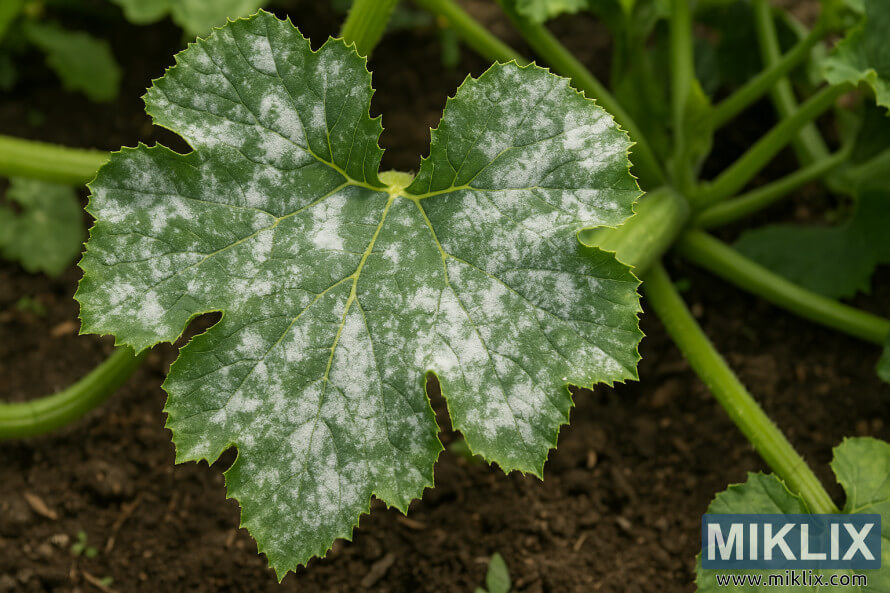
Powdery Mildew
This fungal disease appears as white powdery spots on leaves, eventually covering them completely.
Prevention & Treatment:
- Grow plants vertically to improve air circulation
- Water at the base of plants, keeping leaves dry
- Remove affected leaves promptly
- Spray with a solution of 1 tablespoon apple cider vinegar in 1 quart of water
- Apply milk spray (1 part milk to 2 parts water) as a preventative
Blossom End Rot
Fruits develop dark, sunken areas at the blossom end due to calcium deficiency often caused by irregular watering.
Prevention & Treatment:
- Maintain consistent soil moisture
- Add calcium-rich amendments like crushed eggshells to soil
- Mulch to regulate soil moisture levels
- Remove affected fruits to redirect plant energy
Click or tap the image for more information and higher resolutions.
Harvesting Techniques and Timing
Knowing when and how to harvest your zucchini is crucial for both flavor and continued production. The plants are most productive when fruits are harvested regularly at the right size.
When to Harvest
- Harvest summer squash when they're young and tender—typically 6-8 inches long for zucchini
- Check plants daily during peak season, as fruits can double in size overnight
- Smaller fruits (4-6 inches) have the best flavor and tender skin
- Yellow summer squash should be harvested when 4-7 inches long
- Round varieties are best picked when they reach the size of a baseball
How to Harvest
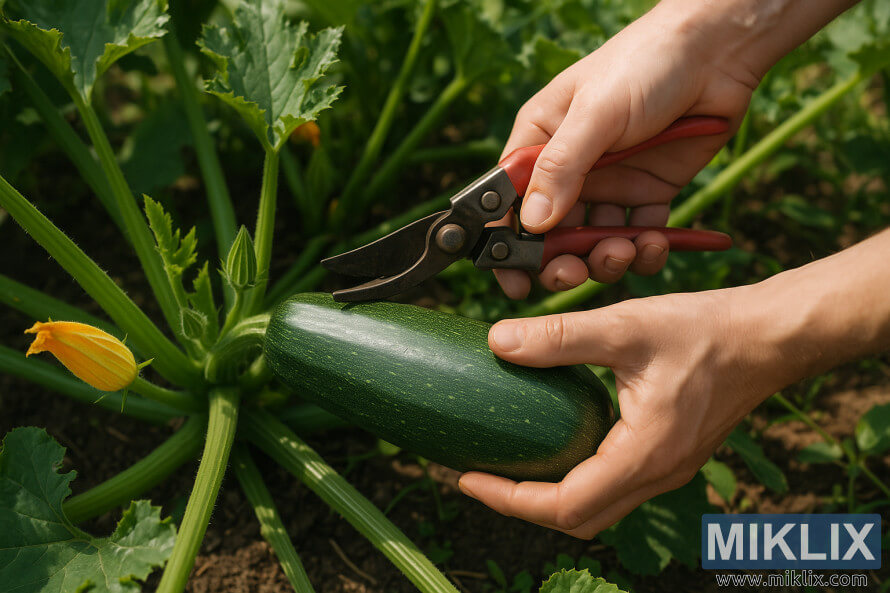
- Use a sharp knife or pruning shears to cut the stem about 1 inch above the fruit
- Never pull or twist fruits off the plant, as this can damage the stems
- Handle gently to avoid scratching the tender skin
- Harvest in the morning when fruits are cool and crisp
- Remove any oversized fruits promptly, even if you don't plan to eat them
Production Tip: Harvesting frequently stimulates the plant to produce more fruits. Leaving oversized zucchini on the plant signals it to slow down production. Even if you can't use all the zucchini, pick them regularly to keep your plants productive.
Click or tap the image for more information and higher resolutions.
Harvesting Flowers
Zucchini flowers are edible delicacies that can be stuffed, fried, or added to salads.
- Harvest male flowers (those without a small zucchini at the base)
- Pick in the morning when flowers are fully open
- Leave some male flowers for pollination
- Use flowers the same day for best flavor and texture
Storage and Preservation Methods
During peak season, zucchini plants can produce more than you can eat fresh. Having a plan for preserving your harvest ensures nothing goes to waste.
Fresh Storage
- Store unwashed zucchini in a perforated plastic bag in the refrigerator crisper drawer
- Use within 1-2 weeks for best quality
- Avoid storing zucchini below 41°F, which can cause chilling injury
- Don't wash until ready to use to prevent mold
Click or tap the image for more information and higher resolutions.
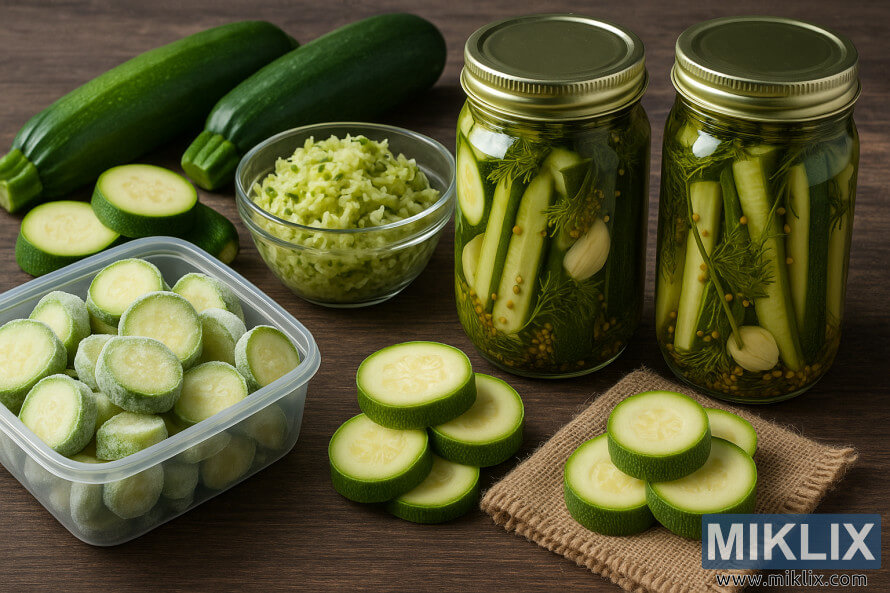
Freezing Zucchini
Freezing is one of the easiest ways to preserve zucchini for later use.
- Wash and trim the ends of young, tender zucchini
- Cut into 1/4-inch slices or grate for bread recipes
- Blanch slices for 1-2 minutes in boiling water, then plunge into ice water
- Drain well and pat dry
- Pack in freezer bags or containers, removing as much air as possible
- Label with date and contents
- Freeze for up to 8-10 months
Other Preservation Methods
Dehydrating
- Slice zucchini 1/8-inch thick
- Arrange in a single layer on dehydrator trays
- Dry at 135°F until crisp (6-12 hours)
- Store in airtight containers
- Great for snacks or rehydrating in soups
Pickling
- Slice zucchini into spears or rounds
- Use a quick refrigerator pickle recipe
- Or process in a water bath for longer storage
- Add herbs and spices for unique flavors
- Ready to eat in as little as 24 hours
Fermenting
- Slice or dice zucchini
- Use a 2% salt brine solution
- Add garlic, dill, or other seasonings
- Ferment at room temperature for 3-7 days
- Refrigerate after fermentation is complete
Troubleshooting Common Growing Problems
Even experienced gardeners occasionally encounter challenges when growing zucchini. Here's how to identify and solve the most common issues:
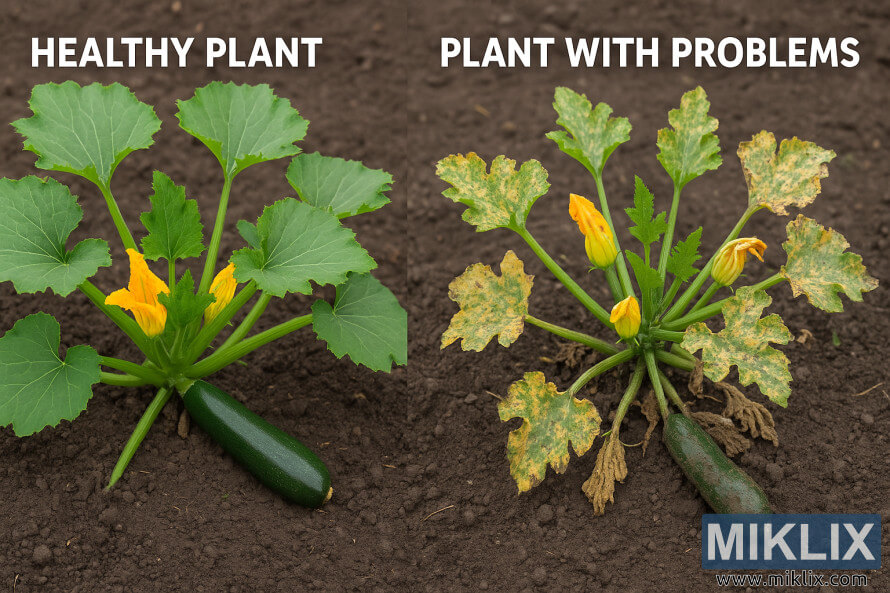
Healthy zucchini plant (left) compared to one showing signs of stress (right)
Why are my zucchini flowers dropping without producing fruit?
This is typically a pollination issue. Zucchini has separate male and female flowers, and the female flowers must be pollinated to develop fruit. Solutions include:
- Plant pollinator-attracting flowers nearby
- Hand-pollinate by transferring pollen from male to female flowers
- Avoid using pesticides that harm bees
- Check for proper nutrition and watering, as stress can affect fruit set
Why are my zucchini leaves turning yellow?
Yellowing leaves can have several causes:
- Nutrient deficiency: Add balanced organic fertilizer
- Overwatering: Reduce watering frequency and improve drainage
- Pest damage: Check undersides of leaves for insects
- Disease: Remove affected leaves and improve air circulation
- Natural aging: Lower leaves naturally yellow as the plant matures
Why are my plants wilting suddenly?
Sudden wilting, especially when the soil isn't dry, often indicates:
- Squash vine borer: Look for sawdust-like frass at the base of stems
- Root damage: Check for signs of animals digging or root rot
- Bacterial wilt: Cut a stem and look for sticky sap that strings out when touched
For vine borers, slit the stem lengthwise, remove the borer, and bury the damaged portion with soil. For bacterial wilt, remove and destroy affected plants.
Why are my zucchini bitter tasting?
Bitterness in zucchini is caused by compounds called cucurbitacins, which increase when plants are stressed. To prevent bitter fruits:
- Maintain consistent watering
- Harvest when fruits are young (6-8 inches)
- Ensure proper nutrition
- Protect from extreme heat and drought
If you encounter a bitter zucchini, discard it and address the growing conditions for future harvests.
Click or tap the image for more information and higher resolutions.
Creative Uses for Abundant Harvests
When your zucchini plants hit their stride, you might find yourself with more than you know what to do with. Here are delicious and creative ways to enjoy your bounty:
Creative zucchini dishes: zucchini bread, noodles, grilled slices, and fritters
Cooking Ideas
- Spiralize into "zoodles" as a pasta alternative
- Grill slices with olive oil and herbs
- Make fritters or savory pancakes
- Stuff and bake larger specimens
- Add to stir-fries, soups, and stews
- Shred into meatballs or meatloaf
- Create savory zucchini bread or muffins
Baking Favorites
- Classic zucchini bread with walnuts
- Chocolate zucchini cake
- Zucchini brownies (yes, really!)
- Lemon-zucchini muffins
- Zucchini-carrot spice cookies
- Savory zucchini scones
- Zucchini pizza crust (low-carb option)
Preservation Projects
- Zucchini relish for burgers and hot dogs
- Zucchini salsa with tomatoes and peppers
- Zucchini butter (concentrated spread)
- Dehydrated zucchini chips
- Zucchini kimchi or sauerkraut
- Frozen shredded zucchini for winter baking
- Zucchini pickles (sweet or dill)
Community Sharing: When your harvest exceeds what you can use, consider donating extra zucchini to local food banks or community kitchens. Many accept fresh produce donations during the growing season. You can also organize a neighborhood produce swap to exchange your zucchini for other homegrown vegetables.

Click or tap the image for more information and higher resolutions.
Zucchini Growing Quick Reference Guide
Use this handy reference table to keep track of the essential requirements for growing zucchini successfully:
| Requirement | Details | Notes |
| Sunlight | Full sun (6-8 hours daily) | Morning sun is especially important |
| Soil pH | 6.0-7.5 (slightly acidic to neutral) | Test soil before planting |
| Planting Time | After all danger of frost, soil 65°F+ | Mid-May to early June in most regions |
| Spacing | 2-3 feet apart (traditional); 1-1.5 feet (vertical) | Rows 3-4 feet apart |
| Watering | 1-1.5 inches weekly | Consistent moisture is crucial |
| Fertilizing | At planting and when flowers appear | Balanced organic fertilizer |
| Days to Maturity | 45-60 days from planting | Varies by variety |
| Harvest Size | 6-8 inches for zucchini | Smaller fruits have better flavor |
| Companions | Nasturtiums, beans, peas, corn, herbs | Avoid planting near potatoes |
Conclusion: Enjoying Your Zucchini Growing Journey
Growing zucchini offers a rewarding experience for gardeners of all skill levels. From the excitement of seeing the first yellow flowers to the satisfaction of harvesting your own fresh vegetables, zucchini provides both gardening pleasure and nutritious food for your table.
Remember that each growing season brings new lessons and opportunities to refine your techniques. Don't be discouraged by occasional challenges—even experienced gardeners face setbacks. The key is to observe your plants closely, respond to their needs, and enjoy the process of growing your own food.
With the techniques shared in this guide—especially the space-saving vertical growing method and organic pest management strategies—you're well-equipped to grow healthy, productive zucchini plants that will keep your kitchen stocked with this versatile vegetable all summer long.

Click or tap the image for more information and higher resolutions.
Further Reading
If you enjoyed this post, you may also like these suggestions:
- A Complete Guide to Growing Olives at Home Successfully
- Top 10 Healthiest Vegetables to Grow in Your Home Garden
- A Guide to Growing the Best Elderberries in Your Garden