
How to Grow Radishes: Your Complete Beginner's Guide to a Perfect Harvest
Published: March 31, 2026 at 8:43:41 PM UTC
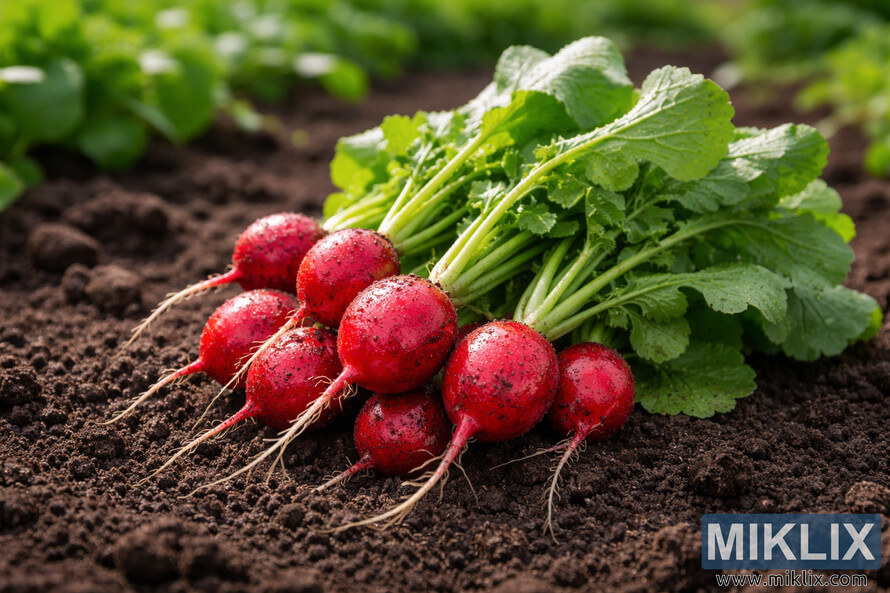
Growing your own radishes brings incredible satisfaction. These crisp root vegetables grow fast and taste amazing fresh from the garden. Even complete beginners succeed with radishes because they sprout quickly and forgive most mistakes.
Click or tap the image for more information and higher resolutions.
Radishes mature in just three to four weeks. This makes them perfect for impatient gardeners who want quick results. You can harvest fresh, crunchy roots while other vegetables are still developing.
This comprehensive guide walks you through every step of radish gardening. You'll learn which varieties work best, how to prepare soil properly, and when to harvest for maximum flavor. We've included proven tips that guarantee success for first-time growers.
Why Radishes Are Perfect for Beginning Gardeners
Radishes rank among the easiest vegetables to grow at home. Their quick growth cycle provides instant gratification that keeps new gardeners motivated and excited about growing food.
Fast Results Build Confidence
Most radish varieties reach harvest size in twenty-five to thirty days. This rapid growth lets beginners see results quickly. You'll gain confidence as you watch seeds transform into edible roots in less than a month.
The short growing time also means you can plant multiple crops throughout spring and fall. Each successive planting teaches new skills and improves your technique.
Click or tap the image for more information and higher resolutions.
Minimal Space Requirements
Radishes thrive in small spaces. You can grow them successfully in containers, window boxes, or small garden plots. A single square foot can produce dozens of crisp radishes.
Their compact root systems make radishes ideal for apartment dwellers with balconies. You don't need a large backyard to enjoy homegrown vegetables when you start with radishes.
Beginner Tip: Plant radish seeds between slower-growing vegetables like carrots or lettuce. The radishes will be ready to harvest before other crops need the space. This companion planting maximizes your garden's productivity.
Best Radish Varieties to Grow in Your Garden
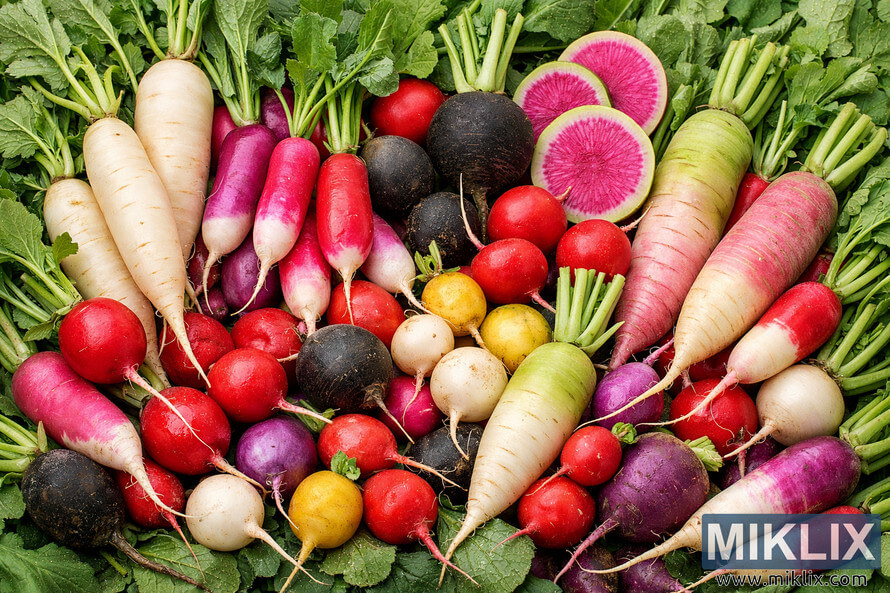
Choosing the right radish variety sets you up for success. Different types of radishes offer unique flavors, colors, and growing characteristics. Understanding these differences helps you select varieties that match your taste preferences and growing conditions.
Click or tap the image for more information and higher resolutions.
Spring Radishes for Quick Harvests
Spring radishes grow best in cool weather. These varieties mature rapidly and provide the crispest texture. Plant them in early spring or late summer for optimal results.
Cherry Belle Radishes
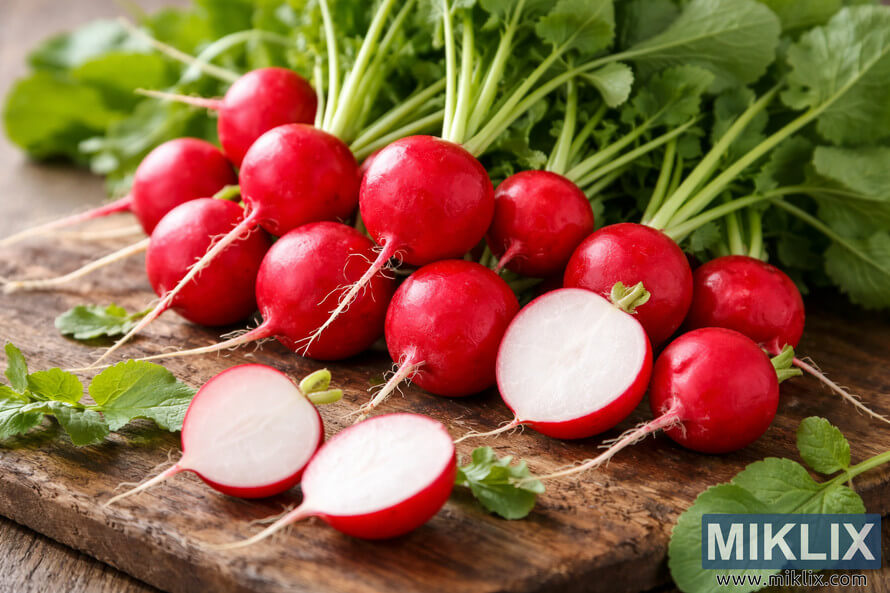
These classic red radishes mature in just twenty-two days. Their mild flavor appeals to most palates. The round shape makes them perfect for salads and garnishes.
- Bright red exterior with white flesh
- Consistent round shape
- Mild, slightly peppery flavor
- Excellent for beginners
Click or tap the image for more information and higher resolutions.
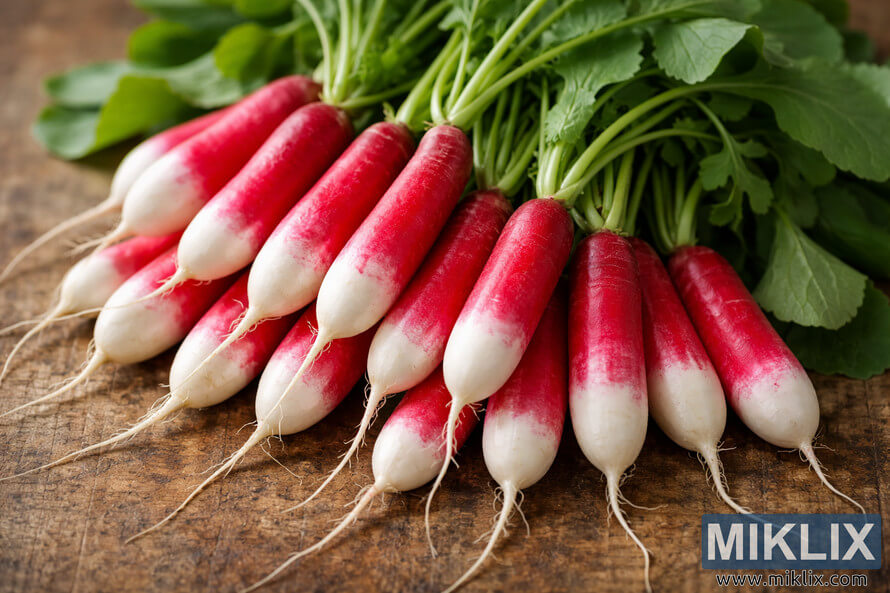
French Breakfast Radishes
This heirloom variety features an elongated shape with red tops and white tips. The mild flavor works wonderfully with butter and salt as a traditional French appetizer.
- Distinctive oblong shape
- Red and white coloring
- Crisp, mild taste
- Matures in twenty-five days
Click or tap the image for more information and higher resolutions.
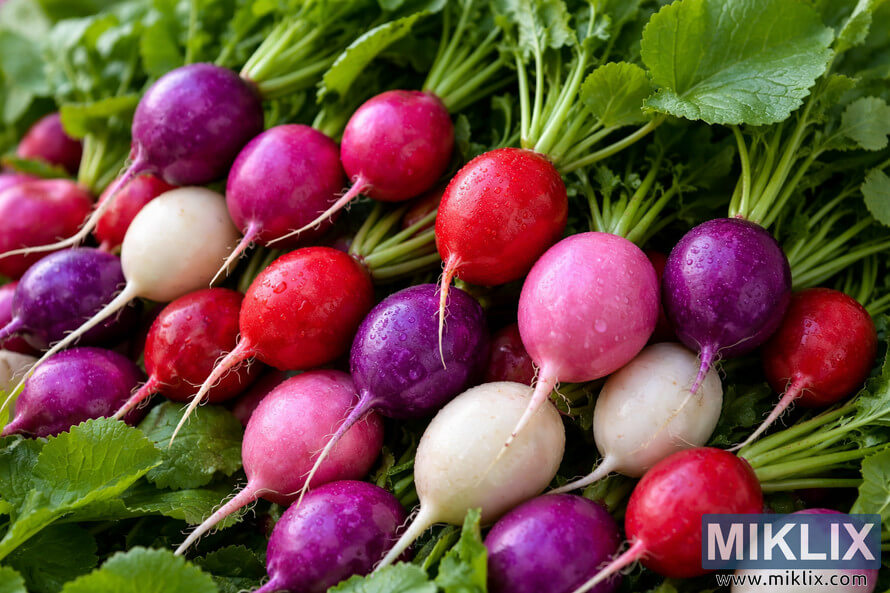
Easter Egg Radishes
This colorful mix produces radishes in shades of purple, pink, red, and white. The variety adds visual interest to salads and vegetable platters while maintaining excellent flavor.
- Multiple colors in one packet
- Uniform maturity time
- Beautiful presentation
- Kid-friendly appeal
Click or tap the image for more information and higher resolutions.
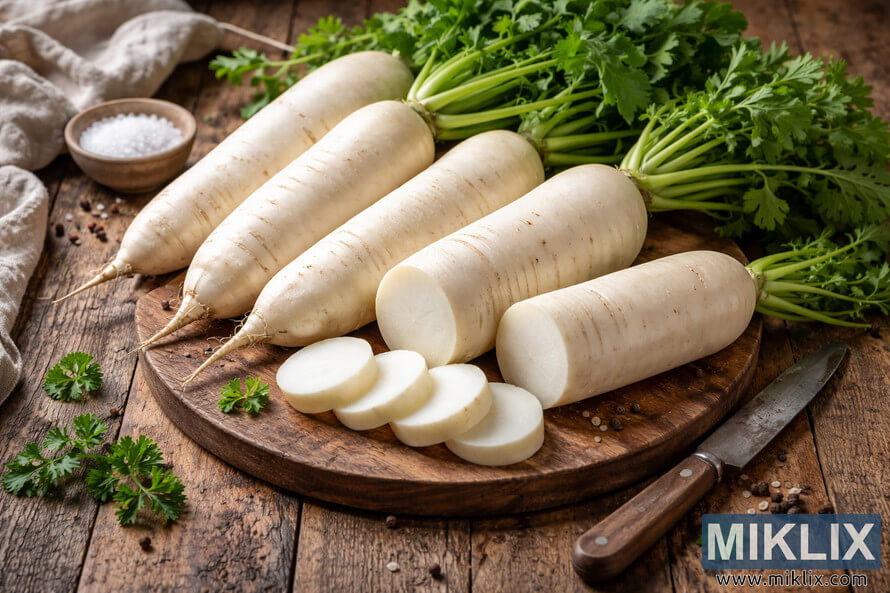
Winter and Daikon Radishes
Winter radishes grow larger and store longer than spring varieties. These types include daikon and other Asian radishes that prefer cooler fall temperatures. They take longer to mature but reward patience with impressive size and versatility.
Daikon radishes reach impressive lengths of twelve to eighteen inches. Their mild flavor makes them excellent for cooking, pickling, or eating raw. Plant daikon varieties in late summer for fall harvest.
Click or tap the image for more information and higher resolutions.
Soil Preparation and Planting Requirements for Radishes
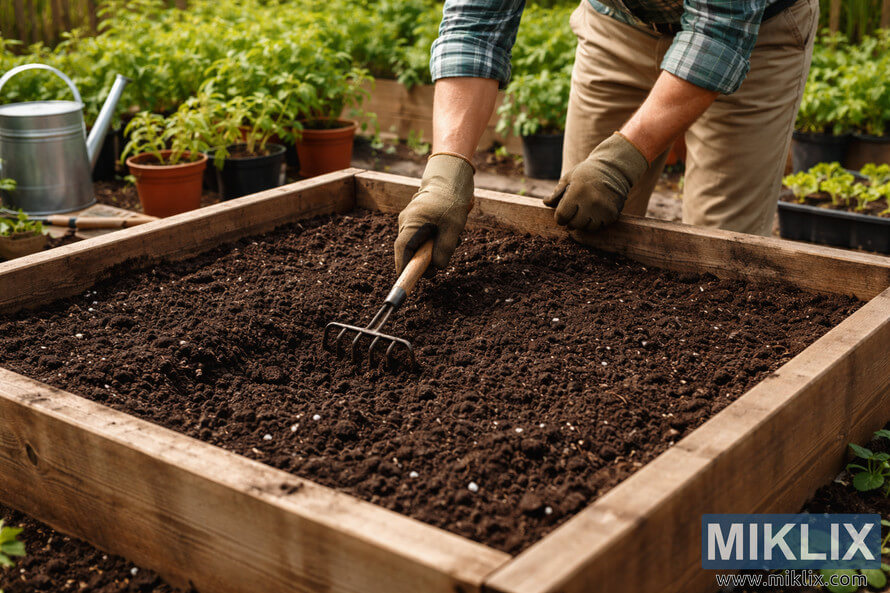
Proper soil preparation ensures your radishes develop properly. These root vegetables need loose, well-draining soil to form smooth, crack-free roots. Rocky or compacted soil causes misshapen radishes that may taste bitter.
Ideal Soil Conditions
Radishes thrive in soil with a pH between six and seven. The texture should feel crumbly and light when you squeeze it. Heavy clay soil needs amendment with compost or sand to improve drainage.
Essential Soil Characteristics
- Loose, friable texture
- Good drainage capability
- Rich in organic matter
- Free of rocks and debris
- pH level of 6.0 to 7.0
Soil Amendments to Add
- Compost for nutrients
- Peat moss for moisture retention
- Sand for drainage improvement
- Aged manure for fertility
- Wood ash to raise pH if needed
Click or tap the image for more information and higher resolutions.
Sunlight and Location Selection
Radishes need at least six hours of direct sunlight daily. Spring radishes tolerate partial shade better than full sun in hot climates. Choose a location that receives morning sun and afternoon shade during summer plantings.
Fall radishes benefit from full sun as temperatures cool. The increased sunlight helps roots develop fully before winter arrives. Avoid planting in areas that stay wet after rain, as waterlogged soil causes root rot.
Soil Test Recommendation: Test your soil pH before planting your first crop. Simple test kits cost less than ten dollars and provide valuable information. Knowing your soil's pH helps you make appropriate amendments for optimal growth.
Container Growing Requirements
Container-grown radishes need pots at least six inches deep. Choose containers with drainage holes to prevent waterlogging. Fill pots with high-quality potting mix rather than garden soil for best results.
Mix water-retaining crystals into container soil to maintain consistent moisture. Containers dry out faster than garden beds, especially during hot weather. Check soil moisture daily and water when the top inch feels dry.
Step-by-Step Planting Instructions for Radish Seeds
Planting radishes correctly ensures even germination and healthy growth. Following these detailed steps helps beginners avoid common mistakes that lead to poor harvests.
- Prepare Your Planting Area: Loosen soil to a depth of six inches using a garden fork or tiller. Remove rocks, sticks, and debris that might obstruct root growth. Rake the surface smooth and level.
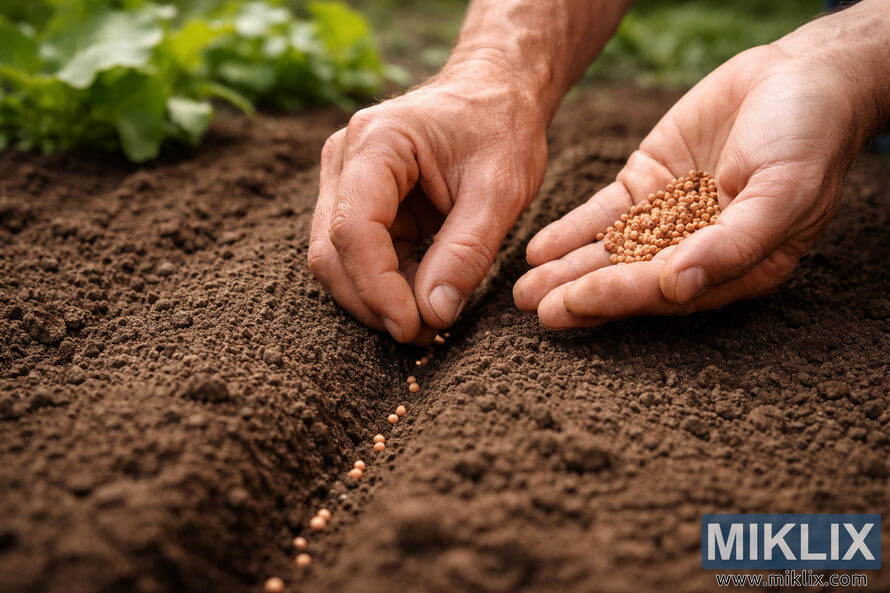
- Create Planting Furrows: Use your finger or a small stick to make shallow furrows one-half inch deep. Space rows six inches apart for easy access. Multiple short rows work better than one long row for succession planting.
- Sow Seeds Properly: Drop seeds one inch apart along the furrow. Resist the urge to plant thicker, as overcrowding causes poor development. Cover seeds with one-half inch of fine soil and pat gently to ensure contact.
- Water Thoroughly: Use a gentle spray to moisten the soil without washing seeds away. Keep soil consistently moist but not waterlogged. Seeds germinate within three to seven days when soil temperatures reach forty-five degrees.
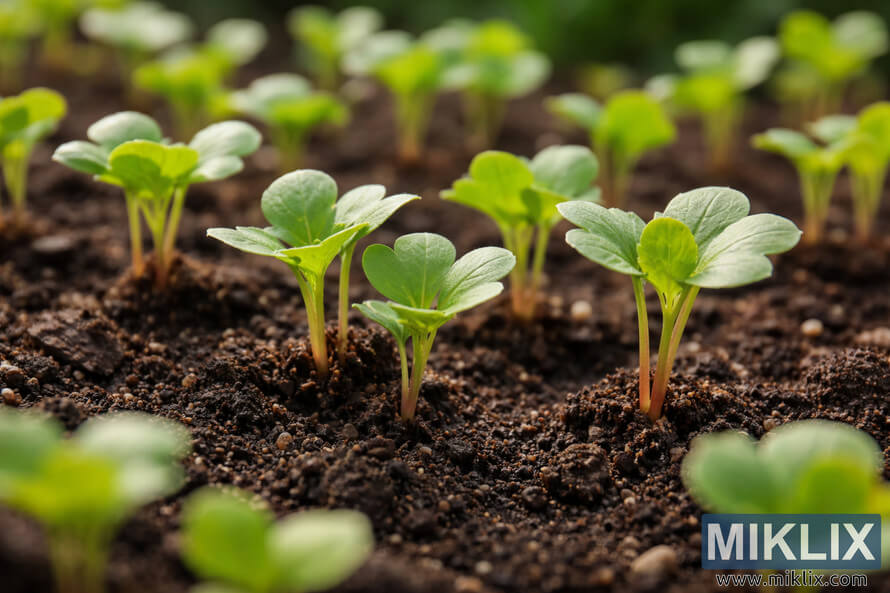
- Thin Seedlings: When seedlings develop two true leaves, thin to two inches apart. Remove weaker seedlings carefully to avoid disturbing remaining plants. Proper spacing prevents crowding that causes long, thin roots.
- Mark Your Rows: Label plantings with variety names and dates. This information helps you track which varieties perform best. Recording planting dates enables better planning for succession crops.
Click or tap the image for more information and higher resolutions.
Timing Your Plantings
Plant spring radishes two to three weeks before your last frost date. Soil temperatures above forty degrees allow reliable germination. Cool spring weather produces the crunchiest, mildest-flavored radishes.
For continuous harvests, plant new seeds every ten days throughout spring. Stop planting when daytime temperatures consistently exceed seventy-five degrees. Resume planting in late summer for fall crops that mature in cooler conditions.
Spring Planting Schedule
- First planting: 2-3 weeks before last frost
- Successive plantings: Every 10 days
- Final spring planting: When temps hit 75°F
- Best months: March through May
Fall Planting Schedule
- First planting: Late August to early September
- Successive plantings: Every 10-14 days
- Final planting: 4-6 weeks before first frost
- Best months: August through October
Common Mistake: Planting too many seeds at once leads to waste. Radishes remain at peak quality for only a few days. Stagger plantings to enjoy fresh radishes over several weeks rather than harvesting dozens simultaneously.
Care and Maintenance for Healthy Radish Plants
Radishes require minimal care but benefit from attention to watering, fertilizing, and weeding. Consistent maintenance produces the best-tasting roots with smooth skin and crisp texture.
Watering Requirements
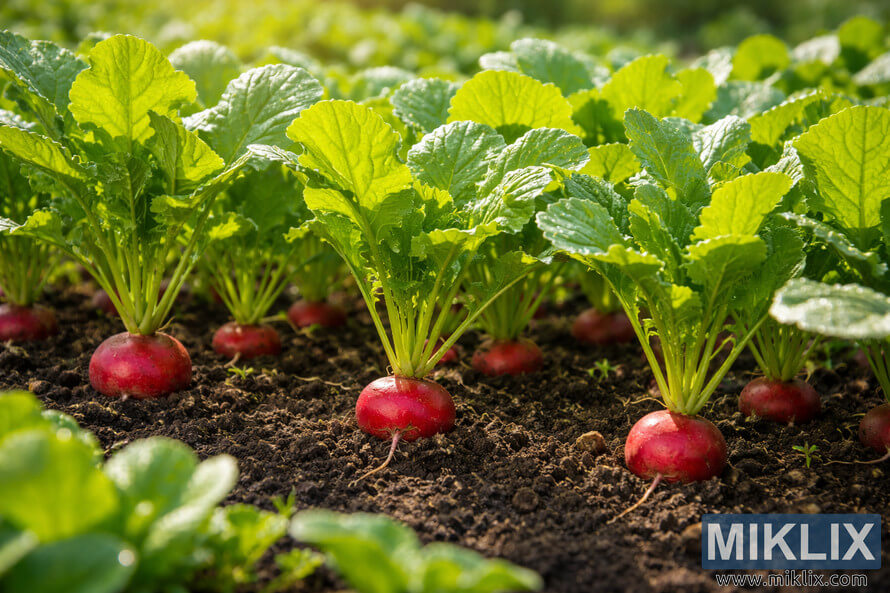
Consistent moisture keeps radishes growing rapidly without stress. Water deeply when the top inch of soil feels dry. Shallow, frequent watering encourages weak root development and increases disease risk.
Irregular watering causes radishes to crack or develop woody, pithy centers. Maintain even soil moisture throughout the growing period. An inch of water per week from rain or irrigation meets most needs.
Signs of Watering Problems
Proper Moisture Indicators
- Steady, vigorous growth
- Dark green leaf color
- Firm, smooth roots
- Sweet, mild flavor
Moisture Problem Signs
- Cracked or split roots
- Woody, pithy texture
- Excessively hot flavor
- Wilting foliage
Click or tap the image for more information and higher resolutions.
Fertilizing Guidelines
Radishes need balanced nutrition to develop properly. Too much nitrogen causes excessive leaf growth at the expense of root development. Apply a balanced fertilizer like ten-ten-ten at planting time.
Side-dress with compost when plants reach three inches tall. Avoid high-nitrogen fertilizers that promote leaves over roots. Radishes grown in compost-rich soil rarely need additional feeding.
Weed Control
Weeds compete with radishes for water, nutrients, and sunlight. Pull weeds carefully by hand to avoid disturbing shallow radish roots. Mulch between rows with straw or grass clippings to suppress weed growth.
Remove weeds when small to prevent competition. Established weeds steal moisture and nutrients that radishes need. Keeping beds weed-free also improves air circulation and reduces disease risk.
Time-Saving Tip: Apply a thin layer of mulch after seedlings emerge. This reduces watering frequency, suppresses weeds, and moderates soil temperature. Organic mulches like straw or shredded leaves work best for radishes.
Common Pests and Diseases That Affect Radishes
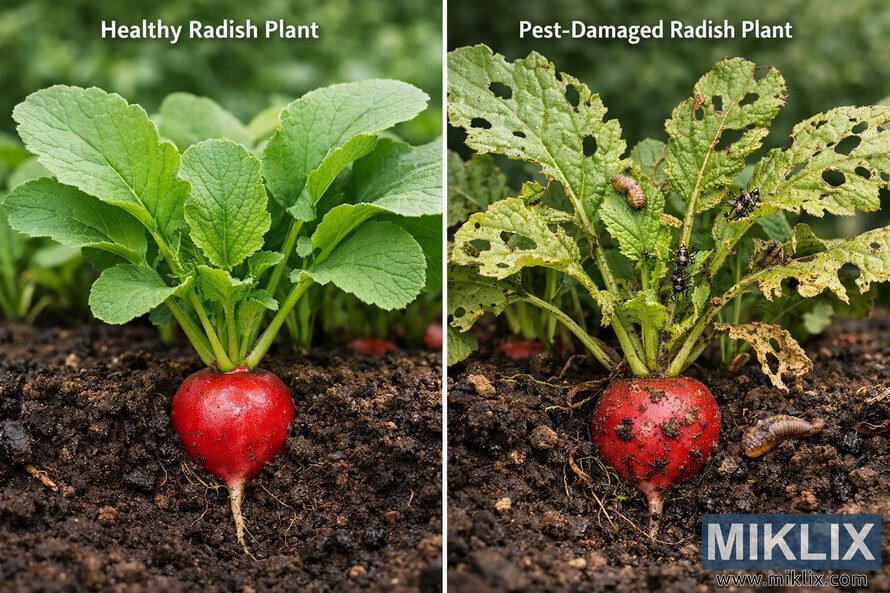
Several pests and diseases target radish crops. Early identification and prompt action prevent serious damage. Most problems are easy to manage with simple organic solutions.
Click or tap the image for more information and higher resolutions.
Flea Beetles
These tiny black beetles chew small holes in radish leaves. Heavy infestations weaken plants and slow growth. Flea beetles appear most commonly during hot, dry weather in spring and summer.
Protect young seedlings with floating row covers. Remove covers when temperatures exceed eighty degrees. Neem oil spray controls light infestations naturally. Apply in early morning or evening to avoid leaf burn.
Root Maggots
Root maggot larvae tunnel through developing radishes. Damaged roots become inedible and may rot. Adult flies lay eggs near plant bases in spring when soil temperatures reach fifty degrees.
Prevent infestations by covering rows with fine mesh fabric immediately after planting. Keep covers in place until harvest. Rotating crops to different beds each year reduces maggot populations significantly.
| Pest/Disease | Symptoms | Prevention | Treatment |
| Flea Beetles | Small holes in leaves, stunted growth | Row covers, plant in cooler weather | Neem oil spray, diatomaceous earth |
| Root Maggots | Tunnels in roots, rotting | Row covers, crop rotation | Remove affected plants, no chemical cure |
| Aphids | Sticky leaves, curled foliage | Encourage beneficial insects | Strong water spray, insecticidal soap |
| Downy Mildew | Yellow spots on leaves, fuzzy growth | Proper spacing, good air circulation | Remove affected leaves, copper fungicide |
| Club Root | Swollen, distorted roots | Test and adjust soil pH, rotate crops | Remove plants, improve drainage, lime soil |
Powdery Mildew
This fungal disease appears as white powder on leaves. It develops during warm days and cool nights with high humidity. Infected leaves may yellow and die prematurely.
Space plants properly to improve air circulation. Water at soil level rather than overhead to keep foliage dry. Remove and destroy infected leaves promptly to prevent spread.
Club Root Disease
Club root causes swollen, distorted roots that cannot be eaten. This soil-borne disease thrives in acidic conditions. Once present, it persists in soil for many years.
Test soil pH and raise it to seven or above using lime. Avoid planting radishes or related crops in infected areas for at least four years. Improve drainage to reduce disease pressure.
When and How to Harvest Radishes for Best Flavor
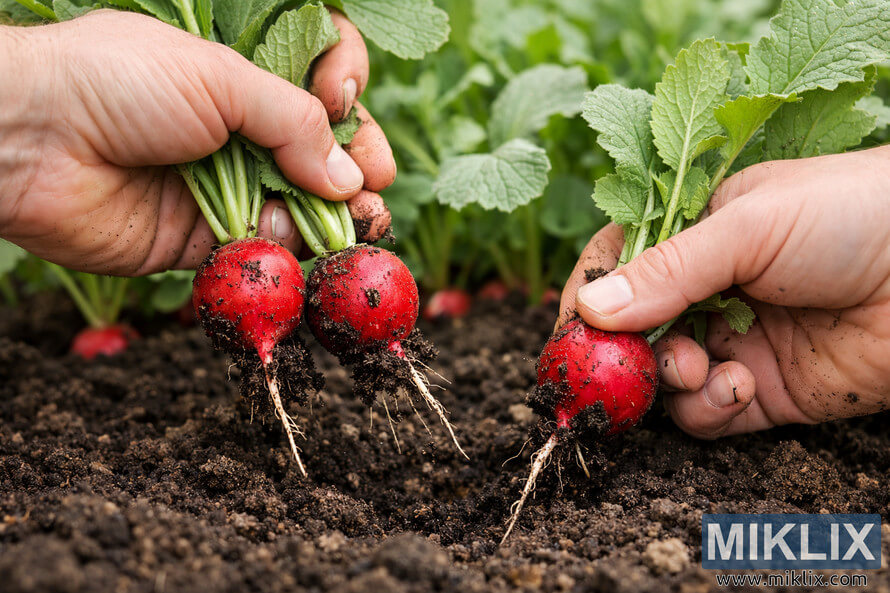
Harvesting radishes at the right time ensures optimal flavor and texture. Waiting too long results in woody, pithy roots with excessive heat. Learning to recognize harvest readiness produces the best-tasting vegetables.
Click or tap the image for more information and higher resolutions.
Signs of Maturity
Most spring radishes reach harvest size when roots measure three-quarters to one inch in diameter. Gently brush soil away from the top to check size. The shoulder of mature radishes typically protrudes slightly above ground.
Check package directions for expected days to maturity. Begin checking radishes a few days before this date. Growing conditions affect timing, so visual inspection matters more than counting days.
Perfect Harvest Indicators
- Roots reach variety-appropriate size
- Shoulders emerge slightly from soil
- Skin appears smooth and unblemished
- Leaves remain green and healthy
- Roots feel firm when gently squeezed
- No cracking or splitting visible
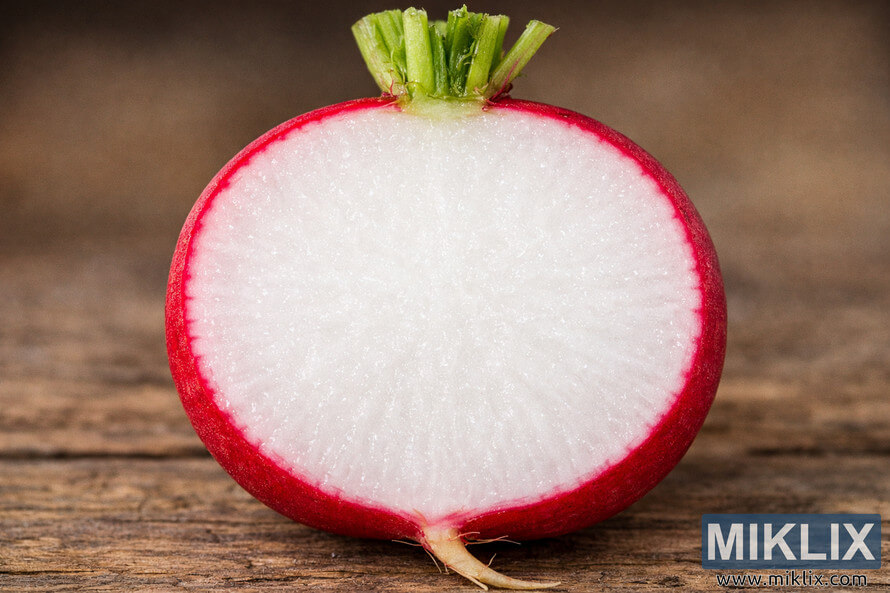
Pull one test radish to check interior quality. Slice it open to examine texture and taste. Crisp, juicy flesh indicates perfect timing. Spongy or hollow centers mean you waited too long.
Click or tap the image for more information and higher resolutions.
Proper Harvesting Technique
Water the soil thoroughly one hour before harvesting. Moist soil releases roots more easily and reduces damage. Grasp leaves near the base and pull firmly upward with a slight twisting motion.
Harvest entire rows at once if uniform in size. Pull larger radishes first if size varies, allowing smaller ones more time. Use a garden fork to loosen soil if roots resist pulling.
- Water plants one hour before harvest
- Grasp foliage close to the radish top
- Pull upward with gentle twisting motion
- Shake off excess soil
- Remove greens within a few hours
- Rinse roots in cool water
- Store properly to maintain freshness
Post-Harvest Handling
Remove radish greens within a few hours of harvest. Attached leaves draw moisture from roots, causing them to soften. Cut or twist off tops, leaving one-half inch of stem attached.
Rinse radishes in cool water and pat dry. Store in plastic bags in the refrigerator crisper drawer. Properly stored radishes remain crisp for seven to ten days. Don't wash radishes until ready to use for extended storage.
Tips for Getting the Best Results with Radishes
Advanced techniques help you maximize radish quality and yields. These proven strategies come from experienced gardeners who consistently produce prize-worthy crops.
Succession Planting Strategy
Plant small amounts every ten days for continuous harvests. This approach prevents gluts of mature radishes all at once. You'll enjoy fresh radishes throughout the entire growing season.
Mark planting dates on your calendar or in a garden journal. Record which varieties perform best during different periods. This information helps you plan more effectively in future seasons.
Early Spring Tips
- Plant as soon as soil can be worked
- Choose cold-hardy varieties
- Use row covers for frost protection
- Expect slower germination in cold soil
Summer Growing Tips
- Provide afternoon shade
- Water more frequently
- Choose heat-tolerant varieties
- Expect stronger flavor in heat
Fall Planting Tips
- Start in late August
- Try winter storage varieties
- Expect sweeter flavor
- Extend season with cold frames
Click or tap the image for more information and higher resolutions.
Companion Planting Benefits
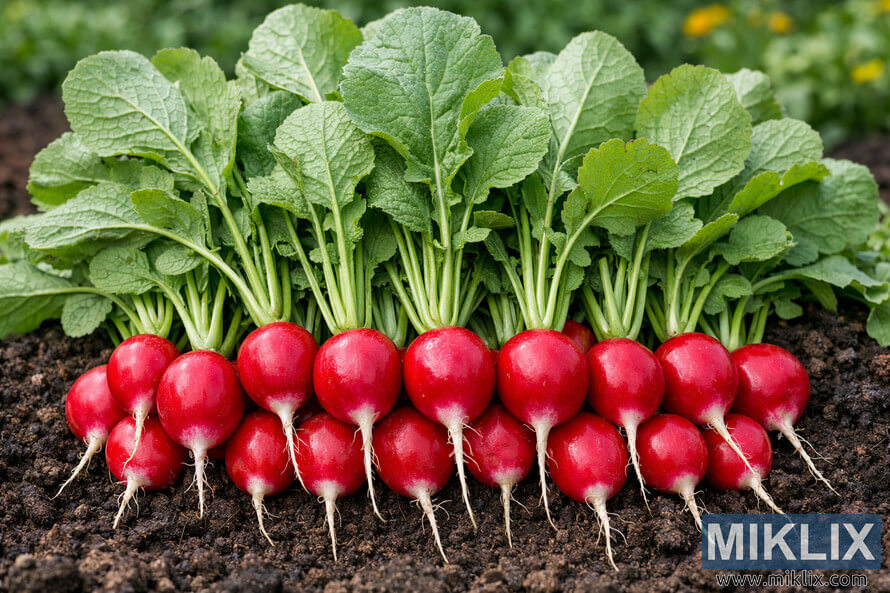
Interplant radishes with slow-growing vegetables to maximize space. Their quick maturity allows harvest before companions need room. This technique works especially well with carrots, lettuce, and spinach.
Radishes planted near squash or cucumber vines may deter squash borers and cucumber beetles. The strong aroma confuses pests searching for host plants. Plant radishes around the perimeter of these crops for protection.
Improving Flavor
Cool growing temperatures produce the mildest, sweetest radishes. Hot weather increases pungency and may cause bitterness. Time plantings to mature during cool periods for best flavor.
Consistent moisture reduces heat levels in radishes. Stress from drought intensifies spiciness significantly. Keep soil evenly moist throughout growth for mild-flavored roots.
Common Mistakes to Avoid When Growing Radishes
Even experienced gardeners sometimes make mistakes with radishes. Learning from these common errors helps you avoid disappointing harvests and wasted effort.
Overcrowding Plants
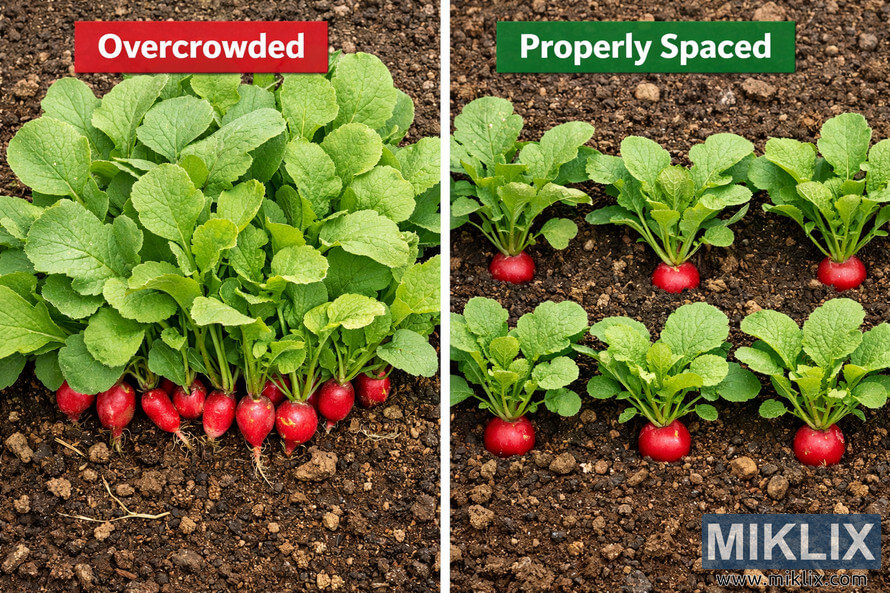
Planting seeds too close together causes multiple problems. Crowded radishes compete for nutrients, water, and light. This competition produces long, thin roots instead of plump, round ones.
Thin seedlings ruthlessly to proper spacing. It feels wasteful, but thinning ensures healthy development of remaining plants. Use scissors to cut unwanted seedlings at soil level rather than pulling them.
Click or tap the image for more information and higher resolutions.
Planting in Hot Weather
Spring radishes bolt quickly when temperatures exceed seventy-five degrees. Bolting radishes send up flower stalks and develop woody, bitter roots. The edible window closes rapidly once bolting begins.
Time plantings to mature before summer heat arrives. Resume planting in late summer when temperatures moderate. Choose heat-tolerant varieties if you must grow radishes in warm conditions.
Mistakes to Avoid
- Planting too deeply or shallowly
- Using old or poor-quality seeds
- Forgetting to thin seedlings
- Allowing soil to dry completely
- Over-fertilizing with nitrogen
- Planting in heavy clay soil
- Leaving radishes in ground too long
- Ignoring pest problems
Success Strategies
- Plant seeds at correct depth
- Buy fresh seeds annually
- Thin to proper spacing early
- Maintain consistent moisture
- Use balanced fertilizers
- Amend heavy soil thoroughly
- Harvest promptly when ready
- Address pests immediately
Neglecting Soil Preparation
Skipping proper soil preparation leads to malformed roots. Radishes growing in compacted soil develop multiple roots or fork into strange shapes. Rocky soil causes similar deformities.
Invest time in creating ideal soil conditions before planting. Remove rocks and break up clumps. Add compost and amendments to create loose, friable texture. Good preparation pays dividends in root quality.
Inconsistent Watering
Alternating between bone-dry and saturated soil stresses radishes severely. This stress causes cracking, splitting, and poor flavor development. Roots may become hollow or develop pithy centers.
Establish a regular watering schedule based on weather conditions. Check soil moisture daily during hot, dry periods. Mulch helps maintain even moisture between waterings.
Enjoying Your Radish Harvest
Fresh radishes offer remarkable versatility in the kitchen. Their crisp texture and peppery flavor enhance salads, add crunch to tacos, and create beautiful garnishes. Raw radishes provide the most nutrition and distinctive taste.
Raw Preparation Ideas
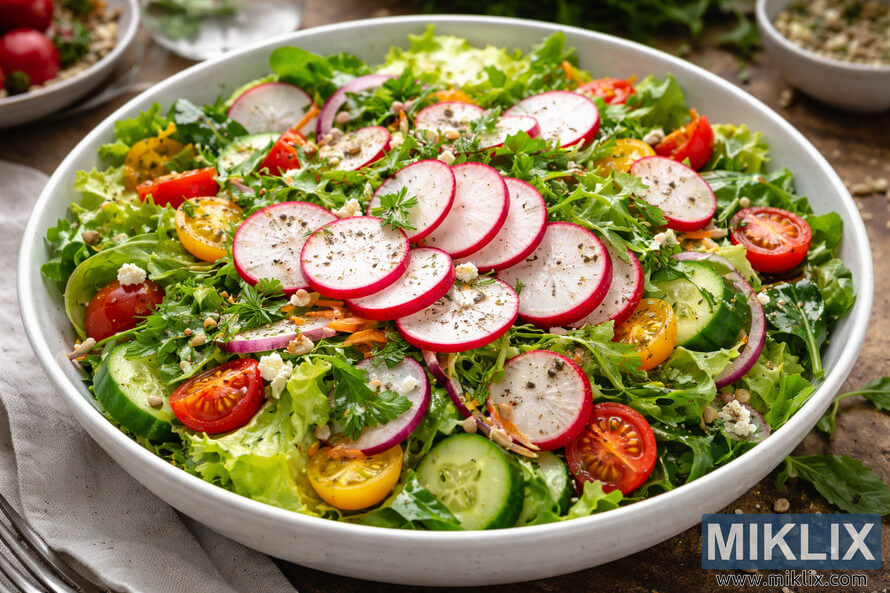
Slice radishes thinly for salads and sandwiches. Their crunch adds appealing texture contrast. Try them with butter and sea salt as a simple French appetizer that highlights their natural flavor.
Pickle radishes quickly for a tangy side dish. Slice them into a jar and cover with vinegar, sugar, and salt. They're ready to eat within hours and keep refrigerated for weeks.
Click or tap the image for more information and higher resolutions.
Cooked Radish Recipes
Roasted radishes develop a surprisingly mild, potato-like flavor. Toss them with olive oil, garlic, and herbs, then roast at four hundred degrees for twenty minutes. The natural sweetness emerges as the peppery bite mellows.
Add radishes to stir-fries during the last few minutes of cooking. They maintain some crunch while absorbing savory flavors from the dish. Daikon radishes work especially well in Asian-inspired recipes.
Quick Recipe: Radish Slaw
This refreshing side dish takes five minutes to prepare and complements grilled meats perfectly.
- 2 cups julienned radishes
- 1/4 cup rice vinegar
- 1 tablespoon honey
- 1 teaspoon sesame oil
- Pinch of salt
- Chopped fresh herbs
Mix dressing ingredients, toss with radishes, and let sit for ten minutes before serving.
Quick Recipe: Roasted Radishes
Transform radishes into a warm side dish that resembles roasted potatoes in texture and flavor.
- 1 pound radishes, halved
- 2 tablespoons olive oil
- 2 cloves garlic, minced
- Salt and pepper to taste
- Fresh thyme or rosemary
- Grated Parmesan (optional)
Toss ingredients, roast at 400°F for twenty minutes until golden and tender.
Using Radish Greens
Don't discard healthy radish greens. These leafy tops contain more nutrients than the roots. Use them like any other cooking green in soups, stir-fries, or sautéed as a side dish.
Young, tender radish greens taste excellent raw in salads. Older greens benefit from cooking, which mellows their slightly peppery flavor. Sauté them with garlic and olive oil for a simple, nutritious veggie side dish.
Start Growing Your Own Radishes Today
Growing radishes offers the perfect introduction to vegetable gardening. Their forgiving nature and rapid growth build confidence while providing delicious homegrown food. Success with radishes often inspires gardeners to try more challenging vegetables.
Start small with a single row or container. Follow the steps outlined in this guide and you'll harvest perfect radishes within a month. The satisfaction of eating vegetables you grew yourself is genuinely rewarding.
Remember that gardening skills develop through practice. Each planting teaches valuable lessons about timing, soil conditions, and plant care. Keep notes about what works well in your specific location and climate.
Frequently Asked Questions About Growing Radishes
How long does it take for radishes to grow?
Most spring radish varieties mature in twenty-two to thirty days from planting. Cherry Belle radishes can be ready in as few as twenty-two days. Winter radishes like daikon take longer, typically fifty to sixty days to reach full size. Cool weather produces faster growth than warm temperatures.
Can radishes grow in containers?
Yes, radishes grow excellently in containers at least six inches deep. Use pots with drainage holes and fill with quality potting mix. Container radishes need more frequent watering than garden-grown plants. Choose smaller varieties like Cherry Belle or French Breakfast for container growing.
Why are my radishes all leaves and no root?
Excessive nitrogen fertilizer causes lush leaf growth at the expense of root development. Hot weather also triggers radishes to focus energy on flowering rather than root formation. Overcrowding prevents proper root expansion. Use balanced fertilizer, plant in cool weather, and thin seedlings to two-inch spacing.
What causes radishes to crack or split?
Inconsistent watering causes radishes to crack. When dry soil suddenly receives heavy watering, roots absorb water faster than skin can expand. This rapid growth creates splits and cracks. Maintain even soil moisture throughout the growing period to prevent this problem.
Can I grow radishes in summer?
Summer radish growing is challenging but possible with the right approach. Choose heat-tolerant varieties specifically bred for warm weather. Provide afternoon shade and water frequently to keep soil cool. Expect stronger, more peppery flavor than spring radishes. Most gardeners prefer waiting until late summer to resume planting.
How do I know when radishes are ready to harvest?
Check radish size by gently brushing away soil from the top. Most varieties are ready when roots reach three-quarters to one inch in diameter. The shoulder typically protrudes slightly above ground when mature. Pull one test radish and cut it open to check interior quality before harvesting the entire row.
What should I plant after harvesting radishes?
Radishes make excellent companion crops for succession planting. After spring radish harvest, plant beans, cucumbers, or squash in the same space. The quick radish harvest opens beds just as warm-season crops need planting. You can also plant another round of radishes every ten days for continuous harvest.
Are radish greens edible?
Radish greens are completely edible and highly nutritious. Young, tender greens taste great raw in salads or as garnish. Older greens work better cooked like spinach or kale. Sauté them with garlic and olive oil or add to soups and stir-fries. Use greens within a day or two of harvest for best flavor and texture.
Further Reading
If you enjoyed this post, you may also like these suggestions:
- A Guide to Growing the Best Kale in Your Garden
- The Best Cherry Varieties to Grow in Your Garden
- Growing Parsnips: Your Complete Guide to Sweet, Homegrown Roots