
Growing Green Beans: A Complete Guide for Home Gardeners
Published: December 15, 2025 at 9:43:59 PM UTC
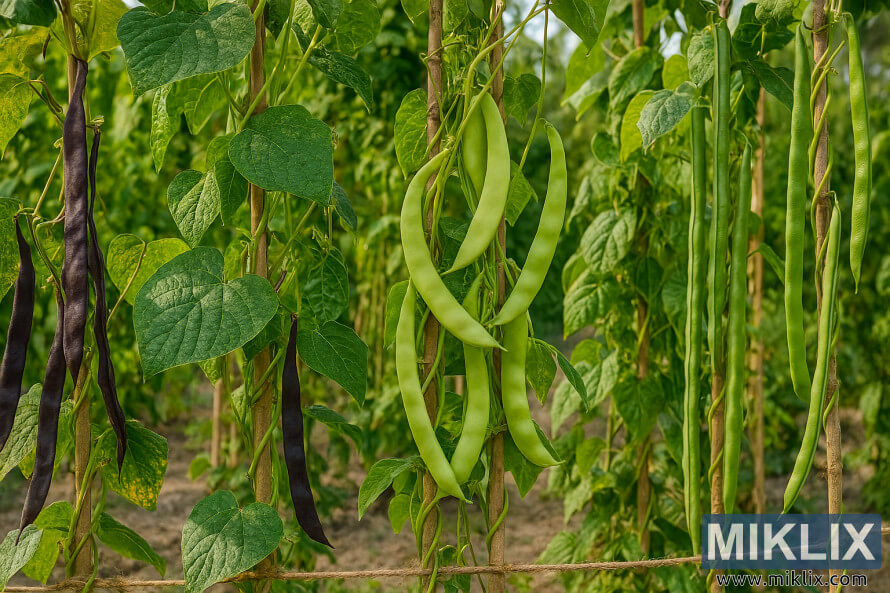
Green beans are one of the most rewarding vegetables for home gardeners. They grow quickly, produce abundantly, and offer that incomparable fresh-from-the-garden flavor that store-bought beans simply can't match.
Click or tap the image for more information and higher resolutions.
Whether you're a first-time gardener or looking to perfect your bean-growing skills, this guide will walk you through everything you need to know to grow delicious green beans right in your own backyard.
Also called snap beans or string beans (though most modern varieties lack the fibrous "string"), green beans are a versatile crop that can thrive in most growing conditions. With minimal care and the right approach, you'll be harvesting basketfuls of crisp, tender beans throughout the growing season.
Choosing the Right Green Bean Variety
Before planting, it's important to understand the two main types of green beans and which might work best for your garden space and needs.
Bush Beans vs. Pole Beans
Bush Beans
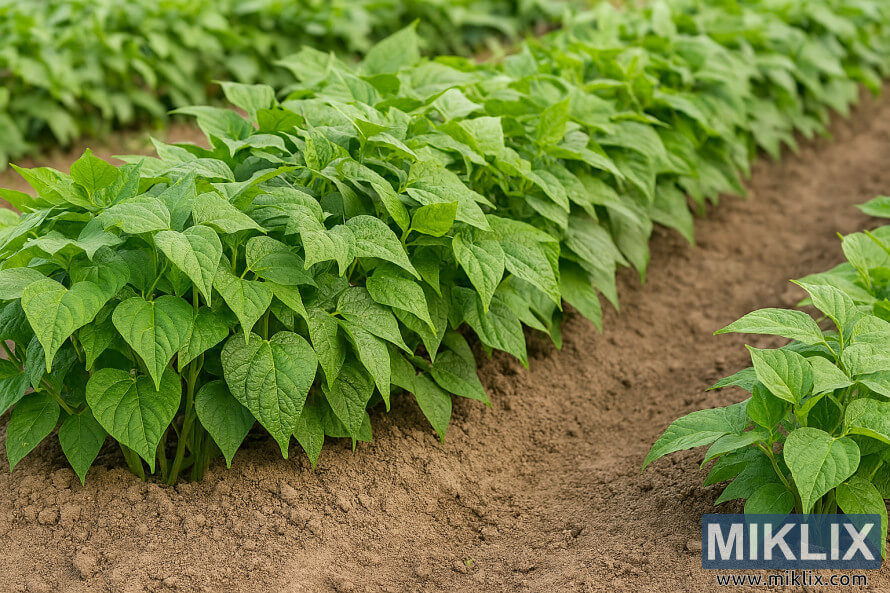
Bush beans grow on compact plants that reach about 2 feet in height and don't require support structures. They typically produce their harvest all at once over a 2-3 week period, making them ideal for gardeners who want to can or freeze their harvest.
Bush beans are perfect for gardens with limited space or for those who don't want to set up trellises. They also mature faster, usually ready to harvest in 50-55 days after planting.
Click or tap the image for more information and higher resolutions.
Pole Beans
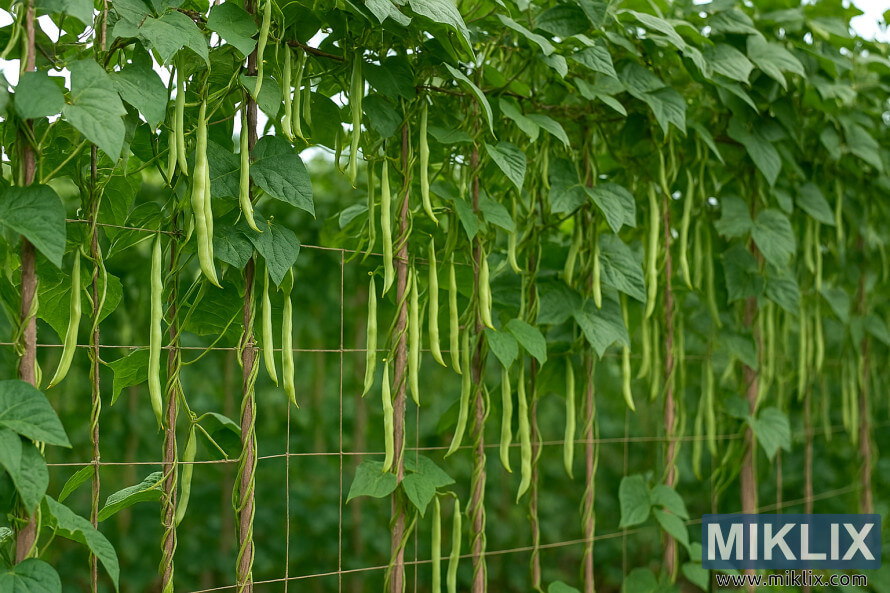
Pole beans grow as vines that can reach 10-15 feet tall and require support from a trellis, stake, or other structure. They produce beans continuously throughout the growing season until frost or extreme heat stops them.
While pole beans take slightly longer to mature (55-65 days), they typically yield more beans over a longer period. They're excellent for gardeners who want a steady supply of fresh beans rather than a single large harvest.
Click or tap the image for more information and higher resolutions.
Recommended Varieties
Top Bush Bean Varieties
- Provider - Early producer with 5-inch pods, disease resistant, and reliable in cool soil
- Blue Lake 274 - Classic variety with tender 6-inch pods, excellent for fresh eating and freezing
- Royal Burgundy - Purple pods that turn green when cooked, cold-tolerant, and easy to spot during harvest
Top Pole Bean Varieties
- Kentucky Wonder - Heirloom variety with 7-10 inch pods, exceptional flavor, and heavy yields
- Rattlesnake - Drought-resistant with purple-streaked 8-inch pods and distinctive flavor
- Blue Lake Pole - Climbing version of the popular bush variety, with excellent taste and texture
Specialty Varieties
- Dragon Tongue - Yellow pods with purple stripes, bush type, can be used as snap or shell bean
- Carminat - French filet pole bean with slender purple pods that turn green when cooked
- Golden Wax - Yellow "wax" bush bean with a milder flavor than green varieties
Consider your garden space, how you plan to use your harvest, and whether you prefer a single large harvest or a continuous supply when choosing between varieties.
When to Plant Green Beans
Timing is crucial for successful green bean cultivation. As warm-season crops, beans are sensitive to cold and can be damaged by frost.
Spring Planting
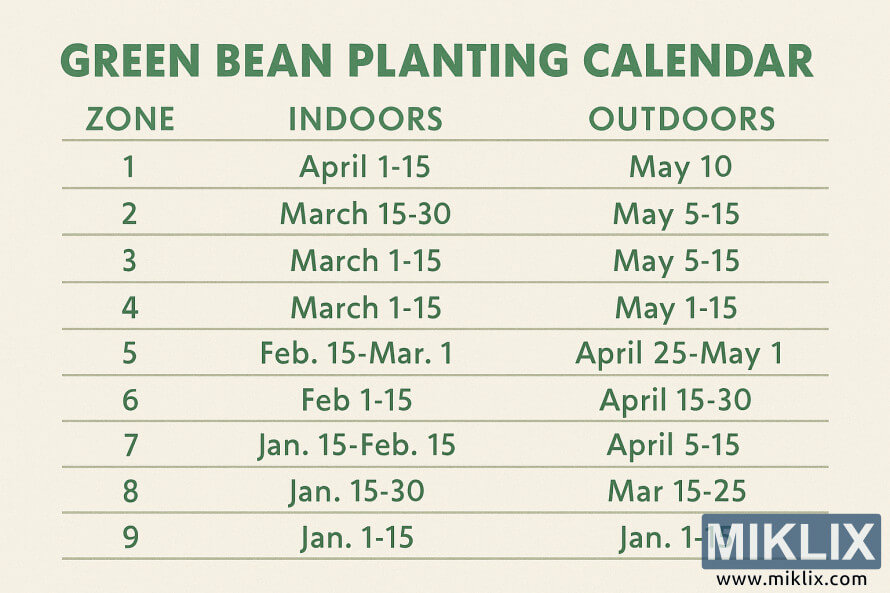
Plant green beans only after all danger of frost has passed and soil has warmed to at least 55°F (12°C). Cold, wet soil will cause seeds to rot rather than germinate.
- USDA Zones 3-4: Late May to early June
- USDA Zones 5-6: Mid-May
- USDA Zones 7-8: April to early May
- USDA Zones 9-10: March to April and again in fall
For a continuous harvest of bush beans, plant new seeds every 2-3 weeks until about 60 days before your first fall frost date.
Fall Planting
In warmer regions (zones 7-10), you can plant a fall crop of green beans. Count backward from your first fall frost date:
- For bush beans: Plant 8-10 weeks before first frost
- For pole beans: Plant 10-12 weeks before first frost
Fall plantings often produce exceptionally well due to the warm soil and cooling air temperatures as the plants mature.
Tip: If you're eager to get a head start, warm the soil by covering your garden bed with black plastic for a week before planting. Remove the plastic when you're ready to plant.
Click or tap the image for more information and higher resolutions.
Site Selection and Soil Preparation
Sunlight Requirements
Green beans thrive in full sun, requiring at least 6-8 hours of direct sunlight daily. In very hot climates, they can benefit from light afternoon shade, but morning sun is essential.
Soil Type
Beans prefer well-draining, moderately fertile soil with a pH between 6.0 and 7.0 (slightly acidic to neutral). They don't like waterlogged conditions, so avoid areas where water tends to pool after rain.
Soil Testing
Before planting, consider testing your soil to determine its pH and nutrient levels. Many county extension offices offer affordable soil testing services that will provide specific amendment recommendations.
Preparing Your Soil
About 1-2 weeks before planting:
- Remove any weeds, rocks, or debris from the planting area
- Loosen the soil to a depth of 8-10 inches using a garden fork or tiller
- Mix in 2-3 inches of compost or aged manure to improve soil structure and fertility
- Avoid adding high-nitrogen fertilizers, as beans fix their own nitrogen from the air
- Rake the area smooth and water it thoroughly a few days before planting
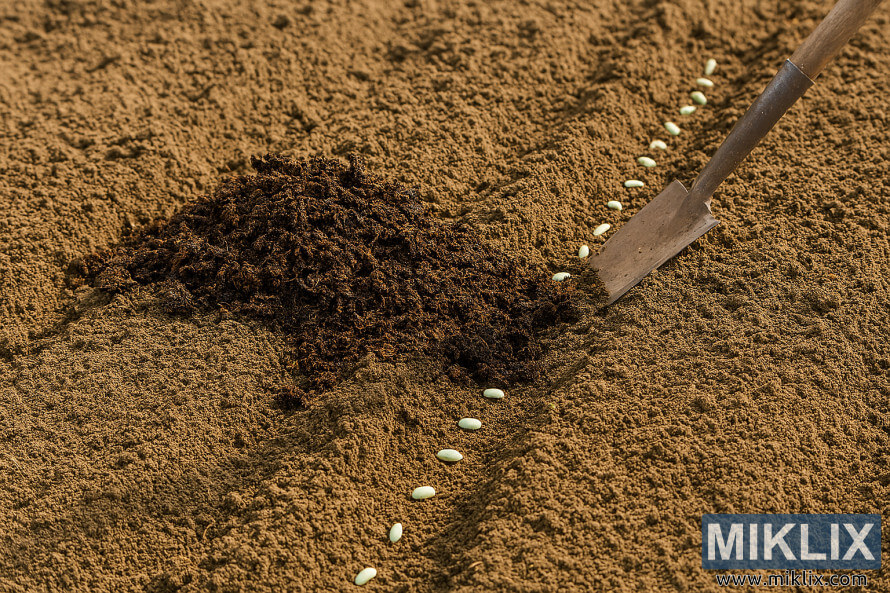
Click or tap the image for more information and higher resolutions.
Planting Green Beans: Step-by-Step Instructions
Direct Sowing Seeds
Green beans perform best when directly sown in the garden rather than transplanted, as they have delicate root systems that don't like being disturbed.
For Bush Beans:
- Plant seeds 1 inch deep
- Space seeds 2-4 inches apart
- Leave 18-24 inches between rows
- For higher yields in a small space, plant in double rows 6 inches apart with 24 inches between each double row
For Pole Beans:
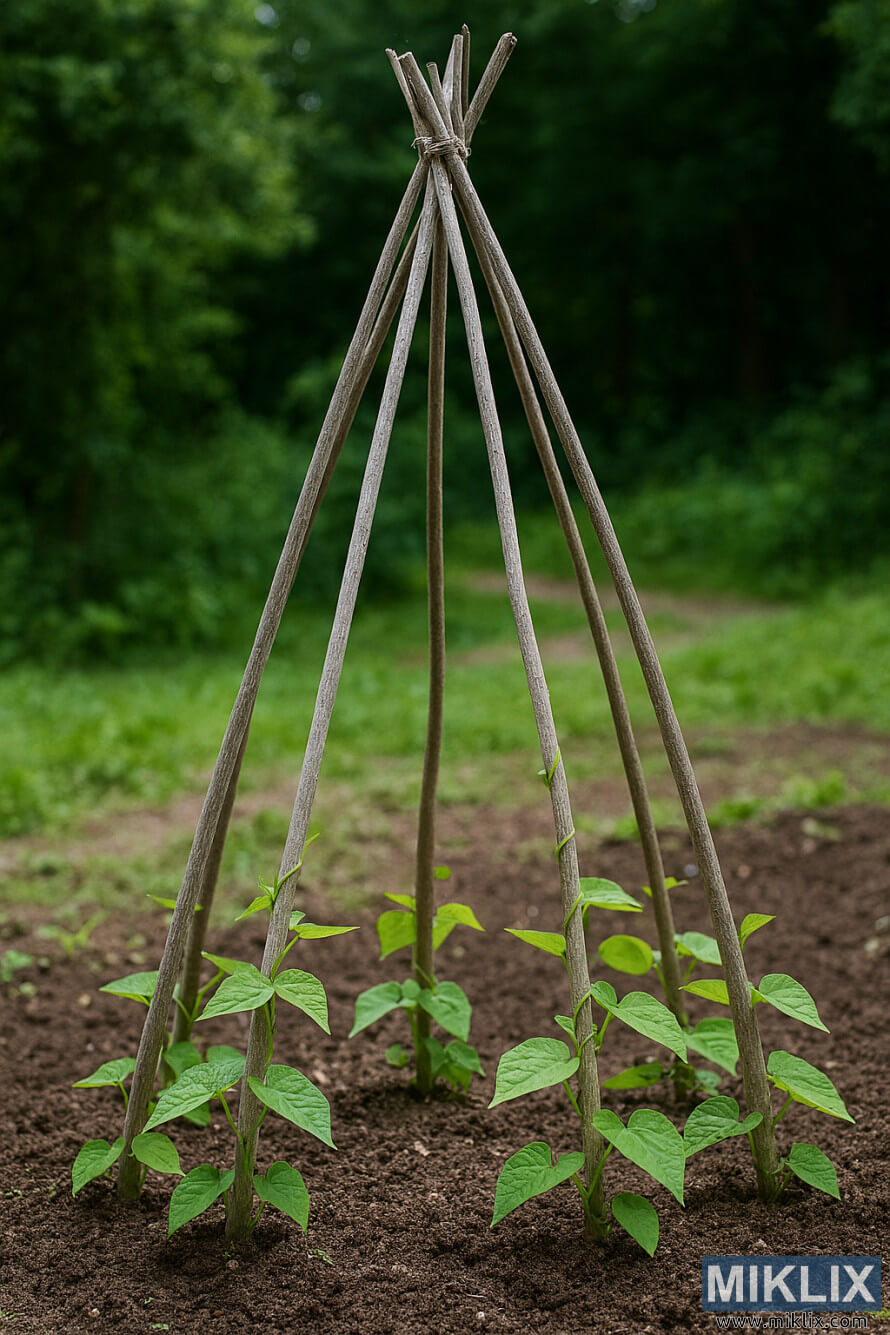
- Install supports before planting to avoid disturbing roots later
- Plant seeds 1 inch deep
- Space seeds 4-6 inches apart along a trellis, or
- Plant 6-8 seeds in a circle around each pole of a teepee structure
- Thin to the strongest 3-4 seedlings per pole once they've germinated
Water thoroughly after planting and keep the soil consistently moist until seedlings emerge, which typically takes 8-10 days.
Setting Up Supports for Pole Beans
Install supports before planting your pole beans. Here are some popular options:
Bean Teepee
- Gather 6-8 bamboo poles or long branches, each 7-8 feet tall
- Arrange them in a circle about 3-4 feet in diameter
- Tie the tops together securely with garden twine
- Plant 6-8 bean seeds around each pole
Trellis
- Install two sturdy posts 8-10 feet apart
- Attach horizontal supports at the top and bottom
- Run garden twine or netting vertically between the supports
- Plant beans along the base of the trellis
Starting Indoors: While direct sowing is preferred, you can start beans indoors 2-3 weeks before transplanting if you're careful not to disturb the roots. Use biodegradable pots that can be planted directly into the garden.
Click or tap the image for more information and higher resolutions.
Care and Maintenance for Green Beans
Watering
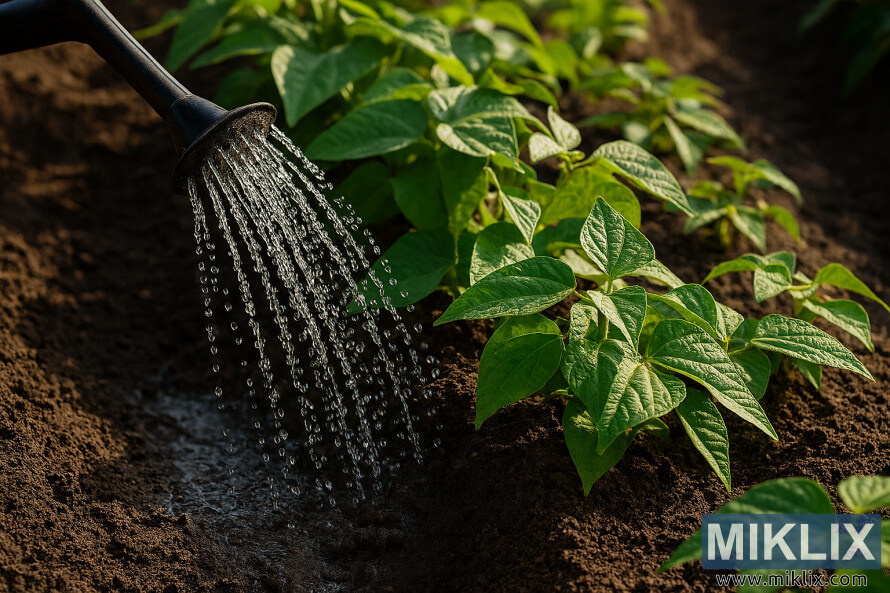
Green beans have shallow roots and need consistent moisture, especially during flowering and pod development.
- Provide 1-1.5 inches of water per week
- Water at the base of plants, avoiding the foliage
- Morning watering is best to allow leaves to dry during the day
- Increase watering during hot, dry periods
- Reduce watering in rainy periods to prevent root rot
Click or tap the image for more information and higher resolutions.
Mulching
A 2-3 inch layer of organic mulch provides multiple benefits for your bean plants:
- Conserves soil moisture
- Suppresses weeds
- Keeps soil temperature moderate
- Prevents soil-borne diseases from splashing onto leaves
- Adds organic matter as it breaks down
Suitable mulches include straw, shredded leaves, compost, or chemical-free grass clippings.
Fertilizing
Green beans are light feeders and can often thrive without additional fertilizer if planted in well-amended soil.
- Avoid high-nitrogen fertilizers, which promote leafy growth at the expense of pod production
- If plants appear pale or growth is slow, apply a balanced organic fertilizer (5-5-5) at half strength
- Side-dress with compost midway through the growing season
- Consider using a phosphorus and potassium fertilizer when plants begin to flower
Weeding and Maintenance
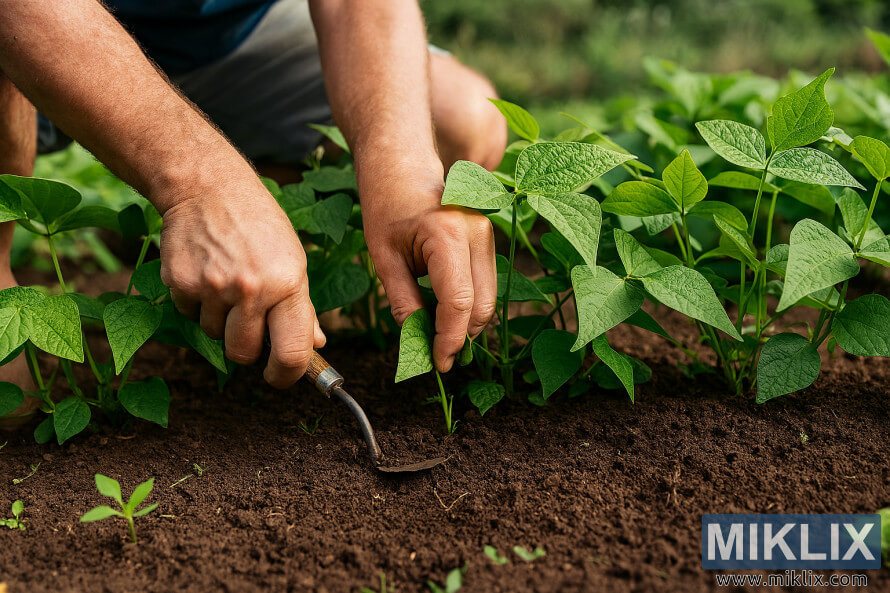
Regular maintenance keeps your bean plants healthy and productive:
- Weed carefully around plants, as beans have shallow roots that can be easily damaged
- For pole beans, gently guide young vines onto supports if they don't find them naturally
- Pinch off the tops of pole bean plants when they reach the top of their support to encourage more lateral growth and pod production
- Remove any diseased or yellowing leaves promptly
Important: Never work with bean plants when they're wet. This can spread diseases between plants. Wait until morning dew or rain has dried before harvesting or maintaining your plants.
Click or tap the image for more information and higher resolutions.
Common Pests and Diseases of Green Beans
Common Pests
| Pest | Signs | Organic Solutions |
| Mexican Bean Beetles | Yellow eggs under leaves, larvae and adults feed on leaves leaving lacy skeleton | Handpick, use row covers, introduce beneficial insects, neem oil spray |
| Aphids | Clusters of tiny insects on undersides of leaves, sticky residue, curled leaves | Strong spray of water, insecticidal soap, encourage ladybugs |
| Bean Leaf Beetles | Holes in leaves and pods, yellow-green to red beetles with black markings | Row covers until flowering, pyrethrin spray for severe infestations |
| Cutworms | Seedlings cut off at soil level overnight | Cardboard collars around seedlings, diatomaceous earth around plants |
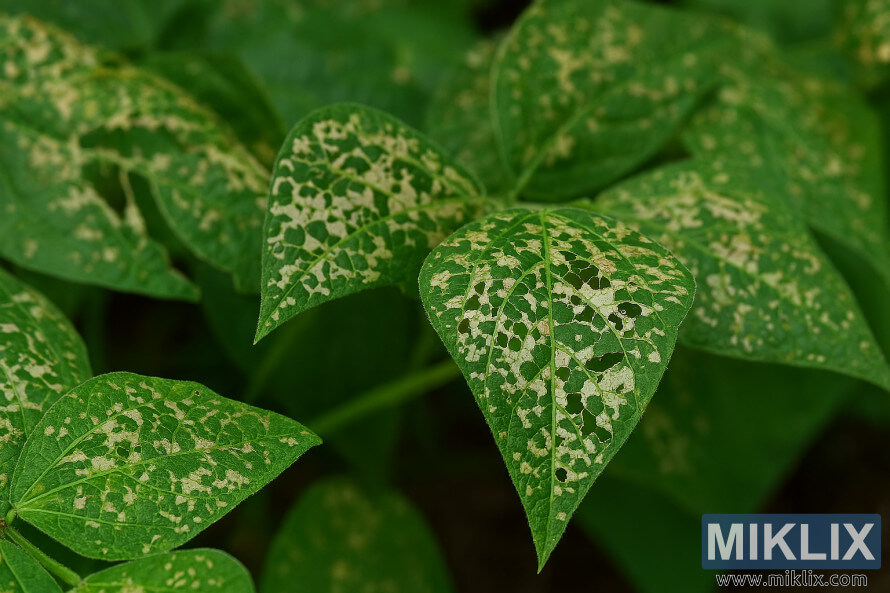
Click or tap the image for more information and higher resolutions.
Common Diseases
| Disease | Symptoms | Prevention & Treatment |
| Bean Rust | Rusty-orange spots on leaves that release powdery spores | Proper spacing for air circulation, avoid wetting foliage, remove infected plants |
| Powdery Mildew | White powdery coating on leaves | Good air circulation, baking soda spray (1 tsp per quart of water) |
| Bacterial Blight | Water-soaked spots on leaves that turn brown, sometimes with yellow halos | Use disease-free seeds, crop rotation, avoid working with wet plants |
| Mosaic Virus | Mottled yellow and green leaves, stunted growth | Control aphids (vectors), remove and destroy infected plants, plant resistant varieties |
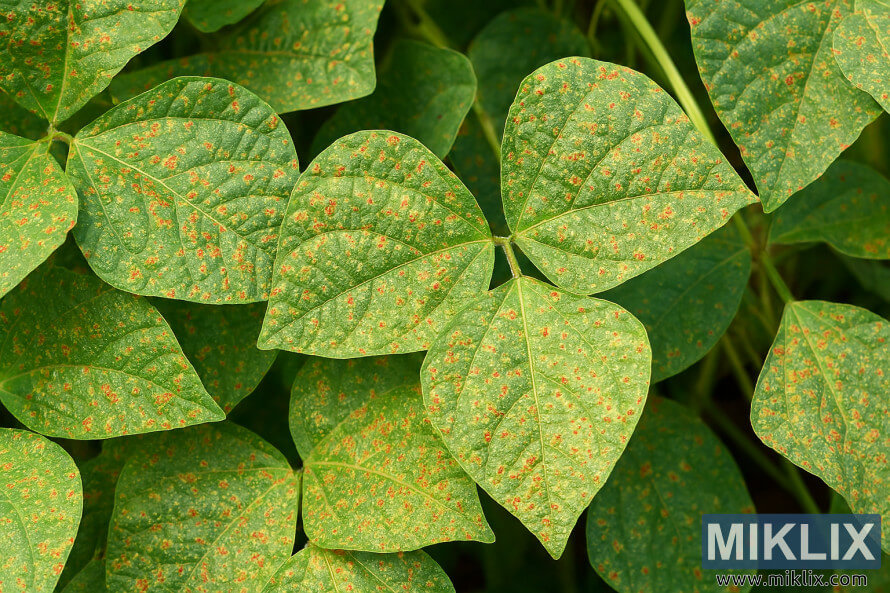
Click or tap the image for more information and higher resolutions.
Prevention is Key: The best defense against pests and diseases is prevention. Practice crop rotation (don't plant beans in the same spot year after year), maintain good air circulation between plants, and keep the garden clean of debris where pests can overwinter.
Harvesting Green Beans
When to Harvest
Green beans are typically ready to harvest:
- 50-60 days after planting for bush beans
- 55-65 days after planting for pole beans
- When pods are firm, crisp, and have reached their full length but before seeds inside become bulging
- Pods should snap easily when bent
For the best flavor and texture, harvest beans when they're young and tender. Overmature beans become tough and stringy.
How to Harvest
- Harvest in the morning when temperatures are cool and plants are hydrated
- Use two hands: hold the stem with one hand while picking with the other to avoid damaging the plant
- Pick beans by snapping them off or using scissors for a clean cut
- Be gentle with the plants, especially pole beans, as the vines can be easily damaged
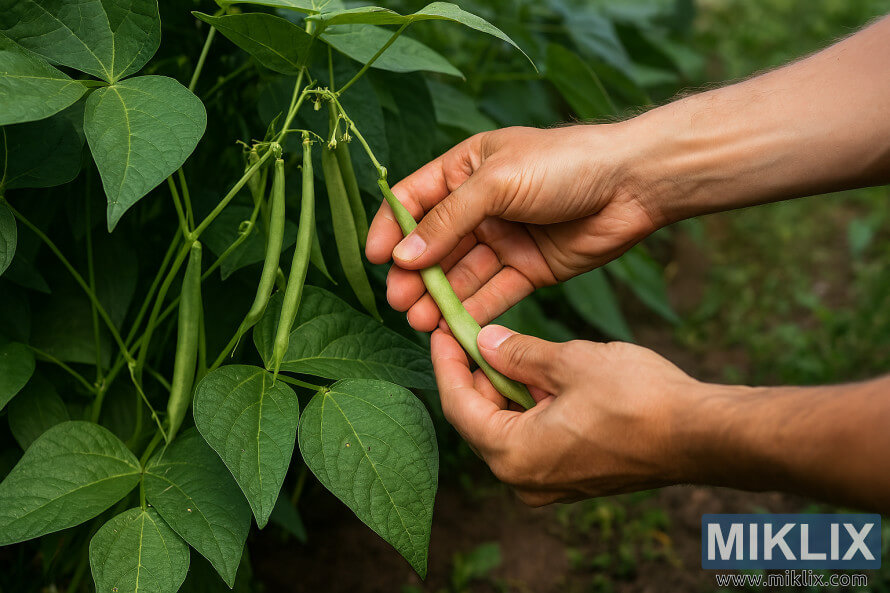
Click or tap the image for more information and higher resolutions.
Continuous Harvesting
The key to maximizing your bean harvest is frequent picking:
- For bush beans, harvest every 2-3 days once they begin producing
- For pole beans, harvest at least twice a week throughout the season
- Regular harvesting encourages plants to produce more pods
- Don't leave mature beans on the plant, as this signals the plant to stop producing
Expected Yields
With proper care, you can expect:
- Bush beans: 3-5 pounds per 10-foot row
- Pole beans: 8-10 pounds per 10-foot row over a longer season
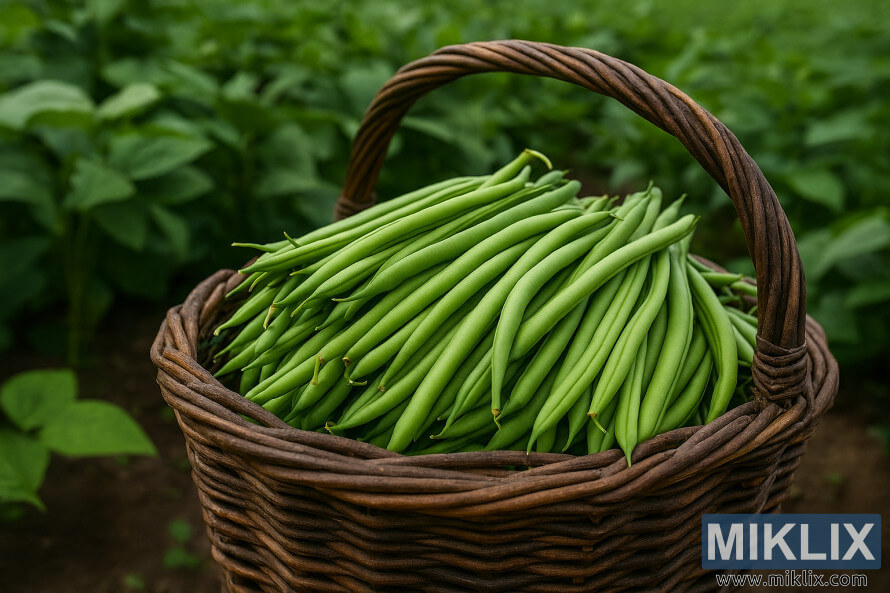
Click or tap the image for more information and higher resolutions.
Storing and Using Your Green Bean Harvest
Fresh Storage
For short-term storage of fresh green beans:
- Don't wash beans until ready to use
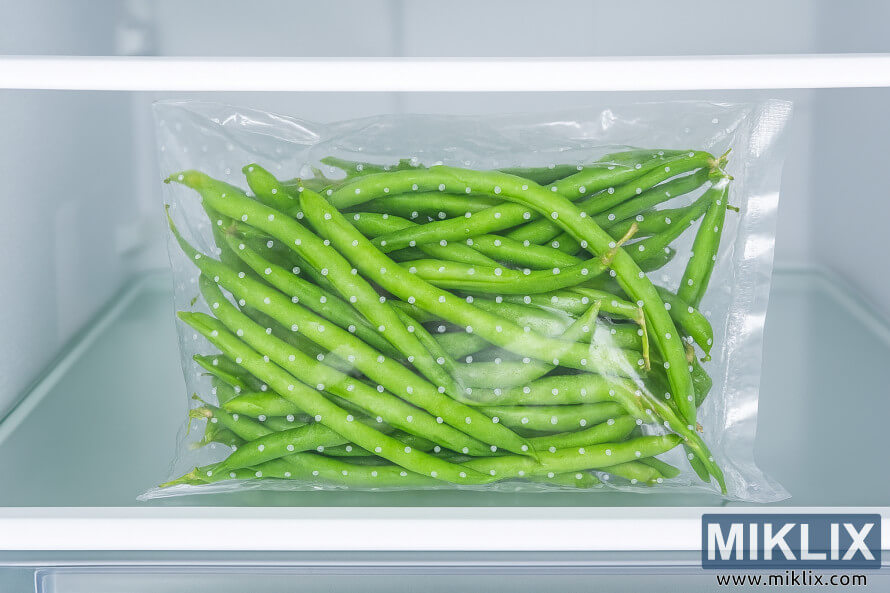
- Store unwashed beans in a perforated plastic bag in the refrigerator
- Properly stored, fresh beans will keep for 4-7 days
- For best flavor and nutrition, use within 3 days of harvest
Click or tap the image for more information and higher resolutions.
Freezing
Freezing preserves beans for up to 8-10 months:
- Wash beans and trim ends
- Cut into desired lengths (optional)
- Blanch for 3 minutes in boiling water
- Cool immediately in ice water for 3 minutes
- Drain thoroughly and pat dry
- Pack in freezer bags or containers, removing as much air as possible
- Label with date and freeze
Canning
Pressure canning is the only safe method for canning green beans:
- Green beans are low-acid foods and must be pressure canned
- Follow tested recipes from reliable sources like the USDA or Ball
- Process pints for 20 minutes and quarts for 25 minutes at 10 pounds pressure (adjust for altitude)
- Properly canned beans will keep for 1-2 years
Safety Note: Never use water bath canning for green beans, as this method doesn't reach high enough temperatures to eliminate the risk of botulism.
Cooking Ideas
Green beans are versatile in the kitchen:
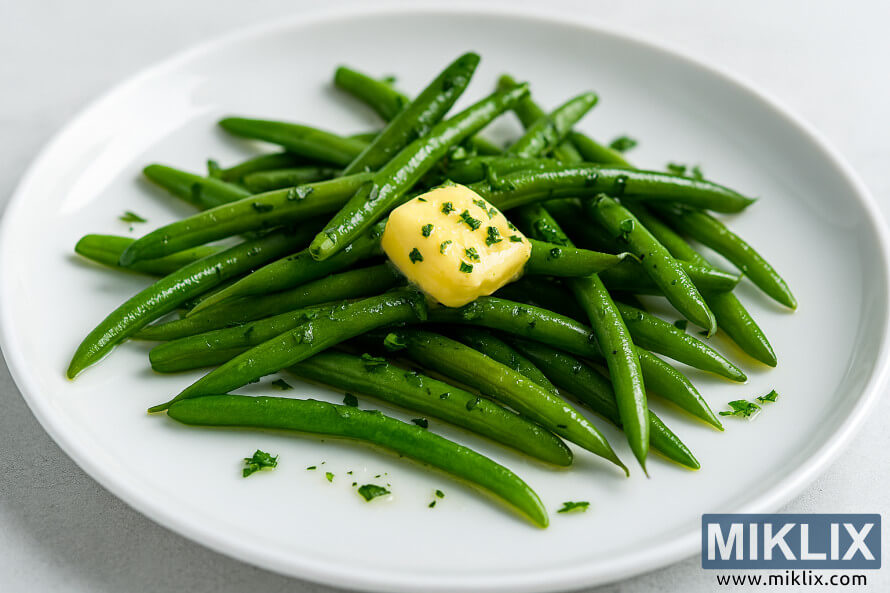
- Steam or blanch for 4-5 minutes for a simple side dish
- Sauté with garlic and olive oil
- Roast at 425°F for 10-15 minutes until slightly crispy
- Add to stir-fries in the last few minutes of cooking
- Include in soups, stews, and casseroles
- Pickle for a tangy snack or condiment
Click or tap the image for more information and higher resolutions.
Conclusion: Enjoying the Fruits of Your Labor
Growing green beans is one of the most rewarding experiences for home gardeners. With their quick growth, generous yields, and delicious flavor, they provide almost immediate gratification while improving your soil for future plantings.
Whether you choose bush beans for their compact growth and all-at-once harvest or pole beans for their space efficiency and extended production, you'll be rewarded with nutritious, fresh vegetables that taste infinitely better than store-bought options.
Remember that the key to success with green beans is consistent care: regular watering, frequent harvesting, and vigilant (but not obsessive) pest monitoring. With these basics in place, even first-time gardeners can expect a bountiful harvest.
So get your seeds, prepare your soil, and get ready to enjoy one of gardening's most reliable pleasures—the simple satisfaction of growing your own green beans.
Click or tap the image for more information and higher resolutions.
Further Reading
If you enjoyed this post, you may also like these suggestions:
- Growing Asparagus: A Complete Guide for Home Gardeners
- How to Grow Arugula: A Complete Guide for Home Gardeners
- A Guide to Growing the Best Aronia Berries in Your Garden