
A Guide to the Health Benefits of Marjoram
Opublikowano:
Ostatnia aktualizacja: 5 lipca 2026 17:32:42 UTC
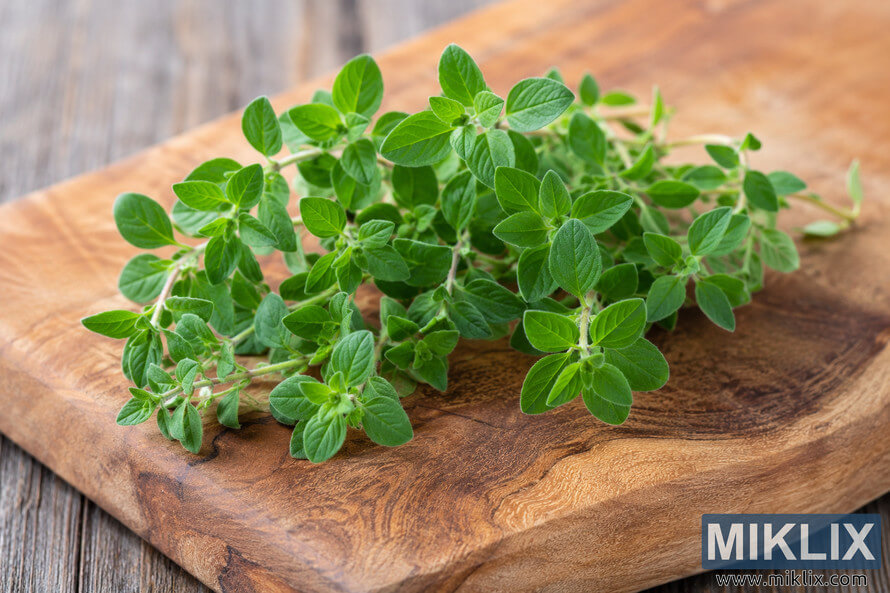
Marjoram has been treasured for thousands of years as both a culinary herb and medicinal plant. This member of the mint family offers remarkable health advantages that modern science continues to validate. Whether you seek natural digestive support or anti-inflammatory benefits, marjoram deserves a place in your wellness routine.
A Guide to the Health Benefits of Marjoram
Kliknij lub dotknij obrazu, aby uzyskać więcej informacji i wyższą rozdzielczość.
Sweet marjoram brings more than just flavor to your dishes. This ancient herb provides powerful antioxidants and essential nutrients that support overall health. Understanding how to use marjoram effectively can transform your approach to natural wellness.
What Is Marjoram and Its Origins
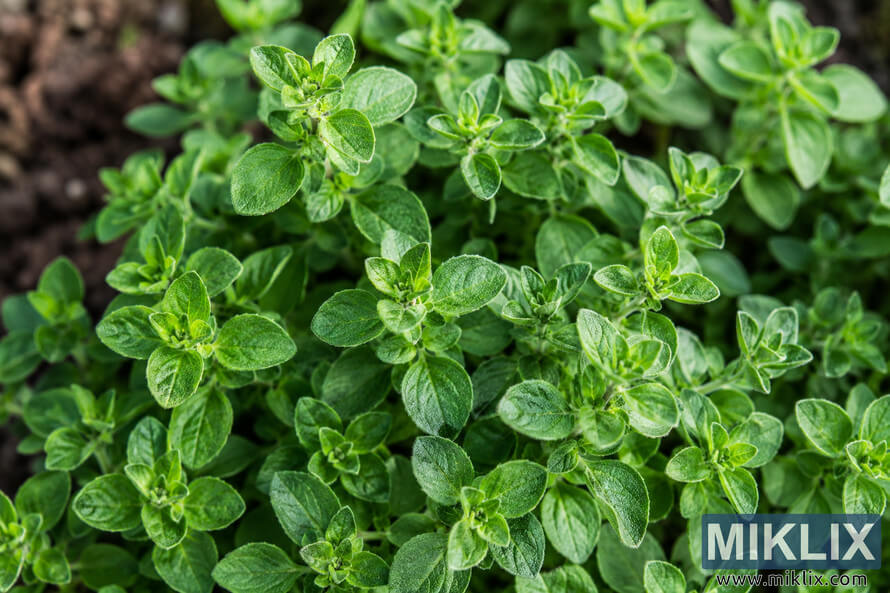
Marjoram, scientifically known as Origanum majorana, belongs to the mint family. This perennial herb grows best in Mediterranean climates. The plant produces small oval leaves that carry a sweet, delicate flavor.
Sweet marjoram differs from oregano, though both plants share the same family. Marjoram offers a milder, sweeter taste compared to its more pungent cousin. Ancient Greeks and Romans valued this herb for both cooking and medicine.
The herb grows to about twelve inches tall. Fresh marjoram leaves contain essential oils that provide therapeutic benefits. People have used this plant for centuries to promote happiness and well-being.
Traditional Uses
Historical applications of marjoram span multiple cultures and time periods.
- Ancient Greek medicinal ceremonies
- Roman cooking and preservation
- Medieval European herbal remedies
- Traditional wedding celebrations
Growing Conditions
Marjoram thrives under specific environmental requirements for optimal growth.
- Full sun exposure daily
- Well-drained soil conditions
- Moderate water needs
- Spring planting season
Plant Characteristics
The herb displays distinct features that distinguish it from related plants.
- Small oval-shaped leaves
- Compact growth habit
- Delicate white flowers
- Aromatic essential oils
Culinary Applications
Marjoram enhances various dishes with its unique flavor profile.
- Meat seasoning and rubs
- Soup and stew additions
- Salad dressing ingredients
- Vegetable dish enhancement
Kliknij lub dotknij obrazu, aby uzyskać więcej informacji i wyższą rozdzielczość.
Nutritional Profile and Active Compounds
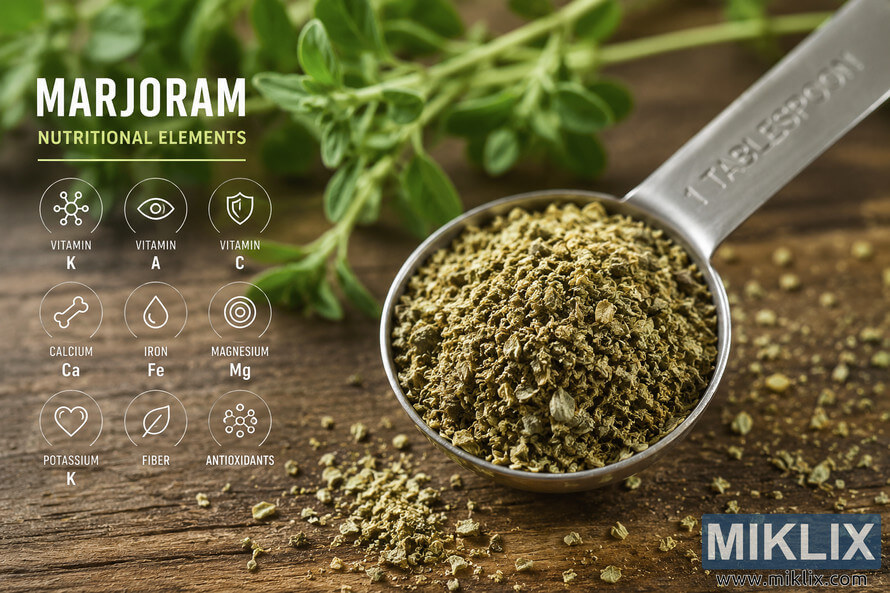
Marjoram contains impressive nutritional density despite its small serving size. One teaspoon of dried marjoram provides essential vitamins and minerals. The herb offers vitamin K, iron, calcium, and manganese in concentrated amounts.
The active compounds in marjoram include powerful antioxidants. Carvacrol and thymol serve as primary therapeutic agents. These compounds work together to protect cells from oxidative damage.
| Nutrient | Amount per Teaspoon | Daily Value % | Primary Benefit |
| Vitamin K | 12.4 mcg | 15% | Blood clotting support |
| Iron | 0.5 mg | 3% | Oxygen transport |
| Calcium | 12 mg | 1% | Bone health |
| Manganese | 0.02 mg | 1% | Enzyme activation |
| Vitamin A | 48 IU | 1% | Vision support |
Essential oils in marjoram also contribute to its health properties. The herb contains flavonoids and phenolic acids. These plant compounds support various body systems through their biological activities.
Kliknij lub dotknij obrazu, aby uzyskać więcej informacji i wyższą rozdzielczość.
Antioxidant and Anti-Inflammatory Properties
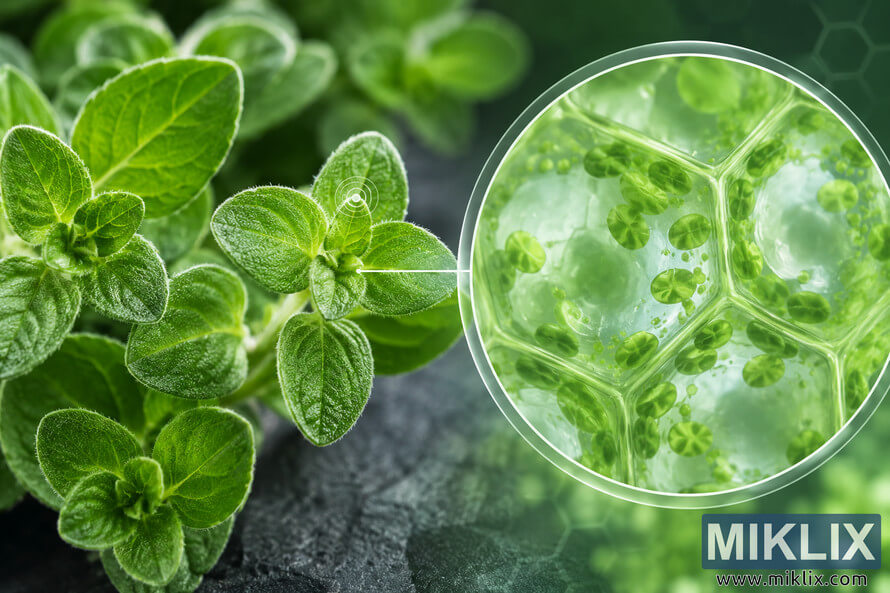
Marjoram provides potent antioxidant protection for your cells. The herb neutralizes harmful free radicals that cause cellular damage. Regular consumption may help reduce oxidative stress throughout the body.
Anti-inflammatory effects represent another key benefit of marjoram. The herb contains compounds that inhibit inflammatory pathways. This action may help manage chronic inflammation linked to various diseases.
Antioxidant Benefits
- Neutralizes free radicals effectively
- Protects cell membranes from damage
- Supports cardiovascular health naturally
- Reduces oxidative stress markers
- Enhances immune system function
Usage Considerations
- May interact with blood-thinning medications
- Requires consistent use for benefits
- Fresh herb has shorter shelf life
- Concentrated forms need dosage control
Studies show marjoram extracts reduce inflammation markers in laboratory tests. The herb works similarly to common anti-inflammatory herbs like thyme and sage. These properties make marjoram valuable for supporting overall wellness.
Carvacrol, a primary compound in marjoram, demonstrates strong antioxidant capacity. This substance protects against cellular aging processes. The combination of multiple antioxidants creates synergistic protective effects.
Kliknij lub dotknij obrazu, aby uzyskać więcej informacji i wyższą rozdzielczość.
Digestive Support and Gastrointestinal Benefits
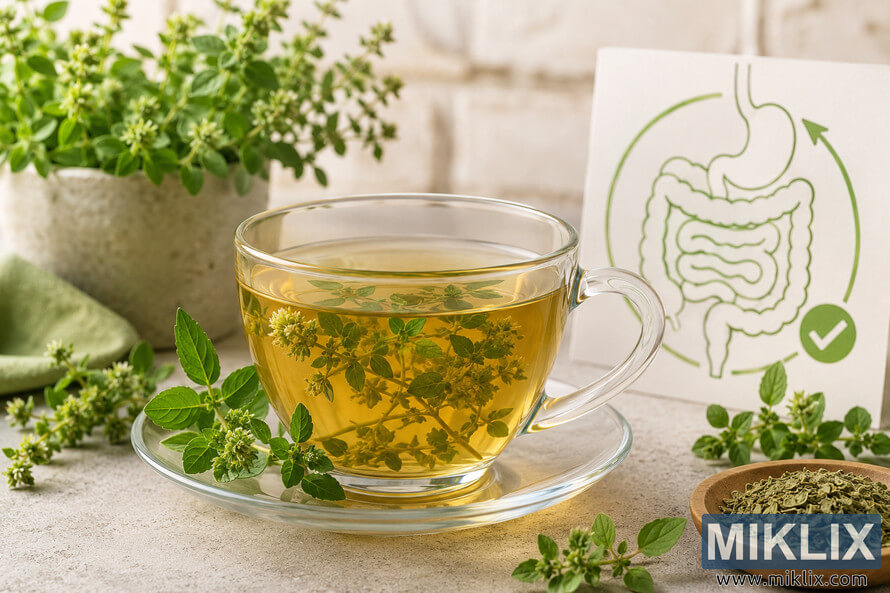
Marjoram has been used for centuries to support healthy digestion. The herb stimulates digestive enzyme production naturally. This action helps break down food more efficiently in the stomach.
The herb also helps relieve occasional gas and bloating. Marjoram relaxes smooth muscle tissue in the digestive tract. Many people find relief from minor digestive discomfort through regular use.
Traditional Digestive Remedy: Steep one teaspoon of dried marjoram in hot water for ten minutes. Drink this tea thirty minutes before meals to support healthy digestion and reduce bloating.
Research indicates marjoram may help with stomach upset and indigestion. The essential oils in the herb have carminative properties. These compounds help expel gas from the intestinal tract naturally.
Marjoram also supports overall gut health through its antimicrobial effects. The herb may help maintain healthy bacterial balance. This benefit contributes to improved digestive function over time.
Kliknij lub dotknij obrazu, aby uzyskać więcej informacji i wyższą rozdzielczość.
Menstrual Health and Hormonal Balance
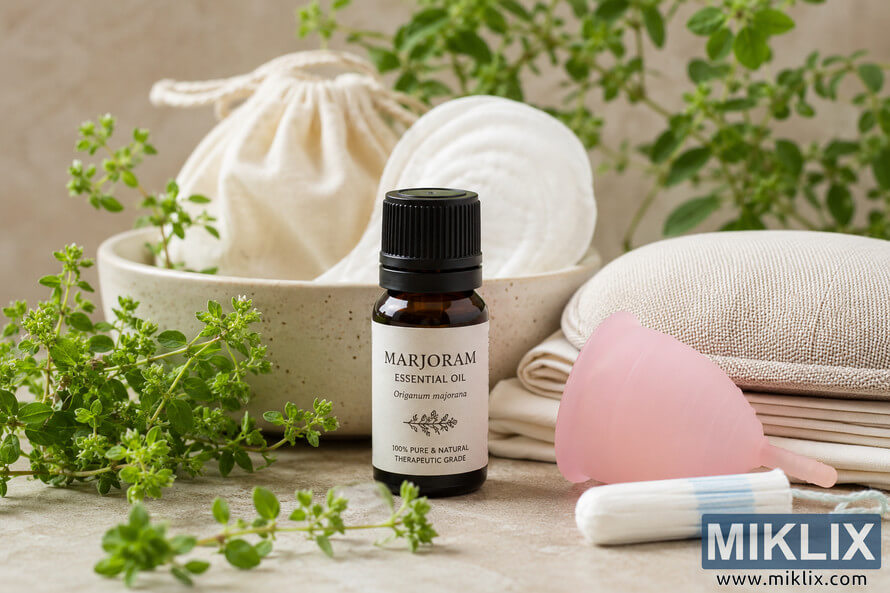
Traditional medicine has long used marjoram to support menstrual health. The herb may help regulate menstruation cycles naturally. Women have relied on marjoram for generations to ease monthly discomfort.
Marjoram may help reduce menstrual cramps through its antispasmodic properties. The herb relaxes uterine muscles gently. This action can provide natural relief during menstruation without harsh side effects.
Some studies suggest marjoram influences hormonal balance. The herb contains compounds that may affect hormone production. However, pregnant women should avoid concentrated marjoram supplements due to its effects on menstruation.
Important Note: While marjoram may support menstrual health, consult your healthcare provider before using it therapeutically, especially if you have hormonal conditions or take medications affecting menstruation.
Kliknij lub dotknij obrazu, aby uzyskać więcej informacji i wyższą rozdzielczość.
Antimicrobial and Immune-Supporting Properties
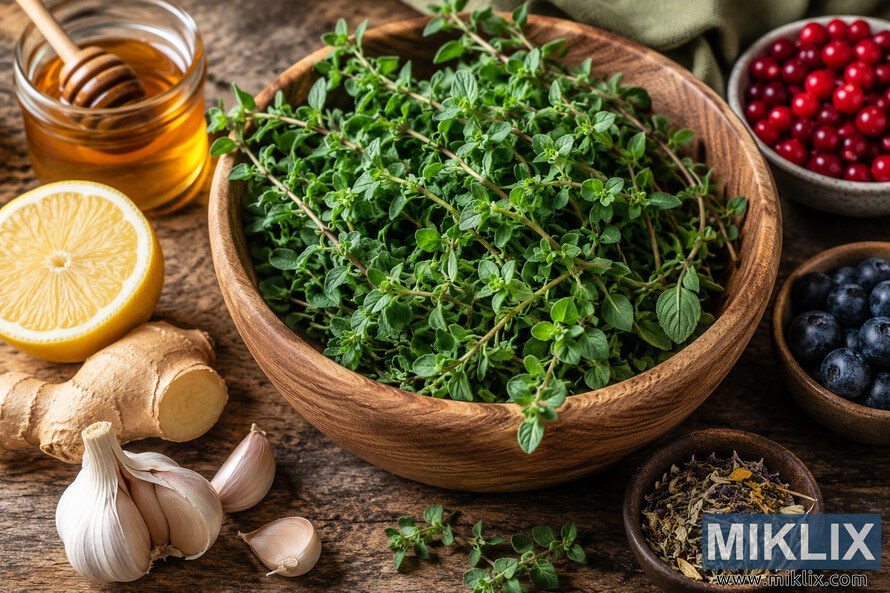
Marjoram demonstrates significant antimicrobial activity against various pathogens. The herb fights bacterial and fungal infections naturally. These properties made marjoram valuable in food preservation for years.
The essential oils in marjoram inhibit growth of harmful microorganisms. Carvacrol and thymol provide the primary antimicrobial effects. These compounds work against both gram-positive and gram-negative bacteria.
Research shows marjoram may help prevent foodborne infections. The herb also supports respiratory health during cold season. Many herbal practitioners recommend marjoram for immune system support.
Antimicrobial Actions
- Inhibits bacterial growth naturally
- Fights fungal infections effectively
- Supports respiratory health
- Protects against food pathogens
- Enhances immune response
Immune Support Benefits
- Strengthens natural defenses
- Reduces infection duration
- Supports white blood cell function
- Provides antioxidant protection
- Promotes overall wellness
Best Uses
- Seasonal immune support
- Food preservation aid
- Respiratory health maintenance
- Natural cleaning products
- Preventive wellness routines
Kliknij lub dotknij obrazu, aby uzyskać więcej informacji i wyższą rozdzielczość.
Cardiovascular and Metabolic Health Support
Marjoram may support heart health through multiple mechanisms. The herb helps maintain healthy blood pressure levels. Antioxidants in marjoram protect cardiovascular tissues from oxidative damage.
Studies indicate marjoram can support healthy cholesterol levels. The herb may help reduce LDL cholesterol oxidation. This protective effect benefits overall cardiovascular function significantly.
The anti-inflammatory properties of marjoram also benefit the cardiovascular system. Chronic inflammation contributes to heart disease development. Regular marjoram consumption may help reduce this risk factor naturally.
Kliknij lub dotknij obrazu, aby uzyskać więcej informacji i wyższą rozdzielczość.
How to Incorporate Marjoram Into Your Diet
Adding marjoram to your cooking provides the easiest way to gain its benefits. The herb works well in countless dishes and recipes. Fresh marjoram offers the most potent flavor and nutritional value.
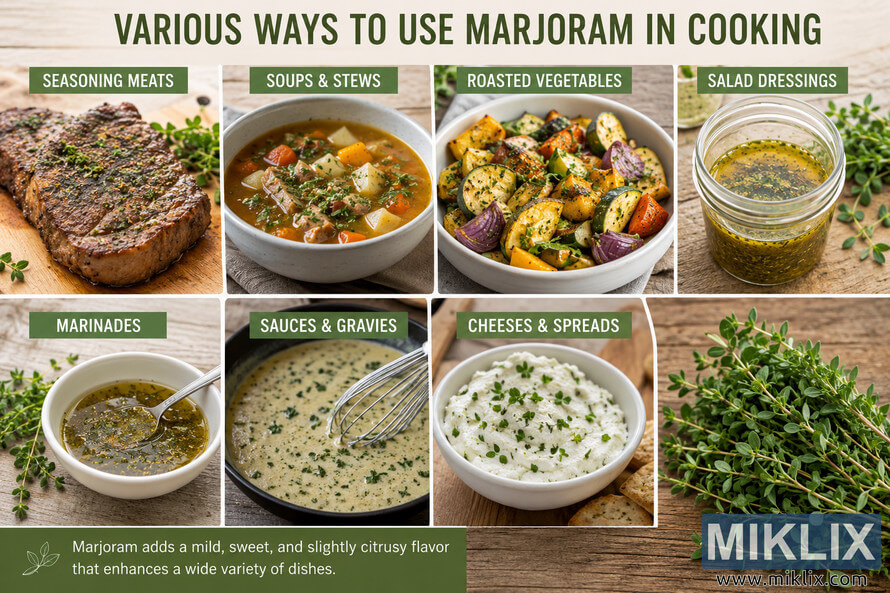
Culinary Applications
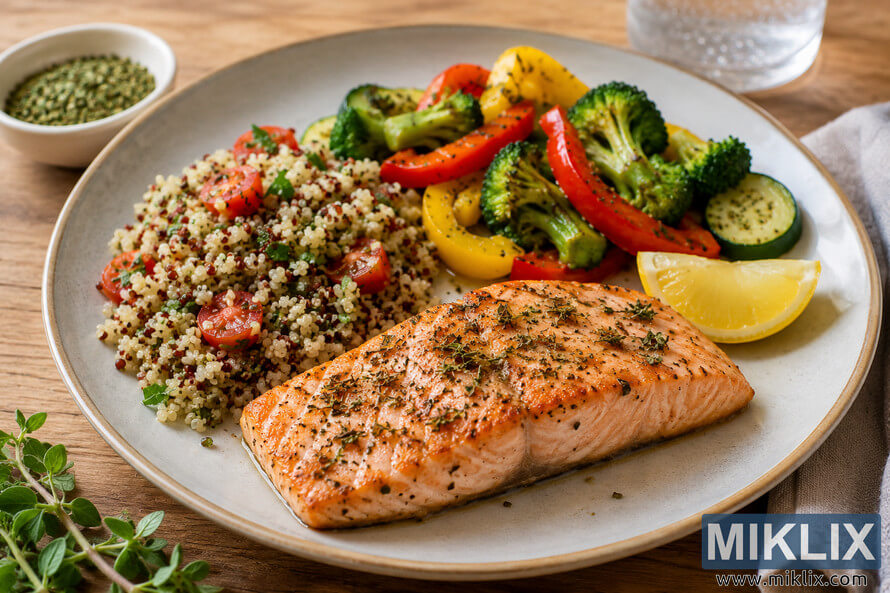
Marjoram enhances meat dishes beautifully with its sweet flavor. Add fresh leaves to chicken, lamb, or pork during cooking. The herb also complements vegetables, particularly in Mediterranean-style dishes.
Use marjoram in soups and stews for added depth of flavor. The herb pairs well with other members of the mint family. Try combining marjoram with thyme, oregano, and sage in seasoning blends.
Kliknij lub dotknij obrazu, aby uzyskać więcej informacji i wyższą rozdzielczość.
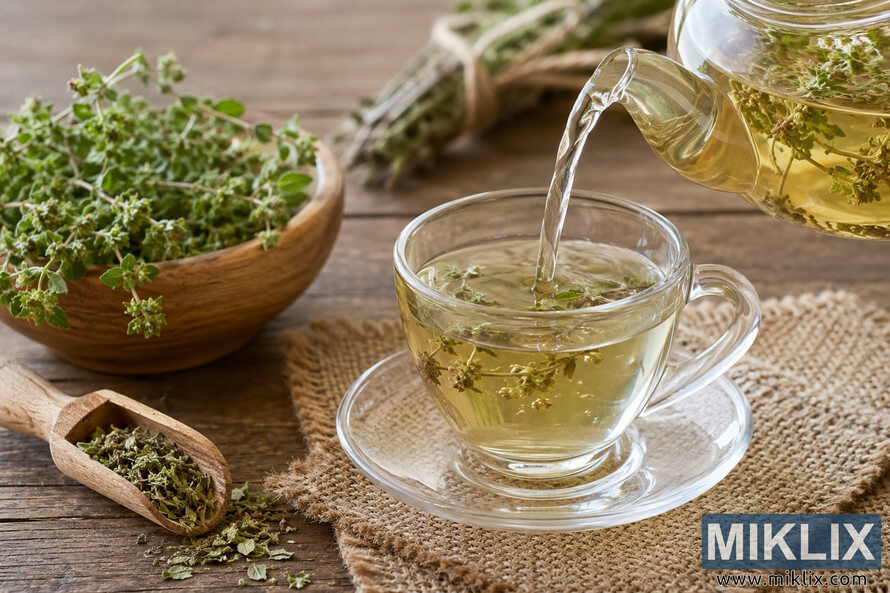
Herbal Tea
Steep one teaspoon dried marjoram in eight ounces of hot water for five to ten minutes. Strain and enjoy plain or with honey for digestive support.
Kliknij lub dotknij obrazu, aby uzyskać więcej informacji i wyższą rozdzielczość.
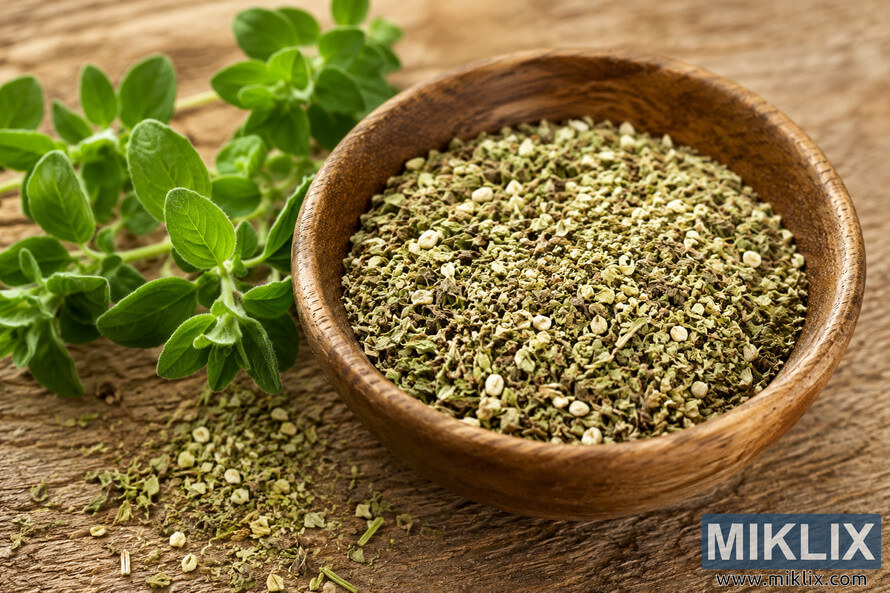
Seasoning Blends
Combine dried marjoram with oregano, thyme, and sage to create versatile seasoning. Use on roasted vegetables, grilled meat, or in pasta dishes.
Kliknij lub dotknij obrazu, aby uzyskać więcej informacji i wyższą rozdzielczość.
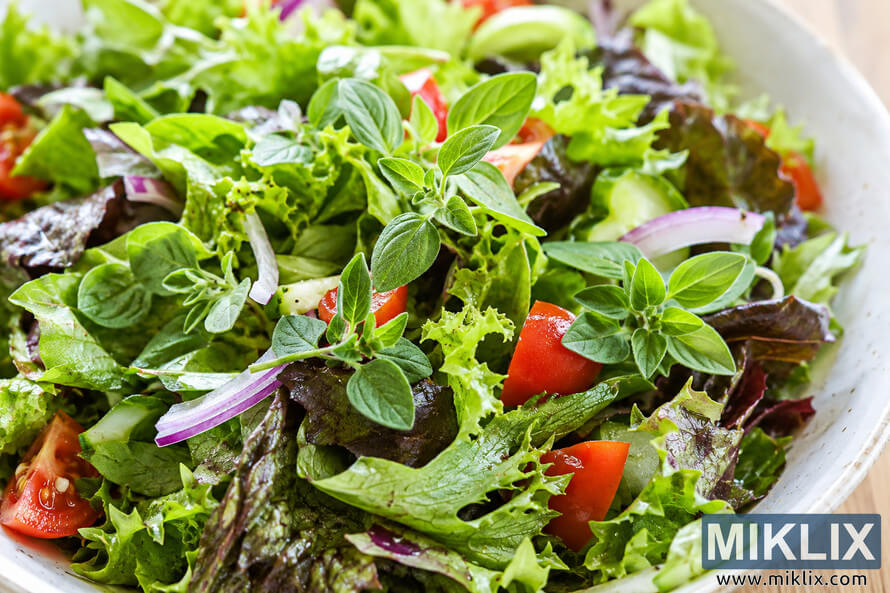
Fresh Addition
Chop fresh marjoram leaves and add to salads, dressings, or as garnish. The delicate flavor complements fresh tomatoes and mozzarella perfectly.
Kliknij lub dotknij obrazu, aby uzyskać więcej informacji i wyższą rozdzielczość.
Supplemental Forms
Marjoram supplements come in several forms beyond cooking. Essential oil provides concentrated benefits when used properly. Always dilute marjoram essential oil before topical application on skin.
Dried marjoram capsules offer convenient supplementation. Follow manufacturer dosage recommendations carefully. Tinctures provide another option for those seeking therapeutic amounts.
Safety Consideration: Start with small amounts when first using marjoram medicinally. Some individuals may experience allergic reactions. Consult healthcare providers before using concentrated forms, especially if taking medications.
Growing Marjoram at Home
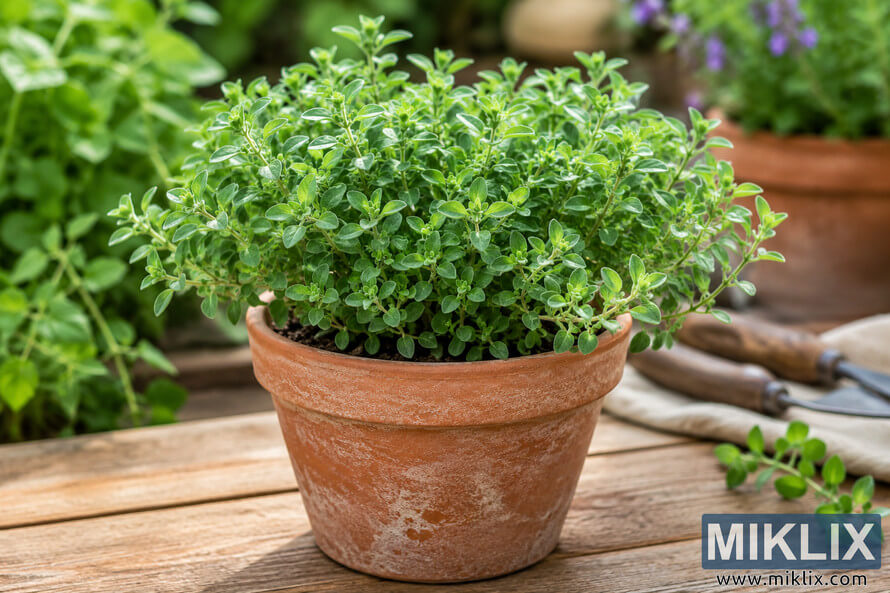
Growing your own marjoram ensures fresh supply year-round in suitable climates. The plant requires minimal care once established. Start from seed in spring or purchase young plants from nurseries.
Marjoram thrives in well-drained soil with full sun exposure. Water moderately, allowing soil to dry between waterings. The herb grows well in containers or garden beds equally.
Planting Tips
- Plant after last frost in spring season
- Space plants eight to ten inches apart
- Use quality potting mix in containers
- Provide six to eight hours sunlight daily
- Maintain soil pH between six and seven
Kliknij lub dotknij obrazu, aby uzyskać więcej informacji i wyższą rozdzielczość.
Harvesting and Storage
Harvest marjoram leaves before the plant flowers for best flavor. Cut stems in the morning after dew dries. Fresh marjoram keeps in the refrigerator for about one week when stored properly.
Dry marjoram by hanging bundles upside down in a dark, well-ventilated space. Store dried leaves in airtight containers away from light. Properly dried marjoram maintains potency for up to one year.
Marjoram Compared to Similar Herbs
Understanding how marjoram differs from related herbs helps optimize its use. Oregano and marjoram share the same botanical family but offer distinct properties. Thyme provides another point of comparison in culinary and medicinal applications.
| Characteristic | Marjoram | Oregano | Thyme |
| Flavor Profile | Sweet, delicate, slightly floral | Bold, pungent, slightly bitter | Earthy, minty, subtle |
| Best Culinary Use | Delicate dishes, vegetables, poultry | Pizza, pasta, robust meat dishes | Roasted meats, stews, stocks |
| Primary Health Benefit | Digestive support, hormonal balance | Antimicrobial, respiratory health | Cough relief, immune support |
| Growing Difficulty | Moderate, prefers warmth | Easy, very hardy | Easy, drought tolerant |
| Traditional Medicine Use | Digestive aid, menstrual support | Infections, respiratory issues | Coughs, bronchial conditions |
Each herb brings unique benefits to both kitchen and medicine cabinet. Marjoram offers gentler flavor than oregano, making it ideal for delicate recipes. The herb also provides distinct hormonal support benefits not found in its relatives.
Frequently Asked Questions About Marjoram
Can I use marjoram and oregano interchangeably in recipes?
While both herbs belong to the same family, they have distinct flavor profiles. Marjoram tastes sweeter and more delicate than oregano. Substitution works in some dishes, but expect flavor differences. Use marjoram when recipes call for subtle herb notes. Choose oregano for bold, assertive seasoning needs.
Is marjoram safe during pregnancy?
Pregnant women should avoid therapeutic amounts of marjoram. The herb may stimulate menstruation and affect uterine muscles. Small culinary amounts in food generally pose no risk. Always consult your healthcare provider before using any herb medicinally during pregnancy or while nursing.
How much marjoram should I consume daily for health benefits?
No official recommended daily amount exists for marjoram. Culinary use of one to two teaspoons of dried herb daily appears safe for most people. For therapeutic purposes, consult an herbalist or healthcare provider. Start with small amounts and increase gradually while monitoring your response.
Does marjoram lose its health benefits when dried?
Dried marjoram retains most beneficial compounds when stored properly. Some volatile oils decrease during drying, but antioxidants remain stable. Fresh marjoram provides slightly higher nutrient levels. Both forms offer valuable health benefits. Use dried marjoram within one year for optimal potency.
Can marjoram help with anxiety and stress?
Traditional medicine has used marjoram to promote calmness and happiness for years. The herb may have mild sedative properties. Some people find marjoram tea relaxing before bedtime. Scientific research on these effects remains limited. Marjoram should not replace prescribed anxiety treatments.
Embracing Marjoram for Natural Wellness
Marjoram offers remarkable health benefits supported by both traditional use and modern research. This versatile herb provides antioxidant protection, anti-inflammatory effects, and digestive support. The sweet marjoram plant deserves recognition as a valuable addition to wellness routines.
Incorporating marjoram into daily life requires minimal effort with maximum rewards. Whether used fresh in cooking, dried as seasoning, or brewed as tea, this herb delivers consistent benefits. The accessibility of marjoram makes natural wellness achievable for everyone.
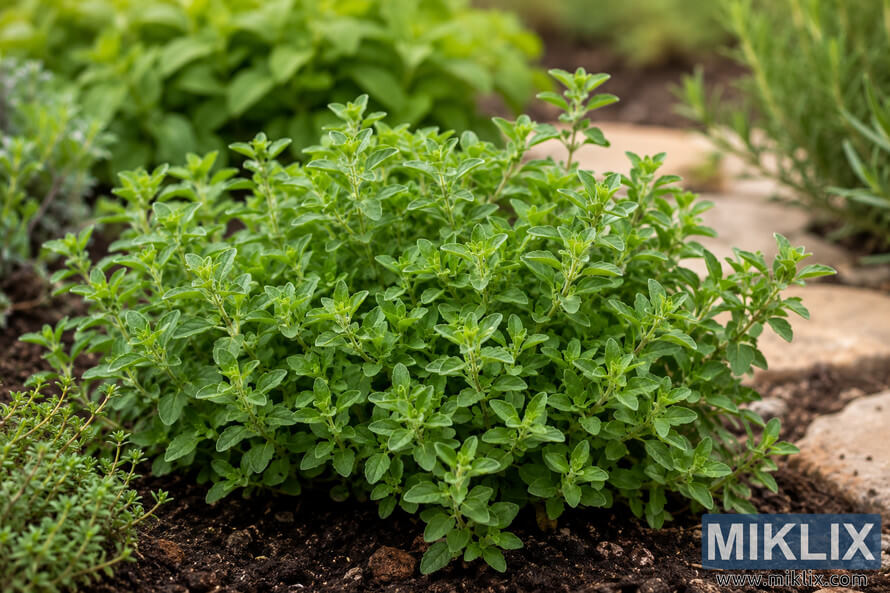
Start exploring marjoram today through simple culinary applications. Observe how this ancient herb enhances both flavor and well-being. Your journey toward natural health can begin with one small herb growing in a pot on your windowsill.
Kliknij lub dotknij obrazu, aby uzyskać więcej informacji i wyższą rozdzielczość.
Dalsza lektura
Jeśli podobał Ci się ten wpis, mogą Cię zainteresować również poniższe sugestie:
- Jak jagody goji mogą zmienić Twoje zdrowie i poziom energii
- Quinoa: Małe ziarno, duży wpływ na zdrowie
- Jedz więcej jeżyn: ważne powody, dla których warto włączyć je do swojej diety