
A Guide to the Health Benefits of Tarragon
Gepubliseer:
Laas opgedateer: 20 Junie 2026 om 07:52:25 UTC
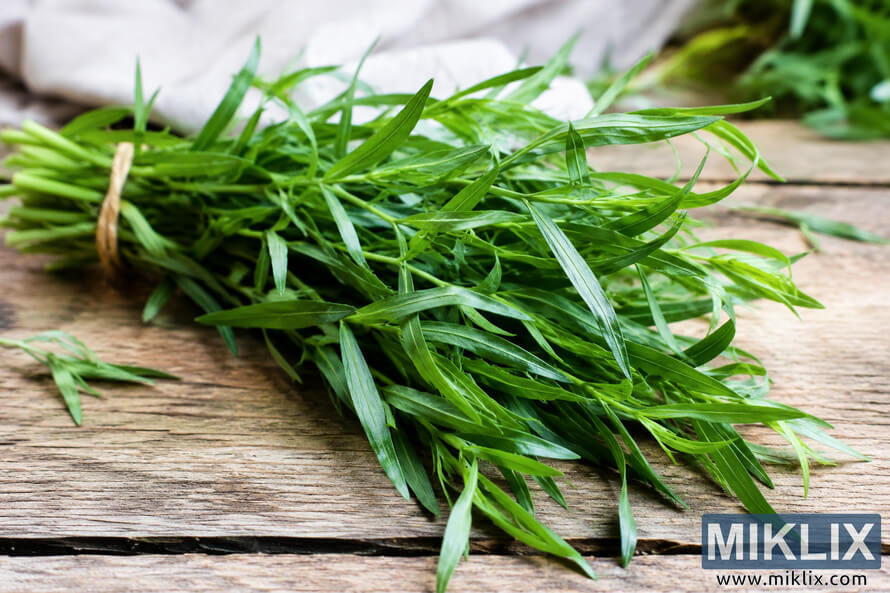
Tarragon stands as one of the most underappreciated herbs in kitchens worldwide. This aromatic plant delivers far more than pleasant flavor to your dishes. The health benefits of tarragon extend from supporting your digestive system to helping regulate blood sugar levels.
A Guide to the Health Benefits of Tarragon
Klik of tik op die beeld vir meer inligting en hoër resolusies.
This herb has served multiple purposes throughout history. Ancient healers used tarragon for medicinal treatments. Modern research now confirms many traditional uses.
You will discover how this remarkable herb can enhance your wellness routine. We explore its nutritional value, specific health benefits, and practical ways to incorporate it into your daily meals.
What is Tarragon?
Tarragon belongs to the sunflower family. This perennial herb grows primarily in North America, Europe, and Asia. The plant features narrow, glossy leaves with a distinctive licorice-like taste.
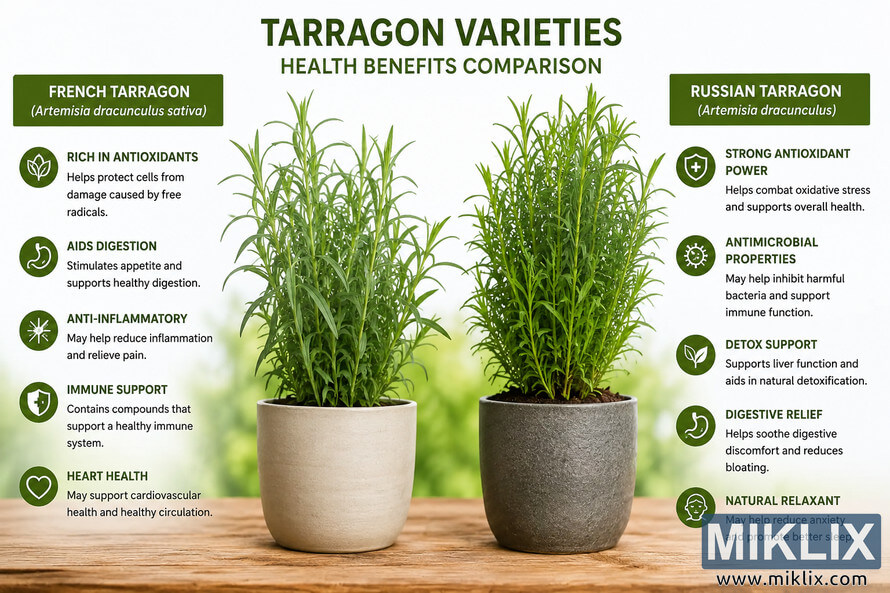
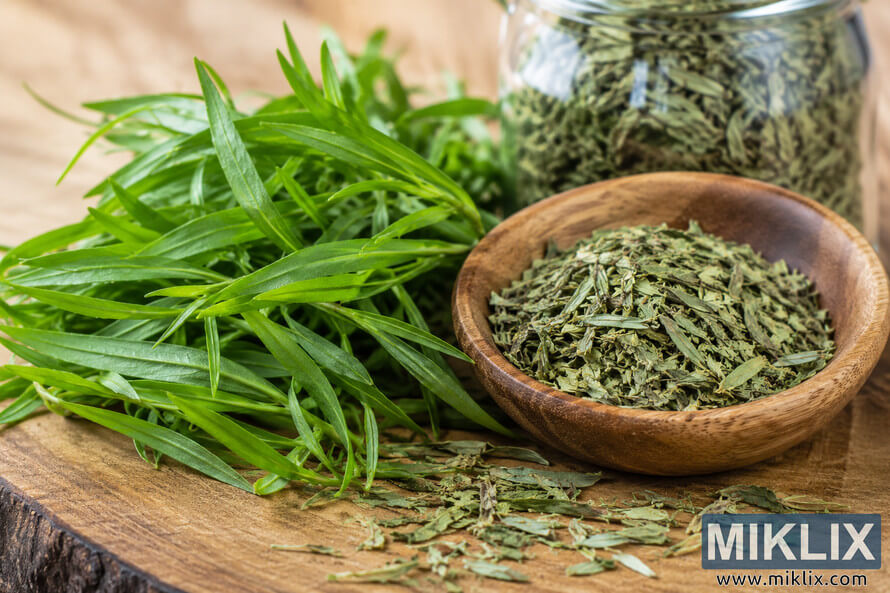
Two main varieties exist. French tarragon offers superior flavor and contains more beneficial compounds. Russian tarragon grows more easily but provides less intense aroma and fewer health benefits.
French Tarragon Characteristics
French tarragon delivers the strongest flavor profile. This variety cannot grow from seeds. Gardeners must propagate it through cuttings or root division.
The herb thrives in well-drained soil with full sun exposure. Its leaves contain higher concentrations of essential oils compared to Russian tarragon.
Russian Tarragon Features
Russian tarragon grows easily from seeds. This hardy variety tolerates various soil conditions. The plant produces more leaves but with milder flavor.
Many people choose Russian tarragon for ornamental purposes. Its health benefits remain present but in lower amounts than French tarragon.
Klik of tik op die beeld vir meer inligting en hoër resolusies.
Nutritional Profile of Tarragon
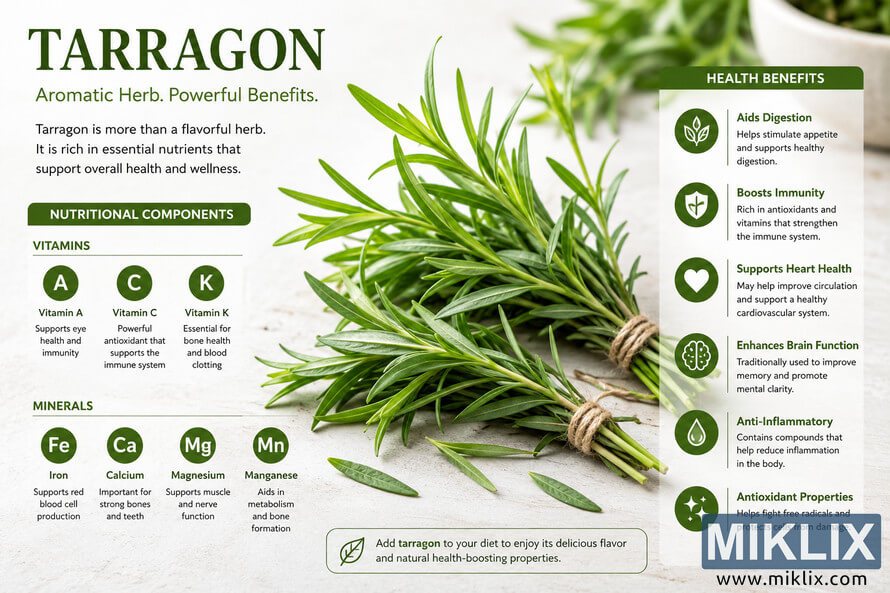
Tarragon packs impressive nutrients into its small leaves. One tablespoon of fresh tarragon contains minimal calories but provides essential vitamins and minerals. The herb supports your body through multiple nutritional pathways.
Key Vitamins and Minerals
This herb delivers substantial amounts of vitamin A, vitamin C, and several B vitamins. Potassium appears in significant quantities. Iron, calcium, and magnesium contribute to the mineral content.
Bioactive Compounds
Essential oils give tarragon its characteristic aroma. These compounds include estragole, ocimene, and eugenol. Each contributes to the herb's therapeutic properties.
Flavonoids and polyphenols act as powerful antioxidants. These plant compounds protect your cells from oxidative stress. Research shows they support overall health and may prevent chronic diseases.
Important Note: Dried tarragon concentrates these nutrients. One tablespoon of dried herb provides more nutritional value than fresh tarragon due to reduced water content.
Klik of tik op die beeld vir meer inligting en hoër resolusies.
Supporting Digestive Health
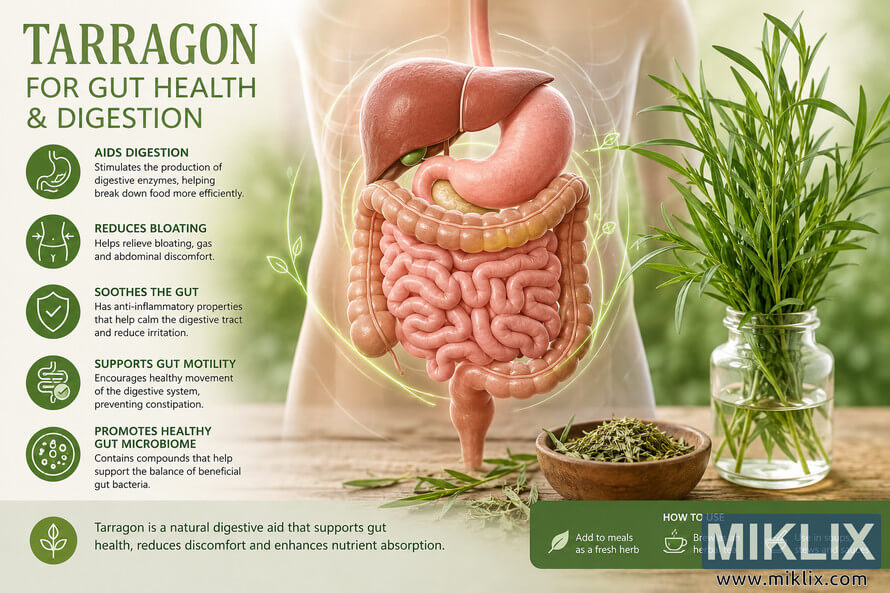
Tarragon has earned recognition for improving digestive function. The herb stimulates bile production. This process helps your body break down fats more efficiently.
How Tarragon Aids Digestion
The essential oils in tarragon stimulate digestive enzyme production. Your stomach releases more gastric juices when you consume this herb. This action improves food breakdown and nutrient absorption.
People experiencing bloating often find relief with tarragon. The herb reduces gas formation in the intestines. Its carminative properties help expel trapped gas from your digestive tract.
Appetite Stimulation
Tarragon may increase your appetite naturally. The herb activates taste receptors. This effect benefits people recovering from illness or experiencing poor appetite.
Nausea Relief
Traditional medicine uses tarragon for upset stomach. The herb's compounds calm digestive discomfort. Many people report reduced nausea after consuming tarragon tea.
Research Evidence
A study examined tarragon extract effects on digestive health. Results showed significant improvement in symptoms among participants. The research lasted 60 days and involved people with digestive complaints.
Scientists found tarragon essential oil exhibits antimicrobial properties. The oil fights harmful bacteria like Staphylococcus aureus. This action helps maintain healthy gut flora balance.
Klik of tik op die beeld vir meer inligting en hoër resolusies.
Anti-Inflammatory Properties
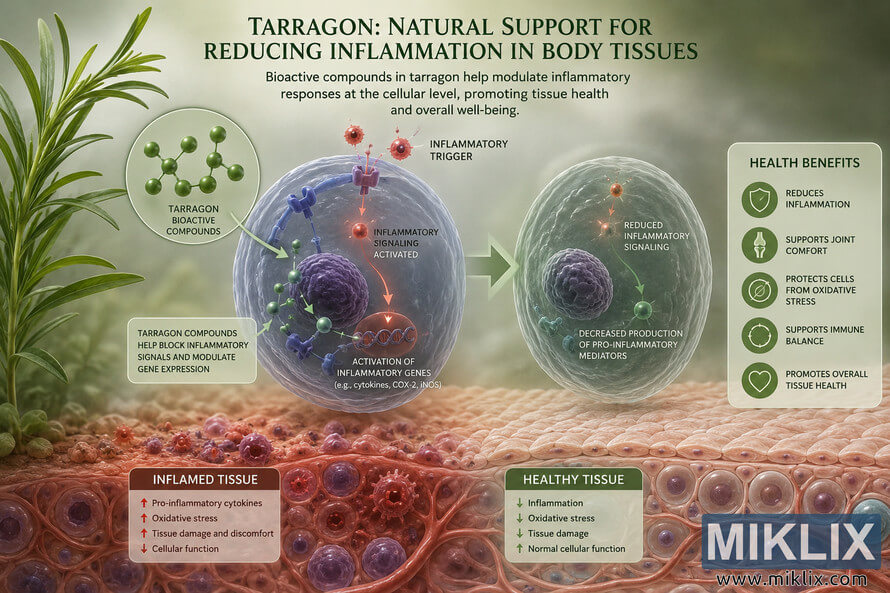
Inflammation contributes to numerous health conditions. Tarragon contains compounds that reduce inflammatory responses in your body. This effect supports overall wellness and may prevent chronic diseases.
Mechanisms of Action
The herb blocks specific inflammatory pathways. Its compounds inhibit enzymes that trigger inflammation. Tarragon essential oil demonstrates particularly strong anti-inflammatory effects.
Research indicates tarragon may help with arthritis symptoms. People consuming the herb regularly report less joint pain. The anti-inflammatory compounds reduce swelling in affected areas.
Inflammation Reduction Benefits
- Decreased joint pain and stiffness
- Reduced muscle soreness after exercise
- Lower risk of chronic inflammation
- Improved recovery from injuries
- Better cardiovascular health markers
Supporting Heart Health
Inflammation damages blood vessels over time. Tarragon's anti-inflammatory properties protect your cardiovascular system. The herb also contains potassium, which supports healthy blood pressure levels.
Studies suggest regular tarragon consumption may reduce heart disease risk. The plant compounds improve blood vessel function. This effect promotes better circulation throughout your body.
Klik of tik op die beeld vir meer inligting en hoër resolusies.
Blood Sugar Regulation
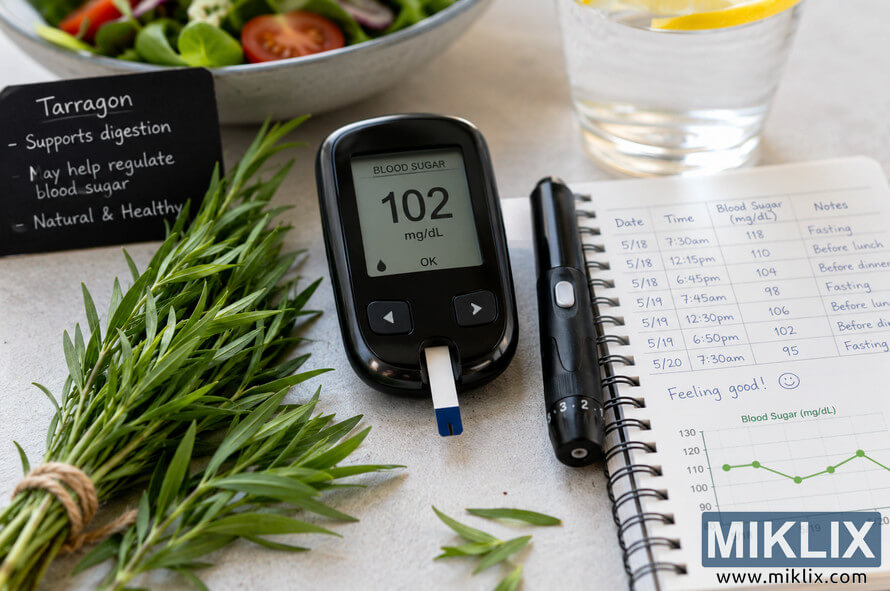
One of the most promising health benefits of tarragon involves blood sugar control. Research demonstrates the herb may improve insulin sensitivity. This effect helps your cells respond better to insulin signals.
Insulin Sensitivity Enhancement
Tarragon extract influences how your body processes glucose. The herb contains compounds that mimic insulin function. These substances help transport sugar from your bloodstream into cells.
A significant study examined tarragon's effects on insulin sensitivity. Participants consumed tarragon extract daily for 90 days. Results showed measurable improvements in glucose metabolism and insulin response.
Research Finding: Participants taking tarragon extract experienced a 20% improvement in insulin sensitivity compared to the control group. Blood sugar levels decreased by an average of 15 mg/dL.
Benefits for Diabetes Management
People with type 2 diabetes may find tarragon particularly helpful. The herb supports better blood sugar control when combined with standard treatments. Always consult your healthcare provider before adding supplements.
Some found tjat tarragon works best as part of comprehensive diabetes management. The herb complements dietary changes and exercise. It should not replace prescribed medications without medical supervision.
Klik of tik op die beeld vir meer inligting en hoër resolusies.
Sleep Quality Improvement
Tarragon may help you sleep better. Traditional medicine has used this herb for centuries to promote restful sleep. Modern research begins to validate these traditional uses.
Sleep-Promoting Mechanisms
The herb contains compounds that may affect neurotransmitter activity. These substances help calm your nervous system. Tarragon tea consumed before bedtime creates a relaxing ritual.
Some research suggests tarragon influences sleep-wake cycles. The plant compounds interact with receptors in your brain. This effect may help regulate circadian rhythms.
- Reduces time needed to fall asleep
- Improves overall sleep quality
- Decreases nighttime waking episodes
- Promotes deeper, more restorative sleep
- Helps establish healthy sleep patterns
Preparation Methods
Tarragon tea offers the most common sleep support approach. Steep one tablespoon of fresh or dried tarragon in hot water for 10 minutes. Drink this mixture 30 to 60 minutes before bedtime.
The warm beverage itself contributes to relaxation. Combined with tarragon's natural properties, this creates optimal conditions for sleep. Many people notice improvements within several days of consistent use.

Klik of tik op die beeld vir meer inligting en hoër resolusies.
Antioxidant Effects
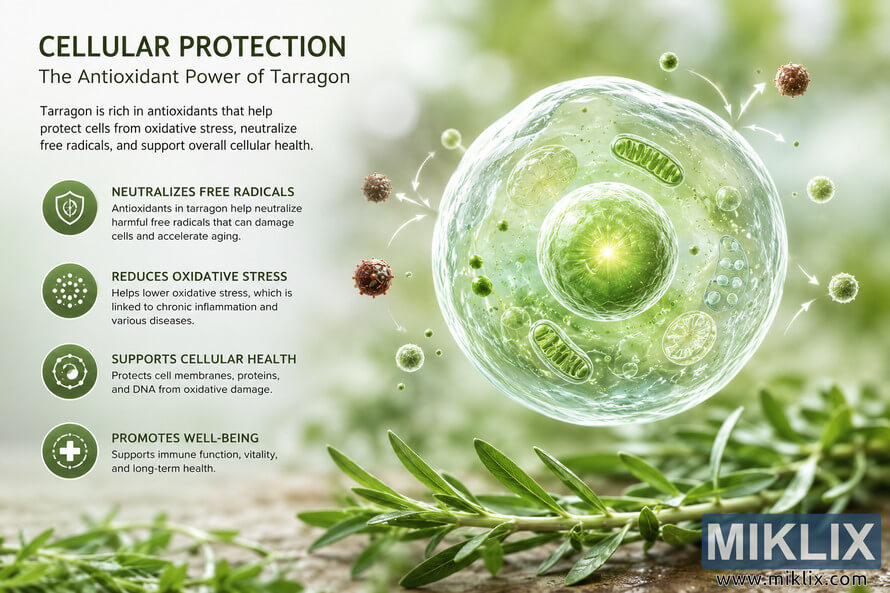
Free radicals damage your cells daily. Antioxidants neutralize these harmful molecules. Tarragon provides abundant antioxidant compounds that protect your body from oxidative stress.
Types of Antioxidants
The herb contains multiple antioxidant categories. Polyphenols represent one major group. These compounds reduce inflammation and support cellular health throughout your body.
Flavonoids in tarragon demonstrate strong antioxidant activity. Research shows these substances protect against various diseases. They help prevent cellular damage that leads to aging and illness.
Klik of tik op die beeld vir meer inligting en hoër resolusies.
Cellular Protection
Antioxidants guard your DNA from damage. This protection helps prevent mutations that could lead to disease. Tarragon's compounds strengthen your body's natural defense systems.
The essential oils in tarragon exhibit particularly potent antioxidant effects. Studies measure their strength against standard antioxidant compounds. Results showed tarragon essential oil ranks high in protective capacity.
Disease Prevention
Regular antioxidant intake supports long-term health. These compounds may reduce cancer risk by protecting cellular DNA. They also support cardiovascular health by preventing oxidative damage to blood vessels.
Your immune system benefits from antioxidant support. Tarragon helps maintain immune cell function. This effect contributes to better resistance against infections and diseases.
Klik of tik op die beeld vir meer inligting en hoër resolusies.
Antibacterial and Antimicrobial Properties
Tarragon fights harmful microorganisms. The herb's essential oils demonstrate powerful antibacterial effects. Research confirms effectiveness against several dangerous bacteria strains.
Fighting Bacterial Infections
Studies tested tarragon essential oil against Staphylococcus aureus. This bacteria causes numerous infections. Results showed the oil effectively inhibits bacterial growth.
The plant compounds disrupt bacterial cell membranes. This action prevents bacteria from multiplying. Tarragon may help prevent food poisoning when used in cooking.

Klik of tik op die beeld vir meer inligting en hoër resolusies.
Food Preservation Benefits
Adding tarragon to dishes serves preservation purposes beyond flavor. The antibacterial compounds slow food spoilage. This effect extends shelf life naturally without chemical preservatives.
Historical records show people used tarragon for food storage. The practice continues today among those preferring natural preservation methods. Fresh tarragon in salad dressings and marinades provides both taste and safety benefits.
How to Incorporate Tarragon Into Your Diet
Adding tarragon to your meals requires minimal effort. The herb enhances both flavor and nutritional value of numerous dishes. Start with small amounts to appreciate its unique taste.
Fresh Tarragon Applications
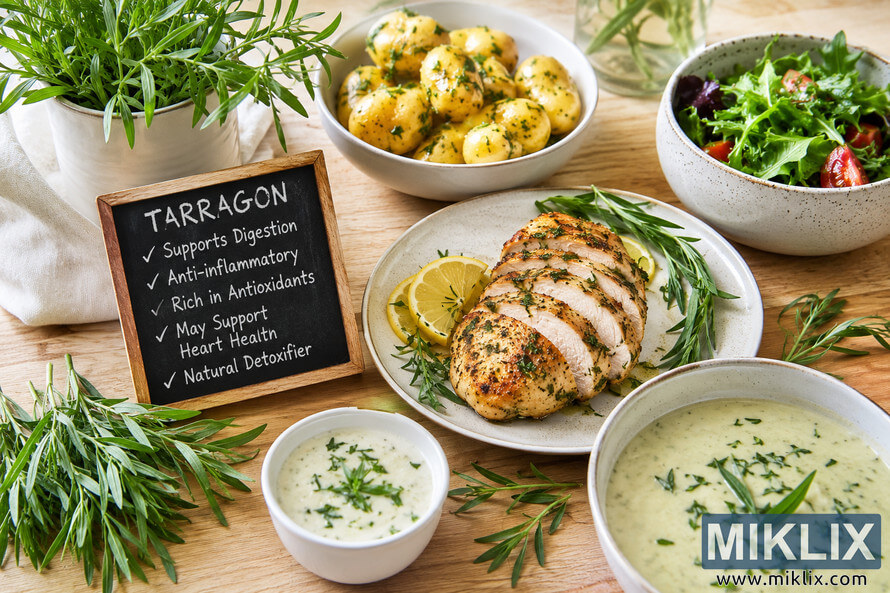
Fresh leaves work best in delicate preparations. Add them near the end of cooking to preserve volatile oils. The herb complements chicken, fish, eggs, and vegetables particularly well.
Breakfast Ideas
Sprinkle fresh tarragon over scrambled eggs. Mix chopped leaves into omelets or frittatas. The herb adds sophisticated flavor to morning dishes.
- Tarragon butter on toast
- Herb-infused breakfast potatoes
- Yogurt parfait garnish
Lunch Preparations
Create tarragon chicken salad for sandwiches. Add leaves to green salads for extra nutrition. The herb works wonderfully in creamy dressings.
- Tarragon vinaigrette
- Herb-crusted fish
- Fresh spring rolls
Dinner Dishes
Prepare classic French tarragon sauce for chicken or fish. Include fresh leaves in vegetable sides. The flavor pairs excellently with roasted dishes.
- Béarnaise sauce
- Roasted vegetables
- Cream-based pasta
Klik of tik op die beeld vir meer inligting en hoër resolusies.
Using Dried Tarragon
Dried tarragon concentrates flavor and nutrients. Use approximately one-third the amount of dried herb compared to fresh. Add dried tarragon earlier in cooking to allow rehydration.
Store dried tarragon in airtight containers away from light. Properly stored herbs maintain potency for six months. Replace supplies regularly for maximum health benefits.
Tarragon Tea Preparation
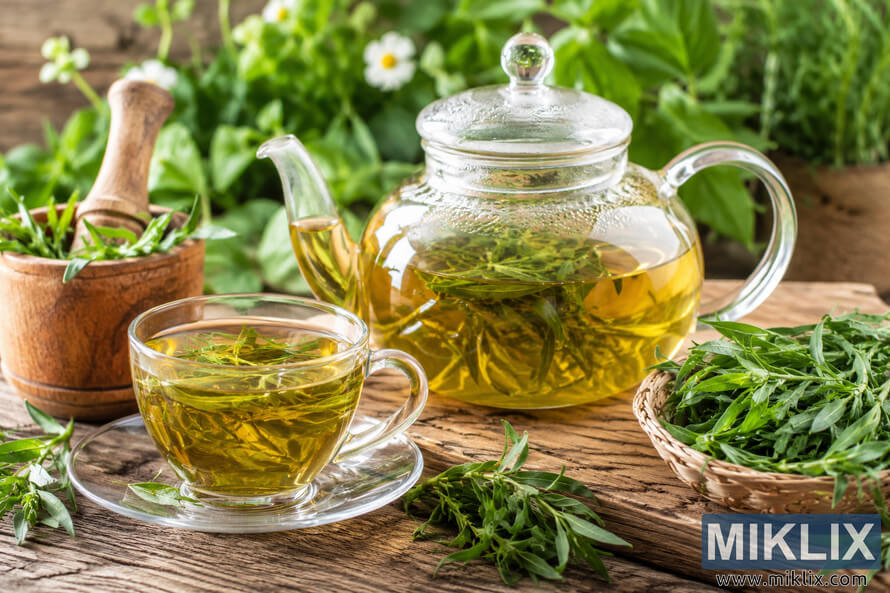
Brewing tarragon tea captures the herb's health benefits efficiently. Use one tablespoon of fresh tarragon or one teaspoon of dried herb per cup. Steep in boiling water for 5 to 10 minutes.
Strain the leaves before drinking. Add honey or lemon to taste if desired. Consume tarragon tea up to three times daily for maximum benefits.
Klik of tik op die beeld vir meer inligting en hoër resolusies.
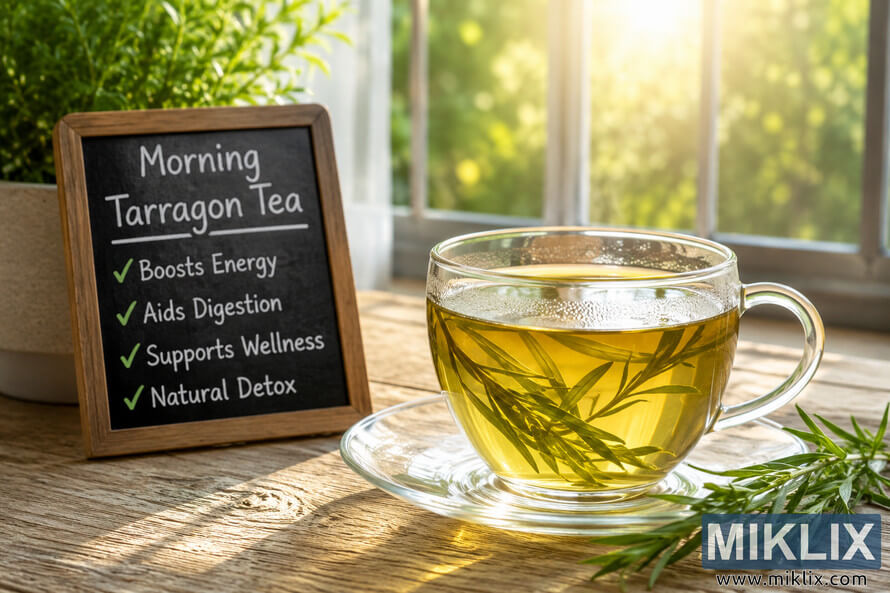
Morning Tea
Start your day with tarragon tea to support digestion. The morning ritual prepares your stomach for food intake throughout the day.
Energy Boost
Klik of tik op die beeld vir meer inligting en hoër resolusies.
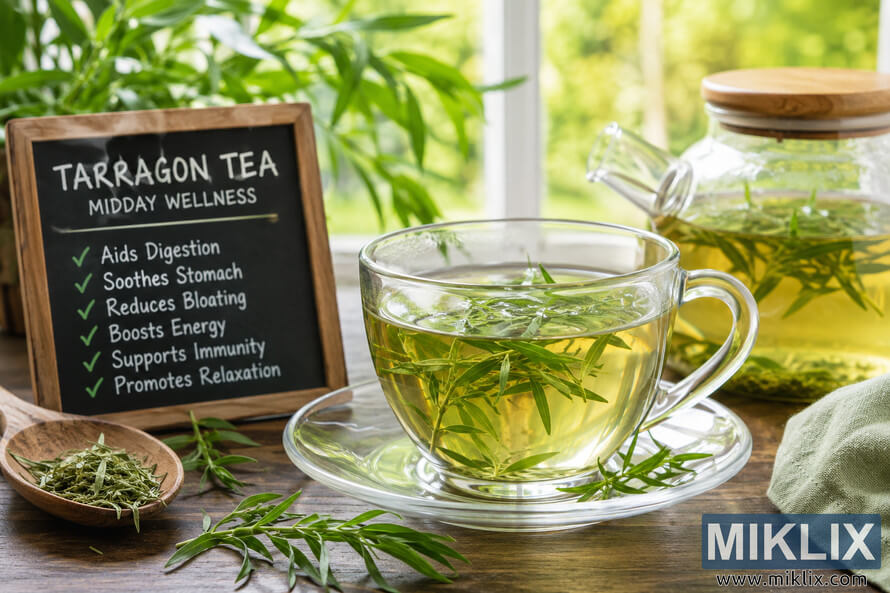
Afternoon Tea
Enjoy tarragon tea after lunch to aid digestion. The herb helps process nutrients and reduces bloating from meals.
Digestive Aid
Klik of tik op die beeld vir meer inligting en hoër resolusies.
Evening Tea
Drink tarragon tea before bed to promote better sleep. The calming properties help prepare your body for restful night.
Sleep Support

Klik of tik op die beeld vir meer inligting en hoër resolusies.
Recommended Amounts and Usage
No official recommended daily intake exists for tarragon. Most research uses amounts ranging from 1 to 3 grams daily. Start with smaller quantities and increase gradually.
Culinary Use Guidelines
One to two tablespoons of fresh tarragon daily provides health benefits safely. This amount easily integrates into regular meals. Cooking with the herb offers the simplest consumption method.
- Begin with 1 teaspoon of fresh tarragon in recipes
- Increase to 1 tablespoon after one week if well-tolerated
- Monitor your body's response to the herb
- Adjust amounts based on personal preference and effects
- Maintain consistent daily intake for best results
Supplement Considerations
Tarragon extract supplements offer concentrated doses. Follow manufacturer instructions carefully. Typical supplement doses range from 500 to 1000 milligrams daily.
Studies examining insulin sensitivity used 1000 milligrams daily for three months. Research participants experienced no significant adverse effects at this dose. Always consult healthcare providers before starting supplements.
Important: Pregnant women should avoid large amounts of tarragon. The herb contains compounds that may stimulate uterine contractions. Culinary amounts generally pose no risk, but supplements require medical approval.
Potential Side Effects and Precautions
Tarragon generally proves safe for most people. The herb rarely causes problems when used in cooking. However, certain situations require extra caution with consumption.

Klik of tik op die beeld vir meer inligting en hoër resolusies.
Known Side Effects
Some individuals experience allergic reactions to tarragon. Symptoms may include skin irritation or digestive upset. Discontinue use if adverse reactions occur.
Tarragon essential oil requires dilution before skin application. Pure oil may cause irritation or sensitivity. Never consume undiluted essential oils internally.
Safety Profile
- Generally recognized as safe (GRAS) by FDA
- Centuries of culinary use without issues
- Well-tolerated by most people
- Minimal drug interactions reported
- Safe for long-term culinary use
Precautions Needed
- May increase bleeding risk with blood thinners
- Could affect blood sugar medications
- Not recommended during pregnancy (large amounts)
- Essential oil requires careful handling
- Allergic reactions possible in sensitive individuals
Drug Interactions
Tarragon may interact with certain medications. The herb affects blood clotting mechanisms. People taking anticoagulant drugs should exercise caution.
Blood sugar medications require monitoring when using tarragon supplements. The herb enhances insulin sensitivity. This effect could lead to hypoglycemia when combined with diabetes drugs.
Consult your doctor before using tarragon supplements with medications
Monitor blood sugar levels if diabetic and using tarragon regularly
Inform surgeons about tarragon supplement use before procedures
Watch for unusual bruising or bleeding
Report any adverse effects to healthcare providers promptly
Special Populations
Children can safely consume tarragon in food amounts. Supplements for children require pediatrician approval. No specific research examines tarragon safety in young children.
Breastfeeding mothers should use caution with large amounts. Insufficient research exists regarding tarragon's effects on nursing infants. Culinary quantities appear safe based on traditional use.
Tarragon Compared to Other Herbs
Understanding how tarragon compares to similar herbs helps optimize your herb choices. Each plant offers unique benefits while sharing some common properties.
| Herb | Primary Benefits | Best Culinary Use | Active Compounds |
| French Tarragon | Blood sugar control, digestion, inflammation | Chicken, fish, sauces | Estragole, eugenol |
| Basil | Antioxidant, antibacterial, stress relief | Italian dishes, salads | Eugenol, linalool |
| Rosemary | Memory, circulation, antioxidant | Roasted meats, potatoes | Rosmarinic acid, carnosol |
| Thyme | Respiratory health, antimicrobial | Soups, stews, vegetables | Thymol, carvacrol |
| Oregano | Antibacterial, antifungal, antioxidant | Mediterranean cuisine | Carvacrol, thymol |
Complementary Herb Combinations
Combining tarragon with other herbs enhances both flavor and health benefits. The herb pairs exceptionally well with parsley, chives, and thyme. These combinations create synergistic effects.
French cuisine traditionally combines tarragon with chervil, parsley, and chives. This blend called "fines herbes" offers multiple health compounds. The mixture supports digestive health and provides varied antioxidants.
Frequently Asked Questions
Can tarragon help with weight loss?
Tarragon may support weight management indirectly through several mechanisms. The herb improves insulin sensitivity, which helps regulate blood sugar levels and reduce cravings. Its digestive properties promote better nutrient absorption and metabolism. However, tarragon alone will not cause weight loss. The herb works best as part of a comprehensive approach including healthy diet and exercise. Some people report reduced appetite when consuming tarragon regularly, but research on this effect remains limited.
How does French tarragon differ from Russian tarragon in terms of health benefits?
French tarragon contains significantly higher concentrations of beneficial compounds compared to Russian tarragon. The essential oil content in French tarragon reaches much higher levels, providing stronger therapeutic effects. French tarragon demonstrates superior antibacterial and antioxidant properties in studies. Russian tarragon remains useful but offers milder health benefits. Most research examining tarragon's health effects uses French tarragon specifically. For maximum health benefits, choose French tarragon whenever possible.
Is it safe to consume tarragon every day?
Daily consumption of tarragon in culinary amounts poses no safety concerns for most people. One to two tablespoons of fresh herb or one to two teaspoons of dried tarragon daily remains well within safe limits. Centuries of traditional use support tarragon's safety profile. However, pregnant women should limit intake to normal food amounts and avoid supplements. People taking blood thinners or diabetes medications should consult healthcare providers before daily supplementation. Culinary use generally presents no issues even with medications.
What is the best way to preserve fresh tarragon?
Multiple preservation methods maintain tarragon's health benefits and flavor. Freezing preserves the most nutrients. Chop fresh leaves and freeze in ice cube trays with water or olive oil. Dried tarragon lasts longer but loses some volatile compounds. Hang bunches in a dark, dry place until crispy, then store in airtight containers. Tarragon vinegar offers another preservation method. Steep fresh sprigs in white wine vinegar for two weeks. This creates a flavorful condiment while preserving beneficial compounds.
Can tarragon essential oil be used internally?
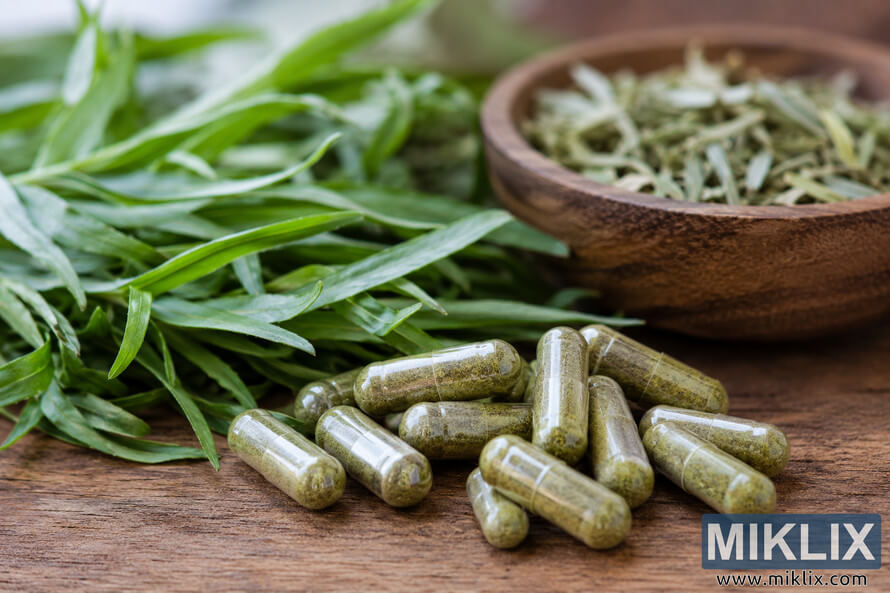
Tarragon essential oil should not be consumed internally without professional guidance. The concentrated oil contains high levels of estragole, which may pose risks in large amounts. Studies showing health benefits typically use whole herb extracts, not pure essential oil. External application requires dilution with carrier oils. For internal health benefits, consume fresh or dried tarragon in food or as tea. Tarragon extract supplements undergo processing to ensure safety. Always follow product instructions for any supplement use.
Does cooking destroy tarragon's health benefits?
Heat affects different tarragon compounds variably. Some volatile essential oils decrease with prolonged cooking. However, many beneficial compounds remain stable at cooking temperatures. Minerals like potassium and iron survive cooking completely. Antioxidants show good heat stability. For maximum benefits, add fresh tarragon near the end of cooking. This approach preserves volatile compounds while allowing flavor infusion. Dried tarragon withstands longer cooking times better than fresh. Both cooking methods provide health benefits, though fresh tarragon added late offers optimal compound preservation.
Scientific Research and Evidence
Growing research examines tarragon's therapeutic potential. Multiple studies document the herb's effects on various health conditions. Scientific evidence supports many traditional uses.
Key Research Findings
A significant study published in 2006 examined tarragon extract effects on insulin sensitivity. Researchers provided participants with 1000 milligrams daily for 90 days. Results showed significant improvements in glucose metabolism and insulin response.
Another study investigated tarragon's antimicrobial properties. Scientists tested the essential oil against multiple bacteria strains. Found tarragon effectively inhibited growth of Staphylococcus aureus and other pathogens.

Klik of tik op die beeld vir meer inligting en hoër resolusies.
Ongoing Research Areas
Current research explores tarragon's anti-cancer potential. Early studies show promising results regarding cell growth inhibition. However, human trials remain necessary to confirm these effects.
Scientists investigate tarragon's cardiovascular benefits. The herb's effect on blood pressure and cholesterol levels shows early promise. Research continues to establish optimal dosages and long-term safety.
Research Limitations
Most studies use concentrated extracts rather than whole herb. This approach helps standardize dosages but may not reflect culinary use effects. Many trials involve small participant numbers requiring larger studies for confirmation.
Long-term safety data remains limited for high-dose supplementation. Most research examines effects over weeks or months rather than years. Additional research will help establish comprehensive safety profiles.
Klik of tik op die beeld vir meer inligting en hoër resolusies.
Growing Your Own Tarragon
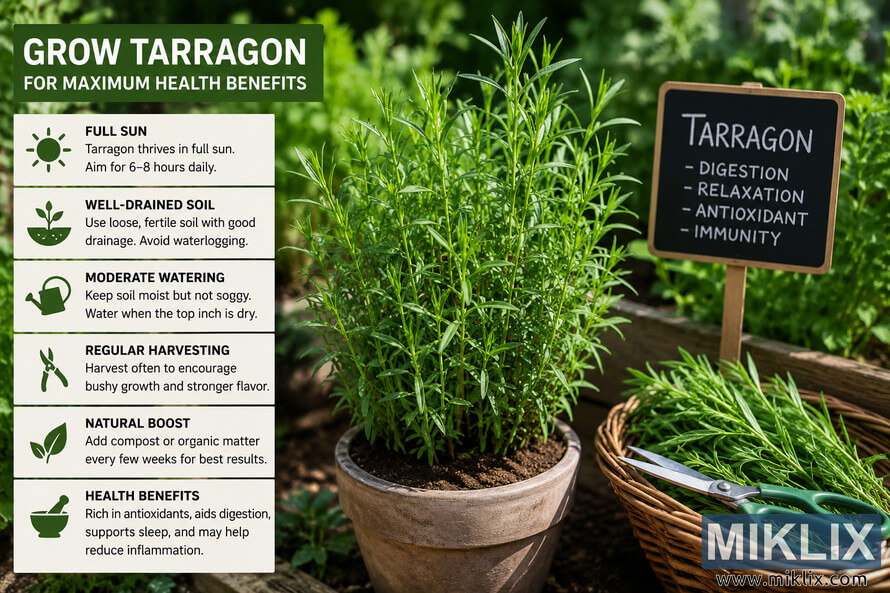
Cultivating tarragon at home ensures fresh supply year-round. The plant grows easily in appropriate conditions. Home-grown herbs provide maximum freshness and potency.
Klik of tik op die beeld vir meer inligting en hoër resolusies.
Planting Requirements
French tarragon requires well-draining soil with neutral to slightly alkaline pH. The plant prefers full sun but tolerates partial shade. Space plants 18 to 24 inches apart for optimal growth.
Start with cuttings or divided plants rather than seeds for French tarragon. This variety rarely produces viable seeds. Purchase healthy starter plants from reputable nurseries.
- Choose a location receiving at least 6 hours of sunlight daily
- Prepare soil by mixing in compost or organic matter
- Plant cuttings or divisions in spring after last frost
- Water moderately, allowing soil to dry between waterings
- Harvest leaves regularly to encourage bushy growth
Care and Maintenance
Tarragon requires minimal fertilization. Over-feeding reduces essential oil concentration. Apply compost annually in spring for adequate nutrition.
The plant dies back in winter but returns in spring. Mulch roots during cold months for protection. Divide plants every three to four years to maintain vigor.
Harvesting Tip: Pick tarragon leaves in morning after dew dries but before heat intensifies. This timing maximizes essential oil content. Regular harvesting encourages new growth and maintains plant health.
Conclusion: Why Tarragon Deserves a Place in Your Wellness Routine
The health benefits of tarragon extend far beyond its culinary applications. This remarkable herb supports digestive health, reduces inflammation, and helps regulate blood sugar levels. Its antioxidant properties protect your cells from damage while antibacterial compounds fight harmful microorganisms.
Research continues to unveil additional therapeutic potential. Studies demonstrate tarragon's ability to improve insulin sensitivity, making it particularly valuable for people managing blood sugar concerns. The herb's sleep-promoting properties offer natural support for better rest.
Incorporating tarragon into your diet requires minimal effort. Fresh or dried herb enhances numerous dishes while delivering health benefits. Tarragon tea provides concentrated therapeutic effects in a soothing beverage.
Safety profiles support regular consumption for most people. The herb generally causes no adverse effects when used appropriately. Pregnant women and people taking certain medications should consult healthcare providers before supplementation.
Whether you grow tarragon at home or purchase it from quality suppliers, this versatile herb offers valuable contributions to overall wellness. Its unique combination of flavor and health-promoting compounds makes tarragon an excellent addition to any natural health strategy.
Start experiencing these benefits today by adding tarragon to your favorite recipes. Your body will appreciate the nutritional support this ancient herb provides.

Klik of tik op die beeld vir meer inligting en hoër resolusies.
Verdere Leeswerk
As jy hierdie plasing geniet het, sal jy dalk ook van hierdie voorstelle hou:
- Die Natuur se Lekkergoed: Waarom Dadels 'n Plek in Jou Dieet Verdien
- Sippable Wellness: Die verrassende voordele van die drink van kefir
- Van dermgesondheid tot gewigsverlies: die vele voordele van glucomannan-aanvullings