
Hops in Beer Brewing: Saphir
Published: October 25, 2026 at 4:07:21 PM UTC
Saphir is a German aroma hop prized for its refined floral, herbal, and spicy character, complemented by delicate citrus and fruity notes—a versatile choice for pilsners, lagers, wheat beers, and other elegant European-style homebrews.
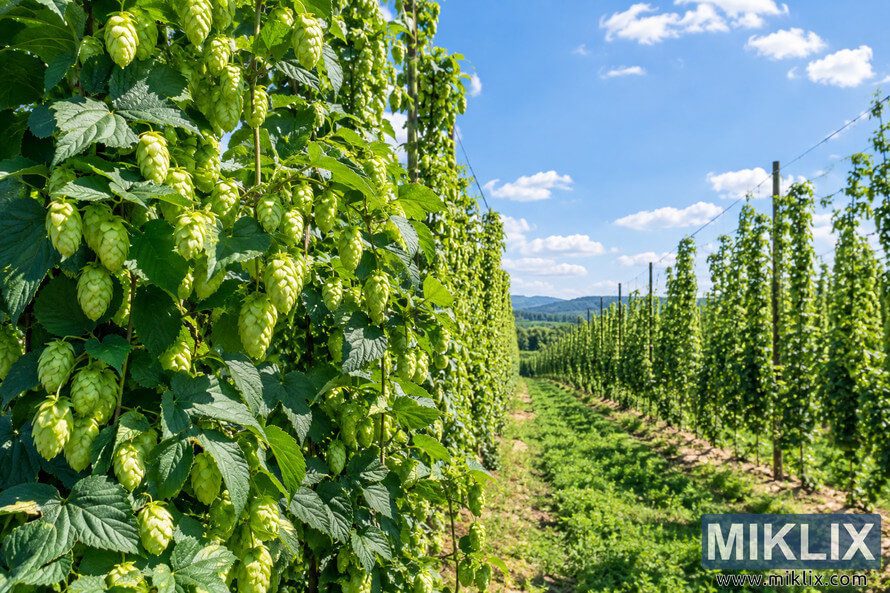
Click or tap the image for more information and higher resolutions.
Imagine capturing the essence of fresh tangerine and subtle spice in your homebrew. That's exactly what Saphir hops bring to your fermenter. This German hop variety transforms ordinary beer into something exceptional.
Brewers across the United States are discovering what European craft brewers have known for years. Saphir hops deliver a unique aroma profile that stands out in today's crowded beer market. Whether you're brewing your first pale ale or perfecting a complex wheat beer, understanding this hop variety opens new creative possibilities.
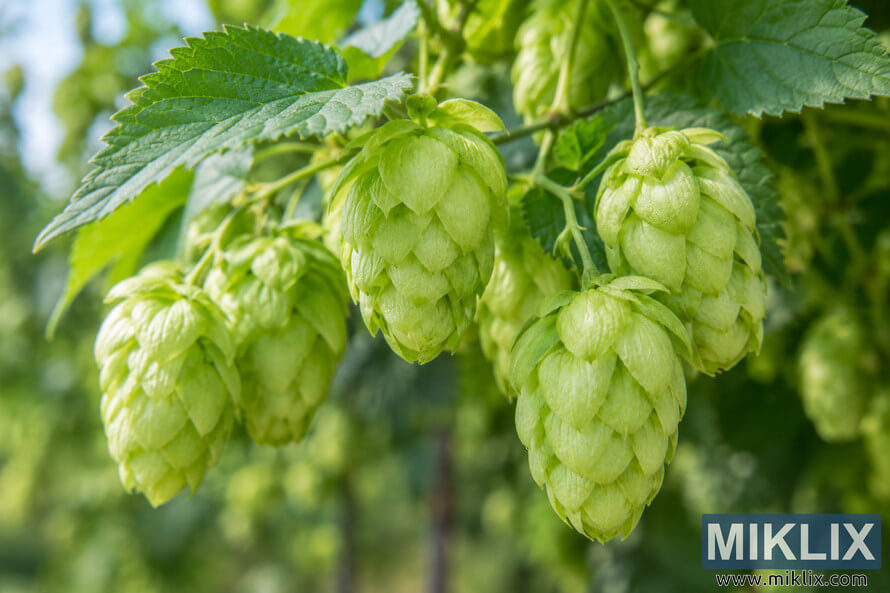
Click or tap the image for more information and higher resolutions.
Origin and Development of Saphir Hops
The Hop Research Center in Hüll, Germany, released Saphir hops in 2002. This research center has a long tradition of developing exceptional aroma hop varieties. Their breeding program focused on creating hops with unique flavor characteristics and reliable agricultural performance.
Saphir represents years of careful selection and crossbreeding. The hop research experts at Hüll aimed to produce a variety with distinctive citrus notes and moderate bitterness. They succeeded in creating a hop that quickly gained popularity among craft brewers.
The research center in Hüll continues to monitor and improve Saphir cultivation. This ongoing attention ensures consistent quality for brewers worldwide. Today, this hop variety grows primarily in Germany's Hallertau region, though some American farms have begun cultivation.
Why Saphir Stands Out
Unlike many German hop varieties focused solely on traditional noble characteristics, Saphir brings something different. The variety combines Old World brewing tradition with New World citrus appeal. This hybrid character makes it versatile for both classic and contemporary beer styles.
Flavor and Aroma Characteristics
Saphir hop aroma profiles center around bright citrus notes with tangerine taking the lead role. You'll detect these characteristics immediately when opening a package of fresh Saphir hops. The citrus character provides a refreshing quality that works beautifully in lighter beer styles.
Primary Aroma Components
The flavor aroma profile breaks down into distinct layers. Tangerine dominates the initial impression. Behind the citrus, you'll find subtle spice notes that add complexity. Some brewers detect hints of white grape and delicate floral characteristics.
- Tangerine and citrus zest (primary characteristic)
- Light spice notes with subtle black pepper hints
- Delicate white grape undertones
- Mild floral background notes
- Clean, crisp finish without harshness
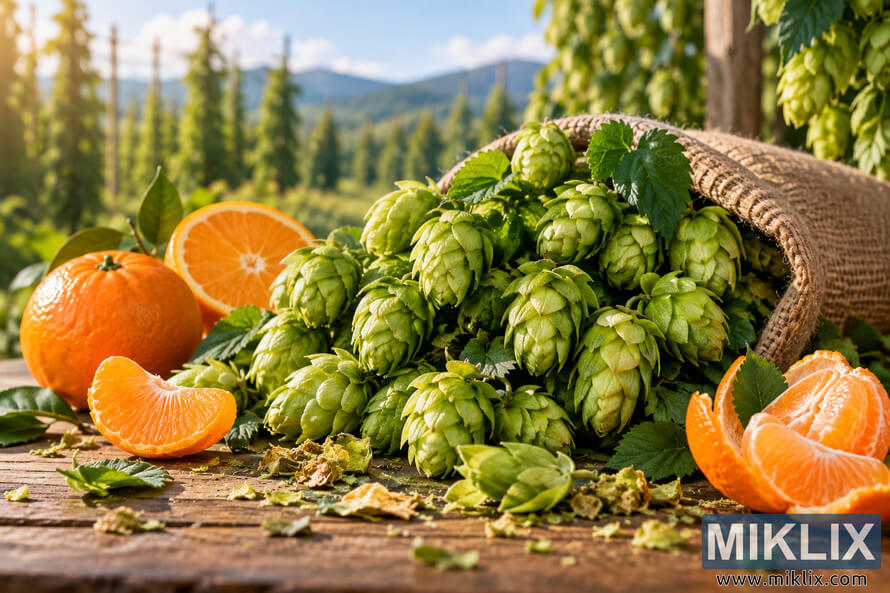
Click or tap the image for more information and higher resolutions.
Oil Content and Composition
The essential oil content in Saphir hops ranges from 0.8 to 1.4 mL per 100g. This moderate oil level contributes to the variety's distinctive aroma without overwhelming other ingredients. The oil composition favors compounds that produce citrus and fruity characteristics.
Alpha Acids
Saphir contains between 2% and 4.5% alpha acid content. This relatively low range makes it perfect for aroma additions rather than bittering. The smooth bitterness quality means you can use larger quantities without creating harsh flavors.
Beta Acids
Beta acid levels range from 4% to 7%. The higher beta to alpha ratio contributes to the hop's stability during storage. This characteristic helps preserve the citrus aroma profile over time when properly stored.
Aroma Profile Evolution
The aroma profile changes depending on when you add Saphir hops during the brewing process. Early boil additions emphasize the smooth bitterness with subtle spice character. Late additions and dry hopping bring forward the tangerine and citrus qualities that define this variety.
Technical Specifications and Usage Rates
Understanding the technical data helps you use Saphir hops effectively in your brewing recipes. The variety's moderate alpha acid content makes it suitable primarily for aroma and flavor additions. Most homebrewers use Saphir in the final 15 minutes of the boil or for dry hopping.
Key Technical Data
| Characteristic | Range | Typical Value | Brewing Impact |
| Alpha Acid | 2.0% - 4.5% | 3.0% | Low to moderate bitterness |
| Beta Acid | 4.0% - 7.0% | 5.5% | Good storage stability |
| Cohumulone | 12% - 18% | 15% | Smooth bitterness quality |
| Total Oil | 0.8 - 1.4 mL/100g | 1.1 mL/100g | Moderate aroma intensity |
| Myrcene | 35% - 45% | 40% | Citrus and herbal notes |
| Humulene | 18% - 25% | 22% | Subtle spice character |
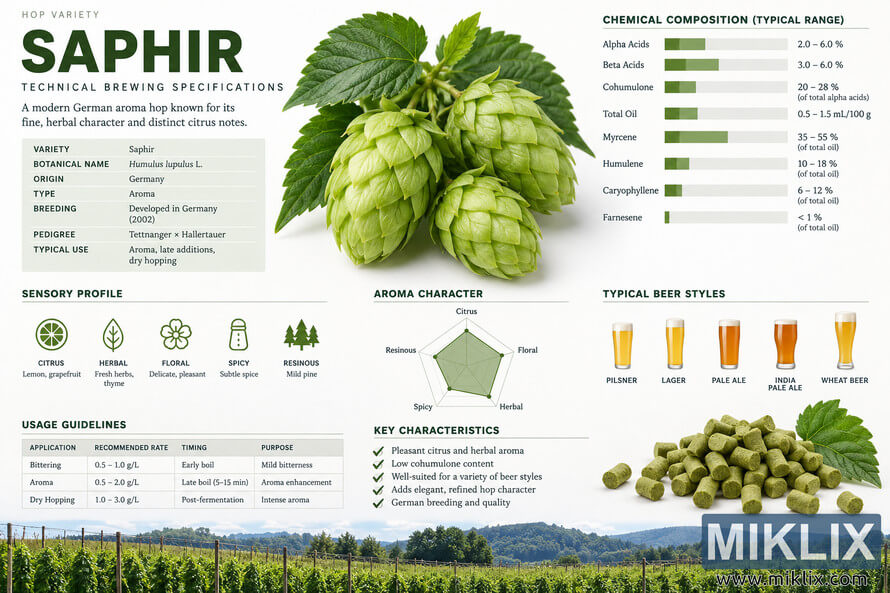
Click or tap the image for more information and higher resolutions.
Recommended Usage Rates
Your usage rates depend on the beer style and desired intensity. For subtle aroma contributions, start with 0.5 to 1 ounce per five-gallon batch. When you want Saphir hop character to shine as a primary feature, increase to 2 to 3 ounces per five-gallon batch.
Pro Tip: Calculate your hop additions based on alpha acid content rather than weight alone. A batch with 2% alpha Saphir requires different quantities than one with 4.5% alpha to achieve the same bitterness level.
Bittering Unit Calculations
To calculate International Bitterness Units (IBUs) from Saphir hops, use standard brewing formulas. With an average alpha acid of 3%, one ounce in a five-gallon batch boiled for 60 minutes yields approximately 15 IBUs. The actual number varies based on your specific brewing system and efficiency.
Best Beer Styles for Saphir Hops
Saphir hop variety works exceptionally well in beer styles that showcase delicate hop character. The citrus aroma profile complements lighter malts without overwhelming them. Many brewers choose Saphir for styles where hop aroma should enhance rather than dominate.
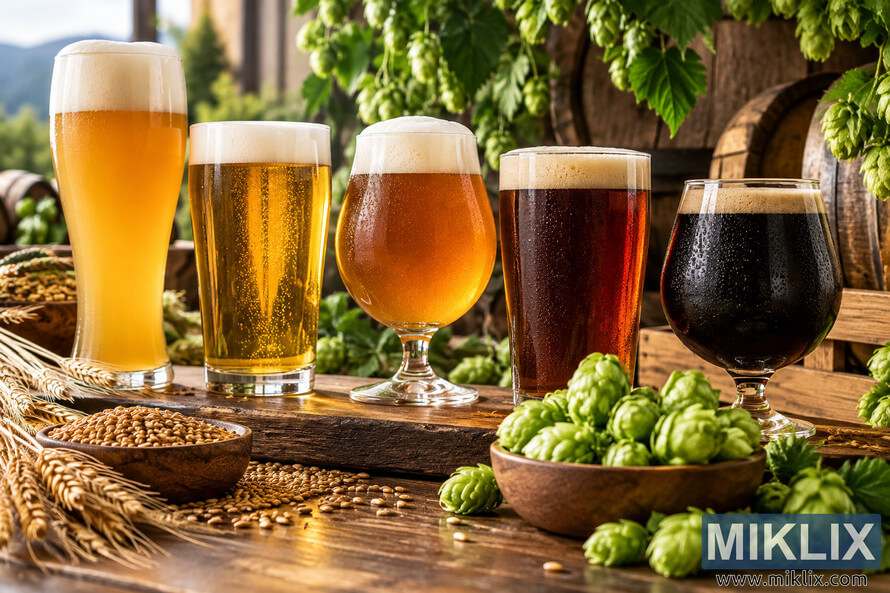
Click or tap the image for more information and higher resolutions.
Traditional German Styles
German wheat beers benefit tremendously from Saphir additions. The tangerine character complements the banana and clove notes from weizen yeast. Many craft brewers use Saphir in Hefeweizen, Kristallweizen, and Dunkelweizen recipes.
German Pilsner represents another excellent match. The hop adds a modern twist to the classic style while maintaining traditional character. You'll create a beer that honors tradition while offering something unique to your customers or competition judges.
American Craft Beer Styles
- Pale Ale - Saphir provides citrus notes without intense bitterness
- Blonde Ale - The subtle character enhances drinkability
- Wheat Ale - American wheat beers gain complexity from Saphir
- Session IPA - Lower alpha acids support the session concept
- Cream Ale - Delicate aroma profile fits the style parameters
- Kölsch - Adds authentic German character with citrus twist
Experimental Applications
Some adventurous brewers incorporate Saphir into fruit beers. The tangerine characteristics harmonize beautifully with actual citrus fruit additions. Others use it in saison recipes, where the spice notes complement traditional Belgian yeast character.
Light Lager Enhancement
Saphir hops bring sophistication to light lagers. The variety adds just enough aroma to make your lager memorable without pushing it outside style guidelines. This application works particularly well for brewers entering competitions.
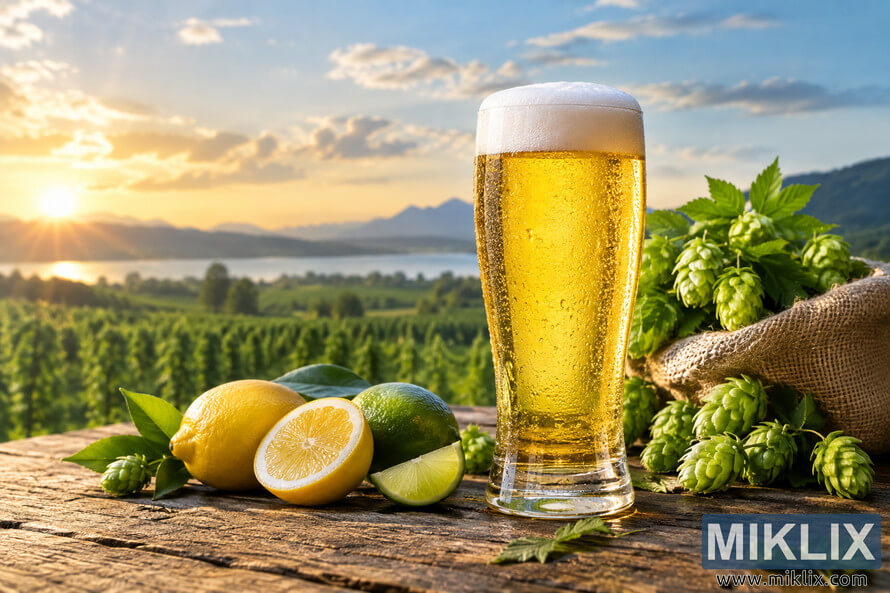
Click or tap the image for more information and higher resolutions.
Styles to Avoid
Heavy stouts and porters don't typically showcase Saphir hop characteristics effectively. The delicate citrus notes get lost behind roasted malt flavors. Similarly, intensely hopped double IPAs benefit more from higher alpha acid hop varieties.
Practical Brewing Process Tips
The timing of your Saphir hop additions dramatically affects the final beer character. Each addition point during the brew day creates different results. Understanding these differences helps you design recipes that maximize this variety's unique qualities.
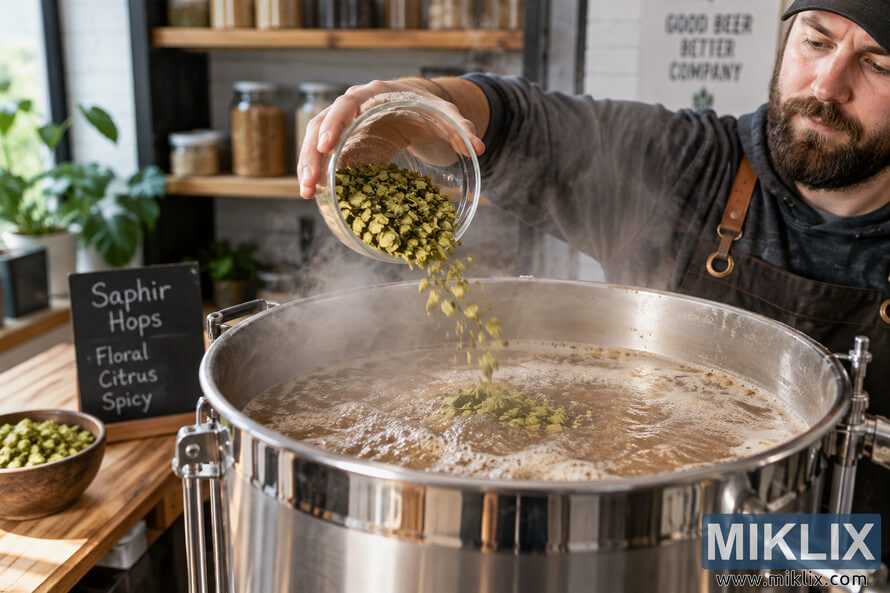
Click or tap the image for more information and higher resolutions.
Early Boil Additions
Adding Saphir hops at the start of your boil extracts the alpha acids for bitterness. With 60-minute boil times, you'll get smooth bitterness without harsh qualities. However, most of the delicate citrus aroma disappears during extended boiling.
Early additions work best when you need background bitterness but plan to feature other hops for aroma. Some brewers use small amounts of Saphir at 60 minutes, then add the bulk at later stages.
Late Boil Strategy
Late additions between 15 and 5 minutes before flame-out preserve more aroma compounds. This timing provides the sweet spot for Saphir characteristics. You'll extract some bitterness while keeping the tangerine and citrus qualities intact.
Recommended Late Boil Schedule: Add 25% of your total Saphir hops at 15 minutes, 50% at 5 minutes, and 25% at flame-out. This schedule creates layers of flavor complexity.
Whirlpool and Hop Stand
Hop stand additions at temperatures between 170°F and 185°F extract maximum aroma with minimal bitterness. Let Saphir hops steep for 20 to 30 minutes during your whirlpool phase. This technique has become popular among craft brewers targeting hop-forward styles without excessive IBUs.
Dry Hopping Techniques
Dry hopping brings forward the most intense Saphir hop aroma profile. Add hops after primary fermentation completes but while yeast remains active. The small amount of continuing fermentation helps distribute hop compounds throughout the beer.
- Add dry hops when fermentation is 75-80% complete for biotransformation
- Use 1-2 ounces per five gallons for moderate aroma intensity
- Contact time of 3-5 days produces optimal results
- Remove hops before extended aging to prevent grassy flavors
- Consider using a hop bag for easier removal
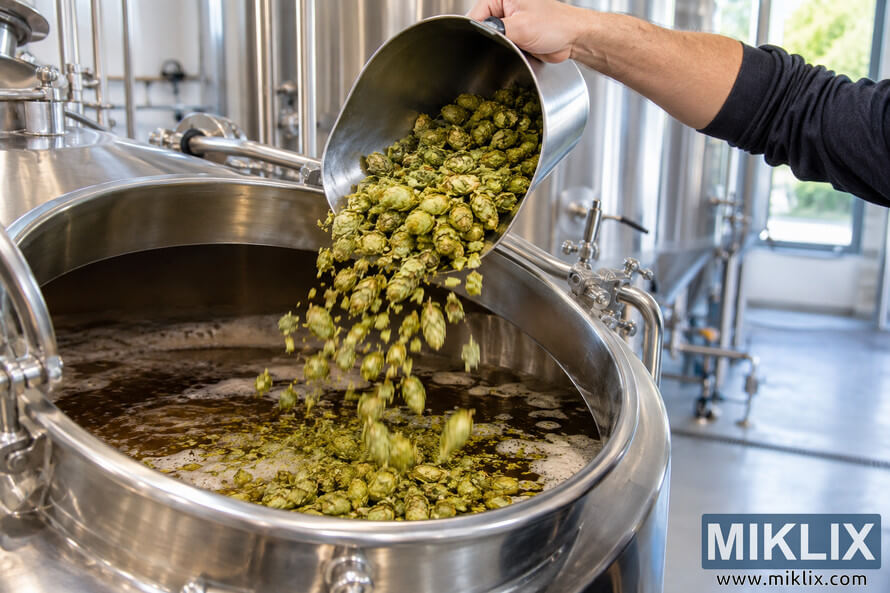
Click or tap the image for more information and higher resolutions.
Temperature Considerations
Your fermentation temperature affects how Saphir hop character expresses itself. Cooler fermentations around 65°F preserve more delicate citrus notes. Warmer fermentation temperatures can emphasize the spice characteristics while softening the tangerine qualities.
Hop Creep Management
Large dry hop additions can restart fermentation through enzymatic activity. Monitor your final gravity when using more than 2 ounces of Saphir per five gallons. This phenomenon, called hop creep, can dry out your beer beyond intended levels.
Storage and Freshness Guidelines
Proper storage preserves the citrus aroma profile that makes Saphir hops special. The beta acid content provides some natural stability, but you still need to follow best practices. Fresh hops deliver significantly better results than improperly stored ones.
Optimal Storage Conditions
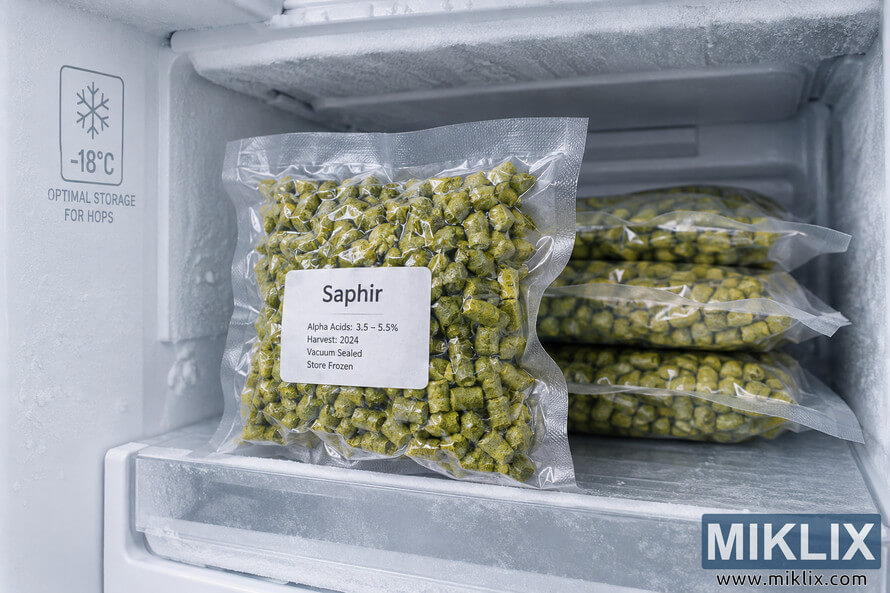
Store your Saphir hops in airtight packaging at freezer temperatures. The ideal storage temperature sits between 0°F and -10°F. This cold environment slows the oxidation process that degrades hop compounds.
Proper Storage Benefits
- Preserves tangerine aroma characteristics
- Maintains alpha acid potency
- Prevents oxidation and off-flavors
- Extends usable shelf life to 2+ years
- Reduces waste and saves money
Poor Storage Consequences
- Loss of citrus aroma intensity
- Development of cheesy, stale flavors
- Decreased alpha acid content
- Shortened shelf life to 3-6 months
- Unpredictable brewing results
Packaging Matters
Vacuum-sealed foil packages offer the best protection against oxygen exposure. Once you open a package, transfer unused hops to smaller vacuum-sealed bags or airtight containers. Remove as much air as possible before resealing.
Oxygen-absorbing packets provide additional protection for long-term storage. Place these packets inside your storage containers with the hops. Replace the absorbers every 6 to 12 months for maximum effectiveness.
Click or tap the image for more information and higher resolutions.
Freshness Indicators
Fresh Saphir hops smell bright and citrusy when you open the package. The color should be pale green without brown spots or yellowing. Any cheesy, rancid, or musty odors indicate the hops have degraded beyond optimal use.
Purchase Strategies
Buy Saphir hops in quantities you'll use within one year, even with proper storage. Many homebrewers split larger packages with brewing friends to ensure freshness. Check the harvest date when purchasing; hops from the most recent harvest provide peak characteristics.
Hop Substitutions and Complementary Varieties
Sometimes you need alternatives to Saphir hops due to availability or recipe experimentation. Several hop varieties share similar characteristics. Understanding these alternatives helps you adapt recipes or create new combinations.
Direct Substitutions
No hop provides an exact match for Saphir's unique profile, but some come close. These hop varieties offer similar citrus and subtle spice characteristics that work in the same beer styles.
| Hop Variety | Alpha Acid | Primary Characteristics | Best Match For |
| Mandarina Bavaria | 7-10% | Tangerine, citrus, slightly higher alpha | Aroma profile, more bitterness |
| Hallertau Blanc | 9-12% | White grape, citrus, fruity | Fruity character, higher alpha |
| Crystal | 3-6% | Spicy, citrus, clean | Similar alpha range, spice notes |
| Liberty | 3-5% | Mild citrus, spice, noble character | German-style beers, similar alpha |
Complementary Hop Combinations
Blending Saphir with other hop varieties creates complex aroma profiles. These combinations work particularly well in pale ales and wheat beers where you want layered hop character.
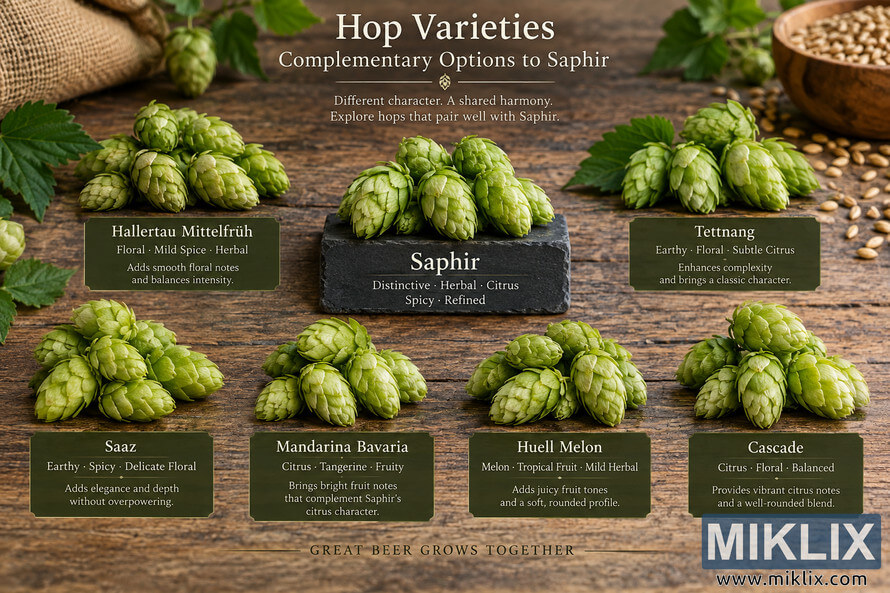
- Saphir + Hallertau Mittelfrüh - Classic German character with citrus accent
- Saphir + Cascade - American and German citrus harmony
- Saphir + Mandarina Bavaria - Intense tangerine and citrus explosion
- Saphir + Tettnanger - Noble spice with modern citrus twist
- Saphir + Centennial - Balanced citrus with moderate bitterness
Click or tap the image for more information and higher resolutions.
Adjusting Recipes for Substitutions
When substituting different hops for Saphir, adjust quantities based on alpha acid content. Higher alpha varieties need reduced amounts to maintain the same bitterness level. Always recalculate your IBUs when making substitutions.
Important: Substitutions change your beer's final character. Keep detailed notes about alternatives you try so you can replicate successful combinations in future batches.
Recipe Formulation Guidelines
Creating recipes that showcase Saphir hop characteristics requires thoughtful planning. The variety works best when other ingredients support rather than compete with its citrus profile. Let's explore how to design effective recipes.
Malt Bill Considerations
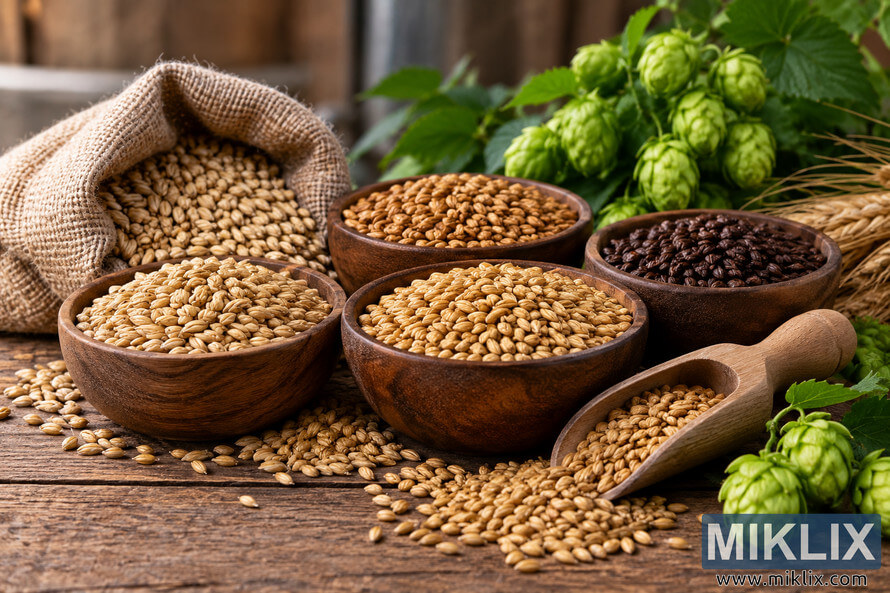
Light-colored base malts provide the best canvas for Saphir aroma. Pilsner malt, pale malt, and wheat malt all work excellently. Keep specialty malt additions minimal to avoid overwhelming the delicate hop character.
Recommended Malt Profiles
Your base malt should constitute 80-95% of the total grain bill. German Pilsner malt offers authentic character for traditional styles. American two-row provides a neutral base for experimental recipes. Wheat malt at 10-40% enhances the citrus perception in wheat-based styles.
Limit crystal and caramel malts to under 5% of the total bill. These malts add sweetness that can mask subtle hop notes. Munich malt works in small amounts for added complexity without heavy sweetness.
Click or tap the image for more information and higher resolutions.
Water Chemistry Basics
Water composition affects how hop bitterness expresses itself in your finished beer. For styles featuring Saphir hops, target a sulfate to chloride ratio favoring sulfate. This emphasis enhances hop perception while maintaining balance.
- Sulfate: 100-150 ppm for hop character enhancement
- Chloride: 50-75 ppm for body and smoothness
- Calcium: 50-100 ppm for fermentation health
- pH: 5.2-5.4 in the mash for optimal enzyme activity
Yeast Selection
Clean fermenting yeast strains allow Saphir hop character to shine. German lager yeast, Kölsch yeast, and neutral ale strains all work well. Avoid highly expressive Belgian or English strains that might compete with hop aroma.
Bittering to Aroma Ratio
Design your recipes with low to moderate total IBUs when featuring Saphir. Target 20 to 35 IBUs for most styles. This range provides sufficient bitterness for balance without overwhelming the tangerine characteristics.
Recipe Framework: For a five-gallon batch, use 0.5-1 oz Saphir for bittering, 1-1.5 oz for late additions, and 1-2 oz for dry hopping. Adjust based on your alpha acid content and desired intensity.
Troubleshooting Common Issues
Even experienced brewers encounter challenges when working with new hop varieties. Understanding common problems helps you avoid disappointment and dial in your recipes faster.
Weak Hop Aroma
If your finished beer lacks the expected Saphir hop character, several factors might be responsible. Old or improperly stored hops lose potency quickly. Your dry hopping technique or timing could need adjustment.
Why doesn't my beer show strong citrus aroma?
Insufficient late addition or dry hopping quantities often cause weak aroma. Increase your late boil and dry hop amounts. Also verify your hops are fresh by checking the packaging date and storage method. Finally, ensure you're fermenting at appropriate temperatures that preserve volatile aroma compounds.
My beer tastes grassy or vegetal instead of citrusy. What happened?
Extended dry hopping beyond 5-7 days can extract unpleasant grassy flavors. Remove dry hops promptly after optimal contact time. Also check that you're not adding hops during active, vigorous fermentation when excessive CO2 can strip away delicate aromatics.
How do I fix harsh or astringent bitterness from Saphir?
Despite low alpha acids, over-hopping still creates harshness. Reduce your total hop quantities and recalculate IBU contributions. Check your water chemistry; high pH levels can extract harsh tannins from both hops and grain. Ensure you're not boiling hops longer than necessary for your recipe design.
Click or tap the image for more information and higher resolutions.
Inconsistent Results
Batch-to-batch variation frustrates many brewers. Different crop years of Saphir hops can vary in alpha acid content and oil composition. Always check the analysis information on your hop package and adjust recipes accordingly.
Final Thoughts on Brewing with Saphir
Saphir hops bring a distinctive voice to your homebrewing repertoire. The variety's tangerine and citrus character fills a unique niche between traditional noble hops and aggressive American varieties. You've learned how to select, store, and use this German hop variety effectively.
Start with simple recipes that let Saphir shine. A straightforward pale ale or wheat beer provides the perfect introduction. As you gain experience with the variety, experiment with different addition timings and complementary hop blends.
Remember that fresh hops stored properly deliver the best results. Source your Saphir from reputable suppliers who prioritize quality and proper handling. Your attention to these details translates directly into better beer.
The smooth bitterness and citrus aroma profile make Saphir hop additions rewarding for both new and experienced brewers. Whether you're crafting traditional German styles or putting a unique spin on American craft beer, this variety offers creative possibilities worth exploring in your next batch.

Click or tap the image for more information and higher resolutions.
Further Reading
If you enjoyed this post, you may also like these suggestions: