
A Complete Guide to Growing Lemons at Home
Published: December 27, 2025 at 6:22:44 PM UTC
Growing your own lemon tree brings a touch of Mediterranean sunshine to any garden or home. Beyond the satisfaction of nurturing a beautiful plant, you'll enjoy fragrant blossoms, glossy foliage, and the unmatched flavor of freshly harvested lemons.
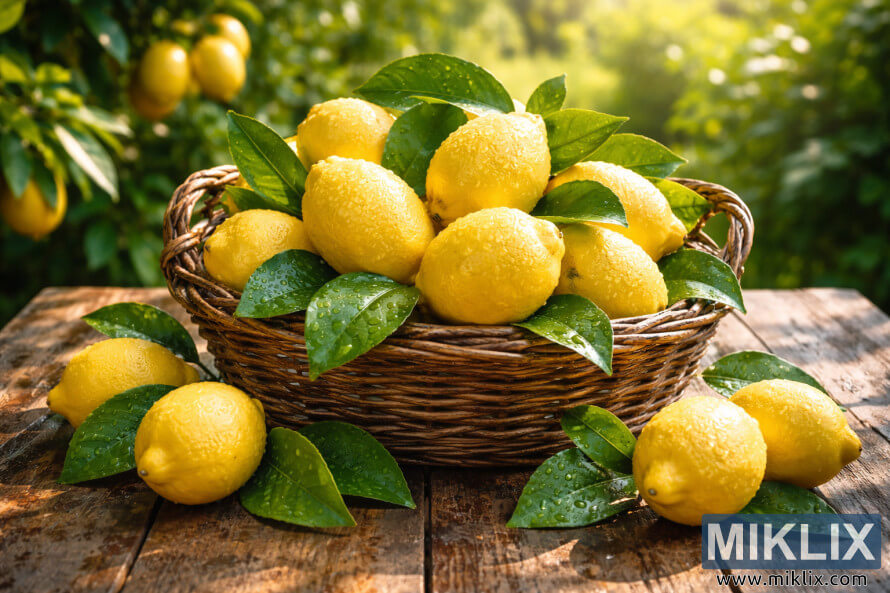
Click or tap the image for more information and higher resolutions.
Whether you have a spacious yard or just a sunny windowsill, lemon trees can thrive with the right care. This guide will walk you through everything you need to know to successfully grow, maintain, and harvest your very own citrus bounty.
Benefits of Growing Your Own Lemons
Homegrown lemons offer numerous advantages over store-bought varieties. When you grow your own citrus, you'll enjoy:
- Fresher, more flavorful fruit with vibrant zest and juice
- Freedom from pesticides and chemical treatments
- Beautiful, fragrant blossoms that perfume your home
- Year-round harvests with proper care (some varieties bloom and fruit simultaneously)
- Attractive evergreen foliage that doubles as ornamental plants
- The satisfaction of growing your own food
Best Lemon Varieties for Home Gardens
Choosing the right lemon variety is crucial for success, especially if you're growing in containers or cooler climates. Here are the top varieties for home gardeners:
Meyer Lemon
A cross between a lemon and a mandarin orange, Meyer lemons are sweeter and less acidic than traditional lemons. They're also more cold-hardy and compact, making them ideal for containers and indoor growing.
- Mature height: 6-10 feet (smaller in containers)
- Cold hardiness: Zones 9-11
- Fruit: Medium-sized, thin-skinned, juicy
- Best for: Beginners, container growing
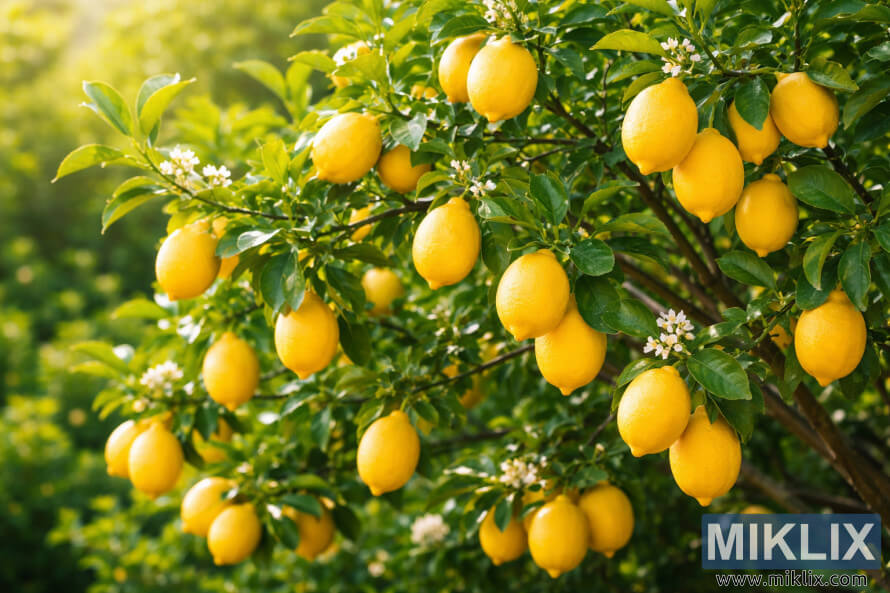
Click or tap the image for more information and higher resolutions.
Eureka Lemon
The classic grocery store lemon, Eureka produces the traditional tart, acidic lemons we're all familiar with. It's a prolific bearer that can produce fruit year-round in ideal conditions.
- Mature height: 10-20 feet (can be kept smaller)
- Cold hardiness: Zones 9-10
- Fruit: Medium to large, thick-skinned
- Best for: Warm climates, traditional lemon flavor
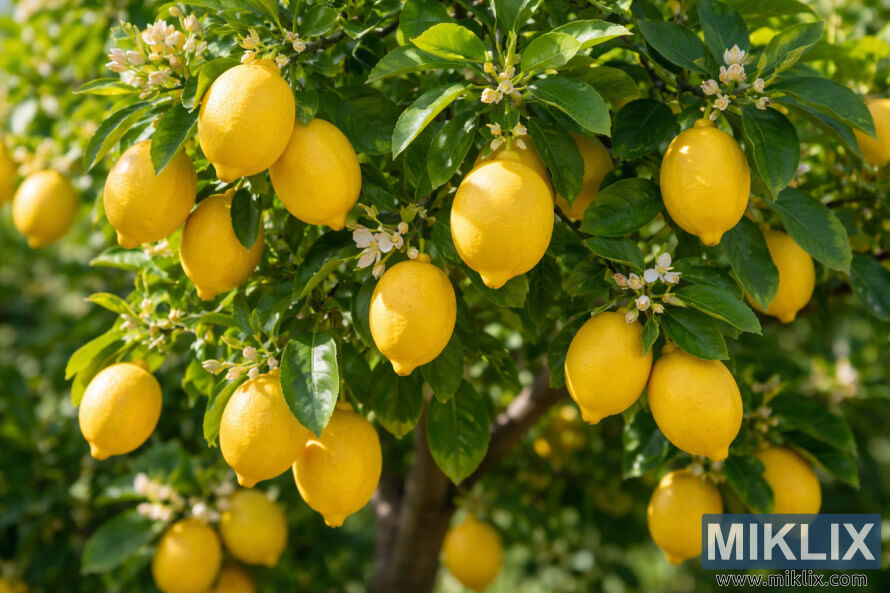
Click or tap the image for more information and higher resolutions.
Lisbon Lemon
Similar to Eureka but more cold-tolerant and thornier, Lisbon lemons are very productive and tend to bear most of their fruit in winter and spring rather than year-round.
- Mature height: 15-20 feet (can be kept smaller)
- Cold hardiness: Zones 9-10
- Fruit: Medium-sized, very juicy
- Best for: Slightly cooler climates, seasonal harvests
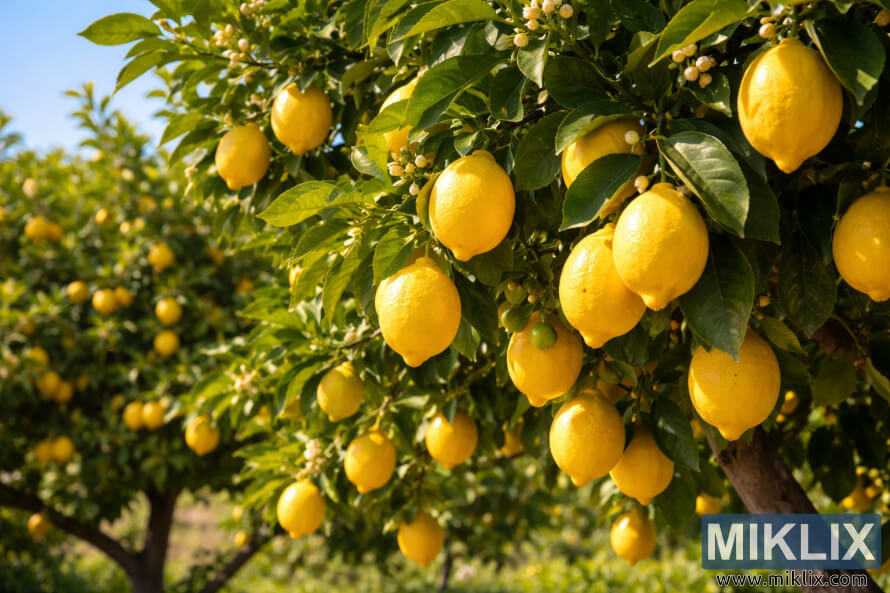
Click or tap the image for more information and higher resolutions.
Climate and Growing Zone Requirements
Lemon trees are naturally adapted to Mediterranean climates with mild, wet winters and warm, dry summers. In the United States, they grow best outdoors in USDA Hardiness Zones 9-11. However, with the right care, you can grow lemons almost anywhere by adapting your growing methods to your climate.
Outdoor Growing
If you live in Zones 9-11 (parts of California, Florida, Texas, Arizona, and other southern states), you can grow lemon trees directly in the ground. They prefer:
- Full sun (at least 6-8 hours daily)
- Protection from strong winds
- Temperatures that rarely drop below 32°F (0°C)
Indoor/Container Growing
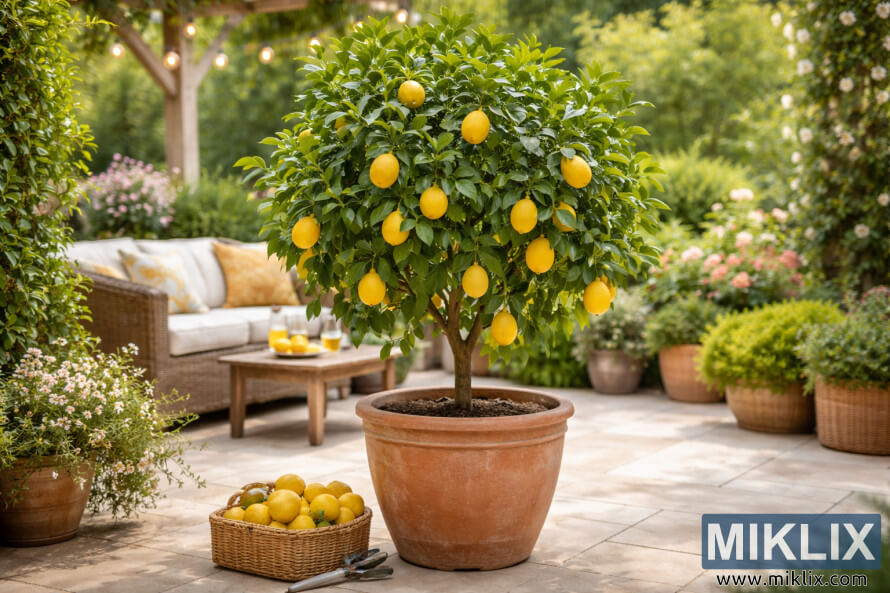
For cooler climates (Zones 8 and below), container growing is the way to go. This allows you to:
- Move trees outdoors during warm months
- Bring trees inside before frost
- Control soil conditions more precisely
- Grow lemons in limited spaces
Click or tap the image for more information and higher resolutions.
Step-by-Step Planting Instructions
Growing from Seed
While growing from seed is possible and fun, be aware that seed-grown trees take 3-5 years to bear fruit and may not produce the same quality as the parent fruit.
- Extract seeds from a ripe, preferably organic lemon
- Rinse seeds thoroughly to remove any pulp or sugar
- Plant seeds 1/2 inch deep in moist potting mix
- Cover with plastic wrap to create a greenhouse effect
- Place in a warm location (70°F/21°C)
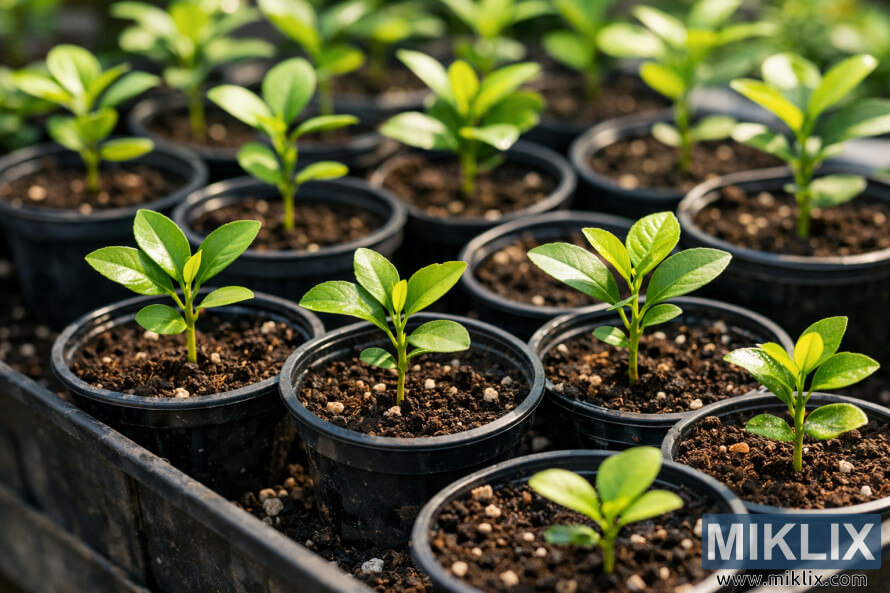
- Seedlings should emerge in 1-3 weeks
- Remove plastic when seedlings appear
- Transplant to individual pots when they have several leaves
Click or tap the image for more information and higher resolutions.
Starting with a Sapling
For faster results, start with a 2-3 year old grafted tree from a reputable nursery. These trees are already on their way to fruit production.
For Container Planting:
- Choose a 12-15 inch diameter pot with drainage holes
- Use high-quality citrus potting mix or regular potting soil amended with perlite
- Place the tree so the root flare sits slightly above soil level
- Fill around the root ball, tamping gently to remove air pockets
- Water thoroughly until water drains from the bottom
- Place in a sunny, protected location
For Ground Planting (Zones 9-11):
- Choose a sunny location with well-draining soil
- Dig a hole twice as wide as the root ball and equal in depth
- Mix native soil with compost at a 50/50 ratio
- Place tree at the same level it was growing in the container
- Backfill with soil mixture, tamping gently
- Create a water basin around the tree
- Water deeply and apply 2-3 inches of mulch (keeping it away from the trunk)
Soil Preparation and Container Options
Soil Requirements
Lemon trees thrive in well-draining, slightly acidic soil with a pH between 5.5 and 6.5. Whether planting in the ground or in containers, proper soil preparation is essential.
For Container Growing:
- Use a high-quality citrus potting mix
- Or create your own mix: 60% potting soil, 20% perlite, 20% compost
- Add a handful of slow-release citrus fertilizer when planting
- Avoid garden soil in containers as it compacts too easily
For Ground Planting:
- Test soil pH and amend if necessary
- Incorporate 2-3 inches of compost into native soil
- For clay soils, add additional perlite or pumice to improve drainage
- For sandy soils, add extra compost to improve water retention
Container Options
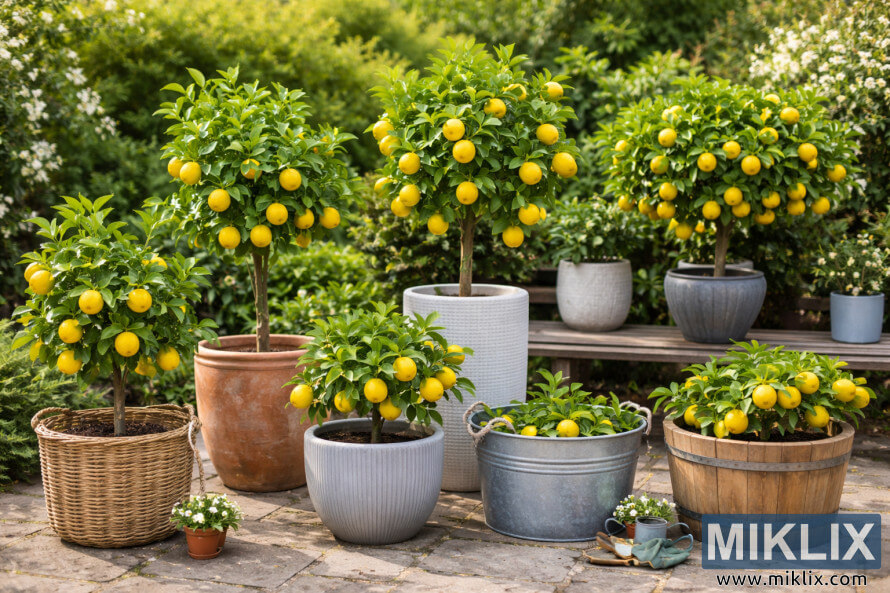
The right container can make a big difference in your lemon tree's health and productivity:
- Size: Start with a 12-15 inch pot, increasing size as the tree grows
- Material: Terracotta, wood, or plastic all work well (avoid dark colors that absorb heat)
- Drainage: Multiple large drainage holes are essential
- Mobility: Consider a plant dolly for larger containers
- Aesthetics: Decorative pots work fine as long as they have proper drainage
Remember to repot your lemon tree every 2-3 years, moving up just one pot size at a time to prevent overwatering issues.
Click or tap the image for more information and higher resolutions.
Watering, Fertilizing, and Maintenance Schedule
| Task | Frequency | Details | Seasonal Notes |
| Watering (Growing Season) | Every 3-7 days | Water when top 2-3 inches of soil feels dry | More frequent in summer, less in spring/fall |
| Watering (Winter) | Every 10-14 days | Allow soil to dry more between waterings | Reduce significantly for dormant trees |
| Fertilizing (Growing Season) | Every 4-6 weeks | Use citrus-specific fertilizer high in nitrogen | March through October |
| Fertilizing (Winter) | Every 8-10 weeks | Switch to balanced winter citrus formula | November through February |
| Pruning | Annually | Remove dead wood, shape, thin interior | Best in late winter before spring growth |
| Pest Inspection | Weekly | Check leaves (especially undersides) for pests | Year-round, especially when indoors |
| Repotting | Every 2-3 years | Move up one pot size, refresh soil | Early spring is ideal |
Click or tap the image for more information and higher resolutions.
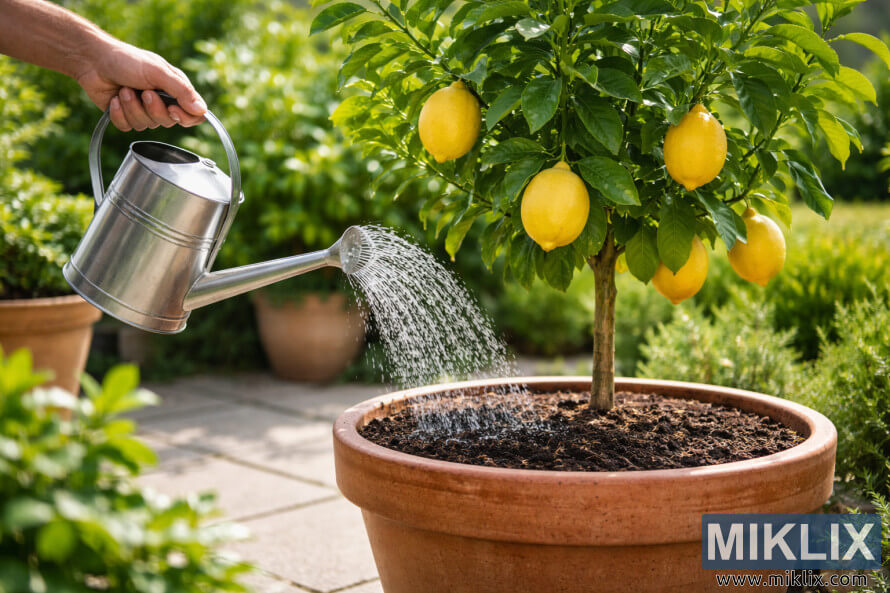
Watering Tip: Lemon trees prefer deep, infrequent watering rather than frequent shallow watering. Always allow the top few inches of soil to dry out between waterings to prevent root rot.
Pruning Techniques for Optimal Growth
Proper pruning helps maintain your lemon tree's health, shape, and productivity. The best time to prune is in late winter or early spring, just before the spring growth flush.
Basic Pruning Steps:
- Remove any dead, damaged, or diseased branches
- Thin out crowded areas to improve air circulation
- Cut back overly long branches to maintain shape
- Remove any suckers growing from the base or below the graft line
- Trim any crossing or rubbing branches
Pruning Safety: Always use clean, sharp pruning tools to make clean cuts. Disinfect tools between cuts if dealing with diseased branches. Some lemon varieties have thorns, so wear gloves and long sleeves for protection.
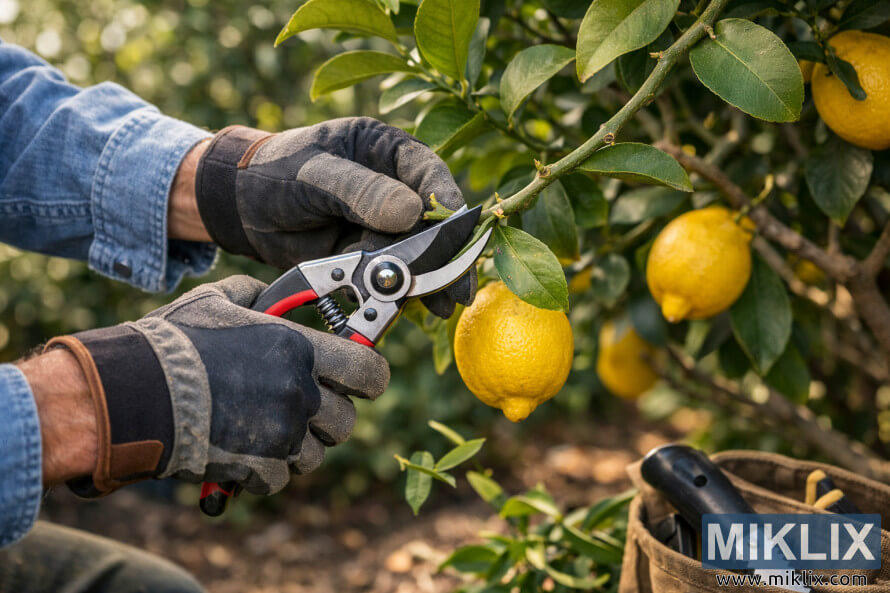
Click or tap the image for more information and higher resolutions.
Shaping Your Tree:
- For Young Trees: Focus on establishing a strong framework with 3-5 main branches
- For Mature Trees: Maintain an open center to allow light penetration
- For Container Trees: Keep size in check by trimming the canopy proportional to the root system
- For Indoor Trees: Prune to maintain a compact, balanced shape
Avoid removing more than 20% of the tree's foliage in a single pruning session. If major reshaping is needed, spread the work over several seasons.
Pest and Disease Management
Lemon trees can be susceptible to various pests and diseases, but with regular monitoring and prompt action, most problems can be managed effectively.
Common Pests:
- Aphids: Small sap-sucking insects that cluster on new growth
- Spider Mites: Tiny pests that cause stippled, yellowing leaves
- Scale Insects: Immobile pests with protective coverings
- Mealybugs: White, cottony pests found in leaf axils and undersides
- Citrus Leaf Miners: Larvae that tunnel through leaves
Common Diseases:
- Citrus Canker: Bacterial disease causing raised lesions
- Root Rot: Fungal disease from overwatering
- Greasy Spot: Fungal disease causing yellow-brown blisters
- Sooty Mold: Black fungus growing on honeydew from insects
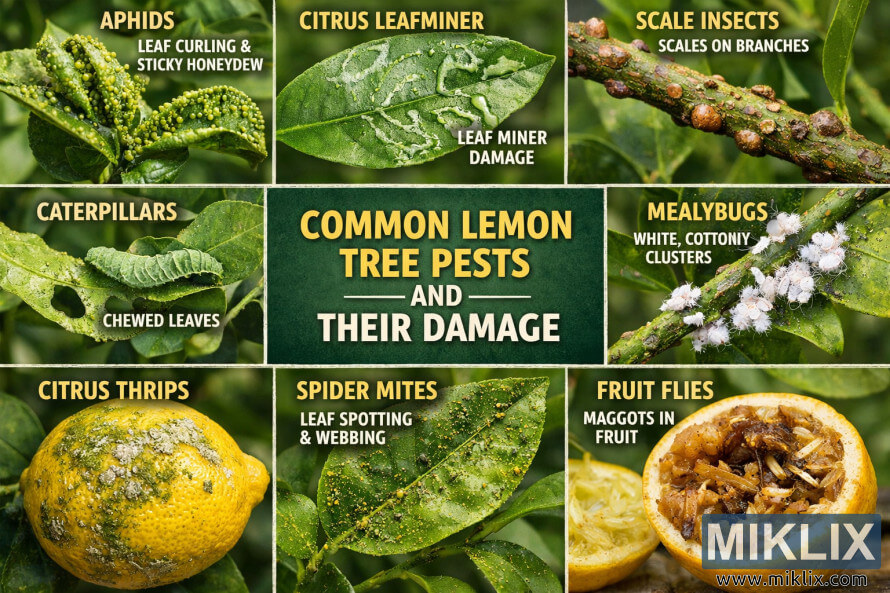
Click or tap the image for more information and higher resolutions.
Organic Management Strategies:
- Prevention: Maintain tree health with proper watering and feeding
- Physical Removal: Wipe off pests with a damp cloth or cotton swab dipped in alcohol
- Water Spray: Dislodge aphids and spider mites with a strong stream of water
- Insecticidal Soap: Spray for soft-bodied pests like aphids and mealybugs
- Neem Oil: Apply for a range of pests (avoid during flowering to protect pollinators)
- Beneficial Insects: Introduce ladybugs or lacewings to control aphids
- Pruning: Remove heavily infested branches and dispose of them
Harvesting Timeline and Techniques
One of the joys of growing lemons is harvesting your own fresh fruit. Unlike many fruits, lemons don't continue to ripen after picking, so it's important to harvest them at the right time.
When to Harvest:
- Lemons typically take 6-9 months to ripen after flowering
- Meyer lemons are ready when they develop a deep yellow-orange color
- Eureka and Lisbon lemons should be bright yellow with slight give when squeezed
- Fruit size is not always an indicator of ripeness
- If in doubt, pick one lemon and taste test it
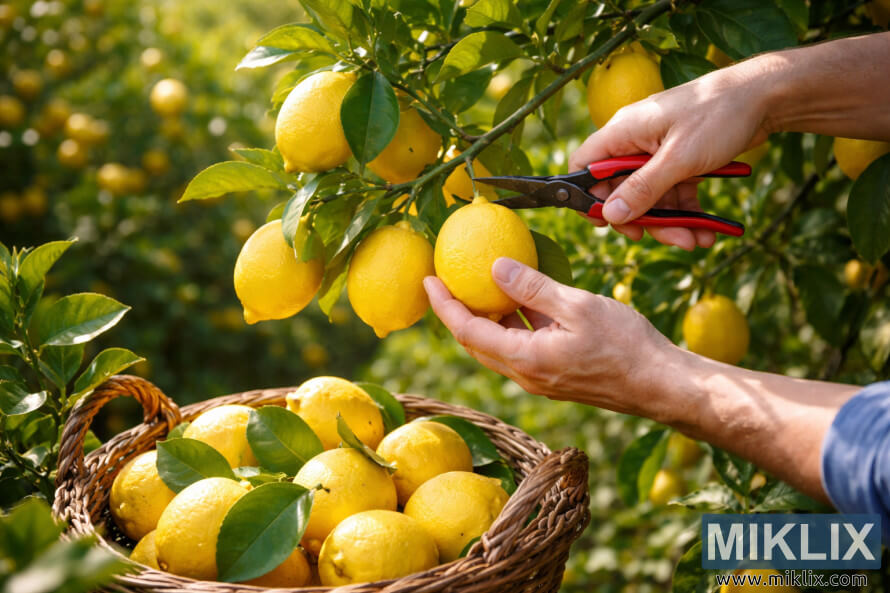
Click or tap the image for more information and higher resolutions.
How to Harvest:
- Use pruning shears or scissors to cut the fruit from the branch
- Leave a small piece of stem attached to the fruit
- Avoid pulling or twisting, which can damage the tree
- Handle gently to prevent bruising
- Harvest in the morning when fruit is most hydrated
Storage Tips:
- Fresh lemons keep at room temperature for about a week
- Refrigerated lemons last 2-4 weeks
- Store in a perforated plastic bag in the crisper drawer
- Lemon juice can be frozen in ice cube trays
- Zest can be dried or frozen for future use
Harvesting Tip: Lemons will continue to mature on the tree for months, so you can leave them hanging until needed—nature's storage system!
Troubleshooting Common Problems
Symptoms & Solutions
- Yellow Leaves: Often indicates overwatering or nutrient deficiency. Check drainage and consider a citrus-specific fertilizer.
- Leaf Drop: Can be caused by temperature shock, drafts, or watering issues. Maintain consistent care and avoid sudden changes.
- No Flowers/Fruit: May need more light, proper fertilizer, or manual pollination. Ensure tree is mature enough (3+ years).
- Fruit Drop: Tree may be overloaded; thin fruit or improve watering/feeding schedule.
- Curling Leaves: Often indicates pests (check undersides) or water stress.
Warning Signs & Prevention
- Sticky Leaves: Sign of insect infestation producing honeydew. Inspect and treat promptly.
- Black Sooty Mold: Grows on honeydew from insects. Address the underlying pest problem.
- Split Fruit: Caused by irregular watering. Maintain consistent moisture levels.
- Stunted Growth: May indicate root binding, poor soil, or inadequate light. Repot or relocate as needed.
- Brown Leaf Tips: Often a sign of low humidity or salt buildup. Mist regularly and flush soil occasionally.
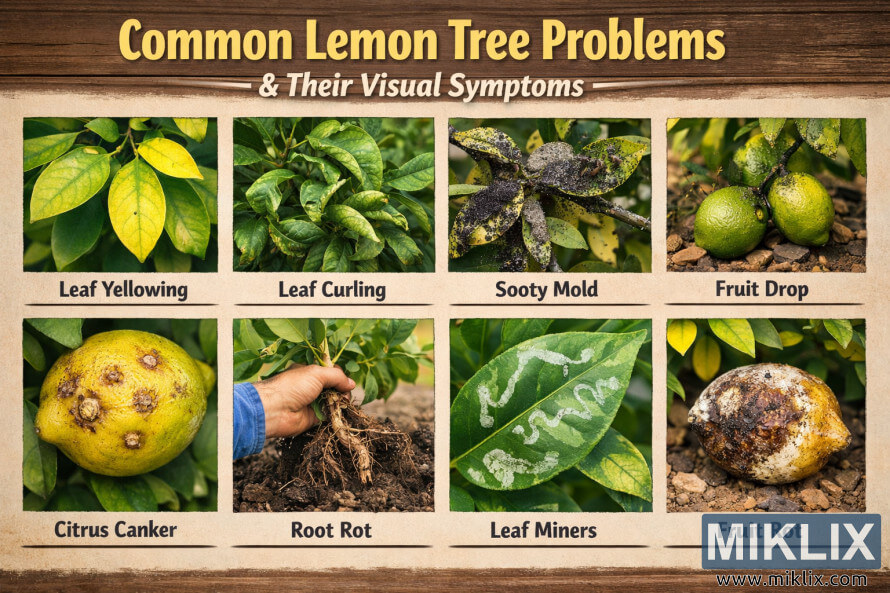
Click or tap the image for more information and higher resolutions.
Winter Care for Lemon Trees
Winter presents special challenges for lemon trees, especially in colder climates. Proper winter care is essential for keeping your tree healthy until spring.
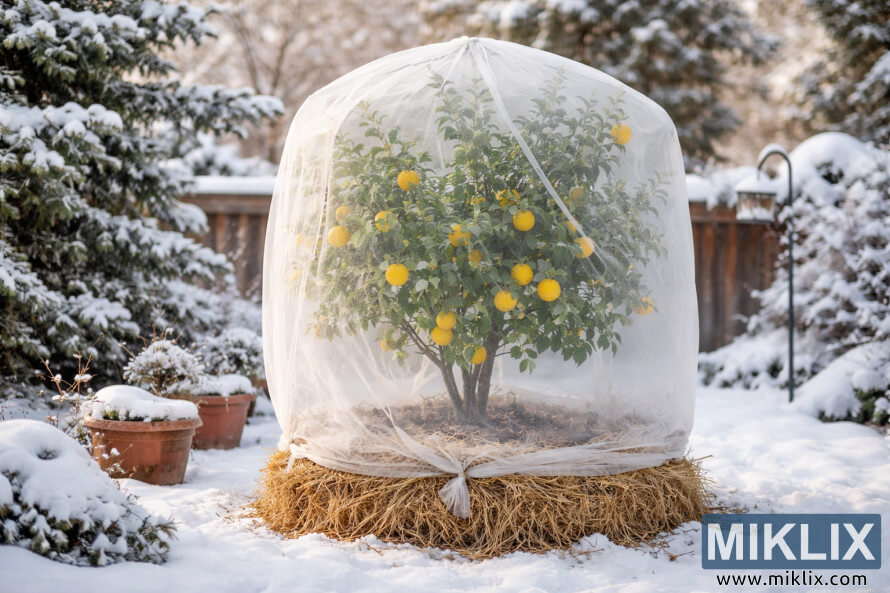
For Outdoor Trees (Zones 9-11):
- Water less frequently but don't allow soil to dry completely
- Apply a 2-3 inch layer of mulch to insulate roots
- Cover young trees with frost cloth if temperatures drop below 32°F (0°C)
- Install outdoor lighting under the canopy for additional warmth
- Switch to winter citrus fertilizer with lower nitrogen
Click or tap the image for more information and higher resolutions.
For Container Trees Moving Indoors:
- Gradually acclimate the tree to indoor conditions over 1-2 weeks
- Place in the brightest location available, preferably south-facing
- Keep away from heating vents and cold drafts
- Maintain temperatures between 55-70°F (13-21°C)
- Reduce watering but monitor soil moisture
- Increase humidity with a humidifier or pebble tray
- Continue winter fertilizing schedule (every 8-10 weeks)
- Watch closely for pests, which can multiply rapidly indoors
Winter Light Tip: If natural light is insufficient, supplement with grow lights positioned 12-18 inches above the tree for 10-12 hours daily.
Creative Uses for Homegrown Lemons
Culinary Uses
- Fresh-squeezed lemonade
- Lemon curd for tarts and desserts
- Preserved lemons for Mediterranean dishes
- Lemon zest for baking and cooking
- Homemade limoncello liqueur
- Lemon-infused olive oil
- Citrus vinaigrette dressings

Click or tap the image for more information and higher resolutions.
Household Uses
- Natural all-purpose cleaner
- Copper and brass polish
- Garbage disposal freshener
- Cutting board deodorizer
- Microwave cleaner (steam with lemon water)
- Refrigerator deodorizer
- Natural air freshener

Click or tap the image for more information and higher resolutions.
Health and Beauty
- Lemon water for hydration
- Honey-lemon sore throat remedy
- Lemon sugar scrub for exfoliation
- Hair lightening spray
- Lemon-infused bath salts
- Cuticle softener
- Natural astringent for oily skin

Click or tap the image for more information and higher resolutions.
Conclusion
Growing your own lemons is a rewarding journey that connects you to the ancient tradition of citrus cultivation while providing your home with beauty, fragrance, and flavor. Whether you're tending a potted Meyer lemon on a sunny windowsill or nurturing a small orchard in your backyard, the principles remain the same: provide adequate light, proper soil, consistent care, and a little patience.
Remember that lemon trees are relatively forgiving plants that can thrive for decades with proper attention. The satisfaction of harvesting your first homegrown lemon—and every one thereafter—makes all your efforts worthwhile. So plant your tree, nurture it through the seasons, and enjoy the literal fruits of your labor for years to come.
Further Reading
If you enjoyed this post, you may also like these suggestions:
- A Complete Guide to Growing Pumpkins in Your Home Garden
- The Best Cherry Varieties to Grow in Your Garden
- A Complete Guide to Growing Avocados at Home