
A Guide to Growing Collards in Your Own Garden
Published: January 30, 2026 at 6:26:08 PM UTC
Collard greens are one of the most rewarding vegetables you can grow in your home garden. These leafy giants of the vegetable world are not only packed with nutrients but also surprisingly easy to cultivate, even for beginners.
Click or tap the image for more information and higher resolutions.
Whether you're looking to add more homegrown nutrition to your meals or want to experience the satisfaction of harvesting your own greens, this guide will walk you through everything you need to know about growing collards successfully.
What Are Collard Greens?
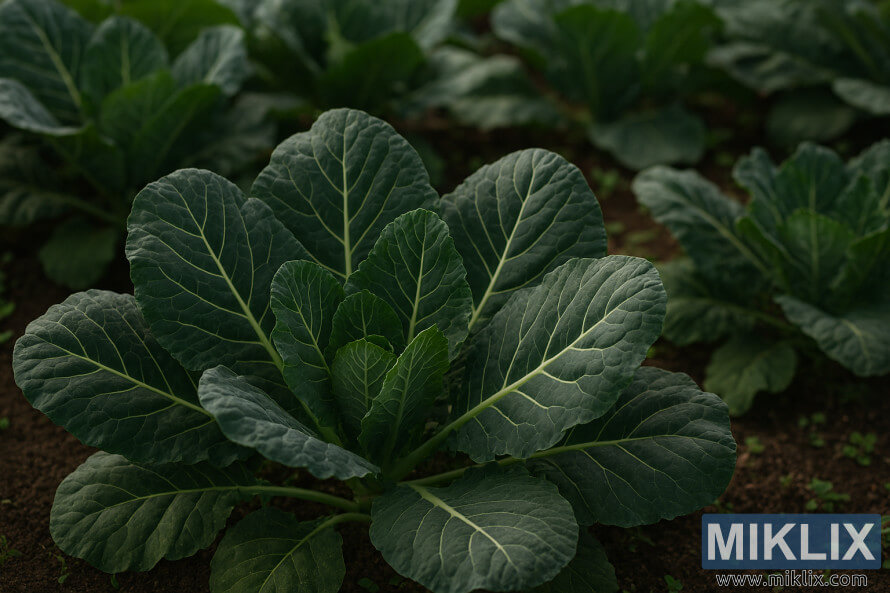
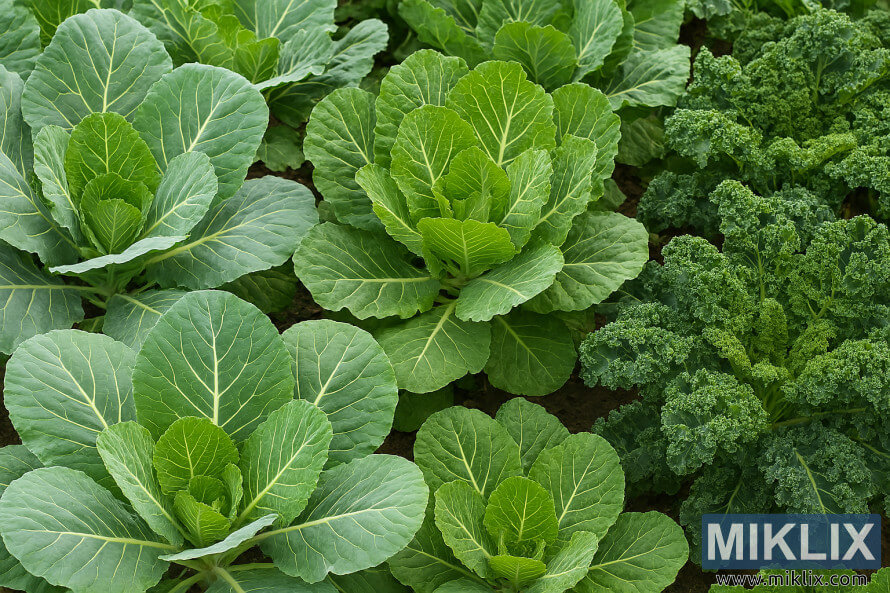
Collards (Brassica oleracea) are members of the cabbage family, closely related to kale, broccoli, and Brussels sprouts. Unlike cabbage, collards don't form a head - instead, they produce large, dark green, slightly waxy leaves that grow in an open rosette pattern. These prehistoric-looking plants are among the oldest members of the cabbage family and have been cultivated for thousands of years.
Nutritional Powerhouse: Collard greens are incredibly nutritious, providing excellent amounts of vitamins A, C, K, and minerals like calcium, iron, and magnesium. They're also rich in antioxidants and fiber, making them a fantastic addition to any diet.
Collards are particularly popular in Southern cooking but are gaining popularity throughout the country due to their versatility and nutritional benefits. These hardy plants can withstand temperatures as low as 15°F, making them one of the most cold-tolerant vegetables you can grow. In fact, many gardeners find that collards taste sweeter after being kissed by frost!
Click or tap the image for more information and higher resolutions.
Collard Varieties to Consider
Several excellent collard varieties are available to home gardeners. Choose based on your growing season and preferences:
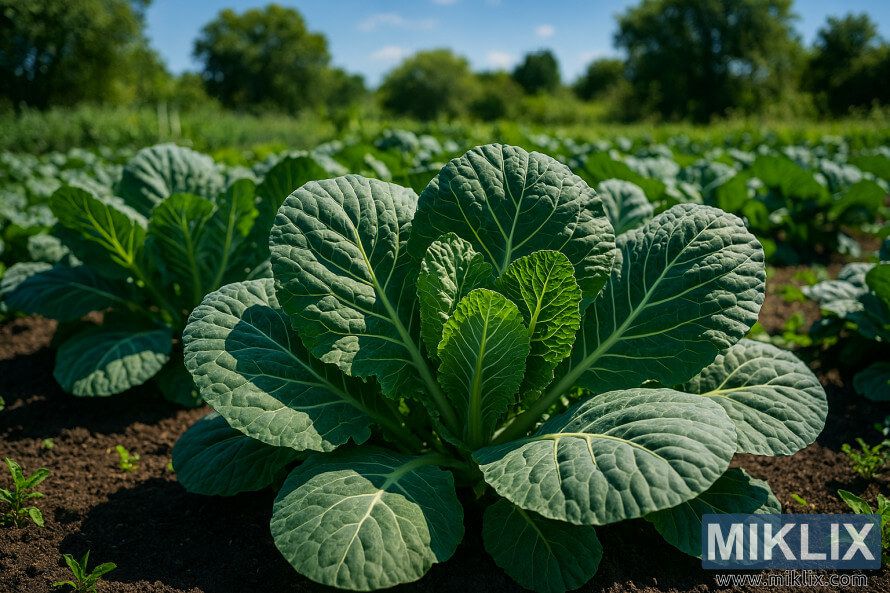
Champion
A popular hybrid variety with excellent cold tolerance and bolt resistance. Produces dark blue-green leaves and is ideal for both spring and fall planting. Matures in 60-75 days.
Click or tap the image for more information and higher resolutions.
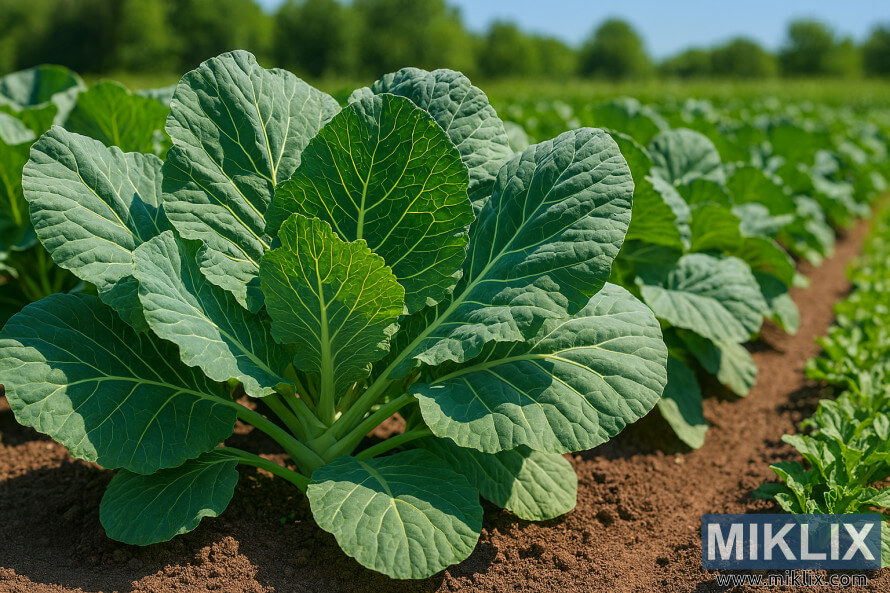
Georgia Southern
A classic heirloom variety with smooth, large leaves and white stems. Very heat and cold tolerant. Plants can reach impressive heights of up to 3 feet. Matures in 70-80 days.
Click or tap the image for more information and higher resolutions.
Flash
A hybrid with excellent disease resistance and quick growth. Produces uniform, slightly savoyed dark green leaves. Great for spring planting as it's very bolt resistant. Matures in 55-60 days.
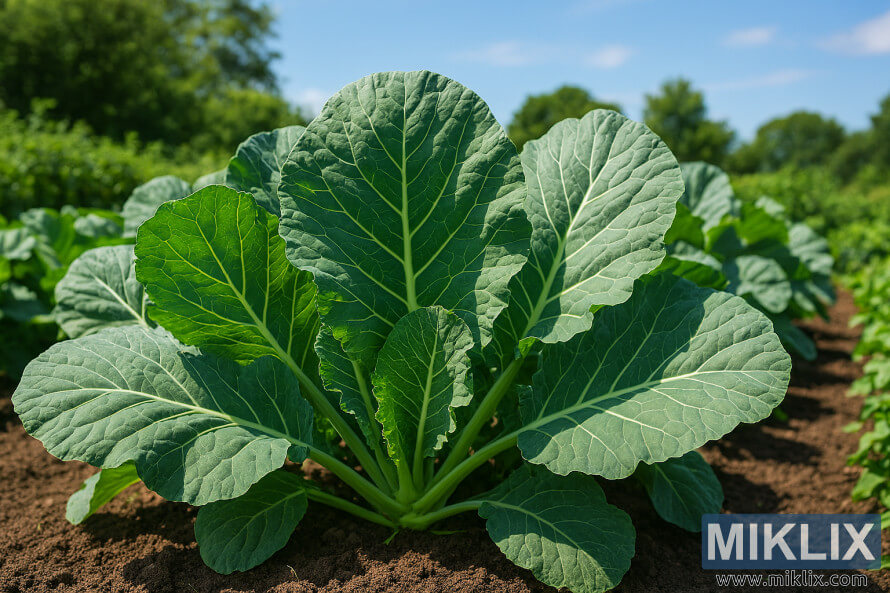
Click or tap the image for more information and higher resolutions.
Vates
An heirloom variety with compact growth habit and good cold hardiness. Produces dark green, wavy leaves. Excellent for smaller gardens. Matures in 75-80 days.
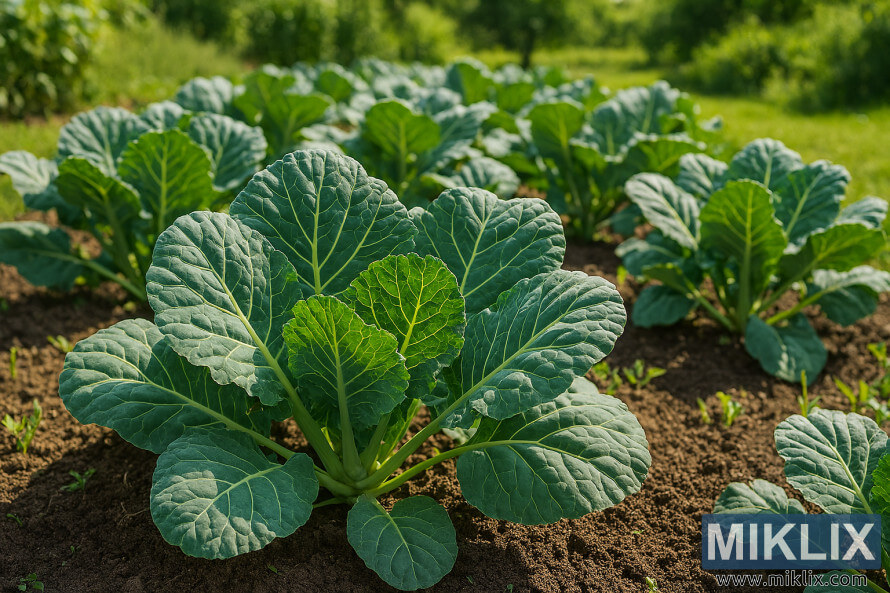
Click or tap the image for more information and higher resolutions.
Top Bunch 2.0
A hybrid with upright growth and lightly savoyed leaves. Excellent uniformity and high yields. Good disease resistance and heat tolerance. Matures in 70 days.
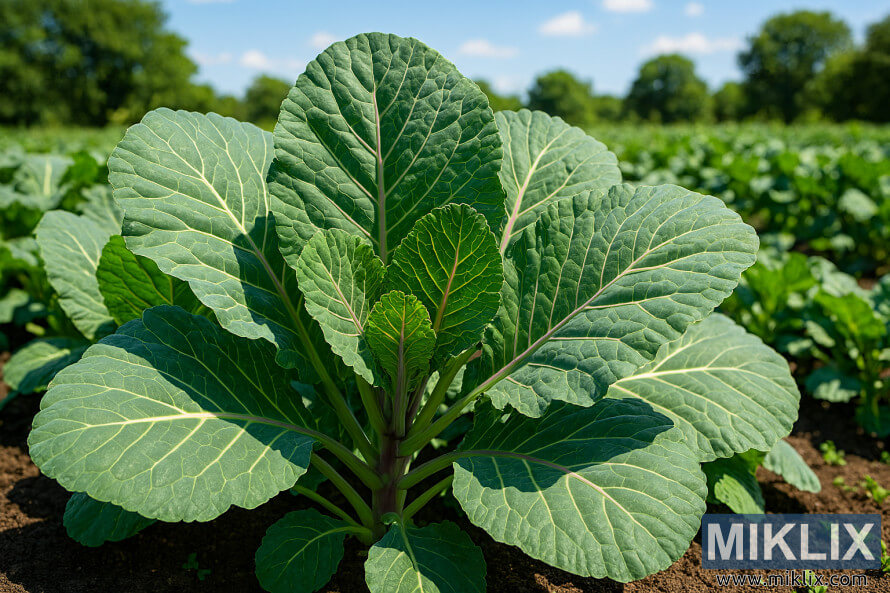
Click or tap the image for more information and higher resolutions.
Morris Heading
An heirloom that forms loose heads similar to cabbage. Large, tender leaves with excellent flavor. Good cold tolerance. Matures in 70-80 days.
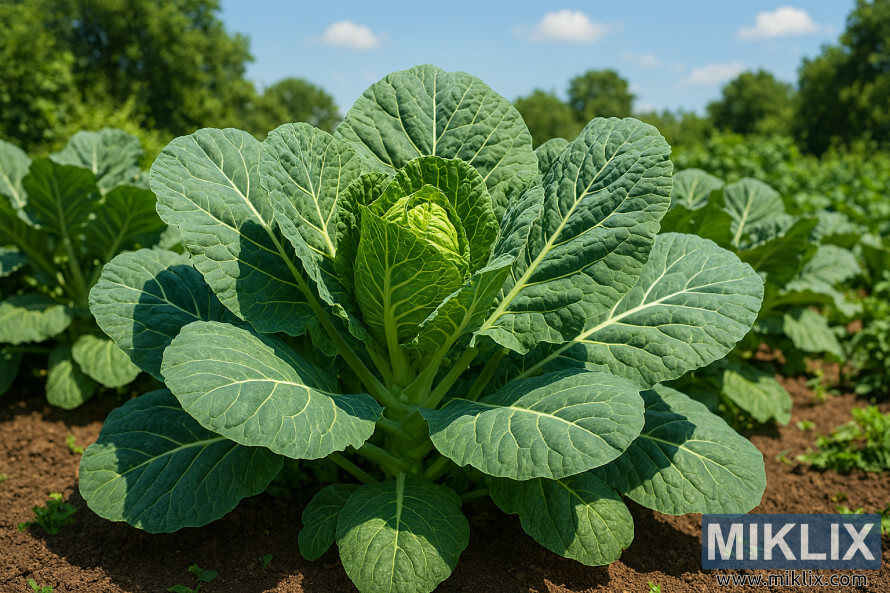
Click or tap the image for more information and higher resolutions.
Planning and Preparation
Well-prepared soil is essential for growing healthy collard greens
When to Plant Collards
Timing is crucial when growing collards. These cool-season vegetables grow best when temperatures range between 55°F and 75°F. There are two optimal planting windows:
Spring Planting
- Start seeds indoors 6-8 weeks before your last spring frost date
- Transplant seedlings outdoors 3-4 weeks before the last frost
- Choose bolt-resistant varieties for spring planting
- Harvest before summer heat arrives
Fall Planting (Preferred)
- Direct seed or transplant 6-8 weeks before first fall frost
- Plants will mature during cooler weather
- Frost improves flavor by converting starches to sugars
- Can provide harvests throughout winter in mild climates
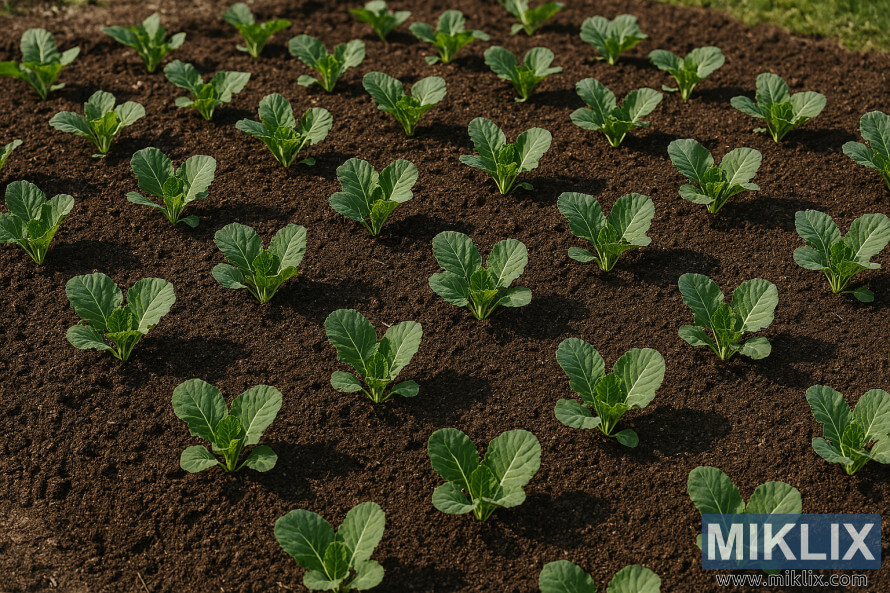
Click or tap the image for more information and higher resolutions.
Choosing the Right Location
Collards thrive in full sun but can tolerate partial shade, especially in warmer climates. Select a spot that receives at least 4-5 hours of direct sunlight daily. Ensure the area has good air circulation to reduce disease problems but is protected from strong winds that could damage the large leaves.
Soil Preparation
Collards are heavy feeders that require fertile, well-draining soil to produce abundant leafy growth:
- Test your soil pH - collards prefer a slightly acidic to neutral pH between 6.0 and 6.8
- Work 2-3 inches of compost or well-rotted manure into the top 6 inches of soil
- Add a balanced organic fertilizer according to package directions
- Ensure soil drains well - collards don't like wet feet
- Remove any rocks, roots, or debris that might impede growth
Planting Collard Greens
Starting from Seeds
Collard seeds germinate best when soil temperatures are between 45°F and 85°F. Here's how to start them successfully:
Indoor Seed Starting (Recommended for Spring)
- Fill seed trays with seed-starting mix
- Plant seeds ¼ inch deep, 2-3 seeds per cell
- Keep soil consistently moist but not soggy
- Maintain temperature around 70-75°F for optimal germination
- Once seedlings develop their first true leaves, thin to one plant per cell
- Harden off seedlings by gradually exposing them to outdoor conditions over 7-10 days
Direct Seeding (Best for Fall Crop)
- Prepare soil by loosening to a depth of 6-8 inches
- Sow seeds ¼ to ½ inch deep
- Space seeds 3-4 inches apart in rows 18-24 inches apart
- Keep soil consistently moist until germination (usually 5-10 days)
- Once seedlings reach 4-5 inches tall, thin to final spacing of 18-24 inches apart
- Use thinned seedlings in salads or cooking - they're perfectly edible!
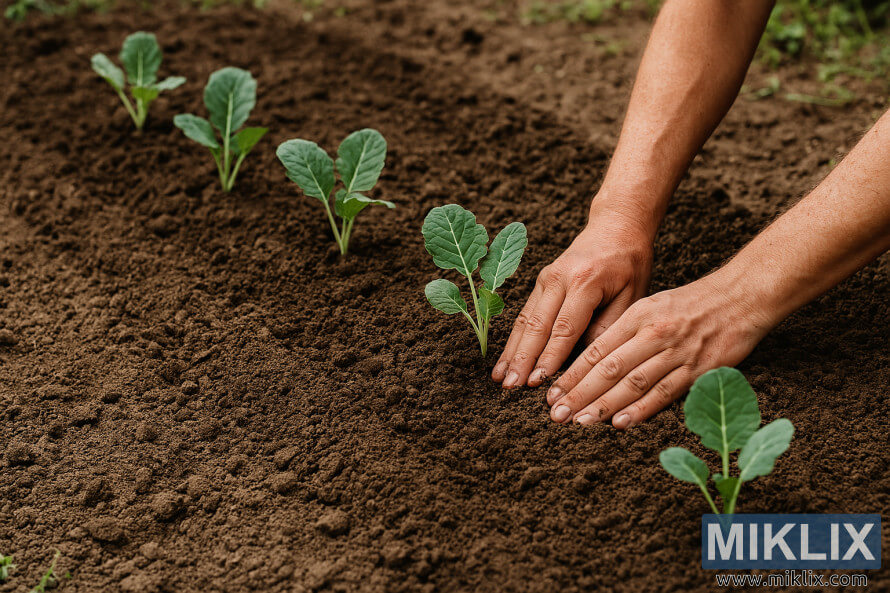
Click or tap the image for more information and higher resolutions.
Transplanting
Whether you've started seeds indoors or purchased seedlings, proper transplanting technique is crucial:
- Transplant on a cloudy day or in the evening to reduce transplant shock
- Dig holes slightly larger than the root ball
- Space plants 18-24 inches apart in rows 24-36 inches apart
- Set plants at the same depth they were growing previously
- Water thoroughly after planting to settle soil around roots
- Apply a layer of organic mulch to conserve moisture and suppress weeds
Pro Tip: Collards need plenty of space to develop their large leaves. Don't be tempted to plant them too closely together, as crowding can lead to smaller plants and increased disease problems.
Care and Maintenance
Proper watering and maintenance leads to lush, healthy collard plants
Watering
Consistent moisture is key to growing tender, flavorful collard greens:
- Provide 1-1.5 inches of water per week if rainfall is insufficient
- Water deeply rather than frequently to encourage deep root development
- Water in the morning so leaves can dry before evening (reduces disease risk)
- Use a soaker hose or drip irrigation to keep foliage dry
- Check soil moisture by inserting your finger 2 inches into the soil - if it feels dry, it's time to water
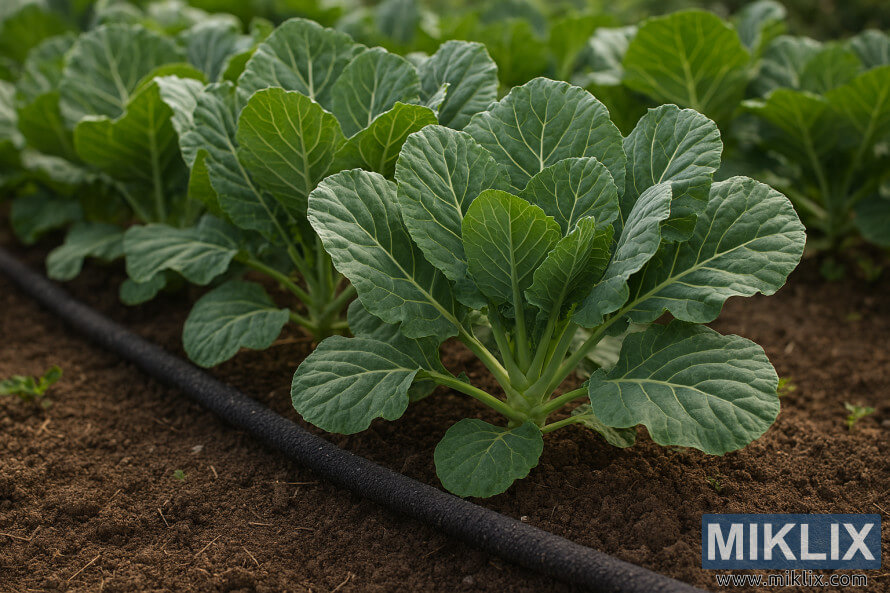
Click or tap the image for more information and higher resolutions.
Fertilizing
Collards are heavy feeders that benefit from regular fertilization:
- Apply a nitrogen-rich fertilizer 3-4 weeks after planting
- Side-dress with compost or balanced organic fertilizer every 3-4 weeks
- Place fertilizer 4-6 inches away from plant stems to avoid burning
- Water thoroughly after fertilizing to help nutrients reach the roots
- Yellowing lower leaves often indicate nitrogen deficiency
Mulching
A 2-3 inch layer of organic mulch offers multiple benefits:
- Conserves soil moisture
- Suppresses weed growth
- Moderates soil temperature
- Prevents soil from splashing onto leaves during rain or watering
- Adds organic matter to soil as it breaks down
Pest Management
Several pests can affect collard greens. Here's how to manage the most common ones:
Cabbage Worms
These green caterpillars can quickly defoliate plants.
- Handpick and remove caterpillars
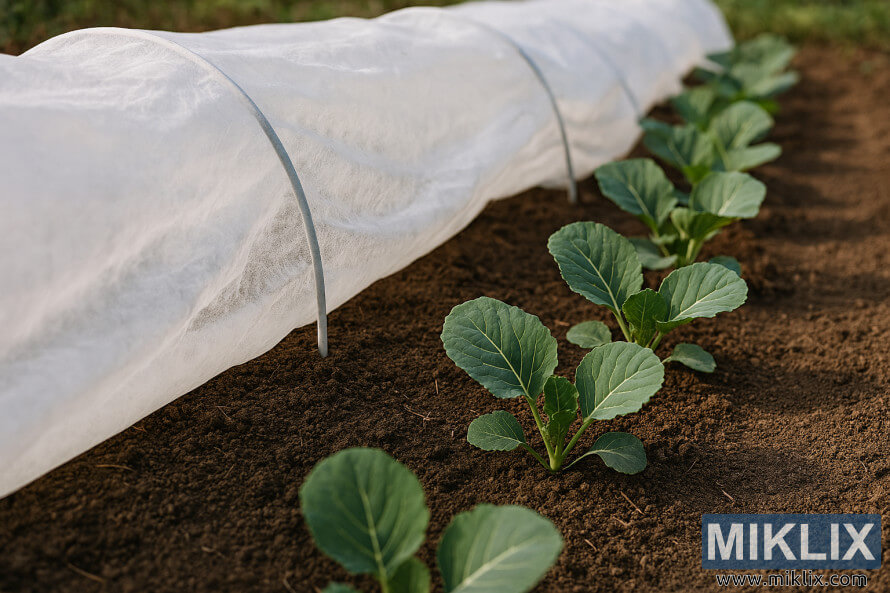
- Use row covers to prevent butterflies from laying eggs
- Apply Bacillus thuringiensis (Bt), an organic control
Aphids
Small sap-sucking insects that cluster on leaves.
- Spray plants with strong water stream
- Introduce beneficial insects like ladybugs
- Apply insecticidal soap for severe infestations
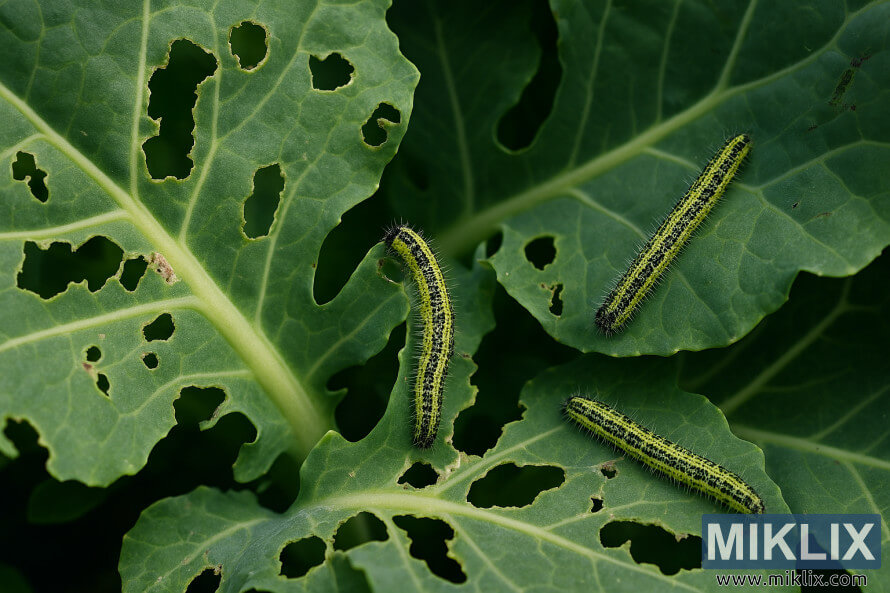
Click or tap the image for more information and higher resolutions.
Disease Prevention
Common diseases affecting collards include black rot, downy mildew, and clubroot. Prevention is your best strategy:
- Practice crop rotation - don't plant collards where other brassicas grew in the past 3-4 years
- Ensure good air circulation between plants
- Water at the base of plants, keeping foliage dry
- Remove and destroy diseased plant material
- Maintain proper soil pH (6.0-6.8) to discourage clubroot disease
Harvesting Collard Greens
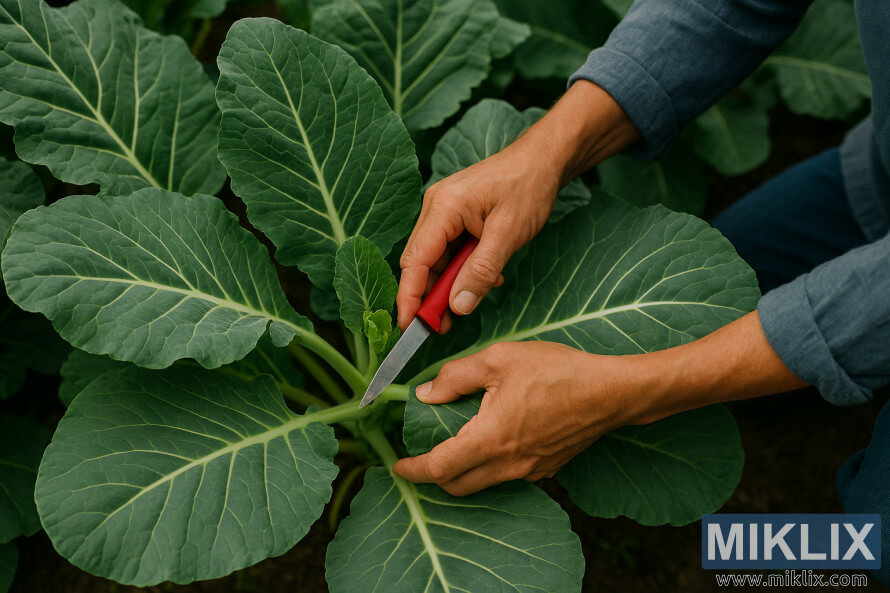
Harvest collards by removing the lower leaves first, allowing the plant to continue growing
One of the great advantages of growing collards is their extended harvest period. A single planting can provide leaves for months, especially in mild climates. Here's how to maximize your harvest:
When to Harvest
- Begin harvesting when leaves are about 10 inches long
- Young leaves (6-8 inches) are more tender and milder in flavor
- Mature leaves have stronger flavor and tougher texture
- Leaves taste sweetest after exposure to frost
- Harvest in the morning when leaves are crisp and full of moisture
How to Harvest
Collards can be harvested using two methods:
Cut-and-Come-Again Method (Recommended)
- Start with the lowest, outermost leaves
- Use a sharp knife or scissors to cut leaves 1-2 inches above the soil
- Leave the central growing point intact
- Plant will continue producing new leaves from the center
- Harvest every 1-2 weeks as new leaves develop
Whole Plant Harvest
- Cut the entire plant 2 inches above the soil
- Best for when you need a large quantity at once
- In mild climates, plant may regrow from the stump
- New growth will be smaller but still usable
- Use this method at the end of the season
Click or tap the image for more information and higher resolutions.
Post-Harvest Handling
Proper handling after harvest ensures the best quality and flavor:
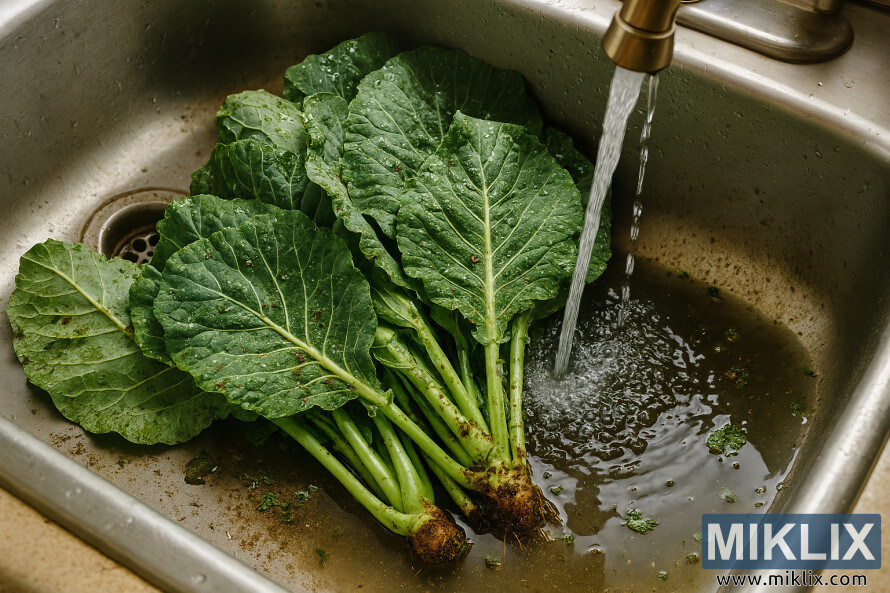
- Rinse leaves thoroughly in cool water to remove soil and insects
- For stubborn dirt, soak leaves in a sink of cold water for 10-15 minutes
- Pat leaves dry with a clean towel or use a salad spinner
- Remove thick center stems if desired (especially from larger leaves)
- Store unwashed leaves in a perforated plastic bag in the refrigerator for up to 5 days
- For longer storage, blanch and freeze leaves for up to 10-12 months
Click or tap the image for more information and higher resolutions.
Enjoying Your Collard Harvest
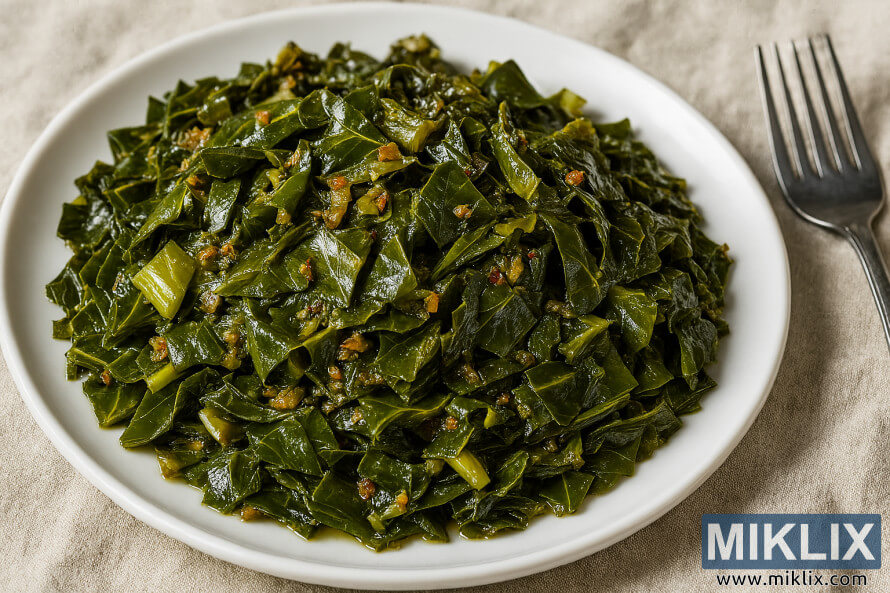
Properly cooked collard greens are tender, flavorful, and nutritious
After all your hard work growing collards, it's time to enjoy them! Collard greens are incredibly versatile in the kitchen:
Preparation Tips
- Young, tender leaves can be used raw in salads or as wraps
- Mature leaves benefit from cooking to tenderize them
- Remove the tough center stem from larger leaves before cooking
- Chop or tear leaves into manageable pieces
- Blanching for 1-2 minutes before freezing preserves color and nutrients
Cooking Methods
Collards can be prepared in numerous ways:
Southern-Style
The classic method involves slow-cooking collards with smoked meat, onions, and vinegar until very tender (1-2 hours). This creates a flavorful, tender dish with pot liquor (cooking liquid) that's delicious sopped up with cornbread.
Quick Sauté
For a faster preparation, sauté chopped collards with garlic and olive oil for 5-7 minutes until bright green and just tender. Finish with a splash of vinegar or lemon juice to brighten the flavor.
Steaming
Steam chopped collards for 5-8 minutes until tender-crisp. This method preserves more nutrients than boiling and creates a clean, fresh flavor. Season with salt, pepper, and a drizzle of olive oil.
Storage Tip: Blanched collard greens freeze exceptionally well. Portion them into freezer bags for easy use throughout the year when fresh collards aren't available from your garden.
Click or tap the image for more information and higher resolutions.
Troubleshooting Common Issues
Even with the best care, you might encounter some challenges when growing collards. Here are solutions to common problems:
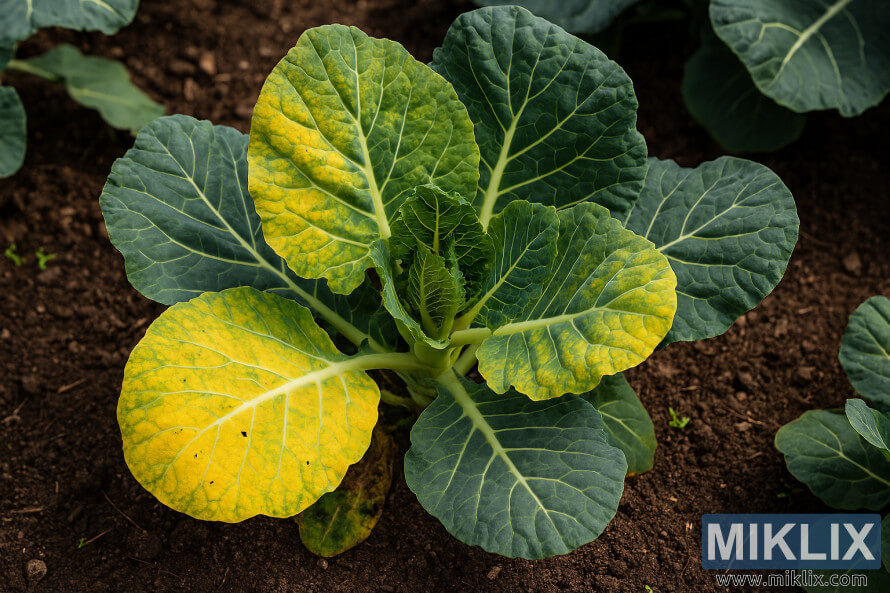
Why are my collard leaves turning yellow?
Yellowing leaves can indicate several issues:
- Nitrogen deficiency: Yellowing starts with older, lower leaves. Apply a nitrogen-rich fertilizer.
- Overwatering: Ensure soil drains well and allow the top inch to dry between waterings.
- Underwatering: Check soil moisture regularly and provide consistent water.
- Disease: If yellowing includes dark spots or unusual patterns, a fungal disease may be present. Remove affected leaves and improve air circulation.
Click or tap the image for more information and higher resolutions.
My collards are developing flower stalks. What's happening?
This is called "bolting" - when the plant shifts from leaf production to flowering and seed production. It's triggered by:
- Heat: Temperatures consistently above 80°F can cause bolting
- Long days: Increasing day length in late spring signals plants to flower
- Age: Collards are biennials and naturally flower in their second year
Once bolting begins, leaves become bitter. Harvest remaining usable leaves and plant a new crop in fall, or let plants flower to attract beneficial insects and collect seeds.
What are these holes in my collard leaves?
Holes in leaves are typically caused by insect pests:
- Cabbage worms: Look for small green caterpillars on leaf undersides
- Flea beetles: Tiny black beetles that create small shot-hole damage
- Slugs: Leave slime trails and feed at night
Control methods include handpicking, row covers, organic insecticides like Bt for caterpillars, and diatomaceous earth for flea beetles and slugs.
Click or tap the image for more information and higher resolutions.
Conclusion
A successful collard harvest is rewarding and nutritious
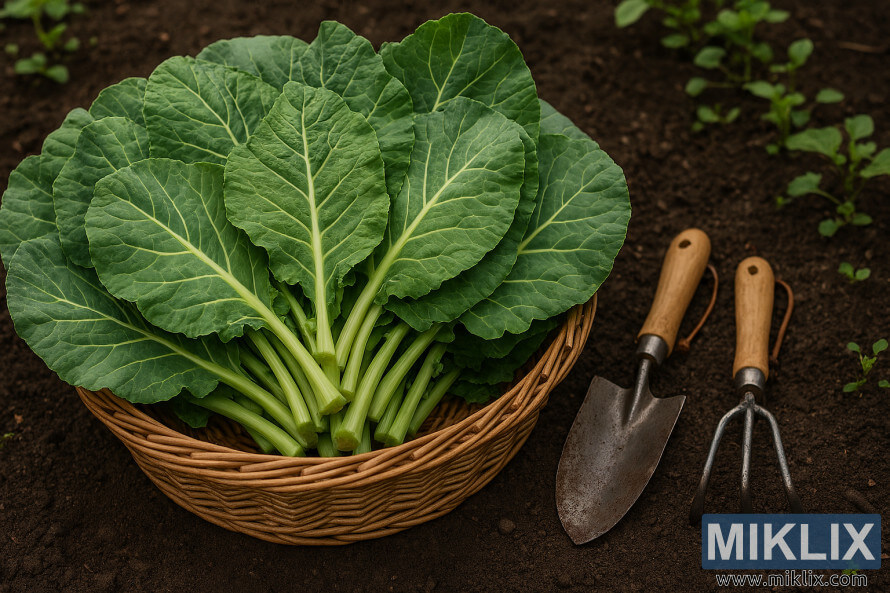
Growing collards in your own garden is a rewarding experience that provides nutritious, versatile greens for your table. These hardy plants are forgiving for beginners yet satisfying for experienced gardeners, offering extended harvests through multiple seasons. By following the guidelines in this article, you'll be well on your way to enjoying the satisfaction of growing your own collard greens.
Remember that collards are one of the most cold-tolerant vegetables you can grow, often providing harvests well into winter in many regions. Their ability to withstand frost not only extends your growing season but actually improves their flavor, making them a valuable addition to any vegetable garden.
Whether you're cooking them Southern-style, adding them to soups and stews, or experimenting with fresh preparations, homegrown collards offer superior flavor and nutrition compared to store-bought options. Plus, there's nothing quite like the satisfaction of harvesting dinner from your own backyard!
Click or tap the image for more information and higher resolutions.
Further Reading
If you enjoyed this post, you may also like these suggestions:
- A Complete Guide to Growing Grapes in Your Home Garden
- How to Grow Swiss Chard: A Complete Beginner's Guide
- Top 10 Healthiest Vegetables to Grow in Your Home Garden