
Growing Parsnips: Your Complete Guide to Sweet, Homegrown Roots
Published: March 18, 2026 at 8:43:34 PM UTC
Parsnips offer something special that few vegetables can match. These cream-colored roots develop a sweet, nutty flavor after the first frost touches them. Many gardeners overlook parsnips because they require patience. Yet those who grow them discover a rewarding crop that stores well through winter months.
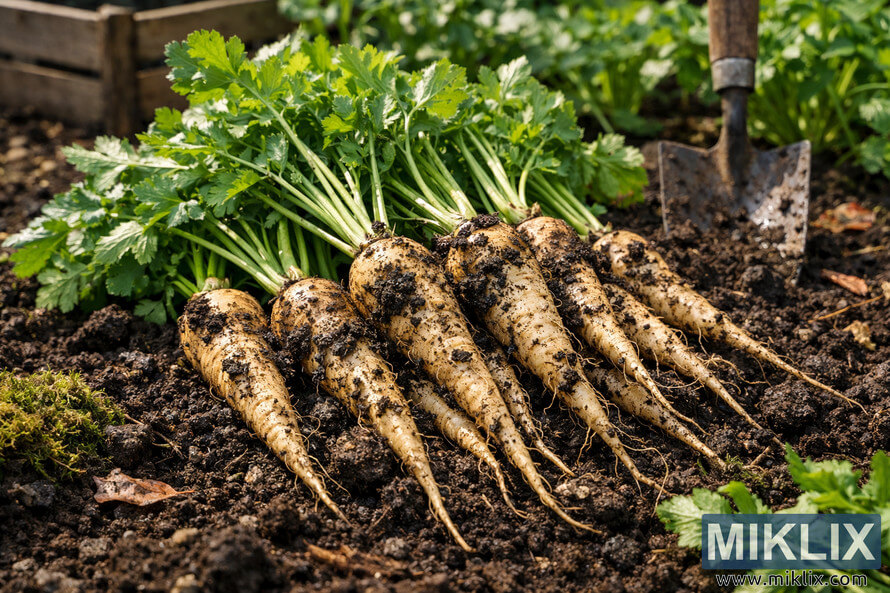
Click or tap the image for more information and higher resolutions.
Growing your own parsnips gives you control over variety selection and harvest timing. You can enjoy them at peak sweetness. This comprehensive guide walks you through every step of cultivating parsnips successfully in your home garden.
Whether you're a beginner or experienced gardener, you'll find practical advice for a bountiful harvest. Let's explore how to transform those tiny seeds into delicious roots.
Understanding Parsnips as a Garden Crop
Parsnips belong to the same family as carrots and parsley. They're a cool-season root vegetable that thrives in temperate climates. The long growing season sets parsnips apart from many other vegetables.
These plants need approximately four months from seed to harvest. Some varieties require even longer. The extended growth period allows roots to develop their characteristic size and sweetness.
Parsnip roots grow deep into the soil. They can reach lengths of twelve to eighteen inches in ideal conditions. This deep growth habit makes soil preparation crucial for success.
Why Grow Parsnips in Your Garden
Parsnips deliver exceptional nutritional value. They provide fiber, vitamins, and minerals that support overall health. The vegetable contains significant amounts of vitamin C and folate.
- High in dietary fiber for digestive health
- Rich in vitamin C and potassium
- Low calorie yet filling
- Contains antioxidants and anti-inflammatory compounds
- Stores well for months after harvest
Fresh parsnips from your garden taste dramatically better than store-bought options. Commercial parsnips often spend weeks in storage and transit. Homegrown roots offer superior flavor and texture.
The crop requires minimal maintenance once established. Parsnips grow steadily with basic care throughout the season. They resist many common garden pests that trouble other vegetables.
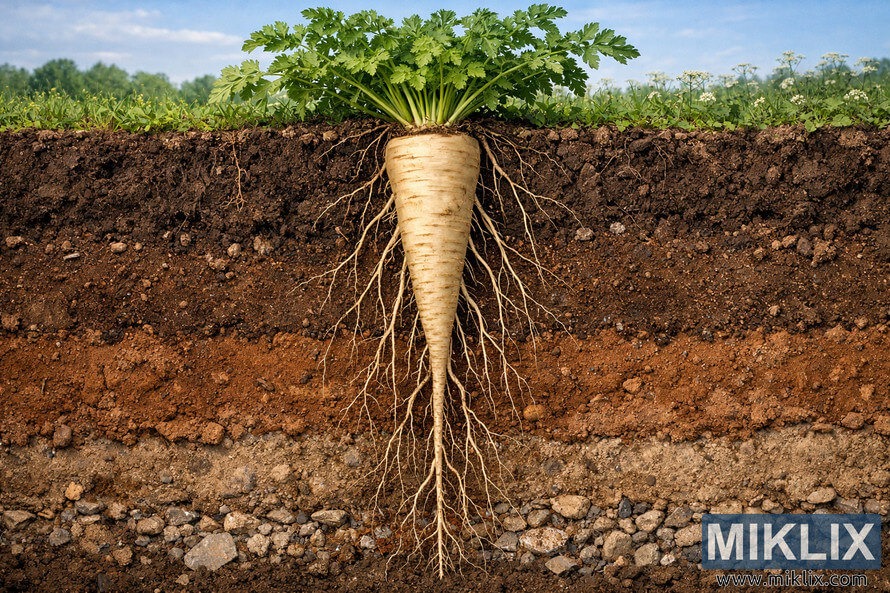
Click or tap the image for more information and higher resolutions.
Choosing the Right Parsnip Varieties
Selecting appropriate varieties impacts your growing success significantly. Different parsnip types suit various garden conditions and culinary preferences. Understanding variety characteristics helps you make informed choices.
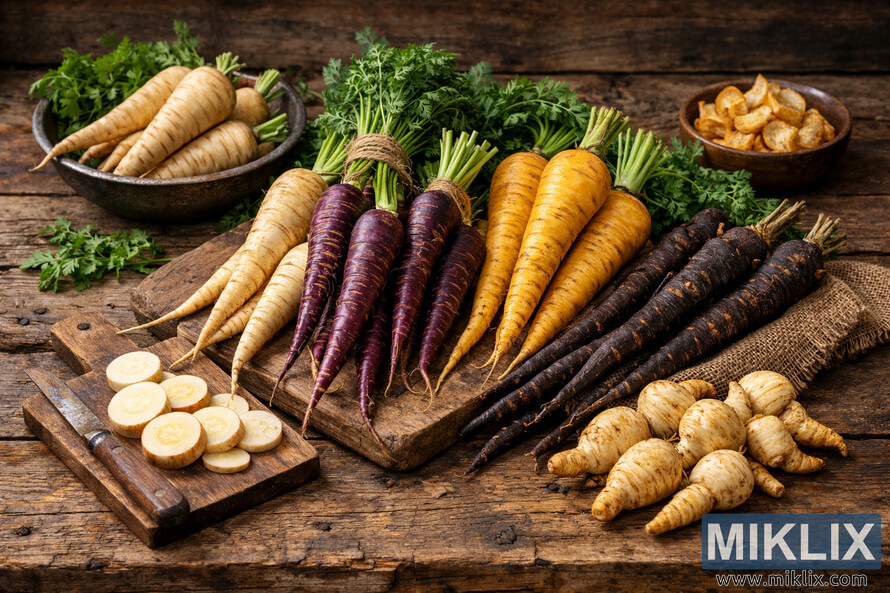
Click or tap the image for more information and higher resolutions.
Popular Parsnip Varieties for Home Gardens
Hollow Crown
This heirloom variety remains a garden favorite for good reason. Hollow Crown produces long, uniform roots with excellent flavor. The variety adapts well to different soil types.
- Roots reach 12-15 inches long
- Matures in 105-120 days
- Outstanding sweet flavor
- Reliable germination
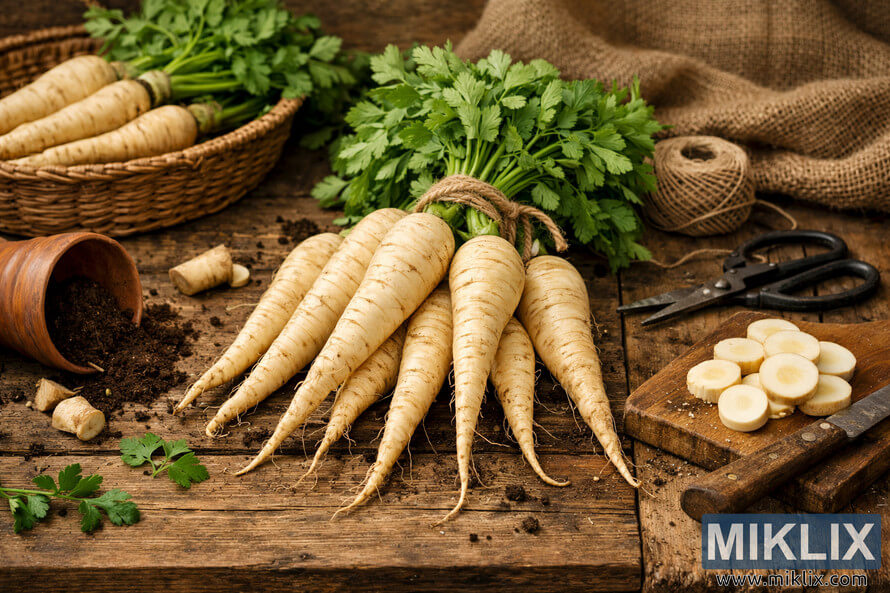
Click or tap the image for more information and higher resolutions.
Gladiator
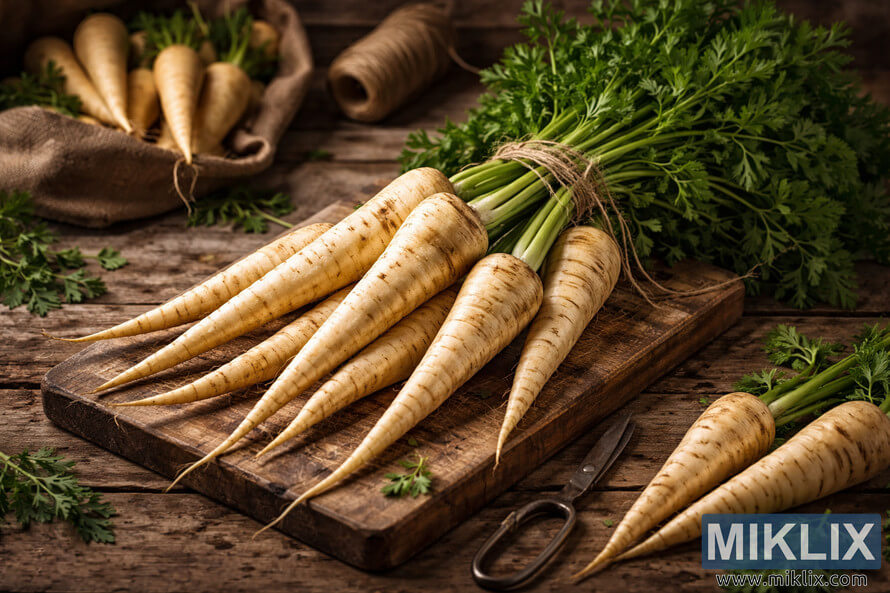
A modern hybrid variety known for disease resistance. Gladiator produces smooth, white roots with minimal side roots. This variety offers consistent performance across growing conditions.
- Canker-resistant variety
- Uniform root shape
- Matures in 110 days
- Good for heavy soils
Click or tap the image for more information and higher resolutions.
Javelin
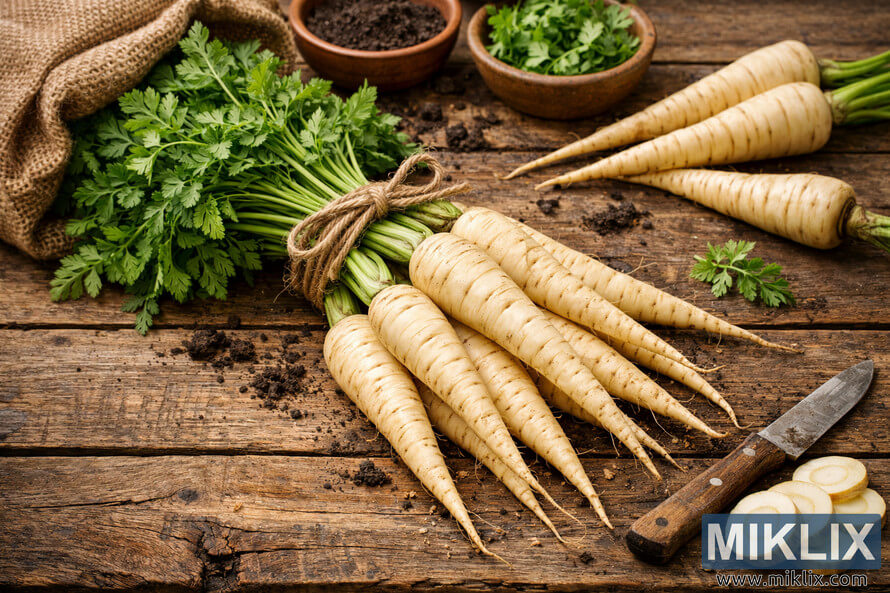
Excellent choice for shorter growing seasons. Javelin develops faster than traditional varieties. The roots maintain quality flavor despite quicker maturation.
- Matures in 90-100 days
- Smooth, white roots
- Good canker resistance
- Ideal for difficult soils
Click or tap the image for more information and higher resolutions.
Factors to Consider When Selecting Varieties
Your climate zone influences which varieties perform best. Parsnips need full sun and cool temperatures for optimal growth. Some varieties tolerate heat better than others.
Quick Tip: Match your variety selection to your garden's soil depth. Shorter varieties work better in shallow or rocky soils. Long-rooted types need deep, loose soil for proper development.
Disease resistance varies among parsnip varieties. Canker causes brown lesions on roots and reduces harvest quality. Choosing resistant varieties minimizes this common problem.
When to Plant Parsnip Seeds
Timing your planting correctly sets the foundation for success with growing parsnips. These cool-season crops have specific temperature requirements for germination and growth. Understanding seasonal patterns helps you achieve the best results.
Parsnips need cold temperatures to develop their characteristic sweetness. The roots actually improve in flavor after exposure to frost. This unique trait influences when you should plant and harvest.
Spring Planting Guidelines
Spring offers the ideal planting window for most gardeners. Start planting parsnip seeds as soon as you can work the soil. This typically occurs two to three weeks before your last expected frost date.
Soil temperatures should reach at least 45°F for germination. Seeds germinate best when temperatures range between 50-60°F. Cold soil causes slow, uneven germination that frustrates many gardeners.
Regional Planting Calendar
- Northern zones (3-5): Plant in April through early May
- Central zones (6-7): Plant in March through April
- Southern zones (8-9): Plant in February or wait until fall
- Mild winter areas (10-11): Plant in fall for winter harvest
Fall Planting Considerations
Fall planting works well in regions with mild winters. This approach lets you harvest parsnips throughout winter months. Calculate your planting date by counting back from first frost.
Parsnips need approximately sixteen to twenty weeks to mature. Add two weeks for slower fall growth rates. Plant accordingly to ensure roots develop before hard freezes arrive.
Click or tap the image for more information and higher resolutions.
Preparing Your Soil for Parsnips
Soil preparation makes the difference between mediocre and exceptional parsnip crops. These root vegetables demand loose, deep soil to develop properly. Investing time in soil prep pays dividends at harvest time.
Ideal Soil Conditions for Growing Parsnips
Parsnips thrive in deep, fertile soil rich in organic matter. The roots need to penetrate deeply without obstruction. Heavy clay or compacted soil causes twisted, forked roots that look unappealing.
Soil Texture Requirements
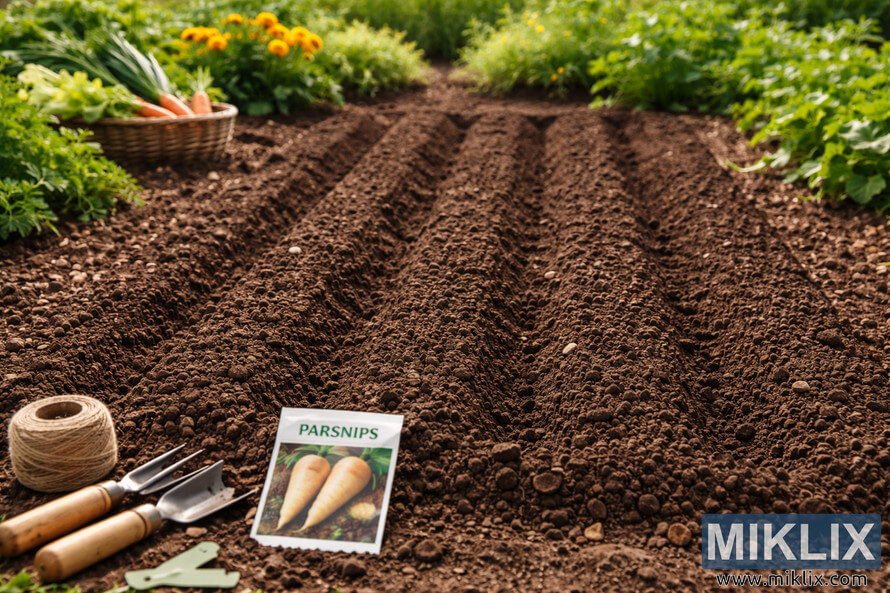
Loose, crumbly soil allows parsnip roots to grow straight and long. Work the soil to a depth of at least twelve to eighteen inches. This deep cultivation prevents root deformities.
Sandy loam provides ideal growing conditions. The texture drains well while retaining adequate moisture. Clay soils need significant amendment with compost and sand.
Click or tap the image for more information and higher resolutions.
pH and Nutrient Needs
Parsnips prefer slightly acidic to neutral soil. Target a pH between 6.0 and 7.0 for best growth. Test your soil before planting to determine if amendments are necessary.
Avoid adding fresh manure before planting parsnip seeds. High nitrogen levels cause excessive leaf growth at the expense of root development. Well-rotted compost works better.
Step-by-Step Soil Preparation
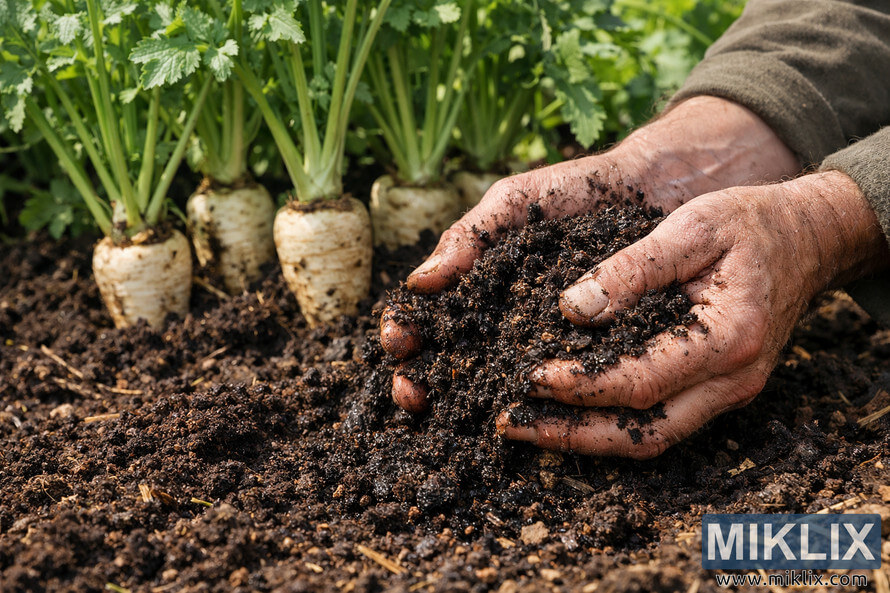
Remove all rocks, roots, and debris from the planting area. Even small obstructions cause root deformities.
Loosen soil to eighteen inches deep using a spading fork or tiller. Deep cultivation matters more for parsnips than most crops.
Incorporate two to three inches of compost or aged organic matter. This improves soil structure and provides slow-release nutrients.
Add a balanced organic fertilizer if soil tests show deficiencies. Follow package recommendations for application rates.
Rake the surface smooth and level. Create a fine seedbed for optimal seed-to-soil contact.
Consider raised beds if your native soil is heavy clay. Beds provide the depth and drainage parsnips require.
Click or tap the image for more information and higher resolutions.
Amending Problem Soils
Heavy clay soils present the biggest challenge for growing parsnips. These dense soils restrict root development and cause poor drainage. Several amendments improve clay structure over time.
Beneficial Soil Amendments
- Compost - Improves structure and fertility
- Coarse sand - Increases drainage in clay
- Peat moss - Lightens heavy soils
- Aged leaf mold - Adds organic matter
- Gypsum - Breaks up clay particles
Materials to Avoid
- Fresh manure - Burns roots, causes forking
- High nitrogen fertilizers - Produces leafy growth
- Fine sand - Can cement with clay
- Uncomposted wood chips - Depletes soil nitrogen
- Mushroom compost - Often too alkaline
Rocky soils require extra effort but can produce good parsnips. Sift out stones larger than one inch. Consider creating dedicated deep beds filled with imported topsoil mixed with compost.
How to Plant Parsnip Seeds
Planting parsnip seeds correctly improves germination rates significantly. These seeds have a reputation for poor germination. Fresh seed and proper technique overcome this challenge.
Seed Quality and Freshness
Parsnip seeds lose viability quickly compared to other vegetables. Purchase fresh seed each year for best results. Old seed may germinate poorly or not at all.
Store unused seeds in a cool, dry location. Refrigeration extends seed life somewhat. Even with proper storage, viability decreases significantly after one year.
Planting Technique for Success
Direct sowing works best for parsnips. These vegetables develop long taproots that dislike transplanting. The process of moving seedlings often damages roots and stunts growth.
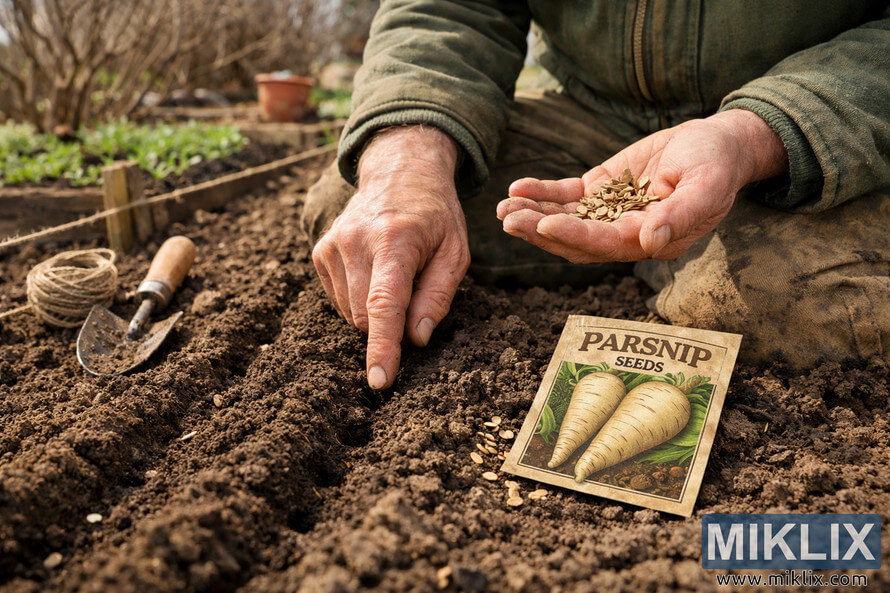
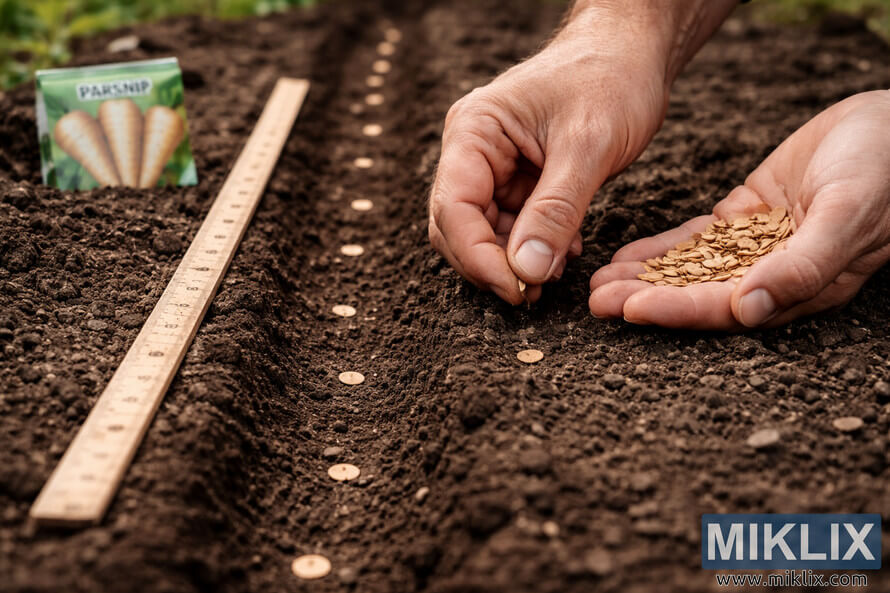
- Create furrows one-half inch deep in your prepared bed. Use a hoe or stick to make straight, even rows.
- Space rows twelve to eighteen inches apart. This distance allows adequate room for plant growth and garden maintenance.
- Sow seeds thickly along the row. Plant three to four seeds per inch since germination rates vary.
- Cover seeds lightly with fine soil or compost. Avoid burying them deeper than one-half inch.
- Firm the soil gently over planted seeds. This ensures good contact between seed and moist soil.
- Water the rows thoroughly but gently. Keep the seedbed consistently moist until germination occurs.
Click or tap the image for more information and higher resolutions.
Improving Germination Success
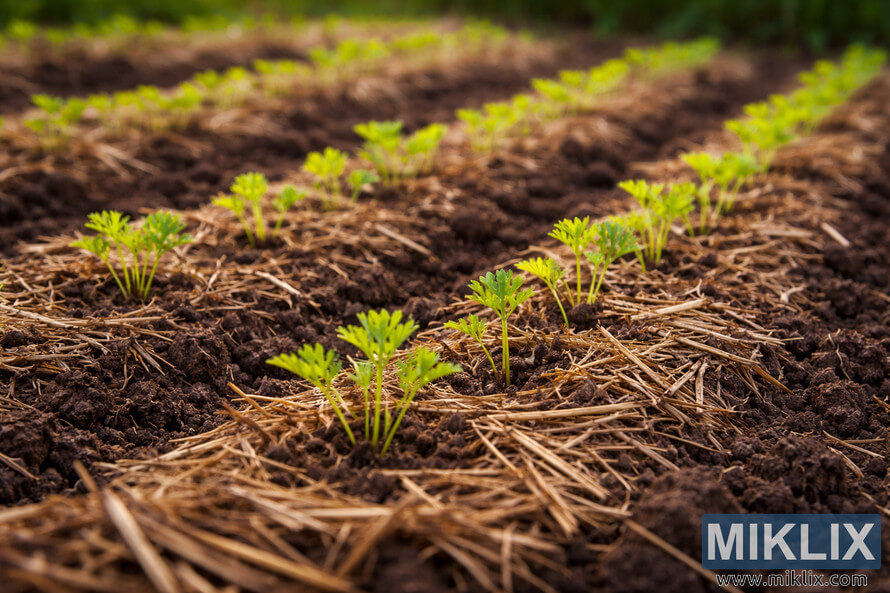
Parsnip seeds germinate slowly even under ideal conditions. Expect emergence to take two to three weeks. Some seeds may take up to four weeks to sprout.
Germination Booster: Soak parsnip seeds in water for 24 hours before planting. This softens the seed coat and speeds germination. Some gardeners add a dash of liquid kelp to the soaking water for additional benefit.
Companion planting with radishes helps mark your rows. Plant radish seeds mixed with parsnip seeds in the same furrow. Fast-growing radishes emerge first and show you where parsnips are planted. Harvest radishes before they compete with developing parsnips.
Click or tap the image for more information and higher resolutions.
Thinning Parsnip Seedlings
Thin seedlings once they reach two to three inches tall. This crucial step prevents overcrowding that leads to small, poorly formed roots. Overcrowded plants compete for nutrients and water.
Space plants three to four inches apart in the row. Use scissors to cut unwanted seedlings at soil level. Pulling seedlings disturbs roots of neighboring plants.
Some gardeners prefer wider spacing of six inches. This produces larger individual roots. Closer spacing yields more total weight per row but smaller individual parsnips.
Caring for Your Parsnip Crop
Consistent care throughout the long growing season ensures healthy plants and quality roots. Parsnips need regular attention but relatively simple maintenance. Focus on water, weeds, and soil health.
Watering Requirements
Parsnip plants need steady moisture levels for optimal growth. Irregular watering causes roots to crack or split. The soil should remain evenly moist but never waterlogged.
Provide one to two inches of water per week during the growing season. Deep, infrequent watering encourages roots to grow downward. Shallow, frequent watering produces weak root systems.
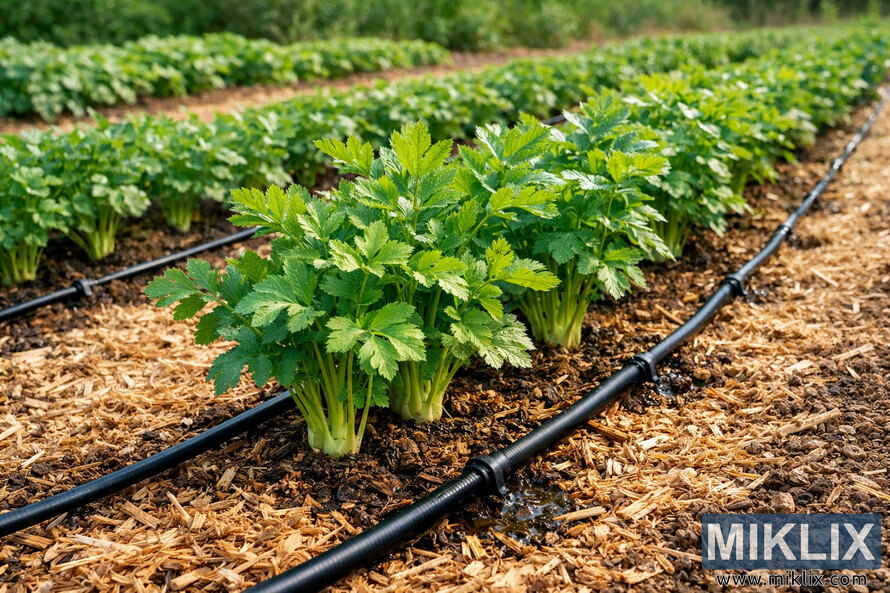
Water deeply to reach the full depth where parsnip roots grow. Surface watering fails to benefit developing roots. Use a soaker hose or drip irrigation for efficiency.
Reduce watering slightly as roots approach maturity. Too much moisture late in the season dilutes flavor. Moderate water stress concentrates sugars in the roots.
Mulch helps maintain consistent soil moisture levels. Apply two to three inches of organic mulch around plants. Straw, leaves, or grass clippings work well.
Fertilizing During Growth
Parsnips grow best with moderate fertility levels. Heavy feeding produces lush leaves but poor root development. The crop prefers steady, low levels of nutrients.
Side-dress plants with compost midway through the season. Apply a thin layer beside the rows and work it lightly into the soil. This provides slow-release nutrition.
- Avoid Excess Nitrogen: High nitrogen fertilizers cause excessive leaf growth and forked roots. Parsnips need balanced nutrition with emphasis on phosphorus for root development. Choose fertilizers with lower first numbers on the label.
Click or tap the image for more information and higher resolutions.
Weed Control Strategies
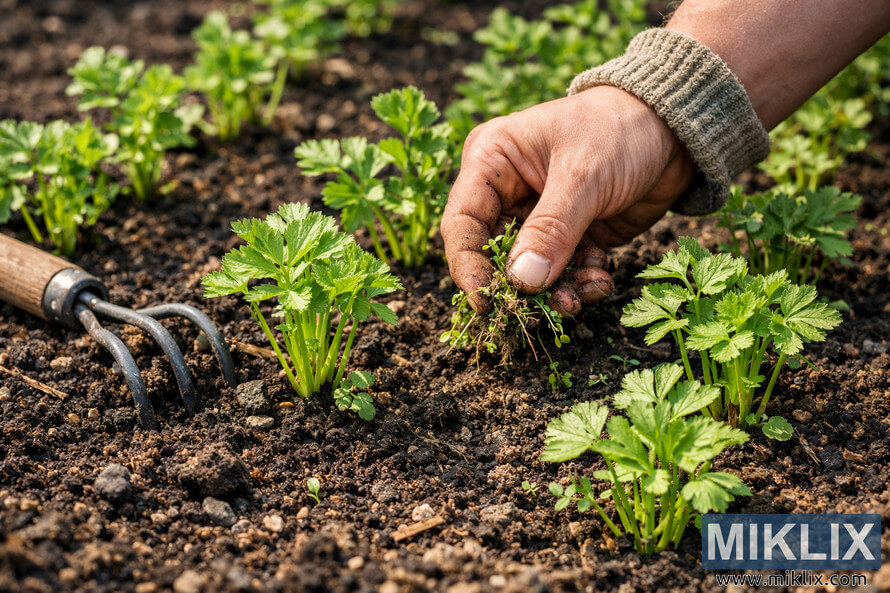
Weeds compete with parsnips for nutrients and water. Young parsnip seedlings grow slowly and struggle against aggressive weeds. Keep the area weed-free especially during the first two months.
Cultivate shallowly to avoid damaging developing roots. Hand-pulling weeds works better than hoeing once parsnip roots begin enlarging. Deep cultivation severs roots and ruins your crop.
Mulch between rows after seedlings establish themselves. A three-inch layer of organic mulch suppresses most weed growth. Mulch also moderates soil temperatures and conserves moisture.
Click or tap the image for more information and higher resolutions.
Monitoring Plant Health
Healthy parsnip plants display vigorous green foliage throughout the season. The leaves should appear dark green without yellowing or wilting. Monitor plants regularly for signs of stress or disease.
Check soil moisture levels weekly during dry weather. Stick your finger into the soil near plants. If the top two inches feel dry, water deeply.
Common Problems and Solutions
Growing parsnips comes with occasional challenges. Understanding potential problems helps you prevent them or respond quickly. Most issues have straightforward solutions when caught early.
Click or tap the image for more information and higher resolutions.
Pest Issues
Parsnips suffer from fewer pests than many garden vegetables. Several insects may still cause damage to leaves or roots. Early detection prevents serious crop loss.
Carrot Rust Fly
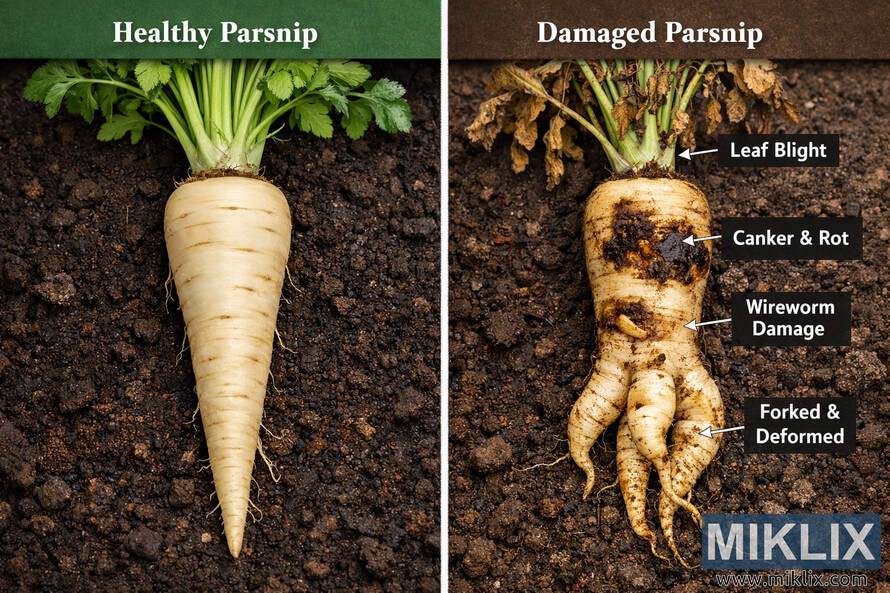
This pest attacks parsnip roots similarly to how it damages carrots. Adult flies lay eggs near plant bases. Larvae tunnel into roots causing brown trails and rot.
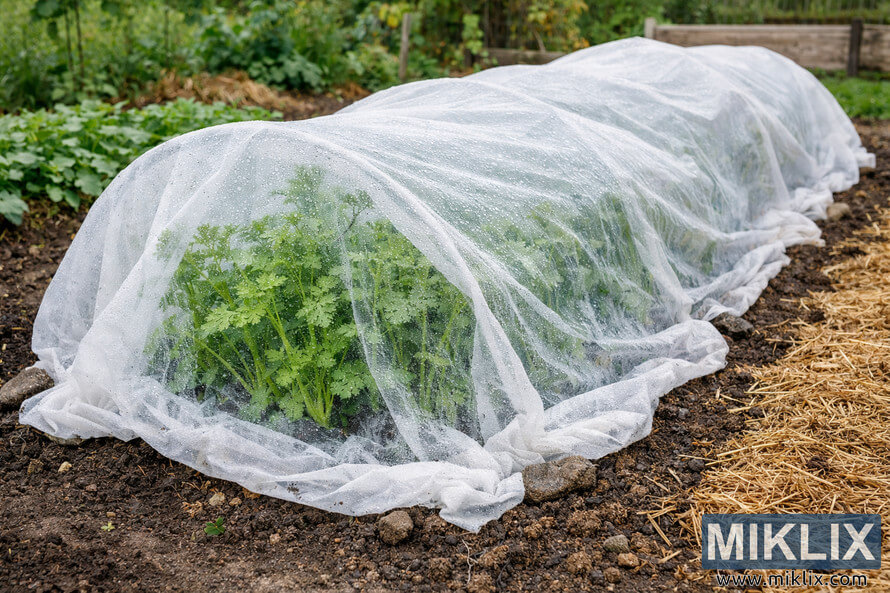
Row covers provide effective protection against carrot rust flies. Install lightweight fabric over rows immediately after planting. Secure edges to prevent fly entry.
Time your planting to avoid peak fly activity. The first generation emerges in late spring. A second generation appears in late summer. Planting between these periods reduces risk.
Click or tap the image for more information and higher resolutions.
Aphids
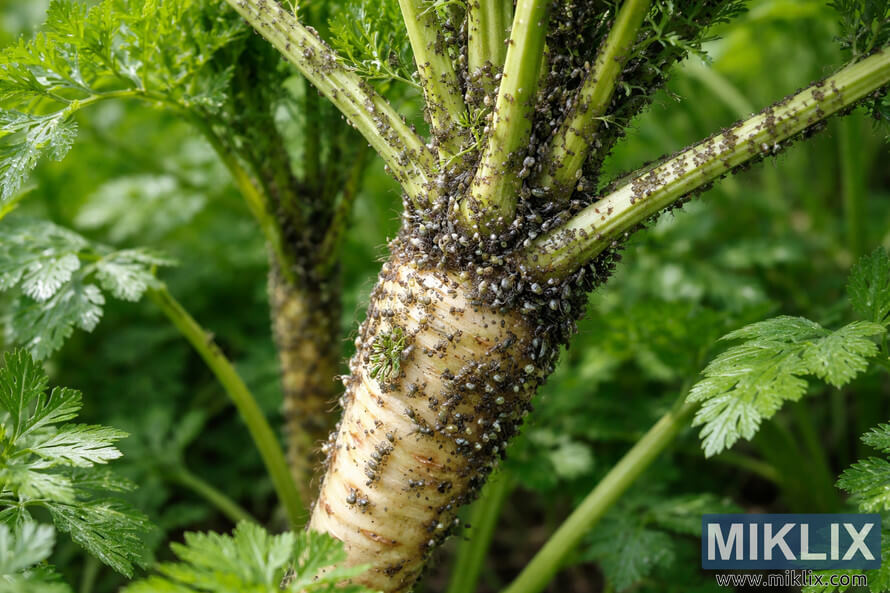
These small insects cluster on parsnip leaves and stems. They suck plant sap and weaken growth. Heavy infestations cause curled, distorted leaves.
Spray aphids off plants with a strong stream of water. Repeat every few days until populations decline. Insecticidal soap provides additional control for severe infestations.
Click or tap the image for more information and higher resolutions.
Disease Problems
Several diseases affect parsnips under certain conditions. Most disease problems result from excessive moisture or poor air circulation. Prevention works better than treatment.
Canker
This fungal disease creates brown or black lesions on parsnip roots. Canker spreads in wet soils and through wounds. It reduces storage quality and crop value.
Prevention Strategies
- Choose resistant varieties like Gladiator or Javelin
- Practice crop rotation with four-year intervals
- Improve soil drainage with organic matter
- Avoid wounding roots during cultivation
- Maintain proper plant spacing for air flow
- Remove infected plant debris promptly
Risk Factors
- Heavy, poorly drained soils
- Excessive rainfall or irrigation
- Compacted soil conditions
- Root damage from cultivation
- Growing parsnips in same location yearly
- Stressed plants with nutrient deficiencies
Leaf Blight
Fungal leaf blights cause yellow or brown spots on foliage. Severely affected leaves die back completely. The disease spreads rapidly during wet weather.
Remove and destroy infected leaves when you first notice symptoms. Avoid overhead watering that keeps foliage wet. Space plants adequately for good air circulation.
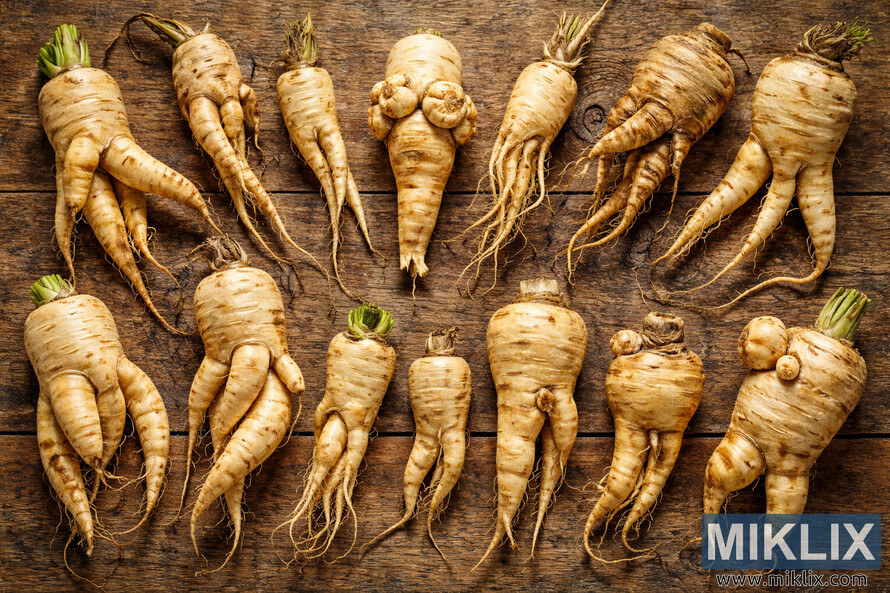
Growing Problems
Forked or Twisted Roots
Deformed roots result from various soil problems. Rocks, compaction, or obstacles force roots to grow around them. Fresh manure causes excessive forking.
Prepare soil thoroughly before planting to prevent these issues. Remove all rocks and break up compacted layers. Use only well-aged compost in the planting area.
Poor Germination
Several factors cause parsnip seeds to germinate poorly. Old seed loses viability quickly. Cold, wet soil prevents germination. Seed planted too deeply fails to emerge.
Buy fresh seed each year from reputable suppliers
Wait for soil temperatures to reach 50°F before planting
Plant seeds no deeper than one-half inch
Keep seedbed consistently moist until emergence
Protect planted areas from heavy rain that washes away seeds
Small or Woody Roots
Undersized roots usually indicate insufficient growing time. Parsnips need their full season to develop properly. Harvest too early yields small, immature roots.
Drought stress during growth produces tough, woody texture. Maintain consistent moisture throughout the season. Water deeply during dry periods to support root expansion.
Click or tap the image for more information and higher resolutions.
When and How to Harvest Parsnips
Timing your harvest correctly maximizes parsnip flavor and quality. These roots actually benefit from cold weather exposure. Frost converts starches to sugars and improves taste dramatically.
Determining Harvest Readiness
Parsnips reach maturity sixteen to twenty weeks after planting. Check seed packets for specific variety timing. Most varieties improve with patience and cold exposure.
Wait until after the first hard frost to harvest for best flavor. Temperatures below 32°F trigger sugar development in roots. Many gardeners wait until several frosts have occurred.
Root size indicates maturity as well. Mature parsnip roots measure one to two inches in diameter at the crown. They extend twelve to eighteen inches deep into soil.
You can harvest parsnips anytime after roots reach usable size. Some gardeners begin harvesting in fall. Others leave crops in the ground through winter for spring harvest.
Storage in Ground: Parsnips store perfectly in garden soil over winter. Heavy mulch protects them from deep freezing. Harvest as needed until new spring growth begins.
Click or tap the image for more information and higher resolutions.
Harvesting Technique
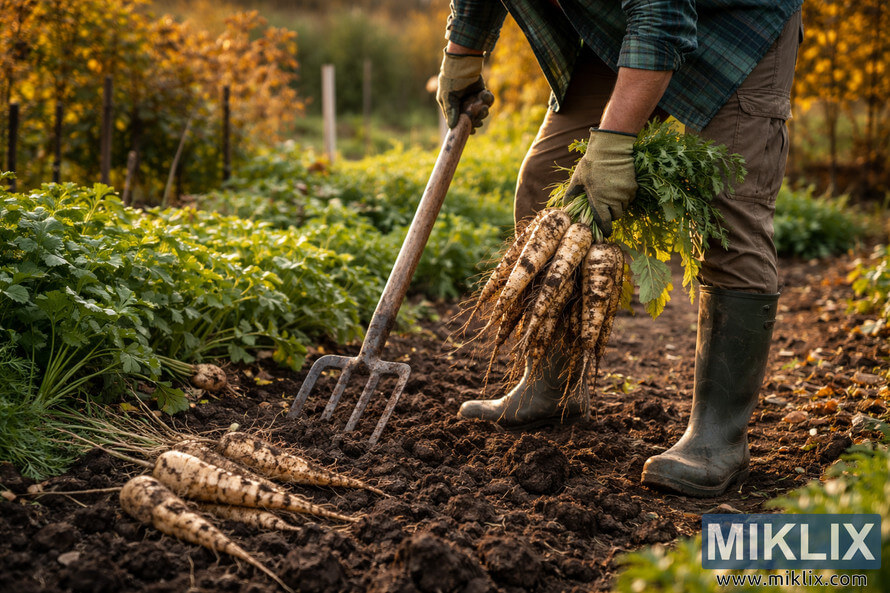
Use a spading fork to lift parsnips carefully from soil. Insert the fork several inches away from plants. Lever roots up gently to avoid breaking them.
Loosen soil around parsnips with a garden fork. Work the fork into soil six inches from the plant crown.
Rock the fork handle back and forth to break soil grip on roots. Avoid pulling on foliage which may separate from roots.
Lift roots carefully from the ground once soil loosens. Long parsnip roots break easily if forced.
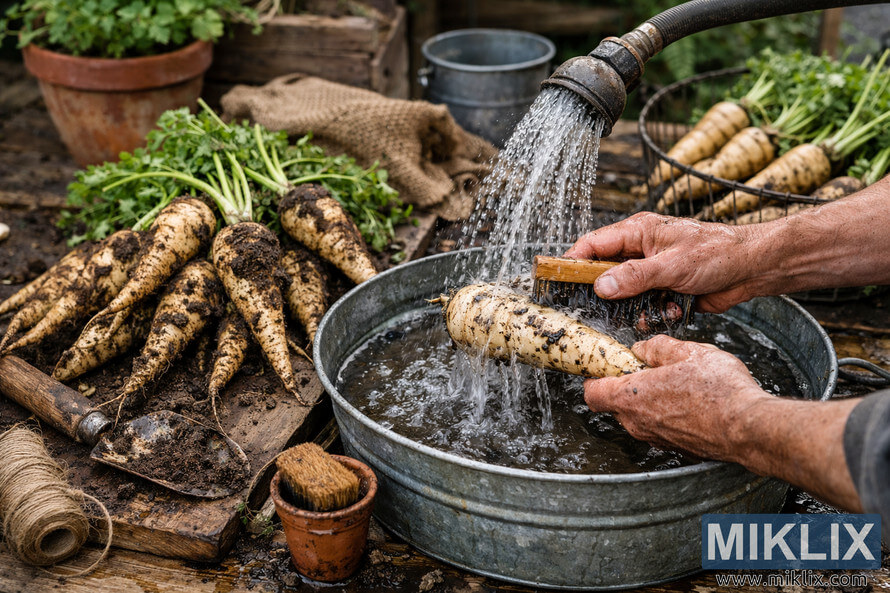
Brush excess soil from harvested roots. Leave some soil attached to protect roots during storage.
Cut foliage tops one inch above the crown. Leaving tops attached draws moisture from roots.
Handle roots gently to prevent bruising. Damaged areas rot quickly in storage.
Click or tap the image for more information and higher resolutions.
Dealing with Difficult Harvests
Clay soils hold roots tightly and make harvesting challenging. Water the area thoroughly one day before harvest. Moist soil releases roots more easily than dry, hard ground.
Very long roots sometimes break during harvest despite care. Don't worry about broken pieces. They taste just as good as whole roots. Use broken pieces first since they store poorly.
Frozen ground prevents harvest in cold regions during deep winter. Apply thick mulch in late fall before ground freezes. This keeps soil workable for winter harvest.
Storing and Using Your Parsnip Harvest
Proper storage preserves your parsnip harvest for months. These roots keep exceptionally well under correct conditions. Fresh parsnips from storage maintain quality better than most root vegetables.
Short-Term Storage
Refrigerator storage works well for several weeks. Place unwashed parsnips in perforated plastic bags. Store in the vegetable crisper drawer at 32-40°F.
Don't wash roots before storage. Excess moisture promotes rot. Simply brush off loose soil and refrigerate. Wash parsnips just before use.
Long-Term Storage Options
Root cellars provide ideal conditions for extended storage. Parsnips keep for four to six months at 32-35°F with 90-95% humidity. These specific conditions prevent shriveling and sprouting.
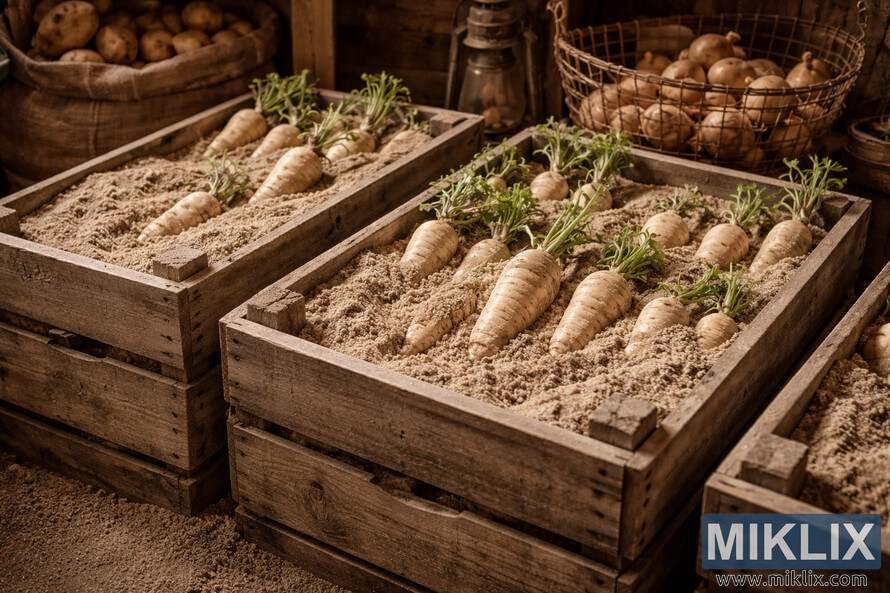
Sand Storage Method
Layer parsnips in boxes of damp sand for excellent long-term storage. This traditional method works wonderfully.
- Use wooden boxes or plastic bins
- Add 2 inches of damp sand
- Place parsnips without touching
- Cover with more sand
- Store in cool location
Freezing Parsnips
Frozen parsnips maintain quality for ten to twelve months. Blanching before freezing preserves texture and flavor.
- Peel and cut into pieces
- Blanch 2 minutes in boiling water
- Cool immediately in ice water
- Drain and pat dry
- Pack in freezer bags
In-Ground Storage
Leave parsnips in the garden over winter in mild climates. Mulch heavily to prevent deep freezing.
- Apply 12 inches of straw mulch
- Mark row locations
- Harvest as needed
- Remove before spring growth
- Best in zones 6-9
Click or tap the image for more information and higher resolutions.
Culinary Uses
Parsnips offer remarkable versatility in the kitchen. Their sweet, nutty flavor complements many dishes. Cooking methods range from simple to sophisticated.
Popular Cooking Methods
- Roasting brings out parsnips' natural sweetness beautifully. Cut into chunks, toss with olive oil, and roast at 400°F for 30-40 minutes. The edges caramelize and develop intense flavor.
- Mashing creates a delicious alternative to mashed potatoes. Boil parsnips until tender, then mash with butter and cream. The result tastes sweet and sophisticated.
- Soups showcase parsnips' creamy texture when pureed. Simmer with onions and broth, then blend until smooth. Add cream for elegant presentation.
- Frying thin parsnip slices makes crispy chips. Use a mandoline for uniform thickness. Fry in oil until golden brown and season with salt.
Flavor Pairings
Parsnips pair wonderfully with various ingredients. Their sweetness balances savory flavors. Consider these complementary combinations for your cooking.
- Herbs: Thyme, rosemary, parsley, and sage enhance parsnip dishes
- Spices: Nutmeg, cinnamon, curry powder, and black pepper add depth
- Vegetables: Carrots, potatoes, celery root, and onions combine well
- Proteins: Pork, chicken, beef, and lamb complement parsnip side dishes
- Dairy: Butter, cream, and aged cheeses enrich parsnip preparations
- Sweeteners: Honey, maple syrup, and brown sugar intensify natural sweetness

Click or tap the image for more information and higher resolutions.
Frequently Asked Questions About Growing Parsnips
Why won't my parsnip seeds germinate?
Parsnip seeds lose viability quickly and require specific conditions. Several factors affect germination success. Always purchase fresh seed each year from reliable suppliers. Old seed often fails completely.
Soil temperature plays a crucial role. Seeds germinate poorly below 50°F. Wait until soil warms adequately before planting. Cold, wet soil causes seed rot rather than germination.
Planting depth matters significantly. Seeds buried deeper than one-half inch struggle to emerge. Keep seedbeds consistently moist but not waterlogged until sprouts appear after two to four weeks.
Can I grow parsnips in containers?
Container growing works for parsnips but requires special consideration. Choose containers at least 18 inches deep for adequate root development. Standard pots don't provide sufficient depth.
Use large containers like half barrels or tall planters. Fill with loose, well-draining potting mix. Add compost for fertility and moisture retention.
Select shorter varieties for container cultivation. Varieties like Javelin or Arrow mature at shorter lengths. Monitor moisture carefully since containers dry faster than garden beds.
How long do parsnips take to grow?
Most parsnip varieties require 16 to 20 weeks from seed to harvest. This long growing season separates parsnips from faster vegetables. Some varieties mature slightly quicker at 90-100 days.
Growing conditions affect maturation timing. Cool weather slows growth while warm soil speeds development. Plant in early spring to ensure adequate growing time before winter.
Harvest timing depends on personal preference. Roots reach edible size before full maturity. However, waiting for frost exposure dramatically improves flavor through sugar development.
Do parsnips need full sun?
Yes, parsnips need full sun for optimal growth and root development. Provide at least six to eight hours of direct sunlight daily. More sun produces larger, sweeter roots.
Partial shade reduces yield and quality significantly. Plants growing in shade develop smaller roots with less sweetness. Foliage may appear healthy but underground growth suffers.
Choose the sunniest garden location for your parsnip crop. South-facing areas receive maximum sunlight in most locations. Avoid spots shaded by buildings, fences, or trees.
Why are my parsnips forked or deformed?
Forked roots result from obstacles encountered during growth. Rocks, compacted soil, or debris force roots to grow around obstructions. Thorough soil preparation prevents most deformities.
Fresh manure causes excessive forking when added before planting. High nitrogen levels stimulate branching and irregular growth. Use only aged compost in the planting area.
Root knot nematodes create bumpy, twisted parsnips. These microscopic pests damage root development. Practice crop rotation and choose resistant varieties if nematodes are present.
When is the best time to harvest parsnips?
The best harvest time occurs after several hard frosts in fall or winter. Cold temperatures convert starches to sugars and improve flavor dramatically. Many gardeners wait until after Thanksgiving.
You can harvest parsnips anytime after roots reach usable size. Early harvest produces less sweet roots with milder flavor. Patient gardeners who wait for cold exposure enjoy superior taste.
In mild climates, leave parsnips in the ground all winter. Heavy mulch protects them from freezing. Harvest as needed until new growth begins in spring.
Can parsnips be planted in fall?
Fall planting works in regions with mild winters and long growing seasons. This approach allows winter harvest in zones 8-10. Calculate planting dates by counting back from expected frost.
Cold winter areas should stick with spring planting. Parsnips need four to five months of growing time. Fall-planted crops in northern zones won't mature before hard freezes arrive.
Some gardeners plant in late fall for early spring germination. Seeds overwinter in soil and sprout when conditions warm. This risky method works only in specific climate zones.
What's the difference between parsnips and carrots?
Parsnips and carrots belong to the same plant family but differ significantly. Parsnips produce cream-colored roots with a sweet, nutty flavor. Carrots come in various colors with different flavor profiles.
Growing requirements differ slightly between these crops. Parsnips need a longer growing season and benefit from cold exposure. Carrots mature faster and don't require frost for sweetness.
Parsnips grow larger than most carrots with deeper root penetration. They demand deeper soil preparation for proper development. Both vegetables share similar pest and disease problems.
Start Growing Delicious Parsnips Today
Growing parsnips rewards patient gardeners with exceptional flavor and nutrition. These underappreciated roots deserve space in every vegetable garden. The long growing season builds anticipation for harvest time.
Success with parsnips comes from following proven techniques. Deep soil preparation sets the foundation for straight, healthy roots. Fresh seed, proper spacing, and consistent moisture support steady growth throughout the season.
Cold weather transforms parsnips from good to extraordinary. Those first hard frosts work magic on flavor development. Gardeners who wait for winter harvest discover why parsnips command such loyalty among enthusiasts.
Your first parsnip harvest may feel like a small miracle. Pulling those long, sweet roots from cold soil brings tremendous satisfaction. Few vegetables offer such rewarding results for relatively simple care.
Start your parsnip journey this season. Prepare your soil deeply, plant fresh seeds, and practice patience. Before you know it, you'll harvest cream-colored roots sweeter than anything available at stores.
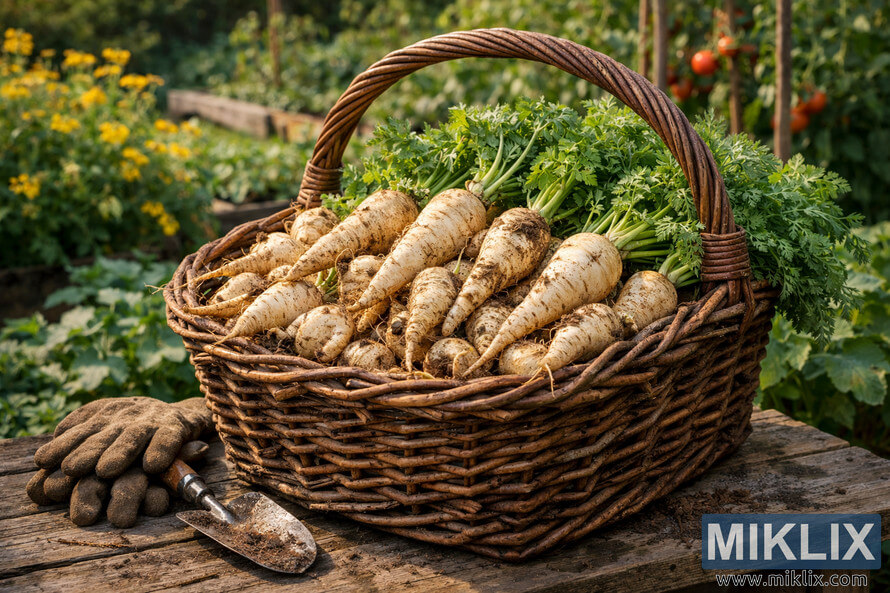
Click or tap the image for more information and higher resolutions.
Further Reading
If you enjoyed this post, you may also like these suggestions:
- A Guide to Growing Goji Berries in Your Home Garden
- A Guide to Growing Wheatgrass at Home
- Top Apple Varieties and Trees to Grow in Your Garden