
A Complete Guide to the Health Benefits of Lavender
Gepubliceerd:
Laatst bijgewerkt: 4 juli 2026 om 11:07:00 UTC
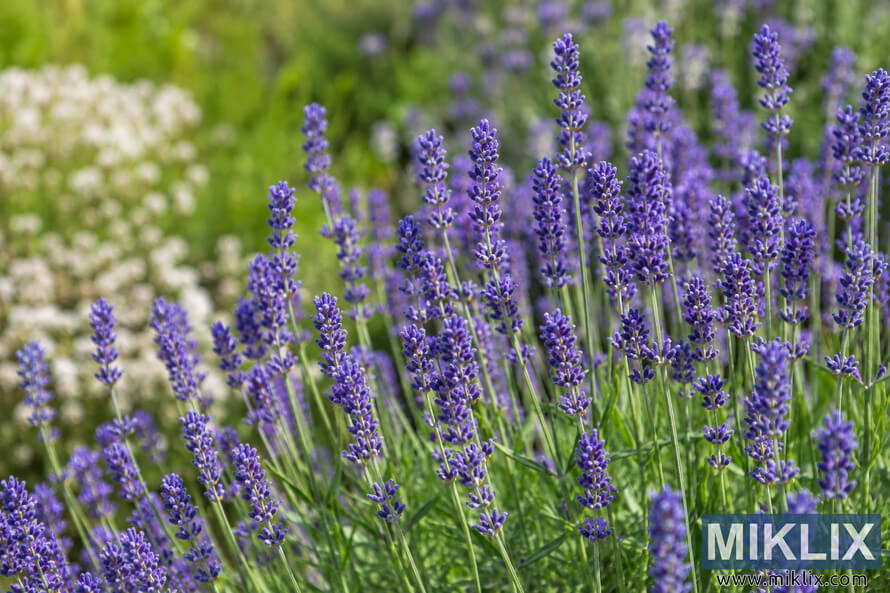
Lavender has captivated humans for thousands of years with its distinctive aroma and remarkable healing properties. This purple-flowering plant transforms gardens into fragrant sanctuaries while offering powerful health benefits backed by modern science.
A Complete Guide to the Health Benefits of Lavender
Klik of tik op de afbeelding voor meer informatie en hogere resoluties.
Ancient civilizations recognized lavender's therapeutic potential long before clinical studies confirmed its effectiveness. Today, this versatile plant serves as a cornerstone of natural wellness practices worldwide.
Whether you struggle with restless nights, daily anxiety, or persistent pain, lavender offers evidence-based solutions. This comprehensive guide explores how this remarkable plant can enhance your health and wellbeing through various applications and forms.
The Rich History of Lavender in Traditional Medicine
Ancient Egyptians incorporated lavender into their mummification rituals, recognizing its preservative and aromatic qualities. The plant held such significance that archaeologists discovered traces of lavender in King Tutankhamun's tomb after 3,000 years.
Romans elevated lavender use throughout their empire. They added the flowers to bathwater for relaxation and healing, giving the plant its name from the Latin word "lavare," meaning "to wash."
Medieval monasteries cultivated extensive lavender gardens. Monks understood the plant's medicinal properties and used it to treat headaches, nervous disorders, and various ailments that plagued their communities.
During the plague years, thieves reportedly used lavender-infused vinegar to protect themselves while robbing victims. This "Four Thieves Vinegar" became legendary for its protective properties against infectious diseases.
Queen Victoria of England popularized lavender throughout the British Empire in the 19th century. She demanded lavender products for cleaning, fragrance, and personal care, establishing the plant as a symbol of cleanliness and refinement.
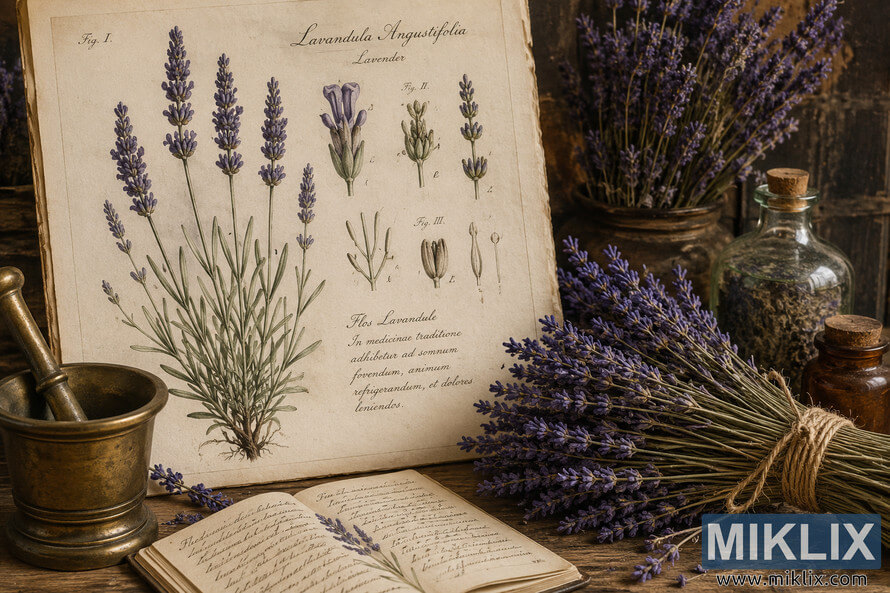
Traditional healers across cultures have used lavender for over 2,500 years to treat conditions ranging from insomnia to skin infections, laying the foundation for modern scientific investigation.
Klik of tik op de afbeelding voor meer informatie en hogere resoluties.
Scientifically-Proven Anxiety Relief Properties
Modern research validates what traditional practitioners knew intuitively: lavender possesses remarkable anxiety-reducing capabilities. Clinical studies demonstrate that lavender affects neurotransmitter systems in ways that promote calmness and emotional balance.
How Lavender Reduces Anxiety
Lavender's active compounds interact with the gamma-aminobutyric acid (GABA) system in the brain. This neurotransmitter system regulates anxiety and stress responses throughout the nervous system.
Research published in the Journal of Phytotherapy Research found that lavender essential oil capsules significantly reduced anxiety scores in patients with generalized anxiety disorder. Participants experienced improvements comparable to prescription anti-anxiety medications, without the associated side effects.
- Reduces cortisol levels by up to 32% during stressful situations
- Decreases heart rate and blood pressure indicators of stress
- Improves mood and emotional wellbeing within 30 minutes of inhalation
- Enhances cognitive performance during anxiety-inducing tasks
- Provides relief without causing drowsiness or impaired function
Klik of tik op de afbeelding voor meer informatie en hogere resoluties.
Clinical Evidence for Anxiety Management
A comprehensive study involving 221 adults with anxiety disorders showed remarkable results. Participants who used standardized lavender oil preparations experienced a 45% reduction in anxiety symptoms over eight weeks.
The therapeutic effects proved sustainable over time. Follow-up assessments revealed that benefits persisted for weeks after treatment concluded, suggesting lavender may provide lasting neurological changes.
Klik of tik op de afbeelding voor meer informatie en hogere resoluties.
Professional Insight: While lavender shows impressive anxiety-reducing effects, individuals with severe anxiety disorders should consult healthcare providers before replacing prescribed medications with natural alternatives.
Klik of tik op de afbeelding voor meer informatie en hogere resoluties.
Lavender's Powerful Sleep-Enhancing Effects
Sleep disturbances affect millions worldwide, diminishing quality of life and contributing to serious health conditions. Lavender offers a natural, non-addictive solution for achieving restorative sleep without pharmaceutical intervention.
Scientific Evidence for Sleep Improvement
Research consistently demonstrates lavender's ability to improve sleep quality across diverse populations. A meta-analysis of 15 studies found that lavender aromatherapy significantly enhanced sleep quality in patients with insomnia, postpartum women, and cardiac patients.
Polysomnography studies reveal that lavender increases deep sleep stages while reducing rapid eye movement (REM) disturbances. Participants exposed to lavender scent before bed spent more time in restorative slow-wave sleep.
Sleep Quality Improvements
- Reduces time needed to fall asleep by an average of 14 minutes
- Increases total sleep duration by 45-84 minutes per night
- Decreases nighttime awakenings and restlessness
- Enhances morning alertness and daytime energy levels
- Improves sleep satisfaction ratings by 36-48%
Mechanisms of Action
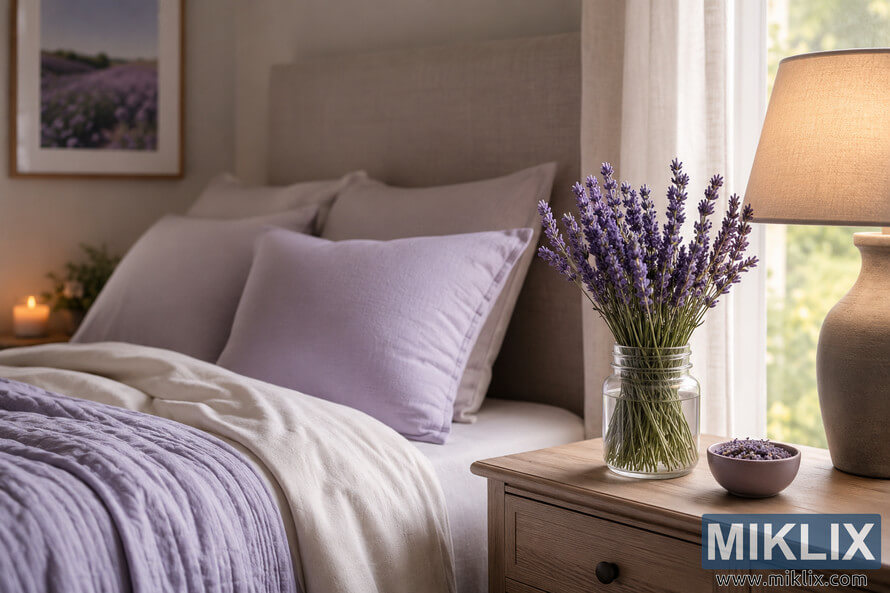
Lavender promotes sleep through multiple biological pathways. The aroma stimulates olfactory nerves, triggering brain regions that regulate sleep-wake cycles and circadian rhythms.
Key compounds like linalool and linalyl acetate slow neural activity and reduce sympathetic nervous system arousal. This physiological relaxation creates ideal conditions for natural sleep onset.
Klik of tik op de afbeelding voor meer informatie en hogere resoluties.
Practical Applications for Better Sleep
Integrating lavender into bedtime routines produces measurable sleep improvements. Research shows that consistent use over two weeks yields the most significant benefits as the body adapts to the therapeutic cues.
Organic Lavender Sleep Tea
Klik of tik op de afbeelding voor meer informatie en hogere resoluties.
Lavender Pillow & Linen Spray
Klik of tik op de afbeelding voor meer informatie en hogere resoluties.
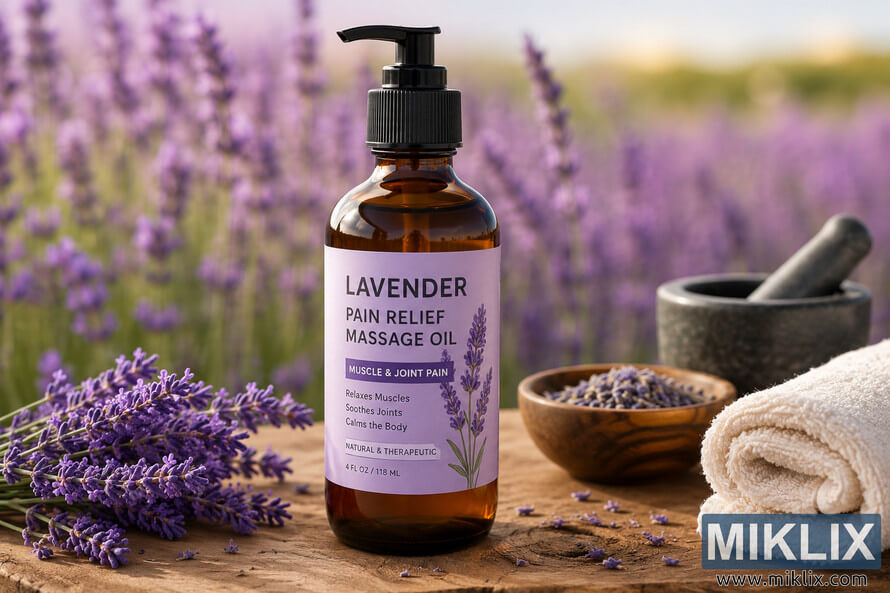
Pain Conditions Relieved
- Tension headaches and migraines
- Muscle soreness and inflammation
- Arthritis-related joint pain
- Menstrual cramps and discomfort
- Post-surgical pain and recovery
- Chronic back and neck pain
Application Methods
- Topical massage with diluted oil
- Aromatherapy inhalation during pain episodes
- Warm compress with lavender-infused water
- Addition to bath water for full-body relief
- Direct inhalation from bottle for acute pain
- Regular diffusion for chronic pain management
Effectiveness Factors
- Essential oil quality and purity level
- Proper dilution ratios for safety
- Consistent application schedule
- Individual sensitivity and response
- Combination with other therapies
- Type and severity of pain condition
Mechanisms of Pain Relief
Lavender reduces pain through anti-inflammatory and analgesic pathways. Studies show it inhibits inflammatory mediators like prostaglandins and cytokines that trigger pain signals throughout the body.
The plant's compounds also modulate pain perception in the central nervous system. Linalool activates opioid receptors and enhances endorphin production, creating natural pain relief without pharmaceutical side effects.
Klik of tik op de afbeelding voor meer informatie en hogere resoluties.
Lavender's Remarkable Skin Care Properties
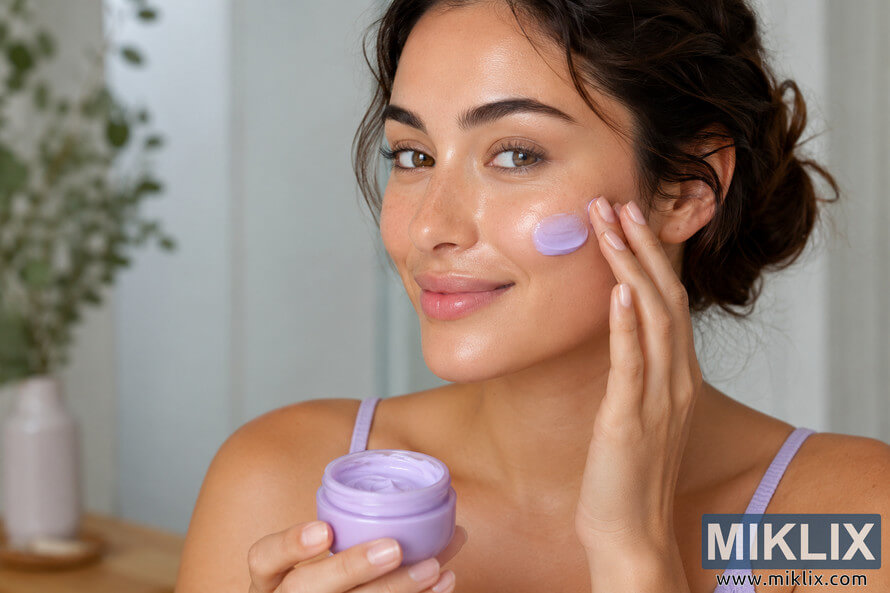
The skin, our body's largest organ, benefits tremendously from lavender's therapeutic compounds. Dermatological research reveals powerful antimicrobial, anti-inflammatory, and regenerative properties that address multiple skin concerns effectively.
Klik of tik op de afbeelding voor meer informatie en hogere resoluties.
Scientifically-Verified Skin Benefits
Laboratory studies demonstrate lavender's ability to accelerate wound healing by up to 35% compared to control treatments. The essential oil stimulates collagen synthesis and promotes new tissue formation in damaged skin areas.
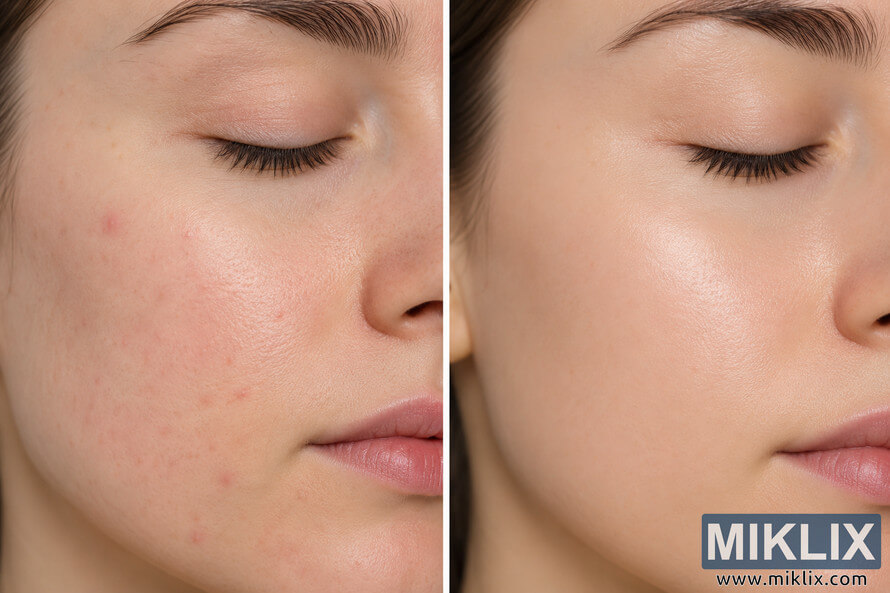
Acne treatment research shows promising results. Lavender oil exhibits antibacterial activity against Propionibacterium acnes, the primary bacteria responsible for inflammatory acne lesions, without causing antibiotic resistance.
Skin Conditions Improved by Lavender
- Acne and inflammatory breakouts
- Eczema and atopic dermatitis
- Minor burns and sunburn damage
- Cuts, scrapes, and wound healing
- Age spots and hyperpigmentation
- Dry, irritated, or inflamed skin
- Fine lines and premature aging signs
- Insect bites and allergic reactions
Klik of tik op de afbeelding voor meer informatie en hogere resoluties.
Active Compounds and Their Effects
Lavender contains over 160 bioactive compounds that contribute to skin health. Linalool and linalyl acetate provide anti-inflammatory effects, reducing redness and irritation associated with various skin conditions.
Antioxidant flavonoids protect skin cells from free radical damage and environmental stressors. These compounds help prevent premature aging while supporting the skin's natural repair mechanisms.
| Skin Benefit | Active Compound | Mechanism of Action | Clinical Evidence |
| Wound Healing | Linalool | Stimulates collagen synthesis | 35% faster healing rate |
| Acne Reduction | Camphor | Antibacterial activity | 62% reduction in lesions |
| Anti-Aging | Antioxidants | Free radical neutralization | 28% improvement in elasticity |
| Eczema Relief | Beta-caryophyllene | Anti-inflammatory effects | 45% symptom reduction |
| Scar Reduction | Linalyl acetate | Tissue regeneration | 41% improvement in appearance |
Safe Application Methods for Skin
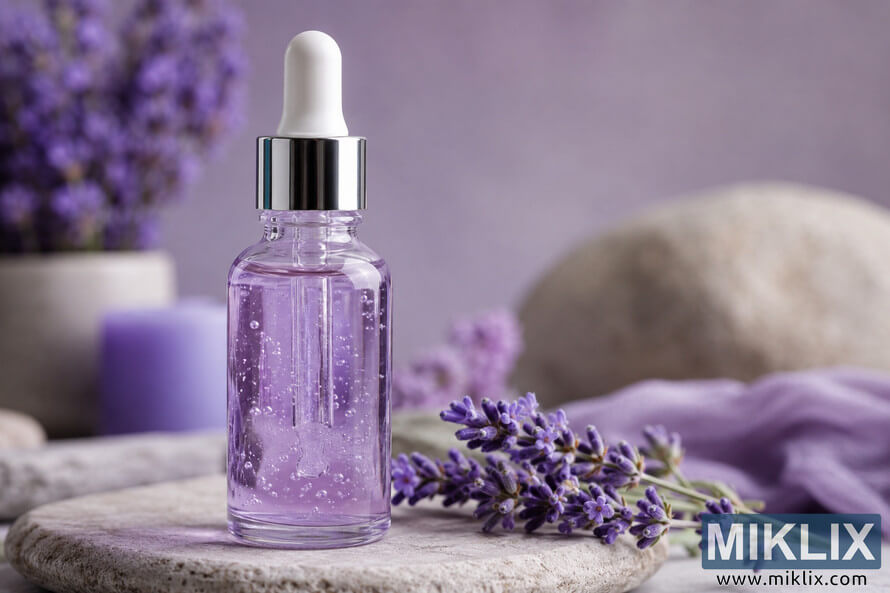
Proper dilution ensures safety and maximizes benefits when using lavender on skin. Essential oils should always be mixed with carrier oils before topical application to prevent irritation and sensitization.
A 2-3% dilution ratio works well for most skin applications. This translates to approximately 12-18 drops of lavender essential oil per ounce of carrier oil like jojoba, sweet almond, or coconut oil.
Klik of tik op de afbeelding voor meer informatie en hogere resoluties.
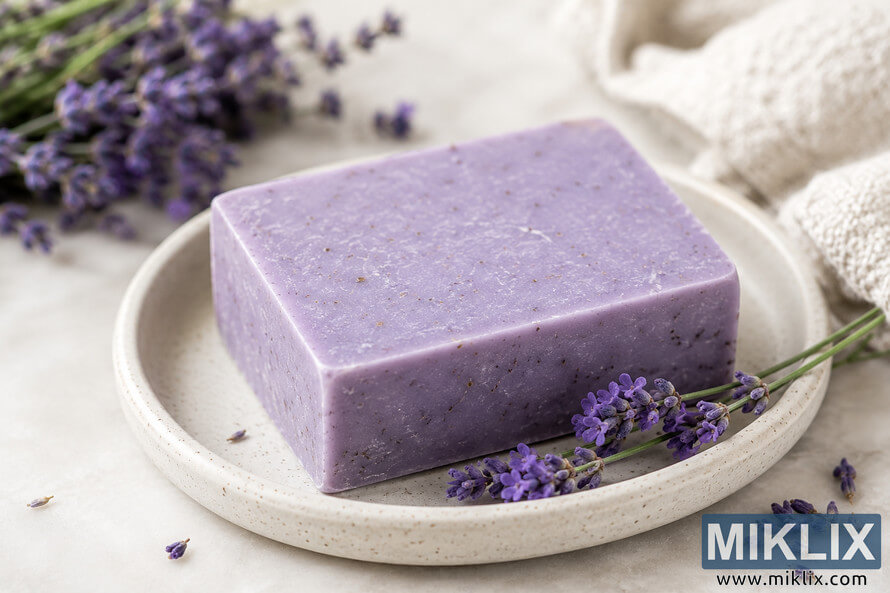
Klik of tik op de afbeelding voor meer informatie en hogere resoluties.
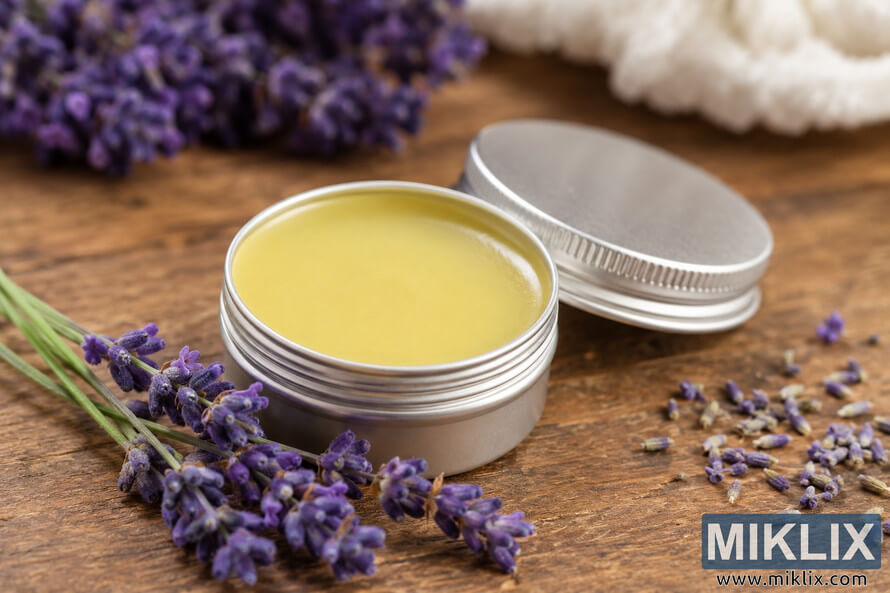
Klik of tik op de afbeelding voor meer informatie en hogere resoluties.
Different Forms of Lavender for Therapeutic Use
Lavender's versatility shines through its various available forms, each offering unique benefits and application methods. Understanding these different formats helps you choose the most effective option for your specific health goals.
Lavender Essential Oil
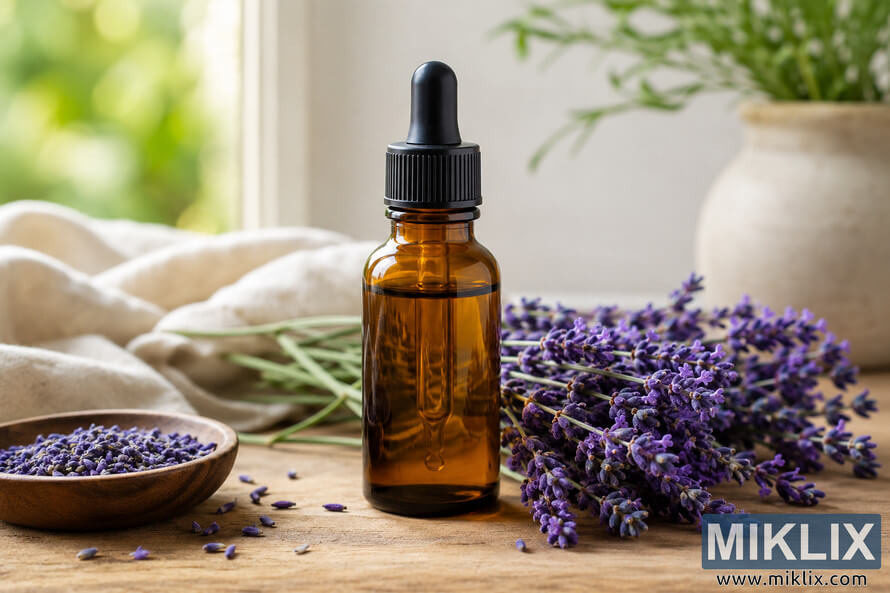
Essential oil represents the most concentrated form of lavender's therapeutic compounds. Steam distillation extracts volatile aromatic molecules from flower spikes, creating a potent liquid that contains the plant's most powerful healing properties.
High-quality essential oil requires approximately 150 pounds of lavender flowers to produce just one pound of oil. This concentration explains both its potency and higher cost compared to other forms.
Essential Oil Applications and Benefits
- Aromatherapy diffusion for mood and sleep benefits
- Topical application when properly diluted with carrier oils
- Addition to bath water for full-body relaxation
- Inhalation directly from bottle for immediate anxiety relief
- Incorporation into homemade skincare and wellness products
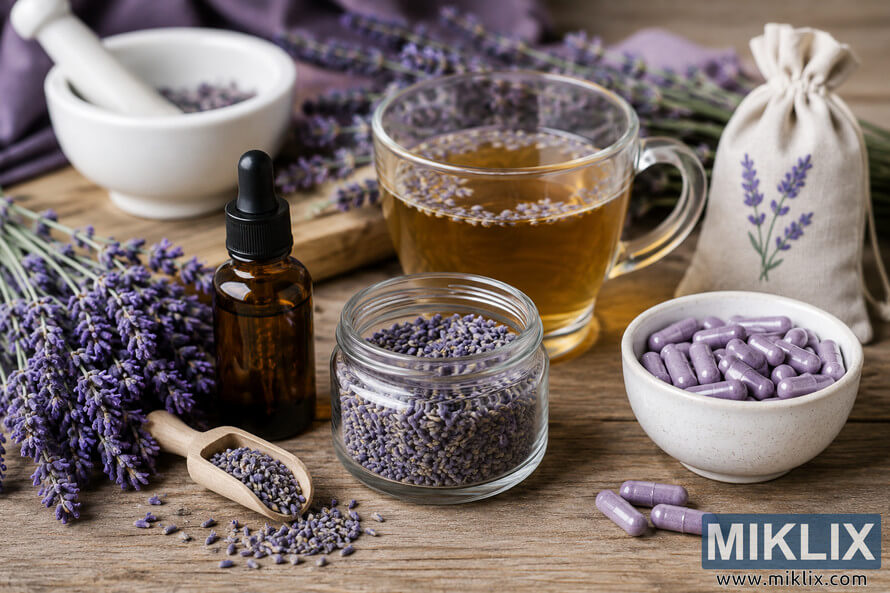
Klik of tik op de afbeelding voor meer informatie en hogere resoluties.
Lavender Tea and Herbal Infusions
Dried lavender flowers create soothing teas that deliver therapeutic benefits through ingestion. The hot water extraction process releases water-soluble compounds that offer gentler, systemic effects throughout the body.
Tea provides a pleasant, accessible introduction to lavender's health benefits. The ritual of tea preparation and consumption adds relaxation benefits beyond the plant's chemical properties.
Tea Benefits
- Digestive support and reduced bloating
- Gentle sleep promotion without sedation
- Menstrual discomfort relief
- Respiratory support during cold season
- Hydration with therapeutic benefits
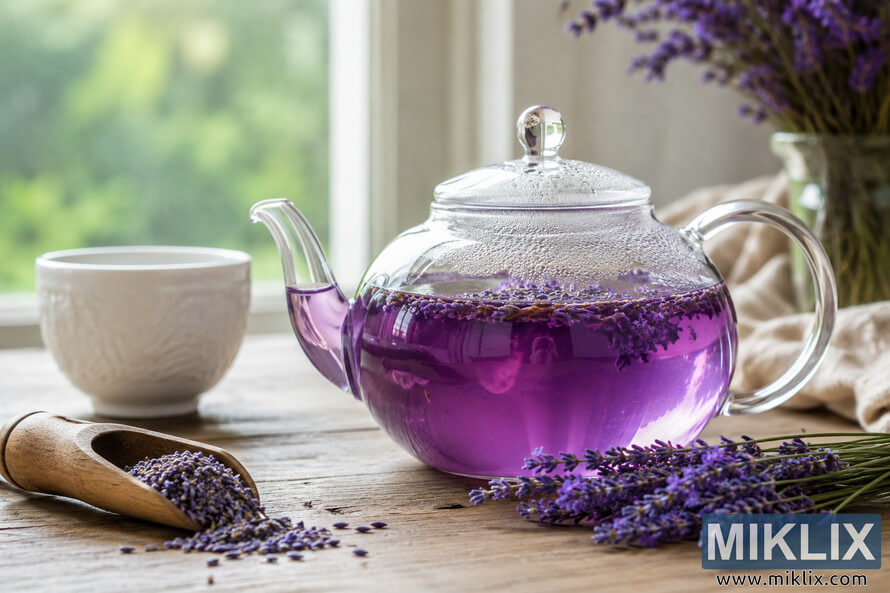
Klik of tik op de afbeelding voor meer informatie en hogere resoluties.
Lavender Supplements and Capsules
Standardized lavender supplements offer precise dosing and convenience for daily use. Pharmaceutical-grade capsules contain measured amounts of lavender oil, ensuring consistent therapeutic effects.
Clinical studies typically use lavender oil capsules containing 80-160mg of active compounds. This standardization allows reliable comparison of results and predictable therapeutic outcomes.
Supplement Advantages
Capsules eliminate taste concerns for those who find lavender's flavor unpleasant. The encapsulation also protects sensitive compounds from degradation by stomach acid, potentially enhancing bioavailability.
Standardized supplements provide quality assurance through third-party testing and batch consistency. This reliability makes them ideal for addressing specific health conditions with evidence-based dosing.
Essential Oil Best For
- Immediate aromatherapy effects
- Topical skin treatments
- Customizable dilution ratios
- Multiple application methods
- Long-term cost-effectiveness
- DIY product creation
Tea Best For
- Gentle introduction to lavender
- Digestive system benefits
- Relaxation rituals
- Caffeine-free evening beverage
- Hydration needs
- Pleasant flavor experience
Supplements Best For
- Precise dosage control
- Clinical-strength effects
- Convenient daily routine
- Travel-friendly format
- Taste-free administration
- Consistent therapeutic results
Other Lavender Product Forms
Beyond these primary categories, lavender appears in numerous specialized products. Hydrosols offer a gentler alternative to essential oils for facial misting and sensitive skin care.
Dried lavender buds serve multiple purposes from culinary applications to crafting sachets for drawers and closets. Tinctures provide alcohol-based extracts that combine portability with therapeutic potency.
Effective Methods of Lavender Application and Usage
Maximizing lavender's health benefits requires understanding proper application techniques for each form. Different methods deliver compounds through varied pathways, affecting onset time, duration, and intensity of effects.
Aromatherapy Inhalation Methods
Inhalation delivers lavender compounds directly to the olfactory system and lungs, creating rapid effects. Aromatic molecules travel through nasal passages to the brain's limbic system within seconds.
Direct Inhalation Technique
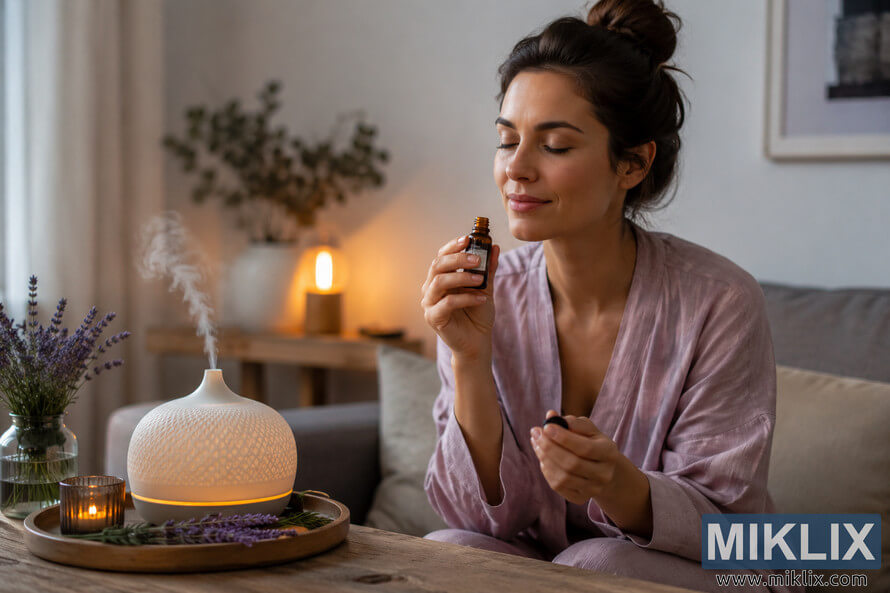
Open a bottle of pure lavender essential oil and hold it 2-3 inches from your nose. Take three slow, deep breaths, inhaling for four counts and exhaling for six counts. This method provides immediate anxiety relief during stressful moments.
Diffuser Aromatherapy
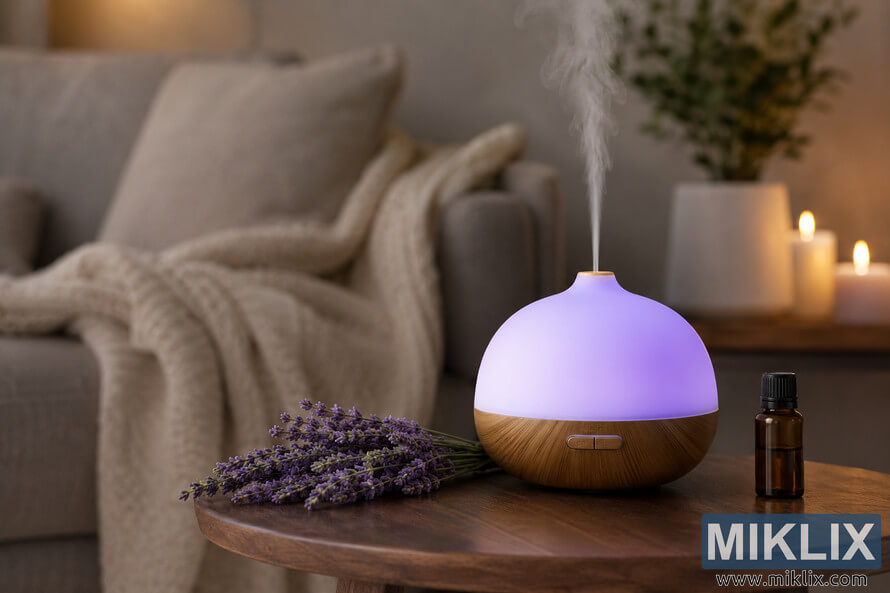
Add 5-10 drops of lavender essential oil to an ultrasonic or nebulizing diffuser filled with water. Run the diffuser for 30-60 minutes in your bedroom before sleep or in your workspace during stressful periods.
For optimal results, position the diffuser at least three feet away from where you sit or sleep. This distance allows even distribution of aromatic molecules throughout the room.
Topical Application Guidelines
Skin application allows lavender compounds to penetrate locally while also entering the bloodstream for systemic effects. Always dilute essential oils properly to prevent irritation and maximize absorption.
Proper Dilution Ratios
- 1% dilution: 6 drops per ounce of carrier oil (sensitive skin, facial application)
- 2% dilution: 12 drops per ounce (general adult use, body application)
- 3% dilution: 18 drops per ounce (acute issues, short-term use)
- 5% dilution: 30 drops per ounce (localized pain, limited area)
Application Technique
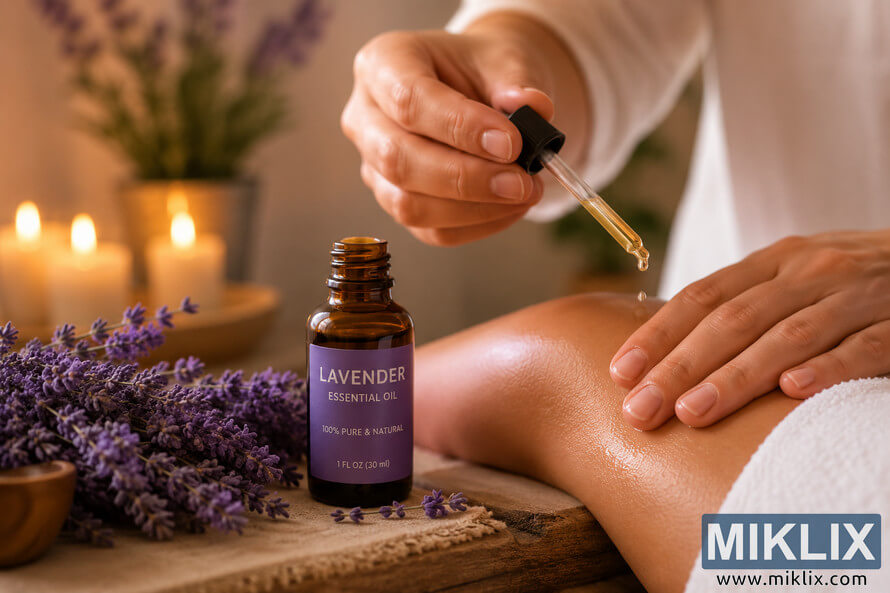
Dispense diluted lavender oil into your palm and rub hands together to warm the oil. Apply to target areas using gentle circular motions, allowing full absorption before covering with clothing.
For anxiety relief, apply to pulse points like wrists, temples, and behind ears. For sleep, massage into the soles of feet or apply to the chest area.
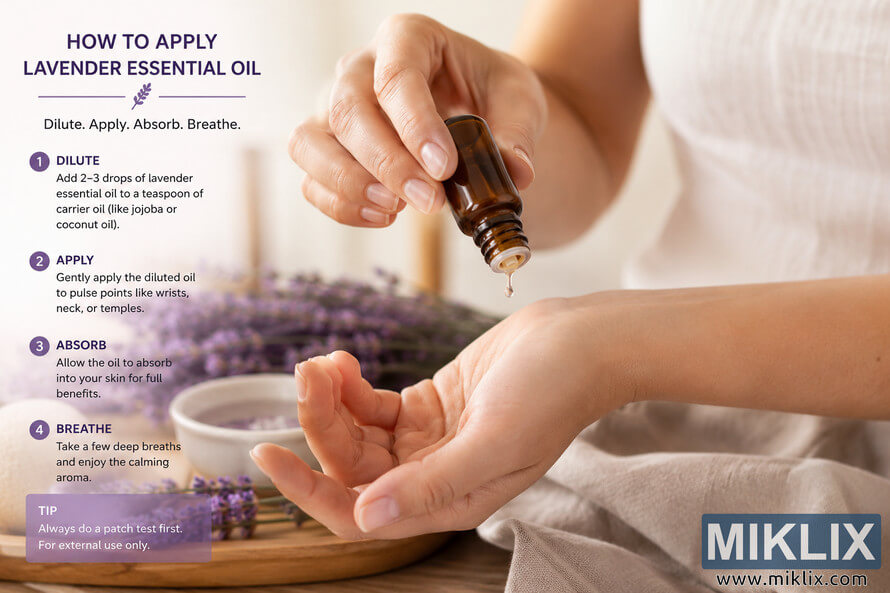
Klik of tik op de afbeelding voor meer informatie en hogere resoluties.
Internal Consumption Methods
Ingesting lavender through teas or supplements delivers therapeutic compounds throughout the digestive system and into the bloodstream for whole-body effects.
Preparing Lavender Tea
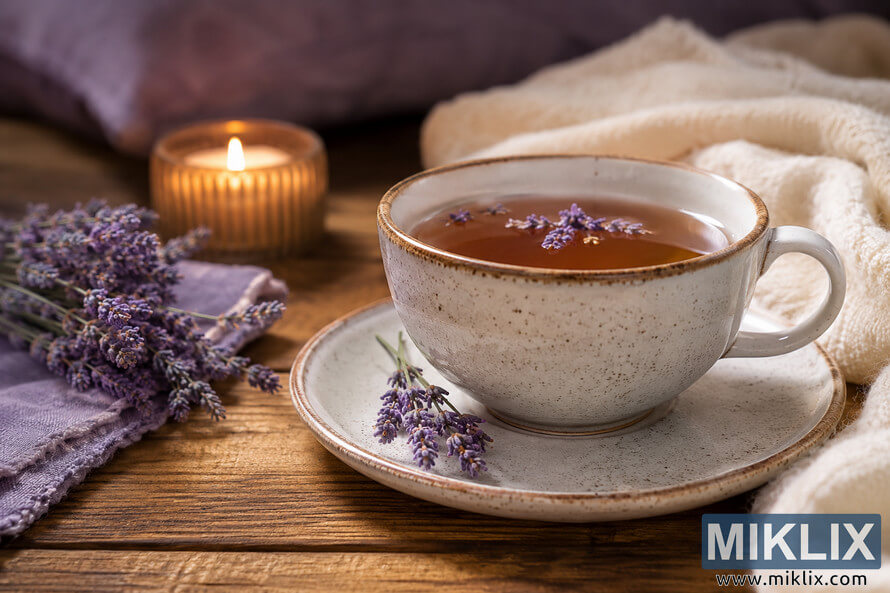
Use one to two teaspoons of dried lavender flowers per cup of boiling water. Steep covered for 5-10 minutes to prevent volatile oils from escaping with steam. Strain and drink 1-3 cups daily for best results.
For enhanced flavor and benefits, combine lavender with complementary herbs like chamomile, lemon balm, or passionflower. Honey adds sweetness while providing additional antimicrobial properties.
Taking Lavender Supplements
Follow manufacturer dosing instructions carefully, typically 80-160mg of lavender oil per day taken with food. Consistent daily use over 2-4 weeks produces optimal therapeutic effects for anxiety and sleep conditions.
Pro Tip: Create a lavender application schedule that matches your specific needs. Use aromatherapy for acute anxiety, topical application for localized pain, and tea or supplements for ongoing systemic support.
Bath and Body Care Applications
Adding lavender to bathing routines combines multiple delivery methods simultaneously. The warm water opens pores for enhanced absorption while steam carries aromatic compounds for inhalation.
Therapeutic Lavender Bath
- Fill bathtub with warm water (92-100°F)
- Mix 10-15 drops lavender oil with 1/4 cup carrier oil or Epsom salts
- Add mixture to running bath water
- Soak for 15-20 minutes for full relaxation benefits
- Pat skin dry and moisturize immediately after
Lavender Compress Application
- Add 5-10 drops lavender oil to bowl of warm water
- Soak clean cloth in lavender-infused water
- Wring out excess water from cloth
- Apply compress to affected area for 10-15 minutes
- Repeat 2-3 times daily for pain or inflammation
Important Side Effects and Safety Precautions
While lavender demonstrates an excellent safety profile for most people, understanding potential side effects and contraindications ensures responsible use. Knowledge of precautions prevents adverse reactions and maximizes therapeutic benefits.
Common Side Effects and Reactions
Most lavender users experience no adverse effects when following recommended guidelines. However, some individuals may develop mild reactions, particularly with improper use or excessive amounts.
Generally Safe When
- Using properly diluted essential oils topically
- Following recommended dosage guidelines
- Purchasing from reputable, tested sources
- Using for short to moderate durations
- Avoiding internal use of undiluted oils
- Conducting patch tests before widespread use
Potential Side Effects
- Skin irritation or allergic contact dermatitis
- Headaches from excessive inhalation
- Nausea when consuming large amounts
- Increased sun sensitivity on treated skin
- Drowsiness affecting alertness temporarily
- Possible hormonal effects with prolonged use
Special Population Considerations
Certain groups require additional caution when using lavender products. Physiological differences affect how these populations metabolize and respond to lavender's active compounds.
Pregnancy and Breastfeeding
Pregnant women should consult healthcare providers before using lavender products beyond culinary amounts. While topical and aromatic use appears generally safe during later trimesters, first-trimester use lacks sufficient safety research.
Breastfeeding mothers can typically use diluted lavender topically and aromatically. However, avoid applying products directly to breast tissue or areas where infants might ingest residue.
Children and Infants
Children under three months should not be exposed to lavender essential oils due to developing respiratory and neurological systems. For older infants and toddlers, use significantly reduced dilutions (0.25-0.5%) and limit exposure duration.
School-age children generally tolerate properly diluted lavender well. Use 50% of adult concentrations and supervise application to prevent accidental ingestion or eye contact.
Critical Warning: Never apply undiluted essential oils directly to skin, especially on children. Never ingest essential oils unless under professional supervision. Never use near eyes, mucous membranes, or broken skin without proper dilution.
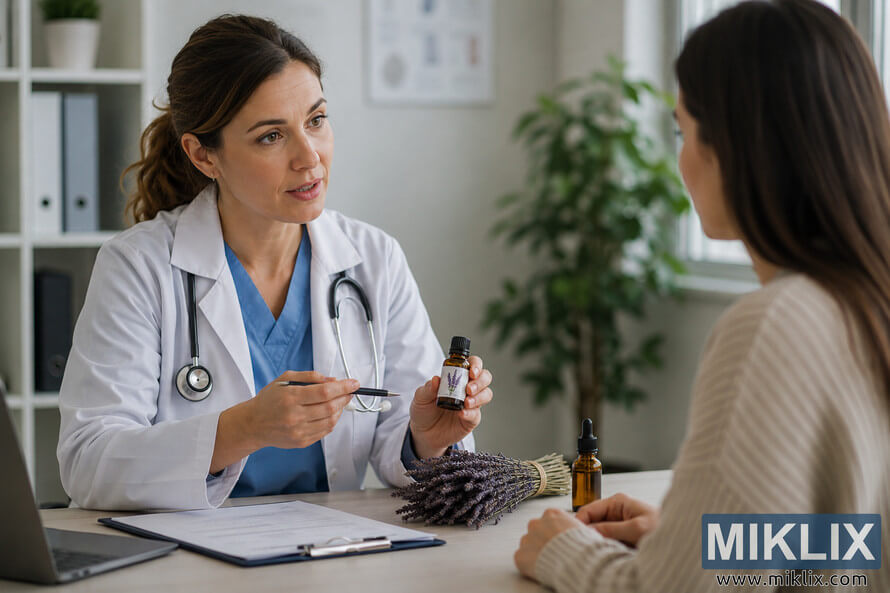
Klik of tik op de afbeelding voor meer informatie en hogere resoluties.
Drug Interactions and Contraindications
Lavender can interact with certain medications, potentially enhancing or reducing their effects. Understanding these interactions prevents dangerous complications and ensures treatment effectiveness.
| Medication Type | Potential Interaction | Precaution Needed |
| Sedatives and Sleep Medications | Enhanced drowsiness and sedation effects | Avoid combining or reduce lavender dosage |
| Blood Pressure Medications | Potential for excessive blood pressure lowering | Monitor blood pressure regularly |
| Anti-Anxiety Medications | Additive calming effects | Consult prescribing physician first |
| Anesthesia | Prolonged sedation during surgery | Discontinue 2 weeks before scheduled surgery |
Allergic Reactions and Sensitivities
While rare, some individuals develop allergic responses to lavender compounds. Reactions range from mild skin irritation to more serious systemic responses requiring medical attention.
Conducting a Patch Test
Before widespread use, apply a small amount of diluted lavender oil to the inside of your forearm. Cover with a bandage and wait 24-48 hours, checking for redness, itching, swelling, or rash development.
A positive reaction indicates sensitivity. Discontinue use immediately and try alternative calming herbs like chamomile or lemon balm instead.
Quality and Purity Concerns
Contaminated or adulterated lavender products pose safety risks beyond pure lavender's natural effects. Synthetic additives, pesticide residues, and mislabeled contents can cause unexpected adverse reactions.
- Purchase only from reputable suppliers with third-party testing
- Look for organic certification to minimize pesticide exposure
- Check for botanical name verification (Lavandula angustifolia)
- Verify extraction method (steam distilled for essential oils)
- Ensure proper storage in dark glass bottles away from heat
- Check expiration dates and replace old products regularly
Download Free Lavender Safety Guide Receive our comprehensive safety checklist and usage guidelines PDF instantly
Practical Tips for Incorporating Lavender into Daily Wellness Routines
Consistent lavender use produces the most significant health benefits over time. Creating sustainable daily habits ensures you experience lavender's full therapeutic potential without overwhelming your schedule.
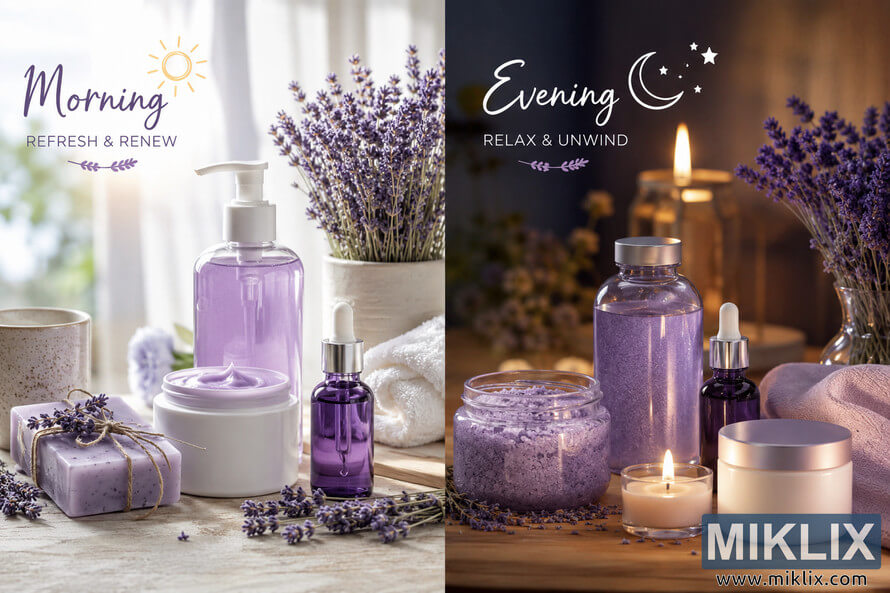
Klik of tik op de afbeelding voor meer informatie en hogere resoluties.
Morning Lavender Rituals
Starting your day with lavender sets a calm, focused tone that carries through challenging moments. Morning applications provide baseline stress protection that helps you respond more effectively to daily pressures.
Morning Routine Ideas
- Add 2-3 drops lavender oil to morning shower floor for aromatic steam therapy
- Apply diluted lavender to wrists and temples during morning skincare routine
- Diffuse lavender oil for 30 minutes while preparing for the day
- Use lavender-infused body lotion after bathing for all-day aromatherapy
- Keep lavender inhaler in purse or pocket for midday stress relief
Evening Wind-Down Practices
Nighttime represents the ideal time for lavender's sleep-promoting properties. Creating consistent evening rituals signals your body that rest approaches, enhancing natural circadian rhythms.
One Hour Before Bed
- Brew lavender tea and sip slowly
- Begin diffusing lavender in bedroom
- Dim lights and reduce screen time
- Spray lavender mist on pillows
30 Minutes Before Sleep
- Take lavender supplement if using
- Practice gentle stretching with lavender aromatherapy
- Apply lavender massage oil to feet
- Read or journal in lavender-scented environment
Workplace Stress Management
Professional environments present unique challenges for lavender use. Discrete application methods allow you to access therapeutic benefits without disrupting colleagues or workplace norms.
Office-Appropriate Lavender Use
Keep a small bottle of lavender essential oil in your desk drawer. During stressful moments, apply one drop to a tissue and inhale quietly. This method provides anxiety relief without creating noticeable scents in shared spaces.
Personal inhalers offer another discrete option. These small devices look like lip balm and allow you to access lavender aromatherapy privately throughout the workday.
Workout and Recovery Enhancement
Lavender supports physical wellness beyond mental health applications. Its anti-inflammatory and pain-relieving properties complement exercise routines and athletic recovery protocols.
Pre-Workout
- Diffuse lavender for mental focus preparation
- Apply diluted oil to muscles for warm-up
- Use inhalation for pre-performance anxiety
- Incorporate into stretching routine
Post-Workout
- Add to post-exercise bath for muscle recovery
- Massage oil into sore muscles and joints
- Use with foam rolling for enhanced results
- Apply to inflammation or strain areas
Recovery Days
- Extended aromatherapy sessions for relaxation
- Gentle massage with lavender-infused oils
- Evening baths for full-body recovery
- Enhanced sleep quality for tissue repair
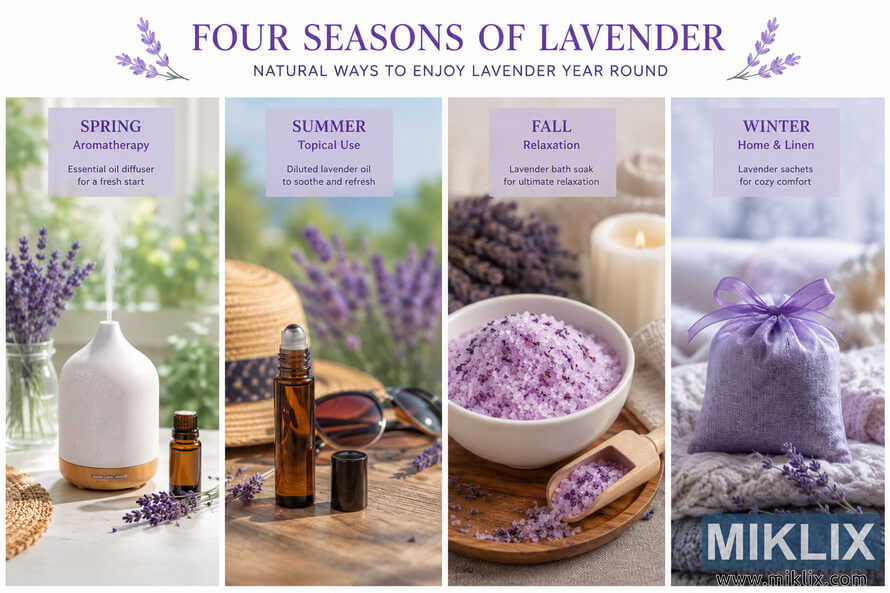
Seasonal Adaptations
Adjusting lavender use with changing seasons optimizes benefits and addresses seasonal health challenges. Different times of year present unique wellness needs that lavender can address effectively.
Spring and Summer Use
Warmer months favor lighter lavender applications. Use hydrosols and sprays instead of heavy oils. Lavender's antimicrobial properties help protect against increased bacterial exposure during outdoor activities.
Apply diluted lavender to insect bites immediately for itch relief and inflammation reduction. Add to sunscreen for enhanced skin protection and soothing properties.
Fall and Winter Strategies
Cold weather calls for richer lavender applications. Increase diffuser use during indoor time. Add lavender to humidifiers to combat dry air while providing respiratory support.
Layer lavender body oils under winter clothing for all-day aromatherapy. The enclosed warmth enhances scent release and absorption throughout the day.
Klik of tik op de afbeelding voor meer informatie en hogere resoluties.
Tracking Your Results
Monitoring lavender's effects on your specific symptoms helps optimize your routine. Keep a simple wellness journal noting applications, timing, dosages, and observed benefits.
What to Track
- Type and amount of lavender product used
- Application method and timing
- Sleep quality ratings (1-10 scale)
- Anxiety or stress level changes
- Pain intensity before and after application
- Any side effects or sensitivities noticed
- Overall wellbeing assessment weekly
After 2-4 weeks of tracking, patterns emerge showing which applications work best for your unique needs. Adjust your routine based on these personal results rather than general recommendations.
Embracing Lavender for Long-Term Health and Wellness
Lavender stands as one of nature's most versatile and scientifically-validated therapeutic plants. From ancient civilizations to modern clinical research, its consistent use across cultures and time periods speaks to genuine effectiveness.
The scientific evidence supporting lavender's health benefits continues growing. Research confirms its effectiveness for anxiety reduction, sleep improvement, pain management, and skin health enhancement—all without the side effects common to pharmaceutical alternatives.
Starting your lavender wellness journey requires no complex protocols or expensive equipment. Begin with a single high-quality product that addresses your most pressing health concern. Add additional applications gradually as you discover what works best for your body.
Remember that natural remedies work synergistically with healthy lifestyle practices. Lavender enhances but doesn't replace adequate sleep, nutritious eating, regular exercise, and stress management techniques.
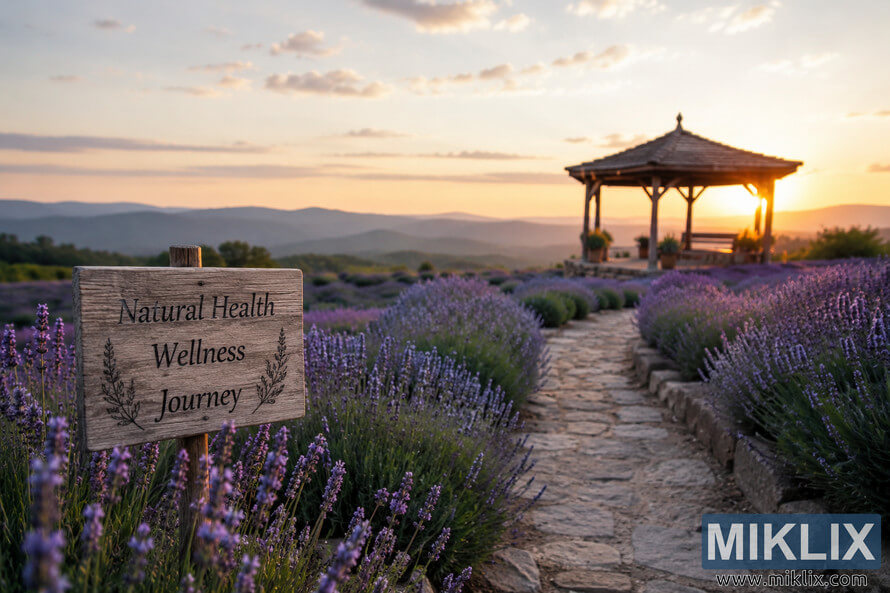
Klik of tik op de afbeelding voor meer informatie en hogere resoluties.
Verder lezen
Als je dit bericht leuk vond, vind je deze suggesties misschien ook interessant:
- Van spierbrandstof tot immuunboost: de verrassende voordelen van wei-eiwitten uitgelegd
- Kimchi: Koreaans supervoedsel met wereldwijde gezondheidsvoordelen
- Van hummus tot gezondheid: Hoe kikkererwten een gezond leven voeden