
Watermelon: The Hydrating Superfruit You Should Eat More Often
Iliyochapishwa:
Mara ya mwisho kusasishwa: 16 Agosti 2026, 19:10:29 UTC
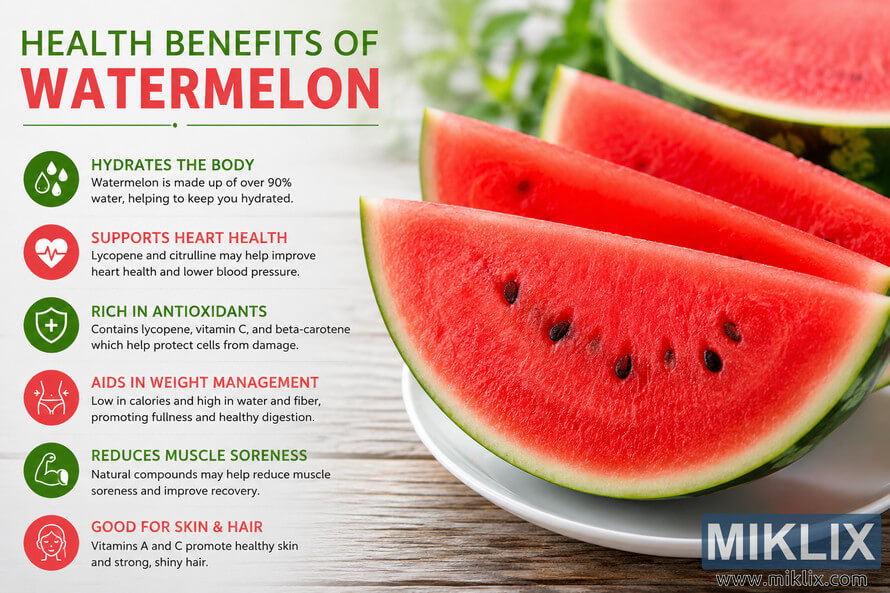
Watermelon stands as one of nature's most refreshing gifts. This juicy fruit delivers more than just sweet flavor on hot summer days. It packs essential nutrients that support your body in multiple ways.
Watermelon: The Hydrating Superfruit You Should Eat More Often
Bofya au gusa picha kwa maelezo zaidi na ubora wa hali ya juu.
Understanding what watermelon offers can help you make better food choices. This guide explores the science-backed health benefits watermelon provides. You'll discover how this fruit affects your hydration, heart function, muscle recovery, and more.
The information ahead combines research findings with practical insights. Whether you eat watermelon regularly or occasionally, you'll learn why this fruit deserves a spot in your diet.
Nutritional Content That Powers Your Health
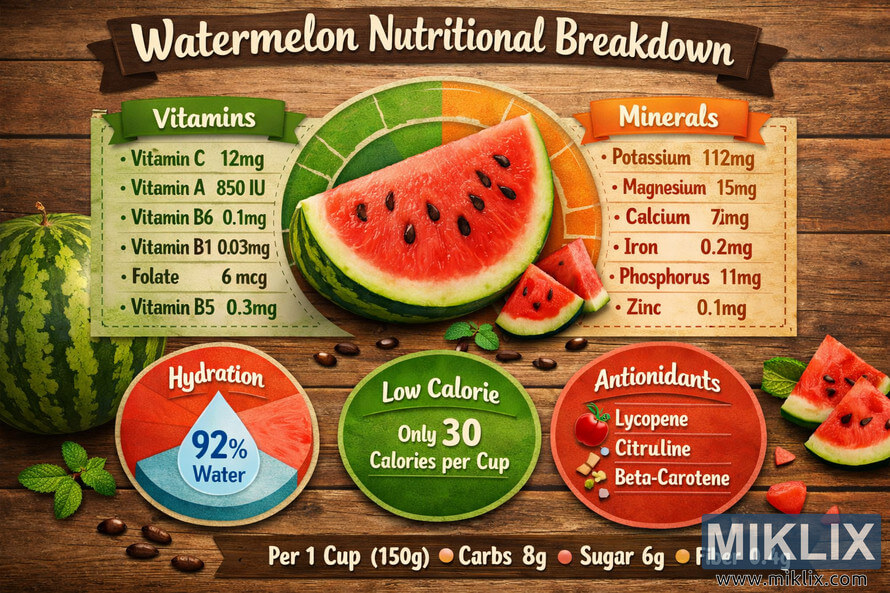
Watermelon contains a remarkable nutrition profile despite being 92% water. Each cup of diced watermelon provides approximately 46 calories. This makes it an excellent choice for people watching their calorie intake.
The fruit delivers significant amounts of vitamin C, supporting your immune function. A single serving provides about 21% of your daily vitamin C needs. This antioxidant helps protect your cell from damage.
Bofya au gusa picha kwa maelezo zaidi na ubora wa hali ya juu.
Vitamins and Minerals in Every Bite
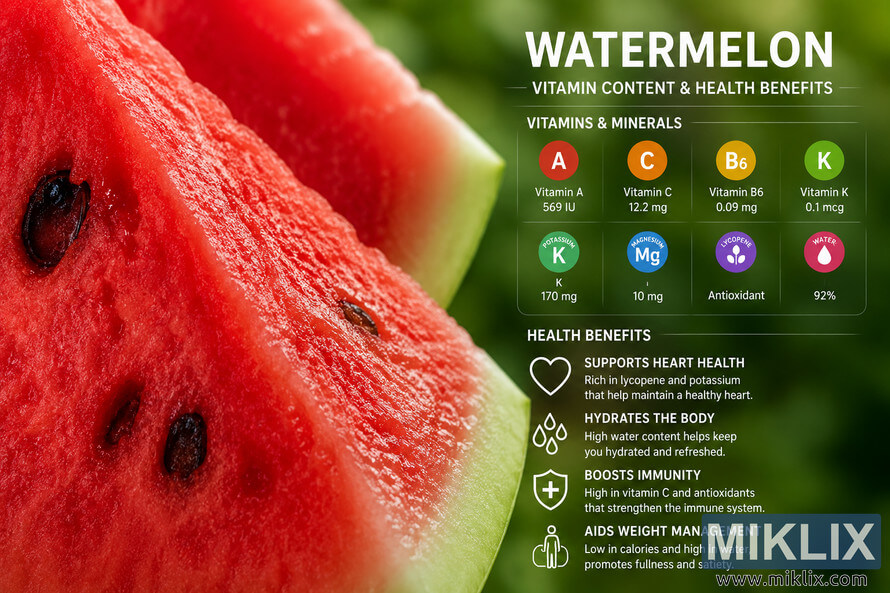
Watermelon provides vitamin A through beta-carotene content. This nutrient supports eye health and immune function. The fruit also contains B vitamins that help your body convert food into energy.
Potassium appears in meaningful amounts in watermelon. This mineral helps regulate blood pressure and supports proper muscle function. Magnesium works alongside potassium to maintain healthy body processes.
Bofya au gusa picha kwa maelezo zaidi na ubora wa hali ya juu.
The fiber content in watermelon supports digestive health. While not extremely high in fiber, watermelon contributes to your daily intake. The combination of water and fiber helps promote regular digestion.
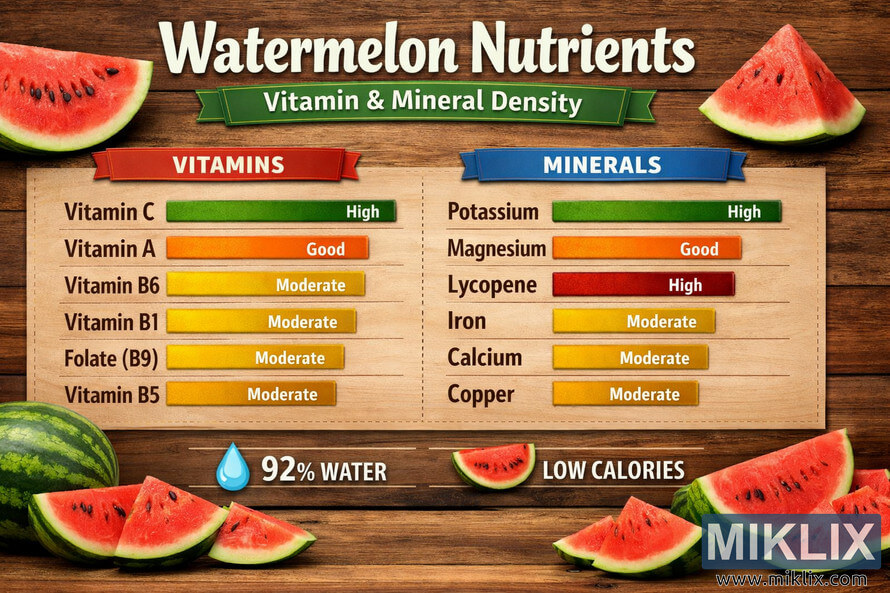
Watermelon contains minimal fat and protein. However, it provides citrulline, an amino acid your body converts to arginine. This process supports blood vessel health and circulation throughout your body.
Bofya au gusa picha kwa maelezo zaidi na ubora wa hali ya juu.
Lycopene: The Powerful Plant Compound
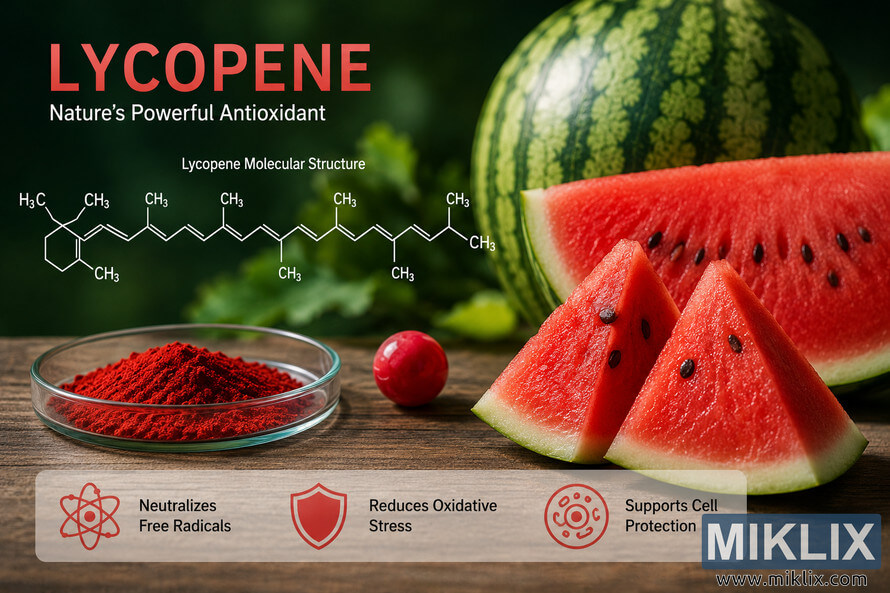
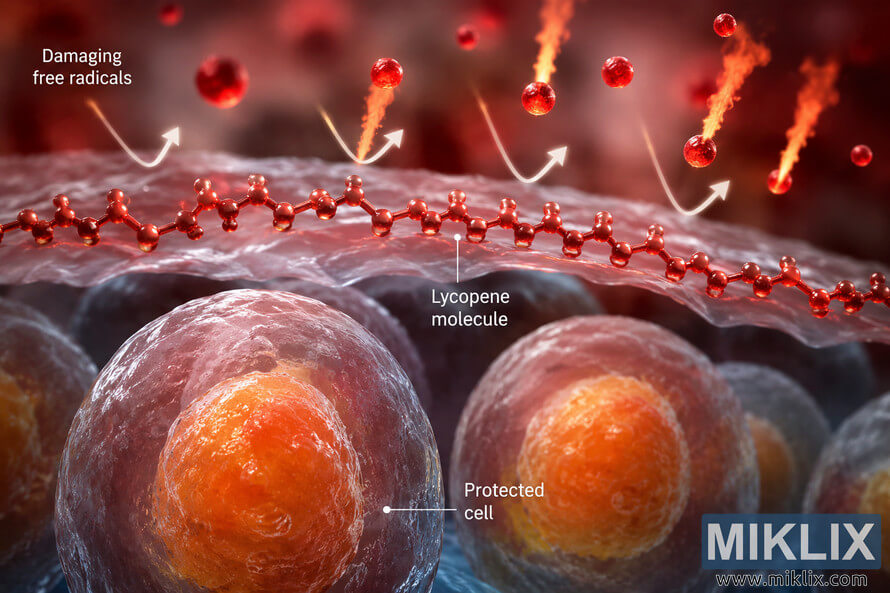
Lycopene gives watermelon its red color. This antioxidant belongs to the carotenoid family. Research shows lycopene may help protect cell from oxidative stress and damage.
Watermelon contains more lycopene than raw tomatoes. The concentration increases as the fruit ripens. Choosing fully ripe watermelon maximizes your lycopene intake from this food source.
Nutrient Fact: One cup of watermelon provides 6,890 micrograms of lycopene, making it one of the richest food sources of this powerful antioxidant that may help reduce risk of certain conditions.
Studies suggest lycopene supports cardiovascular health. The antioxidant effects may help reduce inflammation in blood vessels. More research continues to explore how lycopene affects various body functions.
Bofya au gusa picha kwa maelezo zaidi na ubora wa hali ya juu.
Hydration Benefits That Keep Your Body Running
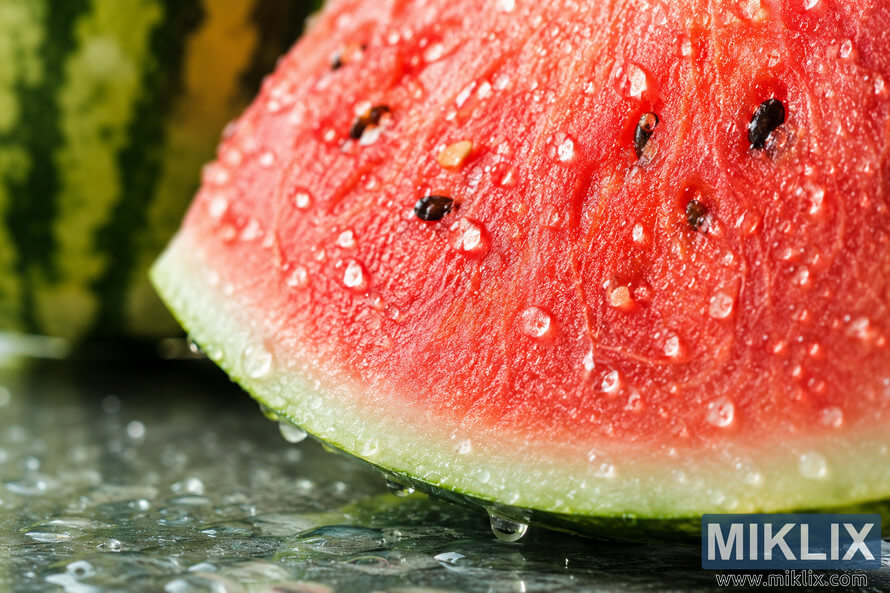
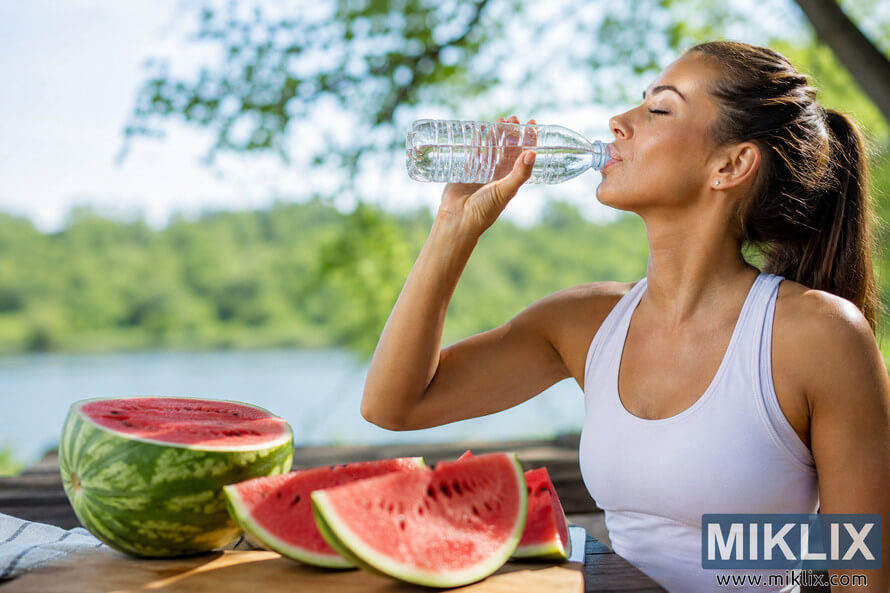
The high water content makes watermelon an exceptional hydration food. Eating watermelon helps supplement your fluid intake. This becomes especially important during hot weather or after physical activity.
Your body needs adequate water for every function. Staying hydrated supports energy levels, cognitive function, and physical performance. Watermelon may help you meet daily hydration needs through food.
Bofya au gusa picha kwa maelezo zaidi na ubora wa hali ya juu.
How Water Content Supports Your Body
Dehydration affects multiple body systems quickly. Even mild dehydration can impact mood and concentration. The water in watermelon helps prevent these negative effects when consumed regularly.
Watermelon provides electrolytes alongside its water content. These minerals help your body maintain proper fluid balance. The combination of water and nutrients makes watermelon effective for rehydration.
Bofya au gusa picha kwa maelezo zaidi na ubora wa hali ya juu.
Watermelon vs Other Hydrating Foods
| Food | Water Content | Calories per Cup | Key Nutrients |
| Watermelon | 92% | 46 | Lycopene, Vitamin C, Citrulline |
| Cucumber | 95% | 16 | Vitamin K, Potassium |
| Strawberries | 91% | 49 | Vitamin C, Manganese |
| Cantaloupe | 90% | 54 | Vitamin A, Vitamin C |
| Oranges | 87% | 85 | Vitamin C, Folate |
Watermelon ranks among the top hydrating foods available. The combination of high water content and low calories makes it ideal for maintaining hydration. People who struggle drinking plain water often find eating watermelon easier.
Heart Health Support From Nature's Candy
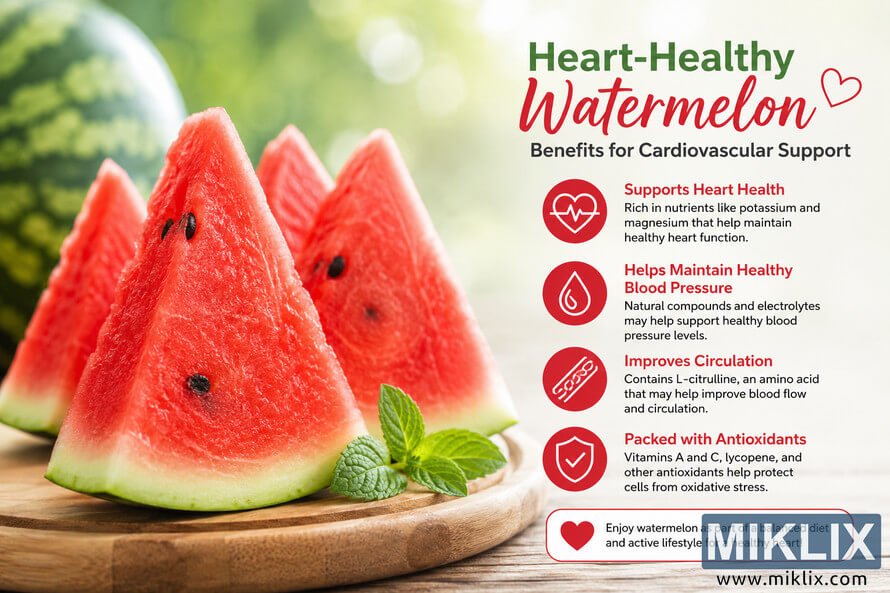
Research suggests watermelon may help support cardiovascular function. The nutrients in this fruit work together to promote healthy blood vessels. Multiple studies have examined how watermelon affects heart health markers.
Lycopene content plays a significant role in these benefits. This antioxidant may help reduce oxidative stress in blood vessels. The effect could contribute to better overall cardiovascular health over time.
Bofya au gusa picha kwa maelezo zaidi na ubora wa hali ya juu.
Blood Pressure and Circulation Effects
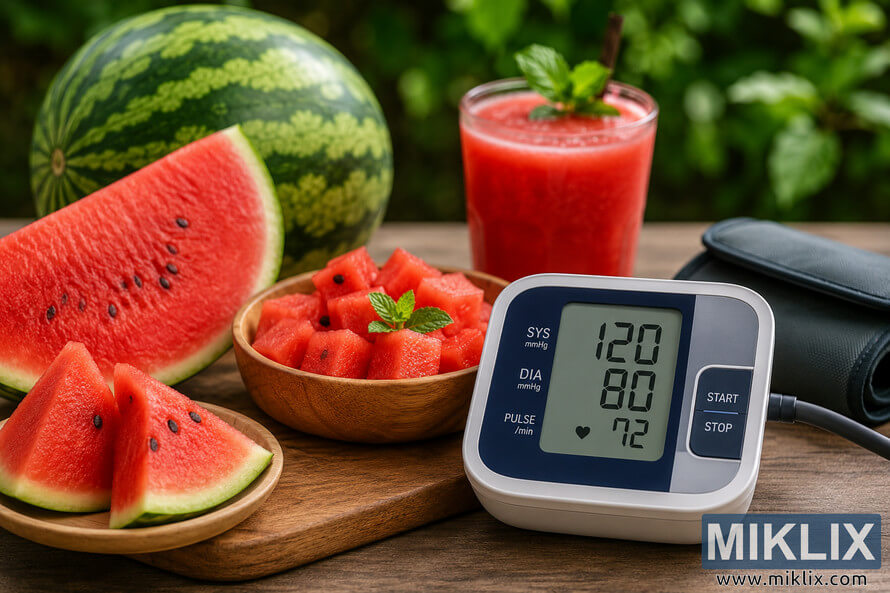
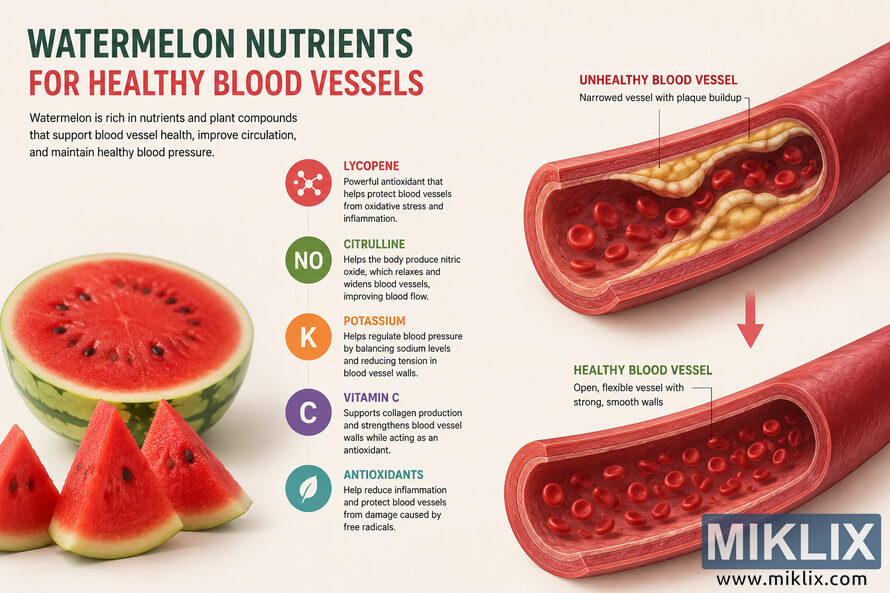
Citrulline in watermelon converts to arginine in your body. This amino acid helps produce nitric oxide. Nitric oxide signals blood vessels to relax, which may help support healthy blood pressure levels.
Some studies indicate watermelon may help people with elevated blood pressure. The fruit's effect on blood vessels could contribute to this benefit. However, watermelon should complement, not replace, medical treatment for blood pressure conditions.
Bofya au gusa picha kwa maelezo zaidi na ubora wa hali ya juu.
How Watermelon May Help Your Heart
- Provides citrulline that supports nitric oxide production
- Delivers lycopene that may reduce oxidative stress
- Contains potassium that helps regulate blood pressure
- Offers antioxidants that protect blood vessels
- Supplies magnesium for proper heart rhythm
The combination of these nutrients creates a heart-friendly nutrition profile. Eating watermelon as part of a balanced diet may help reduce risk factors. Remember that overall diet quality matters more than any single food.
Bofya au gusa picha kwa maelezo zaidi na ubora wa hali ya juu.
Cholesterol and Inflammation Considerations
Some research explores watermelon's effect on cholesterol levels. Early studies suggest the fruit may help support healthy cholesterol profiles. The antioxidants in watermelon could play a role in these potential benefits.
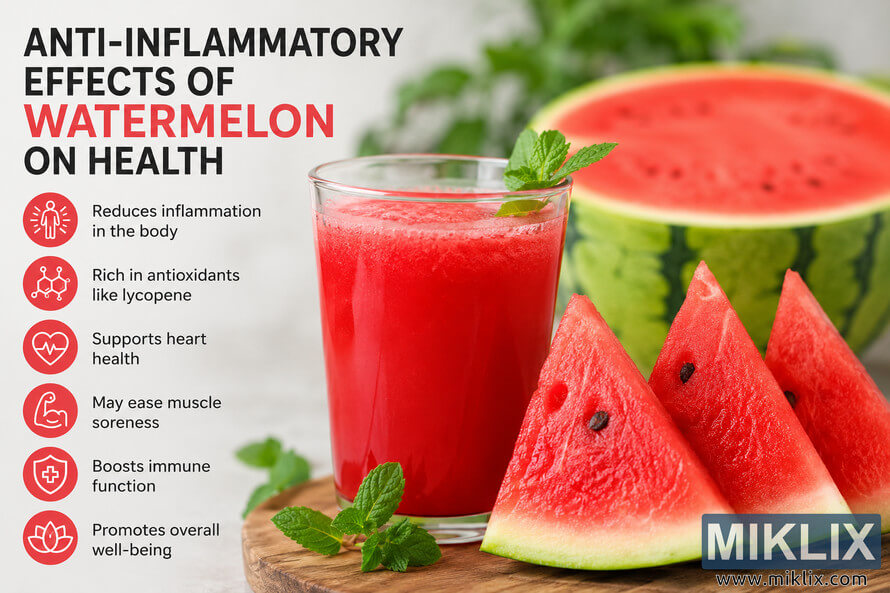
Inflammation contributes to various cardiovascular conditions. Watermelon contains compounds with anti-inflammatory properties. Regular consumption might help reduce markers of inflammation in your body.
Research Note: A study published in the American Journal of Hypertension found that watermelon extract improved arterial function and helped lower blood pressure in adults with prehypertension. The citrulline and arginine in watermelon contributed to these cardiovascular benefits.
Bofya au gusa picha kwa maelezo zaidi na ubora wa hali ya juu.
Muscle Recovery and Exercise Performance
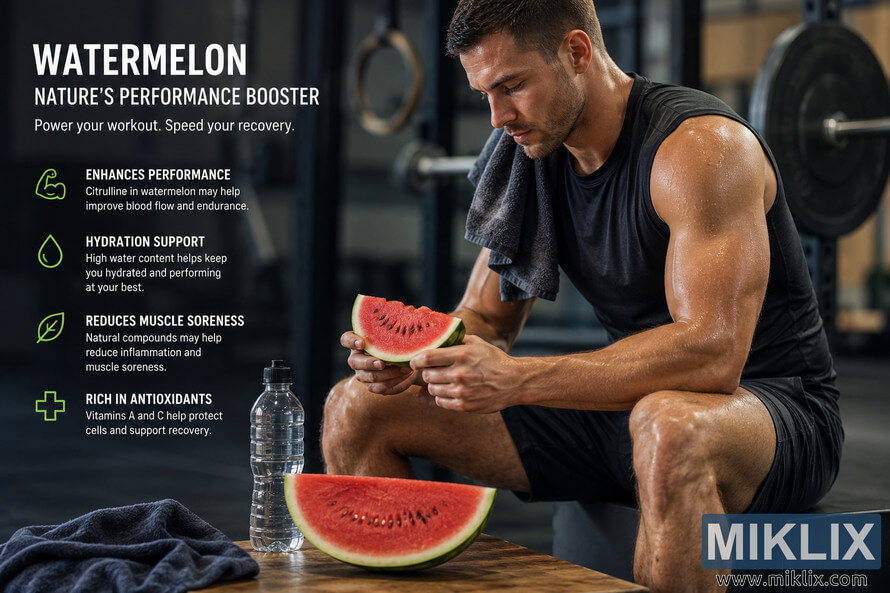
Athletes and active people may find watermelon particularly beneficial. The fruit contains compounds that support muscle recovery after exercise. Several studies have investigated watermelon's effects on athletic performance and soreness.
Citrulline in watermelon helps your body manage the amino acid cycle. This process affects how your muscles recover from intense activity. The amino acid may help reduce muscle soreness following demanding workouts.
Bofya au gusa picha kwa maelezo zaidi na ubora wa hali ya juu.
Reducing Exercise-Related Muscle Soreness
Research indicates watermelon juice may help reduce muscle soreness. Studies compared people who drank watermelon juice before exercise to control groups. Those consuming watermelon juice reported less soreness 24 hours after intense activity.
The effect appears related to improved blood flow to muscles. Better circulation helps remove metabolic waste products from muscle tissue. This process supports faster recovery between training sessions.

Bofya au gusa picha kwa maelezo zaidi na ubora wa hali ya juu.
Performance Enhancement Potential
Some research examines whether watermelon affects exercise performance directly. Early findings suggest citrulline supplementation might improve high-intensity exercise performance. The watermelon connection comes from being a natural citrulline source.
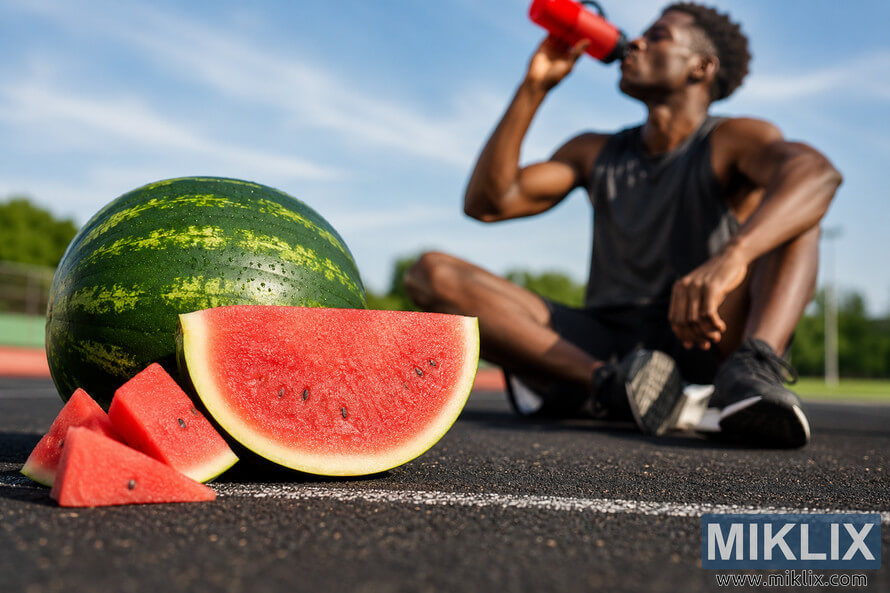
The fruit's high water content supports hydration during activity. Proper hydration directly affects your ability to perform physically. Eating watermelon before or after exercise provides both hydration and recovery support.
More research is needed to fully understand these effects. Current evidence suggests watermelon offers benefits for active people. The combination of hydration, nutrients, and citrulline creates a recovery-friendly food option.
Bofya au gusa picha kwa maelezo zaidi na ubora wa hali ya juu.
Digestive Health and Gut Function
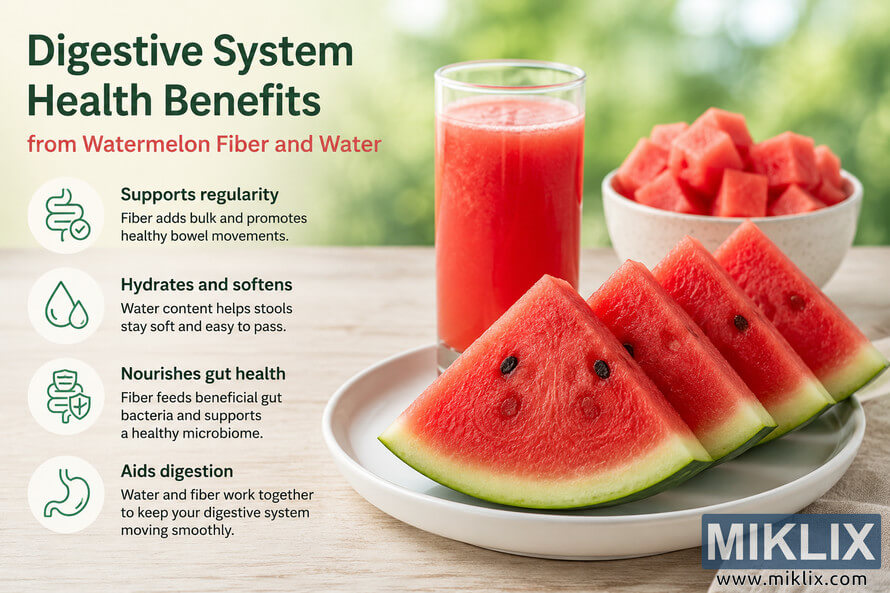
Watermelon supports digestive health through multiple mechanisms. The fiber content, though moderate, contributes to healthy digestion. Combined with high water content, this creates conditions that support regular bowel function.
Your digestive system needs adequate fluid to function properly. Water helps move food through your intestinal tract. The water in watermelon aids this process while providing refreshing taste.
Bofya au gusa picha kwa maelezo zaidi na ubora wa hali ya juu.
Fiber and Water Working Together
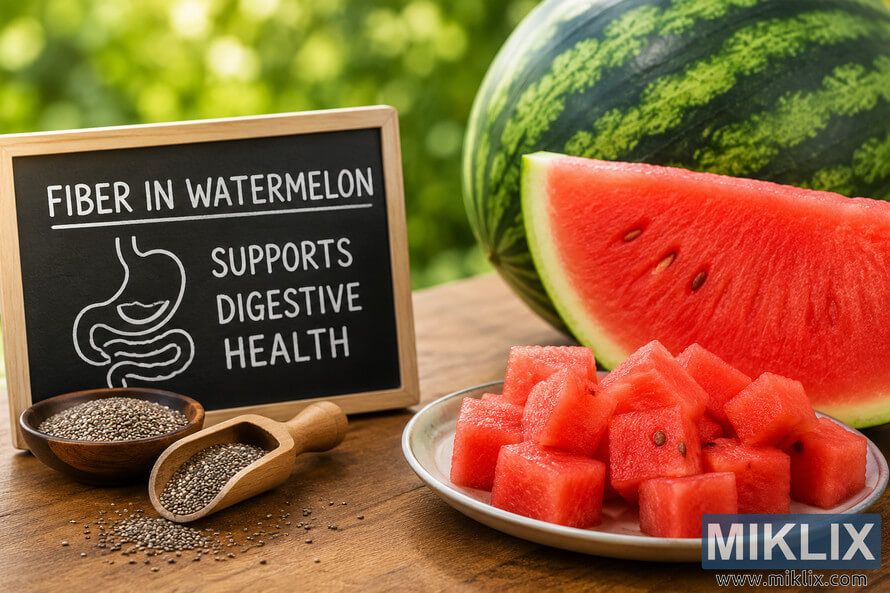
Dietary fiber adds bulk to stool and promotes regularity. Watermelon contains both soluble and insoluble fiber. Each type plays a different role in maintaining digestive health.
Soluble fiber dissolves in water and forms a gel-like substance. This type of fiber may help regulate blood sugar levels. Insoluble fiber adds bulk and helps food pass through your system.
Bofya au gusa picha kwa maelezo zaidi na ubora wa hali ya juu.
The water content in watermelon softens stool naturally. This makes elimination easier and more comfortable. People who experience occasional constipation may benefit from eating watermelon regularly.
Combining watermelon with other high-fiber foods creates a gut-friendly diet. Whole grains, vegetables, and other fruits complement watermelon's benefits. This approach supports overall digestive health effectively.

Bofya au gusa picha kwa maelezo zaidi na ubora wa hali ya juu.
Gut Microbiome Support
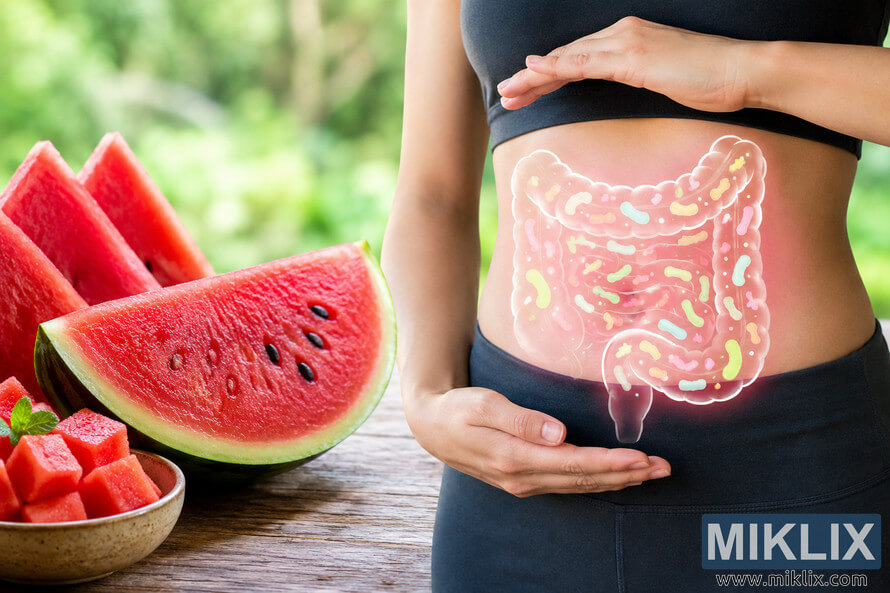
Emerging research explores how different foods affect gut bacteria. The nutrients in watermelon may support beneficial bacteria growth. A healthy microbiome contributes to overall wellness and immune function.
Prebiotics are compounds that feed beneficial gut bacteria. While watermelon isn't a major prebiotic source, it contains nutrients that support gut health. The combination of fiber, water, and plant compounds creates a favorable environment.
Important Note: Some people with irritable bowel syndrome (IBS) may experience digestive discomfort from watermelon due to its natural sugar content. If you have digestive conditions, introduce watermelon gradually and monitor your body's response.
Bofya au gusa picha kwa maelezo zaidi na ubora wa hali ya juu.
Skin Health and Beauty Benefits
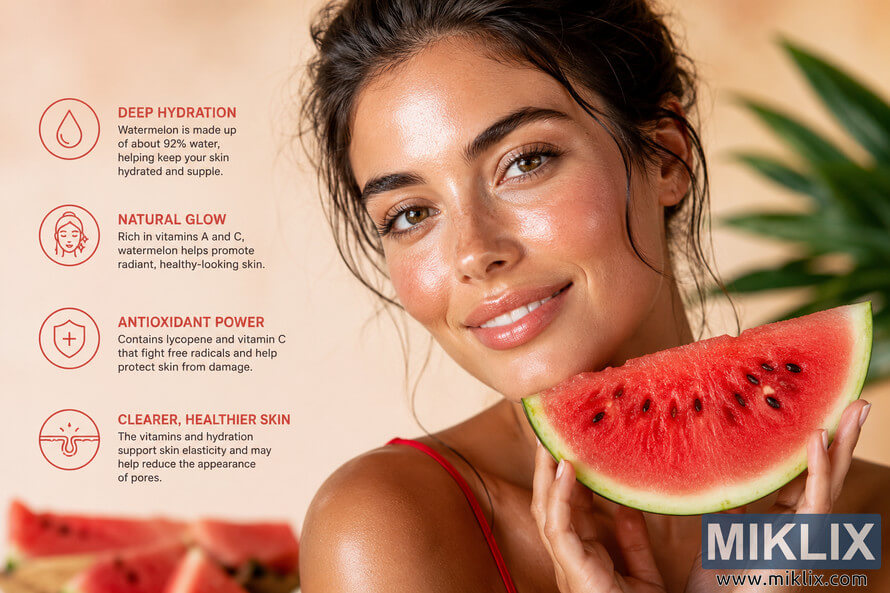
Your skin reflects your overall nutrition status. Watermelon contains nutrients that support skin health from the inside out. The vitamins and antioxidants in this fruit contribute to skin cell function and appearance.
Vitamin C in watermelon plays a crucial role in collagen production. Collagen provides structure to your skin, keeping it firm and elastic. Adequate vitamin C intake supports your body's natural collagen synthesis.
Bofya au gusa picha kwa maelezo zaidi na ubora wa hali ya juu.
Hydration for Healthy Skin Appearance
Skin cells need water to function optimally. Dehydration shows up in your skin as dryness and dullness. Eating watermelon helps maintain the hydration your skin cells need to look their best.
The water content in watermelon supports skin moisture from within. While topical moisturizers help, internal hydration matters too. Consuming water-rich foods like watermelon complements your skincare routine.

Bofya au gusa picha kwa maelezo zaidi na ubora wa hali ya juu.
Antioxidant Protection Against Aging
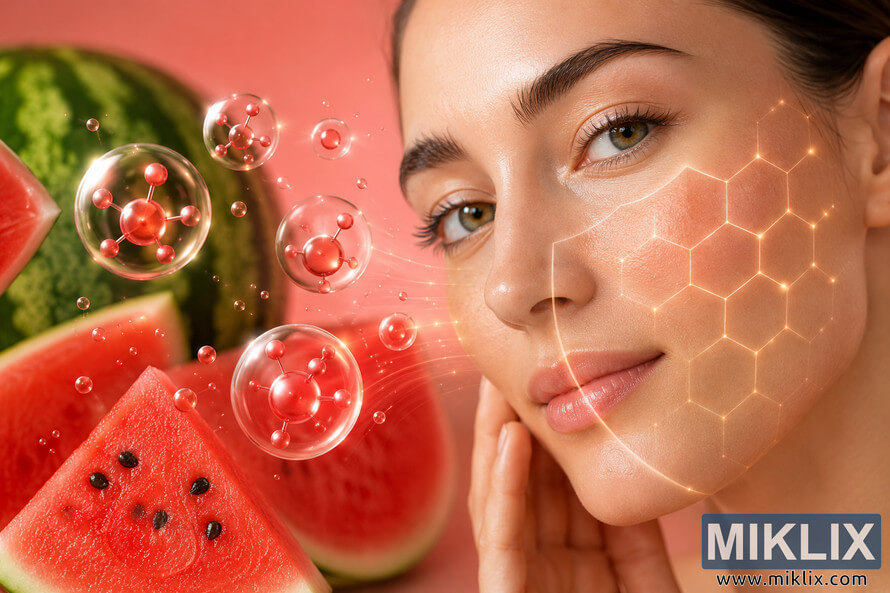
Free radicals contribute to visible skin aging over time. Antioxidants in watermelon help neutralize these damaging molecules. Lycopene and vitamin C both provide antioxidant effects that may help protect skin.
Sun exposure generates free radicals in your skin. While sunscreen remains essential, dietary antioxidants offer additional protection. The lycopene in watermelon may help reduce damage from UV exposure.
Bofya au gusa picha kwa maelezo zaidi na ubora wa hali ya juu.
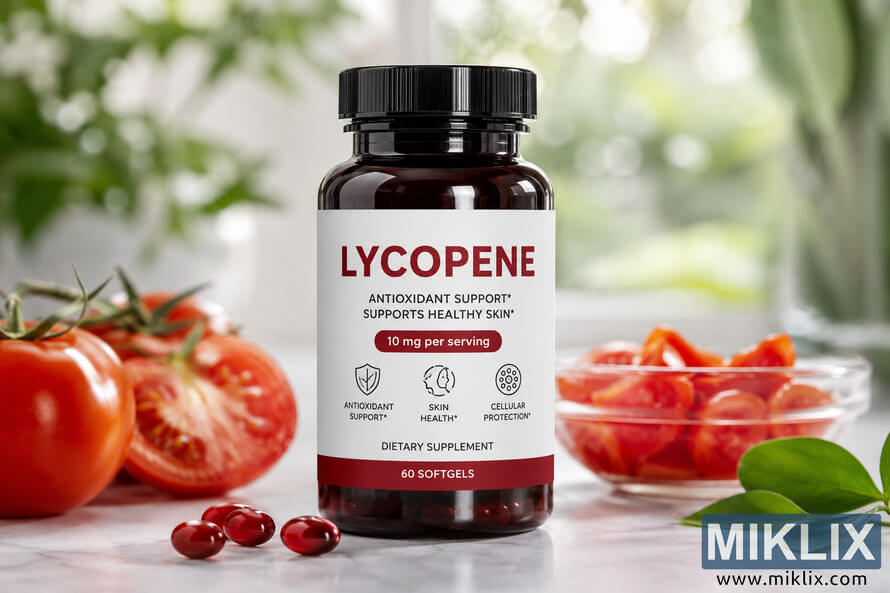
Lycopene Antioxidant Complex
Concentrated lycopene supplement derived from tomatoes and watermelon. Supports skin health and provides powerful antioxidant protection against environmental damage.
Bofya au gusa picha kwa maelezo zaidi na ubora wa hali ya juu.
Vitamin C Brightening Serum
Clinical-strength vitamin C serum that complements your watermelon intake. Promotes collagen synthesis and brightens skin tone for a healthy, youthful glow.

Bofya au gusa picha kwa maelezo zaidi na ubora wa hali ya juu.
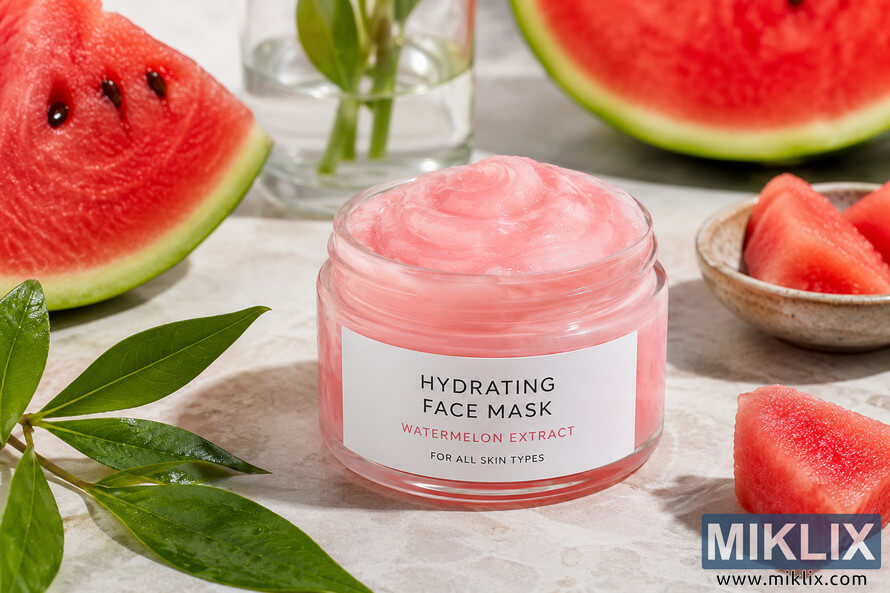
Watermelon Hydrating Mask
Topical face mask infused with real watermelon extract. Delivers intense hydration while providing antioxidants directly to your skin for a refreshed appearance.
Bofya au gusa picha kwa maelezo zaidi na ubora wa hali ya juu.
Vitamin A and Skin Cell Renewal
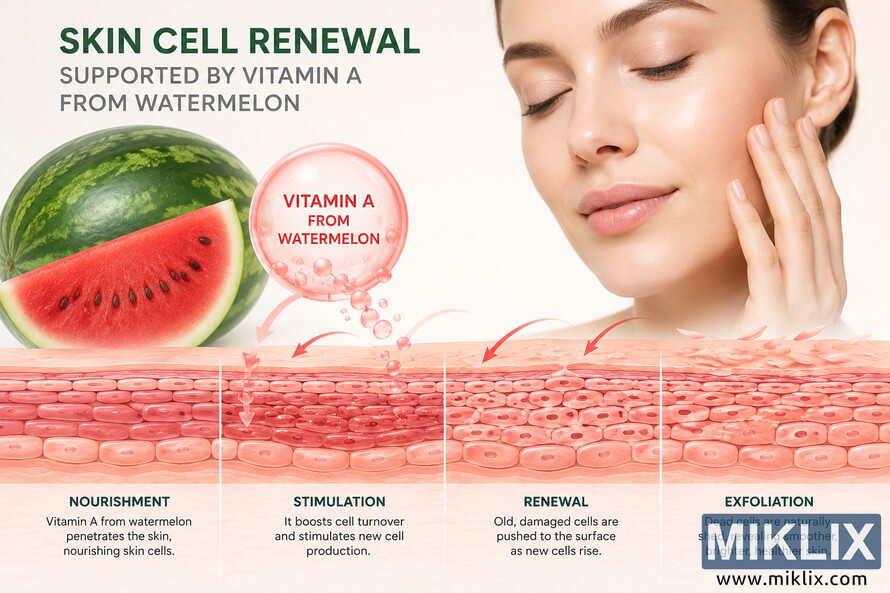
Watermelon provides vitamin A through beta-carotene. This nutrient supports skin cell production and renewal. Your skin constantly sheds old cells and creates new ones, requiring adequate vitamin A for this process.
Vitamin A also helps regulate sebum production. Balanced oil production contributes to clearer, healthier-looking skin. The vitamin A content in watermelon supports these natural skin functions.
Bofya au gusa picha kwa maelezo zaidi na ubora wa hali ya juu.
Weight Management and Diet Considerations
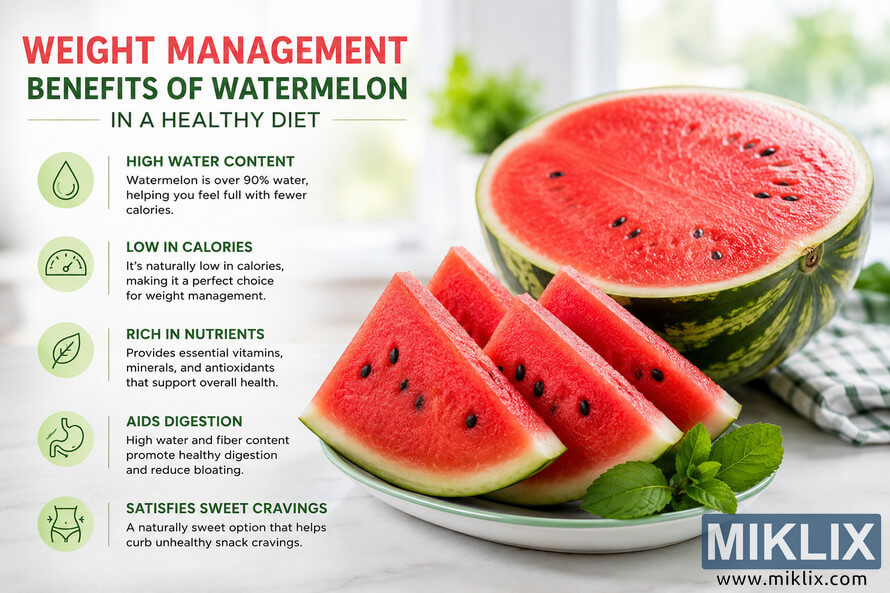
Watermelon fits well into weight management plans. The low calorie content relative to volume makes it filling without excess calories. People trying to manage their weight often find watermelon satisfying.
The high water content contributes to feelings of fullness. Foods with high water content help you feel satisfied after eating. This effect may help reduce overall calorie intake throughout the day.
Bofya au gusa picha kwa maelezo zaidi na ubora wa hali ya juu.
Low-Calorie Density Advantage
Calorie density refers to how many calories exist in a given weight of food. Watermelon has low calorie density due to its high water content. This means you can eat a large portion without consuming many calories.
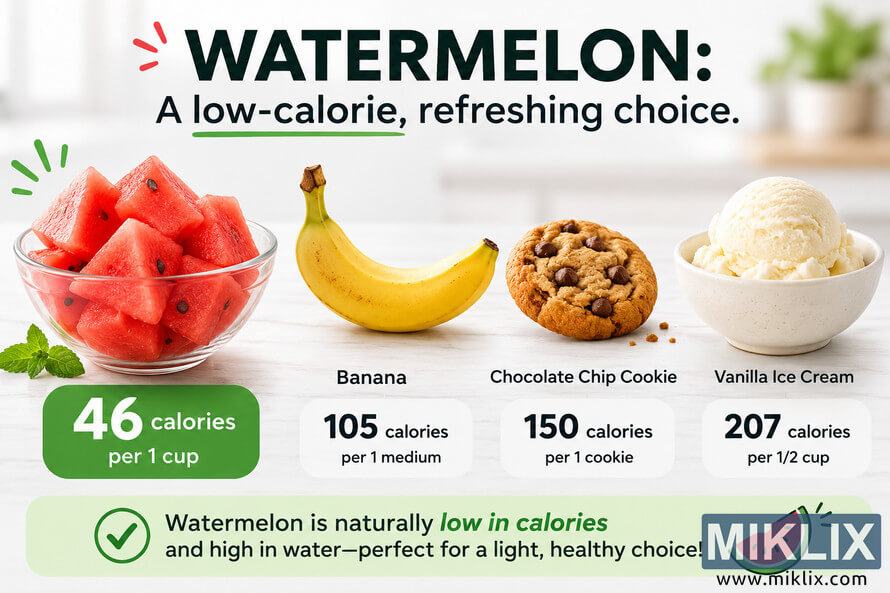
One cup of diced watermelon contains only 46 calories. The same volume of many other snacks contains significantly more. Choosing watermelon as a snack helps satisfy hunger while controlling calorie intake.
Volume matters for satiety signals in your brain. Eating adequate volume triggers fullness mechanisms. Watermelon provides substantial volume with minimal calories, supporting weight management efforts.
Calorie Comparison Per Cup
- Watermelon: 46 calories
- Grapes: 104 calories
- Banana: 134 calories
- Dried fruit: 300+ calories
- Nuts: 800+ calories
These comparisons show watermelon's advantage for volume-based eating. While all these foods offer nutrition, watermelon allows larger portions for fewer calories.
Bofya au gusa picha kwa maelezo zaidi na ubora wa hali ya juu.
Natural Sugar Content Considerations
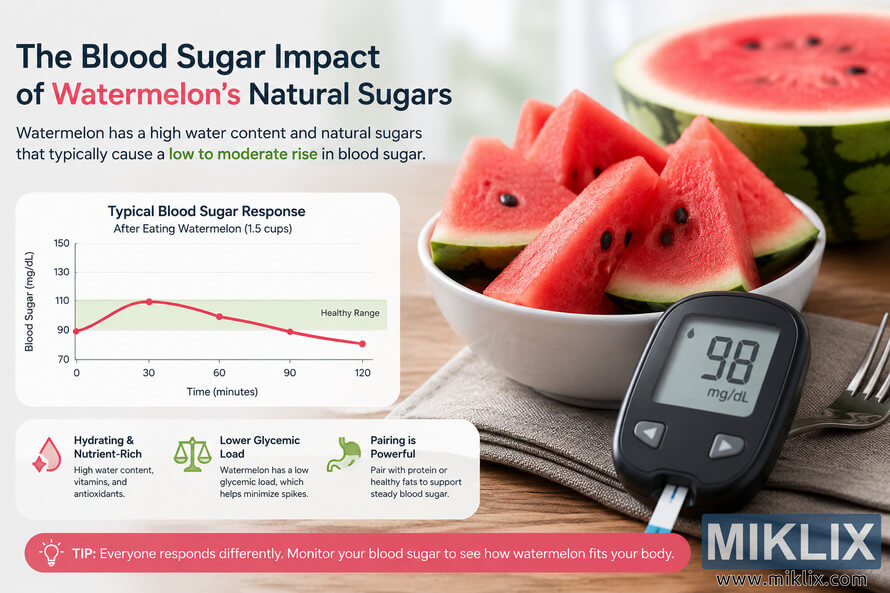
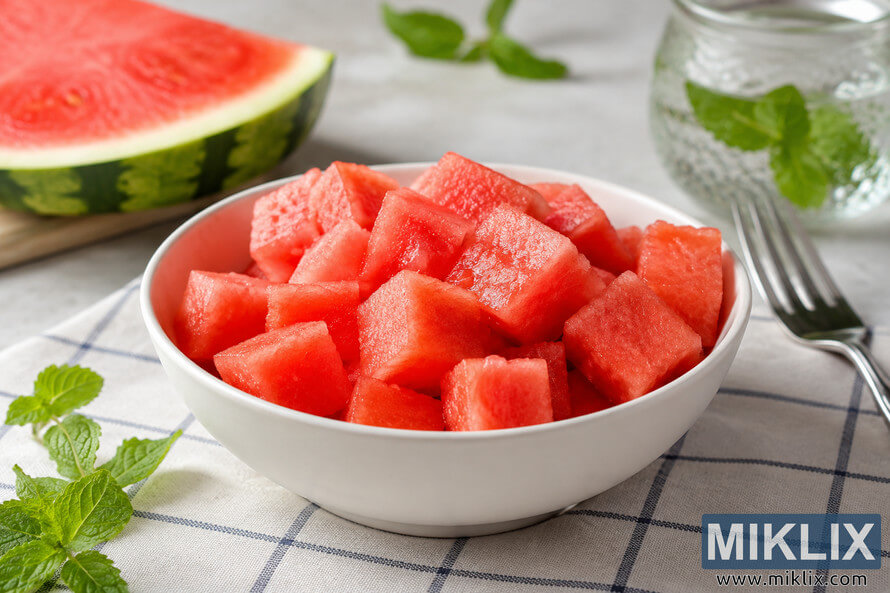
Watermelon contains natural sugar that provides its sweet taste. One cup contains approximately 9 grams of sugar. This amount comes from natural fruit sugar, not added sweeteners.
The glycemic index (GI) of watermelon is relatively high at 72. However, the glycemic load (GL) is low at 5 per cup. Glycemic load accounts for both GI and carbohydrate amount, providing a more accurate picture.
People with diabetes can include watermelon in their diet with proper portion control. The key involves monitoring total carbohydrate intake. Working with a healthcare provider helps determine appropriate serving sizes.
Blood Sugar Tip: Pairing watermelon with protein or healthy fat can help moderate blood sugar response. Try watermelon with cottage cheese, nuts, or in a smoothie with Greek yogurt for balanced nutrition.
Bofya au gusa picha kwa maelezo zaidi na ubora wa hali ya juu.
Filling Without Excess Calories
Satiety involves complex signals between your stomach and brain. Water-rich foods like watermelon trigger stretch receptors in your stomach. This physical fullness contributes to satisfaction after eating.
The fiber in watermelon, though modest, also supports satiety. Fiber slows digestion and helps you feel full longer. Combined with water content, this creates a satisfying eating experience.
Replacing higher-calorie snacks with watermelon can support weight loss goals. The strategy works by reducing overall calorie intake while maintaining satisfaction. This approach feels less restrictive than typical diet rules.
Bofya au gusa picha kwa maelezo zaidi na ubora wa hali ya juu.
Eye Health and Vision Protection
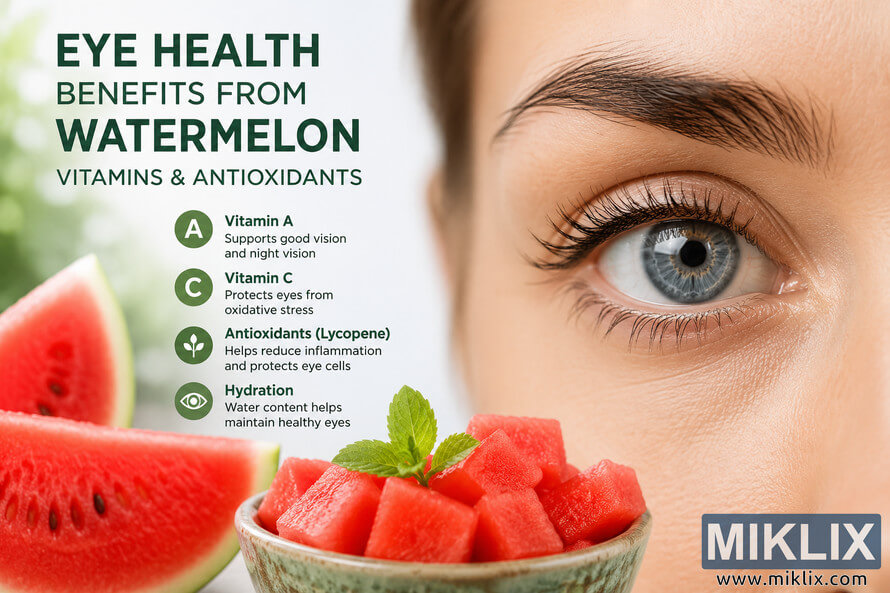
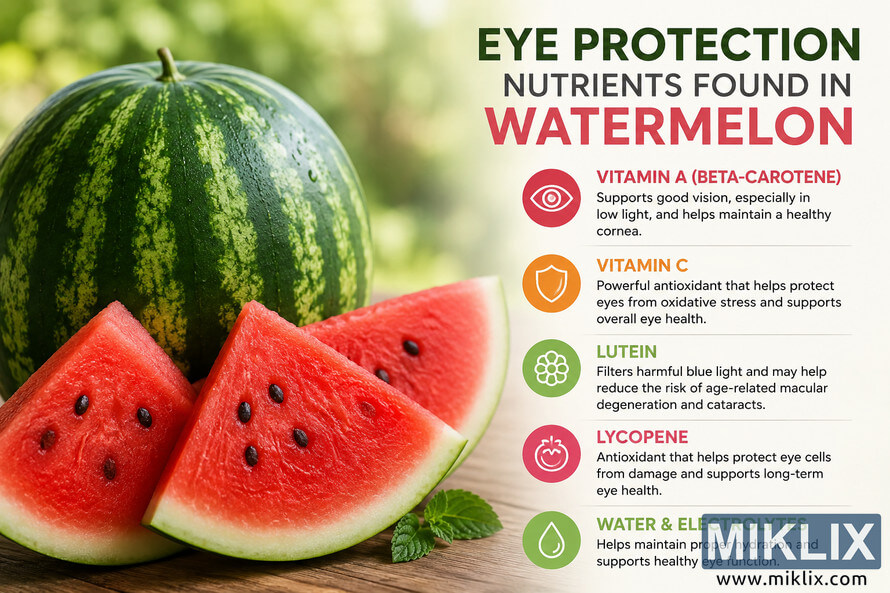
Your eyes need specific nutrients to maintain healthy function over time. Watermelon provides several nutrients that support eye health. The vitamin A content particularly benefits vision and eye structure.
Beta-carotene in watermelon converts to vitamin A in your body. This nutrient is essential for the light-detecting cells in your retina. Adequate vitamin A intake helps maintain normal vision, especially in low light conditions.
Bofya au gusa picha kwa maelezo zaidi na ubora wa hali ya juu.
Protection Against Macular Degeneration
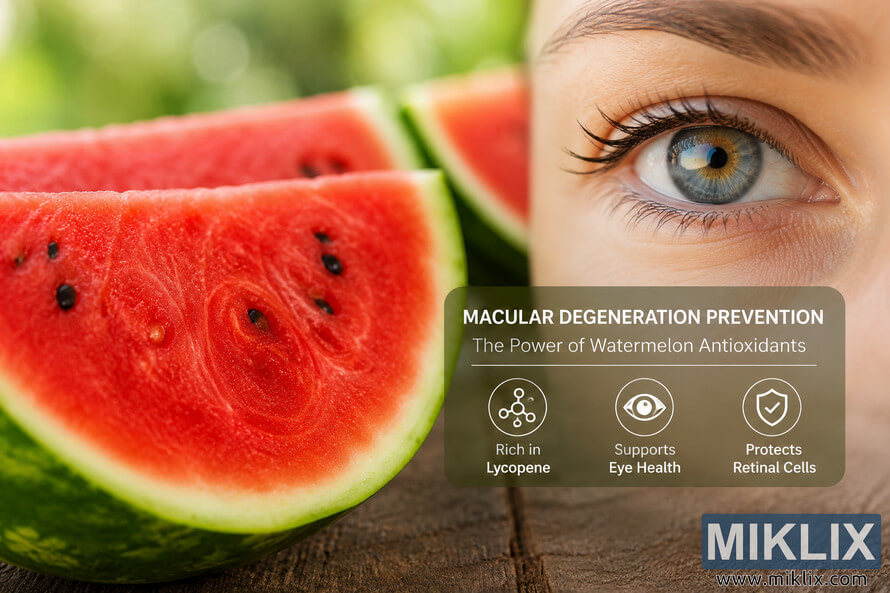
Age-related macular degeneration affects central vision in older adults. Antioxidants may help reduce risk of this condition. The lycopene in watermelon provides antioxidant protection to eye tissue.
Studies examining lycopene intake and eye health show promising results. People with higher lycopene consumption showed reduced risk of certain eye conditions. While research continues, current evidence suggests potential protective effects.
Other carotenoids in watermelon also support eye health. These plant compounds accumulate in eye tissue. Their antioxidant effects may help protect against oxidative damage that contributes to macular degeneration.
Bofya au gusa picha kwa maelezo zaidi na ubora wa hali ya juu.
Supporting Overall Visual Function
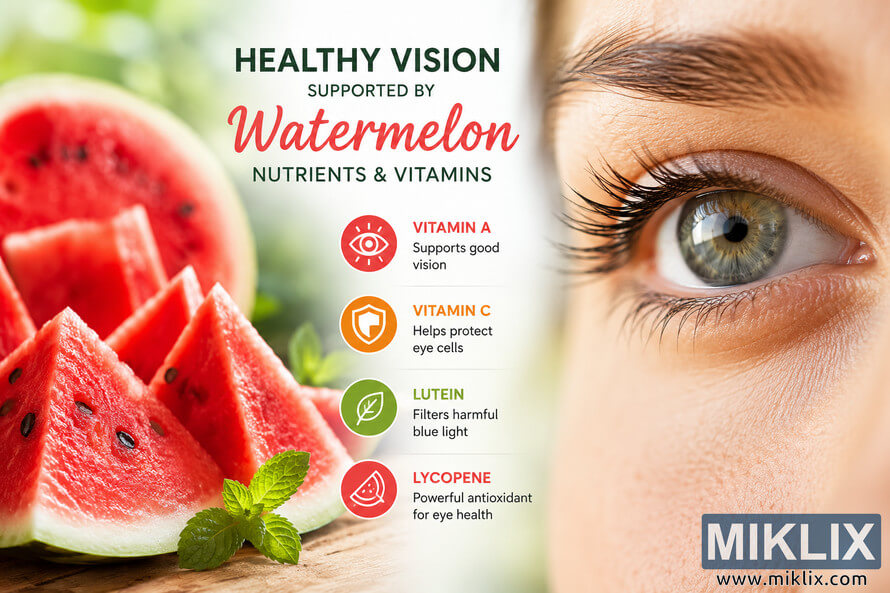
Vitamin C in watermelon supports the health of blood vessels in your eyes. The tiny vessels in your retina need proper function for clear vision. Antioxidants protect these delicate structures from damage.
Staying hydrated supports tear production and eye comfort. The water content in watermelon contributes to overall hydration. This helps maintain the moisture your eyes need to function comfortably throughout the day.
Bofya au gusa picha kwa maelezo zaidi na ubora wa hali ya juu.
Vision Health Fact: While watermelon contains beneficial nutrients for eye health, regular eye exams remain essential. No food can replace professional eye care or correct existing vision problems. Watermelon should be part of an overall eye-healthy diet.
Bofya au gusa picha kwa maelezo zaidi na ubora wa hali ya juu.
Immune System Function and Support
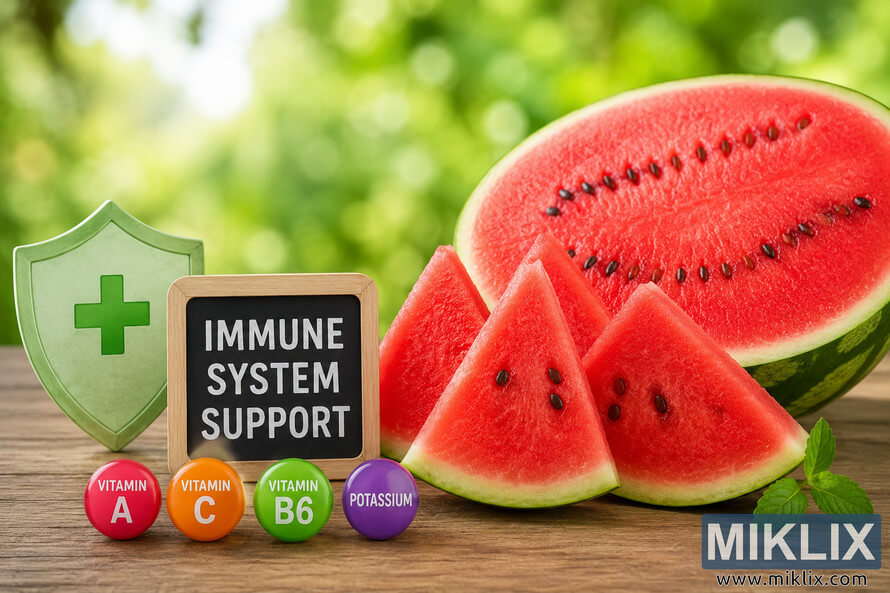
Your immune system requires specific nutrients to function effectively. Watermelon provides several vitamins that support immune health. The combination of vitamin C, vitamin A, and other compounds contributes to immune function.
Vitamin C plays multiple roles in immune defense. It supports various cellular functions of both innate and adaptive immune systems. Adequate vitamin C intake helps your body respond to threats effectively.
Bofya au gusa picha kwa maelezo zaidi na ubora wa hali ya juu.
Antioxidants and Immune Response
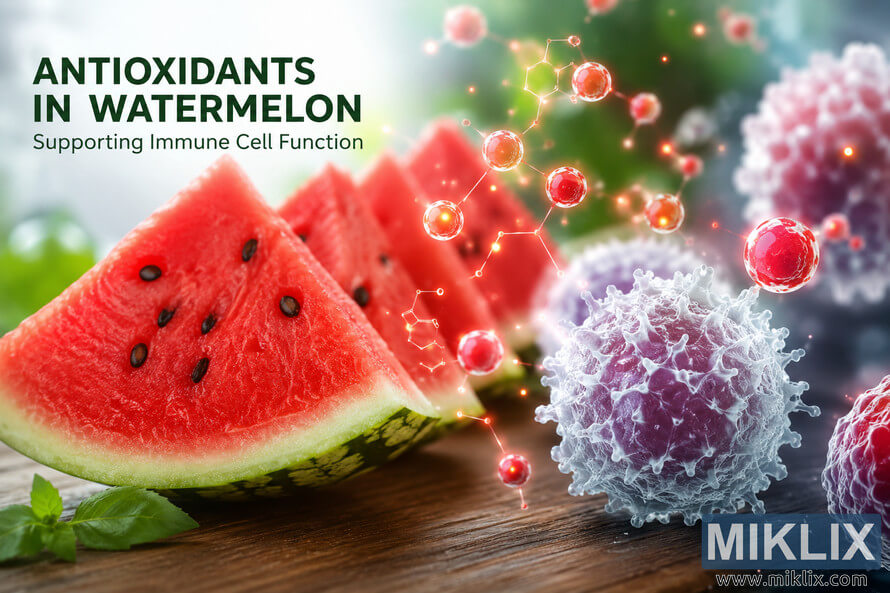
Oxidative stress can impair immune function over time. Antioxidants in watermelon help protect immune cells from this damage. Lycopene, vitamin C, and other compounds work together to support immune health.
The plant compounds in watermelon may have anti-inflammatory effects. Chronic inflammation can suppress immune function. By helping manage inflammation, watermelon supports overall immune system balance.
Bofya au gusa picha kwa maelezo zaidi na ubora wa hali ya juu.
Vitamin A and Immune Defense
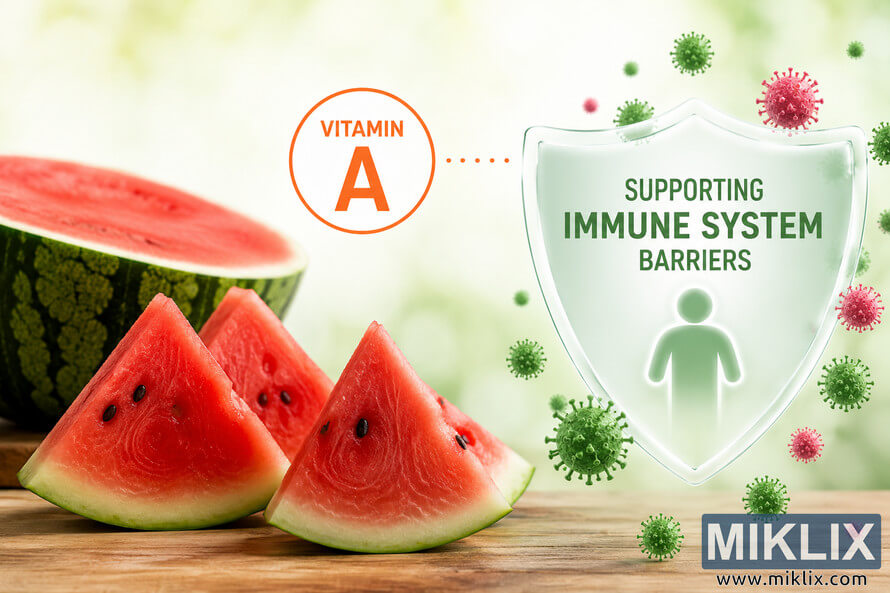
Vitamin A maintains the integrity of mucosal barriers in your body. These barriers form your first line of defense against pathogens. The respiratory and digestive tracts rely on vitamin A for proper barrier function.
The vitamin also supports the production and function of white blood cells. These immune cells help fight infections and disease. Adequate vitamin A intake through foods like watermelon supports these critical functions.
Bofya au gusa picha kwa maelezo zaidi na ubora wa hali ya juu.
Cancer Risk and Research Considerations
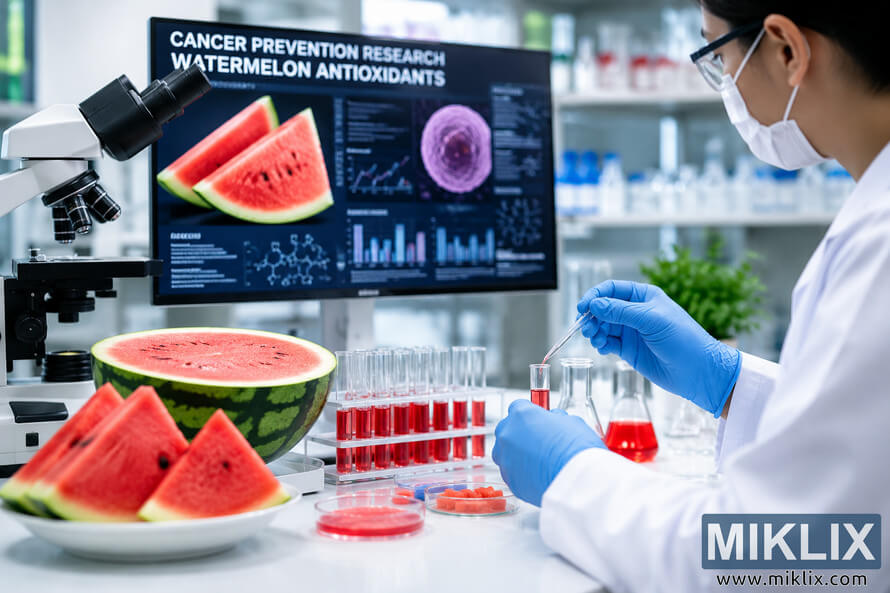
Research explores connections between diet and cancer risk. Lycopene has received particular attention in cancer-related studies. Several studies examine whether lycopene intake affects certain cancer types.
Observational studies show associations between higher lycopene intake and reduced risk of some cancers. These include prostate, lung, and stomach cancers. However, correlation doesn't prove causation, and more research continues.
Bofya au gusa picha kwa maelezo zaidi na ubora wa hali ya juu.
Lycopene and Cellular Protection
Lycopene's antioxidant properties may help protect cell from DNA damage. This type of damage can contribute to cancer development over time. The protective effect of antioxidants forms part of cancer prevention strategies.
Some laboratory studies show lycopene affects cancer cell growth and death. These effects occur in controlled laboratory settings. Translating laboratory findings to real-world diet effects requires careful interpretation.
Important Medical Disclaimer: Watermelon should never replace medical cancer treatment or prevention strategies. While promising research exists, no food prevents or treats cancer on its own. Always follow your healthcare provider's recommendations for cancer screening and prevention.
Bofya au gusa picha kwa maelezo zaidi na ubora wa hali ya juu.
Overall Diet Pattern Matters Most
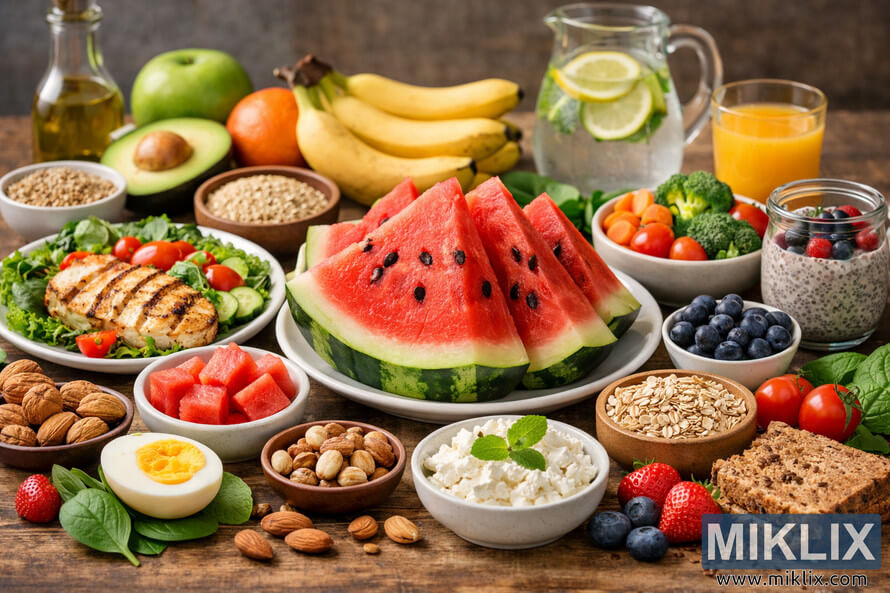
No single food determines cancer risk or prevention. Overall diet patterns have more significant effects than individual foods. Watermelon contributes to a plant-rich diet associated with lower disease risk.
Eating a variety of fruits and vegetables provides numerous protective compounds. Different plant foods offer different beneficial substances. Watermelon adds to this protective variety with its unique nutrient profile.
The American Cancer Society recommends eating at least five servings of fruits and vegetables daily. Watermelon can help meet this recommendation. The key involves consistent, long-term healthy eating patterns.
Bofya au gusa picha kwa maelezo zaidi na ubora wa hali ya juu.
Bone Health and Mineral Support
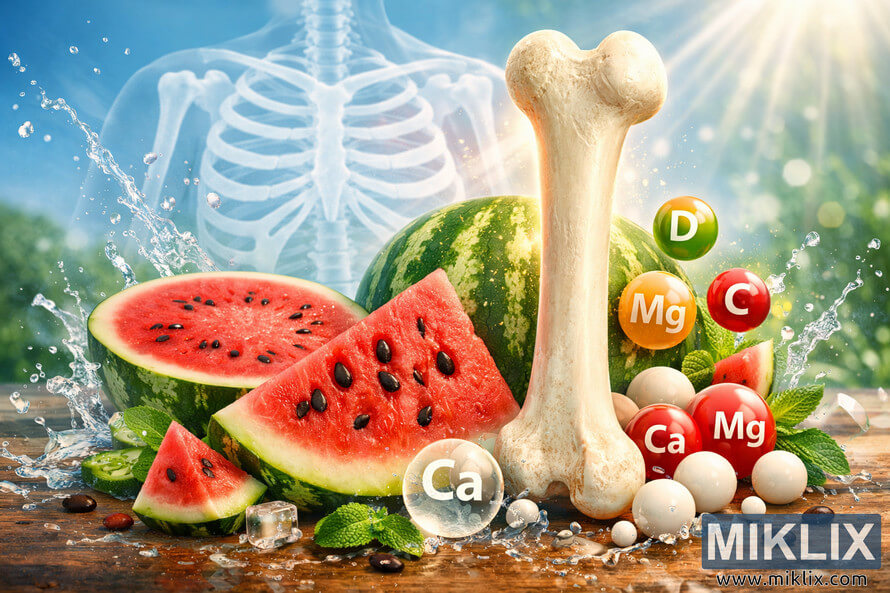
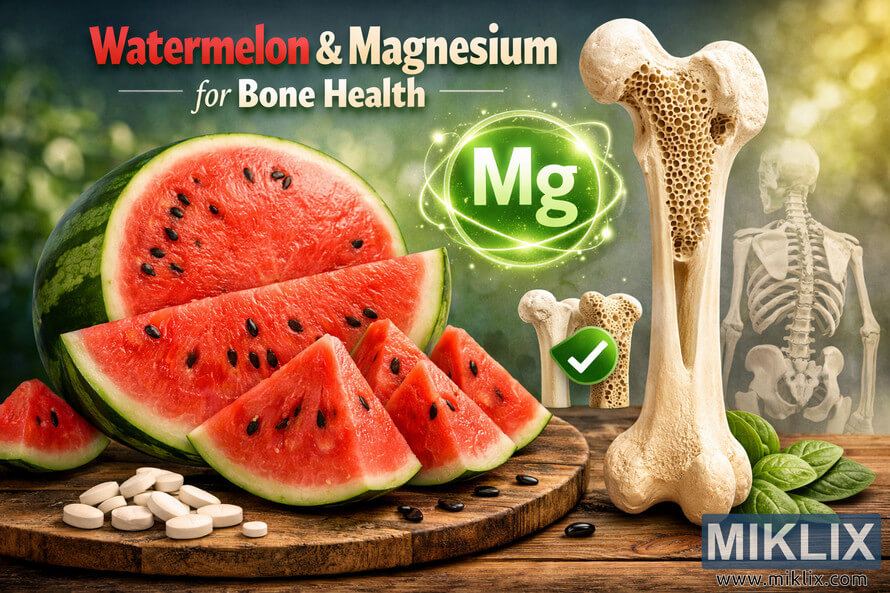
Strong bones require various nutrients working together. While not the richest source, watermelon provides minerals that support bone health. The magnesium and potassium content contribute to skeletal structure maintenance.
Magnesium plays an important role in bone formation. About 60% of your body's magnesium resides in bones. This mineral helps regulate calcium balance and supports bone-building cell function.
Bofya au gusa picha kwa maelezo zaidi na ubora wa hali ya juu.
Magnesium and Bone Density
Research links adequate magnesium intake to better bone density. Higher bone density reduces fracture risk as you age. One cup of watermelon provides about 15 mg of magnesium, contributing to daily needs.
Magnesium deficiency can negatively affect bone health over time. The mineral influences both bone-building cells and bone-breaking cells. Maintaining adequate intake through foods like watermelon supports bone balance.
Bofya au gusa picha kwa maelezo zaidi na ubora wa hali ya juu.
Potassium's Role in Bone Health
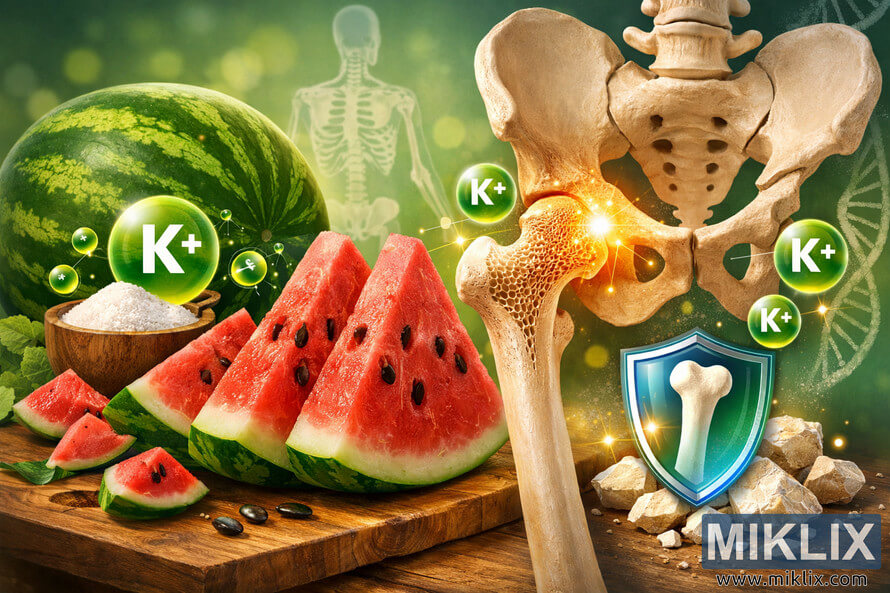
Potassium helps neutralize acids in your body that can leach calcium from bones. This protective effect supports long-term bone health. Watermelon provides approximately 170 mg of potassium per cup.
Studies show people with higher potassium intake often have stronger bones. The effect appears related to calcium retention. Eating potassium-rich foods like watermelon may help preserve bone mineral density.
Bone Health Note: While watermelon contributes beneficial minerals, calcium and vitamin D remain the primary nutrients for bone health. Ensure adequate intake of these nutrients through dairy, fortified foods, or supplements as recommended by your healthcare provider.
Bofya au gusa picha kwa maelezo zaidi na ubora wa hali ya juu.
Inflammation Reduction and Management
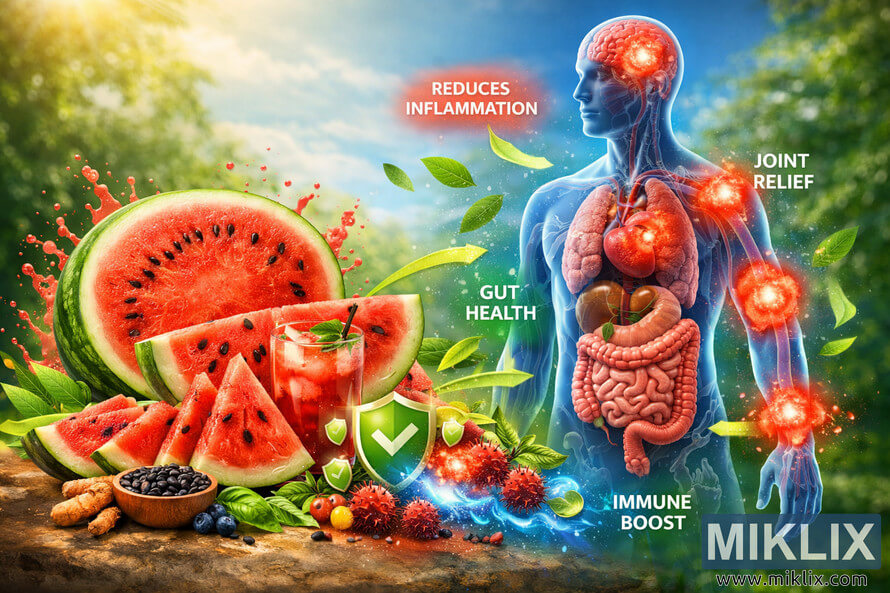
Chronic inflammation contributes to numerous health conditions. Diet affects inflammation levels in your body. Watermelon contains compounds with potential anti-inflammatory effects.
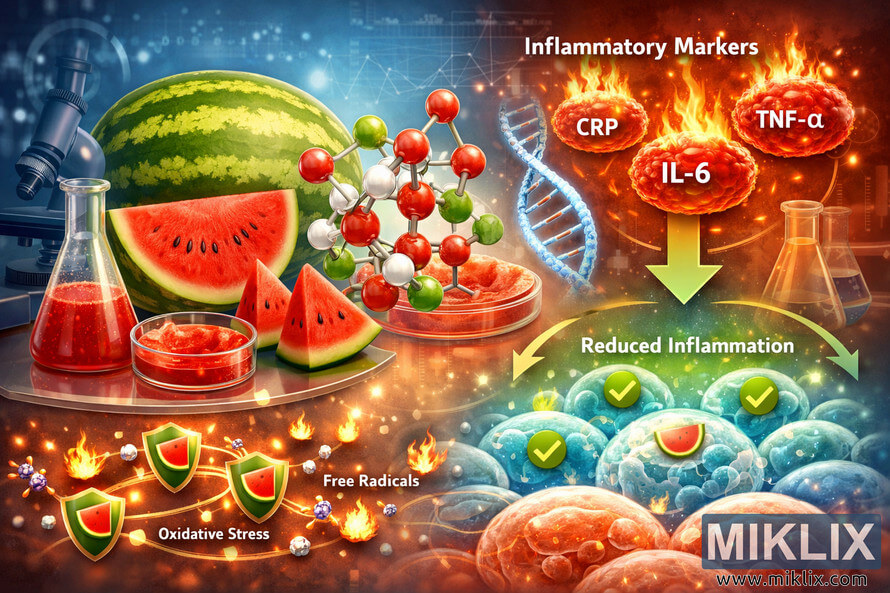
Lycopene shows anti-inflammatory properties in research studies. The compound may help reduce inflammation markers in your blood. This effect could contribute to lower risk of inflammation-related diseases.
Bofya au gusa picha kwa maelezo zaidi na ubora wa hali ya juu.
How Watermelon May Help Reduce Inflammation
Studies measure inflammation through specific blood markers. C-reactive protein (CRP) indicates inflammation levels. Some research shows lycopene-rich foods may help lower CRP levels.
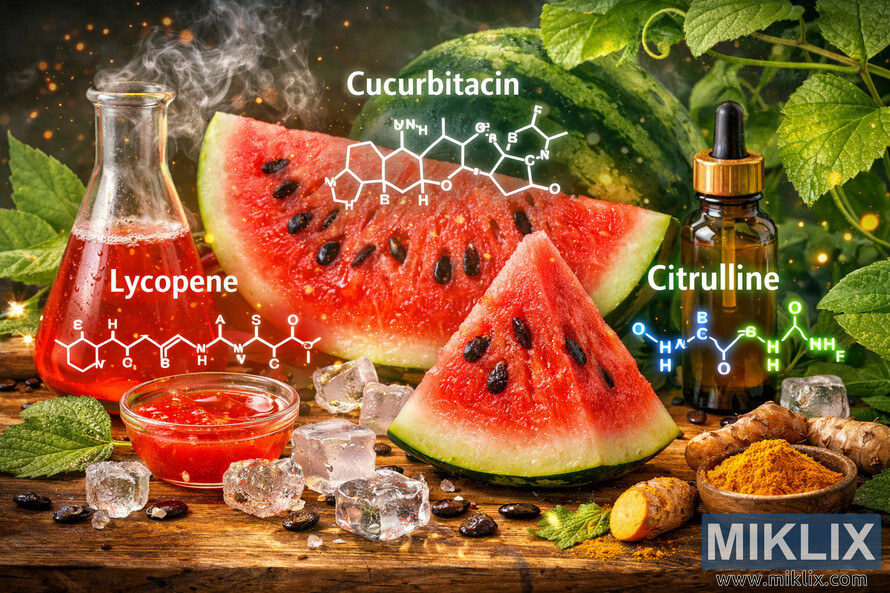
The antioxidants in watermelon combat oxidative stress. Oxidative stress and inflammation often occur together. By reducing oxidative stress, watermelon may indirectly affect inflammation.
Bofya au gusa picha kwa maelezo zaidi na ubora wa hali ya juu.
Vitamin C also contributes anti-inflammatory effects. The vitamin helps regulate immune responses that involve inflammation. Adequate vitamin C intake supports balanced inflammatory processes.
The cucurbitacin E in watermelon may have anti-inflammatory properties. This compound belongs to a family of plant substances with various biological effects. Research continues to explore these potential benefits.
Bofya au gusa picha kwa maelezo zaidi na ubora wa hali ya juu.
Inflammation and Chronic Disease
Many chronic diseases involve inflammatory processes. These include heart disease, diabetes, and arthritis. Managing inflammation through diet may help reduce risk of these conditions.
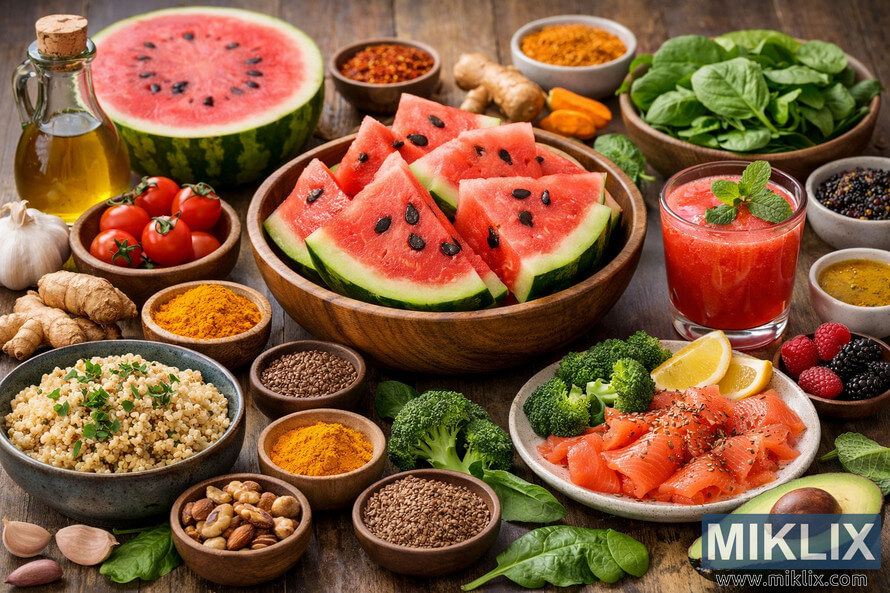
An anti-inflammatory diet emphasizes whole plant foods. Fruits like watermelon fit well into this eating pattern. The combination of various anti-inflammatory foods creates cumulative benefits.
No single food eliminates inflammation or prevents disease. However, consistently choosing anti-inflammatory foods supports overall health. Watermelon represents one component of an inflammation-conscious diet.
Bofya au gusa picha kwa maelezo zaidi na ubora wa hali ya juu.
Kidney Health and Function Support
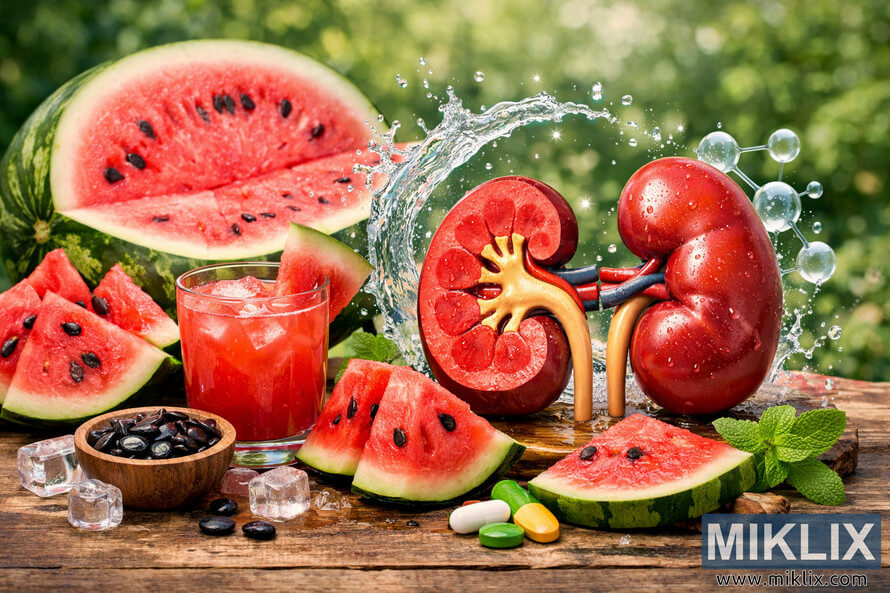
Your kidneys filter waste products from your blood continuously. These organs need adequate hydration to function efficiently. The high water content in watermelon supports kidney function through hydration.
Proper fluid intake helps kidneys flush waste and toxins from your body. Dehydration makes kidneys work harder to concentrate urine. Eating water-rich foods like watermelon contributes to the fluid your kidneys need.
Bofya au gusa picha kwa maelezo zaidi na ubora wa hali ya juu.
Hydration and Kidney Stone Prevention
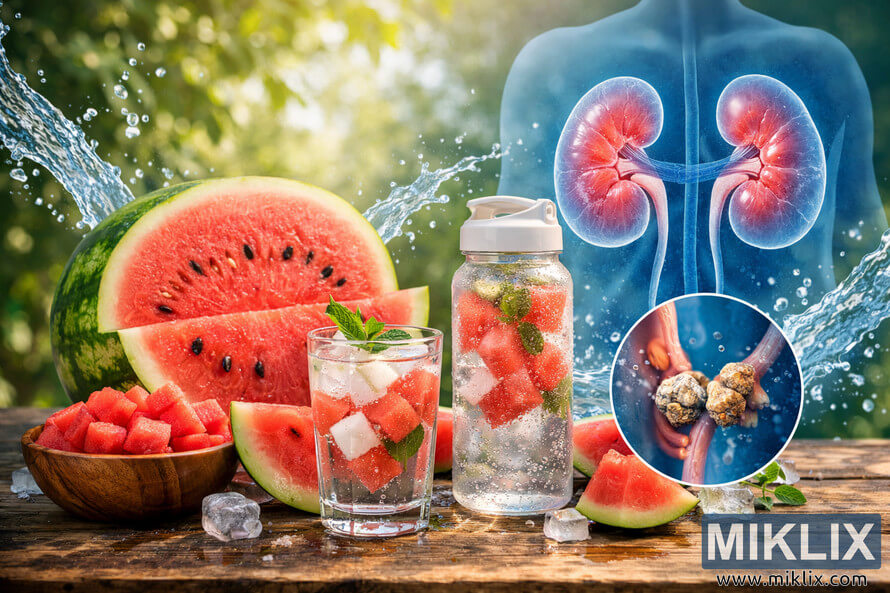
Kidney stones form when minerals crystallize in concentrated urine. Adequate hydration dilutes urine and reduces stone formation risk. The water content in watermelon helps maintain proper urine dilution.
Potassium in watermelon may also play a role in stone prevention. The mineral affects how your body handles calcium. Some studies suggest higher potassium intake reduces certain kidney stone types.
Kidney Disease Caution: People with kidney disease should consult their healthcare provider before increasing watermelon intake. The potassium content may be a concern for those with impaired kidney function. Always follow medical advice regarding potassium intake with kidney conditions.
Bofya au gusa picha kwa maelezo zaidi na ubora wa hali ya juu.
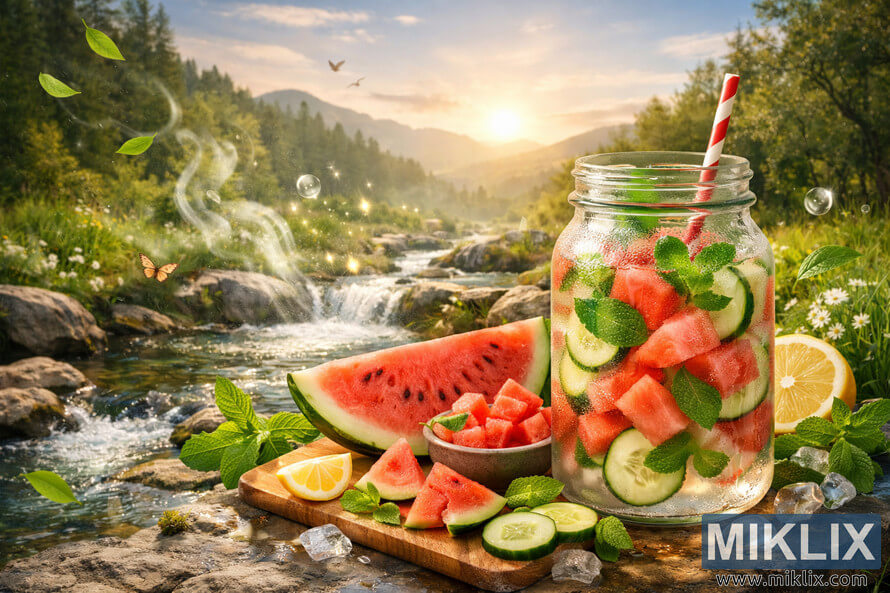
Supporting Natural Detoxification
Your kidneys perform natural detoxification constantly. They filter approximately 120 to 150 quarts of blood daily. Supporting kidney health through proper nutrition and hydration optimizes this natural process.
Watermelon provides fluid without adding significant waste for kidneys to filter. Unlike processed foods or excessive protein, watermelon is easy on kidney function. The combination of water and nutrients supports rather than burdens these organs.
Bofya au gusa picha kwa maelezo zaidi na ubora wa hali ya juu.
Brain Health and Cognitive Function
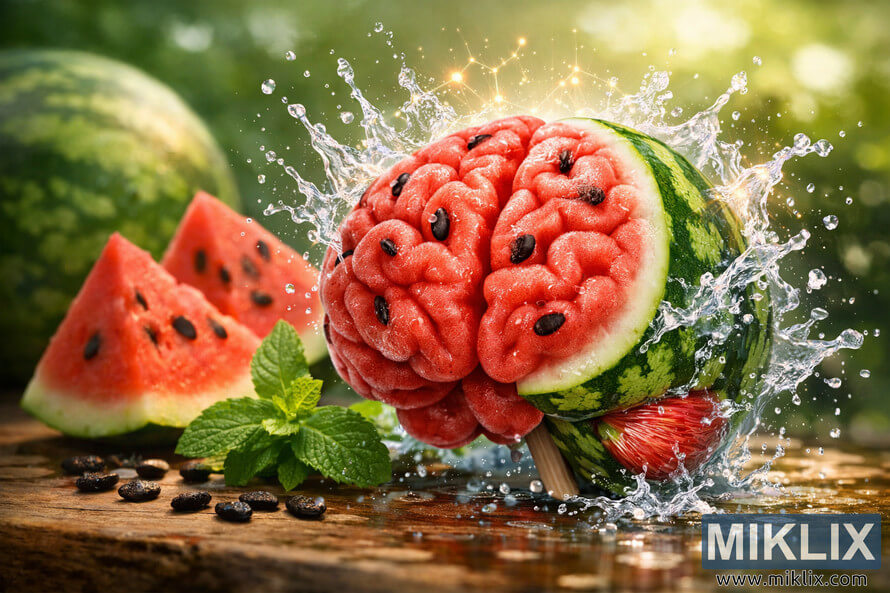
Your brain requires specific conditions to function optimally. Hydration significantly affects cognitive performance. Even mild dehydration can impair concentration, mood, and mental processing speed.
Watermelon helps maintain the hydration your brain needs. About 75% of brain tissue consists of water. Adequate fluid intake supports neurotransmitter production and nutrient delivery to brain cells.
Bofya au gusa picha kwa maelezo zaidi na ubora wa hali ya juu.
Lycopene and Neuroprotection
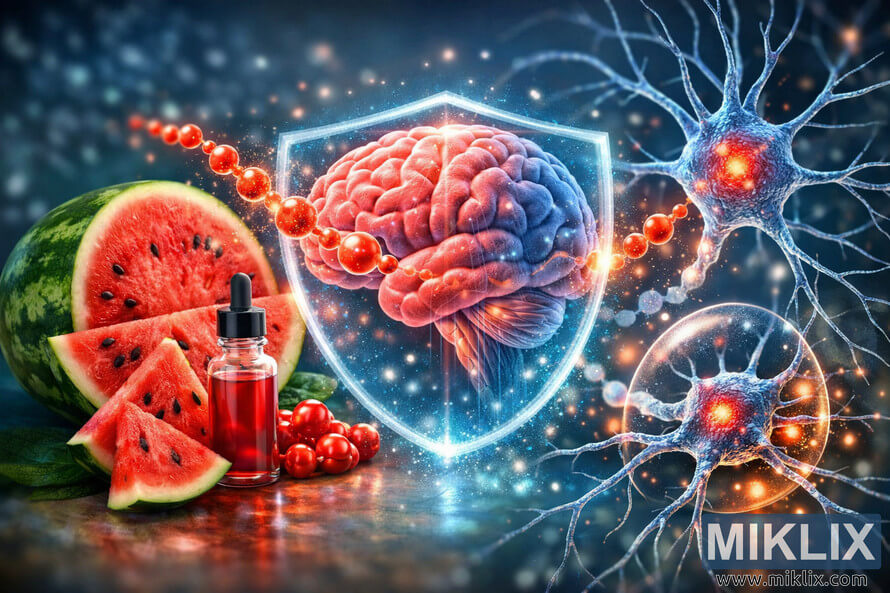
Research explores lycopene's potential neuroprotective properties. Oxidative stress contributes to age-related cognitive decline. Antioxidants like lycopene may help protect brain tissue from this damage.
Some studies examine connections between lycopene intake and cognitive function. Early findings suggest potential protective effects against certain neurodegenerative conditions. More research is needed to confirm these relationships.
Bofya au gusa picha kwa maelezo zaidi na ubora wa hali ya juu.
Hydration and Mental Performance
Studies consistently show dehydration impairs cognitive performance. Effects include reduced attention span, slower reaction time, and impaired short-term memory. Maintaining hydration through foods like watermelon helps prevent these issues.
Your brain is particularly sensitive to hydration status. Small decreases in hydration can noticeably affect mental function. Eating water-rich foods provides hydration your brain needs throughout the day.

Bofya au gusa picha kwa maelezo zaidi na ubora wa hali ya juu.
Pregnancy Nutrition and Prenatal Benefits
Pregnancy increases nutritional needs significantly. Watermelon provides several nutrients beneficial during pregnancy. The fruit offers hydration and nutrients that support maternal and fetal health.
Morning sickness affects many pregnant women, especially during the first trimester. Watermelon's high water content and mild flavor make it easier to consume when nausea occurs. The fruit provides nutrition even when other foods don't appeal.

Bofya au gusa picha kwa maelezo zaidi na ubora wa hali ya juu.
Key Nutrients for Pregnancy
Vitamin C supports iron absorption, important during pregnancy. The vitamin also helps produce collagen for fetal tissue development. Watermelon provides vitamin C alongside other beneficial nutrients.
The potassium in watermelon helps manage fluid balance during pregnancy. Many women experience swelling in their third trimester. Adequate potassium intake may help reduce water retention and associated discomfort.

Bofya au gusa picha kwa maelezo zaidi na ubora wa hali ya juu.
Hydration During Pregnancy
Pregnant women need more fluid than non-pregnant adults. Hydration supports increased blood volume and amniotic fluid production. Watermelon helps meet these elevated fluid needs through food.
Adequate hydration during pregnancy may help prevent urinary tract infections and constipation. Both issues commonly affect pregnant women. The combination of water and fiber in watermelon addresses both concerns.
Pregnancy Note: While watermelon offers many benefits during pregnancy, always discuss dietary changes with your healthcare provider. Individual nutritional needs vary based on health status and pregnancy complications. Follow medical advice regarding nutrition during pregnancy.

Bofya au gusa picha kwa maelezo zaidi na ubora wa hali ya juu.
Selecting and Storing Watermelon for Maximum Benefits
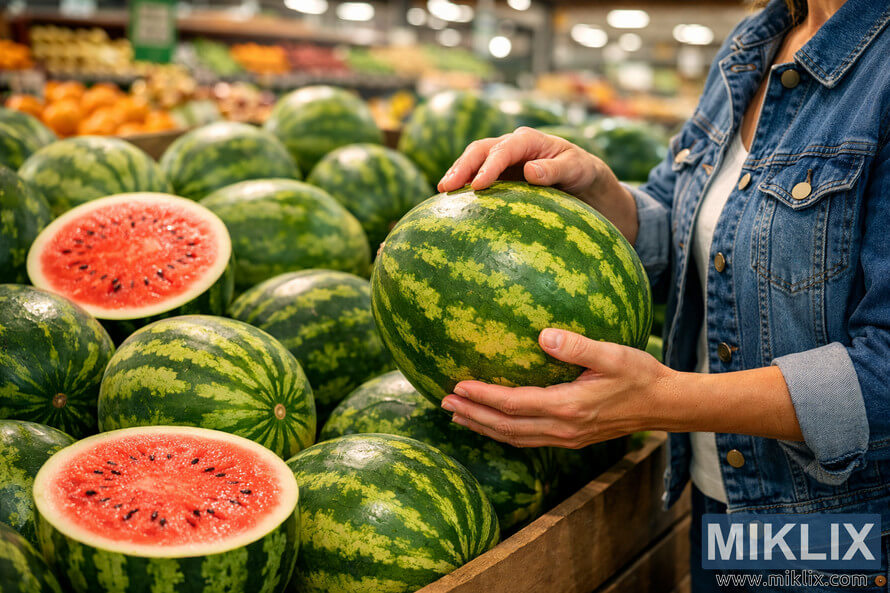
Choosing ripe watermelon ensures you get maximum flavor and nutrition. Several indicators help you select the best fruit. Learning these selection techniques helps you consistently pick good watermelon.
Proper storage maintains watermelon quality after purchase. How you store the fruit affects both taste and nutrient retention. Following storage guidelines helps you enjoy watermelon at its best.
Bofya au gusa picha kwa maelezo zaidi na ubora wa hali ya juu.
Signs of Ripe Watermelon
Field Spot Color
Look for a creamy yellow spot where the watermelon rested on the ground. This spot indicates ripeness.
- Creamy yellow color indicates ripe fruit
- White or light green suggests under-ripeness
- Dark yellow may indicate over-ripeness
- Larger spot often means sweeter melon
Sound Test
Tap the watermelon and listen for the sound. A ripe watermelon produces a hollow, deep sound.
- Deep hollow sound indicates ripeness
- High-pitched sound suggests under-ripeness
- Dull thud may indicate over-ripeness
- Practice helps you recognize the sound
Weight Comparison
Ripe watermelon feels heavy for its size. Compare similar-sized melons to find the heaviest one.
- Heavier weight indicates more water content
- Weight suggests juiciness and ripeness
- Compare melons of equal size
- Heavy melons typically taste better
Skin Appearance
Examine the watermelon's exterior for ripeness indicators. The skin should appear dull rather than shiny.
- Dull surface indicates ripeness
- Shiny appearance suggests under-ripeness
- Uniform shape without major irregularities
- Firm skin without soft spots or cuts
Proper Storage Guidelines
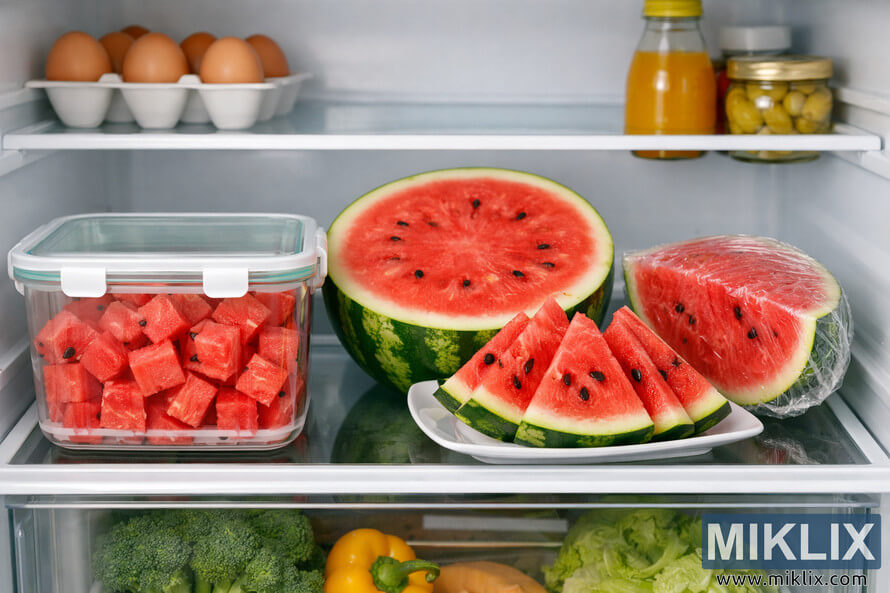
Whole watermelon can stay at room temperature before cutting. Once cut, refrigeration becomes essential. Store cut watermelon in an airtight container or wrapped tightly in plastic wrap.
Uncut watermelon lasts 7-10 days at room temperature. Refrigeration extends this to 2-3 weeks. Cut watermelon stays fresh 3-5 days in the refrigerator when properly stored.
Best Storage Practices
- Refrigerate cut watermelon immediately
- Use airtight containers for cut pieces
- Keep whole melon at room temperature until cutting
- Store away from ethylene-producing fruits
- Consume within 3-5 days after cutting
Storage Mistakes to Avoid
- Leaving cut watermelon at room temperature
- Storing without covering or sealing
- Keeping watermelon past freshness date
- Washing before storing (adds moisture)
- Freezing without proper preparation
Bofya au gusa picha kwa maelezo zaidi na ubora wa hali ya juu.
Freezing Watermelon
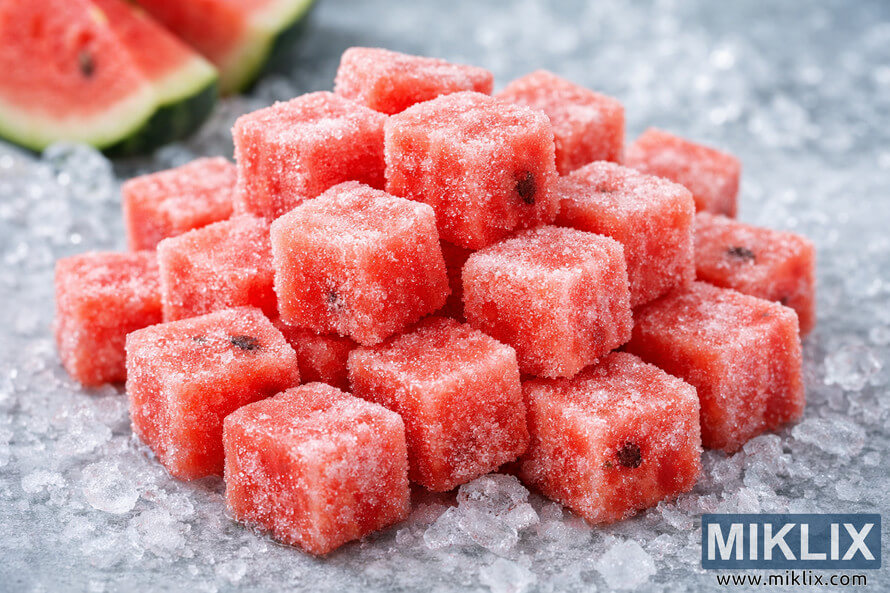
Freezing watermelon works well for smoothies and frozen treats. Cut watermelon into cubes before freezing. Spread cubes on a baking sheet to freeze individually, then transfer to freezer bags.
Frozen watermelon lasts 8-12 months in the freezer. The texture changes upon thawing, making it less suitable for fresh eating. However, frozen watermelon works perfectly in blended recipes.
Bofya au gusa picha kwa maelezo zaidi na ubora wa hali ya juu.
Creative Serving Ideas and Recipe Inspiration
Watermelon offers versatility beyond eating plain slices. Creative preparations help you enjoy the health benefits of watermelon in new ways. These serving ideas make watermelon more interesting while maintaining its nutritional value.
Different preparations suit different occasions and preferences. Some people enjoy savory watermelon dishes while others prefer sweet treats. Experimenting with various serving methods helps you find your favorite ways to eat watermelon.

Bofya au gusa picha kwa maelezo zaidi na ubora wa hali ya juu.
Refreshing Beverages and Smoothies
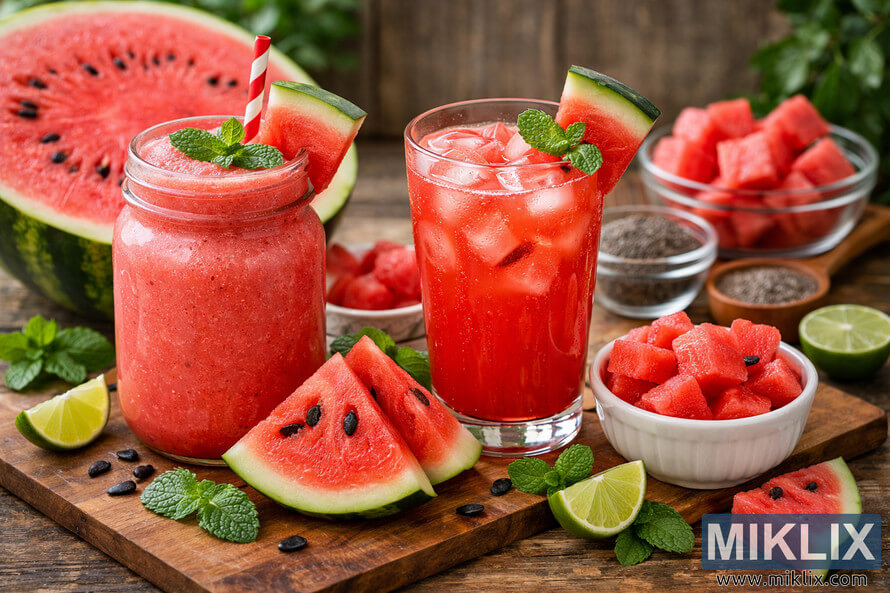
Watermelon juice provides concentrated nutrition and hydration. Blend watermelon chunks with ice for a refreshing drink. Add mint leaves for extra flavor without added sugar.
Watermelon smoothies combine the fruit with other nutritious ingredients. Try blending watermelon with Greek yogurt for added protein. The combination creates a filling snack or light breakfast option.
Bofya au gusa picha kwa maelezo zaidi na ubora wa hali ya juu.
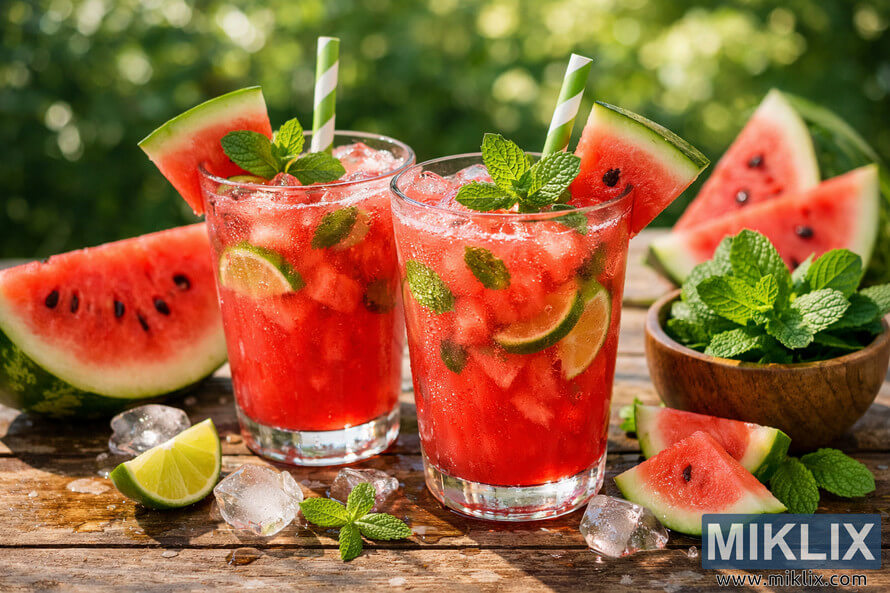
Watermelon Mint Cooler
- 4 cups cubed watermelon
- Fresh mint leaves
- Juice of 1 lime
- Ice cubes
- Sparkling water (optional)
Bofya au gusa picha kwa maelezo zaidi na ubora wa hali ya juu.
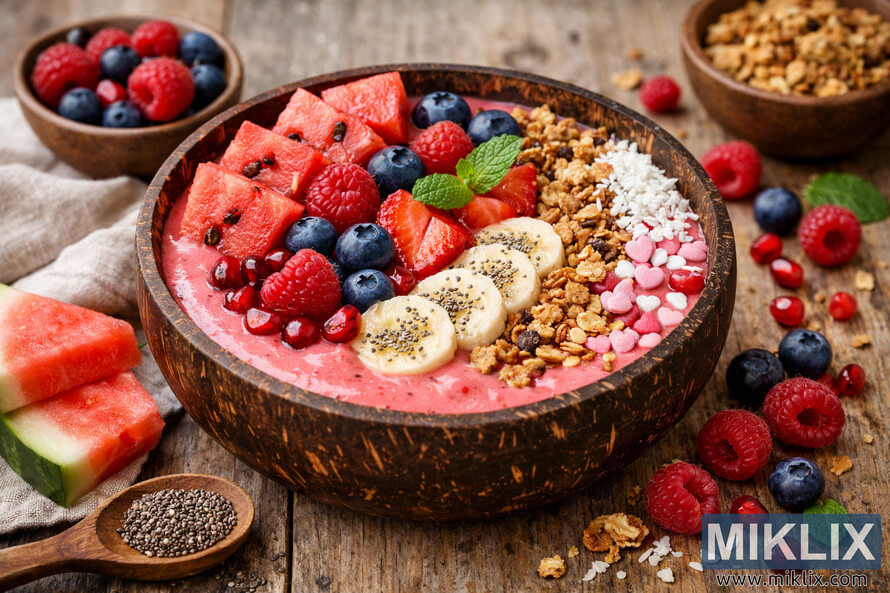
Berry Watermelon Smoothie
- 2 cups watermelon chunks
- 1 cup mixed berries
- 1/2 cup Greek yogurt
- 1 tablespoon honey
- Ice as needed
Bofya au gusa picha kwa maelezo zaidi na ubora wa hali ya juu.
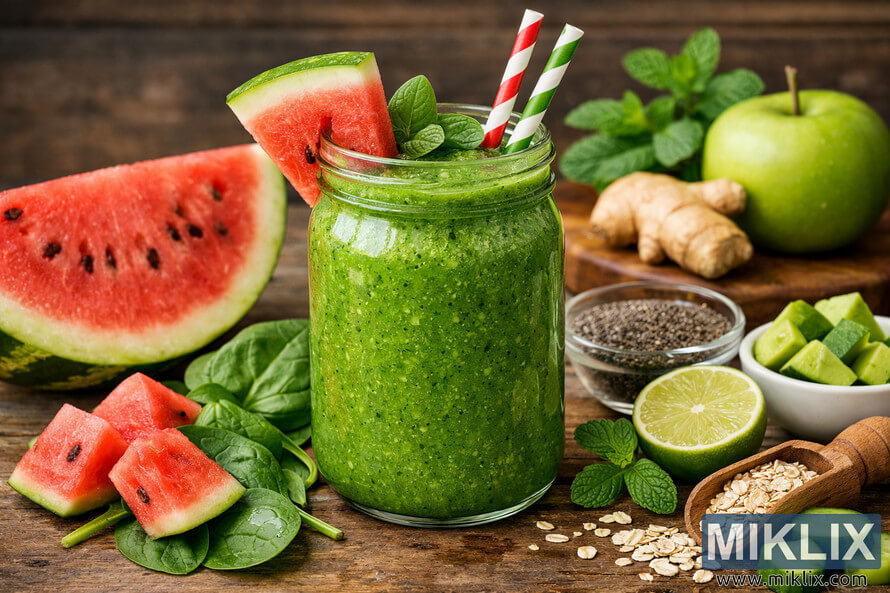
Green Watermelon Blend
- 3 cups watermelon
- 1 cup fresh spinach
- 1/2 cucumber
- 1 tablespoon chia seeds
- Coconut water
Bofya au gusa picha kwa maelezo zaidi na ubora wa hali ya juu.
Savory Watermelon Preparations
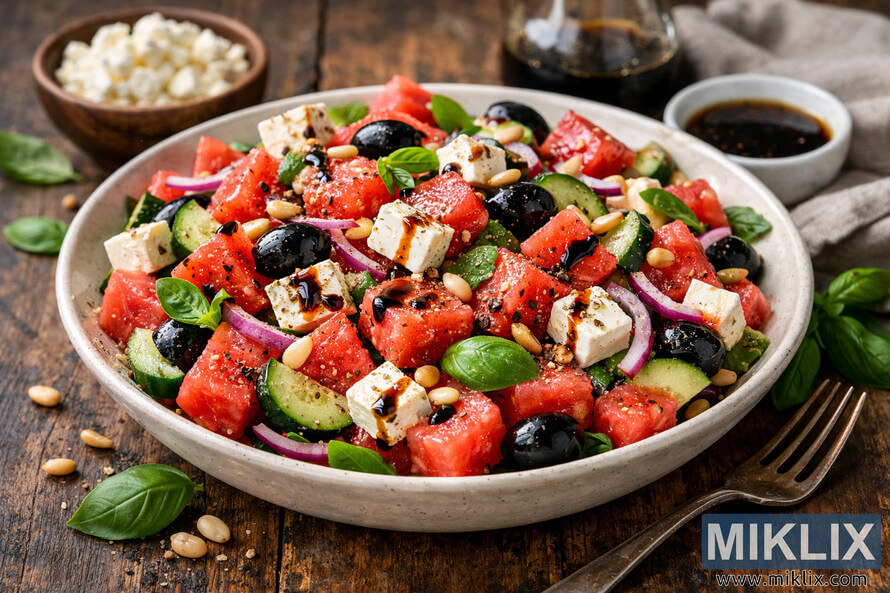
Watermelon pairs surprisingly well with savory ingredients. The classic combination of watermelon and feta cheese creates flavor contrast. Add fresh basil and balsamic vinegar for a sophisticated salad.
Grilled watermelon develops caramelized flavors that complement the fruit's sweetness. The heat concentrates sugars and creates new taste dimensions. Serve grilled watermelon alongside grilled proteins for an interesting side dish.
Bofya au gusa picha kwa maelezo zaidi na ubora wa hali ya juu.
Frozen Watermelon Treats
Frozen watermelon creates naturally sweet treats without added sugar. Blend watermelon and freeze in popsicle molds for healthy desserts. These treats appeal to children and adults alike.
Watermelon sorbet offers a light dessert option. Blend frozen watermelon chunks until smooth for instant sorbet. The natural sugar content creates perfect texture without ice cream makers.
Preparation Tip: Remove watermelon seeds before blending to avoid bitter flavor. Seedless varieties make preparation easier. If using seeded watermelon, strain juice through a fine-mesh sieve for smooth texture.

Bofya au gusa picha kwa maelezo zaidi na ubora wa hali ya juu.
Potential Side Effects and Important Considerations
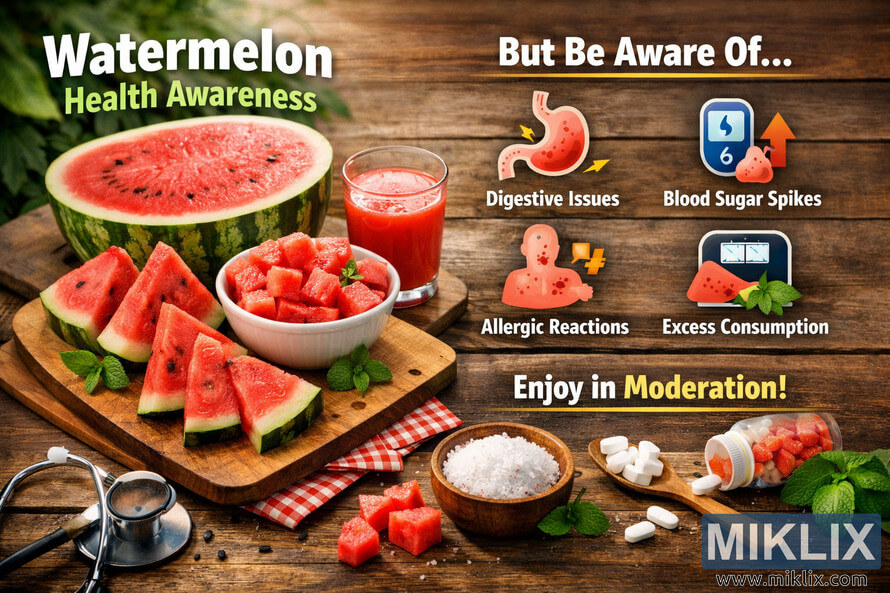
While watermelon offers numerous benefits, some people may experience side effects. Understanding these potential issues helps you consume watermelon appropriately. Most people tolerate watermelon well when eaten in reasonable amounts.
Individual responses to foods vary based on health conditions and sensitivities. Being aware of potential concerns allows you to make informed decisions. Consult healthcare providers if you have specific health conditions.
Bofya au gusa picha kwa maelezo zaidi na ubora wa hali ya juu.
Digestive Considerations
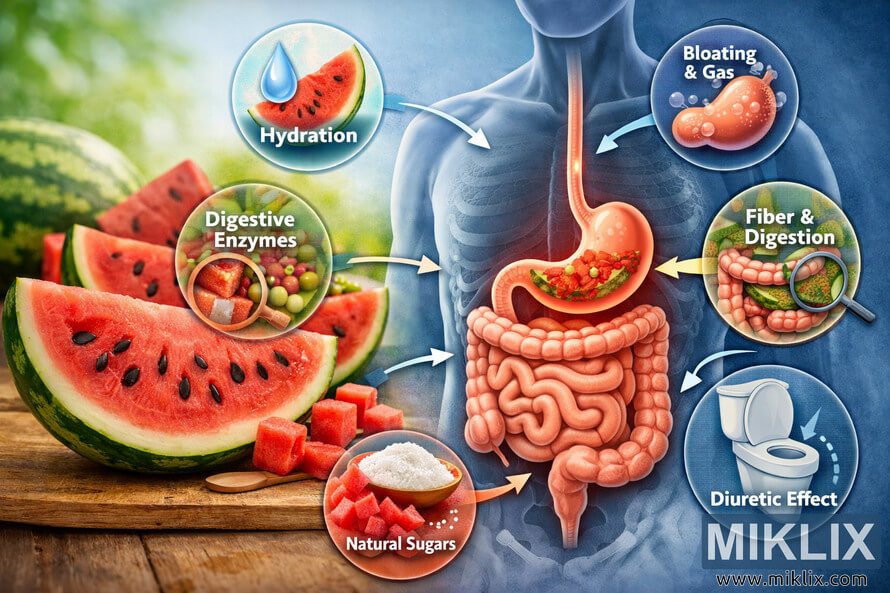
Large amounts of watermelon may cause digestive discomfort in some people. The high water and fiber content can lead to loose stools. Moderation prevents these issues for most individuals.
People with irritable bowel syndrome (IBS) may react to watermelon's natural sugars. The fruit contains FODMAPs that can trigger symptoms in sensitive individuals. Those with IBS should introduce watermelon gradually and monitor responses.
Bofya au gusa picha kwa maelezo zaidi na ubora wa hali ya juu.
Blood Sugar Management
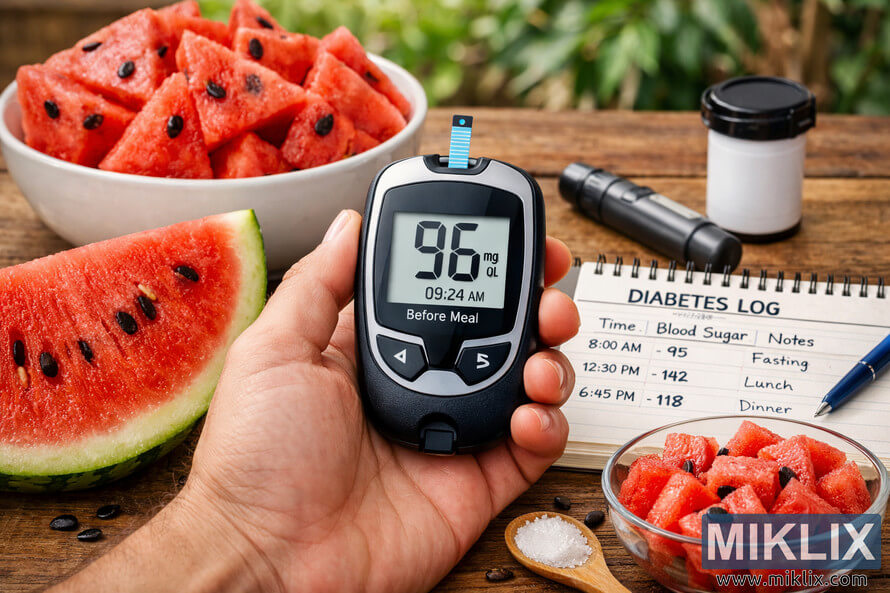
People with diabetes should monitor watermelon portions carefully. The fruit's natural sugar affects blood sugar levels. However, the low glycemic load means reasonable portions typically fit into diabetic meal plans.
Pairing watermelon with protein or fat slows sugar absorption. This combination creates more stable blood sugar responses. Always work with healthcare providers to determine appropriate serving sizes for your situation.
Bofya au gusa picha kwa maelezo zaidi na ubora wa hali ya juu.
Allergy and Sensitivity Issues
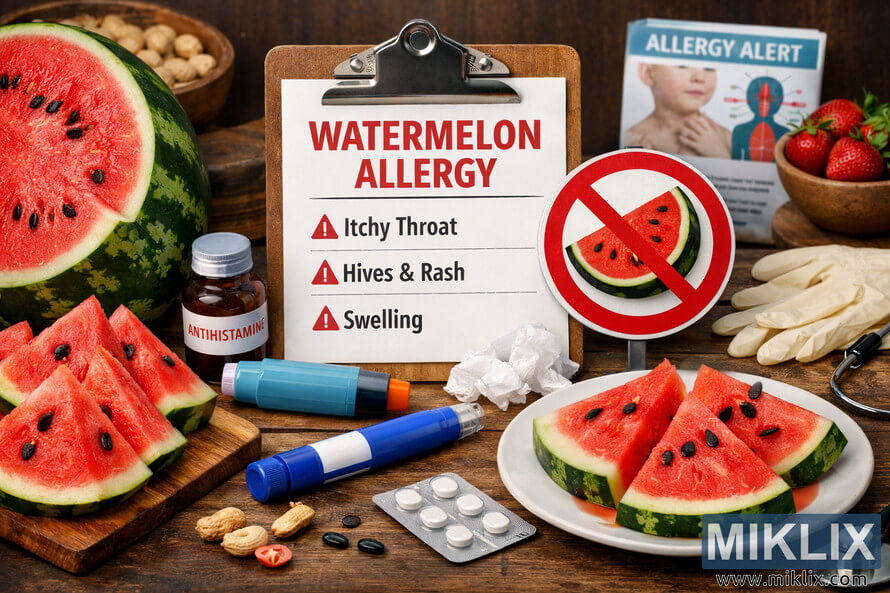
Watermelon allergies are rare but possible. Symptoms may include itching, swelling, or digestive upset. People with ragweed pollen allergies might experience oral allergy syndrome from watermelon.
Oral allergy syndrome causes tingling or itching in the mouth and throat. The reaction occurs because proteins in watermelon resemble pollen proteins. Cooking usually destroys these proteins, though cooked watermelon is uncommon.
When Watermelon Works Well
- As part of balanced meals and snacks
- For hydration support during hot weather
- As a low-calorie dessert alternative
- For post-exercise recovery nutrition
- In moderate portions throughout the day
When to Exercise Caution
- With diagnosed IBS or FODMAP sensitivity
- When managing kidney disease (high potassium)
- With known fruit allergies or sensitivities
- When eating very large quantities at once
- With poorly controlled blood sugar levels
Bofya au gusa picha kwa maelezo zaidi na ubora wa hali ya juu.
Medication Interactions
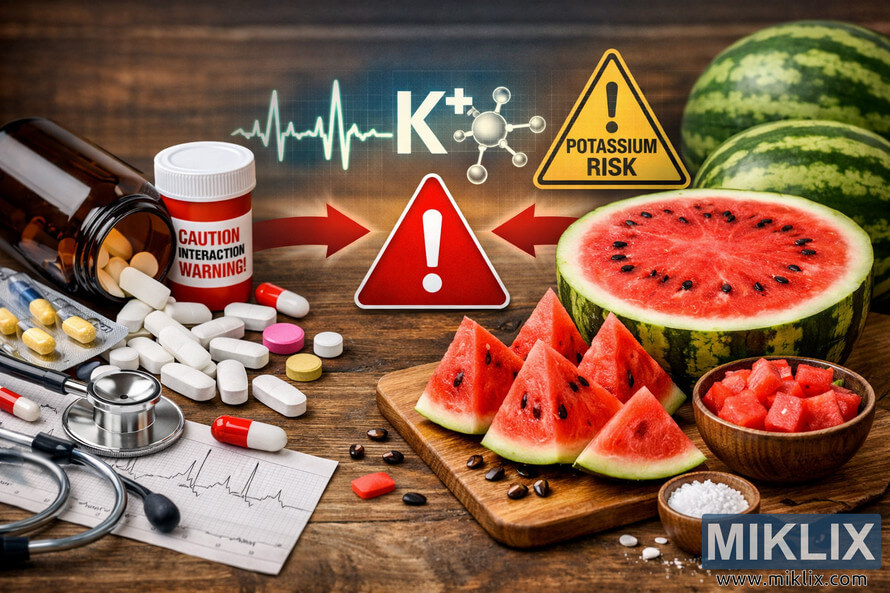
Watermelon's potassium content may interact with certain medications. People taking ACE inhibitors or potassium-sparing diuretics should discuss watermelon intake with doctors. These medications affect how your body handles potassium.
Citrulline in watermelon might affect blood pressure medications. While typically beneficial, the effect could enhance medication effects. Always inform healthcare providers about dietary patterns when taking blood pressure medications.
Bofya au gusa picha kwa maelezo zaidi na ubora wa hali ya juu.
Making Watermelon Part of Your Healthy Lifestyle
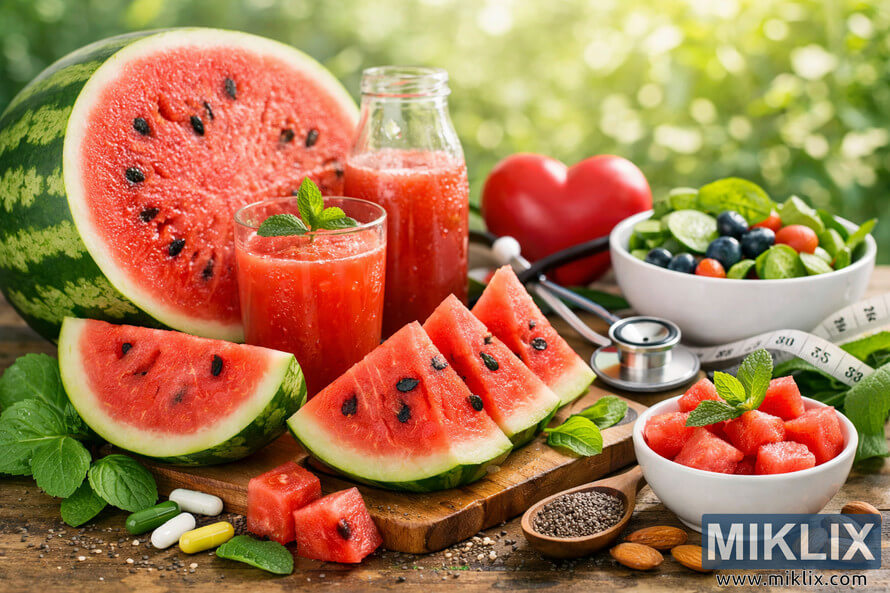
Watermelon delivers impressive nutrition in a refreshing package. The fruit provides hydration, vitamins, minerals, and beneficial plant compounds. These nutrients work together to support multiple aspects of your health.
From supporting heart health to aiding muscle recovery, watermelon offers diverse benefits. The low calorie content makes it accessible for various dietary approaches. Most people can enjoy watermelon as part of a balanced diet.
Remember that no single food creates or maintains health alone. Watermelon contributes to overall wellness when combined with other nutritious foods. Focus on variety and balance rather than depending on any one food.
Bofya au gusa picha kwa maelezo zaidi na ubora wa hali ya juu.
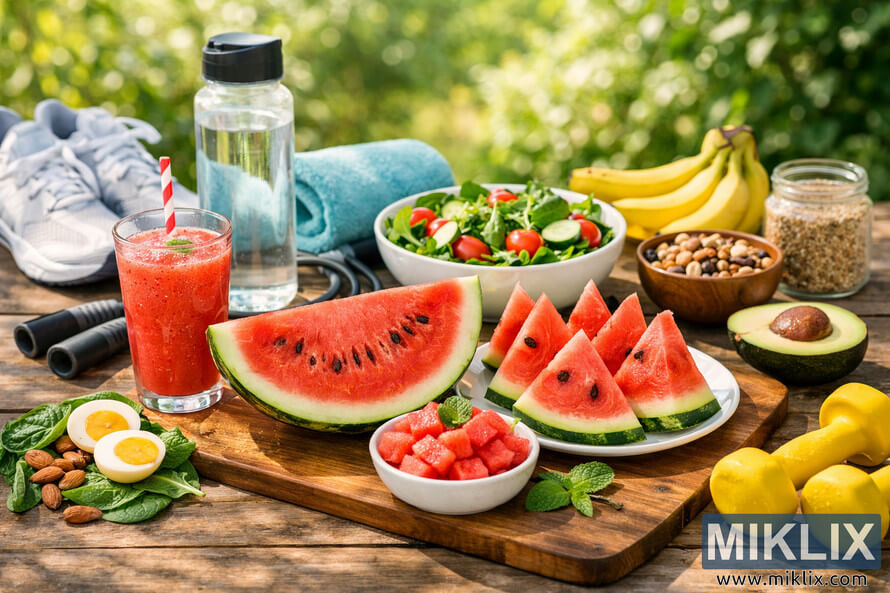
The health benefits of watermelon make it an excellent addition to your nutrition plan. Whether you eat it fresh, blend it into smoothies, or try creative recipes, watermelon provides valuable nutrients. Choose ripe fruit, store it properly, and enjoy it in amounts that work for your individual needs.
Consider your personal health status when determining appropriate watermelon intake. People with specific conditions may need to modify portions or timing. Working with healthcare providers ensures watermelon fits safely into your overall health strategy.
Watermelon season offers the perfect opportunity to explore this fruit's benefits. Make the most of fresh, local watermelon when available. Your body will appreciate the hydration, nutrition, and natural sweetness this remarkable fruit provides.
Bofya au gusa picha kwa maelezo zaidi na ubora wa hali ya juu.
Kusoma Zaidi
Ikiwa ulifurahia chapisho hili, unaweza pia kupenda mapendekezo haya:
- Mimea ya Brussels: Kwa nini Mboga Hizi Ndogo Zinastahili Kuangaziwa
- Nguvu ya Plum: Matunda Matamu, Manufaa Mazito ya Kiafya
- Kula Kijani: Jinsi Asparagus Inaongeza Maisha yenye Afya