
Hops in Beer Brewing: Ella
Published: September 27, 2026 at 8:50:10 AM UTC
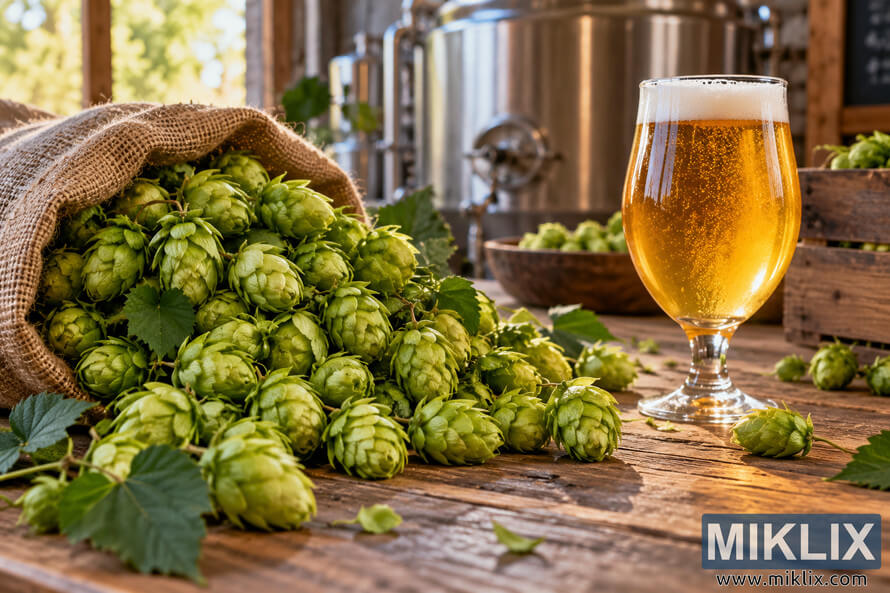
Ella hops have transformed modern brewing with their distinctive tropical fruit character and pleasant floral notes. This Australian hop variety offers brewers a unique flavor profile that stands apart from traditional hop varieties. Whether you craft pale ales or experiment with IPAs, understanding Ella hops unlocks new dimensions in your brewing adventures.
Click or tap the image for more information and higher resolutions.
Origin and Characteristics of Ella Hops
The Ella hop variety emerged from Australia's breeding program in the early 2000s. Hop Products Australia developed this variety through careful selection and cultivation. The breeding program focused on creating hops with unique aroma qualities that would appeal to modern craft brewers.
Scientists released Ella hops commercially in 2011 under the original name Stella. The variety quickly gained recognition for its distinctive characteristics. Brewers appreciated the hop's ability to contribute both aroma and moderate bitterness to beer styles ranging from session ales to bold IPAs.
Click or tap the image for more information and higher resolutions.
Genetic Background and Development
Ella hops descended from German Spalt hops, which gave the variety its pleasant floral qualities. The father hop in the breeding program contributed the tropical fruit characteristics that define Ella's profile. This genetic combination created a unique hop variety with balanced attributes.
The development program emphasized hop varieties that could thrive in Australian growing conditions. Ella hops adapted well to the Southern Hemisphere climate. The variety now grows extensively in Tasmania and Victoria, regions known for premium hop cultivation.
Alpha Acid Profile
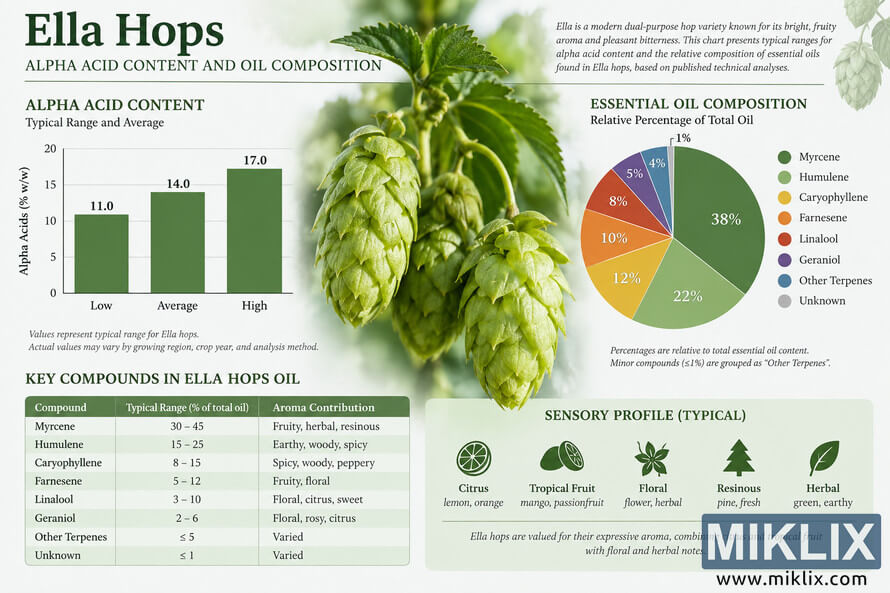
Ella hops contain alpha acid levels between 13% and 16%. This moderate to high alpha acid content makes Ella suitable for both bittering and aroma additions. The alpha acid range provides flexibility in recipe formulation.
Brewers can use Ella hops as a single-hop variety or blend them with other hop varieties. The alpha acid content remains consistent across growing seasons. This reliability helps brewers maintain recipe consistency batch after batch.
Click or tap the image for more information and higher resolutions.
Flavor and Aroma Profile of Ella Hop Variety
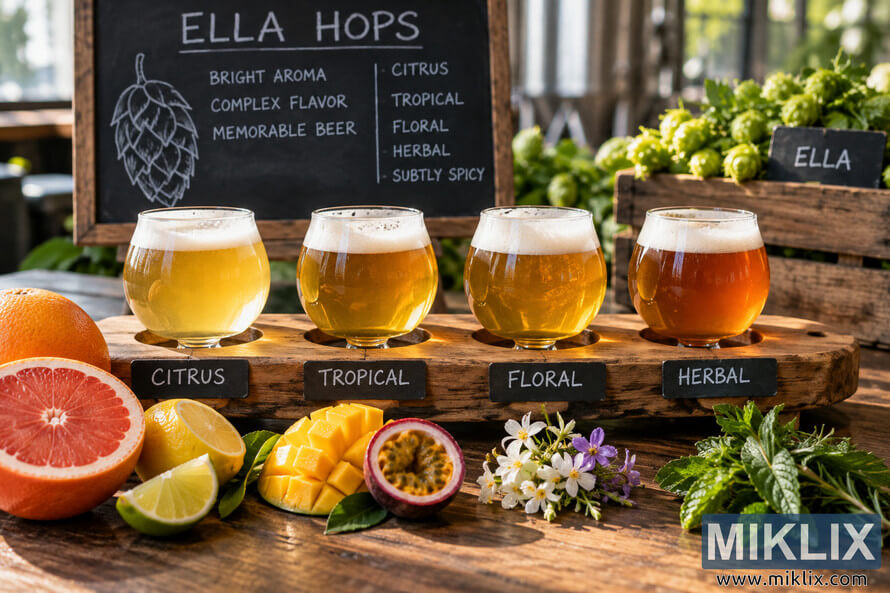
The Ella hop variety delivers a complex sensory experience that combines tropical fruit notes with pleasant floral undertones. Tasters commonly identify flavors of star anise, florals, and citrus characteristics. The aroma profile includes tropical fruit elements reminiscent of passionfruit and lychee.
Primary Flavor Characteristics
Tropical Fruit Notes
The dominant characteristic of Ella hops centers on tropical fruit flavors. These notes provide a refreshing quality to beer styles that benefit from fruit-forward profiles.
- Passionfruit essence creates exotic appeal
- Lychee undertones add subtle sweetness
- Pineapple hints complement citrus varieties
- Mango whispers round out the fruit profile
Floral Dimensions
Pleasant floral qualities balance the fruit-forward nature of Ella hops. These floral notes add sophistication to the overall aroma and flavor experience.
- Delicate rose petal aromatics
- Herbal tea character from Spalt lineage
- Light perfume notes without overwhelming intensity
- Soft elderflower suggestions in late additions
Spice Elements
Star anise appears as a signature characteristic that distinguishes Ella from other hop varieties. This spice element provides unique complexity.
- Star anise provides distinctive identity
- Subtle pepper notes in high-alpha applications
- Gentle coriander hints enhance drinkability
- Soft ginger whispers in warmer fermentations
Citrus Components
Citrus flavors complement the tropical fruit profile. These bright notes enhance the refreshing qualities that make Ella popular in session beers.
- Grapefruit zest adds brightness
- Lemon peel contributes clean acidity
- Orange blossom enriches floral aspects
- Lime essence provides crisp finish
Click or tap the image for more information and higher resolutions.
Essential Oil Composition
The essential oil content of Ella hops ranges from 1.0 to 1.8 mL per 100g. This moderate oil content contributes to the variety's aromatic intensity. The oil composition includes myrcene, humulene, and caryophyllene in balanced proportions.
Myrcene provides the tropical fruit characteristics that define Ella's profile. Humulene contributes subtle earthy and herbal notes. Caryophyllene adds spicy complexity that complements the fruit and floral elements. This oil composition creates a well-rounded sensory experience.
Brewing Applications and Best Practices for Ella Hops
Ella hops perform exceptionally well across multiple brewing applications. The variety's moderate alpha acid content and distinctive flavor profile make it versatile for different hop addition timings. Brewers use Ella for bittering additions in the boil, flavor additions near the end of the boil, and aroma contributions through dry hop additions.
The hop variety shines brightest in late boil additions and dry hop applications. These methods preserve the delicate tropical fruit and pleasant floral characteristics. The aroma compounds remain intact when added after the vigorous boiling phase.
Bittering Applications in the Boil
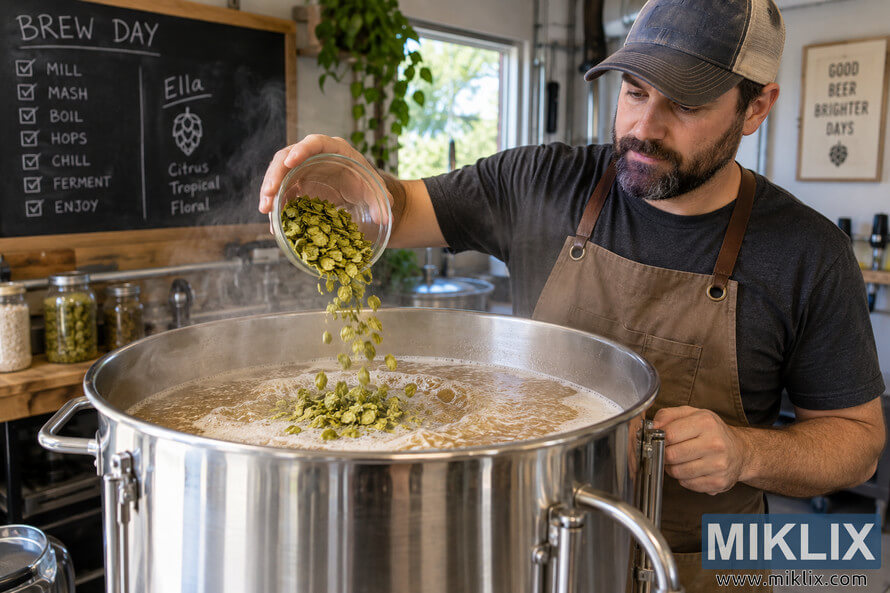
Add Ella hops at the start of the boil for clean bitterness. The alpha acid content between 13% and 16% provides adequate bittering power for most beer styles. Calculate hop additions using standard brewing software to achieve target International Bitterness Units.
Early boil additions extract alpha acids while volatilizing most aromatic compounds. This method works well when you want Ella's bitterness without overwhelming tropical fruit character. Combine early Ella additions with late hop additions from the same variety for layered complexity.
Click or tap the image for more information and higher resolutions.
Late Hop Additions for Flavor
Add Ella hops between 15 and 5 minutes before the end of the boil for maximum flavor impact. This timing preserves more aromatic compounds while still extracting flavor oils. The tropical fruit characteristics become prominent in the finished beer.
Late additions contribute moderate bitterness alongside intense flavor. Expect 20% to 40% alpha acid utilization depending on exact timing and boil vigor. The pleasant floral notes develop fully during these shorter boil times.
Dry Hop Techniques
Dry hop additions showcase Ella's aromatic potential. Add hops during or after primary fermentation for explosive aroma without additional bitterness. The tropical fruit and floral characteristics dominate the beer's aroma profile.
Contact time between two and five days produces optimal results. Longer contact times can extract grassy or vegetal notes. Temperature affects extraction rate, with warmer dry hopping temperatures increasing aroma intensity. Many brewers dry hop at 65°F to 70°F for balanced extraction.
Dry Hop Best Practices
- Use 1 to 3 ounces per 5-gallon batch
- Add during active fermentation for biotransformation
- Maintain contact time between 2-5 days
- Remove hops before packaging to prevent grassy notes
- Consider hop bags for easier removal
- Purge oxygen when adding to finished beer
Flavor Outcomes
- Intense tropical fruit aroma fills the glass
- Pleasant floral notes create complexity
- Star anise character adds uniqueness
- Citrus brightness enhances drinkability
- No harsh bitterness from dry hopping
- Smooth mouthfeel from hop oils
Common Mistakes
- Over-hopping creates vegetative character
- Extended contact time yields grassy notes
- Cold dry hopping reduces aroma extraction
- Oxygen exposure oxidizes hop compounds
- Poor bag sanitation risks contamination
- Mixing old and fresh hops dilutes quality
Beer Styles Perfect for Ella Hops
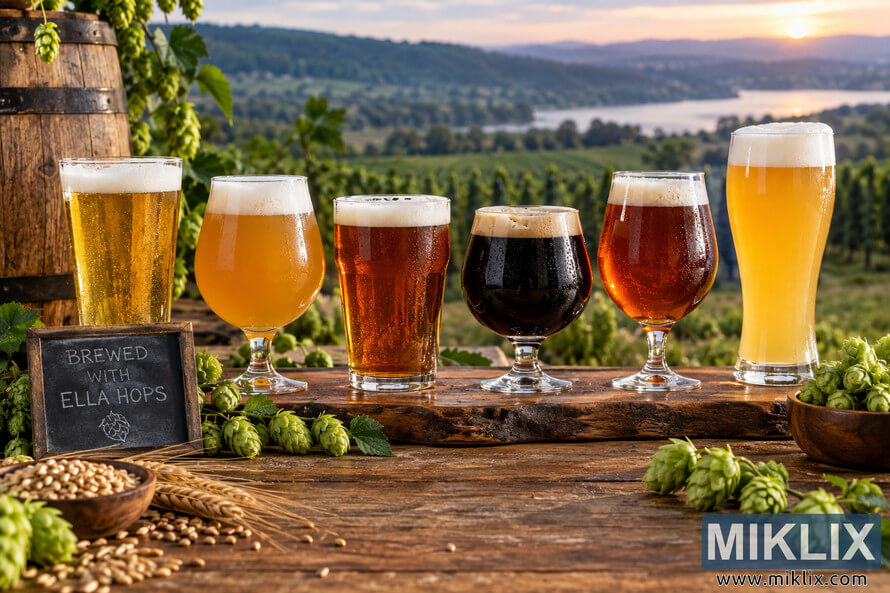
Ella hops complement numerous beer styles through their balanced characteristics. The variety works particularly well in styles that showcase hop aroma and flavor. The tropical fruit profile enhances modern craft beer styles while the pleasant floral notes suit traditional European styles.
American Pale Ale
American Pale Ale showcases Ella's versatility perfectly. The style's moderate alcohol content and balanced malt backbone allow the hop's tropical fruit flavors to shine. Use Ella hops for both late boil additions and dry hopping in this style.
Target 30 to 50 IBUs for appropriate bitterness levels. Add 1 to 2 ounces of Ella hops at flameout per 5-gallon batch. Follow with a dry hop addition of 1 to 2 ounces for three days. This approach creates a well-rounded pale ale with excellent aroma.
India Pale Ale Variations
IPAs benefit enormously from Ella's intense aroma qualities. Both West Coast and Hazy IPA styles work exceptionally well with this hop variety. The tropical fruit character aligns perfectly with modern IPA flavor expectations.
West Coast IPAs feature Ella's clean bitterness and bright citrus notes. Hazy IPAs emphasize the tropical fruit aspects through heavy dry hopping. Consider using 4 to 6 ounces of Ella hops in the dry hop for a 5-gallon batch of Hazy IPA. The pleasant floral undertones add sophistication to the hop-forward profile.
Session Ales and Blondes
Session beers and Blonde Ales gain character from Ella without overwhelming the palate. These lower-alcohol styles (3.5% to 4.5% ABV) need restrained hop additions. Ella provides flavor complexity without excessive bitterness.
Use Ella exclusively for late additions in session styles. Add 0.5 to 1 ounce at 5 minutes before the end of the boil. A small dry hop addition of 0.5 ounces creates pleasant aroma without dominating the light malt profile. These beers become incredibly drinkable with Ella's tropical fruit essence.
| Beer Style | Boil Addition | Dry Hop Amount | Target IBUs | Key Ella Characteristics |
| American Pale Ale | 1-2 oz at flameout | 1-2 oz for 3 days | 30-50 | Tropical fruit with citrus balance |
| West Coast IPA | 2-3 oz late additions | 3-4 oz for 4 days | 60-75 | Clean bitterness, bright citrus |
| Hazy IPA | 1-2 oz at flameout | 4-6 oz for 3 days | 40-60 | Intense tropical fruit aroma |
| Session Ale | 0.5-1 oz at 5 min | 0.5 oz for 2 days | 20-35 | Pleasant floral, light fruit |
| Blonde Ale | 0.5-1 oz at 10 min | 0.5-1 oz for 2 days | 15-28 | Subtle tropical notes |
| Australian Sparkling Ale | 1 oz at 15 min | 1 oz for 3 days | 25-35 | Traditional Aussie character |
Australian Sparkling Ale
This traditional Australian style pairs naturally with Ella hops. The style features a light malt body with moderate hop character. Ella contributes authentic Australian hop flavor that defines the style's regional identity.
Historical recipes used Australian hop varieties exclusively. Modern interpretations benefit from Ella's refined characteristics. The variety provides pleasant floral and fruit qualities without overwhelming the delicate malt profile. Add Ella at 15 minutes before the end of the boil and include a moderate dry hop addition.
Click or tap the image for more information and higher resolutions.
Specific Homebrewing Guidance for Ella Hops
Homebrewers gain significant advantages by understanding Ella hop characteristics thoroughly. Small-batch brewing allows experimentation with different addition timings and quantities. The learning process helps develop recipes that maximize Ella's unique qualities.
Recipe Formulation Strategies
Start with Ella as a single hop variety to understand its complete flavor profile. Design a simple pale ale recipe with 90% pale malt and 10% crystal malt. This minimal malt bill provides a clean canvas for hop evaluation.
Use Ella hops exclusively throughout the brewing process. Add a small 60-minute addition for baseline bitterness. Include larger additions at 15 minutes and at flameout. Finish with a dry hop addition during active fermentation. This approach reveals every dimension of Ella's character.
Click or tap the image for more information and higher resolutions.
Scaling Hop Additions
Most commercial recipes assume 5-gallon batch sizes. Scale hop quantities proportionally for different batch sizes. A recipe calling for 2 ounces in 5 gallons translates to 0.4 ounces per gallon.
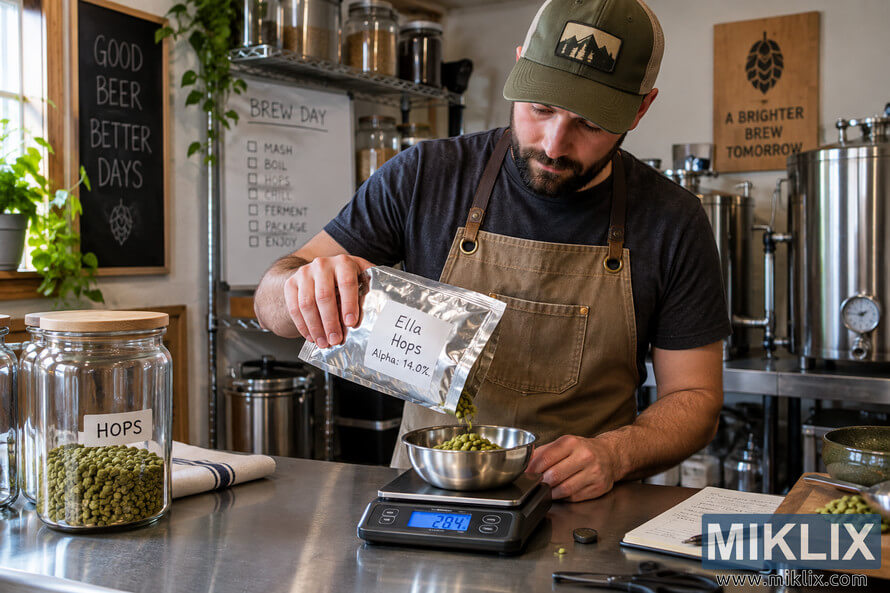
Professional brewers measure hops by weight rather than volume. Invest in a digital scale accurate to 0.1 grams. Precise measurements ensure consistency between batches. Track your additions carefully in brewing software or a notebook.
Calculation Guidelines
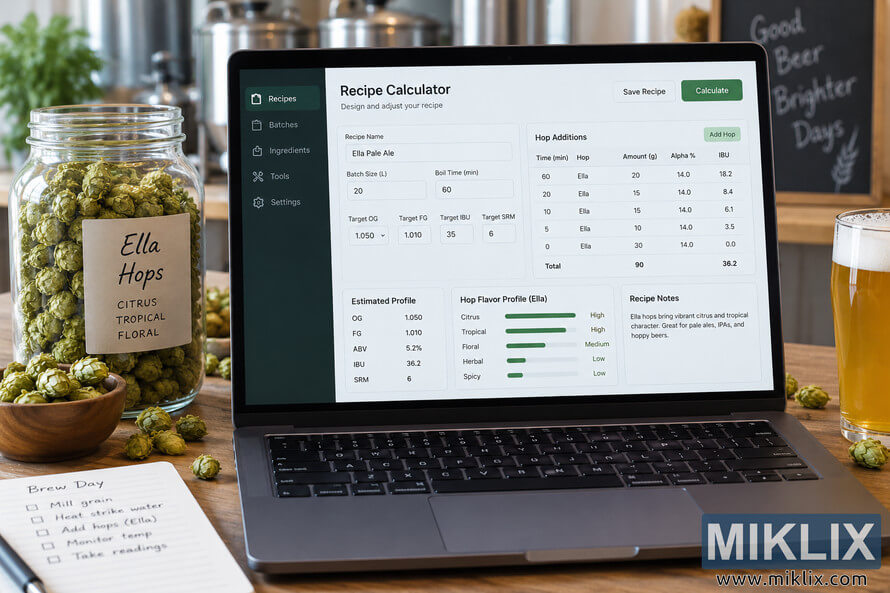
Brewing software calculates alpha acid utilization based on boil time and gravity. Verify that your software accounts for whirlpool and hop stand temperatures correctly. Lower temperatures extract fewer alpha acids but preserve more aroma compounds.
A quality IBU calculator helps predict bitterness levels accurately. Input Ella's alpha acid percentage from your specific hop package. Adjust quantities to achieve your target bitterness while maintaining the desired hop flavor intensity.
Click or tap the image for more information and higher resolutions.
Water Chemistry Considerations
Water chemistry significantly impacts how hop flavors present in finished beer. Sulfate-to-chloride ratio affects hop perception on the palate. Higher sulfate levels accentuate hop bitterness and dryness.
Target a 2:1 sulfate-to-chloride ratio for hop-forward styles using Ella. This ratio emphasizes the variety's tropical fruit characteristics while maintaining pleasant bitterness. Add gypsum (calcium sulfate) to increase sulfate levels in your brewing water. Many homebrewers aim for 150-200 ppm sulfate in IPAs and pale ales.
Fermentation Temperature Effects
Fermentation temperature influences hop aroma development through biotransformation. Yeast metabolizes hop compounds during active fermentation. This process can enhance or modify hop flavors depending on timing and temperature.
Add dry hop additions when fermentation is 50% to 75% complete. Active yeast enhances tropical fruit characteristics through enzymatic activity. Maintain fermentation temperatures between 66°F and 70°F for American ale yeast strains. This range optimizes both yeast character and hop aroma extraction.
Hop Additions Timing and Dosage Recommendations
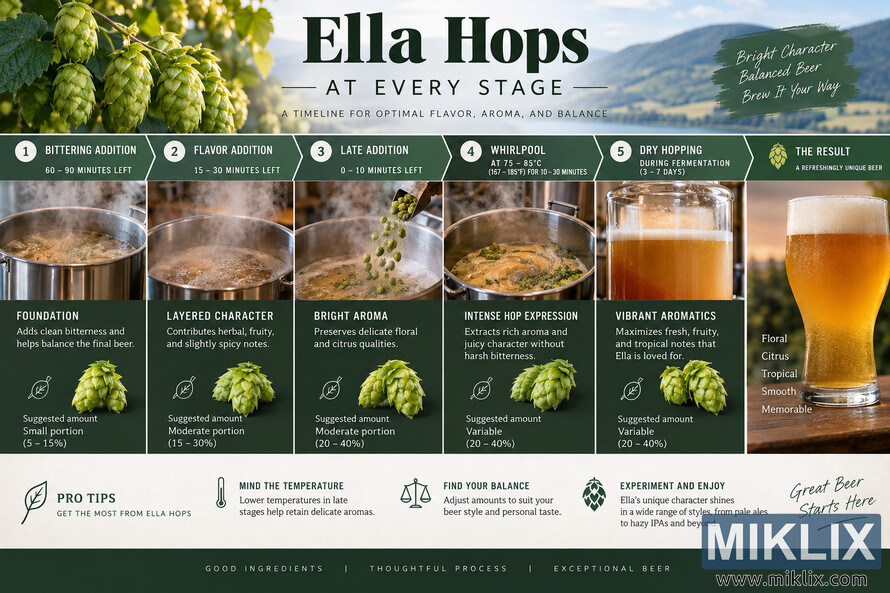
Precise timing of hop additions controls flavor and aroma intensity in finished beer. Each addition stage serves a distinct purpose in recipe design. Understanding the relationship between timing and compound extraction helps brewers achieve desired outcomes.
Boil Addition Timing
The 60-minute boil addition extracts maximum alpha acids for bitterness. Ella hops added at this stage contribute clean bitterness without significant flavor. Calculate this addition to provide approximately 60% to 70% of total IBUs in the recipe.
Add 0.5 to 1 ounce of Ella per 5 gallons for bittering in most pale ale styles. IPA recipes may require 1 to 2 ounces depending on target bitterness. The extended boil time volatilizes aromatic compounds while isomerizing alpha acids efficiently.
Flavor Addition Windows
Additions between 20 and 5 minutes before the end of the boil develop hop flavor character. These middle additions provide a bridge between bitterness and aroma. Ella's tropical fruit and pleasant floral notes emerge during these shorter boil times.
20-minute addition: Contributes 15-25% alpha acid utilization with moderate flavor development. Use 0.5 to 1 ounce for background tropical fruit notes.
15-minute addition: Provides 10-20% utilization with stronger flavor presence. Add 1 to 2 ounces for prominent Ella character in the finished beer.
10-minute addition: Yields 8-15% utilization with intense flavor and emerging aroma. Consider 1 to 1.5 ounces for fruit-forward beers.
5-minute addition: Extracts 5-10% alpha acids with maximum flavor and moderate aroma. Use 1 to 2 ounces for late hop-forward styles.
Click or tap the image for more information and higher resolutions.
Whirlpool and Hop Stand Techniques
Flameout additions occur when the heat source is turned off. The wort temperature remains above 180°F immediately after the boil ends. This temperature extracts hop oils without significant isomerization of alpha acids.
A hop stand extends contact time at elevated temperature. After adding hops at flameout, maintain temperature between 170°F and 185°F for 15 to 30 minutes. This technique maximizes aroma extraction while minimizing bitterness contribution. Add 2 to 4 ounces of Ella hops during hop stands for intense tropical fruit aroma.
Dry Hop Dosage Guidelines
Dry hop quantities depend on desired aroma intensity and beer style. Session beers require restrained additions while IPAs benefit from generous hopping rates. Ella hops perform well across a wide dosage range.
| Beer Style | Light Dry Hop | Moderate Dry Hop | Heavy Dry Hop | Contact Time |
| Session Ales | 0.25 oz/gal | 0.4 oz/gal | 0.6 oz/gal | 2-3 days |
| Pale Ales | 0.4 oz/gal | 0.6 oz/gal | 1 oz/gal | 3-4 days |
| IPAs | 0.6 oz/gal | 1 oz/gal | 1.5 oz/gal | 3-5 days |
| Hazy IPAs | 1 oz/gal | 1.5 oz/gal | 2+ oz/gal | 3-4 days |
Double Dry Hopping
Advanced techniques include multiple dry hop additions. The first addition occurs during active fermentation for biotransformation benefits. The second addition happens after fermentation completes for pure aroma contribution.
Split your total dry hop amount into two equal portions. Add the first portion when fermentation is 50% complete based on gravity readings. Add the second portion two days before packaging. This method creates layered hop aroma complexity with Ella's tropical fruit character prominent in both additions.
Storage and Handling Recommendations for Ella Hops
Proper storage preserves hop quality and maintains desired characteristics. Hops degrade when exposed to oxygen, light, or heat. Following best practices ensures your Ella hops retain their tropical fruit aroma and alpha acid content.
Optimal Storage Conditions
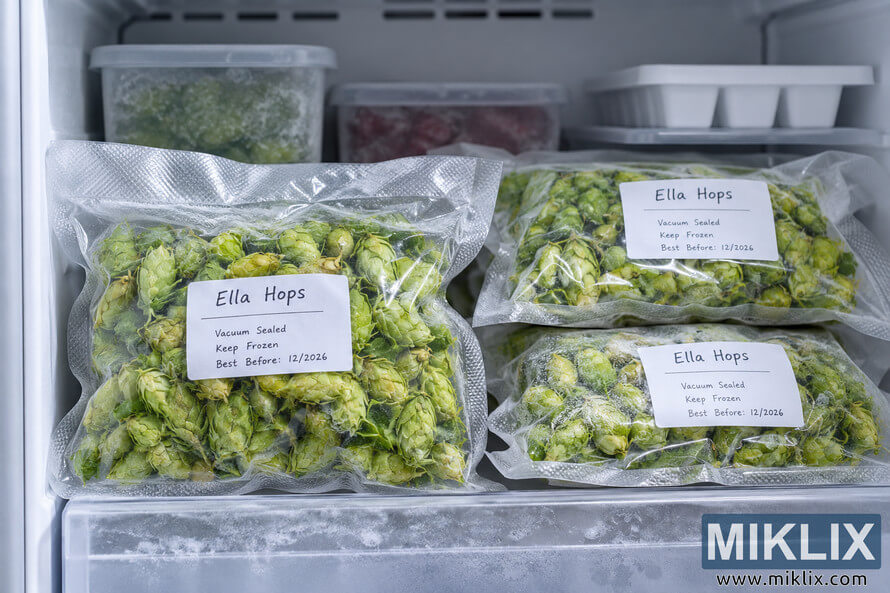
Store Ella hops in a freezer at 0°F or below immediately upon receipt. Freezing halts oxidation and preserves aromatic compounds. Keep hops in their original vacuum-sealed packaging until ready to use.
Once opened, transfer unused hops to airtight containers or resealable freezer bags. Remove as much air as possible before sealing. A vacuum sealer provides the best protection for long-term storage. Label all containers with the hop variety, alpha acid content, and purchase date.
Degradation Factors
Alpha acids oxidize into compounds that create unpleasant flavors. This oxidation accelerates at room temperature. Hops stored at 70°F lose approximately 10% of their alpha acid content monthly. Freezer storage reduces this loss to less than 5% annually.
Light exposure degrades hop compounds and creates "skunky" flavors. Store hops in opaque containers or keep them in dark areas of your freezer. Oxygen contact causes oxidation that diminishes hop quality. Minimize air exposure by portioning hops into smaller packages for individual brew sessions.
Proper Storage Benefits
- Preserves tropical fruit aroma intensity for 12+ months
- Maintains alpha acid content within 5% of original values
- Prevents development of cheesy or musty off-flavors
- Protects pleasant floral characteristics from degradation
- Allows bulk purchasing for cost savings without quality loss
- Ensures consistency across multiple brew sessions
Poor Storage Consequences
- Loss of vibrant tropical fruit aroma within weeks
- Significant alpha acid degradation reduces bittering power
- Development of unpleasant cheesy oxidation flavors
- Dulling of pleasant floral notes into musty character
- Inconsistent results between batches using same hops
- Wasted money on degraded hop product
Evaluating Hop Freshness
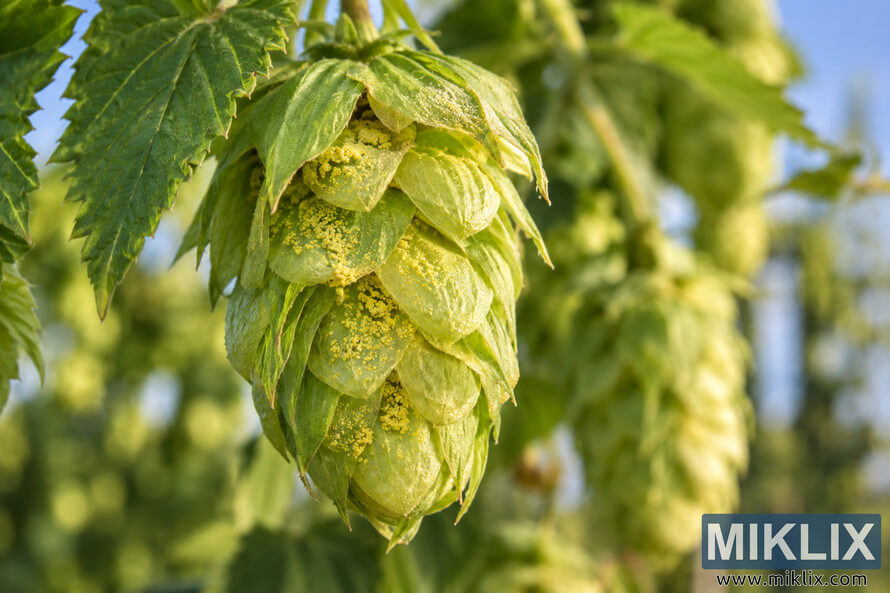
Fresh Ella hops display bright green color with yellow lupulin glands visible. The aroma should immediately present tropical fruit and pleasant floral notes when the package opens. Any brown discoloration or musty smell indicates oxidation.
Check the harvest date on commercial hop packages. Current-year hops provide optimal quality. Previous year's hops remain usable if stored properly but may show slight aroma fade. Avoid hops more than two years old unless exceptional storage conditions are verified.
Handling During Brew Day
Remove only the required hop quantity from the freezer. Reseal the remaining hops immediately and return them to freezer storage. Minimize the time hops spend at room temperature during measurement and preparation.
Allow frozen hops to reach room temperature before opening packages. This prevents condensation from forming on the hops. Moisture accelerates degradation and can introduce contamination risks. Plan hop additions in advance to allow proper thawing time of 15 to 30 minutes.
Click or tap the image for more information and higher resolutions.
Combining Ella with Other Hop Varieties
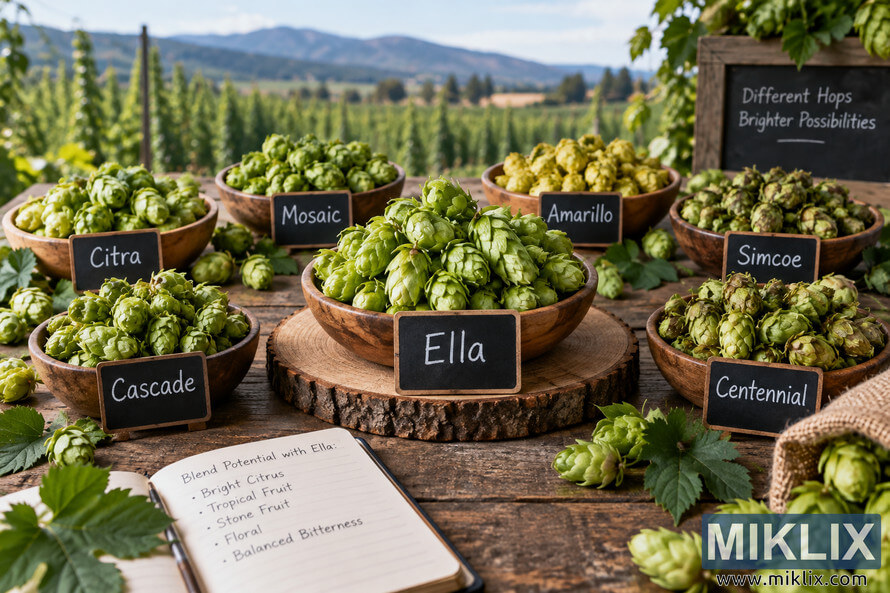
Blending hop varieties creates complexity beyond single-hop expressions. Ella combines well with complementary hop varieties that enhance its tropical fruit profile. Strategic combinations allow brewers to layer flavors and create unique beer styles.
Complementary Hop Combinations
Citra hops pair exceptionally well with Ella's characteristics. The combination amplifies tropical fruit notes while Citra's citrus elements add brightness. Use a 60/40 ratio of Citra to Ella for balanced complexity. This blend works perfectly in American IPAs and pale ales.
Galaxy hops share Ella's Australian heritage and complement its profile naturally. Both varieties exhibit tropical fruit characteristics with slight differences in expression. A 50/50 blend creates intense passionfruit and tropical character ideal for Hazy IPAs. The pleasant floral notes from Ella soften Galaxy's sometimes aggressive fruit punch.
Mosaic hops contribute berry notes that contrast nicely with Ella's tropical fruit focus. Blend Mosaic and Ella in equal proportions for multi-dimensional hop flavor. The combination works well in session IPAs where complexity matters in lower-alcohol contexts.
Strategic Blending for Balance
Use high-alpha hops like Magnum or Warrior for clean bittering additions. Reserve Ella exclusively for late boil and dry hop applications. This approach maximizes Ella's aromatic contributions while achieving target bitterness economically. Noble hops like Hallertau can provide earthy balance to Ella's fruit-forward profile in hybrid lager styles.
Click or tap the image for more information and higher resolutions.
Troubleshooting Common Issues with Ella Hops
Even experienced brewers encounter challenges when working with Ella hops. Understanding common problems and solutions improves brewing outcomes. Most issues relate to timing, dosage, or storage factors.
Excessive Grassy or Vegetal Flavors
Grassy notes indicate prolonged hop contact or excessive dry hop quantities. Reduce dry hop contact time to three days maximum. Consider lowering dry hop dosage by 25% in subsequent batches. Remove hops promptly after the contact period ends.
Oxidized hops also contribute vegetal flavors. Verify hop storage practices and check package dates. Replace any hops showing brown discoloration or musty aromas. Proper freezer storage prevents this issue in future brewing sessions.
Insufficient Aroma Intensity
Weak hop aroma results from insufficient dry hop quantities or old hops. Increase dry hop additions by 50% for more intense tropical fruit character. Verify your Ella hops are current crop year with proper storage history.
Cold dry hopping reduces extraction efficiency. Ensure fermentation temperature remains between 65°F and 70°F during dry hop additions. Biotransformation by active yeast enhances aroma development significantly.
Harsh or Astringent Bitterness
Excessive bitterness comes from overestimating alpha acid utilization or high-temperature hop stands. Review your IBU calculations in brewing software. Reduce hop stand temperatures to 170°F to minimize isomerization while preserving aroma compounds.
High sulfate water chemistry can create harsh hop bitterness. Balance your water profile with appropriate chloride levels. Target no more than 2:1 sulfate-to-chloride ratio for pleasant hop character without astringency.
Why does my beer taste different than expected with Ella hops?
Flavor variations often result from water chemistry differences, yeast strain selection, or fermentation temperature. Ella's tropical fruit character expresses differently depending on these variables. Adjust your sulfate-to-chloride ratio to 2:1 for hop-forward styles. Ensure fermentation occurs within the optimal temperature range for your yeast strain. Consistent results require controlling all brewing variables, not just hop selection.
Can I substitute Ella hops in recipes calling for other varieties?
Ella works as a substitute for hops with similar alpha acid content and tropical fruit profiles. Consider Ella as an alternative to Galaxy, Vic Secret, or Mosaic in many recipes. The substitution works best when tropical fruit and pleasant floral notes suit the target beer style. Adjust quantities based on relative alpha acid percentages between varieties. Expect slight flavor profile differences that may enhance rather than detract from your beer.
How long do Ella hops remain fresh in the freezer?
Properly stored Ella hops maintain quality for 12 to 18 months in a freezer at 0°F or below. Vacuum-sealed packages preserve hops longer than regular freezer bags. Alpha acid content remains within 5% of original values during this period. Aroma compounds show minimal degradation with proper storage. Beyond 18 months, expect gradual loss of tropical fruit intensity and slight alpha acid reduction. Replace hops after two years even with excellent storage conditions.
What causes inconsistent results between batches using Ella hops?
Batch variation stems from several factors including hop age, storage conditions, and brewing process inconsistencies. Verify each hop package's alpha acid percentage and adjust recipes accordingly. Maintain consistent fermentation temperatures across batches. Use the same water chemistry for comparable results. Document all variables in brewing software to identify sources of variation. Purchase hops from reliable suppliers who provide fresh, properly stored product with accurate analysis data.
Advanced Brewing Techniques with Ella Hops
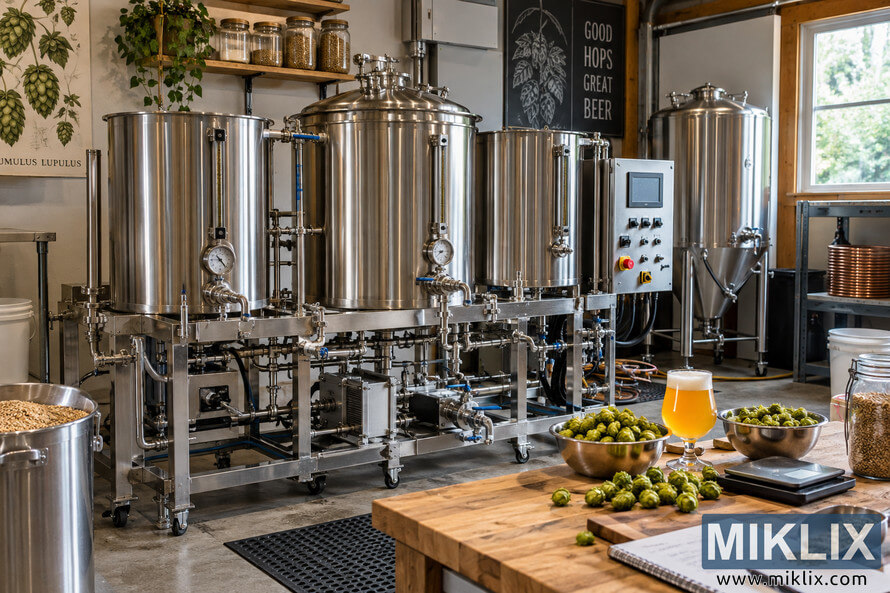
Experienced brewers can push Ella hops further through advanced techniques. These methods require additional equipment or process control but deliver exceptional results. The investment in technique refinement pays dividends in beer quality.
Biotransformation Optimization
Biotransformation occurs when active yeast metabolizes hop compounds during fermentation. This process creates unique flavors not present in the original hops. Time your first dry hop addition when fermentation reaches 50% completion based on gravity measurements.
Maintain fermentation temperature at 68°F during biotransformation dry hopping. This temperature balances yeast activity with hop compound extraction. Allow three days of contact before adding a second dry hop charge. The biotransformation process enhances Ella's tropical fruit characteristics significantly.
Hop Bursting Techniques
Hop bursting concentrates all hop additions at the end of the boil or in a hop stand. This method minimizes bitterness while maximizing flavor and aroma. Skip early boil additions entirely. Add all bittering hops at flameout or during a hop stand.
Calculate IBUs based on hop stand temperature and duration. A 20-minute hop stand at 180°F extracts approximately 15% of potential alpha acids. Use 3 to 5 ounces of Ella hops in a 5-gallon hop burst batch. The resulting beer showcases intense hop flavor with moderate bitterness that emphasizes drinkability.
Click or tap the image for more information and higher resolutions.
Closed Transfer Dry Hopping
Oxygen exposure during dry hopping diminishes hop aroma rapidly. Closed transfer systems eliminate oxygen contact throughout the process. Use fermenters with pressure-rated lids and sampling ports.
Purge hop containers with carbon dioxide before adding to the fermenter. Transfer hops through a sanitized port while maintaining positive CO2 pressure. This technique preserves delicate tropical fruit aromatics that oxidize quickly. The difference in aroma intensity and persistence is remarkable compared to traditional open dry hopping.
Sample Recipe: Ella Hop Showcase Pale Ale
This recipe demonstrates Ella's versatility in a balanced American Pale Ale. The simple malt bill allows hop characteristics to shine. The recipe produces 5 gallons of beer at 5.2% ABV with 38 IBUs.
Grain Bill
- 9 pounds American 2-row pale malt (90%)
- 1 pound Crystal 40L malt (10%)
Hop Schedule
- 0.5 oz Ella hops (14% AA) at 60 minutes - bittering addition
- 1.0 oz Ella hops at 15 minutes - flavor addition
- 1.5 oz Ella hops at flameout - aroma addition
- 2.0 oz Ella hops dry hop for 3 days - intense aroma
Additional Ingredients
- American Ale yeast (US-05 or equivalent)
- 1 Whirlfloc tablet at 15 minutes
- Yeast nutrient at 15 minutes
Brewing Process
Mash grains at 152°F for 60 minutes. This moderate temperature creates a balanced fermentability. Sparge with 170°F water to collect 6.5 gallons of wort. Boil for 60 minutes following the hop schedule above. Cool wort to 65°F and pitch yeast.
Ferment at 68°F for 7 days. Add dry hops when gravity reaches 1.014 (approximately 50% attenuation). Remove dry hops after 3 days of contact. Cold crash to 35°F for 48 hours before packaging. Carbonate to 2.4 volumes CO2 for optimal presentation.
Expected Results
This beer showcases Ella's tropical fruit and pleasant floral characteristics prominently. The aroma presents intense passionfruit, lychee, and citrus notes. Flavor follows with balanced tropical fruit and moderate bitterness. The finish remains clean with lingering hop flavors.
Click or tap the image for more information and higher resolutions.
Conclusion: Mastering Ella Hops in Your Brewing
Ella hops offer homebrewers a distinctive variety with complex tropical fruit and pleasant floral characteristics. The Australian hop brings unique qualities that distinguish beers from those made with more common varieties. From pale ales to IPAs, Ella performs exceptionally across multiple beer styles.
Understanding proper usage techniques maximizes Ella's potential in your brewing. Pay attention to addition timing, dosage rates, and storage practices. These factors determine whether you extract the full tropical fruit profile or experience muted, vegetal characteristics.
Experiment with Ella in different applications to discover your preferences. Start with the sample recipe provided, then modify hop schedules based on your taste preferences. The variety rewards experimentation and creative recipe design.
Quality ingredients form the foundation of great beer. Source fresh Ella hops from reputable suppliers who maintain proper storage conditions. The investment in premium hops pays returns in every glass you brew.
Click or tap the image for more information and higher resolutions.
Further Reading
If you enjoyed this post, you may also like these suggestions:
- Hops in Beer Brewing: Mosaic
- Hops in Beer Brewing: Cluster (United States)
- Hops in Beer Brewing: Whitbread Golding