
Hops in Beer Brewing: Palisade
Published: October 20, 2026 at 5:48:45 PM UTC
Palisade is an American aroma hop known for its smooth floral and fruity character, with notes of apricot, grass, and subtle spice—an approachable choice for pale ales, IPAs, amber ales, and other balanced homebrews.
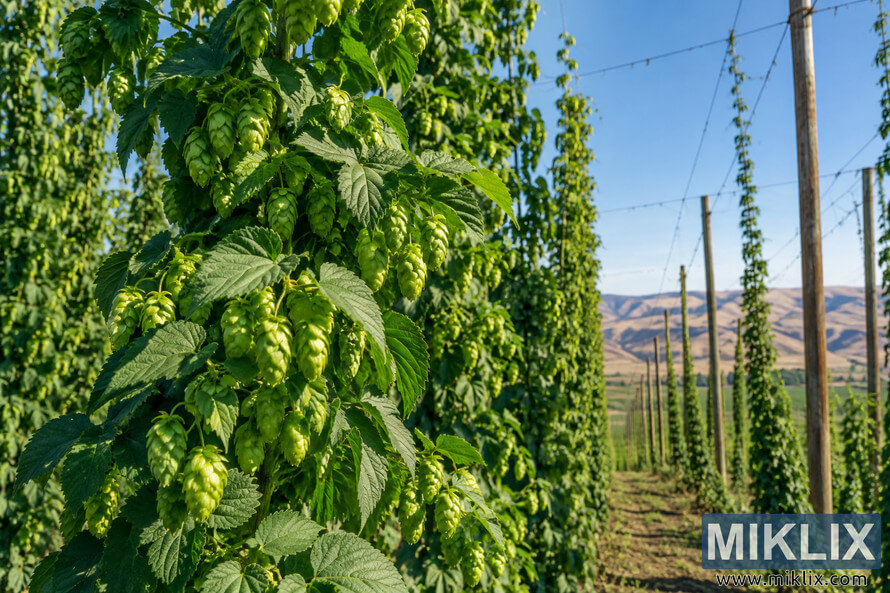
Click or tap the image for more information and higher resolutions.
Palisade hops offer homebrewers a unique combination of fruity character and moderate bittering potential. This American hop variety delivers apricot and floral notes that enhance pale ales, IPAs, and experimental craft beers. Understanding how to use Palisade hop effectively transforms ordinary brew day results into exceptional finished beers.
Whether you're formulating a new recipe or seeking hop substitution options, this comprehensive guide covers everything from aroma profiles to storage techniques. You'll discover practical brewing tips tailored specifically for homebrewers working with five-gallon batches and standard equipment.
Origin and Characteristics of Palisade Hops
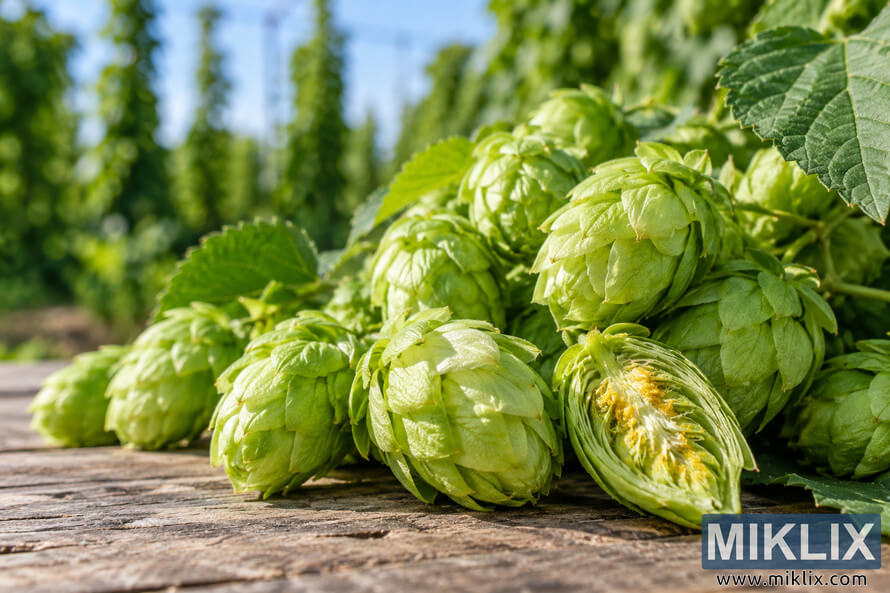
Palisade hops originated from Yakima Chief Hops breeding program in Washington State. Released as a dual-purpose variety, Palisade hop provides brewers with versatility for both bittering and aroma applications. The variety thrives in the Yakima Valley region where most commercial production occurs today.
This hop variety demonstrates resistance to common hop diseases. The plants produce medium to large cone size with good yield characteristics. Farmers appreciate Palisade for reliable harvest performance and consistent alpha acid content year after year.
Click or tap the image for more information and higher resolutions.
Key Growing Characteristics
Cultivation Profile
- Origin region: Yakima Valley, Washington
- Plant vigor: Moderate to strong growth
- Disease resistance: Good powdery mildew tolerance
- Harvest timing: Mid-season variety
- Cone size: Medium to large
Commercial Information
- Primary producer: Yakima Chief Hops
- Availability: Widely distributed pellets
- Storage stability: Good when properly stored
- Cost range: Moderate pricing tier
- Alternative formats: Pellets and whole cones
The variety continues gaining popularity among craft brewers seeking distinctive American hop character. Palisade hops balance traditional bittering capability with modern fruit-forward aroma demands. This dual nature makes the variety particularly valuable for homebrewers managing limited hop inventory.
Aroma and Flavor Profile
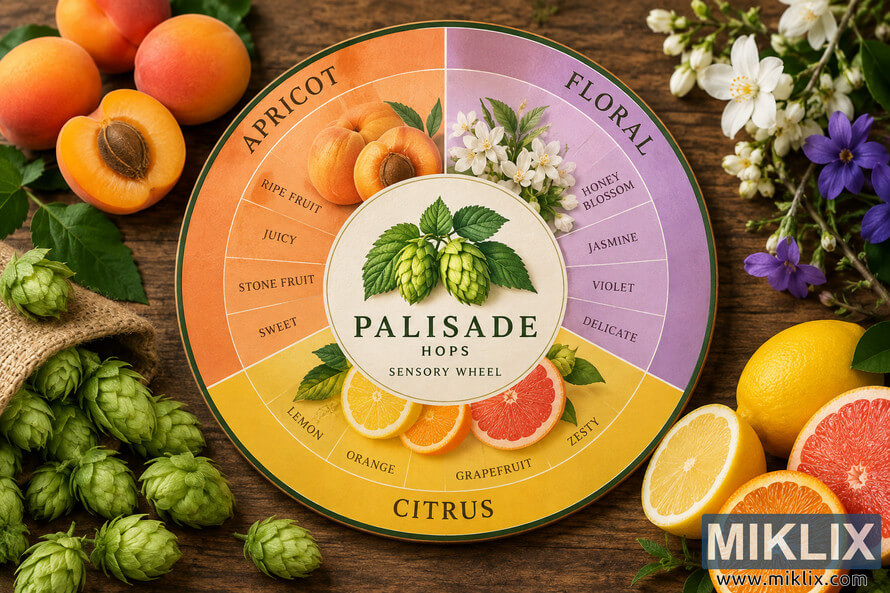
Palisade hop delivers a signature apricot character that distinguishes it from other American varieties. The aroma profile combines stone fruit notes with subtle floral undertones and hints of citrus. This flavor aroma combination works exceptionally well in beers where fruit character enhances rather than dominates the malt base.
Primary Flavor Components
The essential oil profile creates Palisade's distinctive character. Understanding these components helps brewers maximize desired characteristics in finished beers. Oil composition significantly impacts how hop flavor expresses itself at different stages of brewing.
Click or tap the image for more information and higher resolutions.
Flavor Expression in Different Applications
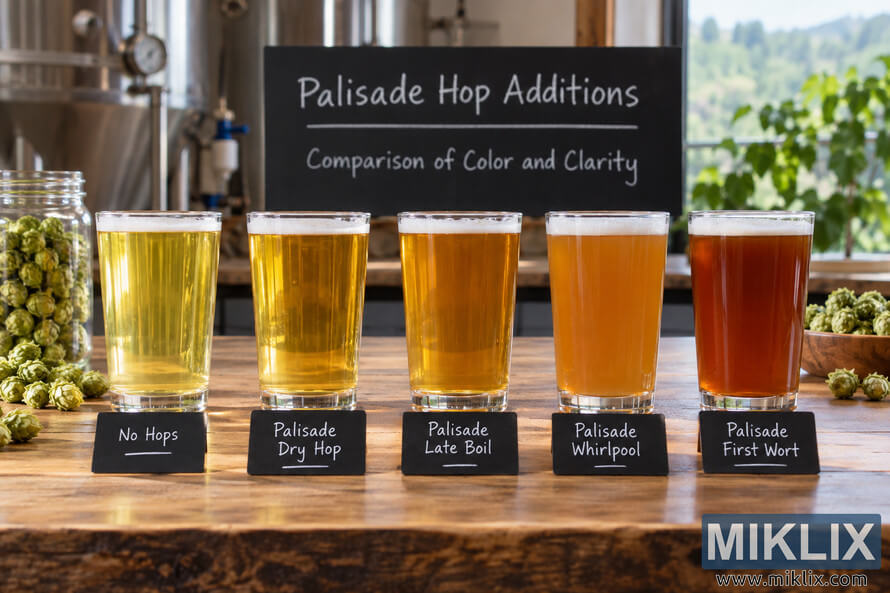
How you use Palisade hops dramatically affects final beer flavor. Early boil additions emphasize subtle fruit character beneath clean bitterness. Late additions and dry hopping showcase the variety's apricot and floral qualities most prominently.
- Bittering additions: Clean, neutral bitterness with mild fruit undertones
- Flavor additions: Moderate apricot with floral complexity
- Aroma additions: Strong stone fruit character with citrus highlights
- Dry hopping: Maximum apricot expression with fresh hop character
- Whirlpool additions: Balanced fruit and floral notes without harsh bitterness
Temperature during hop additions influences flavor extraction. Higher temperatures extract more bittering compounds while volatile aroma oils dissipate. Cooler whirlpool temperatures around 170-180°F preserve delicate apricot character while still extracting desirable hop oils.
Click or tap the image for more information and higher resolutions.
Alpha Acid Content and Bittering Properties
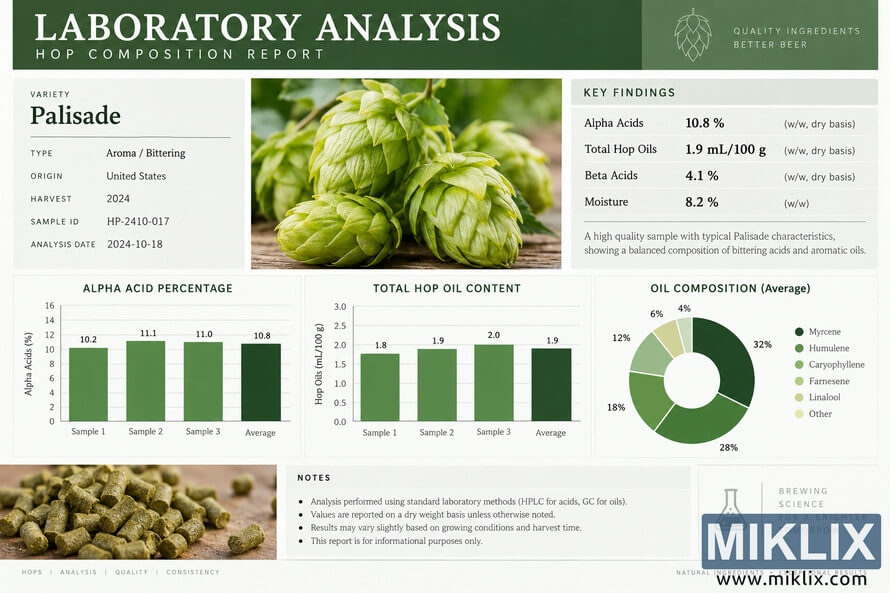
Palisade hop typically contains 7-9% alpha acid content with average batches around 8%. This moderate alpha acid range positions Palisade as a true dual-purpose variety. Brewers can achieve adequate bittering from reasonable hop additions while maintaining manageable costs.
The cohumulone ratio in Palisade hops contributes to smooth, pleasant bitterness quality. Lower cohumulone percentages generally produce less harsh bittering character. This makes Palisade hop suitable for beers where clean bitterness supports rather than dominates the flavor profile.
Click or tap the image for more information and higher resolutions.
Calculating Bittering Additions
Understanding International Bitterness Units helps homebrewers achieve target bitterness levels. A five-gallon batch typically requires specific hop weights based on desired IBU and boil time. Online brewing calculators simplify these calculations for various recipes.
Sample IBU Calculations
For a five-gallon batch targeting 40 IBUs using 8% alpha acid Palisade pellets at 60-minute boil duration, you would need approximately 1.2 ounces. The actual amount varies based on your brewing system efficiency and hop utilization rates.
These calculations assume typical homebrewing utilization rates around 25-30% for pellet hops. Whole cone hops require roughly 15-20% more by weight to achieve equivalent bitterness due to lower utilization efficiency.
| Target IBUs | 60-min Boil | 30-min Boil |
| 20 IBUs | 0.6 oz | 1.0 oz |
| 40 IBUs | 1.2 oz | 2.0 oz |
| 60 IBUs | 1.8 oz | 3.0 oz |
Bittering Character Quality
Palisade hops produce bitterness that homebrewers describe as smooth and rounded. The variety avoids harsh or lingering bitter notes that can overwhelm delicate beer styles. This quality makes Palisade hop particularly suitable for session beers and pale ales where balance matters.
Best Beer Styles for Palisade Hops
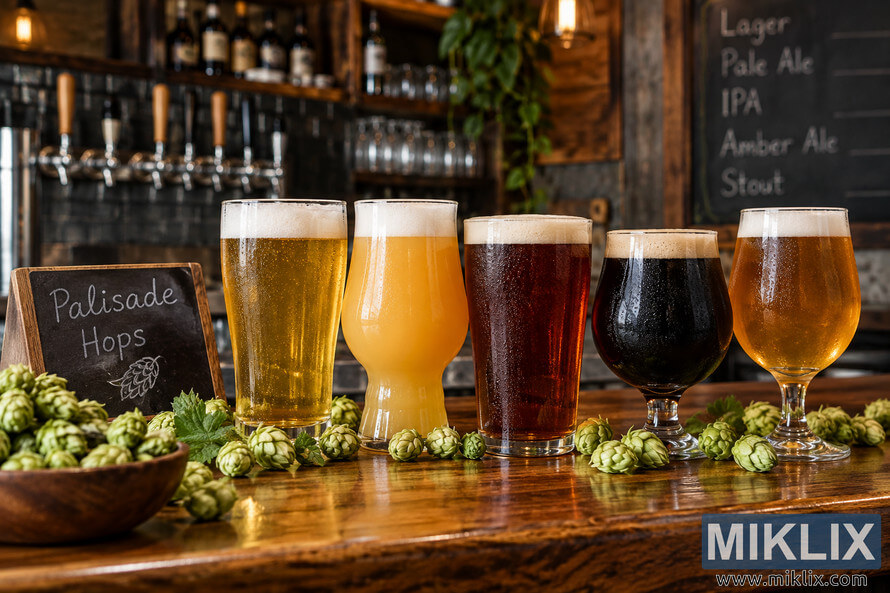
Palisade hop shines in beer styles that showcase American hop character without overwhelming malt complexity. The variety works exceptionally well in pale ales where fruit notes complement rather than dominate. Craft brewers frequently feature Palisade in session IPAs and experimental ales.
Primary Style Recommendations
Certain beer styles benefit most from Palisade hop characteristics. These styles allow the apricot and floral notes to express themselves clearly. Understanding style compatibility helps brewers create recipes that highlight this hop variety's strengths.
Click or tap the image for more information and higher resolutions.
American Pale Ale
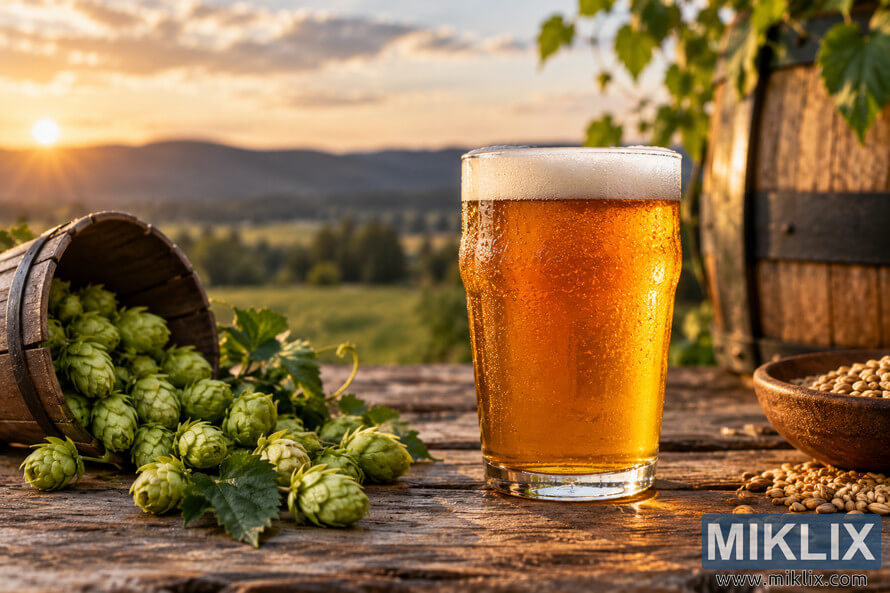
Ideal showcase for Palisade character. The moderate alcohol content and balanced malt base allow hop flavor aroma to shine. Use 1-2 ounces for late additions plus 1-2 ounces for dry hopping.
- Bittering: 0.75-1 oz at 60 minutes
- Flavor: 1 oz at 15 minutes
- Aroma: 1 oz at flameout
- Dry hop: 1-2 oz for three days
Click or tap the image for more information and higher resolutions.
Session IPA
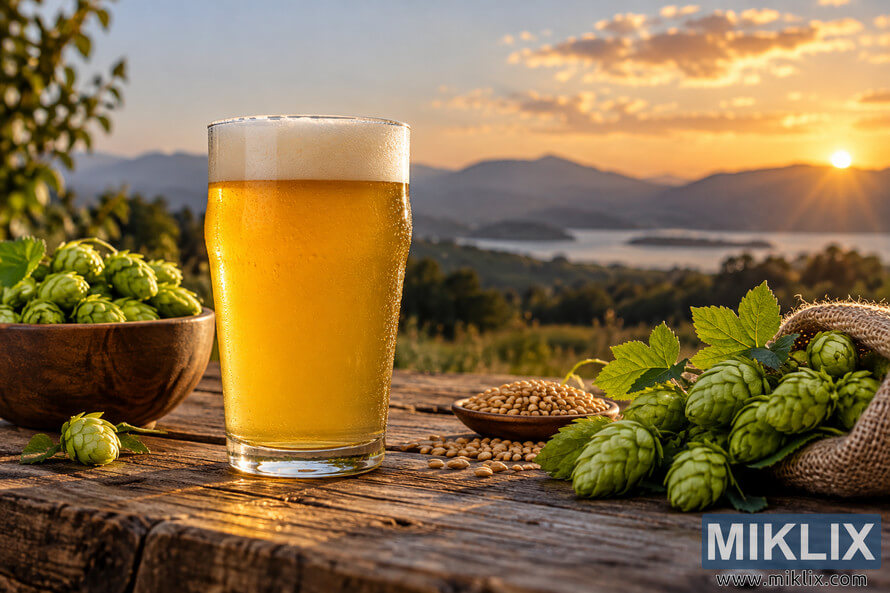
Perfect for lower-alcohol hop-forward beers. Palisade provides substantial hop character without excessive bitterness. The apricot notes add complexity to approachable session beers.
- Total hop bill: 3-4 oz per five gallons
- Focus on late additions
- Target 35-45 IBUs
- Generous dry hopping recommended
Click or tap the image for more information and higher resolutions.
Amber and Red Ales
Palisade hop complements caramel malt sweetness beautifully. The fruit character bridges hoppy and malty elements. These styles benefit from Palisade's moderate alpha acid content.
- Use as primary hop variety
- Bittering at 25-35 IBUs
- Moderate late additions
- Optional light dry hopping
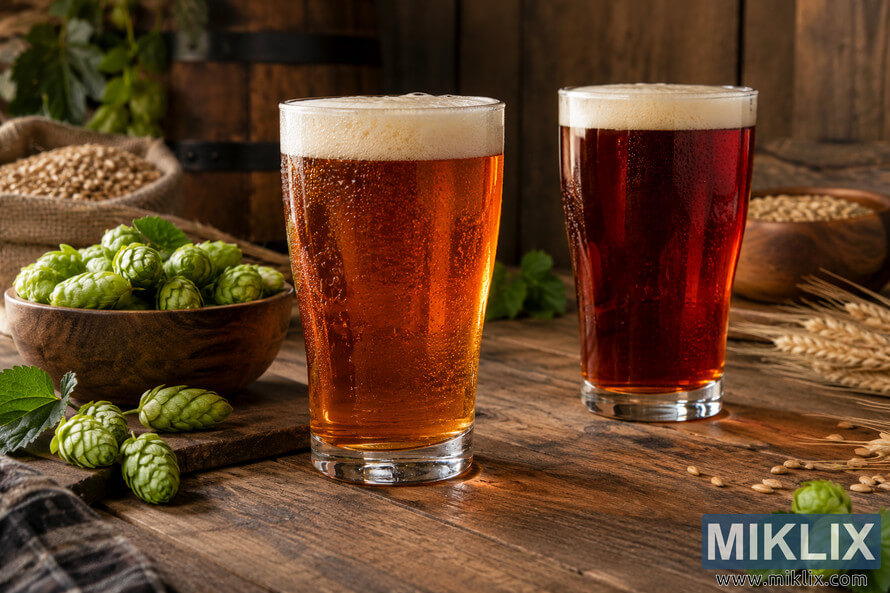
Click or tap the image for more information and higher resolutions.
Wheat Beers
American wheat ales gain interesting dimension from Palisade additions. The hop's fruit character complements wheat tartness. Use restraint to avoid overpowering delicate wheat base.
- Light bittering only
- Focus on aroma additions
- Target 15-25 IBUs
- Small dry hop optional
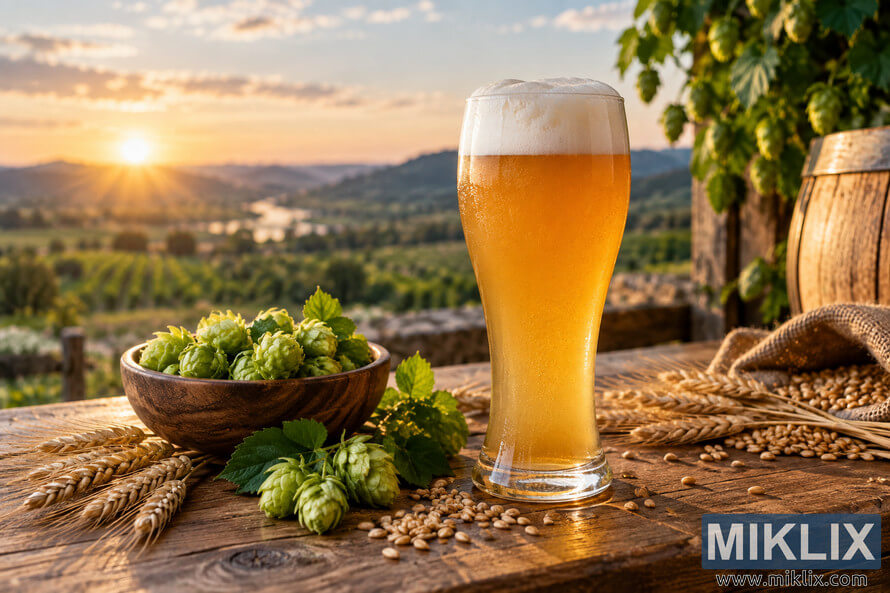
Click or tap the image for more information and higher resolutions.
Experimental Ales
Palisade hop works well in creative brewing projects. The variety pairs nicely with fruit additions and experimental yeast strains. Consider using Palisade as foundation for recipe development.
- Flexible usage rates
- Combines well with other hops
- Supports creative adjuncts
- Good for mixed fermentation
Click or tap the image for more information and higher resolutions.
Blonde and Golden Ales
Light-bodied beers showcase Palisade's subtlety. The variety adds just enough character without overwhelming clean malt profiles. Perfect for brewers seeking approachable hop presence.
- Minimal bittering additions
- Light late additions
- Target 18-28 IBUs
- Restrained dry hopping
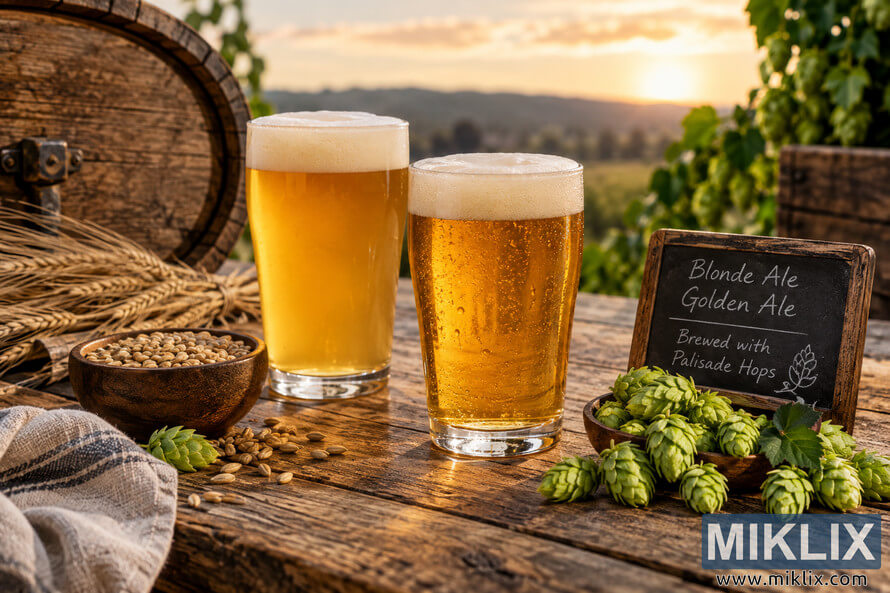
Click or tap the image for more information and higher resolutions.
Styles to Approach Carefully
Some beer styles may not highlight Palisade hop characteristics effectively. Very dark beers like stouts mask subtle apricot notes. High-alcohol imperial styles often call for more aggressive hop varieties. Traditional European styles typically require different hop profiles entirely.
Pro Tip: When brewing IPA styles with Palisade hops, consider blending with higher-alpha varieties for bittering while reserving Palisade for late additions where its aroma profile shines brightest.
Brewing Techniques and Hop Additions
Strategic hop additions timing maximizes Palisade hop potential in your beers. The variety responds well to various addition schedules from early boil through dry hopping. Understanding each technique helps brewers achieve specific flavor aroma goals.
Bittering Additions
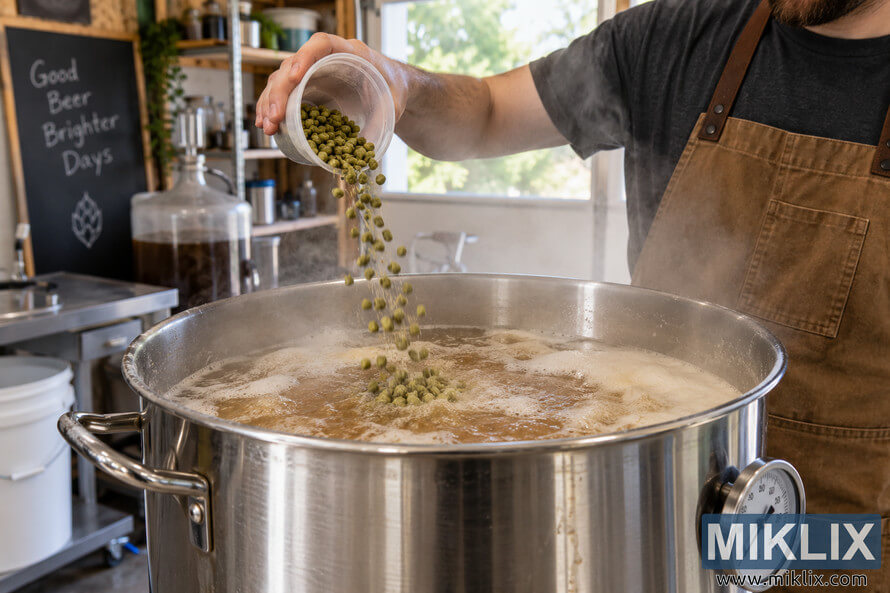
Adding Palisade hops early in the boil extracts alpha acids for bitterness while volatile oils dissipate. A 60-minute boil addition provides clean bittering character. The resulting bitterness lacks harsh edges that some high-alpha varieties produce.
Calculate bittering additions based on your target IBU range. Most recipes using Palisade for bittering aim for 25-45 IBUs. This range provides adequate hop presence without excessive bitterness that might clash with late hop character.
Click or tap the image for more information and higher resolutions.
Flavor Additions
Mid-boil additions between 15-30 minutes remaining capture both flavor and residual bitterness. These additions bridge the gap between pure bittering and aroma contributions. Palisade hop performs excellently in this role.
- 20-30 minutes: Emphasizes hop flavor with moderate aroma retention
- 10-15 minutes: Balances flavor and aroma contributions
- 5-10 minutes: Primarily aroma with minimal additional bitterness
Aroma Additions and Whirlpool
Late boil additions and whirlpool techniques maximize Palisade aroma profile. Adding hops at flameout or during whirlpool preserves volatile oils responsible for apricot character. Temperature management during whirlpool significantly impacts results.
Flameout Addition Technique
Add hops immediately after turning off heat. Allow 10-15 minutes steep time before beginning chilling. This method extracts substantial aroma with minimal additional bitterness.
Recommended rate: 1-2 ounces per five-gallon batch for pronounced aroma character.
Whirlpool Hop Stand Method
Cool wort to 170-180°F before adding hops. Maintain temperature for 20-30 minutes while gently stirring. This technique provides intense aroma extraction.
Recommended rate: 2-3 ounces per five-gallon batch for maximum apricot expression.
Dry Hopping Techniques
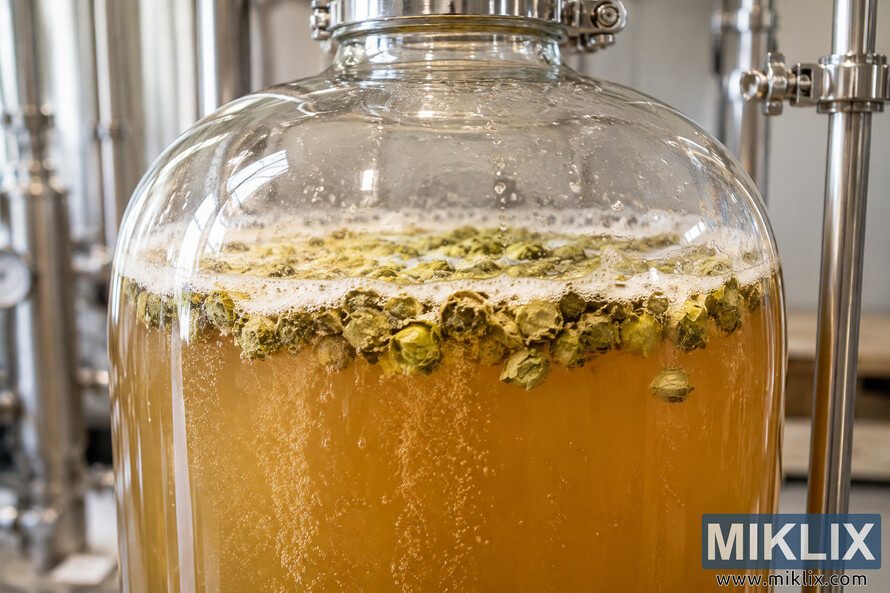
Dry hopping with Palisade hop during or after fermentation delivers maximum aroma impact. The technique adds no bitterness while contributing intense fruit character. Timing and temperature affect extraction efficiency and final beer quality.
Add dry hops when fermentation activity slows but beer remains slightly warm. Typical timing occurs three to five days into fermentation. The remaining yeast activity helps integrate hop character while CO2 production minimizes oxygen exposure.
Click or tap the image for more information and higher resolutions.
Dry Hop Dosage Rates
| Beer Style | Dosage Rate | Contact Time | Expected Character |
| Pale Ale | 1-2 oz/5 gal | 3-5 days | Moderate apricot aroma |
| IPA | 2-4 oz/5 gal | 4-7 days | Strong fruit-forward aroma |
| Session Ale | 0.75-1.5 oz/5 gal | 3-4 days | Subtle hop presence |
| Wheat Beer | 0.5-1 oz/5 gal | 2-3 days | Light hop accent |
Remove dry hops after contact period to prevent grassy off-flavors. Extended dry hopping beyond seven days rarely improves aroma and may introduce unwanted vegetal character. Cold crashing after removing hops improves final beer clarity.
Hop Substitution Recommendations
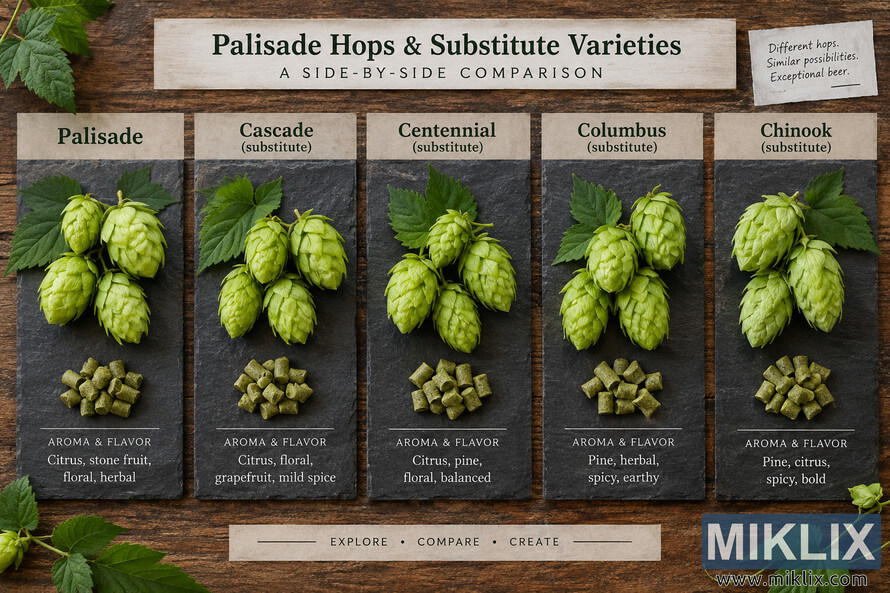
Finding suitable alternatives to Palisade hop helps brewers adapt recipes when availability becomes limited. Several hop varieties share similar characteristics including apricot notes and moderate alpha acid content. Understanding substitution options maintains recipe integrity.
Primary Substitution Options
These hop varieties provide the closest match to Palisade characteristics. Each substitute brings similar flavor aroma profiles with minor variations. Adjust quantities based on alpha acid differences to maintain target bitterness levels.
Calypso Hops
Excellent substitute sharing stone fruit character. Calypso provides similar apricot notes with additional pear and apple undertones.
- Alpha acid: 12-14% (use less)
- Substitution ratio: 0.6:1
- Best for: Aroma additions
- Character match: 85%
Galaxy Hops
Offers fruit-forward profile with tropical character. Galaxy brings passion fruit alongside subtle stone fruit notes similar to Palisade.
- Alpha acid: 13-15% (use less)
- Substitution ratio: 0.55:1
- Best for: Late additions
- Character match: 75%
Amarillo Hops
Popular American variety with orange and apricot character. Amarillo provides similar fruit notes with slightly higher citrus emphasis.
- Alpha acid: 8-11% (similar range)
- Substitution ratio: 0.9:1
- Best for: All applications
- Character match: 80%
Click or tap the image for more information and higher resolutions.
Secondary Alternatives
Additional hop varieties work as Palisade substitutes when primary options remain unavailable. These alternatives require more significant recipe adjustments but still produce quality results. Consider blending multiple varieties to approximate Palisade hop complexity.
- Cascade: Lower alpha acid with citrus-floral profile; use 1.2:1 ratio
- Centennial: Balanced citrus-floral with higher bitterness; use 0.8:1 ratio
- Mosaic: Complex fruit character with berry notes; use 0.6:1 ratio
- Citra: Strong citrus-tropical profile; use 0.65:1 ratio
- Simcoe: Piney-fruity character; use 0.7:1 ratio
Creating Hop Blends
Combining multiple hop varieties sometimes approximates Palisade hop character more accurately than single substitutes. Blending allows brewers to balance alpha acid content while targeting specific flavor profiles. This approach offers creative flexibility.
Blend Example: Combine 60% Cascade with 40% Calypso to approximate Palisade character. This blend provides moderate alpha acids with balanced stone fruit and citrus notes similar to Palisade hop profile.
Storage Tips for Maximum Freshness
Proper storage preserves Palisade hop quality and prevents degradation of essential oils. Hops deteriorate when exposed to oxygen, light, and elevated temperatures. Homebrewers should implement storage practices that maximize hop freshness throughout shelf life.
Optimal Storage Conditions
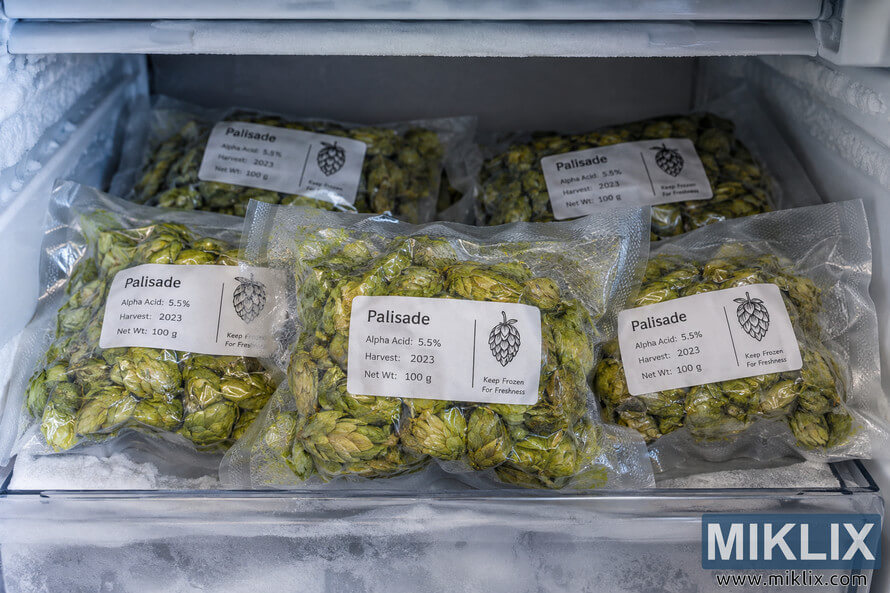
Temperature control represents the most critical factor in hop storage. Cold temperatures dramatically slow oxidation and oil degradation. Freezer storage at 0°F or below provides ideal conditions for long-term hop preservation.
Oxygen exposure accelerates hop degradation more than any other factor. Vacuum-sealing hops eliminates oxygen contact. When vacuum sealing equipment isn't available, squeeze excess air from bags before sealing and consider secondary barrier packaging.
Click or tap the image for more information and higher resolutions.
Short-Term Storage
For hops used within two to three months, refrigerator storage at 35-40°F provides adequate protection. Keep hops in original packaging if unopened.
- Temperature: 35-40°F
- Duration: Up to 3 months
- Packaging: Original sealed bags
- Location: Refrigerator back area
Long-Term Storage
Extended storage beyond three months requires freezer temperatures. Proper freezer storage maintains hop quality for one to two years.
- Temperature: 0°F or below
- Duration: 12-24 months
- Packaging: Vacuum-sealed preferred
- Location: Chest freezer ideal
Packaging Best Practices
Original manufacturer packaging provides excellent barrier properties when unopened. Once opened, transfer unused hops to appropriate storage containers. Several packaging methods work well for homebrewers managing partial bags.
- Vacuum seal in food-grade bags using home vacuum sealer
- Use zip-top freezer bags with air removed by hand
- Mason jars filled completely to minimize headspace
- Wrap in aluminum foil for additional light barrier
- Label containers with variety name and purchase date
Recognizing Hop Degradation
Monitoring hop condition helps brewers identify degradation before using questionable material. Several indicators signal that hops have deteriorated beyond acceptable quality. Learning these signs prevents disappointing brew day results.
Quality Check: Fresh Palisade hops exhibit bright green color with yellow lupulin visible. Aroma should smell fruity and pleasant. Brown coloration, cheese-like odors, or musty smells indicate degraded hops unsuitable for brewing.
Alpha acid content decreases during storage even under ideal conditions. Expect roughly 10-15% alpha acid loss per year in frozen storage. Adjust bittering calculations when using older hop inventory to maintain target IBU levels in recipes.
Practical Homebrewing Advice
Homebrewers face unique considerations when working with Palisade hops compared to commercial operations. Batch size, equipment limitations, and ingredient purchasing patterns require adapted techniques. These practical tips optimize results for typical five-gallon batches.
Recipe Formulation Tips
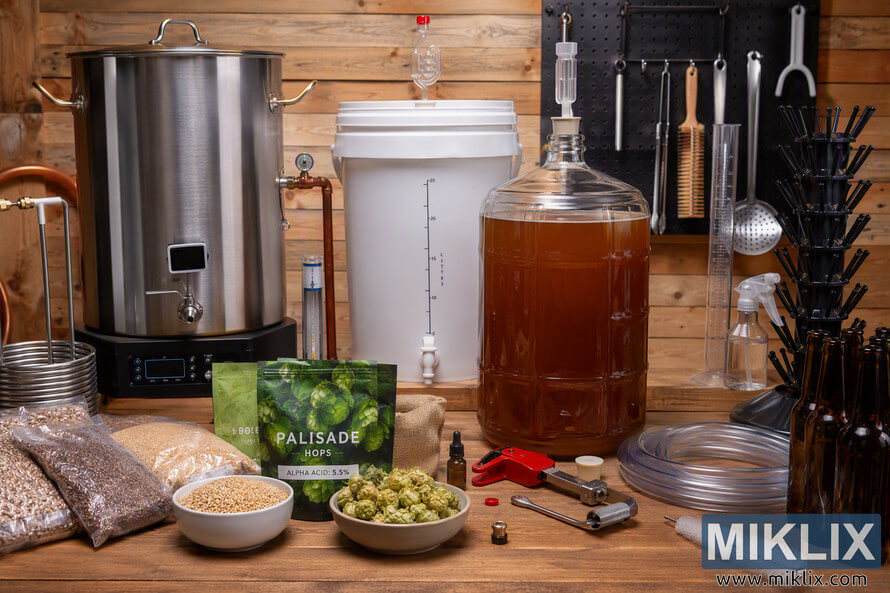
Building recipes around Palisade hop characteristics ensures the variety shines. Start with proven beer styles that complement apricot and floral notes. Simple grain bills allow hop character to express itself clearly without competing with complex malt profiles.
Click or tap the image for more information and higher resolutions.
Recommended Recipe Framework
Base your recipe on these proportions for optimal Palisade hop expression. Adjust malt ratios based on target beer style while maintaining focus on hop character.
- Select 85-92% base malt (two-row pale, Pilsner, or Maris Otter)
- Add 5-10% specialty malts for color and light character
- Include 2-5% Munich or Vienna for subtle malt complexity
- Target original gravity between 1.045-1.060 for balance
- Plan hop schedule emphasizing late and dry hop additions
- Choose clean fermenting ale yeast that won't compete with hops
Sample Recipe Structure
5-Gallon Batch
Malt: 9 lbs base, 0.5 lbs crystal 20L, 0.5 lbs Munich
Hops: 0.75 oz Palisade 60min, 1 oz Palisade 15min, 1.5 oz Palisade flameout, 2 oz Palisade dry hop
Yeast: US-05 or similar clean ale strain
Purchasing and Inventory Management
Buying appropriate quantities prevents waste while ensuring freshness. Most homebrewers benefit from purchasing one-pound quantities when Palisade hop features prominently in brewing rotation. Split larger purchases with fellow brewers to maintain variety while minimizing per-ounce costs.
Track your hop inventory including purchase dates and storage conditions. Rotate stock using oldest hops first. This practice ensures you use hops while they remain fresh and maintains quality across multiple brew sessions.
Brew Day Process Optimization
Efficient brew day procedures maximize Palisade hop potential. Prepare all hop additions in advance, organizing by addition timing. Pre-measure and label each addition to prevent confusion during active brewing.
Best Practices
- Prepare hop additions before brew day
- Use hop bags for easy removal
- Control whirlpool temperature precisely
- Time dry hop additions carefully
- Take detailed brewing notes
- Monitor fermentation temperature
Common Mistakes
- Adding all hops at once
- Excessive dry hop contact time
- Poor temperature control during hopping
- Using degraded or old hops
- Incorrect alpha acid calculations
- Neglecting water chemistry
Water Chemistry Considerations
Water mineral content affects hop character perception in finished beer. Moderate sulfate levels enhance hop flavor and bitterness perception. Target sulfate-to-chloride ratio around 2:1 for hop-forward beers featuring Palisade hop.
Avoid excessive mineral additions that create harsh bitterness. Start with 150-200 ppm sulfate for pale ales. Adjust based on taste preferences in subsequent batches. Water chemistry represents an advanced topic but significantly impacts final beer quality.
Fermentation Management
Yeast selection and fermentation control complement Palisade hop character. Choose yeast strains with clean flavor profiles that won't compete with hop aroma. American ale yeasts like US-05, WLP001, or Wyeast 1056 work excellently.
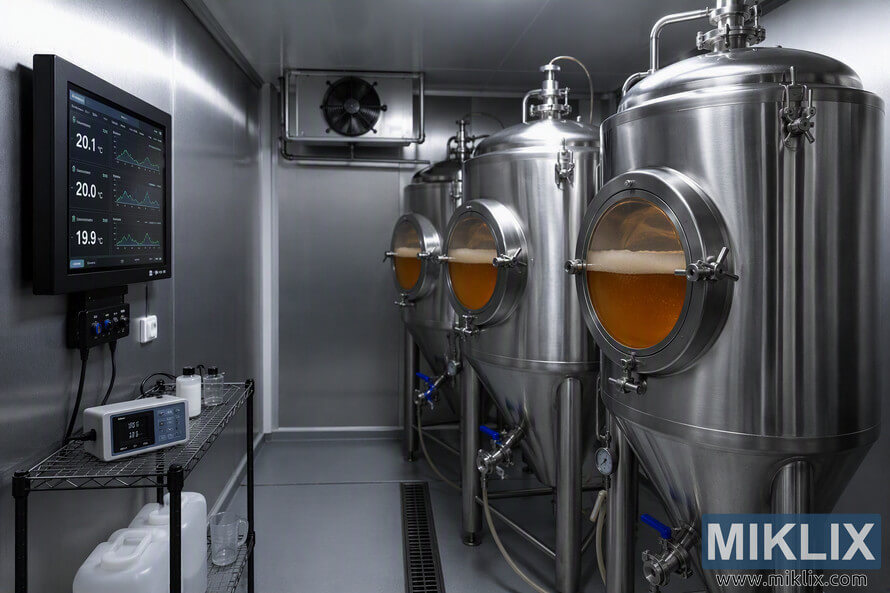
Maintain fermentation temperatures in optimal range for chosen yeast. Most American ale strains perform best at 65-68°F. Higher temperatures may produce fruity esters that clash with Palisade apricot character. Temperature control becomes especially important during dry hopping phase.
Click or tap the image for more information and higher resolutions.
Tasting and Evaluation
Systematic tasting helps homebrewers understand how Palisade hops performed in finished beer. Evaluate aroma intensity, flavor expression, and bitterness balance. Compare results against recipe goals and commercial examples using Palisade hop.
Take detailed notes about what worked and what needs adjustment. Document specific hop addition rates and timing that produced desired results. This information becomes invaluable when formulating future recipes or troubleshooting issues.
Conclusion
Palisade hops deliver unique apricot character that elevates American pale ales, session beers, and experimental brews. The variety's moderate alpha acid content combined with distinctive flavor aroma profile makes it valuable for homebrewers seeking versatile dual-purpose hops. Understanding proper usage techniques, storage methods, and recipe formulation principles helps you maximize Palisade hop potential.
Success with Palisade hop requires attention to addition timing and dosage rates appropriate for your target beer style. Focus late and aroma additions on showcasing the variety's signature stone fruit character. Proper storage practices maintain hop quality between brew sessions, ensuring consistent results batch after batch.
Whether you're brewing your first Palisade hop beer or refining existing recipes, the information in this guide provides the foundation for excellent results. Experiment with different addition schedules and beer styles to discover how this versatile American hop variety fits your brewing preferences. The distinctive apricot and floral notes of Palisade hops will reward careful attention to brewing techniques and recipe design.
Click or tap the image for more information and higher resolutions.
Further Reading
If you enjoyed this post, you may also like these suggestions:
- Hops in Beer Brewing: Sticklebract
- Hops in Beer Brewing: Hersbrucker E
- Hops in Beer Brewing: Southern Star