
Hops in Beer Brewing: Rakau
Published: October 24, 2026 at 12:23:02 AM UTC
Rakau is a New Zealand dual-purpose hop celebrated for its vibrant stone-fruit character, with notes of apricot and peach alongside tropical fruit and subtle pine—an expressive choice for pale ales, IPAs, and other hop-forward homebrews.
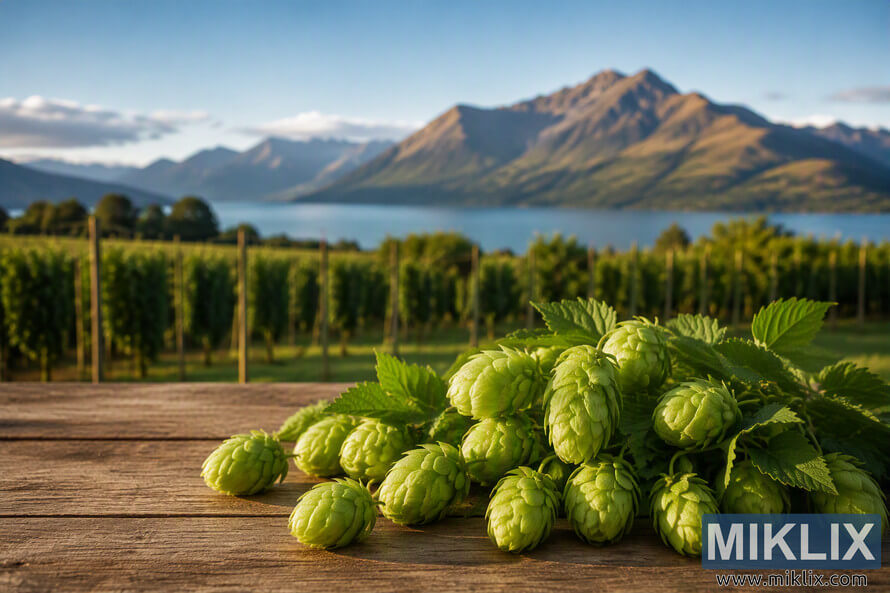
Click or tap the image for more information and higher resolutions.
Rakau hops represent one of New Zealand's most exciting contributions to modern brewing. This versatile hop variety delivers a unique combination of stone fruit flavors and resinous characteristics that have captured the attention of brewers worldwide. Whether you're crafting your first pale ale or perfecting an IPA recipe, understanding how to work with Rakau can elevate your homebrewing results.
New Zealand hops have gained recognition for their distinctive aromatic qualities. Rakau stands out among these varieties with its bold character and brewing flexibility. This guide provides everything homebrewers need to successfully incorporate this hop into their recipes.
From selecting the right beer styles to mastering dry hop techniques, we'll explore practical applications that help you achieve professional-quality results in your home brewery.
Origins and Development of Rakau Hops
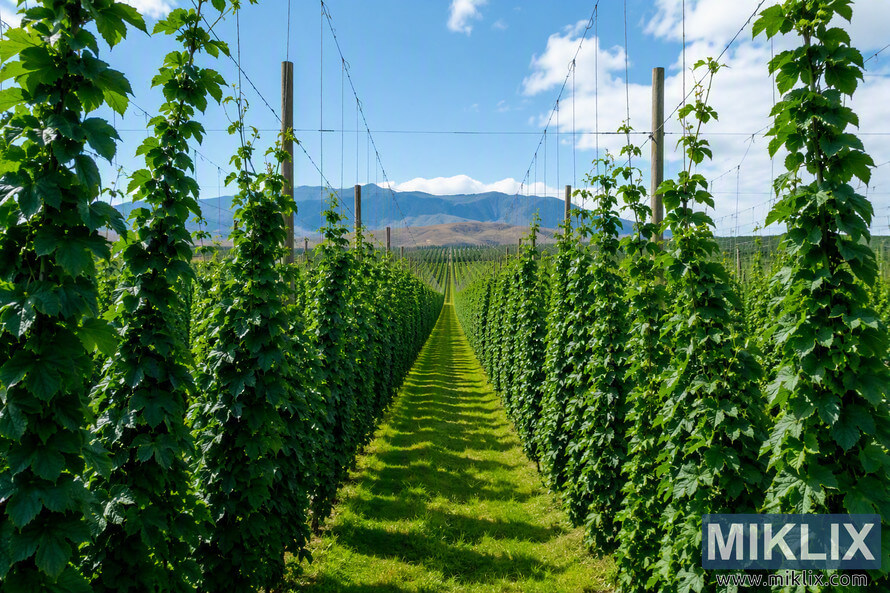
Rakau emerged from the New Zealand hop breeding program at Plant & Food Research. The breeding program focused on developing varieties that could thrive in New Zealand's unique growing conditions while offering distinct flavor profiles. Yakima Chief Hops recognized the variety's potential and partnered with New Zealand Hops Ltd to bring it to commercial production.
The name "Rakau" comes from the Māori word meaning "tree" or "wood." This reflects the hop's resinous, woody characteristics that complement its fruit-forward aroma profile. Zealand hop breeding efforts have consistently produced varieties that stand apart from traditional European and American hops.
Commercial release occurred after extensive field trials in both New Zealand and the Yakima Valley. These trials confirmed the hop's stability across different growing regions. The variety adapted well to various climates, making it accessible to brewers worldwide through Yakima Chief Hops distribution networks.
Click or tap the image for more information and higher resolutions.
Breeding Background
Zealand hop breeding programs utilize advanced selection techniques to identify promising seedlings with unique characteristics.
- Cross-breeding of proprietary New Zealand hop varieties
- Multi-year field testing across diverse climates
- Selection for disease resistance and yield
- Flavor profile evaluation through pilot brewing
Commercial Development
The partnership between New Zealand growers and Yakima Chief expanded Rakau's availability to craft brewers globally.
- Initial cultivation in New Zealand hop gardens
- Expansion to Yakima Valley growing operations
- Quality control across production regions
- Distribution through international hop suppliers
Growing Characteristics
Rakau demonstrates reliable agronomic performance in both Southern and Northern Hemisphere hop yards.
- Moderate to high yield potential
- Good disease resistance profile
- Adaptable to various soil types
- Consistent alpha acid production
Market Introduction
Strategic release through craft brewing channels established Rakau as a go-to hop for distinctive beer styles.
- Introduction at brewing industry conferences
- Sample programs for craft breweries
- Technical support from Yakima Chief Hops
- Growing adoption in hop-forward beer styles
Click or tap the image for more information and higher resolutions.
Rakau Hops Flavor and Aroma Profile
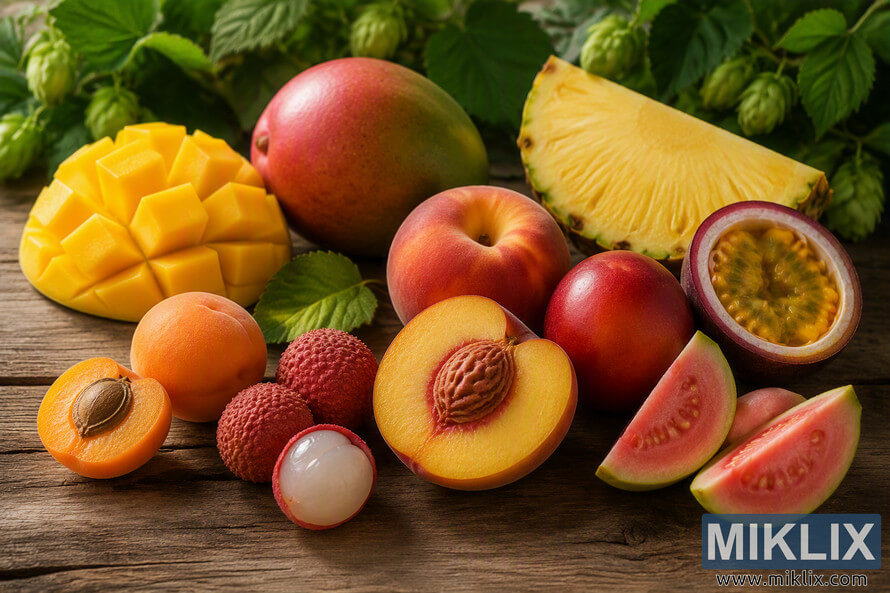
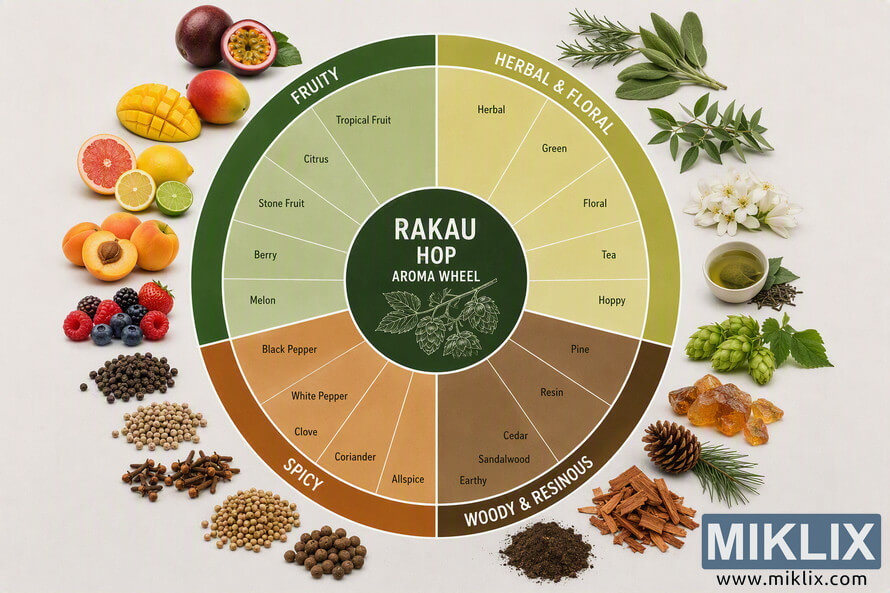
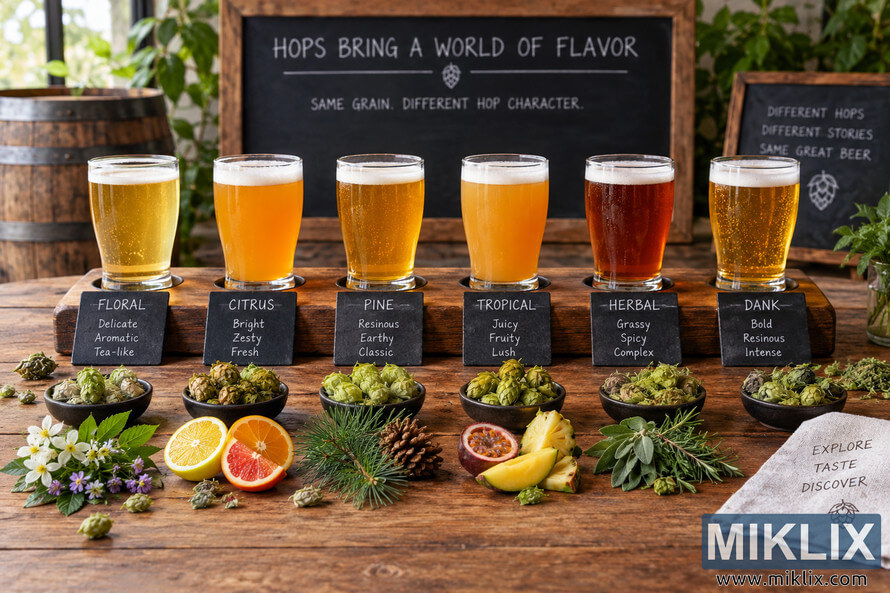
The flavor characteristics of Rakau hops center on stone fruit and tropical notes with underlying resinous qualities. Brewers consistently describe peach, apricot, and passion fruit aromas when working with this New Zealand hop. These primary flavors combine with subtle citrus undertones to create complex aromatic layers.
Stone fruit character dominates the aroma profile. Fresh apricot and ripe peach come through prominently in both hot-side and cold-side hop additions. The fruit notes present as fresh rather than candied, contributing to clean flavor expression in finished beer.
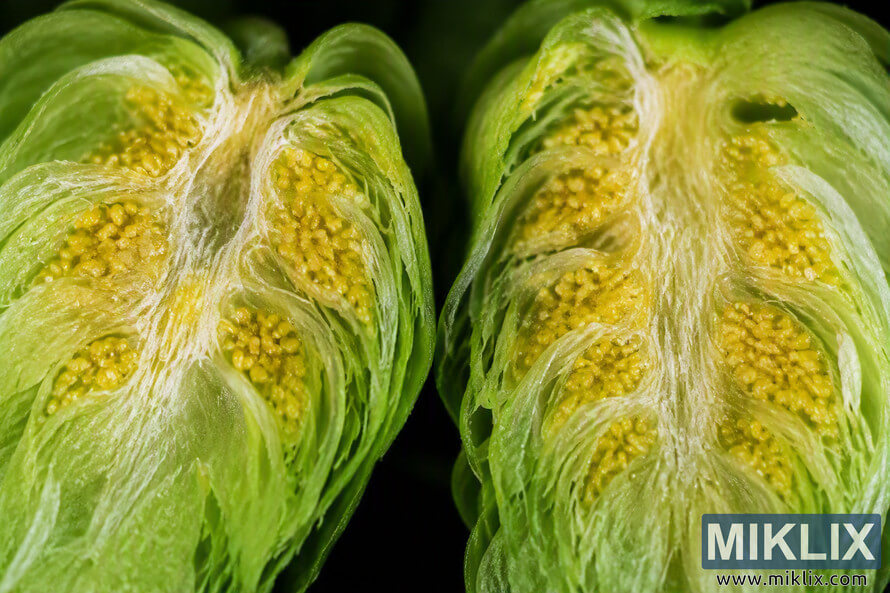
A distinctive resinous quality provides depth beyond the fruit-forward characteristics. This resinous aspect adds structure to the overall hop character without overwhelming the delicate fruit notes. The balance between fruit and resin makes Rakau particularly effective in hop-forward beers.
Click or tap the image for more information and higher resolutions.
Primary Aroma Components
The specific aroma profile results from the hop's unique oil composition. Hop oil analysis reveals elevated levels of compounds responsible for fruit character. Understanding these components helps brewers predict how Rakau will express in different beer styles and with various brewing techniques.
Stone fruit notes come primarily from esters and terpene alcohols in the hop oil. These compounds volatilize readily during brewing, making them particularly noticeable in late hop additions. The intensity of stone fruit character increases with higher hopping rates and longer contact time during fermentation.
Dominant Flavor Notes
- Fresh apricot and nectarine
- Ripe peach character
- Passion fruit complexity
- Subtle lime and citrus
- Pine and resinous undertones
- Orchard fruit suggestions
Hop Oil Characteristics
The oil content typically ranges from 1.0 to 1.8 mL per 100g of dried hops. This moderate oil level contributes to good aroma intensity without requiring excessive hopping rates.
Beta acids complement the alpha acid content, providing smooth bitterness that doesn't overshadow the aromatic qualities. The ratio of alpha to beta acids creates balanced flavor expression.
Specific aroma compounds include elevated myrcene levels contributing to the fruit character, along with unique terpene profiles that distinguish Rakau from other New Zealand hops.
Click or tap the image for more information and higher resolutions.
Flavor Expression in Beer
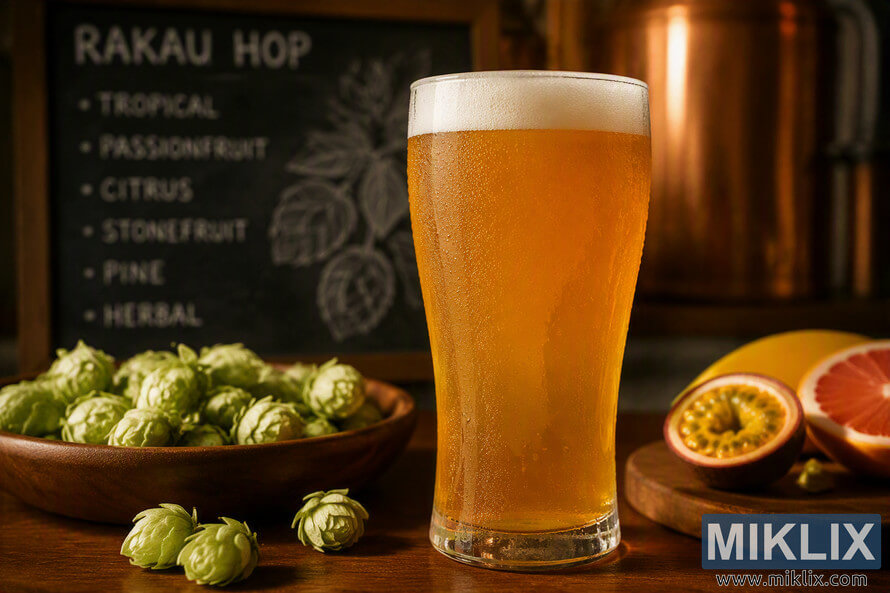
Flavor translation from raw hops to finished beer depends on brewing technique and beer style. Rakau expresses differently in pale ales versus IPAs due to malt interaction and overall hop charge. The stone fruit characteristics remain consistent, but their intensity and balance shift with recipe formulation.
In lighter beer styles like pale ales, the fruit notes present cleanly without interference from heavy malt character. The citrus and orchard fruit aspects become more prominent. These styles showcase the hop's aromatic complexity while maintaining drinkability.
Hop-forward beers like IPAs emphasize the resinous qualities alongside the fruit character. Higher hopping rates bring out the pine-like aspects that provide structure. The overall hop character becomes more intense while retaining the signature stone fruit profile that defines Rakau.
Click or tap the image for more information and higher resolutions.
Optimal Flavor Conditions
- Late kettle additions preserve volatile aromatics
- Dry hop additions maximize fruit expression
- Moderate water hardness enhances hop character
- Fermentation temperatures below 68°F retain aroma
- Fresh hops provide strongest flavor impact
- Proper oxygen exclusion protects delicate notes
Factors That Diminish Flavor
- Extended boiling reduces aromatic compounds
- High fermentation temperatures drive off volatiles
- Oxidation during packaging degrades hop character
- Aged hops lose intensity and freshness
- Heavy malt roast character can mask subtlety
- Excessive dry hop contact creates harshness
Alpha Acid Content and Bittering Properties
Rakau typically contains 9 to 11 percent alpha acids. This moderate to high alpha range makes the variety suitable for both bittering and aroma applications. The alpha acid content remains relatively consistent across growing seasons, providing reliable brewing performance.
Brewers can use Rakau as a single-hop option or combine it with other varieties for layered bitterness. The bittering quality presents as clean without harsh or astringent notes. This smooth bitterness complements the aromatic characteristics rather than competing with them.
Alpha acids in Rakau contribute to overall hop character beyond simple bitterness. The specific alpha acid composition affects how the bitterness integrates with the stone fruit and tropical flavors. This integration creates cohesive flavor profiles in finished beer.
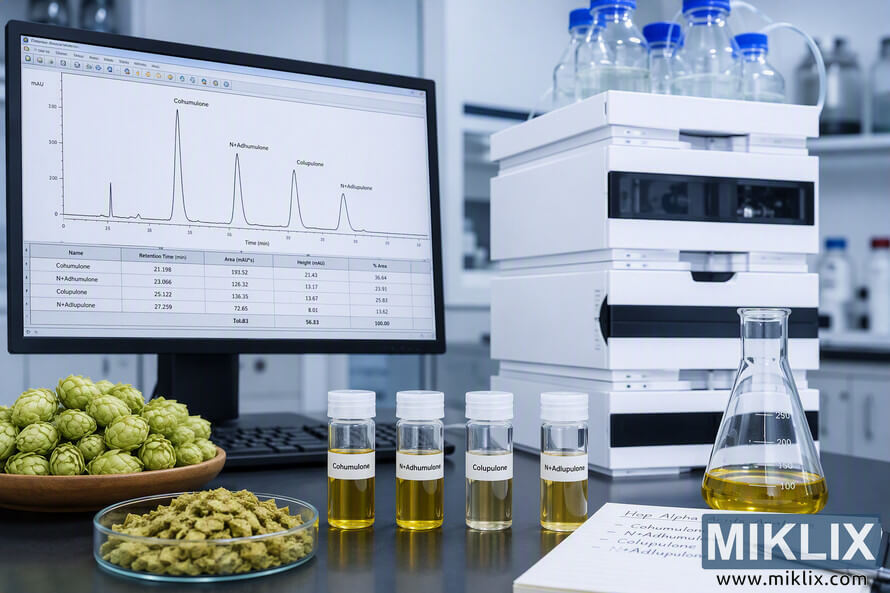
| Component | Typical Range | Brewing Impact | Optimal Use |
| Alpha Acids | 9.0 - 11.0% | Moderate to high bittering potential | 60-minute bittering or late additions |
| Beta Acids | 6.0 - 8.0% | Smooth background bitterness | Extended aging and oxidation resistance |
| Cohumulone | 28 - 32% | Affects bitterness quality and harshness | All additions benefit from moderate levels |
| Total Oil | 1.0 - 1.8 mL/100g | Aroma intensity and complexity | Late kettle and dry hop additions |
| Myrcene | 45 - 52% | Primary fruit character contributor | Whirlpool and dry hop maximize expression |
Click or tap the image for more information and higher resolutions.
Bittering Applications
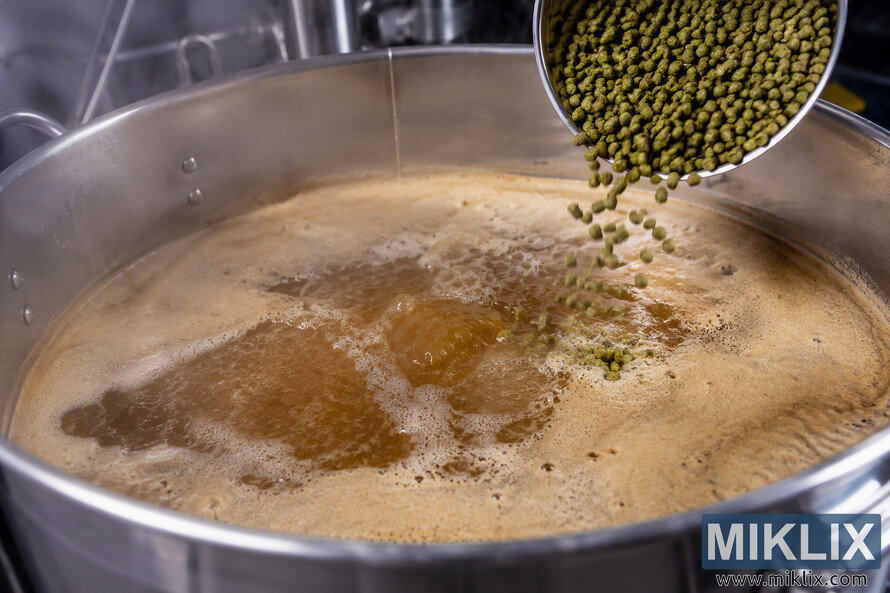
As a bittering hop, Rakau performs well in 60-minute additions. The bitterness develops cleanly during the boil without producing harsh or metallic notes. This makes it suitable as a primary bittering hop in recipes where you want the characteristic flavor to carry through all hop additions.
The cohumulone percentage falls within a moderate range. Cohumulone levels affect perceived bitterness quality, with lower percentages generally producing smoother bitterness. Rakau's moderate cohumulone contributes to its clean bittering profile without the harshness sometimes associated with high-alpha hops.
Click or tap the image for more information and higher resolutions.
Dual-Purpose Versatility
The combination of adequate alpha acids and excellent aromatic properties makes Rakau a true dual-purpose hop. Brewers can simplify recipes by using a single hop variety for both bittering and aroma. This approach creates cohesive hop character throughout the beer.
Single-hop beers showcase Rakau's full range of characteristics. Using the variety in bittering, flavor, and aroma additions allows the stone fruit and tropical notes to present at multiple levels. The result demonstrates how the hop's bitterness integrates with its aromatic qualities.
Beta acids provide additional bittering potential through oxidation over time. While alpha acids contribute immediate bitterness during the boil, beta acids offer smooth background bitterness that develops during fermentation and conditioning. This dual-action creates depth in the finished beer's bitterness profile.
Calculating Bittering Units
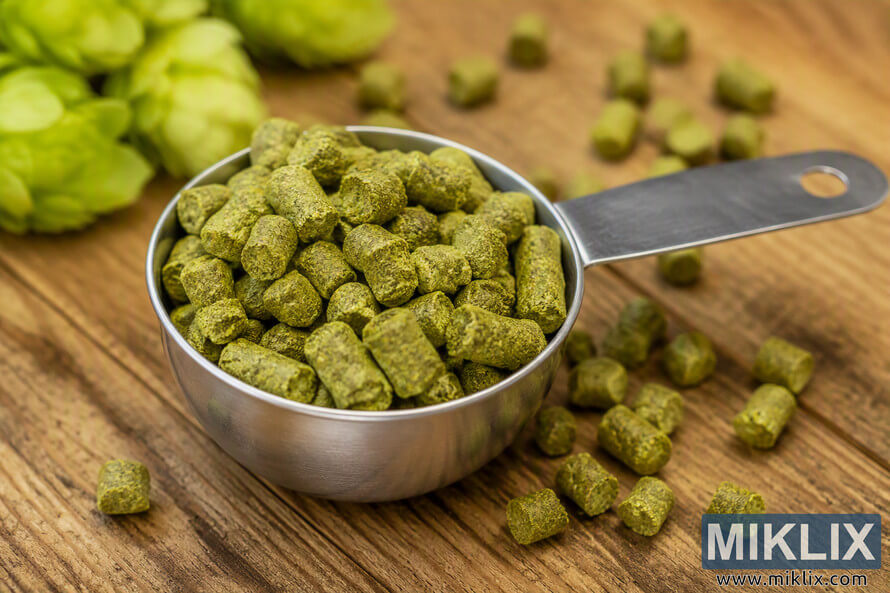
When formulating recipes with Rakau, use standard IBU calculations based on the specific alpha acid percentage of your hop lot. Yakima Chief Hops provides detailed analytical data on each lot, allowing precise bittering calculations. For a typical 5-gallon homebrew batch targeting 40 IBUs, approximately 1.5 ounces of 10% alpha Rakau in a 60-minute addition achieves the target bitterness. Always adjust for your system's efficiency and the actual alpha percentage of your hops.
Click or tap the image for more information and higher resolutions.
Flavor Addition Strategy
Flavor additions work best at 15 to 20 minutes before end of boil. This timing preserves more aromatic compounds while still extracting flavor. Use 0.5 to 1 ounce per 5-gallon batch for balanced flavor contributions.
Alpha Acid Considerations
Always check the alpha acid percentage on your specific hop package. Variations between crop years and growing regions affect calculations. Store data from Yakima Chief ensures accurate recipe formulation.
Best Beer Styles for Rakau Hops
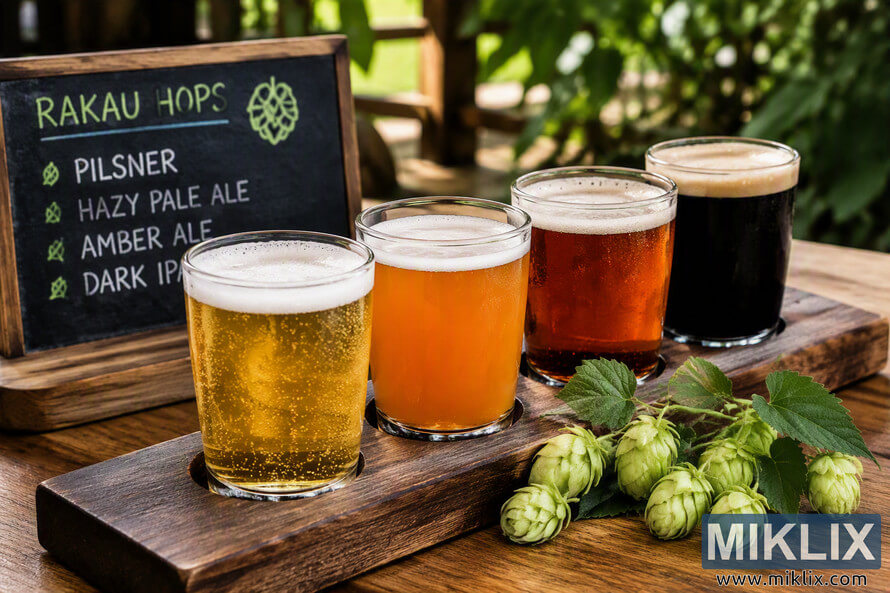
Rakau excels in hop-forward beer styles where its aromatic characteristics can shine. American-style IPAs provide an ideal showcase for the stone fruit and tropical notes. The variety's moderate alpha content supports the high hopping rates typical of these styles.
Pale ales represent another excellent application for Rakau. The lighter malt bill allows the hop's delicate fruit notes to present clearly. Whether brewing American pale ale or New Zealand-style pale ale, Rakau contributes distinctive character that defines these beer styles.
The hop's versatility extends beyond the most obvious choices. Brewers have successfully incorporated Rakau into wheat beers, saisons, and even lighter lagers. The key is balancing the hop character with the base beer style's flavor profile.
Click or tap the image for more information and higher resolutions.
India Pale Ales
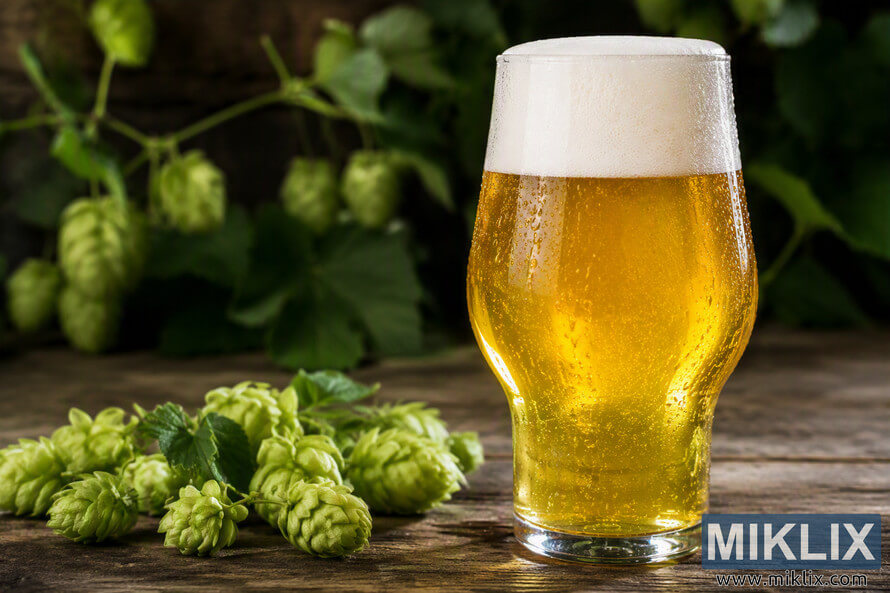
American IPAs benefit from Rakau's fruit-forward character combined with adequate bittering potential. The style typically features prominent hop aroma and flavor supported by moderate malt sweetness. Rakau's stone fruit notes complement the citrus and pine characteristics many brewers seek in IPAs.
New England IPAs showcase Rakau's tropical fruit aspects exceptionally well. The hazy, juicy style emphasizes hop aroma over bitterness. Large dry hop additions of Rakau create the intense fruit character that defines the style. The resinous quality provides structure without harsh bitterness.
West Coast IPAs utilize Rakau differently, emphasizing its bittering capabilities alongside its aroma. These beers feature cleaner malt profiles and higher perceived bitterness. Rakau works well as either a single-hop choice or blended with classic American varieties.
IPA Hopping Schedule Example
- Bittering addition: 1 oz Rakau at 60 minutes
- Flavor addition: 1 oz Rakau at 15 minutes
- Aroma addition: 1 oz Rakau at flame-out
- Whirlpool: 2 oz Rakau at 170°F for 20 minutes
- Dry hop: 2 oz Rakau at high krausen
- Secondary dry hop: 2 oz Rakau 3 days before packaging
Target Parameters
- Original Gravity: 1.060 - 1.070
- Final Gravity: 1.012 - 1.016
- IBU Target: 50 - 70
- Color: 5 - 8 SRM
- ABV: 6.0 - 7.5%
- Total Hop Load: 8 - 10 oz per 5 gallons
Click or tap the image for more information and higher resolutions.
Pale Ales
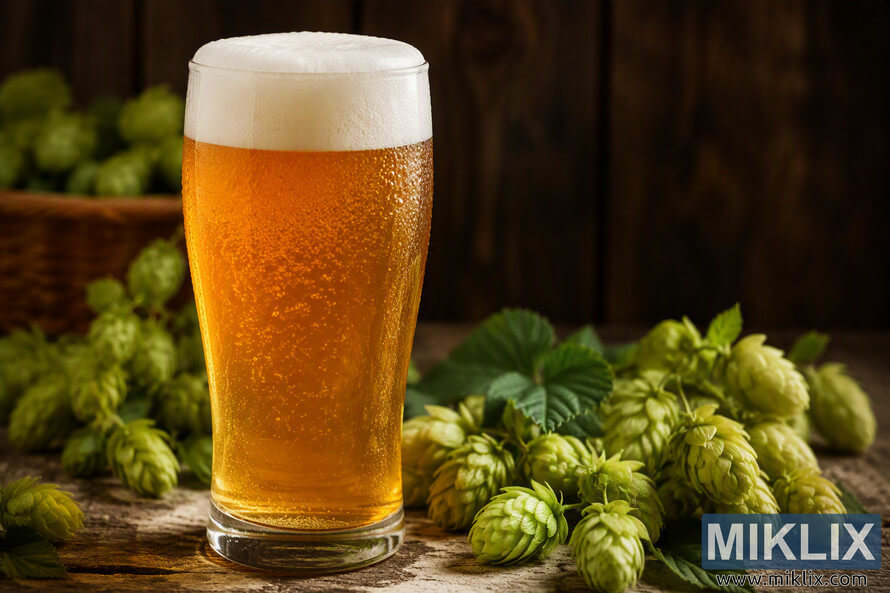
American pale ales allow Rakau to express its characteristics with more restraint than IPAs. The moderate hopping rates typical of pale ales let the stone fruit notes present clearly without overwhelming the palate. This balance makes pale ales an excellent starting point for brewers new to Rakau.
The variety works particularly well in session-strength pale ales. Lower alcohol content and lighter body allow the hop's aromatic qualities to carry the flavor profile. These beers showcase how effective Rakau can be even at modest hopping rates.
Click or tap the image for more information and higher resolutions.
Other Compatible Styles
| Beer Style | Rakau Application | Recommended Rate | Key Characteristics |
| American Wheat | Late addition and dry hop | 2-4 oz per 5 gallons | Stone fruit complements wheat character |
| Saison | Flavor and aroma additions | 1-3 oz per 5 gallons | Tropical notes enhance yeast esters |
| Blonde Ale | Single late addition | 1-2 oz per 5 gallons | Subtle fruit character without overpowering |
| Cream Ale | Whirlpool only | 1-2 oz per 5 gallons | Clean fruit aroma in light body |
| Kolsch | Late kettle addition | 0.5-1 oz per 5 gallons | Delicate orchard fruit notes |
| Session IPA | Multiple late additions plus dry hop | 4-6 oz per 5 gallons | Big hop character in lower ABV beer |
Experimental brewers have found success using Rakau in non-traditional applications. Some craft breweries have incorporated it into kettle sours, where the fruit character complements the tartness. Others use it in hop-accented lagers for a unique take on pilsner styles.
Style Selection Tips
Choose beer styles based on how much hop character you want to feature. Lighter styles require more restraint with Rakau to avoid overpowering other flavors. Hop-forward styles can accommodate larger quantities while maintaining balance. Consider your target audience and whether they prefer subtle hop presence or bold, assertive hop character. Test batches help determine optimal hopping rates for your specific brewing system and preferences.
Homebrewing Techniques with Rakau Hops
Effective use of Rakau requires understanding various hop addition techniques. Each method extracts different compounds from the hop and produces distinct results in the finished beer. Matching technique to desired outcome ensures optimal expression of Rakau's characteristics.
Timing plays a critical role in hop utilization. Early boil additions favor bittering compound extraction while destroying volatile aromatics. Late additions and post-boil techniques preserve aromatic oils. Strategic timing throughout brew day creates layered hop character.
Temperature management affects which hop compounds extract into the wort. Higher temperatures during additions drive more alpha acid isomerization but volatilize delicate aroma compounds. Lower temperature additions preserve aromatics while limiting bitterness extraction.
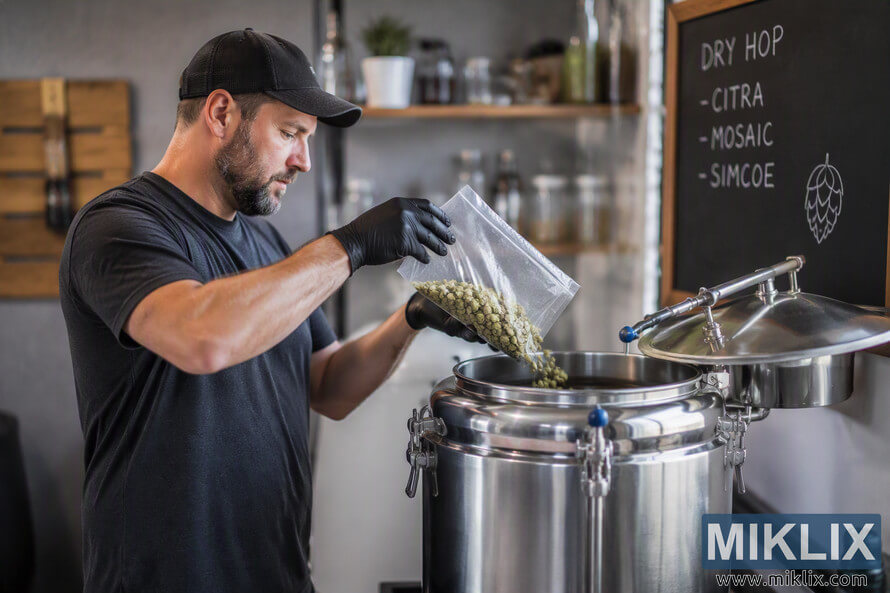
Click or tap the image for more information and higher resolutions.
Dry Hop Techniques
Dry hop additions maximize Rakau's aromatic potential. Adding hops during or after fermentation preserves volatile compounds that would otherwise be lost during the boil. The stone fruit and tropical characteristics express most intensely through proper dry hopping.
Timing for dry hop additions affects the final aroma profile. Adding hops during active fermentation biotransforms certain hop compounds through yeast interaction. This process creates unique aromatic expressions not possible through other methods. The CO2 produced during fermentation also helps distribute hop compounds throughout the beer.
Post-fermentation dry hopping produces different results. Adding hops after fermentation completes limits biotransformation but can create cleaner, more direct hop expression. Many brewers use a combination approach with additions at different fermentation stages.
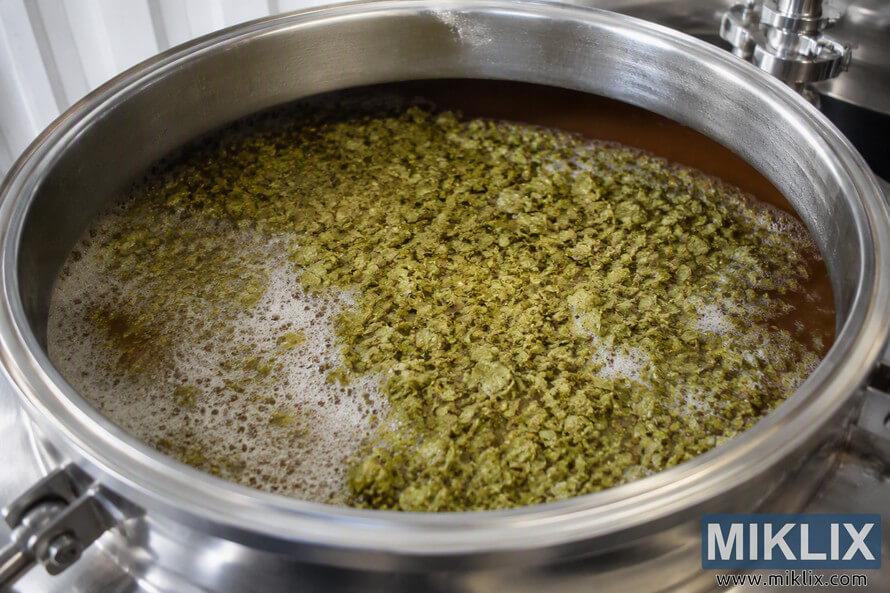
Click or tap the image for more information and higher resolutions.
Dry Hop Methods
The hop charge refers to the total amount of hops added during dry hopping. For Rakau, effective rates range from 1 to 4 ounces per 5-gallon batch depending on desired intensity. Higher rates create more pronounced fruit character but also increase the risk of grassy or vegetal notes.
Contact time influences extraction efficiency. Three to five days typically provides optimal extraction without extracting undesirable compounds. Extended contact beyond seven days may produce harsh or astringent characteristics. Temperature during dry hopping also matters, with cooler temperatures around 60-65°F producing cleaner results.
Hop form affects dry hopping performance. Pellets provide convenience and typically better extraction than whole cone hops. The mechanical processing of pellets increases surface area, allowing more complete extraction of oil compounds. Whole cones can work well but require larger quantities to achieve similar intensity.
Quick Reference
- Rate: 1-4 oz per 5 gallons
- Timing: During or after fermentation
- Duration: 3-5 days optimal
- Temperature: 60-65°F ideal
- Form: Pellets recommended
- Multiple additions increase complexity
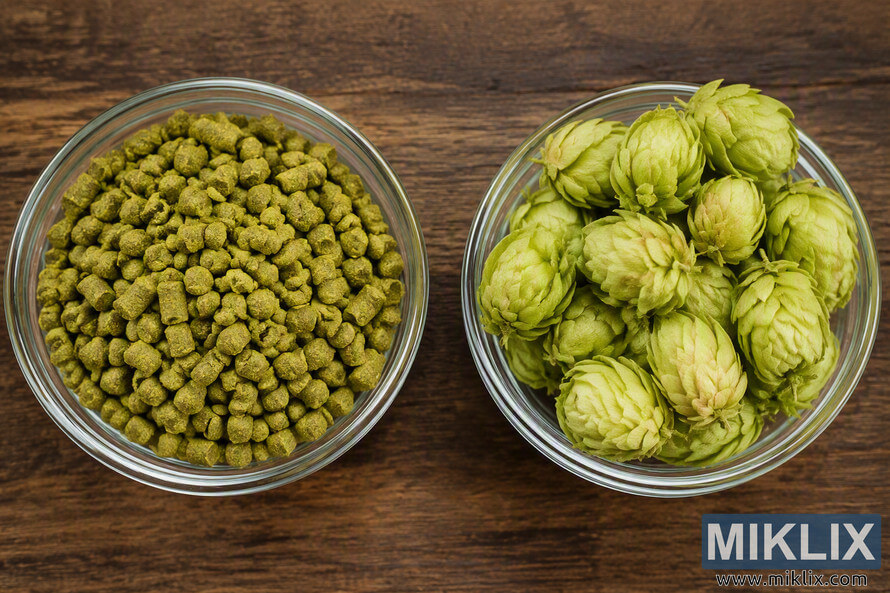
Click or tap the image for more information and higher resolutions.
Late Kettle Additions
Additions made in the final 15 minutes of the boil capture flavor compounds while preserving some aromatic volatility. This technique bridges the gap between pure bittering and pure aroma additions. Rakau's stone fruit character emerges strongly in this timing window.
Flame-out additions occur when you turn off the heat after the boil completes. The wort temperature remains high enough to extract hop compounds but low enough to preserve more aromatics than boiled additions. Many brewers consider flame-out the single most important hop addition for aroma.
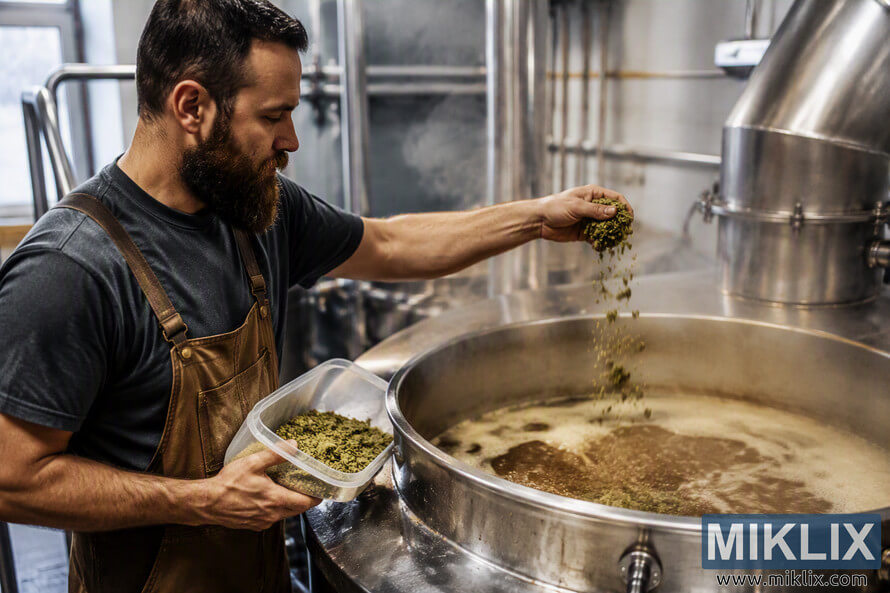
Click or tap the image for more information and higher resolutions.
Whirlpool and Hop Stand
Whirlpool additions involve adding hops while the wort circulates after the boil. This technique creates a hop bed that settles to the kettle's center, making wort transfer cleaner. The circulating wort extracts hop compounds efficiently at controlled temperatures.
Temperature control during whirlpool separates this method from simple flame-out additions. Cooling the wort to 170-180°F before adding hops preserves maximum aromatics while still extracting flavor compounds. This temperature range is sometimes called a "hop stand."
Duration of the whirlpool affects extraction intensity. Fifteen to thirty minutes provides substantial hop character. Some brewers extend hop stands to 45 minutes or longer for intense aroma. Experiment with different durations to find your preferred intensity level.
Whirlpool Best Practices
- Cool wort to 170-180°F before addition
- Add 1-3 oz Rakau per 5-gallon batch
- Maintain temperature throughout stand
- Duration of 20-30 minutes optimal
- Cover kettle to retain aromatics
- Begin cooling immediately after stand completes
Expected Results
- Strong stone fruit aroma without harsh bitterness
- Clean flavor expression
- Minimal IBU contribution
- Enhanced tropical fruit notes
- Smooth integration with malt
- Persistent aroma in finished beer
First Wort Hopping
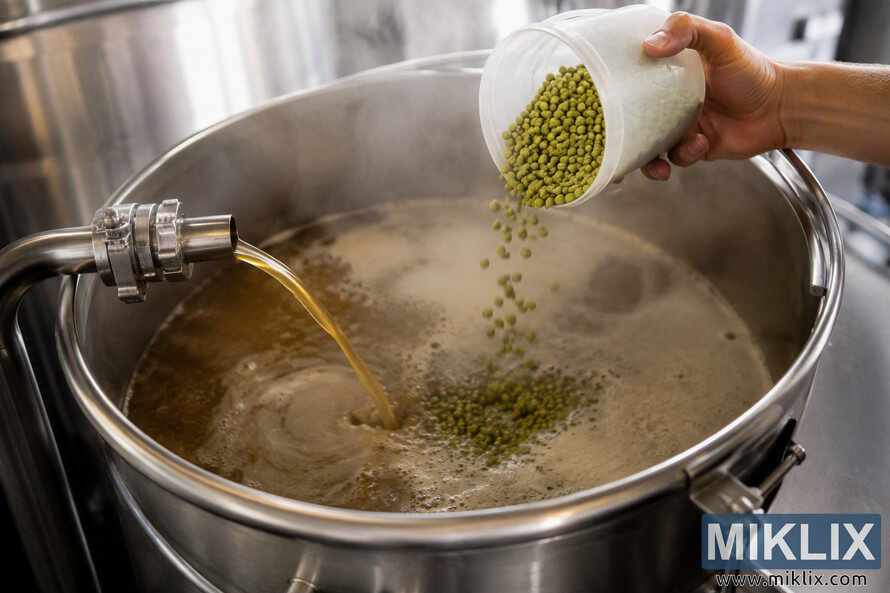
First wort hopping involves adding hops to the kettle as you begin running off wort from the mash tun. The hops steep in the wort throughout the entire boil. This technique produces smooth, well-integrated bitterness with enhanced flavor complexity.
Some brewers report that first wort hopping creates a more refined hop character than traditional bittering additions. The extended contact time at varying temperatures may extract a broader range of compounds. Research on this technique shows mixed results, but many experienced brewers swear by it.
For Rakau, first wort hopping works well when you want the variety's character present throughout the beer's flavor profile. Use 20-30 percent of your total hop bill for this addition. The technique pairs particularly well with late additions and dry hopping for layered complexity.
Click or tap the image for more information and higher resolutions.
Recommended Hopping Rates and Timing
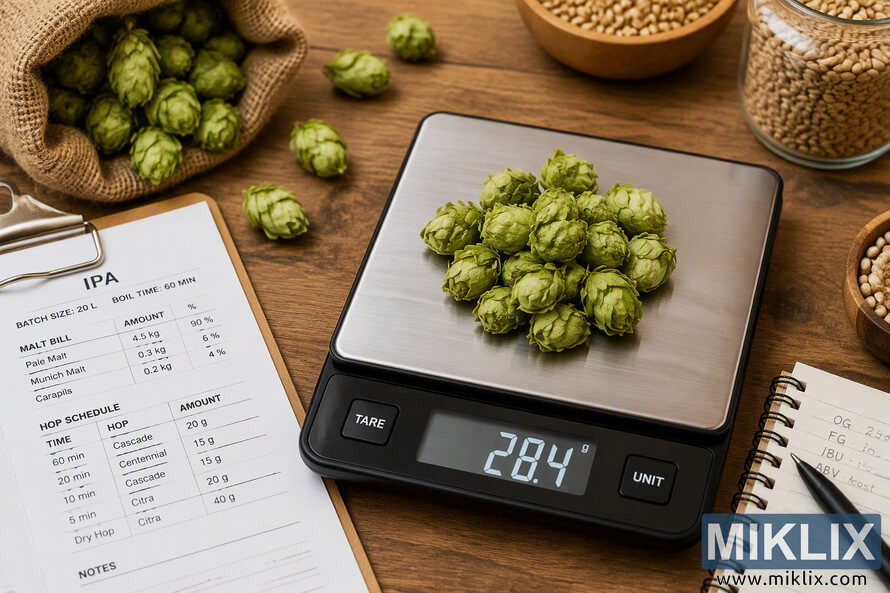
Determining appropriate hopping rates requires considering your target beer style and desired intensity level. Rakau can function effectively at rates from less than 1 ounce to over 6 ounces per 5-gallon batch. Starting with moderate rates allows you to understand the hop's baseline character before pushing to extremes.
The overall hop charge includes all additions throughout brew day and fermentation. For balanced pale ales, total hopping rates of 3 to 4 ounces per 5 gallons work well. Hop-forward IPAs may use 6 to 10 ounces or more. Distribution across addition timing creates complexity.
Scaling recipes from 5-gallon homebrew batches to larger volumes requires attention to utilization differences. Homebrewers typically achieve different extraction efficiency than commercial systems. Professional brewers may need to adjust rates when scaling successful homebrew recipes to larger equipment.
Click or tap the image for more information and higher resolutions.
Pale Ale Hopping Schedule
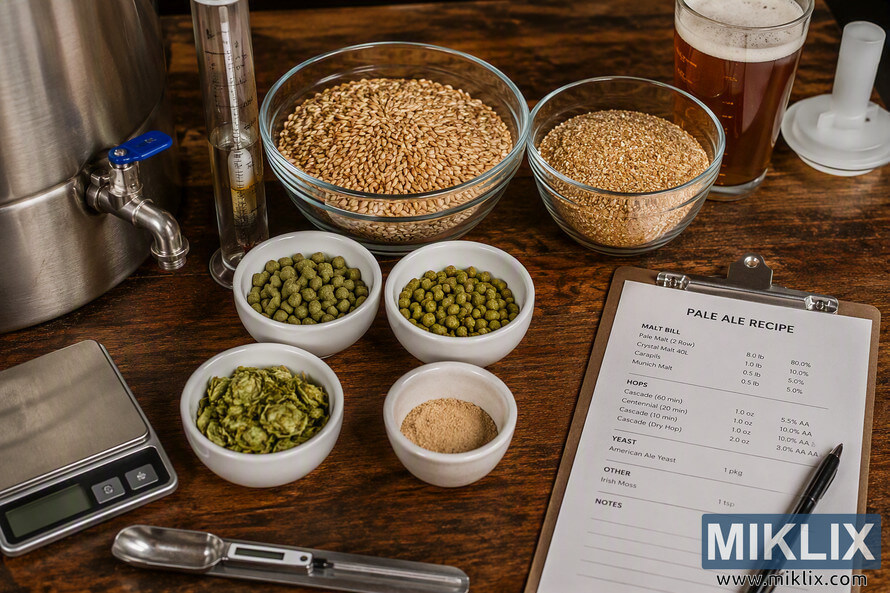
A straightforward pale ale recipe showcases Rakau without overwhelming complexity. This approach works well for brewers new to the variety. The moderate hopping rate allows the stone fruit character to express clearly against a simple malt background.
Rakau Pale Ale Recipe (5 Gallons)
Grain Bill: 9 lbs Pale Malt, 1 lb Crystal 20L, 0.5 lb Wheat Malt
Hop Schedule:
- 0.5 oz Rakau - 60 minutes (bittering)
- 0.5 oz Rakau - 15 minutes (flavor)
- 1 oz Rakau - Flame-out (aroma)
- 2 oz Rakau - Dry hop for 4 days (aroma)
Specifications: OG 1.052, FG 1.012, IBU 40, ABV 5.2%
Yeast: US-05 or similar clean American ale strain
Click or tap the image for more information and higher resolutions.
IPA Hopping Schedule
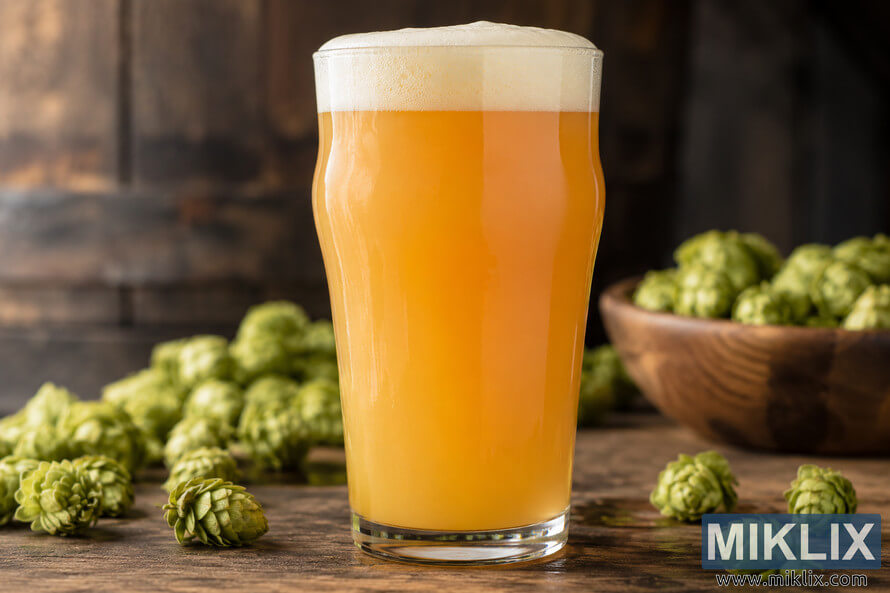
India Pale Ales demand more aggressive hopping to achieve the intense character that defines the style. Rakau shines in these applications with its dual-purpose capabilities. The following schedule creates a hop-forward beer with prominent stone fruit and tropical characteristics.
West Coast IPA Schedule
- 1 oz Rakau at 60 minutes
- 1 oz Rakau at 20 minutes
- 1 oz Rakau at 10 minutes
- 1 oz Rakau at flame-out
- 2 oz Rakau whirlpool at 175°F for 30 minutes
- 2 oz Rakau dry hop day 3
- 2 oz Rakau dry hop day 10
Total hop charge: 10 oz
Estimated IBU: 65
New England IPA Schedule
- 0.5 oz Rakau at 60 minutes
- 2 oz Rakau at flame-out
- 3 oz Rakau whirlpool at 170°F for 30 minutes
- 3 oz Rakau dry hop at high krausen
- 3 oz Rakau dry hop day 7
Total hop charge: 11.5 oz
Estimated IBU: 45
Click or tap the image for more information and higher resolutions.
Scaling and Adjusting Rates
Adapting recipes to different batch sizes requires proportional scaling of hop quantities. A recipe developed for 5 gallons translates to 10 gallons by doubling all hop additions. However, some brewers find that scaling up requires slightly less than perfect proportion due to efficiency differences.
Personal preference plays a significant role in determining optimal rates. Some brewers prefer subtle hop presence while others seek maximum intensity. Start with recommended rates and adjust subsequent batches based on your evaluation of the results. Keep detailed notes to track what works for your system and palate.
| Beer Style | Total Hop Load | Bittering | Flavor/Aroma | Dry Hop |
| Session Pale Ale | 2-3 oz | 0.5 oz | 1 oz | 1 oz |
| American Pale Ale | 3-4 oz | 0.5-1 oz | 1-1.5 oz | 1.5-2 oz |
| Session IPA | 4-6 oz | 0.5-1 oz | 2-3 oz | 2-3 oz |
| American IPA | 6-10 oz | 1-1.5 oz | 2-4 oz | 3-5 oz |
| Double IPA | 10-14 oz | 1.5-2 oz | 4-6 oz | 5-7 oz |
| New England IPA | 8-12 oz | 0.5-1 oz | 3-5 oz | 5-7 oz |
Water chemistry influences how hop character expresses in finished beer. Sulfate levels particularly affect hop perception, with higher sulfate enhancing hop bitterness and dryness. Chloride levels contribute to malt perception and can soften hop character. Balancing these ions helps optimize Rakau's expression.
Avoiding Over-Hopping
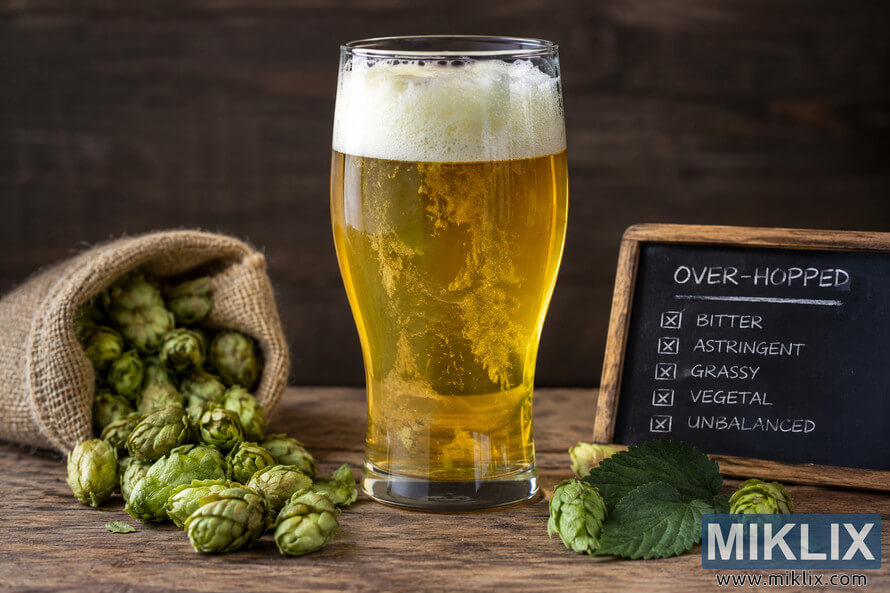
While Rakau tolerates high hopping rates, excessive dry hopping can produce grassy, vegetal, or harsh characteristics. If you notice these off-flavors, reduce dry hop quantities or shorten contact time. Some brewers find that splitting dry hop additions into multiple smaller charges produces cleaner results than single large additions. Monitor your beer during dry hopping and package when the desired aroma intensity is reached rather than following rigid timelines.
Proper Storage and Handling of Rakau Hops
Hop storage significantly impacts the quality of your finished beer. Rakau's aromatic compounds degrade rapidly under poor storage conditions. Proper handling from purchase through brew day preserves the stone fruit and tropical characteristics that make this variety distinctive.
Oxygen exposure represents the primary enemy of hop freshness. Oxidation degrades alpha acids and destroys delicate aromatic compounds. The volatile oils that create Rakau's signature profile are particularly susceptible to oxidative damage. Minimizing oxygen contact preserves hop quality.
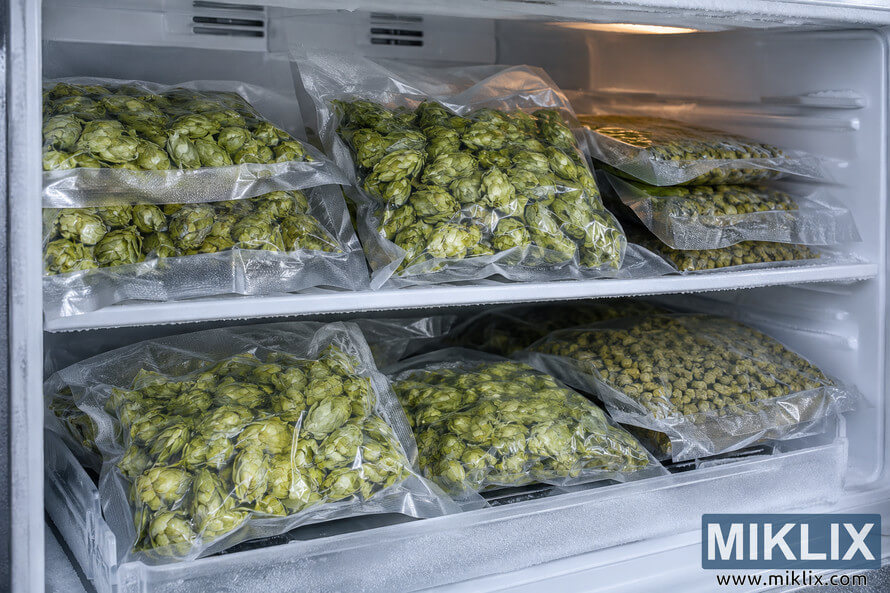
Temperature control plays an equally important role in hop preservation. Higher temperatures accelerate degradation reactions. Cold storage dramatically extends hop shelf life by slowing these chemical processes. Freezer storage provides optimal conditions for long-term hop preservation.
Click or tap the image for more information and higher resolutions.
Storage Methods
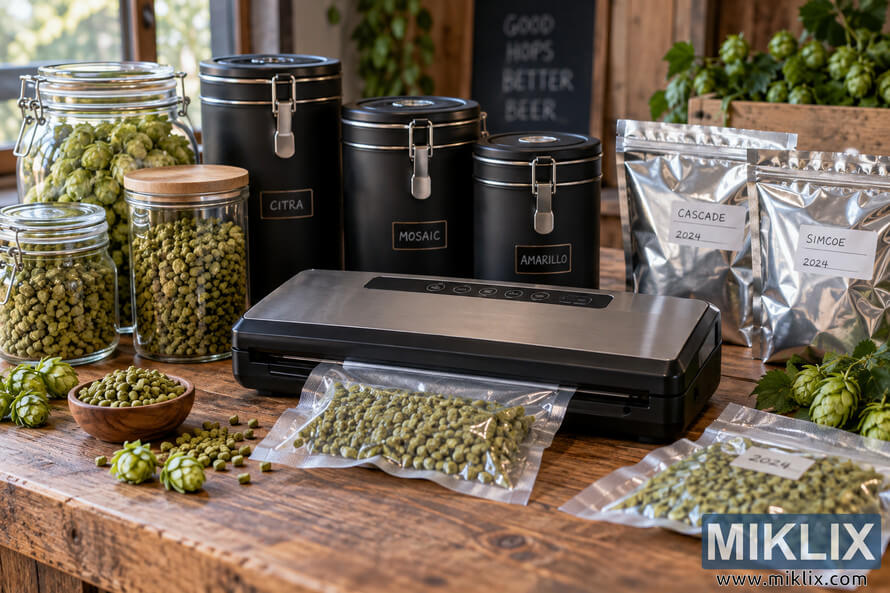
Original packaging from Yakima Chief Hops includes oxygen barrier materials designed to protect hops during storage. Keep hops in their original packages until needed. Once opened, transfer unused portions to containers that exclude oxygen. Vacuum-sealed bags provide excellent protection for opened packages.
Freezer storage at 0°F or below preserves hops for months or even years. Place packaged hops in freezer bags to protect against freezer burn and odor absorption. Label packages with variety name and purchase date to track inventory and freshness. Organize by variety for easy access during brew day.
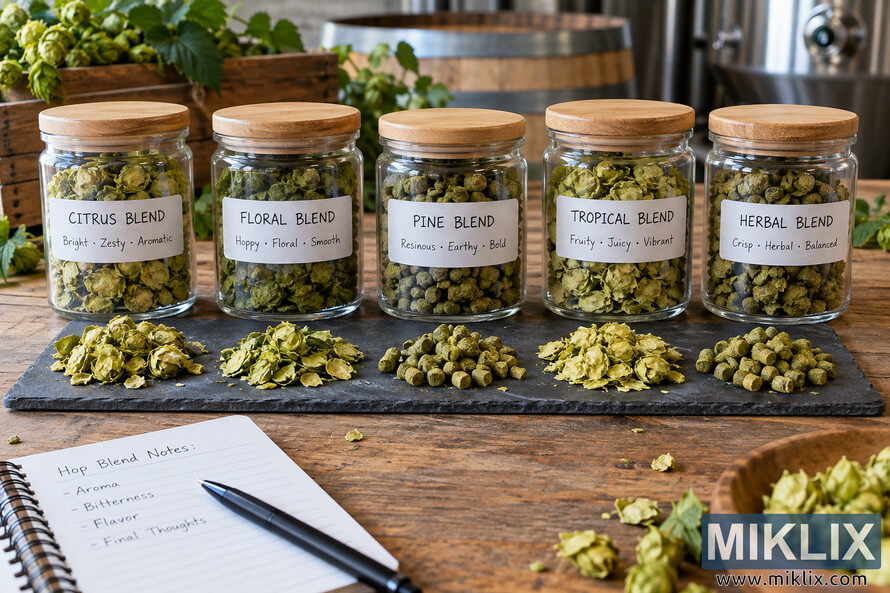
Some homebrewers use mason jars with oxygen absorbers for hop storage. This method works but requires careful attention to oxygen exclusion. Vacuum-sealed bags generally provide better protection with less risk of improper sealing. Whatever method you choose, consistency in storage practices maintains hop quality across your inventory.
Click or tap the image for more information and higher resolutions.
Storage Guidelines
- Maintain freezer temperature at 0°F or below
- Keep hops in original oxygen-barrier packaging
- Vacuum seal opened packages immediately
- Avoid temperature fluctuations during storage
- Protect from light exposure
- Use oldest hops first based on purchase date
- Store different varieties separately
Expected Shelf Life
Properly stored Rakau hops maintain quality for 12 to 18 months in freezer conditions. Alpha acid degradation occurs gradually even under ideal storage. After 18 months, expect noticeable quality decline though hops remain usable.
Room temperature storage reduces shelf life to weeks rather than months. The stone fruit characteristics fade quickly at ambient conditions. Even refrigerated storage at 40°F cannot match freezer preservation.
Purchase quantities you'll use within a reasonable timeframe. While bulk buying saves money, degraded hops compromise beer quality regardless of the initial cost savings.
Handling During Brew Day
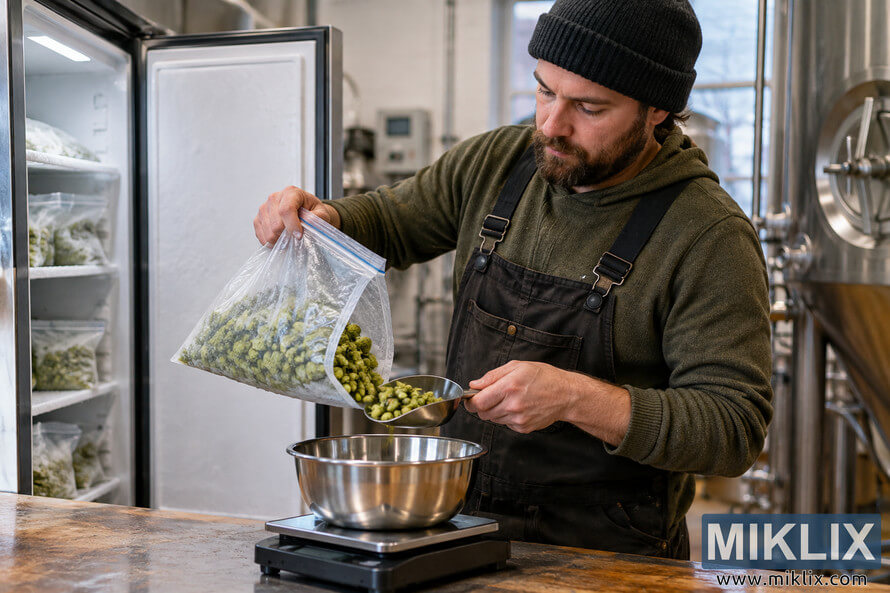
Remove hops from freezer storage only when ready to use them. Frozen hops can go directly into the kettle or fermenter without thawing. This minimizes exposure time to warm temperatures and oxygen. Pre-measure hop additions before starting your brew day to limit how long packages remain open.
Seal opened packages immediately after removing the needed quantity. Squeeze excess air from bags before resealing. Some brewers keep a vacuum sealer in their brewing area for quick resealing during brew day. This extra step significantly extends the life of partially used packages.
Consider portioning large hop purchases into smaller packages for storage. One-ounce portions work well for most homebrew recipes. This approach limits how much you expose to oxygen during each brew day. Label each portion clearly to avoid confusion when selecting hops for recipes.
Click or tap the image for more information and higher resolutions.
Proper Storage Benefits
- Preserves aromatic intensity and complexity
- Maintains alpha acid potency for accurate bittering
- Extends usable life to 12-18 months
- Prevents off-flavors from oxidation
- Protects investment in quality ingredients
- Ensures consistent brewing results
Poor Storage Consequences
- Rapid loss of aromatic compounds
- Cheesy or oxidized off-flavors develop
- Alpha acid degradation reduces bittering
- Wasted money on degraded ingredients
- Inconsistent results between batches
- Disappointing finished beer quality
Evaluating Hop Freshness
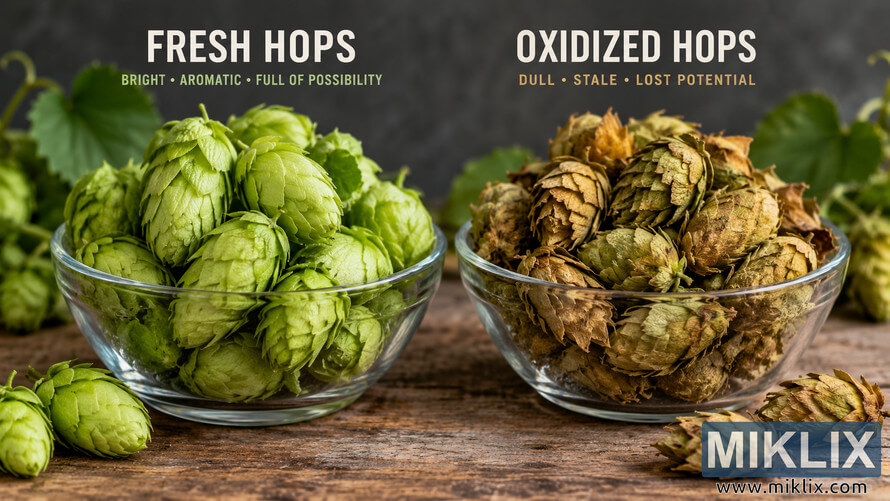
Fresh Rakau hops exhibit bright green color and sticky texture from lupulin glands. The aroma should present clear stone fruit and tropical notes when you rub the hops between your palms. Any cheesy, sweaty, or oxidized aromas indicate degradation.
Color changes signal age and oxidation. Hops that have turned brown or yellow have oxidized significantly. While still usable, these hops won't deliver the bright aromatics of fresh hops. Alpha acids degrade less visibly than aromatics, so brown hops may still bitter adequately despite aroma loss.
Yakima Chief Hops packages include harvest date information. This data helps you track hop age and prioritize which packages to use first. Purchase from retailers with high turnover to ensure you receive the freshest possible product.
Click or tap the image for more information and higher resolutions.
Comparing Rakau with Similar Hop Varieties
Understanding how Rakau relates to other hop varieties helps brewers make informed substitution decisions and create complementary blends. Several New Zealand hops share characteristics with Rakau while offering unique qualities. American and European varieties can substitute in recipes though with different flavor results.
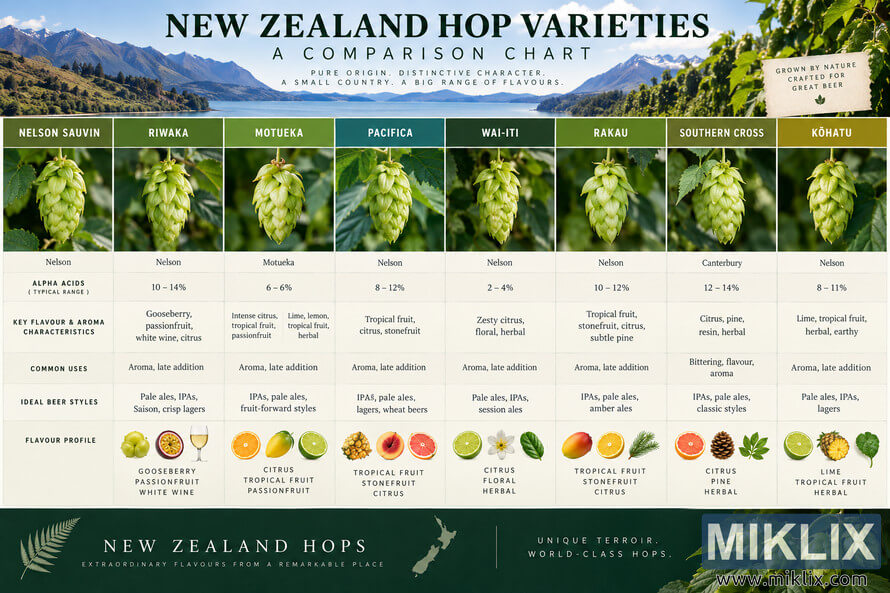
New Zealand hops as a group tend toward fruit-forward profiles compared to traditional hop varieties. Rakau fits this pattern while offering its distinctive stone fruit emphasis. Other Zealand hop varieties like Motueka, Nelson Sauvin, and Riwaka provide alternative expressions of New Zealand terroir.
Hop varieties developed in different regions express their growing environments through distinctive flavor profiles. Yakima Valley hops often show pine and citrus notes. New Zealand hops lean toward tropical and stone fruit. Understanding these regional patterns helps predict how different varieties will perform in recipes.
Click or tap the image for more information and higher resolutions.
New Zealand Hop Comparisons
Motueka shares some citrus characteristics with Rakau but emphasizes lime and lemon over stone fruit. The variety works well as a partial Rakau substitute in recipes where you want brighter citrus notes. Alpha acids run slightly lower in Motueka, requiring adjustment for bittering calculations.
Nelson Sauvin presents distinctly different characteristics despite its New Zealand origins. The variety's white wine and gooseberry notes create unique flavor profiles. While both are New Zealand hops, they work better as complements than substitutes. Blending small amounts of Nelson with Rakau adds complexity.
Riwaka delivers intense grapefruit and citrus character that contrasts with Rakau's stone fruit profile. Consider Riwaka when recipes call for bright, zesty hop character. The variety's limited availability makes it less suitable as a direct Rakau replacement in most cases.
| Variety | Alpha Acids | Primary Flavors | Best Application | Substitution Notes |
| Rakau | 9-11% | Stone fruit, tropical, resinous | Dual-purpose in IPAs and pale ales | Baseline variety for comparison |
| Motueka | 6.5-7.5% | Lime, citrus, tropical | Aroma in lighter styles | Partial substitute with citrus emphasis |
| Nelson Sauvin | 12-13% | White wine, gooseberry, fruity | Distinctive aroma in pale ales | Complement rather than substitute |
| Riwaka | 4.5-6.5% | Grapefruit, citrus, pine | Aroma additions | Different profile, limited availability |
| Wai-iti | 2.5-3.5% | Lime, stone fruit, floral | Aroma in delicate styles | Lower alpha requires adjustment |
| Pacific Jade | 12-14% | Herbal, citrus, spicy | Bittering and flavor | Higher alpha, different character |
Click or tap the image for more information and higher resolutions.
American Hop Alternatives
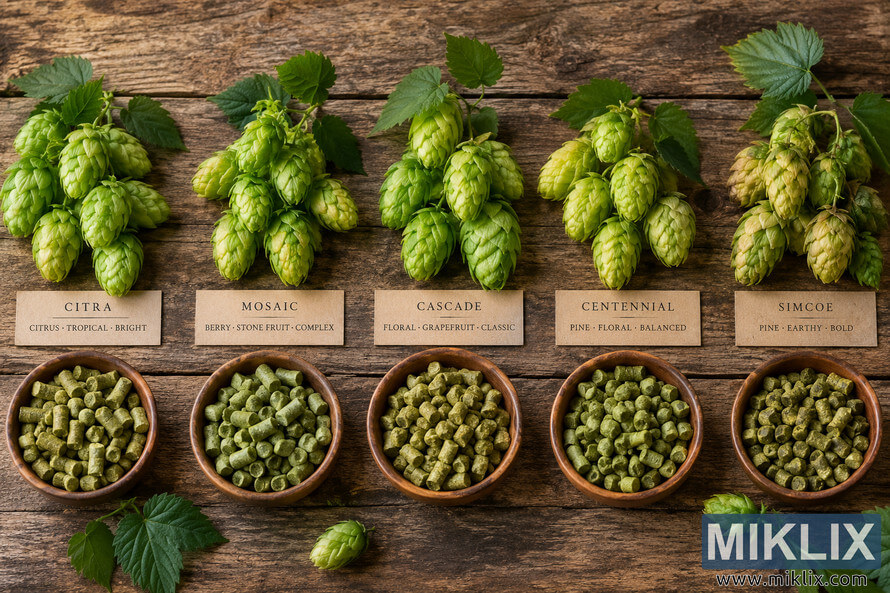
American hop varieties offer different characteristics but can substitute for Rakau when New Zealand hops are unavailable. Citra shares some tropical fruit notes though it emphasizes grapefruit and mango rather than stone fruit. The variety's popularity ensures wide availability through suppliers.
Mosaic provides complex fruit character including stone fruit notes similar to Rakau. Blueberry and tangerine aspects distinguish Mosaic from pure stone fruit expression. Many brewers find Mosaic an acceptable Rakau substitute in recipes emphasizing fruit-forward hop character.
Amarillo delivers apricot notes that overlap with Rakau's profile. The variety includes more orange and tangerine character alongside the stone fruit. Amarillo works particularly well when you want to maintain stone fruit presence while adding citrus complexity.
Direct Substitutes
These varieties provide the closest flavor match to Rakau:
- Mosaic: Best overall substitute with stone fruit overlap
- Amarillo: Strong apricot character matches well
- Galaxy: Australian variety with passion fruit notes
Adjust quantities based on alpha acid differences to maintain target bitterness levels.
Complementary Blends
These combinations create similar complexity:
- Citra + Simcoe: Tropical and pine mimics Rakau balance
- Mosaic + Centennial: Fruit and floral approximation
- Amarillo + Columbus: Stone fruit with resinous depth
Use 60/40 or 50/50 ratios for balanced blending results.
Click or tap the image for more information and higher resolutions.
European Hop Comparisons
European hop varieties typically emphasize floral, spicy, and herbal notes rather than fruit-forward character. This makes them poor direct substitutes for Rakau. However, some German and Czech varieties work in recipes where you want to shift away from bold fruit character toward more traditional profiles.
Hallertau Blanc offers some fruit character unusual for German hops. White grape and passion fruit notes provide limited overlap with Rakau. Consider this variety when brewing styles that straddle traditional and modern hop character expectations.
Substitution Strategy
When substituting for Rakau, consider both alpha acid content and flavor profile. Match alpha acids first to maintain target bitterness, then adjust quantities for flavor additions based on oil content and intensity. Test small batches with substitutions before committing to full-scale production. Keep detailed notes on substitution results to build your personal reference library. Some recipes depend heavily on Rakau's specific character and don't substitute well—in these cases, wait until you can source the proper variety.
Troubleshooting Common Brewing Issues with Rakau
Even experienced brewers encounter challenges when working with any hop variety. Rakau presents some specific considerations that can affect your brewing results. Understanding common issues and their solutions helps you achieve consistent quality with this New Zealand hop.
Off-flavors sometimes develop from improper hop handling or brewing technique rather than the hops themselves. Identifying the root cause allows targeted corrections. Many perceived hop problems actually stem from fermentation management, water chemistry, or process issues.
Each brewing system has unique characteristics that affect how hops express in finished beer. What works perfectly in one setup may require adjustment in another. Systematic troubleshooting and careful note-taking help you optimize Rakau utilization for your specific equipment and processes.
Click or tap the image for more information and higher resolutions.
Grassy or Vegetal Flavors
Grassy flavors typically result from excessive dry hop contact time or too-high dry hop rates. While Rakau tolerates moderate hopping, pushing too far extracts chlorophyll and other compounds that create vegetal character. The issue becomes more pronounced when dry hopping exceeds seven days.
Temperature during dry hopping affects extraction patterns. Warmer dry hopping extracts compounds more quickly, which can lead to vegetal notes at extended contact times. Cooler temperatures slow extraction and may help prevent these off-flavors while still achieving desired aroma intensity.
Hop form influences the likelihood of grassy flavors. Pelletized hops have more surface area and extract more completely. This efficiency is generally beneficial but can contribute to vegetal extraction if contact time runs too long. Whole cone hops extract more slowly and may be more forgiving.
Click or tap the image for more information and higher resolutions.
Solutions for Vegetal Character
- Reduce dry hop contact time to 3-5 days maximum
- Lower dry hop rates by 25-30 percent
- Maintain fermentation temperature at 62-65°F during dry hopping
- Split dry hop additions into smaller multiple charges
- Remove hops promptly when target aroma is reached
- Consider using hop bags for easier removal
Harsh or Astringent Bitterness
Harsh bitterness differs from clean bitterness through its lingering, unpleasant quality. This issue can stem from excessive hop polyphenol extraction, typically during extended high-temperature contact or overly aggressive dry hopping. Water chemistry also plays a role, with high sulfate levels potentially intensifying perceived harshness.
Boil duration affects polyphenol extraction from hops. Extended boiling beyond 60 minutes can extract excessive tannins that contribute to astringency. This issue affects bittering additions more than late additions. Keep bittering additions to standard 60-minute timing unless your recipe specifically requires longer.
Water pH influences hop acid extraction and perception. Higher pH during the boil can extract harsh compounds while lower pH produces smoother bitterness. Target mash pH of 5.2-5.4 and kettle pH below 5.5 for optimal hop extraction characteristics.
Identifying Harsh Bitterness
- Lingering unpleasant aftertaste
- Scratchy sensation on palate
- Drying mouthfeel beyond style expectations
- Bitterness intensity disproportionate to IBU calculation
- Metallic or mineral-like quality
Corrective Measures
- Check and adjust water chemistry, especially sulfate levels
- Verify mash and kettle pH targets
- Reduce late-addition hop quantities
- Shorten dry hop contact time
- Lower fermentation temperature during hopping
- Ensure proper oxygen exclusion throughout process
Weak or Faded Hop Aroma
Disappointing hop aroma usually indicates aged hops, improper storage, or ineffective brewing technique. Rakau's aromatic compounds are volatile and sensitive to degradation. Fresh hops stored properly should deliver strong stone fruit and tropical characteristics even at moderate hopping rates.
Boiling volatilizes aromatic compounds, which is why late additions and dry hopping prove essential for aroma intensity. If your beer lacks aroma despite following recommended additions, review your late-addition timing and quantities. Increasing late-hop and dry hop charges while reducing early additions shifts character toward aroma.
Fermentation can strip volatile aromatics from beer through CO2 evolution. This effect is strongest during the most vigorous fermentation period. Adding dry hops after fermentation activity slows helps preserve aromatics. Some brewers add hops in multiple stages to layer aromatics that persist through fermentation.
Click or tap the image for more information and higher resolutions.
Aroma-Killing Practices
- Using old or improperly stored hops
- Excessive boiling of aroma additions
- Dry hopping during vigorous fermentation
- Inadequate dry hop quantities for style
- Extended time between dry hop and packaging
- Poor oxygen control during packaging
- Warm storage after packaging
Aroma-Preserving Techniques
- Purchase fresh hops from reliable suppliers
- Store at freezer temperatures until use
- Emphasize late kettle and dry hop additions
- Use whirlpool at controlled temperature
- Time dry hopping after primary fermentation
- Package within days of final dry hop
- Minimize oxygen exposure throughout process
Oxidized or Cheesy Flavors
Oxidation represents one of the most common quality issues in hoppy beers. Oxygen exposure degrades hop compounds and creates off-flavors ranging from cardboard to cheese. These flavors develop quickly in heavily hopped beers due to the high concentration of oxygen-sensitive compounds.
Post-fermentation oxygen pickup causes most oxidation issues. Even small amounts of oxygen during transfers, dry hopping, or packaging can rapidly degrade hop character. Cold-side oxygen exclusion becomes critical for preserving Rakau's delicate aromatics.
Oxidation proceeds faster at higher temperatures. Warm storage accelerates degradation even in well-packaged beer. This is why hoppy beers require cold storage and rapid consumption. Fresh is always better with hop-forward styles using varieties like Rakau.
Oxygen Control Checklist
- Purge fermenters with CO2 before transferring beer
- Use closed-transfer methods for all post-fermentation movements
- Purge kegs or bottles with CO2 before filling
- Add dry hops through airlocks or use CO2-purged hop ports
- Package beer under counter-pressure when possible
- Store finished beer cold (below 40°F) at all times
- Consume hop-forward beers within 4-6 weeks of packaging
Insufficient Stone Fruit Character
If you're not achieving the expected stone fruit notes from Rakau, several factors may be at play. Hop lot variation can affect flavor intensity, with some harvests expressing more strongly than others. Check the analytical data provided by Yakima Chief Hops to understand your specific lot's characteristics.
Hopping technique significantly impacts which characteristics express in finished beer. Stone fruit notes emerge most strongly from late additions and dry hopping. If most of your hop charge goes into bittering additions, you won't capture the aromatic compounds that create the variety's signature profile.
Water chemistry and pH affect how hop flavors present. Very soft water may not provide enough mineral content to support hop expression. Conversely, heavy chloride levels can muffle hop character. Target moderate sulfate levels (150-200 ppm) with chloride around 75-100 ppm for balanced hop expression.
Click or tap the image for more information and higher resolutions.
Maximize Stone Fruit Expression
- Use fresh Rakau from current crop year
- Allocate 60-70% of hop bill to late and dry hop additions
- Include whirlpool addition at 170-180°F
- Dry hop at 1-2 oz per gallon for intense character
- Add dry hops during final fermentation days
- Optimize water chemistry for hop expression
Verify Hop Quality
- Check package date and storage history
- Evaluate hop aroma before brewing
- Compare with fresh reference sample
- Review supplier's quality standards
- Consider lot-to-lot variation factors
- Test with small batch before full recipe
Adjust Your Process
- Review fermentation temperature control
- Verify proper pH throughout brewing
- Assess oxygen exclusion procedures
- Time dry hop additions optimally
- Package within ideal freshness window
- Store finished beer cold immediately
Mastering Rakau Hops in Your Homebrewing
Rakau offers homebrewers a distinctive tool for creating exceptional hop-forward beers. The variety's combination of stone fruit character, tropical notes, and resinous depth provides flavor complexity that distinguishes your beers from those using more common hop varieties. Understanding how to properly utilize this New Zealand hop opens creative possibilities in recipe formulation.
Success with Rakau comes from matching technique to the variety's characteristics. Fresh hops stored properly deliver the best results. Late kettle additions and strategic dry hop timing preserve the aromatic compounds that define the variety. Attention to water chemistry and process details ensures these aromatics express fully in finished beer.
The variety's dual-purpose nature simplifies recipe development while maintaining complexity in the final product. Whether brewing a straightforward pale ale or pushing the boundaries with experimental hop combinations, Rakau provides a solid foundation. Its availability through Yakima Chief Hops makes it accessible to brewers at all levels.
Experimentation remains key to mastering any hop variety. Start with recommended rates and techniques, then adjust based on your results and preferences. Each brewing system expresses hops differently, so your personal experience provides the best guide for optimizing Rakau in your recipes. Keep detailed brew day notes to track what works and refine your approach over time.
The growing popularity of New Zealand hops reflects their unique contributions to modern beer styles. Rakau stands among the best expressions of Zealand hop breeding, offering characteristics impossible to achieve with varieties from other regions. Incorporating this hop into your brewing repertoire expands your creative options and helps you craft beers with distinctive, memorable character.
Click or tap the image for more information and higher resolutions.
Further Reading
If you enjoyed this post, you may also like these suggestions:
- Hops in Beer Brewing: Groene Bel
- Hops in Beer Brewing: Yakima Gold
- Hops in Beer Brewing: Eastwell Golding