
A Guide to the Health Benefits of Wheatgrass
Pubblicato:
Ultimo aggiornamento: 16 giugno 2026 alle ore 14:07:37 UTC
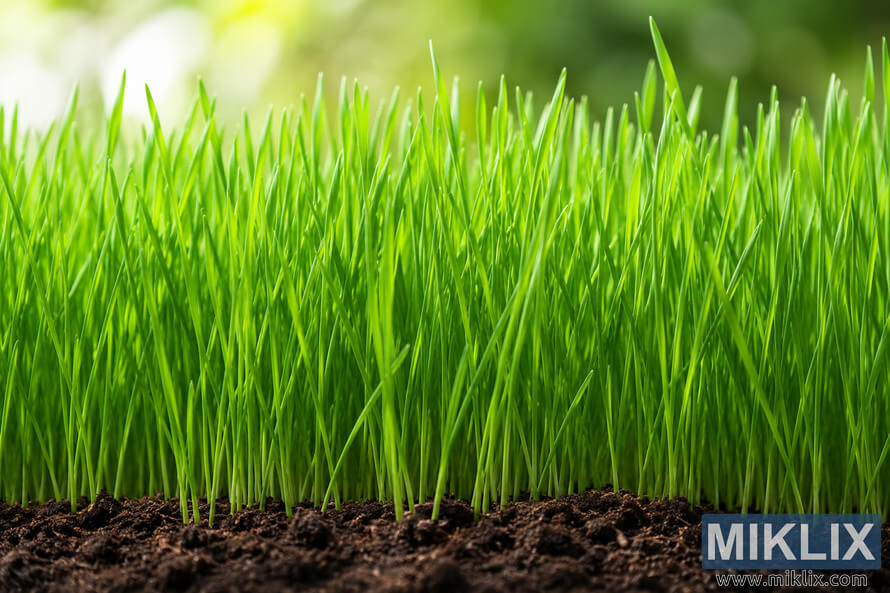
Wheatgrass has emerged as a powerhouse in the health food world. This young grass of the wheat plant packs remarkable nutritional value into every bright green blade. People across the United States are discovering what wellness enthusiasts have known for decades.
A Guide to the Health Benefits of Wheatgrass
Fare clic o toccare l'immagine per ulteriori informazioni e risoluzioni più elevate.
The popularity of wheatgrass continues to grow. From juice bars to supplement aisles, this nutrient-dense plant appears everywhere. But what makes wheatgrass so special? The answer lies in its impressive array of vitamins, minerals, and beneficial compounds.
This comprehensive guide explores everything you need to know about wheatgrass. You'll discover its nutritional profile, evidence-based health benefits, and practical consumption methods. Whether you're new to wheatgrass or looking to deepen your understanding, this article provides the insights you need.
What Is Wheatgrass and Where Does It Come From
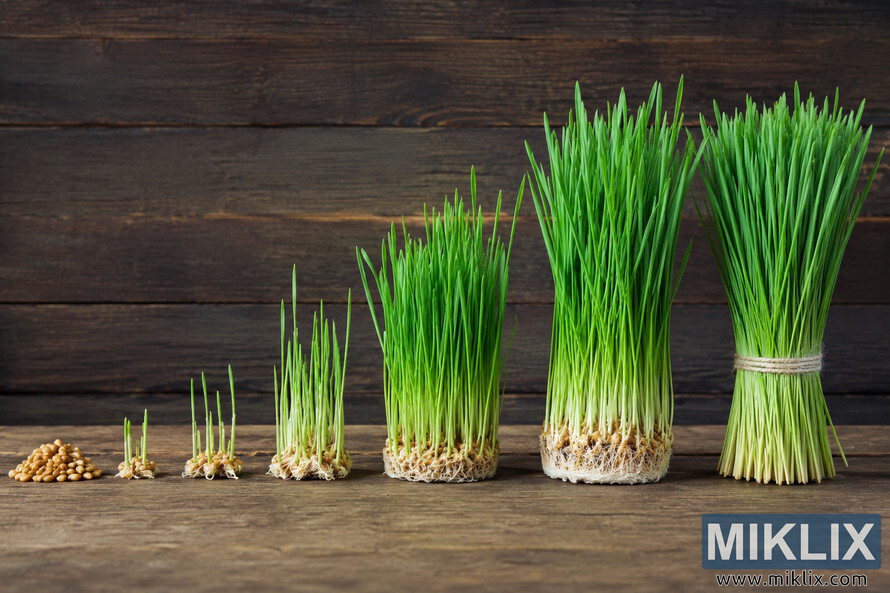
Wheatgrass comes from the young grass of the common wheat plant, scientifically known as Triticum aestivum. This plant typically reaches harvest stage within seven to ten days of sprouting. The grass contains the concentrated nutrients from the wheat seed.
The history of wheatgrass traces back thousands of years. Ancient civilizations recognized its value for health and vitality. Modern interest surged in the 1930s when agricultural chemist Charles Schnabel popularized it.
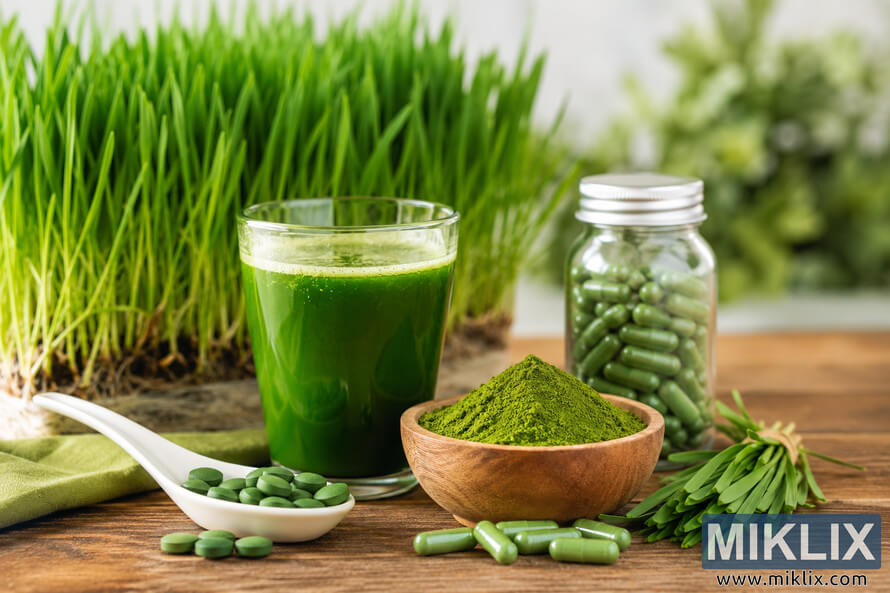
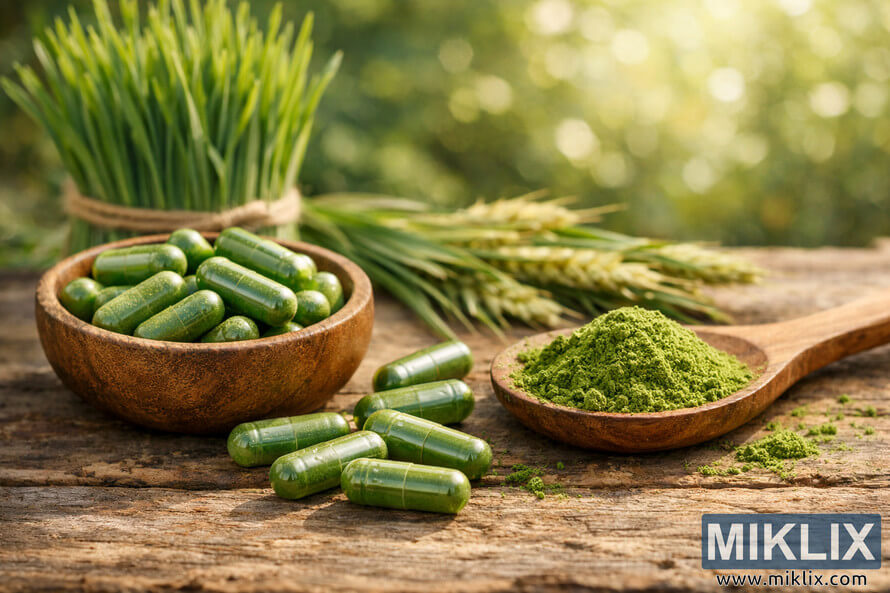
Today, wheatgrass appears in several convenient forms. Fresh wheatgrass juice offers the most direct option. Powdered wheatgrass provides shelf-stable versatility. Tablets and capsules deliver measured doses for people on the go.
Fare clic o toccare l'immagine per ulteriori informazioni e risoluzioni più elevate.
Fresh Wheatgrass Forms
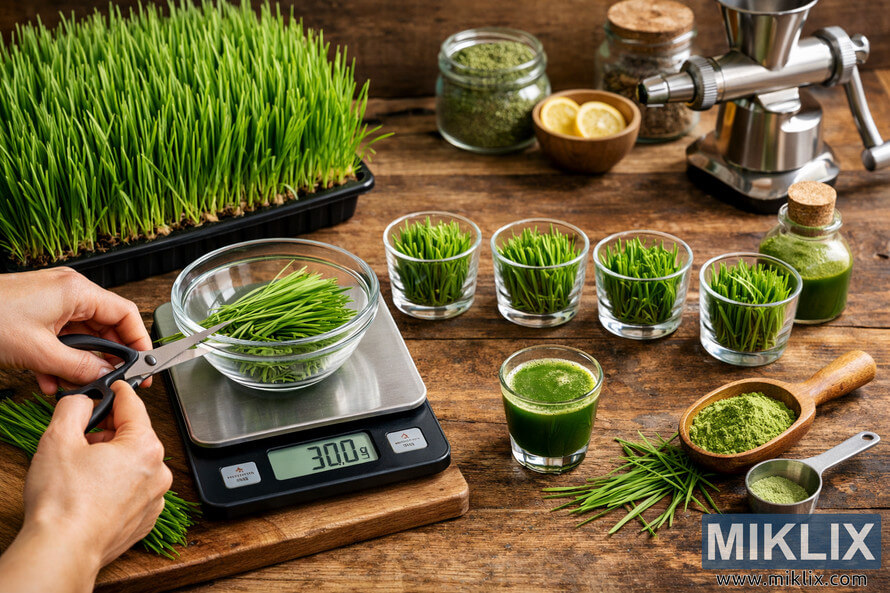
Fresh juice remains the most popular choice. Many health food stores offer freshly pressed wheatgrass juice. You can also grow wheatgrass at home and juice it yourself.
Fresh wheatgrass maintains all its natural enzymes. The taste can be intense and grassy. Most people consume one to two ounces at a time.
Processed Wheatgrass Products
Wheatgrass powder offers convenience and longer shelf life. Companies freeze-dry the grass to preserve nutrients. You can mix the powder into smoothies or water.
Capsules and tablets provide the easiest option. These supplements standardize dosing. They eliminate concerns about taste while delivering benefits of wheatgrass.
Fare clic o toccare l'immagine per ulteriori informazioni e risoluzioni più elevate.
The Impressive Nutritional Profile of Wheatgrass
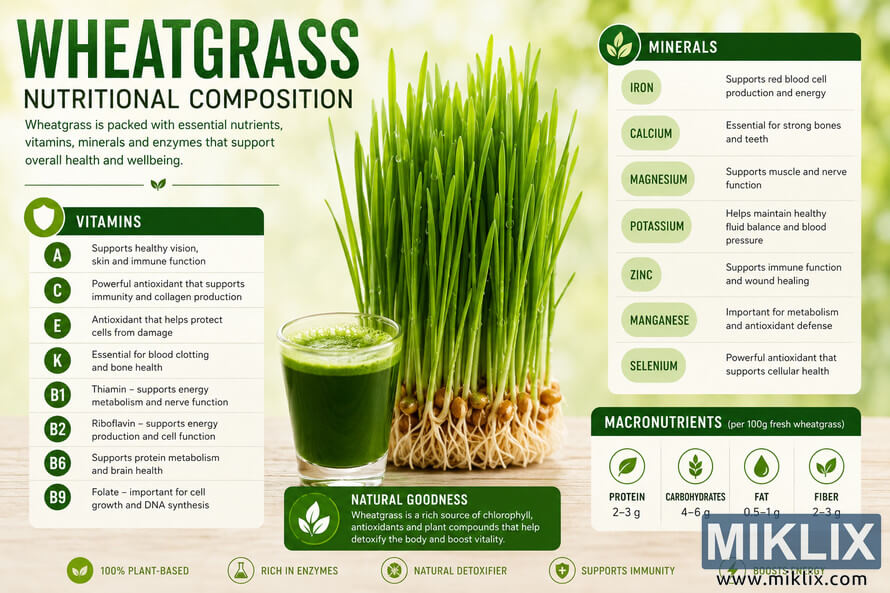
Wheatgrass delivers an exceptional concentration of nutrients. This young plant contains vitamins, minerals, enzymes, and other beneficial compounds. The nutritional density explains why health enthusiasts value it so highly.
Vitamins Found in Wheatgrass
Wheatgrass contains impressive amounts of essential vitamins. Vitamin A supports vision and immune system function. The B-complex vitamins aid energy metabolism throughout the body. Vitamin C acts as a powerful antioxidant protecting cells from damage.
Vitamin E provides additional antioxidant protection. Vitamin K plays crucial roles in blood clotting and bone health. These vitamins work together to support overall wellness.
Mineral Content and Importance
The mineral profile of wheatgrass supports vital body functions. Iron helps carry oxygen through the blood. Calcium strengthens bones and teeth while supporting muscle function.
Magnesium participates in over 300 biochemical reactions. Selenium works as an antioxidant mineral. Zinc supports immune system health and wound healing.
Key Nutritional Fact: Wheatgrass contains 17 amino acids, including several essential amino acids the body cannot produce on its own. This makes it a valuable plant-based protein source for people following various diet patterns.
Fare clic o toccare l'immagine per ulteriori informazioni e risoluzioni più elevate.
Chlorophyll and Enzymes
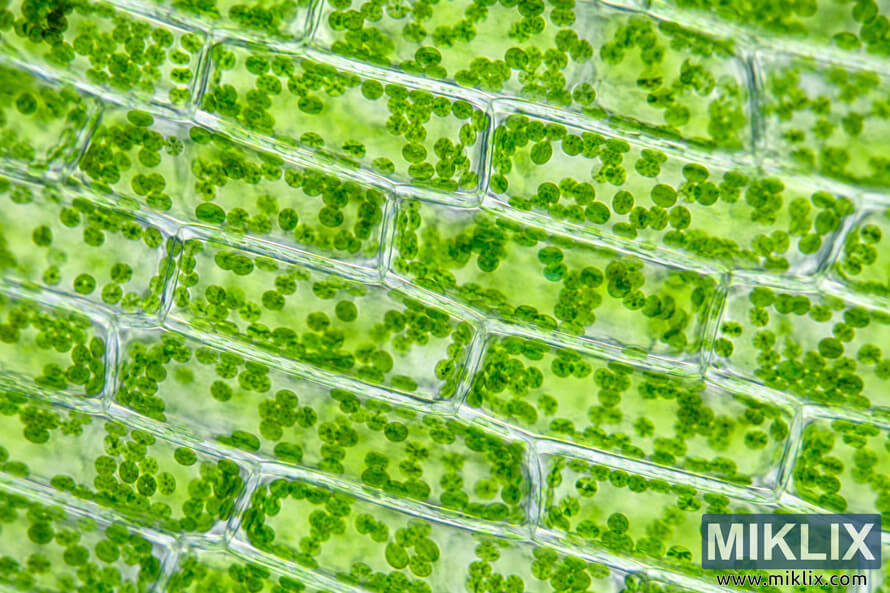
Chlorophyll gives wheatgrass its vibrant green color. This compound shares a similar structure to hemoglobin in human blood. Research suggests chlorophyll may help the body in various ways.
Wheatgrass also contains numerous enzymes. These biological catalysts support digestion and other body processes. The enzyme content decreases when wheatgrass undergoes heat processing.
Antioxidant Compounds
Wheatgrass delivers powerful antioxidants that protect cells. These compounds neutralize harmful free radicals in the body. The antioxidant properties come from vitamins, minerals, and phytonutrients working together.
Studies have identified specific antioxidant compounds in wheatgrass. These include flavonoids and phenolic acids. Such antioxidants support the immune system and overall health.
Fare clic o toccare l'immagine per ulteriori informazioni e risoluzioni più elevate.
Evidence-Based Health Benefits of Wheatgrass
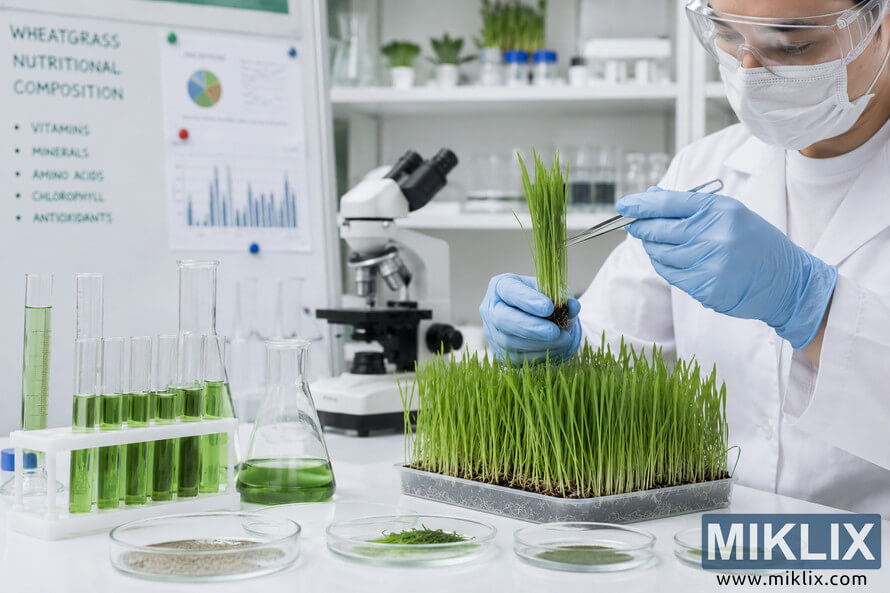
Scientific research continues to explore the health benefits of wheatgrass. While more studies are needed, existing evidence suggests several promising applications. Understanding these potential benefits helps people make informed decisions.
Rich in Antioxidants and Chlorophyll
The antioxidant properties of wheatgrass may help protect cells from oxidative stress. Studies show that antioxidants combat free radicals throughout the body. This protection supports cellular health and may reduce various health risks.
Chlorophyll found in wheatgrass offers unique benefits. Research suggests it may support detoxification processes. Some studies indicate chlorophyll helps protect against certain environmental toxins.
Fare clic o toccare l'immagine per ulteriori informazioni e risoluzioni più elevate.
Immune System Support
Wheatgrass may help strengthen the immune system through multiple pathways. The vitamins and minerals support immune cell function. Research has examined how wheatgrass affects immune system responses.
One study found that wheatgrass supplementation improved certain immune markers. The antioxidants in wheatgrass also protect immune cells from damage. These effects may help the body maintain robust defenses.

Fare clic o toccare l'immagine per ulteriori informazioni e risoluzioni più elevate.
Digestive Health and Detoxification
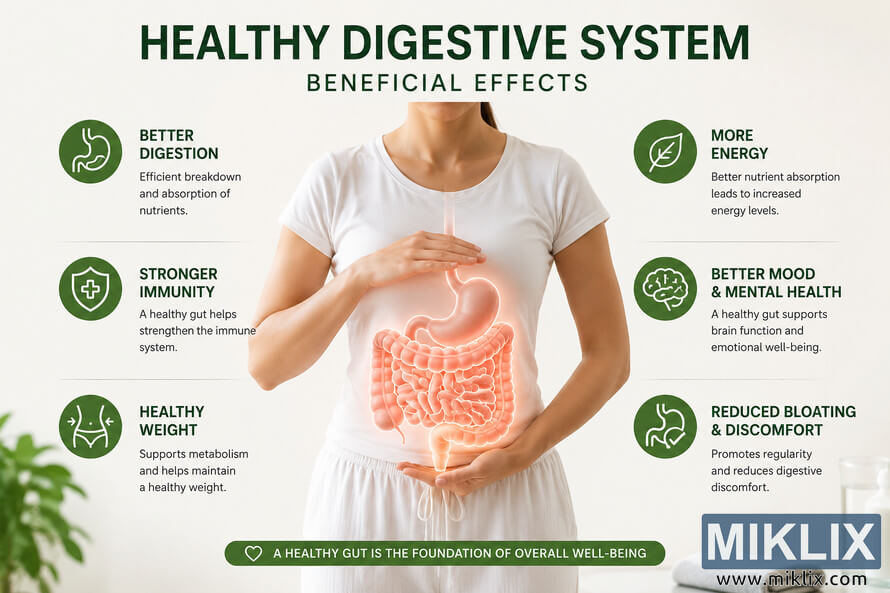
Wheatgrass may also aid digestive system function. The enzymes support the breakdown of food. Chlorophyll may help reduce inflammation in the digestive tract.
Some people use wheatgrass for detoxification purposes. The nutrients support liver function and natural detox pathways. Research continues to examine these potential effects on the body.
Digestive Benefits
- Supports healthy digestion through natural enzymes
- May help reduce bloating and discomfort
- Provides fiber for digestive regularity
- Supports beneficial gut bacteria
- May help soothe digestive inflammation
Fare clic o toccare l'immagine per ulteriori informazioni e risoluzioni più elevate.
Anti-Inflammatory Properties
Inflammation plays a role in many chronic conditions. Wheatgrass contains compounds that may help reduce inflammation in the body. Studies have examined these anti-inflammatory effects in various contexts.
Research suggests wheatgrass may help with inflammation markers. The antioxidants work to calm inflammatory processes. These properties make wheatgrass interesting for people managing inflammatory conditions.
Blood Sugar Regulation Potential
Several studies have explored wheatgrass and blood sugar control. Research in rats with type 2 diabetes showed promising results. The wheatgrass appeared to help regulate blood glucose levels.
Human studies remain limited but show potential. Some research indicates wheatgrass may help people maintain healthy blood sugar levels. People with diabetes should consult healthcare providers before adding wheatgrass to their care routine.
Research Note: A study published in the Journal of Alternative and Complementary Medicine found that wheatgrass juice supplementation helped reduce cholesterol levels in rats. While human studies are needed, this research suggests potential cardiovascular benefits.
Energy and Vitality Enhancement
Many people report increased energy after consuming wheatgrass regularly. The B vitamins support energy metabolism at the cellular level. Iron helps deliver oxygen throughout the body for sustained vitality.
The combination of nutrients may help combat fatigue. Some users notice improved mental clarity and focus. These effects likely result from the comprehensive nutritional support wheatgrass provides.
Potential Cancer-Related Research
Preliminary research has examined wheatgrass in cancer contexts. Some studies looked at wheatgrass juice effects on cancer cells in laboratory settings. Results showed that wheatgrass may affect certain cancer cell lines.
Research has also explored wheatgrass for people undergoing chemotherapy. One study found wheatgrass juice helped reduce some chemotherapy side effects. The antioxidants may help protect healthy cells during cancer treatment.
Studies on colon cancer cells showed wheatgrass extracts had effects in test tubes. More research is needed to understand these findings. People with cancer should work with their healthcare team regarding wheatgrass use.
Important Consideration: While research on wheatgrass and cancer shows promise, it should never replace conventional cancer treatment. Always consult with oncologists and healthcare providers before adding supplements during cancer care.

Fare clic o toccare l'immagine per ulteriori informazioni e risoluzioni più elevate.
How to Consume Wheatgrass for Maximum Benefits
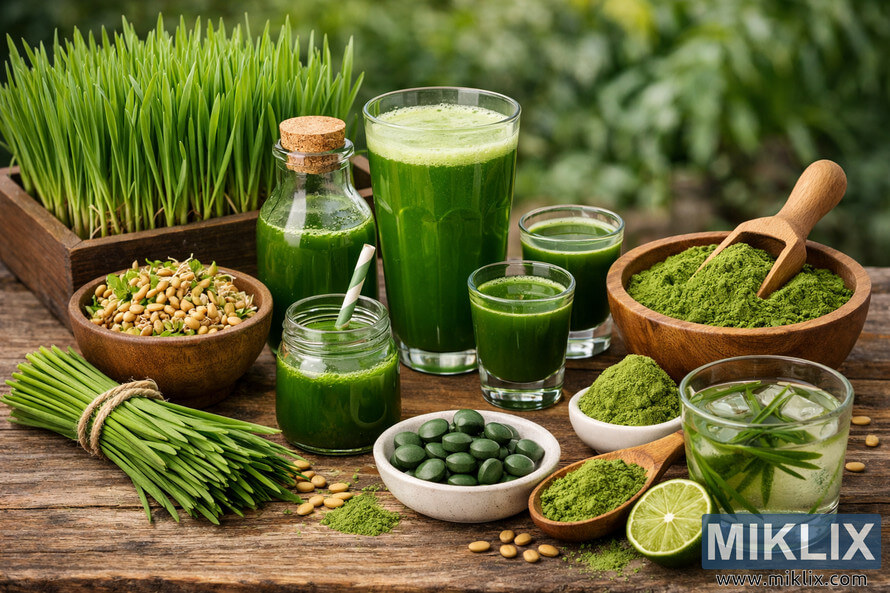
The method you choose for consuming wheatgrass affects convenience and experience. Each form offers distinct advantages. Understanding your options helps you select the best approach for your lifestyle.
Fare clic o toccare l'immagine per ulteriori informazioni e risoluzioni più elevate.
Fresh Wheatgrass Juice
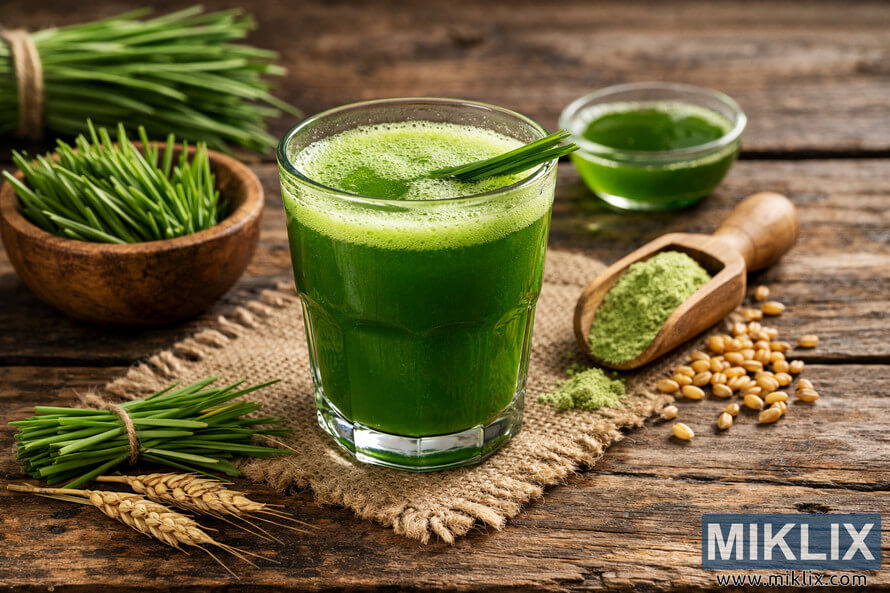
Fresh wheatgrass juice provides the most direct form. Many people visit juice bars for freshly pressed shots. The taste is intensely grassy and can be challenging for some.
You can grow wheatgrass at home using special trays. Harvest the grass when it reaches about six to eight inches. Use a dedicated wheatgrass juicer for best results.
Most people consume one to two ounces of wheatgrass juice daily. Some prefer taking it on an empty stomach. Others mix it with small amounts of fruit juice to improve the taste.
Fare clic o toccare l'immagine per ulteriori informazioni e risoluzioni più elevate.
Wheatgrass Powder in Smoothies and Drinks
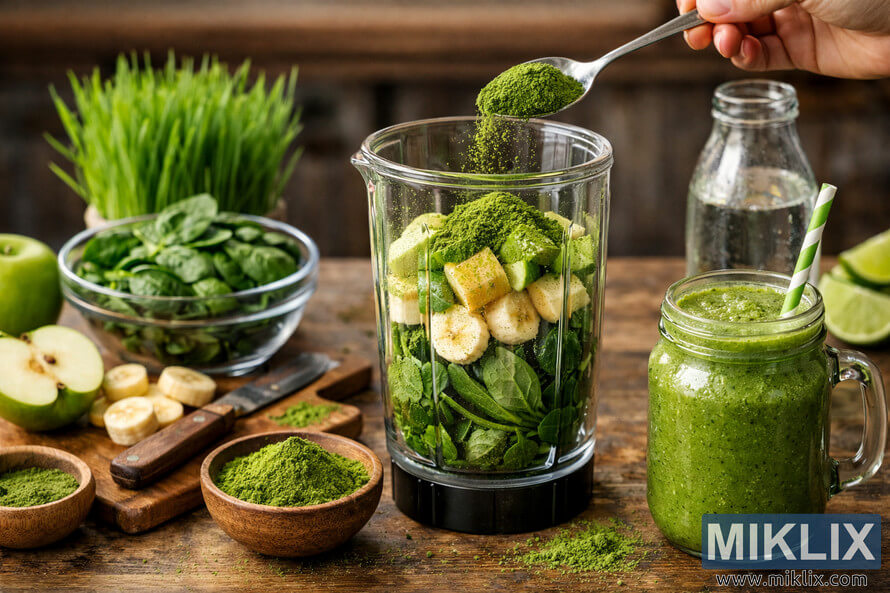
Wheatgrass powder offers excellent versatility for daily use. Mix one to two teaspoons into water, juice, or smoothies. The powder blends easily and provides consistent dosing.
Adding wheatgrass powder to smoothies masks the strong flavor. Combine it with fruits like banana, mango, or berries. Leafy greens like spinach also pair well with wheatgrass in blended drinks.
Some people add wheatgrass powder to yogurt or oatmeal. Others incorporate it into healthy baked goods. The powder form allows creative integration into your diet.
Fare clic o toccare l'immagine per ulteriori informazioni e risoluzioni più elevate.
Capsules and Tablets
Wheatgrass capsules eliminate taste concerns entirely. These supplements provide standardized doses in convenient form. Most products recommend two to four capsules daily with meals.
Tablets work similarly to capsules but may have different absorption rates. Check product labels for recommended dosages. Quality varies between brands, so research is important.
Capsules and tablets work well for people with busy schedules. They travel easily and require no preparation. This format suits those who dislike the taste of wheatgrass.
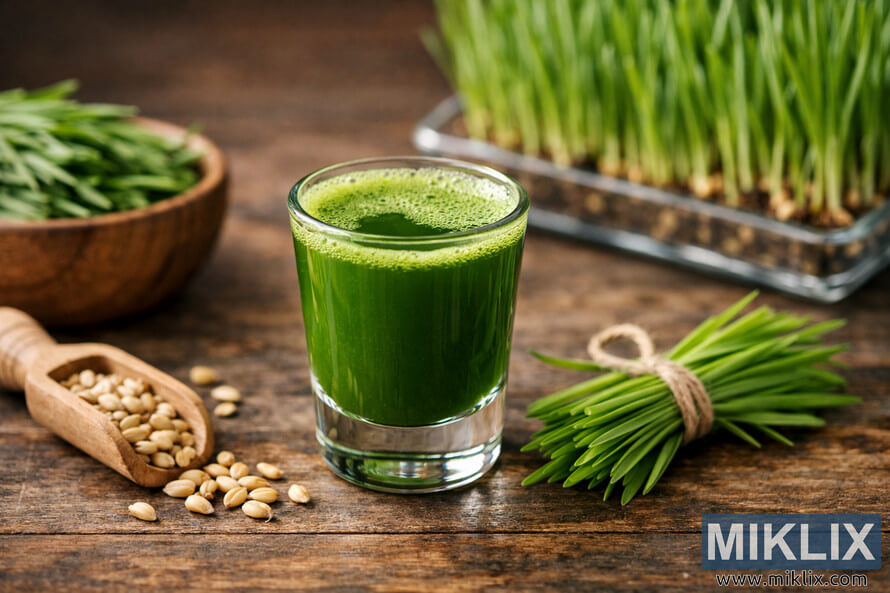
Fresh Juice Method
Direct consumption of freshly pressed wheatgrass juice offers maximum enzyme activity and nutrient availability.
- Highest enzyme content
- Immediate freshness
- Full nutrient spectrum
- Requires juicer or juice bar access
Fare clic o toccare l'immagine per ulteriori informazioni e risoluzioni più elevate.
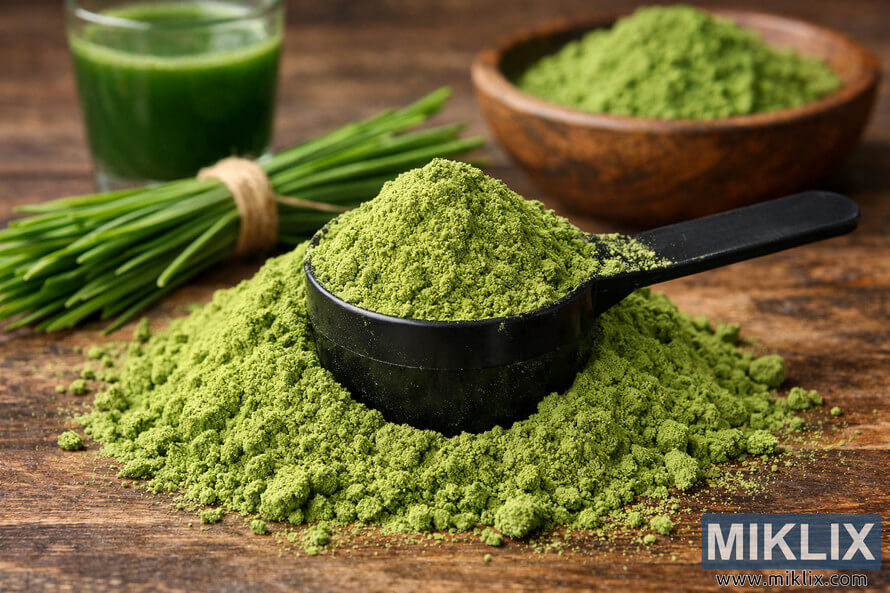
Powder Form
Freeze-dried wheatgrass powder provides convenience while retaining most nutritional benefits for versatile use.
- Long shelf life
- Easy to measure and use
- Versatile mixing options
- Portable and convenient
Fare clic o toccare l'immagine per ulteriori informazioni e risoluzioni più elevate.
Supplement Capsules
Capsulated wheatgrass eliminates taste concerns while providing standardized doses in the most convenient format.
- No taste issues
- Precise dosing
- Travel-friendly
- Easy to incorporate into routine
Fare clic o toccare l'immagine per ulteriori informazioni e risoluzioni più elevate.
Creative Consumption Ideas
Beyond basic methods, creative approaches make wheatgrass more enjoyable. Add powder to homemade energy balls or protein bars. Mix it into salad dressings for a nutritional boost.
Some people freeze wheatgrass juice into ice cubes. These cubes can be added to smoothies later. This method preserves freshness while adding convenience.
Experiment with different combinations to find what works. The key is consistency in consumption. Regular intake allows you to experience the benefits wheatgrass may offer.
Recommended Dosage and Best Practices
Proper dosing helps you safely enjoy wheatgrass benefits. Start with smaller amounts and gradually increase. This approach allows your body to adjust to this potent health food.
Starting Doses for Beginners
Begin with half an ounce of fresh wheatgrass juice daily. For powder, start with half a teaspoon mixed in liquid. Capsule users should follow package directions but consider starting with one capsule.
Monitor how your body responds during the first week. Some people experience mild detoxification effects initially. These typically subside as your body adjusts to wheatgrass.
Gradually increase to the standard dose over two to three weeks. This measured approach minimizes potential digestive discomfort. Listen to your body throughout the process.
Standard Maintenance Doses
Most people consume one to two ounces of fresh wheatgrass juice daily. For powder, one to two teaspoons represents a typical dose. Capsule recommendations vary but often range from two to four daily.
Some individuals take wheatgrass once daily, others split doses. Morning consumption on an empty stomach may maximize absorption. However, taking it with food works fine if that suits your routine better.
| Wheatgrass Form | Beginner Dose | Standard Dose | Maximum Daily Dose | Best Timing |
| Fresh Juice | 0.5-1 oz | 1-2 oz | 4 oz | Morning, empty stomach |
| Powder | 0.5 tsp | 1-2 tsp | 1 tbsp | Morning or pre-workout |
| Capsules | 1 capsule | 2-4 capsules | 6 capsules | With meals |
| Tablets | 1 tablet | 3-4 tablets | 6 tablets | With meals |
Fare clic o toccare l'immagine per ulteriori informazioni e risoluzioni più elevate.
Timing and Frequency Considerations
Consistency matters more than specific timing for most people. Choose a time that fits your daily routine. Morning consumption provides an energizing start to the day.
Some fitness enthusiasts take wheatgrass before workouts. The nutrients may support energy and endurance. Post-workout consumption could aid recovery processes.
Taking wheatgrass daily yields better results than sporadic use. Set a reminder if needed to maintain your routine. Regular consumption allows potential benefits to accumulate over time.
Cycling and Breaks
Most people can use wheatgrass continuously without breaks. However, some practitioners recommend occasional cycling. Taking a week off every few months allows assessment of effects.
During breaks, notice any changes in how you feel. This practice helps you evaluate whether wheatgrass truly benefits you. Resume use if you notice positive effects diminish during the break.
Potential Side Effects and Important Precautions
Wheatgrass is generally safe for most people when consumed appropriately. However, awareness of potential side effects helps ensure safe use. Understanding precautions protects your health while allowing you to benefit.
Common Mild Side Effects
Some people experience nausea when first consuming wheatgrass. This usually occurs with fresh juice on an empty stomach. Taking smaller amounts or consuming with food often resolves this issue.
Headaches may occur in some individuals initially. These often relate to detoxification processes in the body. Drinking plenty of water helps minimize this effect.
Digestive changes sometimes happen when starting wheatgrass. Mild diarrhea or constipation may occur temporarily. These effects typically resolve within a few days as your body adjusts.
Allergic Reactions and Sensitivities
People with wheat or grass allergies should exercise caution. Despite being gluten-free, wheatgrass comes from the wheat plant family. Allergic reactions could include hives, swelling, or difficulty breathing.
Test a very small amount first if you have plant allergies. Watch for any adverse reactions over 24 hours. Discontinue use immediately if any allergic symptoms appear.
Allergy Alert: While wheatgrass itself contains no gluten (which develops in mature wheat seeds), individuals with severe wheat allergies or celiac disease should consult their healthcare provider before use. Cross-contamination during processing can occasionally occur.
Pregnancy and Breastfeeding Considerations
Pregnant women should consult healthcare providers before using wheatgrass. Limited research exists on wheatgrass safety during pregnancy. The same caution applies to breastfeeding mothers.
Some practitioners avoid recommending wheatgrass during pregnancy due to detoxification concerns. Others consider small amounts acceptable. Professional medical guidance ensures appropriate decisions for individual circumstances.
Medication Interactions
Wheatgrass may interact with certain medications. The vitamin K content could affect blood-thinning medications like warfarin. People taking these drugs should maintain consistent wheatgrass intake or avoid it.
Diabetes medications may require adjustment when using wheatgrass regularly. The potential blood sugar effects warrant monitoring. Work with your healthcare provider to manage medications appropriately.
Chemotherapy patients should discuss wheatgrass with their oncology team. While some research shows potential benefits, interactions with cancer treatments need professional evaluation.
Safety Advantages
- Generally well-tolerated by most people
- Natural whole food source
- Minimal processing required for fresh form
- Long history of traditional use
- Few serious side effects reported
- Can be started with very small doses
Precautionary Concerns
- Potential allergic reactions in sensitive individuals
- May cause temporary digestive upset
- Possible medication interactions
- Limited research in pregnancy
- Contamination risk if not properly grown
- Strong taste can cause nausea
Contamination and Quality Concerns
Improperly grown wheatgrass can harbor harmful bacteria or mold. Home-grown wheatgrass requires careful attention to cleanliness. Commercial products should come from reputable sources with quality control.
Fresh wheatgrass juice can spoil quickly without refrigeration. Consume it immediately after juicing when possible. Discard any juice that smells off or appears discolored.
Choose organic wheatgrass products when available. This reduces exposure to pesticides and herbicides. Quality matters significantly for both safety and potential benefits.
Who Should Avoid Wheatgrass
Certain groups should avoid wheatgrass or use it only with medical supervision. People with compromised immune systems should be cautious with fresh wheatgrass due to contamination risks.
Those with known grass or wheat allergies should likely avoid wheatgrass entirely. Anyone with chronic health conditions should consult healthcare providers before starting. This ensures wheatgrass fits appropriately into their overall care plan.

Fare clic o toccare l'immagine per ulteriori informazioni e risoluzioni più elevate.
Tips for Choosing Quality Wheatgrass Products
Product quality significantly impacts both safety and effectiveness. The wheatgrass market includes many options with varying standards. Understanding quality indicators helps you make wise choices.
Organic Certification Importance
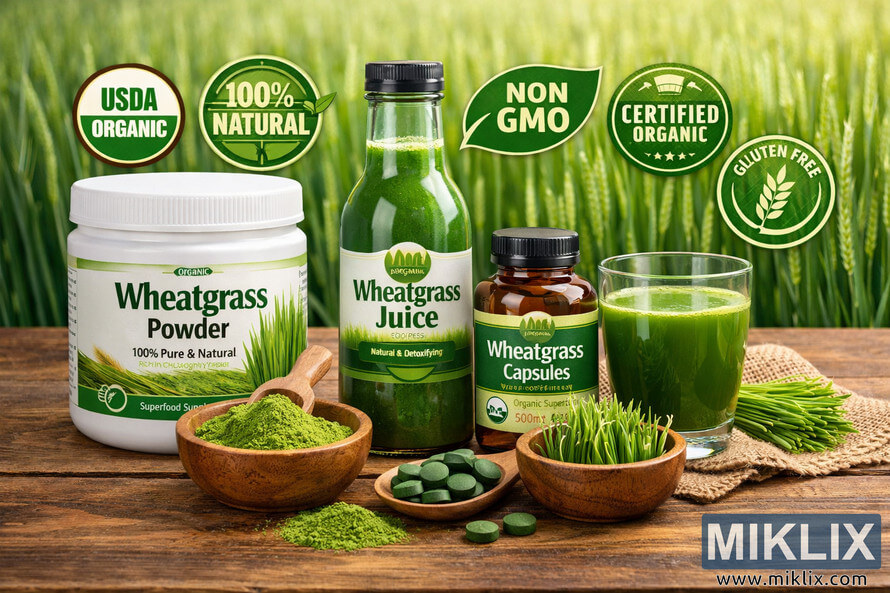
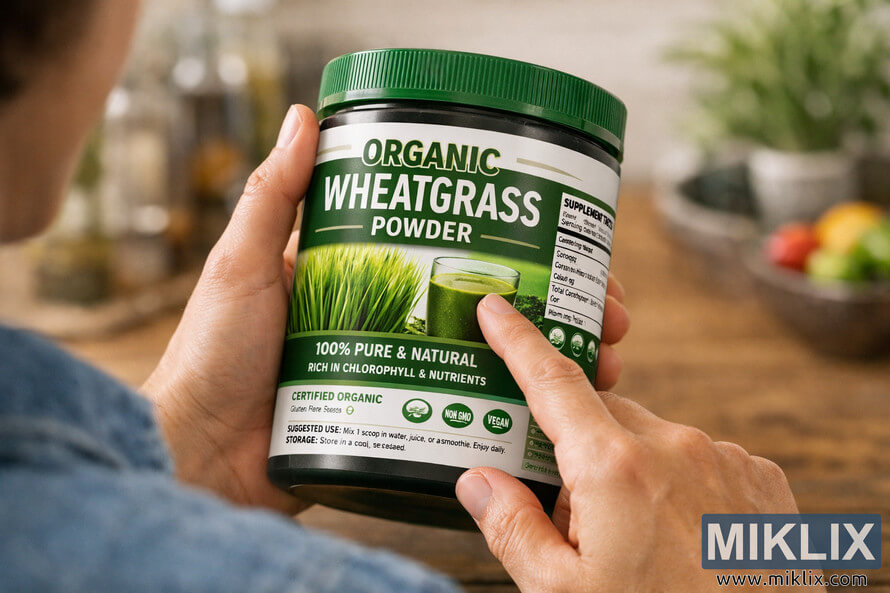
Organic certification ensures wheatgrass grows without synthetic pesticides or fertilizers. Look for USDA Organic labels on products. This certification requires rigorous standards and regular inspections.
Organic wheatgrass typically contains higher nutrient levels. The plants grow in healthier soil conditions. You also avoid chemical residues that conventional growing methods may leave.
While organic products cost more, the investment supports your health. The certification provides confidence in product purity. This matters especially for something you consume regularly.
Processing Method Considerations
How manufacturers process wheatgrass affects nutrient retention. Freeze-drying preserves more nutrients than heat drying. Cold-pressed juice maintains enzyme activity better than heat-processed alternatives.
Check product labels for processing information. Companies proud of gentle methods usually advertise this fact. Avoid products that don't disclose their processing techniques.
Fresh wheatgrass offers maximum nutrient availability when properly handled. However, quality powder from reputable brands provides excellent nutrition with added convenience.
Fare clic o toccare l'immagine per ulteriori informazioni e risoluzioni più elevate.
Third-Party Testing and Certifications
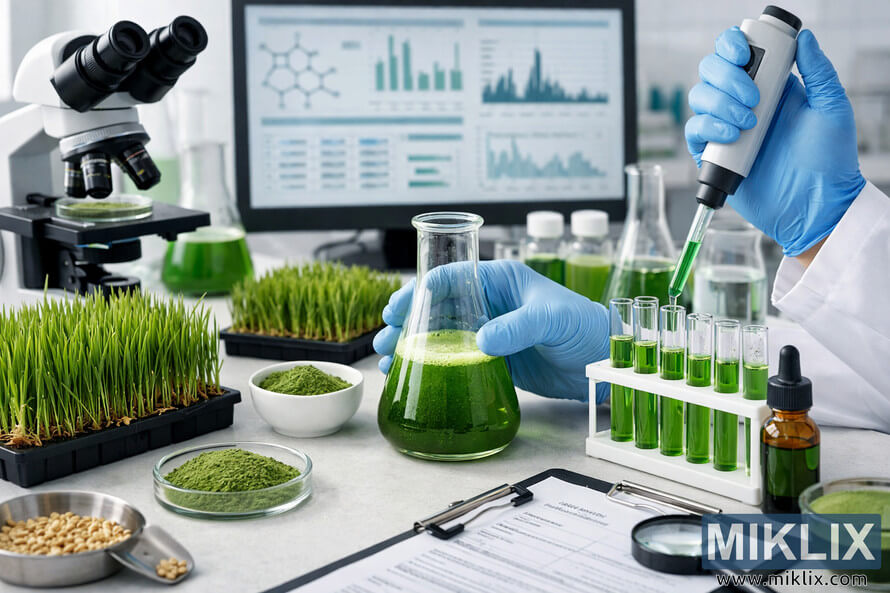
Independent testing verifies product quality and purity. Look for certifications from organizations like NSF International or USP. These indicate products meet specific quality standards.
Third-party testing checks for contaminants like heavy metals or bacteria. It also verifies nutrient content matches label claims. This transparency protects consumers and ensures product integrity.
Companies investing in third-party testing demonstrate commitment to quality. They provide certificates of analysis upon request. Don't hesitate to ask manufacturers for this documentation.
Fare clic o toccare l'immagine per ulteriori informazioni e risoluzioni più elevate.
Source and Growing Conditions
Where and how wheatgrass grows matters significantly. Indoor-grown wheatgrass in controlled conditions often has fewer contamination risks. Outdoor growing requires careful monitoring for environmental pollutants.
Reputable companies disclose their growing locations and methods. They often provide information about soil quality and water sources. This transparency indicates trustworthy operations.
For home growing, use quality organic wheat seeds. Ensure growing trays and soil are clean and appropriate. Proper growing conditions produce safer, more nutritious wheatgrass.
Quality Checklist for Wheatgrass Products
- USDA Organic or equivalent certification clearly displayed
- Detailed processing method information provided
- Third-party testing certifications present
- Clear expiration or best-by dates
- Transparent sourcing and growing information
- Company contact information and customer service availability
- Positive reviews from verified purchasers
- Appropriate packaging protecting from light and moisture
- Reasonable pricing reflecting quality standards
- Clear ingredient list with no unnecessary additives
Fare clic o toccare l'immagine per ulteriori informazioni e risoluzioni più elevate.
Packaging and Storage Indicators
Proper packaging protects wheatgrass from light, heat, and moisture. Powder should come in opaque containers with tight seals. Glass or high-quality plastic works better than cheap materials.
Check that packaging includes storage instructions. Wheatgrass powder typically requires cool, dry conditions. Capsules need protection from humidity to maintain integrity.
Fresh wheatgrass should be refrigerated and used quickly. If purchasing fresh, ensure the seller maintains proper cold storage. The grass should look vibrant green without yellowing or wilting.
Price as a Quality Indicator
While price shouldn't be the only factor, extremely cheap wheatgrass raises concerns. Quality growing, processing, and testing cost money. Suspiciously low prices may indicate corners were cut.
Compare prices across reputable brands for reference. Mid-range to premium pricing often reflects better quality control. However, the most expensive option isn't always the best.
Consider cost per serving rather than just package price. Some products offer better value through concentration or purity. Calculate the actual daily cost of your wheatgrass routine.
Brand Reputation and Transparency
Research company reputations before purchasing. Look for brands with years of experience in wheatgrass production. Read customer reviews focusing on product quality and company responsiveness.
Reputable companies provide detailed product information on their websites. They answer customer questions transparently. Good companies stand behind their products with satisfaction guarantees.
Check if the company specializes in superfoods and supplements. Dedicated health food companies often maintain higher standards. They understand the importance of quality in wellness products.
Embracing Wheatgrass for Better Health
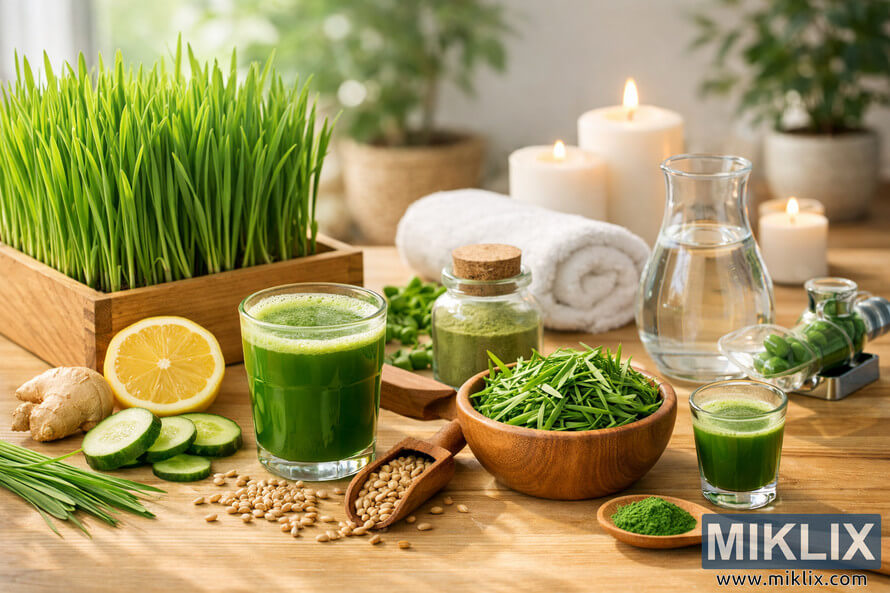
Wheatgrass offers a concentrated source of nutrients that support overall wellness. From its rich vitamin and mineral content to its antioxidant properties, this young plant provides numerous potential health benefits. Research continues to explore its effects on immune system function, inflammation, digestion, and more.
The versatility of wheatgrass makes it accessible for different preferences and lifestyles. Whether you choose fresh juice, convenient powder, or easy capsules, you can incorporate this nutritional powerhouse into your routine. Starting slowly and building gradually helps your body adjust while minimizing side effects.
Quality matters significantly when selecting wheatgrass products. Organic certification, proper processing methods, and third-party testing ensure you receive safe, effective supplements. Taking time to research brands and products protects your investment in health.
Remember that wheatgrass works best as part of a comprehensive wellness approach. It complements a balanced diet, regular exercise, and healthy lifestyle choices. While wheatgrass may help support various aspects of health, it cannot replace medical treatment or make up for poor overall habits.
Consulting healthcare providers ensures wheatgrass fits appropriately into your individual health situation. This is especially important if you have chronic conditions, take medications, or have specific health concerns. Professional guidance helps you use wheatgrass safely and effectively.
The journey with wheatgrass begins with a single serving. Many people discover improved energy, better digestion, and enhanced overall vitality. Your experience may vary, but the potential benefits make wheatgrass worth exploring as part of your wellness routine.
Fare clic o toccare l'immagine per ulteriori informazioni e risoluzioni più elevate.
Ulteriori letture
Se ti è piaciuto questo post, potrebbero piacerti anche questi suggerimenti:
- Dal condimento per l'insalata alla dose giornaliera: sorprendenti benefici degli integratori di aceto di mele
- Magro, verde e pieno di fagioli: il potere salutare dei fagiolini
- Guava Gains: Come un frutto può trasformare la vostra salute