
Hops in Beer Brewing: Falconer's Flight
Published: September 28, 2026 at 3:40:29 PM UTC
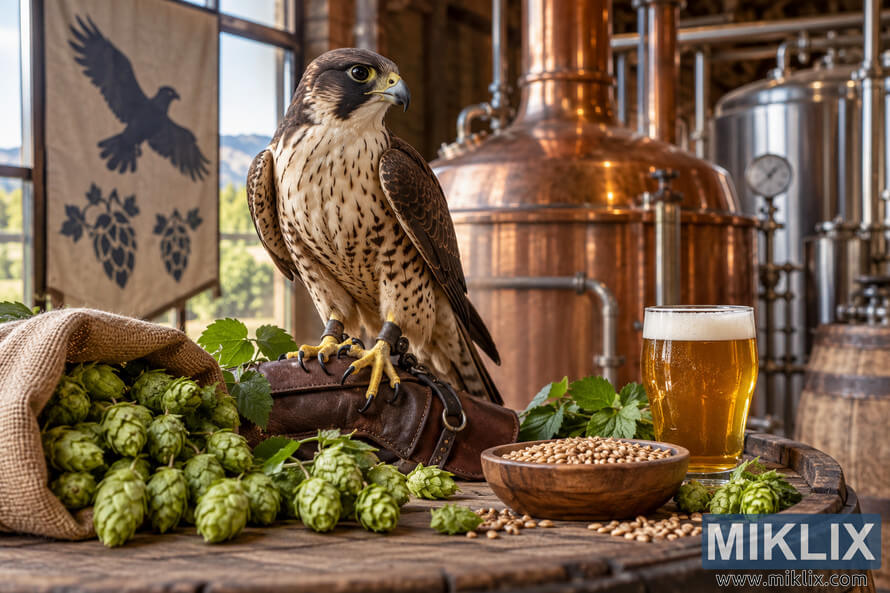
Falconer's Flight hops have revolutionized modern craft brewing since their introduction by Yakima Chief Hops. This proprietary hop blend delivers an exceptional aroma profile that combines tropical fruit, citrus, and floral notes in perfect harmony. Homebrewers across the country have embraced this versatile variety for creating outstanding pale ales, IPAs, and experimental beer styles.
Click or tap the image for more information and higher resolutions.
Whether you're planning your first brew day with this hop variety or looking to refine your techniques, understanding Falconer's Flight characteristics will elevate your homebrewing experience. This comprehensive guide covers everything from alpha beta acids content to specific aroma contributions, helping you make informed decisions for your next batch.
The journey to mastering Falconer's Flight hops begins with understanding what makes this Yakima Chief creation so special in the brewing world.
What Is Falconer's Flight Hop Variety?
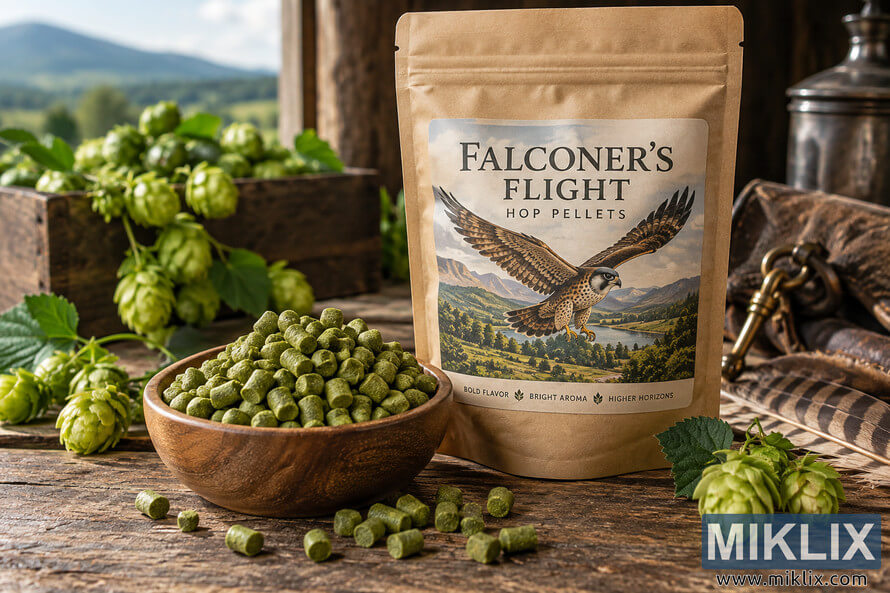
Falconer's Flight represents a proprietary hop blend developed by Yakima Chief Hops as a tribute to Northwest brewing legend Glen Hay Falconer. The blend combines multiple hop varieties carefully selected to create a unique aroma profile that captures the essence of Pacific Northwest brewing traditions.
This hop variety emerged from years of experimentation and dedication to craft brewing excellence. Yakima Chief Hops released Falconer's Flight to provide brewers with consistent access to complex citrus and tropical fruit characteristics.
Click or tap the image for more information and higher resolutions.
Origin and Development
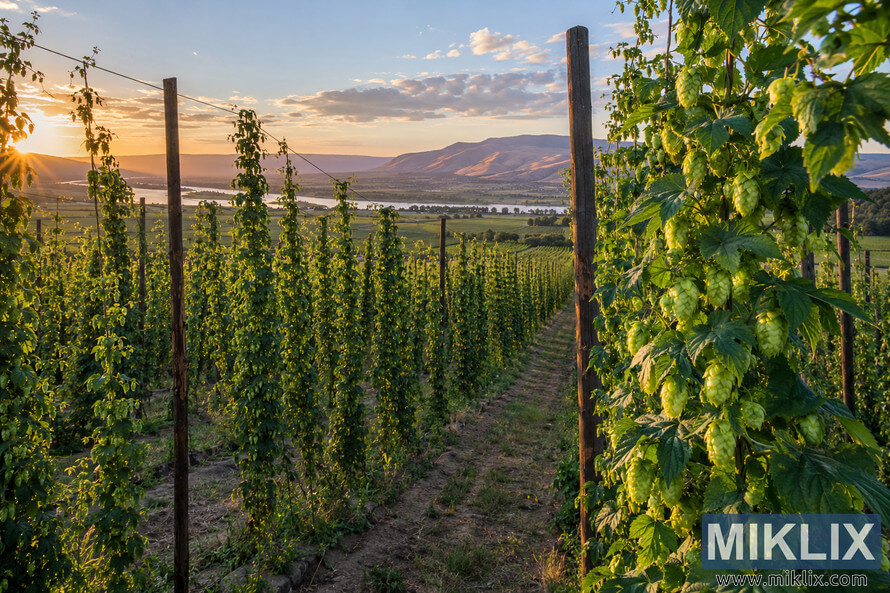
The development of Falconer's Flight hop blend started in the heart of Washington's Yakima Valley, where ideal growing conditions produce world-class hops. Yakima Chief Hops created this variety by combining their finest proprietary hop selections from each harvest year.
Glen Hay Falconer, the namesake of this hop variety, was instrumental in pioneering American craft beer culture. His legacy lives on through this carefully crafted blend that embodies his passion for innovative brewing.
The proprietary nature of this blend means Yakima Chief maintains exclusive control over its production and distribution. This ensures consistent quality and characteristics across different harvest years.
Click or tap the image for more information and higher resolutions.
Aroma and Flavor Profile of Falconer's Flight
The specific aroma characteristics of Falconer's Flight hops set them apart in the brewing world. This hop blend delivers a complex bouquet that combines multiple fruit-forward notes with subtle herbal undertones.
Tropical Fruit Character
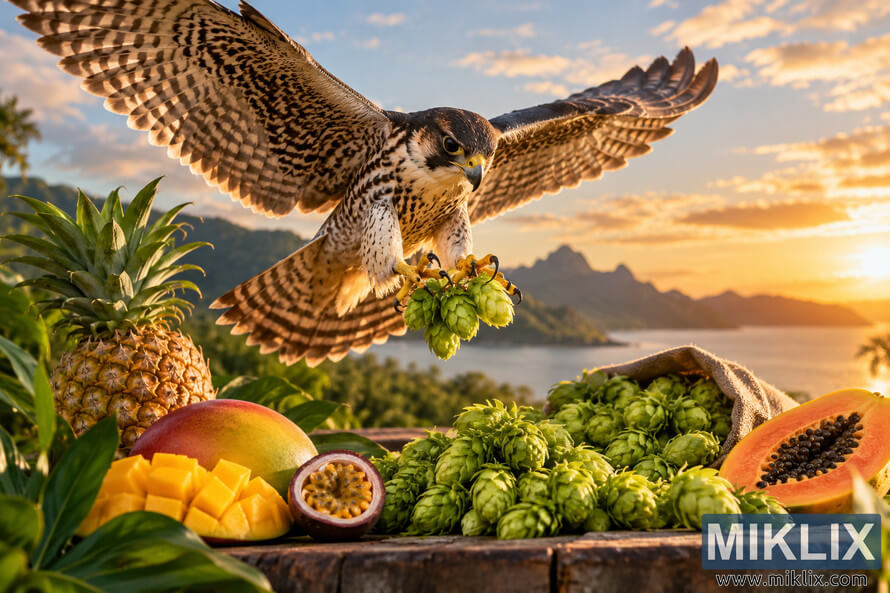
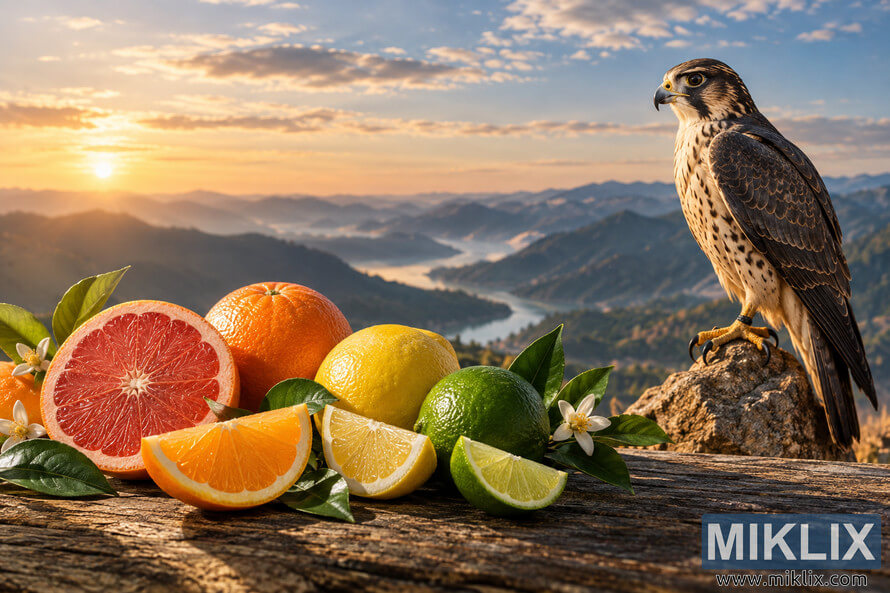
Dominant tropical fruit notes include lemon, grapefruit, and hints of passion fruit. These bright citrus flavors create an inviting aroma that homebrewers love.
The tropical character becomes especially pronounced when used in dry hop applications. Late fermentation additions maximize these fruit-forward qualities.
Click or tap the image for more information and higher resolutions.
Citrus Layers
Bright citrus notes provide the foundation of the Falconer's Flight aroma profile. Lemon zest characteristics shine through in properly hopped beers.
The citrus components balance beautifully with malt sweetness. This creates harmony in pale ale and IPA recipes.
Click or tap the image for more information and higher resolutions.
Floral and Herbal Notes
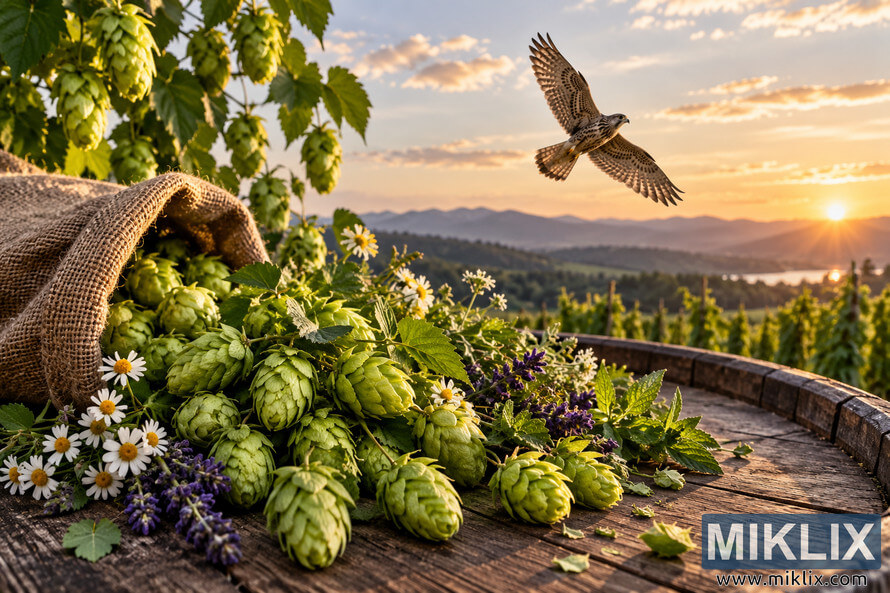
Subtle floral undertones add complexity to the overall aroma experience. These delicate notes complement rather than overpower the fruit characteristics.
Light herbal qualities round out the profile. This multi-dimensional character makes Falconer's Flight suitable for various beer styles.
Brewer's Tip: The aroma profile of Falconer's Flight hops can vary slightly between harvest years due to the proprietary blend nature. Always smell your hops before brew day to understand the specific characteristics of your batch.
Click or tap the image for more information and higher resolutions.
Technical Specifications and Alpha Beta Acids
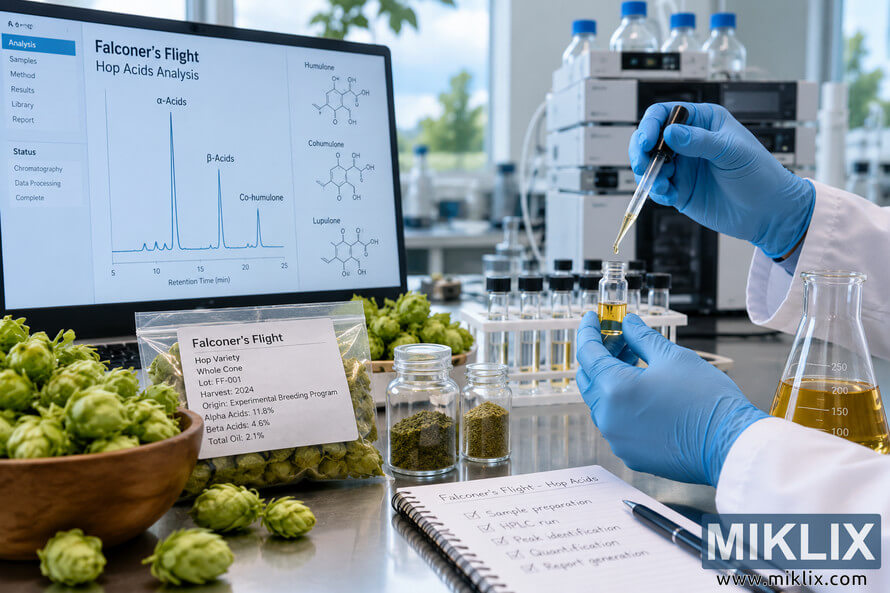
Understanding the technical characteristics of Falconer's Flight hops helps homebrewers make precise calculations for their recipes. The alpha acids and beta acids content determines both bittering potential and stability.
Alpha Acids Content and Bittering
Falconer's Flight hops typically contain alpha acids in the range of nine to eleven percent. This moderate alpha acid level makes the variety versatile for both bittering and aroma applications.
The alpha beta acids ratio influences how brewers use these hops throughout the brewing process. Higher alpha acids provide efficient bittering when added early in the boil.
| Component | Typical Range | Brewing Impact | Best Application |
| Alpha Acids | 9.5% - 11.5% | Moderate bittering potential | Late boil and dry hop |
| Beta Acids | 4.0% - 5.5% | Stability and aroma | Dry hopping phases |
| Cohumulone | 35% - 40% | Bitterness quality | Balanced bitterness |
| Total Oils | 1.5 - 2.5 mL/100g | Aroma intensity | Aroma and dry hop |
Click or tap the image for more information and higher resolutions.
Beta Acids and Storage Stability
Beta acids in Falconer's Flight typically measure between four and five and a half percent. These compounds contribute to the long-term stability of the hops during storage.
The beta acids content also influences the subtle oxidative characteristics that develop in beer over time. Proper storage maintains the integrity of both alpha beta acids components.
Oil Composition Profile
The essential oil content of Falconer's Flight hop blend creates its distinctive aroma characteristics. Myrcene dominates the oil profile, contributing to the citrus and tropical fruit notes.
Humulene and caryophyllene add subtle herbal and spicy undertones. This complex oil composition makes Falconer's Flight particularly effective for late hop additions.
Harvest Year Variations
Each year's harvest brings slight variations in alpha acids and beta acids levels. Yakima Chief Hops provides detailed analysis data for each crop year.
Brewers should always check the specific alpha acid percentage on their hop package. This ensures accurate IBU calculations for consistent beer quality.
Click or tap the image for more information and higher resolutions.
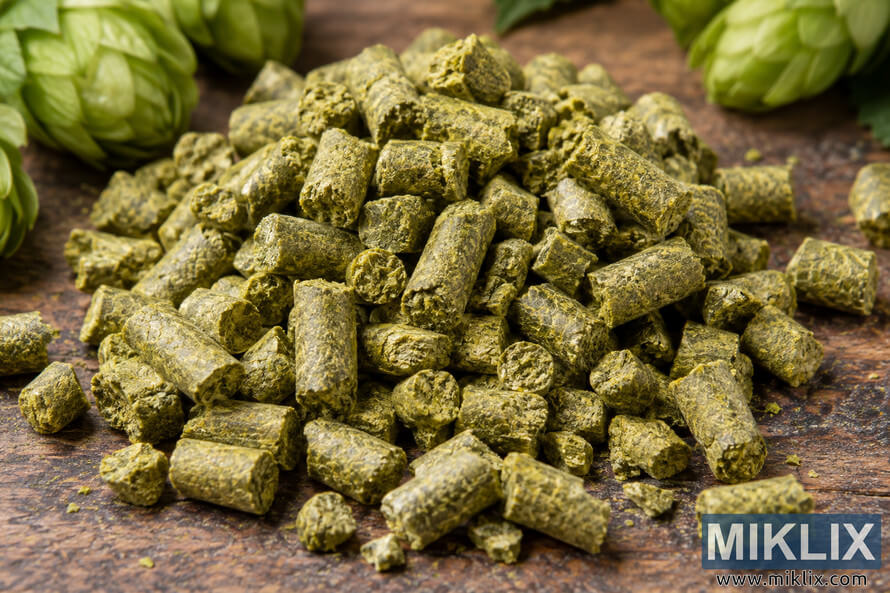
Whole Cone Option
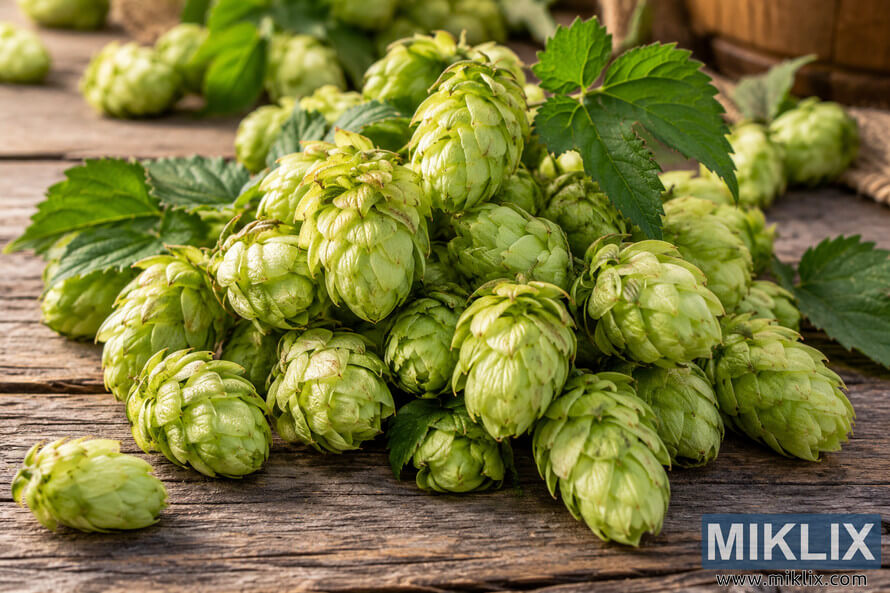
Traditional brewers sometimes prefer whole cone Falconer's Flight hops for their authentic character. Whole cones provide a different filtering experience and visual appeal in the brew kettle.
The cone form requires more storage space but offers traditional brewing aesthetics. Some brewers believe whole cones deliver superior aroma qualities.
Click or tap the image for more information and higher resolutions.
Cryo Hops Technology
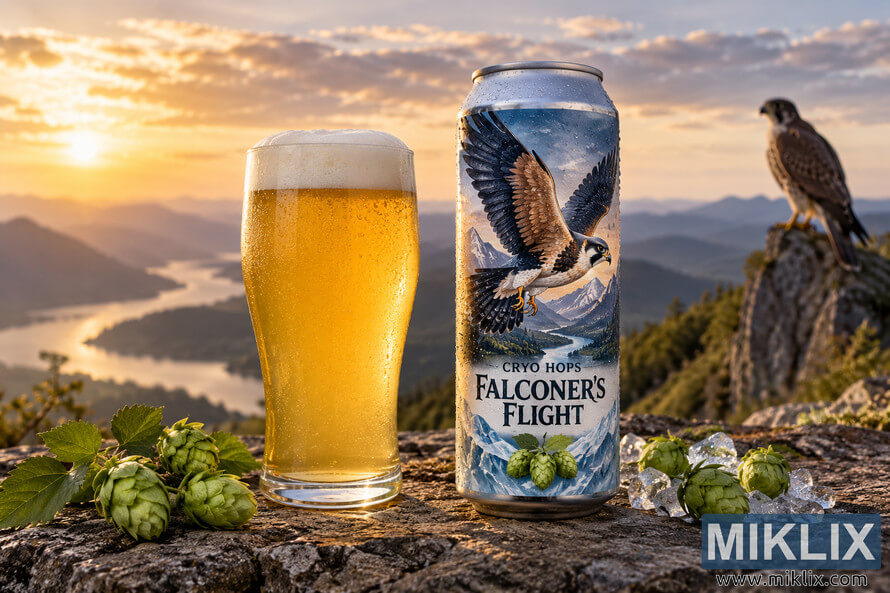
Yakima Chief offers Falconer's Flight in concentrated cryo form for maximum aroma impact. Cryo hops contain higher concentrations of lupulin and essential oils.
This advanced form reduces vegetative matter while intensifying the tropical fruit and citrus characteristics. Ideal for heavily hopped beer styles.
Click or tap the image for more information and higher resolutions.
Best Beer Styles for Falconer's Flight Hops
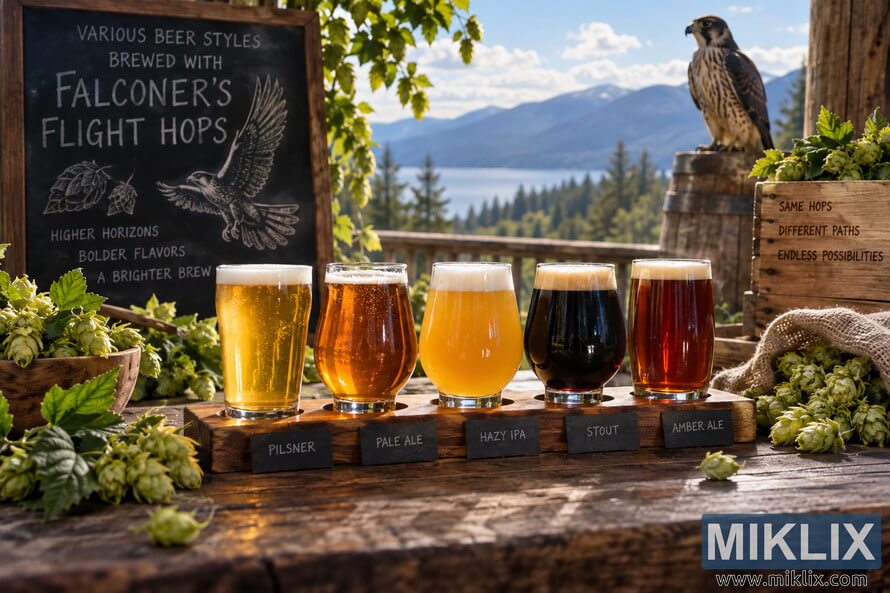
Falconer's Flight hops excel in multiple beer styles, particularly those that showcase hop aroma and flavor. The versatile character of this hop variety makes it suitable for both traditional and experimental recipes.
Click or tap the image for more information and higher resolutions.
American Pale Ale Applications
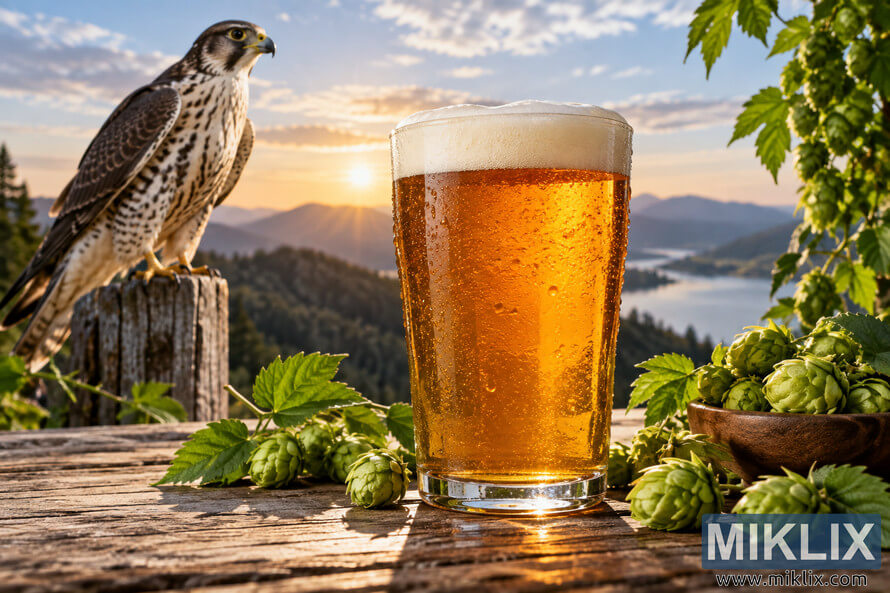
The pale ale style perfectly highlights the balanced character of Falconer's Flight hops. The moderate alpha acids content provides clean bitterness without overwhelming the malt backbone.
Homebrewers achieve excellent results using Falconer's Flight as a single-hop pale ale variety. The citrus and tropical fruit notes complement pale malt sweetness beautifully.
Click or tap the image for more information and higher resolutions.
IPA Dominance
India Pale Ales represent the ideal canvas for Falconer's Flight hop characteristics. The variety delivers the fruit-forward aroma that IPA enthusiasts crave.
Both West Coast and New England IPA styles benefit from this hop's versatility. The clean bitterness works in traditional clear IPAs while the juicy character suits hazy versions.
Many commercial breweries feature Falconer's Flight in their flagship IPA recipes. The hop provides consistency and complexity that customers recognize.
Session and Lower Alcohol Styles
Session IPAs and lower alcohol beer styles benefit from the efficient aroma delivery of Falconer's Flight. The hop variety provides big flavor without requiring excessive quantities.
Brewers can achieve satisfying hop character in beers under five percent alcohol. This makes Falconer's Flight economical for session beer production.
Highly Recommended Styles
- American IPA (West Coast style)
- Hazy IPA (New England style)
- American Pale Ale
- Session IPA
- American Wheat Ale
- Blonde Ale
Good Compatibility
- Double IPA
- Amber Ale
- American Brown Ale
- Cream Ale
- Saison
- Farmhouse Ale
Experimental Options
- Hoppy Lager
- Fruit Beer additions
- Sour IPA hybrids
- Belgian IPA fusion
- Specialty wheat beers
- Cold IPA variations
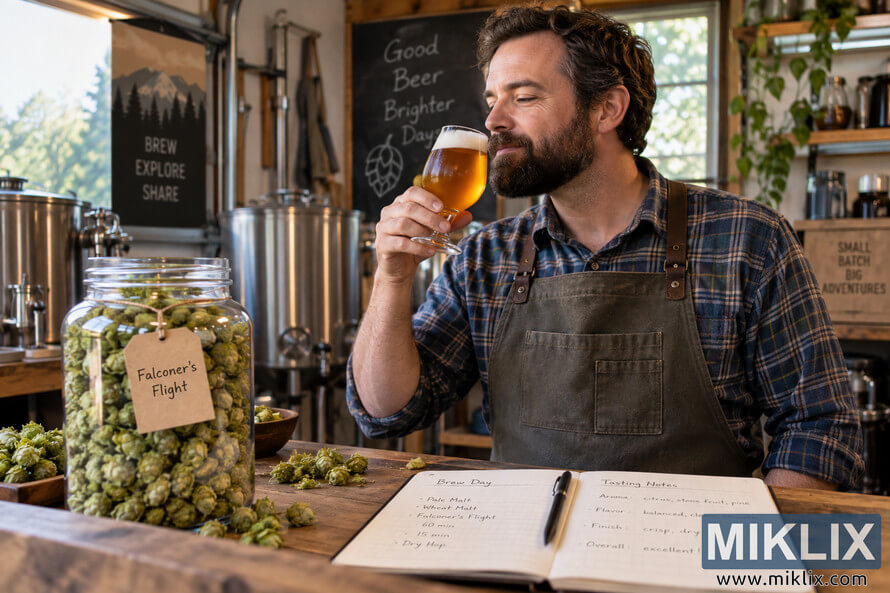
Click or tap the image for more information and higher resolutions.
Wheat Beer and Light Styles
American wheat ales gain dimension from Falconer's Flight hop additions. The citrus notes complement wheat's natural grain character without creating harshness.
Blonde ales and cream ales also showcase this hop variety effectively. The clean aroma profile doesn't overwhelm delicate malt flavors.
Homebrewing Usage Rates and Measurements
Proper usage rates ensure homebrewers extract maximum value from their Falconer's Flight hops. The versatile nature of this variety allows for flexible hopping schedules across different batch sizes.
Calculating Hop Quantities for Five Gallon Batches
Standard five gallon homebrewing batches require specific hop quantities based on desired bitterness and aroma intensity. Most pale ale recipes use one to two ounces total of Falconer's Flight hops.
IPA styles typically demand two to four ounces for adequate hop character. The specific amount depends on your target IBU level and aroma intensity preferences.
| Beer Style | Bittering Addition | Flavor Addition | Aroma/Whirlpool | Dry Hop Amount |
| Pale Ale | 0.5 - 0.75 oz | 0.5 oz | 0.5 - 1 oz | 1 - 2 oz |
| IPA | 0.75 - 1 oz | 1 oz | 1 - 2 oz | 2 - 4 oz |
| Session IPA | 0.5 oz | 0.5 - 0.75 oz | 1 oz | 1.5 - 2 oz |
| Double IPA | 1 - 1.5 oz | 1 - 1.5 oz | 2 - 3 oz | 3 - 6 oz |
| Wheat Ale | 0.25 - 0.5 oz | 0.5 oz | 0.5 - 1 oz | 0.5 - 1 oz |
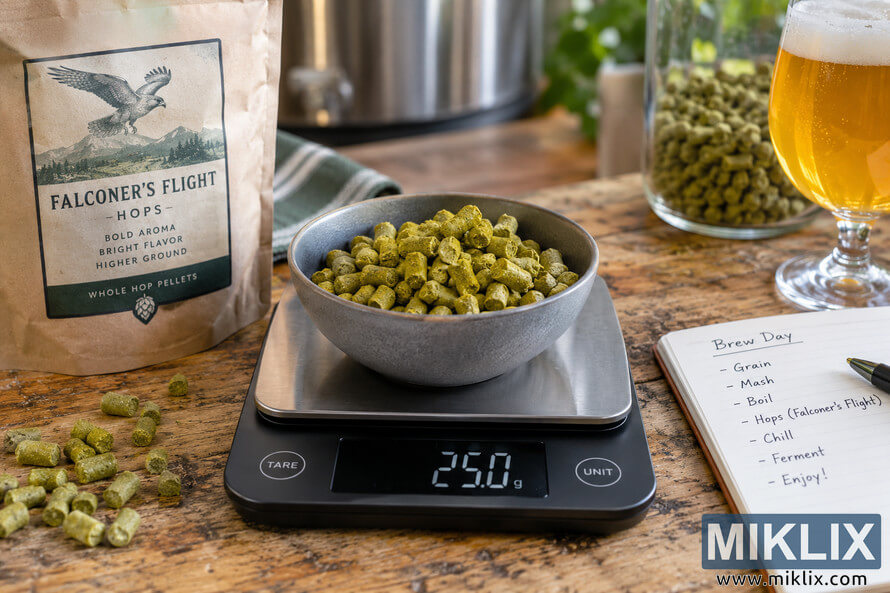
Click or tap the image for more information and higher resolutions.
Bittering Additions During the Boil
Adding Falconer's Flight hops at the beginning of your sixty minute boil extracts maximum bitterness. The alpha acids isomerize efficiently during this extended contact time.
Calculate your target IBU using the known alpha acid percentage from your hop package. Online brewing calculators simplify this process for homebrewers.
Flavor Addition Timing
Flavor additions typically occur fifteen to twenty minutes before the end of the boil. This timing preserves some volatile aroma compounds while extracting hop flavor.
The flavor addition bridges the gap between pure bitterness and aroma contributions. This middle ground creates complexity in your finished beer.
Late Boil and Whirlpool
Adding hops in the final five minutes of the boil maximizes aroma retention. The shorter contact time preserves the delicate citrus and tropical fruit characteristics.
Whirlpool additions after the boil provide even more aroma impact. Allow the wort to cool slightly before adding hops for optimal results.
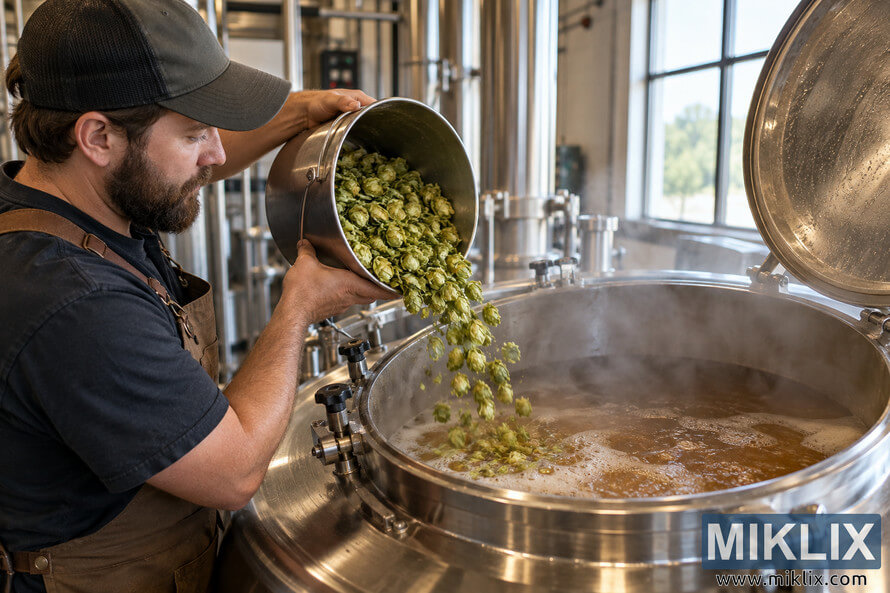
Click or tap the image for more information and higher resolutions.
Dry Hop Techniques for Maximum Aroma
Dry hop additions extract the most aromatic compounds from Falconer's Flight hops without adding bitterness. This technique has become essential for modern IPA production and craft beer excellence.
Timing Your Dry Hop Additions
Most homebrewers add dry hop charges three to five days before packaging. This timing allows sufficient extraction while minimizing vegetal flavors.
Some brewers prefer multiple dry hop additions at different fermentation stages. A small charge during active fermentation followed by a larger addition near completion creates layered complexity.
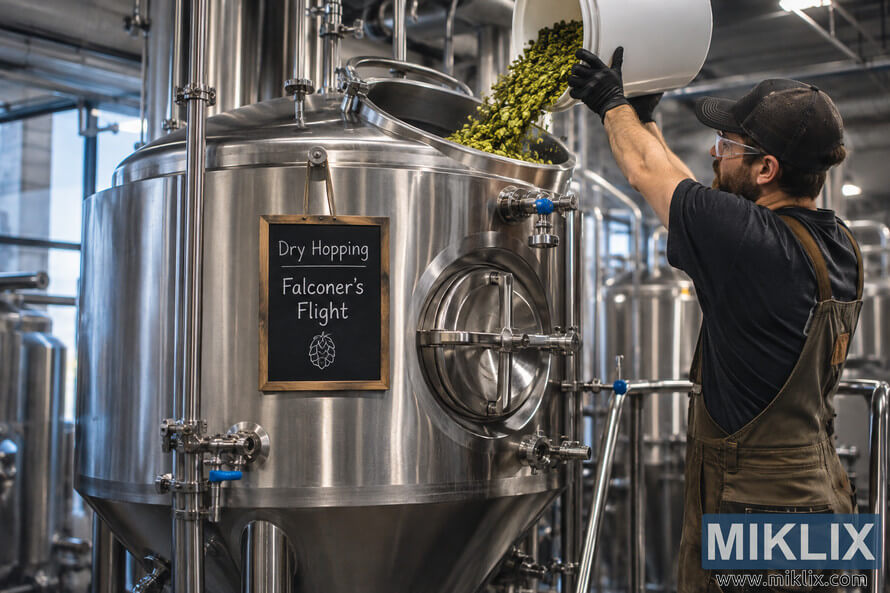
Click or tap the image for more information and higher resolutions.
Benefits of Dry Hopping
- Maximizes tropical fruit and citrus aroma from Falconer's Flight
- Adds no additional bitterness to finished beer
- Preserves volatile oil compounds that boiling destroys
- Creates the juicy character popular in modern IPAs
- Allows precise aroma control independent of bittering
- Works excellently in both clear and hazy beer styles
Dry Hopping Considerations
- Requires careful sanitation of hop additions
- Can introduce oxygen if not handled properly
- May increase beer volume and affect packaging
- Excessive amounts can create grassy flavors
- Needs proper removal to prevent clogging
- Costs more than boil additions per aroma impact
Optimal Temperature and Duration
Dry hop extraction occurs most efficiently at fermentation temperatures between sixty and seventy degrees Fahrenheit. Warmer temperatures accelerate extraction but may increase unwanted vegetal notes.
Three to five days provides adequate extraction time for most applications. Longer contact periods rarely improve aroma and may introduce off-flavors.
Containment Methods
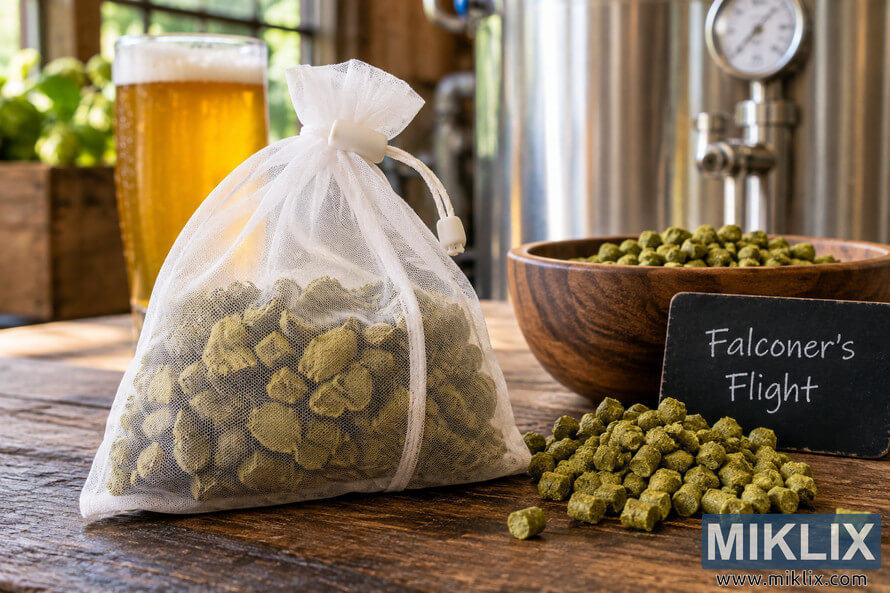
Using mesh bags or hop spiders simplifies removing hops after extraction. These tools prevent hop particles from clogging racking equipment and improving beer clarity.
Loose dry hop additions work well in conical fermenters with dump valves. The cone collects hop material for easy removal without disturbing the beer.
Click or tap the image for more information and higher resolutions.
Removal Techniques
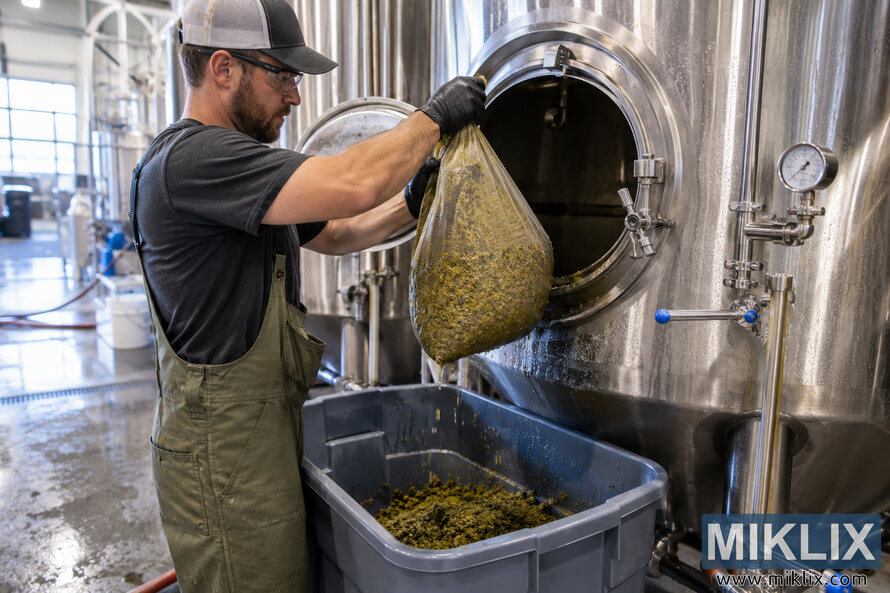
Remove dry hops before packaging to prevent oxidation and improve clarity. Carefully pull hop bags without splashing or introducing oxygen.
Cold crashing after dry hop removal helps compact hop particles and yeast. This improves final beer clarity and reduces sediment in packaged beer.
Click or tap the image for more information and higher resolutions.
Quantity Considerations for Dry Hopping
Standard pale ales benefit from one to two ounces of Falconer's Flight dry hop additions in five gallon batches. This provides noticeable aroma without overwhelming balance.
IPA styles often use two to four ounces for pronounced hop character. Double IPAs may require even higher rates for saturated aroma intensity.
Pro Technique: Split your dry hop charge into two additions for improved aroma complexity. Add half during active fermentation (biotransformation) and the remainder three days before packaging for fresh hop aroma.
Integrating Falconer's Flight into Your Brew Day
Successful brew day execution requires planning your Falconer's Flight hop additions in advance. Understanding when and how to add hops at each stage ensures optimal results.
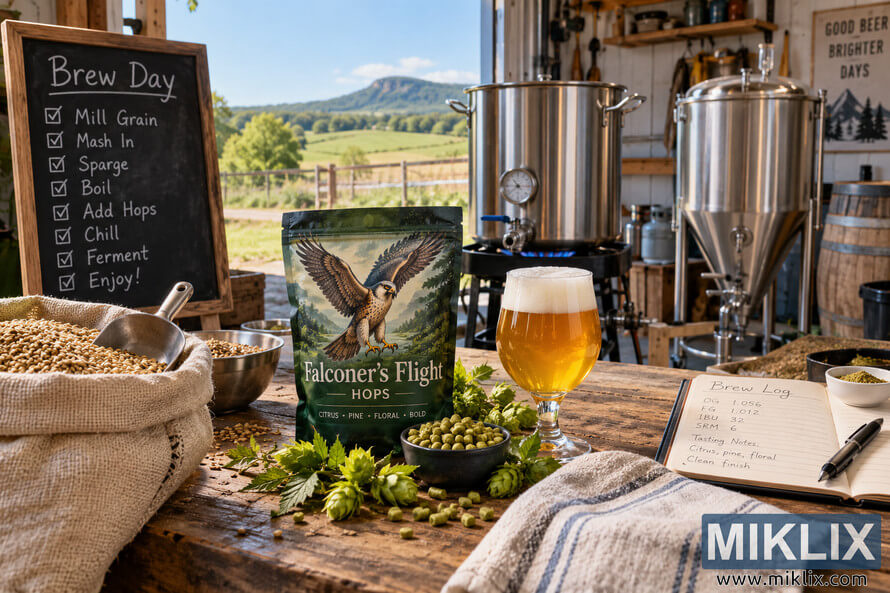
Pre-Brew Day Preparation
- Calculate your hop requirements before brew day and verify you have sufficient quantities. Check the alpha acids percentage on your hop package and adjust recipe calculations accordingly.
- Store your hops in the refrigerator or freezer until brew day. Proper storage preserves the alpha beta acids and essential oils that create Falconer's Flight character.
- Review your recipe and confirm all hop addition timings
- Measure each hop addition into separate containers labeled by timing
- Prepare hop bags or spider if using containment methods
- Set timers or brewing software alerts for each addition
- Have sanitized equipment ready for dry hop additions
- Document the specific harvest year and lot number for future reference
Click or tap the image for more information and higher resolutions.
Boil Management and Hop Scheduling
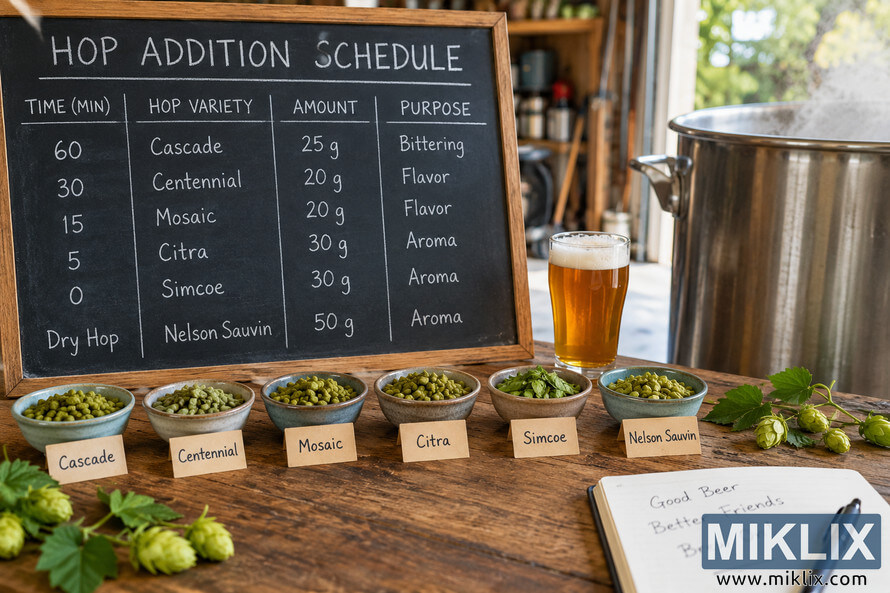
Start your boil timer when the wort reaches a full rolling boil. Add bittering hops precisely at the sixty minute mark for accurate IBU calculations.
Keep track of time carefully throughout the boil. Missing a hop addition by even a few minutes affects the final aroma profile and bitterness balance.
Click or tap the image for more information and higher resolutions.
Post-Boil and Fermentation Additions
After completing the boil, create a whirlpool to settle trub before adding late hops. Allow temperature to drop to around one hundred eighty degrees for optimal aroma extraction.
Whirlpool or steep your late addition Falconer's Flight hops for fifteen to twenty minutes. This extracts maximum aroma without contributing significant bitterness.
Fermentation Monitoring
Track fermentation progress to time your dry hop additions correctly. Most brewers add dry hops when fermentation is seventy to eighty percent complete.
Take gravity readings to confirm fermentation status before dry hopping. This ensures adequate yeast activity for biotransformation of hop compounds.
Temperature Management
Maintain consistent fermentation temperatures throughout the process. Temperature swings can affect hop compound extraction and beer quality.
Consider a brief temperature increase during dry hopping to enhance extraction. Raising to room temperature for two days can improve aroma intensity.
Blending Falconer's Flight with Other Hop Varieties
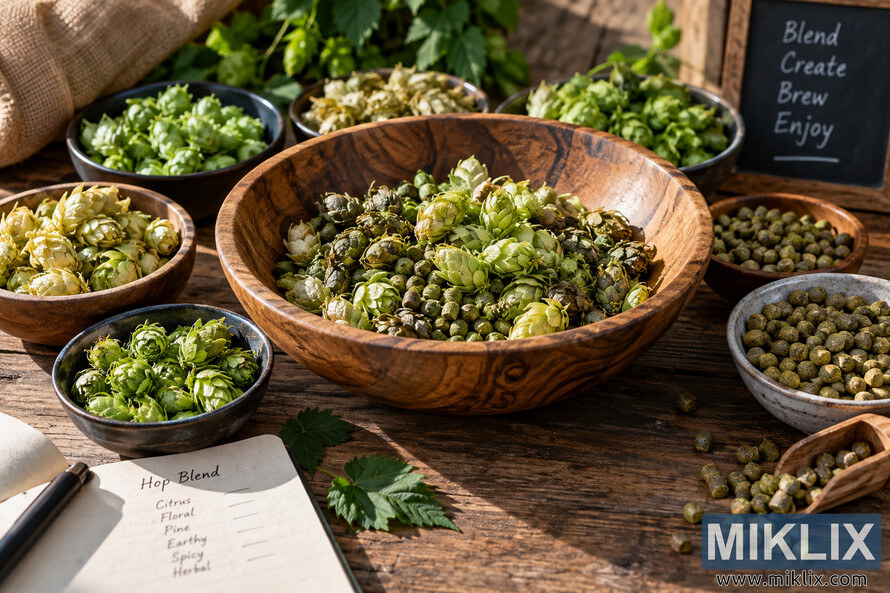
While Falconer's Flight works beautifully as a single-hop variety, blending with complementary hops creates unique aroma profiles. Strategic hop combinations expand your brewing creativity and produce distinctive beers.
Complementary Citrus Varieties
Pairing Falconer's Flight with Citra hops amplifies tropical fruit characteristics. The combination creates intense mango and citrus notes that IPA enthusiasts love.
Mosaic hops blend well with Falconer's Flight to add berry and stone fruit dimensions. This combination works particularly well in hazy IPA recipes.
| Hop Variety | Blend Ratio | Aroma Enhancement | Best Beer Style |
| Citra | 50/50 or 60/40 | Tropical fruit intensity, grapefruit | West Coast IPA, Pale Ale |
| Mosaic | 60/40 or 50/50 | Berry notes, stone fruit | Hazy IPA, NEIPA |
| Amarillo | 70/30 | Orange character, floral | American Pale Ale |
| Simcoe | 60/40 | Pine, earthy depth | Double IPA, IPA |
| Galaxy | 50/50 | Passion fruit, peach | Tropical IPA |
Click or tap the image for more information and higher resolutions.
Creating Balanced Hop Bills
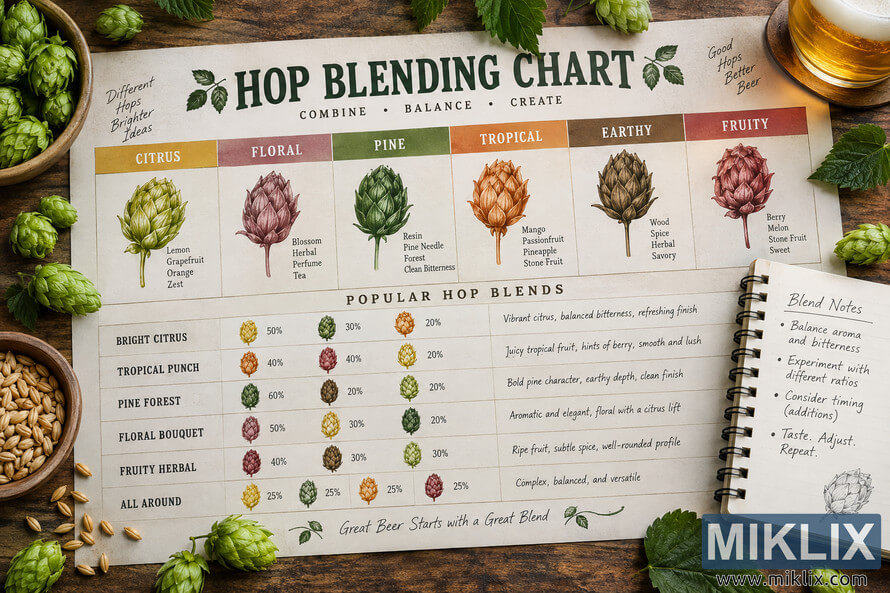
When blending hop varieties, consider how each contributes to different brewing stages. Use Falconer's Flight for consistent baseline character and add specialty hops for unique accents.
Maintain Falconer's Flight as the majority component in blends to preserve its signature profile. A sixty to seventy percent base with complementary varieties works well for most applications.
Experimentation Guidelines
Start with small batch experiments when testing new hop combinations. Five gallon batches allow affordable exploration without significant investment.
Document each blend's characteristics and brewing performance. This record helps refine future recipes and identify successful combinations.
Consider the harvest year characteristics of each hop variety in your blend. Fresh crop hops may have different intensity than older stock.
Click or tap the image for more information and higher resolutions.
Proper Storage for Maintaining Hop Quality
Protecting your Falconer's Flight hops from degradation ensures they deliver optimal aroma and alpha acids content. Proper storage practices preserve hop quality between brew days and across multiple batches.
Temperature and Light Protection
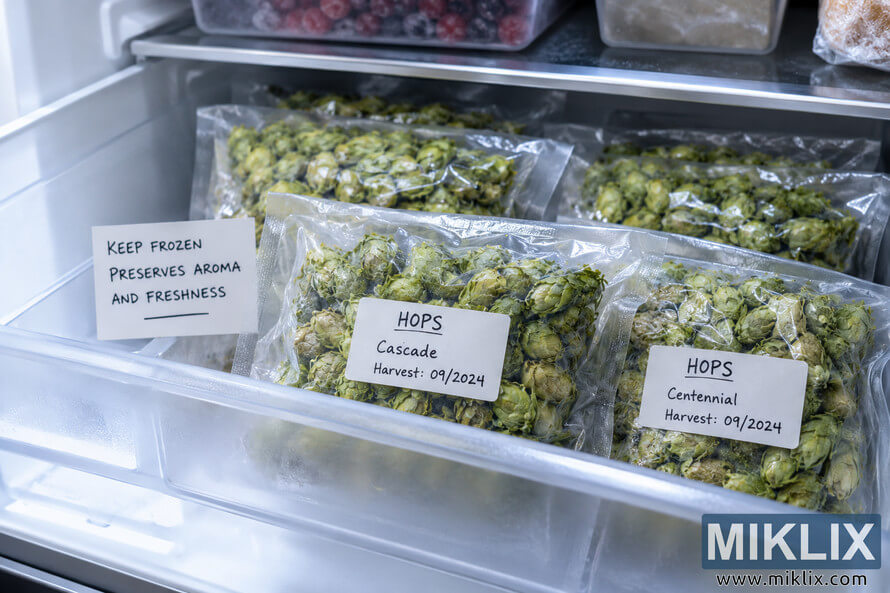
Store unopened hop packages in your freezer for maximum longevity. Freezing temperatures prevent oxidation and maintain alpha beta acids integrity for extended periods.
Refrigerator storage works for short-term needs but offers less protection than freezing. Use refrigerated hops within two to three months for best quality.
Storage Warning: Never store hops at room temperature for extended periods. Heat and light rapidly degrade hop oils and alpha acids, reducing brewing performance and creating off-flavors.
Click or tap the image for more information and higher resolutions.
Oxygen Barrier Methods
Vacuum sealing opened hop packages removes oxygen that causes deterioration. A home vacuum sealer represents an excellent investment for serious homebrewers.
Transfer opened hops to airtight containers or heavy-duty freezer bags if vacuum sealing isn't available. Squeeze out excess air before sealing to minimize oxygen exposure.
Package Integrity
Inspect hop packages for damage before purchase and storage. Compromised packaging allows oxygen infiltration that degrades hop quality.
Original packaging from Yakima Chief Hops includes oxygen barrier materials. Maintain this protection by avoiding unnecessary opening and resealing packages carefully.
Labeling and Organization
Label all stored hops with variety name, harvest year, and alpha acid percentage. This information proves essential for accurate recipe formulation.
Organize your hop inventory by variety and age. Use older stock first to maintain freshness in your brewing rotation.
Recognizing Degraded Hops
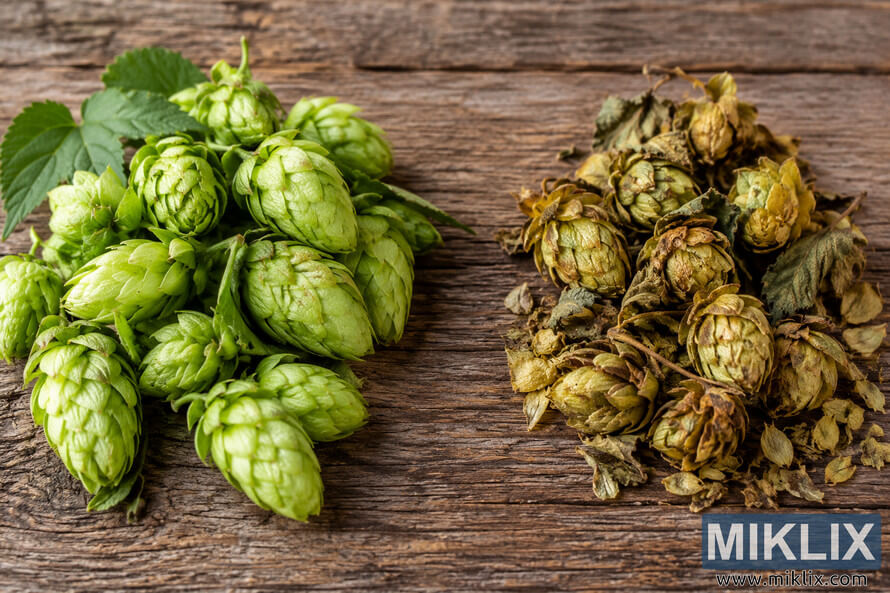
Fresh Falconer's Flight hops display bright green color and strong aromatic character. Degraded hops appear brownish and smell like cheese or old hay.
Rub a few hop pellets between your fingers before each brew day. Fresh hops release intense tropical fruit and citrus aromas immediately.
Click or tap the image for more information and higher resolutions.
Troubleshooting Common Falconer's Flight Brewing Issues
Even experienced homebrewers occasionally encounter challenges when working with specific hop varieties. Understanding common issues with Falconer's Flight helps you diagnose problems and implement solutions.
Insufficient Aroma Intensity
Weak hop aroma often results from inadequate dry hop quantities or poor extraction timing. Increase your dry hop charge by one to two ounces for more pronounced character.
Consider extending dry hop contact time to four or five days if current timing yields insufficient aroma. Temperature during dry hopping also affects extraction efficiency.
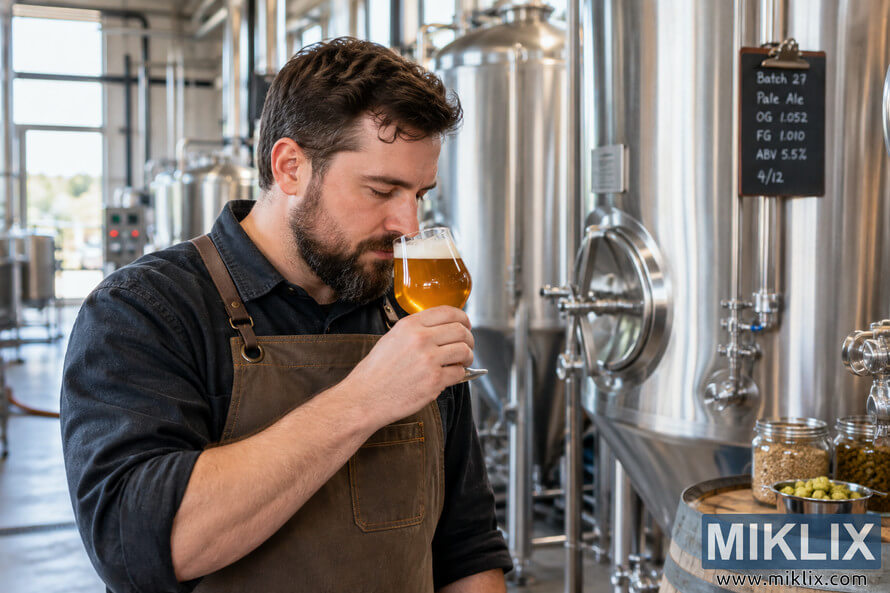
Click or tap the image for more information and higher resolutions.
Why does my beer lack the tropical fruit character I expected?
Several factors can mute tropical fruit characteristics in Falconer's Flight. Old or improperly stored hops lose volatile oil compounds that create these flavors. Verify your hops smell intensely aromatic when crushed.
Insufficient dry hop quantities may also limit aroma expression. Most IPAs require two to four ounces in five gallon batches for pronounced fruit character. Add hops during active fermentation for biotransformation benefits.
My beer tastes grassy or vegetal instead of fruity. What went wrong?
Grassy flavors typically indicate excessive dry hop contact time or too much vegetative hop matter. Remove dry hops after three to five days to prevent this issue.
Using whole cone hops instead of pellets can increase vegetal character. Consider switching to pellet form or using hop bags to contain plant material. Excessive dry hop quantities can also create harshness.
The bitterness seems harsh rather than clean. How can I fix this?
Harsh bitterness often comes from excessive bittering hop additions or boiling hops too long. Verify your alpha acid calculations match the actual percentage on your hop package.
Consider reducing sixty minute additions slightly and compensating with late boil hops. This maintains IBU levels while creating a smoother bitterness profile. Water chemistry also significantly affects bitterness perception.
How do I prevent hop particles in my finished beer?
Use hop bags or stainless steel hop spiders during dry hopping to contain particles. Cold crashing after removing dry hops helps compact remaining hop matter and yeast.
Allow adequate settling time before packaging. Two to three days of cold storage improves clarity significantly. Consider using a secondary fermenter or transferring beer away from hop sediment before bottling or kegging.
Addressing Oxidation Concerns
Oxidation during dry hopping or packaging can destroy hop aroma and create cardboard flavors. Minimize oxygen exposure by using closed transfer methods when possible.
Purge kegs and bottles with carbon dioxide before filling. This creates an oxygen-free environment that preserves hop character longer.
Fermentation Variables
Yeast health affects how hop compounds express in finished beer. Use adequate yeast pitch rates and maintain proper fermentation temperatures.
Some yeast strains biotransform hop compounds more effectively than others. Experiment with different yeasts to find optimal pairings with Falconer's Flight.
Water Chemistry Adjustments
Water mineral content significantly impacts hop flavor perception. Higher sulfate levels enhance hop bitterness and dryness.
Target sulfate to chloride ratios between two-to-one and three-to-one for hoppy beers. This ratio amplifies Falconer's Flight citrus characteristics.
Sample Homebrewing Recipes Using Falconer's Flight
These proven recipes showcase Falconer's Flight hops in different beer styles. Adapt these formulas to your equipment and preferences for successful homebrewing outcomes.
Classic American Pale Ale Recipe
This balanced pale ale recipe highlights the citrus and tropical fruit character of Falconer's Flight without overwhelming malt sweetness. Perfect for introducing friends to hop-forward beers.
| Ingredient | Amount | Percentage | Notes |
| Pale Malt (2-Row) | 9.5 lbs | 90% | Base malt foundation |
| Crystal 40L | 0.75 lbs | 7% | Adds body and sweetness |
| Victory Malt | 0.5 lbs | 3% | Toasty character |
Hop Schedule for Pale Ale
- Falconer's Flight: 0.5 oz at 60 minutes (bittering)
- Falconer's Flight: 0.5 oz at 15 minutes (flavor)
- Falconer's Flight: 1 oz at flame out (aroma)
- Falconer's Flight: 2 oz dry hop for 4 days
Target original gravity of 1.055 and final gravity around 1.012. This produces approximately 5.6% ABV with balanced hop character.
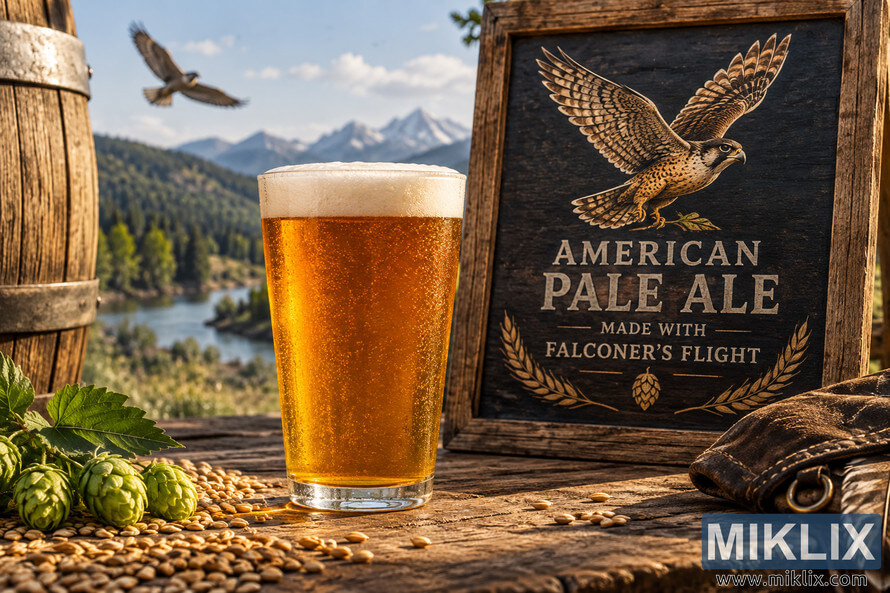
Click or tap the image for more information and higher resolutions.
West Coast IPA Recipe
This IPA recipe emphasizes the clean bitterness and citrus character that define West Coast style. Falconer's Flight provides the perfect hop profile for this classic American approach.
| Ingredient | Amount | Percentage | Notes |
| Pale Malt (2-Row) | 12 lbs | 92% | Clean malt base |
| Crystal 10L | 0.75 lbs | 6% | Light caramel notes |
| Dextrose | 0.5 lbs | 2% | Increases ABV, dries beer |
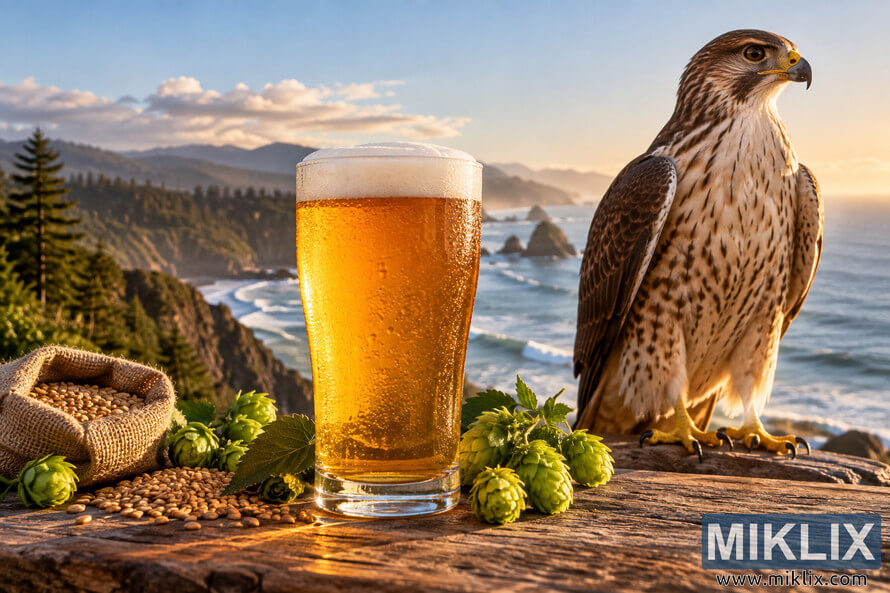
Click or tap the image for more information and higher resolutions.
IPA Hopping Schedule
- Falconer's Flight: 0.75 oz at 60 minutes (bittering to 40 IBU)
- Falconer's Flight: 1 oz at 20 minutes (flavor)
- Falconer's Flight: 1 oz at 5 minutes (late aroma)
- Falconer's Flight: 2 oz whirlpool at 180°F for 20 minutes
- Falconer's Flight: 3 oz dry hop for 4 days
Expected original gravity around 1.065 with final gravity near 1.010. This creates approximately 7.2% ABV with prominent hop aroma.
Session IPA Recipe
This lower alcohol IPA maintains big hop flavor while remaining refreshing and drinkable. Perfect for extended drinking sessions without excessive alcohol impact.
Grain Bill
- Pale Malt (2-Row): 7 lbs (88%)
- Vienna Malt: 0.5 lbs (6%)
- Wheat Malt: 0.5 lbs (6%)
Hop Additions
- 60 minutes: 0.5 oz Falconer's Flight
- 15 minutes: 0.75 oz Falconer's Flight
- Flame out: 1 oz Falconer's Flight
- Dry hop: 2 oz Falconer's Flight for 3 days
Target original gravity of 1.048 and final gravity around 1.010 produces approximately 4.8% ABV. This recipe proves you don't need high alcohol for big hop flavor.
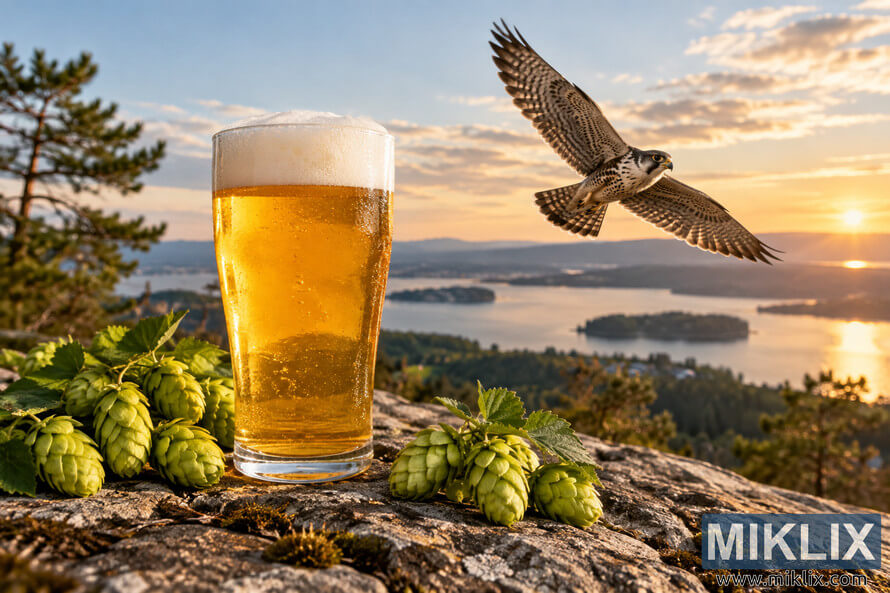
Click or tap the image for more information and higher resolutions.
How Falconer's Flight Compares to Similar Hop Varieties
Understanding how Falconer's Flight relates to other popular hop varieties helps brewers make informed substitution decisions and create unique blends.
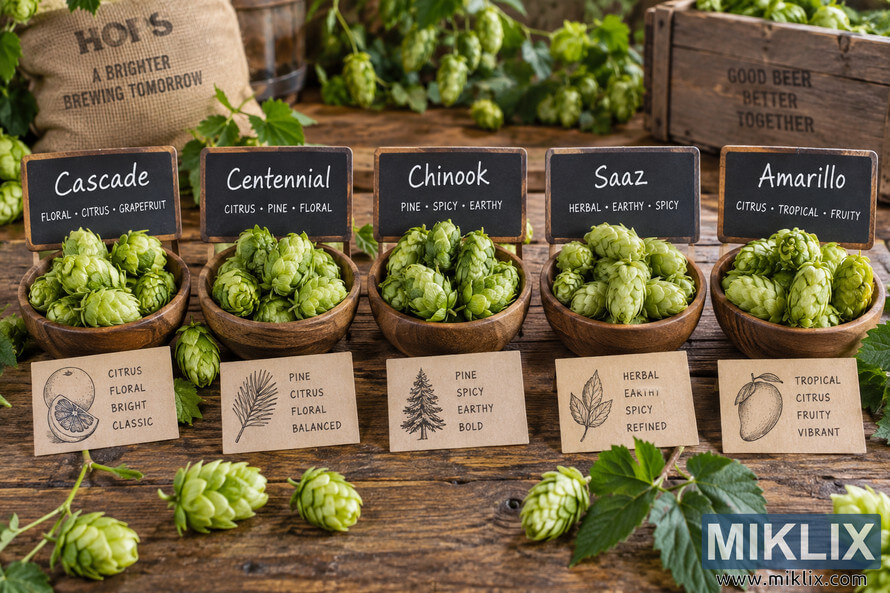
Falconer's Flight vs. Centennial
Centennial hops share some citrus characteristics with Falconer's Flight but deliver more floral notes. Falconer's Flight provides increased tropical fruit complexity compared to Centennial's cleaner citrus profile.
Alpha acids content runs similar between these varieties, making substitution straightforward for bittering purposes. However, the aroma profiles differ enough to create noticeably different beer character.
Falconer's Flight vs. Cascade
Cascade represents the classic American hop variety with its signature grapefruit and floral character. Falconer's Flight offers more intense tropical fruit notes while Cascade emphasizes citrus and flowers.
Brewers often combine these varieties to create layered complexity. The Cascade floral backbone complements Falconer's Flight fruit-forward character beautifully.
Falconer's Flight Strengths
- Intense tropical fruit character
- Complex aroma profile from hop blend
- Consistent quality from Yakima Chief
- Moderate alpha acids for versatility
- Works as single-hop or in blends
Centennial Strengths
- Clean citrus and floral aroma
- Predictable brewing performance
- Widely available year-round
- Lower cost than specialty blends
- Classic American hop character
Cascade Strengths
- Iconic grapefruit character
- Balanced floral undertones
- Industry standard availability
- Historical American ale hop
- Excellent blending foundation
Click or tap the image for more information and higher resolutions.
Understanding Hop Substitutions
When substituting Falconer's Flight in recipes, consider both alpha acid levels and aroma characteristics. Calculate adjustments based on the specific alpha acids percentage of your substitute hop.
No single variety perfectly replicates Falconer's Flight due to its proprietary blend nature. Creating your own blend of Centennial, Cascade, and Amarillo can approximate the character.
Advanced Techniques for Experienced Brewers
Experienced homebrewers can push Falconer's Flight performance further through specialized techniques. These advanced methods create unique results beyond standard brewing approaches.
Hop Bursting and Late Addition Focus
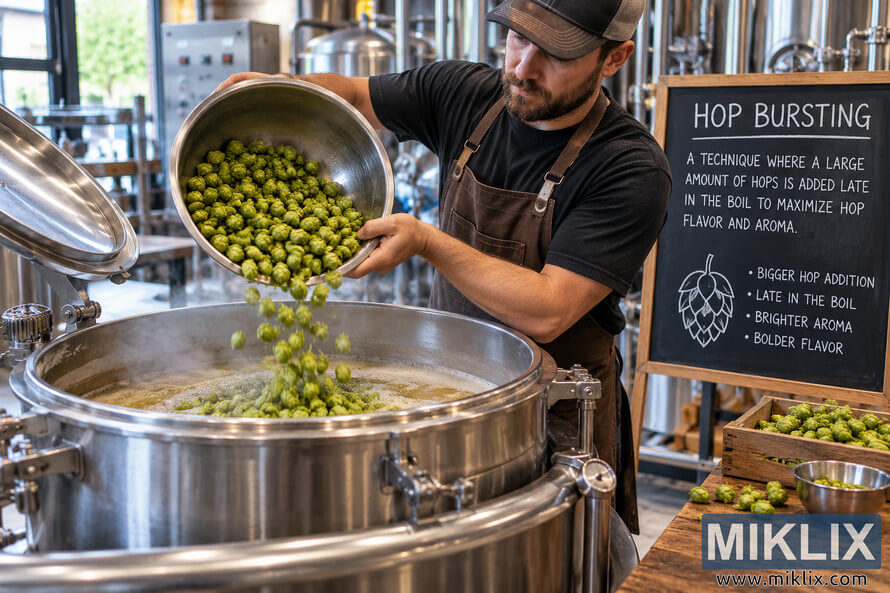
Hop bursting concentrates additions in the final twenty minutes of the boil. This technique maximizes flavor and aroma while minimizing harsh bitterness.
Add three to five ounces of Falconer's Flight between twenty minutes and flame out. The concentrated late additions create intense citrus and tropical fruit character.
Advanced Tip: Combine hop bursting with a small first wort hop addition for subtle complexity. Use just 0.25 ounces of Falconer's Flight in your first wort to add a smooth background bitterness that complements late addition character.
Click or tap the image for more information and higher resolutions.
Biotransformation Dry Hopping
Adding dry hops during active fermentation allows yeast to transform hop compounds into unique flavors. This biotransformation process creates tropical fruit characteristics not possible with traditional dry hopping.
Add one to two ounces of Falconer's Flight when fermentation reaches high krausen. The yeast modifies hop oils into enhanced fruit esters and complex aromatics.
Temperature Manipulation
Strategic temperature changes during dry hopping affect extraction efficiency. Start dry hopping at fermentation temperature, then raise to sixty-eight degrees Fahrenheit for enhanced extraction.
This technique pulls maximum aroma from your hops without creating harsh vegetative flavors. The controlled temperature increase accelerates the extraction process.
Sequential Dry Hopping
Split your dry hop charge into two or three additions over several days. This creates layered complexity as different hop additions contribute at various fermentation stages.
Start with a small charge at high krausen, add the main dose near final gravity, and finish with a final aroma charge two days before packaging.
Water Chemistry Optimization
Fine-tuning your brewing water enhances how Falconer's Flight characteristics express in finished beer. Sulfate and chloride balance significantly impacts hop perception.
Target sulfate levels between one hundred fifty and three hundred parts per million for hop-forward beers. This mineral enhances hop bitterness and creates a crisp, dry finish that showcases aroma.
| Water Profile | Sulfate (ppm) | Chloride (ppm) | Ratio | Best For |
| Balanced | 150 | 100 | 1.5:1 | Pale Ale, balanced styles |
| Hop Forward | 250 | 100 | 2.5:1 | West Coast IPA |
| Aggressive Hops | 300 | 75 | 4:1 | Double IPA, intense hop beers |
| Soft and Juicy | 100 | 150 | 1:1.5 | Hazy IPA, New England style |
Final Thoughts on Brewing with Falconer's Flight Hops
Falconer's Flight hops offer homebrewers a reliable path to creating outstanding craft beer. The proprietary blend from Yakima Chief Hops delivers consistent tropical fruit and citrus characteristics that define modern American ale styles.
From understanding alpha beta acids content to mastering dry hop techniques, the knowledge in this guide empowers you to extract maximum value from this versatile hop variety. Whether brewing your first pale ale or perfecting an award-worthy IPA recipe, Falconer's Flight provides the aroma profile craft beer enthusiasts crave.
The hop's moderate alpha acids level and complex oil composition make it suitable for various applications throughout the brewing process. Use it for bittering, flavor, aroma, or focus exclusively on late additions and dry hop character.
Success with Falconer's Flight requires attention to storage, proper usage rates, and technique execution. Fresh hops stored correctly deliver the intense fruit character that makes this variety special. Calculate your additions carefully based on the specific alpha acid percentage of your harvest year.
Remember that brewing remains both science and art. While this guide provides technical foundations, experimentation helps you discover what works best with your equipment and water profile. Take notes on each batch to refine your approach over time.
The brewing community continues to find new applications for Falconer's Flight in innovative beer styles. From classic West Coast IPAs to experimental hop combinations, this variety adapts to creative brewing vision while maintaining its signature character.
Your journey with Falconer's Flight hop starts with quality ingredients from trusted suppliers like Yakima Chief Hops. Support the cooperative of growers who cultivate these exceptional hops in Washington's Yakima Valley. Their commitment to quality and consistency ensures reliable results for homebrewers and professional brewers alike.
Now you possess the knowledge to brew confidently with one of craft brewing's most beloved hop varieties. Gather your ingredients, plan your recipe, and create outstanding beer that showcases the tropical fruit and citrus magic of Falconer's Flight hops.

Click or tap the image for more information and higher resolutions.
Further Reading
If you enjoyed this post, you may also like these suggestions: