
Hops in Beer Brewing: Neo1
Published: October 15, 2026 at 7:40:36 PM UTC
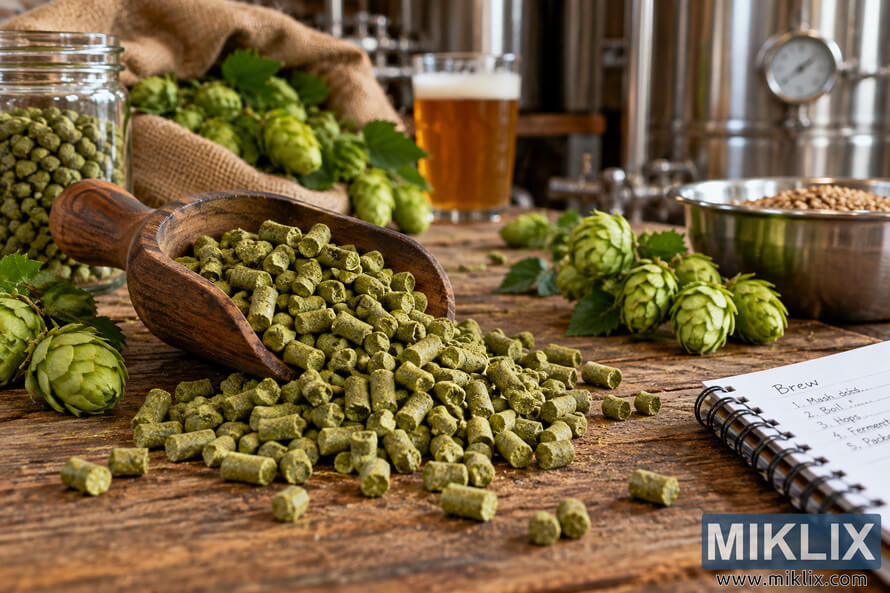
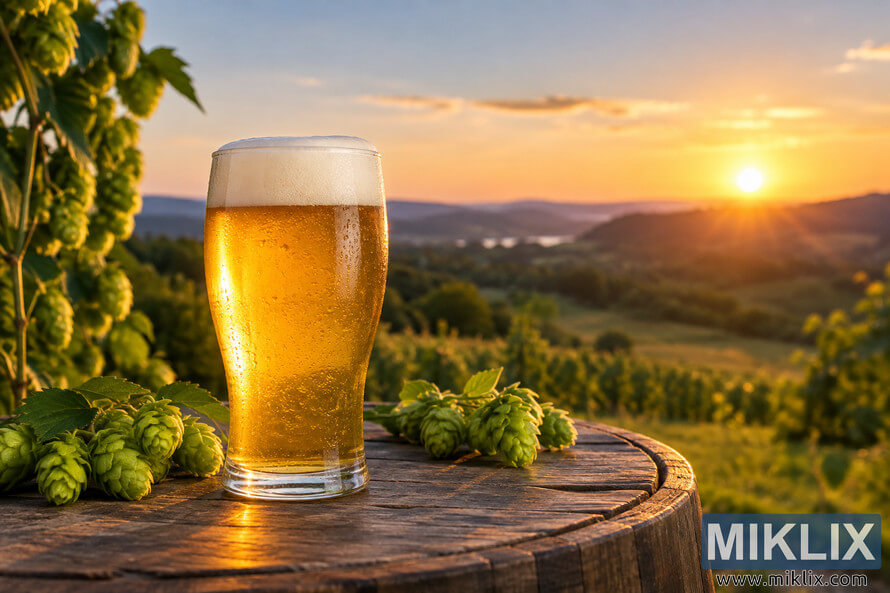
Neo1 is an American aroma hop developed in New Mexico, known for its bright citrus character with notes of lemon, lime, and subtle tropical fruit—an intriguing choice for pale ales, IPAs, wheat beers, and other refreshing homebrews.
Click or tap the image for more information and higher resolutions.
Neo1 hops represent an exciting development in modern brewing. This innovative hop variety delivers distinctive citrus and tropical notes that elevate beer recipes. Homebrewers across the United States continue to discover the unique characteristics this hop brings to their craft.
Understanding Neo1 hops opens new possibilities for your brewing adventures. Whether you craft IPAs or experiment with session beers, this guide helps you master this versatile ingredient. You'll learn proper usage rates, timing recommendations, and storage best practices.
The following sections cover everything from basic characteristics to advanced brewing techniques. Each topic provides actionable insights you can apply immediately to your next batch.
Click or tap the image for more information and higher resolutions.
Origin and Development of Neo1 Hops
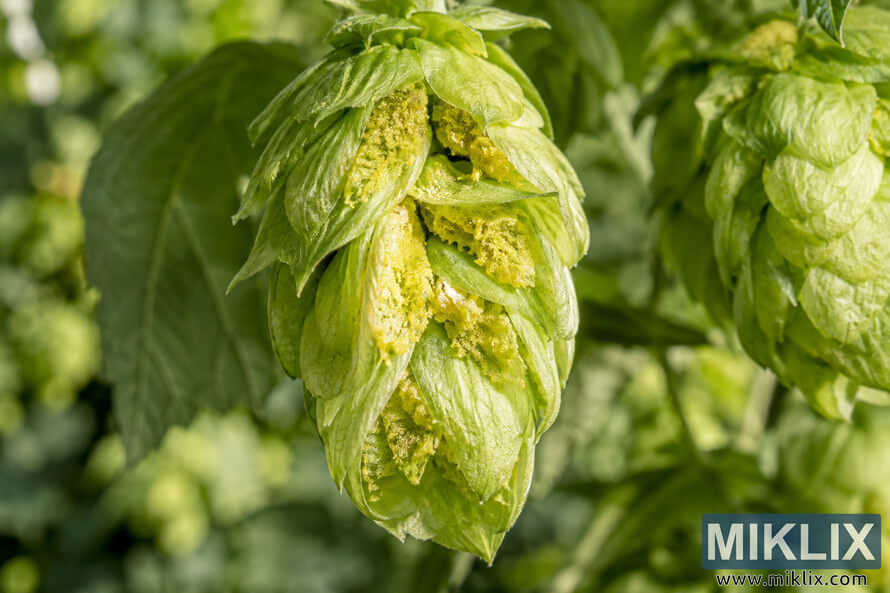
Neo1 hops emerged from selective breeding programs focused on creating new flavor profiles. Hop breeders developed this variety to meet growing demand for citrus-forward characteristics. The development process took several years of careful cultivation and testing.
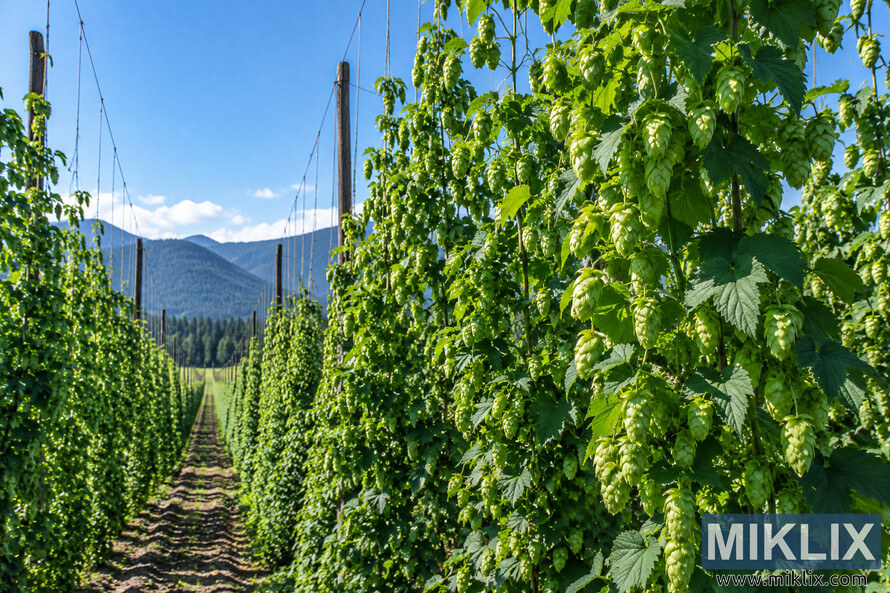
This hop variety grows primarily in the Pacific Northwest region. The climate there provides ideal conditions for hop cultivation. Growers appreciate Neo1 for its consistent yields and disease resistance.
Commercial availability has expanded significantly since its introduction. More hop farms now dedicate acreage to Neo1 production. This increased supply has made the variety more accessible to homebrewers nationwide.
The breeding goals emphasized both brewing performance and agricultural viability. Farmers find Neo1 relatively easy to grow compared to some specialty varieties. This reliability helps keep the price competitive in the market.
Click or tap the image for more information and higher resolutions.
Neo1 Hops Characteristics and Flavor Profile
Alpha Acid Content and Bittering Properties
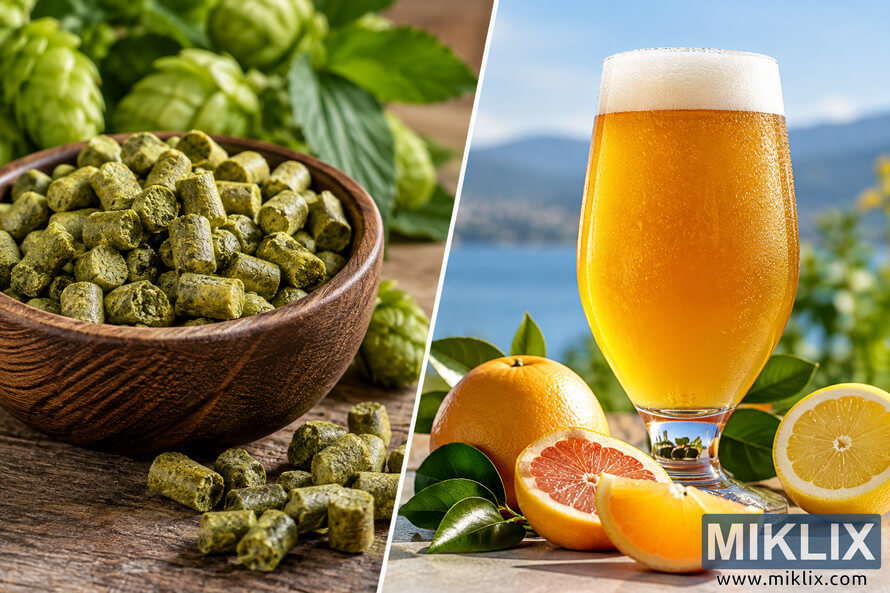
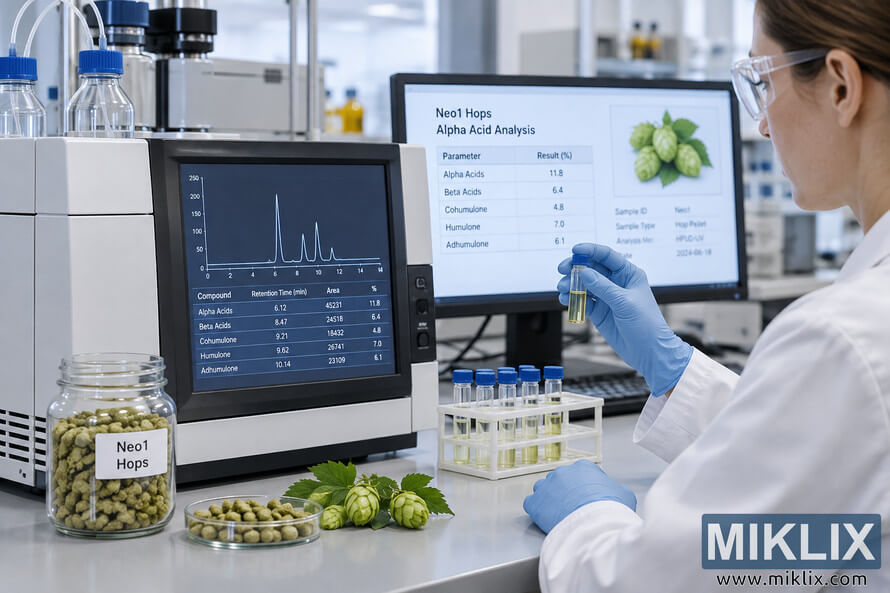
Neo1 hops typically contain 13-15% alpha acids. This moderate to high level provides solid bittering potential. Brewers can use Neo1 for both bittering and aroma additions.
The alpha acid range makes this hop versatile for various beer styles. You get clean bitterness without harsh edges. The bittering quality remains smooth even at higher rates.
Co-humulone levels in Neo1 measure around 24-28% of total alpha acids. This percentage contributes to the hop's smooth bittering character. Lower co-humulone typically means less harsh bitterness.
Click or tap the image for more information and higher resolutions.
Alpha Acid Breakdown
- Total alpha acids: 13-15%
- Co-humulone ratio: 24-28%
- Bittering strength: Moderate to high
- Stability during storage: Good
Bittering Characteristics
- Clean, smooth bitterness profile
- No harsh or astringent notes
- Works well in early boil additions
- Pairs effectively with other hops
Click or tap the image for more information and higher resolutions.
Aroma and Flavor Descriptors
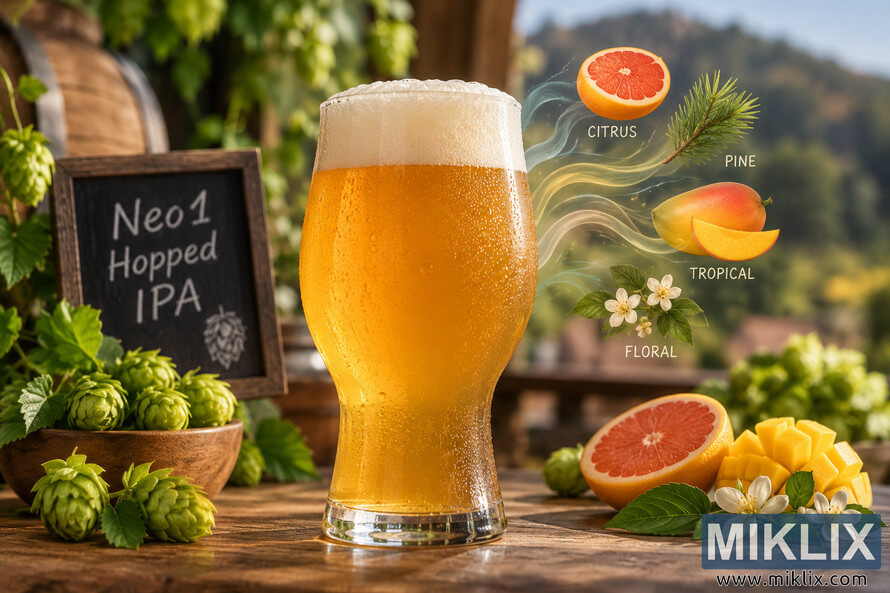
Neo1 delivers pronounced citrus characteristics as its primary flavor note. Brewers detect bright orange and lemon qualities. These citrus notes remain prominent in both aroma and taste.
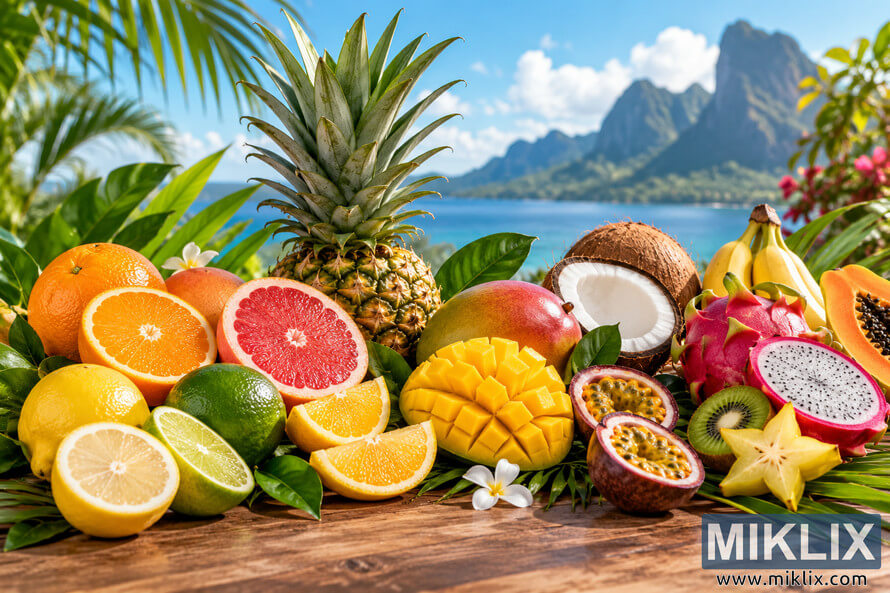
Tropical fruit undertones complement the citrus foundation. You'll notice hints of passion fruit and mango. Some brewers also identify subtle pineapple characteristics.
Click or tap the image for more information and higher resolutions.
Floral elements provide additional complexity to the hop profile. Light floral notes appear in the background. These qualities add depth without overwhelming the fruit-forward character.
The overall impression is bright and refreshing. Neo1 hops create vibrant sensory experiences. This makes them particularly suitable for hop-forward beer styles.
Click or tap the image for more information and higher resolutions.
Best Beer Styles for Neo1 Hops
Click or tap the image for more information and higher resolutions.
India Pale Ales (IPAs)
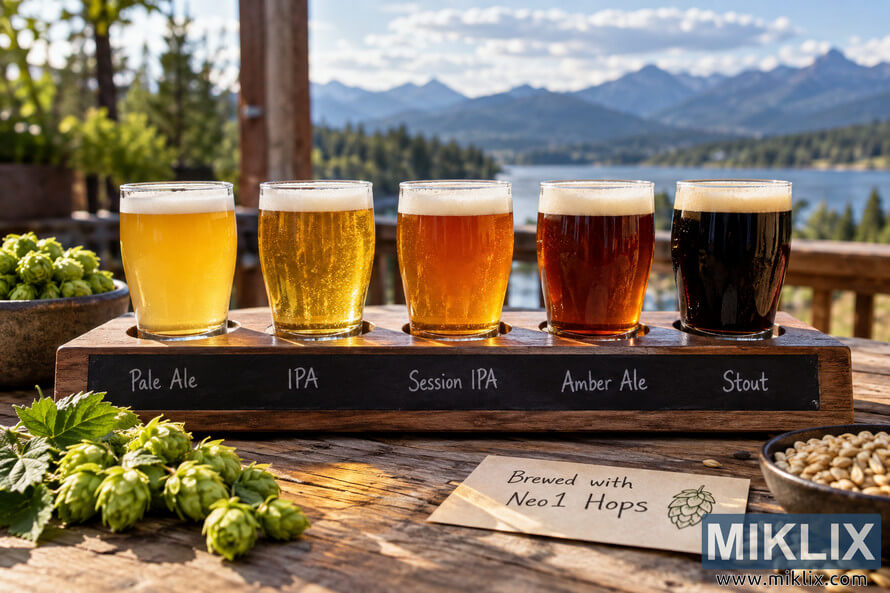
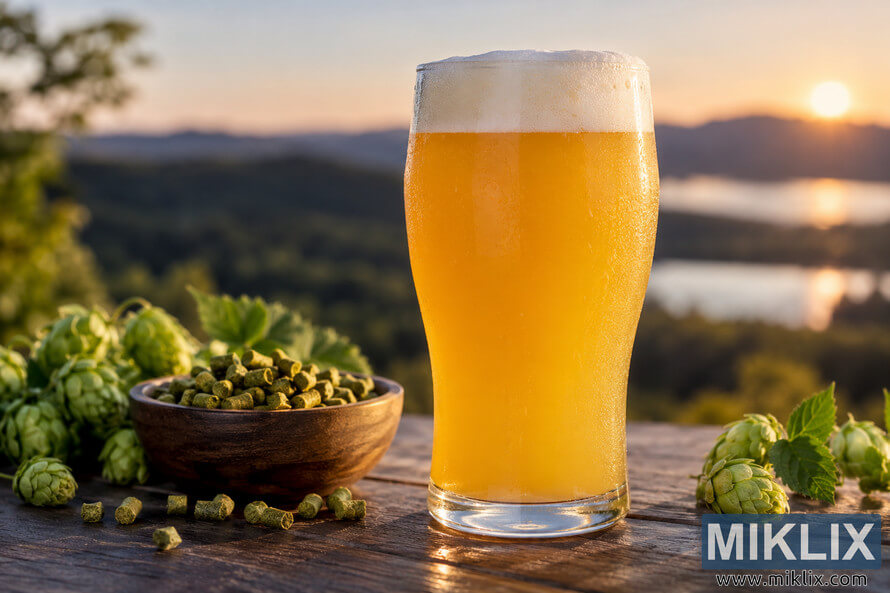
Neo1 hops excel in IPA recipes. The citrus and tropical characteristics align perfectly with modern IPA expectations. Many commercial breweries feature Neo1 in their hop-forward offerings.
West Coast IPAs benefit from Neo1's clean bitterness. The hop provides both the punch and aroma these styles demand. You can use Neo1 as a single-hop showcase or blend it with complementary varieties.
Hazy IPAs also showcase Neo1 effectively. The bright fruit notes complement the soft mouthfeel. The hop contributes to the juicy character these beers are known for.
Click or tap the image for more information and higher resolutions.
Pale Ales and Session Beers
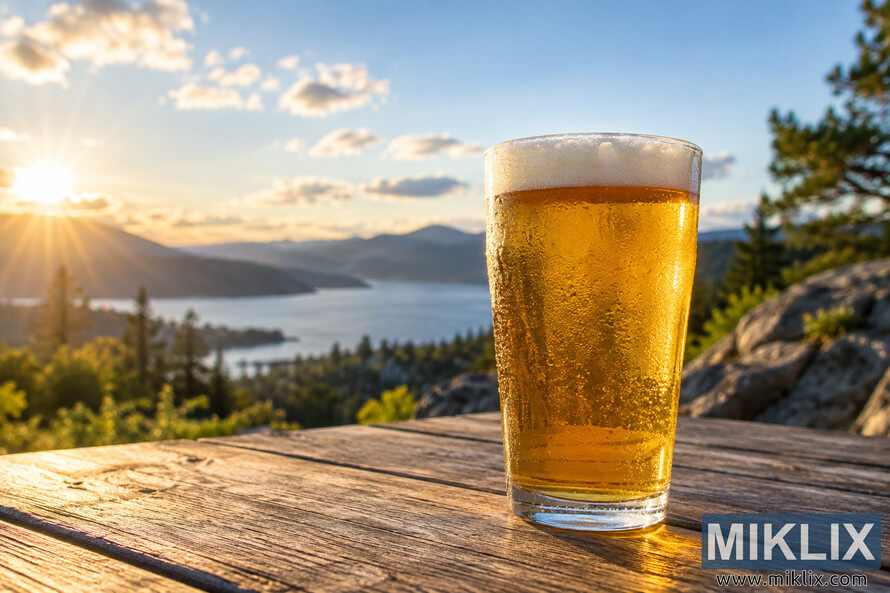
American Pale Ales gain excellent character from Neo1 additions. The hop provides enough presence without overwhelming the malt. This balance makes for highly drinkable beers.
Session IPAs work particularly well with Neo1 hops. You get big hop flavor despite lower alcohol content. The vibrant citrus notes keep the beer interesting and refreshing.
Blonde ales can feature Neo1 for a citrus twist. Even small additions create noticeable impact. These lighter styles let the hop's fruit character shine through clearly.
Click or tap the image for more information and higher resolutions.
IPAs (Best Match)
- West Coast IPA
- Hazy/New England IPA
- Double IPA
- Belgian IPA
- Brut IPA
Pale Ales (Excellent)
- American Pale Ale
- Session IPA
- Blonde Ale
- Golden Ale
- Cream Ale
Experimental Styles
- Fruit-forward Saisons
- Hoppy Lagers
- Wheat IPAs
- Citrus-accented Sours
- Summer Seasonals
Other Compatible Styles
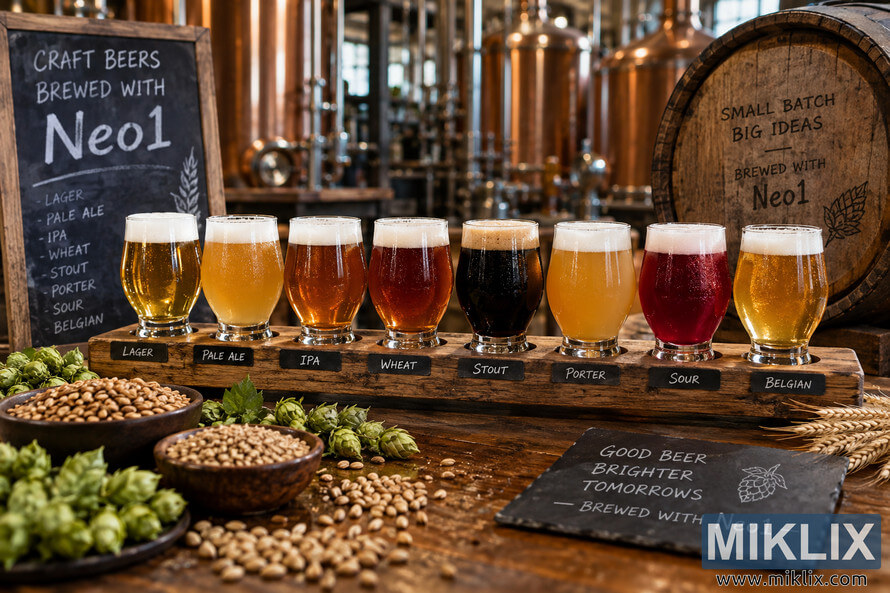
Wheat beers gain interesting dimension from light Neo1 additions. The citrus notes enhance the style's natural refreshing qualities. Use restraint to avoid overpowering the wheat character.
Some brewers experiment with Neo1 in Belgian-style beers. The hop's fruit notes can complement yeast esters. This requires careful balancing to maintain style authenticity.
Specialty hoppy lagers increasingly feature Neo1 hops. The variety adds character while maintaining lager crispness. This combination appeals to hop lovers who prefer lighter body.
Click or tap the image for more information and higher resolutions.
Usage Rates and Timing Recommendations
First Wort Hopping
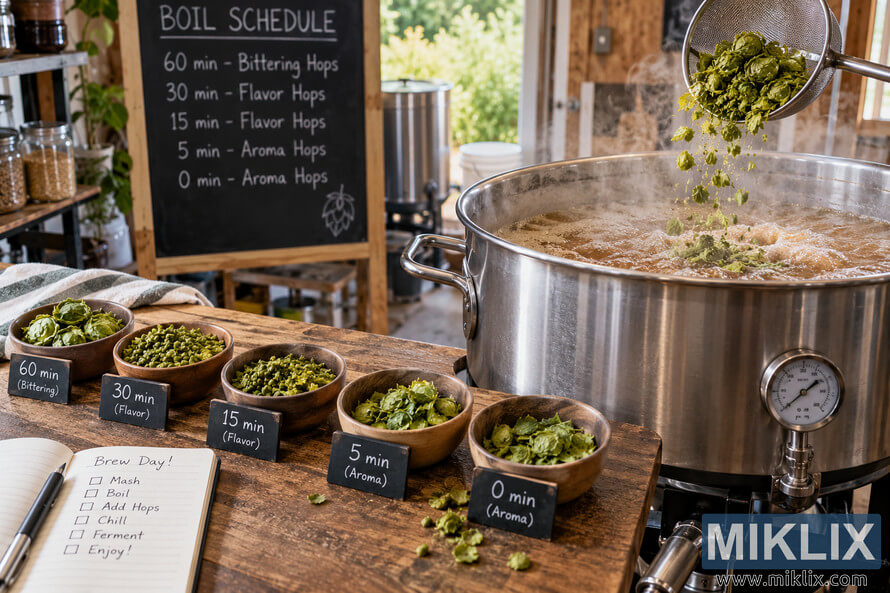
First wort hopping with Neo1 provides smooth bitterness foundation. Add 0.5 to 1 oz per 5-gallon batch to the kettle before sparging begins. This technique extracts clean bitterness with enhanced hop flavor.
The extended contact time during runoff mellows the hop character. You get bitterness without harshness. This method works particularly well for balanced pale ales.
Click or tap the image for more information and higher resolutions.
Boil Additions
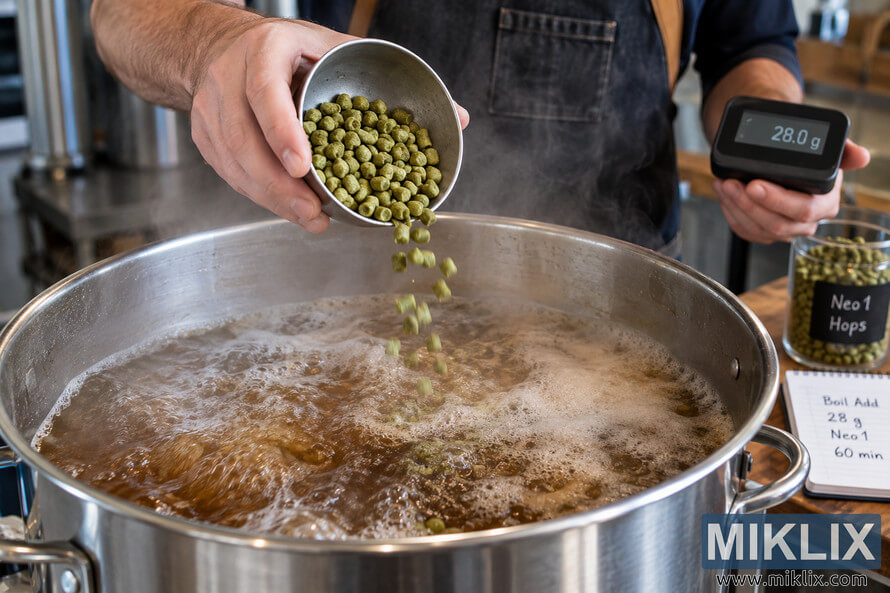
Sixty-minute additions extract maximum bitterness from Neo1 hops. Use 0.5 to 1.5 oz per 5-gallon batch depending on desired IBU level. This early timing focuses on bittering rather than aroma.
Twenty-minute additions balance bitterness and flavor contributions. Add 0.5 to 1 oz at this timing for mid-palate hop presence. The citrus character begins to emerge at this point.
Five-minute additions emphasize flavor over bitterness. Use 1 to 2 oz for significant late-hop character. The short boil time preserves volatile aromatic compounds.
Click or tap the image for more information and higher resolutions.
Whirlpool and Flameout
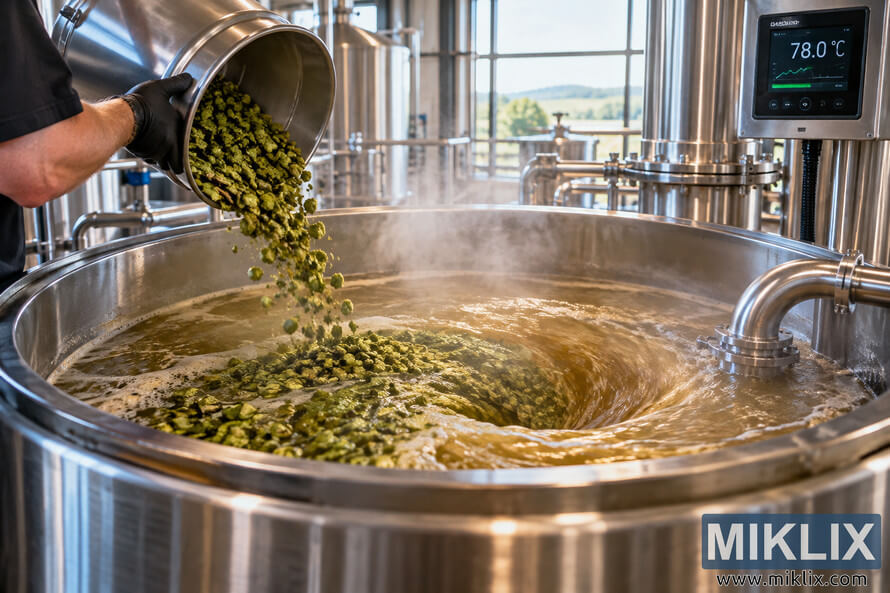
Whirlpool additions maximize Neo1's aroma potential. Add 1 to 3 oz after turning off heat. Let the hops steep for 15-30 minutes at 170-180°F for best results.
Temperature control during whirlpool affects final character. Higher temperatures extract more bitterness alongside aroma. Lower temperatures emphasize pure aromatic qualities.
Click or tap the image for more information and higher resolutions.
Dry Hopping
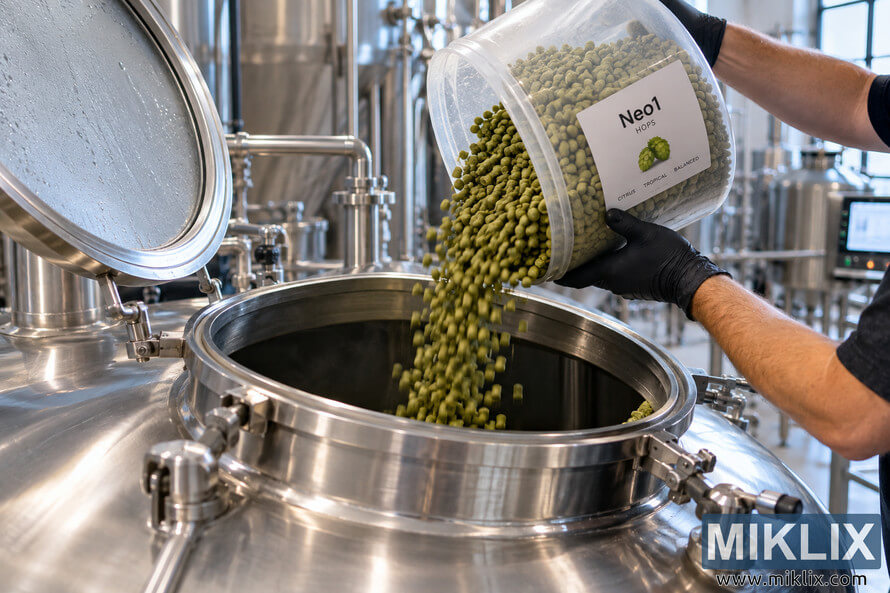
Dry hopping showcases Neo1's brightest aromatic qualities. Add 2 to 4 oz per 5-gallon batch during or after primary fermentation. Contact time of 3-7 days produces optimal results.
Temperature during dry hopping influences extraction efficiency. Room temperature or slightly cooler works well. Avoid excessive heat which can create grassy off-flavors.
Multiple dry hop additions create layered complexity. Consider splitting your dry hop into two additions. This technique extends hop aroma freshness.
Click or tap the image for more information and higher resolutions.
| Addition Timing | Amount (5 gal) | Primary Purpose | Contact Time | Temperature |
| First Wort | 0.5-1 oz | Smooth bittering | 60+ minutes | Boiling |
| 60 Min Boil | 0.5-1.5 oz | Maximum bittering | 60 minutes | Boiling |
| 20 Min Boil | 0.5-1 oz | Flavor balance | 20 minutes | Boiling |
| 5 Min Boil | 1-2 oz | Flavor emphasis | 5 minutes | Boiling |
| Whirlpool | 1-3 oz | Aroma extraction | 15-30 minutes | 170-180°F |
| Dry Hop | 2-4 oz | Maximum aroma | 3-7 days | 65-70°F |
Brewing Tips and Best Practices
Click or tap the image for more information and higher resolutions.
Water Chemistry Considerations
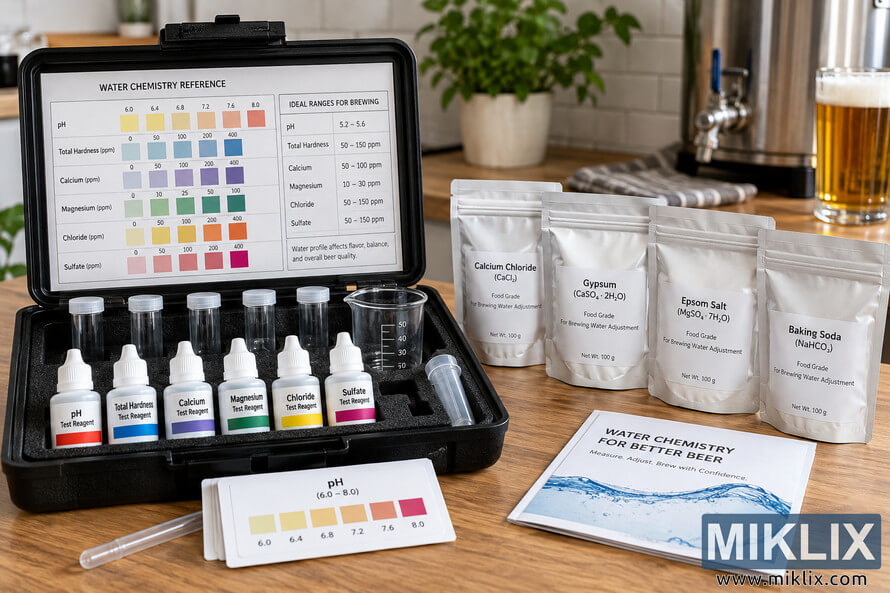
Water profile significantly impacts how Neo1 hops express themselves. Higher sulfate levels accentuate hop bitterness and dryness. A 2:1 sulfate to chloride ratio works well for hop-forward styles.
Moderate chloride content can soften Neo1's citrus edge slightly. This creates a rounder mouthfeel. Experiment with ratios to find your preferred balance.
pH management affects hop utilization during the boil. Aim for mash pH between 5.2 and 5.4. Proper pH improves both extraction efficiency and final beer quality.
Click or tap the image for more information and higher resolutions.
Oxidation Prevention
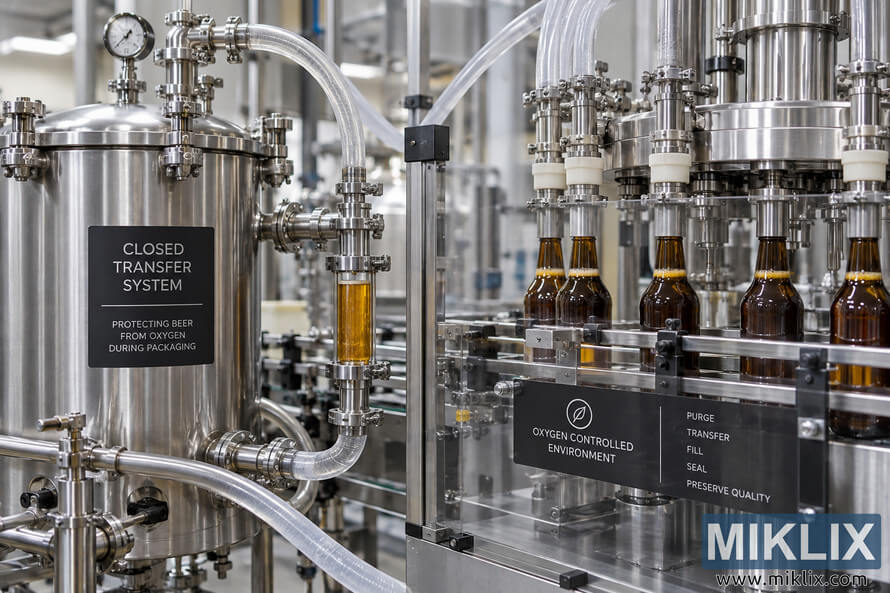
Minimizing oxygen exposure preserves Neo1's aromatic qualities. Purge vessels with CO2 when possible during transfers. This practice maintains hop freshness throughout the process.
Cold-side oxidation particularly threatens hop-forward beers. Keep temperatures low during dry hopping and packaging. Speed is your friend once fermentation completes.
Package Neo1-hopped beers promptly after dry hopping completes. Every day of delay costs aroma intensity. Fresh is always best with hop-forward styles.
Click or tap the image for more information and higher resolutions.
Fermentation Temperature Control
Fermentation temperature influences hop expression in the finished beer. Standard ale temperatures work well with Neo1. Maintain consistency throughout primary fermentation.
Temperature stability prevents stress-related off-flavors that compete with hop character. Use temperature control if available. Even simple cooling methods improve results significantly.
Best Practices for Neo1
- Store hops vacuum-sealed in freezer
- Use fresh hops whenever possible
- Control fermentation temperature carefully
- Minimize oxygen exposure post-fermentation
- Package promptly after dry hopping
- Monitor water chemistry adjustments
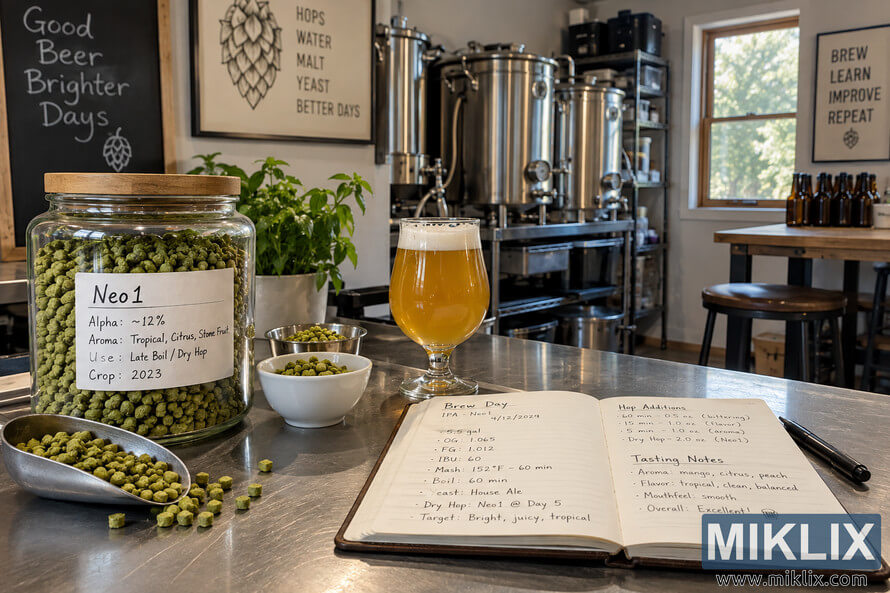
- Keep detailed brewing notes
Common Mistakes to Avoid
- Using old or improperly stored hops
- Excessive dry hop contact time
- Hot-side aeration during transfers
- Ignoring water chemistry impacts
- Delaying packaging after completion
- Over-hopping without malt balance
- Skipping temperature control measures
Malt Bill Considerations
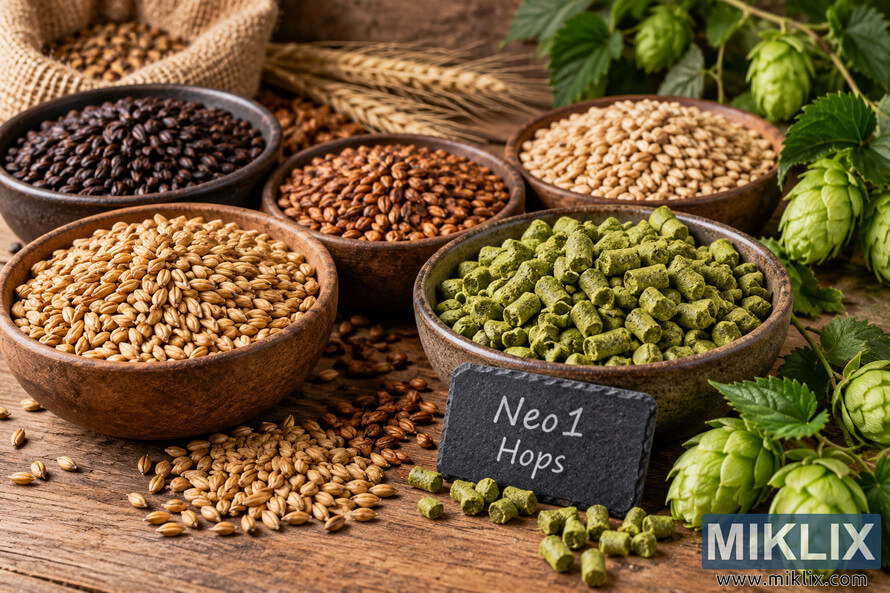
Base malt selection affects how Neo1 characteristics come through. Pale malt varieties provide clean canvas for hop expression. Two-row pale malt remains the most popular choice.
Light crystal malts can add complexity without overwhelming hops. Keep specialty grains under 10% for hop-forward styles. The malt should support rather than compete.
Mouthfeel matters in showcasing hop character. Adding small amounts of oats or wheat improves body. This helps carry Neo1's aromatic oils throughout the sip.
Click or tap the image for more information and higher resolutions.
Yeast Selection
Clean fermenting ale strains let Neo1 shine brightest. American ale yeasts work particularly well. They produce minimal competing esters or phenols.
Neutral character allows citrus and tropical notes to dominate. Popular choices include US-05 and WLP001. These strains have proven track records with hop-forward beers.
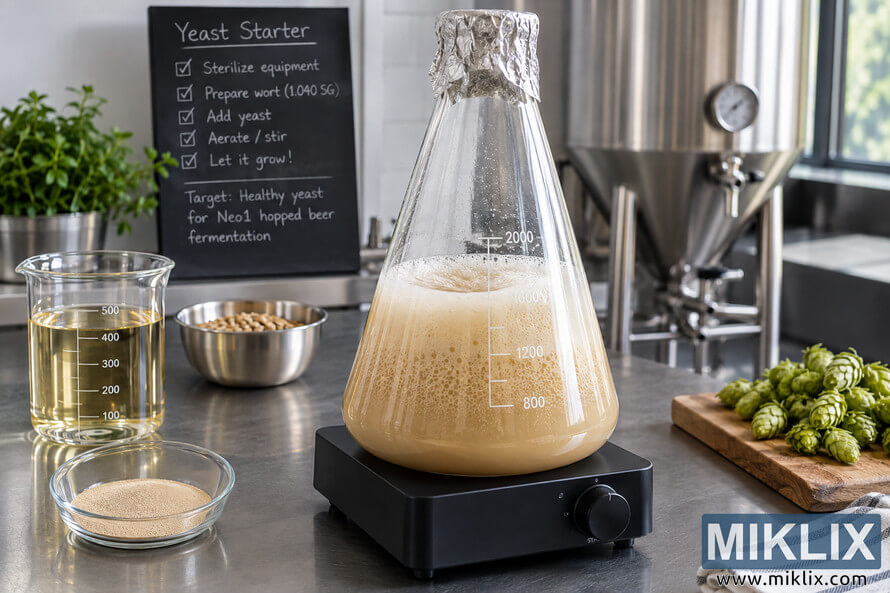
Proper yeast health ensures complete fermentation. Make starters for liquid yeasts when appropriate. Healthy yeast produces cleaner beer that better showcases Neo1 hops.
Click or tap the image for more information and higher resolutions.
Comparison with Other Popular Hop Varieties
Neo1 vs. Citra
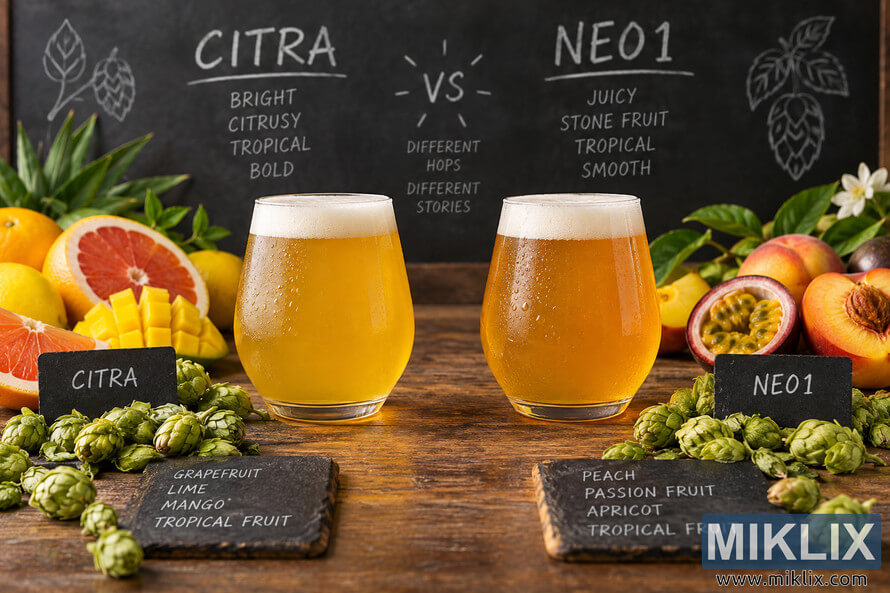
Citra hops share citrus characteristics with Neo1 but differ in specifics. Citra leans more toward grapefruit and lime. Neo1 emphasizes orange and tropical notes more prominently.
Alpha acid levels are comparable between these varieties. Both work well in similar beer styles. The choice often comes down to specific flavor preferences.
Price and availability may influence your decision. Citra remains more widely available in many markets. Neo1 represents a newer option gaining distribution.
Click or tap the image for more information and higher resolutions.
Neo1 vs. Mosaic
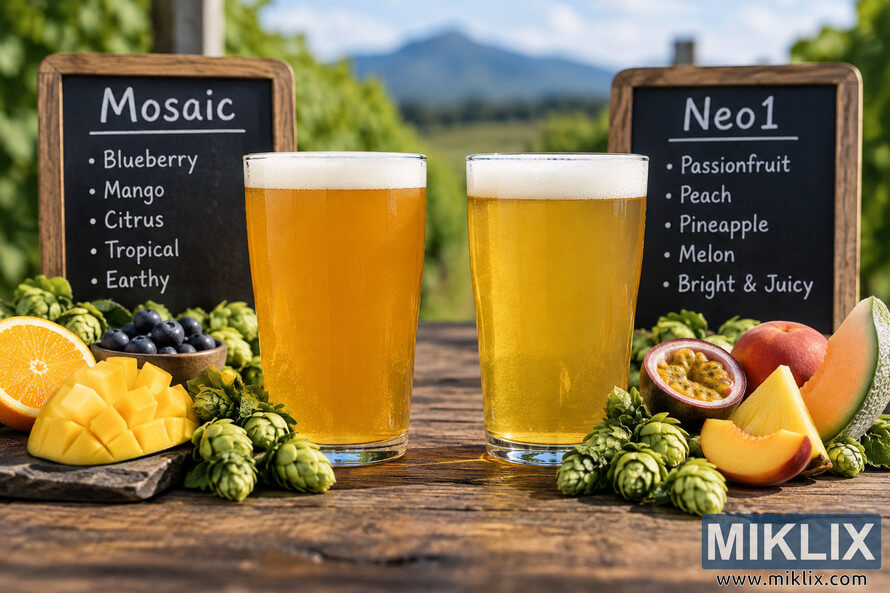
Mosaic brings more complex fruit characteristics than Neo1. Mosaic includes berry notes alongside citrus elements. Neo1 offers a cleaner, more focused citrus profile.
Both hops excel in modern IPA recipes. Mosaic tends toward higher alpha acids typically. This gives it slightly more bittering potential per ounce.
Blending Neo1 and Mosaic creates interesting layered hop character. The combination offers complexity neither provides alone. This pairing has become popular in commercial brewing.
Click or tap the image for more information and higher resolutions.
Neo1 vs. Amarillo
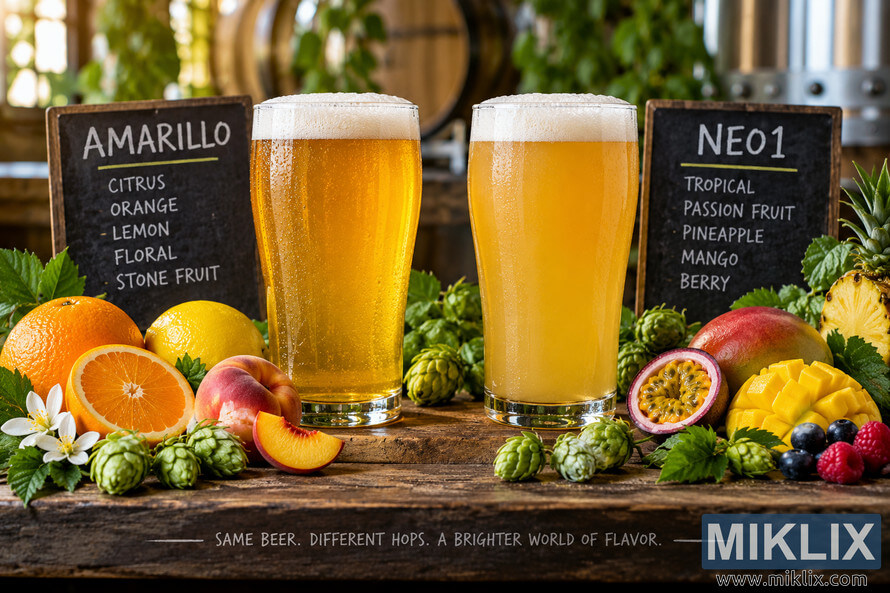
Amarillo hops provide orange citrus notes similar to Neo1. Amarillo adds more floral character comparatively. Neo1 pushes tropical fruit aspects harder.
Amarillo has been available longer and enjoys wider recognition. Neo1 offers a fresh alternative to the classic profile. Both work excellently as single-hop showcases.
Click or tap the image for more information and higher resolutions.
| Hop Variety | Alpha Acids | Primary Flavors | Best Used For | Availability |
| Neo1 | 13-15% | Citrus, tropical, light floral | IPAs, pale ales, aroma | Good and growing |
| Citra | 11-13% | Grapefruit, lime, tropical | IPAs, pale ales, wheat beers | Excellent |
| Mosaic | 11.5-13.5% | Berry, citrus, pine, earthy | IPAs, pale ales, complex beers | Excellent |
| Amarillo | 8-11% | Orange, floral, grapefruit | Pale ales, IPAs, ambers | Very good |
| Centennial | 9.5-11.5% | Citrus, floral, pine | IPAs, pale ales, classic styles | Excellent |
Using Neo1 in Hop Blends
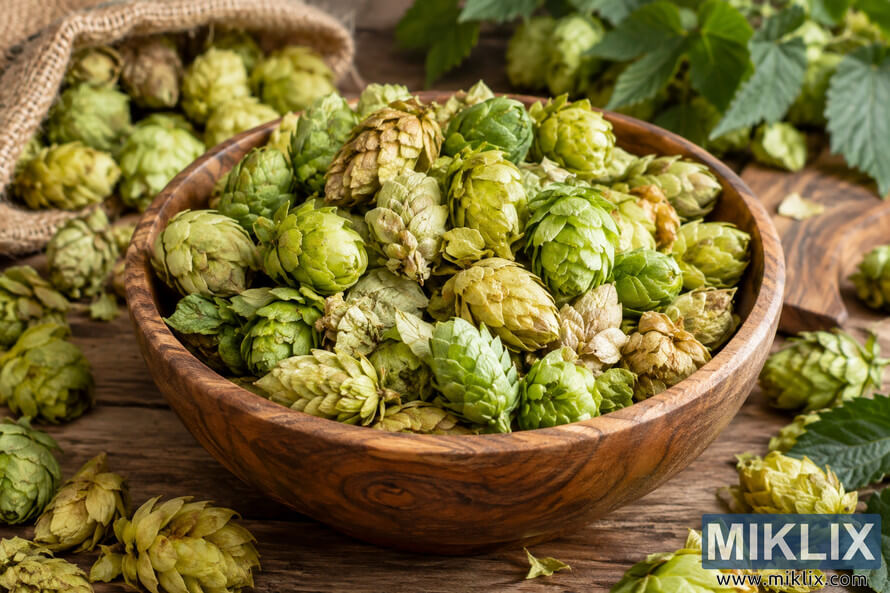
Neo1 blends well with piney or dank varieties. Pairing with Simcoe or Chinook adds depth. The citrus brightness balances resinous characteristics nicely.
Combining Neo1 with other citrus hops amplifies that character. Stacking with Citra or Mandarina Bavaria creates citrus bombs. This approach suits aggressive IPA recipes.
Balance is key in any hop blend. Let each variety contribute something distinct. Neo1's clean profile makes it an excellent team player.
Click or tap the image for more information and higher resolutions.
Storage and Shelf Life Recommendations
Optimal Storage Conditions
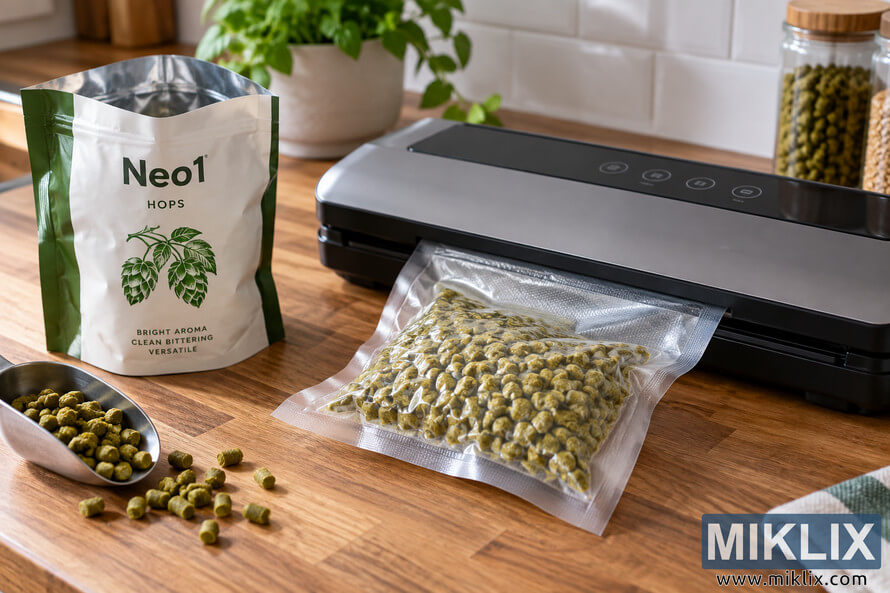
Store Neo1 hops in your freezer for maximum longevity. Freezing temperatures slow oxidation dramatically. Keep hops at 0°F or below when possible.
Vacuum sealing removes air that degrades hop quality. Original packaging usually provides adequate protection if unopened. Transfer opened hops to vacuum-sealed bags immediately.
Light exposure damages hops quickly. Keep packages in dark conditions even while frozen. Opaque containers provide additional protection if needed.
Click or tap the image for more information and higher resolutions.
Shelf Life Expectations
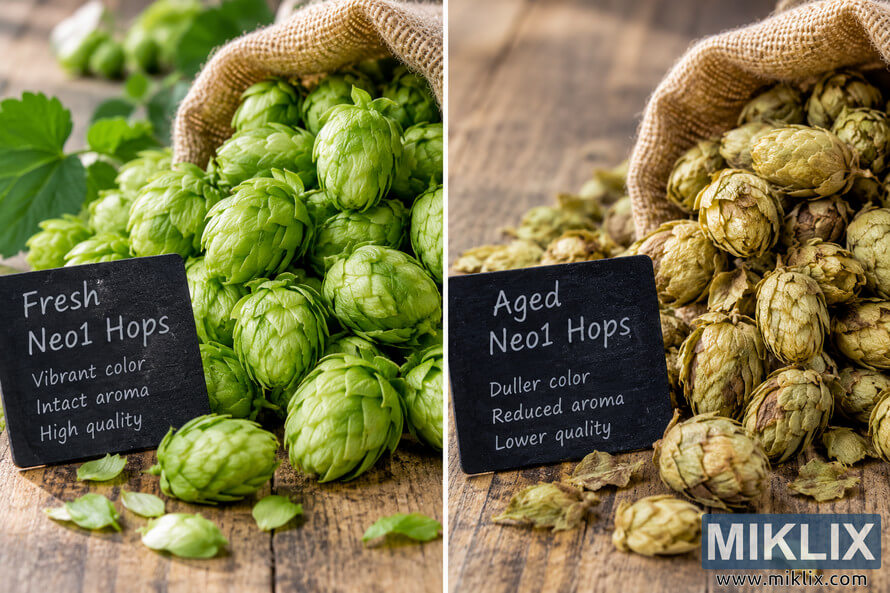
Properly stored Neo1 hops maintain quality for 12-18 months. Aroma intensity gradually fades even under ideal conditions. Alpha acids remain relatively stable during this period.
Opened packages deteriorate faster than sealed ones. Use opened hops within 3-6 months for best results. The aromatic compounds are most vulnerable to degradation.
Pellet form generally stores better than whole cone hops. The processing and compression reduce surface area exposure. This inherent advantage extends usable shelf life.
Click or tap the image for more information and higher resolutions.
Recognizing Degraded Hops
Old hops develop cheesy or sweaty aromas. This indicates oxidation has occurred. Fresh hops should smell bright and inviting.
Color changes signal degradation in hop pellets. Yellowing or browning indicates age. Fresh Neo1 pellets appear vibrant green.
When in doubt, perform a rub test. Crush pellets between your fingers and smell immediately. The aroma should be strong and pleasant.
Quick Storage Checklist
- Freeze immediately upon receiving hops
- Vacuum seal after opening packages
- Store in darkness (opaque containers if possible)
- Label packages with purchase date
- Use oldest stock first (FIFO method)
- Inspect hops before brewing for quality
Substitutions if Neo1 is Unavailable
Primary Substitution Options
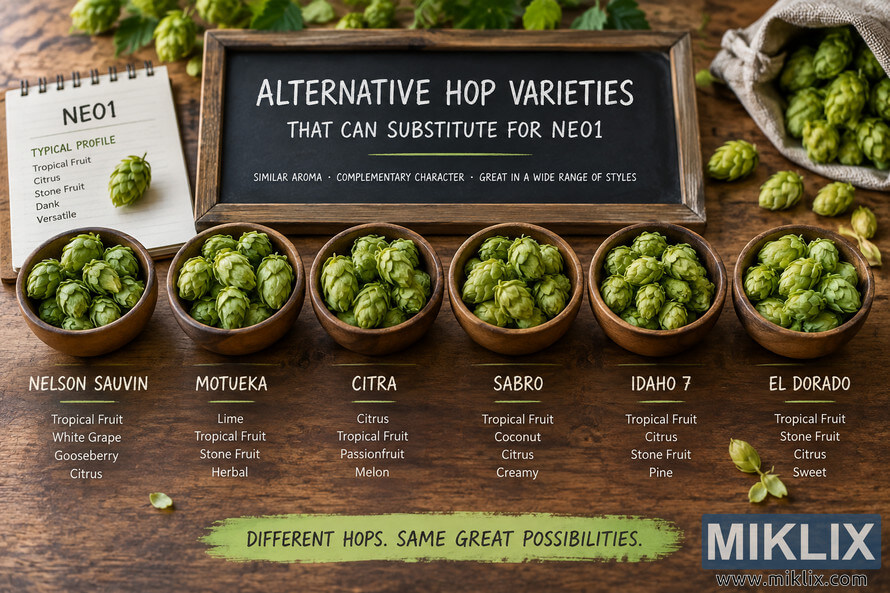
Citra hops make the closest substitute for Neo1. Both deliver bright citrus character. Adjust quantities based on specific alpha acid levels to maintain bitterness targets.
Amarillo provides similar orange-citrus notes. The profile skews slightly more floral than Neo1. This substitution works particularly well in pale ales.
Mandarina Bavaria offers comparable citrus qualities. This variety emphasizes tangerine characteristics. It works well when seeking fruit-forward profiles similar to Neo1.
Click or tap the image for more information and higher resolutions.
Blending Alternatives
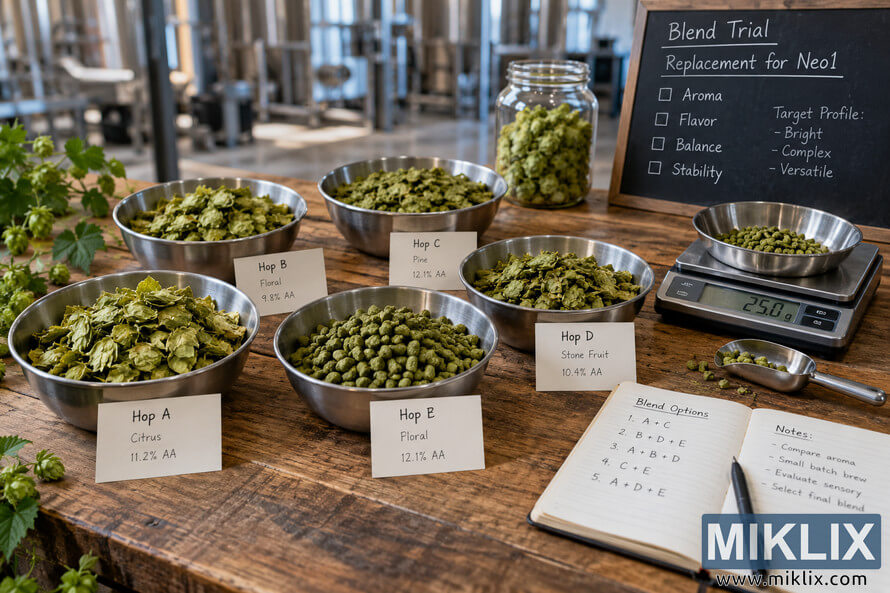
Combining Centennial and Cascade creates a citrus profile. Use 60% Centennial and 40% Cascade by weight. This blend approximates Neo1's character reasonably well.
Mixing Amarillo with small amounts of Mosaic adds complexity. The combination captures both citrus and tropical elements. Start with 75% Amarillo and 25% Mosaic.
El Dorado paired with Citra offers tropical fruit emphasis. This blend works when Neo1's tropical notes are most important. Try equal parts of each variety.
Click or tap the image for more information and higher resolutions.
Adjusting Recipes for Substitutions
Recalculate IBUs when substituting hops with different alpha acids. Online calculators make this process simple. Maintain your target bitterness level regardless of variety changes.
Consider adjusting quantities for aroma additions when substituting. Some hops have more intense aromatic presence than Neo1. Start conservative and increase in future batches.
Common Pitfalls to Avoid When Brewing with Neo1
Over-Hopping Issues
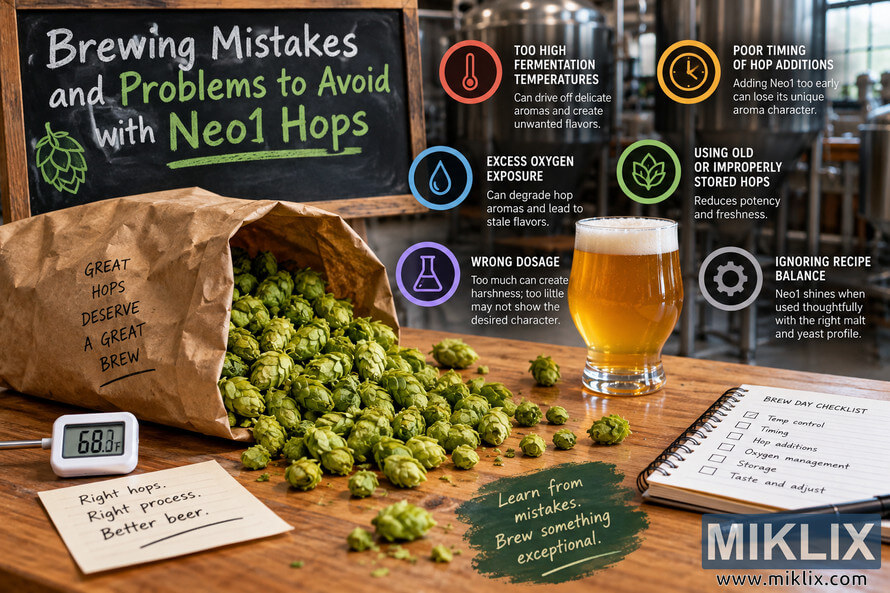
Excessive Neo1 additions can create imbalance. More hops don't always mean better beer. The citrus character can become harsh or one-dimensional when overdone.
Malt backbone must support hop intensity. Consider your grain bill when planning hop rates. Ensure sufficient malt sweetness balances bitterness and flavor.
Start conservative with new hop varieties. You can always add more in subsequent batches. It's impossible to remove excessive hop character after brewing.
Click or tap the image for more information and higher resolutions.
Timing Mistakes
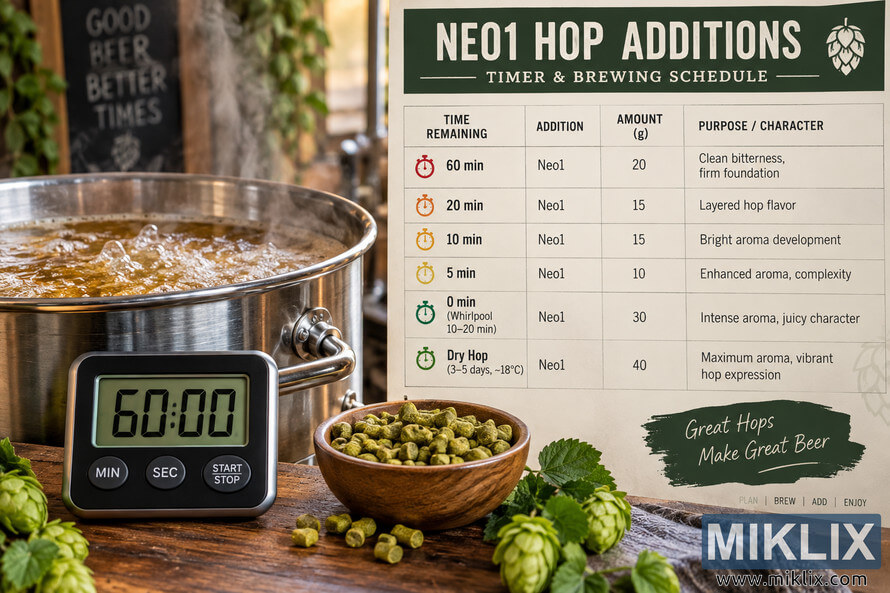
Adding all hops at one timing wastes potential. Different additions serve different purposes. Plan your hop schedule strategically across multiple addition points.
Extended boiling destroys delicate aromatic compounds. Save significant Neo1 quantities for late boil or post-boil. Early additions should focus primarily on bittering.
Don't rush dry hopping duration. Allow 3-5 days minimum for proper extraction. Removing hops too early leaves aroma potential untapped.
Click or tap the image for more information and higher resolutions.
Storage and Handling Errors
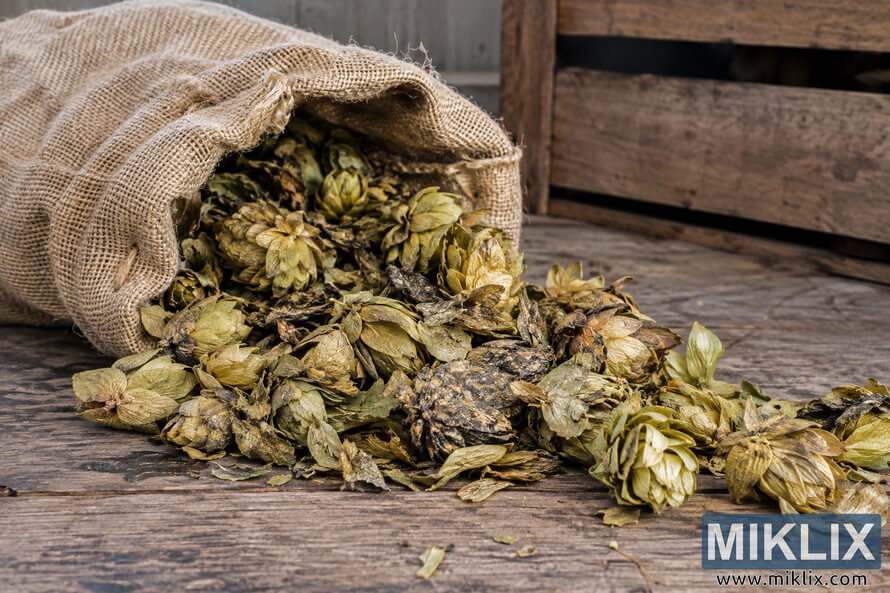
Leaving hops at room temperature degrades them rapidly. Always refrigerate or freeze immediately. Every hour at warm temperatures costs quality.
Resealing opened packages inadequately invites oxidation. Invest in proper vacuum sealing equipment. The small cost pays dividends in hop quality.
Using hops past their prime produces disappointing results. Check purchase dates before brewing. When quality seems questionable, choose fresh stock instead.
Click or tap the image for more information and higher resolutions.
Water Chemistry Neglect
Ignoring water chemistry limits Neo1's expression. Sulfate levels particularly impact hop perception. Basic water adjustments make noticeable differences.
Excessively hard water can create harsh bitterness. Test your water and adjust accordingly. Target moderate hardness for hop-forward styles.
Critical Mistakes That Ruin Neo1 Character
- Storing opened hops without vacuum sealing
- Adding all hops at 60-minute boil mark
- Exceeding 7 days of dry hop contact time
- Allowing hot-side aeration during transfers
- Using chlorinated water without treatment
- Packaging more than 2 days after dry hopping
Fermentation Management Problems
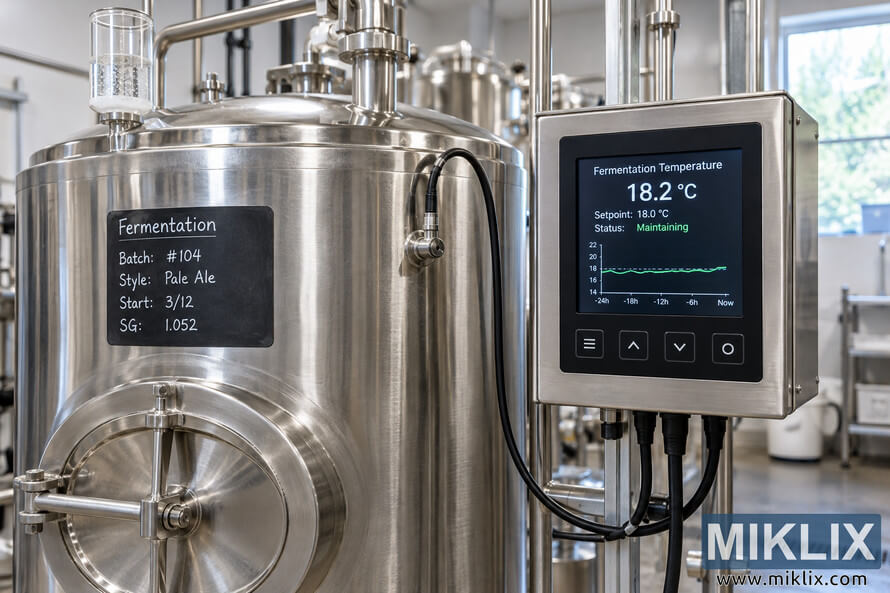
Temperature swings during fermentation create off-flavors. These compete with Neo1's clean citrus profile. Maintain stable temperatures throughout primary fermentation.
Pitching insufficient yeast stresses fermentation. Stressed yeast produces unwanted compounds. Calculate proper pitch rates and use healthy yeast.
Rushing beer to packaging before fermentation completes causes issues. Verify final gravity stability before proceeding. Patience produces better results with hop-forward beers.
Click or tap the image for more information and higher resolutions.
Conclusion
Neo1 hops offer homebrewers an exciting ingredient for creating vibrant beers. The variety's citrus and tropical character fits perfectly in modern hop-forward styles. Understanding proper usage transforms good recipes into exceptional ones.
This guide provided comprehensive information about Neo1 characteristics and applications. You learned optimal usage rates for different addition timings. Storage recommendations ensure your hops maintain peak quality.
Start experimenting with Neo1 in your next brew day. Begin with established recipes before creating your own. Each batch teaches valuable lessons about this hop's unique personality.
The homebrewing community continues discovering new applications for Neo1. Share your experiences with fellow brewers. Collective knowledge helps everyone create better beer.
Quality ingredients produce quality results in brewing. Fresh, properly stored Neo1 hops deliver the best outcomes. Source from reputable suppliers who maintain proper handling procedures.
Click or tap the image for more information and higher resolutions.
Further Reading
If you enjoyed this post, you may also like these suggestions: