
Hops in Beer Brewing: Legacy
Published: October 10, 2026 at 8:23:05 AM UTC
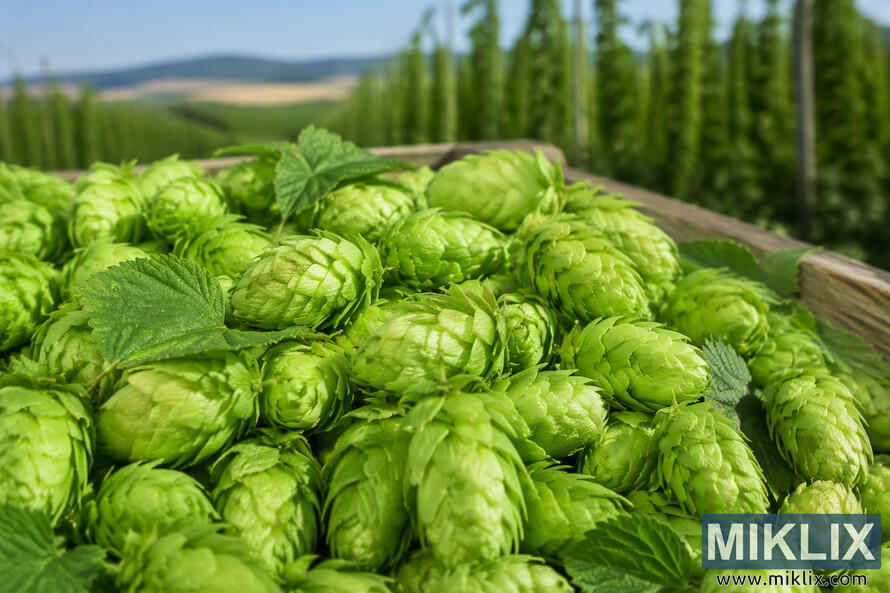
Legacy is an American dual-purpose hop from Washington State, offering a distinctive mix of blackberry, blackcurrant, grapefruit, floral, and spicy notes—an intriguing choice for ales, lagers, stouts, and other characterful homebrews.
Click or tap the image for more information and higher resolutions.
Legacy hops represent one of the most versatile dual purpose varieties available to modern brewers. This hop variety delivers a unique combination of bittering power and aromatic complexity. Homebrewers seeking to create exceptional IPAs and ales find Legacy hops particularly rewarding. The variety offers a distinctive character that sets it apart from typical West Coast hops.
Understanding how to work with Legacy hops transforms your brewing results. This guide explores everything from flavor profiles to specific techniques for your next brew.
Understanding the Legacy Hops Variety
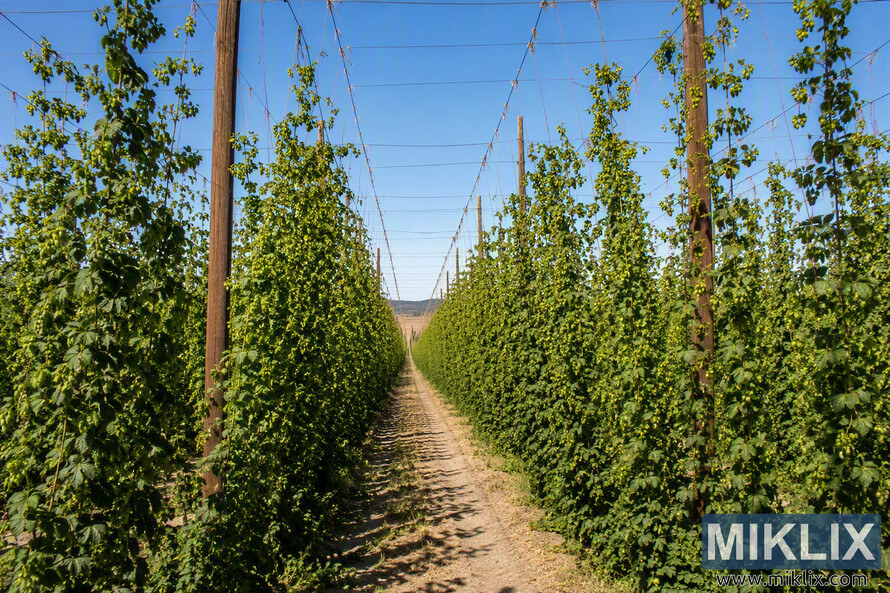
Legacy hops emerged from Puterbaugh Farms in the Yakima Valley, where quality hop cultivation has thrived for generations. This dual purpose variety combines the best traits brewers look for in one hop. The variety delivers moderate alpha acids alongside complex aromatic oils.
Brewers appreciate Legacy for its reliable performance across multiple applications. The hop works beautifully for both bittering additions and aroma contributions. This versatility makes it a valuable variety for homebrewers with limited storage space. One hop variety can serve multiple purposes in your brewing setup.
Legacy Hop Specifications
- Alpha Acids: 8.0-10.0%
- Beta Acids: 3.5-5.0%
- Origin: Yakima Valley, USA
- Type: Dual Purpose
- Harvest: Late September
Key Growing Characteristics
- Moderate disease resistance
- Good storage stability
- Reliable annual yields
- Suited to Yakima climate
- Quality lupulin production
Click or tap the image for more information and higher resolutions.
Flavor Profile and Aroma Character of Legacy Hops
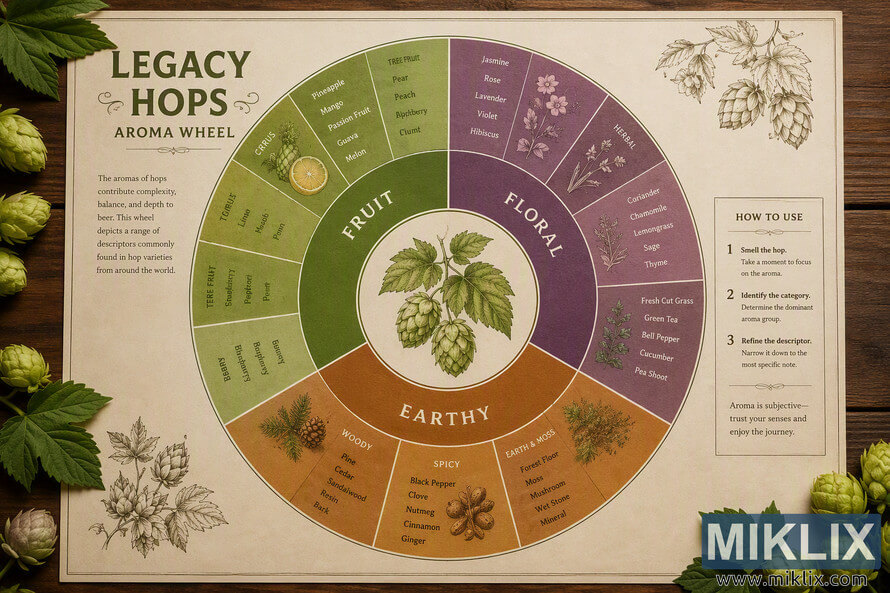
The flavor profile of Legacy hops creates a distinctive signature in beer. Brewers describe the aroma as a blend of fruit and floral notes with an earthy foundation. This combination provides depth that single-note hops cannot match. The variety brings complexity without overwhelming other ingredients.
The fruit character leans toward stone fruit rather than citrus. Think apricot and peach rather than grapefruit. This softer fruit profile pairs beautifully with malt character. The floral notes add elegance without perfume-like intensity. A subtle earthy quality grounds the overall aroma flavor profile.
Click or tap the image for more information and higher resolutions.
Primary Aroma Components
Fruit Character
Stone fruit dominates with apricot and peach notes. Mild tropical hints appear in some batches. The fruit quality remains balanced rather than sharp.
Floral Elements
Delicate flower notes provide aromatic complexity. The floral quality enhances drinkability. This character works well in session beers and lighter ales.
Earthy Foundation
A subtle earthy base anchors the flavor profile. This quality prevents the hop from becoming one-dimensional. The earthy notes complement traditional English styles.
Click or tap the image for more information and higher resolutions.
Bitterness Quality
Legacy hops provide clean bitterness without harsh edges. The bittering character integrates smoothly into beer. Brewers using Legacy for bittering report excellent beer clarity and stability. The bitterness quality makes it suitable for styles requiring firm but not aggressive hop character.
The moderate alpha acid content offers flexibility. You can achieve desired IBU levels without excessive hop additions. This efficiency matters for both cost and kettle utilization. The variety performs consistently across different batch sizes.
| Flavor Component | Intensity (1-10) | Description | Best Expression Method |
| Stone Fruit | 7 | Apricot, peach, mild tropical | Late kettle, whirlpool |
| Floral | 6 | Delicate flower notes | Dry hop, whirlpool |
| Earthy | 4 | Grounding herbal quality | Early boil additions |
| Citrus | 3 | Subtle background notes | Any addition timing |
| Bitterness | 8 | Clean, smooth quality | 60-minute boil |
Brewing Techniques and Best Practices with Legacy Hops
The brewing process determines how effectively Legacy hops express their character in your beer. Timing and method of hop additions dramatically impact the final flavor profile. Understanding when and how to add Legacy hops maximizes their potential. Different techniques highlight different aspects of this versatile variety.
Bittering Additions
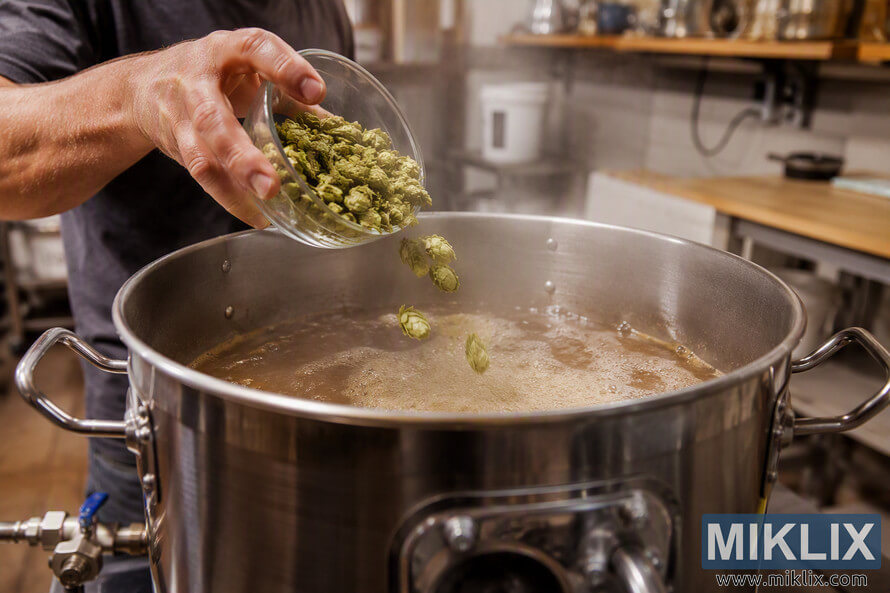
Using Legacy hops for bittering produces clean, reliable results. Add one to two ounces at the beginning of your sixty-minute boil. This timing extracts alpha acids while volatilizing aromatic oils. The variety provides smooth bitterness without rough edges. Calculate your additions based on measured alpha acid percentages from your specific lot.
Legacy works exceptionally well as a single bittering hop. The clean character doesn't compete with specialty hops added later. Many brewers think hop combinations always improve beer. Sometimes simplicity delivers better results. A Legacy-only hop bill can produce outstanding IPAs and pale ales.
Click or tap the image for more information and higher resolutions.
Flavor and Aroma Additions
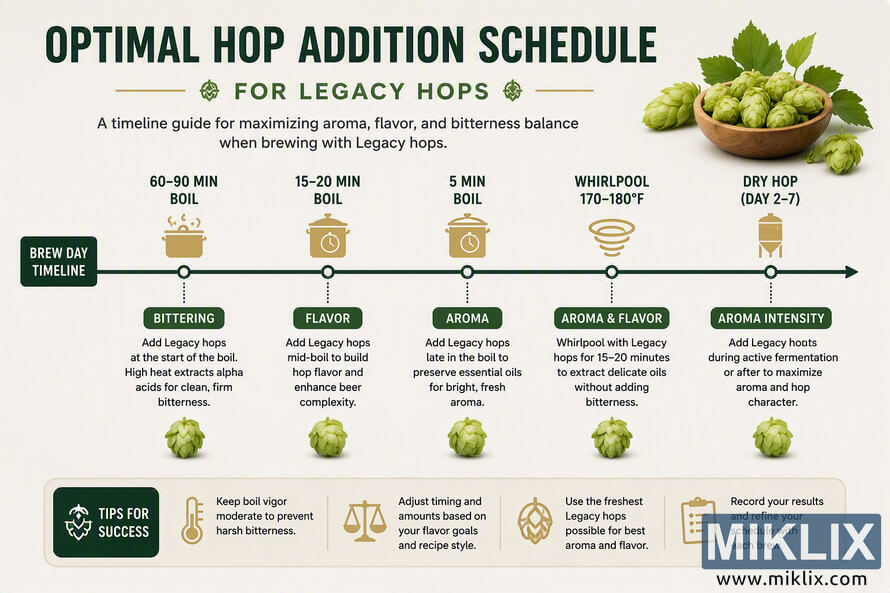
Late kettle additions bring out the fruit and floral character of Legacy. Add hops during the final fifteen minutes of boiling for flavor contributions. Whirlpool additions at lower temperatures preserve delicate aromatics. Consider a temperature of around 170°F for whirlpool hops. This approach maximizes aroma while minimizing harsh vegetal notes.
Recommended Addition Schedule
A balanced Legacy hop schedule includes multiple addition points. Start with bittering hops at sixty minutes. Add flavor hops at fifteen minutes. Include aroma hops at five minutes or flameout. Finish with dry hop additions in the fermenter.
This layered approach creates complexity and depth. Each addition serves a specific purpose in the final beer. The combination produces more interesting results than single additions.
Hopping Rate Guidelines
- Bittering: 1-2 oz per 5 gallons
- Flavor: 0.5-1 oz per 5 gallons
- Aroma: 1-2 oz per 5 gallons
- Whirlpool: 2-3 oz per 5 gallons
- Dry hop: 2-4 oz per 5 gallons
Click or tap the image for more information and higher resolutions.
Dry Hop Techniques
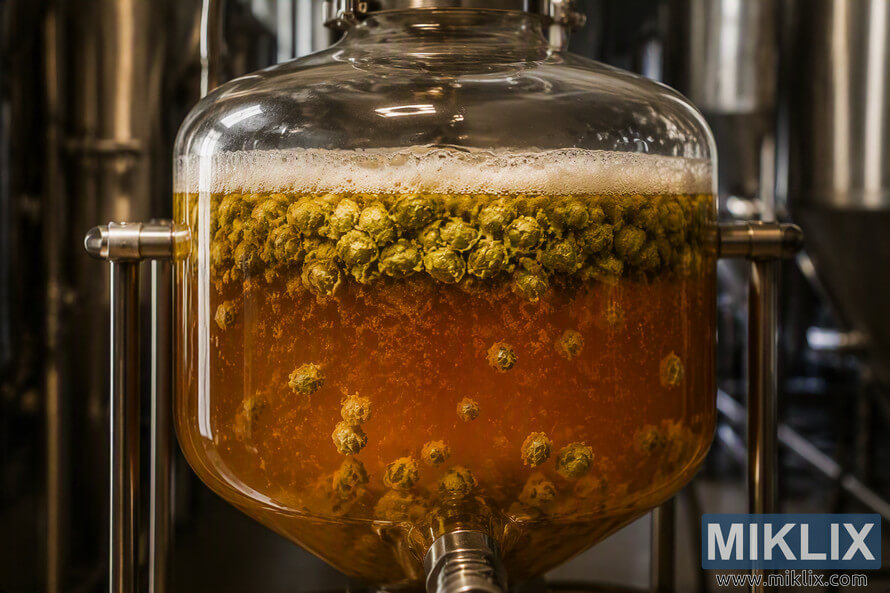
Dry hopping with Legacy hops amplifies the aromatic profile significantly. Add dry hops when primary fermentation is nearly complete. This timing preserves volatile aromatics while allowing CO2 to carry hop character into solution. Use two to four ounces of Legacy per five gallons for robust aroma.
The dry hop contact time affects the final character. Three to five days typically provides optimal results. Longer contact time can introduce grassy notes. Some brewers prefer a secondary dry hop addition. This technique layers aromatic complexity for hop-forward styles like IPAs.
Pellets vs Leaf Hops
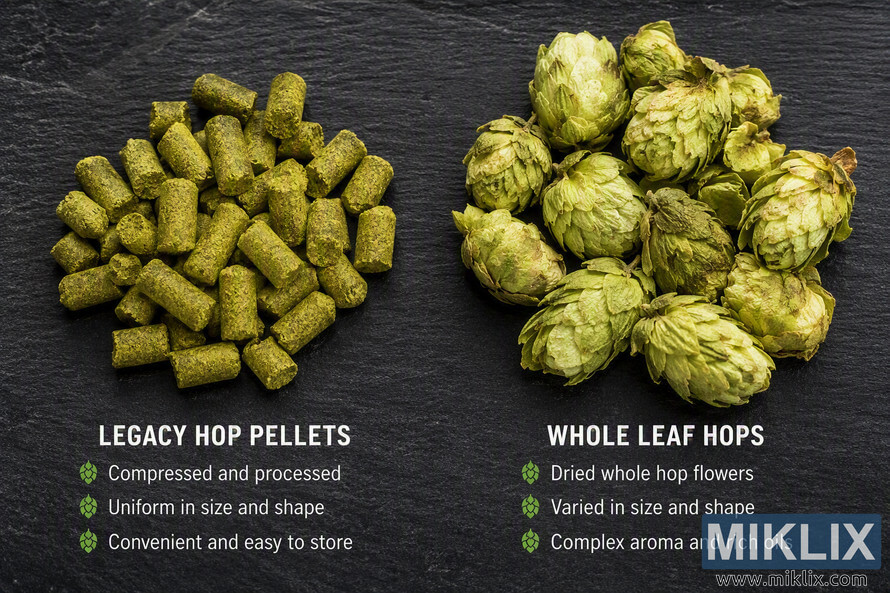
Both pellet and leaf hops formats work well with Legacy. Pellets offer convenience and better utilization rates. The pellet form stores more efficiently and measures easily. Leaf hops provide a different aromatic quality that some brewers prefer. Whole leaf Legacy hops create a more delicate aroma profile.
Hops Direct offers Legacy in both formats. Choose based on your brewing system and preferences. Pellets work better in small kettles and bag systems. Leaf hops shine in traditional hopback applications. Either format delivers excellent results when handled properly.
Click or tap the image for more information and higher resolutions.
Best Beer Styles for Legacy Hops
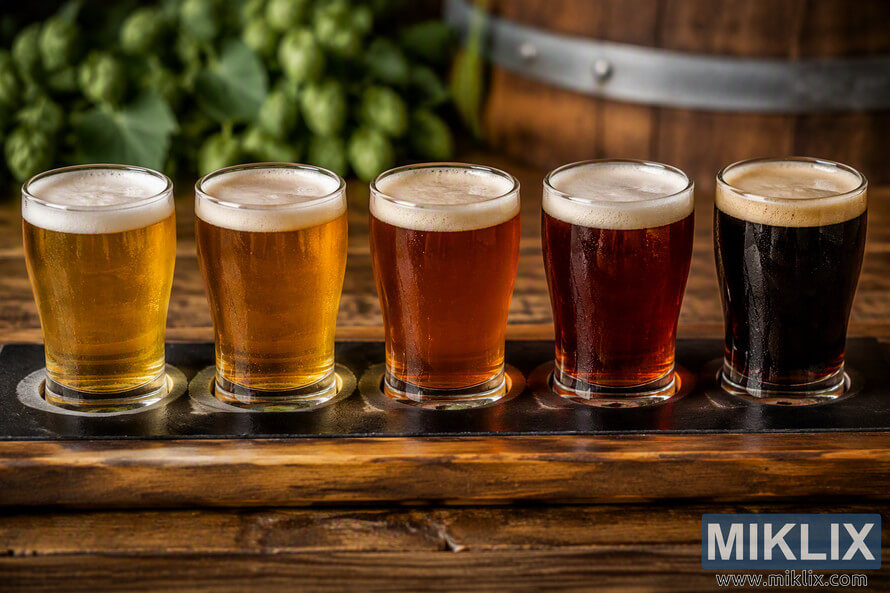
Legacy hops adapt beautifully to numerous beer styles. The dual purpose nature makes it suitable for traditional and modern brewing approaches. Certain styles particularly showcase the unique character of this variety. Understanding which styles work best helps you plan your brewing calendar.
Click or tap the image for more information and higher resolutions.
India Pale Ales
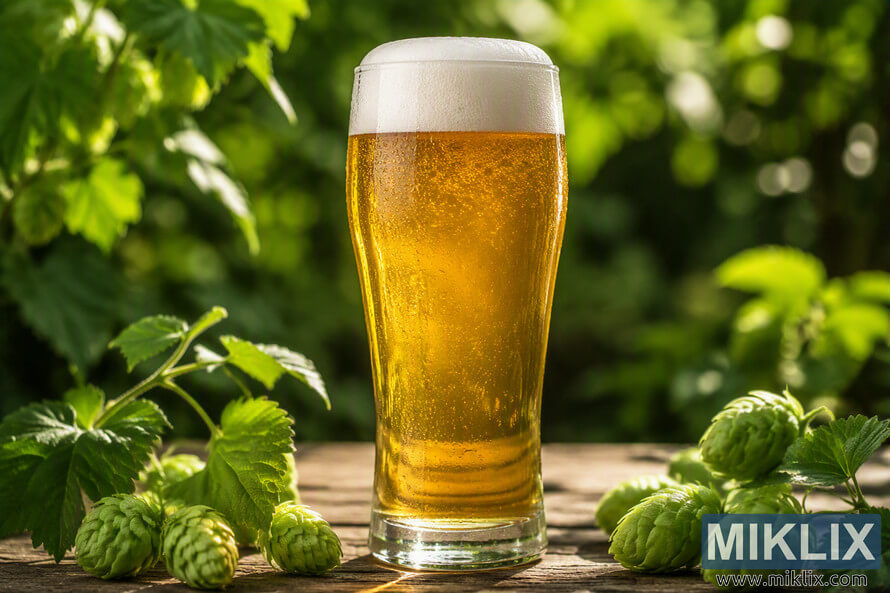
IPAs represent the ideal showcase for Legacy hop character. The variety excels in both West Coast and hazy IPA styles. American IPAs benefit from the fruit-forward aroma profile. The clean bitterness provides structure without harsh astringency. Legacy creates IPAs with balanced drinkability rather than overwhelming hop burn.
Use Legacy as a single hop in IPAs to fully appreciate its complexity. Alternatively, combine it with complementary varieties for layered depth. The variety pairs well with Mosaic, Citra, or Centennial. A Legacy-forward IPA displays stone fruit and floral notes beautifully. Target 60-80 IBUs for traditional IPA bitterness levels.
Click or tap the image for more information and higher resolutions.
Pale Ales and Session Ales
Lower gravity ales allow the nuanced Legacy character to shine. American Pale Ales with Legacy deliver excellent drinkability. The moderate alpha acids suit the lower IBU targets of pale ales. Session IPAs benefit from the variety's efficiency. You achieve satisfying hop character without excessive alcohol content.
Think hop character rather than hop assault for these styles. Legacy provides enough aroma and flavor at modest rates. Two to three ounces total hopping creates memorable pale ales. The fruit and floral qualities enhance rather than dominate the malt foundation.
English-Style Ales
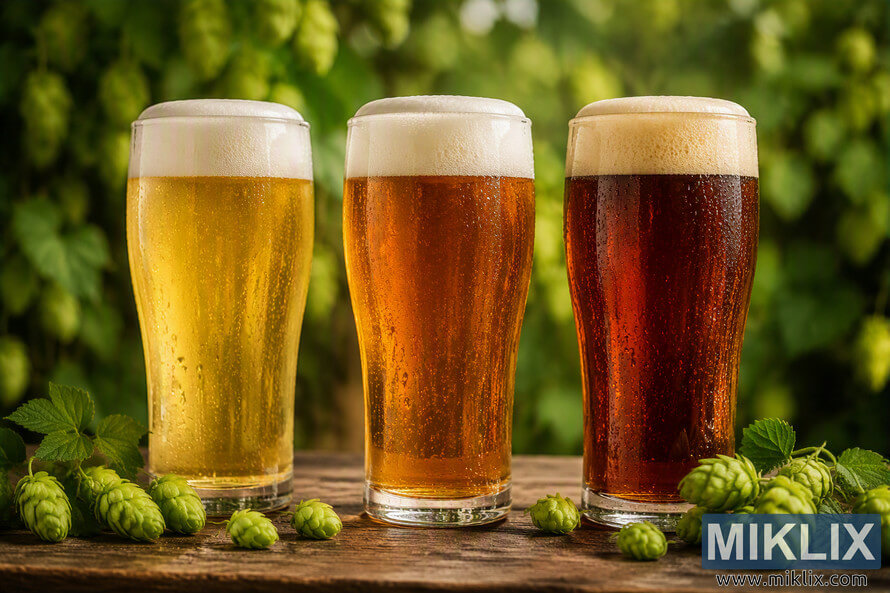
The earthy component of Legacy makes it surprisingly suitable for English styles. Bitters, ESBs, and English IPAs all work well with this variety. The hop complements traditional English malts beautifully. Use Legacy to add an American twist to classic British styles. The combination creates hybrid beers with transatlantic appeal.
Hop-Forward Styles
- West Coast IPA
- American IPA
- Double IPA
- Session IPA
- American Pale Ale
- Blonde Ale
Balanced Styles
- English Bitter
- ESB
- American Amber
- Cream Ale
- Golden Ale
- Wheat Ale
Click or tap the image for more information and higher resolutions.
Lagers and Pilsners
Legacy adds an interesting dimension to hop-forward lagers. American lagers benefit from the clean bitterness quality. The variety works in IPL (India Pale Lager) styles exceptionally well. Cold-side hop additions preserve the delicate fruit and floral notes. The result is a crisp lager with aromatic complexity.
Traditional pilsner styles can incorporate Legacy with care. Use modest quantities to avoid overwhelming the style. The variety contributes a modern interpretation of classic lager brewing. Some craft brewers create hoppy lagers that bridge traditional and contemporary approaches.
Wheat Beers and Specialty Ales
American wheat beers pair beautifully with Legacy hops. The fruit character complements wheat's natural softness. Summer ales and blonde ales also benefit from this variety. The floral qualities enhance the refreshing nature of these styles. Legacy creates approachable beers that appeal to broad audiences.
| Beer Style | Legacy Hop Usage | Target IBU | Recommended Rate |
| West Coast IPA | Bittering, flavor, aroma, dry hop | 60-80 | 6-8 oz per 5 gal |
| American Pale Ale | Flavor, aroma, dry hop | 35-50 | 3-5 oz per 5 gal |
| Session IPA | Whirlpool, dry hop | 40-55 | 4-6 oz per 5 gal |
| English Bitter | Bittering, late kettle | 25-40 | 2-3 oz per 5 gal |
| American Wheat | Aroma, dry hop | 15-30 | 2-4 oz per 5 gal |
| IPL | Whirlpool, dry hop | 40-60 | 4-6 oz per 5 gal |
Storage and Handling Tips for Legacy Hops
Proper storage preserves the aromatic qualities that make Legacy hops special. Hops degrade quickly when exposed to oxygen, heat, and light. Understanding storage best practices ensures your investment delivers maximum flavor. Even the finest hops lose character when stored improperly.
Immediate Storage Requirements
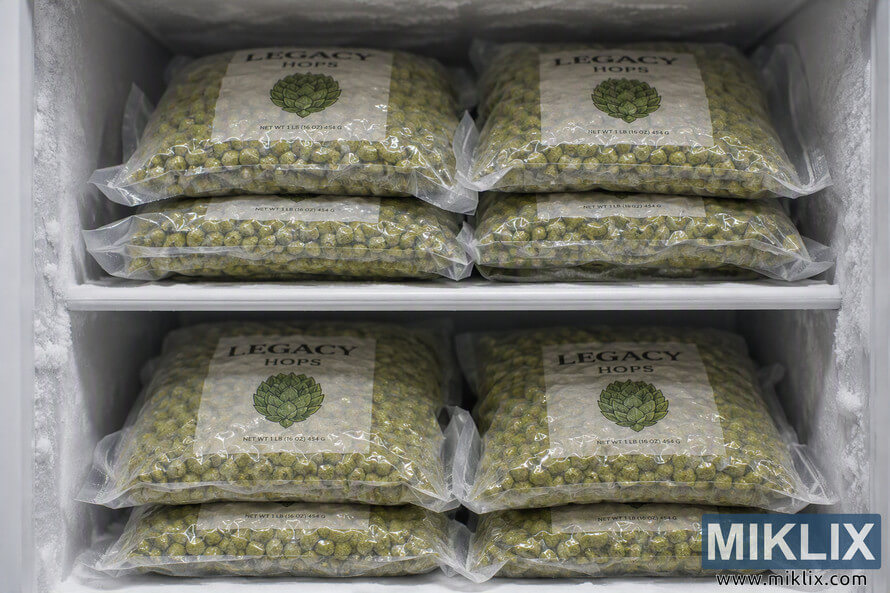
Store Legacy hops in a freezer immediately upon arrival. Freezing halts oxidation and preserves alpha acids. Keep hops in their original oxygen-barrier packaging until use. Once opened, transfer remaining hops to vacuum-sealed bags. Remove as much air as possible before resealing and freezing.
Temperature consistency matters as much as cold storage. Avoid repeated freeze-thaw cycles that damage hop structure. Take only what you need for each brew session. Return unused portions to the freezer immediately. A dedicated hop freezer maintains ideal conditions if you brew frequently.
Click or tap the image for more information and higher resolutions.
Pellet vs Leaf Storage Differences
Hop pellets store more compactly than whole leaf hops. The pellet form also resists oxidation slightly better due to compression. Leaf hops require more freezer space but maintain their structure. Both formats need protection from moisture and oxygen. Use heavy-duty vacuum bags or mylar pouches for long-term storage.
Storage Best Practices
- Maintain freezer temperature at 0°F or below
- Use oxygen-barrier packaging exclusively
- Label packages with variety and purchase date
- Minimize exposure to room temperature
- Vacuum seal opened packages immediately
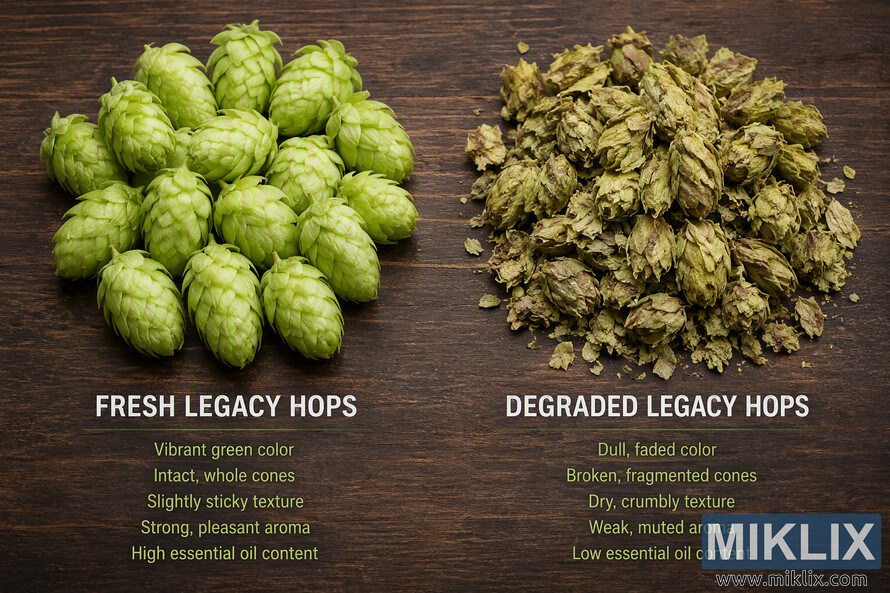
Signs of Degraded Hops
- Brownish or dull coloration
- Cheesy or rancid aroma
- Dry, crumbly texture
- Loss of resinous stickiness
- Faded or weak aromatic character
Click or tap the image for more information and higher resolutions.
Evaluating Hop Freshness
Fresh Legacy hops display vibrant green coloration with yellow lupulin. The aroma should be pungent and pleasant. Rub a few cones or pellets between your palms. Fresh hops release strong fruit and floral aromatics. The material should feel slightly sticky from resinous oils.
Purchase hops from reputable suppliers like Hops Direct that guarantee freshness. Recent harvest hops deliver superior results. Ask about harvest dates and alpha acid testing. Quality suppliers provide detailed lot analysis. This information helps you adjust recipes for specific hop batches.
Shelf Life Expectations
Properly stored Legacy hops maintain quality for twelve months or more. Alpha acids gradually decline even in optimal conditions. Plan to use hops within one year of harvest for best results. Pellets typically outlast whole leaf hops by several months. Consider buying smaller quantities more frequently rather than bulk purchases.
Pro Tip: Date every hop package when you receive it. Create a simple inventory system tracking purchase dates and quantities. This organization prevents accidentally using old hops in important batches. Rotate stock using oldest hops first for non-critical brews.
Handling During Brewing
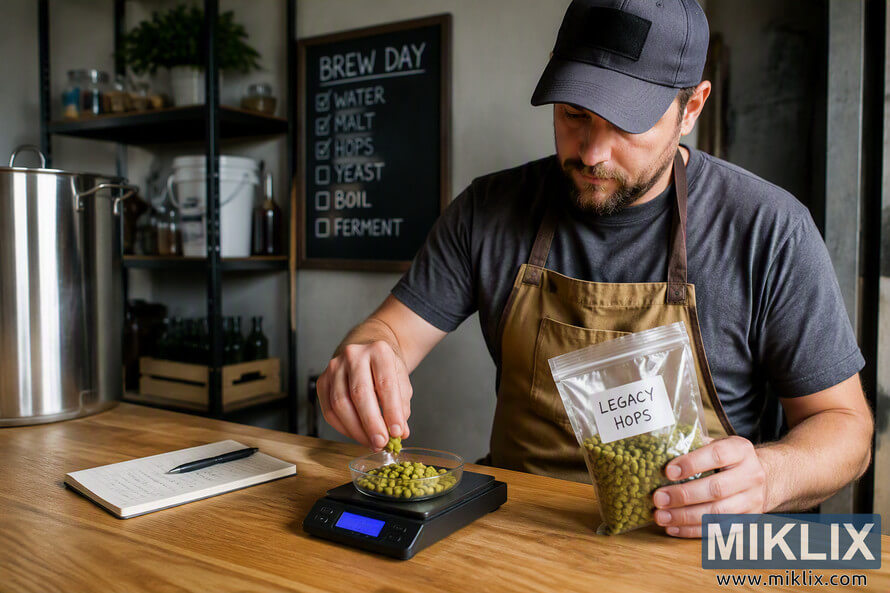
Work quickly when handling frozen hops during brew day. Remove hops from the freezer just before addition. Measure your quantities and return unused portions immediately. Extended exposure to warm, humid air degrades hop quality rapidly. Some brewers pre-measure hop additions the night before and vacuum seal individual portions.
Click or tap the image for more information and higher resolutions.
Homebrewer-Specific Guidance for Legacy Hops
Homebrewers face unique considerations when working with any hop variety. Smaller batch sizes require precise measurements. Limited equipment means adapting techniques to available tools. Legacy hops work exceptionally well in homebrew settings. The variety's forgiving nature suits brewers at all experience levels.
Scaling Recipes for Five-Gallon Batches
Most homebrew recipes target five-gallon batch sizes. Legacy hop additions scale proportionally from commercial recipes. Calculate based on your system's efficiency and expected losses. Account for absorption in hops and trub when determining quantities. A typical five-gallon IPA uses six to eight ounces of Legacy total across all additions.
Start with modest hopping rates until you understand your equipment. Every brewing system behaves differently regarding hop utilization. Take detailed notes on each batch. Track actual bitterness levels and aromatic intensity. This data helps refine your Legacy hop usage over time.
Click or tap the image for more information and higher resolutions.
Equipment Considerations
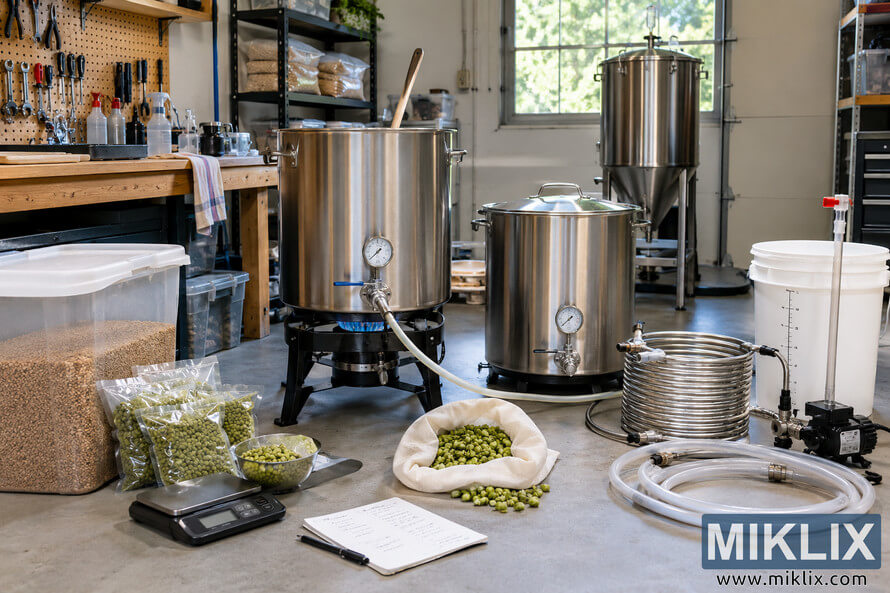
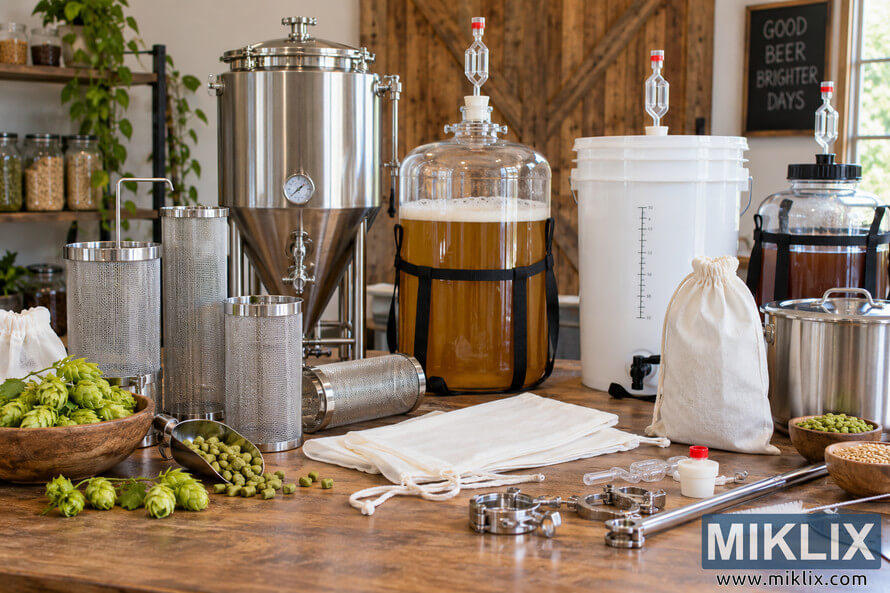
Different homebrew setups affect how you use Legacy hops. Bag systems require careful attention to hop matter management. Fine mesh bags work best for pellet hops. Whole leaf Legacy hops need larger openings to allow good circulation. Consider your kettle configuration when choosing pellets versus leaf hops.
Kettle Hop Addition Tips
Add pellets directly to the boil or use a hop spider. Leaf hops benefit from large muslin bags. Ensure adequate wort contact for proper utilization. Stir gently after additions to distribute hops evenly.
- Use hop spiders for easy removal
- Avoid compacting pellets in bags
- Ensure good wort circulation
- Plan for volume displacement
Dry Hop Management
Fermenter geometry affects dry hop contact. Narrow fermenters concentrate hops effectively. Wide vessels may need more hops for equal impact. Remove hops before packaging when possible.
- Use mesh bags for easy removal
- Maintain proper temperature
- Avoid excessive contact time
- Consider split dry hop additions
Click or tap the image for more information and higher resolutions.
Recipe Development with Legacy
Creating recipes around Legacy hops rewards experimentation. Start with established IPA or pale ale recipes. Substitute Legacy for specified hops to understand its character. Once familiar with the variety, develop original recipes highlighting its strengths. The dual purpose nature simplifies single-hop recipe design.
Consider Legacy's fruit-forward profile when selecting malts. Pale base malts showcase hop character effectively. Small amounts of caramel malt add complexity without overshadowing hops. Very light crystal malts complement the stone fruit qualities. Avoid heavily roasted malts that clash with delicate aromatics.
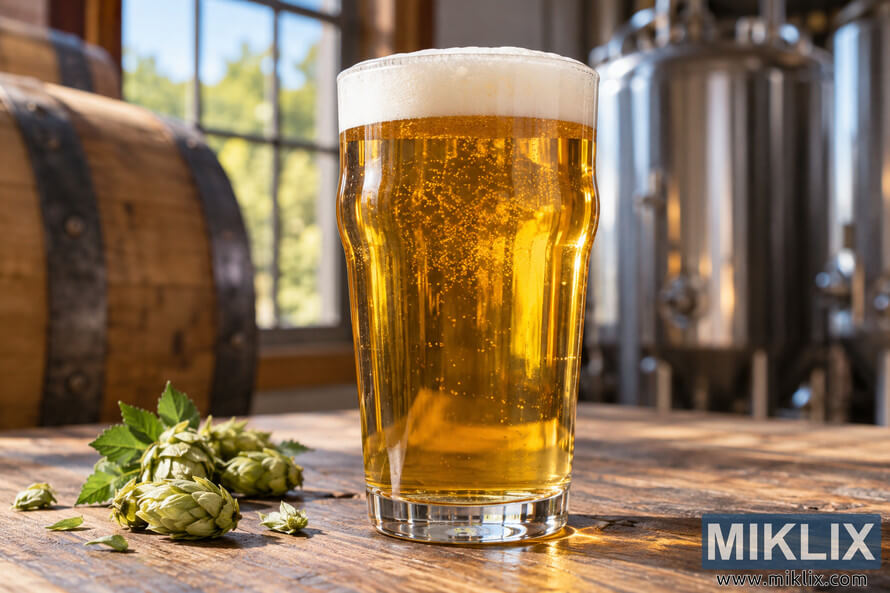
Starter Recipe: Legacy Single-Hop Pale Ale
Five-Gallon Batch Recipe
Grain Bill:
- 9 lbs American 2-row pale malt
- 0.5 lbs Crystal 20L malt
- 0.5 lbs White wheat malt
Hop Schedule:
- 1 oz Legacy pellets at 60 minutes (bittering)
- 0.5 oz Legacy pellets at 15 minutes (flavor)
- 1 oz Legacy pellets at 5 minutes (aroma)
- 2 oz Legacy pellets whirlpool at 170°F (aroma)
- 2 oz Legacy pellets dry hop for 4 days (aroma)
Yeast: American Ale yeast (US-05 or equivalent)
Expected Results: OG 1.054, FG 1.012, ABV 5.5%, IBU 45, SRM 5
Click or tap the image for more information and higher resolutions.
Water Chemistry for Legacy Hops
Water composition significantly impacts how hop character expresses in beer. Legacy benefits from moderate sulfate levels that accentuate hop bitterness and flavor. A sulfate-to-chloride ratio around two to one enhances perceived hop character. Avoid excessive mineral content that creates harsh bitterness.
Most municipal water requires some adjustment for optimal brewing results. Test your water or obtain a water report. Add brewing salts to achieve target profiles. Gypsum increases sulfate levels for hop-forward beers. Maintain pH in the appropriate range for proper hop extraction and beer stability.
Troubleshooting Common Issues
New homebrewers occasionally encounter challenges with hop-forward beers. Excessive bitterness often results from miscalculated alpha acids. Always use actual tested values from your hop package. Adjust for your system's efficiency based on experience. Err on the conservative side until you understand your setup's characteristics.
Common Mistake: Adding too many dry hops creates grassy, vegetal off-flavors. More hops don't always mean better beer. Follow recommended rates and contact times. Quality Legacy hops from Hops Direct provide intense aroma at reasonable quantities.
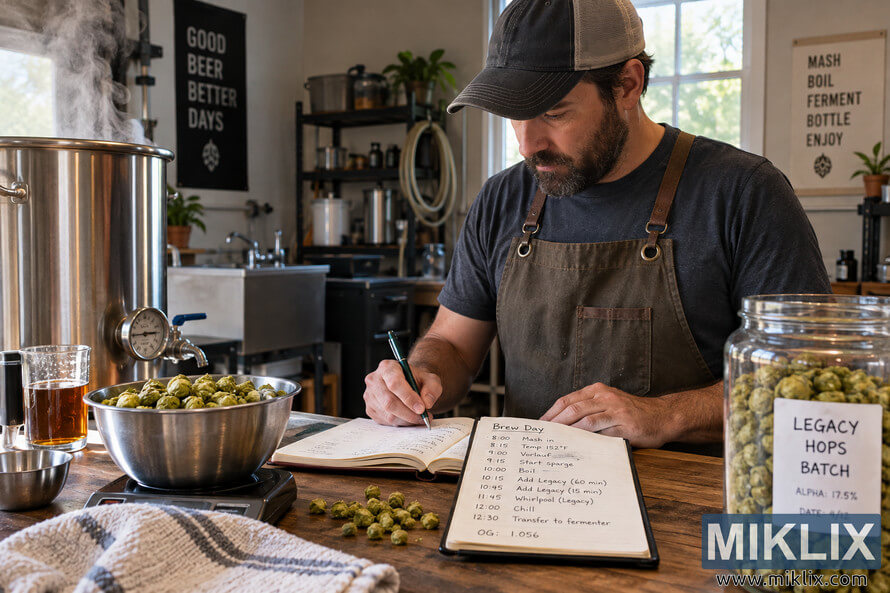
Click or tap the image for more information and higher resolutions.
Advanced Techniques and Experimentation
Experienced brewers constantly push boundaries with ingredient combinations. Legacy hops offer numerous opportunities for creative brewing. Advanced techniques extract different characteristics from this versatile variety. Understanding these methods opens new possibilities for your brewing program.
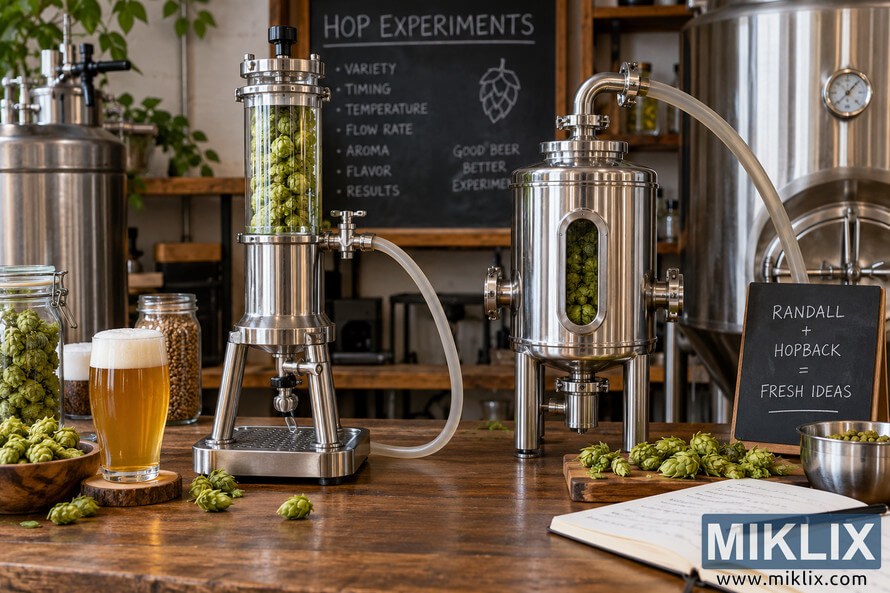
Click or tap the image for more information and higher resolutions.
Hop Blending Strategies
Combining Legacy with complementary varieties creates complex flavor profiles. The variety pairs exceptionally well with citrus-forward hops. Mosaic and Legacy together produce a fruit explosion. Citra adds tropical notes that enhance Legacy's stone fruit character. Experiment with ratios to find your preferred balance.
Traditional English hops like East Kent Goldings create interesting hybrids. The combination bridges old-world and new-world styles. Use Legacy for bittering and aroma while adding small amounts of traditional varieties. These blends appeal to brewers seeking complexity beyond single-hop beers.
Complementary Hop Pairings
- Legacy + Mosaic
- Legacy + Citra
- Legacy + Centennial
- Legacy + Amarillo
- Legacy + Simcoe
Traditional Combinations
- Legacy + East Kent Goldings
- Legacy + Fuggle
- Legacy + Challenger
- Legacy + Progress
- Legacy + Northern Brewer
Experimental Blends
- Legacy + Nelson Sauvin
- Legacy + Galaxy
- Legacy + Sabro
- Legacy + Strata
- Legacy + Idaho 7
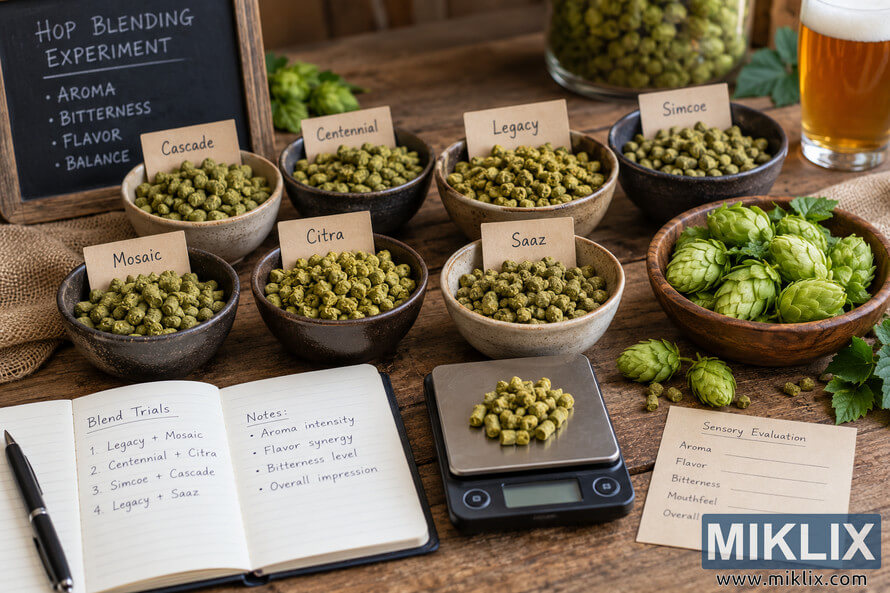
Click or tap the image for more information and higher resolutions.
Biotransformation and Timing
Advanced brewers leverage yeast biotransformation of hop compounds. Adding Legacy hops during active fermentation changes the aromatic profile. Yeast enzymes transform hop oils into new flavor compounds. This technique creates unique characteristics impossible through traditional methods. Time your additions when fermentation is most vigorous.
Split your dry hop additions for maximum impact. Add one portion during high krausen for biotransformation. Add the second portion post-fermentation for bright aroma. This dual approach layers complexity throughout the beer. The technique works particularly well with Legacy's fruit character.
Hop Extracts and Products
CO2 hop extracts offer precise bittering without excess plant matter. Legacy extract provides clean bitterness while preserving kettle space. Combine extracts for bittering with whole hops for aroma. This approach maximizes efficiency in heavily hopped styles. Some brewers use extracts exclusively for bittering in double IPAs.
Hop hash represents another interesting product form. This concentrated lupulin powder delivers intense aroma and flavor. Use hop hash sparingly in whirlpool or dry hop additions. The concentrated nature means small amounts produce significant impact. Experiment with hash to understand its intensity compared to traditional forms.
| Hop Product | Best Application | Advantages | Considerations |
| Pellets | All brewing stages | Versatile, efficient, easy storage | Standard product form |
| Whole Leaf | Dry hop, hopback | Delicate aroma, natural form | Requires more space |
| CO2 Extract | Bittering additions | Precise IBU control, no matter | Expensive, specialized use |
| Hop Hash | Whirlpool, dry hop | Intense aroma, concentrated | Use sparingly, potent |
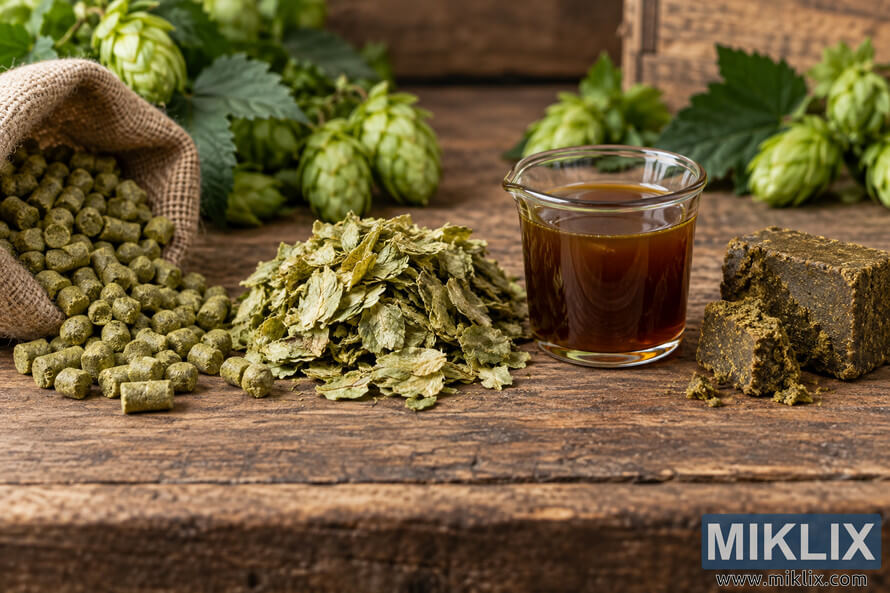
Click or tap the image for more information and higher resolutions.
Keg Hopping Techniques
Adding hops directly to kegs extends aromatic freshness. Place one to two ounces of Legacy pellets in a weighted mesh bag. Suspend the bag in your keg for three to five days. This technique delivers intense hop aroma to each pour. Remove hops before excessive vegetal character develops.
Keg hopping works best with dedicated serving kegs. Avoid adding hops to storage kegs that sit for extended periods. The fresh hop aroma fades quickly once taps open. Time your keg hopping for events or planned consumption. This method creates memorable hop-forward experiences for special occasions.
Documenting Your Experiments
Detailed record-keeping separates good brewers from great ones. Document every aspect of your Legacy hop experiments. Record hop lots, addition timing, quantities, and temperatures. Note fermentation details and packaging dates. Compare finished beers against your notes to identify successful techniques.
Brewer's Journal Tip: Create a standardized evaluation form for each batch. Rate bitterness, aroma intensity, flavor balance, and overall impression. Include photos of the finished beer. This systematic approach helps identify patterns and guides future recipe development.
Legacy Hops Compared to Other Popular Varieties
Understanding how Legacy relates to other hop varieties helps you make informed brewing decisions. Each variety brings unique characteristics to beer. Comparing flavor profiles and applications clarifies when to choose Legacy over alternatives. These comparisons also suggest interesting blending opportunities.
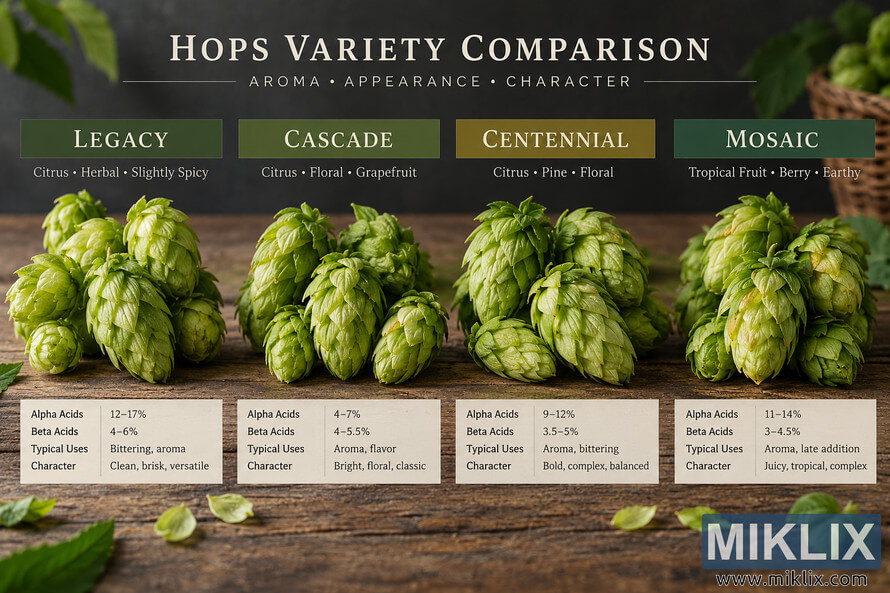
Click or tap the image for more information and higher resolutions.
Legacy vs Cascade
Cascade represents the quintessential American hop variety. Both hops share moderate alpha acids and dual purpose applications. Cascade leans heavily toward citrus and grapefruit notes. Legacy offers softer stone fruit and floral character. Cascade provides brighter, more aggressive aromatics. Legacy delivers a rounder, more balanced profile.
Choose Cascade for classic West Coast IPAs emphasizing citrus punch. Select Legacy when you want fruit character without harsh edges. The varieties complement each other well in blends. Cascade adds brightness while Legacy contributes depth. A seventy-thirty Cascade-to-Legacy ratio creates interesting hybrid character.
Legacy vs Centennial
Centennial shares Legacy's dual purpose versatility with higher alpha acids. Centennial delivers intense floral and citrus notes. The variety provides stronger bittering efficiency than Legacy. Centennial works well when recipes demand high IBU levels. Legacy suits moderate bitterness with aromatic emphasis.
Both varieties excel in American pale ales and IPAs. Centennial creates more assertive hop character. Legacy produces subtler, more nuanced results. Consider your style goals when choosing between them. Centennial for bold statements, Legacy for elegant complexity.
Legacy vs Mosaic
Mosaic has become a modern brewing favorite for good reason. The variety delivers complex fruit character spanning citrus, berry, and tropical notes. Mosaic typically costs more than Legacy due to high demand. Legacy provides stone fruit and floral qualities at better value. Mosaic works wonderfully as a standalone hop.
Combining Legacy with Mosaic creates layered fruit complexity. Use Legacy for bittering and base aroma. Add Mosaic in whirlpool and dry hop for tropical highlights. This combination delivers premium character at reduced cost. The blend satisfies brewers seeking complexity without single-variety expense.
| Variety | Alpha Acids | Primary Character | Best Application | Cost Relative to Legacy |
| Legacy | 8-10% | Stone fruit, floral, earthy | Dual purpose, versatile | Baseline |
| Cascade | 5-7% | Citrus, grapefruit, floral | Aroma, late additions | Similar |
| Centennial | 9-12% | Floral, citrus, pine | Bittering and aroma | Similar |
| Mosaic | 11-13% | Berry, tropical, citrus | Late additions, dry hop | 15-25% higher |
| Citra | 11-13% | Citrus, tropical, peach | Aroma, dry hop | 20-30% higher |
| Columbus | 14-16% | Pungent, earthy, citrus | Bittering primarily | Similar |
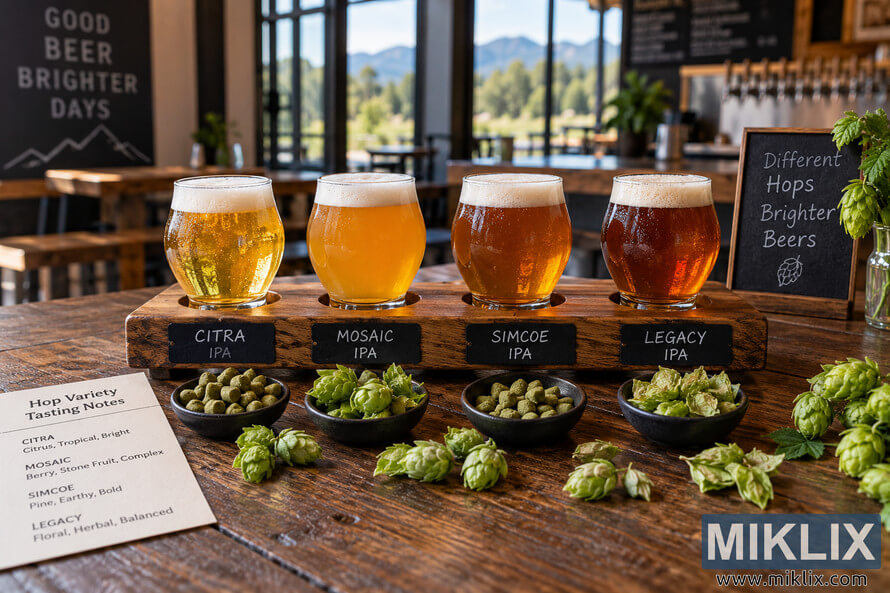
Click or tap the image for more information and higher resolutions.
When to Choose Legacy
Legacy excels in situations where balanced hop character matters most. The variety suits brewers seeking aromatic complexity without tropical fruit intensity. Choose Legacy for styles emphasizing drinkability over hop assault. The moderate pricing makes it practical for frequent brewing. Legacy works beautifully when you need a reliable, versatile hop.
Brewers developing house IPAs appreciate Legacy's consistency. The variety delivers recognizable character batch after batch. This reliability helps establish your brewery's signature style. Legacy also serves well as a base hop in complex blends. Build recipes around Legacy and accent with specialty varieties.
Click or tap the image for more information and higher resolutions.
Frequently Asked Questions About Legacy Hops
What makes Legacy hops unique compared to other dual purpose varieties?
Legacy hops stand out for their balanced fruit and floral character combined with clean bittering. The stone fruit profile differs from citrus-forward American hops. The variety offers reliable performance across multiple brewing applications. Legacy maintains consistent quality year after year from Yakima Valley farms.
Can I substitute Legacy hops in recipes calling for other varieties?
Legacy works as a substitute for Cascade, Centennial, or Columbus in most recipes. Adjust quantities based on alpha acid differences between varieties. The flavor profile shifts toward stone fruit when replacing citrus-forward hops. Experiment with small batches before committing to large-scale substitutions. Document results to understand how Legacy performs in your specific recipes.
How long do Legacy hops stay fresh when properly stored?
Properly frozen Legacy hops maintain quality for twelve to eighteen months. Vacuum-sealed packaging in oxygen-barrier materials extends shelf life. Alpha acids degrade slowly even in ideal conditions. Plan to use hops within one year of harvest for optimal results. Fresh hops from current harvests always deliver superior aroma and flavor.
What beer styles work best with Legacy hops?
Legacy excels in American IPAs, pale ales, and wheat beers. The variety also performs well in English-style ales and hop-forward lagers. Session IPAs benefit from Legacy's efficient bittering and aromatic qualities. Any style emphasizing hop character without extreme bitterness suits this variety. The dual purpose nature makes Legacy appropriate for balanced beer styles.
Should I use pellets or whole leaf Legacy hops?
Both formats deliver excellent results with different characteristics. Pellets offer better storage efficiency and higher utilization rates. Whole leaf hops provide more delicate aromatics in some applications. Choose based on your brewing equipment and specific recipe goals. Most homebrewers find pellets more practical for everyday brewing. Reserve leaf hops for special batches where traditional methods matter.
Where can I purchase fresh Legacy hops reliably?
Hops Direct maintains consistent Legacy hop inventory with quality guarantees. They source directly from Puterbaugh Farms and other Yakima Valley growers. Online retailers specializing in homebrewing supplies typically stock Legacy. Local homebrew shops may carry the variety depending on regional demand. Always verify harvest dates and storage conditions before purchasing from any supplier.
How do I calculate hop additions when alpha acids vary by lot?
Use the actual alpha acid percentage from your specific hop lot. Brewing software calculates exact quantities based on these values. Adjust recipes proportionally when alpha acids differ from original formulation. Higher alpha acids require less hop weight for equivalent bitterness. Always reference the lot analysis included with quality hops from suppliers like Hops Direct.
Can Legacy hops be used for brewing lagers?
Legacy works beautifully in hop-forward lager styles. The clean bitterness complements lager yeast character. Use Legacy in IPL (India Pale Lager) or hoppy pilsner recipes. The fruit and floral notes add interest without overwhelming delicate lager profiles. Cold-side additions preserve aromatic qualities in cold-fermented beers.
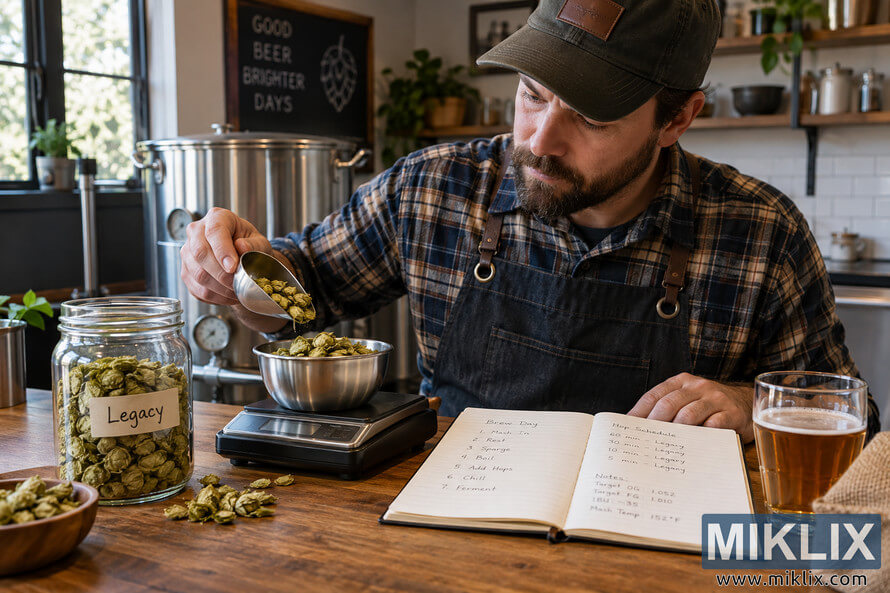
Click or tap the image for more information and higher resolutions.
Conclusion
Legacy hops deliver exceptional versatility for homebrewers at all skill levels. This dual purpose variety combines efficient bittering with complex aromatic qualities. The stone fruit and floral character creates memorable beers across multiple styles. Understanding how to work with Legacy transforms your brewing results.
Proper storage and handling preserve the qualities that make Legacy special. Purchase from reputable suppliers like Hops Direct who guarantee freshness. Experiment with different addition timings to understand how this variety behaves in your system. Document your results to refine techniques over time.
The Yakima Valley origins ensure consistent quality year after year. Puterbaugh Farms and other premium growers maintain the standards that define American hop excellence. Supporting these producers helps preserve craft brewing's ingredient supply chain. Quality hops create quality beer that rewards your brewing efforts.
Start your next brew with confidence using Legacy hops. The variety's forgiving nature suits experimental brewing approaches. Whether crafting a simple pale ale or complex double IPA, Legacy delivers reliable performance. Your fellow brewers in the homebrewing community continue discovering new ways to showcase this exceptional hop variety.
The journey to brewing excellence continues with every batch. Legacy hops provide the foundation for countless successful beers. Trust in quality ingredients, refine your techniques, and enjoy the rewards of homebrewing. Your next great beer awaits with Legacy hops leading the way.
Click or tap the image for more information and higher resolutions.
Further Reading
If you enjoyed this post, you may also like these suggestions: