
Fermenting Beer with Wyeast 3711 French Saison Yeast
Published: December 17, 2025 at 10:37:49 PM UTC
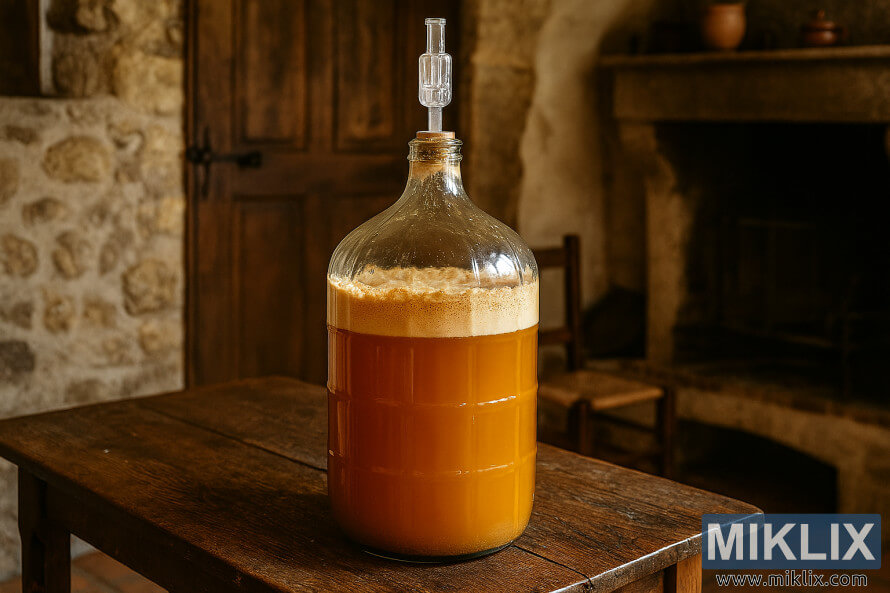
Wyeast 3711 French Saison Yeast is a top choice for brewers aiming to craft classic and modern saisons. It ferments quickly over a broad temperature range and rarely stalls, making it ideal for brewers who want a straightforward fermentation process.
Click or tap the image for more information and higher resolutions.
Key Takeaways
- Wyeast 3711 French Saison Yeast is widely available and well-documented on vendor product pages.
- The strain is prized for reliable attenuation and strong fermenting power in saisons.
- This Wyeast 3711 review prioritizes practical tips on temperature, pitching, and flavor outcomes.
- Expect a clean, peppery profile that enhances traditional and modern saison recipes.
- The article combines manufacturer details, brewer forums, and expert advice for real-world use.
Why Wyeast 3711 French Saison Yeast is a Top Choice for Saisons
Wyeast 3711 has gained a solid reputation among brewers for its reliable attenuation. This trait ensures saisons are very dry. Homebrewers and professional tastings consistently report final gravities near 1.000–1.003. This makes the French Saison strain a go-to for those who value predictable attenuation.
Many brewers choose 3711 for its ability to preserve hop and malt character. This makes it perfect for creating bright, hoppy saisons and for experimenting with recipes. It's also favored by those who prefer a neutral-to-fruity profile, allowing other ingredients to shine.
Wyeast 3711 is known for its ease of use and consistent performance. It ferments quickly over a broad temperature range and rarely stalls. This makes it ideal for brewers who want a straightforward fermentation process. Yeast roundups consistently highlight its reliable attenuation and finish.
However, there are tradeoffs. Some brewers, including respected voices, note that 3711 may lack the rustic, peppery character of classic Dupont-style strains at cooler temperatures. For a more pronounced farmhouse signature, other strains may offer more complex phenolics.
- Use case: Bright, dry saisons where hop clarity is important.
- Use case: Experimental or non-traditional saisons that need complete fermentation.
- Consideration: If you want a classic Dupont profile, compare other farmhouse strains before choosing.
For commercial and homebrewers seeking consistency, Wyeast 3711 is a reliable choice. It offers predictable attenuation alongside a clean flavor profile. This makes it a popular selection in recipe tests and professional breweries that prioritize control over variability.
Key Characteristics of Saison Yeasts and How 3711 Compares
Saison yeast strains are known for their high attenuation, dry finish, and lively carbonation. They offer a peppery, spicy mid-palate and a clean, earthy malt backbone. Bright fruity esters enhance the aroma, making the beer light-bodied and refreshing.
The balance between phenols and esters defines a saison's character. Phenols add clove or black pepper notes, while esters contribute citrus, pear, or stone-fruit scents. This balance determines whether the beer is rustic and spicy or fruity and bright.
Wyeast 3711 is renowned for its reliability and high attenuation. It often presents a leathery, fruity nose with spicy highlights like black pepper or cardamom. At cooler temperatures, it produces a drier, more neutral base than some classic Dupont-style strains.
Comparative tastings show 3711's unique position among farmhouse strains. Strains like Wyeast 3724 or White Labs WLP565 emphasize pronounced phenols and a terroir-driven Dupont character. In contrast, 3711 offers a cleaner, extremely dry canvas with simple fruity-spicy notes.
Practical brewers choose strains based on desired outcomes. For rustic spice and intense phenolic depth, select a strain known for that profile. For a crisp, highly attenuated farmhouse beer, Wyeast 3711 is a strong option.
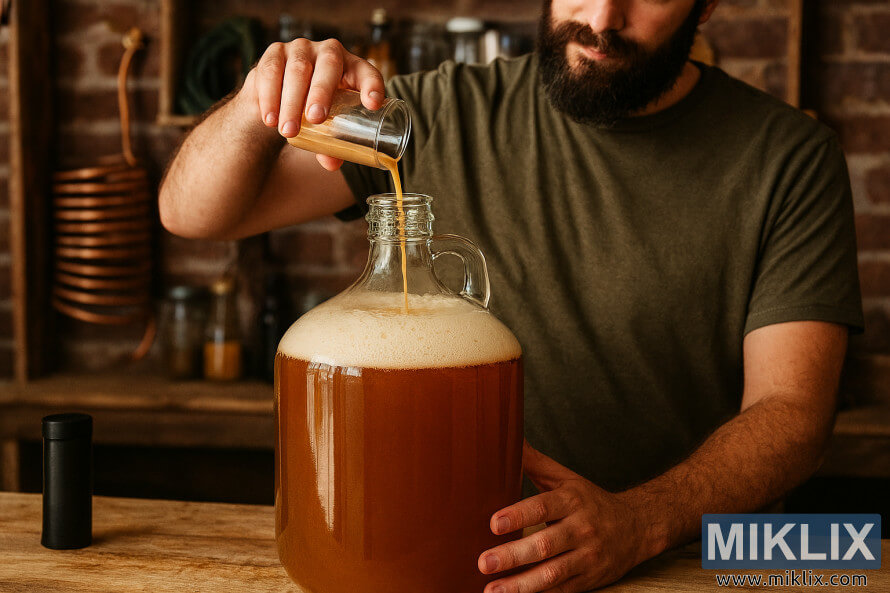
When blending or experimenting, remember how fermentation temperature and pitch rate shape expression. Cooler fermentations mute phenols and esters. Warmer conditions coax more of the Wyeast 3711 flavor profile to the surface. Use that control to match yeast behavior to recipe intent.
Click or tap the image for more information and higher resolutions.
Fermentation Temperature Strategies for Wyeast 3711
The recommended temperature range for Wyeast 3711 is between 65–77°F, as stated by the manufacturer. However, homebrewers have found success within a broader range, from the low 60s to the mid-80s. These temperatures serve as the foundation for any saison temperature schedule you might adopt.
To control esters effectively, it's wise to start with a conservative approach. Begin by chilling your wort to 62–66°F. Then, pitch a healthy starter and maintain temperatures in the mid-60s for 48–72 hours. This initial phase helps manage solventy higher alcohols during yeast growth, establishing a steady fermentation temperature ramp.
For those seeking a more fruity character, consider a warmer approach. Pitch at 74–76°F and allow the fermentation to rise freely into the high 70s or low 80s. This method accelerates fermentation and enhances bold esters. However, be prepared for additional conditioning time to soften any harsher notes.
To achieve a balanced, Belgian-like ester profile, maintain fermentation in the 60s for a week. Then, gradually increase the temperature. Wyeast 3711 will still attenuate dry at cooler temperatures, resulting in a cleaner profile with fewer harsh fusels.
- Conservative: 62–66°F first 48–72 hours, then gradual ramp into low 70s.
- Warm: pitch 74–76°F and allow free rise into high 70s–mid‑80s for pronounced fruit.
- Cool: hold in low‑60s for longer, then slow ramp to aid conditioning and balance.
When executing a fermentation temperature ramp, prioritize monitoring gravity and aroma over time. Faster, high-temperature ferments can produce solventy higher alcohols that require weeks to mellow. Keep a close eye on your progress and be prepared to extend conditioning if employing aggressive free rise tactics.
Pitching Rates, Starters, and Avoiding Stalls
Ensuring the right pitching rate is crucial for preserving flavor and achieving a clean finish. For Wyeast 3711, it's essential to have a sufficient cell count, especially when dealing with higher gravities or larger batches. Many brewers opt for a strong starter or a propagated smack pack to avoid the risks associated with sparse initial populations.
Creating a yeast starter for saisons is vital, tailored to both gravity and volume. Drew Beechum suggests using larger starters for bigger saisons, around 2–4 quarts per 10-gallon batch. For standard 5-gallon batches, a full pack plus a modest starter provides ample headroom.
While underpitching can enhance ester and phenol levels, it comes with trade-offs. It can lead to slower fermentation, increased stress on the yeast, and a higher risk of underattenuation. Given Wyeast 3711's robust nature and rapid fermentation, underpitching is not necessary and can introduce complications.
To prevent fermentation stalls, it's important to maintain low pressure early on and ensure good oxygenation for the yeast. Some classic strains are sensitive to backpressure, which can cause CO2 buildup. Wyeast 3711, while less susceptible to the Dupont-style stall, benefits from open or loosely covered fermentation to manage pressure.
- Practical tip: build a strong starter for high OG saisons or pitch the yeast cake from a healthy previous batch.
- Practical tip: oxygenate wort well before pitching to reduce stress and the chance to avoid fermentation stall.
- Practical tip: avoid extreme underpitching if you want predictable attenuation with 3711.
Monitor early fermentation activity closely. If fermentation starts slowly, consider adding a small oxygen dose, a nutrient boost, or a fresh starter. These actions can prevent a stall and ensure Wyeast 3711 completes fermentation efficiently.
Click or tap the image for more information and higher resolutions.
Fermentation Management: Open Fermenting and Pressure Considerations
Some saison strains are sensitive to fermentation pressure. Brewers have noted that a few inches of water in an airlock can slow yeast activity. Open fermenting can reduce this backpressure, ensuring the yeast continues to work efficiently.
Practical open ferment methods are straightforward and clean. For glass carboys, use sanitized foil to loosely cap them. Plastic buckets can be covered with foil over the gasket port and secured. Kegs and conicals can be covered with foil, with the lid set on top turned 90 degrees. Always sanitize contact surfaces with Star San or Sani-Clean.
Wyeast 3711 generally handles closed fermentation well and is less likely to stall than some wild saison strains. It benefits from good gas exchange early on. Lower CO2 backpressure often leads to a faster start and cleaner attenuation with 3711, allowing the yeast to fully express its ester and phenol profile.
- Monitor fermentation pressure in the first 48–72 hours.
- If activity slows and gravity stalls, reduce backpressure before adding yeast or nutrients.
- Keep sanitation strict when using open methods to limit infection risk.
Once primary fermentation is complete, controlled pressure conditioning is key for carbonation. Avoid excessive early backpressure to prevent saison stall. Then, switch to sealed conditioning when attenuation is stable. This approach balances the benefits of open fermenting with reliable finishing and packaging results.
Wort Preparation, Oxygenation, and Mash Targets for 3711
Begin wort preparation with a clear plan for fermentability targets. Aim for a mash schedule that favors enzymatic activity. This will produce a highly fermentable wort for a dry finish.
Set mash temperature for 3711 near 149°F (65°C) for a lean, fermentable profile. Raise the mash to 154–158°F for more body and higher final gravity. Keep rests short and steady to avoid unneeded dextrin formation.
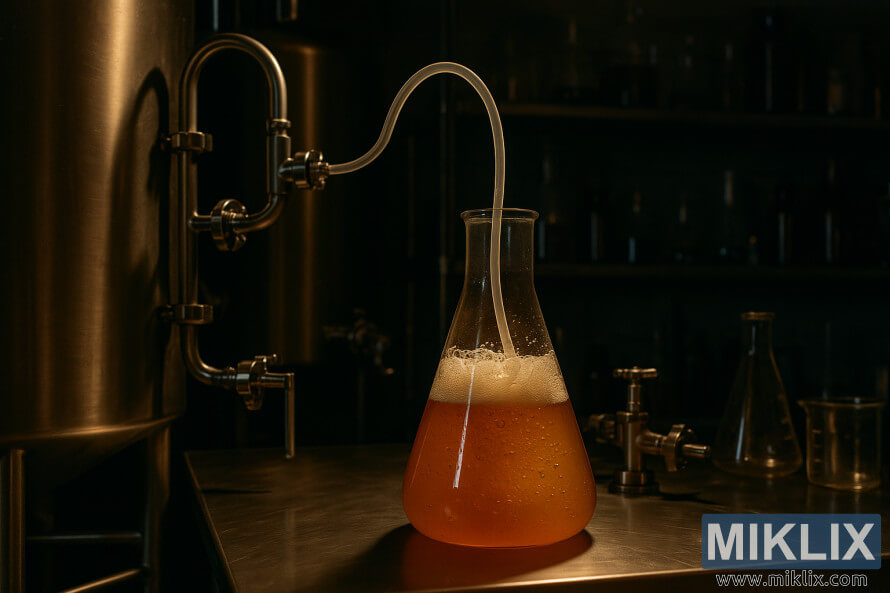
Oxygenation is crucial for saison strains. Provide wort oxygenation for saison via a brief oxygen stone blast of about 30 seconds or vigorous shaking. This ensures sufficient dissolved oxygen before pitching. That oxygen supports the yeast’s early cell growth and reduces risk of sluggish starts.
Sugar adjuncts like white table sugar or Belgian candi sugar help push attenuation and lighten body. Add these adjuncts in the boil to ensure sanitization and smooth integration into the beer.
- Water chemistry: moderate chloride-to-sulfate balance to avoid harsh bitterness in a bone-dry finish.
- Bitterness: keep IBUs conservative, often under 25, unless residual sweetness or strong hop character offsets dryness.
- Pitching: healthy cell counts reduce the need for excess oxygenation and help meet fermentability targets.
Combine mash temperature for 3711, controlled wort oxygenation for saison, and judicious use of sugar adjuncts to shape the final body and flavor. Small adjustments at the mash or during wort prep yield clear differences in attenuation and mouthfeel.
Click or tap the image for more information and higher resolutions.
Recipe Ideas and OG Targets for Brewing with 3711
When planning a Wyeast 3711 recipe, setting clear OG targets is crucial. For table saisons with lower ABV, aim for an OG of 1.040–1.045. This will result in an ABV of 4–5% after fermentation. However, 3711 can attenuate significantly, sometimes finishing as low as 1.000–1.003. Therefore, it's wise to set OG targets with this potential in mind.
Basic table saison recipes often use pilsner or Belgian Pils as the base malt. They are paired with modest amounts of wheat or flaked adjuncts for better foam and mouthfeel. To achieve dryness, 5–10% simple sugar or candi sugar is added. This boosts fermentability without adding body.
Consider Drew Beechum’s Saison Experimentale as a tried-and-true example. It's designed for 5.5 gallons and includes Belgian Pils base, 10–15% flaked wheat, and one pound of table sugar. The recipe has about 20 IBUs and is mashed at 149°F for 60 minutes. This approach retains some body while allowing 3711 to drive attenuation.
For larger saisons, aim for higher OGs. A Saison Été style might target OG 1.068–1.070 using Belgian Pils and German wheat, along with roughly 1 lb of candi sugar. Mash steps near 150°F with a short mashout to preserve enough dextrins for a balanced dry finish.
Hops and bitterness should remain moderate. Aim for 20–34 IBUs, depending on the variant. Noble or floral hops like Saaz or Styrian Goldings provide classic farmhouse notes. Modern varieties can offer a brighter, fruitier hop profile if desired.
- Grain bill basics: Belgian Pils or German Pils base, 5–15% wheat or flaked oats, small specialty malts like Vienna or acidulated for color and slight tartness.
- Mash targets: 148–151°F for a balance between body and fermentability; lower mash temps increase attenuation with brewing with 3711.
- Adjuncts: 5–10% simple sugar for dryness, or up to 15% for very light bodies in table saison recipe variants.
- IBU guidance: 20 IBUs for mild styles, 30–34 IBUs for more assertive versions.
When refining recipes, compare OG targets saison against expected attenuation. For a 5% table saison, set OG near 1.042 and plan for the yeast to finish at 1.002–1.006. For stronger saisons, aim higher and allow for a wider finishing range.
Keep detailed notes on mash temperature, sugar additions, and hop timing. Repeating batches will help you understand how your specific water, grain, and fermentation profile interact with this strain. Careful tracking is key to refining any Wyeast 3711 recipe into a consistent favorite.
Dealing with Slow Finishes and Long Conditioning Times
Wyeast 3711 is known for its patience. Many brewers experience a slow finishing saison, with gravity points taking weeks to settle. The decline in gravity is gradual, not sudden.
When planning batches, anticipate extended conditioning with Wyeast 3711. A common strategy involves 2–3 weeks in primary fermentation followed by additional conditioning. Some homebrewers extend this to 3–4 weeks or more. This ensures a stable finishing gravity and cleaner flavor.
Employ gentle temperature ramping to guide the yeast through fermentation's end. Begin with cooler temperatures during active fermentation. Then, incrementally increase them by several degrees after the initial days. A brew belt or controller is ideal for controlled warming without stress.
If gravity seems stuck, avoid hasty solutions when yeast appear healthy. Often, patience is the best approach. Wyeast 3711 will clean up its byproducts with time. A small warm-up or yeast rousing can help when fermentation is slow.
- Finishing gravity tips: take serial readings over several days before intervening.
- Finishing gravity tips: ensure fermentation temperature records show a stable ramp.
- Finishing gravity tips: check krausen, yeast cake, and airlock activity as context, not sole indicators.
Steer clear of drastic measures like over-oxygenation or aggressive warming. These can introduce fusel alcohols. For most batches, it's better to avoid long lagering times. Extended conditioning on the yeast cake yields cleaner results faster than prolonged cold storage.
When intervention is necessary, opt for mild methods. Gently rouse the yeast, warm by a few degrees, or pitch a small neutral ale strain if fermentation appears stuck. These actions help preserve the beer's aroma and keep it lively.
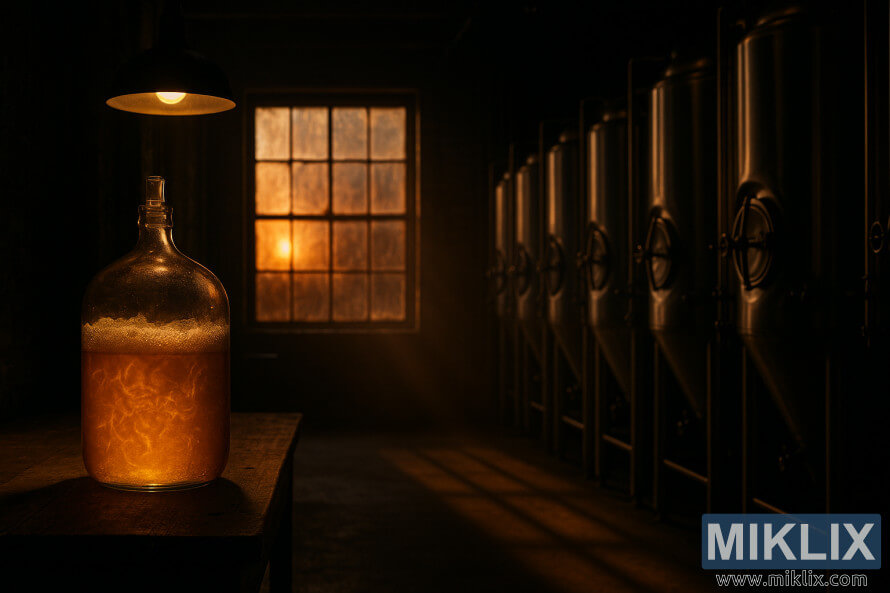
Click or tap the image for more information and higher resolutions.
Flavor Outcomes at Different Fermentation Profiles
The Wyeast 3711 flavor profile changes significantly with temperature. At cooler temperatures, around the mid-60s°F, the yeast produces subtle esters and phenols. This results in leathery, fruity, and peppery notes, which many brewers find appealing for their balance and clean high-alcohol character.
When the fermentation temperature reaches the late 60s to low 70s°F, the yeast's fruitiness and spice become more pronounced. This range is ideal for brewers who desire a yeast character that is expressive yet avoids harsh solvent notes.
Warmer temperatures, in the mid-70s to 80s°F, increase ester production and speed up fermentation. Brewers often report citrusy, tart, and fruity esters. These flavors can be so pronounced that they require extended conditioning to soften the higher alcohol edges.
Choosing a fermentation path depends on your preference for esters versus phenols and your patience for aging. Start with a cooler temperature and gradually increase it to control ester intensity while allowing phenolic spice to develop. For maximum yeast-driven fruit and pepper, opt for a warmer profile and longer conditioning to achieve the desired saison sensory outcomes.
- Cool start (mid-60s°F): balanced, restrained esters vs phenols, cleaner finish.
- Moderate (late 60s–low 70s°F): lively fruit and spice, drinkable and showy.
- Hot (mid-70s–80s°F+): bold esters, faster attenuation, longer mellowing time.
Utilize the ferment temp flavor map as a guide and adjust mash, pitching, and oxygenation to align with your recipe goals. Thoughtful temperature control leads to predictable saison sensory outcomes, with the Wyeast 3711 flavor profile at the core of your decision-making process.
Pairing 3711 with Other Yeasts and Blends
Brewers employ yeast blends with 3711 to enhance a saison's flavor spectrum. They often pair Wyeast 3711 with strains known for phenolic or fruity characteristics. This combination aims for a dry finish and complex esters. Wyeast 3724 or White Labs WLP565 are preferred for adding a classic farmhouse funk on top of 3711's clean profile.
Effective mixing of saison yeasts requires a clear plan for each strain's role. Use 3711 for its reliable attenuation and low final gravity. Introduce a second strain for phenolic spice, tropical fruit, or Brett complexity. This approach creates Wyeast 3711 blends that balance dryness with distinct character.
Co-pitching strategies significantly influence the outcome. Pitching equal amounts can lead to a competitive balance between strains. However, favoring 3711 with a higher inoculation ensures its dryness prevails. Alternatively, delay pitching a phenolic strain by 12–24 hours to allow 3711 to establish an early advantage.
When mixing saison yeasts, keep fermentation management straightforward. Monitor temperature preferences and attenuation differences. If strains have vastly different optimal temperatures, choose a compromise range or adjust temperatures during active fermentation. Regularly check gravity and aroma to determine if adjustments are necessary.
For those seeking a Dupont-like profile, consider alternatives like ECY08 or RVA 261. These options can simplify blending while achieving a traditional farmhouse character.
- Common blend idea: Wyeast 3711 + Wyeast 3724 for dryness plus phenolic complexity.
- Co-pitching tip: adjust relative pitch rates to set the dominant strain.
- Fermentation note: stage temperatures if strains have different preferences.
- Safety: avoid diastatic strains unless you want active attenuation in bottle or keg.
Creating successful Wyeast 3711 blends begins with clear objectives. Determine whether you prioritize dryness, phenolic spice, fruity esters, or Brett funk. Plan your pitch ratios and temperature schedules accordingly. Small test batches are crucial for refining your techniques before scaling up.
Common Troubleshooting and Tips from Homebrewers
When a batch seems to stall, start with simple checks. Measure temperature, confirm adequate oxygenation, and verify the pitch rate. Wyeast 3711 troubleshooting often points to cool fermenters or weak starters as the cause.
Gravity surprises are common with this strain. Many brewers report final gravities near 1.000–1.003. To manage attenuation, set original gravity targets slightly lower for session saisons to avoid overshooting intended ABV.
Keep bitterness in balance. Very dry finishes make hops taste sharper. For many recipes, aim for moderate IBUs under 25 to prevent bitterness from dominating delicate spice and fruit esters.
To avoid fusels, control fermentation heat and allow time for cleanup. Fast, hot ferments can create higher alcohols. Yeast health and steady temperatures help reduce harsh fusels on warm ferment schedules.
Mouthfeel can remain rounded even at low FG. Brewers often find the beer retains body despite heavy attenuation. This outcome helps when you want a crisp yet drinkable saison without a thin texture.
Conditioning matters. Allow weeks to months for hot ferments to settle and flavors to integrate. Patience during conditioning smooths esters and phenols, and gives brewers time to plan packaging and carbonation.
- Aerate wort well before pitching and use an adequate starter when viable cell counts are low.
- Consider free-rising or a loose foil cover for sensitive saisons to relieve backpressure.
- If a stall occurs, raise temperature gradually and check dissolved oxygen or consider a small oxygenation boost early.
Saison brewing tips from forums emphasize patience. Many experienced brewers recommend waiting extra days before declaring a stuck fermentation. Re-check gravity over time and adjust only after confirming trends.
When trouble persists, document conditions and compare batches. Clear notes on temperature profile, pitch size, and oxygenation help diagnose issues and fine-tune process to manage attenuation in future brews.
How to Evaluate and Review Wyeast 3711 in Your Batch
Begin with objective metrics. Record the original and final gravity to measure attenuation. Track peak activity, start vigor, and time to stable gravity. High attenuation is expected, with many batches reaching 1.000–1.005, depending on mash fermentability.
Keep a detailed fermentation log. Note the pitching rate, temperatures, and any temperature ramps used. These details help assess the saison yeast's performance against expectations and other Saison strains. Rate the speed to finish and stall resistance for future planning.
- Measure OG and FG with the same calibrated instrument.
- Record gravity daily during active fermentation, then weekly during conditioning.
- Document temperature schedule and any pressure or open-ferment choices.
Perform a focused sensory check when the beer is drinkable. Smell for leathery or fruity esters and spice notes like black pepper or cardamom. Warmer ferments can push citrus or tart citrus traits into the nose.
Taste to capture mouthfeel and dryness. Evaluate for perceived dryness, body, and any solvent or higher-alcohol notes that signal an overly hot ferment. Use tasting notes 3711 to standardize descriptors across batches.
Use comparative review points to put the data in context. Compare how this batch behaved against previous uses of Wyeast 3711 and against other saison cultures. Note consistency, conditioning time, and how much yeast character aligns with your recipe goals.
- Score reliability, attenuation, and flavor contribution.
- Rate ease of handling and resistance to stalls.
- Assess match to the intended style, whether classic or modern/hoppy.
Translate findings into actionable changes. If measuring attenuation shows lower-than-expected finish, adjust mash fermentability or step up the starter next time. If tasting notes 3711 reveal excessive phenols or esters, lower peak temperatures or shorten ramps.
Keep each batch file complete. Include OG, FG, fermentation timeline, temperatures, and a clear sensory sheet. This practice lets you reliably review Wyeast 3711 batch results and refine technique to better assess saison yeast performance in future brews.
Conclusion
Wyeast 3711 stands out as a top choice for brewers aiming for consistent, high attenuation. It offers a balanced fruity-spicy profile, avoiding overwhelming phenolics. This strain is ideal for dry table saisons, hoppy experiments, and beers needing a lean finish.
To get the most from Wyeast 3711, follow best practices. Ensure thorough aeration, use healthy cell counts or a starter, and start fermentation at low 60s°F. This helps manage esters and allows for temperature increases for more spice. Keep an eye on original gravity and bitterness to avoid a harsh finish. Also, plan for extended conditioning when fermenting at warmer temperatures.
When considering Wyeast 3711, start with small batches. Document mash fermentability and temperature profiles. Adjust recipes across brews. This strain is perfect for brewers seeking a reliable, “set-and-forget” yeast. It consistently drives attenuation and yields a clean yet characterful saison, making it a valuable addition to your cellar.
Further Reading
If you enjoyed this post, you may also like these suggestions:
- Fermenting Beer with Fermentis SafAle WB-06 Yeast
- Fermenting Beer with Wyeast 2000-PC Budvar Lager Yeast
- Fermenting Beer with White Labs WLP051 California V Ale Yeast