
A Guide to Growing Alfalfa Sprouts at Home
Published: January 22, 2026 at 9:28:40 PM UTC
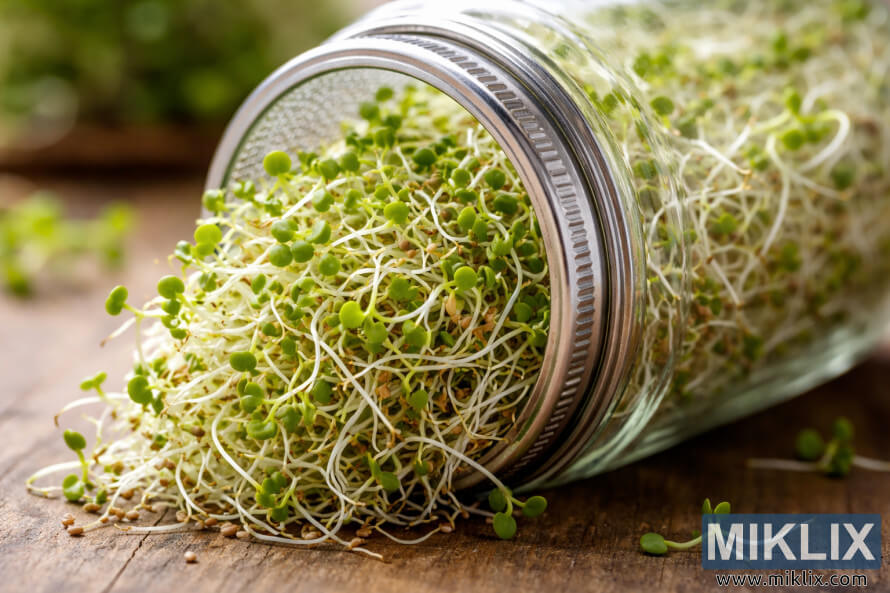
Growing your own alfalfa sprouts at home is one of the simplest ways to add fresh, nutritious greens to your diet year-round. These tiny powerhouses are packed with vitamins, minerals, and antioxidants, making them a perfect addition to sandwiches, salads, and wraps.
Click or tap the image for more information and higher resolutions.
The best thing about growing your own alfalfa sprouts may be that you don't need a garden, special skills, or even sunlight to grow them successfully. In this guide, I'll walk you through the simple process of growing alfalfa sprouts in your kitchen, giving you complete control over freshness and food safety while saving money compared to store-bought options.
Benefits of Growing Your Own Alfalfa Sprouts
Before diving into the growing process, let's explore why growing alfalfa sprouts at home is worth your time:
- Superior Freshness: Harvest sprouts at their peak nutritional value, unlike store-bought options that may sit on shelves for days.
- Cost-Effective: A small bag of sprouting seeds can produce dozens of batches of sprouts, saving significant money over time.
- Food Safety Control: Manage the growing environment yourself to minimize contamination risks associated with commercially grown sprouts.
- Nutritional Powerhouse: Alfalfa sprouts contain vitamins A, B, C, E, and K, plus minerals like calcium, iron, magnesium, phosphorus, and potassium.
- Year-Round Growing: No need to wait for gardening season—grow fresh sprouts in any climate, any time of year.
- Minimal Space Required: Perfect for apartment dwellers or those with limited garden space.
What You'll Need for Growing Alfalfa Sprouts
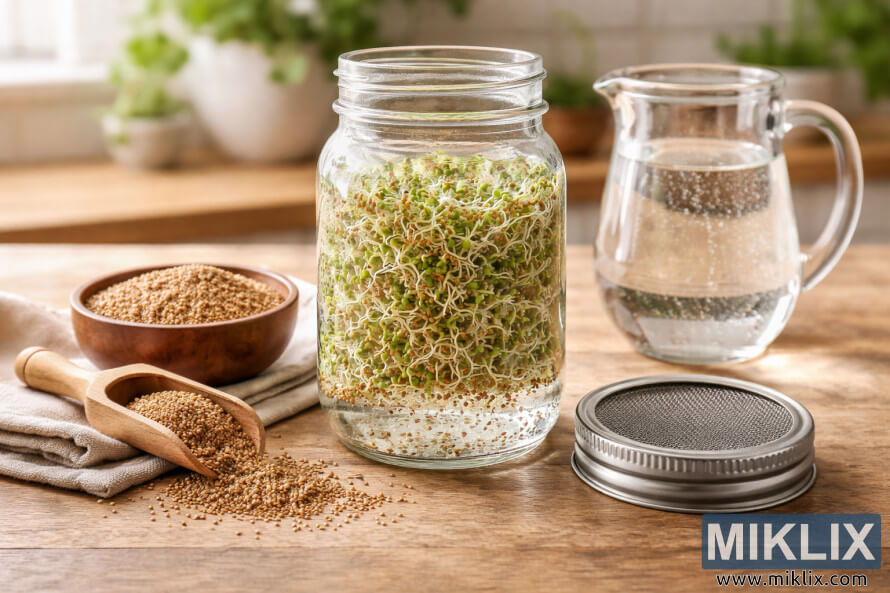
One of the best things about growing sprouts is how little equipment you need. Here's everything required to get started:
Essential Equipment
- Sprouting Seeds: Always use seeds specifically labeled for sprouting, as they're tested for safety and germination rate. Regular garden seeds may be treated with chemicals not intended for consumption.
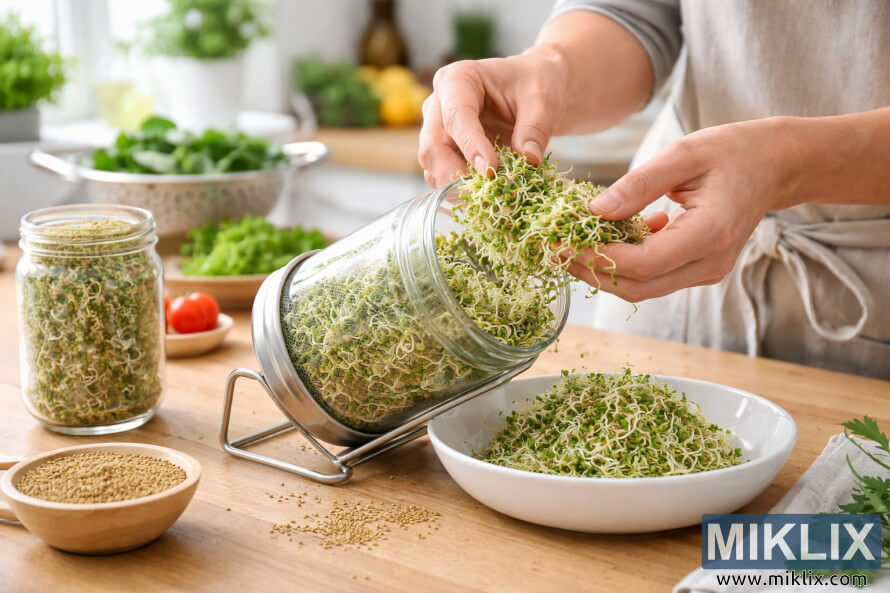
- Sprouting Vessel: A wide-mouth mason jar (quart size) works perfectly. You'll also need a sprouting lid or mesh screen to cover the jar opening.
- Clean Water: Filtered water is ideal, but clean tap water works well too.
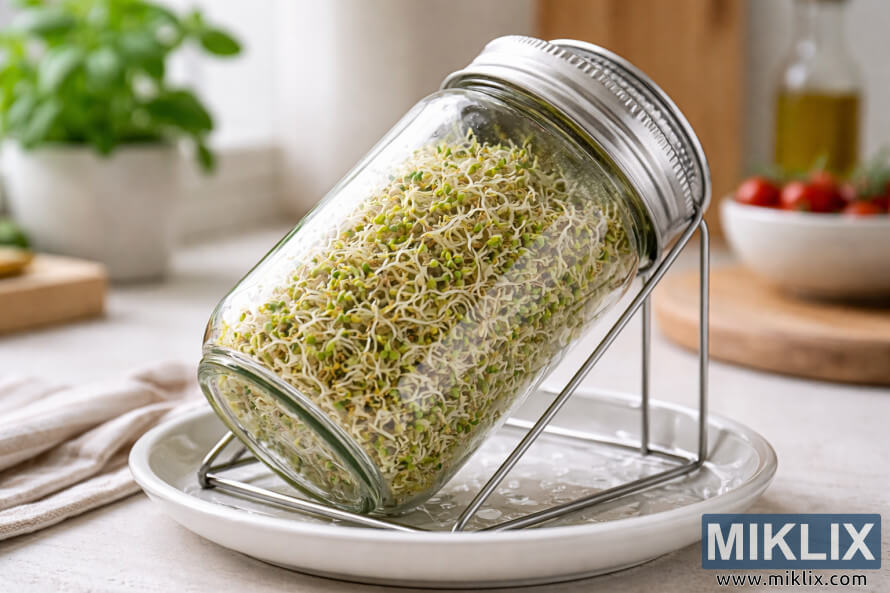
- Draining Stand: A small bowl or dish rack to hold your jar at an angle for proper drainage.
Optional But Helpful
- Sprouting Tray: If you plan to grow sprouts regularly, a dedicated sprouting tray system can be more efficient than jars.
- Measuring Spoons: For consistent seed amounts.
- Kitchen Towel: To dry sprouts before storage.
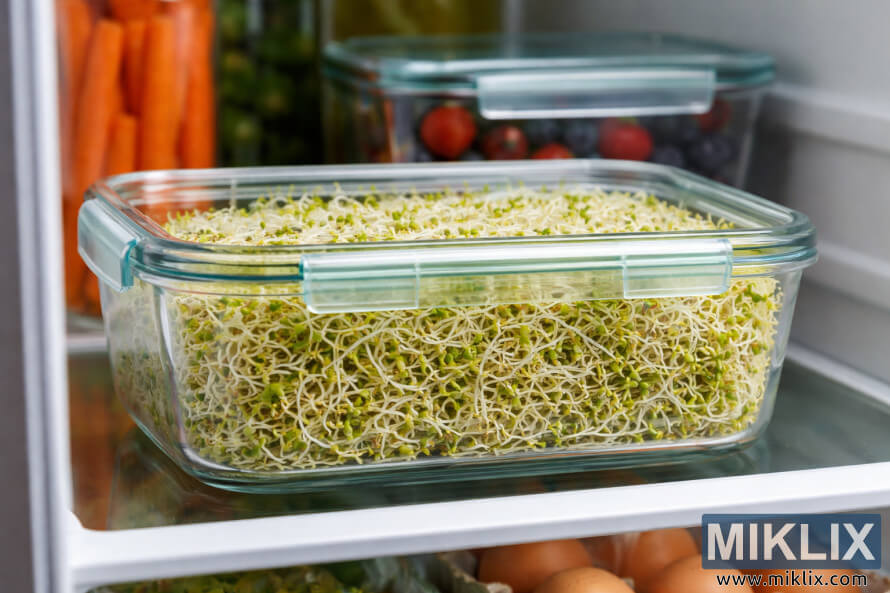
- Glass Storage Containers: For storing finished sprouts in the refrigerator.
Click or tap the image for more information and higher resolutions.
Step-by-Step Guide to Growing Alfalfa Sprouts
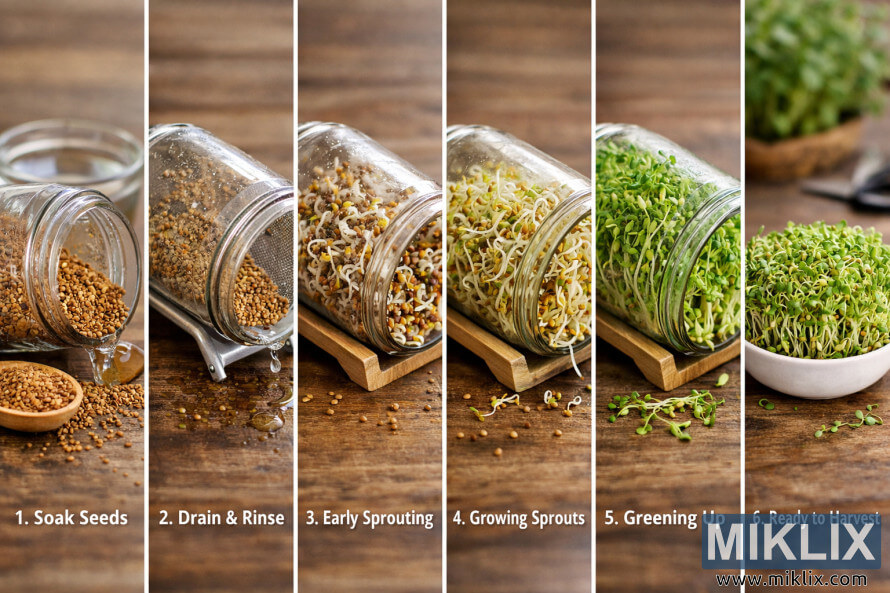
Growing alfalfa sprouts is a simple process that takes about 5-7 days from start to finish. Follow these steps for perfect sprouts every time:
Day 1: Rinsing & Soaking
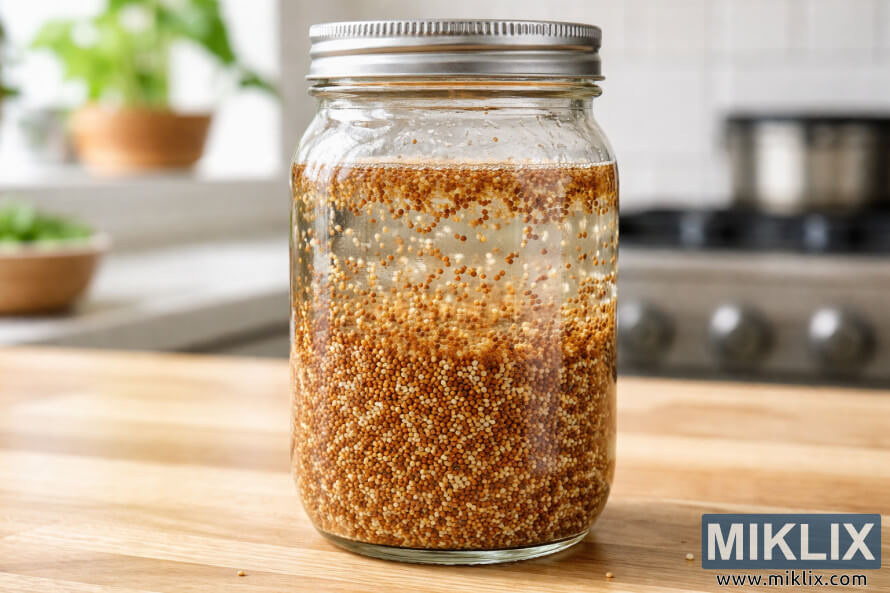
- Measure the seeds: Start with 2 tablespoons of alfalfa seeds for a quart-sized jar. This will yield approximately 4 cups of sprouts.
- Rinse thoroughly: Place seeds in your jar and rinse with cool water several times to remove any dust or debris.
- Soak overnight: Fill the jar with cool water (about 3 times the volume of seeds), secure the sprouting lid, and let soak for 8-12 hours. I find that starting this process in the evening works well.
Click or tap the image for more information and higher resolutions.
Days 2-5: The Daily Routine
- Drain thoroughly: After soaking, drain all water from the jar. This is crucial—excess moisture can lead to mold or rotting.
- Rinse again: Fill the jar with fresh water, swirl gently, and drain completely.
- Position for drainage: Place the jar at an angle (upside down or on its side) in a bowl or dish rack to allow continued drainage and air circulation.
- Repeat twice daily: Rinse and drain your sprouts every 12 hours (morning and evening). This provides moisture while preventing mold growth.
- Watch them grow: By day 3, you'll see tiny white sprouts emerging. By day 4-5, they'll be significantly longer.
Click or tap the image for more information and higher resolutions.
Pro Tip: Consistency is key with rinsing and draining. Set alarms on your phone if needed to maintain the schedule. The most common cause of failed sprouts is either forgetting to rinse or inadequate draining.
Days 5-6: Greening Your Sprouts
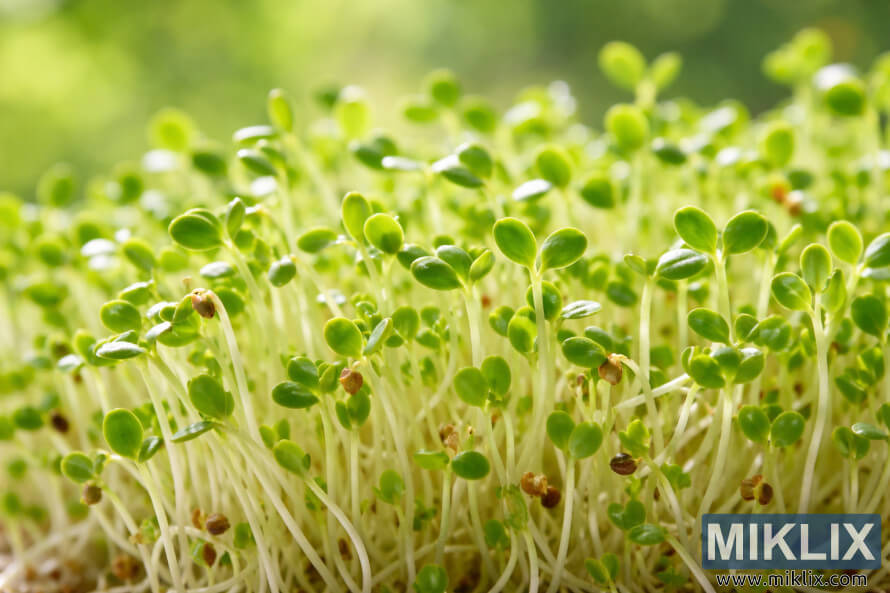
- Expose to indirect light: When sprouts are about 1-2 inches long with small yellow leaves, place the jar in indirect sunlight for 12-24 hours.
- Continue rinsing: Maintain your twice-daily rinsing schedule during this phase.
- Watch for greening: The yellow leaves will turn green as they produce chlorophyll, increasing nutritional value and improving appearance.
Click or tap the image for more information and higher resolutions.
Day 7: Harvesting Your Sprouts
- Final rinse: Give your sprouts one last thorough rinse.
- Remove hulls (optional): Fill a large bowl with water and gently place your sprouts in it. Many of the seed hulls will float to the top where you can skim them off.
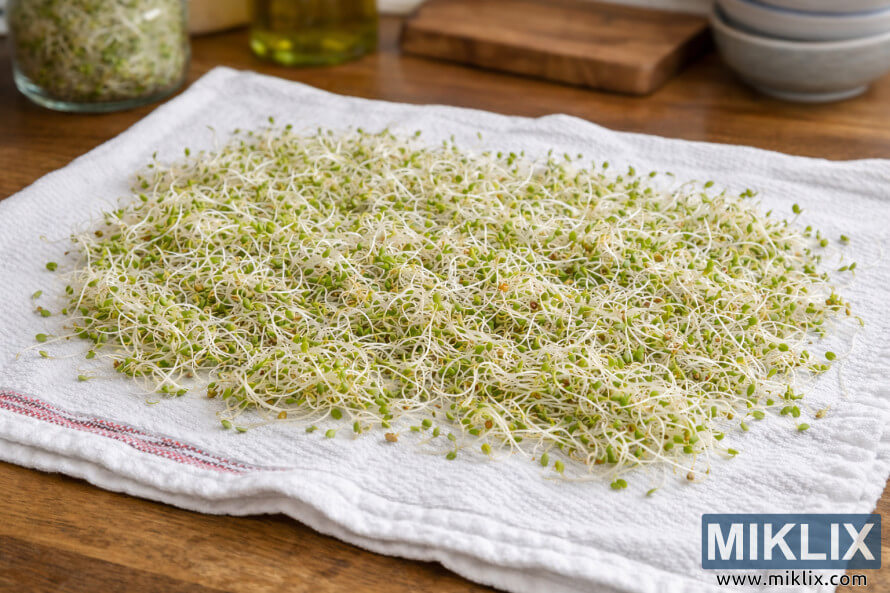
- Dry thoroughly: Spread sprouts on a clean kitchen towel or use a salad spinner to remove excess moisture. This step is crucial for extending shelf life.
- Store properly: Transfer dry sprouts to a container with a lid and refrigerate. They'll keep for 5-7 days when properly dried and stored.
Click or tap the image for more information and higher resolutions.
Click or tap the image for more information and higher resolutions.
Troubleshooting Common Issues
Common Problems
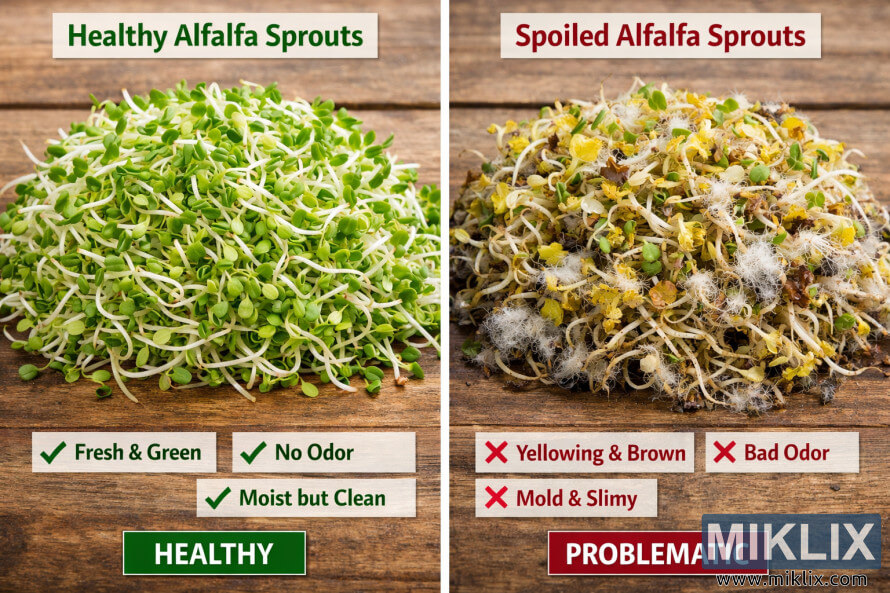
- Mold or Unpleasant Smell: Discard the batch and start over. This usually happens due to insufficient drainage or rinsing.
- Seeds Not Sprouting: Your seeds may be old or of poor quality. Try a fresh batch from a reputable source.
- Slow Growth: Room temperature may be too cool. Ideal sprouting temperature is 65-75°F (18-24°C).
- Bitter Taste: Sprouts may have been exposed to light too long or harvested too late. Harvest earlier next time.
- Slimy Sprouts: Not enough air circulation or drainage. Make sure your jar is positioned to allow excess water to escape.
Prevention Tips
- Clean Equipment: Always start with thoroughly cleaned jars and tools.
- Quality Seeds: Use only fresh, organic seeds specifically labeled for sprouting.
- Proper Drainage: Ensure your jar is positioned to allow complete water drainage after rinsing.
- Consistent Rinsing: Never skip the twice-daily rinse and drain routine.
- Avoid Direct Sunlight: Until the greening phase, keep sprouts out of direct light.
Are homegrown sprouts safe to eat?
Yes, when grown properly with good hygiene practices, homegrown sprouts are generally safe. The FDA recommends thoroughly cooking sprouts for young children, elderly, pregnant women, or those with compromised immune systems. For everyone else, proper growing techniques and thorough rinsing minimize risks.
How much yield will I get from 2 tablespoons of seeds?
Two tablespoons of alfalfa seeds typically yield about 3-4 cups of sprouts. Alfalfa has an impressive 7:1 yield ratio, meaning you'll harvest approximately 7 times the volume of the original seeds.
Can I reuse the water from rinsing sprouts?
Yes! The rinse water contains nutrients and makes an excellent addition to your houseplants or garden. Just make sure you're not reusing water from sprouts that showed any signs of mold or spoilage.
Click or tap the image for more information and higher resolutions.
Storing and Using Your Alfalfa Sprouts
Proper Storage
To maximize the shelf life of your freshly grown alfalfa sprouts:
- Dry thoroughly: Remove as much moisture as possible before storing to prevent spoilage.
- Use airtight containers: Glass containers work best for keeping sprouts fresh.
- Line with paper towels: Place a clean paper towel at the bottom of your storage container to absorb any remaining moisture.
- Refrigerate promptly: Store sprouts in the refrigerator at 35-40°F (2-4°C).
- Consume within a week: For best quality and safety, use your sprouts within 5-7 days.
Click or tap the image for more information and higher resolutions.
Delicious Ways to Enjoy Alfalfa Sprouts
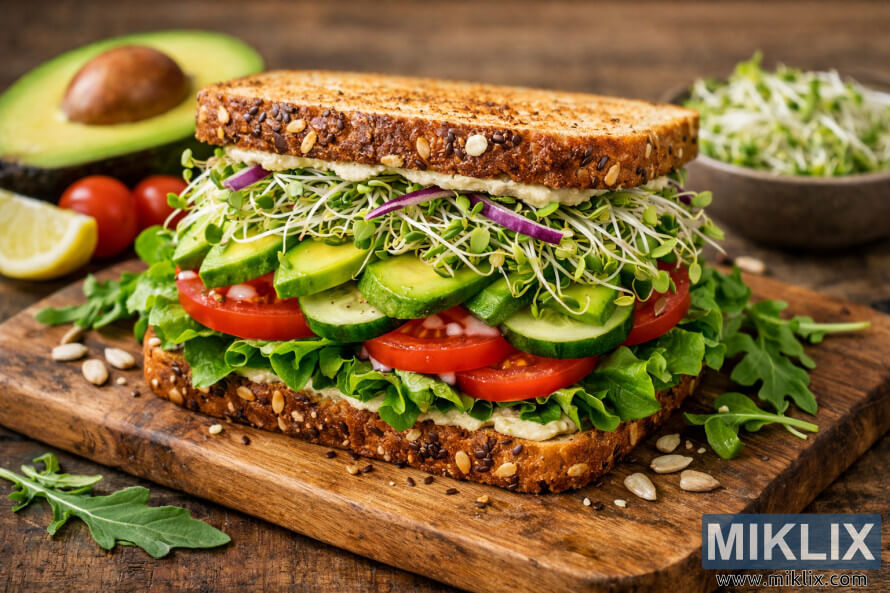
Now that you've successfully grown your own alfalfa sprouts, here are some delicious ways to incorporate them into your meals:
Sandwiches and Wraps
- Avocado toast topped with sprouts
- Hummus and vegetable wraps
- Classic turkey or veggie sandwiches
- Egg salad sandwiches with sprouts
Salads and Bowls
- Green salads with sprouts as a topper
- Buddha bowls with grains and vegetables
- Taco salads with sprouts instead of lettuce
- Sprout-topped soups as a garnish
Other Creative Uses
- Blend into smoothies for added nutrition
- Add to stir-fries (at the very end)
- Use as a garnish for deviled eggs
- Mix into homemade spring rolls
Click or tap the image for more information and higher resolutions.
Start Your Sprouting Journey Today
Growing alfalfa sprouts at home is one of the most rewarding kitchen projects you can undertake. With minimal equipment, space, and just a few minutes of attention each day, you can produce nutritious, fresh sprouts year-round regardless of your gardening experience or climate.
Remember that consistency is key—regular rinsing and thorough draining are the secrets to success. Once you've mastered alfalfa sprouts, consider exploring other sprouting varieties like broccoli, radish, or mung bean sprouts, each with their own unique flavors and nutritional profiles.
Start your first batch today, and in less than a week, you'll be enjoying the satisfaction of growing your own food right in your kitchen!
Click or tap the image for more information and higher resolutions.
Further Reading
If you enjoyed this post, you may also like these suggestions:
- A Guide to Growing Goji Berries in Your Home Garden
- A Complete Guide to Growing Brussels Sprouts Successfully
- A Complete Guide to Growing Avocados at Home