
Fermenting Beer with White Labs WLP039 East Midlands Ale Yeast
Published: September 23, 2026 at 9:53:23 PM UTC
Brewing authentic British-style ales requires the right yeast strain. White Labs WLP039 East Midlands Ale Yeast delivers exceptional results for homebrewers seeking that classic British ale character.
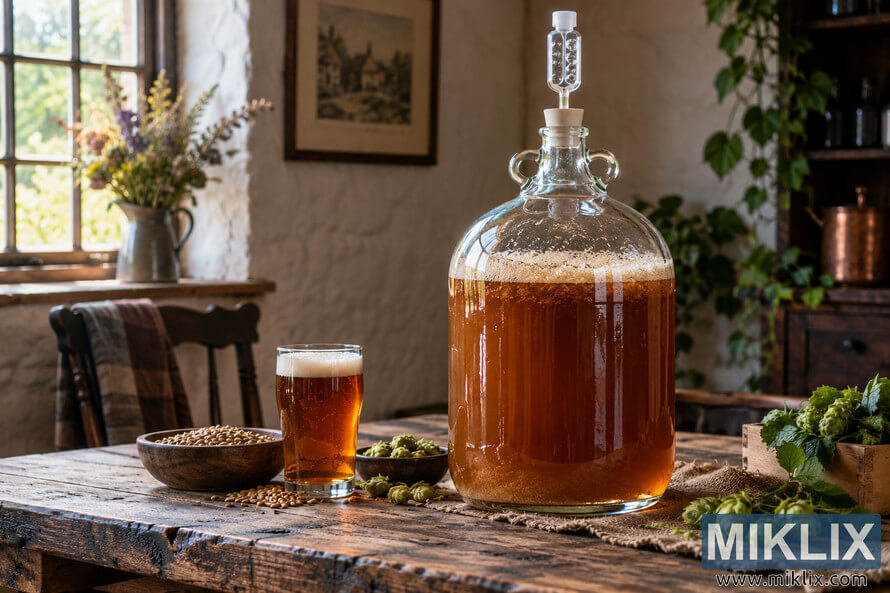
Click or tap the image for more information and higher resolutions.
This comprehensive guide explores everything you need to know about this premium ale yeast strain. You'll discover optimal brewing techniques and fermentation strategies that produce outstanding results.
Whether you're crafting traditional bitters or experimenting with modern British ale styles, understanding WLP039 characteristics transforms your brewing outcomes. Let's dive into what makes this yeast strain special.
Understanding WLP039 East Midlands Ale Yeast Characteristics
White Labs WLP039 stands out among British-style ale yeast strains for its balanced fermentation profile. This yeast produces beers with a dry finish and minimal fruit character.
The strain attenuates between 70-80%, creating crisp ales with excellent clarity. Temperature tolerance ranges from 64-74°F, giving brewers flexibility during fermentation.
Flavor Profile and Fermentation Character
WLP039 generates subtle malt-forward characteristics without overwhelming fruit or fusel alcohol production. The yeast creates a clean fermentation profile ideal for showcasing premium malt and hops.
This East Midlands strain produces low levels of esters and phenols. Your finished ales maintain focus on ingredient quality rather than yeast-derived flavors.
Primary Characteristics
- Attenuation range: 70-80%
- Fermentation temperature: 64-74°F
- Alcohol tolerance: Medium (up to 8% ABV)
- Flocculation: Medium to high
Sensory Attributes
- Clean, malt-forward profile
- Dry, crisp finish
- Minimal fruit character
- Low fusel alcohol production
Alcohol Tolerance and Performance Range
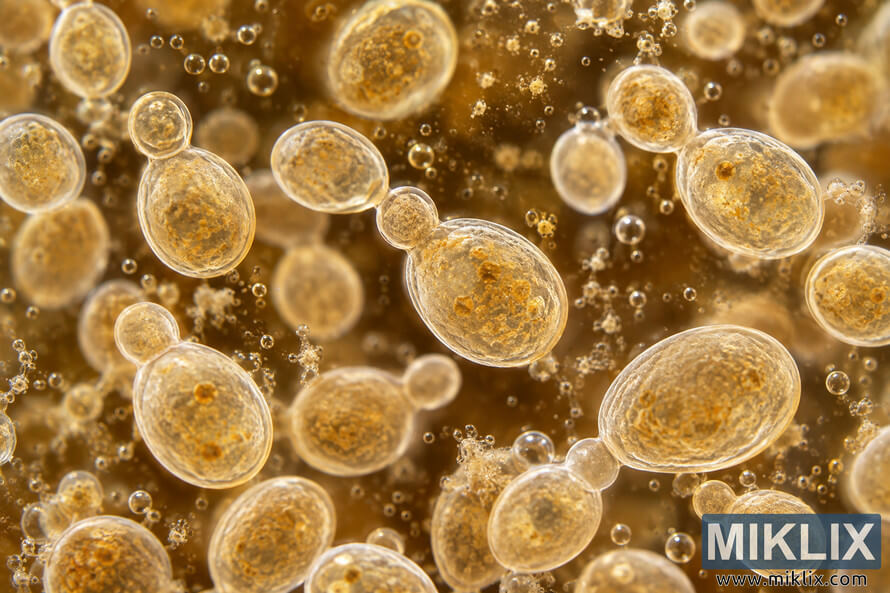
This ale yeast white labs strain performs consistently up to 8% alcohol by volume. Medium alcohol tolerance makes it perfect for standard British ale styles.
The yeast maintains clean fermentation characteristics even when pushing higher gravity ranges. Proper pitching rates and temperature control ensure optimal performance across different beer strengths.
Click or tap the image for more information and higher resolutions.
Ideal Beer Styles for White Labs WLP039 East Midlands Ale Yeast
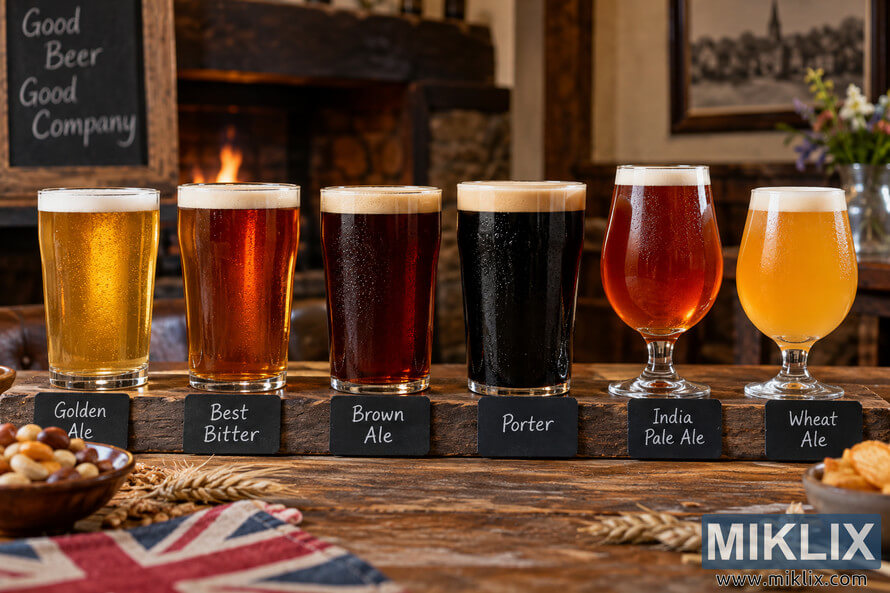
WLP039 excels in traditional British ale styles where dry finish and malt character shine. The yeast strain creates authentic profiles for classic British brewing traditions.
Traditional British Ale Styles
English bitters benefit tremendously from this East Midlands ale strain. The yeast produces the characteristic dry finish that defines proper British bitter ales.
Mild ales showcase malt complexity beautifully with WLP039. The clean fermentation profile allows subtle malt flavors to emerge without interference from yeast-derived fruit notes.
Session Ales
British bitters and milds work exceptionally well. The medium attenuation creates balanced, drinkable ales perfect for session brewing.
- English Bitter
- Best Bitter
- Mild Ale
- Session IPA
Medium-Strength Ales
ESB and strong bitters gain complexity from this yeast white labs strain. Fermentation characteristics complement higher malt bills.
- Extra Special Bitter
- English Pale Ale
- Brown Ale
- Irish Red Ale
Specialty British Styles
Porter and stout styles benefit from the dry finish. This ale yeast creates roasted malt definition without excessive sweetness.
- English Porter
- Sweet Stout
- Oatmeal Stout
- Foreign Extra Stout
Click or tap the image for more information and higher resolutions.
Modern Interpretations and Wheat Beer Applications
Modern American interpretations of British ales work wonderfully with WLP039. Craft brewers use this strain for hop-forward ales that maintain British sensibilities.
Wheat beer styles gain structure from this midlands ale yeast. The clean fermentation profile supports wheat malt character without competing fruit flavors.
Step-by-Step Fermentation Instructions for Homebrewers
Successful fermentation with WLP039 starts with proper preparation. Following these brewing instructions ensures optimal yeast performance and consistent results.
Wort Preparation and Yeast Pitching
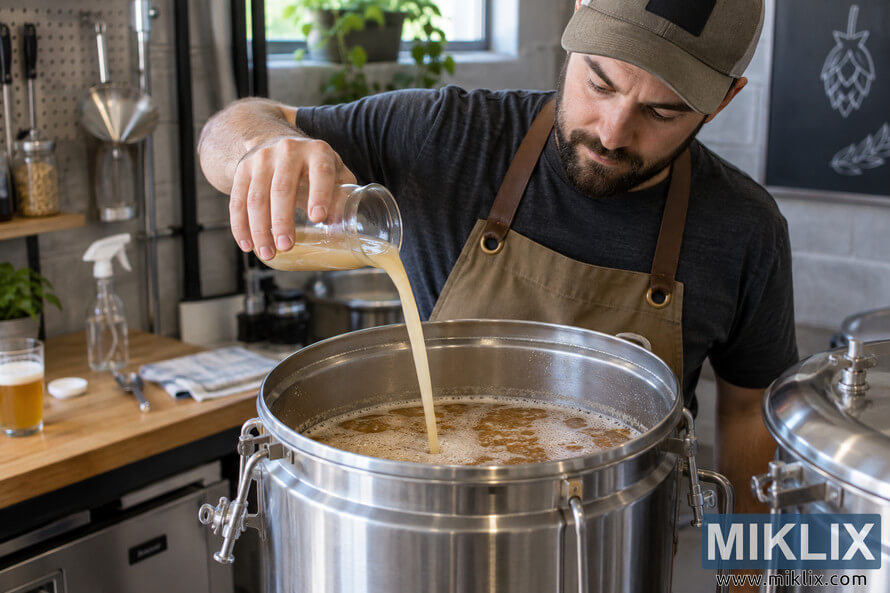
Cool your wort to 66-68°F before pitching WLP039. This temperature range activates the yeast strain without shocking the culture or promoting excessive fruit production.
Oxygenate your wort thoroughly before yeast addition. Ale yeast requires oxygen for healthy cell reproduction during the lag phase.
- Cool wort to target pitching temperature of 66-68°F
- Aerate wort for 60-90 seconds using sanitized equipment
- Remove yeast white labs vial from refrigeration 30 minutes before pitching
- Shake vial vigorously to resuspend yeast cells
- Sanitize vial exterior and pour entire contents into fermenter
- Seal fermenter and attach airlock with sanitizer or vodka
Active Fermentation Management
- Monitor fermentation temperature closely during the first 72 hours. This East Midlands ale yeast generates moderate heat during peak activity.
- Maintain temperature between 66-70°F throughout primary fermentation. Higher temperatures increase fusel alcohol production and unwanted fruit character.
- Temperature Control Tip: Use a fermentation chamber or swamp cooler to maintain consistent temperatures. Temperature stability matters more than hitting exact numbers for this yeast strain.
Fermentation Timeline and Completion
Primary fermentation typically completes within 5-7 days at optimal temperatures. The yeast shows medium to high flocculation, settling well after attenuation finishes.
Take gravity readings on consecutive days to confirm fermentation completion. WLP039 should reach 70-80% apparent attenuation depending on your wort composition.
| Fermentation Stage | Timeline | Temperature | Gravity Change |
| Lag Phase | 12-24 hours | 66-68°F | No change |
| Active Fermentation | 3-5 days | 66-70°F | Rapid drop |
| Conditioning | 2-3 days | 68-72°F | Final points |
| Maturation | 3-7 days | 65-68°F | Stable |
Click or tap the image for more information and higher resolutions.
Optimal Pitching Rates and Yeast Propagation Techniques
Proper pitching rates determine fermentation success with any ale yeast strain. White Labs WLP039 requires adequate cell counts for healthy, complete fermentation.
Calculating Cell Counts and Pitch Rates
Standard ales require approximately 0.75 million cells per milliliter per degree Plato. A 5-gallon batch at 1.050 gravity needs roughly 150 billion yeast cells.
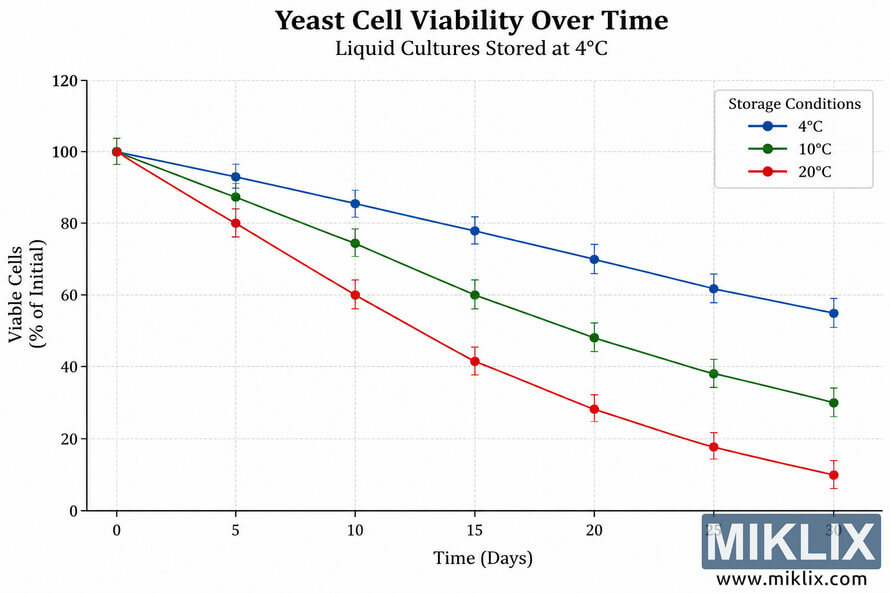
One White Labs vial contains approximately 100 billion cells at packaging. Cell viability decreases over time, making production dates important for yeast white labs products.
Direct Pitching Guidelines
Direct pitching works for lower-gravity ales when using fresh yeast. Check the production date on your midlands ale yeast vial before brewing day.
- Beers under 1.050 OG: One fresh vial
- Beers 1.050-1.060 OG: One fresh vial or small starter
- Beers over 1.060 OG: Starter required
- Vials over 2 months old: Always use starter
Click or tap the image for more information and higher resolutions.
Yeast Starter Preparation Methods
Building a yeast starter increases cell count and verifies yeast viability. This brewing technique improves fermentation reliability for this British-style ale yeast.
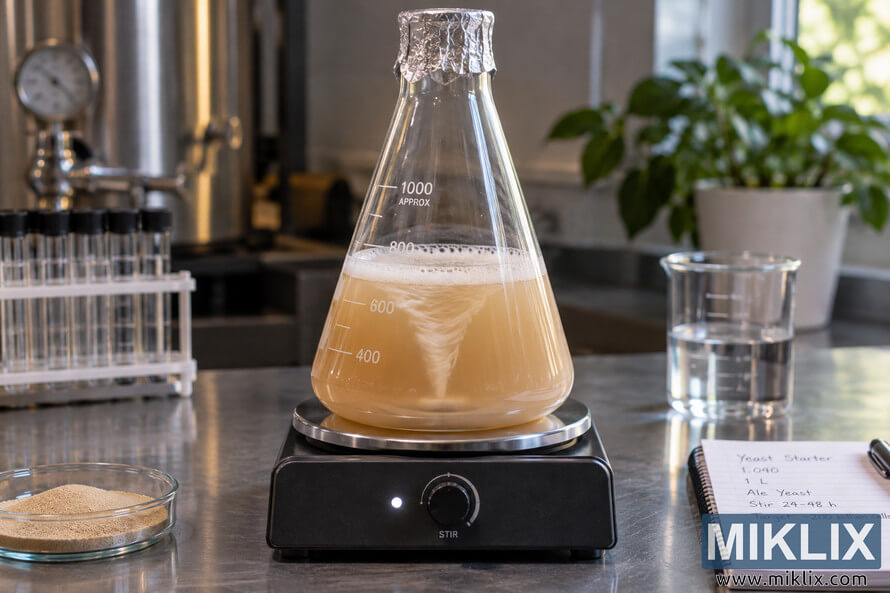
Create starters 24-48 hours before brew day. Use a 1.040 gravity wort made from dried malt extract for consistent starter results.
- Calculate required cell count using online yeast calculators
- Prepare 1.040 gravity starter wort using DME and water
- Boil starter wort for 10 minutes, cool to room temperature
- Transfer to sanitized flask or vessel, pitch yeast
- Use stir plate or shake periodically for 24-48 hours
- Cold crash overnight to settle yeast before decanting
- Pour off spent wort, pitch healthy yeast slurry
Click or tap the image for more information and higher resolutions.
Yeast Harvesting and Reuse
- This ale yeast strain remains viable for multiple generations. Harvesting and reusing yeast reduces brewing costs while maintaining quality.
- Collect yeast from fermenters within one week of completion. Store in sanitized containers under sterile beer or distilled water in your refrigerator.
- Important: Limit yeast reuse to 5-6 generations for maintaining consistent fermentation characteristics. Genetic drift and mutation accumulation affect yeast performance over excessive generations.
Temperature Management Tips for Achieving Best Results
Temperature control significantly impacts flavor development when brewing with WLP039. This yeast strain performs best within specific temperature ranges.
Primary Fermentation Temperature Guidelines
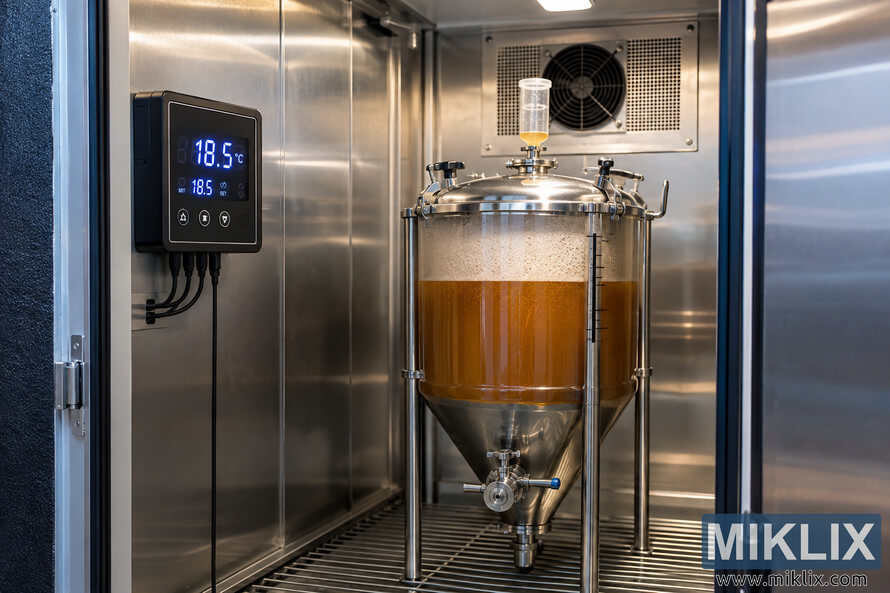
Maintain fermentation between 66-70°F for optimal results. This range minimizes fruit character while preventing fusel alcohol production that occurs at higher temperatures.
Temperatures below 64°F slow fermentation and may cause premature flocculation. The East Midlands ale characteristics develop properly within the recommended range.
Click or tap the image for more information and higher resolutions.
Temperature Control Equipment and Methods
Fermentation chambers provide precise control for consistent results. Convert a refrigerator or freezer using an external temperature controller for reliable brewing conditions.
Budget-friendly alternatives include swamp coolers and basement locations. Even basic temperature management improves outcomes compared to uncontrolled fermentation.
Fermentation Chamber
Dedicated refrigerator with external temperature controller. Provides precise control year-round.
- Accuracy: ±1°F
- Investment: Medium-High
- Best for serious brewers
Swamp Cooler
Fermenter in water bath with frozen bottles. Simple and effective for warm environments.
- Accuracy: ±3°F
- Investment: Low
- Requires daily attention
Cool Location
Basement or air-conditioned space. Works well in moderate climates for this ale yeast.
- Accuracy: ±5°F
- Investment: None
- Limited seasonal use
Diacetyl Rest and Conditioning Temperatures
Raise temperature to 70-72°F during final fermentation days. This encourages the yeast strain to reabsorb diacetyl, a buttery off-flavor compound.
Allow 2-3 days at elevated temperature before cooling for packaging. This conditioning period improves the dry finish characteristic of ales fermented with WLP039.
Common Issues and Troubleshooting When Using This Yeast
Even experienced brewers encounter fermentation challenges. Understanding common WLP039 issues helps you maintain brewing quality and troubleshoot problems effectively.
Slow or Stuck Fermentation
Insufficient yeast cells cause slow fermentation starts. Under-pitching remains the most common problem when brewing with this midlands ale yeast strain.
Low fermentation temperatures also slow yeast activity. Verify your temperature readings match the actual fermenter temperature rather than ambient conditions.
Prevention Strategies
- Use proper pitching rates calculated for batch size
- Build yeast starters for higher-gravity beers
- Maintain optimal fermentation temperature range
- Ensure adequate wort oxygenation before pitching
- Use fresh yeast with recent production dates
Correction Methods
- Gently rouse yeast by swirling fermenter
- Raise temperature by 2-3°F to encourage activity
- Add fresh yeast if fermentation truly stuck
- Check gravity readings before intervention
- Allow extra time for complete attenuation
Click or tap the image for more information and higher resolutions.
Off-Flavor Development
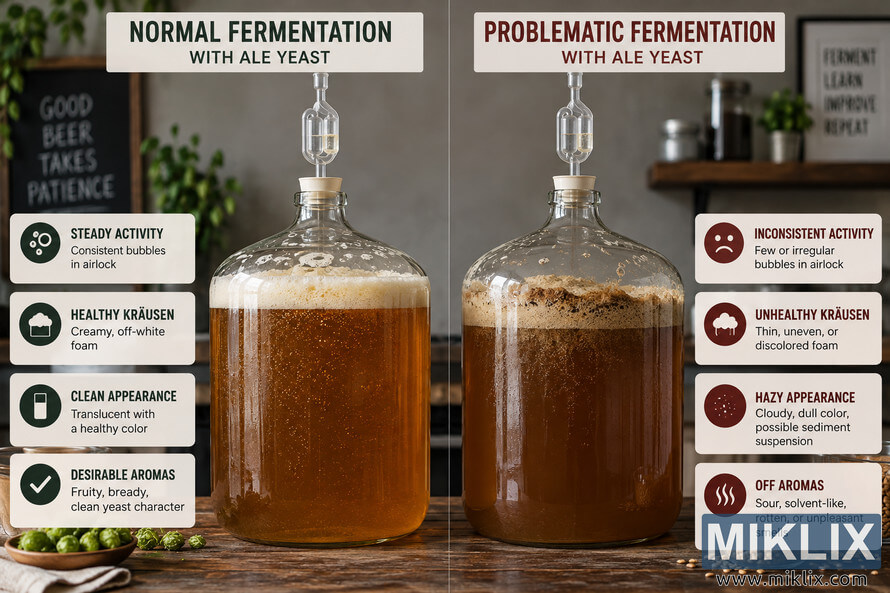
Fusel alcohol production indicates excessive fermentation temperatures. These hot alcohol flavors detract from the clean profile expected from British-style ale yeast.
Fruit character beyond style guidelines suggests temperature spikes during active fermentation. Monitor and control temperature throughout the entire fermentation process.
Clarity and Flocculation Problems
WLP039 shows medium to high flocculation under proper conditions. Poor clarity often results from temperature fluctuations or insufficient maturation time.
Allow 3-5 days of cold conditioning after fermentation completes. This yeast white labs strain settles effectively with proper time and stable temperatures.
Why is my beer still cloudy after two weeks?
WLP039 requires proper temperature management for optimal flocculation. Cold condition your beer at 35-40°F for 3-5 days. Consider using fining agents like gelatin if clarity remains poor after cold conditioning.
Can I fix hot alcohol flavors in finished beer?
Fusel alcohol flavors from high fermentation temperatures cannot be removed after production. Prevent this issue by maintaining proper temperature control. Extended aging may slightly reduce perception but won't eliminate the problem.
What if fermentation stops before reaching target gravity?
Verify true stuck fermentation by taking gravity readings on consecutive days. If gravity remains stable, check fermentation temperature and gently rouse yeast. Pitch additional fresh yeast if the problem persists after 48 hours.
Comparison with Similar Ale Yeast Strains
Multiple British-style ale yeast strains exist for homebrewing. Understanding how WLP039 compares helps you select the right strain for your brewing goals.
WLP039 vs. Other British Ale Strains
White Labs offers several British ale yeast options. Each strain produces distinct characteristics suitable for different beer styles and flavor preferences.
WLP039 East Midlands Ale creates drier finishes than southern English strains. The medium attenuation and minimal fruit production distinguish it from more estery British yeast options.
| Yeast Strain | Attenuation | Temp Range | Character | Best Styles |
| WLP039 East Midlands | 70-80% | 64-74°F | Dry, clean, malt-forward | Bitters, ESB, Mild |
| WLP002 English Ale | 63-70% | 65-68°F | Malty, fruity, complex | Pale Ale, Porter |
| WLP005 British Ale | 67-74% | 66-70°F | Balanced, slight fruit | Bitter, Brown Ale |
| WLP007 Dry English | 70-80% | 65-70°F | Very dry, neutral | IPA, Strong Ale |
Selecting the Right Strain for Your Recipe
Choose WLP039 when you want prominent malt character with a dry finish. This ale yeast works perfectly for traditional British bitters and mild ales.
More estery strains suit recipes where fruit character complements the beer style. Southern English strains produce fruitier profiles for styles like pale ales and porters.
When to Choose WLP039
- Dry finish desired in final beer
- Malt-forward flavor profile preferred
- Traditional British bitter character wanted
- Clean fermentation without fruit notes
- Medium to higher alcohol tolerance needed
When to Consider Alternatives
- Fruity ester profile desired
- Lower attenuation for sweeter finish
- Complex yeast character wanted
- Specific regional British style targeted
- Historical authenticity required
Dry Yeast Alternatives
Several dry yeast strains offer similar characteristics to WLP039. Dry yeast provides longer shelf life and simpler storage compared to liquid yeast white labs products.
Fermentis Safale S-04 produces comparable dry British ale character. Lallemand Nottingham Ale Yeast creates similarly clean, attenuative fermentation profiles for British ales.
Storage and Handling Recommendations for WLP039 Liquid Yeast
Proper storage maintains yeast viability and brewing performance. White Labs liquid yeast requires specific handling to preserve cell health and fermentation characteristics.
Refrigeration and Temperature Storage
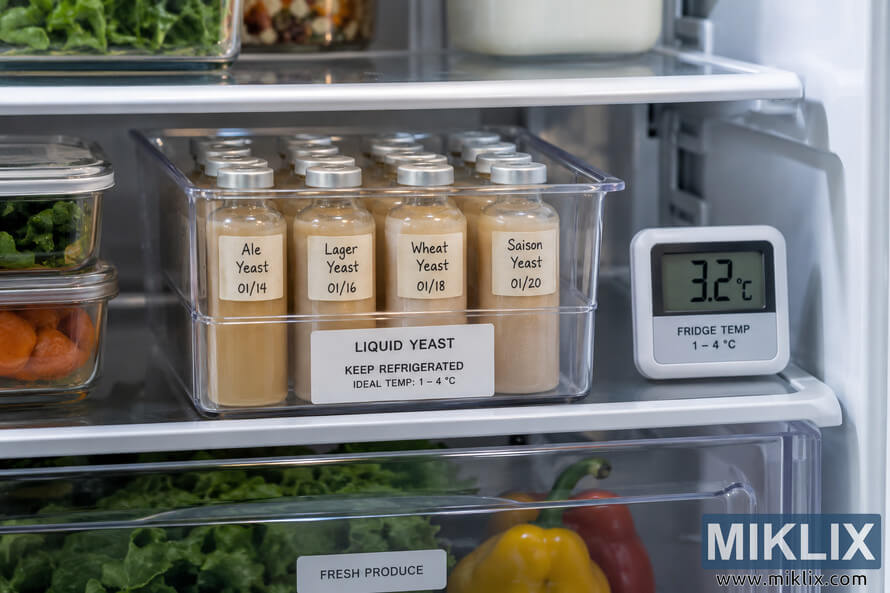
Store WLP039 at 35-40°F immediately upon receipt. Consistent refrigeration temperature preserves yeast cell viability throughout the product shelf life.
Never freeze liquid yeast cultures. Freezing destroys cell walls and kills the yeast strain, making it unusable for brewing.
Storage Best Practice: Keep yeast vials upright in refrigerator to prevent contamination. Store away from strong-smelling foods that might affect yeast quality. Maintain stable temperature without frequent fluctuations.
Click or tap the image for more information and higher resolutions.
Shelf Life and Viability Timeline
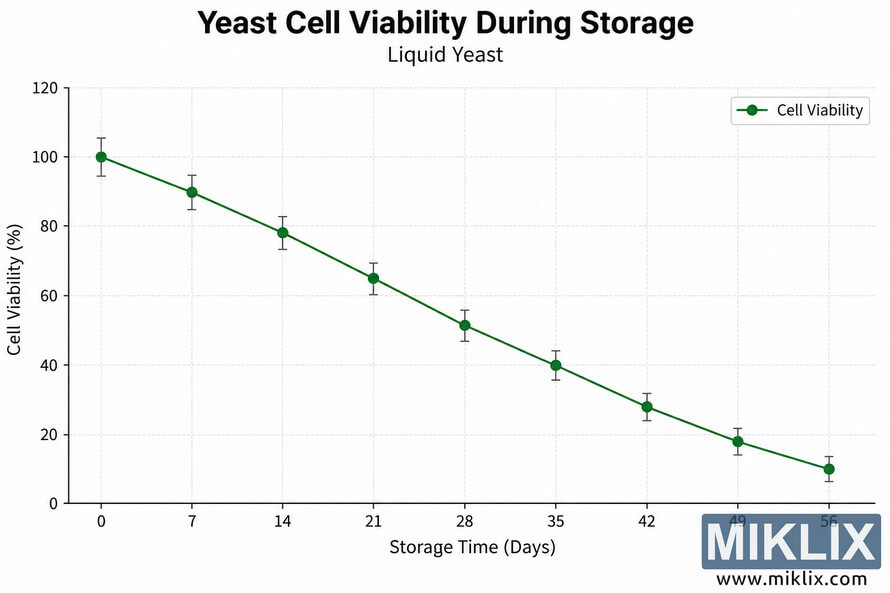
Fresh White Labs yeast contains approximately 100 billion cells at packaging. Cell count decreases roughly 20% per month under proper refrigeration conditions.
Use yeast within 4 months of production date for direct pitching. Older vials require yeast starters to achieve proper cell counts for healthy fermentation.
Yeast Viability by Age
- 0-1 month: 95-100% viable (optimal)
- 1-2 months: 80-95% viable (good)
- 2-4 months: 60-80% viable (starter recommended)
- 4-6 months: 40-60% viable (starter required)
- Over 6 months: Below 40% (risky to use)
Click or tap the image for more information and higher resolutions.
Shipping Considerations and Seasonal Planning
Order yeast with cold pack shipping during warm months. High temperatures during transit damage yeast cells and reduce viability significantly.
Plan brewing projects around yeast arrival. Use fresh yeast within days of delivery for best results, especially when shipping conditions may affect product quality.
Handling Before Brew Day
Remove yeast from refrigeration 30 minutes before pitching. Allowing gradual temperature adjustment reduces thermal shock to yeast cells.
Shake vial vigorously immediately before pitching. This resuspends settled yeast cells and ensures even distribution throughout your wort.
- Check production date and calculate yeast viability
- Remove from refrigerator 30 minutes before brewing
- Sanitize vial exterior before opening
- Shake vigorously for 30 seconds to resuspend cells
- Open and pour entire contents into prepared wort
- Seal and aerate fermenter immediately after pitching
Conclusion
White Labs WLP039 East Midlands Ale Yeast delivers authentic British ale character for homebrewers. The strain's dry finish and clean fermentation profile create exceptional bitters, milds, and traditional ales.
Success with this yeast strain requires attention to temperature control and proper pitching rates. Following fermentation best practices ensures consistent results across multiple brewing sessions.
Understanding WLP039 characteristics helps you craft better British-style beers. The knowledge you've gained about fermentation techniques, troubleshooting, and storage recommendations supports your brewing journey.
Start your next batch with confidence using this comprehensive guide. Premium ingredients, proper technique, and quality yeast create outstanding ales that showcase traditional British brewing excellence.
Click or tap the image for more information and higher resolutions.
Further Reading
If you enjoyed this post, you may also like these suggestions:
- Fermenting Beer with Bulldog B5 American West Yeast
- Fermenting Beer with CellarScience German Yeast
- Fermenting Beer with Mangrove Jack's M36 Liberty Bell Ale Yeast