
Fermenting Beer with Wyeast 1332 Northwest Ale Yeast
Published: January 3, 2026 at 5:43:15 PM UTC
Wyeast 1332 Northwest Ale Yeast is a liquid ale strain, perfect for homebrewers and craft breweries. It's ideal for clean fermentation and to enhance hop flavors.
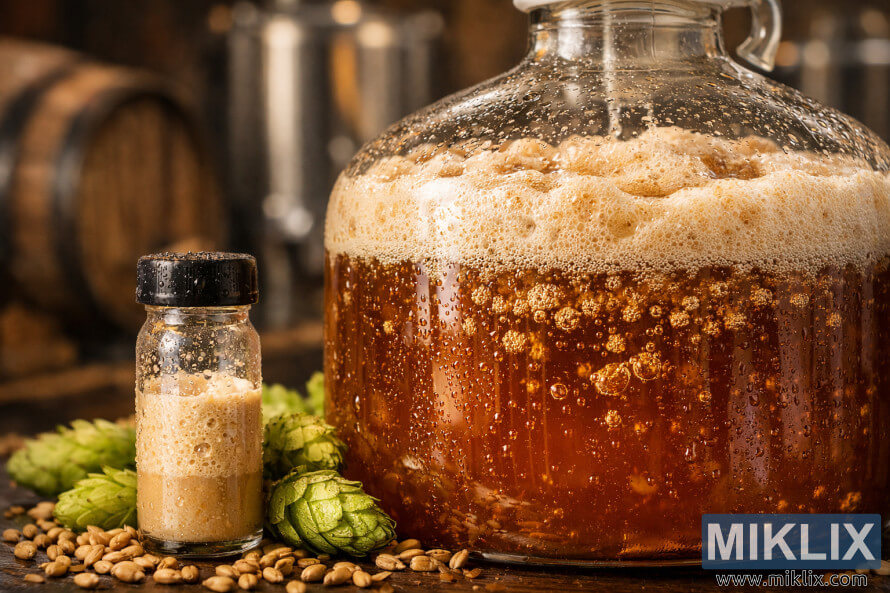
Click or tap the image for more information and higher resolutions.
Key Takeaways
- Wyeast 1332 Northwest Ale Yeast is prized for clean fermentations and strong hop clarity.
- It is common in IPAs and pale ales and appears in many community recipes.
- Vendors offer detailed product pages, Q&A, and satisfaction guarantees for U.S. buyers.
- Successful fermenting beer with this strain depends on proper pitching rates and temperature control.
- This Wyeast 1332 review will guide brewers through handling, troubleshooting, and reuse best practices.
Overview of Wyeast 1332 Northwest Ale Yeast
Wyeast 1332 is a favorite among homebrewers for its liquid ale yeast. It has a medium attenuation near 69%, resulting in a balanced finish. This is ideal for English and Northwest-style ales.
The specifications for Wyeast 1332 highlight its high flocculation and alcohol tolerance up to 10.0% ABV. This makes it perfect for session beers and some stronger ales, avoiding harsh solvent notes.
The ideal fermentation temperature range is 64–75 °F (18–24 °C). Within this range, the yeast produces a smooth, slightly sweet body. It also brings out subtle earthy and fruity esters.
It's commonly used in bitters, brown ales, milds, ESBs, Scottish ales, and porters. Recipe databases show thousands of brews that use this yeast. This reflects its versatility and reliable performance.
For brewers looking for a straightforward, clean-fermenting yeast, Wyeast 1332 is a top choice. It strikes a perfect balance between malt and hop character. This supports a wide range of traditional and modern ale styles.
Why Choose Wyeast 1332 Northwest Ale Yeast for Homebrewing
Wyeast 1332 is known for its dependable, medium-bodied profile, fitting a broad spectrum of ales. It's chosen for its steady attenuation, smooth finish, and subtle esters. These characteristics enhance malt and hops without overpowering them.
The benefits of Northwest Ale yeast include its natural high flocculation. This trait enables beers to clear more quickly. It reduces the need for extensive filtration and lengthy conditioning periods, benefiting many homebrews.
When selecting a homebrewing yeast, versatility is key. Wyeast 1332 excels in both British and Pacific Northwest styles. It's a staple in thousands of recipes, favored by both hobbyists and professional brewers.
- Flavor contribution: gentle earthy and fruity esters that enhance balance
- Body: medium with a slightly sweet finish that supports malt-forward beers
- Clarity: strong flocculation aids natural settling and brightness
Its reliability is supported by widespread community use and commercial recipes. Multiple user reviews and recipe listings underscore why Wyeast 1332 is a popular choice among brewers.
For brewers seeking a consistent, adaptable yeast, Wyeast 1332 is a standout. It offers a perfect balance of flavor, performance, and ease of use.
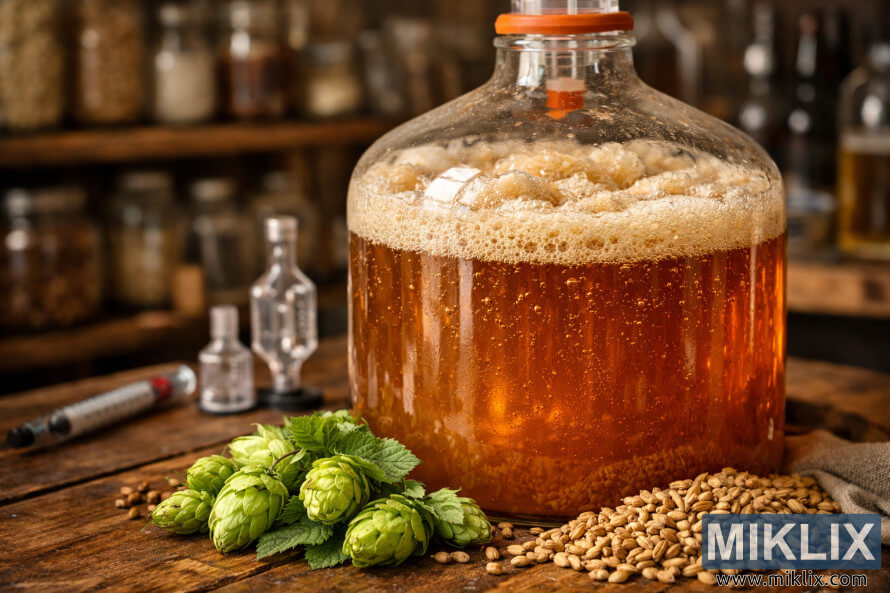
Click or tap the image for more information and higher resolutions.
Pitching and Starter Recommendations for Best Performance
Wyeast 1332 excels with the right cell count and care. For standard-strength ales, a fresh smack pack usually suffices. However, for medium- to high-gravity beers, a yeast starter is recommended to meet target pitch rates.
Older packs or delayed shipments require a starter to revive the yeast. Proper liquid yeast handling is crucial: gently swirl, maintain sanitation, and avoid temperature extremes. A 500–1000 ml starter can often salvage marginal viability for homebrew batches.
Ensure wort aeration before pitching to support yeast growth. Adequate aeration shortens lag time and aids Wyeast 1332 in achieving full attenuation. Use sanitized tools, a small aquarium pump with an inline filter, or pure oxygen for high-gravity worts.
Adjust starter size according to gravity and batch volume. For higher gravities, increase the starter volume or use multiple flasks. Treat starter recommendations as guidelines rather than strict rules.
Pitch the yeast only after the wort has cooled to 64–75 °F (18–24 °C). Avoid thermal shock from hot wort, which can lead to stuck or sluggish fermentations. Gently pour the starter to prevent excessive splashing.
Monitor fermentation start time to gauge vitality. Active bubbling within 12–36 hours usually signals a successful pitch. If fermentation is slow, reassess your handling and consider repitching a fresh starter.
Fermentation Temperature Management
Wyeast 1332 thrives between 18.0–24.0 °C (64–75 °F). This range ensures the desired ester profile and reliable attenuation for Northwest-style ales.
At 18 °C, the yeast minimizes esters, resulting in a cleaner taste. Near 24 °C, fruity and earthy esters emerge, enhancing hop-forward recipes.
- Use ambient temperature control for mild climates.
- Employ a fermentation chamber when precise control is needed.
- Try a swamp cooler or heat belt for budget-conscious setups.
Stable temperature control is essential for Northwest Ales. Temperature fluctuations can hinder activity or introduce unwanted flavors. Aim for consistent ale fermentation temperatures.
Some brewers experience slow fermentations, with activity visible up to day 14. In such cases, maintain temperature stability and avoid stirring the yeast. Full attenuation often occurs with time.
After primary attenuation, keep the beer at a consistent temperature for conditioning. This helps in yeast settling and clarity, crucial given the strain’s high flocculation.
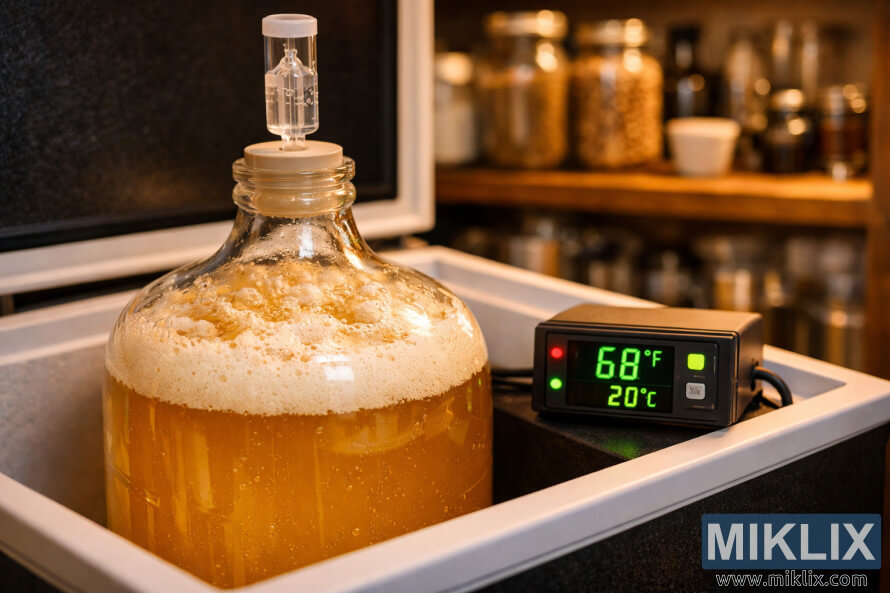
Click or tap the image for more information and higher resolutions.
Attenuation and Expected Gravity Changes
Wyeast 1332 Northwest Ale typically reaches an attenuation of about 69%. This means homebrewers can anticipate a medium attenuation in most recipes. Such attenuation often results in a touch of malt sweetness in fuller-bodied beers. It also dries out moderate-strength ales nicely.
However, real-world fermentations can vary. Some brewers have seen an OG of 1.062 drop to an FG of 1.009. This shows the strain's potential for higher attenuation under favorable conditions.
Several factors influence the attenuation Wyeast 1332 achieves. Mash temperature is crucial; a 152 °F mash produces less fermentable wort than a lower temperature. The wort's composition, including dextrins or adjuncts like honey, also affects the final gravity.
Pitching rate and oxygenation play significant roles in the expected FG. Underpitching or poor oxygenation can slow fermentation, leading to a higher final gravity. Ensuring good yeast health and a proper starter boosts the chances of reaching the target attenuation.
Fermentation temperature also impacts the gravity changes in Northwest Ale. Cooler, steady temperatures promote consistent attenuation. However, warmer swings can speed up initial activity but may risk off-flavors or stalled finishes.
- Track gravity regularly to see progress toward the expected FG.
- Allow extra time if fermentation seems slow; the strain can finish thoroughly given proper conditions.
- Adjust mash profile or oxygenation if you need a drier or sweeter final beer.
Flocculation and Clarification Behavior
Wyeast 1332 exhibits high flocculation, causing yeast cells to clump and settle rapidly. Homebrewers often achieve clear beer without the need for heavy fining agents when using this strain.
Effective yeast settling is crucial for a bright, drinkable beer after a brief conditioning period. To achieve the best results, allow the beer to mature in the fermenter. This allows the yeast to compact and leave a clean beer above the trub.
When transferring or racking, it's important to leave sediment behind. Use gentle siphoning and racking above the settled yeast to preserve clarity. This method helps avoid re-suspending yeast during packaging.
High flocculation reduces the need for filtration by removing a significant amount of yeast before conditioning. However, be cautious of premature drop-out during active fermentation. Early settling can stall attenuation if the yeast leaves the beer before fermentation is complete.
- Allow adequate conditioning time to support yeast settling.
- Rack above the trub to protect clarity.
- Monitor gravity to confirm fermentation completes despite fast flocculation.
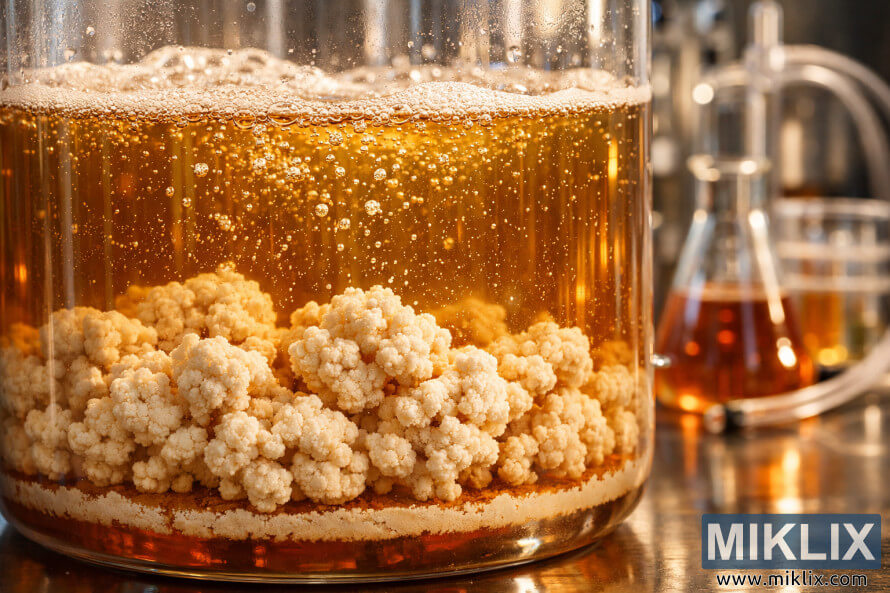
Click or tap the image for more information and higher resolutions.
Alcohol Tolerance and High-Gravity Fermentations
Wyeast 1332 can handle up to 10.0% ABV, making it a great pick for ales in the high single digits. Fermenting to 10% ABV requires patience, as the process is slower than for standard beers.
High-gravity fermentation puts a lot of pressure on yeast. It's crucial to manage oxygen levels, pitching rates, and nutrient availability. Brewers aiming for 10% ABV often use bigger starters to ensure enough yeast cells.
Using staged feeding and adding nutrients helps keep yeast healthy during long fermentations. If sugars are complex or yeast are stressed by alcohol, fermentation might slow down. Keeping temperatures gentle can help yeast complete the fermentation process.
Practical steps for reliable performance:
- Make a larger starter or use multiple packs to increase viable yeast.
- Add yeast nutrient and consider oxygenating wort before pitching.
- Keep fermentation in the recommended temperature range for Wyeast 1332.
- Be patient; allow extra time for attenuation in high-gravity fermentation.
User reports confirm that with careful planning, complete attenuation is achievable. Some batches reach the target gravity slowly but finish clean with adequate cell counts and nutrients. For successful fermentation to 10% ABV, a measured and nutrient-aware approach is essential with Wyeast 1332.
Best Beer Styles to Brew with This Strain
Wyeast 1332 excels in traditional English ales, where malt is the star. It's perfect for Bitter Ales, Brown Ales, Milds, and ESBs. These beers benefit from its toasty malt and clean, slightly sweet finish. The yeast adds subtle fruity and earthy esters, enhancing the beer's depth without dominating.
It also works well with Scottish Ales and Porters. The yeast's modest ester profile complements caramel and roasted malts. Brewers aiming for the best beer styles with Wyeast 1332 will find it improves drinkability in lower-ABV brews.
Wyeast 1332 isn't limited to British classics; it also suits Northwest Ale styles. It's great for session IPAs and amber ales, offering a restrained yeast character and clear appearance. This yeast provides a balanced background for bold hop choices in Northwest Ales.
- Bitter Ales — emphasize malty backbone and English hop varieties.
- Brown Ales & Porters — showcase nutty, toffee notes with smooth finish.
- Milds & ESBs — maintain sessionability and gentle esters.
- Scottish Ales — allow malt sweetness to lead with subtle fruit.
- Session IPAs/Amber Ales — use for clarity and balanced yeast presence.
Hop pairing is flexible. Classic East Kent Goldings or Fuggles offer traditional balance. For a Northwest twist, Cascade, Centennial, or Citra can be used for moderate ester support. This flexibility makes English ales with 1332 and regional Northwest brews both reliable and flavorful choices.
Wyeast 1332 Northwest Ale Yeast in IPAs and Hoppy Beers
Wyeast 1332 in IPAs is highly regarded by homebrewers for its ability to enhance hop flavors without overpowering them. It excels in hoppy beers Northwest Ale, thanks to its high flocculation rate. This characteristic ensures a clear beer, allowing the hop aroma and bitterness to shine through.
The yeast contributes a moderate ester profile, adding body and mouthfeel to the beer. Homebrewers find that it supports the concentration of hops, allowing citrus, pine, or tropical flavors to take center stage. Some prefer Wyeast 007 for a drier finish, but many appreciate 1332 for its added roundness.
To maximize hop character, aim for the lower end of the fermentation range. Cooler temperatures help keep the yeast clean, enhancing hop expression. For an ultra-clean profile, maintain strict temperature control and ensure a healthy yeast pitch to avoid off-flavors.
Practical tips for maximizing hop character:
- Pitch an adequate cell count and consider a starter for higher gravity IPAs.
- Ferment cool to limit esters and preserve hop aroma.
- Dry hop late to capture volatile hop oils after primary attenuation.
Wyeast 1332 strikes a perfect balance between hop intensity and yeast character, making it ideal for hoppy beers Northwest Ale style. Its ability to clear and its contribution to mouthfeel support bold hop profiles while keeping the beer approachable and aromatic.
Common Fermentation Challenges and Troubleshooting
Many homebrewers face slow starts with Wyeast 1332 Northwest Ale. Activity may not appear until day 10 or 14. To combat this, create a robust starter and ensure the right cell count for your batch size.
Under-attenuation can also be a problem, leading to higher gravity than expected. This issue might stem from premature flocculation, cool wort temperatures, or a low pitching rate. Poor oxygenation at pitch time can also contribute. Always check yeast viability and ensure thorough oxygenation to avoid stuck fermentation.
Addressing common issues with Wyeast 1332 involves routine steps. Keep fermentation temperatures between 18–24 °C. Instead of relying on bubbles or krausen, monitor gravity readings. If fermentation slows, gently stir the fermenter to redistribute yeast and nutrients.
Here's a quick checklist for troubleshooting fermentation problems with Northwest Ale:
- Confirm pitch rate and yeast age.
- Measure oxygen levels and aerate wort before pitching.
- Track temperature and keep it within the recommended band.
- Take two or three gravity readings over several days before intervening.
To fix slow fermentation, consider increasing starter size and ensuring proper aeration. If fermentation stalls, try warming the fermenter slightly and rousing the yeast early in fermentation to boost attenuation.
Patience is key when working with this strain. Allow extra time for gravity to fall steadily, even if activity seems low. Regular monitoring and the troubleshooting Wyeast 1332 practices mentioned will help overcome most fermentation challenges faced by Northwest Ale brewers.
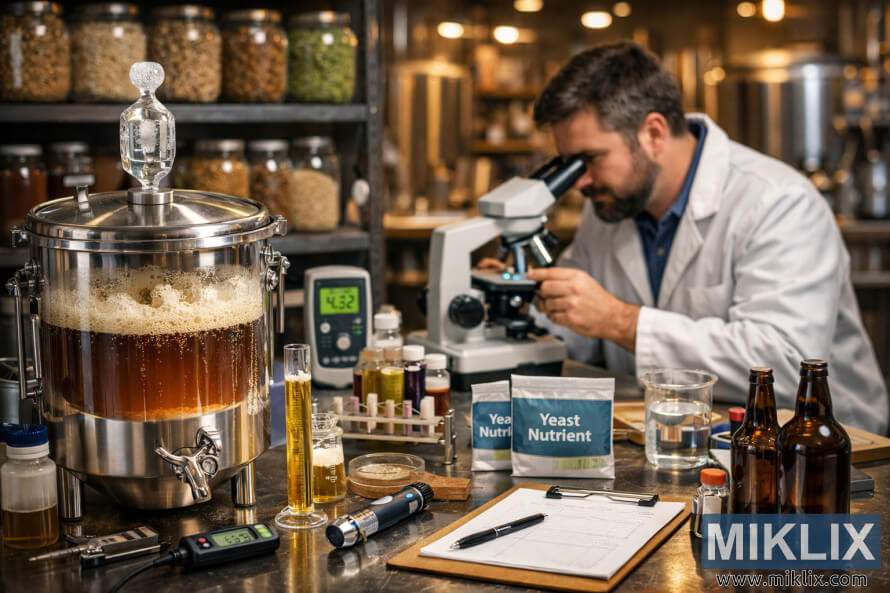
Click or tap the image for more information and higher resolutions.
Yeast Handling, Storage, and Reuse Practices
Ensure packs remain cool and adhere to Wyeast's guidelines for storing Wyeast 1332. Refrigeration is key to slowing down viability decline. Always check pack dates and use fresh yeast for optimal results.
When reusing liquid yeast, it's crucial to harvest from a healthy, active fermentation once krausen has settled. Use only clean tools and sanitized vessels to prevent contamination. Frequent, small transfers increase the risk of contamination.
Creating a starter is essential when reusing liquid yeast across generations. A starter replenishes cell count and vigor. If the pack's age is uncertain, creating a starter is a good way to verify vitality before pitching into a full batch.
Adopt simple yeast storage tips: keep yeast cold, minimize oxygen exposure, and avoid prolonged storage. For short-term storage, use sanitized vials in the fridge. For longer storage, prioritize fresh packs or frozen backup cultures if available.
- Sanitation: sanitize funnels, spoons, and jars used for harvesting.
- Labeling: note strain, pitch date, and generation on jars.
- Discard: do not reuse yeast from infected batches; dispose of contaminated yeast responsibly.
When repitching, monitor attenuation and aroma in successive generations. If performance declines, it's time to stop reusing and switch to a new Wyeast 1332 pack. Proper handling is key to avoiding off-flavors and maintaining yeast health.
Reader Reviews and Community Feedback
Retail listings show dozens of user ratings, with one product page listing 71 reviews. Recipe databases reveal thousands of brews that name the strain, a sign of broad adoption in homebrew circles.
Wyeast 1332 reviews often praise its clearing ability and solid attenuation. Many brewers report clean, balanced flavor in amber ales and English-style beers. These notes appear across forum threads and tasting notes.
Community feedback Northwest Ale highlights reliable results when the yeast is pitched correctly and given time. Some reports describe slow starts followed by strong finishing performance under warm conditioning and good oxygenation.
Comparative brewer experiences show varied preferences. A number of brewers pick Wyeast 007 for certain IPAs, saying it boosts hop character. Others prefer 1332 for malt-forward or balanced beers where a neutral, steady profile helps the recipe shine.
- Positive: consistent attenuation and clear beer in many batches.
- Neutral: some fermentations begin slowly but finish dry with proper care.
- Comparative: other strains sometimes outperform 1332 in hop-forward ales.
A community report detailed a fermentation from OG 1.062 down to FG 1.009 after a 152 °F mash with honey adjunct. That example shows Wyeast 1332 can reach high attenuation when fermentation conditions are optimized.
Overall sentiment in brewer experiences points to a dependable strain for a wide range of ales. Occasional slow fermentation appears in the comments, yet most posts emphasize predictable results and good drinkability when best practices are followed.
Buying Options, Pricing, and Availability in the United States
Wyeast 1332 Northwest Ale yeast is widely available in the U.S. through both physical stores and online platforms. Customers can explore product pages that detail pack sizes, fermentation traits, and user feedback. This information aids in selecting the ideal quantity for brewing.
The cost of Wyeast 1332 varies based on the retailer and the purchase quantity. Since it's sold as liquid yeast, prices can fluctuate with the inclusion of starters, nutrients, or shipping insurance. It's crucial to compare prices across different sellers to understand what's included in the final cost.
In the U.S., Wyeast 1332 is commonly found due to its popularity in homebrew recipes and frequent requests at local shops. However, seasonal demand and occasional supply chain disruptions can impact availability. It's wise to check multiple reliable sources if your preferred local store is out of stock.
Shipping policies vary among retailers. Some offer free shipping on orders exceeding a certain amount and provide satisfaction guarantees. It's important to review Wyeast shipping USA policies for details on cold chain handling, delivery speed, and return procedures. This ensures the yeast remains viable during transit.
- Check pack freshness and production date before purchase.
- Confirm seller reputation through reviews and community forums.
- Verify shipping times and cold-chain options for liquid yeast.
- Look for guarantees or return policies that cover spoiled shipments.
For those seeking consistent access to Wyeast 1332, many homebrew stores and online retailers offer inventory alerts and backorder options. If you're planning a brew, ordering in advance helps manage for transit and any temperature-sensitive handling requirements.
Conclusion
Wyeast 1332 Northwest Ale Yeast is a valuable asset for homebrewers. This yeast is known for its ability to create medium-bodied ales with a hint of sweetness. It also produces subtle earthy and fruity esters. Additionally, its high flocculation rate aids in beer clarity, even without extended conditioning.
The yeast's performance is balanced, making it suitable for a variety of ales. It excels in English and Northwest-style ales, reaching up to 69% attenuation with proper care. It can also handle beers up to 10% ABV with sufficient nutrition and starters. However, it may ferment slower, so larger starters and careful pitching are essential to avoid issues.
For optimal results, use Wyeast 1332 in session to mid-strength English ales and balanced American ales. It's also great for hop-forward beers where a touch of ester is desired. However, for ultra-clean IPAs, other yeast strains might be more appropriate. Ensure proper pitching rates, maintain temperatures between 18–24 °C, and allow the yeast to settle fully for the best outcomes.
Further Reading
If you enjoyed this post, you may also like these suggestions:
- Fermenting Beer with White Labs WLP008 East Coast Ale Yeast
- Fermenting Beer with White Labs WLP540 Abbey IV Ale Yeast
- Fermenting Beer with White Labs WLP521 Hornindal Kveik Ale Yeast