
Growing Shallots: Your Complete Guide to a Bountiful Harvest
Published: March 22, 2026 at 9:44:00 PM UTC
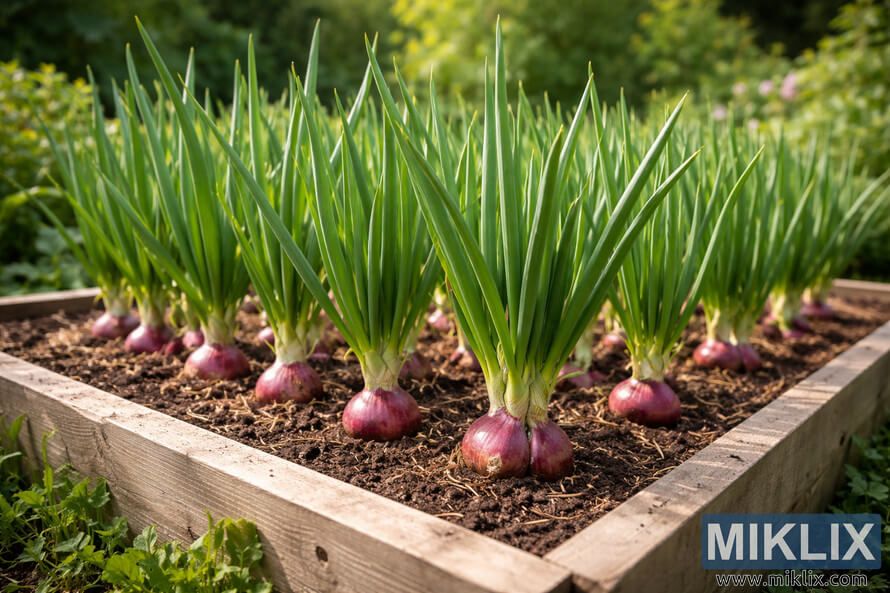
Shallots are one of the most rewarding crops you can grow in your garden today. These flavorful bulbs offer a sweet onion taste that elevates any dish. Unlike regular onions, shallots multiply underground to produce multiple bulbs from a single planting.
Click or tap the image for more information and higher resolutions.
Growing your own shallots gives you access to fresh, organic produce right from your backyard. They're surprisingly easy to grow and store well for months after harvest. Whether you're a first-time gardener or experienced with crops, this guide will walk you through every step.
You'll discover practical tips for choosing varieties, preparing soil, planting correctly, and maintaining healthy plants throughout the growing season. We'll cover everything from seed selection to storage methods that keep your shallots fresh all winter long.
Understanding Shallots and Why They're Worth Growing
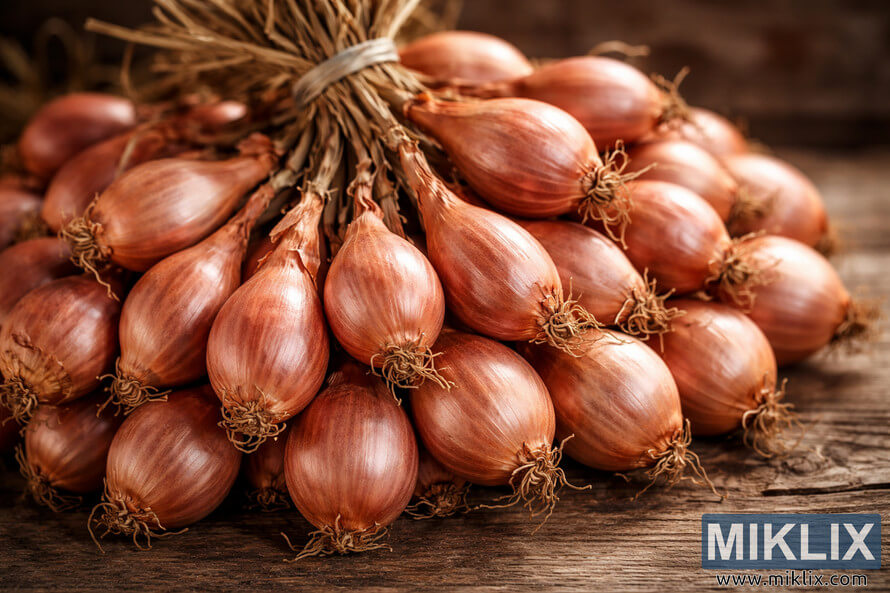
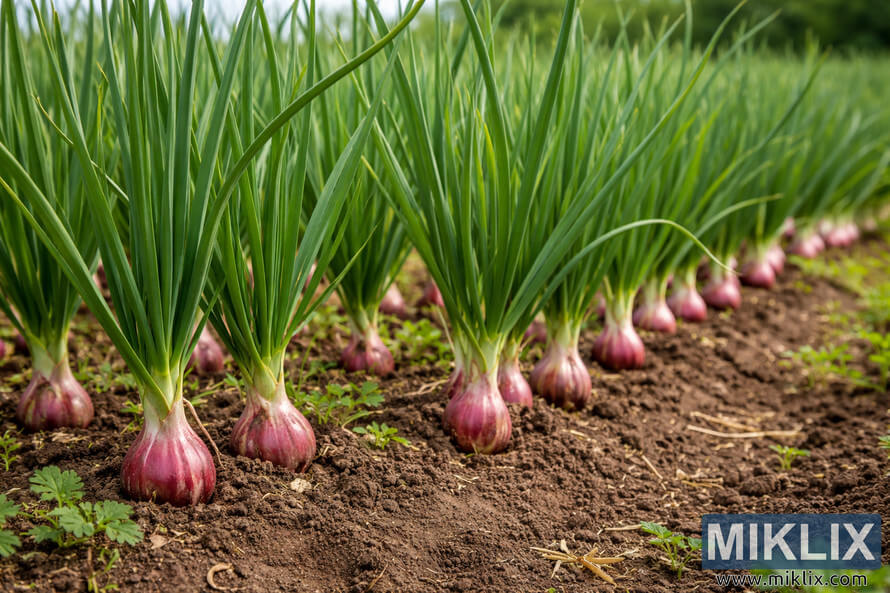
Shallots are members of the allium family, closely related to onions and garlic. They form clusters of elongated bulbs rather than single large bulbs. Each shallot plant produces between four and twelve smaller bulbs that grow together underground.
The flavor profile sets shallots apart from regular onions. They offer a milder, sweeter taste with subtle garlic notes. This makes them perfect for gourmet cooking, salad dressings, and sauces where a delicate onion flavor is desired.
Shallots store remarkably well when properly cured. They can last six to eight months in cool, dry conditions. This extended storage capability means you can enjoy homegrown shallots long after the growing season ends.
These versatile plants adapt to various climates and garden spaces. You can grow shallots in traditional garden beds, raised beds, or even large containers. Their compact growth habit makes them ideal for small gardens where space is limited.
Quick Fact: Shallots are one of the easiest crops to grow for beginners. They require minimal maintenance compared to other vegetables and rarely suffer from serious pest problems in home gardens.
Click or tap the image for more information and higher resolutions.
Choosing the Right Shallot Varieties for Your Garden
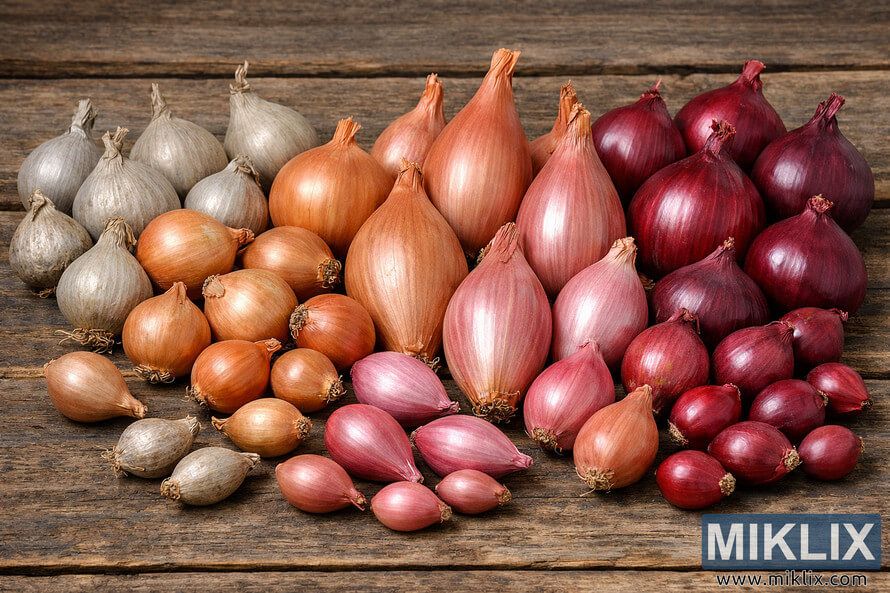
Selecting appropriate varieties is crucial for successful shallot cultivation. Different types thrive in different climates and planting seasons. Understanding these distinctions helps you choose shallots that will perform best in your specific garden conditions.
Click or tap the image for more information and higher resolutions.
Long-Day vs. Short-Day Varieties
Day length sensitivity affects when shallots form bulbs. Long-day varieties require fourteen to sixteen hours of daylight to trigger bulbing. These work best in northern regions above the 37th parallel where summer days are longer.
Short-day varieties need only ten to twelve hours of daylight to begin forming bulbs. Gardeners in southern states should choose these types. They start bulbing earlier in the year when days are still relatively short in spring.
Understanding your region's day length patterns ensures your shallot plants have enough time to develop mature bulbs before harvest. Choosing the wrong type for your latitude can result in plants that produce only foliage without forming proper bulbs.
Popular Shallot Varieties to Consider
French Red Shallots
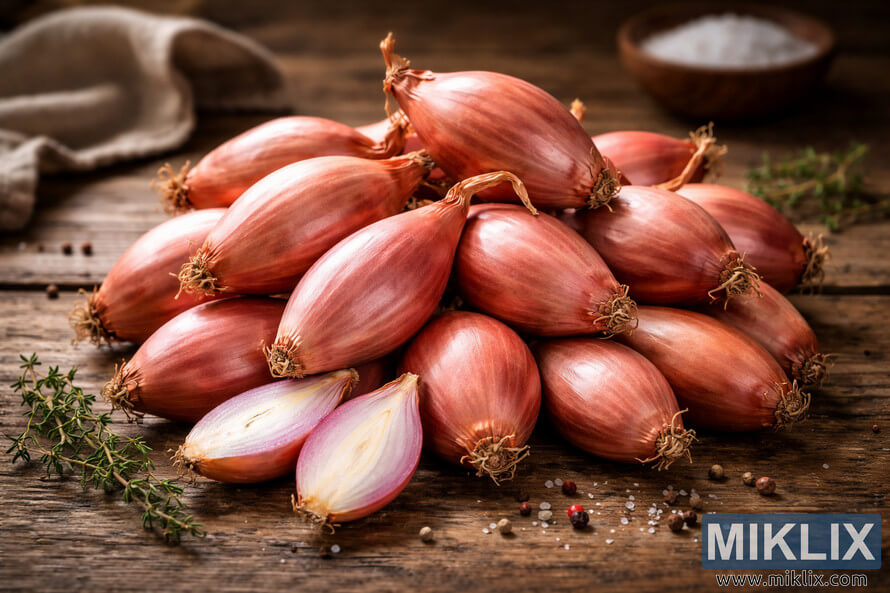
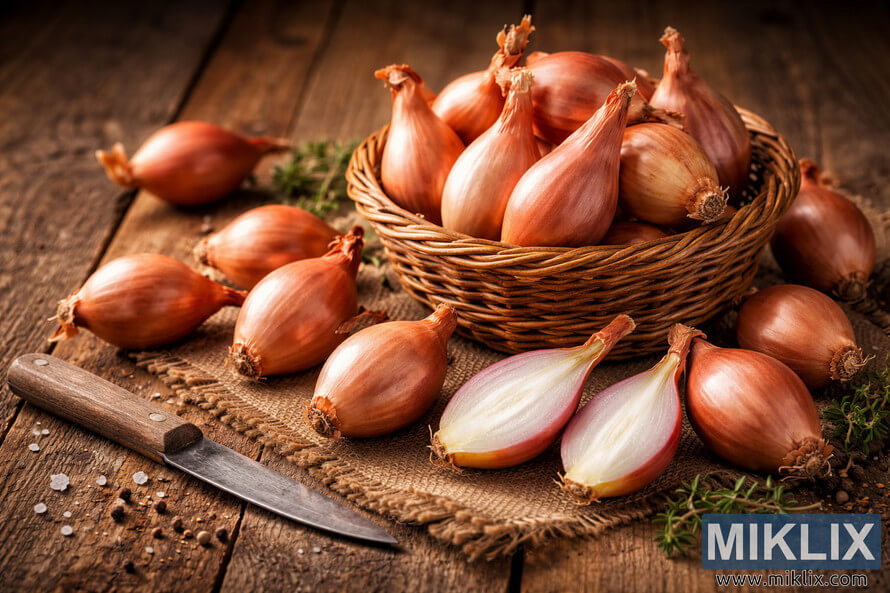
These copper-skinned varieties offer classic shallot flavor. They're the most common type found in supermarkets. French reds have white flesh tinged with purple and store exceptionally well through winter months.
Popular cultivars include 'Red Sun' and 'Ambition.' Both produce reliable yields and adapt to various growing conditions. They're excellent choices for first-time shallot growers.
Click or tap the image for more information and higher resolutions.
Dutch Yellow Shallots
Golden-skinned varieties produce larger individual bulbs than French types. They offer a slightly milder flavor profile. Dutch yellows are often preferred for cooking applications where larger pieces are desired.
'Zebrune' is a heritage variety known for excellent keeping quality. 'Matador' produces uniform bulbs with attractive golden-brown skin. Both varieties deliver dependable harvests year after year.
Click or tap the image for more information and higher resolutions.
Seed vs. Sets: What to Plant
You have two main options when starting shallots: seeds or sets. Each method has distinct advantages depending on your gardening goals and timeline.
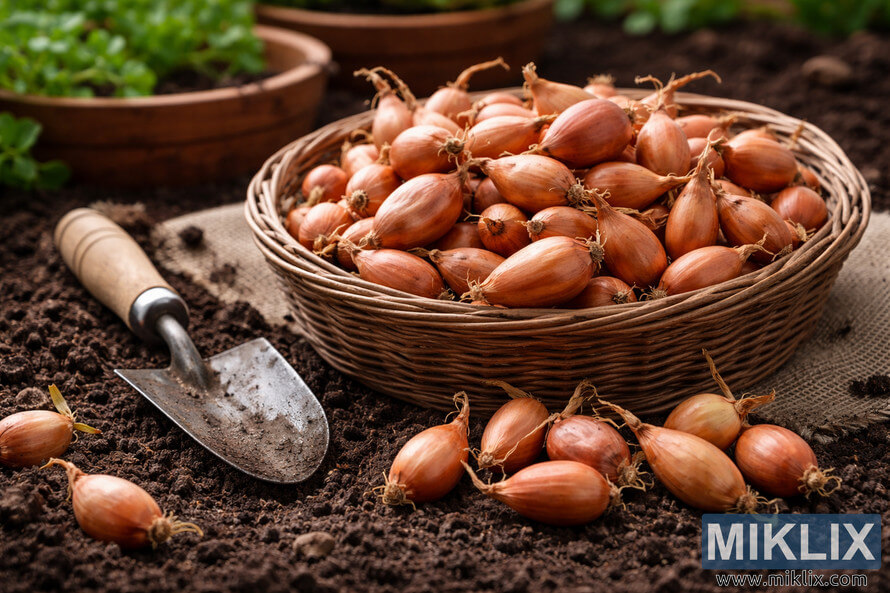
Shallot sets are small, immature bulbs sold specifically for planting. They're the easier option for beginners because they establish quickly and require less patience. Sets typically produce harvestable bulbs within three to four months of planting.
Growing shallots from seed takes longer but offers advantages. Seeds provide access to more varieties than sets. They're also more economical if you're planting large quantities. However, seed-grown shallots need five to six months to reach maturity.
Recommended Shallot Sets
Quality shallot sets give you a head start on the growing season. Choose firm, disease-free bulbs from reputable suppliers. Certified organic sets ensure you're starting with healthy stock free from chemical treatments.
- Look for sets about one inch in diameter
- Avoid soft or moldy bulbs
- Store in cool, dry place until planting
- Plant within two weeks of purchase
Click or tap the image for more information and higher resolutions.
Preparing the Perfect Soil for Growing Shallots
Soil quality directly impacts your shallot harvest. These plants need well-draining soil rich in organic matter to develop properly. Poor drainage causes bulb rot, while compacted soil restricts root development and limits yield.
Ideal Soil Conditions
Shallots thrive in loose, friable soil with a pH between 6.0 and 7.0. Test your soil before planting to determine if amendments are needed. Most garden centers sell affordable soil test kits that measure pH and nutrient levels.
The texture should be light enough that water drains freely but retain enough moisture to support steady growth. Sandy loam or loamy soil provides the ideal balance. Heavy clay soils need significant amendment before planting shallots successfully.
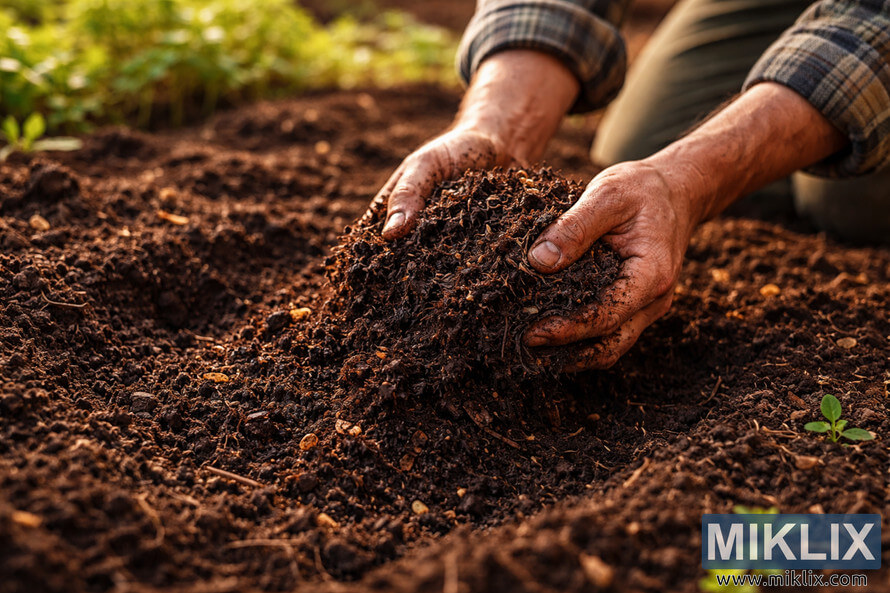
Add generous amounts of organic matter to improve soil structure. Compost, aged manure, and leaf mold all work excellently. These materials improve drainage in clay soils while increasing water retention in sandy soils.
Click or tap the image for more information and higher resolutions.
Amending Your Garden Bed
Start preparing your planting area several weeks before your intended planting date. This gives amendments time to integrate with existing soil. Remove all weeds, rocks, and debris from the bed.
Spread a two to three inch layer of compost or well-rotted manure over the entire planting area. Work this organic matter into the top eight to ten inches of soil using a garden fork or tiller. Break up any clods to create a fine, even texture.
If your soil test indicates deficiencies, add appropriate organic fertilizers. Shallots need balanced nutrition with emphasis on phosphorus and potassium. These nutrients support bulb development. Avoid excess nitrogen which promotes foliage growth at the expense of bulb formation.
Soil Preparation Timeline: Begin soil preparation four to six weeks before planting. This allows amendments to settle and integrate properly. Early preparation also lets you address any pH issues that require gradual correction.
Quality Soil Amendments
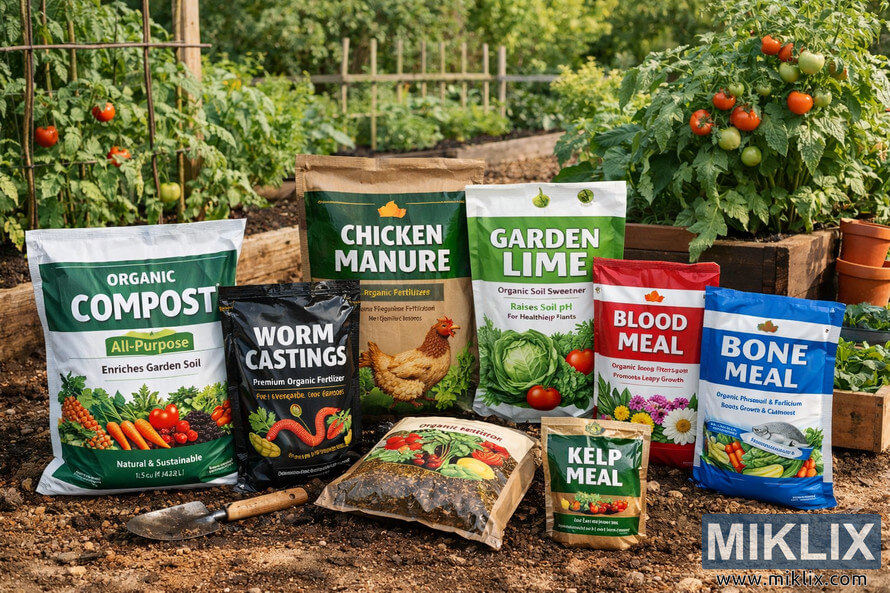
Investing in quality organic matter pays dividends at harvest time. Premium compost delivers beneficial microorganisms along with nutrients. These living components improve soil health season after season.
- Well-aged compost (not fresh manure)
- Bone meal for phosphorus
- Kelp meal for trace minerals
- Greensand for potassium
Click or tap the image for more information and higher resolutions.
Preparing Raised Beds and Containers
Raised beds offer excellent drainage and allow you to create ideal soil conditions from scratch. Fill beds with a mixture of quality topsoil, compost, and peat moss or coconut coir. Aim for roughly equal parts of each component.
Container growing requires extra attention to drainage. Choose pots at least eight inches deep with multiple drainage holes. Use a high-quality potting mix rather than garden soil. Garden soil becomes too compacted in containers and restricts root growth.
Both raised beds and containers warm up faster in spring than ground-level gardens. This lets you plant shallots earlier in the season. Earlier planting often results in larger bulbs because plants have more time to grow before hot weather arrives.
Timing Your Shallot Planting for Maximum Yield
Proper planting timing is critical for growing shallots successfully. These plants need specific temperature conditions and day length exposure to develop quality bulbs. Planting at the wrong time can result in premature bolting or undersized harvests.
Spring Planting Schedule
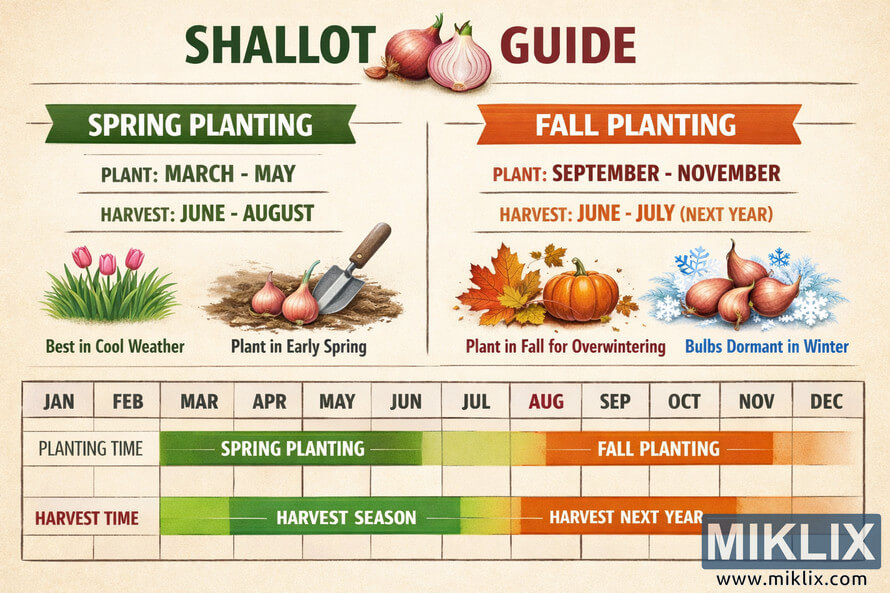
Spring is the primary planting season for most gardeners across the United States. Plant shallot sets or seeds as soon as you can work the soil in late winter or early spring. The ground should be thawed and not waterlogged.
Soil temperature matters more than air temperature. Wait until soil reaches at least 35 degrees Fahrenheit before planting. Shallots tolerate light frosts, so you don't need to wait until all danger of frost passes.
In northern regions, this typically means planting between late March and mid-April. Southern gardeners can plant earlier, often in February or even late January in the warmest zones. Your local extension office can provide specific timing recommendations for your area.
Fall Planting for Overwintering
Fall planting allows shallots to establish roots before winter dormancy. This gives plants a head start when growth resumes in spring. The result is often earlier harvests and potentially larger bulbs compared to spring planting.
Plant in autumn approximately four to six weeks before your first expected hard freeze. This timing lets roots develop without encouraging significant top growth that could be damaged by winter cold. In most regions, this means planting in October or early November.
Overwintering works best in zones 5 through 9. Gardeners in colder areas should apply a thick mulch layer after the ground freezes. This protects bulbs from extreme temperature fluctuations during winter months.
Important Timing Note: Avoid planting shallots during the hottest summer months. High temperatures stress plants and can trigger premature bulb formation before plants reach full size. This results in disappointing harvests of small bulbs.
Click or tap the image for more information and higher resolutions.
Regional Planting Guidelines
Northern Regions (Zones 3-5)
Spring planting is generally more reliable in cold climates. Plant sets or seeds in early April when soil temperature reaches 40 degrees. You can attempt fall planting in zone 5 with adequate mulch protection over winter.
Harvest typically occurs in late July or early August. The shorter growing season means choosing early-maturing varieties. Look for types that mature in ninety to one hundred days from planting.
Southern Regions (Zones 8-10)
Fall and winter planting works best in warm climates. Plant shallot sets between October and January depending on your specific zone. This avoids summer heat that can stress plants before bulbs mature fully.
Expect to harvest in late spring, typically May or early June. Choose short-day varieties bred for southern conditions. These types respond appropriately to the shorter day length in southern latitudes.
How to Plant Shallots: Step-by-Step Instructions
Proper planting technique ensures strong establishment and healthy growth. Small mistakes in spacing or depth can significantly impact your final harvest. Follow these detailed instructions for the best results.
Planting Shallot Sets
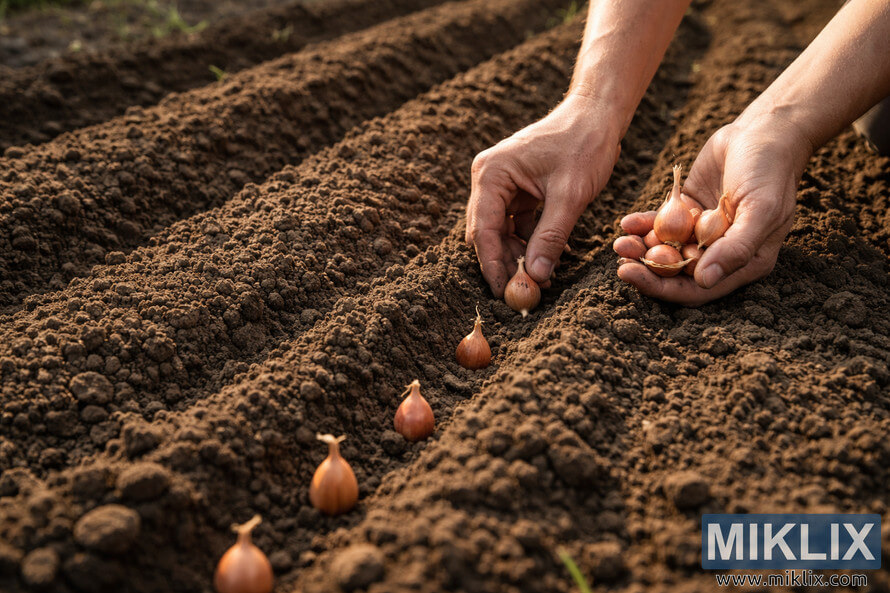
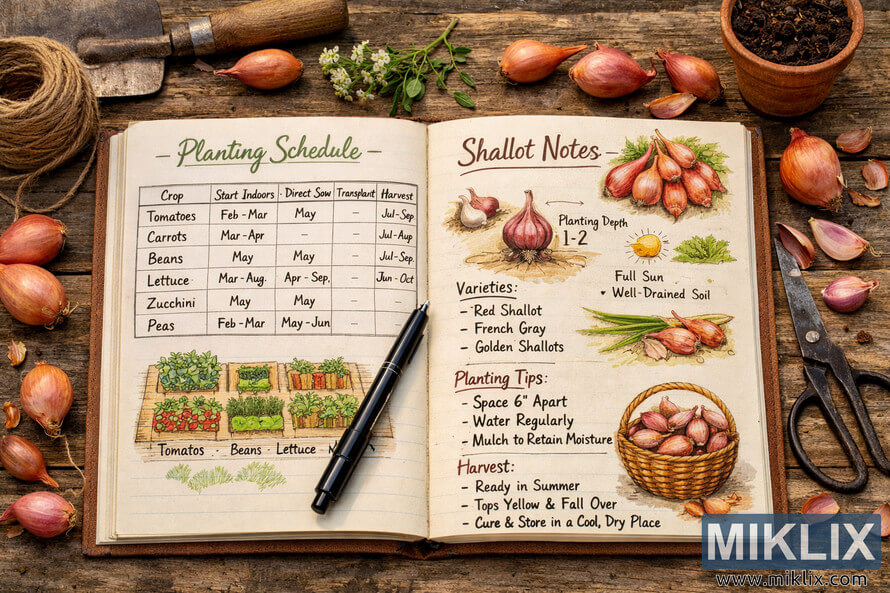
Begin by creating shallow furrows in your prepared bed. Make rows approximately twelve inches apart to allow adequate air circulation between plants. Good airflow reduces the risk of fungal diseases that can affect allium crops.
Plant individual sets with the pointed end facing upward and the root end down. Press each bulb gently into the soil so the tip sits just below the surface. The top of the bulb should be covered by about half an inch of soil.
Space sets four to six inches apart within rows. Closer spacing produces smaller bulbs, while wider spacing allows larger bulb development. Consider your preferred bulb size when determining exact spacing.
After planting, water the bed thoroughly to settle soil around the bulbs. Keep the soil consistently moist but not waterlogged during the first two weeks as roots establish. Once you see green shoots emerging, reduce watering frequency.
Click or tap the image for more information and higher resolutions.
Starting Shallots from Seed
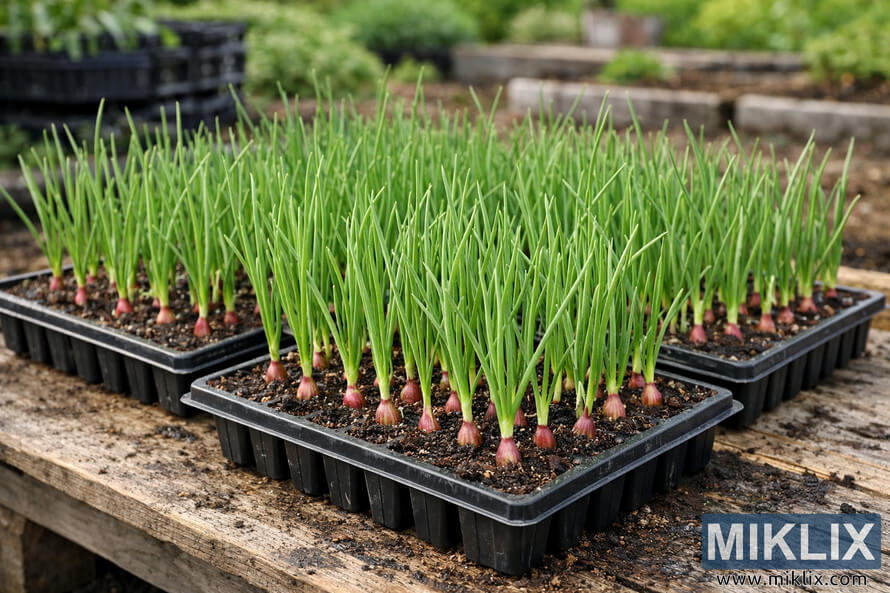
Growing from seed requires starting plants indoors eight to ten weeks before your last spring frost date. Sow seeds in flats or cell packs filled with seed-starting mix. Plant seeds one quarter inch deep and keep the growing medium consistently moist.
Maintain temperatures between 60 and 70 degrees Fahrenheit for optimal germination. Seeds typically sprout within ten to fourteen days. Once seedlings emerge, provide bright light for fourteen to sixteen hours daily using grow lights or a sunny windowsill.
Transplant seedlings to the garden when they're six inches tall and the diameter of a pencil. Harden off plants by gradually exposing them to outdoor conditions over seven to ten days. This prevents transplant shock.
Space transplants four inches apart in rows twelve inches apart. Plant at the same depth they were growing in containers. Water thoroughly after transplanting and maintain consistent moisture as plants establish in the garden.
Click or tap the image for more information and higher resolutions.
Seedling Care Tips
Young shallot plants need consistent attention during their first weeks. Water when the top half inch of soil feels dry to the touch. Avoid letting seedlings completely dry out as this stunts growth.
Feed seedlings weekly with diluted liquid fertilizer once they develop their second set of true leaves. Use half the strength recommended on the fertilizer package. This provides nutrients without overwhelming young plants.
Thin overcrowded seedlings to prevent competition for light and nutrients. Snip extra seedlings at soil level rather than pulling them out. Pulling can disturb the roots of neighboring plants you want to keep.
Companion Planting Strategies
Shallots grow well alongside many vegetables and benefit from strategic companion planting. These plants help deter pests while maximizing garden space efficiency.
Good companions include carrots, beets, lettuce, and tomatoes. The strong scent of shallots can help repel aphids and other pests that attack these crops. Plant shallots between rows of carrots or around the base of tomato plants.
Avoid planting shallots near beans, peas, or other legumes. These plants can inhibit each other's growth. Also keep shallots away from asparagus, which prefers different soil conditions and may compete for nutrients.
Essential Care for Healthy Shallot Plants
Once established, shallots require minimal but consistent care throughout the growing season. Regular attention to watering, feeding, and weed control ensures plants develop to their full potential and produce abundant harvests.
Watering Requirements
Shallots need consistent moisture during active growth but dislike waterlogged conditions. Water deeply once per week during dry weather, providing approximately one inch of water. Adjust frequency based on rainfall and temperature.
The critical watering period is from planting until bulbs begin to swell noticeably. During this phase, consistent moisture supports vigorous foliage growth. Strong leaves produce energy through photosynthesis that fuels bulb development.
Reduce watering as harvest approaches. Stop watering entirely about two weeks before you plan to dig bulbs. This allows foliage to begin dying back naturally and helps bulbs cure properly. Dry conditions at harvest time improve storage quality.
Watering Tip: Water early in the morning to allow foliage to dry before evening. Wet leaves overnight create conditions favorable for fungal diseases. Drip irrigation or soaker hoses deliver water directly to soil without wetting foliage.
Click or tap the image for more information and higher resolutions.
Fertilizing Your Crop
Shallots are light feeders compared to many vegetables but benefit from supplemental nutrition. Apply a balanced organic fertilizer at planting time, working it into the soil with your amendments. This provides baseline nutrients for early growth.
Side-dress plants with compost or organic fertilizer when foliage reaches six inches tall. Sprinkle fertilizer in a band alongside plant rows, about three inches from stems. Water thoroughly after applying to move nutrients into the root zone.
Avoid high-nitrogen fertilizers after bulbs begin forming. Excess nitrogen promotes leafy growth and can delay bulb maturation. Focus on phosphorus and potassium during the bulbing phase. These nutrients support proper bulb development and storage quality.
Mulching and Weed Control
Apply a two-inch layer of organic mulch around shallot plants once they're established and growing vigorously. Straw, shredded leaves, or grass clippings all work well. Mulch conserves moisture, moderates soil temperature, and suppresses weed growth.
Keep mulch pulled back slightly from plant stems to prevent moisture buildup that could encourage rot. As the season progresses, mulch decomposes and adds organic matter to your soil, improving structure for future crops.
Hand-pull weeds when they're small and easy to remove. Weeds compete with shallots for nutrients and water. They can also harbor pests and diseases. Regular weeding sessions prevent competition and keep your garden healthy.
Be careful when cultivating around shallot plants. Their shallow roots are easily damaged by deep hoeing. Hand-weed close to plants and use a hoe only in the spaces between rows where you won't disturb roots.
Troubleshooting Common Shallot Growing Problems
While shallots are generally trouble-free, occasional problems can occur. Early identification and prompt action prevent minor issues from becoming major crop failures. Understanding common challenges helps you maintain healthy plants.
Click or tap the image for more information and higher resolutions.
Onion White Rot Disease
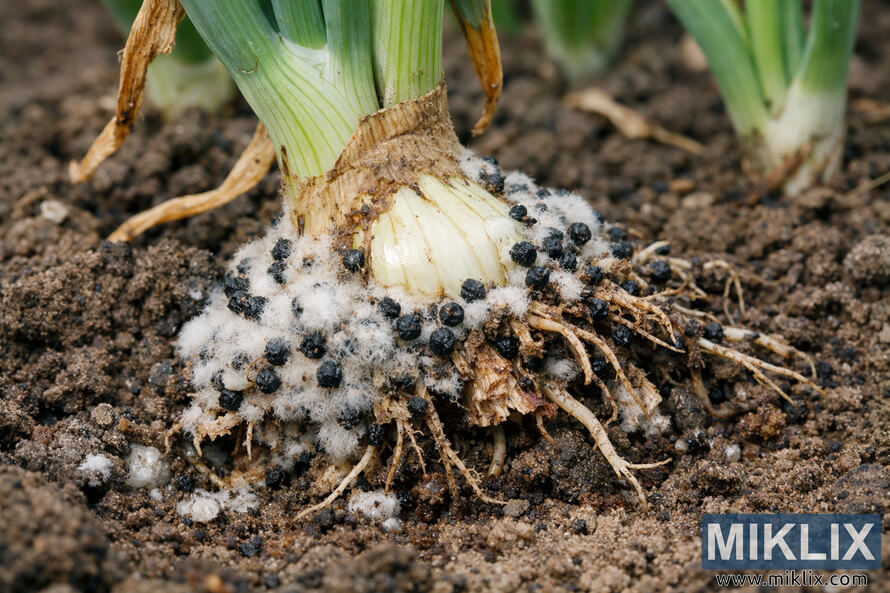
Onion white rot is a serious fungal disease that affects all allium crops including shallots. This soil-borne pathogen can persist in garden soil for decades once established. It causes yellowing leaves, stunted growth, and white fungal growth on bulbs.
Infected plants produce fluffy white mycelium at the base of leaves and on bulb surfaces. Small black structures called sclerotia develop in this white growth. These sclerotia remain dormant in soil until the next allium crop triggers their germination.
Prevention is the only effective strategy since no cure exists for infected plants. Practice crop rotation, avoiding planting shallots or related onions in the same spot more than once every five years. This breaks the disease cycle.
Remove and destroy any infected plants immediately. Do not compost them as this spreads sclerotia throughout your garden. Solarizing soil by covering it with clear plastic during hot summer months can reduce pathogen populations.
Click or tap the image for more information and higher resolutions.
Other Fungal Diseases
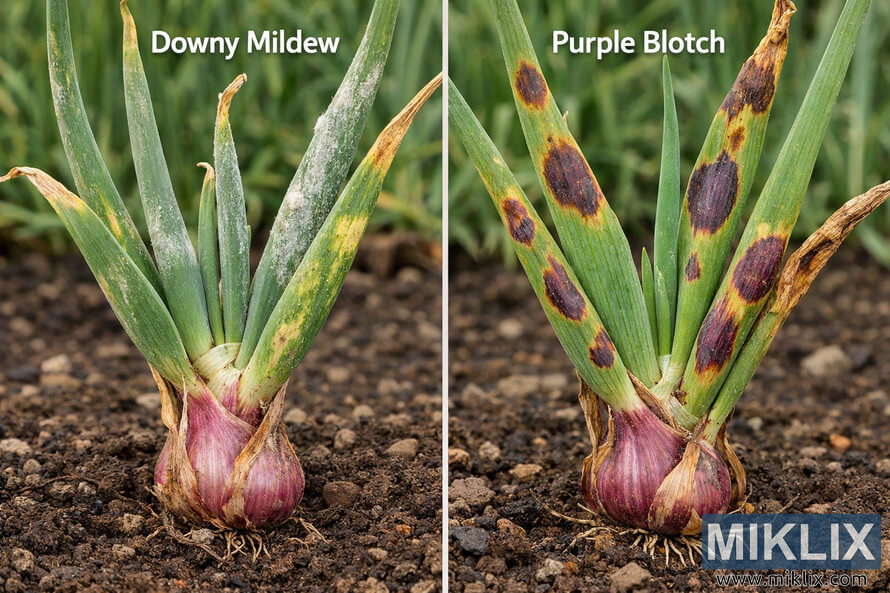
Downy mildew appears as pale green or yellow patches on leaves with fuzzy gray growth on undersides. This fungal disease thrives in cool, wet conditions. Improve air circulation by spacing plants properly and avoid overhead watering during humid weather.
Purple blotch causes purple lesions on leaves that may develop into larger spots with tan centers. Remove affected leaves promptly and ensure plants receive adequate phosphorus and potassium. These nutrients strengthen plant resistance to disease.
Both fungal diseases spread rapidly in wet conditions with poor air circulation. Water early in the day so foliage dries quickly. Space plants adequately and thin if they become overcrowded as the season progresses.
Disease Prevention: Avoid planting shallots in areas where onion white rot or other fungal diseases have appeared previously. These pathogens persist in soil and will likely infect new plantings. Choose clean garden locations with no history of allium diseases.
Click or tap the image for more information and higher resolutions.
Pest Management
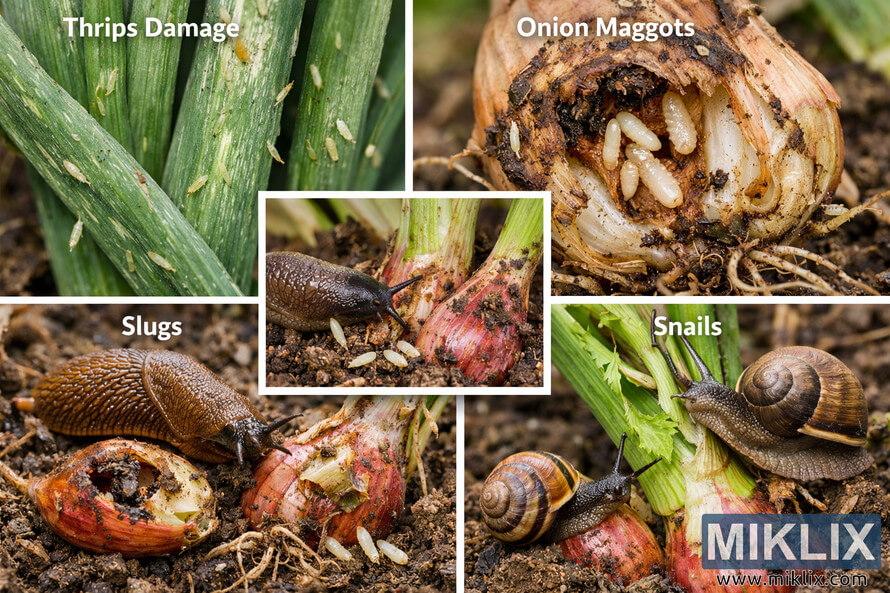
Thrips are tiny insects that feed on shallot foliage, causing silvery streaks and distorted growth. These pests are most problematic during hot, dry weather. Spray plants with insecticidal soap or neem oil to control populations.
Onion maggots tunnel into bulbs, causing them to rot. Adult flies lay eggs near plant bases in spring. Cover young plantings with floating row covers to exclude egg-laying flies. Remove covers once plants are established and less vulnerable.
Slugs and snails occasionally damage young shallot foliage, especially in wet seasons. Hand-pick these pests during evening hours when they're active. Surround beds with copper tape or diatomaceous earth to create barriers.
Click or tap the image for more information and higher resolutions.
Physiological Problems
Bolting occurs when plants prematurely send up flower stalks before bulbs mature properly. This usually results from planting too early when temperatures are too cold. Proper planting timing prevents most bolting issues.
If bolting occurs, remove flower stalks immediately. This redirects energy back to bulb formation. However, bolted plants rarely produce quality bulbs for storage. Use these shallots fresh soon after harvest rather than attempting long-term storage.
Split or double bulbs sometimes develop from stress during bulb formation. Inconsistent watering or temperature fluctuations cause this condition. While these oddly-shaped bulbs are still edible, they don't store as well as properly formed single bulbs.
When and How to Harvest Your Shallot Crop
Timing your harvest correctly ensures maximum bulb size and optimal storage quality. Harvest too early and bulbs haven't reached full size. Wait too long and protective skins may split, reducing storage life.
Signs of Maturity
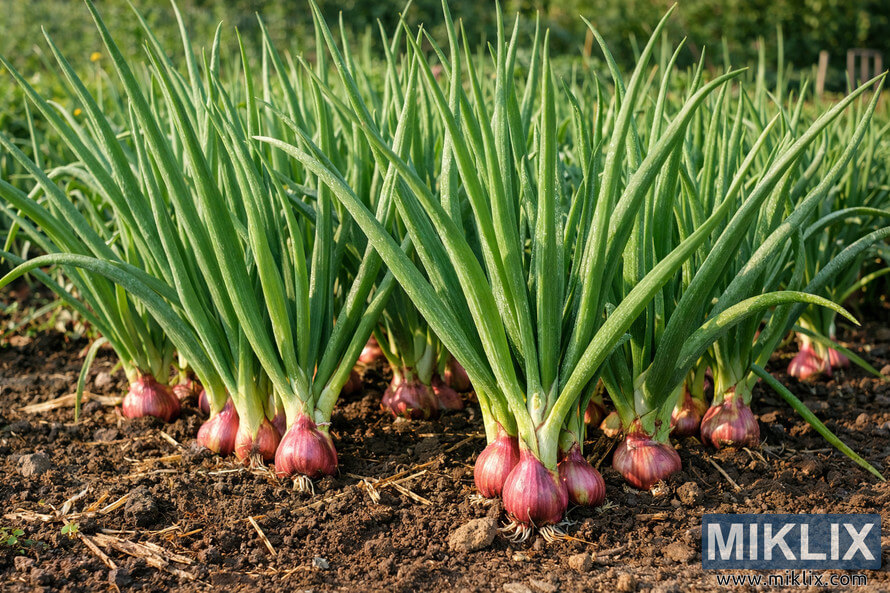
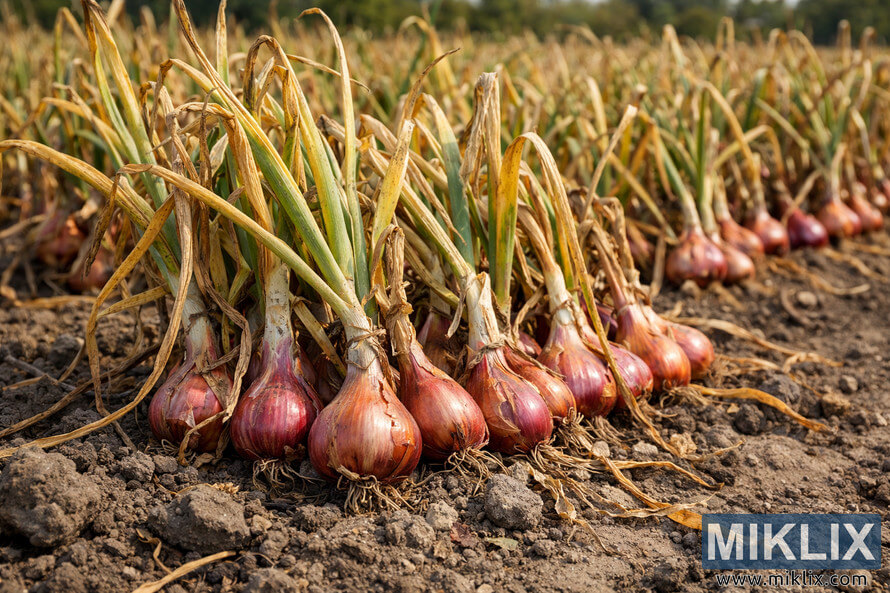
Shallots are ready to harvest when foliage begins yellowing and falling over naturally. This typically occurs ninety to one hundred twenty days after planting sets, depending on variety and growing conditions. Don't wait for all leaves to die completely.
Begin checking plants when about half the foliage has turned yellow and started toppling. Gently brush soil away from the top of a few bulbs to check their development. Mature bulbs have papery skins that have filled out their protective covering.
Harvest timing varies by region and planting date. Spring-planted crops usually mature in mid to late summer. Fall-planted shallots are ready in early summer the following year. Track your planting dates to estimate harvest windows.
Click or tap the image for more information and higher resolutions.
Harvesting Technique
Choose a dry day for harvesting when soil is relatively dry. Wet conditions make bulbs more susceptible to damage and disease during the curing process. Stop watering two weeks before your planned harvest date.
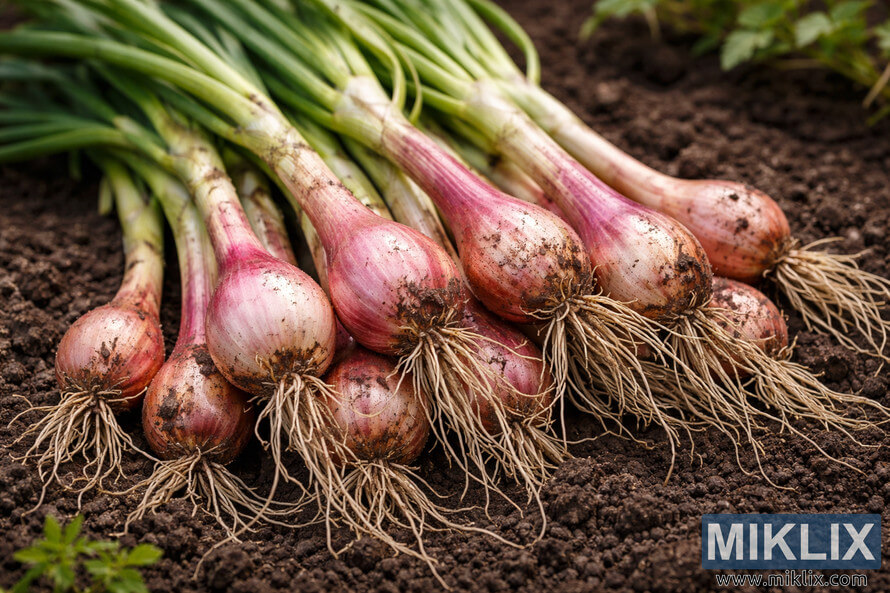
Loosen soil around plants with a garden fork, working carefully to avoid stabbing bulbs. Insert the fork several inches away from plant bases and lift gently. Once soil is loosened, grasp foliage near the base and lift the entire cluster of bulbs.
Shake off excess soil but don't wash bulbs. Water introduces moisture that must be removed during curing. Leave as much papery skin intact as possible since this protects bulbs during storage.
Handle harvested shallots gently to avoid bruising. Damaged bulbs don't store well and should be used immediately rather than saved for long-term keeping. Set aside any bruised, cut, or diseased bulbs for prompt kitchen use.
Click or tap the image for more information and higher resolutions.
Harvest Yield Expectations
A single planted set typically produces four to eight new bulbs depending on variety and growing conditions. Excellent care with optimal conditions can yield up to twelve bulbs per planting.
Plan on harvesting approximately four to six pounds of shallots per ten-foot row. This assumes standard spacing and average growing conditions. Better soil preparation and consistent care increase yields significantly.
Record your harvest results each year to identify which varieties and techniques work best in your specific garden. This information helps you refine your growing practices for future seasons and maximize productivity.
Curing and Storing Shallots for Long-Term Use
Proper curing transforms freshly harvested shallots into long-storing bulbs that remain usable for months. This process dries the outer skins and neck area, creating a protective barrier against moisture and disease. Skipping or rushing curing reduces storage life significantly.
The Curing Process
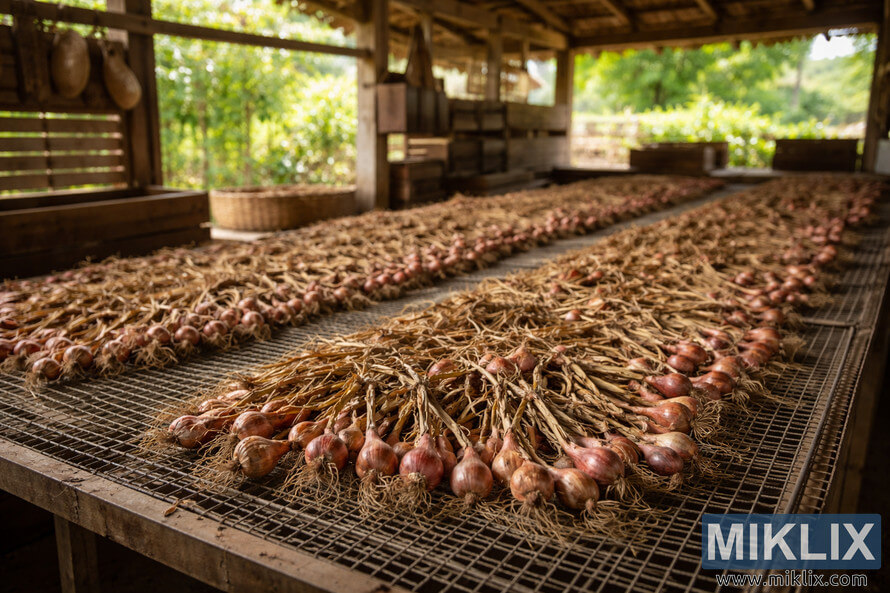
Spread harvested shallots in a single layer in a warm, dry, well-ventilated location. Ideal curing areas include covered porches, garages, or sheds with good air circulation. Avoid direct sunlight which can cause sunscald damage to bulbs.
Leave foliage attached during curing. The leaves continue moving nutrients into bulbs as they dry. This enhances flavor and improves storage quality. The drying foliage also helps identify when curing is complete.
Curing typically takes two to four weeks depending on humidity levels and temperature. Bulbs are properly cured when outer skins become papery and neck areas near the foliage attachment point feel completely dry and firm.
Turn bulbs occasionally during curing to ensure even drying on all sides. Check regularly for any showing signs of rot or mold. Remove problem bulbs immediately to prevent spread to healthy ones.
Click or tap the image for more information and higher resolutions.
Preparing for Storage
Once curing is complete, prepare shallots for long-term storage. Trim dried foliage to about one inch above the bulb. Cut away roots but leave the basal plate intact. This is where roots attached and it helps seal the bottom of the bulb.
Brush away any loose, flaky outer skin but don't remove the protective papery layers. These skins prevent moisture loss during storage. Sort bulbs by size and condition, keeping the best specimens for longest storage.
Discard any bulbs showing soft spots, cuts, disease signs, or incomplete curing. Use these inferior bulbs within a few weeks. They won't store successfully and could cause other stored bulbs to spoil.
Ideal Storage Conditions
Store properly cured shallots in a cool, dark, dry place with temperatures between 32 and 50 degrees Fahrenheit. A basement, root cellar, or unheated garage often provides suitable conditions. Humidity should be low, ideally between 60 and 70 percent.
Use mesh bags, wire baskets, or wooden crates that allow air circulation around stored bulbs. Never store shallots in sealed plastic bags or containers. Trapped moisture causes rot regardless of how well you cured the bulbs.
Check stored shallots monthly for signs of sprouting or deterioration. Remove any showing problems immediately. Use sprouting bulbs promptly in cooking or plant them for an early spring crop if conditions allow.
Storage Duration: Properly cured and stored shallots typically last six to eight months. Some varieties store better than others. French red types generally store longer than yellow varieties. Keep records of which types store best in your conditions.
Alternative Storage Methods
Braiding dried shallots creates an attractive and functional storage method. Weave stems together while foliage is still flexible after curing. Hang braids in a cool, dry location where they serve as decorative kitchen elements while remaining accessible for cooking.
Freezing works well for shallots you don't expect to use within the normal storage window. Peel and chop bulbs, then freeze in portion-sized containers or bags. Frozen shallots work perfectly in cooked dishes but lose their crisp texture.
Pickling preserves shallots while adding flavor complexity. Use small, uniform bulbs for the best presentation. Pickled shallots make excellent condiments and gifts. They store in the refrigerator for several months after opening.
Enjoying Your Homegrown Shallot Harvest
Fresh homegrown shallots elevate everyday cooking with their superior flavor and aroma. These versatile bulbs enhance countless recipes from simple salads to elaborate sauces. Understanding how to use them maximizes your harvest's value.
Culinary Uses and Cooking Tips
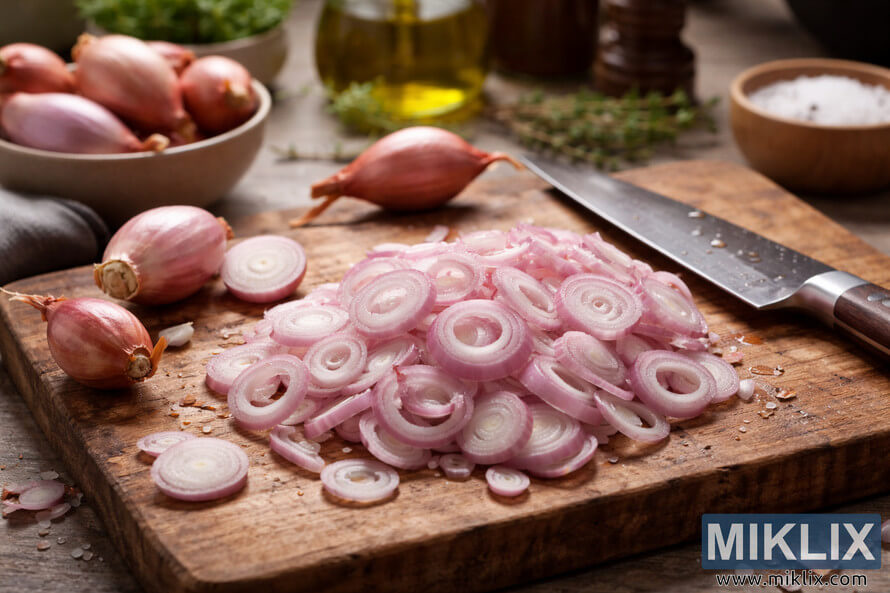
Shallots shine in vinaigrettes where their mild, sweet onion flavor doesn't overpower other ingredients. Mince them finely for salad dressings, combining with olive oil, vinegar, and herbs. They provide subtle depth that regular onions can't match.
Caramelizing shallots transforms them into sweet, jammy condiments perfect for steaks, burgers, or pizza. Slice thinly and cook slowly in butter or oil until golden brown and soft. This process can take twenty to thirty minutes but delivers incredible flavor.
Add minced shallots to compound butters, cream sauces, and gravies for refined taste. They melt smoothly into heated preparations, distributing flavor evenly throughout dishes. Their subtle character enhances without dominating the primary ingredients.
Use shallots raw in fresh salsas, chutneys, and relishes. Their crisp texture and balanced flavor brighten these preparations. Soak sliced raw shallots briefly in cold water to mellow any sharpness before using in delicate dishes.
Nutritional Benefits
Shallots provide significant nutritional value beyond their culinary appeal. They contain antioxidants that support overall health. These compounds help protect cells from damage caused by free radicals in the body.
Like other alliums, shallots contain sulfur compounds that may support cardiovascular health. Regular consumption of allium vegetables correlates with various health benefits. They also provide vitamin C, vitamin A, and several B vitamins.
The mineral content includes potassium, iron, and manganese. These nutrients support various body functions from blood pressure regulation to immune system health. Adding shallots to your diet contributes to overall nutritional balance.
Flavor Profile: Shallots taste milder and sweeter than onions with subtle garlic notes. This makes them ideal for dishes where pronounced onion flavor would be overwhelming. They're particularly valued in French cuisine for their refined character.
Click or tap the image for more information and higher resolutions.
Planning for Continuous Shallot Production
Strategic planning extends your harvest season and ensures a steady supply of fresh shallots year-round. Succession planting and proper variety selection maximize garden productivity. These techniques work well for serious gardeners who want continuous harvests.
Succession Planting Strategies
Make multiple plantings spaced several weeks apart to extend harvest windows. Plant the first crop at the earliest safe date for your region. Follow with additional plantings every three to four weeks through mid-spring.
This staggered approach prevents having your entire crop mature simultaneously. You'll harvest fresh shallots over several weeks rather than processing a massive harvest all at once. It also provides insurance against losses from weather or pest problems.
Track planting and harvest dates carefully. This information helps you refine timing for next year's garden. Different varieties mature at different rates, so note which combinations work best for extended harvests.
Saving Sets for Replanting
Save some of your best-formed bulbs to plant as sets the following season. Choose large, healthy specimens free from disease or damage. Store these planting bulbs under the same conditions as culinary shallots until planting time.
Saved sets perform as well as purchased ones and cost nothing beyond storage space. This practice also lets you select for varieties that perform best in your specific garden conditions. Over several seasons, you develop locally adapted strains.
Replant saved sets using the same techniques as commercial sets. Handle them carefully to avoid damage before planting. Well-stored bulbs remain viable for planting for several months after harvest.
Click or tap the image for more information and higher resolutions.
Common Questions About Growing Shallots
Can I grow shallots in containers?
Yes, shallots adapt well to container growing. Choose pots at least eight inches deep with drainage holes. Use quality potting mix and space plants three to four inches apart. Container shallots need more frequent watering than garden-planted crops since pots dry out faster.
How do shallots differ from onions?
Shallots form clusters of smaller bulbs rather than single large bulbs like onions. They have a milder, sweeter flavor with garlic undertones. Shallots typically store longer than onions and are considered more refined for culinary applications. Growing requirements are nearly identical to onions.
Why are my shallot plants flowering?
Flowering or bolting occurs when plants experience cold temperatures below 45 degrees for extended periods after planting. This triggers the reproductive cycle prematurely. Remove flower stalks immediately to redirect energy to bulb formation. Proper planting timing prevents most bolting issues.
Do I need to rotate shallot crops?
Yes, crop rotation is important for preventing disease buildup in soil. Avoid planting shallots or related alliums in the same location more than once every three to five years. This breaks disease cycles and prevents nutrient depletion. Rotate with unrelated crops like tomatoes or beans.
Can I plant grocery store shallots?
While possible, grocery store shallots often don't perform as well as sets sold specifically for planting. Commercial bulbs may be treated to prevent sprouting or could carry diseases. If you try this, choose organic shallots and expect variable results. Purpose-grown sets provide more reliable harvests.
What's the best way to prevent onion white rot?
Prevention is the only effective approach since white rot cannot be cured once established. Practice strict crop rotation, never planting alliums in the same spot more than once in five years. Remove infected plants immediately and don't compost them. Consider soil solarization in affected areas during hot summer months.
Start Growing Your Own Shallots Today
Growing shallots rewards you with months of flavorful harvests from minimal effort. These versatile crops adapt to various garden situations and climates across the United States. Whether you have a large garden or just a few containers, shallots can thrive in your growing space.
Start with quality sets or seeds appropriate for your climate zone. Prepare soil thoroughly with plenty of organic matter for best results. Plant at the right time for your region, water consistently during growth, and harvest when foliage begins yellowing naturally.
Proper curing and storage extend your harvest for six months or longer. Store cured bulbs in a cool, dry place and check them monthly for any problems. Use stored shallots throughout fall and winter to enjoy the fruits of your gardening labor.
The techniques covered in this guide give you everything needed for shallot growing success. From soil preparation through storage, these proven methods work in gardens across the country. Your first harvest will demonstrate why so many gardeners dedicate space to these exceptional crops year after year.
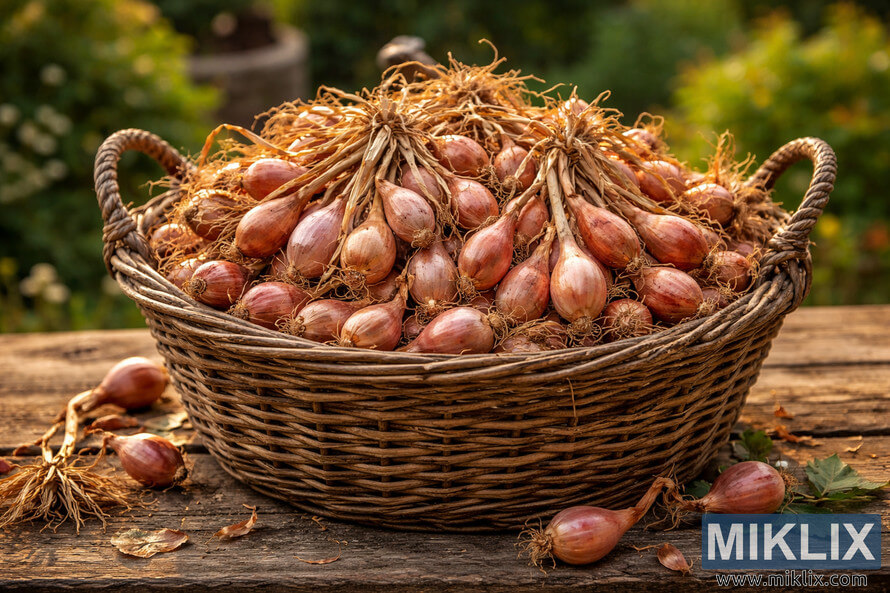
Begin planning your shallot crop today by determining your ideal planting date and sourcing quality sets or seeds. With proper timing and care, you'll soon harvest baskets of homegrown shallots that surpass anything available in stores. The superior flavor and satisfaction of growing your own food make every step worthwhile.
Click or tap the image for more information and higher resolutions.
Further Reading
If you enjoyed this post, you may also like these suggestions:
- Growing Raspberries: A Guide to Juicy Homegrown Berries
- How to Grow Turnips: Your Complete Growing Guide
- A Guide to the Best Beet Varieties to Grow in Your Own Garden