
Hops in Beer Brewing: MultiHead
Published: October 14, 2026 at 3:37:39 PM UTC
MultiHead is an American hop variety developed in Michigan, known for its complex fruity character with notes of tropical fruit, citrus, and stone fruit—an interesting choice for pale ales, IPAs, and other hop-forward homebrews.
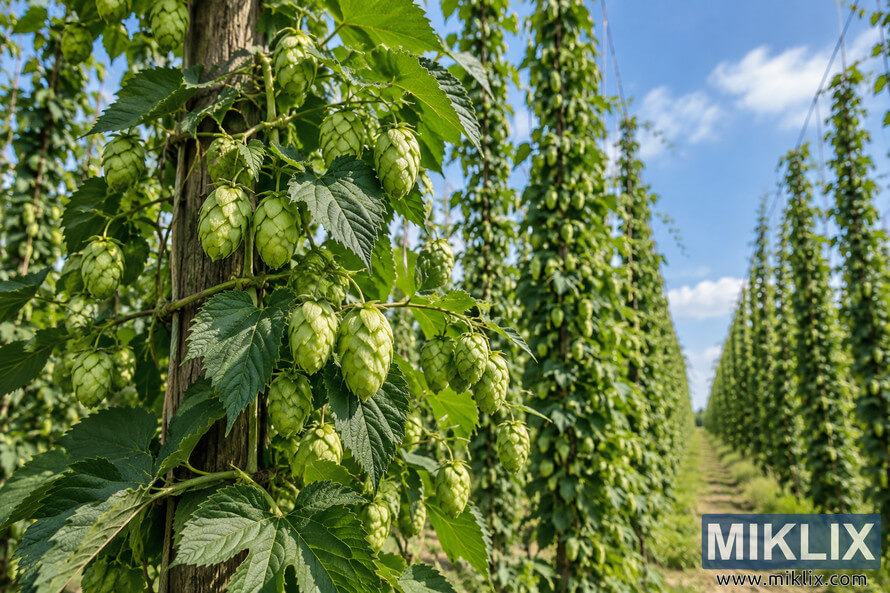
Click or tap the image for more information and higher resolutions.
MultiHead hops have emerged as a favorite among craft brewers and homebrewing enthusiasts. This versatile hop variety offers a unique flavor profile that can elevate your brewing projects. Whether you're crafting your first batch or refining a signature recipe, understanding MultiHead hops will transform your brewing experience.
This comprehensive guide covers everything you need to know about MultiHead hops. You'll discover their distinct characteristics, learn proper usage techniques, and gain practical tips for incorporating this variety into your homebrew recipes.
What Are MultiHead Hops?
MultiHead hops represent a carefully cultivated hop variety known for exceptional brewing versatility. These hops deliver balanced bitterness alongside complex aromatic qualities. The variety thrives in specific growing regions where climate conditions produce optimal alpha and beta acid levels.
Brewers appreciate MultiHead hops for their consistency across different growing seasons. The pellet form offers convenience and extended shelf life compared to whole leaf varieties. Many brewing supply stores now stock this hop variety year-round due to increasing demand.
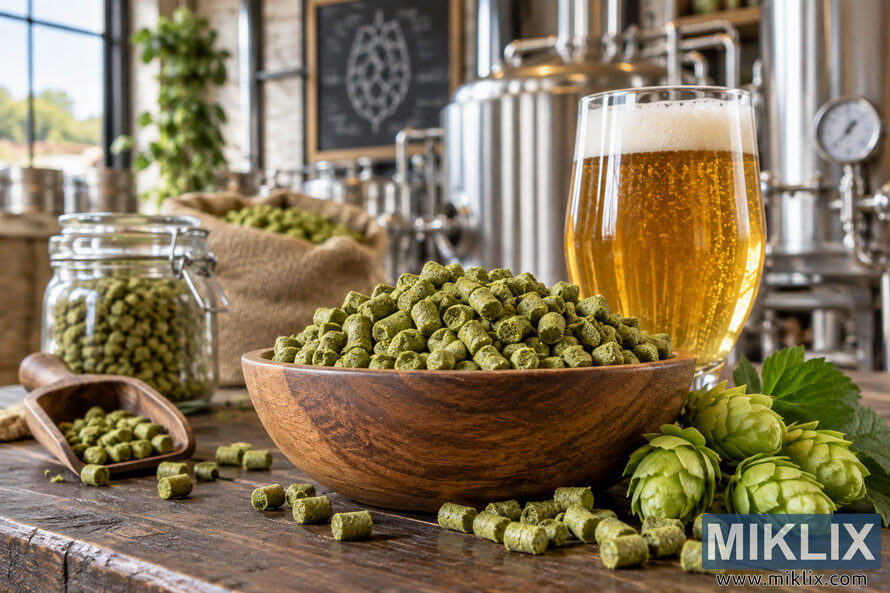
Click or tap the image for more information and higher resolutions.
Origin and Development
The development of MultiHead hops involved years of selective breeding. Agricultural researchers focused on creating a variety that balanced flavor intensity with practical growing characteristics. The result offers homebrewers an accessible option that performs reliably in various beer styles.
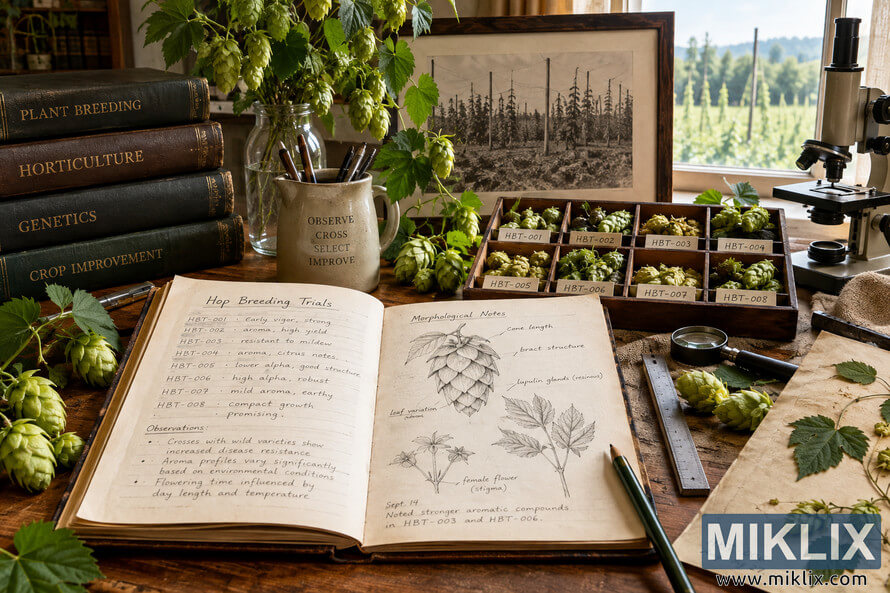
Click or tap the image for more information and higher resolutions.
Quick Fact: MultiHead hops contain alpha acid levels ranging from 6-9%, making them suitable for both bittering and aroma applications in various brewing stages.
Flavor and Aroma Profile of MultiHead Hops
Primary Flavor Characteristics
MultiHead hops deliver a distinctive citrus-forward flavor profile. Brewers detect prominent notes of grapefruit and orange peel. These citrus characteristics blend with subtle floral undertones that add complexity without overwhelming other ingredients.
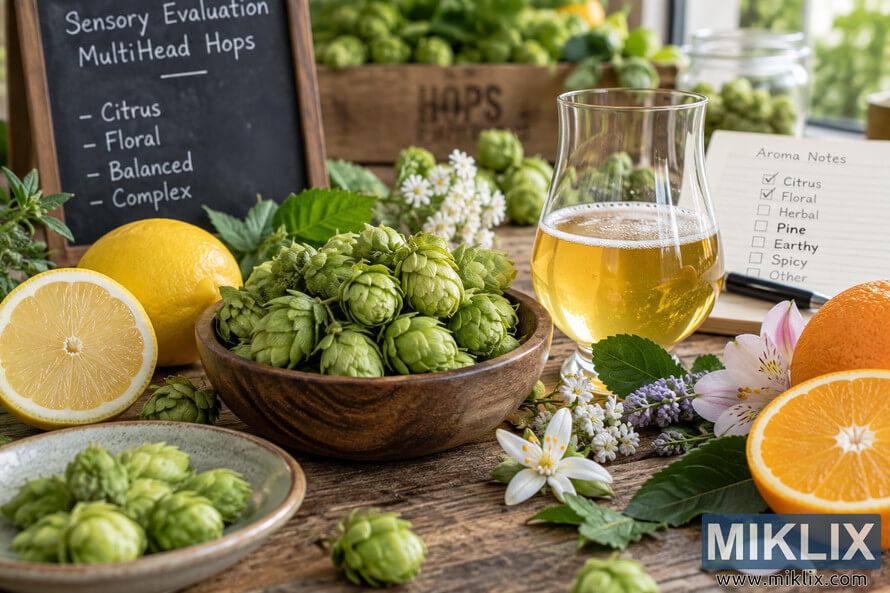
Click or tap the image for more information and higher resolutions.
Citrus Notes
The dominant citrus character provides refreshing brightness. Grapefruit leads the flavor profile, followed by sweet orange and light lemon zest. These notes work exceptionally well in pale ales and IPAs.
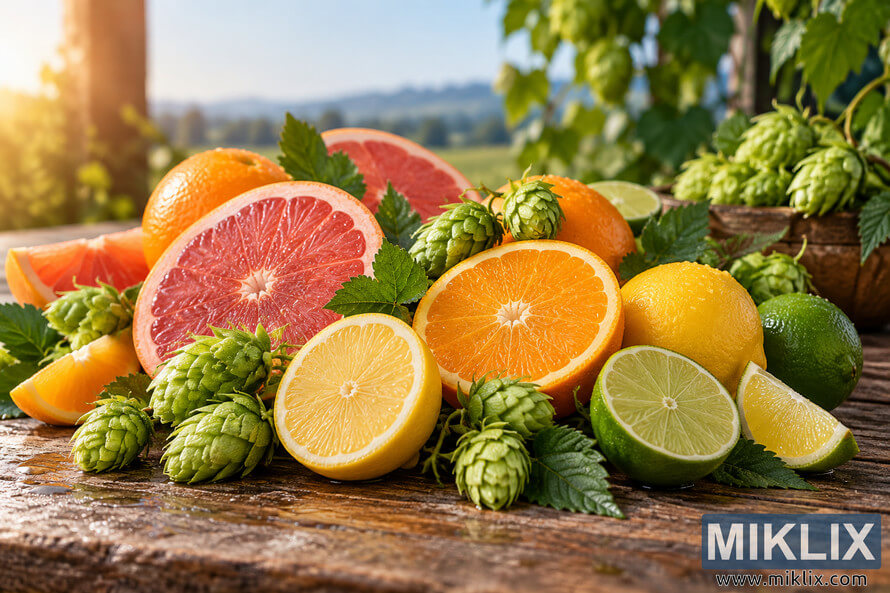
Click or tap the image for more information and higher resolutions.
Floral and Herbal Qualities
Beyond citrus, MultiHead hops offer delicate floral notes. These include hints of jasmine and elderflower. Some brewers also detect mild herbal characteristics that add depth to the overall aroma experience.
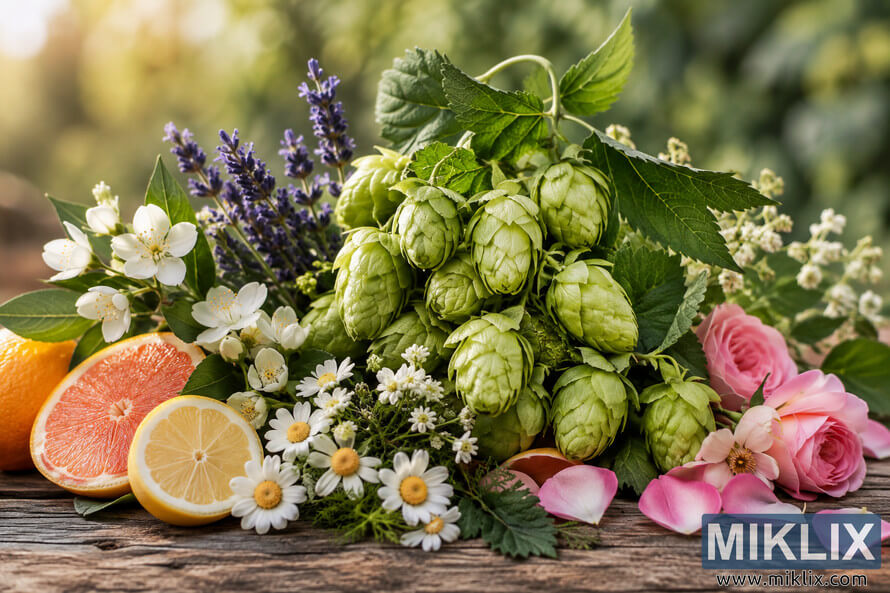
Click or tap the image for more information and higher resolutions.
Aroma Intensity and Duration
The aroma profile of MultiHead hops demonstrates remarkable staying power throughout the brewing process. Early additions contribute to foundational bitterness while maintaining some aromatic qualities. Late additions and dry hopping maximize the citrus and floral characteristics that define this variety.
Brewing Applications for MultiHead Hops
Click or tap the image for more information and higher resolutions.
Best Beer Styles for MultiHead Hops
MultiHead hops perform exceptionally well across multiple beer styles. Their balanced profile makes them particularly suitable for American-style ales. The citrus characteristics shine brightest in lighter beer styles where hop character takes center stage.
American Pale Ale
MultiHead hops create exceptional pale ales with vibrant citrus notes. Use them for late kettle additions and dry hopping. The moderate alpha acid content provides clean bitterness without harshness. This style showcases the hop variety's best qualities.
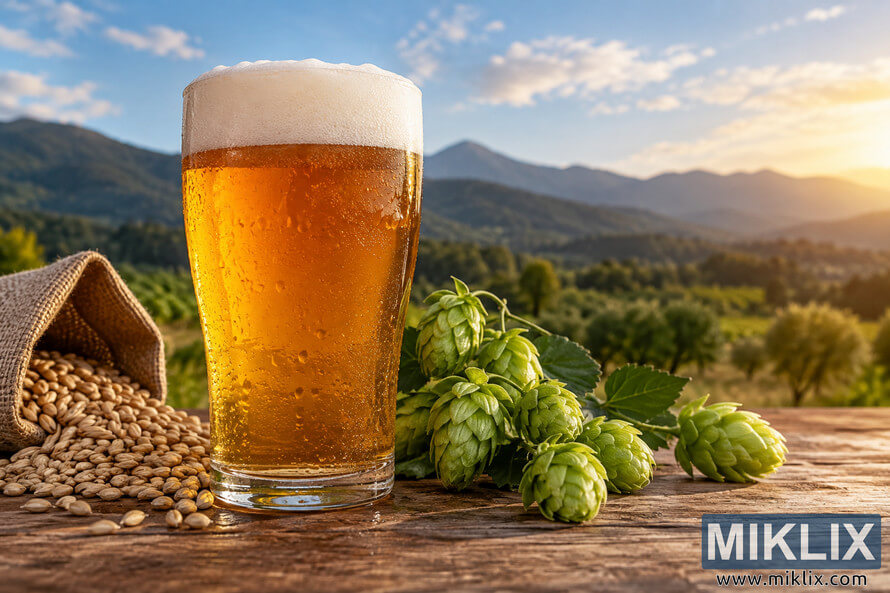
Click or tap the image for more information and higher resolutions.
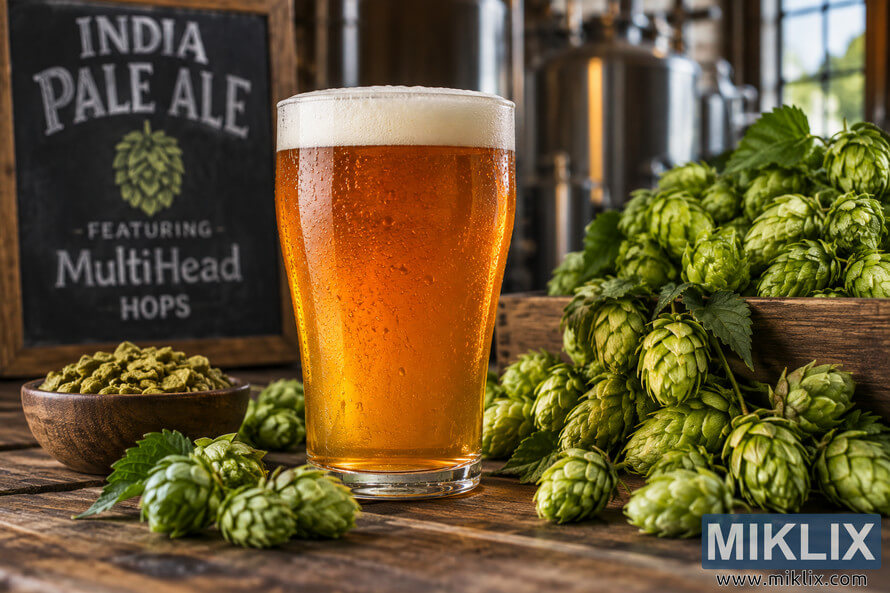
India Pale Ale (IPA)
IPAs benefit greatly from MultiHead's intense aroma profile. Combine with other hop varieties for complexity or use as a single-hop showcase. The citrus notes complement malt sweetness perfectly. Many brewers use this variety for both bittering and aroma.
Click or tap the image for more information and higher resolutions.
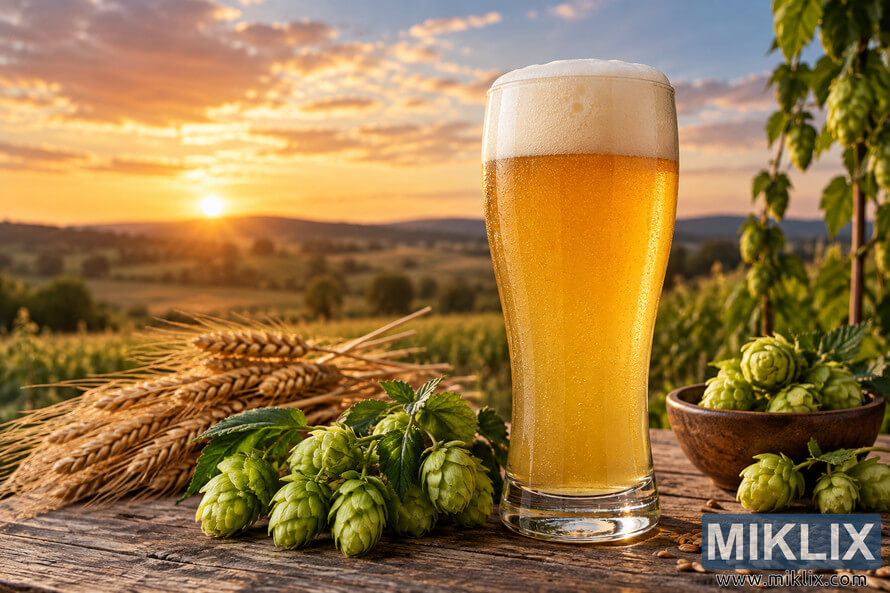
Wheat Beer Styles
MultiHead hops add interesting dimensions to wheat beers. The floral notes complement traditional wheat beer yeast characteristics. Use sparingly to avoid overpowering the delicate wheat flavors. Light additions create refreshing summer seasonals.
Click or tap the image for more information and higher resolutions.
Bittering vs. Aroma Applications
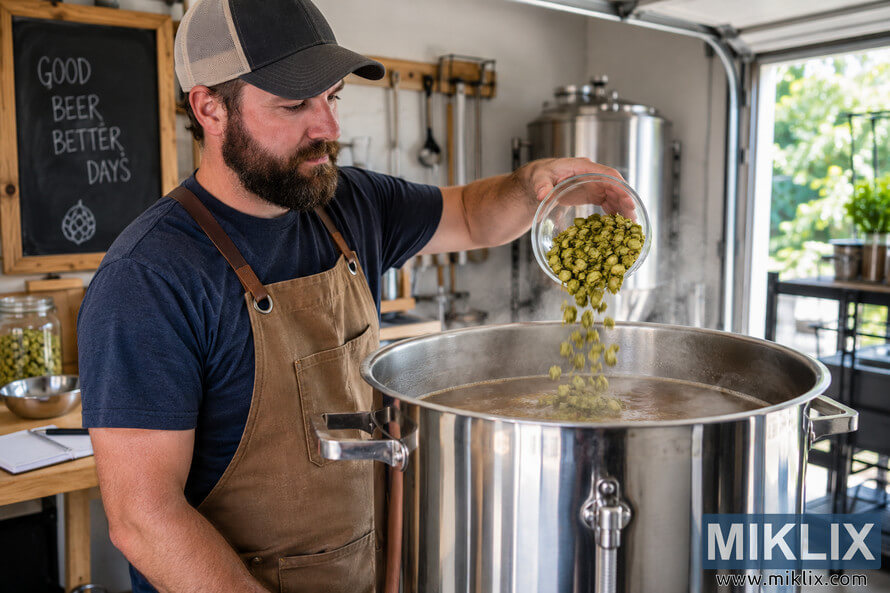
MultiHead hops serve dual purposes in brewing. Their alpha acid content supports bittering additions early in the boil. However, most brewers prefer using this variety for aroma and flavor contributions. The hop shines brightest when added during the final minutes of boiling or during dry hopping.
| Addition Timing | Purpose | Typical Amount | Contribution |
| 60-minute boil | Bittering | 0.5-1 oz per gallon | Clean bitterness foundation |
| 15-minute boil | Flavor | 0.5-1.5 oz per gallon | Citrus flavor development |
| 5-minute boil | Aroma | 1-2 oz per gallon | Maximum aroma retention |
| Whirlpool/Steep | Aroma | 1-3 oz per gallon | Intense citrus aroma |
| Dry hop | Aroma | 1-4 oz per gallon | Fresh hop character |
Click or tap the image for more information and higher resolutions.
Technical Specifications and Characteristics
Alpha and Beta Acid Content
Understanding the acid composition of MultiHead hops helps brewers predict bitterness levels and plan recipes effectively. The alpha acid range provides flexibility for different brewing applications. Beta acids contribute to long-term beer stability and add subtle aromatic qualities.

Click or tap the image for more information and higher resolutions.
Key Acid Measurements
- Alpha acid content ranges from 6.0% to 9.0%
- Beta acid levels typically measure 3.5% to 5.5%
- Cohumulone percentage averages 28-32%
- Total oil content ranges from 1.2 to 2.0 mL per 100g
- Myrcene represents the dominant essential oil component
These specifications make MultiHead hops suitable for various brewing purposes. The moderate alpha acid content allows for both bittering and aromatic applications without overwhelming other beer components.
Storage and Freshness
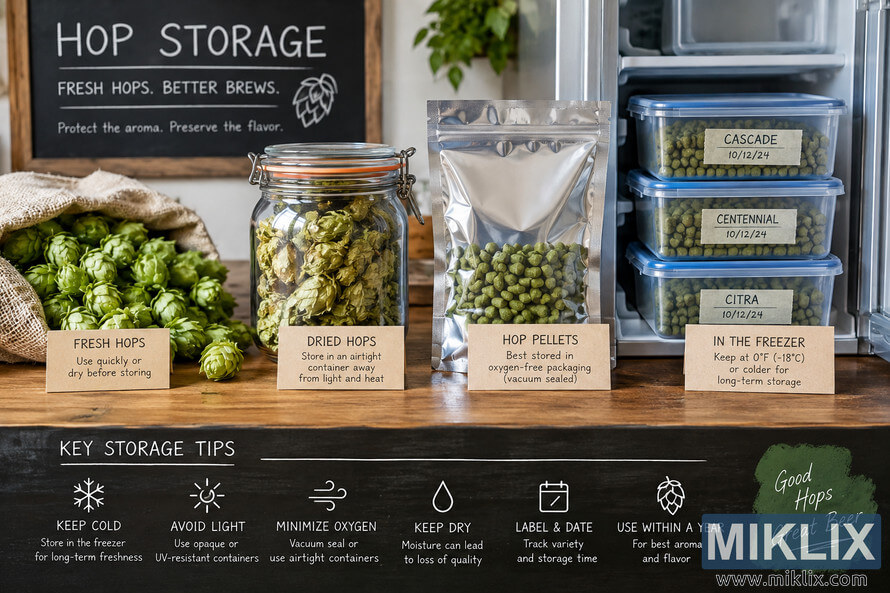
Proper storage extends the life and preserves the quality of your MultiHead hops. The pellet form offers advantages over whole leaf hops for long-term storage. Oxidation remains the primary concern for maintaining hop freshness.
Storage Best Practices
- Store hop pellets in airtight containers or original vacuum-sealed bags
- Keep hops frozen at 0°F (-18°C) or below for maximum shelf life
- Refrigeration works for short-term storage up to six months
- Minimize exposure to light and oxygen when accessing stored hops
- Label packages with purchase dates to track freshness
- Consider purchasing smaller quantities more frequently for optimal freshness
Click or tap the image for more information and higher resolutions.
Dosage Recommendations for Homebrewing
Calculating Hop Additions
Precise hop measurements ensure consistent results across batches. The form of your hops affects how you measure them. Pellet hops offer convenience and accuracy compared to whole leaf varieties. Digital scales provide the most reliable measurements for homebrew batches.
Standard Dosage Guidelines
For a typical five-gallon homebrew batch, consider these baseline measurements. Adjust based on your desired bitterness level and beer style. Remember that hop utilization varies with boil time and wort gravity.
Light Hopping (15-25 IBU)
- 0.5-1 oz for 60-minute addition
- 0.5 oz for late boil additions
- 1 oz for dry hopping
- Best for wheat beers and light lagers
- Subtle hop character
Moderate Hopping (30-45 IBU)
- 1-1.5 oz for 60-minute addition
- 1 oz for late boil additions
- 2 oz for dry hopping
- Ideal for pale ales and amber ales
- Balanced hop presence
Heavy Hopping (50+ IBU)
- 2-3 oz for 60-minute addition
- 2 oz for late boil additions
- 3-4 oz for dry hopping
- Perfect for IPAs and double IPAs
- Pronounced hop character
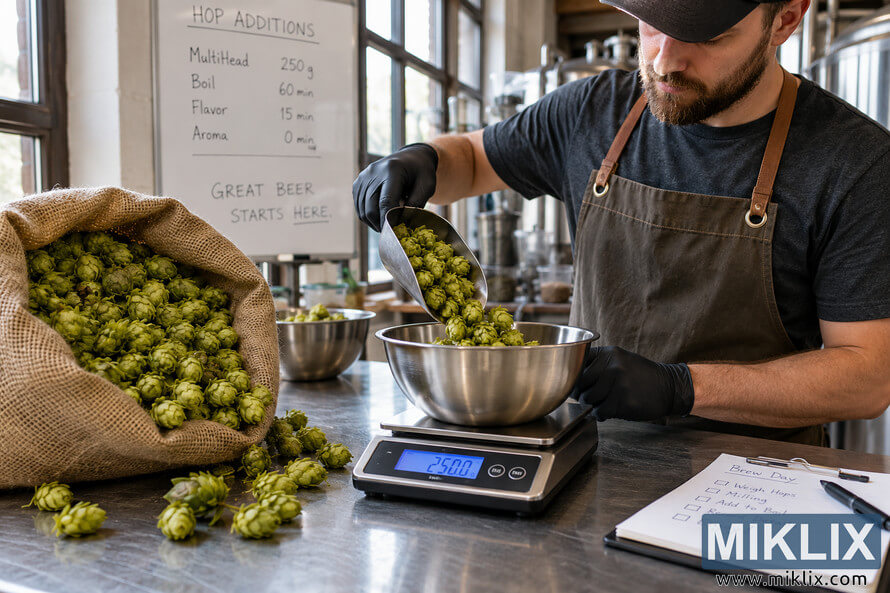
Click or tap the image for more information and higher resolutions.
Dry Hopping Techniques
Dry hopping with MultiHead hops maximizes their citrus and floral characteristics. This technique adds aroma without contributing additional bitterness. The timing and temperature of dry hopping significantly impact the final beer quality.
- Wait until primary fermentation shows signs of slowing, typically after 4-5 days
- Sanitize your measuring equipment and hop bag if using one
- Add hop pellets directly to the fermenter or use a sanitized mesh bag for easier removal
- Allow hops to contact the beer for 3-7 days at fermentation temperature
- Remove hop bags if used, or proceed to packaging if hops were added loosely
- Cold crash the beer after dry hopping to improve clarity
- Important Note: Excessive dry hopping can introduce grassy or vegetal flavors. Start with conservative amounts and adjust in future batches. Most homebrewers find 1-2 ounces per five gallons provides excellent results without negative characteristics.
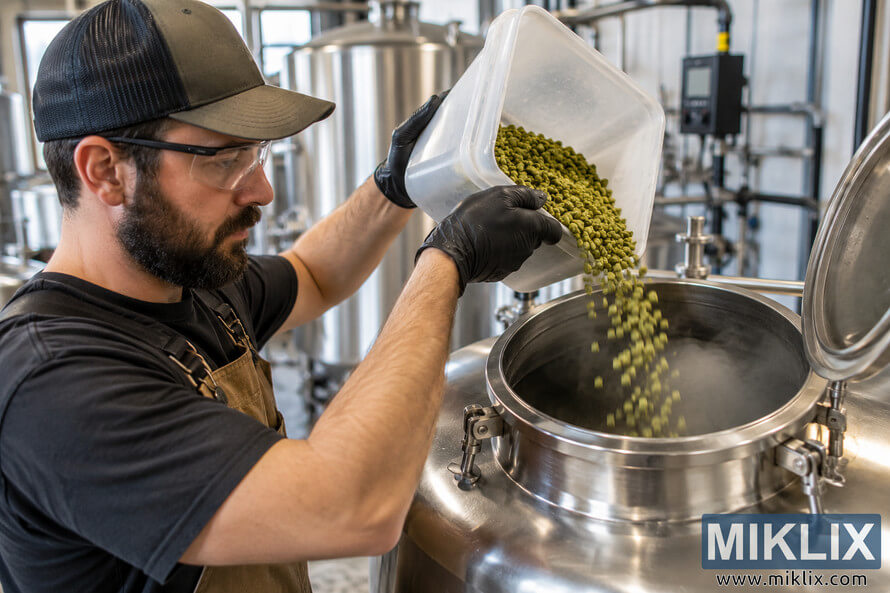
Click or tap the image for more information and higher resolutions.
Practical Tips for Homebrewers Using MultiHead Hops
Recipe Development Strategies
Creating successful recipes with MultiHead hops requires understanding how they interact with other brewing ingredients. The variety works well both as a single-hop beer and in combination with complementary hop varieties. Experiment with small batches before scaling up to larger volumes.
Complementary Hop Varieties
Blending MultiHead hops with other varieties creates complex flavor profiles. Consider these combinations for enhanced brewing results. Each pairing brings different characteristics to your finished beer.
Cascade Combination
Pairing MultiHead with Cascade hops enhances citrus characteristics. Cascade adds floral and grapefruit notes that complement MultiHead's profile. Use a 50/50 ratio for balanced results or adjust proportions based on your flavor goals.
Centennial Pairing
Centennial hops bring additional citrus and pine notes. This combination works exceptionally well in American IPAs. The higher alpha acids in Centennial can provide bittering while MultiHead handles aroma duties.
Mosaic Blend
Combining MultiHead with Mosaic creates tropical fruit complexity. Mosaic contributes mango and berry notes that expand the flavor spectrum. This pairing excels in hazy IPAs and New England-style ales.

Click or tap the image for more information and higher resolutions.
Common Mistakes to Avoid
Even experienced homebrewers can encounter challenges when working with new hop varieties. Learning from common mistakes helps you achieve better results faster. Pay attention to these potential pitfalls when brewing with MultiHead hops.
Best Practices
- Measure hop quantities precisely using a digital scale
- Store hops properly in freezer immediately after opening
- Use fresh hops within one year of packaging date
- Calculate IBU contributions based on actual alpha acid percentages
- Document hop additions and results for recipe refinement
- Consider water chemistry when planning hop-forward beers
Common Mistakes
- Adding too many hops creates harsh, vegetal flavors
- Using old or improperly stored hops results in cheesy off-flavors
- Neglecting to adjust for different alpha acid percentages between batches
- Dry hopping too early can blow off desirable aromatics
- Leaving dry hops in contact with beer for excessive periods
- Failing to account for hop absorption when calculating final volume
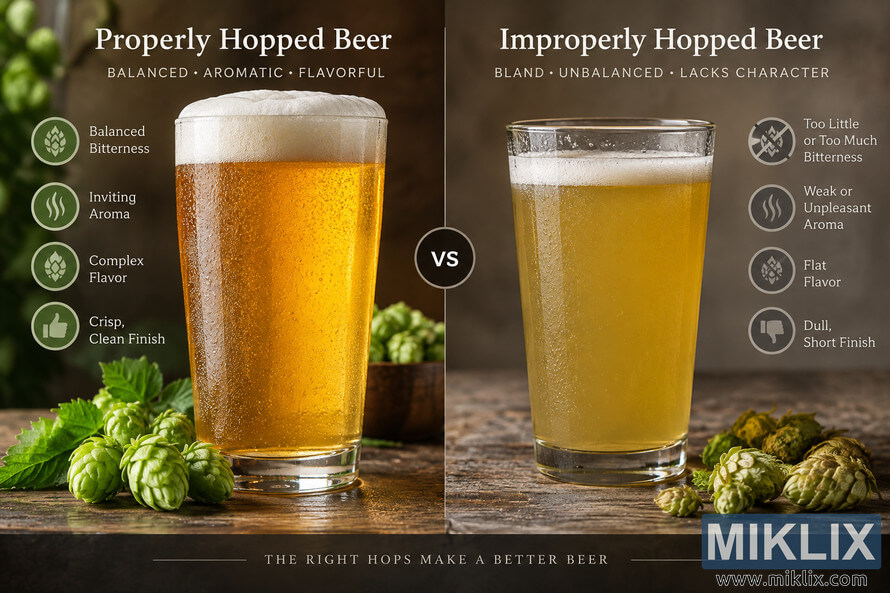
Click or tap the image for more information and higher resolutions.
Water Chemistry Considerations
Water chemistry significantly impacts how hop flavors express themselves in finished beer. The mineral content of your brewing water affects bitterness perception and overall hop character. MultiHead hops perform best in water profiles that enhance citrus qualities.
Ideal Water Profile for Hop-Forward Beers
| Mineral | Target Range (ppm) | Effect on Beer |
| Calcium | 50-150 | Enhances hop bitterness clarity |
| Sulfate | 150-350 | Accentuates hop character and dryness |
| Chloride | 50-100 | Adds fullness and malt perception |
| Sulfate to Chloride Ratio | 2:1 to 3:1 | Balances hop sharpness with body |
Adjusting your water chemistry helps MultiHead hops shine in your recipes. Higher sulfate levels emphasize the citrus characteristics. Moderate chloride content prevents the beer from becoming too thin or harsh. Many brewing software programs include water chemistry calculators to help you achieve target profiles.
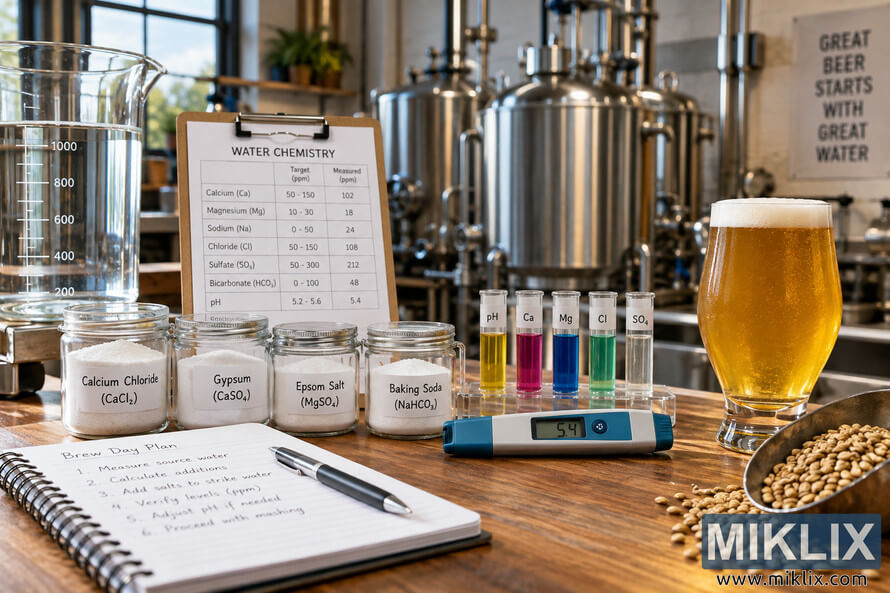
Click or tap the image for more information and higher resolutions.
Purchasing and Selecting MultiHead Hops
Form Factor Options
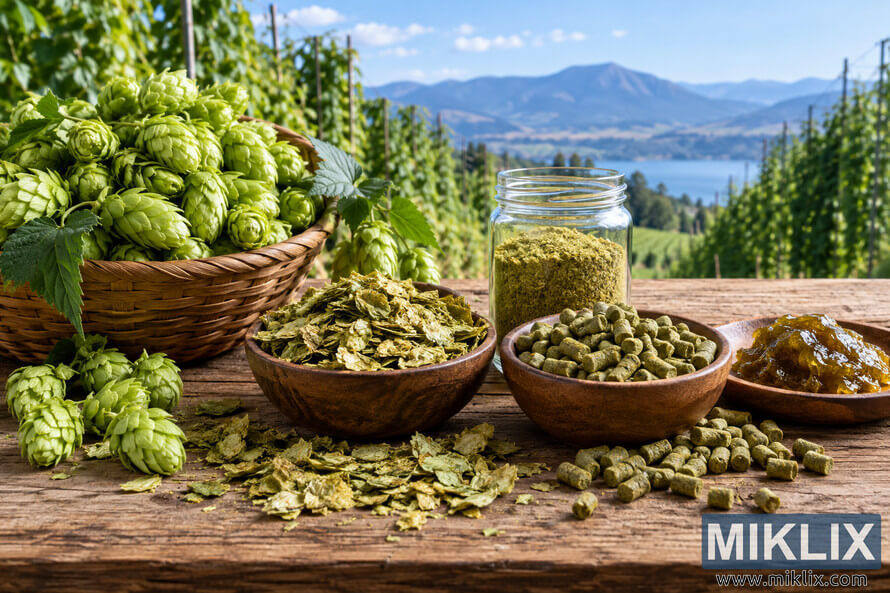
MultiHead hops are available in several different forms. Each format offers distinct advantages for homebrewers. Your choice depends on batch size, storage capacity, and personal brewing preferences.
Pellet Form
Pellets represent the most popular form for homebrewers. The pelletization process compacts hops for efficient storage and longer shelf life.
- Easier to measure and portion accurately
- Better long-term storage characteristics
- More consistent alpha acid content
- Dissolve readily in wort during brewing
Whole Leaf Hops
Some brewers prefer whole leaf hops for their traditional character. Whole leaf varieties provide a different sensory experience during brewing.
- Form a natural filter bed during transfer
- Provide fuller visual brewing experience
- May offer slightly different flavor characteristics
- Require more storage space than pellets
Hop Extracts
Extract forms offer convenience and precise bittering control. They work well for commercial operations or specific homebrewing applications.
- Provide extremely consistent bittering
- Minimal storage space requirements
- Eliminate hop particulate matter
- Less suitable for aroma contributions
Rhizomes for Growing
Adventurous homebrewers can grow their own MultiHead hops. Rhizomes allow you to cultivate fresh hops at home.
- Provides ultra-fresh hop character
- Requires proper climate and growing space
- Takes multiple seasons for full production
- Offers rewarding hands-on experience
Click or tap the image for more information and higher resolutions.
Evaluating Hop Quality
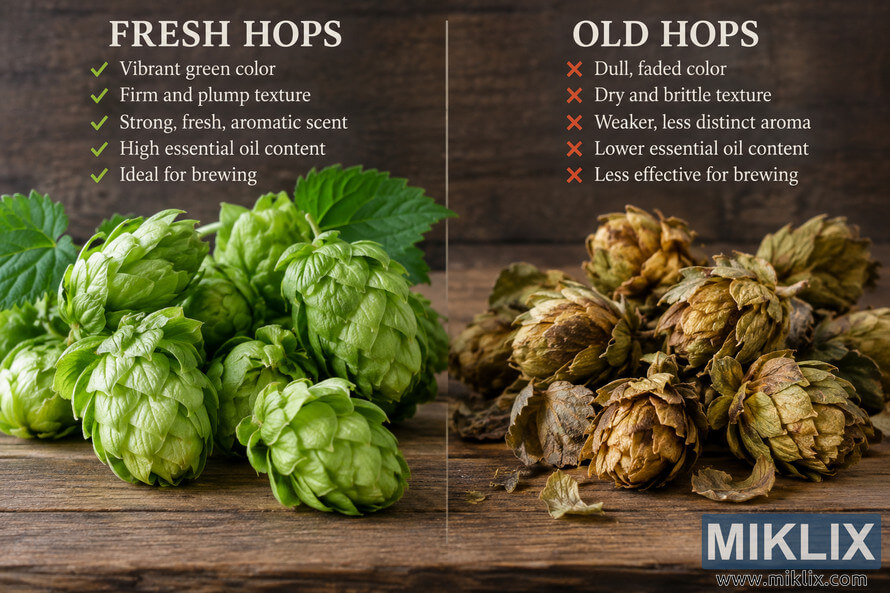
Fresh, high-quality hops produce better beer. Learn to assess hop quality before purchasing. Several indicators help you determine whether hops are in optimal condition. This knowledge protects your investment and improves brewing outcomes.
Quality Indicators for Fresh Hops
- Bright green color indicates freshness and proper storage
- Strong aromatic character when you open the bag
- Pellets should break cleanly rather than crumble into dust
- Packaging date within the last 12-18 months
- Vacuum-sealed or oxygen-barrier packaging intact
- No brown discoloration or oxidized appearance
- Clean hop aroma without cheesy or vegetal notes
Click or tap the image for more information and higher resolutions.
Troubleshooting Common Issues with MultiHead Hops
Addressing Flavor Problems
Sometimes beers brewed with MultiHead hops don't turn out as expected. Identifying the cause of flavor problems helps you correct future batches. Most issues stem from hop handling, storage, or addition timing rather than the hops themselves.
Why does my beer taste grassy or vegetal?
Grassy flavors typically result from using old or oxidized hops. Improper storage accelerates hop degradation. Excessive dry hopping or leaving dry hops in contact with beer too long also creates vegetal characteristics. Check your hop packaging dates and storage methods. Consider reducing dry hop contact time to 4-5 days maximum.
The hop aroma disappeared after packaging. What happened?
Hop aroma compounds are volatile and can dissipate quickly. Oxidation during packaging destroys delicate aromatics. Minimize oxygen exposure during transfers and packaging. Consider adding a small dry hop addition just before packaging for maximum aroma retention. Proper carbonation levels also help carry hop aromatics to your nose.
My beer is more bitter than expected. How do I fix this?
Excessive bitterness usually comes from miscalculating hop contributions or boiling too long. Verify the alpha acid percentage on your specific hop package. Use brewing software to calculate IBUs accurately. Extended boil times increase utilization rates. For future batches, reduce early bittering additions or shorten boil contact time.
Can I substitute MultiHead hops for other varieties in recipes?
MultiHead hops work well as substitutes for other citrus-forward American varieties. Replace Cascade, Centennial, or Amarillo in similar proportions. Adjust quantities based on alpha acid differences. The citrus character makes MultiHead unsuitable for replacing noble hops or earthy English varieties. Always consider the overall flavor profile when substituting.
How long can I store MultiHead hops before they go bad?
Properly stored hop pellets in vacuum-sealed packaging maintain quality for 12-18 months in a freezer. Refrigeration extends life to 6-9 months. Once opened, use hops within 3-6 months even with proper storage. Always vacuum-seal or use oxygen-barrier bags after opening original packaging. Fresh hops always produce better results than old ones.

Click or tap the image for more information and higher resolutions.
Advanced Brewing Techniques with MultiHead Hops
Hop Bursting Method
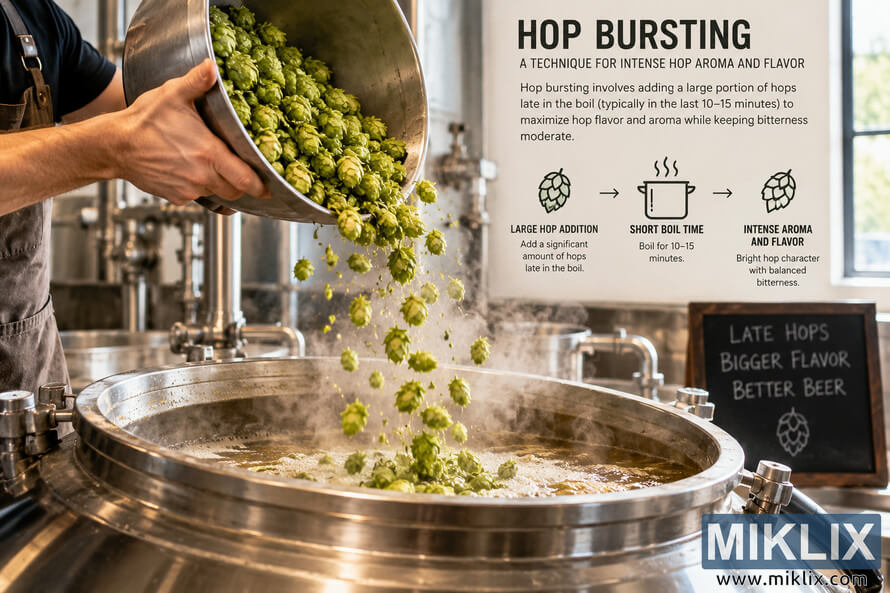
Hop bursting concentrates hop additions in the final 15 minutes of boiling. This technique maximizes flavor and aroma while minimizing harsh bitterness. MultiHead hops excel in hop burst applications due to their balanced profile. The method works particularly well for creating intensely hoppy beers without excessive IBUs.
- Add only minimal hops at the start of boiling for baseline bitterness, typically 10-20% of total hop bill
- Wait until 15 minutes remain in your boil schedule
- Add the majority of your hop quantity, typically 60-80% of total hops
- Include another addition at 5 minutes or flameout for maximum aroma
- Consider a whirlpool addition after turning off heat for additional character
- Maintain wort temperature around 170-180°F during whirlpool for optimal extraction
Click or tap the image for more information and higher resolutions.
First Wort Hopping
First wort hopping involves adding hops to the kettle as you collect wort from the mash. This traditional technique produces smooth bitterness and enhanced hop flavor. MultiHead hops contribute pleasant citrus notes when used in first wort hopping applications. The method works especially well in traditional German-style beers adapted with American hops.
Research suggests first wort hopping increases hop oil retention by up to 10%. The technique produces a smoother, less harsh bitterness compared to standard 60-minute additions. Many brewers report enhanced hop flavor complexity that persists through packaging and serving.
Biotransformation Dry Hopping
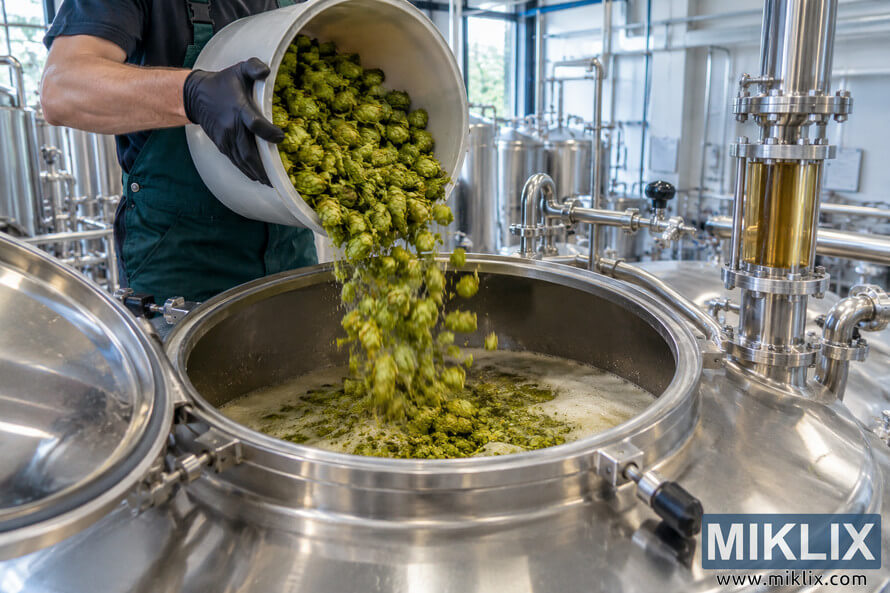
Adding dry hops during active fermentation allows yeast to biochemically transform hop compounds. This process creates unique flavors and aromatics not achievable through traditional dry hopping. The technique requires precise timing to capture benefits while avoiding negative effects.
Add MultiHead hops when fermentation is approximately 30-50% complete. This timing allows sufficient yeast activity for biotransformation while preventing excessive aroma loss through CO2 scrubbing. Monitor fermentation progress with a hydrometer or refractometer. The active yeast metabolism converts hop compounds into more aromatic forms.
Click or tap the image for more information and higher resolutions.
Conclusion
MultiHead hops offer homebrewers an excellent variety for creating distinctive, flavorful beers. Their balanced citrus character works across multiple beer styles. The moderate alpha acid content provides flexibility for both bittering and aroma applications. Whether you brew pale ales, IPAs, or experimental styles, MultiHead hops deliver consistent, quality results.
Success with MultiHead hops comes from understanding their characteristics and using them appropriately. Store your hops properly to maintain freshness and quality. Experiment with different addition timings to discover your preferred flavor profile. Start with proven recipes before developing your own unique creations.
The homebrewing community continues to discover new applications for MultiHead hops. Share your experiences with fellow brewers. Document your recipes and results to refine future batches. Every brewing session teaches valuable lessons that improve your craft.
Remember that brewing is both science and art. Technical knowledge provides the foundation, but creativity makes brewing rewarding. MultiHead hops give you the tools to create exceptional beer. Your dedication to learning and experimentation determines the final results. Take what you've learned here and start brewing your best beer yet.

Click or tap the image for more information and higher resolutions.
Further Reading
If you enjoyed this post, you may also like these suggestions: