
Hops in Beer Brewing: Helga
Published: October 2, 2026 at 8:09:26 PM UTC
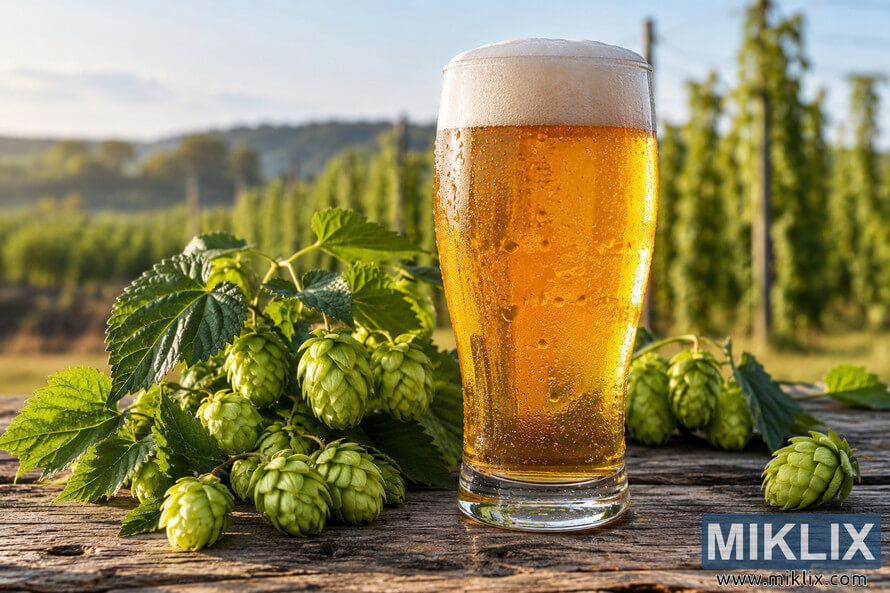
Helga is an Australian aroma hop descended from Hallertau Mittelfrüh, offering a gentle floral and spicy character with subtle herbal notes—an excellent choice for lagers, pilsners, and other delicate beer styles.
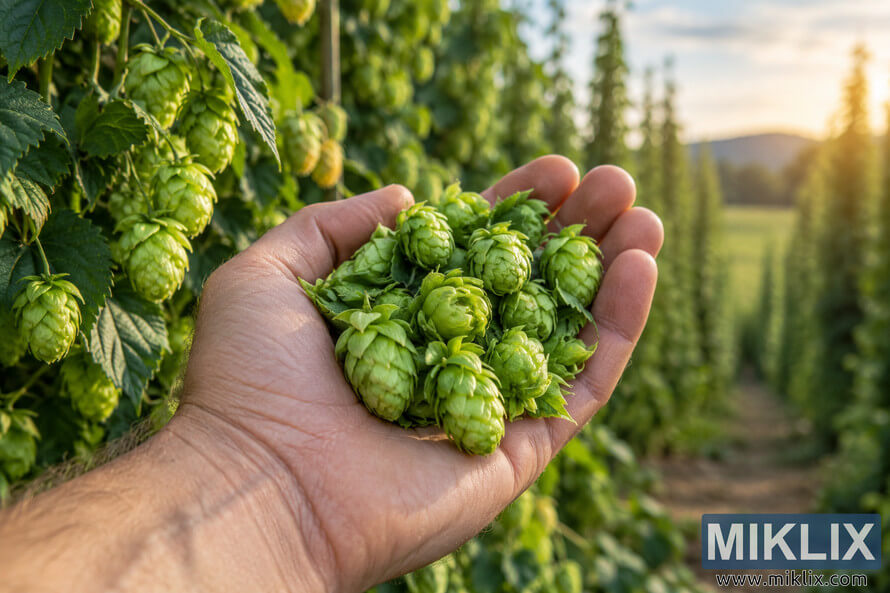
Click or tap the image for more information and higher resolutions.
Helga hops represent one of the most intriguing varieties available to modern craft brewers. This distinctive hop variety offers a unique flavor profile that has captured the attention of brewers worldwide. Whether you're planning your next brew day or exploring new hop varieties to expand your brewing repertoire, understanding Helga hops can transform your beer.
This comprehensive guide walks you through everything you need to know about brewing with Helga hops. You'll discover the history behind this variety, its specific aroma characteristics, and practical techniques for incorporating it into your homebrewing recipes. From alpha acid content to storage recommendations, we've compiled the essential information that both beginner and experienced brewers need.
The journey into Helga hops begins with understanding its origins and continues through practical application in your brewery. Let's explore what makes this hop variety special and how you can use it to create exceptional beer.
Origin and History of Helga Hops
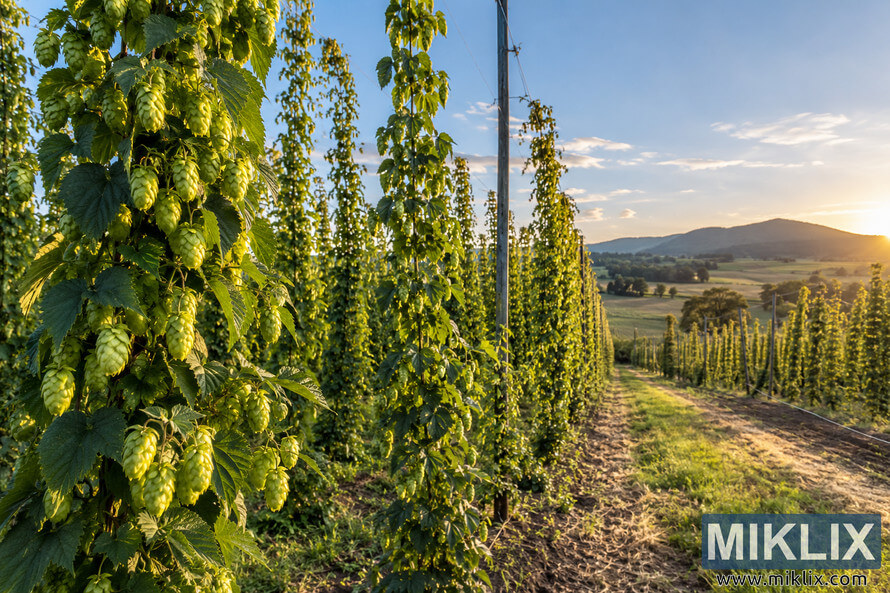
Helga hops trace their roots to Australia's thriving hop industry. This variety emerged from the dedicated breeding programs in the Southern Hallertau region. The development of Helga represents years of careful selection and cultivation by hop growers seeking to create varieties suited to Australian growing conditions.
The hop variety takes its name from traditional German brewing heritage. This connection reflects the variety's flavor profile and its intended use in Continental European beer styles. Australian growers adapted traditional hop breeding techniques to their unique climate and soil conditions.
Click or tap the image for more information and higher resolutions.
Development Timeline
The breeding program that created Helga began in the early 2000s. Hop Products Australia and Yakima Chief Hops collaborated on development and commercialization. The variety officially launched to commercial brewers in recent years after extensive field trials and brewing evaluations.
Key Development Milestones
- Initial cross-breeding and selection phase in Southern Hallertau
- Multi-year field trials across Australian growing regions
- Brewing trials with craft beer partners
- Commercial release to brewers worldwide
- Expansion of cultivation acreage
- International distribution through Yakima Chief network
Click or tap the image for more information and higher resolutions.
Growing Region Characteristics
The Southern Hallertau region in Australia provides ideal conditions for hop cultivation. This area features volcanic soil rich in minerals that contribute to hop character. The climate offers warm days and cool nights during the growing season, which helps develop the complex oil profile found in Helga hops.
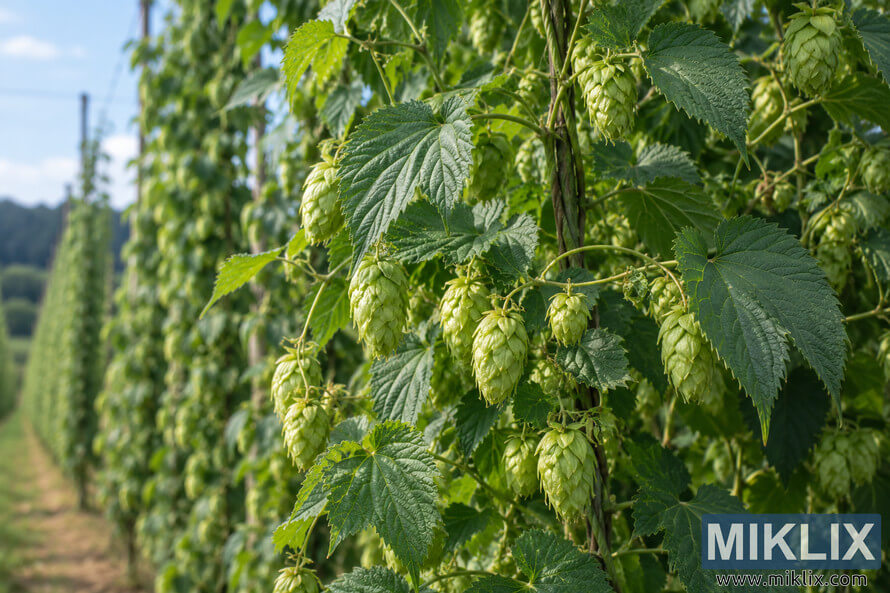
Australian hop farmers harvest Helga during their autumn season. This timing typically falls between late February and April. The harvest period produces hops with optimal oil content and aroma characteristics. Growers carefully monitor cone maturity to ensure peak quality at harvest time.
Industry Recognition
Craft brewers quickly recognized Helga's potential after its commercial introduction. The variety gained particular attention in the American pale ale and craft beer community. Brewers appreciated its unique aroma profile that differs from more common hop varieties. This distinction helps brewers create beers with specific aroma characteristics.
Flavor and Aroma Profile of Helga Hops
The flavor and aroma profile of Helga hops distinguishes this variety from other options available to brewers. Understanding these sensory characteristics helps you decide how to use this hop in your recipes and which beer styles will benefit most from its unique qualities.
Primary Aroma Characteristics
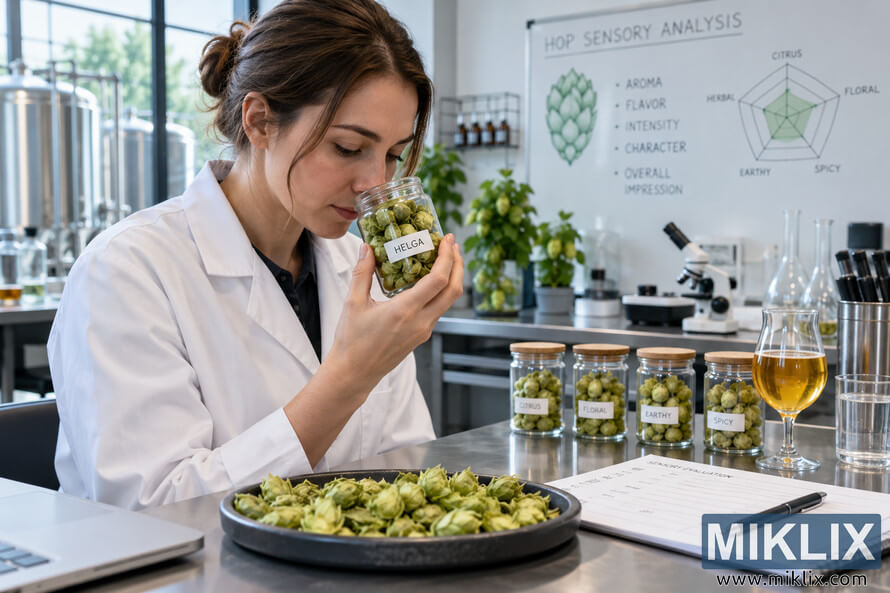
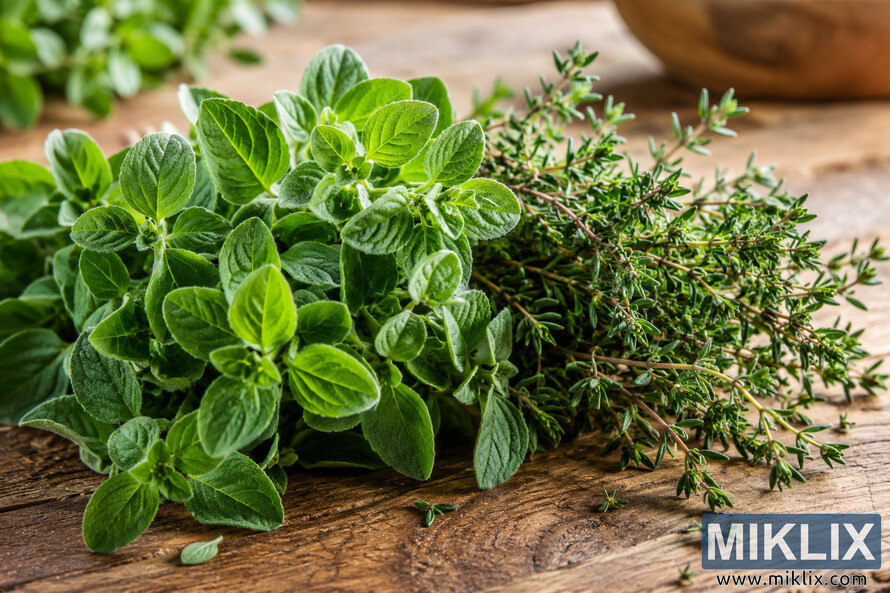
Helga offers a complex aroma profile dominated by herbal and floral notes. The specific aroma descriptors include fresh herbs, delicate flowers, and subtle spice character. Many brewers detect oregano-like herbal qualities combined with perfume-like floral tones. These characteristics create a sophisticated hop presence in finished beer.
Distinctive Aroma Notes: Helga hops present herbal oregano character, floral perfume qualities, subtle spice undertones, fresh garden herb impressions, and delicate tea-like nuances that create complexity in the aroma profile.
Click or tap the image for more information and higher resolutions.
Herbal Character
The herbal notes in Helga come through strongly in late hop additions. These characteristics resemble fresh oregano and garden herbs. Brewers who use Helga for dry hopping experience pronounced herbal aromatics in the finished beer. This quality works exceptionally well in Continental European beer styles.
Click or tap the image for more information and higher resolutions.
Floral Qualities
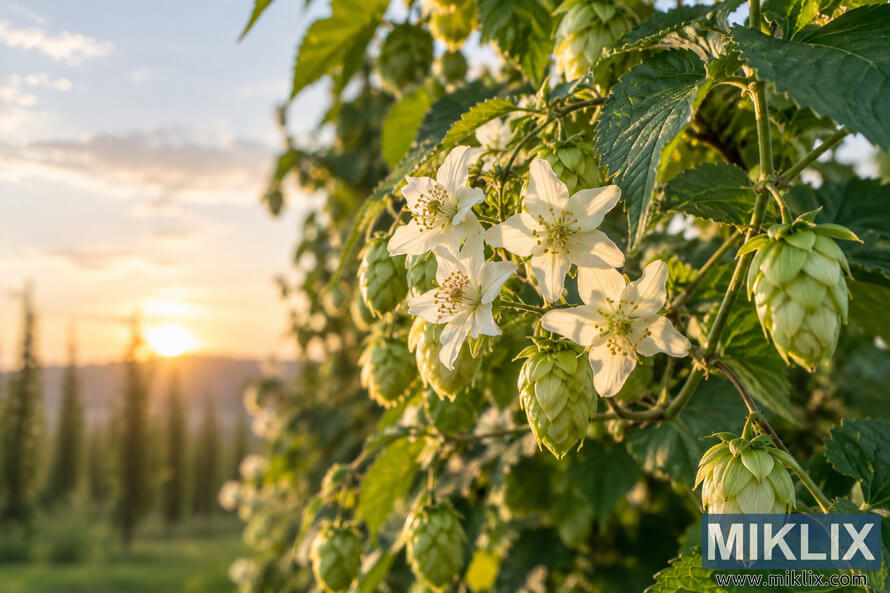
The floral aspect of Helga adds elegance to beer character. These notes appear as perfume-like qualities without being overwhelming. The floral character complements the herbal notes rather than competing with them. This balance makes Helga suitable for beers where hop aroma should be present but not dominating.
Click or tap the image for more information and higher resolutions.
Oil Profile Analysis
The essential oil composition of Helga hops determines its aroma characteristics. Hop oils contain various compounds that contribute different sensory qualities. Understanding this oil profile helps brewers predict how Helga will perform in different applications.
Flavor Contributions
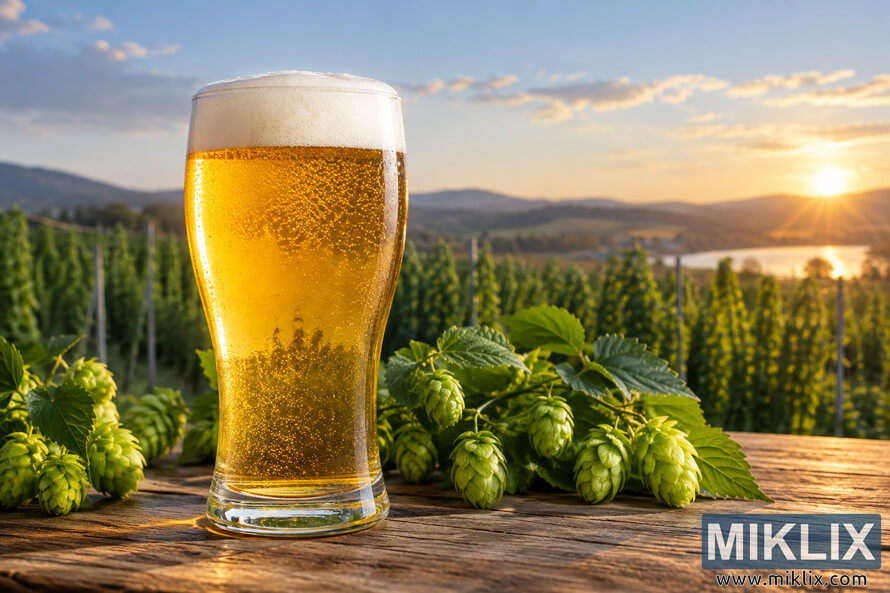
Beyond aroma, Helga hops contribute specific flavor characteristics to beer. The flavor profile mirrors the aroma qualities but with additional depth. Brewers report herbal bitterness that is clean and refined rather than harsh or aggressive.
The flavor character works particularly well in styles where hop bitterness should complement malt character. The herbal qualities provide interest without overwhelming the palate. This makes Helga versatile across multiple beer styles rather than limiting it to heavily hopped varieties.
Click or tap the image for more information and higher resolutions.
Comparison with Similar Varieties
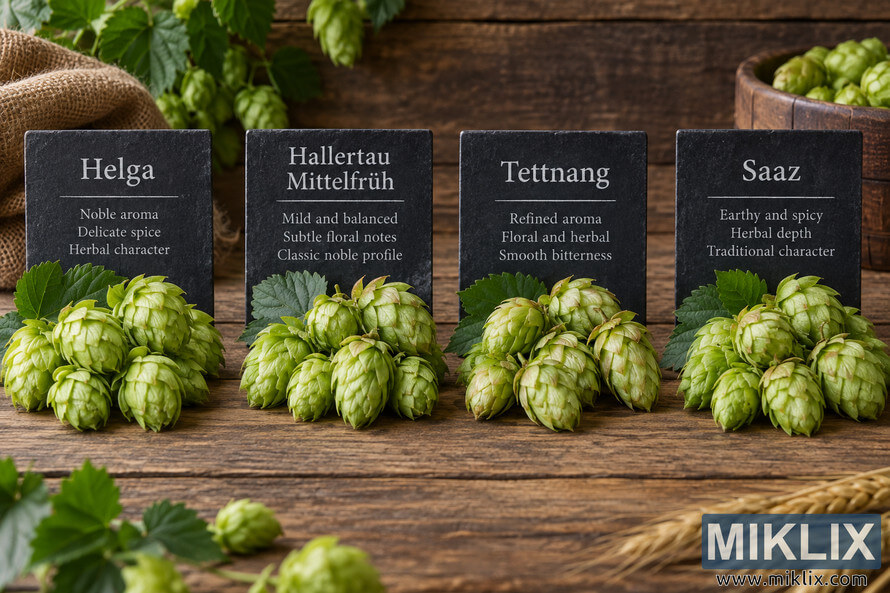
Brewers often compare Helga to other noble-type hop varieties. The hop shares some characteristics with traditional German hops but maintains its own identity. The herbal profile resembles Hallertau Mittelfrüh but with more pronounced oregano-like qualities. The floral aspects differ from Saaz or Tettnang varieties.
| Hop Variety | Primary Character | Herbal Notes | Floral Notes | Best Comparison |
| Helga | Herbal, Floral | Strong Oregano | Perfume-like | Unique Profile |
| Hallertau Mittelfrüh | Mild, Noble | Subtle Herbs | Light Floral | Less Intense |
| Tettnang | Spicy, Floral | Tea-like | Moderate | More Spice |
| Saaz | Earthy, Spicy | Minimal | Delicate | Different Focus |
This comparison helps brewers substitute Helga in recipes or create new formulations. The variety works well when you want herbal character more prominent than in traditional noble hop applications. Consider Helga when your recipe calls for distinctive hop aroma without aggressive bitterness.
Alpha Acid Content and Bittering Properties
Understanding the alpha acid content of Helga hops helps brewers calculate proper usage rates and predict bitterness contributions. The alpha acid level determines how efficiently the hop contributes bitterness to beer during the boil. This technical information is essential for recipe formulation and consistency.
Alpha Acid Range
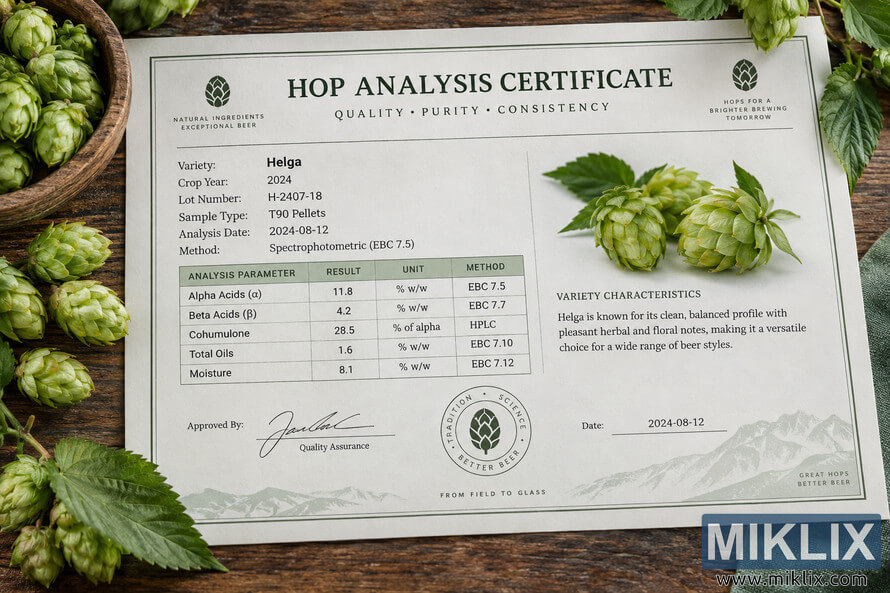
Helga hops typically contain between 4.5% and 6.5% alpha acids. This moderate range places the variety in the dual-purpose category. The specific alpha acid content varies by harvest year and growing conditions. Always check the analysis provided with your hop purchase for exact values.
Click or tap the image for more information and higher resolutions.
Alpha Acid Specifications
- Typical alpha acid range: 4.5-6.5%
- Average alpha content: 5.5%
- Beta acids range: 3.5-4.5%
- Cohumulone: 28-32% of alpha acids
- Variation by crop year: 1-2% typical
- Storage stability: Good when properly handled
The moderate alpha acid level makes Helga versatile in brewing applications. You can use it for bittering additions without creating harsh or aggressive bitterness. The hop also performs well in late additions where both bitterness and aroma matter. This flexibility allows brewers to use Helga as a single-hop variety or in combinations.

Click or tap the image for more information and higher resolutions.
Bittering Character
The bitterness from Helga hops is clean and refined. Brewers describe it as smooth rather than sharp or biting. This quality comes partly from the cohumulone content, which influences bitterness perception. The relatively moderate cohumulone percentage contributes to the pleasant bittering character.
Bittering Quality: Helga provides smooth, refined bitterness that doesn't linger harshly on the palate. The hop works well for achieving moderate bitterness levels in styles where hop presence should support rather than dominate the overall beer character.
Beta Acids and Storage
Beta acids in Helga hops range from 3.5% to 4.5%. These compounds don't contribute to bitterness during brewing but affect hop storage stability. The beta to alpha ratio indicates how well hops will maintain quality over time. Helga's ratio suggests good storage potential when properly handled.
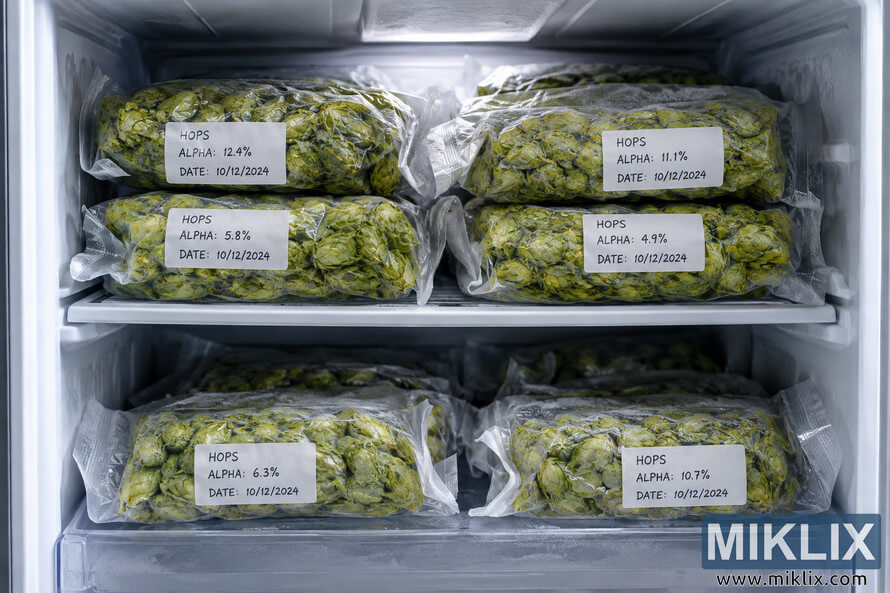
The balanced alpha and beta acid profile means Helga maintains its brewing value for reasonable periods. This characteristic makes the variety practical for homebrewers who might not use entire packages immediately. Proper storage in freezer conditions preserves both bittering potential and aroma qualities.
Click or tap the image for more information and higher resolutions.
IBU Calculations
Calculating International Bitterness Units (IBUs) with Helga follows standard brewing formulas. Use the specific alpha acid percentage from your hop lot analysis. Remember that utilization rates vary based on boil time, wort gravity, and other factors.
Utilization Tip: For a 60-minute boil in average-gravity wort, expect approximately 25-30% utilization of alpha acids. Shorter boil times reduce utilization significantly. Late additions and dry hopping contribute minimal measurable bitterness despite adding substantial aroma.
Sample IBU Calculation
For a 5-gallon batch with 1 ounce of 5.5% alpha acid Helga hops boiled for 60 minutes, expect approximately 28-33 IBUs. This calculation assumes typical homebrewing conditions and standard utilization rates. Adjust amounts based on your desired bitterness level and brewing system efficiency.
| Boil Time | Weight (oz) | Alpha Acid % | Batch Size | Estimated IBUs |
| 60 minutes | 1.0 | 5.5% | 5 gallons | 30 |
| 30 minutes | 1.0 | 5.5% | 5 gallons | 18 |
| 15 minutes | 1.0 | 5.5% | 5 gallons | 10 |
| 5 minutes | 1.0 | 5.5% | 5 gallons | 4 |
| Dry Hop | 1.0 | 5.5% | 5 gallons | 1-2 |
Practical Bittering Applications
The moderate alpha acid content suits Helga for various bittering applications. Use it as the primary bittering hop in session beers, pale ales, and Continental lagers. The clean bitterness doesn't conflict with the specialty hop character you might add later in the boil or during fermentation.
Many brewers combine Helga with higher alpha acid varieties for early bittering additions. This approach reserves Helga for flavor and aroma contributions while using more efficient bittering hops for IBU targets. The strategy maximizes both cost-effectiveness and flavor complexity in your finished beer.
Best Beer Styles for Helga Hops
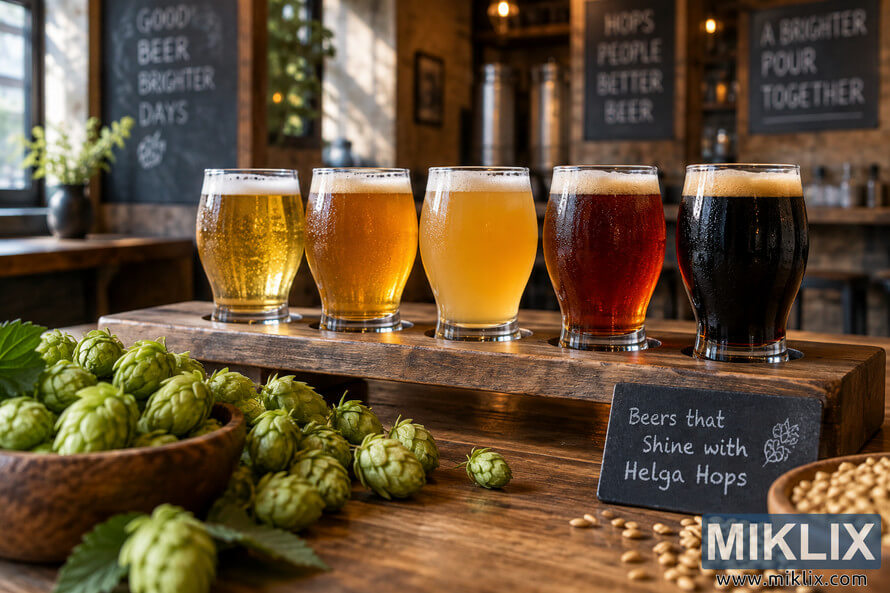
Choosing the right beer styles for Helga hops maximizes the variety's unique characteristics. The herbal and floral profile works particularly well in specific styles where these qualities enhance rather than compete with other beer components. Understanding these style pairings helps you create recipes that showcase Helga effectively.
Click or tap the image for more information and higher resolutions.
Continental European Styles
Helga excels in Continental European beer styles that traditionally feature noble hop character. The variety's profile aligns well with German and Czech brewing traditions. These styles benefit from Helga's herbal complexity and refined bitterness.
German Pilsner
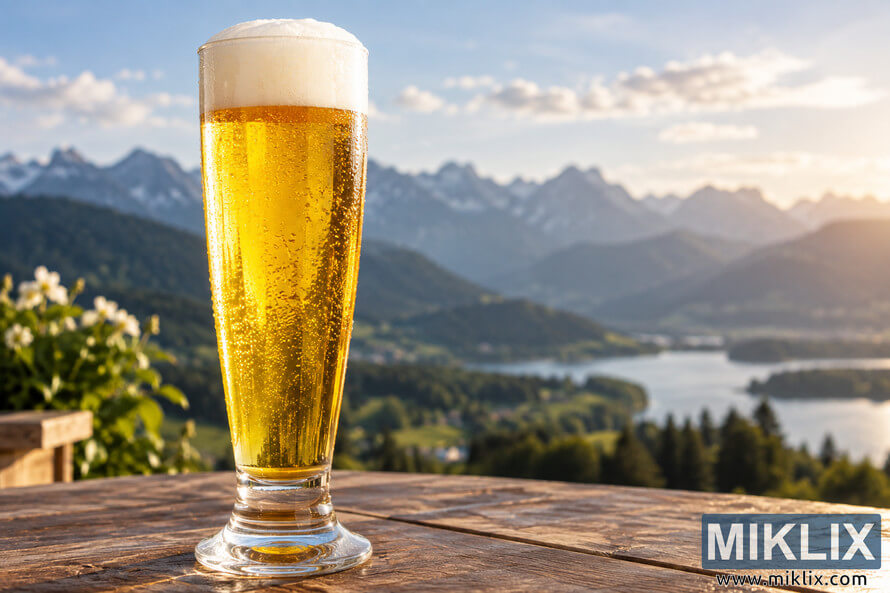
German Pilsner represents an ideal showcase for Helga hops. The style's emphasis on hop character without extreme bitterness matches Helga's profile perfectly. Use Helga as the sole hop variety or combine it with traditional German varieties. The herbal qualities complement the crisp, clean malt base that defines this style.
- Recommended IBU range: 25-35
- Hop addition timing: 60-minute bittering plus late additions
- Best application: Primary aroma and flavor hop
- Complementary hops: Magnum for bittering
Click or tap the image for more information and higher resolutions.
Munich Helles
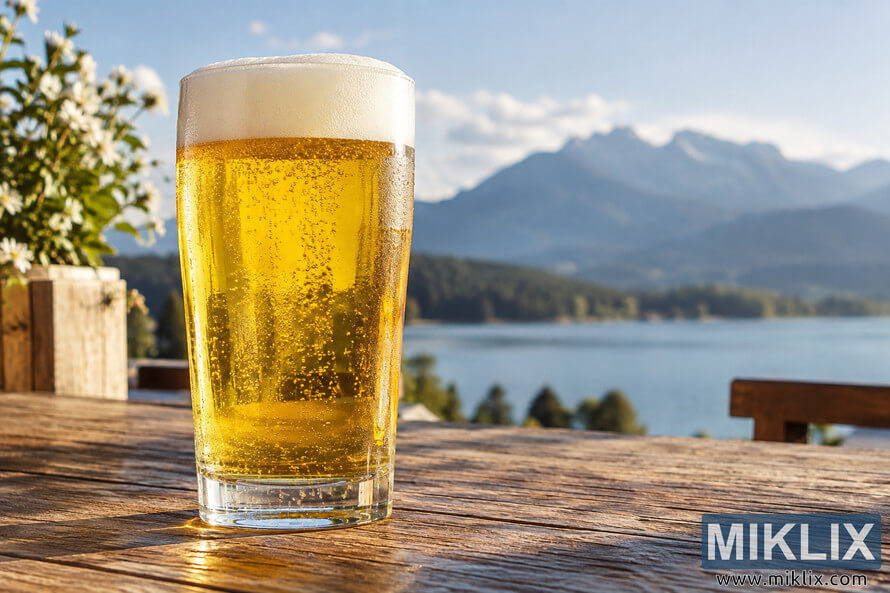
The subtle hop character in Munich Helles finds a perfect partner in Helga. This style requires hops that provide balance without dominating the malty sweetness. Helga's moderate bitterness and delicate aroma profile work beautifully. The floral notes add complexity without overwhelming the beer's characteristic smoothness.
- Recommended IBU range: 16-22
- Hop addition timing: 60-minute and 15-minute additions
- Best application: Single hop variety
- Key characteristic: Balancing malt sweetness
Click or tap the image for more information and higher resolutions.
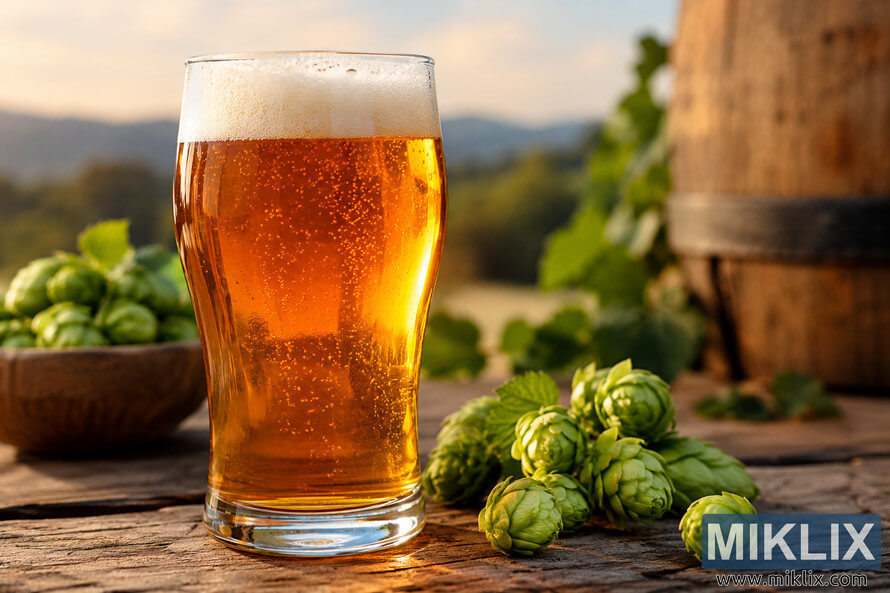
American Pale Ale Variations
While Helga differs from typical American hop varieties, it creates interesting American pale ale variations. Brewers seeking unique flavor profiles beyond citrus and pine find Helga compelling. The variety brings European sensibilities to an American craft beer style.
Consider using Helga in session pale ales where drinkability matters. The moderate alpha acids support sessionability while the aroma profile provides interest. Combine Helga with small amounts of citrus-forward hops to create complex but balanced beer character. This approach bridges traditional and modern craft beer expectations.
Click or tap the image for more information and higher resolutions.
Session Pale Ale Recipe Approach
- Use Helga for 60-minute bittering addition to reach 25-30 IBUs
- Add Helga again at flameout for aroma contribution
- Consider small dry hop addition for additional herbal notes
- Pair with simple two-row malt base for clarity
- Target 4.0-4.5% ABV for sessionability
- Ferment with neutral American ale yeast
Belgian-Style Ales
The herbal character of Helga complements Belgian yeast profiles beautifully. Belgian-style ales often feature complex yeast-derived flavors that benefit from supporting hop character. Helga provides that support without competing with the yeast contributions.
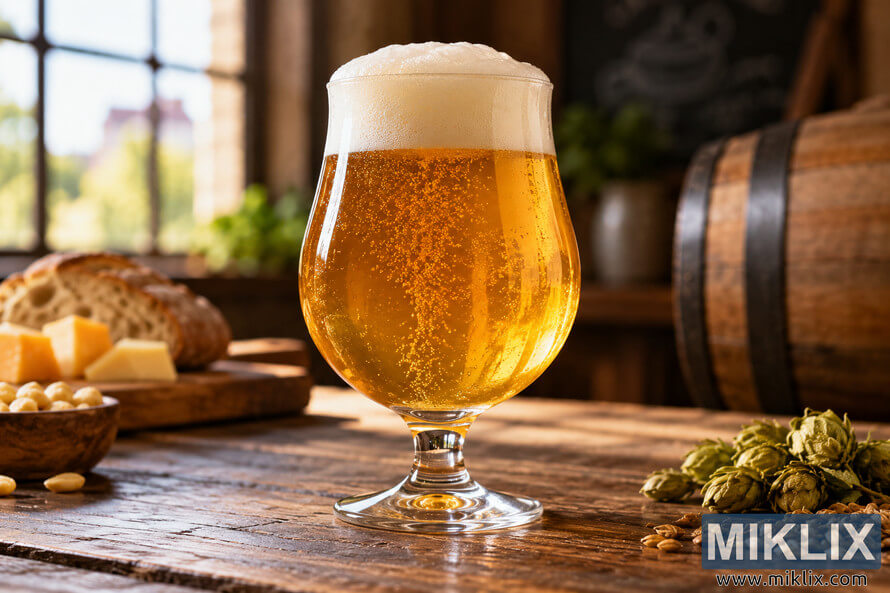
Belgian Blonde Ale
Belgian Blonde Ale gains sophistication from Helga additions. The style's balance between malt sweetness and hop bitterness finds harmony with Helga's profile. The herbal notes enhance the beer's complexity while the floral qualities add elegance. This combination creates a refined drinking experience.
Click or tap the image for more information and higher resolutions.
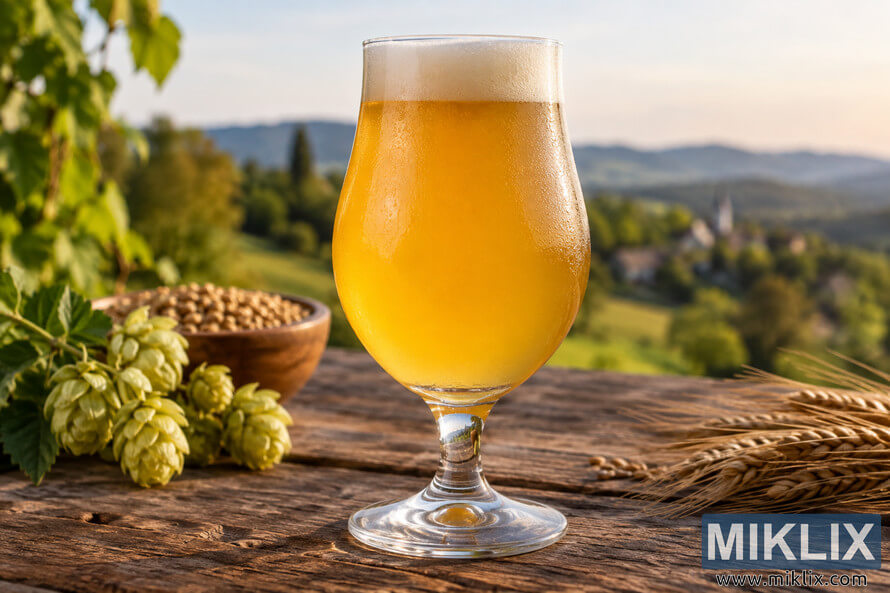
Saison
Saison's rustic character pairs wonderfully with Helga's herbal qualities. The style traditionally features earthy, spicy notes from both yeast and hops. Helga contributes appropriate hop character without pushing the beer toward modern American interpretations. The result maintains traditional character while offering distinct hop presence.
Click or tap the image for more information and higher resolutions.
Specialty and Experimental Styles
Creative brewers use Helga in various specialty applications. The hop works in cream ales where subtle hop character enhances drinkability. Consider Helga in blonde ales, Kölsch, and other styles emphasizing balance over hop intensity. The variety also appears in some amber ales where herbal notes complement caramel malt flavors.
Experimental Opportunity: Try Helga in styles outside traditional applications. The herbal character might surprise you in wheat beers, light-bodied porters, or even carefully crafted sour beers where hop bitterness provides structure without overwhelming the beer's delicate balance.
Styles to Approach Carefully
Some beer styles don't showcase Helga's strengths effectively. The variety lacks the intense citrus and tropical fruit character expected in IPAs and double IPAs. While you can use Helga in these styles for interesting variations, it won't deliver typical craft beer hop characteristics. Consider your target audience expectations before using Helga in heavily hopped styles.
Excellent Style Matches
- German Pilsner and Lagers
- Munich Helles
- Belgian Blonde Ale
- Saison
- Session Pale Ale
- Kölsch
- Cream Ale
Less Suitable Styles
- West Coast IPA
- Double IPA
- Hazy IPA
- Imperial Stout
- Heavily roasted styles
- Fruit-forward beers
Usage Rates and Addition Timing for Homebrewing
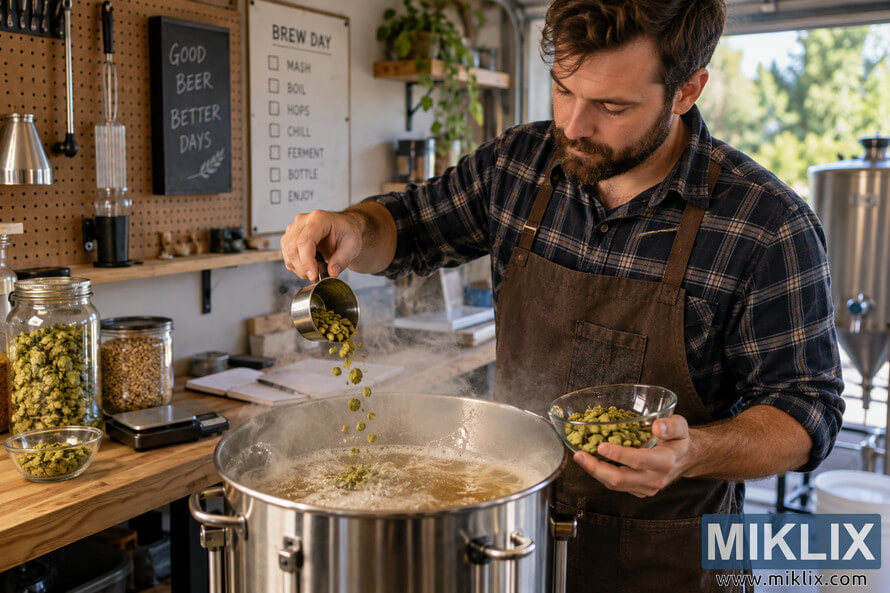
Determining proper usage rates and addition timing for Helga hops ensures you extract the desired character in your finished beer. The specific amounts and timing depend on your beer style, desired intensity, and brewing system. These guidelines provide starting points that you can adjust based on your preferences and experience.
Click or tap the image for more information and higher resolutions.
Bittering Additions
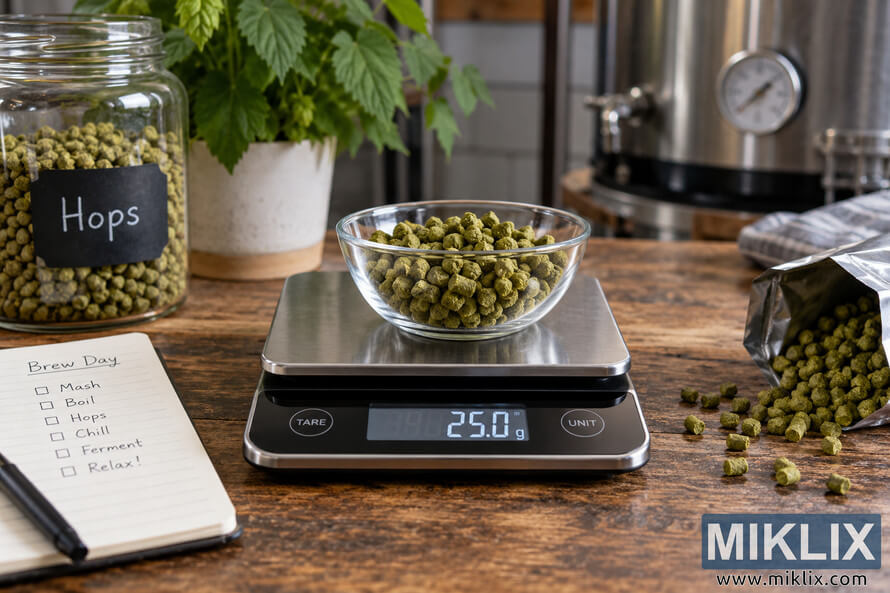
For bittering purposes, add Helga hops early in the boil. The typical bittering addition occurs at the 60-minute mark. Calculate the amount needed based on your target IBUs and the specific alpha acid percentage of your hop lot. Most recipes using Helga for bittering call for 0.75 to 1.5 ounces per 5-gallon batch.
Bittering Addition Guidelines
- Add hops at start of 60-minute boil
- Use 1.0-1.5 oz for 25-35 IBUs in 5 gallons
- Adjust based on specific alpha acid analysis
- Calculate using brewing software for precision
- Consider wort gravity when calculating utilization
- Account for hop bag or filter if used
The clean bittering character from Helga makes it suitable as a sole bittering hop. You don't need to layer in high-alpha varieties unless pursuing specific IBU targets efficiently. The smooth bitterness from Helga contributes to overall beer balance without creating harsh or lingering bitterness.
Click or tap the image for more information and higher resolutions.
Flavor Additions
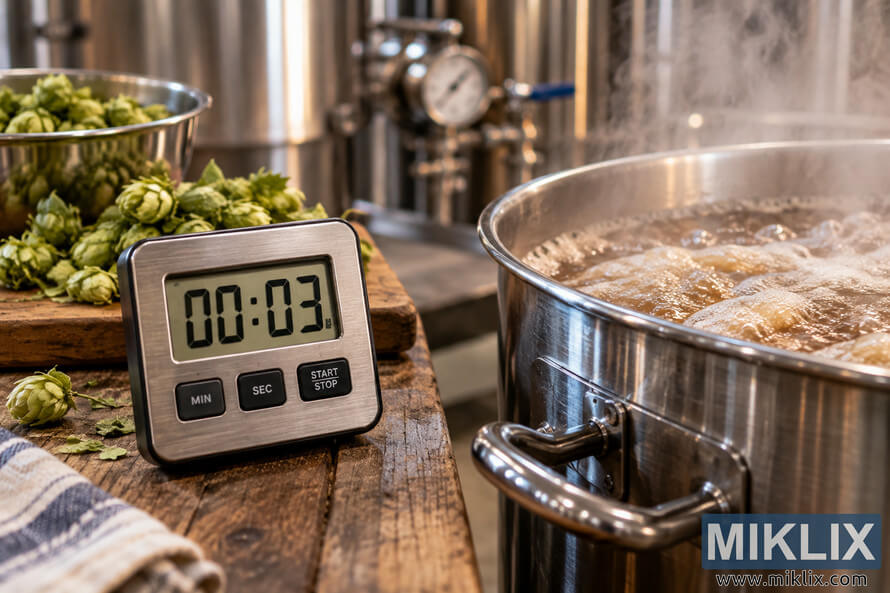
Flavor additions typically occur in the final 15-30 minutes of the boil. These additions contribute both bitterness and flavor compounds. The timing allows sufficient extraction of essential oils while limiting the volatile aromatics that would boil off during longer exposure.
Click or tap the image for more information and higher resolutions.
Flavor Addition Timing Options
| Addition Time | Amount (5 gal) | Character Contributed | Bitterness Impact | Best Styles |
| 30 minutes | 0.5-1.0 oz | Moderate flavor, some aroma | 15-20 IBUs | Pilsner, Pale Ale |
| 15 minutes | 0.5-1.5 oz | Strong flavor, good aroma | 8-12 IBUs | Helles, Blonde Ale |
| 10 minutes | 0.5-1.0 oz | Flavor and aroma balanced | 5-8 IBUs | Belgian styles |
| 5 minutes | 0.5-1.5 oz | Primarily aroma, light flavor | 2-4 IBUs | All styles |
Experiment with different timing to find your preferred balance. Some brewers prefer single large flavor additions while others split the same total amount across multiple time points. The split addition approach creates layered complexity in the final hop character.
Aroma and Whirlpool Additions
Late kettle additions maximize aroma contribution from Helga hops. Add hops at flameout or during whirlpool to capture volatile aromatics. These additions contribute minimal bitterness while providing substantial herbal and floral character. The technique works particularly well when you want prominent hop aroma in the finished beer.
Whirlpool Temperature Tip: Consider lowering wort temperature to 170-180°F before adding whirlpool hops. This reduced temperature preserves more delicate aromatics while still allowing good extraction of desirable compounds. Steep for 15-20 minutes at this temperature for optimal results.
Recommended Whirlpool Amounts
- Light aroma: 0.5-1.0 oz per 5 gallons
- Moderate aroma: 1.0-2.0 oz per 5 gallons
- Prominent aroma: 2.0-3.0 oz per 5 gallons
- Steep time: 15-30 minutes post-boil
- Temperature: 170-185°F optimal
- Timing consideration: Factor into total brew day time
Dry Hopping Applications
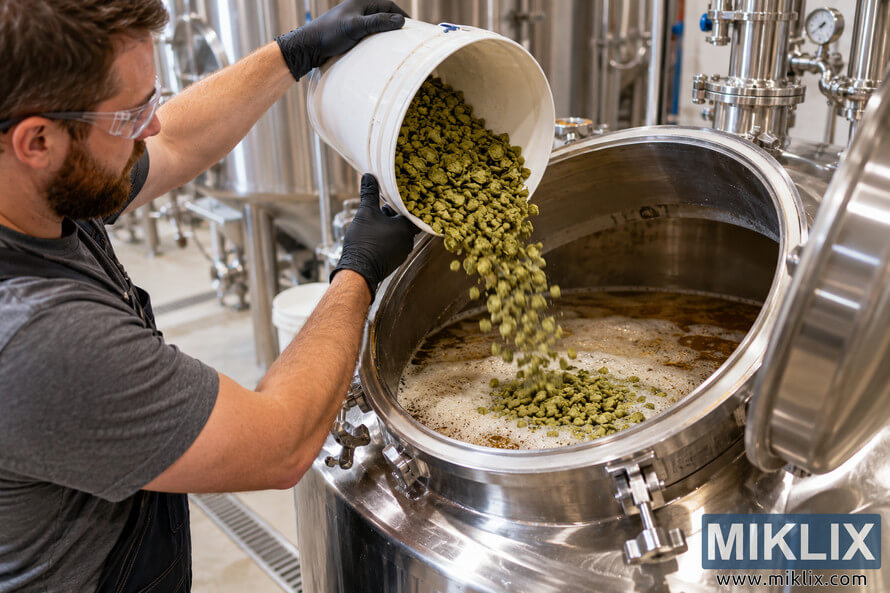
Dry hopping with Helga enhances aroma without adding bitterness. This technique involves adding hops during or after fermentation. The process extracts aromatics and flavor compounds through different mechanisms than kettle additions. Dry hopping showcases Helga's herbal and floral characteristics prominently.
Click or tap the image for more information and higher resolutions.
Dry Hopping Guidelines
Traditional Dry Hopping
Add Helga hops to the fermenter after primary fermentation completes. Use 1-3 ounces per 5 gallons depending on desired intensity. Contact time of 3-5 days provides good extraction without excessive grassy character. Remove hops before packaging or allow them to settle naturally.
- Timing: After primary fermentation
- Amount: 1-3 oz per 5 gallons
- Duration: 3-5 days contact time
- Temperature: Fermentation temperature
Biotransformation Hopping
Add hops during active fermentation for biotransformation effects. Yeast metabolism transforms hop compounds into unique aromatics. Use 0.5-1.5 ounces per 5 gallons added at high krausen. This technique creates different character than traditional dry hopping with Helga.
- Timing: During high krausen
- Amount: 0.5-1.5 oz per 5 gallons
- Duration: Through fermentation completion
- Effect: Modified aroma profile
Single Hop vs. Combination Approaches
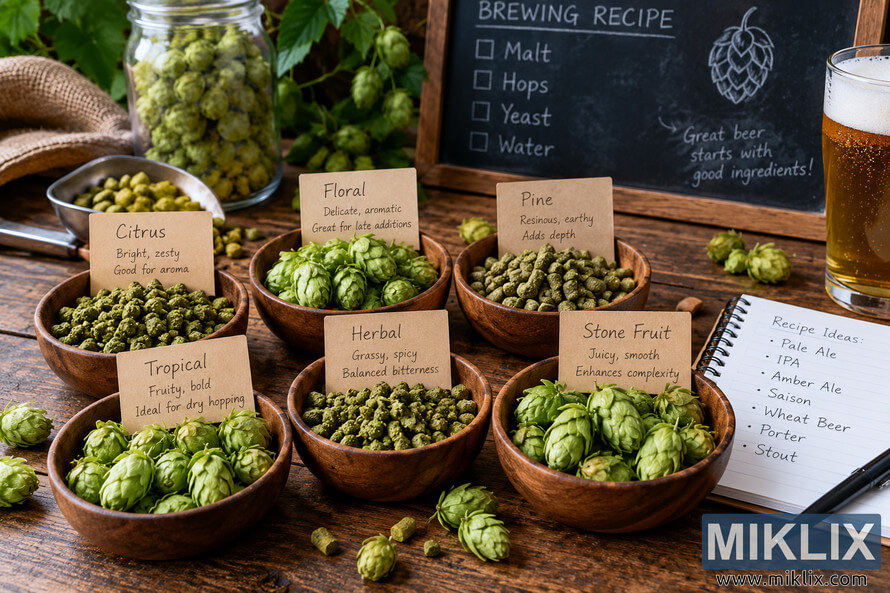
Helga works well as a single-hop variety or in combinations. Single-hop brewing showcases the variety's unique character without influence from other hops. This approach helps you understand Helga's contribution before blending. Many Continental European styles benefit from single-hop simplicity.
Combining Helga with other varieties creates complexity and balance. Pair with high-alpha hops like Magnum or Warrior for efficient bittering while reserving Helga for flavor and aroma. Blend with other noble-type varieties to create nuanced profiles. Small amounts of citrus hops can complement Helga's herbal character in American craft beer styles.
Click or tap the image for more information and higher resolutions.
Effective Hop Combinations
Traditional Pairings
- Helga + Hallertau Mittelfrüh
- Helga + Tettnang
- Helga + Saaz
- Helga + Spalter Select
Modern Combinations
- Helga + Mandarina Bavaria
- Helga + Centennial (small amounts)
- Helga + Sterling
- Helga + Mt. Hood
Bittering Support
- Magnum + Helga (flavor/aroma)
- Warrior + Helga (flavor/aroma)
- Columbus + Helga (flavor/aroma)
- Nugget + Helga (flavor/aroma)
Scaling for Batch Size
Adjust hop amounts proportionally when brewing different batch sizes. The usage rates provided assume 5-gallon batches as standard. For 10-gallon batches, double the hop amounts. For smaller batches, reduce proportionally. Remember that very small batches may require minimum hop amounts for practical measurement and handling.
Scaling Formula: New hop amount = (New batch size ÷ Original batch size) × Original hop amount. Example: For 3 gallons instead of 5 gallons, multiply hop amounts by 0.6 (3 ÷ 5 = 0.6). Always verify your calculations with brewing software for accuracy.
Tips and Best Practices for Homebrewers
Success with Helga hops requires attention to specific details throughout the brewing process. These practical tips help homebrewers maximize the variety's unique characteristics while avoiding common pitfalls. Apply these techniques to create beer that truly showcases what makes Helga special.
Click or tap the image for more information and higher resolutions.
Water Chemistry Considerations
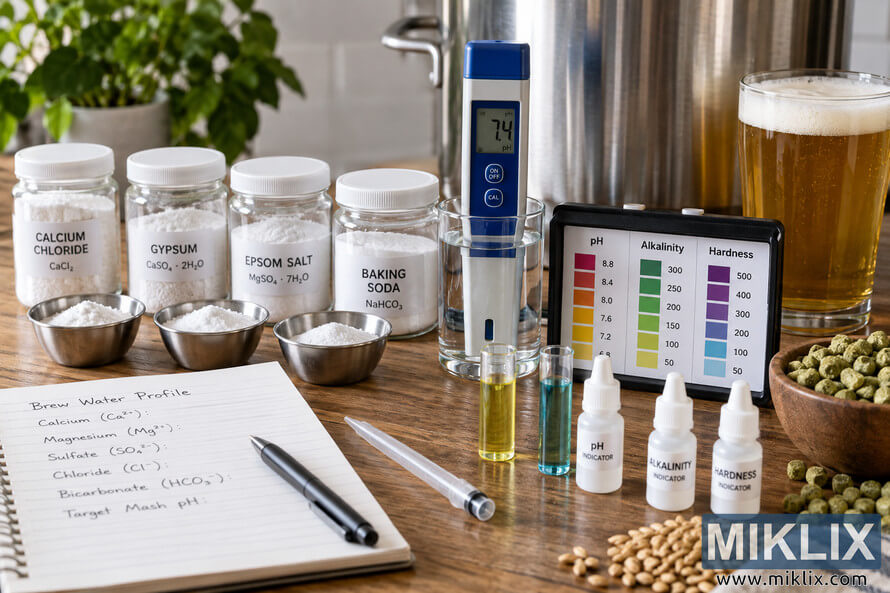
Water chemistry significantly impacts how Helga's hop character presents in finished beer. The herbal and floral notes shine best in water profiles that enhance rather than mask delicate aromatics. Pay attention to sulfate and chloride ratios to optimize hop expression.
Ideal Water Profile
Target water profiles that support hop character without harshness. A balanced sulfate to chloride ratio works well for styles featuring Helga. Aim for 150-200 ppm sulfate and 75-100 ppm chloride for balanced hop expression. This ratio accentuates the herbal qualities while maintaining smoothness.
Click or tap the image for more information and higher resolutions.
Mineral Adjustments
- Start with reverse osmosis or distilled water for control
- Add calcium chloride for malt character support
- Use gypsum to enhance hop presence
- Maintain pH between 5.2-5.4 in mash
- Avoid excessive sulfate in delicate styles
- Test and document your water adjustments
Malt Bill Compatibility
Choose base malts that complement rather than compete with Helga's character. Pilsner malt works exceptionally well, providing clean canvas for the hop. Vienna and Munich malts add complexity without overwhelming the herbal and floral notes. Avoid heavily roasted or crystal malts in styles meant to showcase Helga.
Malt Pairing Principle: Let Helga's character shine by keeping malt bills relatively simple. In Continental styles, use primarily Pilsner or Pale malt with small amounts of Munich or Vienna for depth. Reserve specialty malts for specific style requirements rather than adding complexity for its own sake.
Fermentation Temperature Management
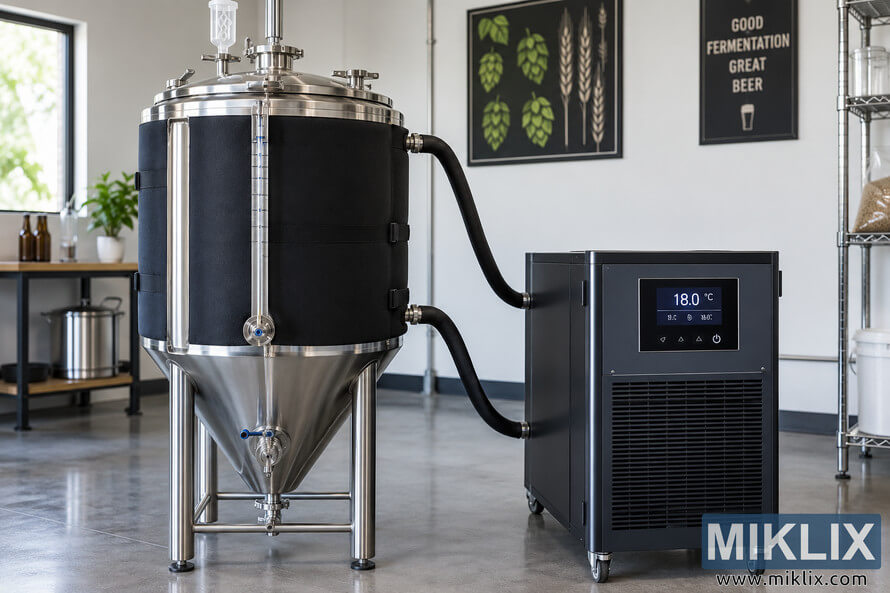
Proper fermentation temperature preserves the delicate hop aromatics from Helga additions. Fermenting too warm can produce yeast esters that compete with hop character. Cool fermentation maintains clarity of hop expression. This consideration matters especially in lagers and Belgian styles where yeast and hop character must balance.
Click or tap the image for more information and higher resolutions.
Temperature Recommendations by Style
- Lagers: 48-55°F primary fermentation for clean hop character
- Ales: 62-68°F to balance yeast and hop contributions
- Belgian styles: 68-75°F allowing yeast character without dominating hops
- Temperature control: Use fermentation chamber for consistency
- Dry hop timing: Wait until fermentation completes for best results
- Cold crash: Drop to 35-40°F before packaging to settle hops
Hop Handling and Preparation
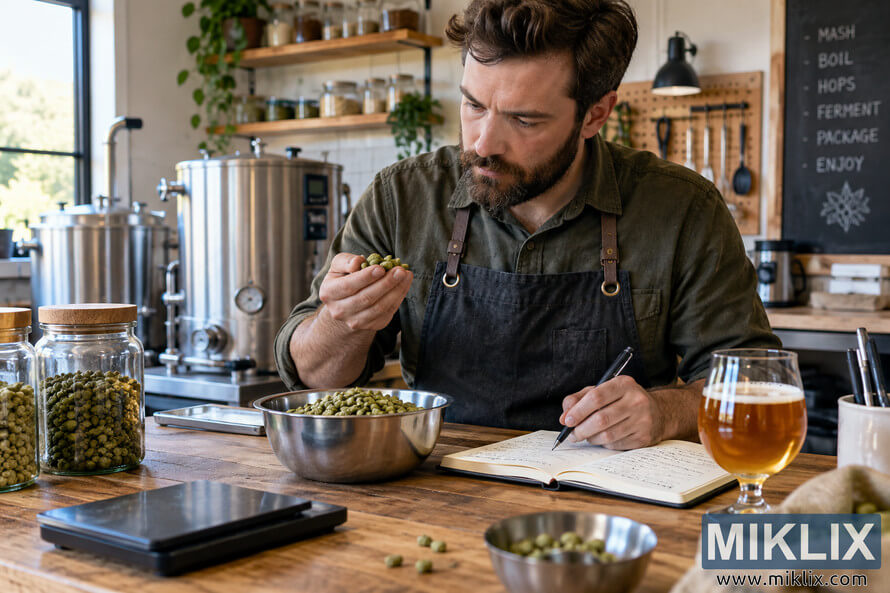
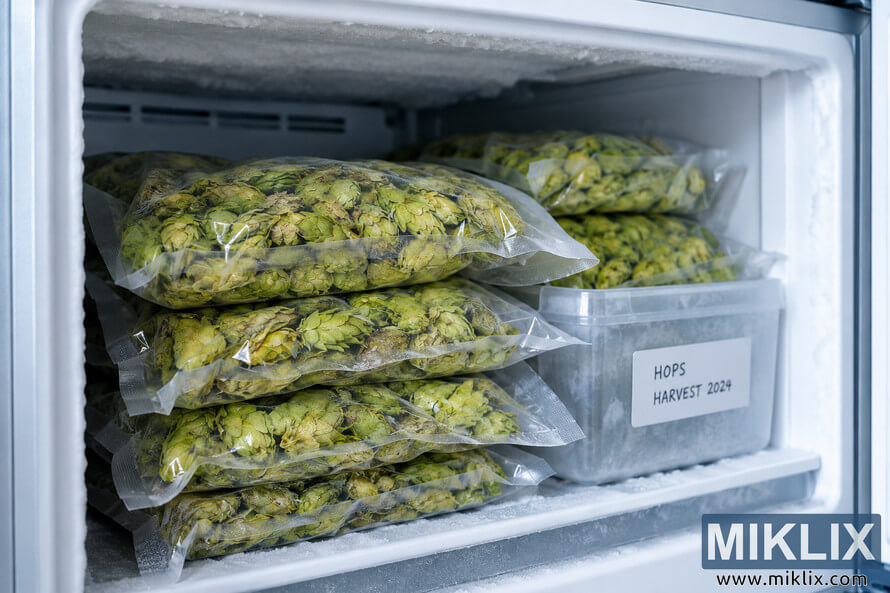
Handle Helga hops carefully to preserve their delicate aromatics. Pellets offer convenience and good preservation but whole cone hops provide traditional character. Store unopened packages in freezer immediately upon receipt. Minimize air exposure during use to prevent oxidation of valuable hop oils.
Best Practices for Hop Handling
- Remove hops from freezer just before use
- Reseal remaining hops immediately after measuring
- Use vacuum sealer for opened packages if possible
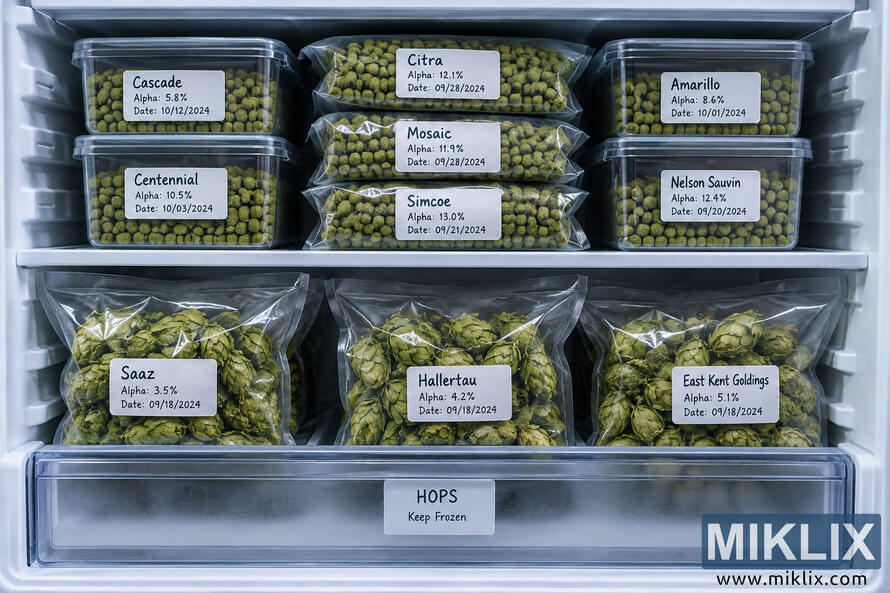
- Label hop packages with purchase date and alpha acids
- Store different hop varieties separately to prevent cross-contamination
- Consider purchasing in smaller quantities for freshness
- Plan recipes to use full packages when practical
- Share extra hops with fellow brewers rather than long-term storage
Click or tap the image for more information and higher resolutions.
Recipe Development Strategy
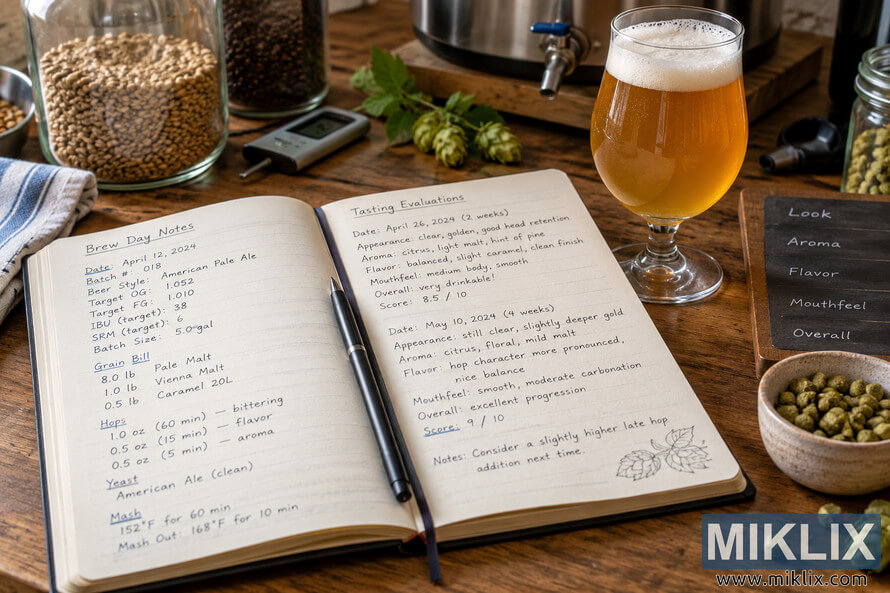
Develop recipes featuring Helga systematically. Start with established styles that suit the variety's profile. Brew single-hop batches first to understand Helga's contribution. Document your results carefully, noting specific usage rates and techniques. This foundation allows you to create custom recipes confidently.
Click or tap the image for more information and higher resolutions.
Recipe Development Process
- Choose style that suits Helga's characteristics
- Research traditional examples of that style
- Start with simple grain bill and single hop variety
- Calculate hop additions for desired bitterness
- Plan late additions for aroma emphasis
- Select appropriate yeast strain for style
- Brew batch and document all parameters
- Evaluate finished beer and adjust recipe
- Iterate based on results and preferences
- Share recipes with brewing community for feedback
Common Mistakes to Avoid
Learning from common mistakes saves time and ingredients. Many brewers new to Helga make predictable errors that compromise results. Understanding these pitfalls helps you achieve better outcomes faster.
Avoid using old or improperly stored Helga hops. The delicate herbal and floral aromatics deteriorate quickly with poor storage. Oxidized hops contribute cheesy or musty character that ruins beer. Always verify hop freshness before brewing and trust your nose during evaluation.
Mistakes to Avoid
- Using Helga in heavily hopped IPA styles
- Over-hopping delicate lager styles
- Combining with aggressively citrus hop varieties
- Neglecting water chemistry adjustments
- Fermenting too warm in lager styles
- Extended dry hop contact times (over 7 days)
- Using old crop year hops without alpha acid verification
- Expecting typical American craft hop character
Success Strategies
- Match Helga to appropriate beer styles
- Use fresh hops stored properly
- Calculate precise hop additions
- Control fermentation temperature carefully
- Document all brewing parameters
- Taste beer at multiple stages
- Share results with brewing community
- Refine recipes based on evaluation
Sensory Evaluation Tips
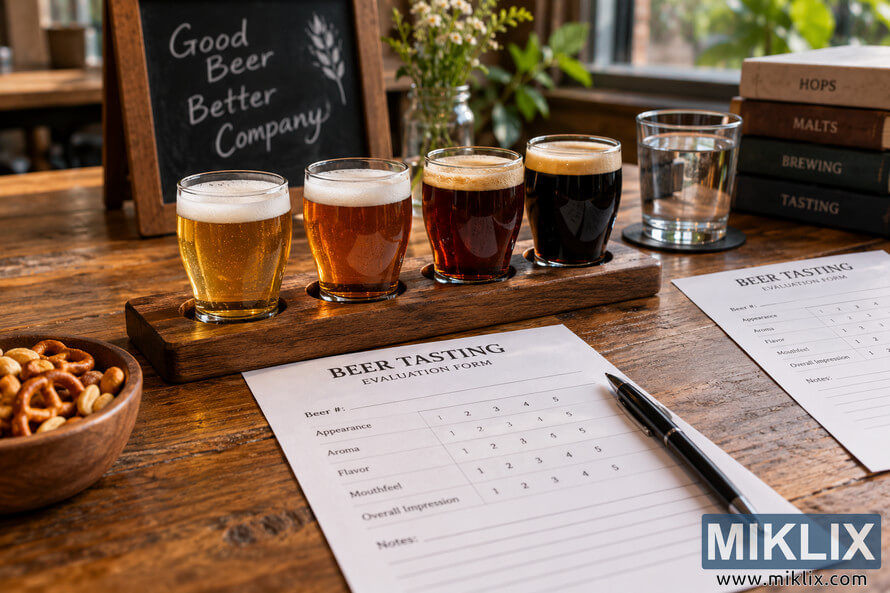
Evaluate your Helga-hopped beers systematically to improve future batches. Use proper glassware that concentrates aromatics. Taste at appropriate temperatures for the style. Compare your beer to commercial examples when possible. Take detailed notes on aroma, flavor, bitterness, and overall balance.
Evaluation Framework
- Aroma intensity: How prominent is the herbal character?
- Aroma quality: Clean herbal notes or off-character?
- Flavor integration: Do hops balance with malt?
- Bitterness level: Appropriate for style?
- Bitterness quality: Smooth or harsh?
- Overall balance: All elements in harmony?
- Drinkability: Would you have another?
- Style accuracy: True to intended style?
Click or tap the image for more information and higher resolutions.
Scaling Up from Homebrew
If you plan to scale successful homebrewed recipes to larger systems, understand how Helga performs at different scales. Hop utilization can vary between homebrew and commercial systems. The herbal and floral character may express differently at larger volumes. Test scaled recipes at pilot scale before committing to full commercial batches.
Storage and Shelf Life Recommendations
Proper storage of Helga hops maintains their quality and brewing value. The delicate herbal and floral aromatics deteriorate quickly under poor conditions. Understanding storage requirements and shelf life helps you purchase appropriate quantities and maintain hop freshness throughout your brewing season.
Click or tap the image for more information and higher resolutions.
Optimal Storage Conditions
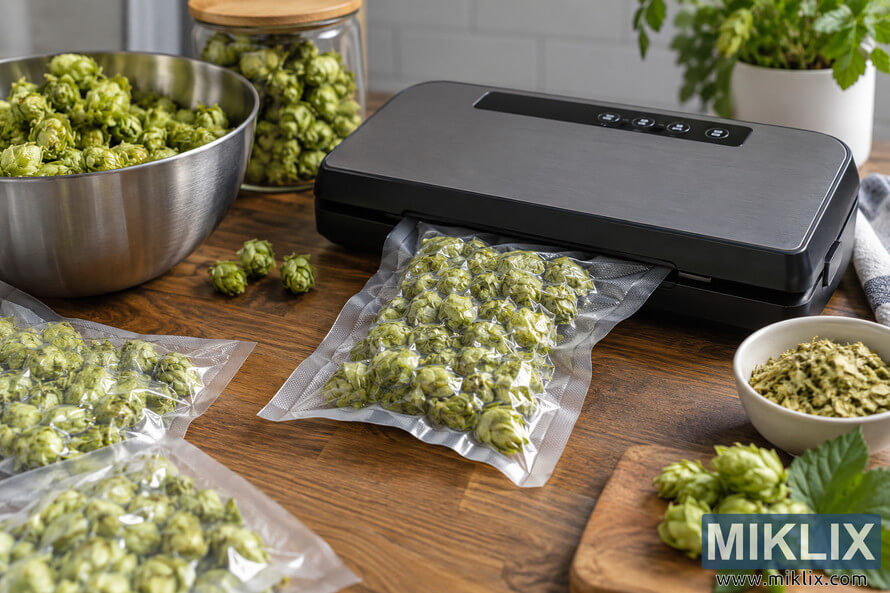
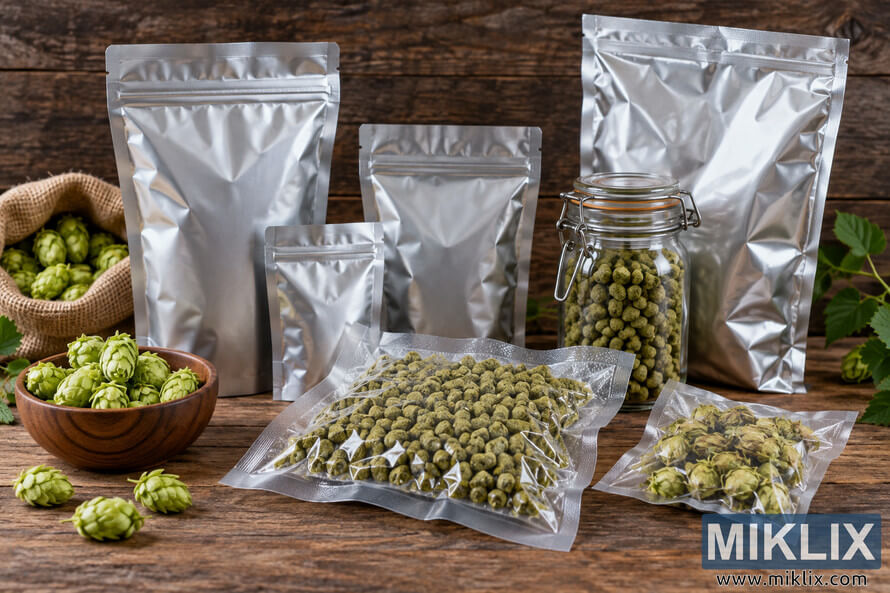
Temperature, light, and oxygen exposure determine hop storage life. Helga hops keep best in freezer storage below 32°F. Darkness prevents light-induced degradation of hop compounds. Oxygen-barrier packaging or vacuum sealing excludes air that causes oxidation. These three factors work together to preserve hop quality.
Click or tap the image for more information and higher resolutions.
Temperature Requirements
Store Helga hops at freezing temperatures for maximum shelf life. A standard home freezer at 0°F or below works perfectly. Avoid temperature fluctuations that cause condensation inside packages. Don't store hops in refrigerator temperatures (35-40°F) for extended periods as deterioration accelerates compared to freezer storage.
Packaging Considerations
Original packaging from reputable suppliers typically provides adequate protection. Vacuum-sealed foil packages offer excellent oxygen barrier properties. Once opened, transfer remaining hops to vacuum-seal bags or oxygen-barrier pouches. Squeeze out excess air if vacuum sealing isn't available.
Click or tap the image for more information and higher resolutions.
Expected Shelf Life
Under ideal storage conditions, Helga hops maintain brewing quality for 12-18 months. The alpha acid content degrades slowly over time even with proper storage. Aromatic compounds deteriorate faster than bittering potential. Plan to use Helga within one year of harvest for optimal aroma character in your brewing.
| Storage Condition | Temperature | Packaging | Expected Life | Quality Retention |
| Optimal | 0°F or below | Vacuum-sealed | 12-18 months | 90-95% |
| Good | 0-10°F | Sealed with minimal air | 8-12 months | 75-85% |
| Acceptable | 10-32°F | Standard sealed bag | 4-8 months | 60-70% |
| Poor | Above 32°F | Opened package | 1-3 months | 40-50% |
| Unacceptable | Room temperature | Opened or damaged | Days to weeks | Below 30% |
Signs of Hop Degradation
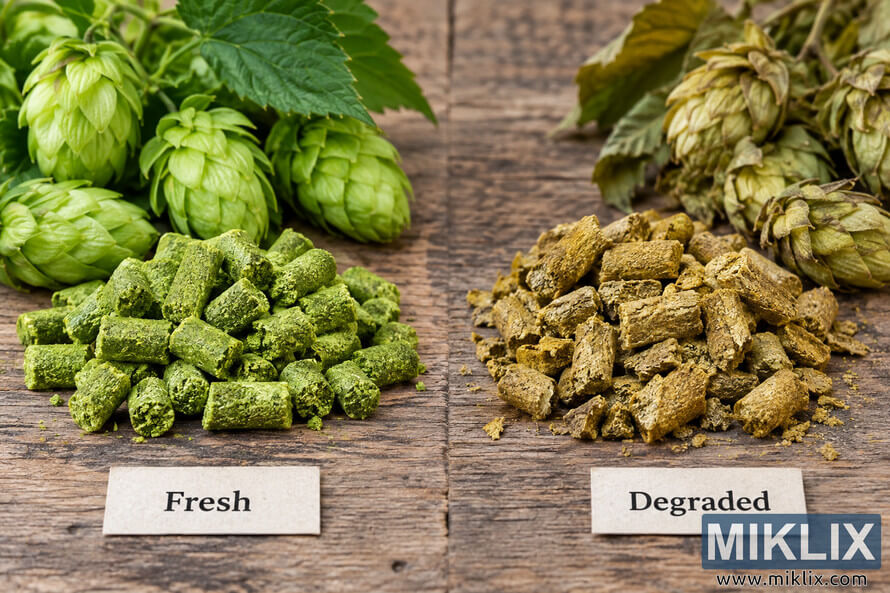
Learn to identify when Helga hops have deteriorated past acceptable quality. Fresh hops display vibrant green color and strong herbal aroma when the package opens. Degraded hops appear brownish or faded. The aroma becomes muted, cheesy, or unpleasant. Trust your senses when evaluating hop condition.
Degradation Indicators
Visual Signs
Color changes provide immediate clues about hop condition. Watch for these visual indicators:
- Brown or tan coloration instead of green
- Dry, dusty appearance of pellets
- Clumping or moisture damage
- Faded packaging or frost inside bags
Aroma Changes
Aromatic degradation often occurs before visible changes. Evaluate hop aroma carefully:
- Muted or weak herbal character
- Cheesy or unpleasant odors
- Cardboard or papery smells
- Complete absence of fresh hop aroma
Performance Issues
Brewing with degraded hops produces disappointing results. Notice these problems:
- Lower than expected bitterness
- Lack of hop aroma in finished beer
- Off-flavors in the final product
- Reduced hop presence overall
Prevention Steps
Protect your investment in quality hops with proper handling:
- Freeze immediately upon receipt
- Minimize time outside freezer
- Reseal packages properly after use
- Purchase quantities you'll use within a year
Click or tap the image for more information and higher resolutions.
Crop Year and Analysis Information
Understanding crop year designations helps you make informed purchases. Hops are typically designated by harvest year. Australian hops like Helga harvest in autumn (March-April). Calculate the age of hops based on harvest date rather than purchase date. Request lot analysis showing alpha acids, beta acids, and harvest date when buying.
Information to Track
- Harvest year designation on package
- Specific alpha acid percentage for your lot
- Beta acid content if provided
- Purchase date for your records
- Supplier source and storage history
- Package format (pellets, whole cone, weight)
Long-Term Storage Planning
If you must store Helga hops longer than recommended periods, take extra precautions. Consider home vacuum sealing with oxygen absorbers for extended storage. Monitor stored hops periodically for condition changes. Understand that even with perfect storage, aromatic quality gradually declines. Plan brewing schedules to use older hops first while reserving fresh inventory for aroma-focused applications.
Storage System: Implement a first-in-first-out (FIFO) rotation system for your hop inventory. Label all packages with purchase date clearly. Store newest hops behind older inventory in your freezer. This discipline ensures you use hops while they're fresh rather than discovering forgotten packages long past prime quality.
Comparison with Similar Hop Varieties
Understanding how Helga compares to similar hop varieties helps you make substitution decisions and appreciate its unique qualities. While Helga shares characteristics with noble hop varieties, it maintains distinct attributes. These comparisons guide recipe development and help you choose appropriate hops for different brewing situations.
Helga vs. Traditional Noble Hops
Noble hops represent the gold standard for traditional European brewing. Helga shares some qualities with these varieties while offering modern advantages. The comparison highlights what makes Helga special and where traditional hops might serve better.
| Characteristic | Helga | Hallertau Mittelfrüh | Tettnang | Saaz |
| Alpha Acids | 4.5-6.5% | 3.0-5.5% | 3.5-5.5% | 2.5-4.5% |
| Primary Character | Herbal, Floral | Mild, Noble | Spicy, Floral | Earthy, Spicy |
| Herbal Intensity | Strong Oregano | Subtle | Tea-like | Minimal |
| Best Applications | Pilsner, Helles, Belgian | All German styles | Pilsner, Wheat | Czech Pilsner |
| Origin | Australia | Germany | Germany | Czech Republic |
| Availability | Good, growing | Limited | Moderate | Good |
Click or tap the image for more information and higher resolutions.
Australian Hop Variety Comparisons
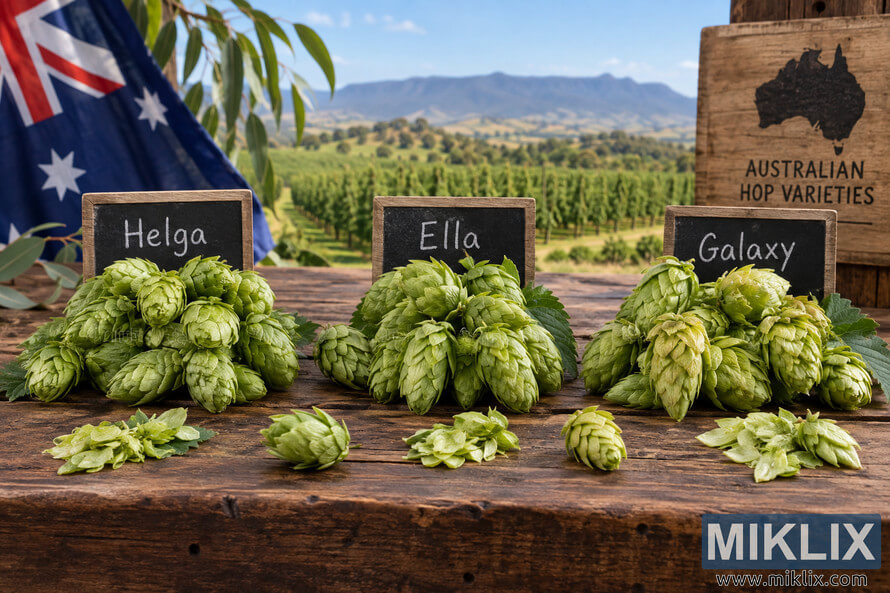
Helga joins other Australian hop varieties that offer alternatives to traditional European hops. Comparing Helga with other Australian varieties highlights the diversity of character available from Southern Hallertau growing regions.
Helga vs. Ella
Ella provides citrus and floral character distinct from Helga's herbal profile. While both are Australian varieties, Ella leans toward grapefruit and tropical notes. Helga offers traditional European character with Australian terroir. Use Ella when you want brightness; choose Helga for herbal complexity in your brewing.
Helga vs. Summer
Summer hops deliver apricot and melon characteristics suitable for fruit-forward beers. Helga provides herbal and floral notes better suited to traditional styles. Summer works in American craft beer styles while Helga excels in Continental European applications. The varieties serve different purposes in a brewer's hop inventory.
Click or tap the image for more information and higher resolutions.
Modern Dual-Purpose Hop Comparisons
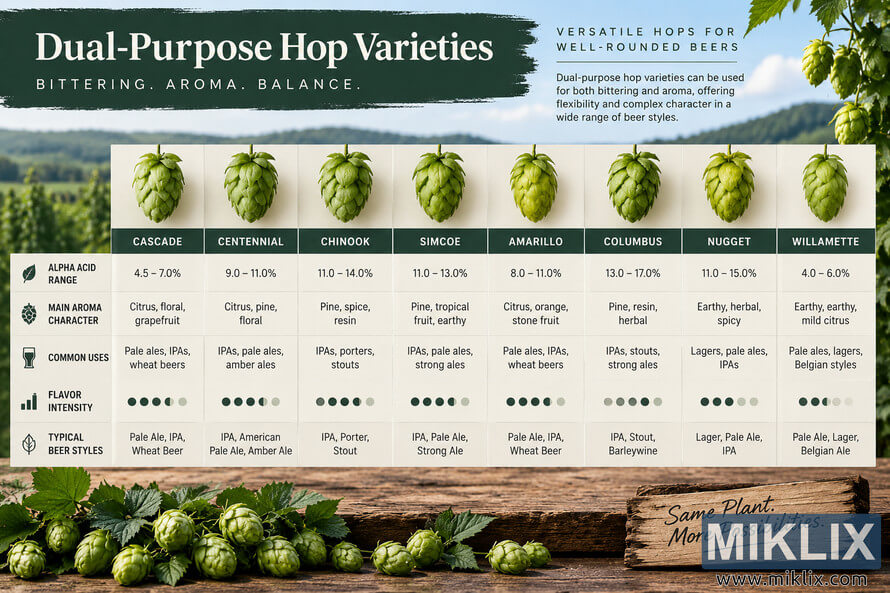
Modern breeding programs create dual-purpose varieties that work for both bittering and aroma. Helga fits this category alongside varieties developed in different regions. Understanding these comparisons helps with substitutions and recipe planning.
Suitable Substitutions
When Helga is unavailable, several varieties offer similar character profiles. No substitute provides an exact match, but these options create comparable results in finished beer. Consider the specific qualities you want to emphasize when choosing substitutes.
Close Substitutes
- Hersbrucker (similar herbal character)
- Sterling (American noble-type)
- Liberty (clean, mild profile)
- Crystal (floral notes present)
Style-Dependent Options
- Hallertau Mittelfrüh (traditional German)
- Mt. Hood (American traditional)
- Santiam (subtle herbal quality)
- Vanguard (noble character)
Partial Matches
- Perle (higher alpha, some herbal)
- Northern Brewer (woodsy character)
- Styrian Golding (earthy notes)
- East Kent Golding (English style)
Click or tap the image for more information and higher resolutions.
Blending Opportunities
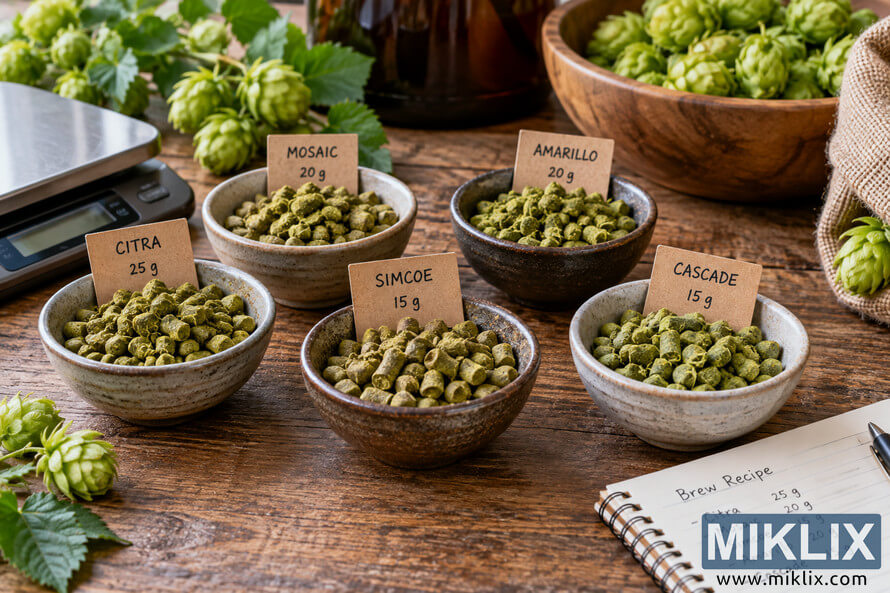
Combining Helga with other hop varieties creates complex profiles unavailable from single varieties. Strategic blending allows you to emphasize specific characteristics or create entirely new aroma profiles. Consider these blending approaches when developing custom recipes.
Effective Blending Strategies
- Start with Helga as base hop (60-70% of total)
- Add complementary variety for complexity (20-30%)
- Use high-alpha hop for efficient bittering separately
- Layer additions: bittering, flavor, aroma stages
- Consider each hop's peak contribution timing
- Test small batch blends before full recipes
- Document successful combinations for future use
- Adjust ratios based on tasting results
Click or tap the image for more information and higher resolutions.
Terroir and Regional Characteristics
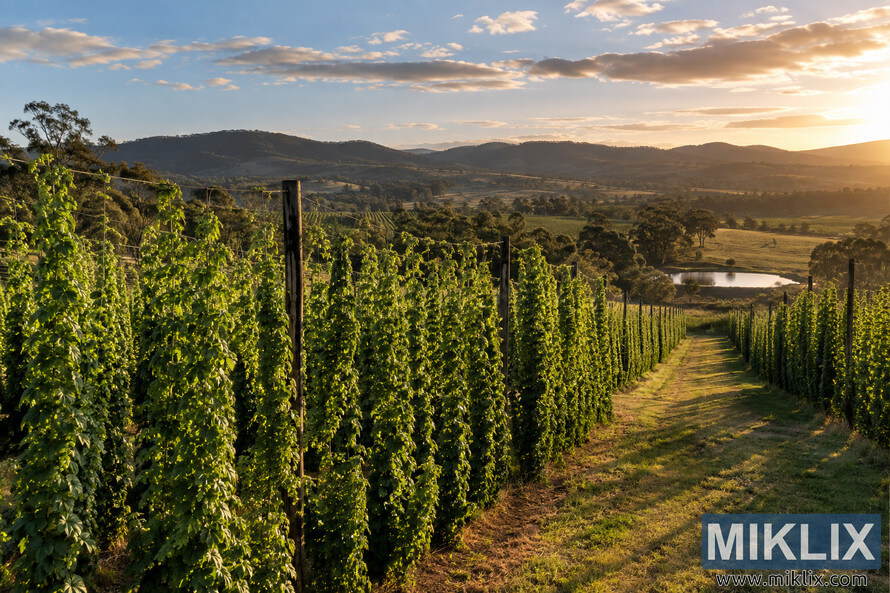
- The growing region imparts specific characteristics to Helga hops. Australian terroir differs from German or American growing conditions. Soil composition, climate patterns, and cultivation practices all influence the final hop character. Understanding these regional influences helps you appreciate what makes Australian Helga distinct from similar varieties grown elsewhere.
- Yakima Chief Hops and Hop Products Australia work specifically with growers in optimal regions. The partnership ensures consistent quality while maintaining the terroir characteristics that make Helga special. This regional identity contributes to the craft beer community's interest in the variety as brewers seek distinctive ingredients.
Click or tap the image for more information and higher resolutions.
Community Recipes and Brewing Experiences
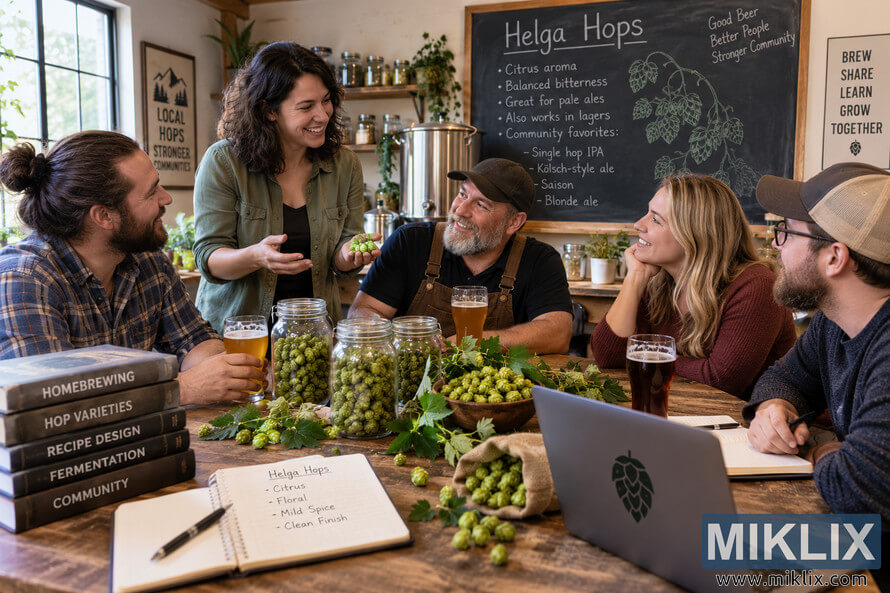
The homebrewing community has embraced Helga hops with creative recipe development and shared experiences. Learning from fellow brewers accelerates your understanding of this variety's potential. These community insights provide practical knowledge that complements technical information about the hop.
Click or tap the image for more information and higher resolutions.
Popular Community Recipes
Brewers worldwide have developed successful recipes featuring Helga hops. These community favorites demonstrate the variety's versatility across beer styles. The recipes range from faithful German Pilsner interpretations to creative American craft beer applications.
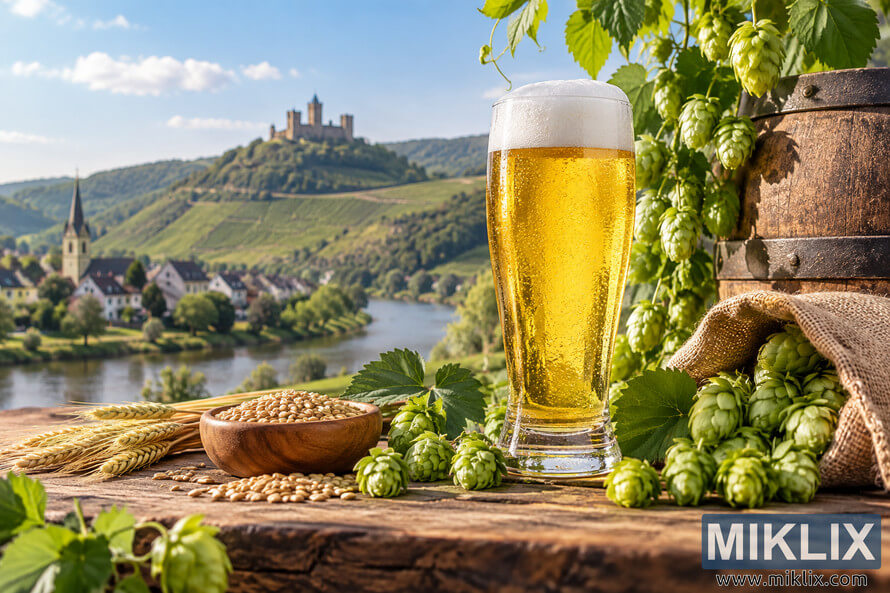
Single-Hop Helga Pilsner
This recipe showcases Helga as the sole hop variety in a traditional German Pilsner. The straightforward approach highlights the hop's herbal and floral character without distraction.
Recipe Overview:
- Style: German Pilsner
- OG: 1.048, FG: 1.010
- ABV: 5.0%, IBU: 35
- Grain: 100% Pilsner malt
- Hops: Helga only, multiple additions
- Yeast: German lager strain
Click or tap the image for more information and higher resolutions.
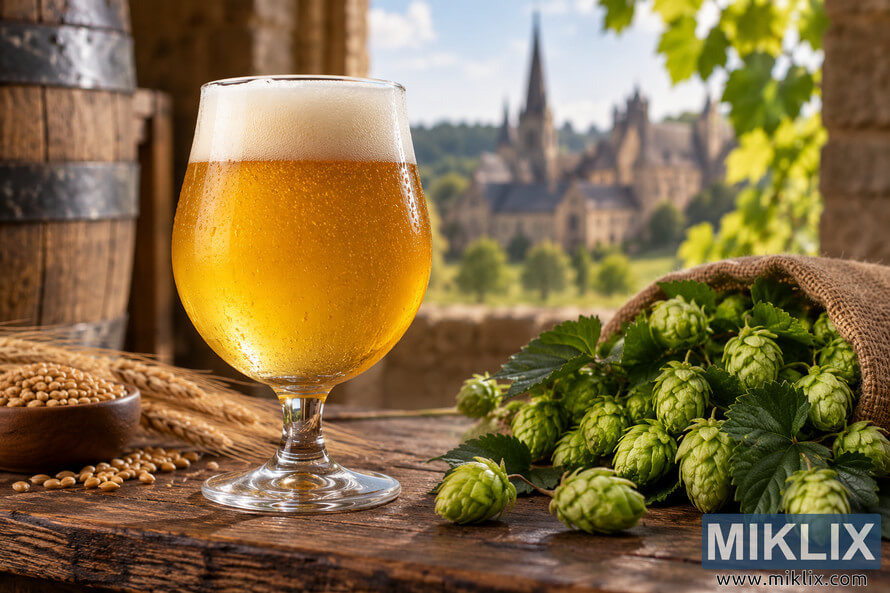
Helga Belgian Blonde
This Belgian Blonde Ale uses Helga to complement the spicy yeast character. The herbal hop profile harmonizes beautifully with Belgian yeast esters and phenols.
Recipe Overview:
- Style: Belgian Blonde Ale
- OG: 1.062, FG: 1.012
- ABV: 6.5%, IBU: 28
- Grain: Pilsner base, sugar addition
- Hops: Helga for flavor and aroma
- Yeast: Belgian ale strain
Click or tap the image for more information and higher resolutions.
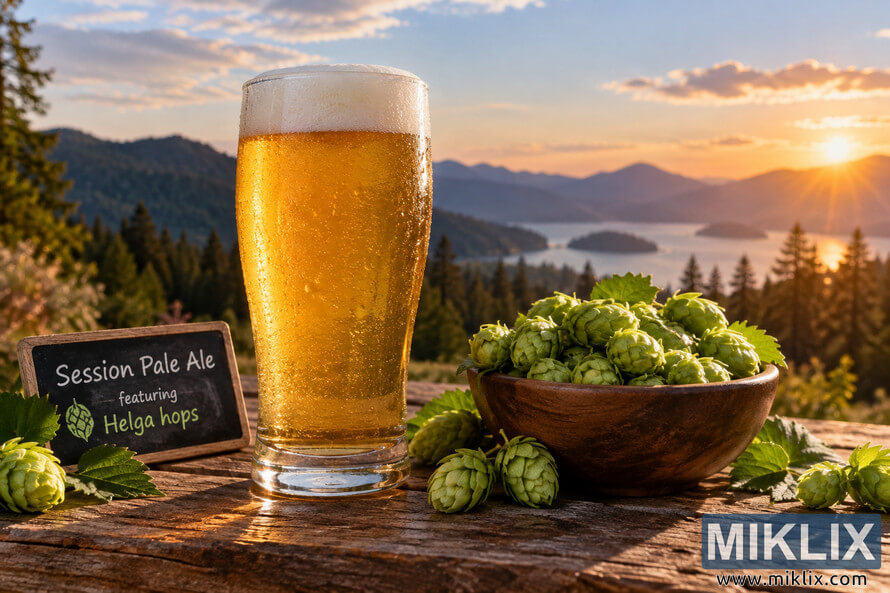
Herbal Session Ale
An American Session Pale Ale that features Helga's unique character in a lower-alcohol craft beer. The recipe demonstrates how Helga works in modern American styles.
Recipe Overview:
- Style: Session Pale Ale
- OG: 1.042, FG: 1.010
- ABV: 4.2%, IBU: 30
- Grain: Two-row base, light crystal
- Hops: Helga focus, Cascade accent
- Yeast: American ale strain
Click or tap the image for more information and higher resolutions.
Key Takeaways for Brewing Success
Success with Helga requires matching the hop to appropriate beer styles. German Pilsners, Munich Helles, Belgian Blonde Ales, and Session Pale Ales particularly showcase Helga's strengths. The variety excels when brewers want refined hop presence without aggressive bitterness. Understanding proper usage rates and timing ensures you extract the desired character in your finished beer.
Essential Techniques
Master these fundamental approaches for consistent results:
- Store hops properly in freezer conditions
- Calculate additions based on specific alpha acid analysis
- Layer hop additions throughout the brewing process
- Control fermentation temperature carefully
Quality Priorities
Focus on these factors for exceptional beer:
- Source fresh Helga from reputable suppliers
- Match water chemistry to hop requirements
- Choose complementary malt bills
- Document your brewing parameters and results
Style Selection
Target styles that showcase Helga's unique character:
- Continental European lagers
- Belgian-style ales with complex yeast character
- Session-strength American craft styles
- Any style benefiting from herbal hop presence
Continuous Improvement
Develop your skills through practice and evaluation:
- Brew single-hop batches to understand Helga's contribution
- Experiment with different usage rates and timing
- Seek feedback from fellow brewers
- Refine recipes based on systematic evaluation
Looking Forward
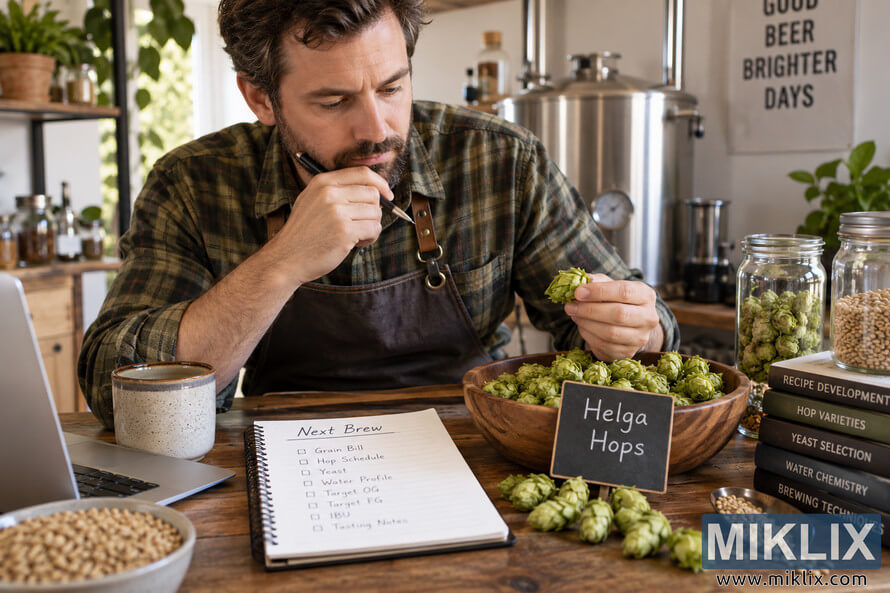
As you gain experience with Helga hops, you'll discover your own preferred applications and techniques. The variety rewards experimentation within appropriate style parameters. Consider Helga when you want to differentiate your beer from typical American hop character while maintaining quality and drinkability. The growing availability of Helga means more brewers can access this unique ingredient.
Click or tap the image for more information and higher resolutions.
The craft beer community continues exploring Helga's potential in both traditional and innovative applications. Your brewing experiences contribute to the collective knowledge about this variety. Share your successes and learning experiences with fellow brewers through online forums, local clubs, and competitions. This sharing advances everyone's understanding and skills.
Final Recommendations
Start your Helga hops journey with a simple, proven recipe in an appropriate beer style. A German Pilsner or Munich Helles provides an ideal introduction to the variety's character. Focus on proper technique and careful evaluation rather than complicated recipe formulations. As you build confidence and understanding, expand into more creative applications.
Conclusion
Helga hops offer homebrewers a distinctive ingredient for creating exceptional beer. The variety's herbal and floral character brings European brewing traditions to modern craft beer applications. Throughout this guide, we've explored the technical details and practical techniques that help you use Helga successfully in your brewing.
The journey with Helga hops begins with understanding its origins in Australia's Southern Hallertau region. This terroir contributes unique characteristics that distinguish Helga from traditional European noble hops. The moderate alpha acid content makes the variety versatile for both bittering and aroma applications. The distinctive oregano-like herbal notes combined with delicate floral qualities create complex hop character in finished beer.
Click or tap the image for more information and higher resolutions.
Further Reading
If you enjoyed this post, you may also like these suggestions: