
Hops in Beer Brewing: Green Bullet
Published: October 1, 2026 at 4:38:59 PM UTC
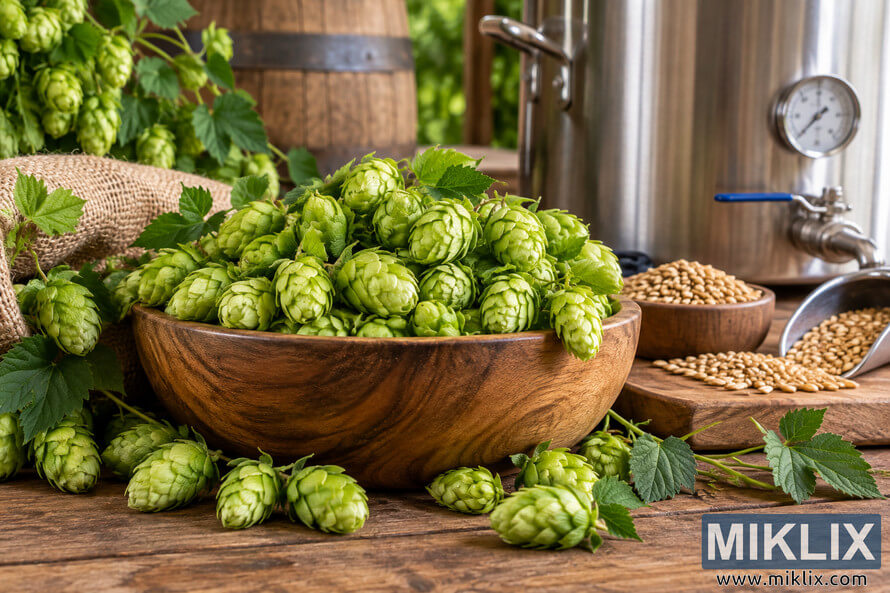
Green Bullet is a classic New Zealand dual-purpose hop known for its firm, clean bitterness and distinctive notes of spice, dark fruit, and subtle pine—great for adding depth to lagers, ales, and stouts.
Click or tap the image for more information and higher resolutions.
New Zealand hops have transformed modern brewing. Green Bullet stands as one of the country's most distinctive hop varieties. This unique cultivar brings bold character to countless beer styles.
Homebrewers seeking authentic New Zealand hop character often turn to this variety. The hop delivers specific aroma and flavor notes that set it apart from traditional European or American varieties.
Origin and Development of Green Bullet Hops
Green Bullet hops trace their roots to New Zealand's innovative hop breeding program. Released in 1972, this variety emerged from careful selection and cultivation. The hop represents New Zealand's commitment to developing unique brewing ingredients.
The variety bred from Fuggle and other heritage hop genetics created something entirely new. Breeders at the New Zealand Hop Research Station developed Green Bullet to meet specific brewing needs. The result was a hop with distinctive characteristics that couldn't be found elsewhere.
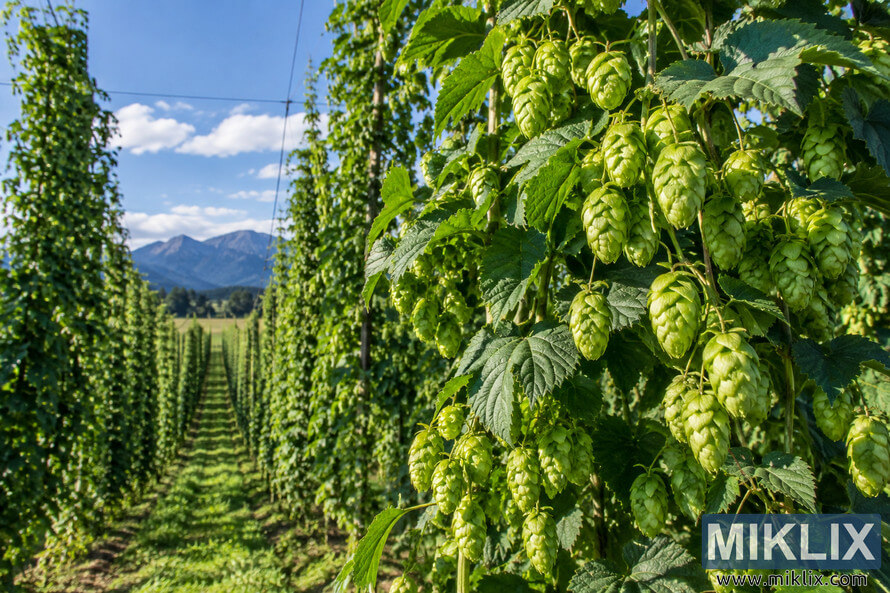
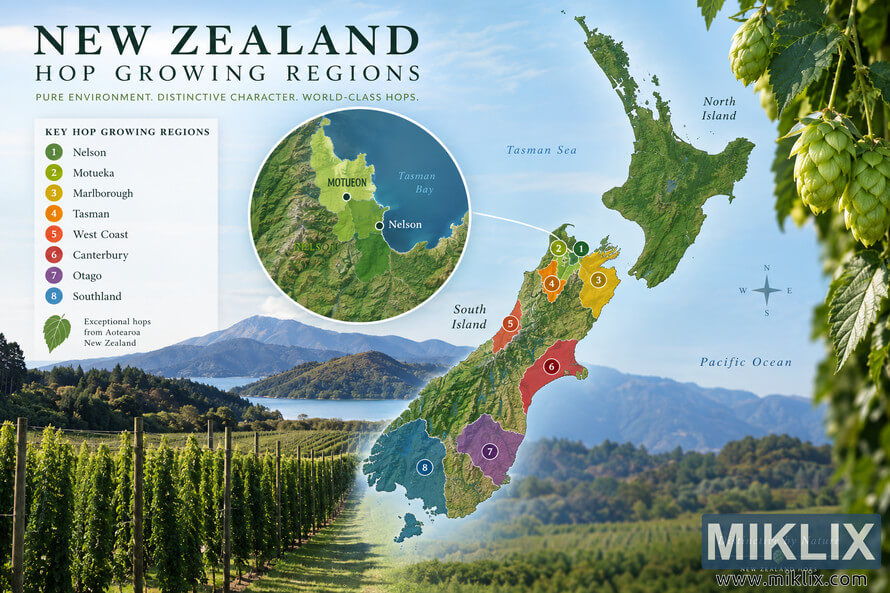
Commercial cultivation began shortly after release. New Zealand growers quickly recognized the variety's potential. The hop adapted well to local growing conditions in regions like Nelson and Motueka.
Click or tap the image for more information and higher resolutions.
Green Bullet Triploid Genetics
Green Bullet is classified as a triploid hop variety. This genetic characteristic affects how the hop grows and produces. Triploid varieties typically offer consistent alpha acid content and reliable crop yields.
The triploid nature contributes to the hop's brewing stability. Brewers can expect predictable results batch after batch. This consistency makes Green Bullet a reliable choice for recipe formulation.
Geographic Growing Regions
Most Green Bullet production occurs in New Zealand's South Island. The Motueka and Riwaka regions provide ideal growing conditions. These areas offer the right combination of climate, soil, and expertise.
Yakima Valley in Washington State also grows limited quantities. Some American hop growers have experimented with cultivation. However, New Zealand remains the primary source for authentic Green Bullet hops.
Click or tap the image for more information and higher resolutions.
Green Bullet Hops Characteristics and Flavor Profile
Understanding the fundamental characteristics of Green Bullet hops helps brewers make informed decisions. This hop variety offers a distinctive chemical composition that influences every beer it touches.
Alpha Acid Content and Bittering Power
Alpha acids determine a hop's bittering potential. Green Bullet typically ranges from 11% to 14% alpha acids. This moderate to high range makes the variety versatile for different addition timings.
The alpha acid content places Green Bullet in the dual-purpose category. You can use this hop for both bittering and aroma contributions. Many brewers appreciate this flexibility in recipe design.
Beta acids complement the alpha acid profile. Green Bullet contains 6% to 8% beta acids. These compounds contribute to hop character and oxidative stability during storage.
Click or tap the image for more information and higher resolutions.
Essential Oil Composition
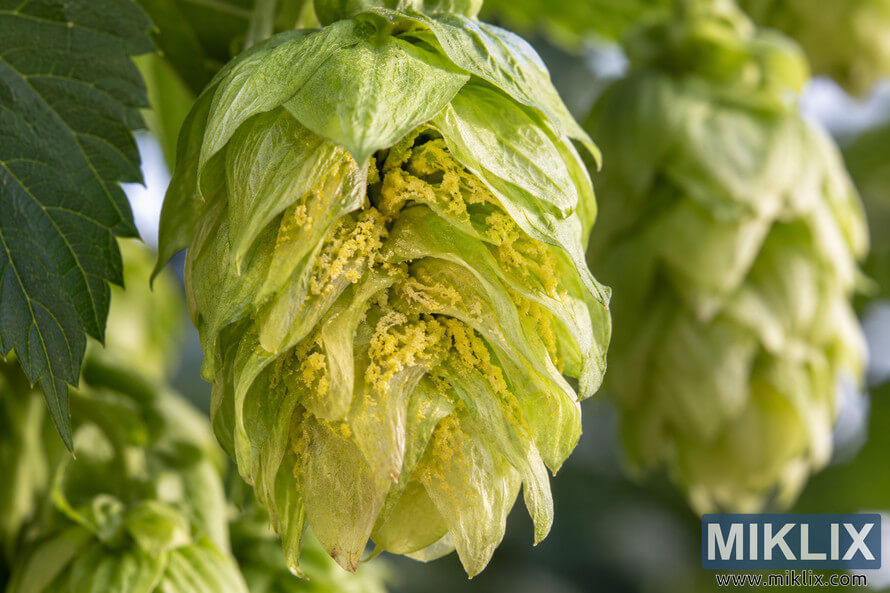
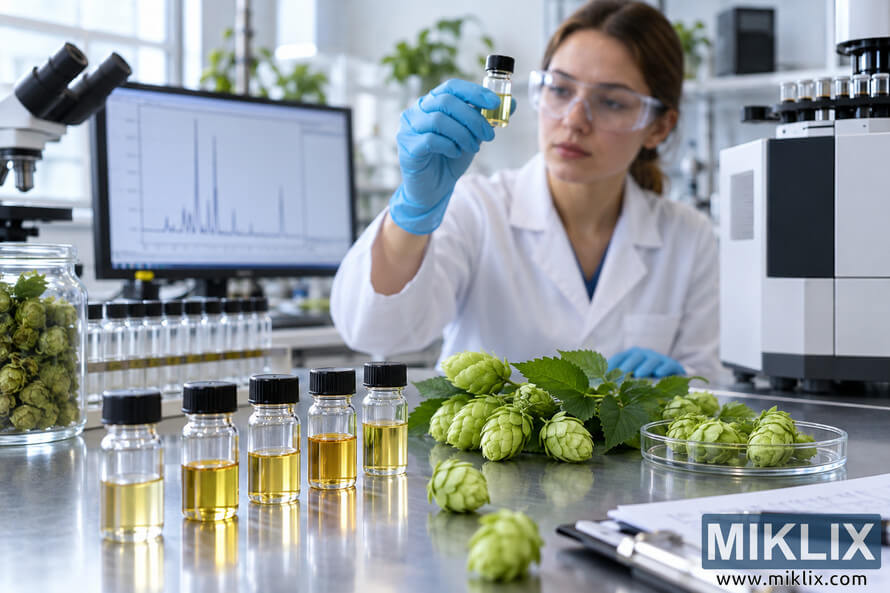
Essential oils create the distinctive aroma and flavor of Green Bullet. The total oil content ranges from 0.8 to 1.2 mL per 100 grams. This oil profile differs significantly from traditional hop varieties.
Primary Oil Components
- Myrcene provides herbal and slightly resinous notes
- Humulene adds subtle earthy character
- Caryophyllene contributes spicy undertones
- Farnesene creates gentle floral hints
The specific ratios of these oils create Green Bullet's signature profile. No other hop variety delivers quite the same combination. This uniqueness makes Green Bullet valuable for brewers seeking distinctive hop character.
Click or tap the image for more information and higher resolutions.
Aroma and Flavor Description
Green Bullet delivers a complex sensory experience. The primary aroma profile features fresh fruit notes balanced with earthy undertones. Many brewers detect specific fruit characteristics when using this hop.
Stone fruit flavors emerge prominently in finished beer. Apricot and peach notes appear frequently. Some brewers also perceive subtle hints of dark fruit like plum or raisin.
The hop character includes a distinctive resinous quality. This characteristic sets New Zealand hops apart from new world American varieties. The resinous notes add depth without overwhelming other flavors.
Terroir Influence on Hop Character
New Zealand terroir significantly impacts Green Bullet characteristics. The combination of soil composition, climate, and growing practices creates unique expressions. Hops from different New Zealand regions show subtle variations.
Nelson-grown Green Bullet often displays more pronounced fruit character. Motueka region hops sometimes show earthier qualities. These regional differences add complexity to sourcing decisions.
Best Beer Styles for Green Bullet Hops
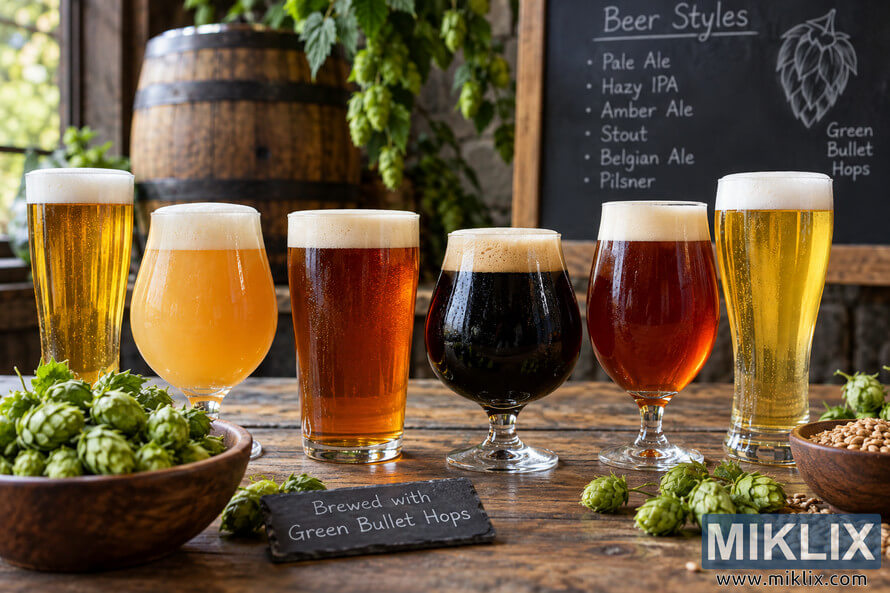
Green Bullet works exceptionally well in specific beer styles. Understanding these ideal applications helps you maximize the hop's potential. The variety's dual-purpose nature makes it suitable for various brewing approaches.
Click or tap the image for more information and higher resolutions.
English-Style Ales
Green Bullet excels in English bitter and pale ale recipes. The hop's heritage connection to Fuggle makes it a natural fit. Many brewers use Green Bullet as a complete replacement for traditional English hops.
The variety brings modern character to classic styles. ESB recipes benefit from Green Bullet's balanced profile. The hop provides sufficient bitterness while adding contemporary fruit notes.
- English Bitter (Standard and Best Bitter variations)
- English Pale Ale with traditional malt backbone
- ESB with balanced hop and malt character
- English IPA for historical recipe interpretations
American Pale Ale and IPA
Single hop pale ale showcases Green Bullet's complete character. The variety provides everything needed for a well-rounded beer. Brewers can create entire recipes using only this hop.
American IPA benefits from Green Bullet in combination hopping. The hop works well with citrus-forward American varieties. This blending creates complexity while maintaining the distinctive New Zealand character.
West Coast IPA recipes gain depth from Green Bullet additions. The hop's resinous quality complements pine-forward profiles. Many brewers use it for mid-boil additions in these styles.
Click or tap the image for more information and higher resolutions.
New Zealand Pilsner
New Zealand pilsner emerged as a distinct style category. Green Bullet played a significant role in defining this style. The hop's clean bitterness and subtle fruit notes work perfectly in crisp lagers.
The style typically features light malt character with prominent hop aroma. Green Bullet provides both bittering and late hop character. This dual contribution simplifies recipe formulation.
Brown Ales and Porters
Darker beer styles gain interesting complexity from Green Bullet. The hop's stone fruit character complements roasted malt flavors. American brown ale recipes particularly benefit from this combination.
Robust porter formulations work well with Green Bullet bittering. The hop doesn't fight against chocolate and coffee notes. Instead, it provides a fruity counterpoint that enhances overall flavor.
| Beer Style | Recommended Usage | Addition Timing | Expected Character |
| English Bitter | Primary bittering and aroma | 60 min, 10 min, dry hop | Traditional with fruit undertones |
| Single Hop Pale Ale | All additions | 60 min, 20 min, 5 min, dry hop | Full Green Bullet profile showcase |
| American IPA | Bittering and flavor complement | 60 min, 15 min blend | Earthy fruit with citrus blend |
| New Zealand Pilsner | Bittering and aroma | First wort, 5 min, dry hop | Clean bitter with subtle fruit |
| American Brown Ale | Bittering and late additions | 60 min, 10 min | Stone fruit complementing malt |
| Robust Porter | Primary bittering | 60 min, 20 min | Balanced bitter without harshness |
Experimental and Hybrid Styles
Green Bullet adapts well to creative brewing applications. Black IPA recipes gain interesting dimensions from this hop. The variety's fruit character cuts through roasted bitterness effectively.
Session ales benefit from Green Bullet's efficient bittering. Lower alcohol beers need hops that provide character without overwhelming the palate. This variety delivers exactly that balance.
Homebrewing Techniques with Green Bullet Hops
Proper technique maximizes what Green Bullet brings to your beer. Different addition timings unlock different characteristics from this versatile hop. Understanding these methods helps you achieve specific brewing goals.
Early Boil Bittering Additions
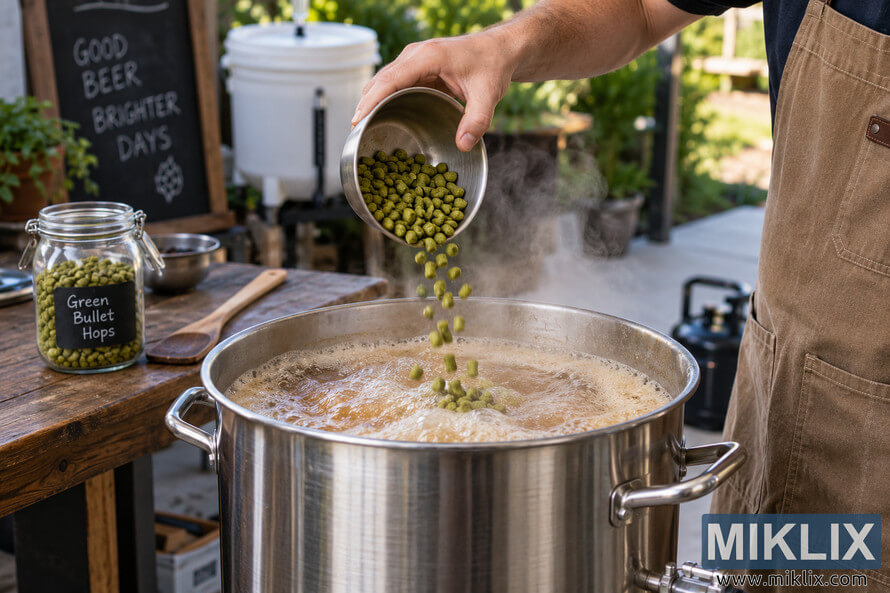
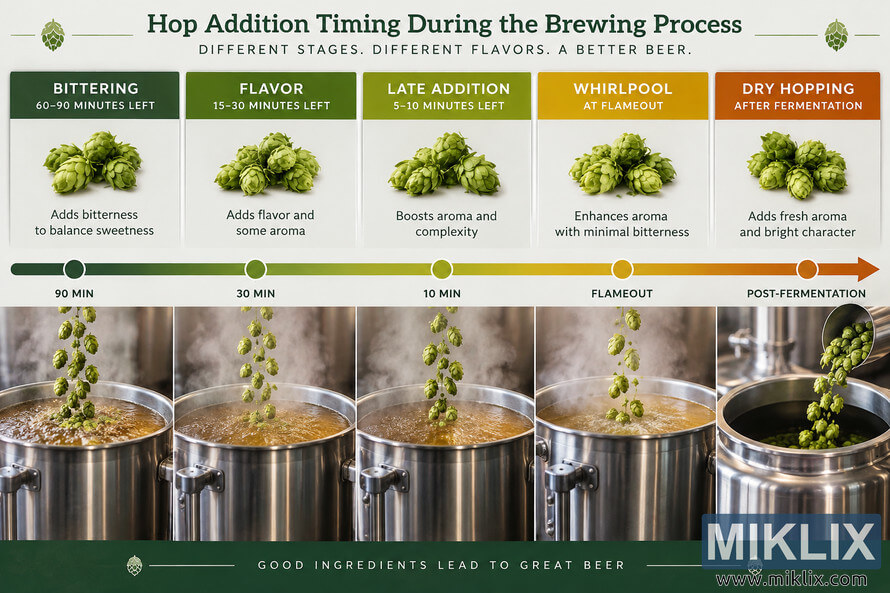
Adding Green Bullet at the start of the boil extracts maximum bitterness. The 60-minute addition remains the standard bittering approach. This timing allows complete isomerization of alpha acids.
Calculate bittering based on the variety's alpha acid percentage. Most Green Bullet batches fall between 12% and 13% alpha. Always check your specific batch data for accurate calculations.
First wort hopping offers an alternative bittering method. Add hops to the kettle before heating the wort. This technique can produce smoother bitterness compared to traditional 60-minute additions.
Click or tap the image for more information and higher resolutions.
Bittering Calculation Example
For a 5-gallon batch targeting 40 IBUs with 12% alpha Green Bullet, you'll need approximately 1.2 ounces for a 60-minute addition. Adjust based on your system's efficiency and desired bitterness level.
Mid-Boil Flavor Additions
The 20 to 30-minute addition window emphasizes flavor over aroma. Green Bullet added during this time contributes its stone fruit character. The resinous quality also becomes more prominent.
These flavor additions build complexity in the finished beer. The hop character sits between pure bittering and aromatic contributions. Many brewers consider this timing essential for balanced hop character.
Fifteen-minute additions lean more toward aroma while retaining some bittering. This timing works well in hop-forward styles. The shortened boil time preserves more volatile aromatic compounds.
Click or tap the image for more information and higher resolutions.
Late Boil and Whirlpool Additions
Late additions maximize aroma contribution from Green Bullet. Adding hops in the final 5 minutes of the boil preserves delicate aromatics. The fruit notes become especially pronounced with this timing.
Whirlpool or hop stand additions occur after flameout. Let the wort cool to 180-190°F before adding hops. Steep for 15 to 30 minutes to extract aroma without excessive bitterness.
- 5-minute additions provide intense aroma with minimal bitterness
- Flameout additions at 190°F emphasize fruit character
- Extended whirlpool (20-30 minutes) increases aromatic complexity
- Lower whirlpool temperatures (170°F) preserve the most delicate aromatics
Dry Hopping Methods
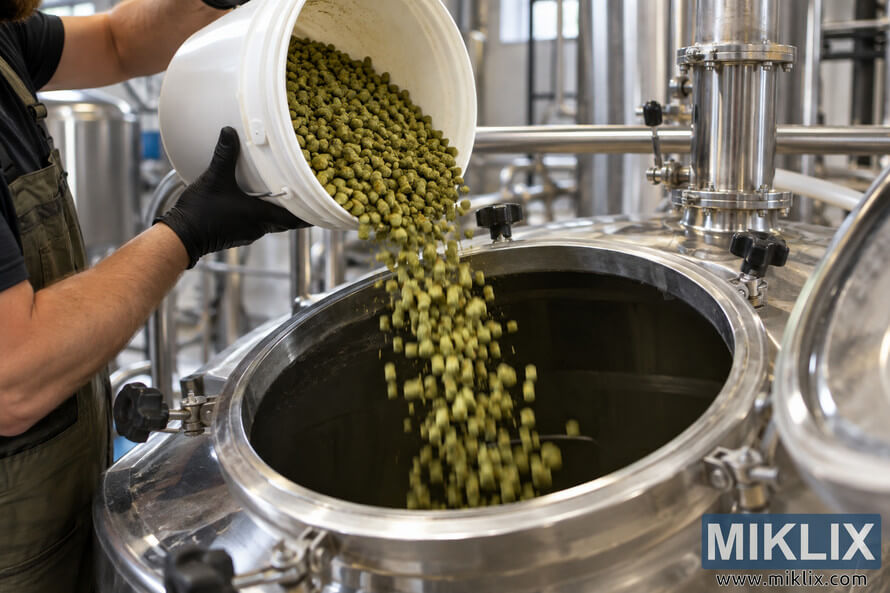
Dry hop additions occur after fermentation begins or completes. This process maximizes aroma while adding zero bitterness. Green Bullet dry hopping brings forward the variety's full aromatic potential.
Traditional dry hopping happens during secondary fermentation. Add hops when primary fermentation is mostly complete. Leave the hops in contact for 3 to 7 days.
Modern dry hopping often occurs in the fermenter during active fermentation. This biotransformation process can enhance certain aromatic compounds. The yeast interacts with hop oils to create unique flavors.
Dry Hop Rates and Duration
Use 1 to 2 ounces of Green Bullet per 5-gallon batch for moderate dry hop character. Increase to 3 to 4 ounces for heavily hopped styles. More isn't always better - excessive dry hopping can create grassy notes.
Contact time significantly impacts the final aroma profile. Three days provides good extraction for most applications. Extended contact beyond seven days risks extracting undesirable vegetal characteristics.
Temperature Control During Dry Hopping
Maintain fermentation temperature during dry hopping. Warmer temperatures increase extraction efficiency but may emphasize harsher notes. Most brewers dry hop between 65°F and 70°F for balanced results.
Click or tap the image for more information and higher resolutions.
Combination Hopping Strategies
Blending Green Bullet with other hop varieties creates complex profiles. The variety pairs well with citrus-forward hops like Cascade or Centennial. This combination balances earthy and bright characteristics.
New Zealand hop blends work exceptionally well together. Combine Green Bullet with Motueka or Riwaka for enhanced tropical notes. These complementary varieties share similar terroir influences.
Use Green Bullet for bittering while featuring other varieties for aroma. This approach provides clean bitterness foundation with diverse aromatic layers. The strategy works particularly well in complex IPA recipes.
Recommended Hop Quantities and Brewing Ratios
Precise hop quantities ensure consistent results across brew day sessions. Understanding proper ratios helps you scale recipes effectively. These guidelines work for common homebrew batch sizes.
Standard 5-Gallon Batch Calculations
Five-gallon batches represent the most common homebrewing volume. These quantities provide starting points for recipe development. Adjust based on your specific gravity and desired bitterness level.
Pale Ale Recipe Ratios
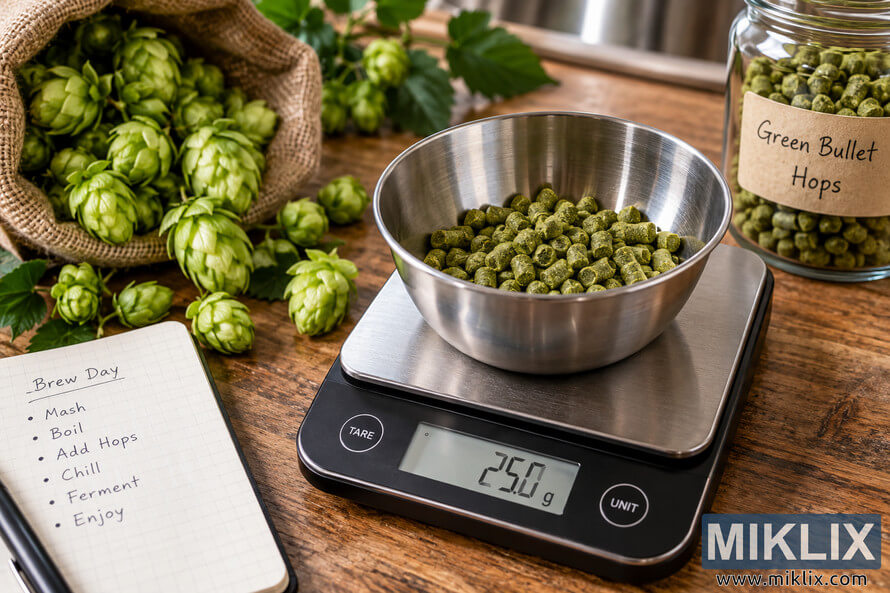
A balanced pale ale requires approximately 1.5 to 2 ounces total Green Bullet. Allocate 0.75 ounces for 60-minute bittering. Add 0.5 ounces at 10 minutes for flavor. Use 0.5 ounces for dry hopping.
This distribution creates approximately 35 to 45 IBUs. The resulting beer shows balanced hop character without excessive bitterness. The profile emphasizes Green Bullet's fruit and earthy characteristics.
IPA Recipe Ratios
American IPA demands higher hop quantities. Use 3 to 4.5 ounces total Green Bullet for a moderately hopped version. Increase to 5 to 6 ounces for heavily hopped interpretations.
Standard IPA Hopping
This schedule creates balanced IPA character with approximately 60 to 70 IBUs and prominent aroma.
- 1.5 oz at 60 minutes (bittering)
- 1 oz at 20 minutes (flavor)
- 1 oz at 5 minutes (aroma)
- 1.5 oz dry hop (aroma boost)
Double IPA Hopping
Aggressive hopping for bigger beers with 80+ IBUs and intense hop character throughout.
- 2 oz at 60 minutes (bittering foundation)
- 1.5 oz at 15 minutes (flavor depth)
- 1.5 oz whirlpool at 180°F (aroma)
- 3 oz dry hop (maximum aroma)
English Bitter Hopping
Traditional approach emphasizing balance with 25 to 35 IBUs and subtle hop presence.
- 1 oz at 60 minutes (clean bitterness)
- 0.5 oz at 15 minutes (flavor accent)
- 0.5 oz at 2 minutes (gentle aroma)
- Optional: 0.5 oz dry hop (modern twist)
Pilsner Hopping
Clean, crisp profile with 30 to 40 IBUs highlighting hop character in a lighter beer.
- 1.25 oz first wort hop (smooth bitter)
- 0.75 oz at 5 minutes (subtle aroma)
- 1 oz dry hop at 50°F (cold-side aroma)
- Short dry hop contact (2-3 days)
Click or tap the image for more information and higher resolutions.
Scaling for Different Batch Sizes
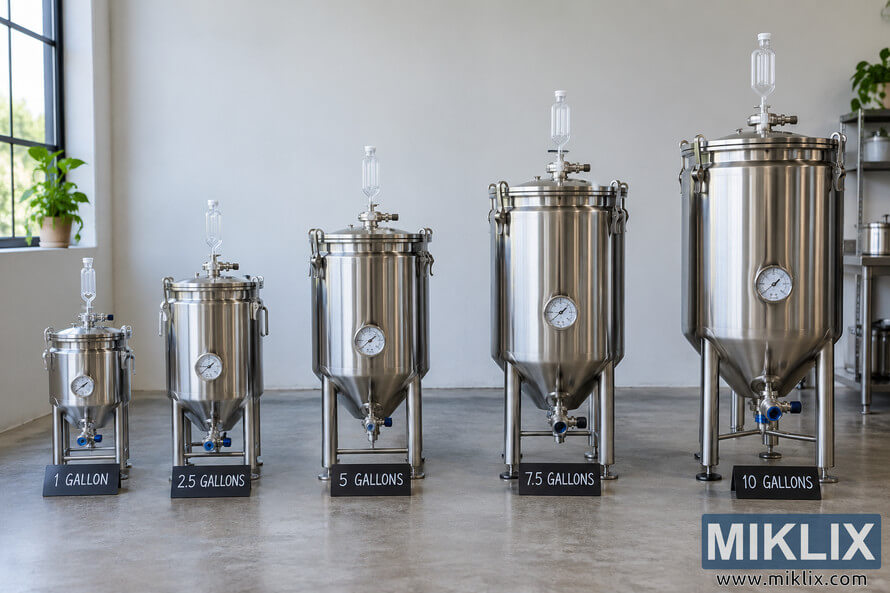
Smaller batches require proportional adjustments. A 2.5-gallon batch uses half the quantities listed for 5-gallon recipes. However, hop utilization can vary slightly with different volumes.
Ten-gallon batches simply double the 5-gallon quantities. Larger volumes sometimes show slightly better hop utilization. Monitor your bitterness levels and adjust future batches accordingly.
Small Batch Considerations
One-gallon experimental batches present unique challenges. Hop utilization efficiency changes at smaller scales. Consider using slightly less hops than strict proportional scaling suggests.
Test batches help you understand your system. Brew the same recipe at different scales. Compare the results to develop scaling factors specific to your equipment.
Click or tap the image for more information and higher resolutions.
Adjusting for Alpha Acid Variation
Green Bullet alpha acids vary between crop years. A batch testing at 11% requires more hops than one at 14%. Always check the analytical data provided with your hops.
Use brewing software or online calculators to adjust quantities. Input your specific alpha acid percentage for accurate IBU predictions. This data-driven approach ensures consistent results.
| Alpha Acid % | 60-Min Addition (40 IBU Target) | Adjustment Factor | Notes |
| 11% | 1.35 oz | +12% | Lower alpha crop year |
| 12% | 1.25 oz | Standard | Typical alpha range |
| 13% | 1.15 oz | -8% | Higher alpha crop |
| 14% | 1.05 oz | -16% | Premium high alpha |
Recipe Development Guidelines
Start conservative when developing new recipes. Use lower hop quantities initially. You can always increase hopping rates in subsequent batches. Reducing excessive hop character proves more difficult.
Document every brew day thoroughly. Record exact hop quantities, addition times, and temperatures. Note the resulting bitterness and aroma levels. This data becomes invaluable for recipe refinement.
Consider the malt bill when determining hop quantities. Bigger, maltier beers handle higher hopping rates. Lighter beers require more restraint to maintain balance.
Proper Storage and Handling for Homebrewers
Proper storage preserves hop quality between purchase and brew day. Green Bullet hops degrade when exposed to oxygen, light, and heat. Following best practices ensures maximum freshness and character.
Understanding Hop Degradation
Hops begin degrading immediately after harvest and processing. Alpha acids oxidize over time, reducing bittering potential. Essential oils volatilize, diminishing aroma and flavor contributions.
The degradation process accelerates under poor storage conditions. Room temperature storage can reduce alpha acids by 50% in just a few months. Proper cold storage slows this process dramatically.
Optimal Storage Conditions
Store Green Bullet hops in a freezer for maximum longevity. Maintain temperatures between 0°F and 10°F. This cold environment minimizes oxidation and preserves hop characteristics.
Keep hops in oxygen-barrier packaging. Most commercial hops come in foil-lined bags with nitrogen flushing. Don't open packages until you're ready to use the hops.
Proper Storage Benefits
- Preserves alpha acids for up to 2 years
- Maintains essential oil integrity
- Prevents oxidative off-flavors
- Ensures consistent brewing results
- Reduces waste from degraded hops
Poor Storage Consequences
- Rapid alpha acid degradation
- Loss of aromatic compounds
- Development of cheesy off-aromas
- Unpredictable bitterness levels
- Wasted money on degraded hops
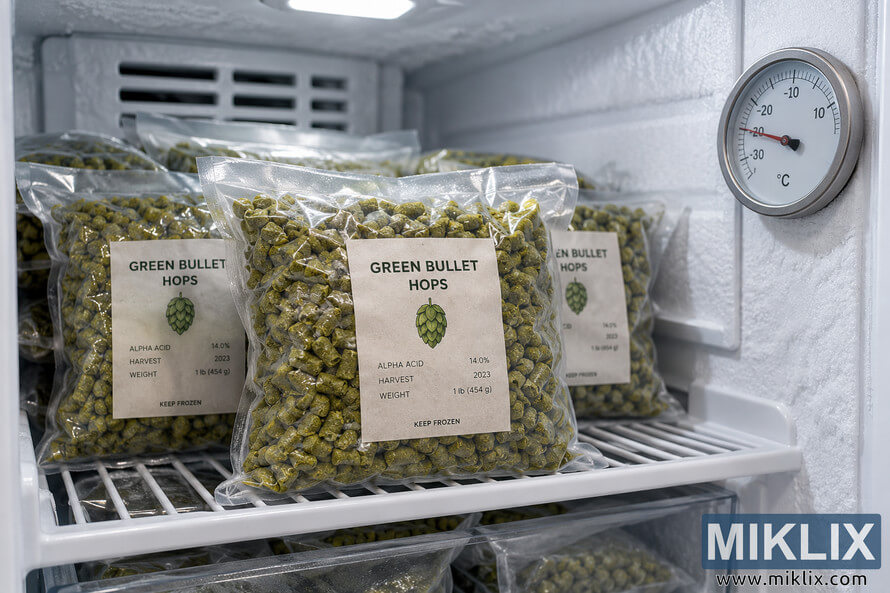
Click or tap the image for more information and higher resolutions.
Packaging and Repackaging
Once you open a hop package, minimize air exposure. Use only what you need for your current brew. Immediately repackage the remaining hops.
Vacuum sealing provides the best home storage solution. Food-grade vacuum sealers work perfectly for hop storage. Remove all air before sealing bags.
If you lack a vacuum sealer, use zip-lock freezer bags. Squeeze out as much air as possible before sealing. Double-bag for additional protection against freezer burn.
Small Batch Portioning
Consider dividing large hop purchases into smaller portions. Portion out quantities for individual brews. This approach minimizes how often you open the main package.
Label each portion with the hop variety, alpha acid percentage, and crop year. Include the date you portioned the hops. This information helps track freshness and plan future recipes.
Cold Box Organization
Dedicate a section of your freezer to hop storage. Keep hops separate from foods with strong odors. Organize by variety and crop year for easy access.
Create a hop inventory spreadsheet. Track what varieties you have, their quantities, and purchase dates. Update the inventory after each brew day. This system prevents purchasing duplicates and helps plan recipes.
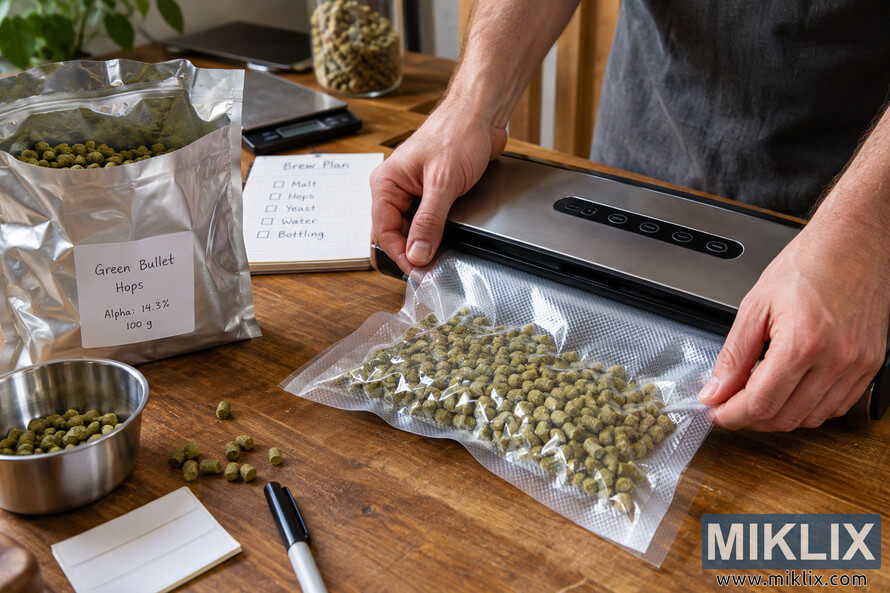
Click or tap the image for more information and higher resolutions.
Recognizing Degraded Hops
Learn to identify hops that have passed their prime. Fresh Green Bullet displays vibrant green color and strong aromatic presence. Degraded hops appear brown or faded.
Smell your hops before brewing. Fresh hops smell vibrant and fruity. Old or oxidized hops develop cheesy or cardboard-like aromas. Discard any hops showing these signs.
Signs Your Green Bullet Hops Have Degraded
Brown or yellowish color instead of bright green; Weak or absent aroma when rubbed; Cheesy, sweaty, or cardboard-like smell; Dry, brittle texture instead of slightly sticky; More than 2 years old even with proper storage. When in doubt, purchase fresh hops rather than risk off-flavors in your beer.
Purchasing Strategies for Freshness
Buy hops soon after the annual harvest. New Zealand hops are typically harvested in March and April. Fresh crop hops appear on the market by May or June.
Purchase from reputable suppliers who store hops properly. Ask about storage conditions and crop year. Reliable suppliers provide detailed analytical data with every purchase.
Buy quantities appropriate to your brewing frequency. Don't stockpile more than you'll use within one to two years. Fresher hops always produce better beer than old stock.
Green Bullet Compared to Similar Hop Varieties
Understanding how Green Bullet relates to other hops helps with substitution and recipe development. Several varieties share characteristics with this New Zealand hop. Each offers unique qualities worth exploring.
New Zealand Hop Varieties Comparison
Green Bullet shares terroir with other New Zealand hops. These varieties grow in similar conditions and show family resemblances. Understanding these relationships helps you blend hops effectively.
Motueka Hops
Motueka brings brighter citrus character than Green Bullet. The variety features lemon and lime notes prominently. Alpha acids typically range from 6% to 8%, lower than Green Bullet.
Blending Motueka with Green Bullet creates complex New Zealand profiles. Use Green Bullet for bittering and Motueka for late additions. This combination balances earthy and bright characteristics effectively.
Rakau Hops
Rakau emphasizes stone fruit similar to Green Bullet. However, Rakau shows more pronounced apricot character. The variety contains 9% to 11% alpha acids, slightly lower than Green Bullet.
Consider Rakau as a partial Green Bullet substitute. The varieties work well together in hop blends. Rakau adds fruit intensity while Green Bullet provides earthy backbone.
Pacific Gem Hops
Pacific Gem delivers woody, earthy character with berry notes. Alpha acids range from 13% to 16%, higher than Green Bullet. The variety works well for bittering in darker beer styles.
Pacific Gem offers more aggressive bitterness quality than Green Bullet. The hop suits robust porters and stouts particularly well. Consider it for recipes requiring strong hop presence against roasted malts.
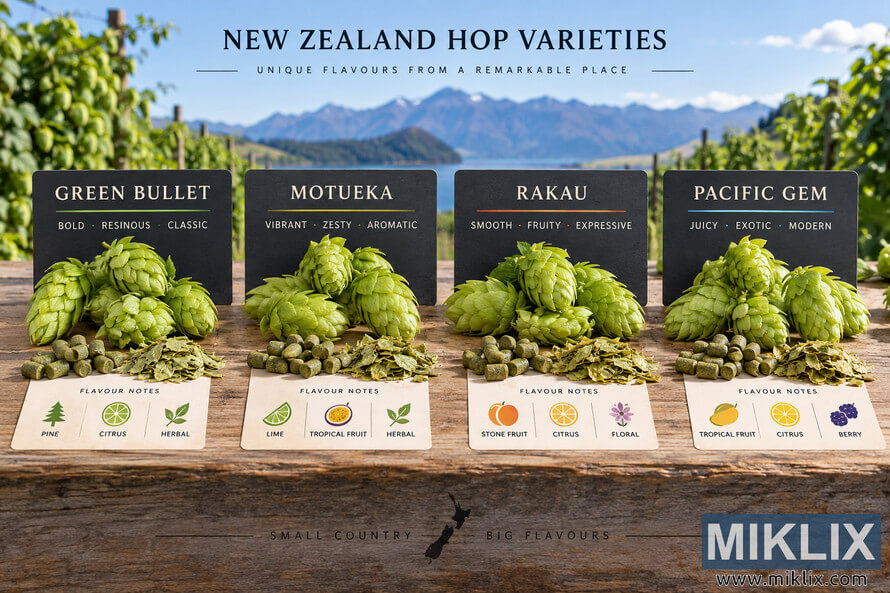
Click or tap the image for more information and higher resolutions.
Traditional European Variety Comparisons
Green Bullet shares genetic heritage with English hops. These traditional varieties offer interesting comparison points. Understanding the relationships helps with substitution in classic recipes.
Fuggle Hops
Fuggle represents one of Green Bullet's parent varieties. Traditional Fuggle contains 4% to 6% alpha acids, much lower than Green Bullet. The aroma profile emphasizes earthy, woody, and mild fruit notes.
Use Green Bullet as a modern Fuggle replacement. You'll achieve similar character with more efficient bittering. Reduce quantities by approximately 40% to 50% when substituting.
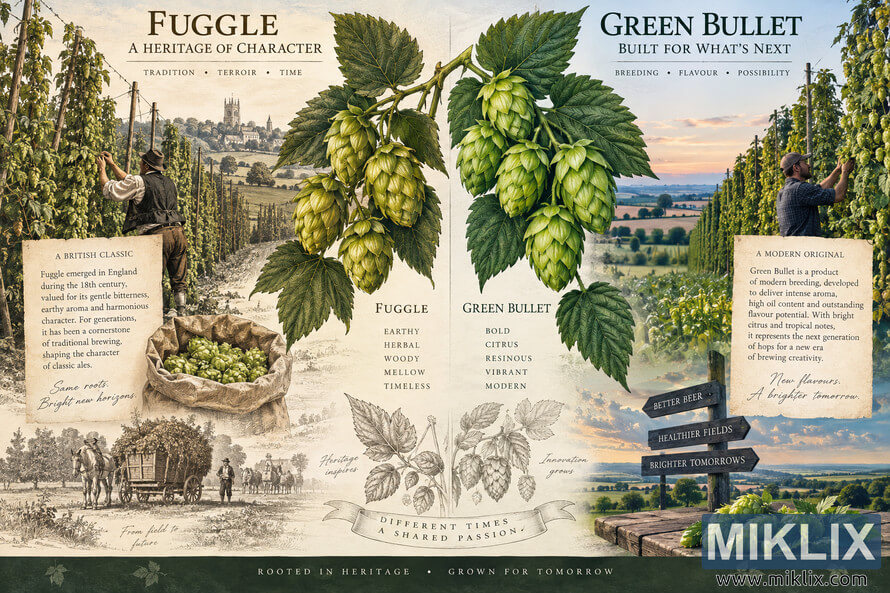
Click or tap the image for more information and higher resolutions.
East Kent Goldings
Goldings emphasize floral and honey-like characteristics. Alpha acids range from 4% to 6%, similar to Fuggle. The variety delivers gentle, refined hop character.
Green Bullet provides bolder character than Goldings. Substitute using similar alpha acid adjustments as with Fuggle. The resulting beer shows more fruit and less floral delicacy.
American Dual-Purpose Variety Comparisons
Several American varieties occupy similar dual-purpose roles. These hops offer alternative perspectives on balanced brewing characteristics.
Northern Brewer
Northern Brewer contains 7% to 10% alpha acids. The variety delivers woody, minty character with subtle fruit. It works well for bittering in various beer styles.
Green Bullet provides more distinct fruit character than Northern Brewer. Both suit English-style ales well. Green Bullet offers a more modern interpretation of traditional profiles.
Perle Hops
Perle brings clean, slightly spicy character. Alpha acids range from 6% to 9%. The variety excels in German-style lagers and wheat beers.
Compare to Green Bullet for clean bittering applications. Perle offers more neutral character. Green Bullet adds distinctive fruit that Perle lacks.
| Hop Variety | Alpha Acids | Primary Character | Best Use | Substitution Notes |
| Green Bullet | 11-14% | Stone fruit, earthy, resinous | Dual-purpose all additions | Original variety |
| Motueka (NZ) | 6-8% | Lemon, lime, tropical | Late additions and aroma | Increase quantity by 40% for bittering |
| Rakau (NZ) | 9-11% | Apricot, stone fruit, pine | Dual-purpose, aroma focus | Direct substitute with slight fruit emphasis |
| Pacific Gem (NZ) | 13-16% | Berry, woody, earthy | Bittering in dark beers | Reduce quantity by 10-15% |
| Fuggle (UK) | 4-6% | Earthy, woody, mild fruit | Traditional English ales | Use 40-50% less Green Bullet |
| East Kent Goldings (UK) | 4-6% | Floral, honey, gentle spice | English ales, finishing | Use 40-50% less Green Bullet, expect bolder profile |
| Northern Brewer (US/UK) | 7-10% | Woody, minty, subtle fruit | Bittering, California Common | Similar bittering, Green Bullet adds more fruit |
| Perle (Germany/US) | 6-9% | Spicy, clean, minty | German lagers, wheat beers | More neutral than Green Bullet |
Substitution Guidelines
Calculate substitutions based on alpha acid content first. Adjust for desired character differences second. Remember that exact substitutions rarely exist - each hop brings unique qualities.
When replacing Green Bullet with lower-alpha varieties, increase quantities proportionally. A Fuggle substitution requires roughly double the weight. Account for the different aromatic profiles in your expectations.
Replacing Green Bullet with higher-alpha varieties requires reducing quantities. Pacific Gem substitutions need approximately 10% to 15% less weight. The resulting bitterness profile may be more aggressive.
Advanced Tips for Working with Green Bullet Hops
Experienced brewers can unlock additional potential from Green Bullet. These advanced techniques require more equipment or process control. The resulting beer quality improvements justify the extra effort.
Water Chemistry Optimization
Water profile significantly impacts how hop character expresses in finished beer. Green Bullet benefits from specific mineral adjustments. Understanding these relationships elevates your brewing.
Sulfate enhances hop bitterness perception and dryness. Target 150 to 250 ppm sulfate for hop-forward styles featuring Green Bullet. Higher levels accentuate the variety's earthy character.
Chloride rounds out hop character and adds fullness. Maintain chloride below 100 ppm for crisp, bitter beers. Increase to 150 ppm for softer presentations emphasizing fruit character.
Ideal Water Profiles for Green Bullet
- Pale Ale Profile: 150 ppm sulfate, 75 ppm chloride, 2:1 sulfate to chloride ratio
- IPA Profile: 200 ppm sulfate, 50 ppm chloride, 4:1 ratio for aggressive hop character
- English Bitter Profile: 100 ppm sulfate, 100 ppm chloride, 1:1 balanced ratio
- Pilsner Profile: 120 ppm sulfate, 40 ppm chloride, soft water with mineral restraint
Click or tap the image for more information and higher resolutions.
Biotransformation Dry Hopping
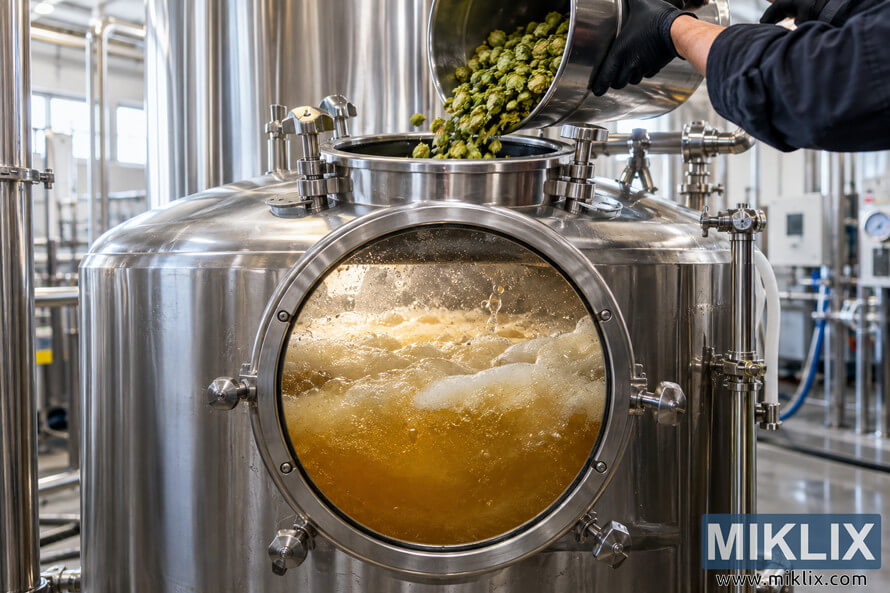
Adding hops during active fermentation creates unique aromatic compounds. Yeast enzymes transform hop oils into new flavor molecules. This biotransformation process enhances certain fruit characteristics.
Add Green Bullet when fermentation is approximately 50% complete. This timing typically occurs 2 to 3 days after pitching yeast. The active fermentation scrubs some hop aroma but creates interesting transformations.
Follow biotransformation hopping with a second dry hop addition post-fermentation. This dual approach captures both transformed and fresh hop character. The layered aromatics create impressive complexity.
Click or tap the image for more information and higher resolutions.
Hop Creep Management
Dry hopping introduces enzymes that can restart fermentation. This "hop creep" phenomenon creates additional alcohol and dryness. Large dry hop additions of Green Bullet may trigger this process.
Monitor gravity after dry hopping heavily hopped beers. Expect 1 to 3 gravity points of additional attenuation. Factor this into your target final gravity calculations.
Control hop creep through temperature management. Dry hop at lower temperatures around 60°F. This reduced temperature slows enzymatic activity while still extracting aroma.
Cryo and Lupulin Powder Applications
While traditional whole cone and pellet forms remain most common, concentrated hop products offer alternatives. These forms provide intensified character with less vegetative matter.
Lupulin powder concentrates the resin glands from hop cones. Use approximately 50% to 60% of standard pellet amounts. The powder works exceptionally well for whirlpool additions.
Reduce dry hopping quantities when using concentrated forms. Start with half your normal dry hop amount. The concentrated products deliver intense aroma without grassy notes from excessive plant matter.
pH Monitoring During Hopping
Hop additions lower wort and beer pH. Large hop loads can reduce pH significantly. Monitoring and adjusting pH optimizes hop character extraction.
Target mash pH between 5.2 and 5.4 for optimal enzyme activity. Boil pH naturally drops to approximately 5.0 to 5.2. Finished beer pH should land between 4.0 and 4.5.
Excessive pH drop during dry hopping can create harsh bitterness. Monitor pH if using more than 3 ounces of Green Bullet per 5 gallons. Adjust with small amounts of alkaline salts if needed.
Advanced Brewing Measurement Tools
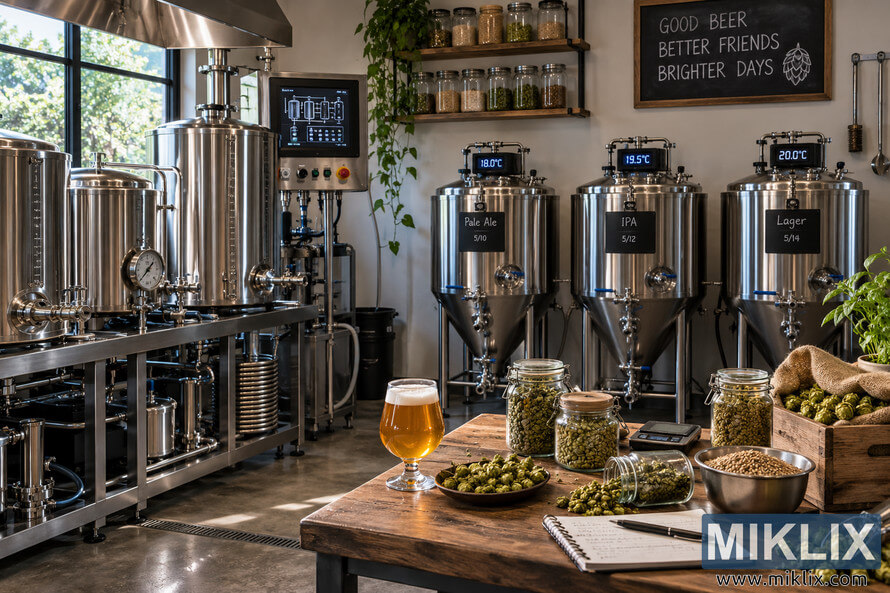
Serious homebrewers benefit from quality measurement equipment. Digital pH meters provide accurate readings. Refractometers enable quick gravity checks without wasting beer. Precision scales ensure consistent hop additions. These tools transform brewing from art to precision craft.
Yeast Strain Selection for Hop Character
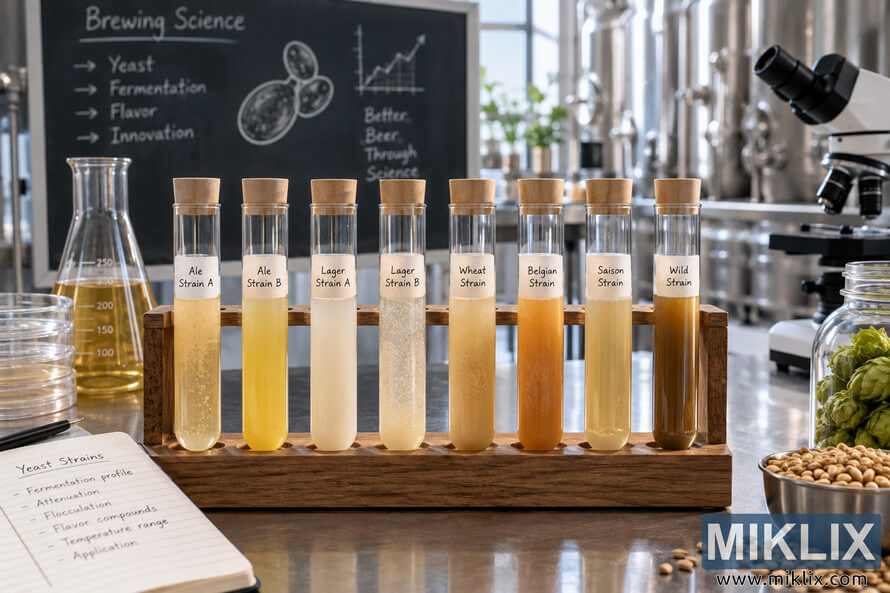
Yeast choice dramatically affects how Green Bullet character presents. Different strains emphasize or suppress specific hop characteristics. Matching yeast to your desired outcome optimizes results.
Clean American ale strains showcase hop character most neutrally. US-05 or WLP001 allow Green Bullet's fruit and earth notes to shine. These yeasts work well for hop-forward interpretations.
English ale strains complement Green Bullet's heritage character. Fuller's or London ESB yeasts add fruity esters that blend with hop fruit. This combination creates classically English profiles with modern hop character.
Consider kveik strains for fast fermentation with hop emphasis. These Norwegian yeasts ferment warm while producing clean, fruit-forward beer. The combination with Green Bullet creates interesting tropical expressions.
Click or tap the image for more information and higher resolutions.
Green Bullet Hop Recipe Examples
Practical recipe examples demonstrate how to apply Green Bullet effectively. These formulations provide starting points for your own brewing. Adjust based on your preferences and equipment.
Single Hop New Zealand Pale Ale
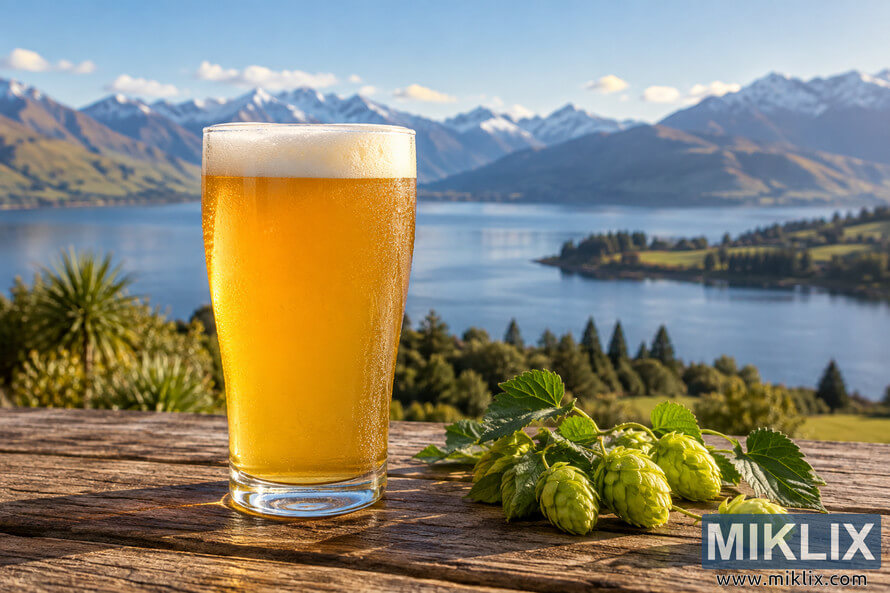
This recipe showcases Green Bullet's complete character profile. Every addition features this single hop variety. The result highlights the hop's versatility and complexity.
Recipe Specifications
Grain Bill (5 Gallons)
- 9 lbs Pale Malt (Maris Otter or American 2-Row)
- 8 oz Crystal 40L
- 4 oz Vienna Malt
Target Stats: OG 1.052, FG 1.012, ABV 5.2%, IBU 42, SRM 7
Hop Schedule
- 0.75 oz Green Bullet (12% AA) at 60 minutes
- 0.5 oz Green Bullet at 20 minutes
- 0.75 oz Green Bullet at 5 minutes
- 1 oz Green Bullet dry hop (5 days)
Yeast: US-05 or similar clean American ale strain
Brewing Process Notes
Mash at 152°F for 60 minutes. This temperature creates moderate body with good fermentability. Boil for 60 minutes following the hop schedule above.
Ferment at 66°F to 68°F for optimal ester balance. Dry hop when fermentation is complete. Package after 5 days of dry hop contact.
Click or tap the image for more information and higher resolutions.
Modern English Bitter
This recipe interprets traditional English bitter with contemporary hop character. Green Bullet replaces classic English varieties while maintaining style authenticity.
Grain Bill (5 Gallons)
- 7.5 lbs Maris Otter Pale Malt
- 12 oz Crystal 60L
- 4 oz British Chocolate Malt
Target Stats: OG 1.042, FG 1.010, ABV 4.2%, IBU 32, SRM 12
Hop Schedule
- 1 oz Green Bullet (12% AA) at 60 minutes
- 0.5 oz Green Bullet at 15 minutes
- 0.5 oz Green Bullet at 2 minutes
Yeast: London ESB (WLP002) or Nottingham dry yeast
Process Highlights
Mash at 154°F for fuller body characteristic of the style. Single infusion mash for 60 minutes. Ferment at 68°F to encourage moderate fruity esters.
Carbonate to 1.8 to 2.0 volumes CO2 for authentic British presentation. Serve at 50°F to 55°F to appreciate the balanced malt and hop character.
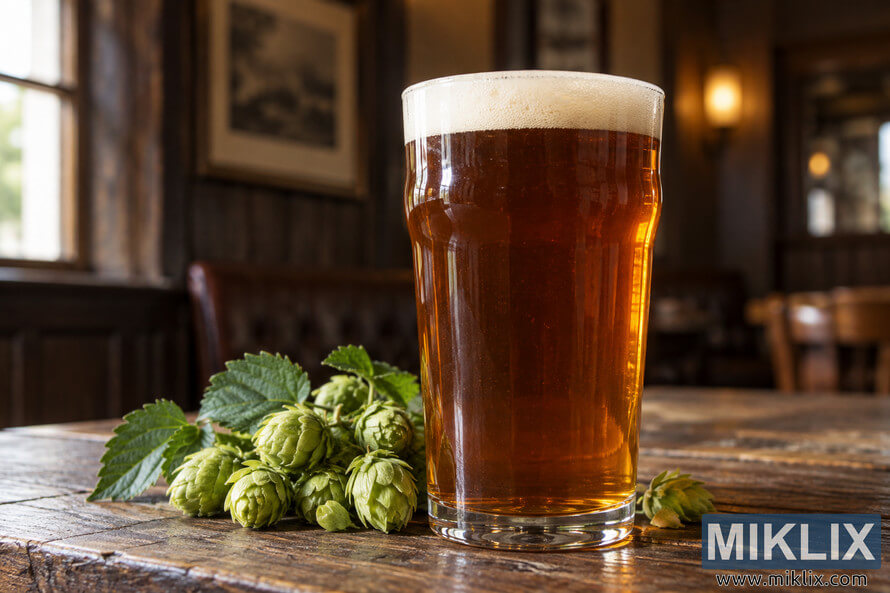
Click or tap the image for more information and higher resolutions.
West Coast IPA with Green Bullet
This recipe uses Green Bullet alongside American hops. The combination creates unique character that stands apart from typical West Coast profiles.
Grain Bill (5 Gallons)
- 11 lbs American 2-Row Pale Malt
- 1 lb Munich Malt
- 8 oz Carapils/Dextrine Malt
Target Stats: OG 1.062, FG 1.012, ABV 6.6%, IBU 65, SRM 6
Hop Schedule
- 1.5 oz Green Bullet (12% AA) at 60 minutes
- 0.75 oz Green Bullet at 15 minutes
- 0.75 oz Cascade at 15 minutes
- 1 oz Green Bullet whirlpool at 180°F
- 1 oz Centennial whirlpool at 180°F
- 1.5 oz Green Bullet dry hop
- 1 oz Cascade dry hop
Advanced Techniques
Mash at 150°F for high fermentability and dry finish. Whirlpool hops for 20 minutes at 180°F before chilling. This extracts maximum aroma with controlled bitterness.
Ferment with very clean yeast like California Ale (WLP001). Dry hop for 4 days then cold crash immediately. This prevents grassy extraction while maximizing aroma.
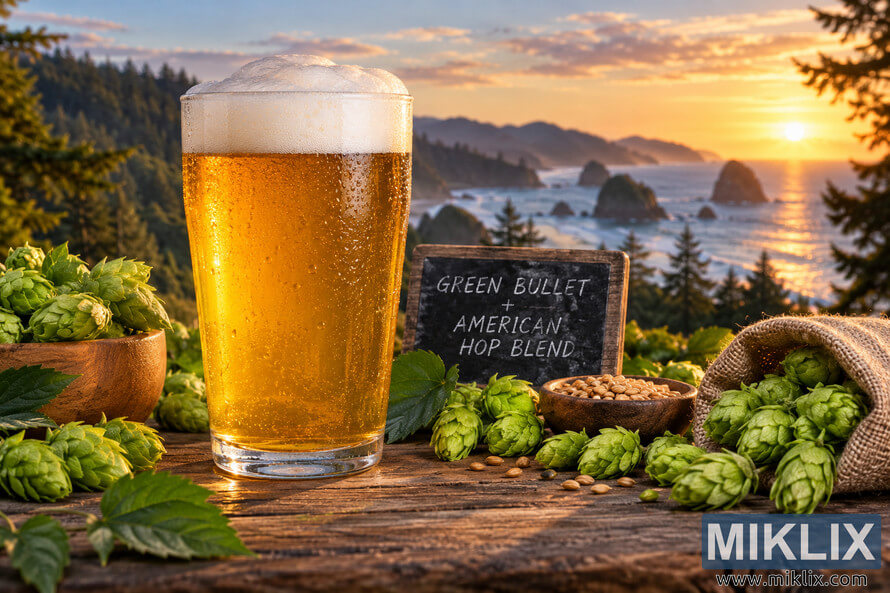
Click or tap the image for more information and higher resolutions.
Troubleshooting Common Issues with Green Bullet Hops
Even experienced brewers encounter challenges. Understanding common problems helps you diagnose and correct issues. These solutions apply specifically to brewing with Green Bullet.
Insufficient Hop Aroma in Finished Beer
Weak hop aroma despite adequate additions suggests process issues. Several factors can diminish Green Bullet's aromatic contribution. Identifying the cause leads to better results next time.
Possible Causes and Solutions
Common Problems
- Old or oxidized hops used
- Excessive boil time on late additions
- Dry hopping temperature too low
- Insufficient dry hop contact time
- Beer over-carbonated washing out aroma
Solutions
- Source fresh crop hops, check storage
- Add late hops at 5 minutes or less
- Dry hop at 65-70°F for better extraction
- Extend dry hop contact to 5-7 days
- Target 2.3-2.5 volumes CO2 maximum
Consider using more aggressive late hopping techniques. Increase whirlpool additions or add a second dry hop charge. These approaches boost aroma intensity effectively.
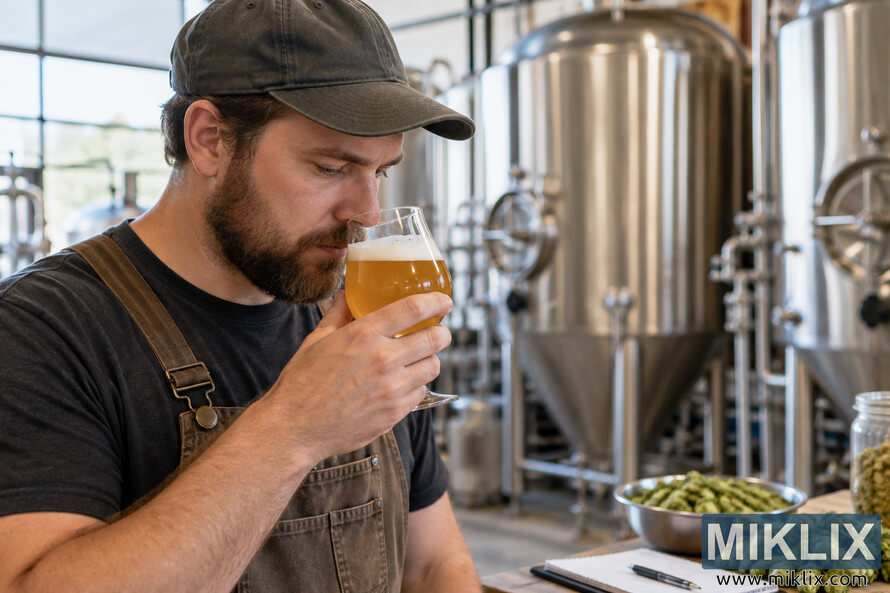
Click or tap the image for more information and higher resolutions.
Harsh or Astringent Bitterness
Unpleasant harshness differs from clean bitterness. Green Bullet should provide smooth, balanced bittering. Harsh character indicates extraction or process problems.
Identifying the Source
Excessive dry hop quantities can create astringency. Reduce dry hopping to 2 ounces or less per 5 gallons. Monitor contact time carefully.
High-pH water extracts harsher compounds from hops. Test your water and adjust to appropriate brewing ranges. Target mash pH of 5.2 to 5.4.
Over-sparging or sparging with hot water contributes to astringency. Stop collecting wort when gravity drops below 1.010. Keep sparge water at or below 170°F.
Grassy or Vegetal Off-Flavors
Grassy notes suggest problems with hop handling or timing. Fresh Green Bullet shouldn't produce these characteristics. The issue typically stems from technique rather than the hop itself.
Prevention Strategies
- Limit dry hop contact to maximum 7 days
- Remove hops promptly rather than leaving indefinitely
- Avoid dry hopping during active fermentation krausen
- Don't reuse dry hops from previous batches
- Store hops properly to prevent pre-brewing degradation
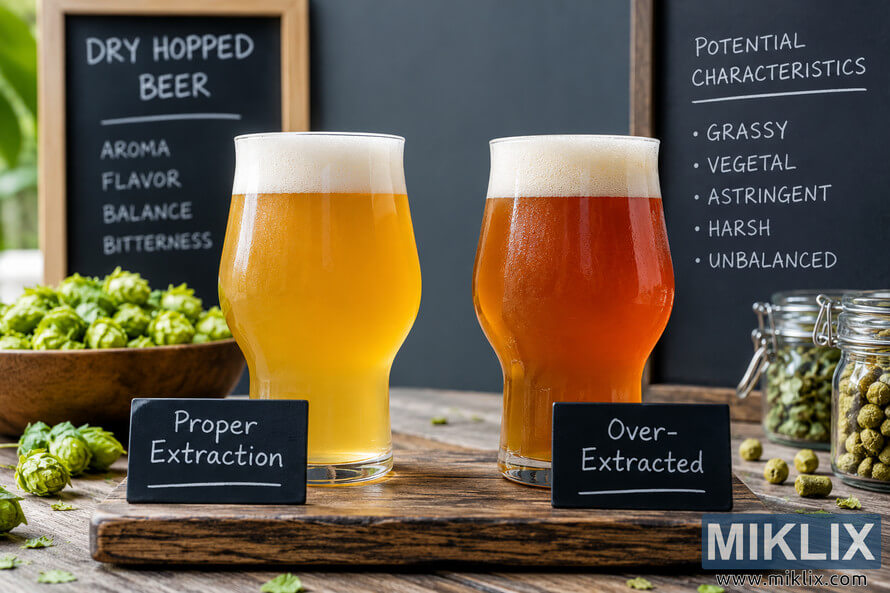
Click or tap the image for more information and higher resolutions.
Inconsistent Results Between Batches
Batch-to-batch variation frustrates brewers seeking consistency. Multiple factors can create this problem when brewing with Green Bullet.
Standardization Approaches
Document every brew day thoroughly. Record actual quantities used, not just recipe targets. Note any deviations from your standard process.
Verify alpha acid percentages on each hop purchase. Adjust quantities based on actual numbers. Don't assume consistent alpha levels year to year.
Control fermentation temperature precisely. Temperature swings affect ester production and hop character perception. Use temperature control equipment if possible.
Source hops from consistent suppliers. Different growers produce subtly different expressions of the same variety. Stick with reliable suppliers for predictability.
Obtaining Desired IBU Levels
Actual bitterness often differs from calculated IBUs. Understanding your system's hop utilization helps calibrate recipes. This knowledge develops over time through careful measurement.
IBU Calculation Variables
Boil vigor affects utilization - rolling boil extracts more than gentle simmer. Wort gravity influences isomerization - higher gravity reduces utilization. Hop form matters - pellets utilize approximately 10% better than whole cones. System losses vary - some brewers see 20% lower utilization than software predicts. Track your actual results and develop personal adjustment factors.
Start conservative with bittering additions. You can increase bitterness in future batches more easily than reducing it. Many brewers find their systems extract 10% to 20% less bitterness than calculations suggest.
Frequently Asked Questions About Green Bullet Hops
What does Green Bullet hops taste like?
Green Bullet delivers stone fruit flavors including apricot and peach combined with earthy, resinous undertones. The hop provides a distinctive New Zealand character that differs from American citrus-forward varieties. Many brewers detect subtle dark fruit notes like raisin or plum alongside the primary fruit profile. The taste balances modern fruit character with traditional earthy hop qualities.
Can Green Bullet hops be used for bittering?
Yes, Green Bullet works excellently for bittering with its 11% to 14% alpha acid content. The variety provides clean, smooth bitterness without harsh qualities. Many brewers use Green Bullet as their sole bittering hop in single-hop recipes. The dual-purpose nature means you can use it for both bittering and aroma in the same beer.
How long do Green Bullet hops last in storage?
Properly stored in a freezer at 0-10°F in oxygen-barrier packaging, Green Bullet hops maintain quality for 18 to 24 months. The alpha acid content degrades approximately 10% to 15% per year under ideal conditions. Once opened, vacuum seal remaining hops and return immediately to freezer storage. Room temperature storage dramatically accelerates degradation, reducing usable life to just a few months.
What beer styles work best with Green Bullet hops?
Green Bullet excels in English-style ales, pale ales, IPAs, and New Zealand pilsners. The variety works particularly well in single-hop pale ales that showcase its complete character. English bitters and ESBs benefit from Green Bullet's balanced profile. American brown ales and robust porters gain interesting fruit complexity from this hop. The variety adapts to many styles requiring moderate to high alpha acid hops.
What hops are similar to Green Bullet?
Rakau offers the closest New Zealand alternative with similar stone fruit character. Fuggle provides the nearest traditional substitute, though with much lower alpha acids requiring quantity adjustments. Northern Brewer shares the dual-purpose role with woody, earthy character. Pacific Gem delivers higher alpha acids with related berry and earthy notes. No hop exactly replicates Green Bullet's distinctive profile.
How much Green Bullet should I use for a 5-gallon batch?
Pale ales typically use 1.5 to 2 ounces total across all additions. IPAs require 3 to 6 ounces depending on desired intensity. English bitters work well with 1.5 to 2.5 ounces total. For single-hop showcases, allocate approximately 25% for bittering, 25% for flavor, and 50% for aroma and dry hopping. Always adjust quantities based on your specific alpha acid percentage and target IBU levels.
Should I use pellets or whole cone Green Bullet hops?
Both forms work well with slight differences in application. Pellets offer better utilization efficiency (approximately 10% more than whole cones) and easier storage. Whole cones provide gentler extraction and some brewers prefer their character in dry hopping applications. Pellets suit most homebrewing applications due to convenience and consistency. Choose based on availability and personal preference.
When should I add Green Bullet hops during brewing?
For balanced character, use a layered approach: add at 60 minutes for bittering, 15-20 minutes for flavor, 5 minutes or flameout for aroma, and dry hop post-fermentation. Single-hop beers benefit from additions at all stages. Bittering-only applications add at 60 minutes. Aroma-focused beers emphasize late boil and dry hop additions while minimizing early additions. Timing depends on your desired hop character emphasis.
Conclusion
Green Bullet represents one of New Zealand's most versatile brewing hops. This variety brings distinctive character that sets your beer apart. The combination of moderate to high alpha acids and complex aromatics creates numerous brewing opportunities.
Understanding proper usage unlocks Green Bullet's full potential. Attention to addition timing, quantities, and storage preserves the hop's valuable characteristics. These fundamentals apply whether you're brewing your first batch or your hundredth.
The variety's dual-purpose nature simplifies recipe formulation. You can create excellent single-hop beers using only Green Bullet. Alternatively, blend with complementary varieties for added complexity.
Success with Green Bullet comes through experimentation. Start with established recipes then adjust to your preferences. Document your results to refine techniques over time. Each brew day teaches something new about this hop's capabilities.
Proper storage protects your investment in quality hops. Freezer storage in oxygen-barrier packaging maintains freshness for years. This simple practice ensures consistent brewing results across multiple batches.
Green Bullet rewards brewers who respect its distinctive character. The hop brings authentic New Zealand terroir to your glass. Whether crafting traditional English ales or modern hop-forward styles, this variety delivers remarkable brewing performance.
The knowledge and techniques covered in this guide provide everything needed for Green Bullet brewing success. Apply these principles consistently and you'll produce exceptional beers showcasing this remarkable hop variety.

Click or tap the image for more information and higher resolutions.
Further Reading
If you enjoyed this post, you may also like these suggestions: