
Hops in Beer Brewing: Dr Rudi
Published: September 24, 2026 at 2:44:22 PM UTC
Discovering the right hop variety can transform your homebrew from ordinary to extraordinary. Dr Rudi hops stand out as a distinctive New Zealand variety that offers brewers a unique flavor profile combining pine, citrus, and subtle fruit characteristics.
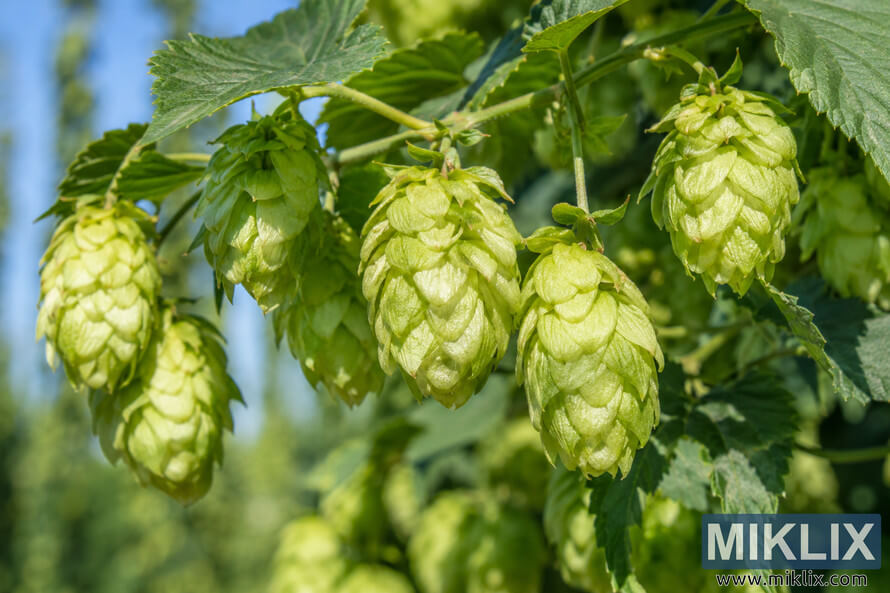
Click or tap the image for more information and higher resolutions.
Whether you're crafting your first pale ale or experimenting with complex hop schedules, understanding Dr Rudi hops will expand your brewing possibilities. This guide walks you through everything from basic characteristics to advanced brewing techniques.
You'll learn exactly how to harness the distinctive aroma profile of this New Zealand hop in your next batch. From proper storage methods to avoiding common pitfalls, we cover the practical details that make the difference between good beer and great beer.
Origin and History of Dr Rudi Hops
Dr Rudi hops emerged from New Zealand's hop breeding program in 1976. This variety resulted from careful selection and cultivation in the unique growing conditions of New Zealand. The name honors Dr. Rudi Haunold, a respected figure in hop research and development.
New Zealand hops have gained international recognition for their distinctive character. The country's terroir imparts unique qualities that differ from traditional European and American varieties. Dr Rudi exemplifies these regional characteristics while maintaining excellent brewing performance.
The variety quickly found favor among brewers seeking something different from conventional hop profiles. Over the decades, Dr. Rudi hops have earned a reputation for reliability and consistent quality. Commercial breweries and homebrewers alike have incorporated this variety into award-winning recipes.
Click or tap the image for more information and higher resolutions.
New Zealand Hop Heritage
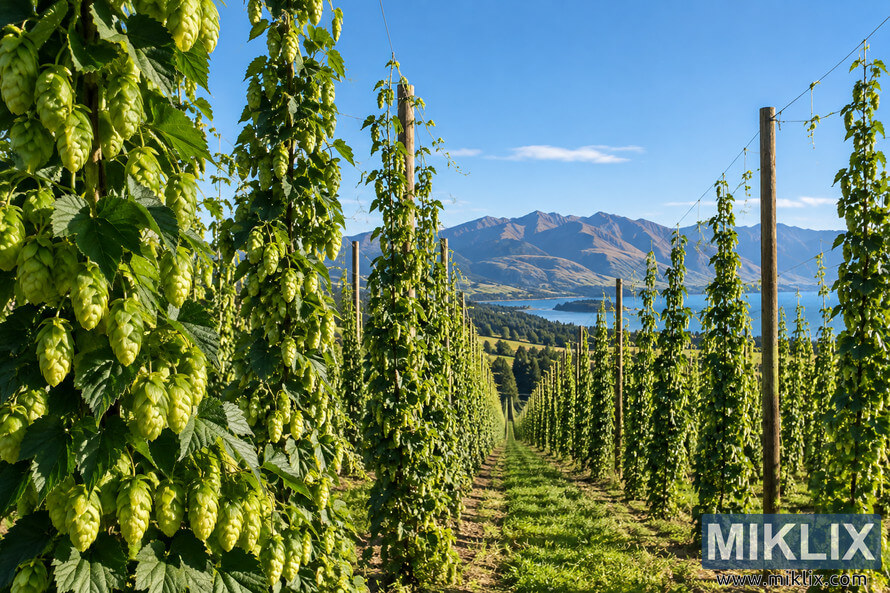
New Zealand's hop industry has produced several world-class varieties. The isolated island nation provides ideal growing conditions with clean air, abundant sunshine, and mineral-rich soil. These environmental factors contribute to the unique character of New Zealand hop varieties.
Dr. Rudi hops represent the tradition of New Zealand hop breeding. The variety balances old-world reliability with new-world character. This combination makes it versatile across multiple beer styles while maintaining a recognizable signature.
Click or tap the image for more information and higher resolutions.
Key Characteristics of Dr Rudi Hops
Understanding the technical specifications of Dr Rudi hops helps brewers make informed decisions. The variety offers a balanced profile that works well in multiple brewing applications. Let's examine the specific characteristics that define this New Zealand hop.
Alpha Acid Content and Bittering Potential
Dr Rudi hops contain alpha acids ranging from 9% to 12%. This moderate to moderately-high alpha acid content makes the variety suitable for both bittering and aroma additions. The consistent alpha acid levels simplify recipe formulation and IBU calculations.
The bittering quality presents as clean and smooth. Unlike some high alpha varieties that can impart harsh bitterness, Dr. Rudi hops provide balanced bittering that doesn't overwhelm the palate. This makes them excellent for hop-forward styles that still require drinkability.
| Component | Range | Average | Brewing Impact |
| Alpha Acids | 9-12% | 10.5% | Moderate bittering power |
| Beta Acids | 6-8% | 7% | Contributes to hop stability |
| Cohumulone | 28-32% | 30% | Smooth bitterness character |
| Total Oil | 1.2-1.8 mL/100g | 1.5 mL/100g | Good aroma intensity |

Click or tap the image for more information and higher resolutions.
Aroma Profile and Flavor Notes
The aroma profile of Dr Rudi hops centers on pine and citrus. Pine characteristics dominate the nose, providing a resinous, fresh quality reminiscent of forest air. Citrus notes follow, offering brightness without overwhelming sweetness.
Secondary flavor notes include subtle fruit undertones. Some brewers detect hints of peach or apricot in the background. These fruit characteristics add complexity without pushing the hop into tropical fruit territory like some New Zealand varieties.
The flavor profile maintains balance throughout the brewing process. Pine and citrus remain the primary characteristics from hot-side additions through dry hopping. This consistency allows brewers to layer multiple additions without creating flavor clashes.
Flavor Tip: Dr Rudi hops pair exceptionally well with pale malts and clean yeast strains. The hop character shines brightest when not competing with heavy malt sweetness or strong yeast esters.

Click or tap the image for more information and higher resolutions.
Oil Composition Breakdown
The essential oil profile determines much of a hop's aromatic contribution. Dr. Rudi hops contain a balanced oil composition that favors myrcene and humulene. These compounds drive the characteristic pine and herbal notes.
Myrcene content typically ranges from 40% to 50% of total oil. This compound contributes to the piney, resinous character. Humulene follows at 15% to 20%, adding herbal and woody notes that complement the pine qualities.
Caryophyllene appears in smaller quantities but adds spicy complexity. The overall hop oil content of 1.2 to 1.8 mL per 100 grams provides sufficient aromatic intensity for late additions and dry hopping applications.
Best Beer Styles for Dr Rudi Hops
Dr Rudi hops shine in specific beer styles that showcase their unique character. The pine and citrus profile works particularly well in styles where hop character takes center stage. Understanding which styles benefit most from this variety helps brewers maximize its potential.

Click or tap the image for more information and higher resolutions.
American Pale Ale and IPA
American pale ale represents the ideal canvas for Dr Rudi hops. The style's moderate alcohol content and balanced malt backbone allow the hop character to express fully. The pine characteristics complement the clean bitterness expected in well-crafted pale ales.
India Pale Ale formulations benefit from Dr. Rudi's versatility. The variety works well as both a bittering and aroma hop in IPA recipes. Consider using Dr Rudi hops for 30% to 50% of the total hop bill to maintain complexity while showcasing its distinctive profile.
Pale Ale Recipe Foundation
- 60-minute addition for clean bittering (25-35 IBU)
- 15-minute addition for flavor development
- Flame-out addition for aroma preservation
- Dry hop 3-5 days for maximum nose
IPA Hop Schedule
- First wort hopping for smooth bitterness (20-30 IBU)
- Multiple late additions (10, 5, 0 minutes)
- Whirlpool addition at 180°F for 20 minutes
- Double dry hop during active fermentation and post-fermentation
Pilsner and Lager Applications
Pilsner styles can incorporate Dr Rudi hops for a modern twist on traditional recipes. The variety provides enough bitterness for the style while adding subtle complexity. Use Dr. Rudi hops sparingly in pilsners to avoid overpowering the delicate malt character.
Lager applications benefit from the clean bittering quality of Dr Rudi hops. The variety doesn't introduce harsh or lingering bitterness that can detract from lager crispness. A 60-minute addition provides sufficient IBUs while maintaining the style's characteristic finish.
Consider Dr Rudi hops for hop-forward lager styles like India Pale Lager. The variety's profile translates well to clean fermentations. The pine and citrus notes remain distinct even when paired with neutral lager yeast strains.

Click or tap the image for more information and higher resolutions.
Experimental and Hybrid Styles
Craft brewers have successfully incorporated Dr Rudi hops into hybrid styles. The variety works well in session IPAs where moderate alcohol requires efficient hop utilization. The strong aroma profile delivers impact without needing excessive hop quantities.
New Zealand-inspired pale ales showcase Dr. Rudi alongside other New Zealand hop varieties. Combining Dr Rudi hops with varieties like Motueka or Nelson Sauvin creates complex, regionally-themed beers. The pine character provides an anchor for more tropical hop varieties.
Blonde Ale
Light, refreshing base with subtle hop character. Dr Rudi adds complexity without overwhelming the delicate malt sweetness.

Click or tap the image for more information and higher resolutions.
Session IPA
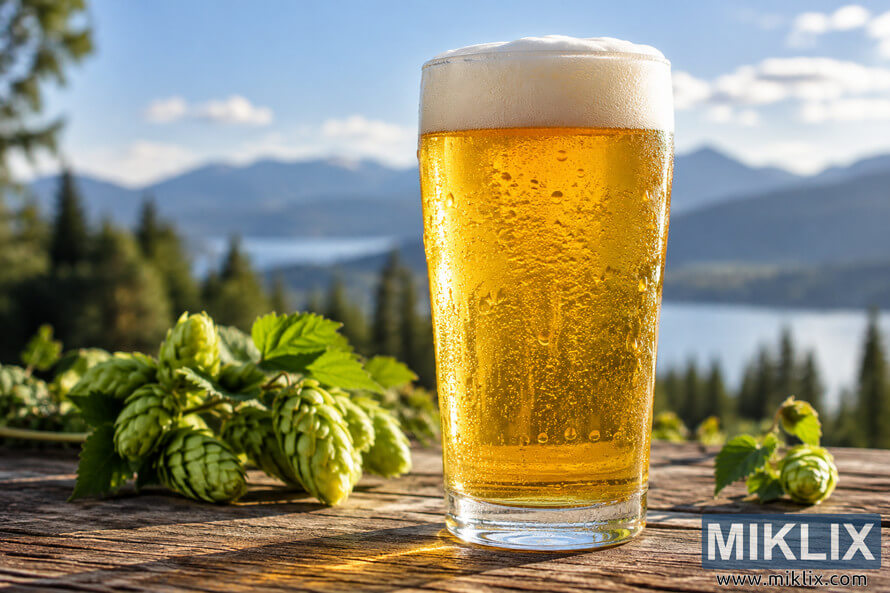
Lower alcohol content showcases hop flavor intensity. The strong aroma profile of Dr. Rudi hops delivers full impact at lower ABV.
Click or tap the image for more information and higher resolutions.
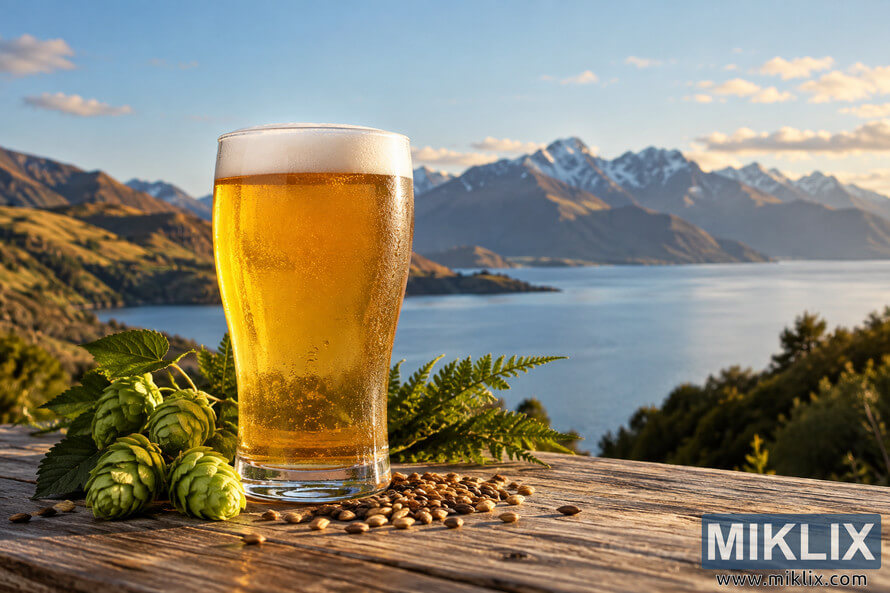
New Zealand Pale
Regional showcase featuring multiple New Zealand hops. Dr Rudi provides the pine foundation for tropical fruit accents from other varieties.
Click or tap the image for more information and higher resolutions.
Practical Brewing Tips for Homebrewers
Successfully brewing with Dr Rudi hops requires understanding proper techniques and timing. These practical tips help homebrewers extract maximum flavor and aroma while avoiding common mistakes. Each brewing decision impacts the final hop character in your finished beer.
Water Chemistry Considerations
Water chemistry significantly affects hop expression. Dr Rudi hops perform best in water with moderate sulfate levels. A sulfate-to-chloride ratio of 2:1 enhances hop sharpness and accentuates the pine characteristics.
Avoid excessive water hardness that can introduce harsh, mineral flavors. Total dissolved solids should remain below 400 ppm for optimal hop flavor extraction. The citrus notes in Dr. Rudi hops shine brightest in clean water profiles.
pH management during mash and boil affects hop utilization. Target a mash pH between 5.2 and 5.4 for proper enzyme activity. Boil pH slightly lower around 5.0 to 5.2 helps isomerize alpha acids efficiently and extract clean bitterness.
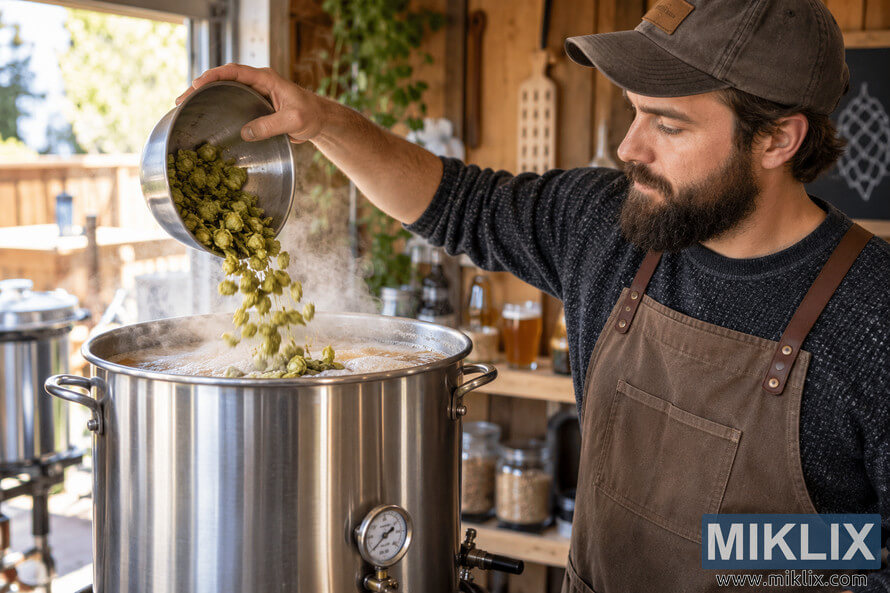
Water Profile Recommendation: Calcium 50-100 ppm, Sulfate 150-250 ppm, Chloride 50-100 ppm, Magnesium 10-20 ppm. This profile balances hop expression with overall beer quality.
Click or tap the image for more information and higher resolutions.
Temperature Control During Hop Additions
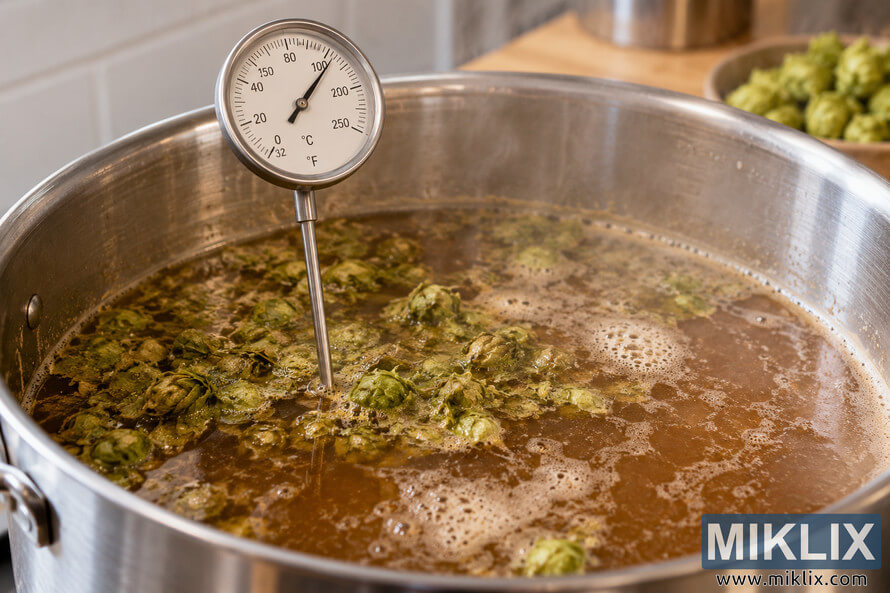
Temperature management preserves delicate hop aromatics. Whirlpool additions work best between 170°F and 180°F. This temperature range extracts essential oils without driving off volatile compounds through excessive steam.
Boil vigor affects hop utilization and character. A rolling boil during bittering additions ensures proper isomerization. Reduce heat during late additions to minimize volatile oil loss while still extracting flavor compounds.
Post-boil temperature drops should occur relatively quickly. Extended time above 180°F continues to drive off aromatics. Consider using an immersion chiller or ice bath to rapidly cool wort after hop stand additions.
Click or tap the image for more information and higher resolutions.
Optimal Mash and Fermentation Practices
Mash composition influences how hop character presents in finished beer. Higher mash temperatures (154-156°F) create more residual sweetness that can balance hop bitterness. Lower temperatures (148-150°F) produce drier beer that showcases hop character more prominently.
Fermentation temperature affects hop aroma retention. Fermenting at the lower end of yeast temperature range preserves more hop aromatics. For American ale yeast strains, target 65-67°F during active fermentation when using Dr Rudi hops.
Yeast selection matters significantly. Clean American ale strains like US-05 or WLP001 allow Dr. Rudi hop character to shine. More expressive yeast strains can compete with or alter the pine and citrus profile.
Best Practices
- Use fresh hops stored properly in oxygen-barrier bags
- Measure alpha acids and adjust recipes accordingly
- Rapid chill wort to preserve hop aromatics
- Ferment cool to retain hop character
- Package quickly to minimize oxygen exposure
- Serve fresh within 60 days for peak aroma
Common Mistakes
- Using old or improperly stored hops
- Boiling late additions too vigorously
- Excessive dry hop contact time causing grassy notes
- Fermenting too warm and losing hop aroma
- Poor oxygen management during packaging
- Aging beer too long before consumption
Equipment and Process Optimization
Hop bags or baskets simplify removal after steep additions. Stainless steel mesh hop spiders contain pellets while allowing good wort circulation. This equipment prevents clogging during transfer and makes cleanup easier.
Closed transfer systems preserve hop aroma during packaging. Purge kegs with CO2 before filling. Minimize splashing and oxygen introduction throughout the entire process from brew day through serving.
Grain-to-glass time impacts hop-forward beers significantly. Plan brewing schedules to minimize time between packaging and consumption. Dr Rudi hop character peaks within the first month after packaging and gradually fades thereafter.
Recommended Usage Rates and Timing
Proper hop addition timing and quantity determines the final beer character. Dr Rudi hops work across all addition points from first wort to dry hop. Understanding how each addition contributes helps brewers create balanced, flavorful beer.
First Wort Hopping Techniques
First wort hopping involves adding hops to the kettle before the boil begins. Add Dr Rudi hops to the kettle as you run off wort from the mash tun. This technique produces smooth, integrated bitterness with enhanced hop flavor complexity.
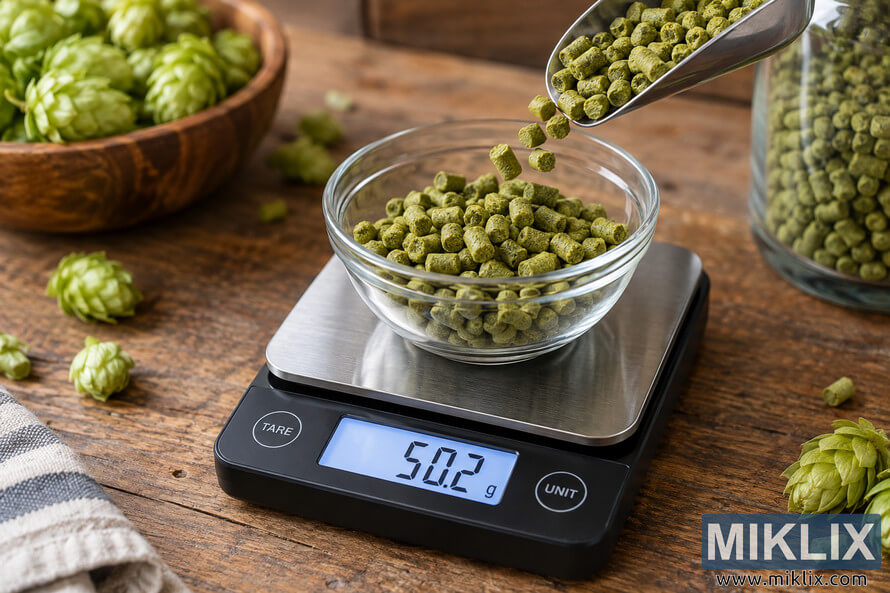
Usage rate for first wort hopping typically ranges from 0.5 to 1.0 oz per 5-gallon batch. The extended contact time with hot wort extracts flavor compounds gently. This method contributes approximately 10% more bitterness than calculated for a 60-minute addition.
First wort hopping suits Dr. Rudi hops particularly well. The technique emphasizes the variety's smooth bittering character while building a foundation for later hop additions. Consider this method for any recipe where Dr Rudi serves as the primary hop variety.
Click or tap the image for more information and higher resolutions.
Boil Addition Strategies
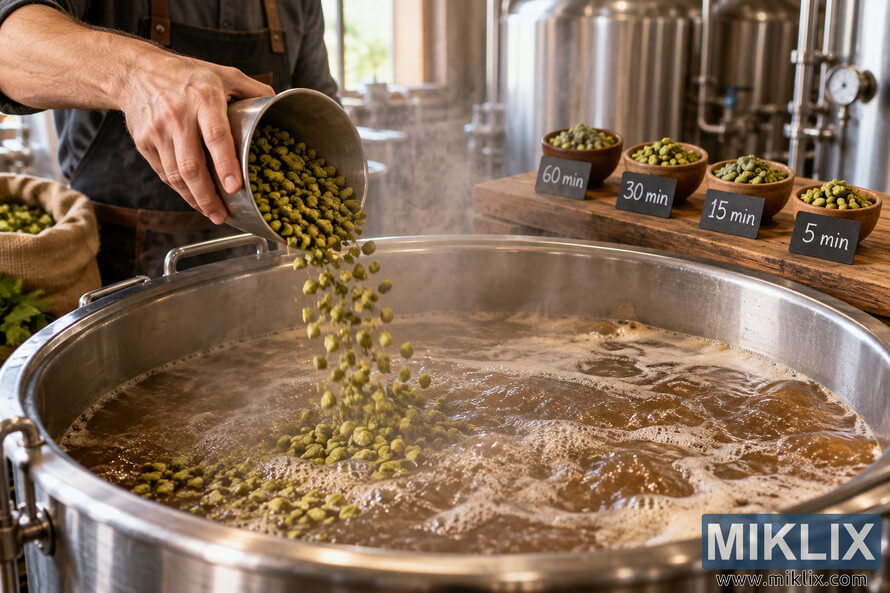
60-minute additions extract maximum bitterness from alpha acids. Use 0.5 to 1.5 oz of Dr Rudi hops for bittering in a 5-gallon batch depending on target IBUs. Calculate based on the specific alpha acid percentage of your hop lot.
20-minute additions balance bitterness and flavor. This timing provides moderate isomerization while preserving some aromatic qualities. Add 0.25 to 0.75 oz at this point for flavor development without excessive bitterness.
5-minute additions emphasize flavor over bitterness. Late boil additions contribute minimal IBUs but significant flavor impact. Use 0.5 to 1.0 oz of Dr. Rudi hops for pronounced pine and citrus character with restrained bitterness.
Click or tap the image for more information and higher resolutions.
| Addition Timing | Amount (5 gal) | Purpose | Character Contribution |
| First Wort | 0.5-1.0 oz | Smooth bittering | Integrated bitterness, subtle flavor |
| 60 minutes | 0.5-1.5 oz | Primary bittering | Clean bitterness, no aroma |
| 20 minutes | 0.25-0.75 oz | Flavor development | Moderate bitterness, emerging flavor |
| 5 minutes | 0.5-1.0 oz | Flavor emphasis | Strong flavor, minimal bitterness |
| Flame-out | 1.0-2.0 oz | Aroma foundation | Significant aroma, moderate flavor |
| Whirlpool 30 min | 1.0-3.0 oz | Maximum aroma | Intense aroma, full flavor |
| Dry Hop | 1.0-4.0 oz | Peak aroma | Explosive aroma, zero bitterness |
Hop Stand and Whirlpool Parameters
Hop stand additions occur after flame-out with temperature control. Add 1.0 to 3.0 oz of Dr Rudi hops at flame-out, then maintain 170-180°F for 20-30 minutes. This extended contact extracts maximum aroma with minimal additional bitterness.
Whirlpool technique combines with hop stand for professional results. Create a whirlpool in your kettle to settle trub and hops in the center. This clarifies wort while allowing extended hop contact. The movement helps extract essential oils efficiently.
Temperature management during hop stand proves critical. Temperatures above 185°F drive off volatile aromatics through steam. Below 165°F, extraction becomes inefficient and increases vegetal character risk. Maintain the sweet spot of 170-180°F throughout the stand.
Dry Hopping Methods and Rates
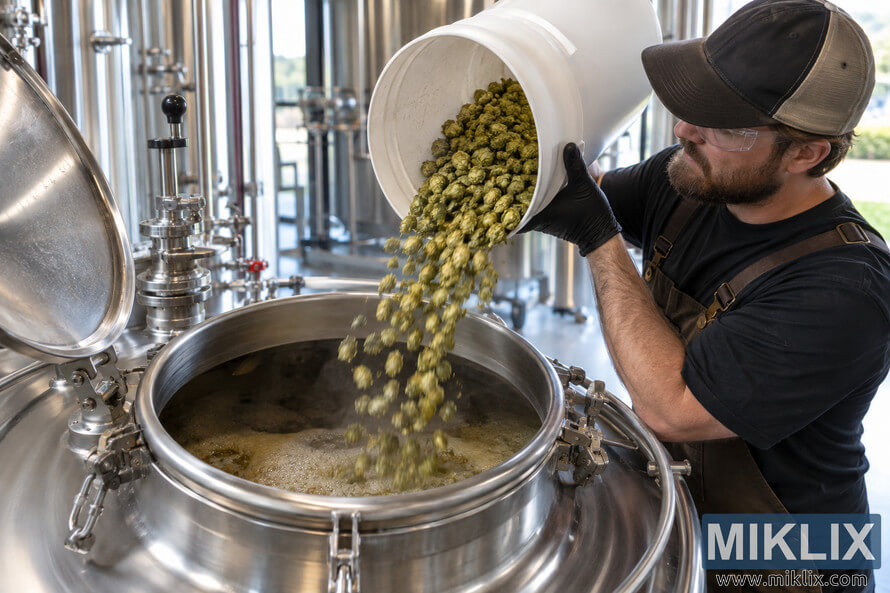
Dry hopping delivers the most intense aroma from Dr Rudi hops. Add 1.0 to 4.0 oz per 5-gallon batch depending on desired intensity. Pellet hops work well for homebrewers due to easy handling and efficient aroma extraction.
Timing of dry hop addition affects the final character. Adding during active fermentation (day 3-4) allows CO2 scrubbing to carry aromatics into the beer naturally. Post-fermentation dry hopping (day 7-10) preserves more delicate aromatics but requires careful oxygen management.
Contact time for dry hopping should be 3-5 days. Extended contact beyond 7 days can introduce grassy or vegetal notes. Some brewers prefer two separate dry hop additions for complexity, splitting the total amount between active and post-fermentation.
Important: Excessive dry hopping can create hop burn and vegetal flavors. More is not always better. Start with conservative amounts and increase in future batches if desired. Most homebrewers find 2-3 oz per 5 gallons provides substantial aroma without negative effects.
Click or tap the image for more information and higher resolutions.
Calculating IBU Contributions
Understanding IBU calculations helps achieve target bitterness. Use brewing software or online calculators that account for boil time, hop quantity, alpha acid percentage, and wort gravity. These factors all influence final bitterness levels.
Dr Rudi hop utilization follows standard patterns. 60-minute boil additions typically achieve 25-30% utilization. Utilization decreases as boil time shortens. Late additions and hop stands contribute minimal IBUs despite adding significant flavor.
Adjusting recipes requires understanding your specific brewing system. Homebrewers typically see slightly lower utilization than commercial breweries. Track your results and adjust calculations based on measured bitterness in finished beer if possible.
Comparison with Similar Hop Varieties
Understanding how Dr Rudi hops compare to similar varieties helps brewers make substitution decisions and create unique hop combinations. Several hop varieties share characteristics with Dr. Rudi while offering their own distinct qualities.
New Zealand Hop Varieties
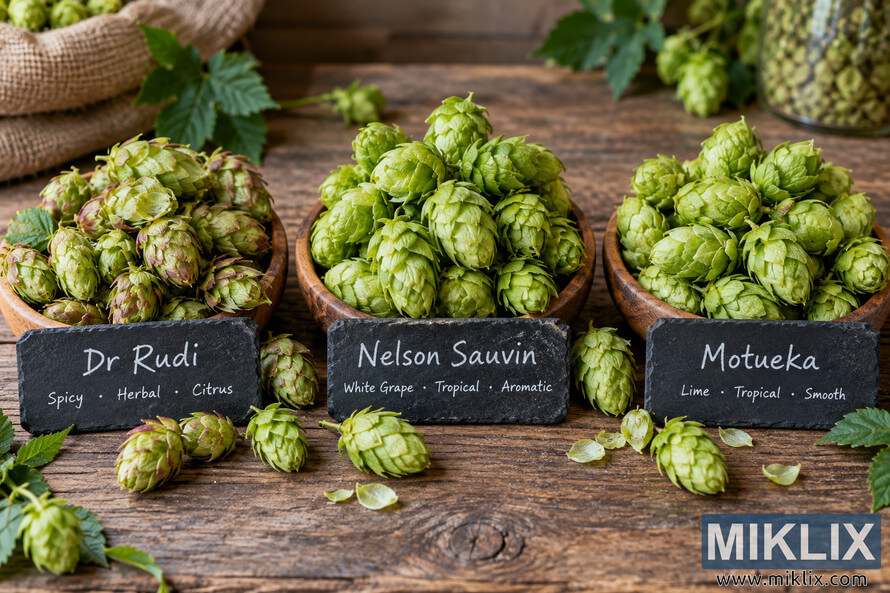
Other New Zealand hops provide the closest comparison to Dr Rudi. Nelson Sauvin offers more pronounced fruit character with white wine qualities. Motueka presents lime and tropical fruit notes that differ from Dr Rudi's pine focus.
Wakatu provides a softer, more floral profile compared to Dr. Rudi hops. The alpha acid content sits slightly lower, making Wakatu better suited for aroma-focused applications. Both varieties work well together in New Zealand-inspired recipes.
Riwaka delivers intense grapefruit and passion fruit aromatics. This variety pushes into tropical territory more aggressively than Dr Rudi hops. Consider blending the two for complexity that balances pine structure with tropical fruit highlights.
Dr Rudi Profile
- Pine dominant character
- Citrus secondary notes
- Moderate alpha acids (9-12%)
- Clean, smooth bitterness
- Versatile across applications
- Subtle fruit undertones
Nelson Sauvin Profile
- White wine grape character
- Tropical fruit dominant
- Higher alpha acids (12-14%)
- Distinctive, bold bitterness
- Best in late additions
- Pronounced fruit aromatics
Motueka Profile
- Lime and lemon character
- Tropical fruit accents
- Lower alpha acids (6-8%)
- Gentle, soft bitterness
- Primarily aroma hop
- Bright citrus focus
Click or tap the image for more information and higher resolutions.
American Hop Alternatives
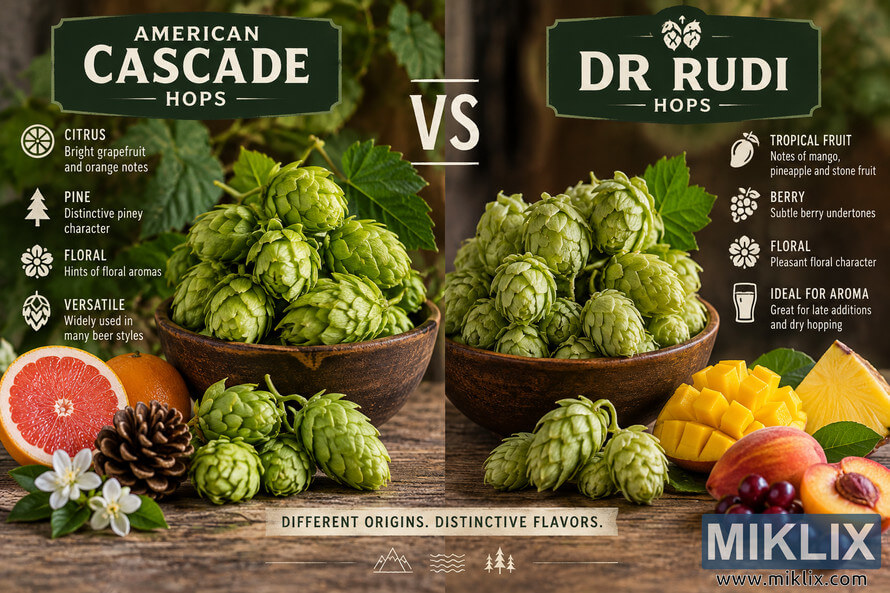
Cascade represents the closest American equivalent to Dr Rudi hops. Both varieties feature citrus and floral notes, though Cascade leans more toward grapefruit while Dr. Rudi emphasizes pine. Alpha acid levels are comparable, making them reasonable substitutes in recipes.
Centennial shares the citrus profile but adds more intense floral characteristics. The variety provides slightly higher alpha acids (9-12%) similar to Dr Rudi hops. Centennial works well as a substitute in American pale ales and IPAs.
Columbus delivers pine character comparable to Dr. Rudi but with significantly higher alpha acids (14-16%). Use Columbus primarily for bittering and combine with Dr Rudi hops for aroma. This combination provides efficiency and character complexity.
Click or tap the image for more information and higher resolutions.
Substitution Guidelines and Blending
Substituting hops requires adjusting for alpha acid differences. If replacing Dr Rudi hops with a variety containing different alpha acid levels, calculate the weight needed to match your target IBUs. Brewing software simplifies these calculations.
Flavor profile matching matters more than perfect IBU replacement in late additions. Choose substitutes based on desired character rather than just alpha acid content. For aroma additions, select hops that provide similar pine or citrus qualities.
Blending hop varieties creates complexity beyond single-variety beers. Combine Dr. Rudi with complementary varieties at a 50/50 or 60/40 ratio. This approach maintains the Dr Rudi character while adding depth from secondary hop varieties.
| Hop Variety | Alpha Acids | Primary Character | Best Substitution Use | Substitution Ratio |
| Cascade | 4-7% | Citrus, floral, grapefruit | All additions | 1.5:1 for bittering |
| Centennial | 9-12% | Citrus, floral, pine | All additions | 1:1 direct substitute |
| Columbus | 14-16% | Pine, earthy, pungent | Bittering primarily | 0.7:1 for bittering |
| Nelson Sauvin | 12-14% | White wine, tropical fruit | Aroma and dry hop | 1:1 for character change |
| Motueka | 6-8% | Lime, tropical fruit | Aroma and dry hop | 1.5:1 for aroma |
Storage and Shelf Life Recommendations
Proper storage preserves hop quality and brewing potential. Dr Rudi hops lose alpha acids and essential oils when exposed to oxygen, light, and heat. Following proper storage protocols ensures your hops perform as expected on brew day.
Optimal Storage Conditions
Freezer storage provides the best long-term hop preservation. Store Dr Rudi hops at 0°F or below in oxygen-barrier packaging. Mylar bags or vacuum-sealed packages work better than standard zip-top bags that allow oxygen penetration.
Minimize freeze-thaw cycles that degrade hop quality. Remove only the amount needed for each batch and return the remainder to the freezer immediately. Each temperature fluctuation accelerates quality loss.
Light exposure degrades hops rapidly through photochemical reactions. Store hops in opaque containers or keep them in the original foil packaging. Never store hops in clear containers even if refrigerated or frozen.
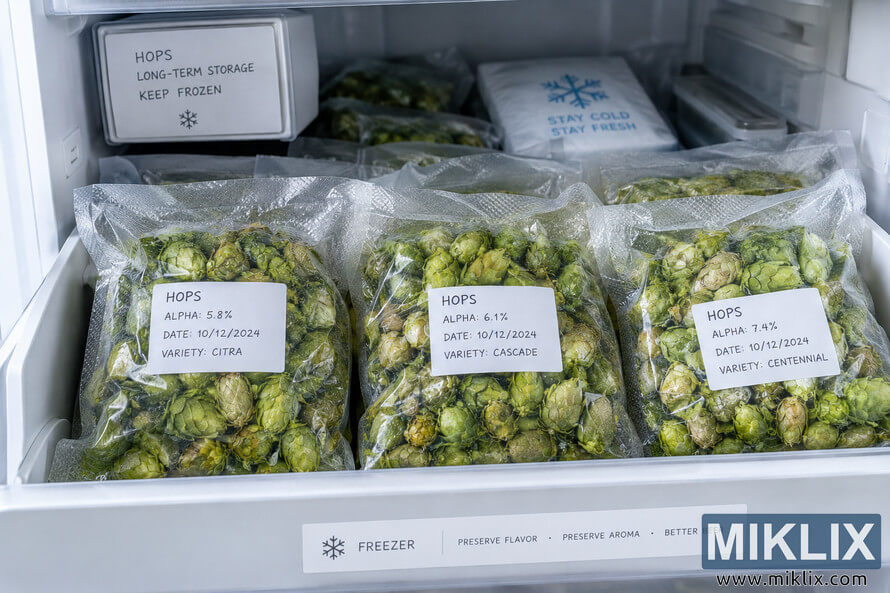
Click or tap the image for more information and higher resolutions.
Storage Duration Guidelines
- Freezer storage (0°F): 1-2 years with minimal quality loss
- Refrigerator storage (35-40°F): 3-6 months before noticeable degradation
- Room temperature storage: 1-2 months maximum, not recommended
- Vacuum sealed vs regular: 2x longer shelf life with proper vacuum sealing
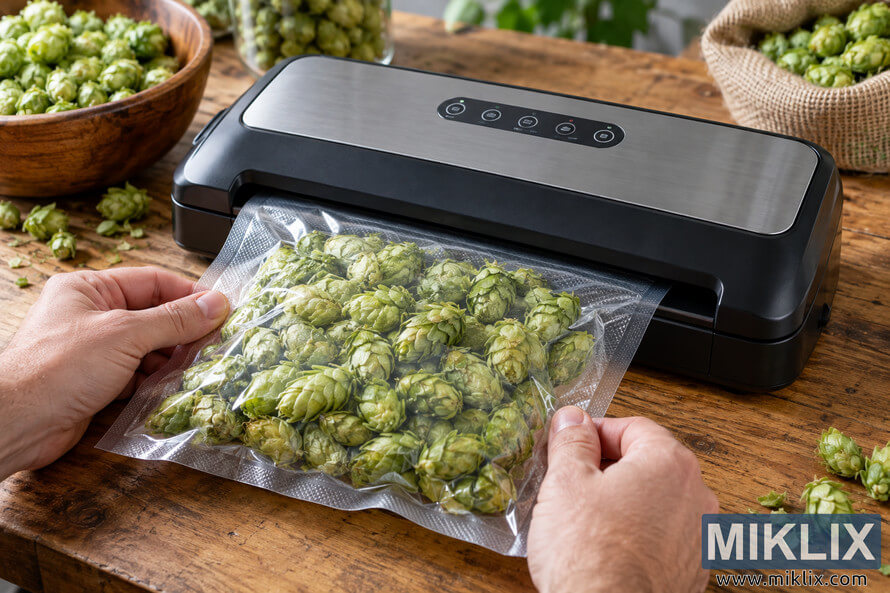
Click or tap the image for more information and higher resolutions.
Quality Assessment Before Use
Evaluate hop quality before brewing to avoid disappointing results. Fresh Dr Rudi hops present vibrant green color and strong pine-citrus aroma when the package opens. Faded color or weak aroma indicates quality degradation.
Check for oxidation signs including brown discoloration or cheesy, sweaty aromatics. Oxidized hops smell unpleasant and produce off-flavors in beer. When in doubt, discard questionable hops rather than risk ruining an entire batch.
Alpha acid degradation occurs even with proper storage. Hops stored longer than one year may show 20-30% alpha acid loss. Adjust recipe calculations to compensate for this predictable degradation if using older hop stocks.
Freshness Check: Open the hop package and immediately smell the contents. Fresh Dr. Rudi hops should deliver a strong, pleasant pine and citrus aroma. If the smell seems weak, musty, or off-putting, the hops have likely degraded beyond useful brewing quality.
Packaging Considerations for Homebrewers
Purchase hops in quantities matching your brewing frequency. Buying in bulk saves money but only makes sense if you can store and use the hops before quality degrades. For occasional brewers, smaller 1-2 oz packages prevent waste.
Repackaging hops for long-term storage extends their useful life. Transfer hops from manufacturer packaging into vacuum-sealed mylar bags with oxygen absorbers. This extra step provides superior protection compared to simply refrigerating in original packaging.
Label all stored hops with variety name, alpha acid percentage, and storage date. Dr Rudi hops from different crop years may have varying alpha acid levels. Proper labeling prevents confusion and enables accurate recipe calculations.
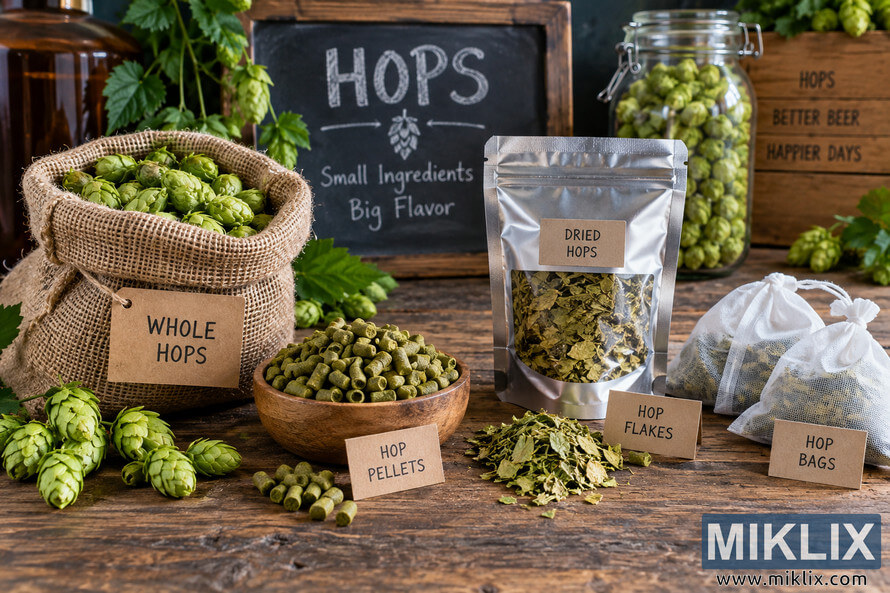
Click or tap the image for more information and higher resolutions.
Signs of Degraded Hops
Visual indicators of hop degradation include color changes from bright green to brown or tan. This discoloration results from oxidation and signals diminished brewing value. The lupulin glands inside hop cones darken as essential oils degrade.
Aromatic changes provide the most reliable quality assessment. Fresh hops smell vibrant and appealing. Degraded hops develop cheesy, sweaty, or musty odors. These off-aromas transfer directly to finished beer.
Texture changes indicate advanced degradation. Fresh hop pellets remain firm and intact. Degraded pellets become powdery or sticky. This texture change results from chemical breakdown of hop components.
Storage Warning: Never store hops at room temperature for extended periods. Even one month at room temperature can reduce alpha acids by 30-40% and destroy delicate essential oils. Always refrigerate or freeze hops immediately after purchase.
Common Pitfalls to Avoid When Brewing with Dr Rudi Hops
Even experienced homebrewers encounter problems when working with unfamiliar hop varieties. Dr Rudi hops present specific challenges that can diminish beer quality if not addressed. Learning from common mistakes helps brewers achieve better results on the first attempt.
Overhopping and Hop Burn
Excessive hop quantities create harsh, astringent flavors rather than pleasant bitterness. Hop burn manifests as an unpleasant, lingering bitterness that doesn't fade with carbonation or time. This problem occurs most often with aggressive dry hopping rates.
Start with conservative hopping rates when first using Dr. Rudi hops. A total of 4-6 oz per 5-gallon batch across all additions provides substantial hop character without crossing into excessive territory. Increase amounts gradually in future batches based on results.
Extended dry hop contact time exacerbates hop burn. Limit dry hopping to 3-5 days maximum. Remove hops promptly or rack beer off the hops after this period. Prolonged contact extracts harsh polyphenols that create astringency.
Hopping Rate Guide: For your first Dr Rudi batch, use a conservative total of 4 oz per 5 gallons split between bittering (1 oz at 60 min), flavor (1 oz at 15 min), aroma (1 oz at flame-out), and dry hop (1 oz post-fermentation). Increase by 1-2 oz in subsequent batches if desired.
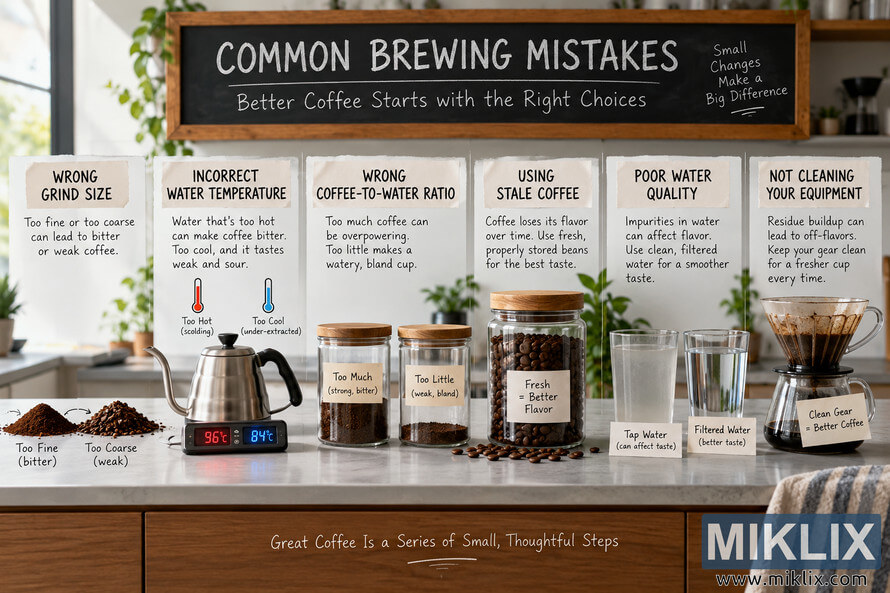
Click or tap the image for more information and higher resolutions.
Temperature and Timing Errors
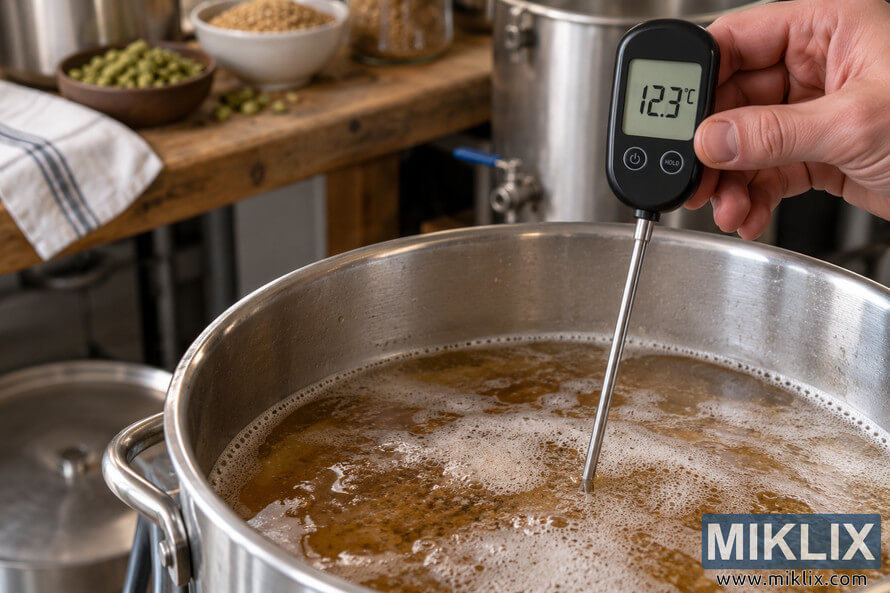
Boiling late hop additions too vigorously drives off aromatic compounds. Reduce heat during the final 10 minutes of the boil to maintain temperature without excessive rolling boil. Gentler conditions preserve more delicate essential oils from Dr Rudi hops.
Hop stand temperature control failures waste hop potential. Temperatures above 185°F volatilize aromatics that escape with steam. Below 165°F, extraction becomes inefficient. Maintain 170-180°F throughout the entire hop stand for optimal results.
Adding dry hops too early during fermentation can result in aroma loss. Active fermentation scrubs some aromatics out with CO2. While this provides some benefits, adding all dry hops during peak fermentation wastes potential. Split dry hop additions between active fermentation and post-fermentation.
Click or tap the image for more information and higher resolutions.
Water Chemistry Mistakes
Ignoring water chemistry prevents Dr Rudi hops from expressing their full potential. Excessive chloride levels emphasize malt sweetness at the expense of hop character. Aim for higher sulfate ratios (2:1 sulfate to chloride) to enhance hop perception.
Chlorine and chloramine in municipal water create medicinal phenols when combined with beer compounds. These off-flavors mask hop character and ruin beer. Always treat brewing water to remove chlorine and chloramine before use.
pH problems during mash and boil affect hop utilization and character. High boil pH reduces hop isomerization efficiency and can create harsh bitterness. Monitor and adjust pH to maintain optimal ranges throughout the brewing process.
Recipe Balance Issues
Insufficient malt backbone fails to support hop-forward recipes. Dr Rudi hops need adequate malt foundation to showcase their character properly. Target original gravity of at least 1.050 for pale ales and 1.060+ for IPAs featuring this variety.
Wrong yeast selection competes with hop character. Highly expressive British or Belgian yeast strains can clash with Dr. Rudi's pine and citrus profile. Clean American ale strains (US-05, WLP001, Wyeast 1056) provide the best canvas for hop expression.
Excessive crystal malt creates residual sweetness that muddles hop character. Limit crystal malts to 5-10% of the grain bill in hop-forward styles. Too much caramel sweetness prevents the pine and citrus notes from presenting clearly.
Measure accurately: Use a scale for all hop additions. Volume measurements lack precision needed for consistent results. Digital scales reading to 0.1 oz ensure reproducible recipes.
Calculate IBUs properly: Account for wort gravity, boil time, and specific alpha acid percentages. Generic calculations produce unreliable results. Use brewing software with your specific parameters.
Control oxygen exposure: Minimize oxygen contact after fermentation begins. Oxidation destroys hop aromatics rapidly. Purge kegs and bottles with CO2 before packaging.
Document everything: Keep detailed notes on hop lots, additions, and results. Alpha acids vary between crops. Documentation enables recipe refinement and troubleshooting.
Taste hops before brewing: Evaluate hop quality by tasting and smelling before brew day. This simple check prevents using degraded hops that would produce inferior beer.
Click or tap the image for more information and higher resolutions.
Fermentation and Packaging Problems
Fermenting too warm drives off hop aromatics through increased CO2 production. Maintain fermentation temperature at the lower end of yeast range (65-67°F for most ale strains). This preserves more hop character in finished beer.
Packaging before fermentation completes causes refermentation in bottles or kegs. This pushes hop aromatics out with renewed CO2 production. Verify final gravity stability before packaging beer containing Dr. Rudi hops.
Extended aging diminishes hop character significantly. Dr Rudi hop aromatics fade within 60-90 days of packaging. Plan brewing schedules to ensure consumption while the beer remains at peak freshness.
Sample Recipes Using Dr Rudi Hops
Practical recipe examples demonstrate how to use Dr Rudi hops effectively. These tested formulations provide starting points for brewers ready to experiment with this New Zealand variety. Adjust to your system and preferences based on these foundations.
Classic New Zealand Pale Ale
This recipe showcases Dr. Rudi hops as the star ingredient. The simple malt bill provides support without competing for attention. Clean fermentation allows the hop character to shine through unobstructed.
Grain Bill (5 gallons)
- 9 lbs American 2-row pale malt
- 1 lb Munich malt (10L)
- 0.5 lb Carapils/Dextrine malt
- 0.25 lb Crystal 40L
Mash: 152°F for 60 minutes
Expected OG: 1.055
Expected FG: 1.012
ABV: 5.6%
Hop Schedule
- 0.75 oz Dr Rudi (10% AA) - 60 minutes (21 IBU)
- 0.5 oz Dr Rudi - 15 minutes
- 1 oz Dr Rudi - 5 minutes
- 1.5 oz Dr Rudi - Flame-out/whirlpool at 175°F for 20 min
- 2 oz Dr Rudi - Dry hop days 3-7
Yeast: US-05 or WLP001
Fermentation: 66°F for 10-14 days

Click or tap the image for more information and higher resolutions.
Dr Rudi Session IPA
Session strength beer requires efficient hop utilization to achieve impact at lower ABV. This recipe maximizes flavor through strategic late additions and dry hopping while maintaining balance and drinkability.
| Ingredient | Amount | Notes |
| 2-Row Pale Malt | 7 lbs | Base malt 90% |
| White Wheat Malt | 0.5 lb | Body and head retention |
| Carapils | 0.25 lb | Mouthfeel enhancement |
| Dr Rudi - FWH | 0.5 oz | Smooth bitterness foundation |
| Dr Rudi - 10 min | 1 oz | Flavor emphasis |
| Dr Rudi - Flame-out | 2 oz | Whirlpool 20 min at 175°F |
| Dr Rudi - Dry Hop | 2.5 oz | Days 4-8 of fermentation |
Target Stats: OG 1.044, FG 1.010, ABV 4.5%, IBU 35
Yeast: Wyeast 1056 American Ale at 65°F
Pine Forest Pilsner
Modern pilsner interpretation featuring Dr Rudi hop character. This recipe balances traditional pilsner elegance with new-world hop aromatics. The result showcases how Dr. Rudi hops work in clean, crisp lager styles.
Recipe Overview
Style: Hoppy Pilsner / India Pale Lager
Batch Size: 5 gallons
Boil Time: 90 minutes
Efficiency: 72%
Fermentables
- 9 lbs Pilsner malt (German or Bohemian)
- 1 lb Vienna malt
- 0.5 lb Acidulated malt (water adjustment)
Mash: 148°F for 90 minutes (promotes dryness)
Hops
- 1 oz Dr Rudi (10% AA) - 60 min (28 IBU)
- 0.5 oz Dr Rudi - 10 min
- 1 oz Dr Rudi - 0 min
- 1.5 oz Dr Rudi - Dry hop at 40°F for 5 days
Fermentation
Yeast: WLP830 German Lager or W-34/70
Primary: 50°F for 14 days
Diacetyl Rest: 65°F for 2 days
Lager: 35°F for 4 weeks
Click or tap the image for more information and higher resolutions.
Frequently Asked Questions
Can I use Dr Rudi hops as a single-hop variety?
Yes, Dr Rudi hops work excellently as a single-hop variety. The balanced profile provides sufficient complexity for standalone use. Many brewers create single-hop pale ales and IPAs to showcase the distinctive pine and citrus character. The variety delivers adequate bittering power and aroma intensity without requiring complementary hop varieties.
How does Dr Rudi compare to other New Zealand hops?
Dr. Rudi hops emphasize pine and citrus more than tropical fruit, distinguishing them from varieties like Nelson Sauvin or Motueka. The profile sits between traditional American citrus hops and intensely fruity New Zealand varieties. Dr Rudi provides more restraint and balance compared to bold, tropical-forward New Zealand hop varieties while still offering regional character.
What's the best dry hopping rate for Dr Rudi?
For balanced hop presence, use 2-3 oz per 5-gallon batch. Hop-forward styles benefit from 3-4 oz per 5 gallons. Exceeding 4 oz per 5 gallons risks hop burn and vegetal flavors. Start conservative and increase in subsequent batches based on preference. Contact time of 3-5 days provides optimal aroma extraction without harsh characteristics.
Can Dr Rudi hops be used in lagers?
Dr Rudi hops perform well in lager styles, especially hop-forward variants like India Pale Lager. The clean bittering quality complements crisp lager fermentation. Use primarily for bittering in traditional pilsners, or feature more prominently in modern hoppy lagers. The variety's profile remains distinct even when paired with neutral lager yeast strains.
How long do Dr Rudi hops stay fresh?
Properly stored in a freezer at 0°F, Dr Rudi hops maintain quality for 1-2 years. Refrigerated hops last 3-6 months before noticeable degradation. Room temperature storage degrades hops rapidly within 1-2 months. Always store in oxygen-barrier packaging and minimize temperature fluctuations. Check for bright green color and strong pine-citrus aroma before use.
What water profile works best with Dr Rudi hops?
Target a sulfate-forward water profile to enhance hop character. Aim for 150-250 ppm sulfate and 50-100 ppm chloride (2:1 or 3:1 sulfate-to-chloride ratio). Maintain calcium between 50-100 ppm for proper brewing chemistry. This profile accentuates the pine and citrus characteristics while preventing malt sweetness from overwhelming hop perception.
Should I adjust recipes for different alpha acid levels?
Yes, always adjust for actual alpha acid content listed on your hop package. Dr Rudi ranges from 9-12% alpha acids between crops. Calculate required weight to achieve target IBUs using brewing software. A batch formulated for 10% AA hops requires adjustment if your hops measure 12% AA. This ensures consistent bitterness across batches.
Can beginners successfully brew with Dr Rudi hops?
Dr Rudi hops suit brewers of all experience levels. The variety's balanced profile and moderate alpha acids make it forgiving for beginners. Start with a simple pale ale recipe using straightforward hop additions. The distinctive character provides clear feedback on technique success. More experienced brewers can explore complex hop schedules and blending strategies.
Click or tap the image for more information and higher resolutions.
Conclusion
Dr Rudi hops offer homebrewers a distinctive New Zealand variety with versatile brewing applications. The characteristic pine and citrus profile creates memorable beers across multiple styles. From pale ales to pilsners, this hop variety delivers consistent quality and unique character.
Success with Dr. Rudi hops depends on proper storage, accurate measurements, and appropriate techniques. Follow the usage rates and timing recommendations outlined in this guide. Pay attention to water chemistry, temperature control, and fermentation management for optimal results.
Start with conservative hopping rates and simple recipes to learn the variety's character. Gradually experiment with more complex hop schedules and blending strategies as you gain experience. The moderate alpha acid content and balanced profile make Dr Rudi hops forgiving for brewers at all skill levels.
Source your hops from reputable suppliers who provide proper storage and lot analysis. Fresh Dr Rudi hops stored correctly will reward you with vibrant pine and citrus aromatics. Remember that hop character fades over time, so brew and consume your hop-forward beers within 60-90 days of packaging.
The brewing community continues to discover new applications for this classic New Zealand hop. Share your experiences and recipes with fellow homebrewers. Each batch teaches something new about how Dr Rudi hops express themselves in different contexts.

Click or tap the image for more information and higher resolutions.
Further Reading
If you enjoyed this post, you may also like these suggestions: