
Hops in Beer Brewing: Pacific Gem
Published: January 1, 2026 at 8:13:29 PM UTC
Pacific Gem is a New Zealand hop variety that plays a crucial role in modern brewing. Developed by the New Zealand Institute for Plant and Food Research in 1987, it combines Smoothcone, Californian Late Cluster, and Fuggle. Known for its high-alpha content, Pacific Gem is an early-to-mid season hop. It excels as a first addition for bittering.
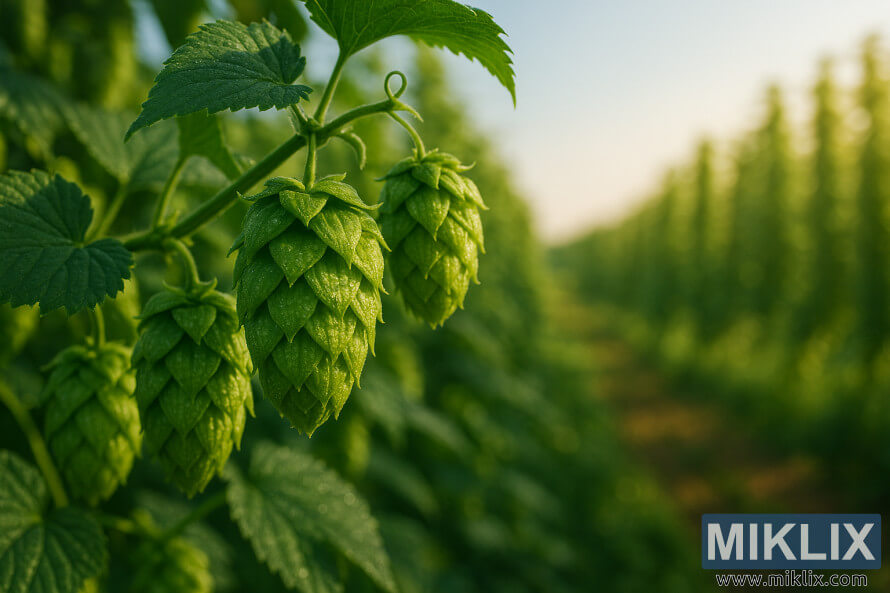
Click or tap the image for more information and higher resolutions.
This introduction sets the stage for a detailed exploration of Pacific Gem. We will delve into its hop profile, essential oils, and acids. We'll also discuss its aroma and flavor in beer, along with recommended additions and recipe ideas. Additionally, we'll cover storage and purchasing tips, as well as suitable substitutes and blending partners. Our content is designed for craft brewers and recipe developers in the United States interested in Pacific Gem.
The availability and pricing of Pacific Gem vary by supplier. New Zealand hops are typically harvested from late February to early April. Pacific Gem is known for its wood and blackberry notes when used in the kettle. It offers brewers a reliable bittering hop with unique flavor potential.
Key Takeaways
- Pacific Gem hops originated in New Zealand and were released in 1987.
- Often used as a high-alpha bittering hop with wood and blackberry notes.
- Typical harvest in New Zealand runs late February through early April.
- Best suited for early additions; useful for brewers seeking New Zealand hop character.
- Availability and price depend on supplier and harvest year.
What are Pacific Gem hops and their origins?
Pacific Gem, a New Zealand-bred hop, was introduced in 1987 with the code PGE. Developed at the DSIR Research Station and later by the New Zealand Institute for Plant and Food Research, it combines targeted crosses. This variety ripens early to mid-season, ensuring a consistent harvest in the Southern Hemisphere.
The Pacific Gem's lineage includes Smoothcone, Californian Late Cluster, and Fuggle. This ancestry resulted in a triploid alpha variety, known for stable and often elevated alpha acid content. Triploid breeding is favored for its consistent bittering performance and robust yields.
New Zealand hop breeding emphasizes clean stock and disease management. Pacific Gem benefits from these standards, ensuring disease-free and consistent production. Growers harvest it between late February and early April, impacting freshness for northern-hemisphere buyers.
The origins of Pacific Gem offer predictable bittering characteristics and a Southern Hemisphere supply rhythm. Brewers should consider Pacific Gem's New Zealand origin when planning orders. The harvest and shipping schedule can affect availability and hop freshness.
Typical alpha and beta acid profiles
Pacific Gem alpha acids typically range from 13–15%, averaging about 14%. This places Pacific Gem as a dependable high-alpha choice for primary bittering in many recipes.
Pacific Gem beta acids usually fall between 7.0–9.0%, averaging 8%. Unlike alpha acids, beta acids do not contribute immediate bitterness. However, they significantly impact aroma and the beer's development during storage.
The alpha–beta ratio typically ranges from 1:1 to 2:1, with an average of 2:1. Brewers use this ratio to forecast the balance between bitterness and aromatic character post-boil and over time.
- Co-humulone Pacific Gem averages around 35–40%, with an average of 37.5%.
- Higher cohumulone Pacific Gem values often result in a more pronounced, assertive bitter edge compared to varieties with lower cohumulone levels.
When added early in the boil, Pacific Gem contributes a clean, firm bitterness. This makes it ideal as a bittering backbone for pale ales and some IPAs.
Beta acids have a more subtle role in the hop bitterness profile. They influence oxidative and aging processes rather than causing immediate harshness. Grasping the balance between Pacific Gem alpha acids and beta acids is crucial for brewers aiming to achieve bitterness stability and flavor progression.
Essential oil composition and aroma contributors
Pacific Gem essential oil typically measures near 0.8–1.6 mL per 100 g of hops, with many samples centering around 1.2 mL/100 g. This hop oil breakdown shows a clear dominance of a few terpenes that shape the variety's scent and taste.
Myrcene makes up roughly 30–40% of the oil, about 35% on average. It brings resinous, citrus, and fruity notes that drive the berry-like facets in finished beer.
Humulene is usually 20–30%, commonly near 25%. That compound adds woody, noble, and spicy tones that support structure and depth in aroma.
Caryophyllene ranges from 6–12%, about 9% on average. Its peppery, woody, and herbal character explains the black pepper impression brewers sometimes note. Mentioning myrcene humulene caryophyllene Pacific Gem helps link aroma chemistry to sensory outcomes.
Farnesene is low, typically 0–1% with a 0.5% average, so fresh-green and floral cues are minimal. The remaining 17–44% contains β-pinene, linalool, geraniol, and selinene, which contribute lift, floral hints, and subtle citrus or pine accents.
Reports that list much higher total oil values likely reflect unit or reporting differences. Use the 0.8–1.6 mL/100 g range as the working hop oil breakdown unless a supplier provides alternative metrics.
Practical implications for brewers are straightforward. High myrcene and humulene support fruity, resinous, and woody-spicy contributions. Caryophyllene adds peppery spice, while low farnesene reduces green florals. Volatile oils preserve best with late additions such as whirlpool and dry hop, though Pacific Gem is often used for bittering when different results are desired.
Flavor and aroma profile in finished beer
Pacific Gem aroma often presents a spicy black pepper hop aroma upfront. A subtle berry note follows. In beers where the hop is used only for early bittering, that peppery edge may dominate the taste.
When brewers add Pacific Gem late in the boil, in the whirlpool, or as a dry hop, the Pacific Gem flavor becomes more apparent. These late additions reveal a delicate blackberry character and light oak-like woodiness. This pairs well with malt-forward recipes.
Expect the finished beer to oscillate between spicy and fruity. Some batches emphasize floral or pine hints, while others highlight woody, berry-rich tones. Beers with extended contact time tend to show more pronounced blackberry oak hops traits.
- Early kettle use: dominant bittering with muted aroma.
- Late additions: enhanced Pacific Gem aroma and Pacific Gem flavor.
- Dry hopping: prominent blackberry and black pepper hop aroma, plus oak nuances.
Cellar time and oxidative notes can enhance the woody side, so monitor contact and storage. Brewers seeking balance should adjust timing to favor either crisp peppery bitterness or richer blackberry oak hops character.
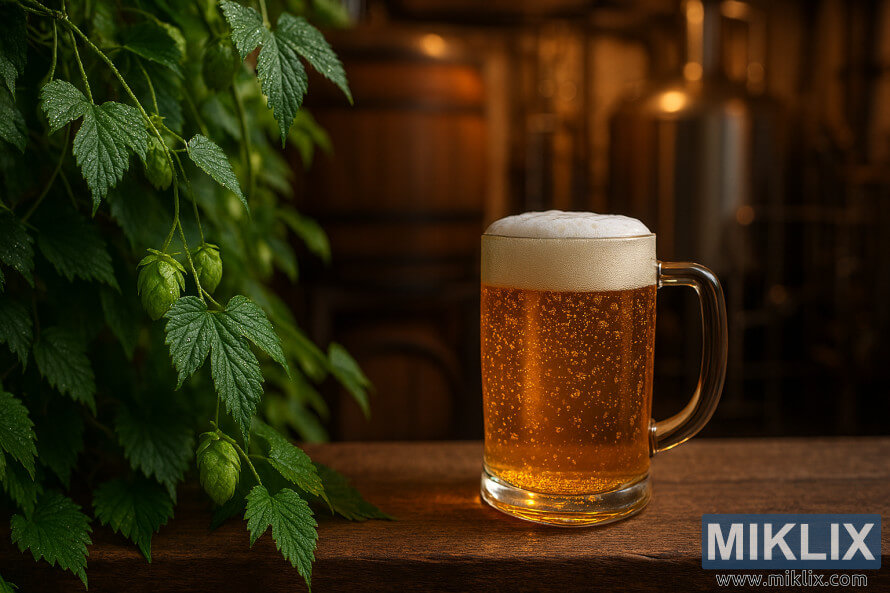
Click or tap the image for more information and higher resolutions.
Brewing uses and recommended additions
Pacific Gem is a top choice for bittering hops. Add it at the beginning of the boil to harness its high alpha acids. This approach ensures a clean, stable bitterness, perfect for pale ales and American styles.
For a flavor boost, move some additions to later in the boil. A 5–15 minute kettle addition preserves mid-volatiles, adding subtle wood and spice notes. Reduce the boil time to maintain these delicate flavors.
At flameout or during the whirlpool, you retain even more aroma. Quick contact with Pacific Gem extracts blackberry and resinous character. Cool the wort quickly to preserve these aromatics before fermentation.
Dry hopping brings out the freshest fruit and floral traits. A measured Pacific Gem dry hop after primary fermentation enhances blackberry and pine notes. Use moderate rates to avoid overwhelming hop haze or vegetal flavors.
- Use Pacific Gem as primary bittering at the start of the boil for steady IBUs.
- Make a short kettle addition (5–15 minutes) to add flavor without excess bitterness.
- Employ a Pacific Gem whirlpool to capture aroma while keeping the beer balanced.
- Finish with Pacific Gem dry hop to emphasize fruit and wood nuances.
Adjust bitterness by changing boil time and hop utilization, considering wort gravity and kettle size. Taste and small test batches help fine-tune rates for each recipe.
Beer styles that benefit from Pacific Gem hops
Pacific Gem excels in English- and American-style pale ales. Its woody and blackberry notes enhance depth without overwhelming the malt. In pale ale recipes, it creates a solid bitter foundation. The subtle fruit-wood character emerges during the finish.
In hop-forward beers, a Pacific Gem IPA is ideal when paired with citrus or resinous hops. Early kettle additions provide bitterness, while late hops add peppery-berry hints alongside pine or tropical notes.
Light lagers benefit from Pacific Gem's use in moderation for bittering. This maintains a clean profile while adding structure. Keep late additions minimal to ensure the beer remains crisp. The hop should not overshadow the delicate malt and yeast.
Rustic ales and certain farmhouse styles welcome Pacific Gem for its dark-fruit or woody complexity. Careful pairing allows brewers to create beers with rustic or fruit-wood notes without sacrificing drinkability.
- English/American Pale Ale: assertive bitterness, subtle berry finish
- American IPA: blend with citrus or resin hops to complement complexity
- Light Lager: primary use as a bittering hop for clean backbone
- Farmhouse/Rustic Ales: supports earthy and fruit-wood character
When planning hop pairing by style, consider aromatic balance and the malt bill. Use Pacific Gem where its dark-fruit and woody qualities enhance the recipe. Avoid using it when bright, citrus-driven character is the aim.
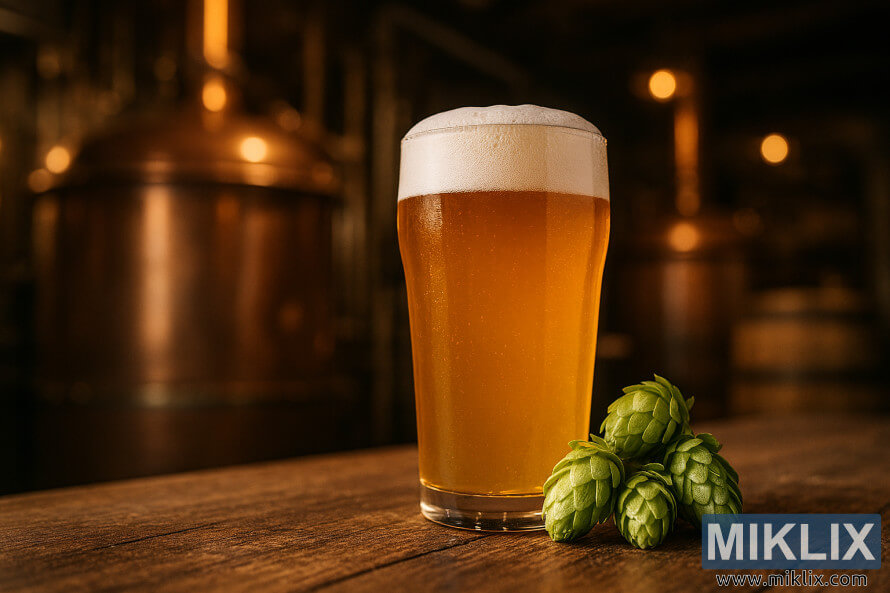
Click or tap the image for more information and higher resolutions.
Brewing values and storage considerations
Pacific Gem HSI scores around 22% (0.22), which many consider "Great" for short-term stability. It contains about 1.2 mL of total oils per 100 g. However, these oils are volatile and can decrease rapidly if not handled correctly. Brewers aiming for consistent bittering should be aware that improper storage can alter alpha acids.
In New Zealand, Pacific Gem is typically harvested early to mid-season. This timing impacts import windows and the freshness of Pacific Gem hops for U.S. brewers. Delays in freight or extended storage in warehouses can significantly reduce hop freshness and make alpha acid values less reliable for IBU calculations.
For optimal storage of Pacific Gem hops, maintain cold, dry conditions with minimal oxygen. Using vacuum-sealed bags or nitrogen-flushed packaging can help prevent oxidation. For extended storage, freezing hops at -4°F to 0°F (-20°C to -18°C) is recommended to preserve oils and alpha acids.
When planning batches, consider small losses in total oils, even under ideal storage conditions. Given Pacific Gem's common use for bittering, maintaining stable alpha acids is crucial for recipe accuracy. Regular testing or using older stock first can help maintain consistent bitterness levels.
- Store in vacuum or nitrogen-flushed foil packs.
- Refrigerate short term, freeze for months of storage.
- Keep away from light, heat, and moisture.
- Label with harvest date to track hop freshness Pacific Gem.
For wholesalers and homebrewers, monitoring Pacific Gem HSI and storage conditions can minimize batch-to-batch variation. Simple precautions can protect total oils and extend the hop's useful life. This ensures your bittering calculations and aroma targets remain reliable.
Substitutes and blending partners
When Pacific Gem is out of stock, brewers often turn to hops like Belma Galena Cluster. Cluster is a neutral American bittering hop. It offers clean bitterness with notes of stonefruit and pine. Belma, on the other hand, adds bright berry and fruit flavors that complement Pacific Gem's woody character.
For bittering, it's crucial to match alpha acids. Magnum (US) and Magnum (GR) are reliable substitutes. Use similar alpha levels to maintain IBUs when swapping hops in recipes that depend on Pacific Gem for bitterness.
Hop blending with Pacific Gem is most effective when you choose partners that fill gaps. Pair it with citrus-forward hops like Citra or Mosaic to enhance the woody and berry tones. Belma and Galena can soften sharp edges and add fruit complexity.
Start with small experimental batches before scaling up. Begin with 5–10% of the dry-hop bill as a new partner, then increase if the aroma balance favors the blend. This approach helps refine hop blending with Pacific Gem without risking an entire batch.
- Common Pacific Gem substitutes: Cluster, Galena, Belma, Magnum (US/GR)
- Blend targets: add Citra or Mosaic for citrus lift
- Practical tip: match alpha acids for bittering swaps
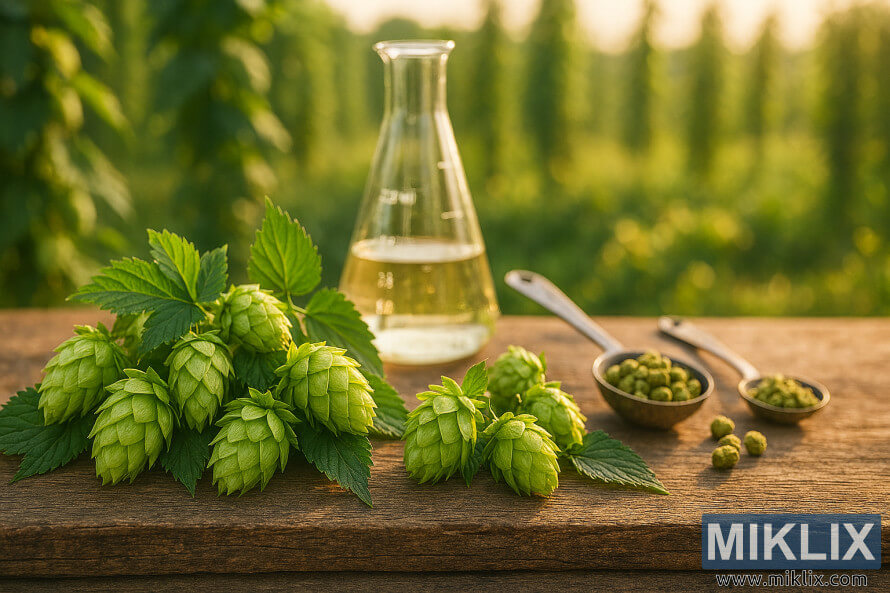
Click or tap the image for more information and higher resolutions.
Availability, formats, and purchasing tips
Pacific Gem availability changes with the seasons and suppliers. In the United States, brewers can find Pacific Gem hops online, at local hop shops, or on Amazon. New Zealand growers list their Pacific Gem varieties after their harvest, which happens late February to early April. This timing affects U.S. stock levels, causing seasonal shortages.
Commercially, Pacific Gem is available in pellets and whole cone formats. Major suppliers like Yakima Chief Hops, Barth-Haas, and Hopsteiner do not offer cryo, lupulin-concentrate, or lupulin powder. This limits options for concentrated late-hop additions and cryo-style flavor enhancements.
To ensure freshness, follow a simple buying guide. Always check the harvest year on the label. Opt for vacuum-sealed or nitrogen-flushed packaging. Store hops in a cold, dark place after purchase. Reputable sellers should provide lab data; ask for recent alpha testing for precise bittering.
- Compare prices and available amounts across vendors before you buy Pacific Gem hops.
- Request lab analyses or COAs to confirm alpha and oil content for consistent results.
- Choose Pacific Gem pellets for compact storage and ease of dosing, or Pacific Gem whole cone for traditional dry hopping and aroma clarity.
When buying from New Zealand suppliers, consider their harvest cycle and shipping times. For immediate needs, focus on domestic sellers who list Pacific Gem availability. They should provide clear packaging and testing information. This strategy helps avoid surprises and ensures consistent beer quality.
Practical recipe examples and formulation ideas
Pacific Gem is ideal as a primary bittering hop. For a 60-minute boil, add it first to achieve an alpha of 13–15% for predictable IBUs. When formulating Pacific Gem bittering rates, calculate the weight based on alpha acid and expected utilization for your system.
Consider a 5-gallon American Pale Ale at 40 IBU. With 14% alpha and typical utilization, start with a 60-minute addition of Pacific Gem for the bulk of bitterness. Add 0.5–1.0 oz at whirlpool or flameout. Also, consider 0.5–1.0 oz as a short dry hop to enhance berry and spicy notes. Adjust quantities for higher gravity or larger batches.
For IPA, increase the early bittering charge to support hop structure. Then, add Pacific Gem late in the boil or at whirlpool for blackberry and woody complexity. Pair it with citrus-forward hops for balance and depth in your recipe.
For lagers, keep it simple. Use a single 60-minute Pacific Gem addition for clean, crisp bitterness without late-hop fruitiness. This method showcases the variety’s bittering strengths while maintaining a neutral profile.
- Measure pellet or whole-cone weight carefully. Pacific Gem lacks a lupulin powder format, so account for pellet absorption and oil loss over storage.
- Substitutions: for clean bittering, use Magnum or Cluster if Pacific Gem is unavailable; treat them as functionally similar in bittering roles.
- Late additions: 5–15 minute short boils or whirlpool additions of 0.5–1.0 oz amplify berry and spice without overwhelming bitterness.
When planning Pacific Gem recipes, scale hops with gravity and batch size. Keep records of actual utilization in your system and refine Pacific Gem bittering rates across trials. This practical approach yields repeatable results and helps you dial in aroma with modest late or dry-hop charges.
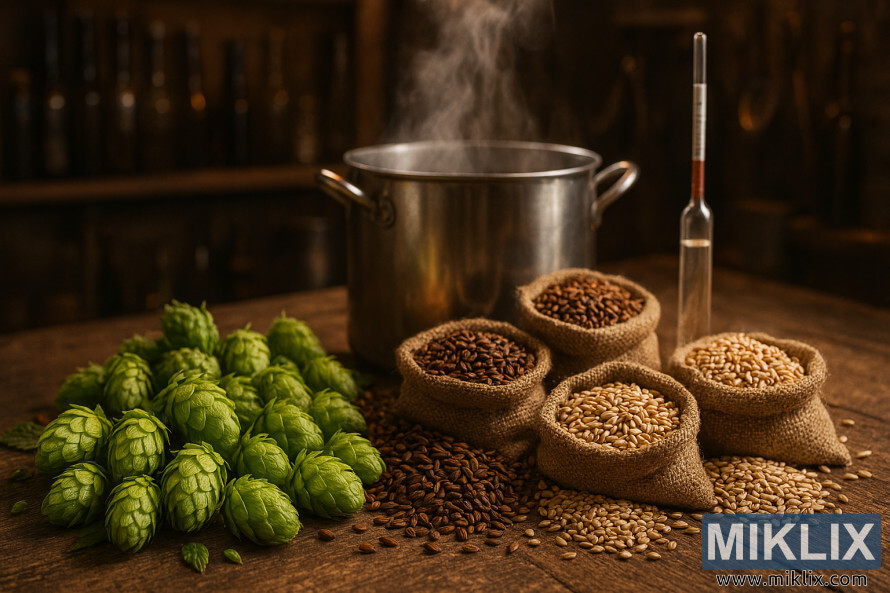
Click or tap the image for more information and higher resolutions.
Tasting notes and sensory evaluation guide
Begin every tasting with a controlled setup. Pour beers into clean tulip or snifter glasses. Ensure samples are at serving temperature for ales, around 55–60°F. Use the tasting Pacific Gem protocol to maintain consistency in variables.
Record initial impressions of aroma, flavor, and mouthfeel. Note the spicy black pepper and berry fruit upfront. Mark any floral, pine, or oak nuances as they appear in aroma or on the palate.
- Use a 0–10 intensity scale for aroma, flavor impact, perceived bitterness, and wood/oak presence.
- Run blind comparisons between early-only hop additions and late/dry-hop treatments.
- Track how malt character and yeast esters interact with the hop profile.
Expect a prominent peppery caryophyllene character in many samples. This spice can complement fruity esters from English or American ale yeasts, enhancing delicate blackberry tones.
Evaluate bitterness quality for sharpness versus smoothness. Pacific Gem often yields a clean bitterness when used early. Late additions reveal more berry and woody elements.
- Smell: score intensity, note black pepper, blackberry, floral, pine, oak.
- Taste: assess initial flavor, mid-palate shift, and finish for woody or fruity persistence.
- Aftertaste: gauge how long berry or spice lingers and whether bitterness rounds out.
For formal hop sensory evaluation, use blind sets that include substitutes or blends. Compare substitution efficacy by how closely a candidate reproduces pepper, berry, and oak cues.
Keep concise notes on interactions with malt sweetness and hop-derived woodiness. Small changes in addition timing can push Pacific Gem toward either a savory pepper focus or a fruit-forward blackberry profile.
Comparing Pacific Gem to other hop varieties
Pacific Gem is a unique blend of bittering power and distinct aroma. It's chosen for its high-alpha content, which still allows for blackberry, woody spice, and pepper notes when used late in brewing.
Magnum, on the other hand, offers similar alpha acids but with a cleaner profile. It's ideal for those seeking neutral, clean bittering. This contrast highlights the choice between Pacific Gem and Magnum in hop comparisons.
Galena is another high-alpha hop suitable for early additions and bittering. In a Pacific Gem vs Galena comparison, both share bittering capabilities. However, Galena adds clearer stonefruit and pine notes. This makes it a practical substitute for those aiming for similar bittering and some aromatic overlap.
Belma leans towards juicy, berry-driven flavors. When comparing Pacific Gem vs Belma, note their shared blackberry notes but different oil profiles. Belma can mirror Pacific Gem's fruitiness, yet the beer will retain its unique flavor nuances.
Cluster is a traditional American bittering hop. It lacks the pronounced berry and pepper characteristics of Pacific Gem. Brewers opt for Cluster or Magnum when a straightforward early addition is needed without aromatic enhancement.
- Choose Pacific Gem for high-alpha bittering plus optional subtle blackberry and wood spice.
- Pick Magnum for cleaner, neutral bittering in delicate recipes.
- Use Galena as a close bittering substitute with some stonefruit/pine similarity.
- Opt for Belma when fruit-forward aroma is the priority and nuance matters.
When planning recipes, consider Pacific Gem as a versatile tool. It excels in bittering while offering aromatic flexibility with hop timing adjustments. This practical perspective streamlines decision-making in hop comparisons involving Pacific Gem.
Pacific Gem hops
Pacific Gem, a robust New Zealand variety, was released in 1987. It is crucial for growers and brewers to refer to the Pacific Gem technical data. This ensures the right balance in recipes.
The origins of Pacific Gem trace back to Smoothcone, Californian Late Cluster, and Fuggle. It boasts an average alpha acid of 14%, with a range of 13–15%. Beta acids average 8%, spanning 7–9%.
For cohumulone, the Pacific Gem hop sheet indicates a range of 35–40%. Total oil values are commonly reported as 0.8–1.6 mL/100g. However, some sources suggest a higher figure, possibly due to a units error. Always check the latest lab results before formulating.
The oil composition of Pacific Gem is notable. Myrcene makes up about a third, while humulene and caryophyllene account for roughly a quarter and 9%, respectively. Farnesene is present in trace amounts. These compounds contribute to the spicy black pepper and blackberry flavors, especially when used in late additions.
Storage stability is high, with an HSI of 0.22. Brewers should consult the Pacific Gem hop sheet and recent crop analyses. This ensures they can adjust hopping schedules for optimal results.
While Pacific Gem is best suited for bittering, it can also be used for late additions to enhance woody or oak character. Before making a purchase, request the supplier's lab sheet. This allows for a comparison of Pacific Gem technical data and Pacific Gem alpha beta oils, ensuring predictable results.
Conclusion
Pacific Gem conclusion: This New Zealand hop stands out as a dependable bittering agent with a unique flavor. It boasts alpha acids between 13–15% and a balanced oil profile. This combination ensures consistent IBUs while maintaining aromatic qualities for late additions or dry hopping.
Its use in brewing is particularly beneficial for Pale Ales, IPAs, and lagers needing a strong bitter base and subtle complexity. Always check the supplier's lab sheets and harvest year for precise alpha values, cohumulone, and oil percentages. This fine-tuning is crucial for accurate IBU calculations. For optimal flavor preservation, store Pacific Gem in sealed, cold conditions, with an HSI around 22%.
Pacific Gem summary: If Pacific Gem is not available, consider Cluster, Magnum, Galena, or Belma as alternatives. However, major suppliers do not offer Pacific Gem lupulin powder or cryoconcentrate. Use Pacific Gem primarily for base bittering. Add it late in the brewing process to enhance the beer with blackberry, spice, and wood notes, without overpowering the malt or yeast.
Further Reading
If you enjoyed this post, you may also like these suggestions:
- Hops in Beer Brewing: Herkules
- Hops in Beer Brewing: Pacific Sunrise
- Hops in Beer Brewing: Cluster (United States)