
Hops in Beer Brewing: Kohatu
Published: October 8, 2026 at 10:08:48 PM UTC
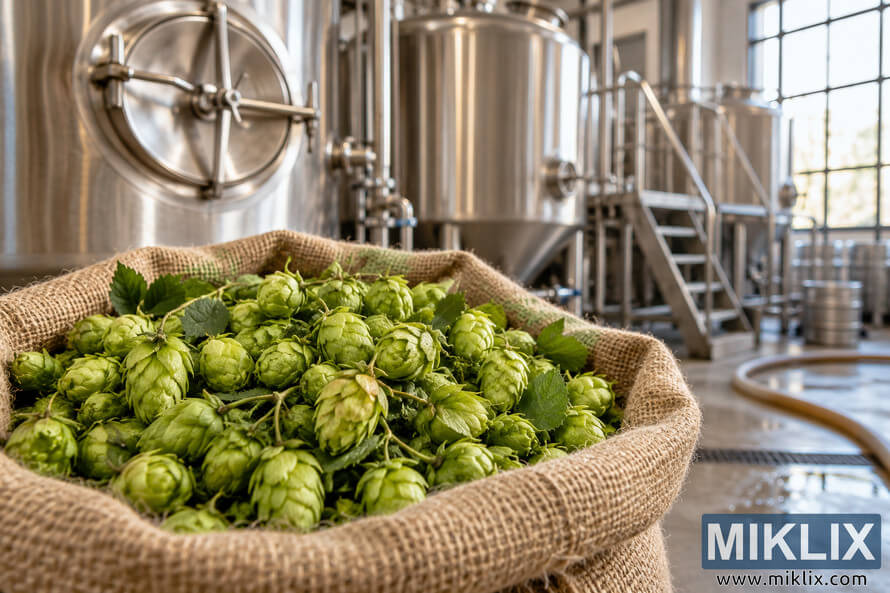
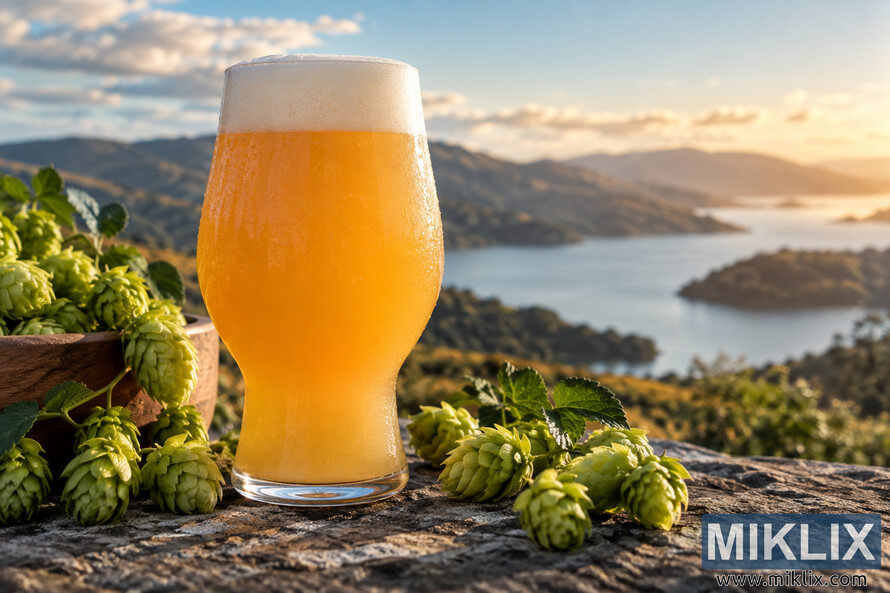
Kohatu is a New Zealand dual-purpose hop known for its fresh tropical fruit character and smooth, high-quality bitterness—an excellent choice for pale ales, IPAs, lagers, and refreshing single-hop homebrews.
Click or tap the image for more information and higher resolutions.
Kohatu hops have captured the attention of brewers worldwide since their commercial release. This New Zealand hop variety delivers distinctive tropical fruit character that transforms ordinary beer into something extraordinary. Whether you're crafting your first IPA or refining an award-winning pale ale recipe, understanding how to work with Kohatu hops opens new creative possibilities for your brew day.
This comprehensive guide walks you through everything you need to know about brewing with Kohatu hops. From understanding the variety's unique characteristics to mastering practical brewing techniques, you'll discover how to harness this hop's potential in your homebrew.
Understanding Kohatu Hops: Origin and Development
Kohatu represents a significant achievement in hop breeding from New Zealand. The variety emerged from the breeding program at the New Zealand Institute of Plant and Food Research. This organization has produced numerous successful hop varieties that changed brewing worldwide.
The development process took years of careful selection and testing. Researchers focused on creating a hop that delivered intense fruit character while maintaining good growing characteristics. The result exceeded expectations when brewers discovered Kohatu's remarkable tropical fruit profile.
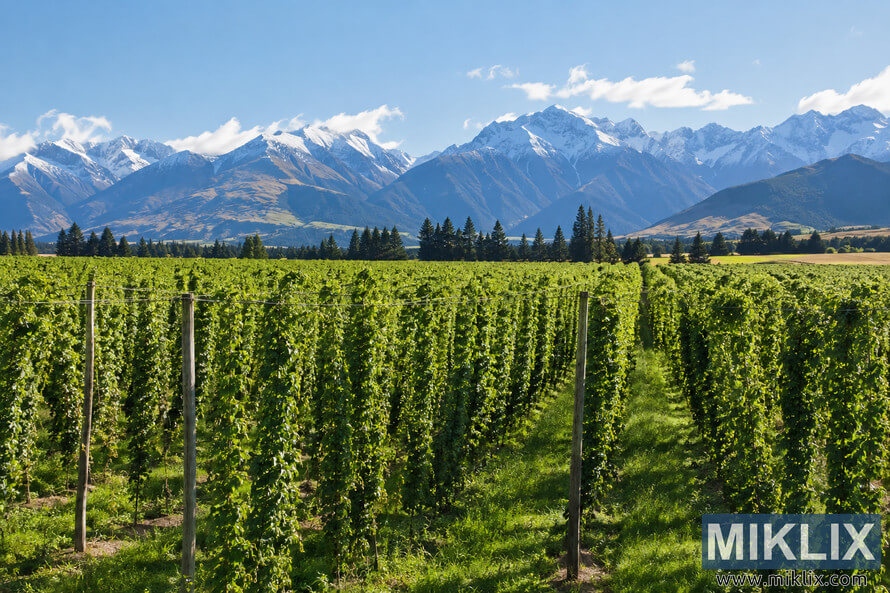
Commercial production began in the early 2010s. Yakima Chief Hops recognized the variety's potential and established it in the Yakima Valley alongside New Zealand growing operations. This dual-continent approach ensures consistent supply for brewers across different seasons.
Click or tap the image for more information and higher resolutions.
Key Characteristics
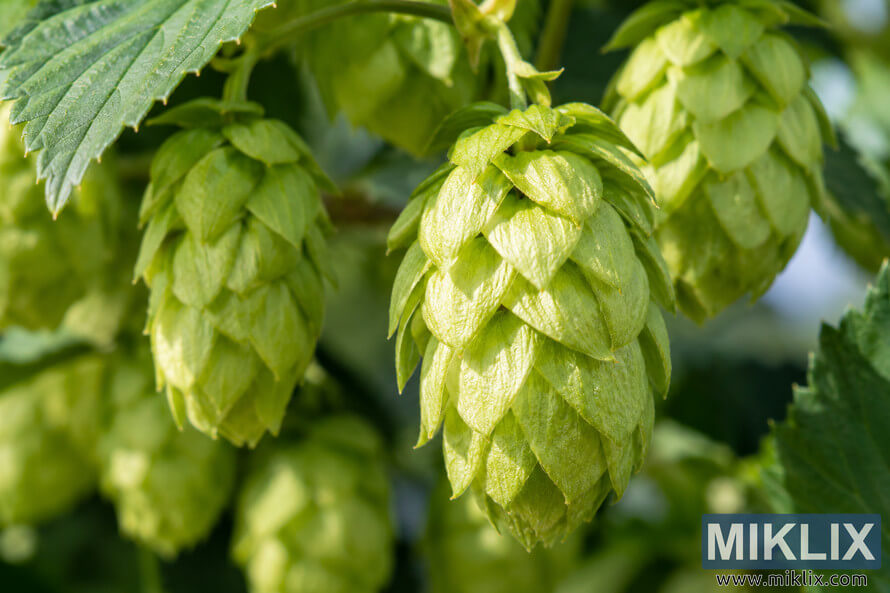
Kohatu delivers distinctive brewing properties that set it apart. The hop produces moderate alpha acids ranging from 6 to 7 percent, making it versatile for various brewing applications. Beta acids typically measure between 5 and 6 percent, contributing to the overall bitterness profile.
Click or tap the image for more information and higher resolutions.
Alpha Acid Content and Brewing Impact
The alpha acid range places Kohatu in the moderate category. This level provides sufficient bittering power for most beer styles while allowing the hop's aromatic qualities to shine. Brewers appreciate this balance because it offers flexibility in recipe formulation.
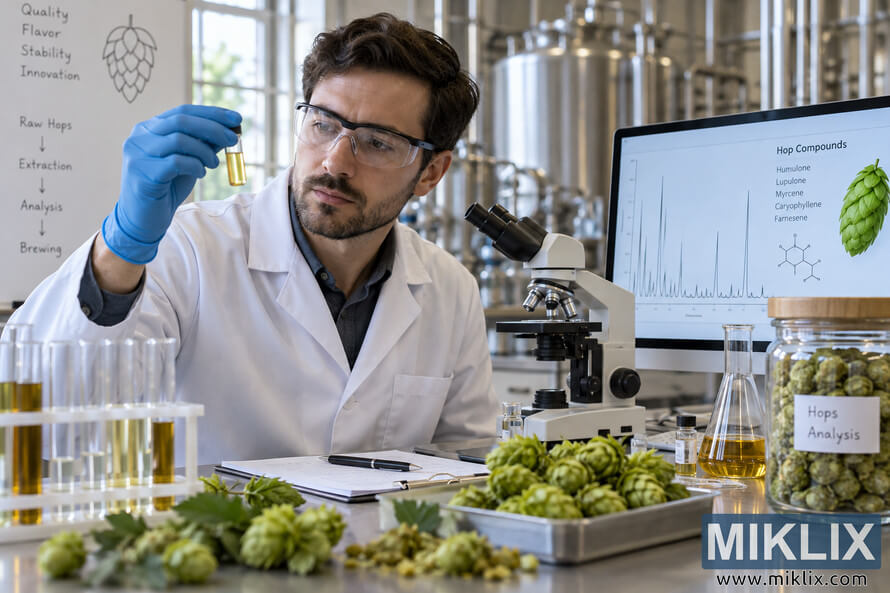
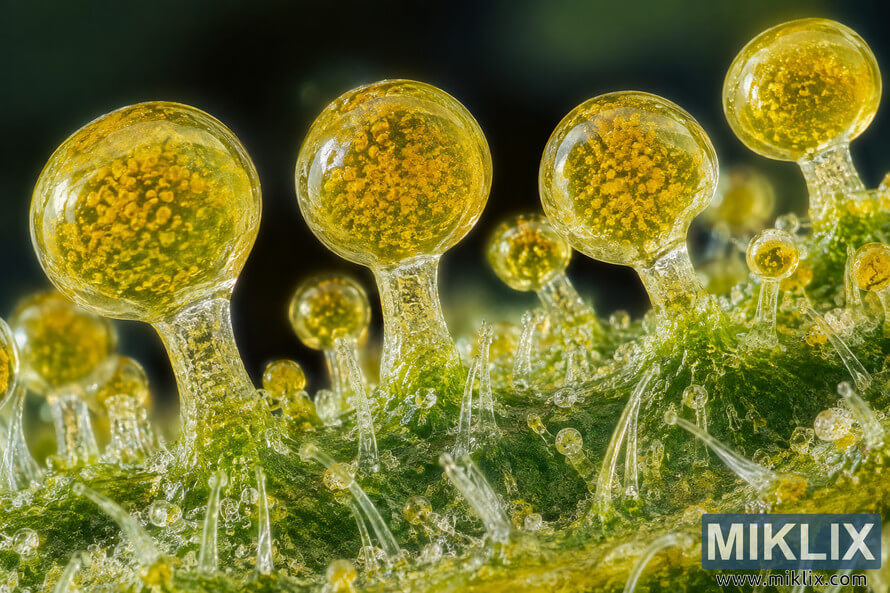
Total oil content measures between 1.0 and 1.5 milliliters per 100 grams of dried hops. This oil concentration carries the aromatic compounds that define Kohatu's character. The specific oil profile creates the tropical fruit experience that brewers seek.
Pro Tip: Kohatu's moderate alpha acids make it excellent for single-hop beers where you want aroma to dominate without excessive bitterness. Consider using it for both bittering and aroma additions to create cohesive flavor profiles.
Click or tap the image for more information and higher resolutions.
Growing Regions and Harvest Timing
New Zealand remains the primary growing region for Kohatu. The country's unique climate conditions produce hops with exceptional character. The combination of clean air, specific soil conditions, and optimal sunlight creates ideal growing conditions.
Yakima Valley in Washington State also produces Kohatu hops. This American growing region extends availability throughout the year. The two hemispheres experience opposite growing seasons, providing fresh crop availability nearly year-round.
Harvest typically occurs between late February and early April in New Zealand. The Yakima Valley harvest happens from late August through September. Timing your hop purchases around these harvest periods ensures maximum freshness for your brewing projects.
Kohatu Hops Flavor and Aroma Profile: Tropical Fruit Character
The flavor and aroma profile of Kohatu hops creates an unmistakable tropical experience in beer. This New Zealand hop variety brings layers of fruit character that work exceptionally well in modern beer styles. Understanding these characteristics helps you maximize Kohatu's potential in your recipes.
Primary Flavor Components
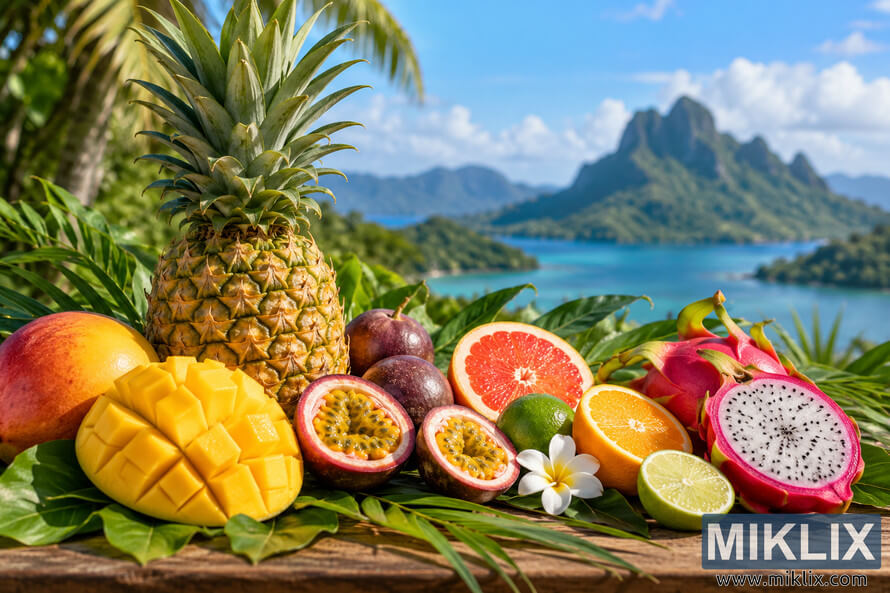
Stone fruit notes dominate Kohatu's flavor profile. Brewers consistently detect strong peach and apricot characteristics that emerge during fermentation and conditioning. These flavors create a smooth, almost juicy quality that enhances drinkability.
Tropical fruit expressions add complexity beyond the stone fruit base. Pineapple and passionfruit notes appear prominently, especially in dry-hopped beers. Some brewers also detect subtle mango undertones that round out the tropical character.
Click or tap the image for more information and higher resolutions.
Dominant Aromas
- Fresh stone fruit (peach, apricot)
- Tropical fruit (pineapple, passionfruit)
- Citrus zest (lime, grapefruit)
- Light pine resin undertones
- Subtle floral notes in background
Flavor Expression
- Juicy stone fruit on palate
- Bright tropical fruit finish
- Clean citrus acidity
- Minimal grassy or vegetal notes
- Smooth bitterness quality
Click or tap the image for more information and higher resolutions.
Citrus and Resinous Notes
Citrus character in Kohatu leans toward lime rather than orange or lemon. This specific citrus profile adds brightness without overwhelming the fruit character. The lime notes work particularly well in pale ales where you want refreshing qualities.
Pine resin appears as a supporting element rather than a primary characteristic. This subtle piney quality adds depth and complexity without dominating the aroma profile. The resin notes become more pronounced when Kohatu is used for bittering additions early in the boil.
How Fermentation Affects Kohatu Character
Yeast selection significantly impacts how Kohatu hops express themselves in finished beer. Clean fermenting ale strains allow the hop character to shine through clearly. Popular choices include American ale yeasts that produce minimal fruity esters.
Fermentation temperature also influences final aroma and flavor. Cooler fermentation temperatures preserve more delicate hop aromatics. Warmer fermentation can blur hop character as yeast-derived esters compete with hop compounds.
Brewing Science: The volatile oil profile in Kohatu hops contains high levels of compounds that create fruit character. These oils are sensitive to oxidation and heat, making late hopping and dry hopping particularly effective for preserving the variety's signature tropical notes.
Click or tap the image for more information and higher resolutions.
Comparing Kohatu to Other New Zealand Hops
New Zealand produces several notable hop varieties with distinct characteristics. Kohatu stands out among these New Zealand hops due to its specific fruit expression. Understanding these differences helps with variety selection and substitution decisions.
Motueka delivers lemon-lime citrus character with less tropical fruit. Nelson Sauvin brings wine-like qualities with gooseberry notes. Wakatu offers floral and citrus balance. Kohatu's stone fruit focus makes it unique within the New Zealand hop family.
Best Beer Styles for Kohatu Hops
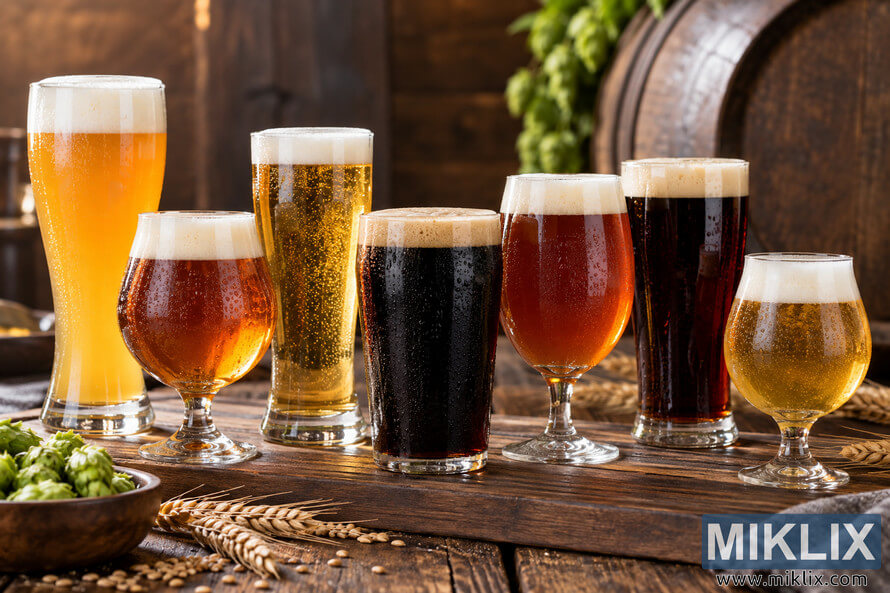
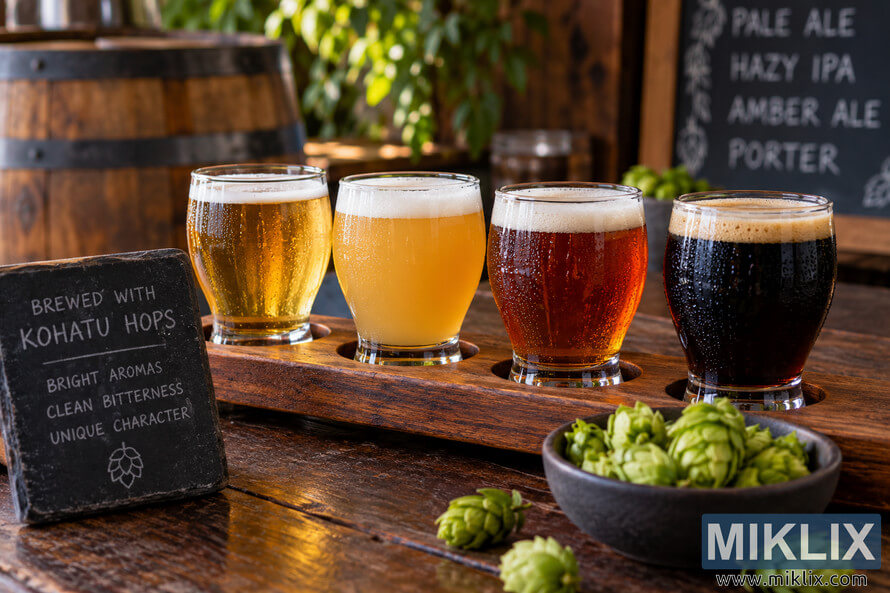
Kohatu hops work exceptionally well in specific beer styles where their tropical fruit character can shine. The variety's moderate alpha acids and intense aroma profile make it particularly suited for hop-forward styles. Understanding ideal style matches helps you create successful recipes.
Click or tap the image for more information and higher resolutions.
India Pale Ales and Variations
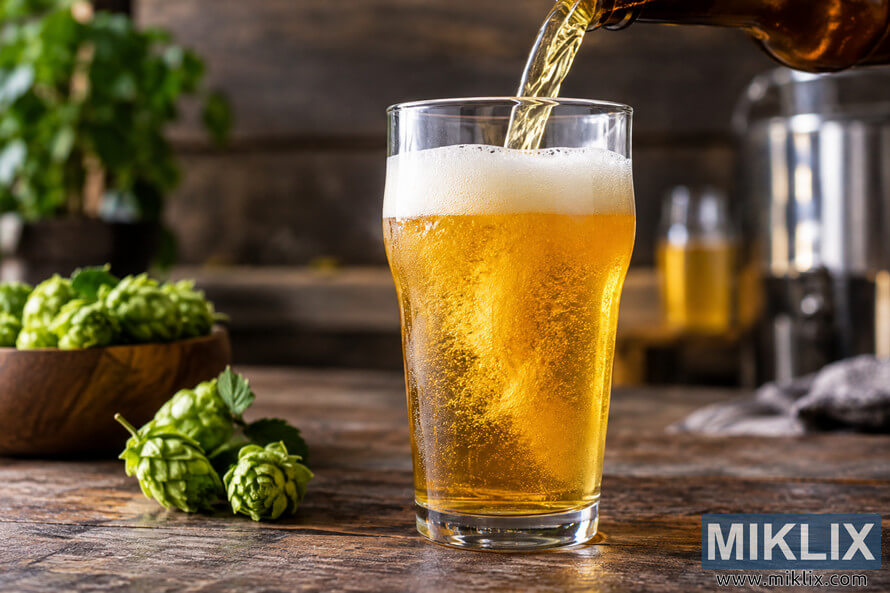
American IPA represents the most popular application for Kohatu hops. The style's emphasis on hop character provides the perfect canvas for Kohatu's tropical fruit notes. Brewers typically use Kohatu in late hop additions and dry hopping to maximize aroma impact.
Hazy IPA benefits tremendously from Kohatu's juicy character. The hop's stone fruit qualities complement the soft mouthfeel and low bitterness typical of this style. Many award-winning hazy IPAs feature Kohatu as a primary or supporting hop variety.
Session IPA gains complexity from Kohatu despite lower alcohol content. The hop's intense aroma allows you to create flavorful beer without excessive bitterness. A restrained bittering charge combined with generous late additions creates balanced session beers.
West Coast IPA can incorporate Kohatu for a tropical twist on the classic style. While traditional West Coast IPAs emphasize resinous pine and citrus, Kohatu adds fruit-forward complexity. Use it alongside classic American hops for a modern interpretation.
Click or tap the image for more information and higher resolutions.
Pale Ales and Blonde Ales
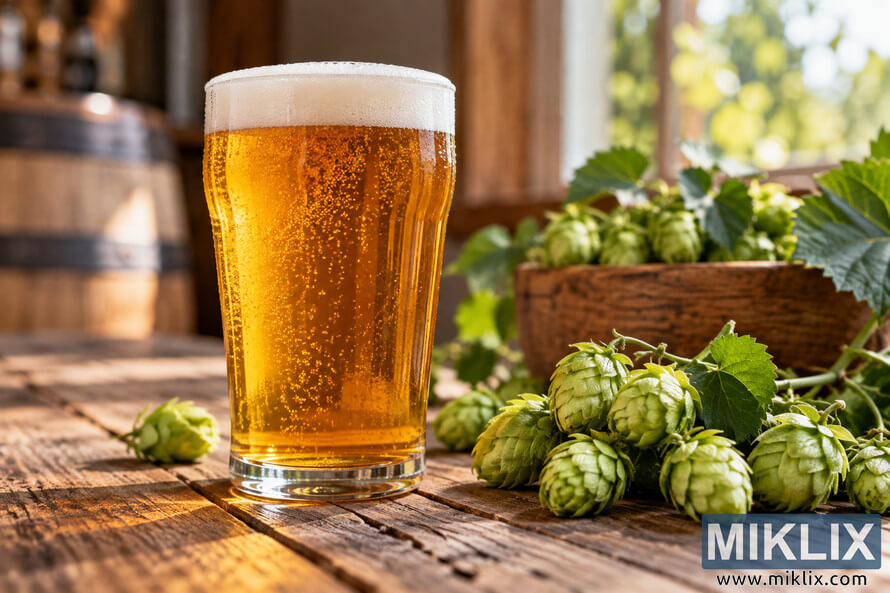
American Pale Ale provides an excellent platform for showcasing Kohatu. The style's moderate alcohol content and balanced malt backbone support the hop without overwhelming it. Kohatu works beautifully as either a single hop or blended with complementary varieties.
Blonde ales and golden ales benefit from Kohatu's approachable fruit character. These lighter styles often need hop varieties that add interest without excessive bitterness. Kohatu delivers aroma and flavor while maintaining the style's easy-drinking nature.
Click or tap the image for more information and higher resolutions.
Wheat Beers and Specialty Styles
American wheat beer gains tropical character from Kohatu additions. The hop complements the soft wheat malt backbone without clashing with subtle yeast phenolics. Light dry hopping creates an aromatic wheat beer perfect for warm weather drinking.
White IPA represents an emerging style where Kohatu excels. This hybrid combines wheat beer characteristics with IPA hopping rates. Kohatu's fruit profile works harmoniously with traditional white beer spice additions like coriander and orange peel.
Light Styles
- Blonde Ale
- Golden Ale
- Cream Ale
- Kolsch
Medium Styles
- American Pale Ale
- Session IPA
- American Wheat
- Saison
Bold Styles
- American IPA
- Hazy IPA
- Double IPA
- White IPA
Experimental Applications
Saison offers interesting opportunities for Kohatu experimentation. The style's yeast-driven character can either complement or contrast with the hop's fruit profile. Restrained hopping allows both elements to coexist, creating complex yet balanced beer.
Fruit beer receives additional depth from Kohatu additions. When brewing with actual fruit, matching Kohatu's stone fruit character creates synergy. Peach or apricot beers hopped with Kohatu deliver intensified fruit experience throughout the flavor profile.
Styles to Approach Carefully
Traditional German styles generally don't pair well with Kohatu. Pilsners, marzen, and bocks require noble hop character that Kohatu cannot provide. The variety's tropical fruit notes clash with these styles' expectations.
British styles present similar challenges. Classic bitters, milds, and English IPAs call for earthy, herbal hop character. Kohatu's New Zealand profile doesn't fit these traditional flavor requirements. Reserve Kohatu for American and contemporary international styles instead.
Style Consideration: While Kohatu works beautifully in hop-forward American styles, avoid using it in traditional European beer styles where it would be considered inappropriate. The variety's assertive tropical character doesn't suit styles emphasizing subtlety and restraint.
Click or tap the image for more information and higher resolutions.
Practical Brewing Tips for Using Kohatu Hops in Homebrewing
Successfully brewing with Kohatu hops requires understanding optimal usage techniques. The variety responds differently to various hop addition methods. These practical tips help you extract maximum character while avoiding common pitfalls that can diminish hop quality.
Early Boil Additions for Bittering
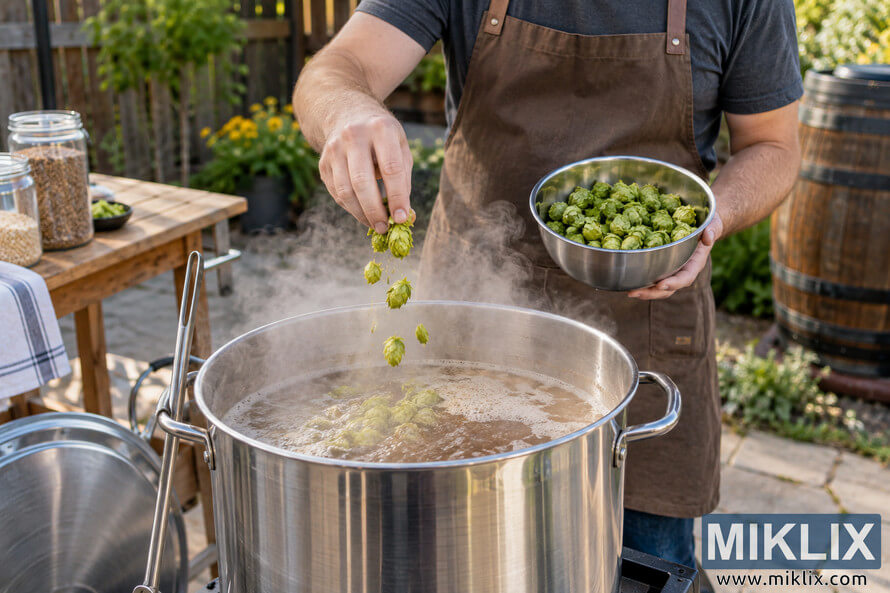
Bittering additions with Kohatu provide clean bitterness without harsh qualities. Add Kohatu at 60 minutes before the end of the boil for standard bittering. The moderate alpha acid content means you'll need slightly more hops compared to high-alpha varieties.
Calculate your bittering charge based on your target IBU and beer volume. Most homebrew software includes Kohatu in their hop databases with accurate alpha acid ranges. Account for alpha acid variation between different crop years and suppliers.
Click or tap the image for more information and higher resolutions.
Bittering Addition Guidelines
- Add at 60-minute mark for full bittering
- Use 1.0-1.5 ounces per 5-gallon batch for 30-40 IBU
- Pellet hops provide better utilization than whole cones
- Account for 6-7% alpha acid content in calculations
Boil Time Impact
- 60 minutes: Full bittering, minimal aroma
- 30 minutes: Moderate bittering, some flavor
- 15 minutes: Light bittering, strong flavor
- 5 minutes: Minimal bittering, maximum flavor
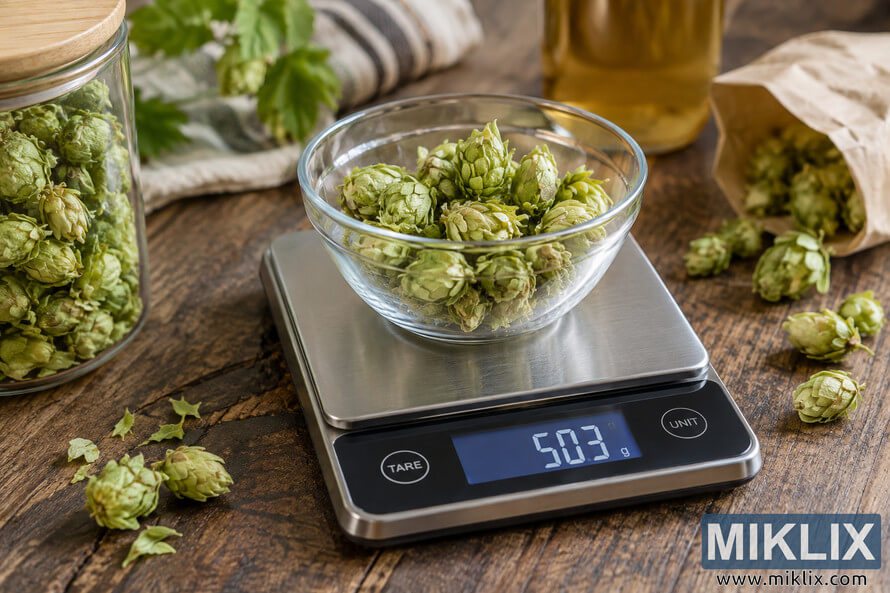
Click or tap the image for more information and higher resolutions.
Late Hop Additions for Flavor and Aroma
Late hop additions unlock Kohatu's tropical fruit character. Adding hops between 15 and 5 minutes before the end of the boil extracts flavorful compounds without excessive bitterness. This timing range represents the sweet spot for many hop varieties including Kohatu.
Whirlpool additions at temperatures between 170-180 degrees Fahrenheit preserve delicate aromatics. Allow the wort to cool slightly after boil completion before adding hops. Steep for 20-30 minutes to extract maximum aroma with minimal bitterness contribution.
Flameout additions add intense aroma to your finished beer. Add Kohatu immediately when you turn off the heat source. These final additions contribute significant hop character that survives fermentation and conditioning.
Temperature Management: The temperature at which you add late hops dramatically affects final beer character. Higher temperatures (above 180°F) extract more bitterness and vegetal notes. Lower temperatures (160-170°F) preserve delicate fruit aromatics while minimizing harsh qualities.
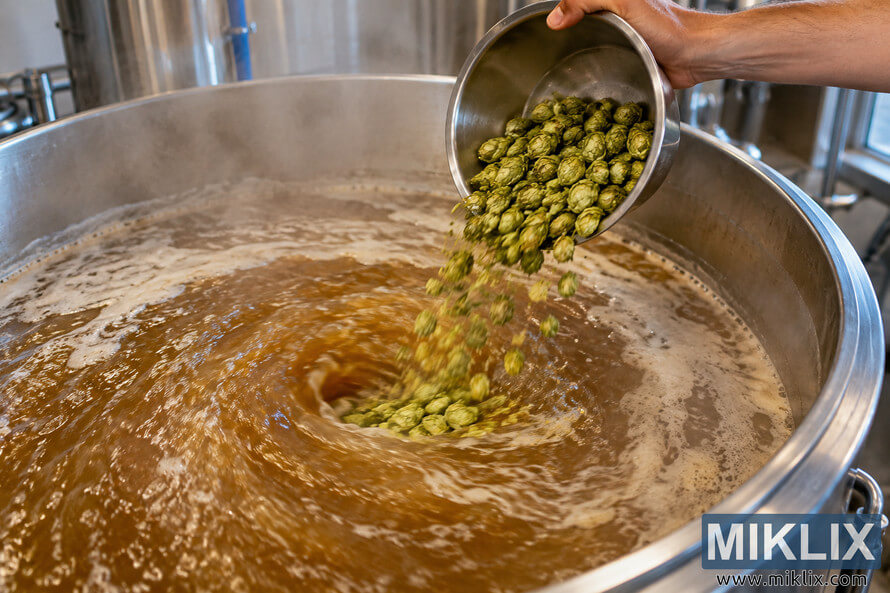
Click or tap the image for more information and higher resolutions.
Dry Hopping Techniques
Dry hopping represents the most effective method for showcasing Kohatu's aroma profile. Add hops after primary fermentation completes but while yeast remains active. This timing allows yeast to scrub harsh compounds while preserving desirable aromatics.
Standard dry hop rates range from 1 to 2 ounces per 5-gallon batch for moderate hop character. Increase to 3-4 ounces for intensely hoppy beers like hazy IPAs. Higher rates deliver more aroma but also extract more vegetal character if contact time extends too long.
Dry Hop Duration and Temperature
Contact time between 3 and 5 days provides optimal aroma extraction. Longer contact periods risk extracting unwanted vegetal or grassy notes. Temperature during dry hopping should stay below 70 degrees Fahrenheit to minimize harsh extraction.
Cold-side dry hopping in a keg or conditioning vessel offers advantages. The cooler temperature preserves aromatics while minimizing harsh extraction. This technique works particularly well for hop-forward styles where aroma quality matters most.
| Hop Addition Method | Timing | Typical Rate (5 gal) | Primary Contribution |
| Bittering | 60 minutes | 1.0-1.5 oz | Clean bitterness |
| Flavor | 15 minutes | 0.5-1.0 oz | Stone fruit flavor |
| Aroma | 5 minutes | 0.5-1.0 oz | Tropical aroma |
| Whirlpool | 170-180°F / 20-30 min | 1.0-2.0 oz | Intense aroma, moderate flavor |
| Dry Hop | Post-fermentation / 3-5 days | 1.0-4.0 oz | Maximum aroma impact |
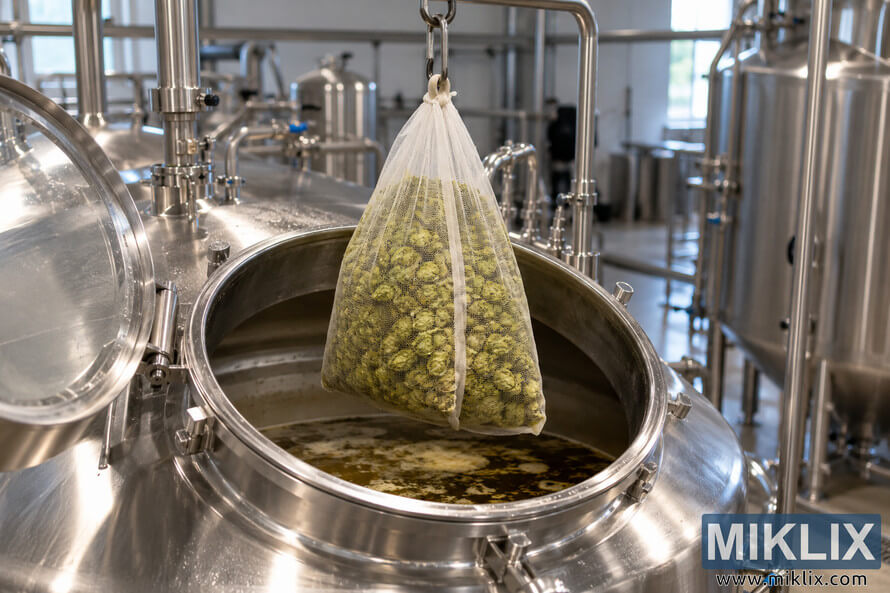
Click or tap the image for more information and higher resolutions.
Water Chemistry Considerations
Water chemistry significantly impacts how Kohatu hops express themselves in finished beer. Higher sulfate levels accentuate hop bitterness and dryness. A sulfate-to-chloride ratio of 2:1 or 3:1 works well for hop-forward beers featuring Kohatu.
Chloride adds fullness and softness that can complement Kohatu's fruit character. Hazy IPAs often use balanced sulfate-to-chloride ratios around 1:1 to create smooth mouthfeel. Experiment with different ratios to find what works best for your specific water source and recipe goals.
Managing Hop Utilization
Pellet hops provide better utilization than whole cone hops in most homebrewing scenarios. The processing breaks down hop cones, increasing surface area for extraction. Expect approximately 10-15 percent better utilization from pellets compared to whole cones.
Wort gravity affects hop utilization during the boil. Higher gravity worts extract fewer bittering compounds from hops. Account for this by increasing bittering additions in high-gravity beers or consider doing late hop additions in lower-gravity wort.
Pro Technique: For maximum aroma impact, try a two-stage dry hopping approach. Add half your dry hop charge 3 days into fermentation, then add the remaining half 2 days before packaging. This technique delivers layered aroma complexity while minimizing hop matter in the final beer.
Suggested Hop Combinations: Pairing Kohatu with Complementary Varieties
Blending Kohatu hops with complementary varieties creates complex flavor profiles greater than any single hop provides. Strategic hop combinations allow you to craft unique beers while highlighting Kohatu's best characteristics. Understanding which hop varieties work well together helps you develop signature recipes.
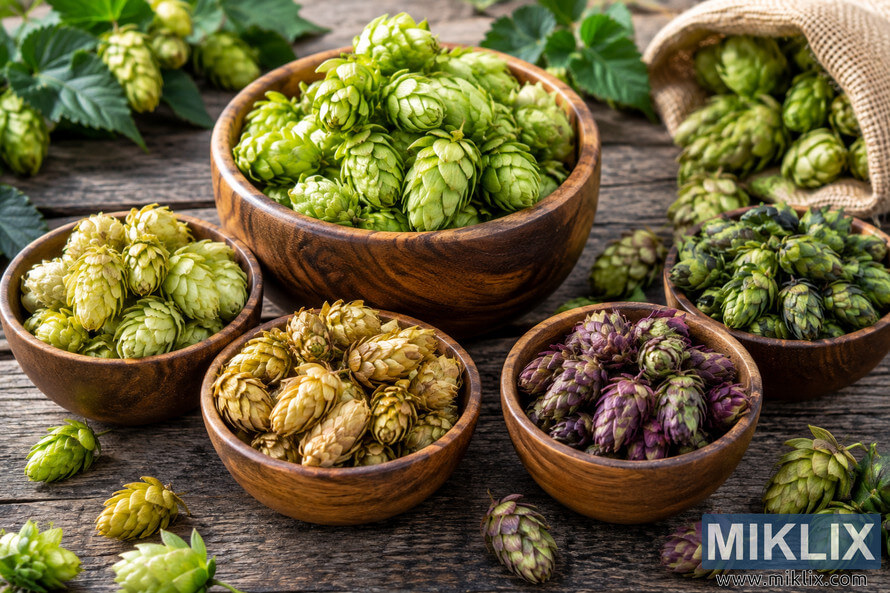
Click or tap the image for more information and higher resolutions.
Classic American Hop Pairings
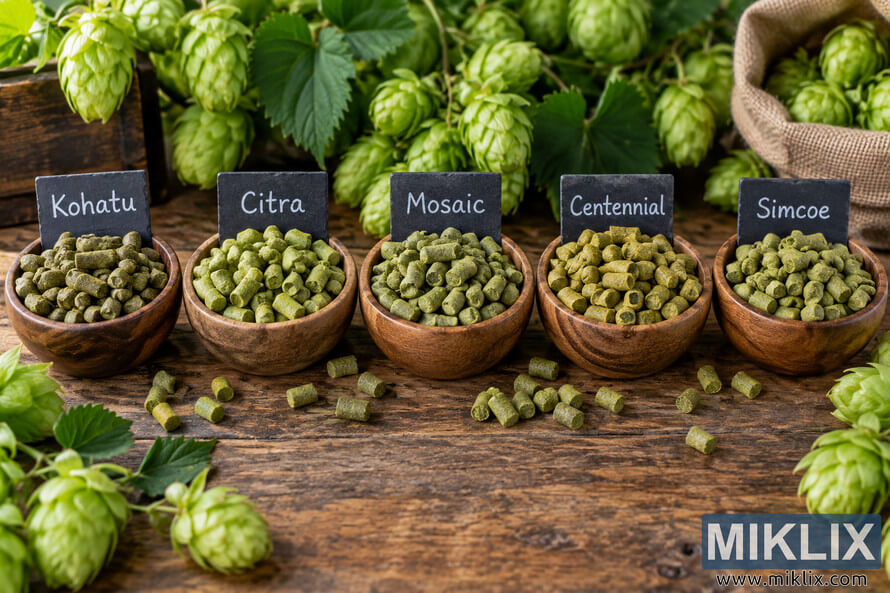
Citra hops complement Kohatu exceptionally well in hop-forward beers. Citra brings additional tropical fruit notes with emphasis on grapefruit and mango. The combination creates an intense fruit-forward profile perfect for hazy IPAs and fruit-focused pale ales.
Mosaic adds berry complexity alongside Kohatu's stone fruit character. The variety's blueberry and tangerine notes layer beautifully with Kohatu's peach and apricot profile. Use equal parts of each variety for balanced complexity or adjust ratios to emphasize different characteristics.
Kohatu + Citra
This powerhouse combination delivers maximum tropical impact. Both hops share fruit-forward characteristics that reinforce each other without creating muddled flavors.
- Ratio: 60% Kohatu, 40% Citra
- Best for: Hazy IPA, Juicy IPA
- Flavor profile: Intense tropical fruit, stone fruit, citrus
- Addition method: Late boil and dry hop
Kohatu + Mosaic
Berry and stone fruit marry in this elegant pairing. The combination offers complexity without overwhelming bitterness, making it suitable for various styles.
- Ratio: 50% Kohatu, 50% Mosaic
- Best for: American Pale Ale, Session IPA
- Flavor profile: Mixed fruit bowl, subtle tropical
- Addition method: All addition timings work well
Kohatu + Centennial
Classic American character meets New Zealand fruit in this balanced blend. Centennial adds floral and citrus notes that provide structure.
- Ratio: 70% Kohatu, 30% Centennial
- Best for: American IPA, Pale Ale
- Flavor profile: Tropical fruit with citrus backbone
- Addition method: Centennial for bittering, Kohatu for aroma
Kohatu + Simcoe
Pine and tropical fruit create interesting contrast in this combination. Simcoe's resinous quality balances Kohatu's soft fruit character.
- Ratio: 60% Kohatu, 40% Simcoe
- Best for: West Coast IPA, Double IPA
- Flavor profile: Tropical fruit with piney finish
- Addition method: Simcoe early, Kohatu late and dry hop
Click or tap the image for more information and higher resolutions.
New Zealand and Southern Hemisphere Blends
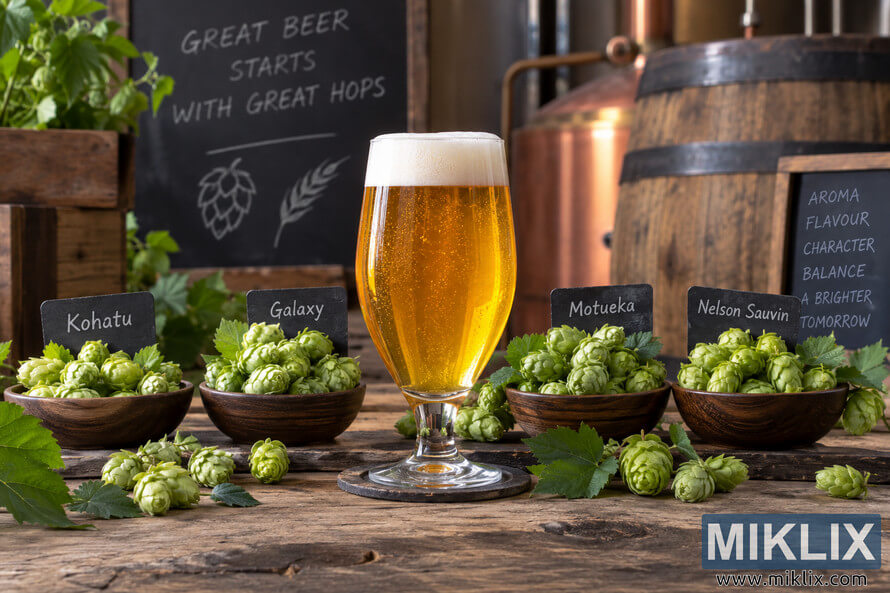
Galaxy hops from Australia pair naturally with Kohatu due to similar tropical profiles. Galaxy emphasizes passionfruit while Kohatu focuses on stone fruit. Together they create an intense Southern Hemisphere character that defines modern Pacific-style IPAs.
Nelson Sauvin offers an interesting contrast to Kohatu. While both are New Zealand hops, Nelson's wine-like gooseberry character differs significantly from Kohatu's tropical notes. Small amounts of Nelson Sauvin add complexity without overwhelming Kohatu's primary character.
Motueka and Kohatu Combination
Motueka brings bright lemon-lime citrus that lightens Kohatu's richer stone fruit notes. This pairing works exceptionally well in wheat beers and lighter ales. The combination creates refreshing character perfect for warm weather drinking.
Southern Hemisphere Blend
Kohatu + Galaxy
- Maximum tropical intensity
- Passionfruit meets peach
- 3-4 oz total dry hop (5 gal)
- Equal parts for best results
New Zealand Duo
Kohatu + Motueka
- Balanced fruit and citrus
- Refreshing character
- 70% Kohatu, 30% Motueka
- Excellent in wheat beers
Pacific Complexity
Kohatu + Nelson Sauvin
- Stone fruit plus gooseberry
- Wine-like complexity
- 80% Kohatu, 20% Nelson
- Use Nelson sparingly
Click or tap the image for more information and higher resolutions.
Traditional Hop Variety Support
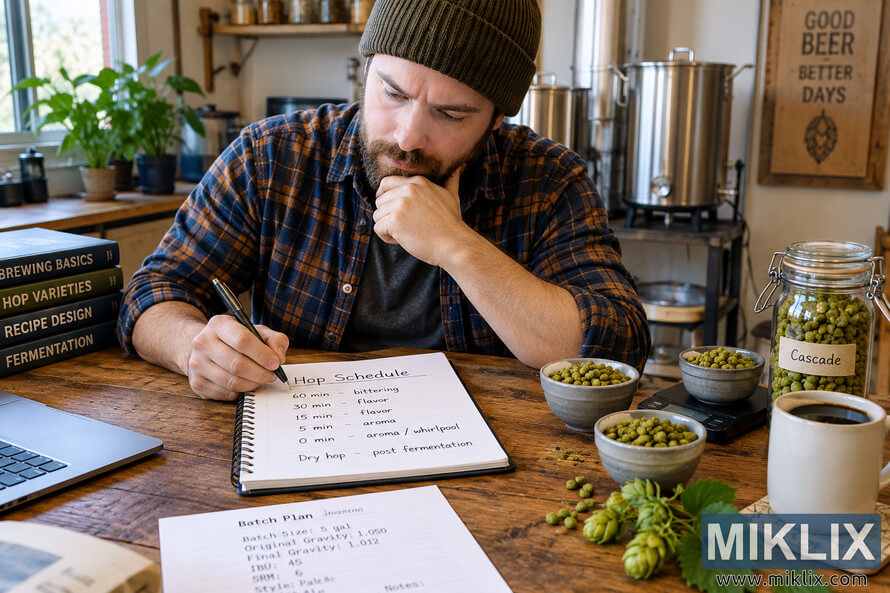
Cascade provides a neutral citrus backdrop that allows Kohatu to shine as the primary aroma hop. Use Cascade for bittering additions while reserving Kohatu for late additions and dry hopping. This economical approach maximizes Kohatu's impact while controlling costs.
Columbus or Tomahawk work well as high-alpha bittering hops in Kohatu-forward recipes. These varieties provide clean bitterness without competing aromatics. Add them early in the boil, then layer Kohatu character through late and dry hop additions.
Single Hop versus Blended Approaches
Single-hop beers showcase Kohatu's character without interference from other varieties. This approach helps you understand exactly what Kohatu contributes to beer. Many brewers start with single-hop batches before experimenting with blends.
Blended hop bills offer more complexity and can create signature house characters. Start with two-hop combinations before advancing to three or more varieties. More hops don't automatically improve beer quality—focus on purposeful combinations that enhance specific characteristics.
Blending Strategy: When creating hop combinations, think in terms of primary, secondary, and accent roles. Kohatu works beautifully as a primary hop (60-80% of late additions) with supporting varieties adding complexity. Alternatively, use it as a secondary hop (20-40%) to add tropical notes to citrus or pine-forward profiles.
Click or tap the image for more information and higher resolutions.
Cost-Effective Hop Combinations
Premium hops like Kohatu cost more than traditional varieties. Strategic blending reduces recipe costs while maintaining character. Use less expensive hops for bittering and early additions, reserving Kohatu for late additions where it provides maximum impact.
CTZ (Columbus, Tomahawk, Zeus) varieties offer excellent bittering at lower cost. Use 1 ounce of CTZ for bittering, then add 1-2 ounces of Kohatu for aroma. This approach delivers hop-forward character at approximately half the cost of an all-Kohatu bill.
Example Homebrew Recipes and Usage Rates for Different Styles
These detailed recipes demonstrate practical applications for Kohatu hops across various beer styles. Each recipe includes complete specifications for a standard 5-gallon homebrew batch. Adjust quantities proportionally for different batch sizes while maintaining the same ratios.
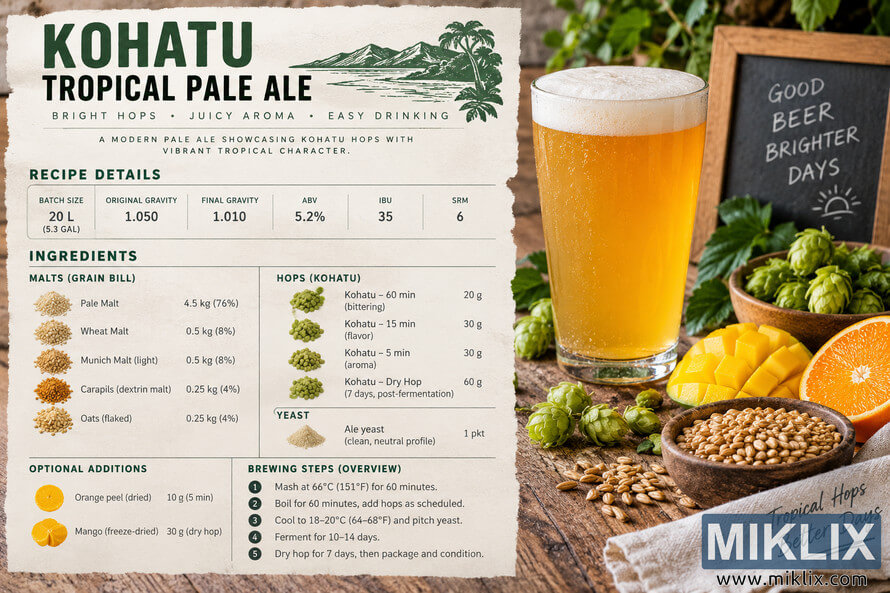
Kohatu Tropical Pale Ale Recipe
This approachable pale ale showcases Kohatu's fruit character without overwhelming bitterness. The recipe produces a balanced beer perfect for introducing others to New Zealand hops. Moderate alcohol content and restrained hopping make it an excellent all-day drinking option.
Click or tap the image for more information and higher resolutions.
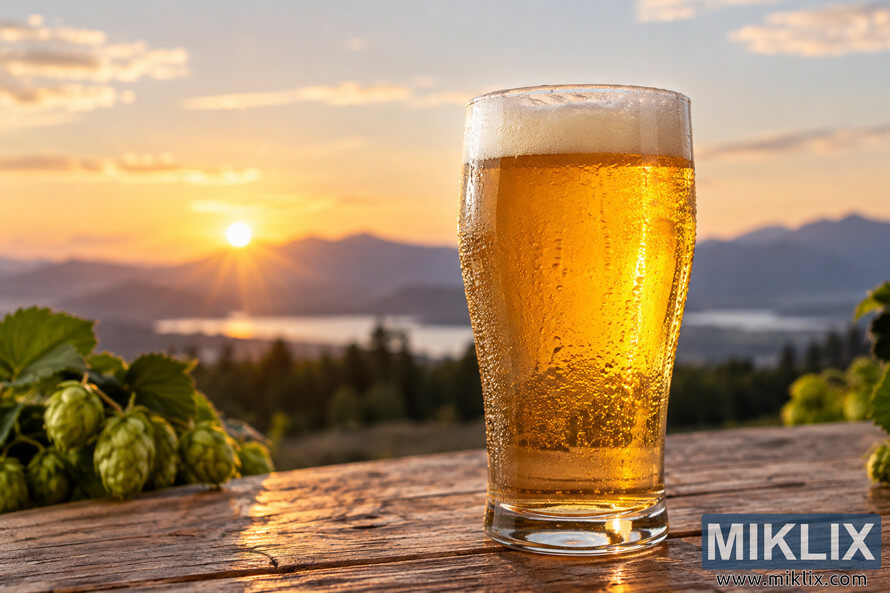
Vital Statistics
- Batch Size: 5 gallons
- Original Gravity: 1.052
- Final Gravity: 1.012
- ABV: 5.2%
- IBU: 38
- Color: 5 SRM (golden)
- Boil Time: 60 minutes
Click or tap the image for more information and higher resolutions.
Grain Bill
- 9.0 lbs American 2-Row Pale Malt (90%)
- 0.75 lbs Munich Malt 10L (7.5%)
- 0.25 lbs Carapils/Dextrine Malt (2.5%)
Hop Schedule
- 0.5 oz Columbus (14% AA) - 60 minutes (bittering)
- 0.5 oz Kohatu - 15 minutes (flavor)
- 1.0 oz Kohatu - 5 minutes (aroma)
- 1.0 oz Kohatu - Whirlpool at 175°F for 20 minutes
- 2.0 oz Kohatu - Dry hop for 4 days
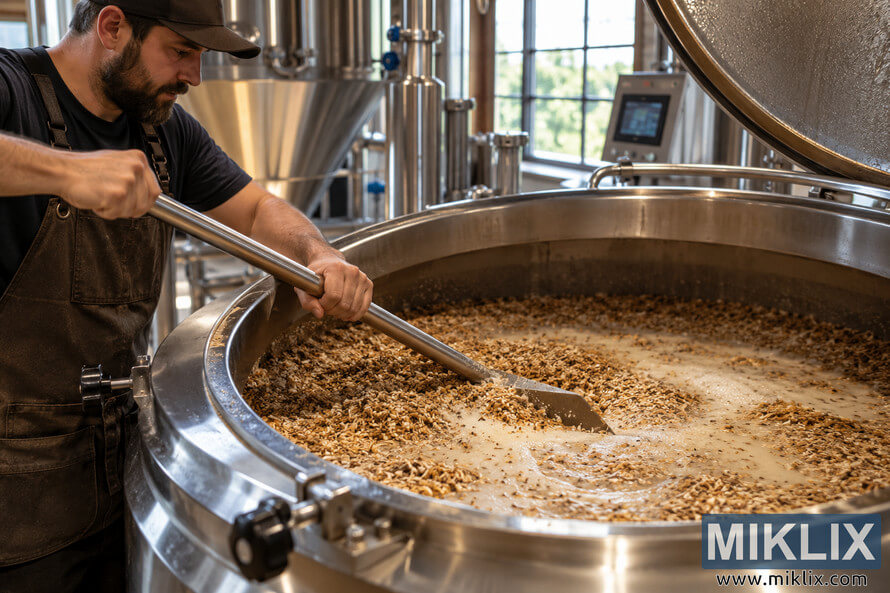
Ferment with American ale yeast at 67 degrees Fahrenheit. Popular choices include Safale US-05, White Labs WLP001, or Wyeast 1056. Package after dry hop removal and brief cold crash.
Click or tap the image for more information and higher resolutions.
Hazy Kohatu IPA Recipe
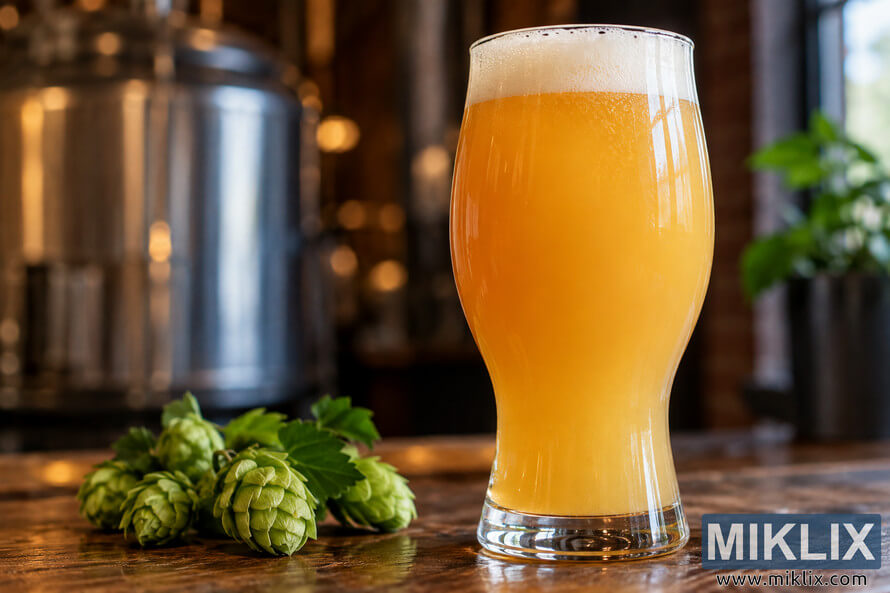
This modern hazy IPA emphasizes Kohatu's juicy tropical character. The recipe uses techniques proven to create the soft mouthfeel and intense hop aroma that define the style. High hop rates and specific water chemistry deliver the expected hazy appearance.
Vital Statistics
- Batch Size: 5 gallons
- Original Gravity: 1.064
- Final Gravity: 1.014
- ABV: 6.6%
- IBU: 45
- Color: 5 SRM (hazy golden)
- Boil Time: 60 minutes
Grain Bill
- 10.0 lbs American 2-Row Pale Malt (77%)
- 2.0 lbs Flaked Oats (15%)
- 1.0 lb Wheat Malt (8%)
Hop Schedule
- 0.5 oz Columbus (14% AA) - 60 minutes (bittering only)
- 2.0 oz Kohatu - Whirlpool at 170°F for 30 minutes
- 2.0 oz Kohatu - Dry hop #1 at day 3 of fermentation
- 2.0 oz Kohatu + 1.0 oz Citra - Dry hop #2 at day 6 of fermentation
Water Chemistry for Hazy IPA: Target 150 ppm sulfate and 150 ppm chloride for balanced flavor. Add calcium chloride and gypsum to achieve a 1:1 ratio. This promotes hop aroma while maintaining smooth mouthfeel. Keep pH between 5.3-5.5 for optimal enzyme activity and flavor.
Ferment with London Ale III (Wyeast 1318) or similar strain at 68 degrees Fahrenheit. These yeasts produce soft esters that complement hop character. Package directly from fermenter without cold crash to maintain haze.
Click or tap the image for more information and higher resolutions.
Kohatu Session IPA Recipe
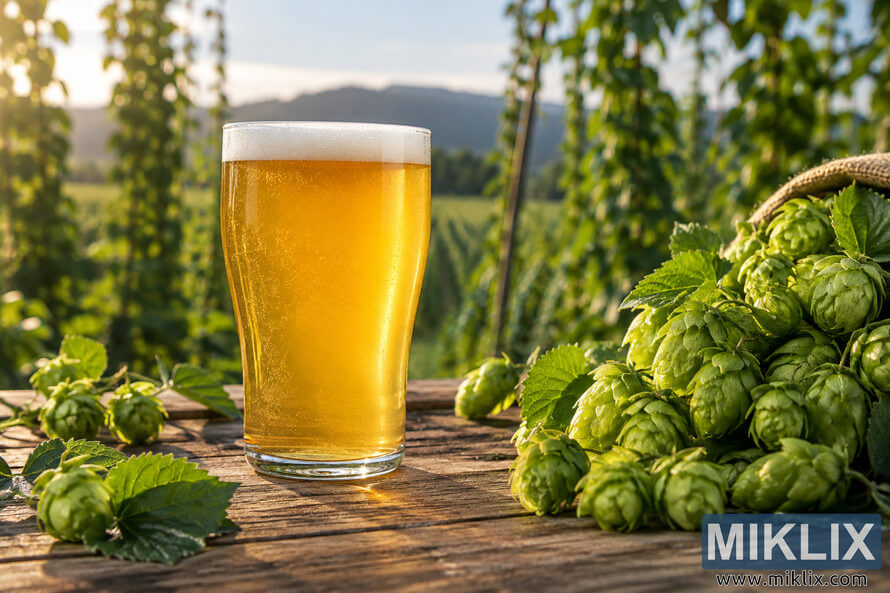
Lower alcohol content makes this session IPA highly drinkable while maintaining bold hop character. Strategic hop additions maximize aroma impact despite reduced malt backbone. The recipe proves that flavorful beer doesn't require high alcohol content.
Vital Statistics
- Batch Size: 5 gallons
- Original Gravity: 1.045
- Final Gravity: 1.010
- ABV: 4.6%
- IBU: 42
- Color: 4 SRM (pale gold)
- Boil Time: 60 minutes
Grain Bill
- 7.5 lbs American 2-Row Pale Malt (88%)
- 0.5 lbs Munich Malt (6%)
- 0.5 lbs Carapils (6%)
Hop Schedule
- 0.5 oz CTZ (15% AA) - First wort hopping
- 1.0 oz Kohatu - 10 minutes
- 1.0 oz Kohatu - 5 minutes
- 1.5 oz Kohatu - Whirlpool at 180°F for 20 minutes
- 2.0 oz Kohatu - Dry hop for 4 days
Ferment with clean American ale yeast at 66 degrees Fahrenheit. Lower fermentation temperature helps maintain delicate hop aromatics in this lighter beer. Target finishing gravity around 1.010 for appropriate body despite lower starting gravity.
Click or tap the image for more information and higher resolutions.
Quick Tips
- First wort hopping adds smooth bitterness
- High late hop rates boost aroma
- Lower fermentation temperature preserves hops
- Dry hop for maximum impact
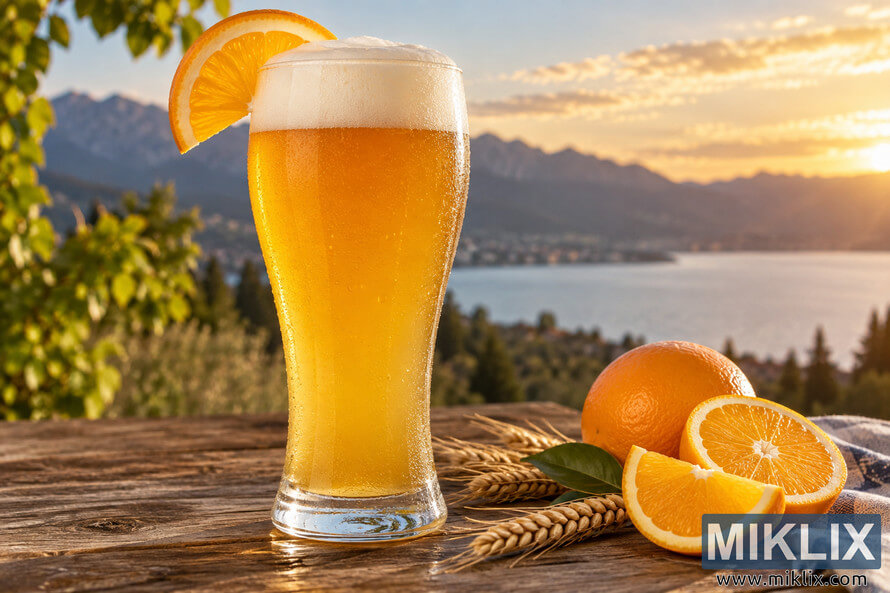
Kohatu American Wheat Beer Recipe
This American wheat beer highlights Kohatu's approachability in lighter styles. The soft wheat character provides an ideal backdrop for the hop's tropical notes. Restrained hopping maintains the style's refreshing qualities while adding complexity.
Vital Statistics
- Batch Size: 5 gallons
- Original Gravity: 1.048
- Final Gravity: 1.011
- ABV: 4.9%
- IBU: 22
- Color: 4 SRM (pale straw)
- Boil Time: 60 minutes
Grain Bill
- 4.5 lbs American 2-Row Pale Malt (50%)
- 4.5 lbs White Wheat Malt (50%)
Hop Schedule
- 0.25 oz Kohatu - 60 minutes (light bittering)
- 0.5 oz Kohatu - 5 minutes
- 1.0 oz Kohatu - Dry hop for 3 days
Ferment with American wheat beer yeast at 68 degrees Fahrenheit. Strains like WLP320 or Wyeast 1010 produce clean character without phenolic spice notes. The simplicity allows Kohatu's fruit profile to take center stage.
Click or tap the image for more information and higher resolutions.
General Recipe Formulation Guidelines
Base malt selection impacts how Kohatu hops express themselves in finished beer. American 2-row provides neutral backdrop ideal for showcasing hops. British pale malt adds subtle biscuit notes that can complement or compete depending on your goals.
Specialty malt percentages should remain modest in hop-forward beers. Keep crystal malts below 5 percent to avoid sweetness that can clash with hop bitterness. Oats and wheat add body and haze without interfering with hop character.
| Beer Style | OG Range | Total Kohatu (5 gal) | Suggested Distribution |
| Blonde Ale | 1.042-1.050 | 2.0-3.0 oz | All late additions & dry hop |
| Pale Ale | 1.048-1.055 | 3.0-4.5 oz | 1 oz flavor, 2-3 oz aroma/dry hop |
| Session IPA | 1.042-1.048 | 4.0-5.5 oz | Heavy late hop & dry hop focus |
| IPA | 1.055-1.070 | 5.0-8.0 oz | 2 oz whirlpool, 3-6 oz dry hop |
| Wheat Beer | 1.044-1.052 | 1.5-2.5 oz | Light late additions only |
Storage and Handling Recommendations for Kohatu Hops
Proper storage preserves Kohatu hops quality from purchase through brew day. Hops degrade rapidly under poor storage conditions, losing aromatic compounds and developing off flavors. Understanding storage requirements protects your investment and ensures consistent brewing results.
Understanding Hop Degradation
Alpha acids break down over time through oxidation processes. This degradation reduces bittering potential and alters flavor characteristics. Heat accelerates oxidation dramatically—hops stored at room temperature lose quality ten times faster than refrigerated hops.
Oxygen exposure drives most hop degradation. Even small amounts of oxygen in packaging react with hop compounds. Vacuum-sealed packages minimize oxygen contact, but some degradation occurs after opening packages for use.
Click or tap the image for more information and higher resolutions.
Factors Accelerating Degradation
- High temperatures above 40°F
- Oxygen exposure from air
- Light exposure (UV damage)
- Extended storage duration
- Temperature fluctuations
- Moisture contamination
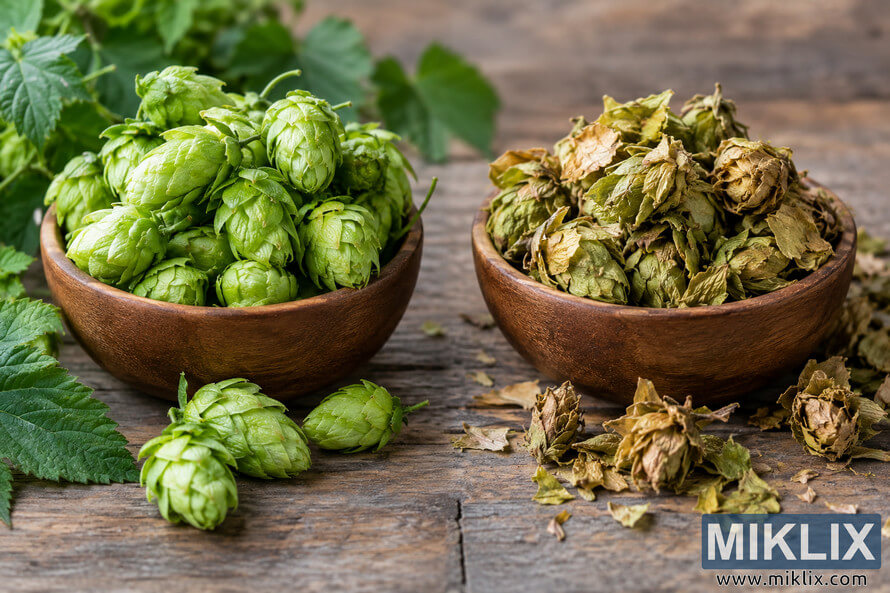
Signs of Degraded Hops
- Brownish color instead of green
- Cheesy or sweaty aroma
- Reduced lupulin content
- Brittle, crumbly texture
- Diminished fresh hop aroma
- Oxidized or stale smell
Click or tap the image for more information and higher resolutions.
Optimal Storage Conditions
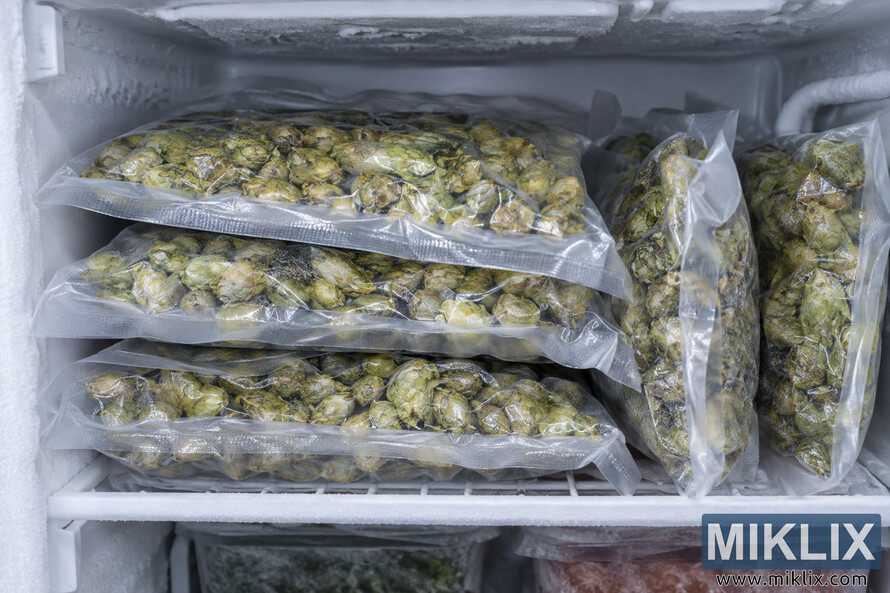
Freezer storage at 0 degrees Fahrenheit or below provides ideal conditions for long-term hop preservation. At this temperature, degradation slows to minimal levels. Hops can maintain quality for years when properly frozen, though using fresher hops always produces better results.
Refrigerator storage works adequately for short-term keeping of opened packages. Keep hops at 35-38 degrees Fahrenheit if freezer space is limited. Plan to use refrigerated hops within 3-6 months for optimal quality.
Packaging Considerations
Original vacuum-sealed packages provide excellent protection until opening. Once you break the seal, oxygen begins degrading hop quality. Minimize air exposure by resealing packages carefully after each use.
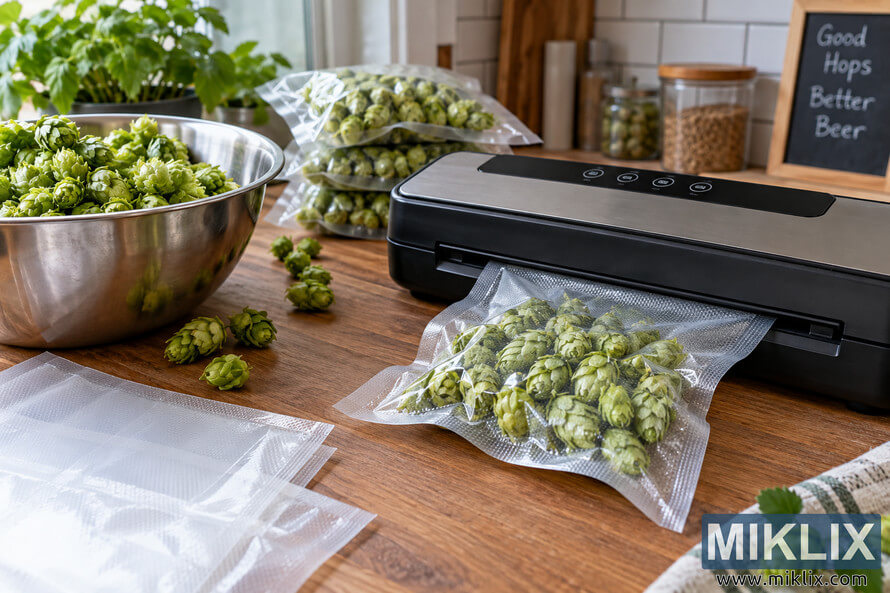
Vacuum sealing opened hop packages extends their usable life significantly. Home vacuum sealers cost less than one pound of premium hops and pay for themselves quickly. Purge packages with carbon dioxide before vacuum sealing for maximum protection.
Storage Best Practice: Purchase hops in quantities you'll use within 6-12 months, even with proper freezer storage. While hops remain usable longer, the freshest hops produce the best beer. Consider splitting large purchases with other homebrewers to ensure everyone uses fresh hops.
Click or tap the image for more information and higher resolutions.
Handling Hops on Brew Day
Remove hops from frozen storage immediately before use. Measure needed quantities quickly, then return unused portions to freezer promptly. Extended time at room temperature accelerates degradation of remaining hops in the package.
Frozen hop pellets break apart easily despite being frozen. You don't need to thaw hops before adding them to boiling wort or whirlpool. Adding frozen hops directly to hot wort causes no problems and actually minimizes degradation before use.
Measuring and Portioning
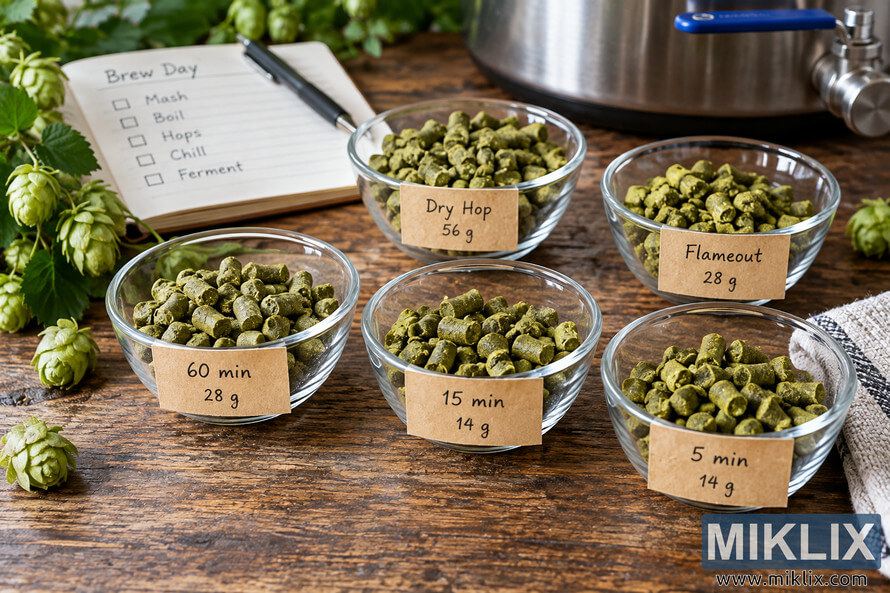
Digital scales provide accuracy essential for consistent brewing results. Measure hops to 0.1-ounce precision or better. Keep your scale away from steam and moisture during brew day to maintain accuracy and prevent damage.
Pre-portioning hops before brew day streamlines the brewing process. Measure out each addition into separate bags or containers. Label each portion with addition timing and quantity. This preparation reduces stress during active brewing.
Click or tap the image for more information and higher resolutions.
Brew Day Organization
- Pre-measure all hop additions
- Label bags with timing and amount
- Keep unused hops refrigerated during brew day
- Return unopened packages to freezer immediately
- Use oldest hops first (FIFO method)
Long-Term Storage Planning
Inventory management prevents waste from old hops accumulating in your freezer. Create a simple tracking system noting purchase date, quantity, and crop year. Use oldest hops first to maintain rotation.
Dedicate specific freezer space exclusively to hops. Keep hops away from foods with strong odors that might permeate packaging. An inexpensive chest freezer in your brewing area provides convenient dedicated hop storage.
When to Discard Hops
Trust your senses when evaluating questionable hops. Fresh hops smell green, resinous, and pleasant. Degraded hops develop cheesy, sweaty, or musty odors indicating oxidation. When in doubt, discard suspect hops rather than risk ruining an entire batch of beer.
Brown coloring throughout hop pellets or cones indicates significant degradation. Surface browning might be acceptable, but thoroughly brown hops lack aromatic compounds worth brewing with. The cost of fresh hops pales compared to wasted ingredients and time from using poor quality hops.
| Storage Method | Temperature | Expected Shelf Life | Best For |
| Deep Freezer (vacuum sealed) | 0°F or below | 2-3 years | Long-term storage, bulk purchases |
| Freezer (opened package) | 0-10°F | 6-12 months | Regular brewing, opened packages |
| Refrigerator (vacuum sealed) | 35-40°F | 6-12 months | Short-term storage, limited freezer space |
| Refrigerator (opened) | 35-40°F | 3-6 months | Currently using packages |
| Room Temperature | 65-75°F | 2-4 weeks | Not recommended for any storage |
Special Considerations for Whole Cone Hops
Whole cone hops require more storage space than pellets but offer advantages for certain applications. The lower surface area of intact cones provides some natural protection against oxidation. Store whole cones using the same temperature guidelines as pellets.
Whole cones compress during storage, allowing reasonably efficient use of freezer space. Vacuum-sealed whole cone packages work well, though the irregular shape makes sealing more challenging. Consider using larger vacuum seal bags to accommodate the cone volume.
Advanced Brewing Techniques with Kohatu Hops
Click or tap the image for more information and higher resolutions.
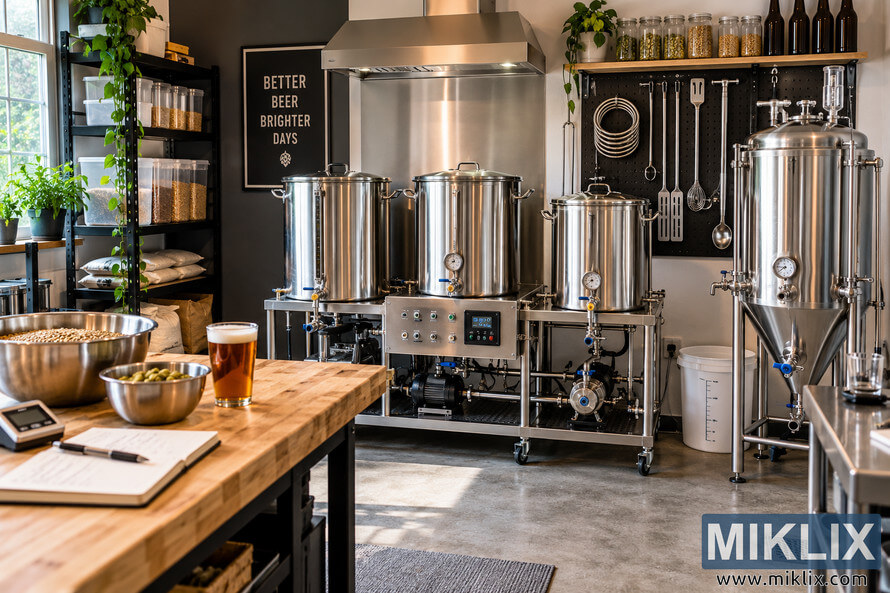
Experienced brewers can employ specialized techniques to extract even more character from Kohatu hops. These advanced methods require additional equipment or careful process control. The effort invested produces noticeably superior results in hop-forward beer styles.
Biotransformation Dry Hopping
Adding hops during active fermentation allows yeast to transform hop compounds into new aromatic molecules. This process called biotransformation creates flavors impossible to achieve through traditional dry hopping. The technique works exceptionally well with Kohatu's tropical profile.
Time the first dry hop addition 2-3 days after pitching yeast. Fermentation should be visibly active with a thick krausen layer. Add half your planned dry hop charge at this point. The remaining hops go in after fermentation slows at day 5-7.
Biotransformation Benefits
- Enhanced tropical fruit character
- Smoother hop flavor integration
- Reduced harsh or vegetal notes
- Increased aroma complexity
- Better hop flavor retention
Implementation Tips
- Use during active fermentation only
- Split dry hop into two additions
- Maintain fermentation temperature
- Minimize oxygen exposure during addition
- Package soon after second addition
Click or tap the image for more information and higher resolutions.
Hop Stands and Extended Whirlpool
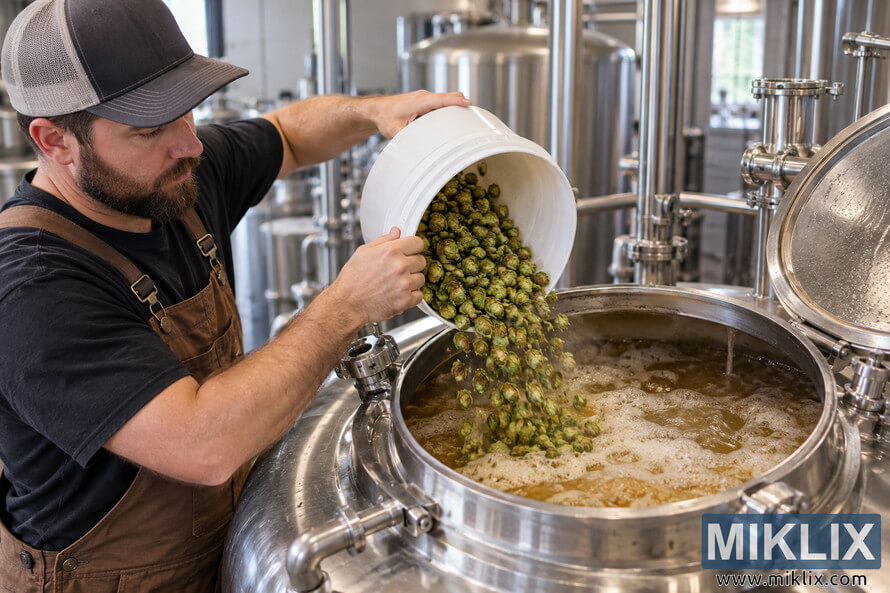
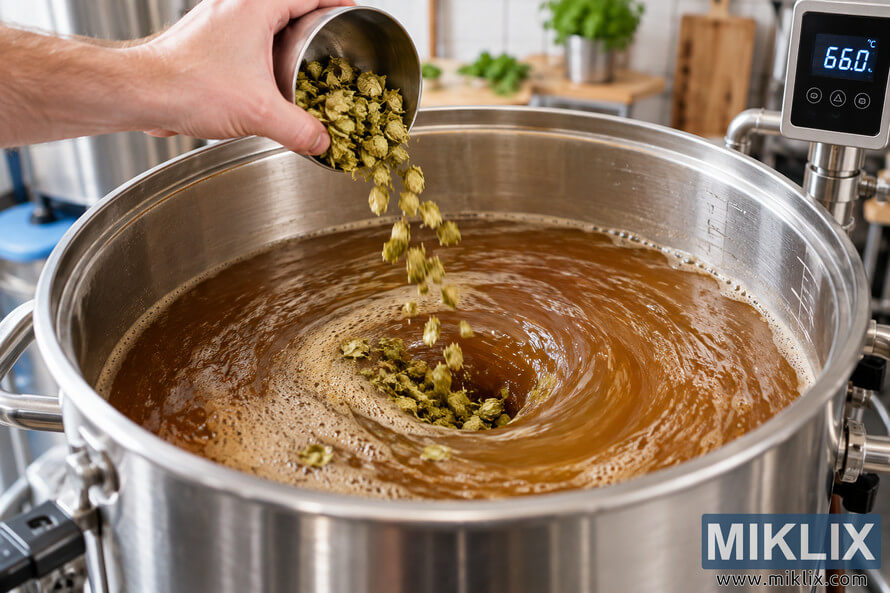
Extended whirlpool additions at controlled temperatures extract maximum aroma while managing bitterness. After completing the boil, cool wort to 170-180 degrees Fahrenheit before adding hops. Maintain this temperature range for 20-30 minutes while hops steep.
Temperature control during hop stands proves critical for optimal results. Below 160 degrees extracts too little. Above 190 degrees adds excessive bitterness and vegetal character. A simple heat source that maintains steady temperature works better than letting wort cool naturally.
Multi-Temperature Hop Stand Technique
Advanced brewers employ multiple temperature stages during hop stands. Start at 180 degrees for 10 minutes to extract some bitterness and flavor. Cool to 160 degrees and add more hops for pure aroma extraction. This layered approach builds complexity.
IBU Contribution: Whirlpool additions at 170-180°F contribute approximately 20-30% of the IBUs that a full boil addition would provide. Factor this into your bitterness calculations when using large whirlpool charges. Most brewing software includes whirlpool/hop stand functionality for accurate IBU prediction.
Click or tap the image for more information and higher resolutions.
Keg Hopping for Fresh Aroma
Adding hops directly to kegs delivers unmatched aroma freshness. The closed, CO2-purged environment of a keg prevents oxidation while allowing gentle hop extraction. This technique particularly suits low-carbonated styles where hop aroma matters most.
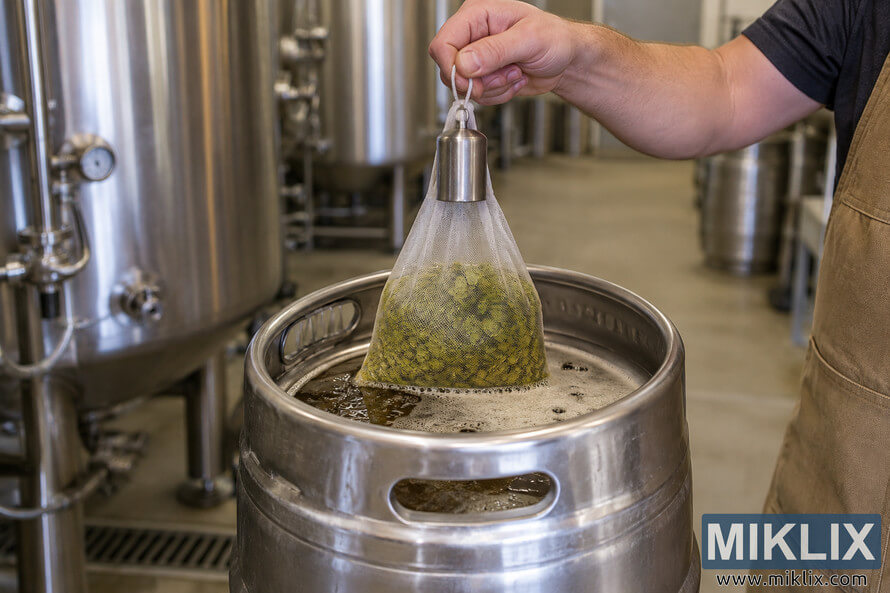
Use 1-2 ounces of Kohatu per 5-gallon keg for noticeable character. Place hops in a weighted mesh bag to keep them submerged and prevent clogging the dip tube. The hops will extract over 3-5 days as beer conditions.
Managing Keg Hop Extraction Time
Remove hop bags from kegs after 5-7 days to prevent vegetal extraction. Use a sanitized tool with a hook to retrieve the weighted bag through the keg opening. This step requires planning but significantly improves final beer quality compared to leaving hops indefinitely.
Traditional Dry Hop
- In fermenter post-fermentation
- 3-5 day contact time
- Easiest method
- Higher oxygen risk during transfer
Closed Transfer
- Pressure transfer from fermenter
- Zero oxygen pickup
- Requires special equipment
- Best hop aroma retention
Keg Hopping
- Hops added directly to serving keg
- Maximum freshness
- Requires hop bag removal
- Great for experimental batches
Click or tap the image for more information and higher resolutions.
Water Chemistry Optimization
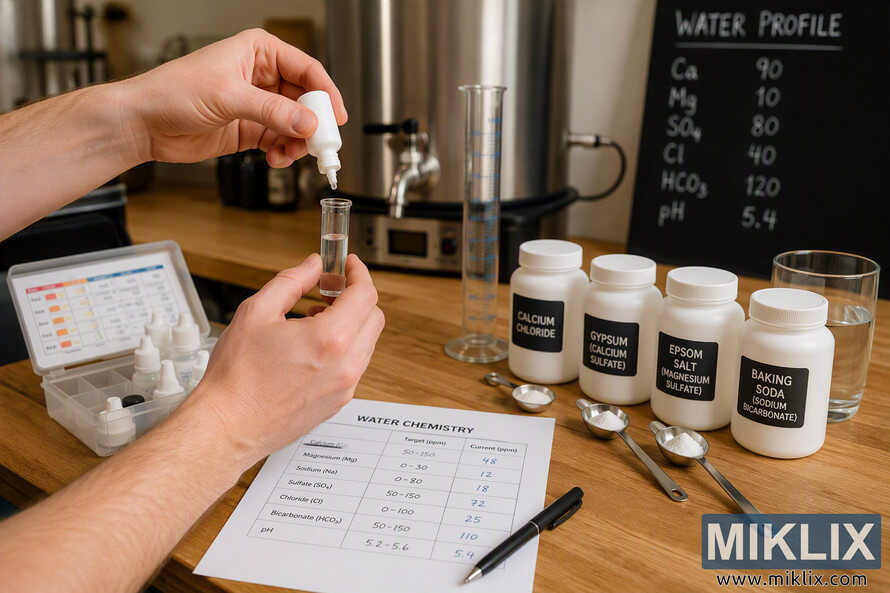
Fine-tuning water chemistry unlocks subtle improvements in how Kohatu expresses itself. Calcium levels between 50-100 ppm provide adequate enzyme function and yeast health. Higher calcium can increase perceived bitterness harshness.
Sulfate-to-chloride ratio dramatically affects hop character perception. Ratios favoring sulfate (2:1 or 3:1) accentuate hop bitterness and dryness. Balanced ratios (1:1) or chloride-forward profiles create softer, rounder hop flavor. Experiment to find your preferred expression.
pH Management Throughout Brewing
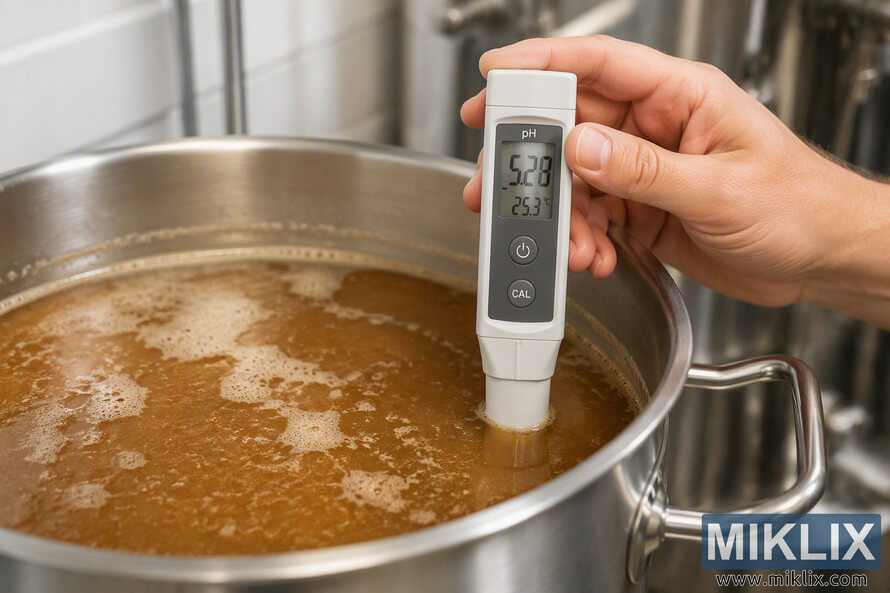
Mash pH affects efficiency and final beer flavor. Target 5.3-5.5 pH in the mash for optimal enzyme activity and clean flavor. Low mash pH extracts less harsh tannins from grain while preserving bright hop character in finished beer.
Kettle pH influences hop utilization and final beer flavor. Adding gypsum or calcium chloride to the kettle can lower pH, potentially improving hop expression. Monitor kettle pH if your source water has high alkalinity that affects hop utilization.
| Water Profile | Sulfate (ppm) | Chloride (ppm) | SO4:Cl Ratio | Best For |
| Soft & Juicy | 75 | 150 | 1:2 | Hazy IPA, soft hoppy beers |
| Balanced | 150 | 150 | 1:1 | Pale ales, balanced IPAs |
| Hop Forward | 200 | 100 | 2:1 | West Coast IPA, crisp hoppy beers |
| Aggressive | 300 | 100 | 3:1 | Double IPA, maximum hop bite |
Click or tap the image for more information and higher resolutions.
Oxygen-Free Dry Hopping Methods
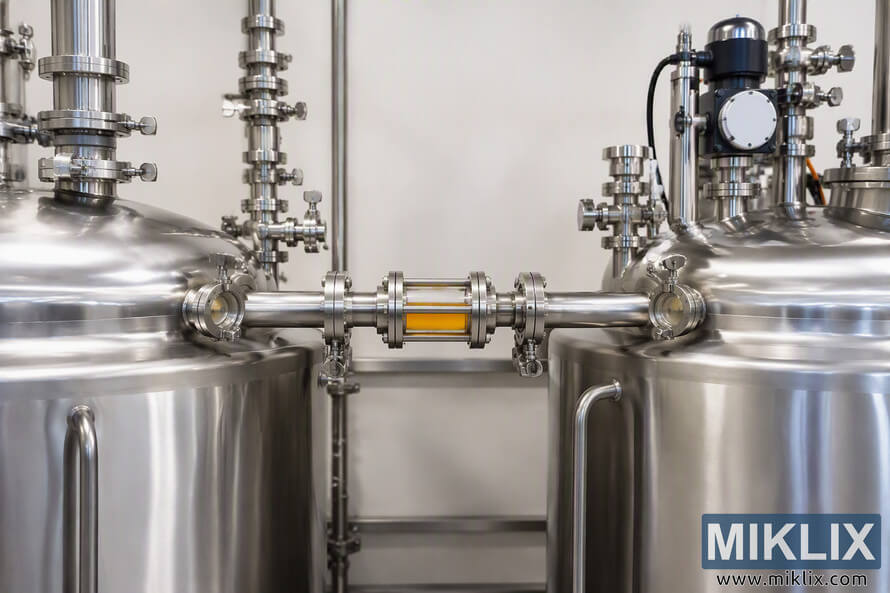
Oxygen exposure during dry hopping degrades hop aromatics and creates staling. Closed transfer systems eliminate this problem by keeping beer under CO2 pressure throughout dry hopping and packaging. The investment in pressure-rated fermenters pays dividends in hop aroma quality.
Purging fermenters with CO2 before adding dry hops reduces oxygen exposure in traditional fermenters. Fill the fermenter headspace with CO2, then quickly add hops and reseal. While not perfect, this method significantly reduces oxygen pickup compared to simply opening the fermenter.
Pressure Fermentation Considerations
Fermenting under pressure allows sealed dry hop additions through carbonation caps or other ports. The constant positive pressure prevents any oxygen ingress. This technique requires special fermentation vessels but produces exceptionally clean hop character.
Troubleshooting Common Issues with Kohatu Hops
Even experienced brewers encounter challenges when working with specialty hops like Kohatu. Understanding common problems and their solutions helps you consistently produce excellent beer. These troubleshooting guidelines address issues specific to brewing with this New Zealand hop variety.
Grassy or Vegetal Off-Flavors
Excessive grassy character typically results from too much dry hop contact time or too-warm temperatures. Kohatu begins extracting undesirable vegetal compounds after 5-7 days in contact with beer. Remove dry hops promptly to avoid this issue.
Temperature during dry hopping affects what compounds extract from hops. Temperatures above 70 degrees Fahrenheit accelerate extraction of harsh vegetal notes. Keep beer cool during dry hopping, ideally between 60-68 degrees for optimal results.

Click or tap the image for more information and higher resolutions.
Prevention Strategies
- Limit dry hop contact to 3-5 days maximum
- Maintain temperatures below 70°F during dry hop
- Remove hop bags before extended conditioning
- Use fresher hops with better aroma quality
- Reduce total dry hop quantity if issue persists
Correction Options
- Blend with clean beer if you have extra
- Extended cold conditioning may reduce intensity
- Learn from experience and adjust next batch
- Consider this beer for blending stock
- Note contact time and temperature for future reference
Click or tap the image for more information and higher resolutions.
Insufficient Hop Aroma
Weak hop aroma despite generous additions often indicates oxidation issues. Oxygen exposure during fermentation or packaging destroys delicate hop aromatics rapidly. Review your process for points where oxygen might enter the system.
Old or poorly stored hops lack the aromatic punch of fresh product. Check harvest dates on hop packages and evaluate aroma before brewing. Hops should smell intensely fresh and resinous, not stale or cheesy. Source fresher hops if your current supply seems weak.
Process Issues Affecting Hop Aroma
Transfer methods significantly impact final hop character. Splashing beer during transfers introduces oxygen that strips aromatics. Use closed transfer systems or careful siphoning to minimize air contact. The extra care preserves more hop character in finished beer.
Fermentation temperature affects how much hop aroma survives the process. Very warm fermentation produces yeast esters that can mask hop character. Higher fermentation temperatures also drive off volatile hop compounds. Keep fermentation in the lower recommended range for your yeast strain.
Dry Hop Timing: Adding hops too early in fermentation exposes them to vigorous CO2 scrubbing that strips aromatics. Wait until fermentation activity slows significantly before dry hopping. You'll retain much more hop aroma in the finished beer with this patient approach.
Click or tap the image for more information and higher resolutions.
Excessive or Harsh Bitterness
Unexpectedly high bitterness often results from calculation errors or using hops with higher alpha acids than expected. Always check the actual alpha acid percentage printed on your hop package rather than using database averages. Adjust calculations accordingly to hit target bitterness.
Whirlpool additions at too-high temperatures contribute more bitterness than expected. Steep hops below 180 degrees Fahrenheit to minimize IBU contribution while maximizing aroma extraction. Higher temperatures push more alpha acids into solution, increasing perceived harshness.
Water Chemistry and Bitterness Perception
High sulfate levels amplify perceived bitterness and can make beers taste harsh. If your beer seems excessively bitter despite hitting calculated IBU targets, consider reducing sulfate concentrations. Drop to 150-200 ppm sulfate for most hoppy beer styles.
Low residual alkalinity in very soft water can make bitterness taste sharp or astringent. Add small amounts of calcium carbonate or sodium bicarbonate to increase RA if your source water is extremely soft. A small alkalinity increase rounds out bitterness without creating other issues.
IBU Reality Check: Calculated IBUs represent estimates, not precise measurements. Individual palates perceive bitterness differently, and malt sweetness affects bitterness perception. If your beers consistently taste more bitter than intended, reduce bittering additions by 20% as a starting adjustment point.
Click or tap the image for more information and higher resolutions.
Cloudy or Hazy Beer When Clarity is Desired
Excessive dry hopping creates permanent haze in beer through polyphenol-protein interactions. While haze is acceptable or desirable in many modern styles, traditional pale ales should be relatively clear. Reduce dry hop rates or use fining agents if you want clearer beer.
Cold crashing and gelatin fining remove most hop haze effectively. Chill beer to near-freezing temperatures for 24-48 hours after removing dry hops. Add dissolved gelatin and wait another 24 hours before packaging. This process drops most haze-causing particles.
Preventing Hop Creep
Hop creep occurs when enzymes in dry hops restart fermentation of residual sugars. The additional fermentation increases carbonation and can cause gushing bottles or over-carbonated kegs. This problem appears most commonly in heavily dry-hopped beers.
Monitor gravity after dry hopping to detect hop creep. If gravity drops more than 1-2 points, additional fermentation occurred. Account for this by reducing priming sugar for bottle conditioning or by packaging at slightly lower pressure. Some brewers now add dry hops earlier and wait for hop creep fermentation to complete before packaging.
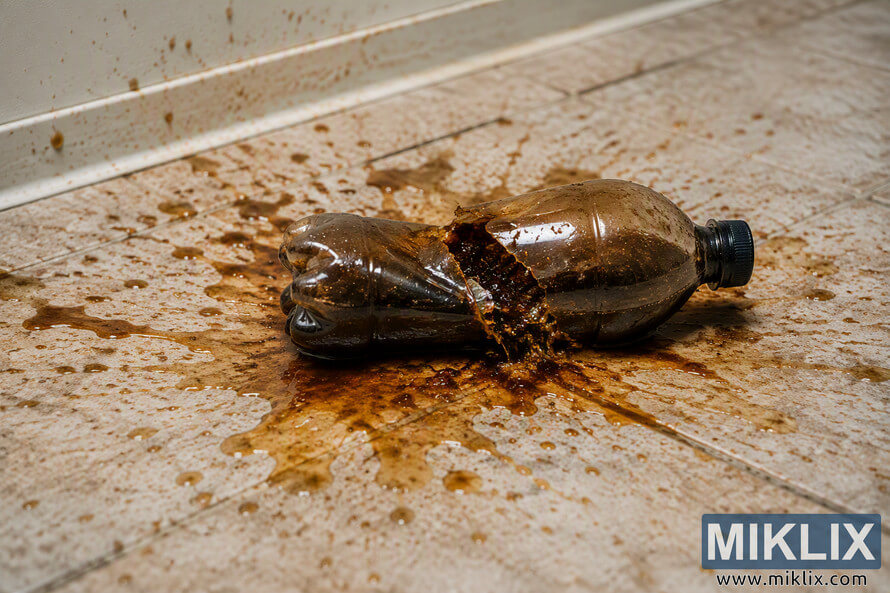
Safety Warning: Hop creep in bottled beer can create dangerous over-carbonation leading to exploding bottles. Always check final gravity stability before bottling heavily dry-hopped beers. Wait an extra few days and verify gravity hasn't changed before proceeding with packaging.
Click or tap the image for more information and higher resolutions.
Inconsistent Results Between Batches
Variation in hop alpha acids between different lots causes batch-to-batch differences. Always adjust recipes based on actual alpha acid values rather than averages. Small differences in alpha acids compound through multiple hop additions, creating noticeable variation.
Storage conditions between brew sessions affect hop quality. Hops left in the refrigerator for months degrade more than frozen hops. Maintain consistent storage practices and use hops within reasonable timeframes to ensure reproducible results.
Documentation and Process Control
Detailed brewing notes help identify sources of variation. Record everything including exact hop amounts, addition timings, temperatures, fermentation details, and packaging date. Review notes when investigating why batches differ to identify the variable causing inconsistency.
Standardizing your process reduces unintentional variation. Use the same yeast management practices, fermentation temperatures, and timing for each batch of a given recipe. Small process variations accumulate into significant differences in finished beer character.
Crafting Your Perfect Kohatu Beer
Kohatu hops offer homebrewers remarkable tropical fruit character that elevates beer from ordinary to exceptional. This New Zealand variety's distinctive stone fruit and tropical profile works beautifully in American-style ales where hop character takes center stage. From approachable pale ales to intensely hopped IPAs, Kohatu delivers consistent quality when handled properly.
Success with Kohatu requires understanding the variety's characteristics and applying appropriate brewing techniques. Fresh hops stored correctly maintain their aromatic potential through brew day. Strategic hop addition timing extracts maximum flavor while managing bitterness. Attention to fermentation conditions and oxygen management preserves delicate aromatics in finished beer.
The recipes and techniques covered in this guide provide starting points for your brewing experiments. Adjust hop rates, timing, and combinations based on your preferences and equipment capabilities. Keep detailed notes to track what works best in your brewing system. Each batch teaches lessons that improve subsequent brews.

Click or tap the image for more information and higher resolutions.
Water chemistry, yeast selection, and grain bill composition all influence how Kohatu expresses itself in your beer. Experiment with these variables systematically to understand their impact. The knowledge you gain applies beyond Kohatu to all hop varieties you use in future recipes.
Common troubleshooting scenarios addressed in this guide help you identify and correct issues before they affect finished beer quality. Many problems have straightforward solutions once you understand their root causes. Learn from mistakes and apply those lessons to continuously improve your brewing process.
Kohatu pairs exceptionally well with other hop varieties for creating complex flavor profiles. Start with simple combinations before progressing to elaborate blends featuring three or more varieties. Pay attention to which combinations resonate with your palate and those of people who drink your beer.
Click or tap the image for more information and higher resolutions.
Key Takeaways
- Store hops frozen in vacuum-sealed packages for maximum freshness
- Use generous late hop and dry hop additions to showcase Kohatu's aroma
- Maintain proper fermentation temperatures to preserve hop character
- Minimize oxygen exposure during and after fermentation
- Adjust recipes based on actual alpha acid values from packages
- Remove dry hops after 3-5 days to avoid vegetal extraction
- Experiment with complementary hop varieties for complex profiles
Click or tap the image for more information and higher resolutions.
Conclusion
The homebrewing community offers tremendous resources for learning and improvement. Share your experiences brewing with Kohatu and learn from others who have worked with this variety. Online forums, local homebrew clubs, and brewing competitions provide opportunities to exchange knowledge and refine your craft.
Premium ingredients make a difference in finished beer quality. Source fresh Kohatu hops from reputable suppliers who maintain proper cold chain storage. The investment in quality ingredients pays dividends in beer that tastes distinctly better than products made with compromised materials.
Your brewing journey with Kohatu hops begins with a single batch. Apply the techniques and recipes from this guide to create your first Kohatu beer. Taste it critically, take notes, and plan adjustments for your next brew. The iterative process of brewing, evaluating, and improving leads to increasingly refined results over time.
Brewing with Kohatu hops opens creative possibilities limited only by your imagination and willingness to experiment. Whether you follow established recipes or develop your own unique formulations, this versatile New Zealand hop variety rewards thoughtful application. The tropical fruit character that made Kohatu popular among commercial brewers translates beautifully to homebrewing when you apply proper techniques and quality ingredients.
Now you have comprehensive knowledge about Kohatu hops covering everything from variety characteristics to advanced brewing techniques. Put this information into practice by brewing your own Kohatu beer. The satisfaction of creating exceptional homebrew with distinctive hop character makes the effort worthwhile. Start planning your brew day and experience what makes Kohatu hops special.
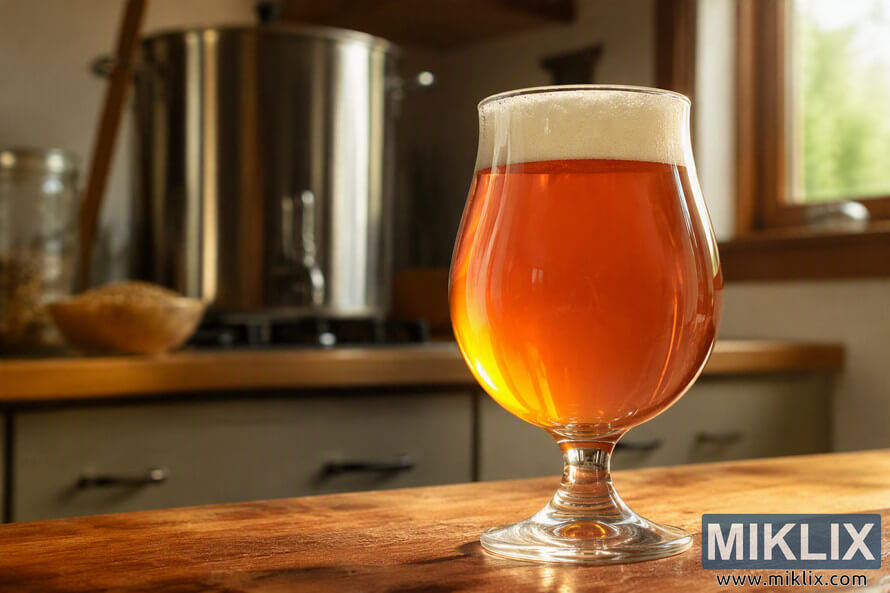
Click or tap the image for more information and higher resolutions.
Further Reading
If you enjoyed this post, you may also like these suggestions: