
A Complete Guide to Growing Peas in Your Own Garden
Published: January 2, 2026 at 3:46:30 PM UTC
Growing peas is not only rewarding for your taste buds but also for your wallet and gardening confidence. As one of the earliest crops you can plant in spring, peas offer a perfect starting point for beginners while still delighting experienced gardeners year after year.
Click or tap the image for more information and higher resolutions.
In this comprehensive guide, we'll walk through everything you need to know about growing peas successfully – from selecting the right varieties to harvesting at the perfect moment. Whether you have a spacious garden plot or just a few containers on your patio, you'll discover how easy and satisfying it can be to grow your own delicious, organic peas.
Best Pea Varieties for Home Gardens
Before diving into planting, it's important to understand the different types of peas available. Each variety offers unique characteristics and uses in the kitchen. Here are the three main categories of peas you can grow in your home garden:
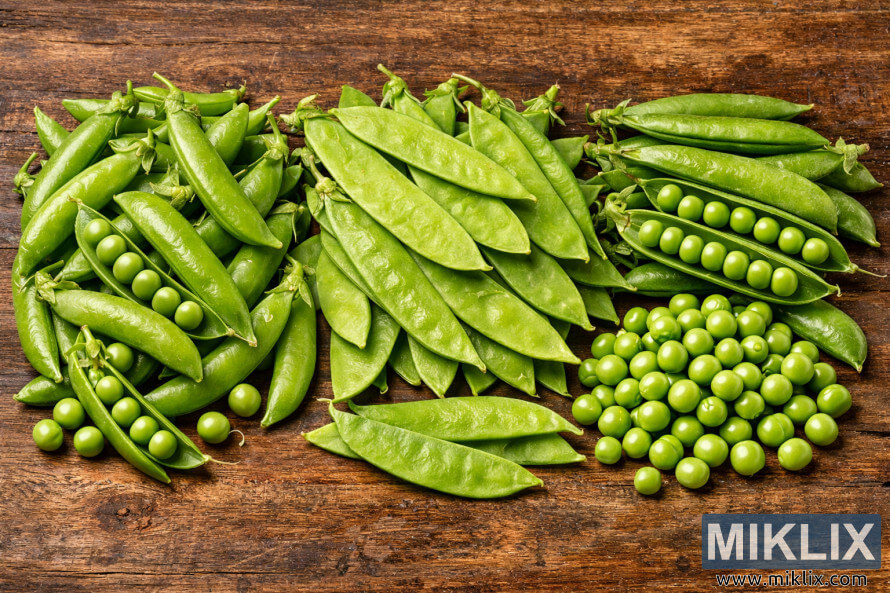
The three main types of peas: shelling peas, snow peas, and sugar snap peas
Shelling Peas (Garden Peas)
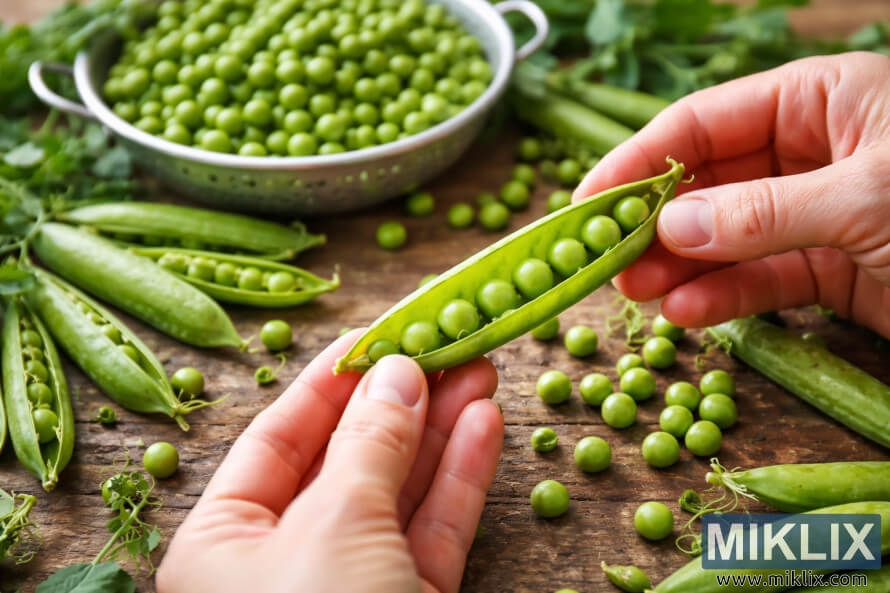
Also known as English peas, these traditional varieties produce pods with plump, sweet peas inside that need to be shelled before eating. The pods themselves are too fibrous to eat.
Recommended Varieties:
- 'Green Arrow' - Produces high yields on 2-3 foot vines with excellent disease resistance
- 'Lincoln' - Sweet flavor with 8-9 peas per pod, good for freezing
- 'Little Marvel' - Compact 15-inch plants perfect for small spaces
- 'Wando' - Heat-tolerant variety that extends your growing season
Click or tap the image for more information and higher resolutions.
Snow Peas
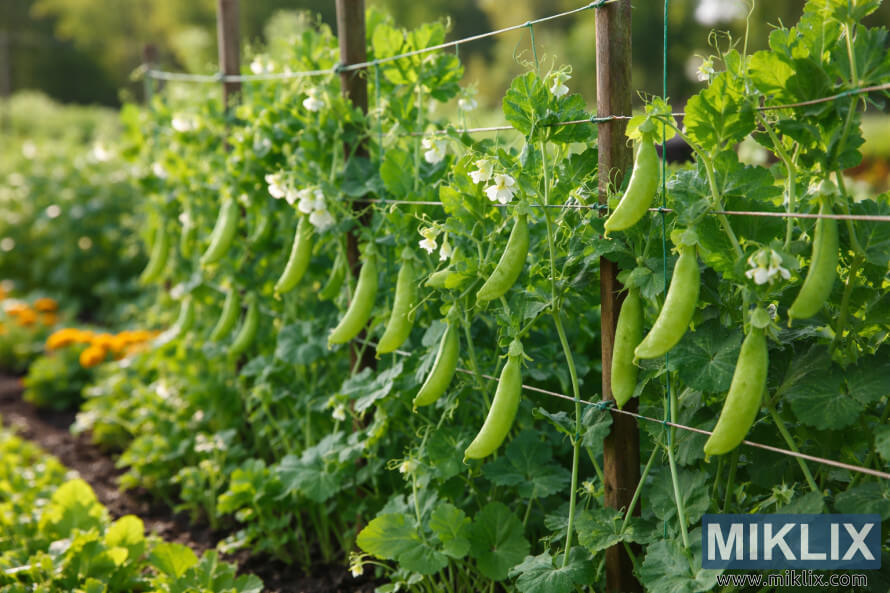
These peas are harvested when the pods are still flat and the peas inside are tiny. The entire pod is edible and commonly used in stir-fries and Asian cuisine. They're known for their sweet, crisp texture.
Recommended Varieties:
- 'Oregon Sugar Pod II' - Compact 2.5-foot vines with excellent production
- 'Mammoth Melting Sugar' - Large, sweet pods on 4-5 foot vines
- 'Snowbird' - Disease-resistant variety with early production
Click or tap the image for more information and higher resolutions.
Sugar Snap Peas
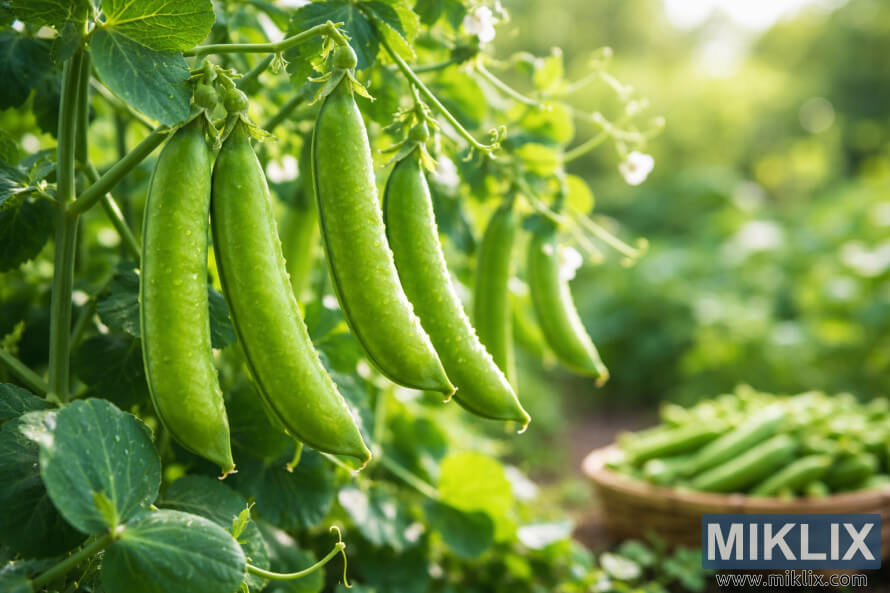
The best of both worlds, sugar snap peas offer edible pods with full-sized peas inside. They're incredibly sweet and can be eaten whole, making them perfect for snacking, salads, and cooking.
Recommended Varieties:
- 'Sugar Ann' - Early producer with compact 2-foot vines, perfect for containers
- 'Super Sugar Mel' - Extra-sweet 4-inch pods with excellent flavor
- 'Sugar Snap' - The original snap pea variety with outstanding sweetness
- 'Sugar Magnolia' - Purple pods and flowers for ornamental and edible appeal
Gardener's Tip: If you're new to growing peas or have limited space, try bush varieties like 'Sugar Ann' or 'Little Marvel' which don't require extensive trellising. For maximum sweetness and extended harvests, vining varieties like 'Sugar Snap' or 'Green Arrow' are excellent choices.
Click or tap the image for more information and higher resolutions.
Optimal Planting Times for Peas
Peas are cool-season crops that thrive in temperatures between 55°F and 65°F. Timing your planting correctly is crucial for a successful harvest, as peas will stop producing once temperatures consistently rise above 80°F.
Spring Planting
The traditional saying "Plant peas on St. Patrick's Day" (March 17) holds true for many regions. For spring planting:
- Sow seeds 4-6 weeks before your last spring frost date
- Plant as soon as soil can be worked, even if snow is still possible
- Peas can germinate in soil as cool as 40°F, though they'll be slow to start
- For warmer regions (Zones 8-10), plant in January or February
Fall Planting
In many regions, a fall crop of peas can be even more successful than spring planting:
- Sow seeds 6-8 weeks before your first fall frost date
- In warmer climates (Zones 8-10), plant in September or October for winter harvests
- Fall plantings often produce sweeter peas due to the cooling temperatures
| Climate Zone | Spring Planting | Fall Planting | Notes |
| Zones 3-5 (Cold) | April to early May | Not recommended | Focus on early-maturing varieties |
| Zones 6-7 (Moderate) | March to April | August to September | Can grow both seasons with proper timing |
| Zones 8-10 (Warm) | January to February | September to November | Fall/winter crop often more successful |
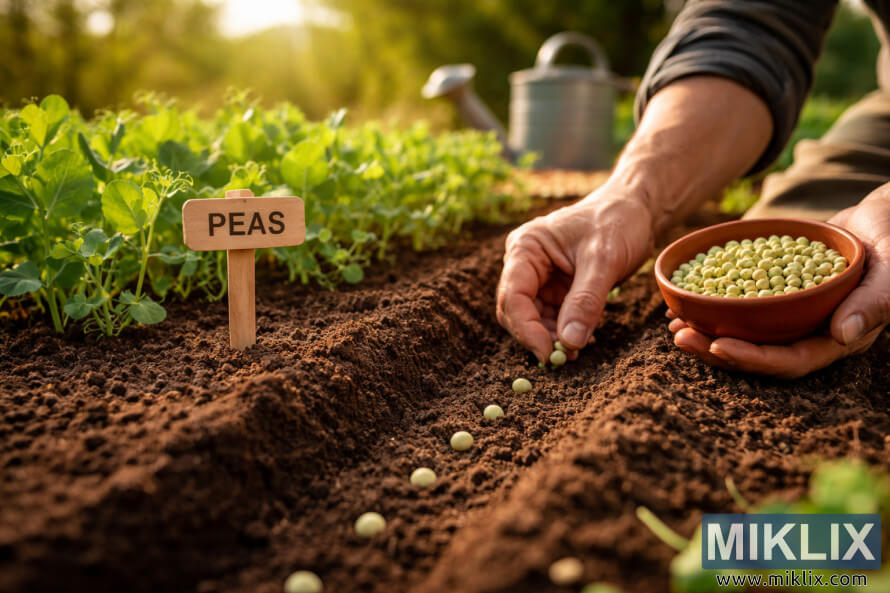
Click or tap the image for more information and higher resolutions.
Step-by-Step Planting Instructions
Proper planting techniques set the foundation for healthy, productive pea plants. Follow these steps for the best results:
Soil Preparation
Peas grow best in well-draining soil with a pH between 6.0 and 7.5. They don't require extremely rich soil, as they can fix their own nitrogen.
- Loosen soil to a depth of 8-10 inches
- Mix in 1-2 inches of compost or aged manure
- Avoid high-nitrogen fertilizers, which promote leafy growth over pod production
- For heavy clay soils, add coarse sand to improve drainage
- Consider preparing your planting area in fall for early spring planting
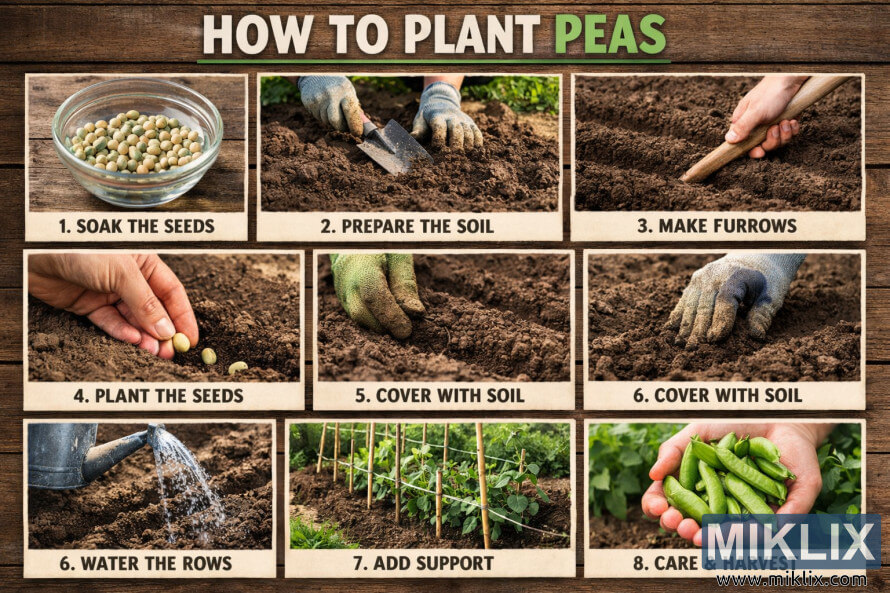
Click or tap the image for more information and higher resolutions.
Seed Preparation
A little preparation before planting can significantly improve germination rates:
- Soak seeds in water for 12-24 hours before planting to speed germination
- For better germination in cold soil, use seeds treated with fungicide or pre-sprout indoors
- Handle seeds carefully – cracked seeds may not germinate well
- Consider inoculating seeds with rhizobium bacteria (available at garden centers) to improve nitrogen fixation
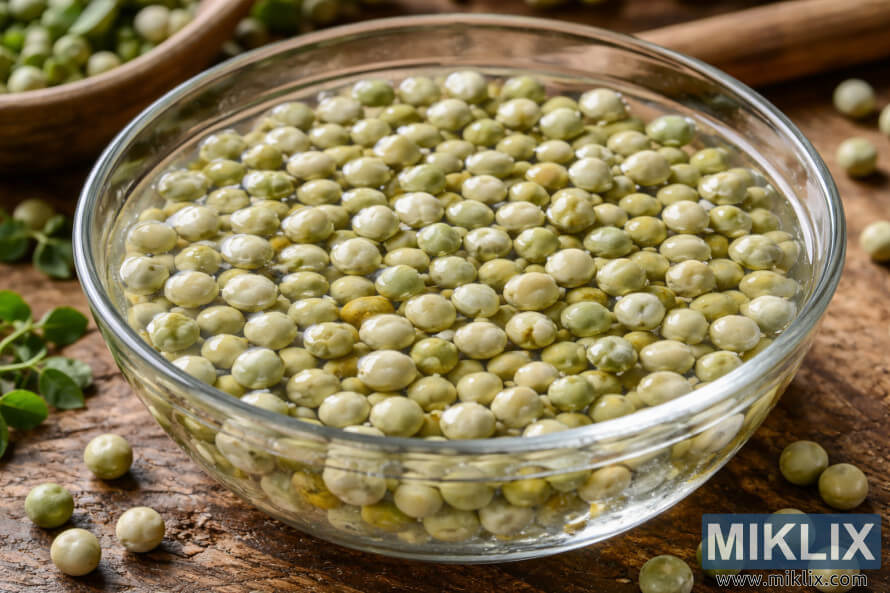
Click or tap the image for more information and higher resolutions.
Planting Depth and Spacing
Proper spacing ensures good air circulation and makes the most of your garden space:
- Plant seeds 1 inch deep (slightly deeper in dry soil)
- Space seeds 2 inches apart in rows
- For vining varieties, create rows 7-8 inches apart
- For bush varieties, plant in blocks with seeds 3 inches apart in all directions
- For wide-row planting, broadcast seeds about 2 inches apart in a band 12-18 inches wide
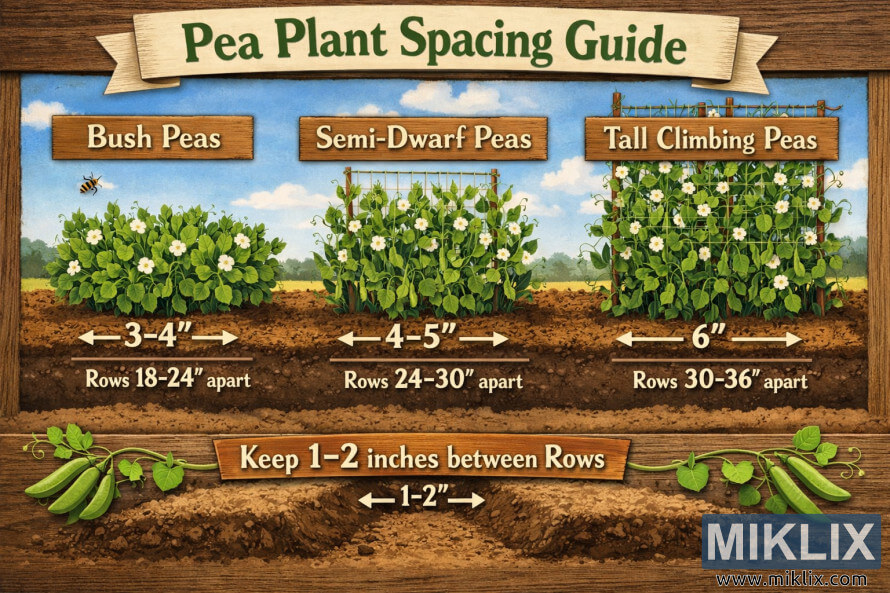
Click or tap the image for more information and higher resolutions.
Trellising at Planting Time
Install supports at planting time to avoid disturbing roots later:
- For vining varieties (over 3 feet tall), install trellises, netting, or pea sticks before or at planting time
- For bush varieties under 2 feet, supports are optional but helpful
- Position seeds at the base of supports, allowing vines to climb naturally
- Trellises should be at least 6 feet tall for vigorous vining varieties
Gardener's Tip: Make sure to water seeds gently after planting. If seeds wash out of the soil, carefully poke them back in. Keep soil consistently moist until germination, which typically takes 7-14 days depending on soil temperature.
Care Requirements for Growing Peas
Once your peas have sprouted, they need proper care to thrive and produce a bountiful harvest. Here's how to keep your pea plants healthy and productive:
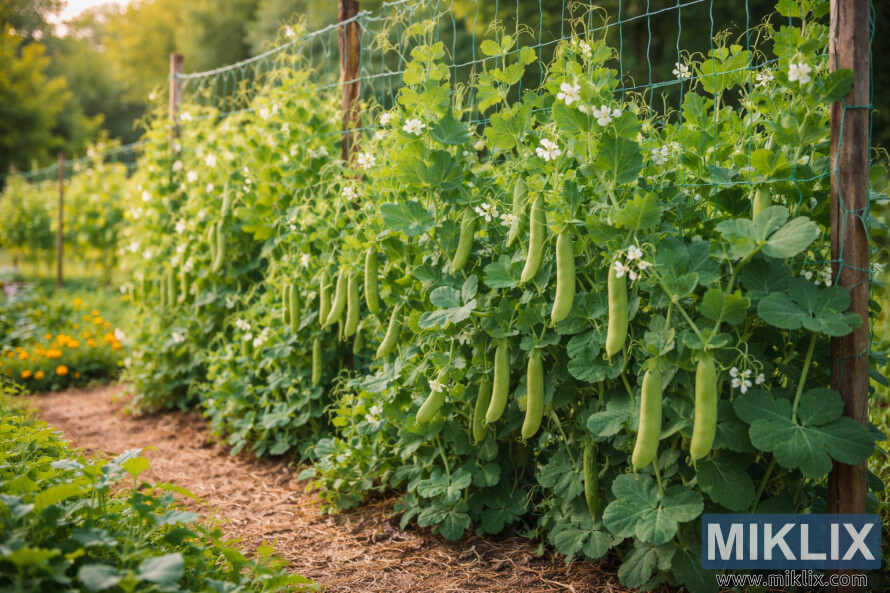
Click or tap the image for more information and higher resolutions.
Watering Needs
Peas require consistent moisture but not waterlogged conditions:
- Water deeply once a week, providing about 1 inch of water
- Increase watering during flowering and pod development
- Water at the base of plants to keep foliage dry and prevent disease
- Reduce watering in rainy periods to prevent root rot
- Apply mulch to retain soil moisture and suppress weeds
Support Structures
Proper support keeps plants healthy and makes harvesting easier:
- Vining varieties need sturdy trellises at least 6 feet tall
- Chicken wire, netting, or twine between posts works well
- Add horizontal strings every 6-8 inches for climbing support
- Bush varieties benefit from small supports or twiggy branches
- Guide young vines to supports if they don't find them naturally
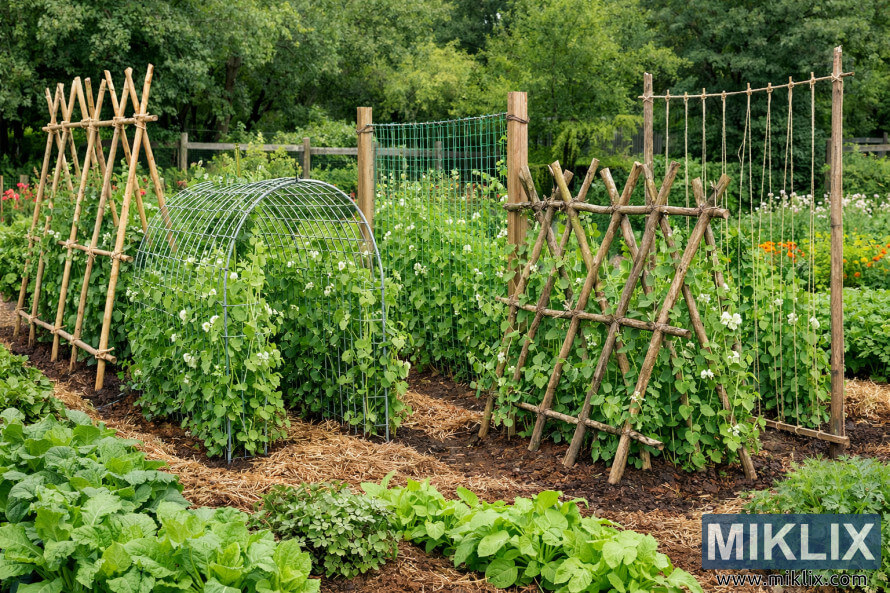
Click or tap the image for more information and higher resolutions.
Sunlight Requirements
Peas grow best with plenty of sunlight, especially in cooler weather:
- Plant in full sun (6-8 hours daily) for best production
- In very hot climates, afternoon shade can prevent heat stress
- Ensure all parts of the plant receive light for even growth
- Avoid planting near tall crops that might shade peas
Fertilizing
Peas need less fertilizer than many vegetables since they fix their own nitrogen:
- Apply a low-nitrogen, phosphorus-rich fertilizer at planting time
- Side-dress with compost when plants begin flowering
- Avoid high-nitrogen fertilizers, which promote leafy growth over pods
- Consider adding bone meal to provide phosphorus for root development
Essential Pea Growing Supplies
Make sure you have these items on hand for successful pea growing:
- Sturdy trellis or support system
- Organic mulch (straw or shredded leaves)
- Low-nitrogen fertilizer or compost
- Garden twine for securing vines
- Sharp scissors or pruners for harvesting
Common Pests and Diseases
While peas are relatively problem-free, they can face several challenges. Here's how to identify and organically manage common issues:
Pests
Aphids
These small insects cluster on new growth and suck plant juices.
Organic Control:
- Spray plants with strong water stream to dislodge aphids
- Apply insecticidal soap or neem oil solution
- Introduce beneficial insects like ladybugs
- Plant companion plants like nasturtiums to attract aphids away from peas
Pea Moths
These pests lay eggs on flowers, and larvae eat developing peas inside pods.
Organic Control:
- Cover plants with floating row covers during flowering
- Time plantings to avoid peak moth activity
- Remove affected pods promptly
- Apply organic Bacillus thuringiensis (Bt) for severe infestations
Cutworms
These caterpillars cut young seedlings off at soil level.
Organic Control:
- Place cardboard collars around seedlings
- Sprinkle diatomaceous earth around plants
- Hand-pick cutworms at night with a flashlight
- Keep garden free of debris where cutworms hide
Slugs and Snails
These pests chew irregular holes in leaves and pods, especially in wet conditions.
Organic Control:
- Set up beer traps near plants
- Apply diatomaceous earth around plants
- Hand-pick in evening hours
- Use copper tape barriers around beds
Diseases
Powdery Mildew
This fungal disease appears as white powdery spots on leaves and stems.
Organic Control:
- Ensure good air circulation between plants
- Avoid overhead watering
- Apply milk spray (1 part milk to 9 parts water)
- Use baking soda spray (1 tsp baking soda, 1 tsp liquid soap, 1 quart water)
Root Rot
Caused by various fungi in wet conditions, causing plants to wilt and die.
Organic Control:
- Improve soil drainage before planting
- Avoid overwatering
- Plant in raised beds in wet climates
- Practice crop rotation (don't plant peas in the same spot for 4 years)
Prevention is Key: Many pea problems can be prevented with proper spacing for good air circulation, avoiding overhead watering, practicing crop rotation, and keeping the garden clean of debris. Choose disease-resistant varieties when possible.
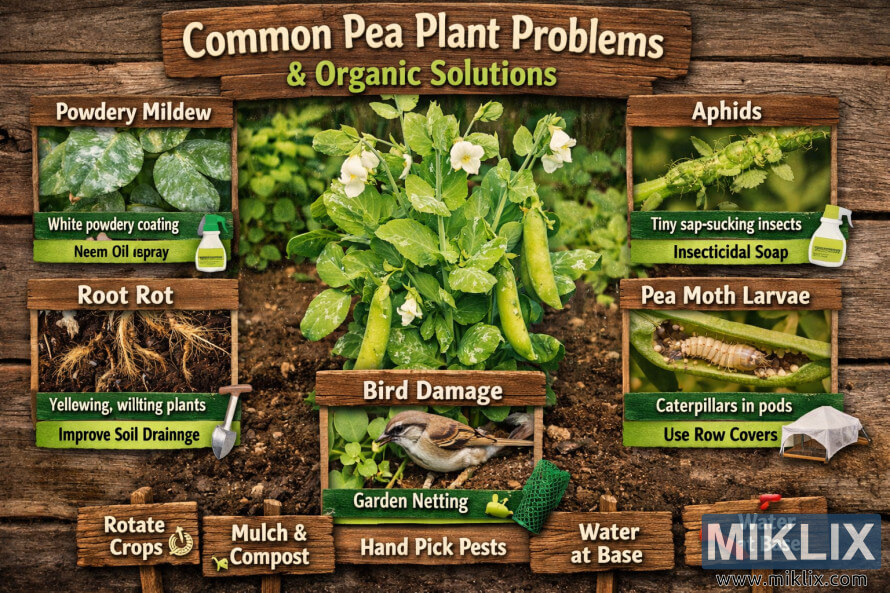
Click or tap the image for more information and higher resolutions.
Harvesting Techniques and Timing
Knowing when and how to harvest your peas ensures the best flavor and continued production. Different types of peas have different harvesting indicators:
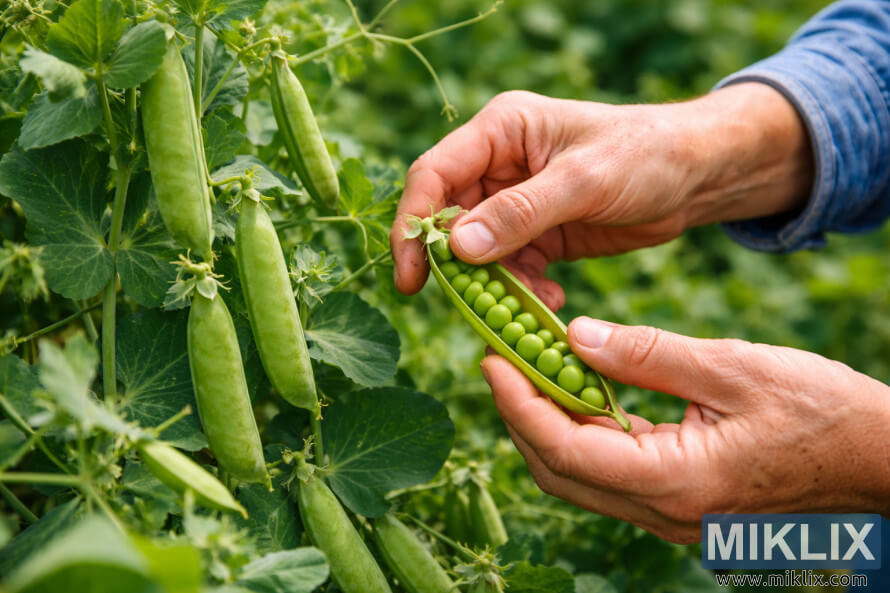
Click or tap the image for more information and higher resolutions.
When to Harvest
| Pea Type | When to Harvest | Visual Indicators | Days from Planting |
| Shelling Peas | When pods are plump but still bright green | Pods feel full when gently squeezed, peas inside are full-sized but still tender | 60-70 days |
| Snow Peas | Before peas inside develop | Flat pods with tiny pea bumps barely visible | 50-60 days |
| Sugar Snap Peas | When pods are plump and crisp | Pods are round, firm, and glossy with peas developed inside | 55-65 days |
Harvesting Technique
Proper harvesting technique prevents damage to the plants and encourages continued production:
- Use two hands – hold the vine with one hand and pick with the other
- Harvest in the morning when peas are at their crispest
- Use scissors or pruners for clean cuts rather than pulling pods
- Check plants every 1-2 days during peak season
- Pick regularly to encourage more pods to develop
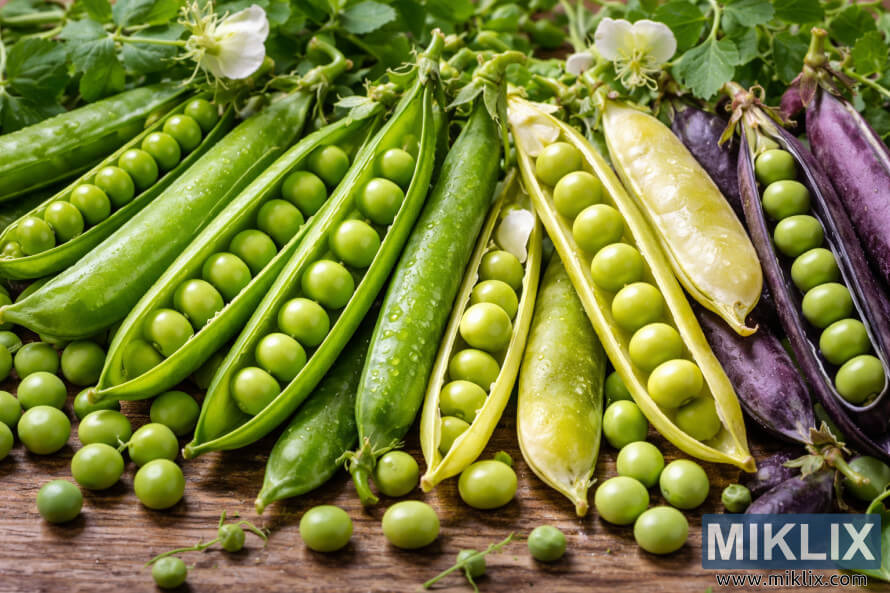
Click or tap the image for more information and higher resolutions.
Harvesting Pea Shoots
Don't forget about the tender pea shoots, which make a delicious addition to salads and stir-fries:
- Harvest shoots when plants are 6-8 inches tall
- Cut the top 2-3 inches of growth, leaving several sets of leaves
- Plants will continue growing and producing after shoot harvest
- For dedicated pea shoot production, plant seeds closer together
Storage and Preservation Methods
Fresh peas are at their sweetest immediately after harvest, but proper storage and preservation can help you enjoy your harvest longer:
Fresh Storage
For short-term storage of fresh peas:
- Refrigerate unwashed peas in perforated plastic bags
- For shelling peas, shell immediately after cooling for best flavor
- Store in the refrigerator crisper drawer for 5-7 days
- Keep snow and snap peas whole until ready to use
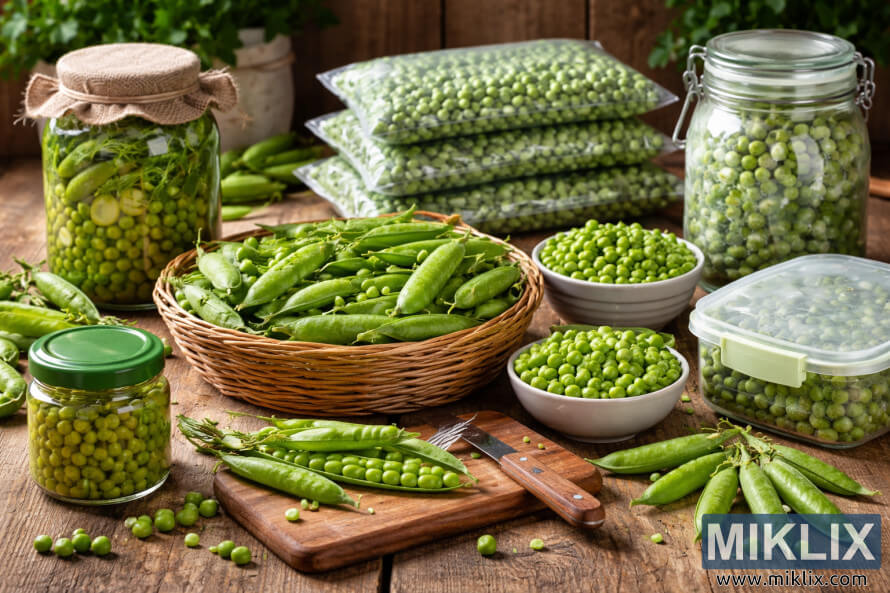
Click or tap the image for more information and higher resolutions.
Freezing
Freezing preserves the flavor and nutrition of peas for months:
- Shell garden peas; trim ends and strings from snow and snap peas
- Blanch in boiling water (1-2 minutes for shelled peas, 2-3 minutes for snow/snap peas)
- Immediately cool in ice water to stop cooking
- Drain thoroughly and pat dry
- Pack in freezer bags or containers, removing as much air as possible
- Label with date and use within 8-12 months
Drying
Drying peas allows for long-term storage:
- Allow pods to mature fully and begin drying on the vine
- Harvest when pods turn brown and seeds rattle inside
- Remove peas from pods and dry further indoors if needed
- Store fully dried peas in airtight containers
- Use in soups and stews within 1-2 years
Gardener's Tip: For the best flavor, consume fresh peas as soon as possible after harvesting. The natural sugars in peas begin converting to starch within hours of picking, gradually diminishing their sweetness.
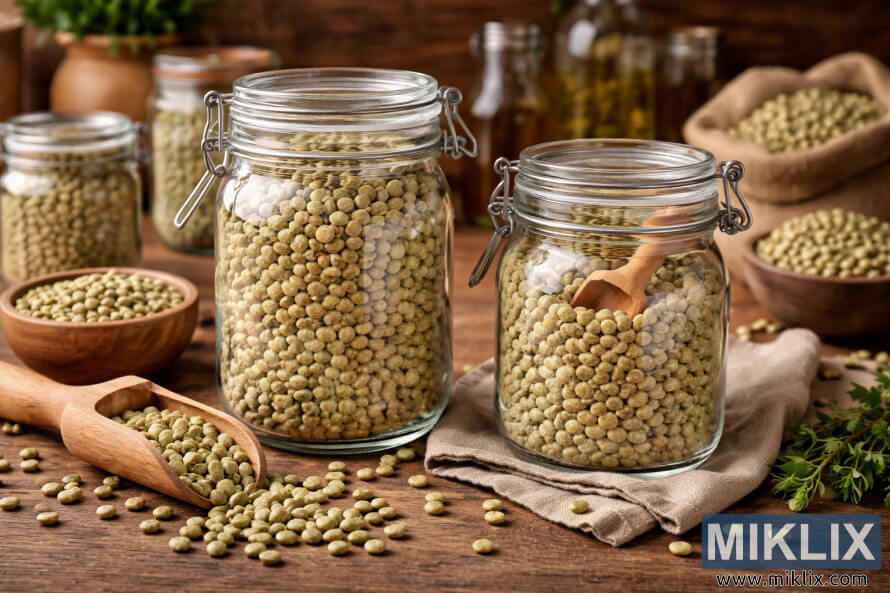
Click or tap the image for more information and higher resolutions.
Troubleshooting Common Growing Problems
Even experienced gardeners occasionally encounter challenges when growing peas. Here are solutions to common problems:
Poor Germination
Symptoms: Seeds fail to sprout or germinate unevenly.
Causes: Cold soil, old seeds, planting too deep, soil too wet or dry.
Solutions:
- Soak seeds overnight before planting
- Ensure soil temperature is at least 40°F
- Plant at proper depth (1 inch)
- Keep soil consistently moist but not waterlogged
- Use fresh seeds from reliable sources
Yellowing Leaves
Symptoms: Leaves turn yellow, often starting from the bottom.
Causes: Heat stress, nutrient deficiency, overwatering, root problems.
Solutions:
- Provide afternoon shade in hot weather
- Ensure proper drainage
- Apply balanced organic fertilizer
- Check for root diseases and pests
- Mulch to regulate soil temperature and moisture
Flowers But No Pods
Symptoms: Plants flower but don't set pods, or flowers drop.
Causes: Heat stress, insufficient pollination, too much nitrogen.
Solutions:
- Plant earlier to avoid hot weather during flowering
- Avoid high-nitrogen fertilizers
- Ensure adequate water during flowering
- Provide shade during extreme heat
- Try hand-pollinating by gently shaking plants
Stunted Growth
Symptoms: Plants remain small with short internodes.
Causes: Compacted soil, poor nutrition, root problems, viral disease.
Solutions:
- Improve soil structure with compost
- Ensure proper spacing between plants
- Check for and treat root diseases
- Remove severely affected plants to prevent spread of viruses
- Practice crop rotation in future seasons
Common Pea Growing Successes
- Early planting in cool weather leads to strong germination
- Proper trellising results in easier harvesting and disease prevention
- Regular harvesting encourages continued production
- Mulching reduces watering needs and prevents soil-borne diseases
- Companion planting with herbs reduces pest problems
Common Pea Growing Mistakes
- Planting too late in spring when temperatures are rising
- Overcrowding plants, reducing air circulation
- Using high-nitrogen fertilizers that promote leafy growth over pods
- Waiting too long to harvest, resulting in tough, starchy peas
- Inadequate support for vining varieties
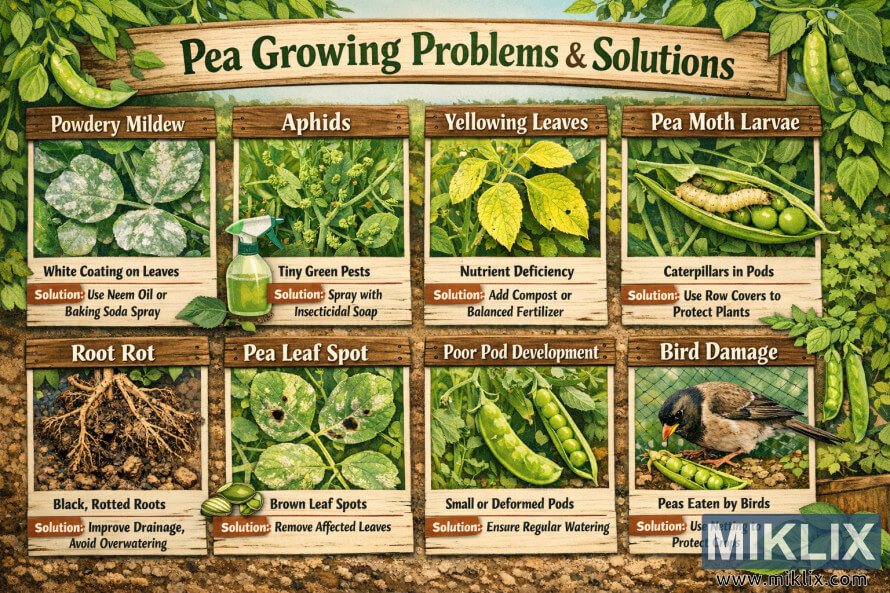
Click or tap the image for more information and higher resolutions.
Conclusion: Enjoying Your Pea Harvest
Growing peas is a rewarding experience that connects you to generations of gardeners who have enjoyed this spring tradition. With their relatively quick growth cycle and delicious harvest, peas offer both beginners and experienced gardeners a satisfying crop that signals the start of the growing season.
Remember that timing is everything with peas – plant early, harvest promptly, and enjoy them at their peak of freshness. By following the guidelines in this article, you'll be well on your way to growing sweet, crisp peas that far surpass anything available in stores.
Whether you're snacking on sugar snaps straight from the vine, adding snow peas to a stir-fry, or enjoying the incomparable sweetness of freshly shelled garden peas, your efforts will be rewarded with one of gardening's most delightful treats.
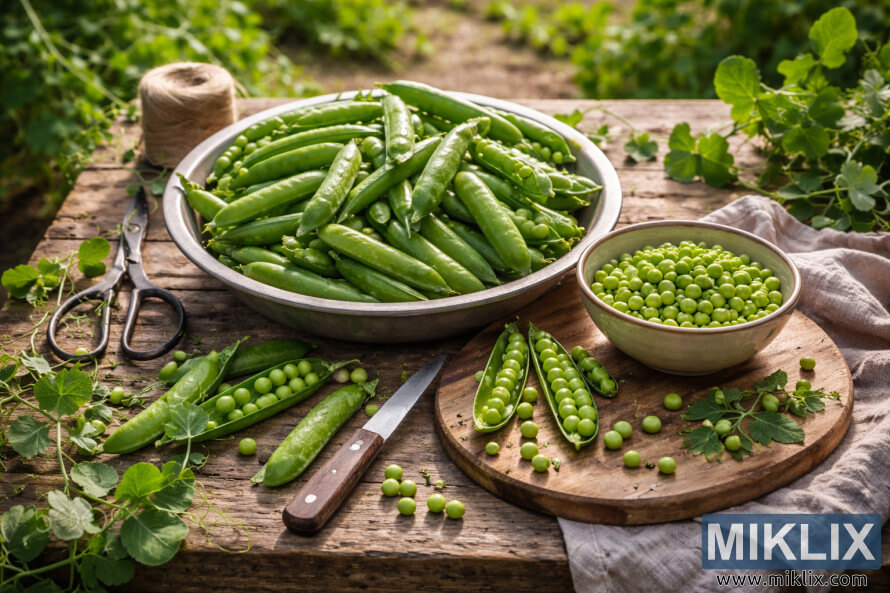
Click or tap the image for more information and higher resolutions.
Further Reading
If you enjoyed this post, you may also like these suggestions:
- A Guide to Growing Fennel in Your Own Garden
- A Guide to Growing the Best Figs in Your Own Garden
- Growing Persimmons: A Guide to Cultivating Sweet Success