
Growing Asparagus: A Complete Guide for Home Gardeners
Published: December 12, 2025 at 10:05:46 PM UTC
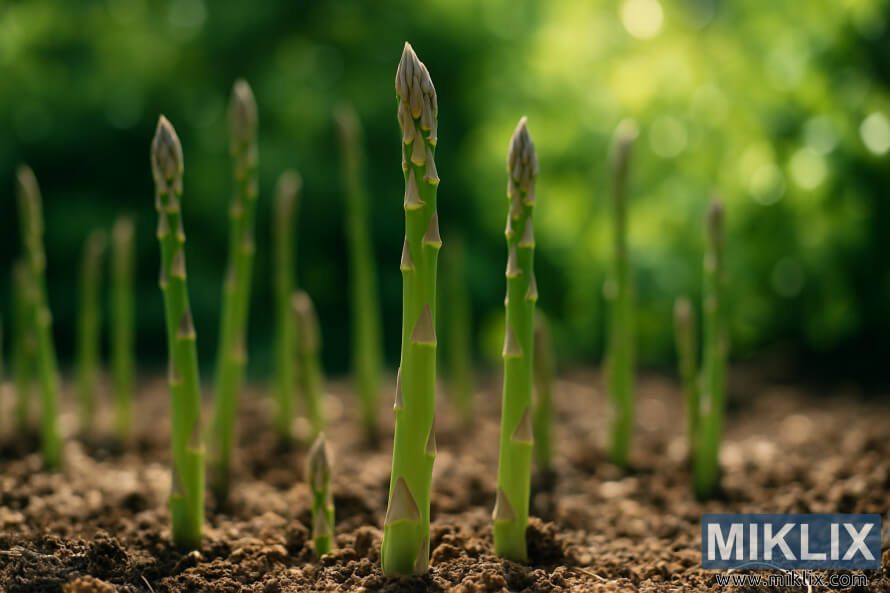
Asparagus is the perennial vegetable that keeps on giving. Once established, a well-maintained asparagus bed can produce tender, delicious spears for 15-20 years or more.
Click or tap the image for more information and higher resolutions.
While it requires patience—you'll wait 2-3 years for your first full harvest—few garden investments offer such long-term rewards. This guide will walk you through everything you need to know about growing asparagus, from selecting varieties to harvesting techniques, helping you establish a productive asparagus patch that will feed you for decades.
Why Grow Your Own Asparagus?
Growing your own asparagus offers several compelling benefits that make the initial wait worthwhile:
- Unmatched freshness and flavor that store-bought asparagus can't compete with
- Significant cost savings over time compared to purchasing at grocery stores
- Complete control over growing methods, allowing for organic cultivation
- Beautiful, fern-like foliage that adds ornamental value to your garden
- Early spring harvest when few other vegetables are ready
- Minimal maintenance once established
Fresh asparagus spears have a flavor that store-bought simply can't match
Patience Required: Asparagus is a long-term investment. You'll need to wait 2-3 years before your first full harvest, but the bed will then produce for 15-20+ years!
Choosing the Right Asparagus Variety
Selecting the appropriate asparagus variety for your climate and preferences is crucial for long-term success. All garden asparagus belongs to the species Asparagus officinalis, but different varieties offer various benefits.
Male vs. Female Plants
One important distinction in asparagus varieties is whether they produce male or female plants. Male plants are generally preferred for food production because they:
- Produce more spears since they don't expend energy creating seeds
- Don't produce seedlings that can crowd the bed
- Typically have longer productive lives
Female plants produce red berries that, while attractive, divert energy from spear production and can self-seed, creating unwanted crowding.
Popular Asparagus Varieties
| Variety | Type | Climate Preference | Special Features |
| Jersey Knight | All-male hybrid | Adaptable to most regions | Disease resistant, high yield, thick spears |
| Jersey Supreme | All-male hybrid | Adaptable to most regions | Earlier harvest, slimmer spears |
| Mary Washington | Open-pollinated (male & female) | Cold-hardy | Heirloom variety, excellent flavor |
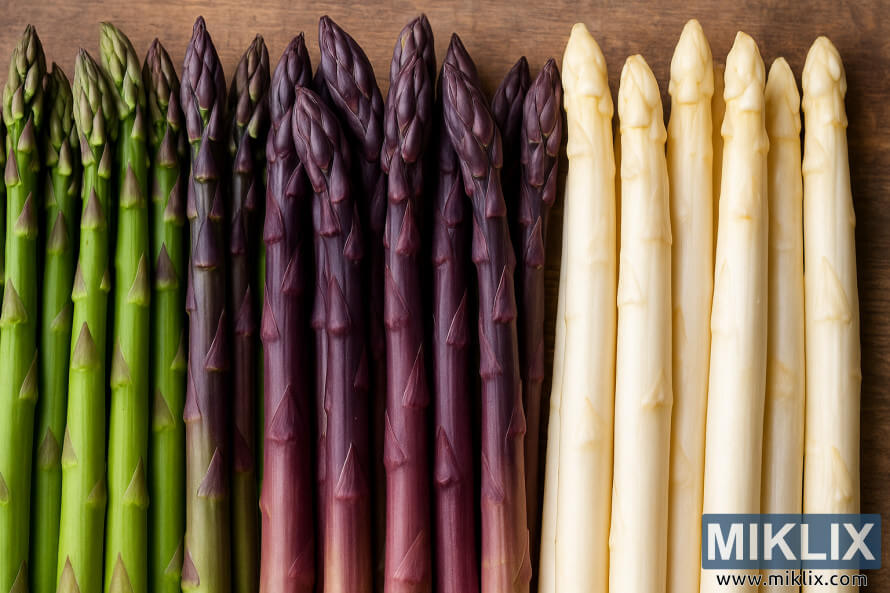
| Purple Passion | Open-pollinated (male & female) | Adaptable | Purple spears, sweeter flavor, thicker stems |
| Guelph Millennium | All-male hybrid | Cold regions | Late emerging (avoids spring frosts) |
| UC-157 | Hybrid (mostly male) | Warm regions | Heat tolerant, early producer |
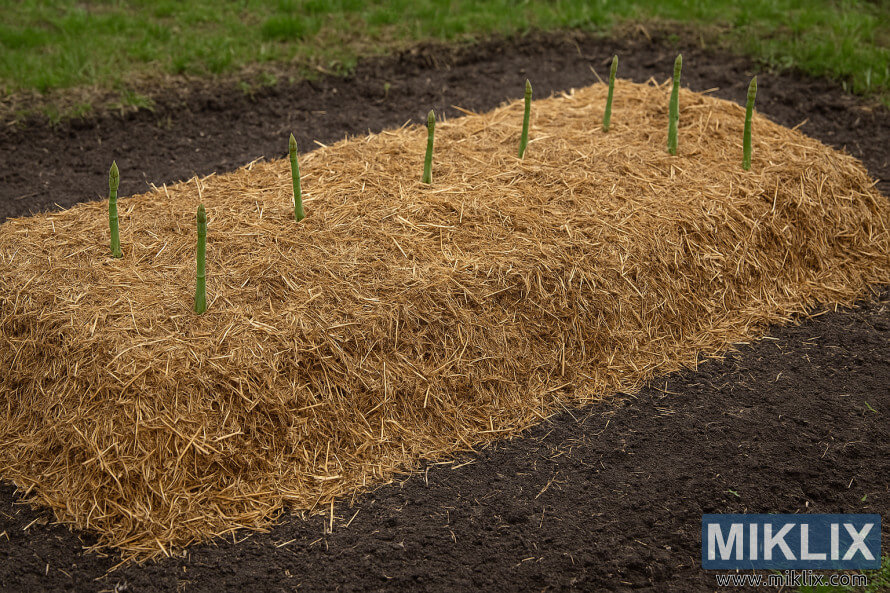
White Asparagus: This isn't a separate variety but rather green asparagus grown without exposure to sunlight. The spears are covered with soil or mulch as they emerge, preventing chlorophyll development. The result is a milder, more tender spear.
Click or tap the image for more information and higher resolutions.
Site Selection and Soil Preparation
Since asparagus is a perennial that will occupy the same spot for decades, choosing the right location is critical to long-term success.
Ideal Location Requirements
- Sunlight: Full sun (6-8 hours of direct sunlight daily)
- Position: Northern edge of the garden where tall ferns won't shade other crops
- Soil type: Well-drained loamy soil
- Soil pH: 6.5-7.0 (slightly acidic to neutral)
- Space: Permanent location that won't be disturbed by other garden activities
- Frost protection: Avoid low-lying areas where frost settles
Click or tap the image for more information and higher resolutions.
Soil Preparation Steps
- Soil testing: Conduct a soil test to determine pH and nutrient levels. Adjust pH to 6.5-7.0 if necessary.
- Weed elimination: Remove all perennial weeds from the planting area. This is crucial as weeds are difficult to control once asparagus is established.
- Deep cultivation: Work the soil to a depth of 12-15 inches to remove rocks and break up compacted layers.
- Organic matter: Incorporate 4-6 inches of compost, aged manure, or other organic matter into the soil.
- Fertilization: Add a balanced fertilizer (10-10-10) at a rate of 1-1.5 pounds per 100 square feet.
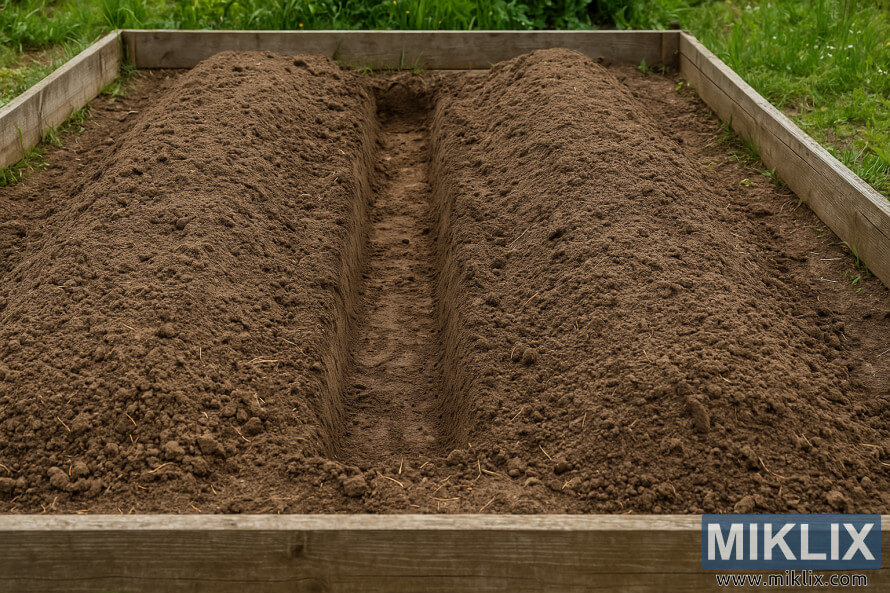
- Bed formation: Create raised beds if drainage is a concern. Beds should be 4 feet wide to accommodate two rows of plants.
Important: Take time to thoroughly prepare your asparagus bed before planting. It's much harder to correct soil issues after the plants are established.
Planting Methods: Crowns vs. Seeds
Asparagus can be grown from either crowns (1-year-old roots) or seeds, though most gardeners prefer crowns for faster results.
Planting from Crowns
Planting from crowns is the most popular method as it gives you a one-year head start compared to seeds.
When to Plant Crowns
- Plant in early spring, 2-4 weeks before the last frost date
- Soil temperature should be at least 50°F (10°C)
- In warmer regions (zones 8-10), fall planting is also possible
How to Plant Crowns
- Dig trenches 12-18 inches wide and 6-8 inches deep
- Space trenches 3-4 feet apart if planting multiple rows
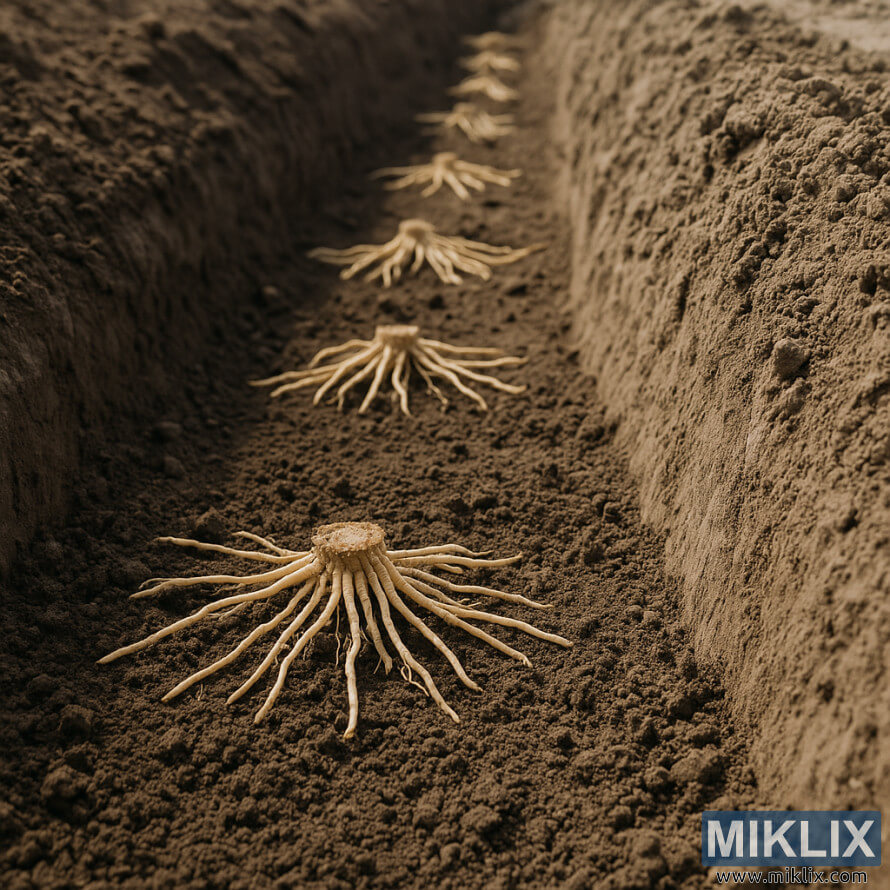
- Create a 2-inch mound of soil along the center of each trench
- Soak crowns in water for 15-20 minutes before planting
- Place crowns on the mound 12-18 inches apart, spreading the roots evenly
- Cover with 2 inches of soil initially
- As spears grow, gradually fill in the trench over the growing season
Click or tap the image for more information and higher resolutions.
Growing from Seeds
Starting from seeds takes longer but can be more economical for large plantings.
Seed Starting Process
- Start seeds indoors 12-14 weeks before last frost
- Soak seeds in water for 24 hours before planting
- Plant seeds ½ inch deep in seed-starting mix
- Maintain soil temperature of 70-85°F for germination
- Transplant seedlings outdoors when they're 10-12 weeks old
- Space seedlings 12-18 inches apart in rows
- Expect to wait an additional year for harvest compared to crowns
Advantages of Crowns
- Faster establishment (harvest 1 year sooner)
- Higher success rate for beginners
- Less competition from weeds during establishment
- Can select all-male varieties for higher yields
Advantages of Seeds
- More economical for large plantings
- Wider variety selection
- No transplant shock
- Plants develop in your specific soil conditions from the start
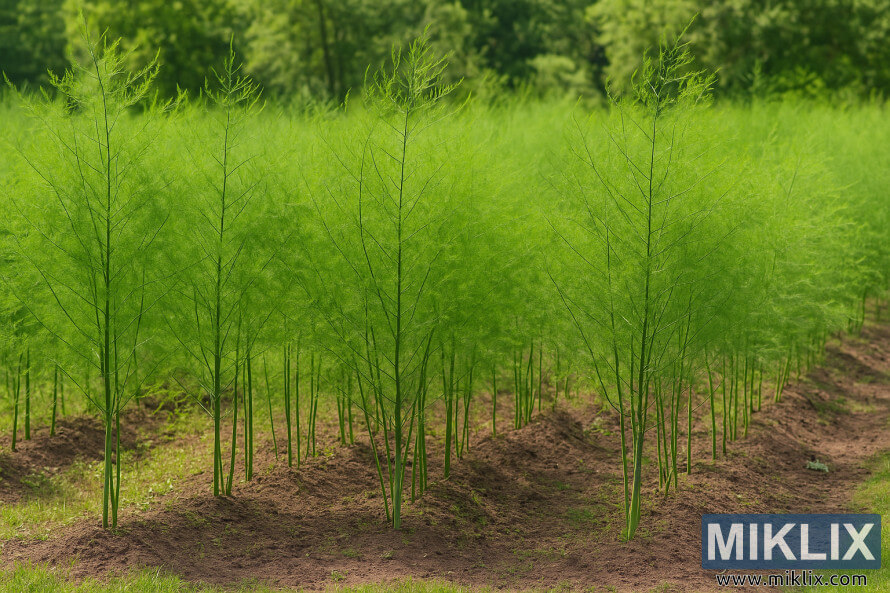
Click or tap the image for more information and higher resolutions.
Seasonal Care Guide
Proper care throughout the seasons will ensure your asparagus plants remain productive for many years.
Watering Requirements
Consistent moisture is essential, especially during the first two years of establishment.
- New plantings: Keep soil consistently moist but not waterlogged
- Established plants: Provide 1-2 inches of water per week during dry periods
- Watering method: Use drip irrigation or soaker hoses to avoid wetting foliage
- Critical periods: Spring growth and summer fern development require consistent moisture
Fertilization Schedule
| Season | Year | Fertilizer Type | Application Rate |
| Early Spring | 1-2 | Balanced (10-10-10) | 1 lb per 100 sq ft |
| After Harvest | 3+ | Balanced (10-10-10) | 1-2 lbs per 100 sq ft |
| Fall | All | Compost or aged manure | 1-2 inch layer |
Weed Control Strategies
Weed management is critical for asparagus, as weeds compete for nutrients and can significantly reduce yields.
Organic Weed Control Methods
- Mulching: Apply 4-6 inches of organic mulch (straw, leaves, or wood chips)
- Hand weeding: Carefully remove weeds by hand, avoiding damage to shallow asparagus roots
- Timing: Weed early in spring before spears emerge and after harvest
- Salt method: Some gardeners apply 1 lb of salt per 100 sq ft to control weeds (use with caution as it can affect soil long-term)
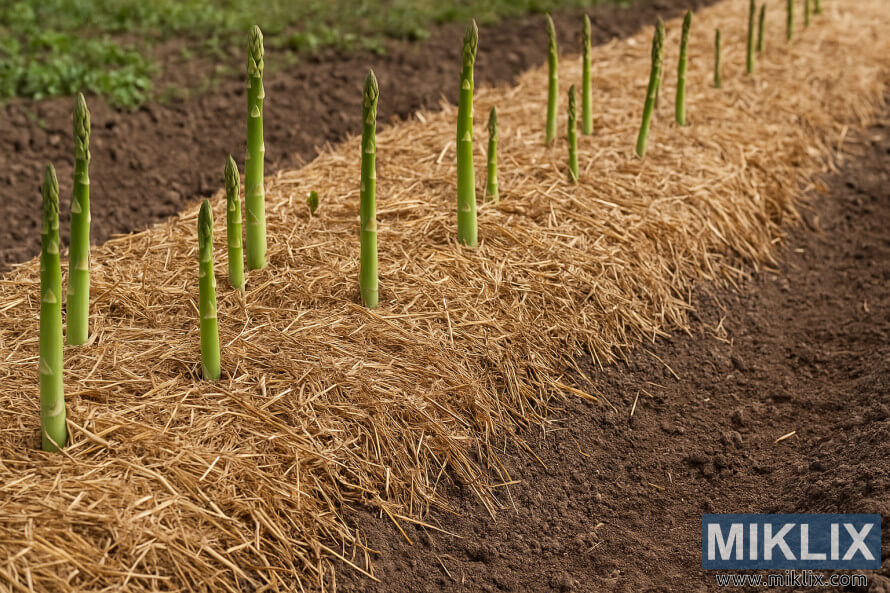
Click or tap the image for more information and higher resolutions.
Pest and Disease Management
While asparagus is relatively pest-resistant, several issues can affect your plants. Early identification and intervention are key to maintaining healthy plants.
Common Pests
Asparagus Beetle
- Chewed spears and ferns
- Dark excrement on plants
- Defoliation
- Bent "shepherd's crook" spears
- Handpick beetles and larvae
- Remove plant debris in fall
- Apply neem oil or insecticidal soap
- Introduce beneficial insects like ladybugs
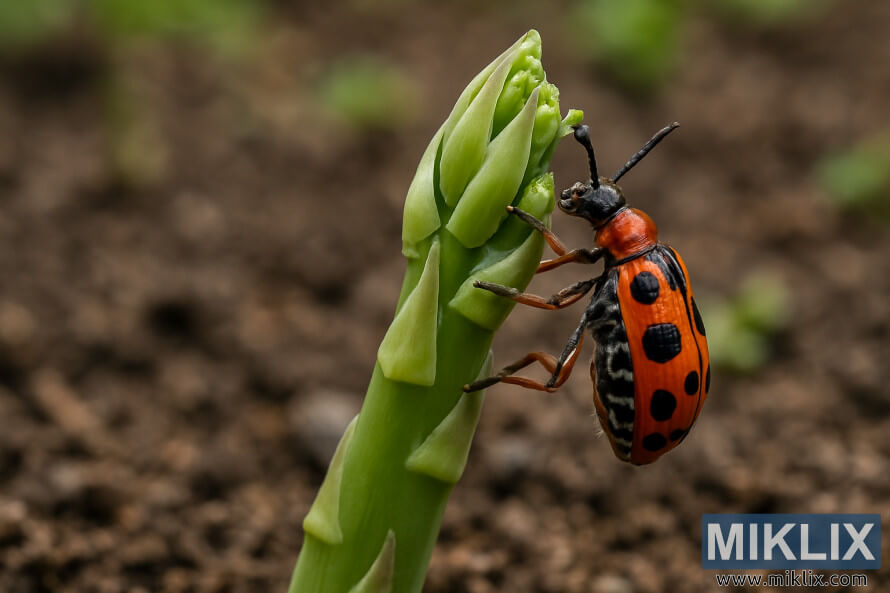
Click or tap the image for more information and higher resolutions.
Cutworms
- Spears cut off at ground level
- Damage typically occurs at night
- Place cardboard collars around emerging spears
- Apply diatomaceous earth around plants
- Handpick worms at night with a flashlight
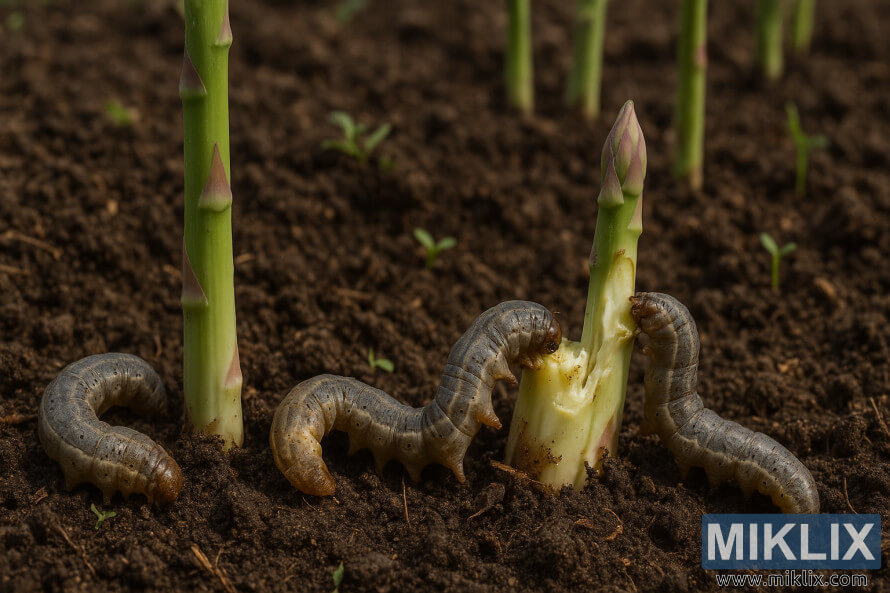
Click or tap the image for more information and higher resolutions.
Aphids
- Clusters of small insects on ferns
- Sticky honeydew secretions
- Distorted growth
- Spray with strong water stream
- Apply insecticidal soap
- Introduce ladybugs or lacewings
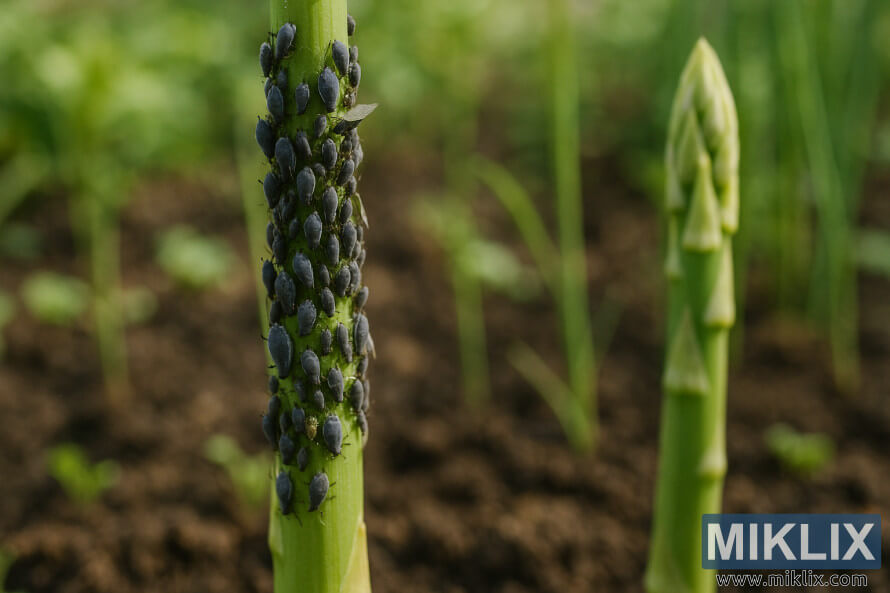
Click or tap the image for more information and higher resolutions.
Common Diseases
Asparagus Rust
- Orange-red pustules on stems and ferns
- Premature yellowing and death of ferns
- Reduced vigor and yield
- Plant rust-resistant varieties
- Improve air circulation
- Remove and destroy infected plants
- Apply sulfur-based fungicide
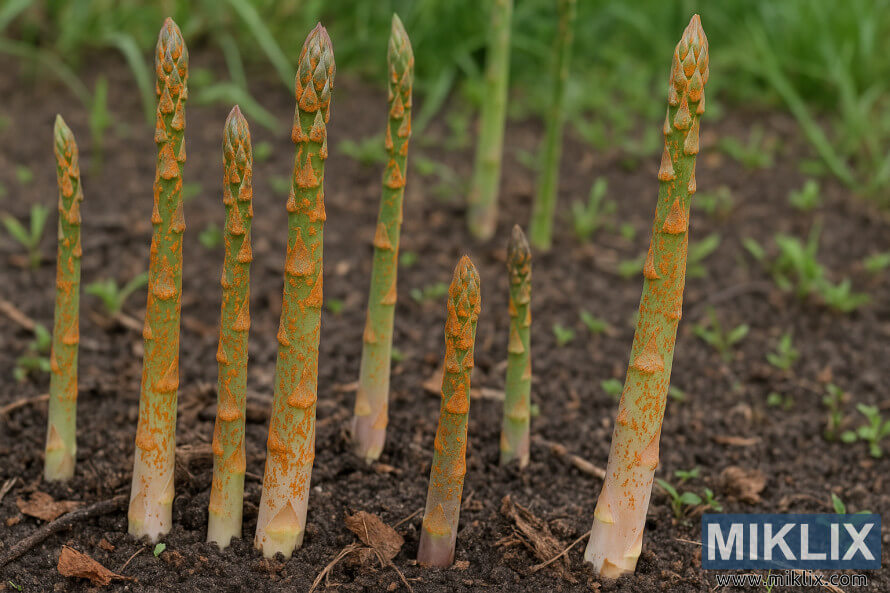
Click or tap the image for more information and higher resolutions.
Fusarium Crown/Root Rot
- Stunted growth
- Yellowing or wilting ferns
- Reddish-brown discoloration of roots
- Reduced spear production
- Plant resistant varieties
- Ensure good drainage
- Avoid planting in areas with history of fusarium
- Remove and destroy infected plants
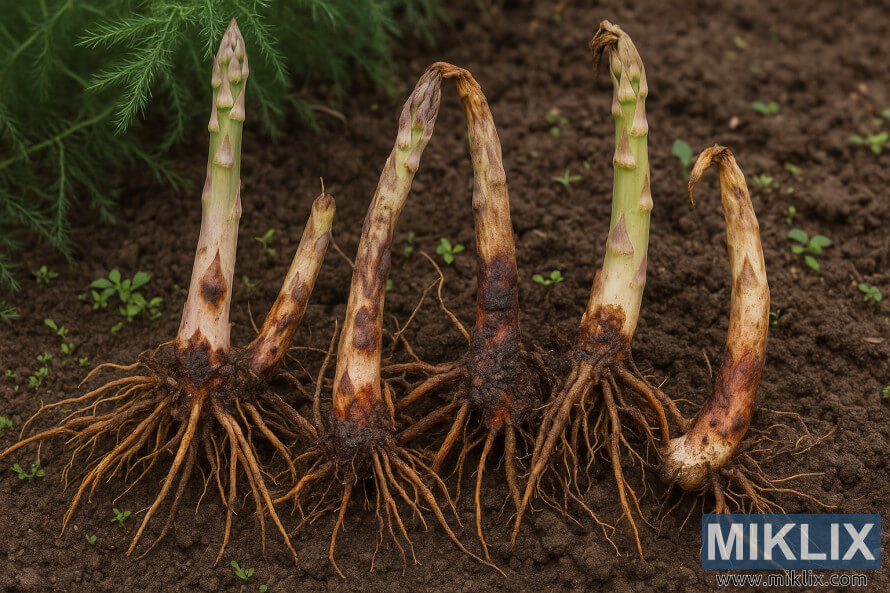
Click or tap the image for more information and higher resolutions.
Purple Spot
- Purple lesions on spears
- Tan spots with purple borders on ferns
- Reduced marketability of spears
- Remove fern debris in fall
- Improve air circulation
- Avoid overhead irrigation
- Apply copper-based fungicide
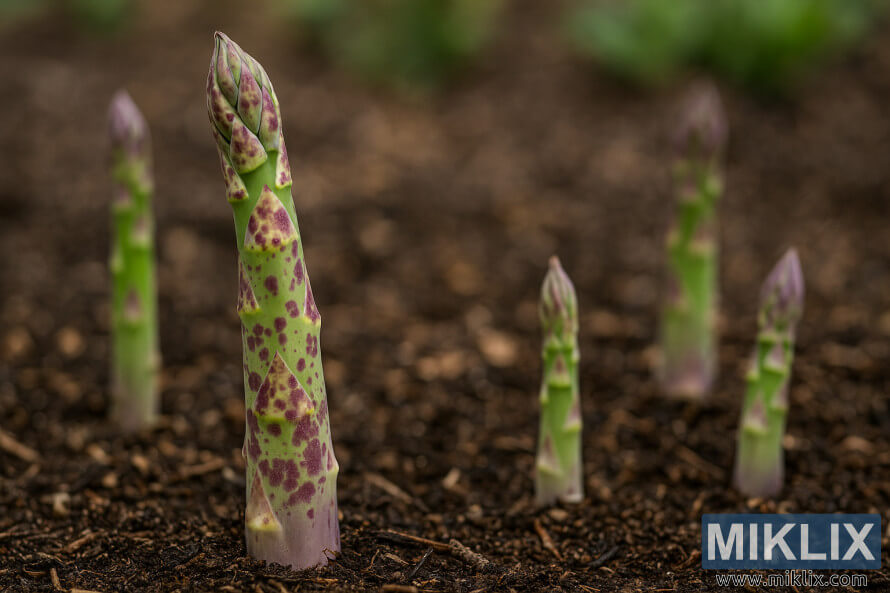
Click or tap the image for more information and higher resolutions.
Prevention is Key: The best defense against asparagus pests and diseases is prevention through good cultural practices: proper spacing, adequate air circulation, appropriate watering methods, and regular cleaning of plant debris.
Harvesting Timeline and Techniques
Proper harvesting techniques and timing are crucial for maintaining the long-term health and productivity of your asparagus bed.
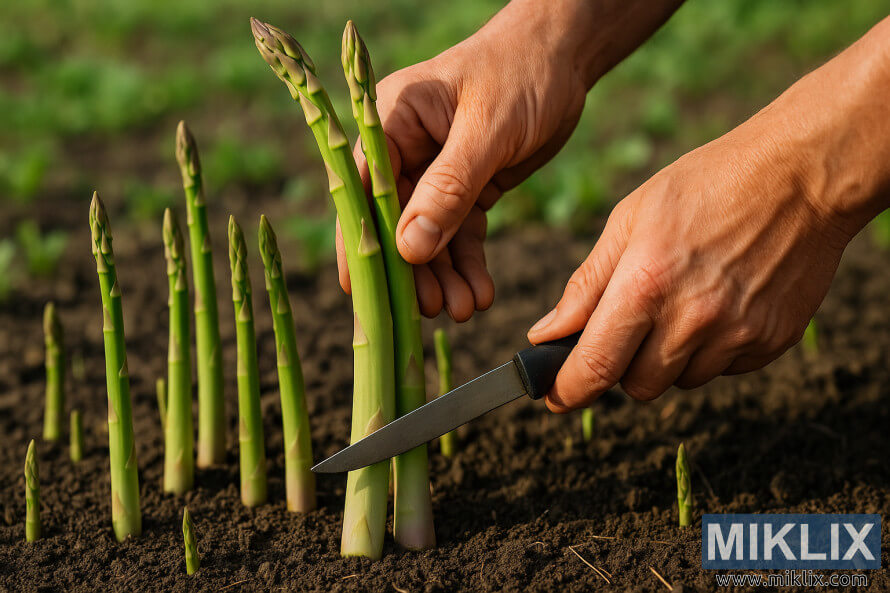
Harvest asparagus spears when they reach 6-10 inches in height
Harvesting Timeline
| Year After Planting | Harvesting Guidelines | Duration |
| Year 1 | Do not harvest. Allow all spears to develop into ferns to build crown strength. | No harvest |
| Year 2 | Limited harvest of spears thicker than a pencil. Stop when spears become thinner. | 1-2 weeks |
| Year 3 | Regular harvest of spears thicker than a pencil. Stop when most new spears are thinner than a pencil. | 3-4 weeks |
| Year 4+ | Full harvest of all spears until they become consistently thin. | 6-8 weeks |
Click or tap the image for more information and higher resolutions.
How to Harvest Asparagus
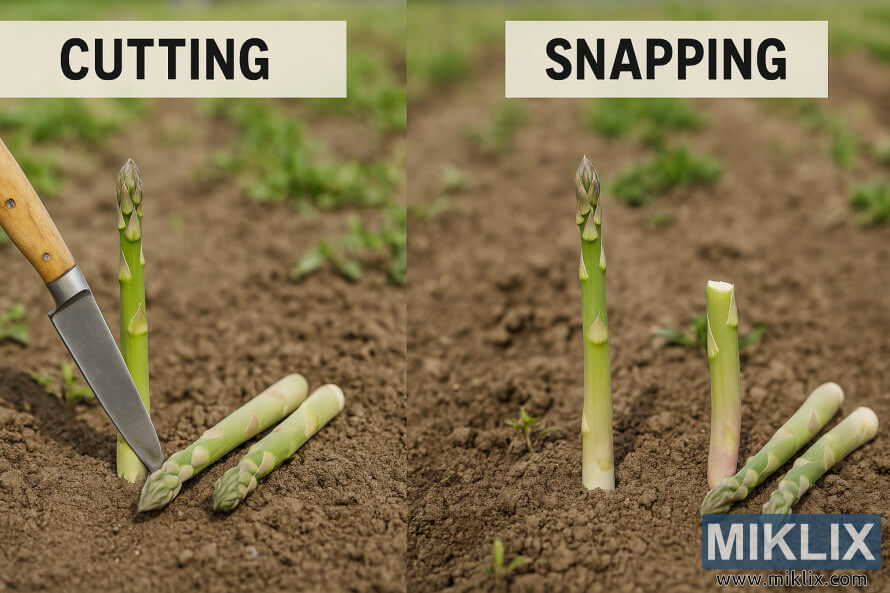
Cutting Method
- Wait until spears are 6-10 inches tall and at least pencil thickness
- Use a sharp knife to cut the spear at or just below soil level
- Be careful not to damage emerging spears nearby
- Sanitize your knife between cuts to prevent disease spread
Snapping Method
- Grasp the spear firmly between thumb and forefinger
- Bend the spear until it snaps naturally
- The spear will break at the point where tender meets tough
- This method eliminates the need to trim woody ends later
Click or tap the image for more information and higher resolutions.
Post-Harvest Storage
- Immediate use: For best flavor, consume asparagus within 24 hours of harvest
- Short-term storage: Stand spears upright in 1 inch of water (like flowers in a vase) and refrigerate
- Refrigeration: Wrap cut ends in damp paper towel, place in plastic bag, and store in crisper drawer for up to 1 week
- Freezing: Blanch spears for 2-3 minutes, cool in ice water, drain, and freeze in airtight containers
Important: Always leave a few spears to develop into ferns after the harvest period ends. These ferns will photosynthesize and provide energy for next year's crop.
Long-Term Maintenance and Overwintering
Proper long-term maintenance ensures your asparagus bed remains productive for decades.
Annual Maintenance Tasks
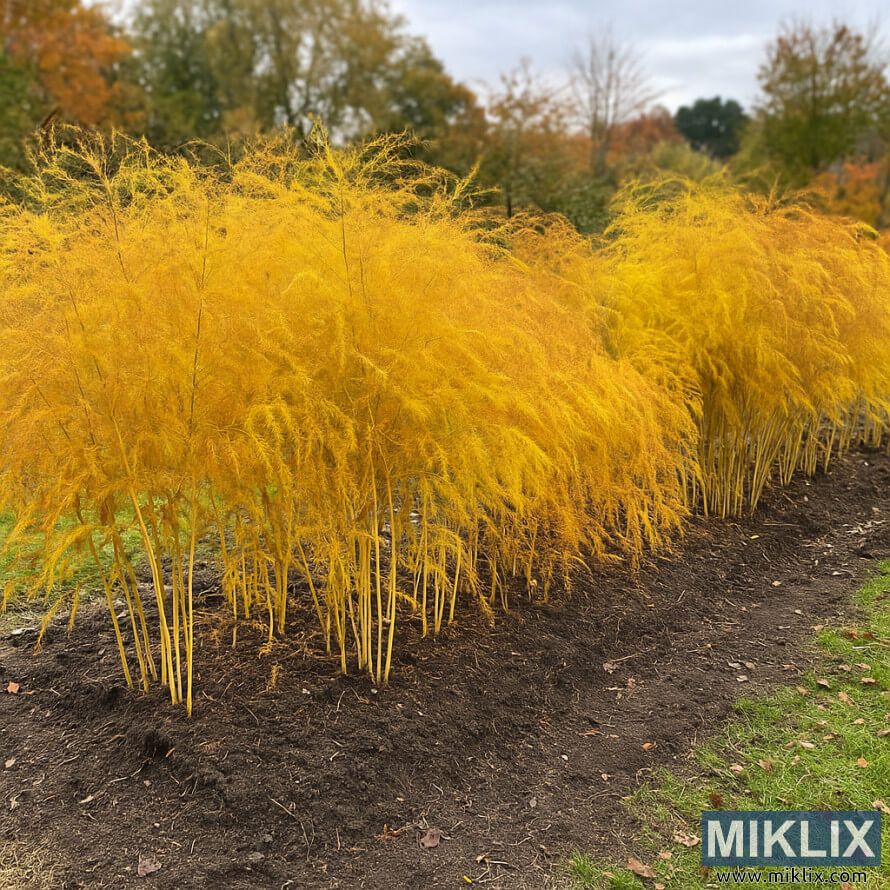
Fall Cleanup
- Wait until ferns turn completely yellow or brown after frost
- Cut ferns down to 2-inch stubs
- Remove and destroy all plant debris to prevent disease
- Apply a 2-inch layer of compost or aged manure
- Add 4-6 inches of mulch after the ground freezes (in cold climates)
Click or tap the image for more information and higher resolutions.
Spring Rejuvenation
- Remove winter mulch as soil warms
- Apply balanced fertilizer before spears emerge
- Control early-season weeds
- Check for and remove any damaged or diseased crowns
- Replenish mulch to 2-3 inches after harvest
Bed Renovation
After 15-20 years, asparagus production may decline. Consider these renovation options:
- Partial renovation: Remove older, less productive plants while maintaining healthy ones
- Division: Carefully dig and divide crowns in early spring before growth begins
- Complete replacement: Start a new bed in a different location while the old one is still producing
Overwintering in Different Climate Zones
Cold (Zones 3-5)
- Cut ferns after they've turned completely brown
- Apply 4-6 inches of straw, leaves, or other mulch after ground freezes
- Remove mulch gradually in spring as soil warms
Moderate (Zones 6-7)
- Cut ferns after they've turned brown
- Apply 2-3 inches of mulch
- Remove mulch in early spring
Warm (Zones 8-10)
- Cut ferns when they turn brown
- Apply light mulch mainly for weed control
- In zones 9-10, ferns may stay green year-round; only remove damaged portions
Click or tap the image for more information and higher resolutions.
Common Mistakes to Avoid
Even experienced gardeners can make mistakes when growing asparagus. Here are some common pitfalls to avoid:
- Harvesting too soon: Harvesting in the first year weakens plants and reduces long-term productivity
- Harvesting too much: Taking more than recommended in early years depletes crown reserves
- Improper spacing: Planting crowns too close together leads to competition and reduced yields
- Shallow planting: Not planting crowns deep enough results in weak plants and poor spear quality
- Neglecting weeds: Allowing weeds to compete with asparagus significantly reduces yields
- Cutting ferns too early: Removing ferns while still green prevents energy storage for next season
- Poor site selection: Choosing a site with inadequate sunlight or poor drainage leads to weak plants
- Inadequate feeding: Asparagus is a heavy feeder and needs regular fertilization
- Ignoring pH: Failing to maintain proper soil pH (6.5-7.0) affects nutrient availability
- Improper mulching: Too much mulch in spring can delay spear emergence in cold soils
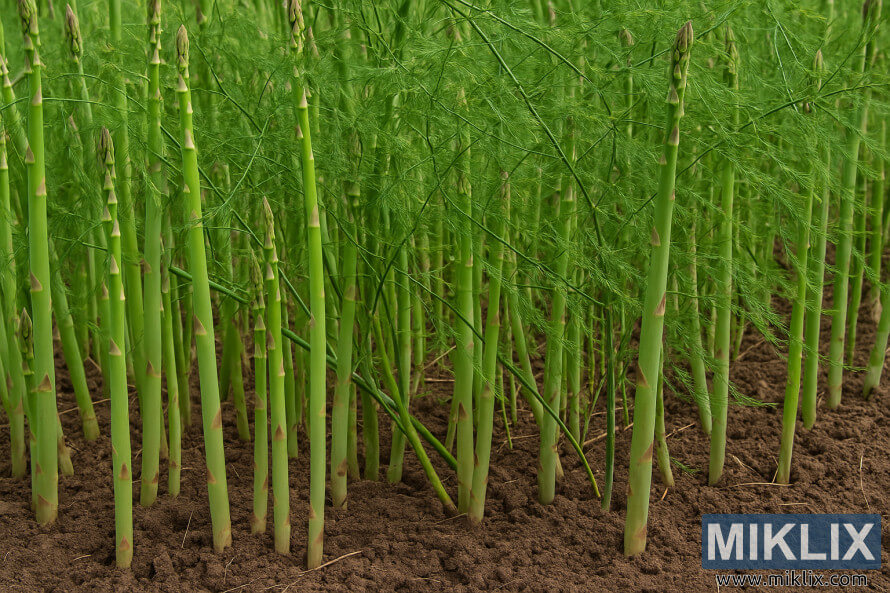
Click or tap the image for more information and higher resolutions.
Conclusion: Enjoying the Fruits of Your Patience
Growing asparagus requires an initial investment of time and patience, but the rewards are substantial. A well-established asparagus bed can produce delicious, nutritious spears for 15-20 years or more, making it one of the most valuable perennial vegetables in your garden.
Remember that the key to success lies in proper site selection, thorough soil preparation, and restraint during the first few years of growth. By following the guidelines in this article and avoiding common mistakes, you'll be well on your way to enjoying bountiful asparagus harvests for decades to come.
The satisfaction of harvesting your own fresh, tender asparagus spears in early spring—often before any other vegetables are ready—makes the wait well worth it. Happy growing!
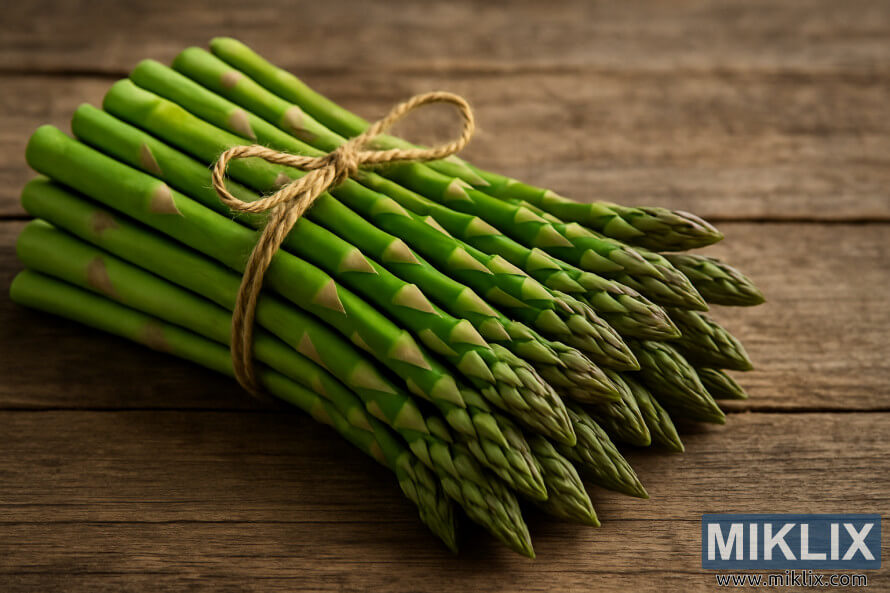
Click or tap the image for more information and higher resolutions.
Further Reading
If you enjoyed this post, you may also like these suggestions:
- Complete Guide to Growing Your Own Quince Trees
- Growing Tangerines: The Complete Guide to Sweet Success in Your Home Garden
- A Complete Guide to Growing Radicchio in Your Own Garden