
Hops in Beer Brewing: Olympic
Published: December 5, 2025 at 11:53:58 PM UTC
The Olympic hop variety has been a staple in American brewing for over three decades. Introduced commercially in 1983, it is valued for its dual-purpose use. It adds a reliable bitterness with subtle citrus and spice notes, elevating both ales and lagers without dominating them.
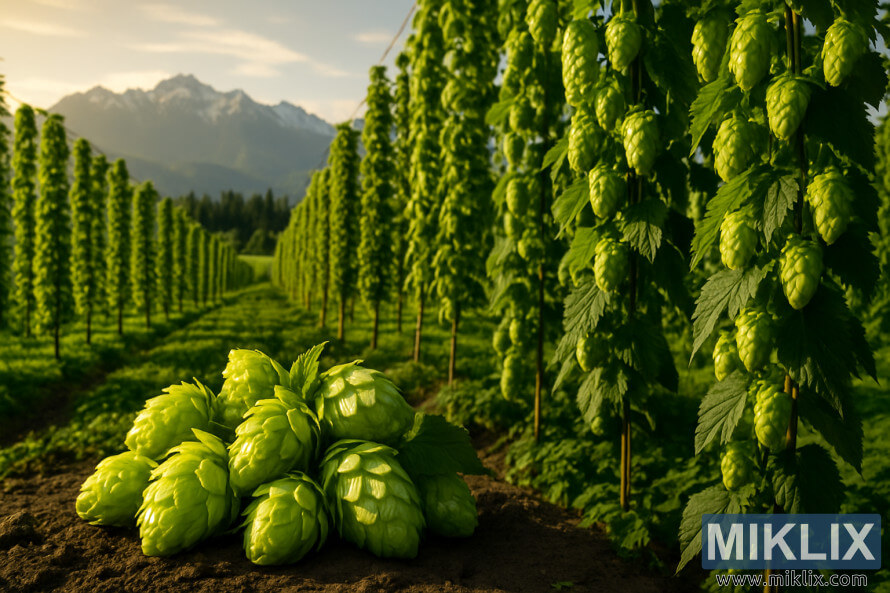
Click or tap the image for more information and higher resolutions.
Olympic hops are accessible from various suppliers and retail outlets. Their availability and pricing can fluctuate based on harvest year and form. Brewers rely on technical data like alpha and beta acids or total oil ranges to craft their recipes. Despite some databases lacking complete information, Olympic remains a preferred choice for its consistent performance and inviting aroma.
Key Takeaways
- Olympic hops is a U.S. dual-purpose hop first released in 1983.
- It serves mainly as a bittering hop with mild citrus and spice character.
- Supply and price can differ by supplier, harvest year, and form.
- Technical parameters help brewers use Olympic hop variety effectively.
- Olympic hops meta title and listings appear across hop catalogs despite some incomplete metadata.
Overview of Olympic Hops and Their Role in Brewing
Olympic is celebrated as a dual-purpose hop, excelling in all stages of brewing. It's often used for bittering, but late additions bring out its citrus and spice nuances. This makes it a favorite among brewers seeking both bitterness and aroma.
Its alpha acid content averages around 12.2%, with a practical range from 10.6 to 13.8%. This makes Olympic ideal for beers needing consistent bitterness, whether in lagers or ales. When added later in the boil or during dry hopping, it enhances the beer's aroma subtly.
The hop's characteristics are a blend of spice and citrus, but it's not overpowering. It matures in mid-to-late season, aligning with other U.S. aroma hops. This timing is beneficial for growers and brewers planning their harvests. Commercial databases consistently identify Olympic as a U.S.-grown, dual-purpose hop.
- Use for bittering: steady alpha acids and clean bitterness.
- Aroma contribution: light citrus and peppery spice when added late.
- Seasonal note: mid-to-late season maturity, suitable for typical U.S. harvest windows.
Origin and Genealogy of Olympic Hops
Olympic hops were first available for commercial use in 1983. They originated from U.S. breeding programs in Washington State. USDA records and hop-breeding notes reveal a lineage that blends American and classic English varieties.
The genetic makeup of Olympic hops is heavily influenced by Brewer’s Gold. Studies and breeder notes indicate that about three quarters of its ancestry comes from Brewer’s Gold. This explains the resinous, piney flavor often found in Olympic hops.
Smaller parts of Olympic's ancestry come from Fuggle and East Kent Golding. These English hops contribute softer, earthy, and floral notes that balance out the sharpness of Brewer’s Gold. There's also a Bavarian seedling and a fifth, unnamed variety among its parents.
This unique blend of genetics makes Olympic hops well-suited for the U.S. Pacific Northwest. Growers in Washington State appreciate its adaptability and the aroma profile influenced by Brewer’s Gold, Fuggle, and East Kent Golding.
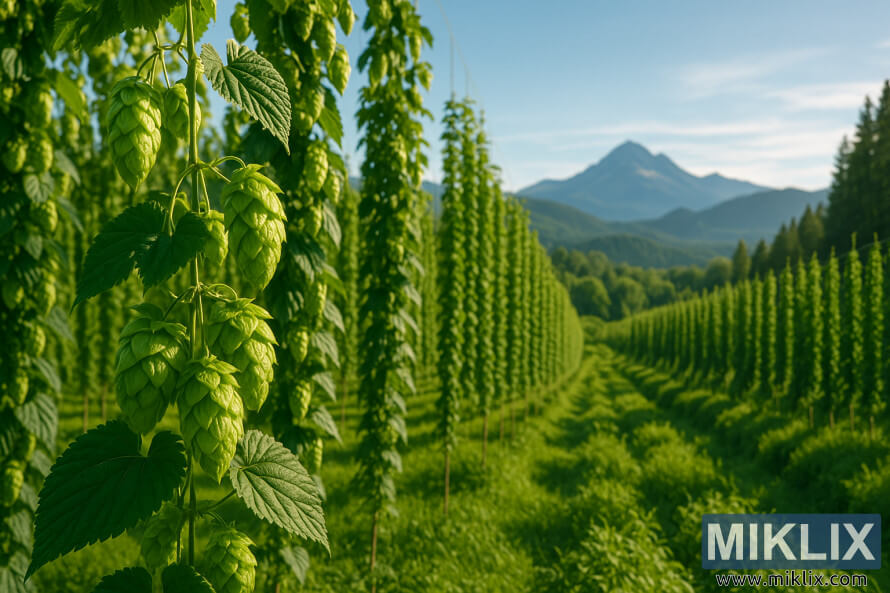
Click or tap the image for more information and higher resolutions.
Alpha and Beta Acid Profile for Olympic Hops
Olympic alpha acids typically range from 10.6% to 13.8%, with a historical average near 12.2%. Brewers use this range to calculate bittering when targeting IBUs. The alpha-beta ratio often falls between 2:1 and 4:1, with an average around 3:1.
Olympic beta acids span roughly 3.8% to 6.1%, with a mean close to 5%. Beta acids contribute to stability and dry-hop character, not initial bitterness. Tracking Olympic beta acids helps predict aroma changes during storage and aging.
Co-humulone percentage is key in the hop bitterness profile. For Olympic, co-humulone averages about 31% of the alpha fraction. This figure guides brewers in balancing perceived harshness against clean bittering.
- Alpha range: 10.6–13.8% (average 12.2%)
- Beta range: 3.8–6.1% (average ~5%)
- Co-humulone percentage: ~31%
When planning a recipe, combine these values with kettle time and wort gravity to refine the hop bitterness profile. Technical tables from USDA entries and brewing databases support these ranges for accurate IBU and stability calculations.
Essential Oil Composition and Aromatic Characteristics
Olympic hop oils have a moderate total oil content, which influences their aroma. Historical data show total oil content ranging from 0.86 to 2.55 mL per 100 g, averaging around 1.7 mL/100 g. This range ensures brewers can achieve a balanced aroma without overpowering the beer.
The dominant oil in Olympic hops is myrcene, making up 45–55 percent in most analyses. Myrcene contributes bright citrus and fruity notes, ideal for late and dry hopping. It adds a clear, fresh quality to the beer.
Humulene is the next significant component, present at 9–13 percent. It brings woody and herbal flavors, balancing the fruitiness of myrcene. Humulene adds depth and an earthy quality to pale ales and lagers.
Caryophyllene, present at 7–12 percent, adds spicy and resinous characteristics. It enhances the beer's midrange complexity when combined with humulene. Caryophyllene's presence supports a warm, peppery quality that complements citrus and pine notes.
Farnesene, a minor component at 0–1 percent, contributes subtle green and floral hints. Even in small amounts, farnesene can refine the overall scent of the beer.
Other compounds, including β-pinene, linalool, geraniol, and selinene, make up 19–39 percent of the oil content. These elements add floral, pine, and geranium-like notes, enriching the aroma. Variations in harvests can alter their balance, affecting the hop's character in the beer.
- Typical total oil content: 0.86–2.55 mL/100 g (avg ~1.7 mL/100 g)
- Myrcene: dominant, ~45–55% (avg ~50%)
- Humulene: ~9–13% (avg ~11%)
- Caryophyllene: ~7–12% (avg ~9.5%)
- Farnesene: ~0–1% (avg ~0.5%)
Brewers should be aware that small changes in oil percentages significantly impact the aroma. Consistent sourcing and testing of Olympic hop oils are essential for predicting the beer's character. This predictability is vital for planning hop schedules in aroma-focused beers.
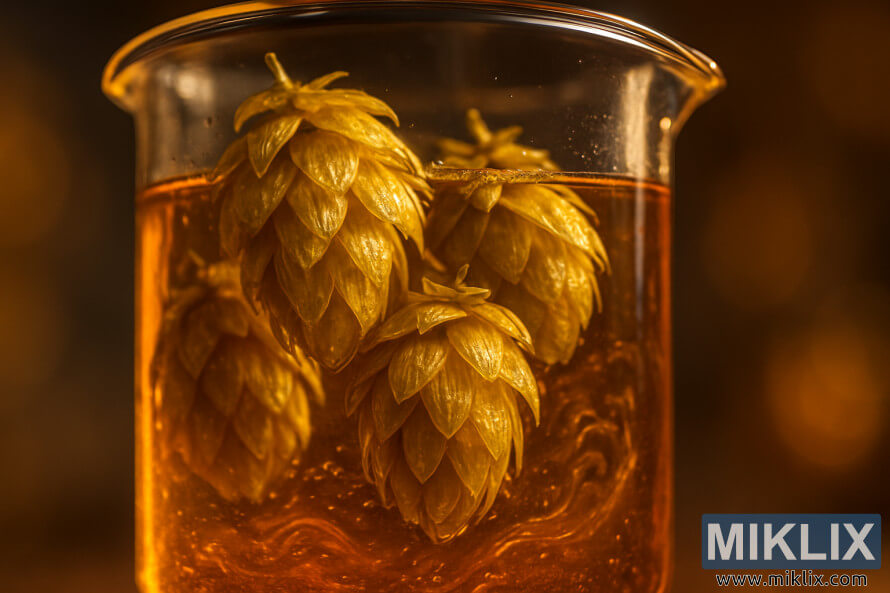
Click or tap the image for more information and higher resolutions.
Flavor and Aroma Profile of Olympic Hops
Olympic hops present a balanced mix of citrus and spice, embodying a classic hop character. They are best used late in the boil or as a dry-hop. This method introduces subtle lemon and orange peel notes, complemented by a warm, peppery spice.
The hop tasting notes for Olympic highlight resinous undertones from Brewer’s Gold. These undertones add depth without dominating malt or yeast. They provide a solid foundation for beer styles, even when citrus notes are less pronounced.
Aroma tags for Olympic frequently mention citrus and spice. Small amounts bring out bright, zesty top notes. Larger additions emphasize the spice, ideal for English-style pale ales, porters, and stouts needing a subtle hop boost.
- Bright citrus: lemon and orange peel with moderate intensity.
- Spicy character: black pepper and gentle herbal notes.
- Resinous base: earthy, slightly piney support for complexity.
Brewers exploring the Olympic flavor profile will find its versatility. It's suitable for both bittering and aroma, fitting recipes that require controlled bitterness and a clear citrus-spice aroma.
Brewing Values and Practical Use in the Brewery
Olympic hops are versatile, serving as a dual-purpose variety. With an average alpha acid of 12.2%, they are ideal for bittering. This characteristic is beneficial for lagers, pale ales, and American ales, ensuring precise IBU calculations.
For hop additions, Olympic shines across the boil schedule. Early additions are best for clean bitterness, mid-boil for flavor enhancement, and late additions for citrus and spice notes. Dry hopping, on the other hand, accentuates the softer oil character without introducing astringency.
It's essential to match hop quantities to the alpha acid content reported by labs. This approach ensures consistent bittering in larger batches. Monitoring alpha acid values per lot helps in adjusting hop rates to achieve the desired IBUs without overusing hops.
Practical how to use Olympic hops tips:
- For bittering, add a measured early boil charge and calculate IBUs from the current alpha acid.
- For flavor, add at 15–20 minutes remaining to keep citrus and herbal tones.
- For aroma, use whirlpool at 170–180°F or add as a dry hop for three to seven days.
Olympic is a standout in American Lager, American Ale, and Pale Ale recipes. It also complements stouts and darker ales with its unique spice and resinous bitterness. When Olympic is not available, consider alternatives like Galena, Nugget, Chinook, or Brewer’s Gold.
Keeping detailed batch records is vital. Note the time and weight of each hop addition. Even small adjustments in timing can significantly alter bitterness and aroma perception. Consistent methods lead to reproducible beers, highlighting Olympic’s unique characteristics.
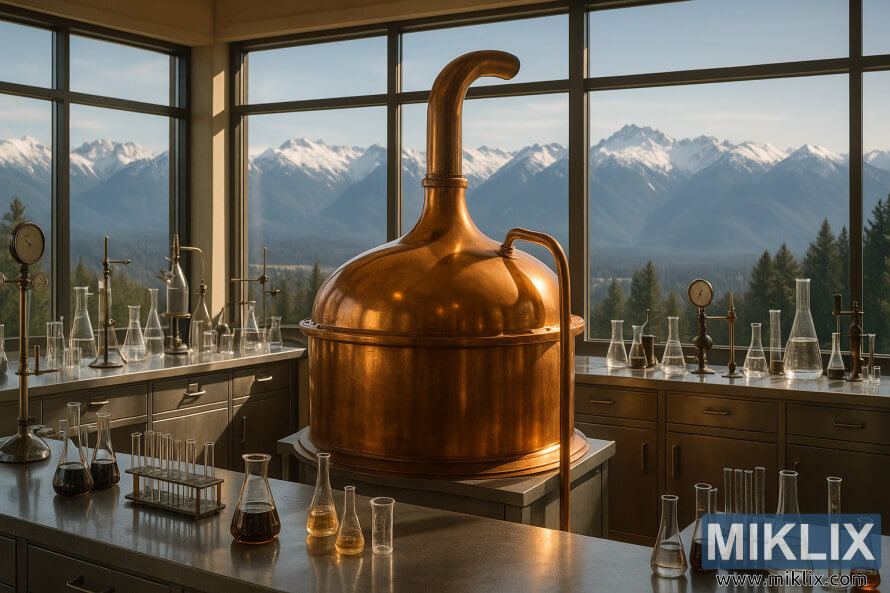
Click or tap the image for more information and higher resolutions.
Beer Styles that Showcase Olympic Hops
Olympic hops shine in a variety of beer styles. They are ideal for lighter American ales, where their clean citrus and mild spice enhance the malt. For decades, Olympic has been a staple in pale ale and American ale recipes, celebrated for its balanced bitterness and subtle aroma.
In dark ales, Olympic adds a unique touch. Its restrained citrus and earthy spice enhance the beer's depth without overwhelming the roast malt. A small dry-hop addition can brighten the finish, preserving the beer's dark essence.
Craft brewers often use Olympic in stouts to introduce a citrus note that contrasts with roasted flavors. Used sparingly in the whirlpool or late boil, Olympic adds complexity to chocolate and coffee notes. It's most effective when it complements, not overpowers.
Practical pairings include:
- American Pale Ale — Olympic in pale ale brings floral-citrus lift and clean bitterness.
- Stout and Porter — Olympic in stout offers a subtle brightness against dark malts.
- Brown and Dark Ales — dark ale Olympic complements nutty, caramel, and toffee tones.
When designing recipes, start with modest rates and adjust based on style. Use bittering additions for backbone, late additions for aroma, and measured dry-hop doses for nuance. Olympic hops benefit from subtlety and careful timing in both the kettle and fermenter.
Growing, Harvesting, and Agronomic Traits
Olympic is a vigorous U.S. aroma hop, known for its high growth and steady development throughout the season. When planning for growing Olympic hops, anticipate mid-to-late seasonal maturity. Growers in Washington and Oregon typically schedule canopy management and nutrient plans to align with this timeline.
Field reports indicate Olympic yield falls within strong commercial outputs, ranging from 1790 to 2460 kg per hectare. This yield makes the variety appealing to suppliers and craft hop farms seeking reliable tonnage per acre.
Typical harvest timing for Olympic in the United States is mid-to-late August for aroma varieties. Hops should be monitored weekly as cones mature. Olympic is noted for its ease of harvest, with cones that thresh cleanly during mechanical picking.
Disease resistance in Olympic is a mixed profile that growers must address with integrated practices. The variety has moderate resistance to downy mildew and is resistant to verticillium wilt. It remains susceptible to Hop Mosaic and American Hop Latent Virus, necessitating regular scouting and sanitary propagation.
Post-harvest handling significantly impacts storability and brewing value. Trials indicate Olympic retains roughly 60% of alpha acid after six months at 20°C (68°F). Rapid cooling, dry storage, and vacuum packaging improve retention and preserve aroma for brewers.
- Site: full sun, deep well-drained soils support the vigorous growth seen in growing Olympic hops.
- Timing: monitor cone feel and lupulin color to schedule harvest Olympic accurately.
- Pest and disease: combine resistant rootstock, clean rhizomes, and routine scouting to manage disease resistance Olympic challenges.
- Yield management: balanced irrigation and foliar feed help realize target Olympic yield numbers.
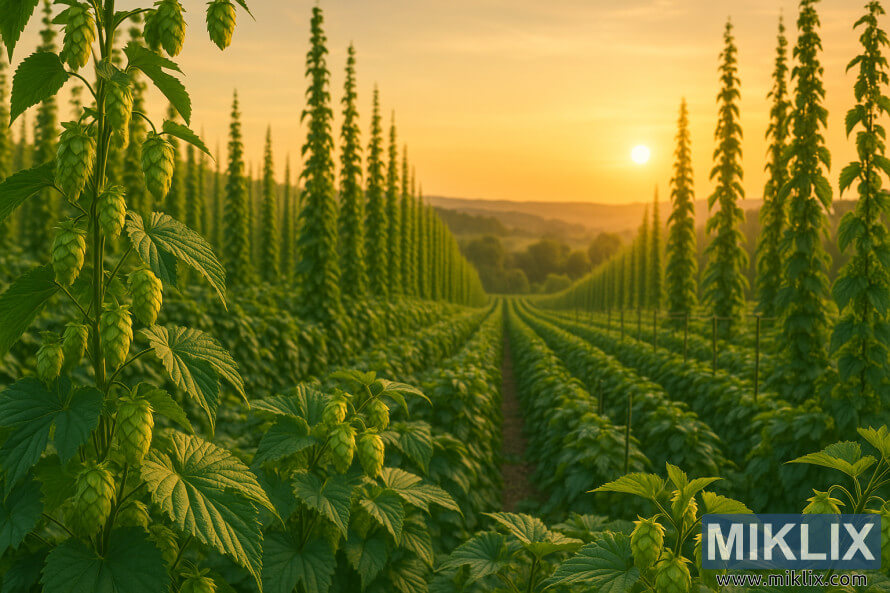
Click or tap the image for more information and higher resolutions.
Substitutes and Comparative Hops
When Olympic hops are scarce, brewers seek alternatives that replicate its bittering and aromatic profile. Chinook, Galena, Nugget, and Brewers Gold are often recommended. These hops offer the spice, resin, and citrus notes that Olympic provides, both in bittering and late additions.
Opt for Chinook if you're aiming for piney resin and bold citrus notes. It has a similar alpha acid range, providing a strong bittering backbone. Its aroma is characterized by bright grapefruit and pine, making it ideal for ales that need a bold hop presence.
Galena is a good choice for clean, high-alpha bittering and leathery fruit tones. It excels in recipes where bittering efficiency is key, with a compact spice character that holds up well during boil additions. Use it to replace Olympic in recipes focused on strength and structure.
Nugget is suitable for those who want classic bittering power with subtle herbal and floral aromatics. It's a dependable bittering hop with a restrained aroma that won't overpower malt. It's perfect for recipes that used Olympic mainly for IBUs, not for aroma.
Match substitutions to your recipe's intent. For forward aroma, choose Chinook or Brewers Gold. For pure bittering, Nugget or Galena are better. Adjust rates based on alpha acid differences and taste at multiple stages to maintain balance.
- Assess alpha acid and adjust by IBU calculations.
- Smash aroma samples in a glass to judge resin, spice, and citrus tones.
- Blend two substitutes when a single hop can't mimic Olympic's complexity.
Availability, Forms, and Purchasing Olympic Hops
Olympic hop availability changes with harvest year, supplier stock, and market demand. Retailers like independent hop shops and major sellers offer Olympic in whole-cone or pellet formats. Brewers should verify inventory dates and lot numbers before placing an order.
Most Olympic hop suppliers provide national shipping in the United States. Stockists vary by region, which can affect pricing and lead times. Small breweries might find better deals with a local wholesaler. Online marketplaces sometimes have incomplete entries, so direct contact with suppliers is key for confirming quantity and price.
Pellet and whole-cone forms are the most common. Pellet hops are ideal for efficient storage and dosing. Whole cones, on the other hand, are preferred by those who value traditional hop handling and aroma preservation. Currently, no commercial lupulin Olympic products are available from Yakima Chief Hops, BarthHaas, or Hopsteiner, meaning lupulin Olympic in Cryo or Lupomax styles is not widely available.
- Verify harvest year and alpha values before purchasing Olympic hops to ensure they meet your formulation needs.
- Inquire about minimum order quantities and shipping windows from Olympic hop suppliers to avoid delays.
- Consider storage plans: pellets often ship vacuum-sealed and frozen for optimal shelf life.
Brewers planning large batches should reach out to wholesale distributors or hop unions that listed Olympic during its commercial runs. Hobbyists can find small orders at retail stockists and major commerce platforms. Keeping records of supplier batch numbers helps track flavor consistency across brew sessions.
Technical Data and Storage Guidance for Olympic Hops
Olympic hop technical data reveals alpha acids ranging from 10.6–13.8%, averaging 12.2%. Beta acids span from 3.8–6.1%, and co-humulone is approximately 31%. These values are critical for brewers aiming to calculate IBUs and set bittering targets for both ales and lagers.
Olympic total oil data typically ranges from 0.86 to 2.55 mL per 100 g, averaging about 1.7 mL. Myrcene dominates the oil composition, making up 45–55%. Humulene and caryophyllene follow, with minor farnesene under 1%.
Lab reports suggest myrcene is around 40–50%, humulene is 11–12%, and caryophyllene is 9–12%. Farnesene remains under 1%. These figures are essential for planning late additions or dry hopping to enhance floral and resinous notes.
For optimal storage, Olympic hops need cool, low-oxygen environments. Vacuum-sealing and freezing are common methods to preserve aroma and reduce degradation. Quality-focused breweries store hops in an industrial freezer or cold room at -18°C (0°F) in nitrogen-flushed foil bags.
Hop alpha retention for Olympic hops is sensitive to warm storage conditions. Tests show about 60% retention after six months at 20°C (68°F). This decline impacts IBU calculations, necessitating increased bittering additions if hops have aged improperly.
- Keep vacuum-sealed packs cold and dark to protect volatile oils.
- Label with harvest and pack dates to track hop alpha retention over time.
- Use fresher hops for late boil and dry hop work where Olympic total oil data drives flavor.
When purchasing, request recent certificates of analysis from suppliers. These documents should detail alpha, beta, and oil figures. Utilizing Olympic hop technical data and proper storage practices ensures consistent aroma delivery and bitterness stability.
Practical Recipe Ideas and Formulation Tips
Olympic is ideal for primary bittering due to its mid-to-high alpha acids. For a classic American Pale Ale, aim for 30–45 IBUs from Olympic in the 60-minute addition. Add a modest late whirlpool dose to enhance citrus and spice from the hop oils.
When formulating with Olympic, consider its co-humulone share near 31 percent. This affects perceived bitterness. Adjust hop amounts or blend with lower co-humulone hops like Chinook or Nugget for a softer bitterness in Olympic hop formulation.
In darker beers, use Olympic for backbone, not big aroma. A stout or dark ale benefits from Olympic’s resinous spice when added early. A 5–10 minute late addition adds subtle citrus without overpowering roast malt notes.
For lagers and clean ales, keep additions simple. American Lager or clean American Ale styles can use Olympic for bittering and a restrained late dose. This approach showcases bitterness clarity without heavy top-note aroma.
Dry hop with Olympic for a mild, savory twist. For pronounced citrus, blend Olympic with modern aroma hops like Citra or Amarillo in a 2:1 aromatic-to-Olympic ratio. This preserves Olympic’s bittering role while adding fresh citrus in the finish.
Here are quick recipe prompts:
- American Pale Ale: 60-min Olympic bittering, 10-min whirlpool Olympic, dry hop with Olympic plus Citra for 3–5 days.
- American Lager: single 60-min Olympic bittering addition, light late dose only if needed for balance.
- Stout/Dark Ale: Olympic at 60 minutes for bitterness, small 5-min addition for spice character.
When substituting for Olympic, match alpha acids and adjust for bitterness. Galena or Brewers Gold offer similar bittering power but different oil profiles. Recalculate IBUs to keep bitterness and flavor consistent.
Keep hop storage fresh and measure oil-rich additions carefully. Olympic’s total oil content favors mid-hop additions for aroma. For recipes focused on bittering, rely on early additions and plan Olympic hop recipes around its strengths.
Conclusion
Olympic hops stand out as a dependable U.S. dual-purpose hop, tracing back to Brewer’s Gold, Fuggle, and East Kent Golding. Introduced in the 1980s, they were prized for their solid bittering and a subtle citrus-spice aroma. Their alpha and oil ranges allow brewers to accurately calculate IBUs, while late additions preserve the aromatic nuances.
For American ales and darker beers, Olympic hops are ideal for bittering. They also shine in late kettle or dry-hop additions, elevating citrus and spice notes. Agronomically, they offer good yields and moderate disease resistance. Suppliers provide whole-cone and pellet forms, with no lupulin powder available. Vacuum packaging and cold storage are essential for maintaining alpha acids and essential oils.
In recipe design, Olympic hops excel in balanced ales, brown ales, and certain stouts. They add a restrained citrus-spice lift. When Olympic is scarce, alternatives like Chinook, Galena, Nugget, or Brewer’s Gold can replicate its profile. This summary and care tips empower brewers to make informed decisions about bittering, aroma timing, and storage, maximizing the versatility of this hop.
Further Reading
If you enjoyed this post, you may also like these suggestions: