
How to Grow Turnips: Your Complete Growing Guide
Published: April 19, 2026 at 9:36:50 PM UTC
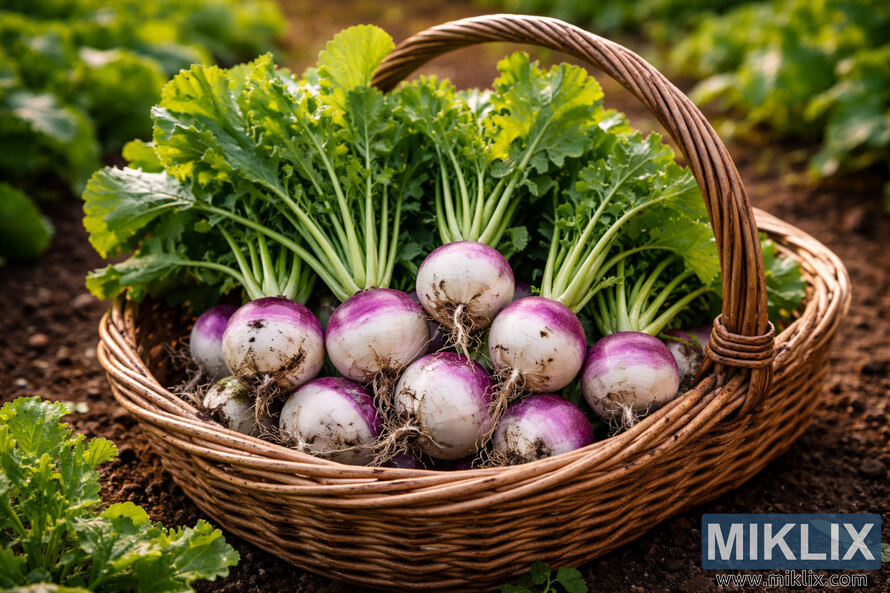
Turnips are one of the easiest root vegetables to grow in your home garden. These versatile vegetables thrive in cool weather and reward you with both edible roots and nutritious greens. Whether you have a large backyard or a small container garden, turnips adapt well to different growing spaces.
Click or tap the image for more information and higher resolutions.
This fast-growing root vegetable reaches harvest size in just 40 to 60 days. That makes turnips perfect for beginner gardeners who want quick results. You can enjoy fresh turnips in fall and winter when many other vegetables struggle.
Growing your own turnips means you control what goes into your soil. You avoid pesticides and get the freshest possible vegetables for your table. Plus, homegrown turnips taste sweeter and more flavorful than store-bought varieties.
What Are Turnips and Why Grow Them
Turnips belong to the cabbage family alongside kale and other root vegetables. The turnip root grows underground while green leafy tops emerge above soil. Both parts are completely edible and nutritious.
These root vegetables have been cultivated for thousands of years. They originated in Europe and Asia before spreading worldwide. Today, gardeners grow turnips for their mild, slightly sweet flavor.
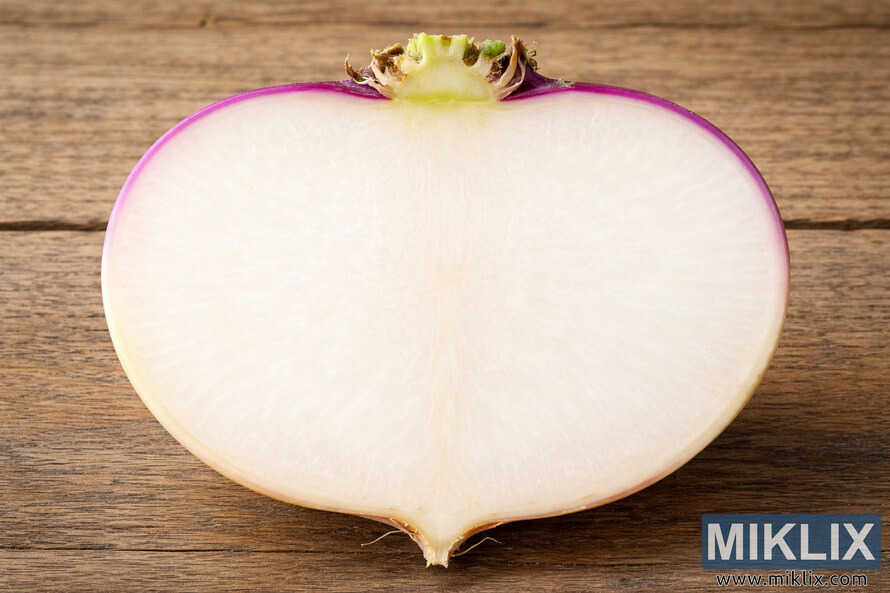
Turnip roots come in various shapes and colors. Most common varieties feature white flesh with purple shoulders. Some types grow completely white, while others show yellow or red coloring.
Quick Fact: Baby turnips harvested young taste sweeter and more tender than mature roots. You can harvest turnips at any size from golf ball to softball diameter.
The greens provide more vitamins than the root itself. These leafy tops taste similar to cabbage or mustard greens. Many gardeners grow turnips specifically for the nutritious greens.
Turnips work well as a side dish when roasted or mashed like potatoes. They absorb flavors from olive oil, garlic, salt and pepper beautifully. Try adding roasted turnips to your fall and winter meal rotation.
Click or tap the image for more information and higher resolutions.
Best Growing Conditions for Turnips
Soil Requirements
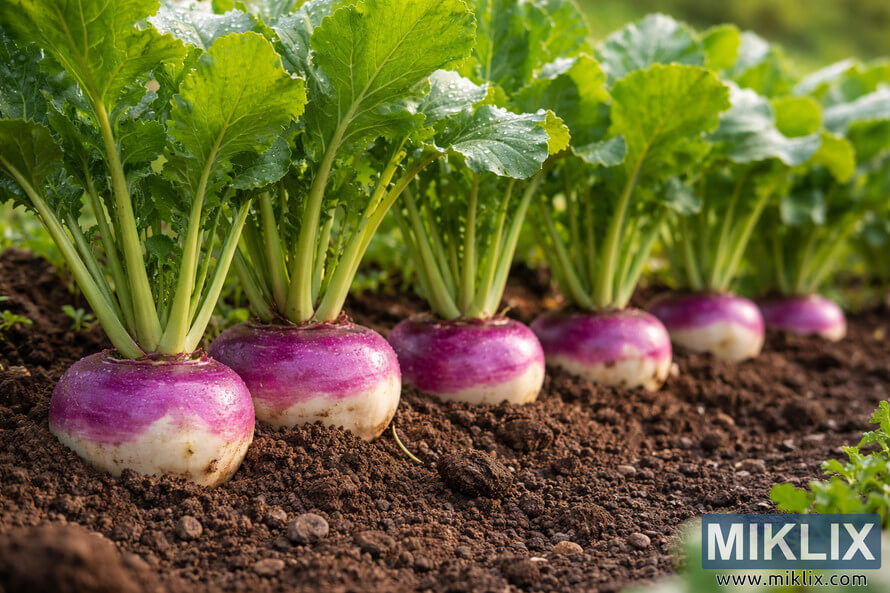
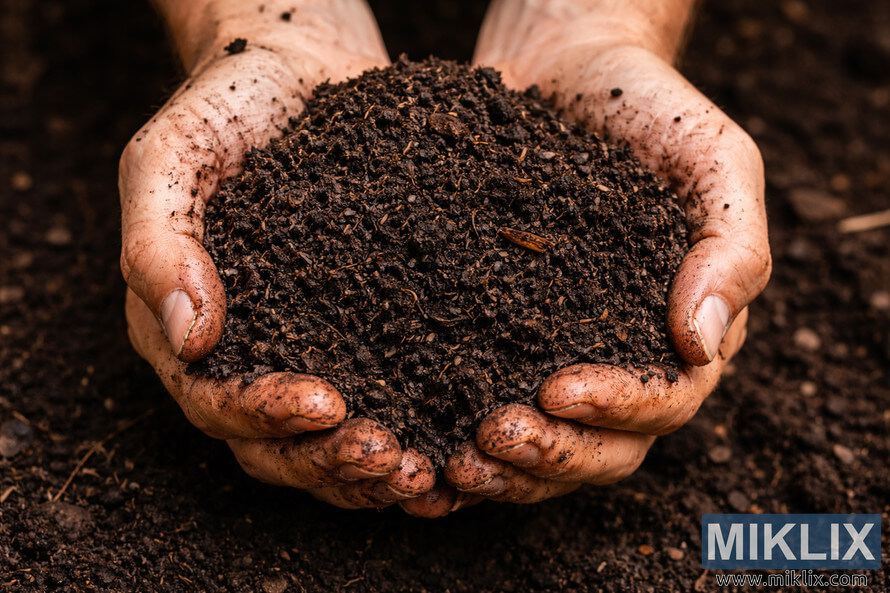
Turnips prefer loose, well-draining soil for best root development. Heavy clay soil restricts root growth and produces misshapen turnips. Work organic matter into your soil before planting to improve texture.
The ideal soil pH ranges from 6.0 to 7.0 for turnips. Slightly acidic to neutral soil allows plants to absorb nutrients efficiently. Test your soil pH and adjust with lime if needed.
Root vegetables need soil free of rocks and debris. These obstructions cause roots to fork or twist as they grow. Remove stones and break up soil clumps before sowing turnip seeds.
Click or tap the image for more information and higher resolutions.
Good Soil Amendments
- Compost adds nutrients and improves drainage
- Aged manure enriches soil without burning plants
- Peat moss lightens heavy clay soil
- Sand increases drainage in compact soil
Click or tap the image for more information and higher resolutions.
Sunlight Needs
Turnips grow best in full sun locations receiving six hours of direct light daily. Adequate sunlight produces sweeter roots with better flavor. However, turnips tolerate partial shade better than many vegetables.
In hot climates, afternoon shade helps prevent bolting. Bolting occurs when plants flower prematurely due to heat stress. Provide some shade during the hottest part of the day in summer plantings.
Climate and Temperature
Cool weather brings out the best flavor in turnips. These vegetables taste sweetest when grown in temperatures between 50 and 65 degrees Fahrenheit. Hot weather makes roots woody and bitter.
Plant turnips in early spring or late summer for fall harvest. Spring plantings should go in the ground four weeks before your last frost date. Fall crops should mature before the first hard freeze.
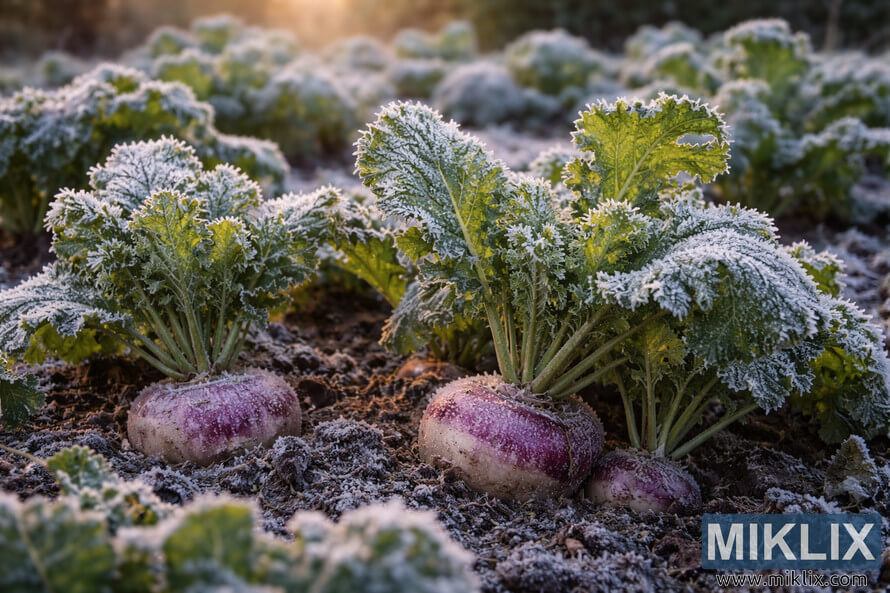
Light frosts actually improve turnip flavor by converting starches to sugars. The roots survive temperatures down to 20 degrees Fahrenheit. This cold hardiness extends your growing season into winter in mild climates.
Click or tap the image for more information and higher resolutions.
How to Plant Turnips
When to Plant
Timing matters significantly for turnip success. Spring plantings should begin as soon as you can work the soil. The ground needs to thaw and dry enough to cultivate without forming clumps.
Count backward from your first expected fall frost for autumn planting. Turnips need 40 to 60 days to reach harvest size depending on the variety. Plant 8 to 10 weeks before your first frost date.
You can succession plant turnips every two weeks throughout the growing season. This strategy provides a continuous harvest rather than one large crop. Stop planting when daytime temperatures consistently exceed 75 degrees Fahrenheit.
Click or tap the image for more information and higher resolutions.
Seed Spacing and Depth
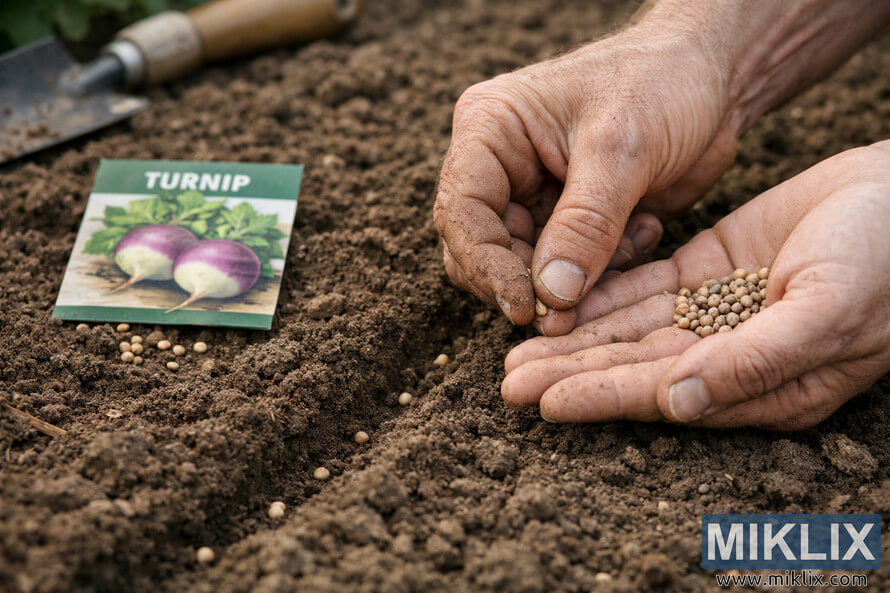
Sow turnip seeds directly in the garden rather than starting transplants. These root vegetables dislike transplanting and grow quickly from seed. Direct seeding produces stronger plants with better root development.
Plant seeds one-half inch deep in loose soil. Cover lightly and water gently. Seeds germinate in 7 to 14 days when soil temperatures reach 45 degrees Fahrenheit or above.
Space seeds about 1 inch apart in rows. Rows should be 12 to 18 inches apart to allow room for mature plants. You will thin seedlings later as they grow.
Pro Tip: Mix turnip seeds with radish seeds when planting. Fast-growing radishes mark the row and break up soil crust, helping turnip seedlings emerge more easily.
Thinning Seedlings
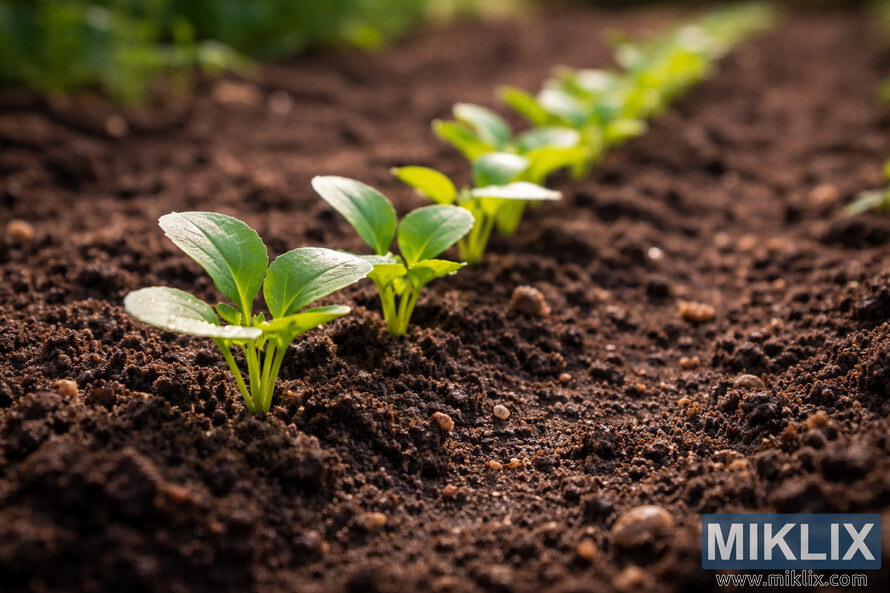
Thin turnip seedlings when they reach 3 inches tall. Remove weaker seedlings to leave 4 to 6 inches between remaining plants. Proper spacing allows roots to develop to full size.
Use scissors to snip unwanted seedlings at soil level. Pulling seedlings disturbs roots of nearby plants. Save the thinned greens for salads or cooking.
Click or tap the image for more information and higher resolutions.
Recommended Turnip Seed Varieties
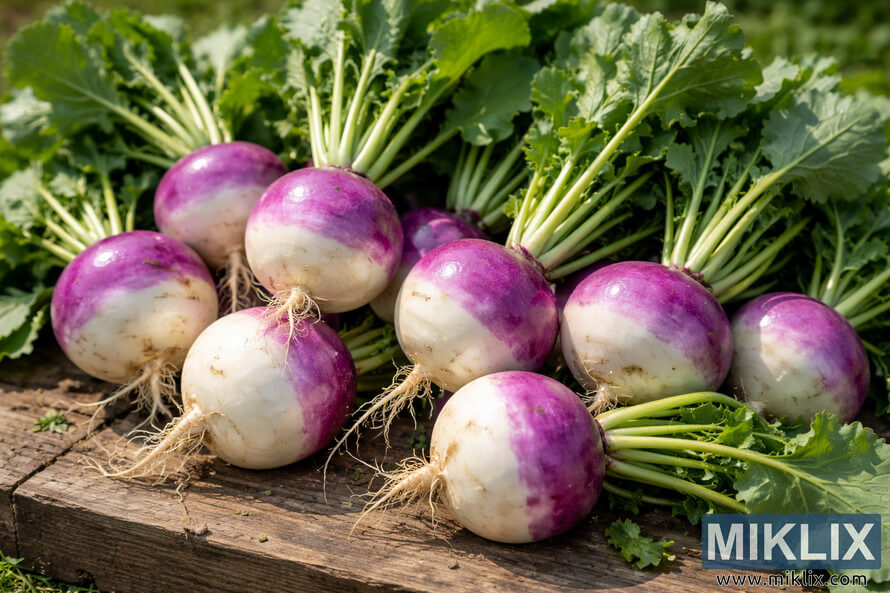
Purple Top White Globe
The most popular variety for good reason. This classic turnip matures in 55 days and produces uniform 3 to 4 inch roots. It tastes mild and sweet when harvested young.
Click or tap the image for more information and higher resolutions.
Tokyo Cross
A fast-growing Japanese variety ready in just 35 to 40 days. These pure white roots stay tender even when grown to larger sizes. Perfect for container gardening.
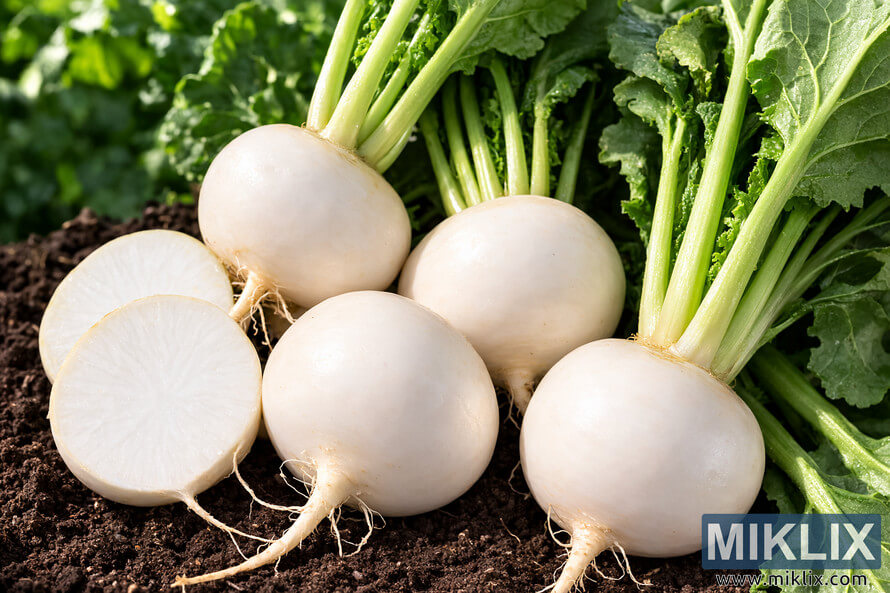
Click or tap the image for more information and higher resolutions.
Golden Ball
Yellow-fleshed turnips with exceptional flavor. This heirloom variety takes 60 days to mature and stores well through winter. The golden flesh stays firm when cooked.
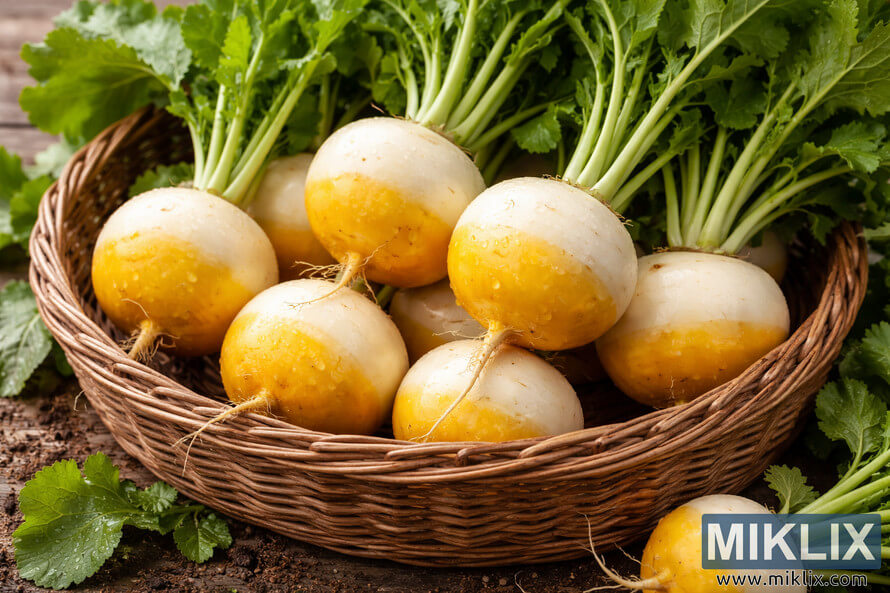
Click or tap the image for more information and higher resolutions.
Caring for Your Turnip Plants
Watering Requirements
Consistent moisture produces the best turnips. Water deeply once or twice per week rather than frequent shallow watering. Deep watering encourages roots to grow downward.
Turnips need about 1 inch of water per week from rain or irrigation. Use a rain gauge to monitor natural rainfall. Supplement with garden hose or drip irrigation during dry periods.
Uneven watering causes roots to crack or split. Maintain steady soil moisture throughout the growing season. Mulch around plants to conserve moisture and regulate soil temperature.
Watch Out: Hot, dry conditions cause turnips to become woody and bitter. Strong flavors develop when plants experience water stress. Keep soil consistently moist for mild, sweet roots.
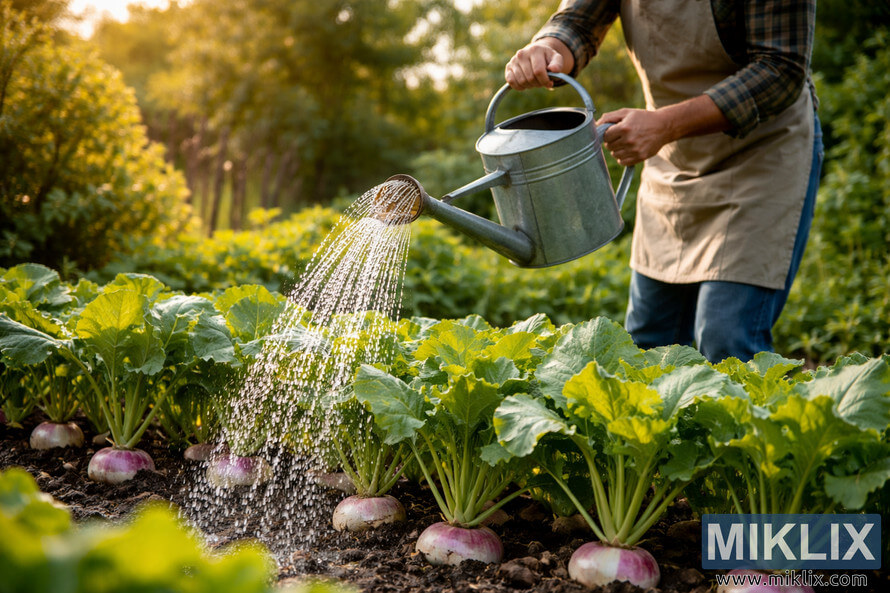
Click or tap the image for more information and higher resolutions.
Fertilizing Turnips
Turnips are light feeders compared to other vegetables. These root vegetables grow well in moderately fertile soil without heavy fertilization. Too much nitrogen produces excessive leaf growth at the expense of root development.
Work compost into soil before planting to provide baseline nutrition. This organic matter releases nutrients slowly throughout the growing season. One application of compost is often sufficient for the entire crop.
Side-dress plants with balanced fertilizer if growth seems slow. Apply fertilizer when seedlings are 4 inches tall. Scatter granules between rows and water in thoroughly.
Mulching
Apply 2 to 3 inches of organic mulch around turnip plants. Straw, shredded leaves, or grass clippings work well. Mulch suppresses weeds, retains moisture, and moderates soil temperature.
Keep mulch pulled back from plant stems to prevent rot. Leave a 2 inch circle of bare soil around each plant. This spacing allows air circulation and prevents disease problems.
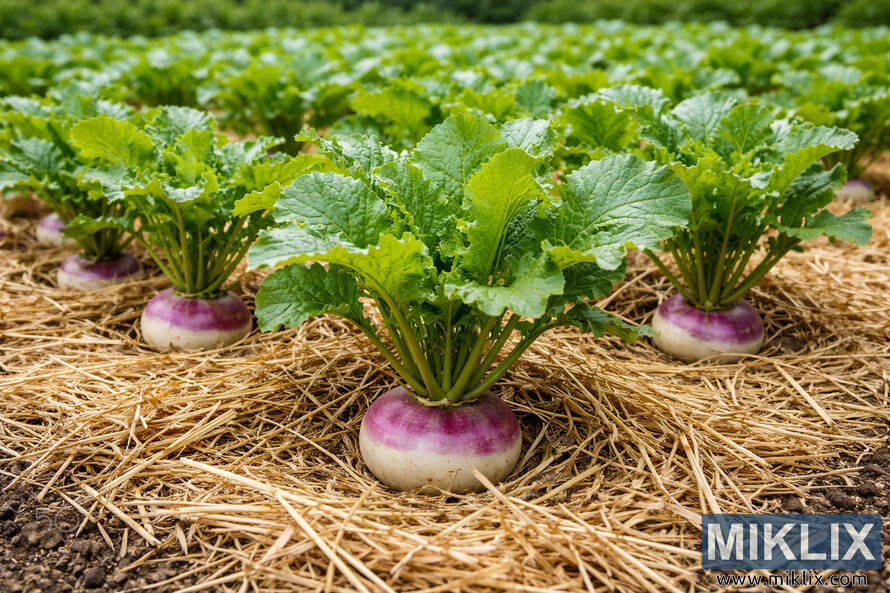
Click or tap the image for more information and higher resolutions.
Pest Management
Turnips face fewer pest problems than many vegetables. However, flea beetles sometimes chew small holes in leaves. These tiny black beetles jump when disturbed.
Row covers protect young plants from flea beetle damage. Lightweight fabric allows light and water through while excluding insects. Remove covers once plants are established and less vulnerable.
Aphids occasionally cluster on turnip greens. Spray infested plants with a strong stream of water to dislodge insects. Repeat every few days until the problem resolves.
Root maggots tunnel into turnip roots causing internal damage. These pests are most common in cool, wet springs. Delay planting until soil warms to reduce maggot problems.
Disease Prevention
Proper spacing and good air circulation prevent most disease issues. Crowded plants with poor airflow develop fungal problems more readily. Always thin seedlings to recommended spacing.
Crop rotation helps prevent soil-borne diseases. Avoid planting turnips or related cabbage family crops in the same location two years in succession. Wait three years before returning turnips to the same bed.
Remove and dispose of diseased plant material promptly. Do not compost infected plants as pathogens may survive. Bag and trash or burn diseased vegetation.
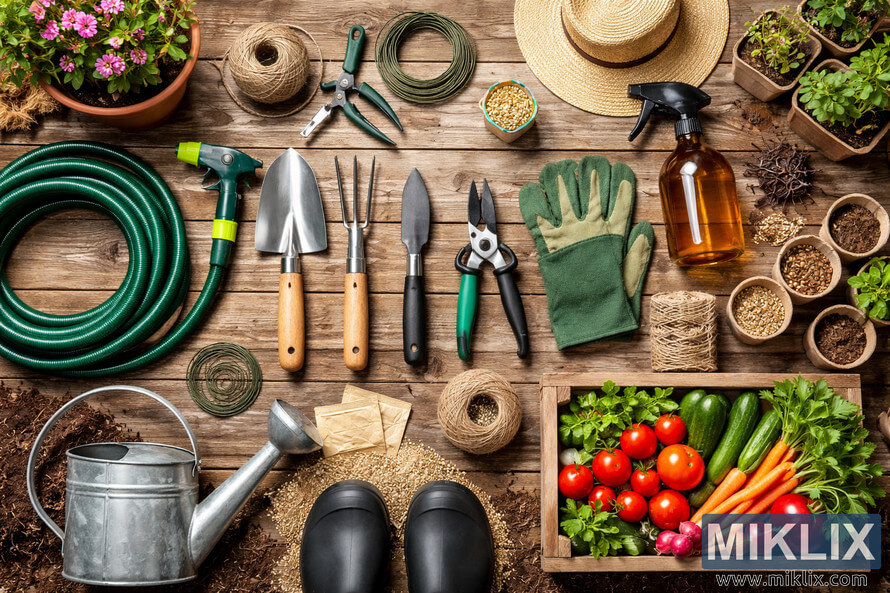
Essential Tools for Growing Turnips
The right tools make turnip growing easier and more successful. Here are the essentials every turnip gardener needs.
- Garden Fork: Loosens compacted soil without inverting layers. Essential for preparing planting beds.
- Hand Trowel: Makes precise seed furrows and helps with thinning seedlings. Choose one with measurement marks.
- Garden Hose with Adjustable Nozzle: Provides gentle watering for seeds and established plants. Adjustable spray prevents soil erosion.
- Soil Test Kit: Determines pH and nutrient levels. Takes the guesswork out of soil amendments.
- Row Covers: Protects young plants from pests and extends the growing season. Reusable for multiple crops.
Click or tap the image for more information and higher resolutions.
Quality Soil Amendments
Soil preparation determines your turnip harvest success. These amendments improve soil structure and fertility.
- Aged Compost: Adds organic matter and improves soil texture. Apply 2 to 3 inches before planting.
- Organic Fertilizer: Provides balanced nutrition for steady growth. Choose formulas with lower nitrogen ratios.
- Lime: Raises soil pH if testing shows acidic conditions. Apply according to soil test recommendations.
- Mulch Material: Conserves moisture and suppresses weeds. Straw or shredded leaves work perfectly.
When and How to Harvest Turnips
Determining Harvest Time
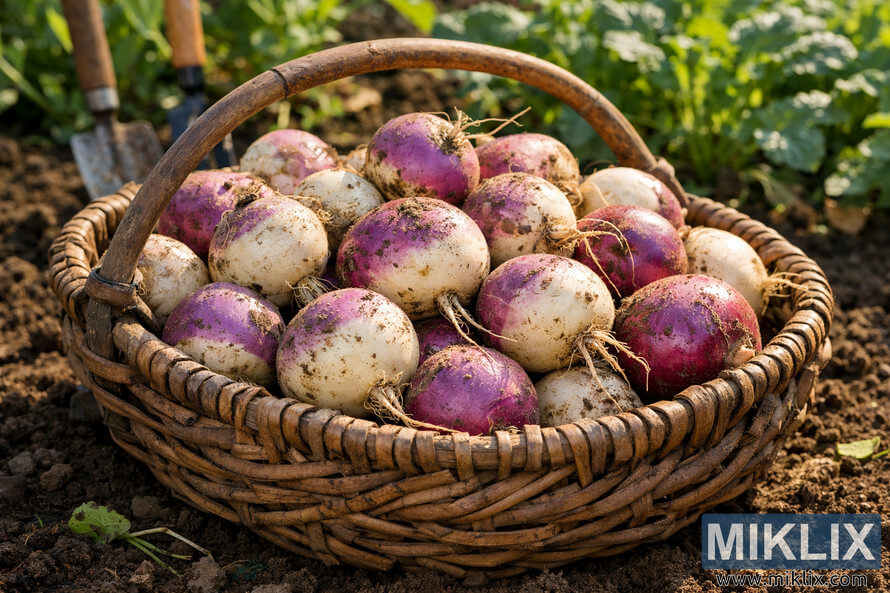
Turnips reach harvest size 40 to 60 days after planting depending on variety. Baby turnips can be pulled at 30 days for tender, mild roots. Most gardeners harvest when roots measure 2 to 3 inches in diameter.
Check root size by gently brushing soil away from the top. The purple or white crown visible above ground indicates approximate size. Pull one test turnip to check development before harvesting the entire row.
Young turnips taste sweeter and more tender than oversized roots. Roots left in the ground too long become woody and bitter. Harvest promptly when turnips reach desired size.
Click or tap the image for more information and higher resolutions.
Harvesting Technique
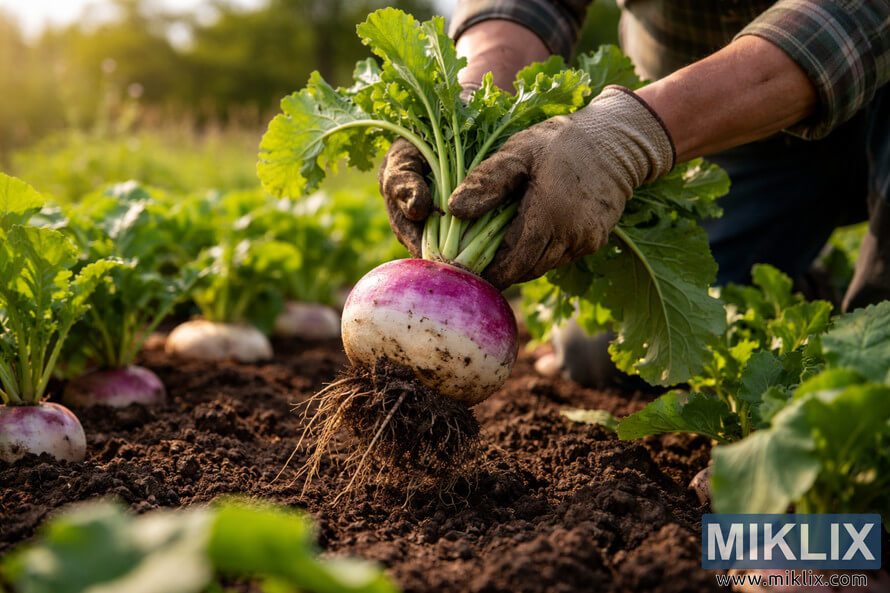
Loosen soil around turnips with a garden fork before pulling. Insert the fork 4 inches from the plant and lift gently. Loosened soil allows roots to slide out without breaking.
Grasp the greens near the crown and pull upward with steady pressure. Twist slightly if the root resists. Avoid yanking, which may break the root and leave the bottom portion in the ground.
Cut or twist greens off immediately after harvest. Leave about 1 inch of stem attached to the root. Remove excess soil by gently brushing. Do not wash turnips intended for storage.
Click or tap the image for more information and higher resolutions.
Harvesting Turnip Greens
Harvest turnip greens anytime during the growing season. Young, tender leaves taste best in salads and cooking. Pick outer leaves while allowing the center to continue growing.
Leave at least four leaves on each plant when harvesting greens. This foliage feeds the root and allows continued growth. Overharvesting greens reduces root development and final size.
Greens taste best before hot weather arrives. High temperatures make leaves tough and strong-flavored. Harvest greens in morning when leaves are crisp and full of moisture.
Storing and Using Your Turnip Harvest
Storage Methods
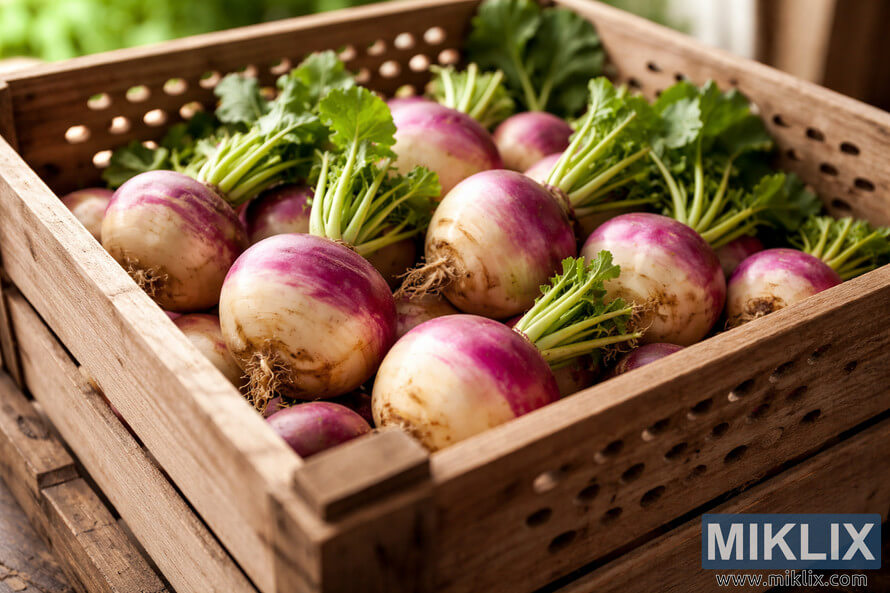
Fresh turnips store for several weeks under proper conditions. Keep unwashed roots in perforated plastic bags in the refrigerator crisper drawer. Plastic bags retain moisture while holes allow air circulation.
Remove all greens before storage as they pull moisture from roots. Store greens separately in plastic bags for up to one week. Wash greens just before using to maintain freshness.
For long-term storage, layer turnips in damp sand in a cool cellar. Maintain temperatures between 32 and 40 degrees Fahrenheit with high humidity. Properly stored turnips last three to four months.
Turnips freeze well for winter use. Peel and cube roots, then blanch in boiling water for two minutes. Cool quickly in ice water, drain thoroughly, and freeze in sealed containers.
Click or tap the image for more information and higher resolutions.
Cooking Ideas
Roasted turnips develop sweet, caramelized flavor. Cut roots into 1-inch pieces, toss with olive oil, salt and pepper. Spread on a baking sheet and roast at 425 degrees until tender and golden brown.
Mash turnips like potatoes for a healthy side dish. Boil peeled turnips until tender, then mash with butter and cream. Season with garlic powder, salt and pepper to taste.
Roasted Turnips Recipe
This simple recipe brings out the natural sweetness of turnips. Golden brown edges add delicious caramelized flavor.
- Cut turnips into 1-inch pieces
- Toss with olive oil and seasonings
- Roast 25 minutes until tender
- Serve hot as a side dish
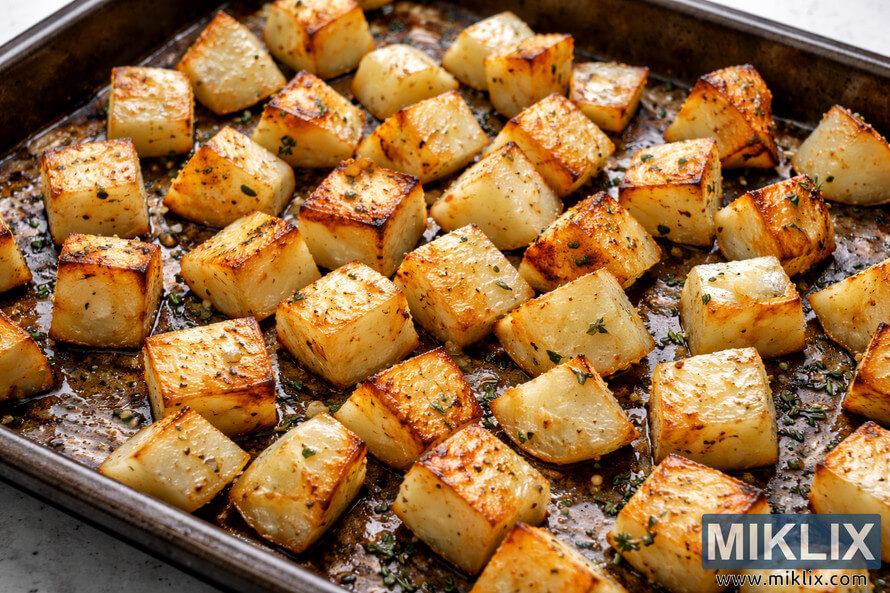
Click or tap the image for more information and higher resolutions.
Turnip Green Soup
Nutritious turnip greens make excellent soup. This recipe uses the entire vegetable from root to leaf.
- Sauté garlic in olive oil
- Add chopped turnips and greens
- Simmer in vegetable broth
- Season with salt and pepper
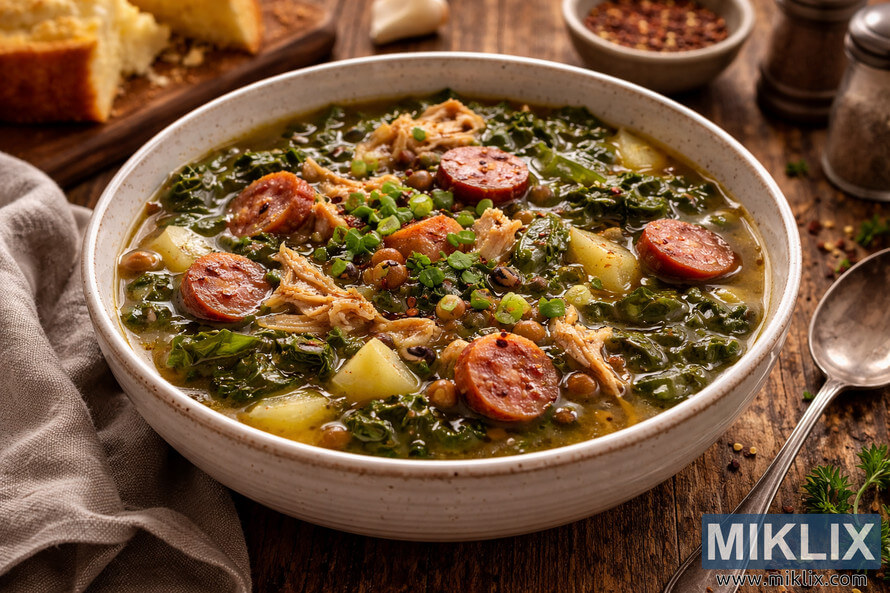
Click or tap the image for more information and higher resolutions.
Raw Turnip Salad
Young turnips taste crisp and refreshing raw. Shred them for a crunchy fall salad.
- Peel and shred young turnips
- Mix with cabbage and kale
- Dress with lemon and oil
- Add salt to taste
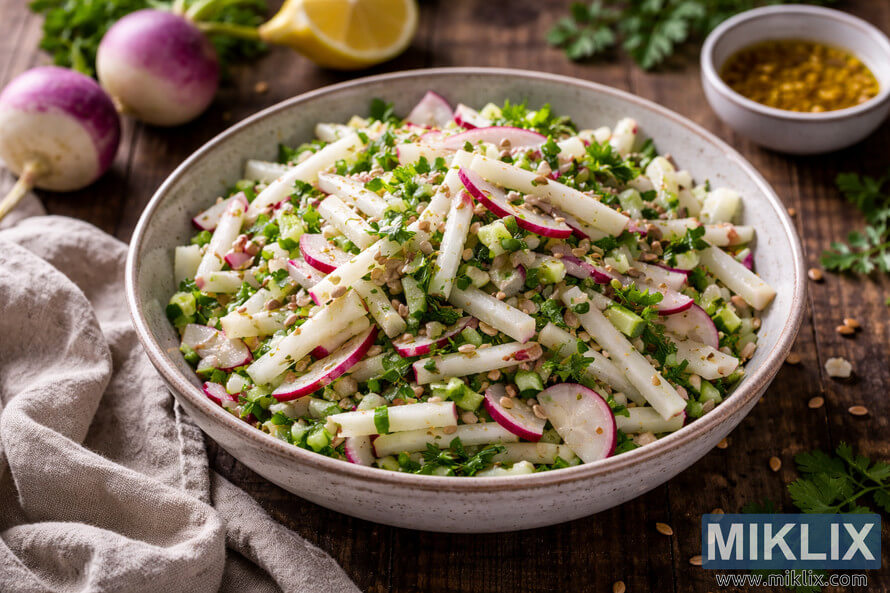
Click or tap the image for more information and higher resolutions.
Turnip Potato Mash
Combine turnips with potatoes for lower-carb comfort food. This healthy side dish satisfies cravings.
- Boil turnips and potatoes together
- Mash with butter until smooth
- Season with garlic powder
- Serve as a side dish
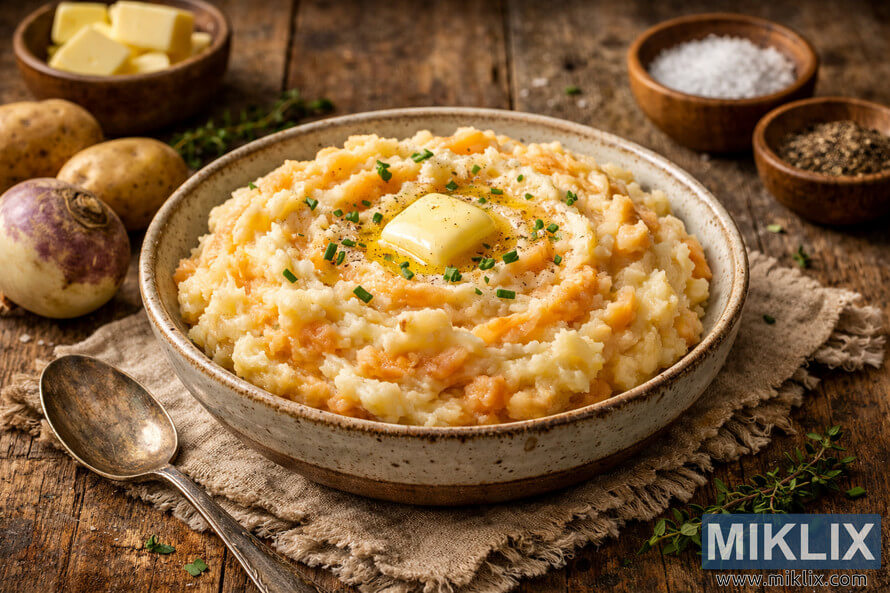
Click or tap the image for more information and higher resolutions.
Add turnips to soups and stews during fall and winter meal preparation. They absorb flavors beautifully and add nutrition to any recipe. Cubed turnips cook in about 15 to 20 minutes in simmering liquid.
Try turnip greens like any leafy green vegetable. Sauté with garlic and olive oil, add to soups, or include in stir-fry recipes. Young greens work well raw in salads too.
Troubleshooting Common Turnip Problems
Small or Stunted Roots
Several factors cause turnips to remain small. Overcrowding from inadequate thinning restricts root development. Plants compete for nutrients and water when spaced too closely.
Poor soil quality also limits growth. Compacted, rocky, or nutrient-poor soil prevents proper root formation. Improve soil before planting next season with compost and thorough cultivation.
Hot weather during the growing season stunts turnip growth. High temperatures cause plants to bolt instead of forming roots. Time plantings for cool weather in spring or fall.
Woody or Bitter Flavor
Oversized, old roots taste woody and bitter. Harvest turnips promptly when they reach 2 to 3 inches in diameter. Roots left in the ground too long lose their sweet, mild flavor.
Water stress during growth produces strong-flavored turnips. Inconsistent moisture causes bitter compounds to develop in roots. Maintain even soil moisture throughout the growing season.
Hot weather intensifies bitter flavors in turnips. These cool-season root vegetables need temperatures below 75 degrees for best flavor. Plant in spring or fall when weather stays cool.
Signs of Healthy Turnips
- Uniform root shape and size
- Bright green, vigorous foliage
- Smooth skin without cracks
- Mild, sweet flavor when harvested young
- Firm texture throughout the root
Problem Indicators
- Yellow, wilted leaves indicate disease or pests
- Cracked or split roots from uneven watering
- Woody texture means roots are overmature
- Strong, bitter flavor from heat stress
- Forked or twisted roots from rocky soil
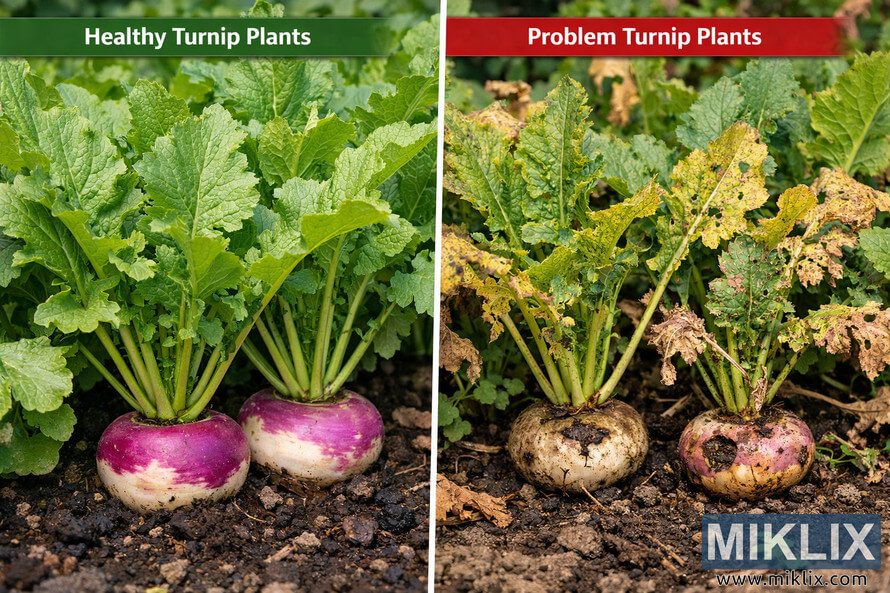
Click or tap the image for more information and higher resolutions.
Bolting Plants
Bolting occurs when turnips send up flower stalks prematurely. Heat stress triggers this response as plants try to produce seed. Once turnips bolt, the roots become inedible.
Plant turnips at the right time to avoid bolting. Spring crops should mature before hot weather arrives. Fall plantings should go in late enough to avoid summer heat.
Choose bolt-resistant varieties in areas with unpredictable spring weather. Some turnip varieties tolerate temperature fluctuations better than others. Check seed descriptions for bolt resistance.
Root Damage
Broken or forked roots result from obstacles in the soil. Remove rocks, roots, and debris before planting. Work soil deeply to create a loose, obstacle-free growing environment.
Root maggots tunnel into turnips causing internal damage. Affected roots have brown trails and soft spots. Rotate crops and delay spring planting until soil warms to reduce maggot problems.
Cracking happens when roots grow rapidly after drought conditions. Maintain consistent soil moisture to prevent splitting. Mulch helps regulate moisture levels throughout the season.
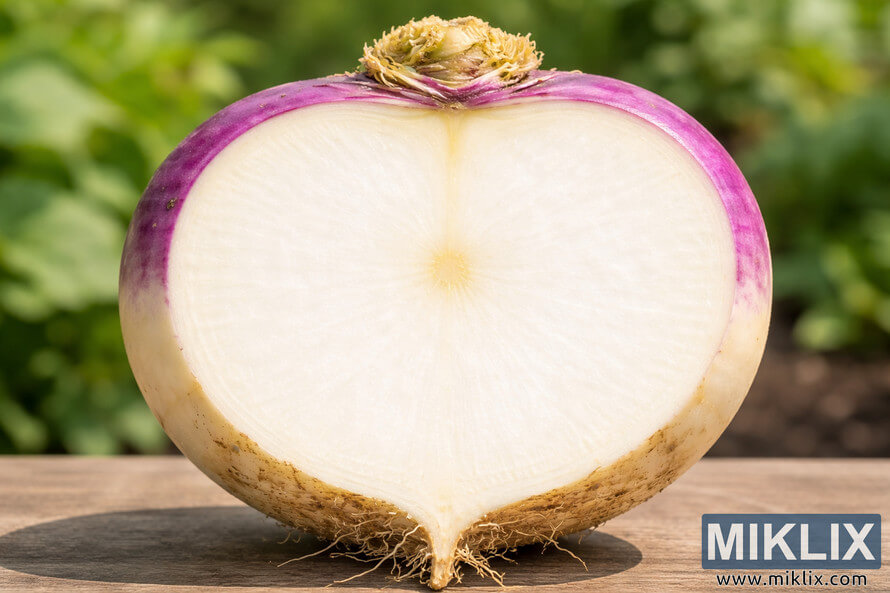
Click or tap the image for more information and higher resolutions.
Seasonal Growing Tips
Spring Planting
Start spring turnips as soon as soil can be worked. Plant four weeks before your last expected frost date. Early planting takes advantage of cool spring temperatures.
Spring plantings mature quickly in 40 to 55 days. Harvest before summer heat arrives for best flavor. Succession plant every two weeks for continuous harvest through late spring.
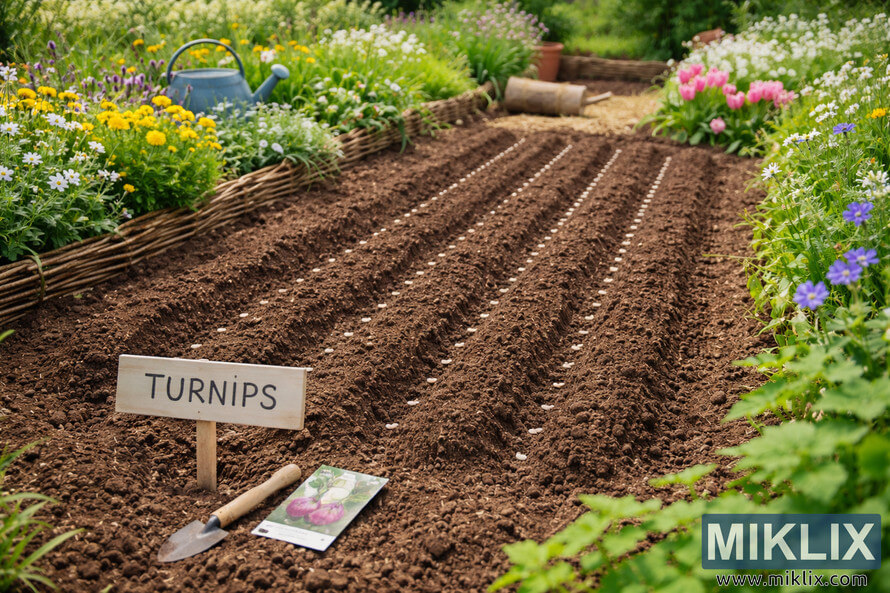
Click or tap the image for more information and higher resolutions.
Fall Planting
Fall turnips often taste sweeter than spring crops. Cool nights and light frosts convert starches to sugars in the roots. Plant 8 to 10 weeks before your first fall frost.
Fall crops can stay in the ground longer than spring plantings. Mulch heavily to protect roots from hard freezes. Harvest as needed throughout fall and early winter.
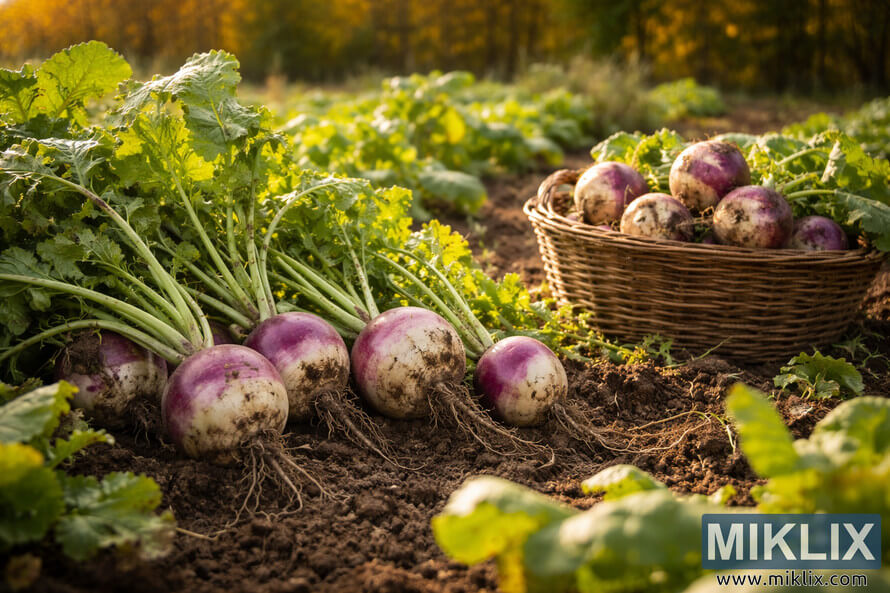
Click or tap the image for more information and higher resolutions.
Winter Storage Crops
Late fall plantings provide turnips for winter storage. These crops mature in October or November depending on your climate. Harvest before the ground freezes solid.
Storage varieties tend to be larger and more cold-hardy than quick-maturing types. Choose varieties specifically bred for storage. These roots maintain quality for months under proper conditions.
Growing Turnips in Containers
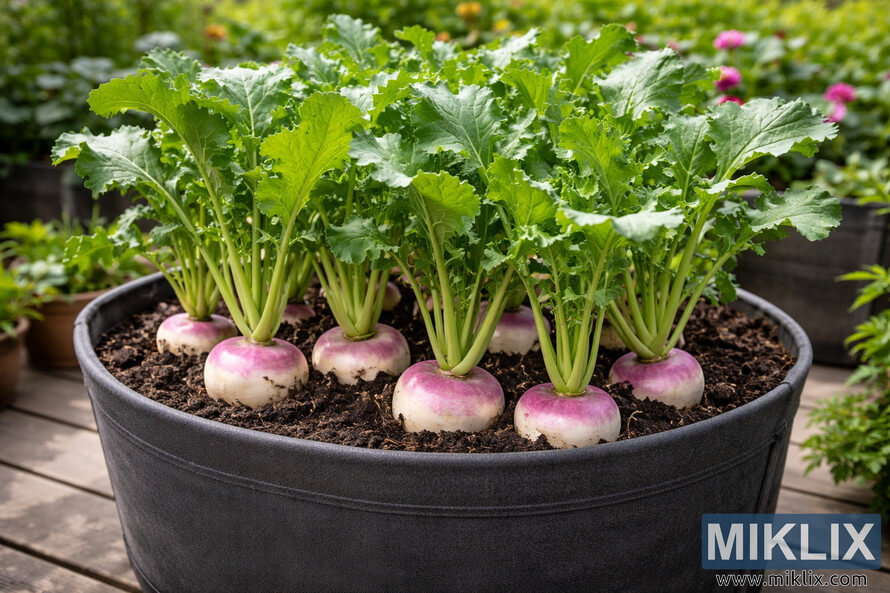
Turnips adapt well to container growing for gardeners with limited space. Choose containers at least 12 inches deep to accommodate root development. Wider pots allow growing multiple plants together.
Use quality potting mix rather than garden soil in containers. Potting mix provides good drainage and proper aeration for root growth. Add compost for nutrients and moisture retention.
Container turnips need more frequent watering than garden-grown plants. Containers dry out faster, especially in hot weather. Check soil moisture daily and water when the top inch feels dry.
Select compact varieties for container growing. Tokyo Cross and other small varieties work perfectly in pots. These types mature quickly and don't require deep root space.
Place containers where they receive at least 6 hours of sunlight daily. Move containers to shadier spots during hot summer weather. Afternoon shade prevents heat stress and bolting.
Click or tap the image for more information and higher resolutions.
Companion Plants for Turnips
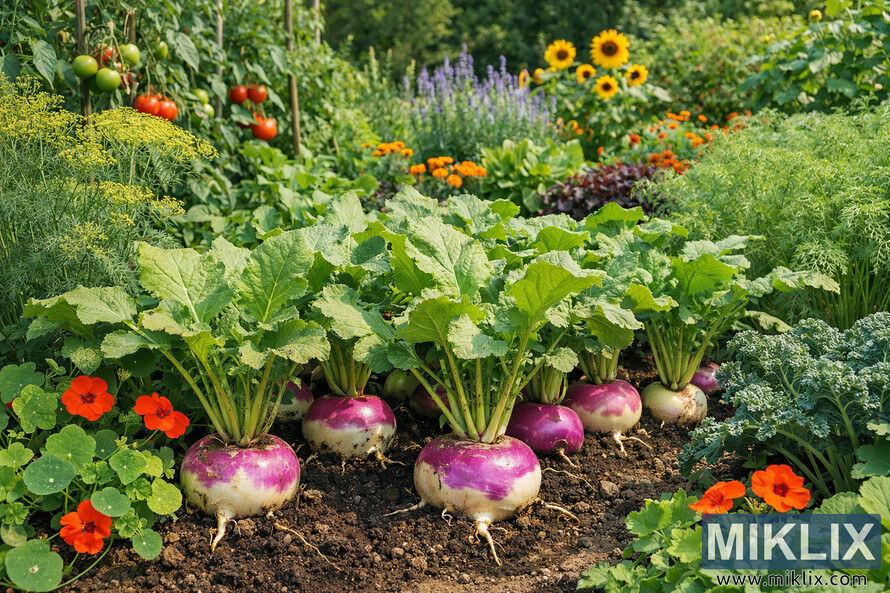
Companion planting helps turnips grow better and resist pests. Some plants benefit turnips while others should be kept separate. Strategic companion planting creates a healthier garden ecosystem.
Good Companions
- Peas add nitrogen to soil that turnips use
- Onions repel many common turnip pests
- Spinach grows well between turnip rows
- Lettuce utilizes space while turnips mature
- Radishes mark rows and break up soil
- Nasturtiums attract beneficial insects
Avoid Planting Near
- Potatoes compete for similar nutrients
- Other cabbage family plants share pests
- Kale attracts same insect problems
- Mustard greens cross-pollinate if flowering
- Kohlrabi needs identical growing conditions
- Brussels sprouts deplete similar nutrients
Rotate turnips with legumes in your garden plan. Peas and beans add nitrogen that following turnip crops utilize. This rotation reduces fertilizer needs and improves soil health.
Click or tap the image for more information and higher resolutions.
Frequently Asked Questions
How long does it take to grow turnips?
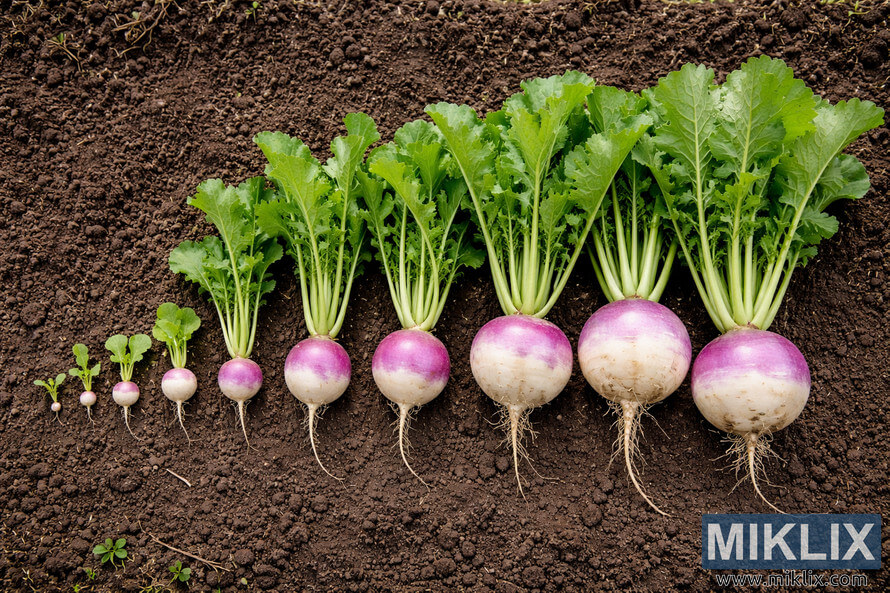
Most turnip varieties mature in 40 to 60 days from planting to harvest. Baby turnips can be pulled as early as 30 days for tender, mild roots. The exact time depends on variety, weather conditions, and desired root size. Quick-maturing varieties like Tokyo Cross reach harvest size in just 35 days.
Can I grow turnips in summer?
Turnips struggle in hot summer weather and often bolt or develop bitter flavor. These cool-season vegetables grow best in spring or fall when temperatures stay below 75 degrees Fahrenheit. In hot climates, wait until late summer for fall planting. Provide afternoon shade and consistent moisture if you must grow turnips during warm weather.
Why are my turnips not forming bulbs?
Several factors prevent bulb formation. Hot weather causes plants to bolt instead of forming roots. Overcrowding from inadequate thinning restricts development. Poor soil quality or compacted ground prevents proper root growth. Excessive nitrogen fertilizer promotes leaf growth at the expense of roots. Ensure cool temperatures, proper spacing, loose soil, and balanced nutrition for best results.
Do turnips need full sun?
Turnips grow best in full sun receiving at least 6 hours of direct light daily. However, they tolerate partial shade better than many vegetables. In hot climates, afternoon shade actually helps prevent bolting and improves flavor. Morning sun with afternoon shade works well in areas with high summer temperatures.
Can you eat turnip greens?
Yes, turnip greens are completely edible and highly nutritious. They contain more vitamins than the roots themselves. Young greens taste mild and work well in salads. Mature leaves have a stronger flavor similar to mustard greens or kale. Harvest outer leaves throughout the growing season while leaving the center to feed the developing root.
How do I know when turnips are ready to harvest?
Turnips are ready when roots reach 2 to 3 inches in diameter. Brush soil away from the top to check size. The purple or white crown visible above ground indicates approximate diameter. Pull one test turnip to verify development. Baby turnips can be harvested smaller for tender, sweet roots. Don't wait too long as oversized turnips become woody and bitter.
Click or tap the image for more information and higher resolutions.
Start Growing Your Own Turnips Today
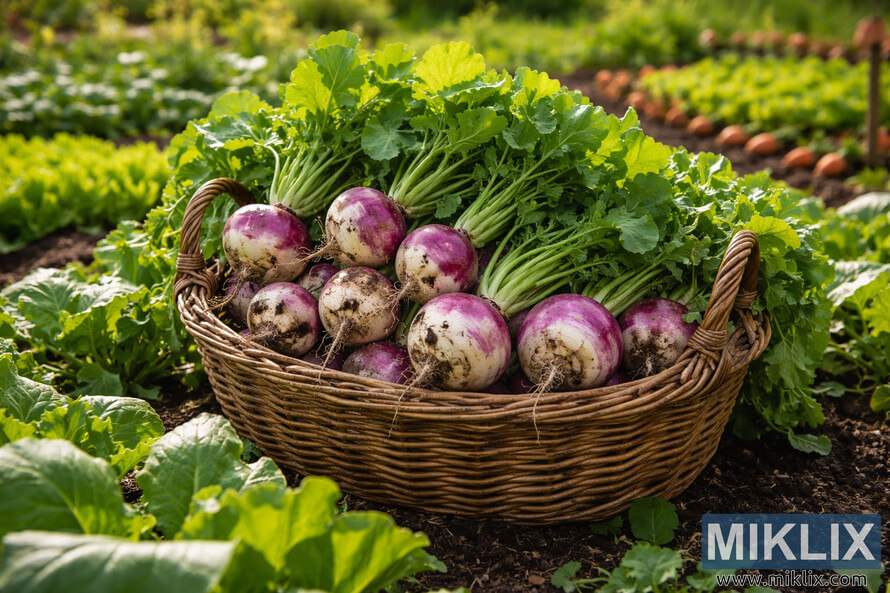
Growing turnips rewards you with fresh, nutritious vegetables throughout the cool season. These easy root vegetables adapt to various growing conditions and spaces. From large garden beds to small containers, turnips thrive with basic care.
Remember the key success factors for growing turnips. Plant at the right time in spring or fall for cool weather. Provide loose, well-draining soil rich in organic matter. Water consistently and thin seedlings to proper spacing. Harvest promptly when roots reach desired size.
Your homegrown turnips will taste sweeter and more flavorful than anything from the store. Fresh turnips transform simple recipes into delicious side dishes. Both the roots and greens provide nutritious additions to fall and winter meals.
Start small with one or two short rows if you're new to turnip growing. Gain experience and expand your plantings as you learn. Soon you'll enjoy abundant harvests of this underappreciated root vegetable throughout the cool season.
Click or tap the image for more information and higher resolutions.
Further Reading
If you enjoyed this post, you may also like these suggestions:
- A Guide to Growing the Best Aronia Berries in Your Garden
- Growing Watermelons: Your Complete Guide to Juicy, Homegrown Success
- A Complete Guide to Growing Rhubarb in Your Home Garden